材質相遇身體,日常感知的重新編排
Material Meets the Body: Reconsidering Everyday Perception — Villeroy & Boch
衛浴一直是住宅空間裡,能完整將時間留給自己和親近身體的地方;它不似起居、餐廳存在著任何社交互動,卻是面對真實、每天回歸自我最直接的私密領地。當水流啟動,滑落於陶瓷面盆的水珠,靈動般地來回滾動,接著浸溼的雙手和臉龐,身體便隨著溫度、水聲的白噪音和光線,在數秒內瞬間甦醒;這些細節在時間碎片化的當代,顯得何其珍貴。「當製造工藝達到極致精密時,衛浴設計該如何在時間、材料等多維度方面與身體契合?」這個值得深思的追問,正是擁有百年皇室工藝傳承的 Villeroy & Boch 於此次 2026 年米蘭週上深入探討的核心,集團與 Ideal Standard 以設計連續體(Design Continuum)為題,透過品項材質和形式邀請參與者對議題的反思:當代衛浴設計,反而需要展現與接納什麼?讓使用者於私密領地的感知不再抽象。
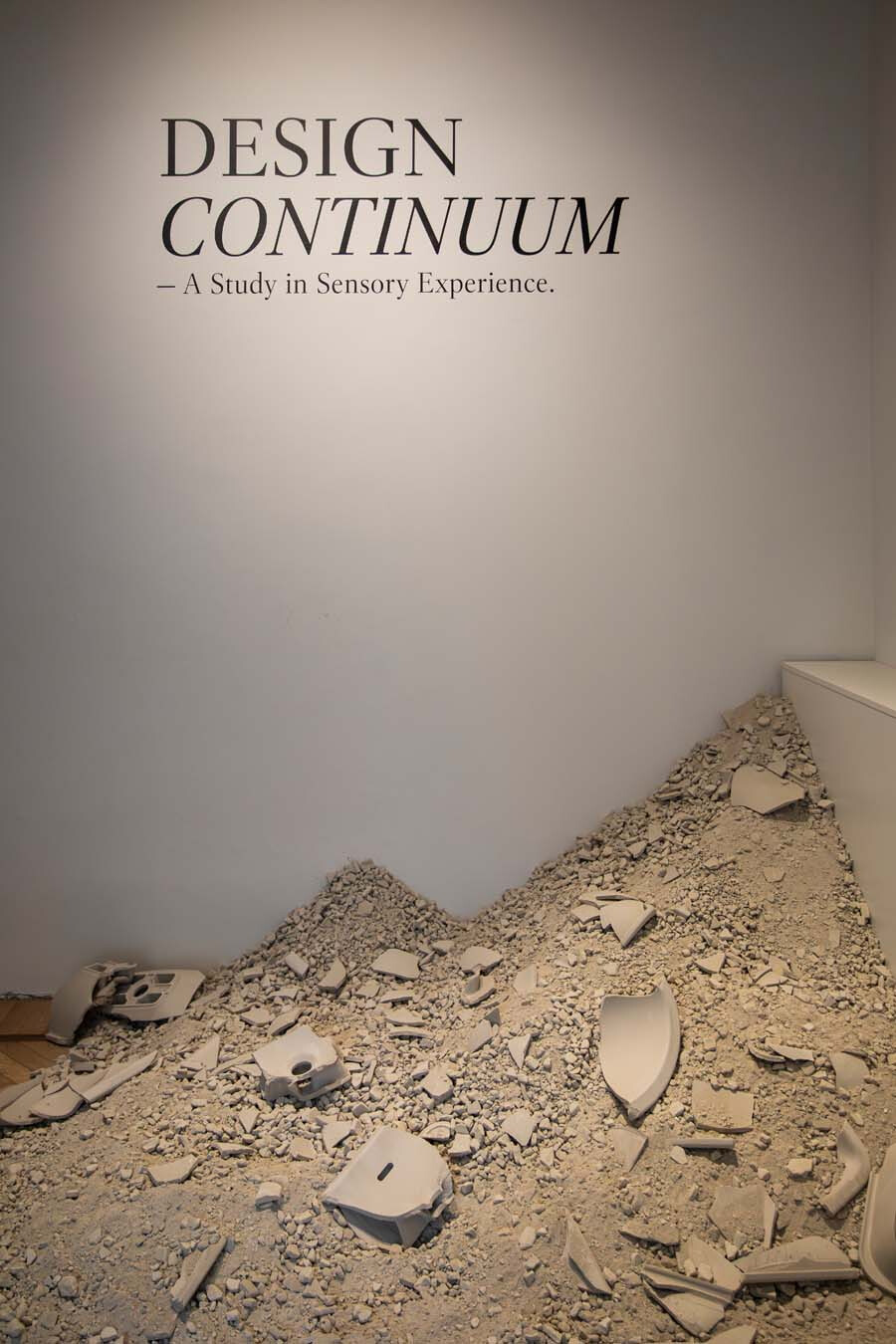
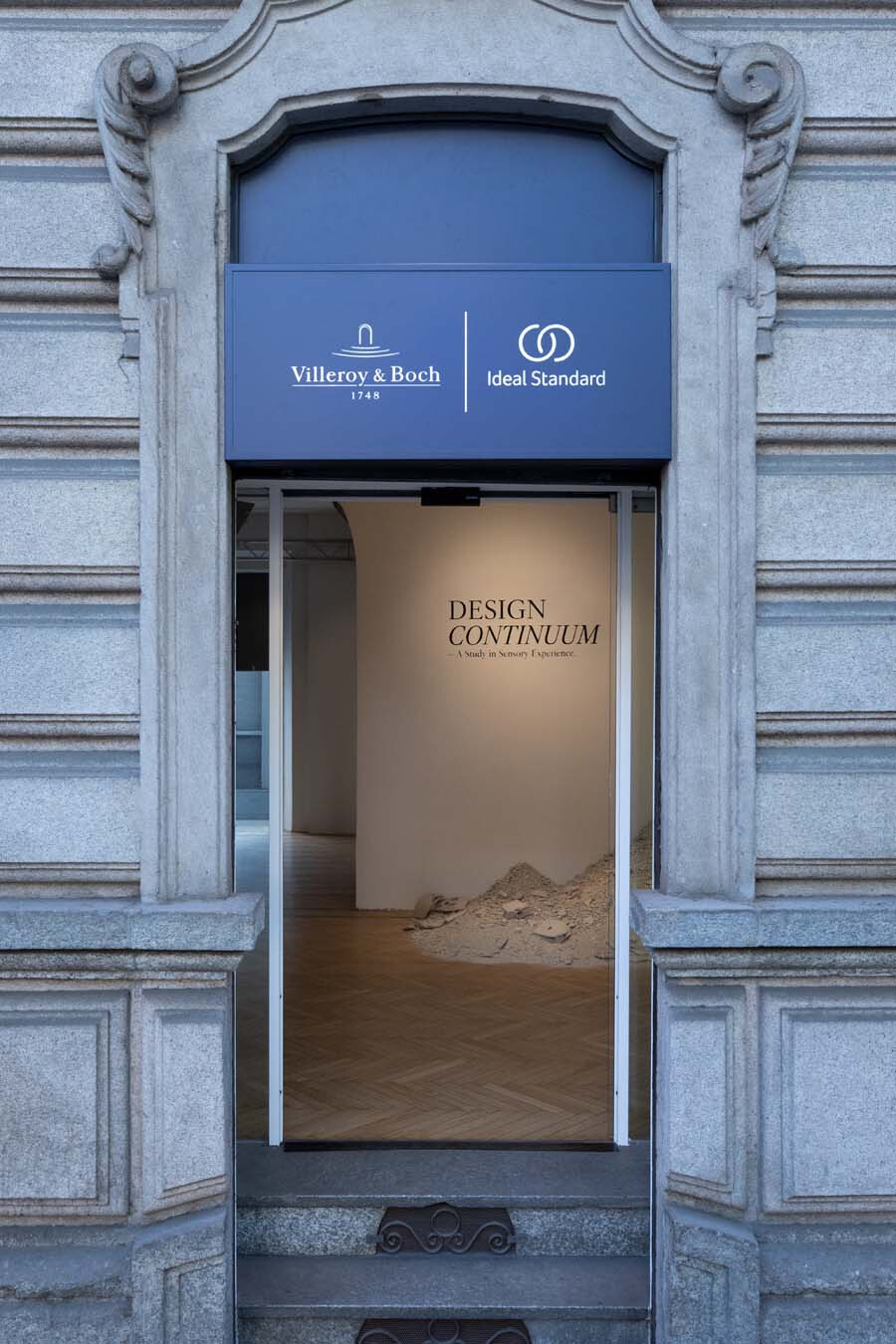
The bathroom is one of the few rooms in the home where time can be kept wholly to oneself and the body attended to without distraction. Unlike living and dining spaces, it is not primarily shaped by social exchange. It is where the public self recedes and we return, most directly, to ourselves. When the water begins to flow, droplets skim and gather across the ceramic washbasin; moments later, water meets the hands and face. Warmth, the steady hush of the flow and the movement of light awaken the senses within seconds. In lives increasingly divided into fragments, such details feel unexpectedly precious. When manufacturing has reached an exceptional degree of precision, how can bathroom design remain attuned to the body through material, time and everyday use? This question lay at the heart of Design Continuum: A Study in Sensory Experience, presented by Villeroy & Boch and Ideal Standard at Milan Design Week 2026. Drawing on generations of ceramic craftsmanship, the exhibition used material and form to consider what contemporary bathroom design should reveal, what it should allow to remain, and how sensory experience within this private setting might be made tangible.
➤ Antao
➤ Antao 3D
抽象五感的具體實現
Making the Senses Tangible
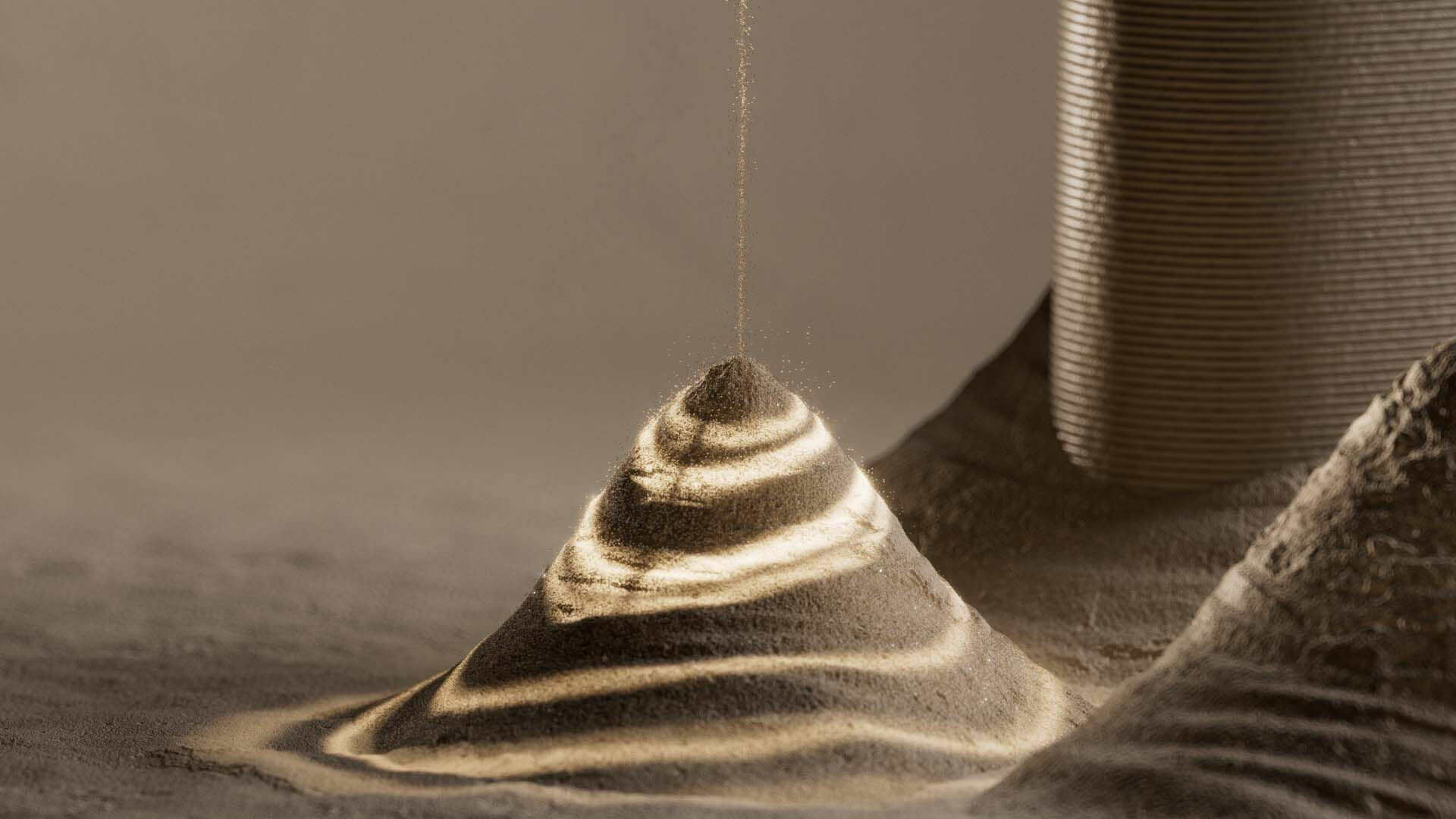
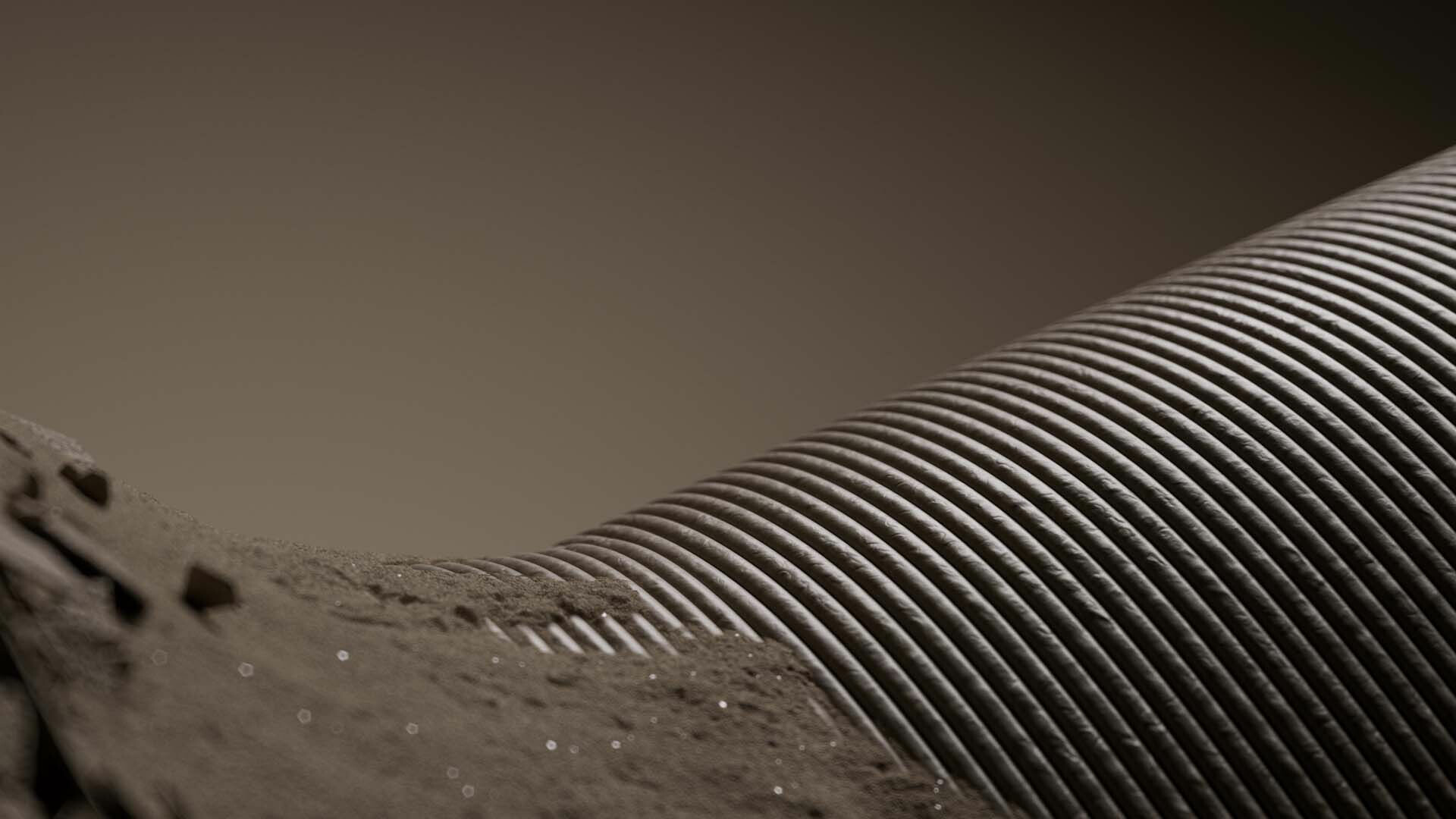
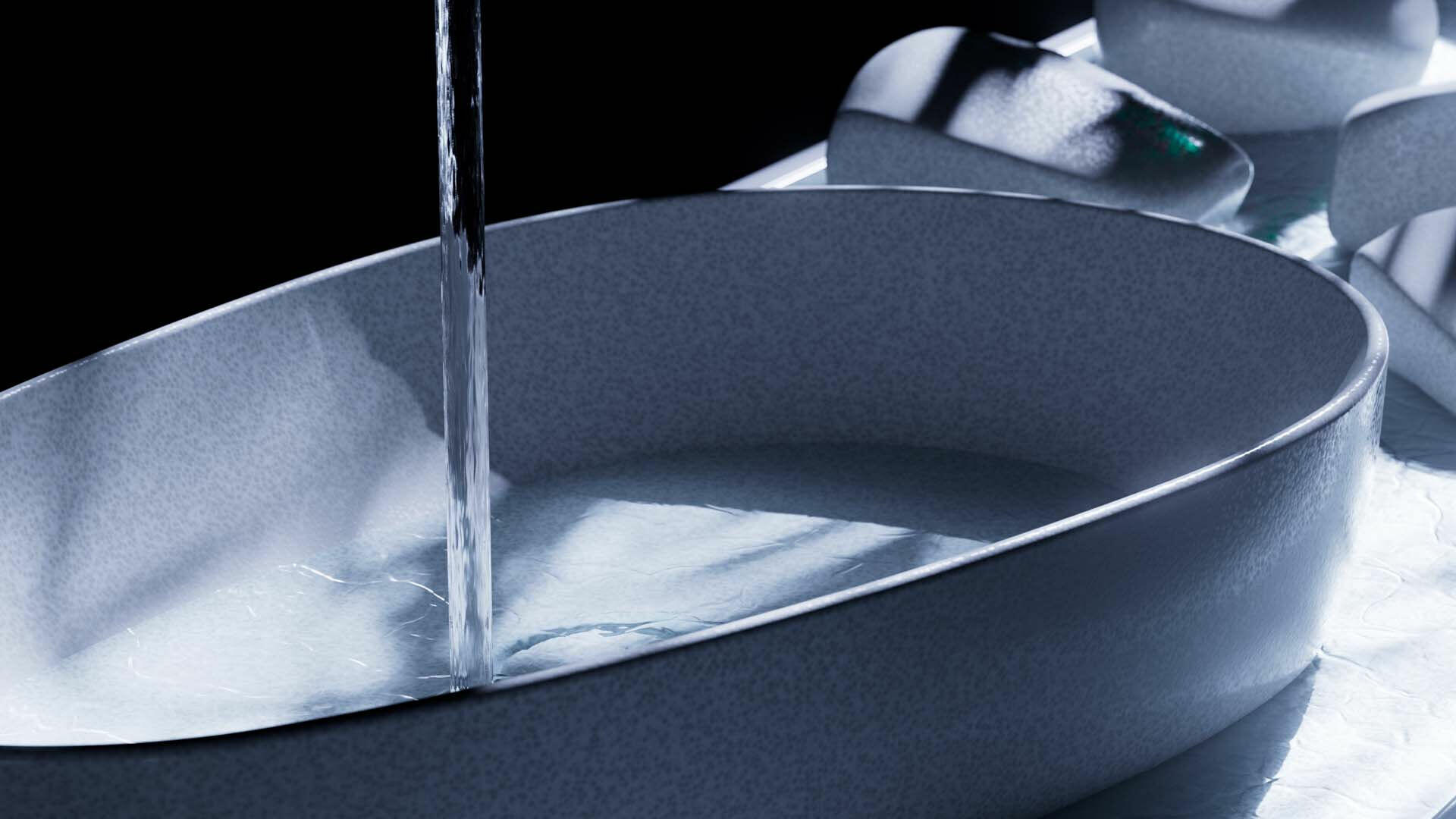
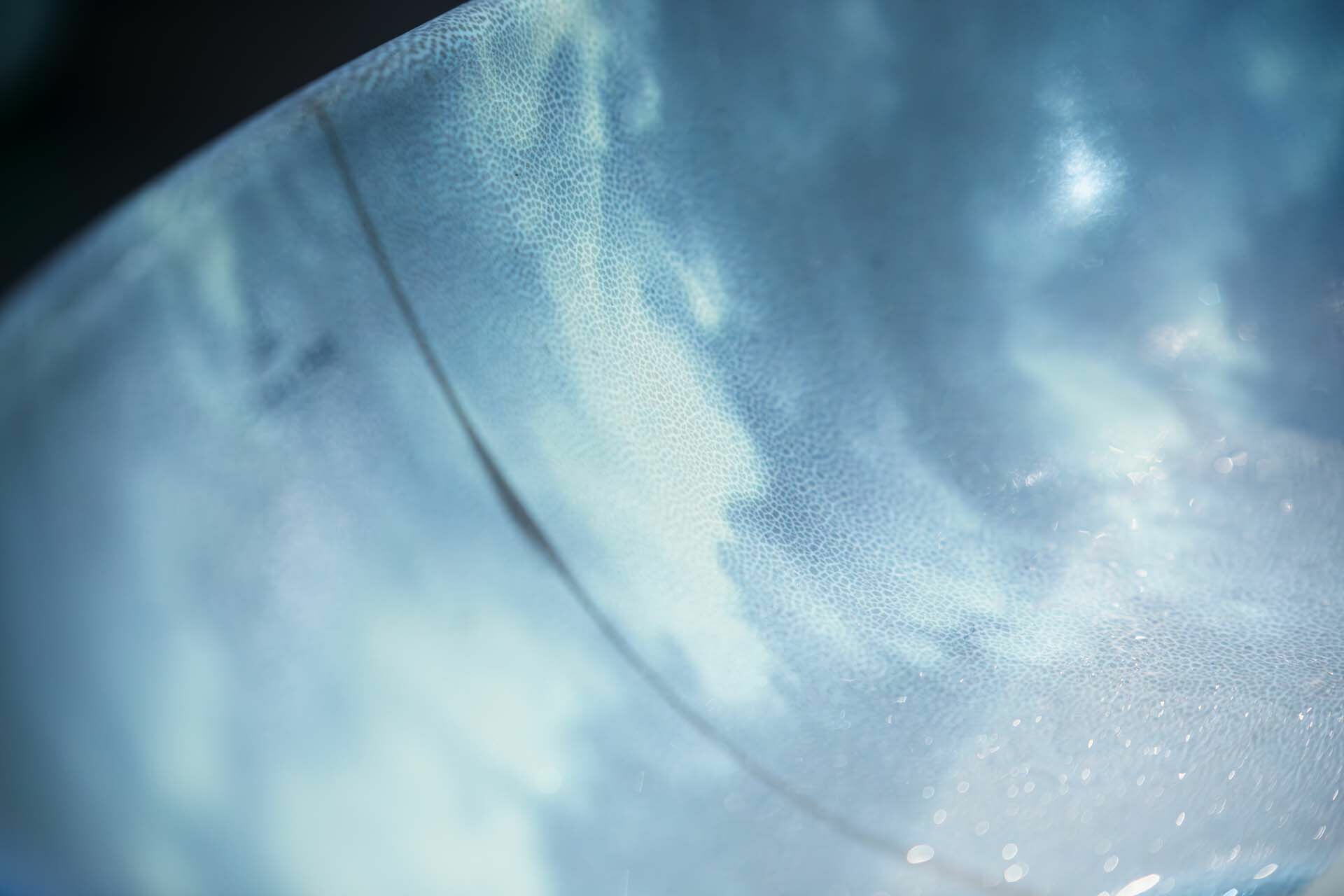
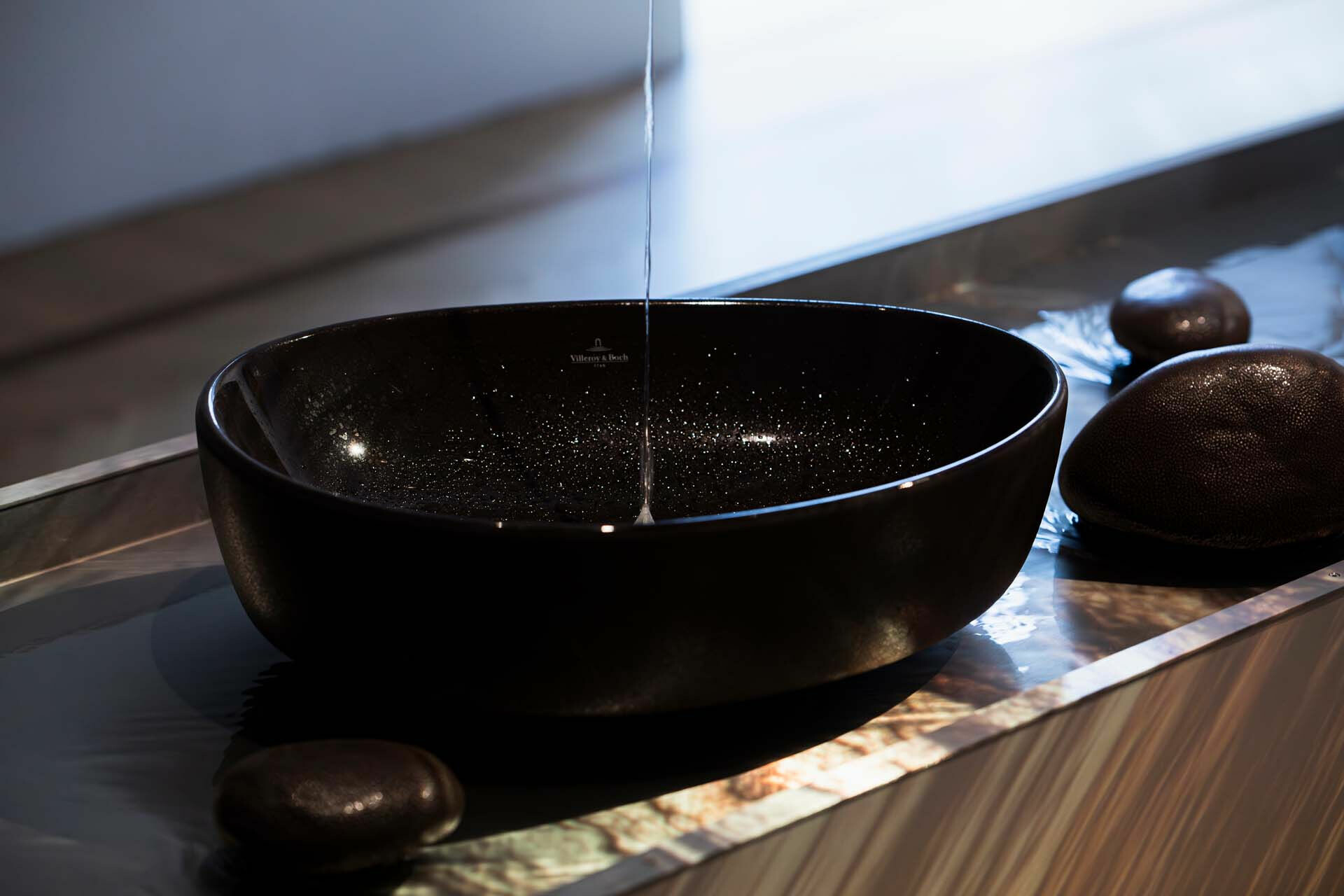
延續著 V&B 陶瓷工藝語言,結合自身一貫的典雅和 Ideal Standard 具建築邏輯的設計,於場地建構一系列由「材料」、「形式」、「感知」、「互動」與「工藝」的空間敘事,藉由相互連結的環境中,深掘出設計不同面向的可能性。開端依循百年陶瓷古老材料演變發展的文脈,當製程痕跡開始被保留、設計師接納材料變異並能重新思考每個身體在空間中的動作時,真正的療癒便從身體記憶串起這些片段開始。此次,由 Design Studio KASCHKASCH 研究的科技材料,以 Antao 3D 面盆為敘述起點,使用 100% 內部回收陶瓷先進 3D 列印技術製作,保留材料來源的痕跡層層堆疊,打造出跨越時代的自然表面,運用形態、質地與材質,展現科技如何在尊重永續性與工藝的前提,擴展陶瓷的可能性;Antao Earth 系列則以 Artisan Glaze 釉面處理,當中陶土紅褐 Terra、岩沙米色 Sand、煙燻灰 Smoke 於不同光線中呈現著不同溫度,意味著每件面盆皆因高溫下的化學變化而獨一無二。
Villeroy & Boch’s ceramic vocabulary and characteristic elegance were brought into dialogue with Ideal Standard’s architectural clarity. Across five interconnected environments, the installation unfolded through material innovation, timeless form, perception, interaction and craft, revealing different dimensions of design as parts of a continuous spatial narrative. Here, wellbeing was not staged as atmosphere. It emerged when traces of making were left visible, when variation was accepted as part of the material, and when familiar bodily movements were reconsidered. These small encounters gradually settle into bodily memory. The material enquiry began with Antao 3D, a prototype monolithic basin developed as a material study by Design Studio KASCHKASCH. Made from 100% internally recycled ceramic using advanced 3D printing, it is built layer by layer, retaining traces of the material’s origin and transformation. The resulting surface is precise yet naturally irregular. Rather than concealing the manufacturing process, the design allows form, texture and materiality to show how technology can extend the possibilities of ceramic while respecting sustainability and craftsmanship. Antao Earth takes a different approach. Its surface-mounted washbasins feature Artisan Glaze in Terra, Sand and Smoke. Reactive glaze technology creates subtle variations in colour and texture, giving each piece a character of its own. Terra brings an earthy red-brown warmth, Sand a mineral beige and Smoke a quiet grey depth; their tonal qualities shift gently as the light changes.
➤ Antao Earth
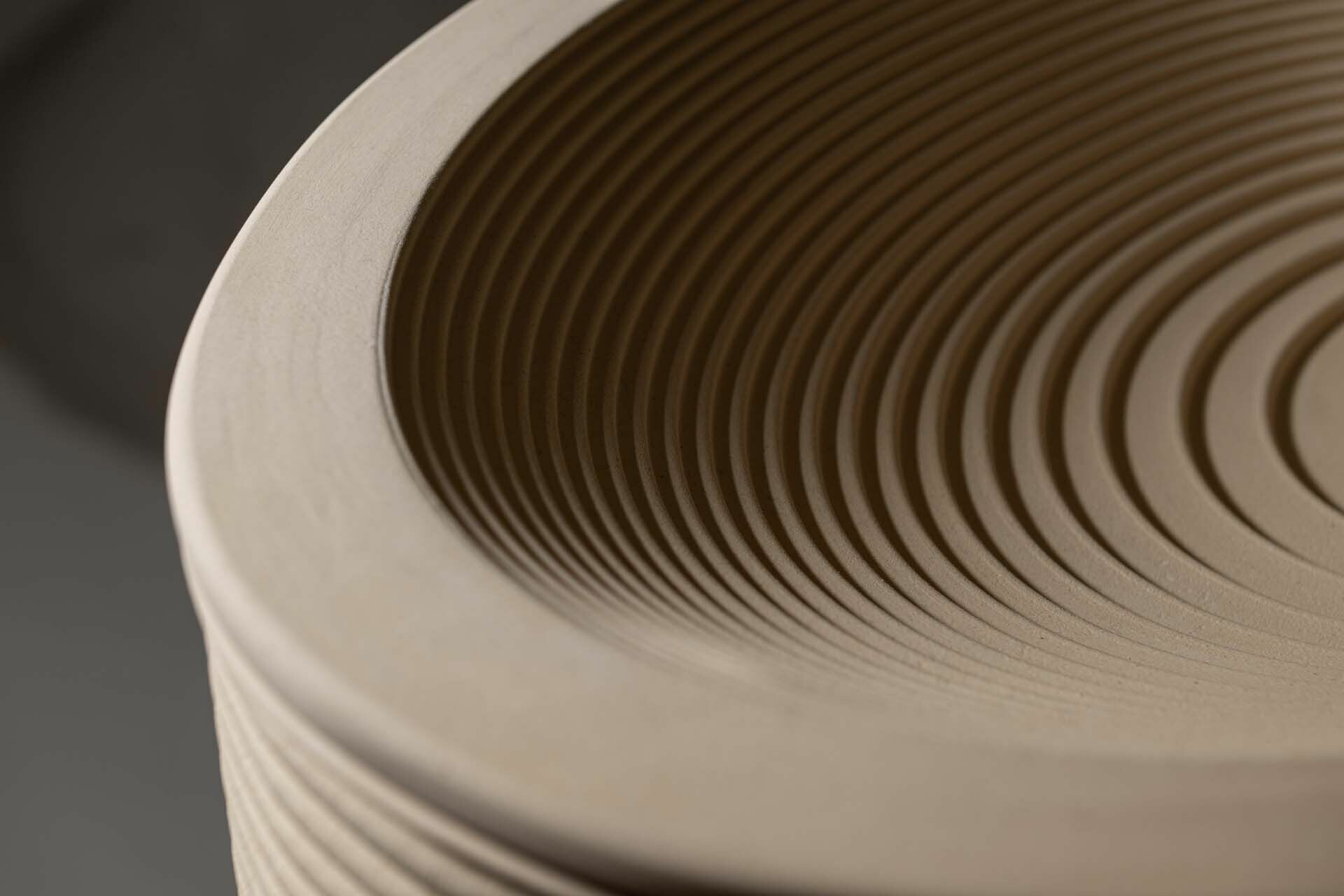
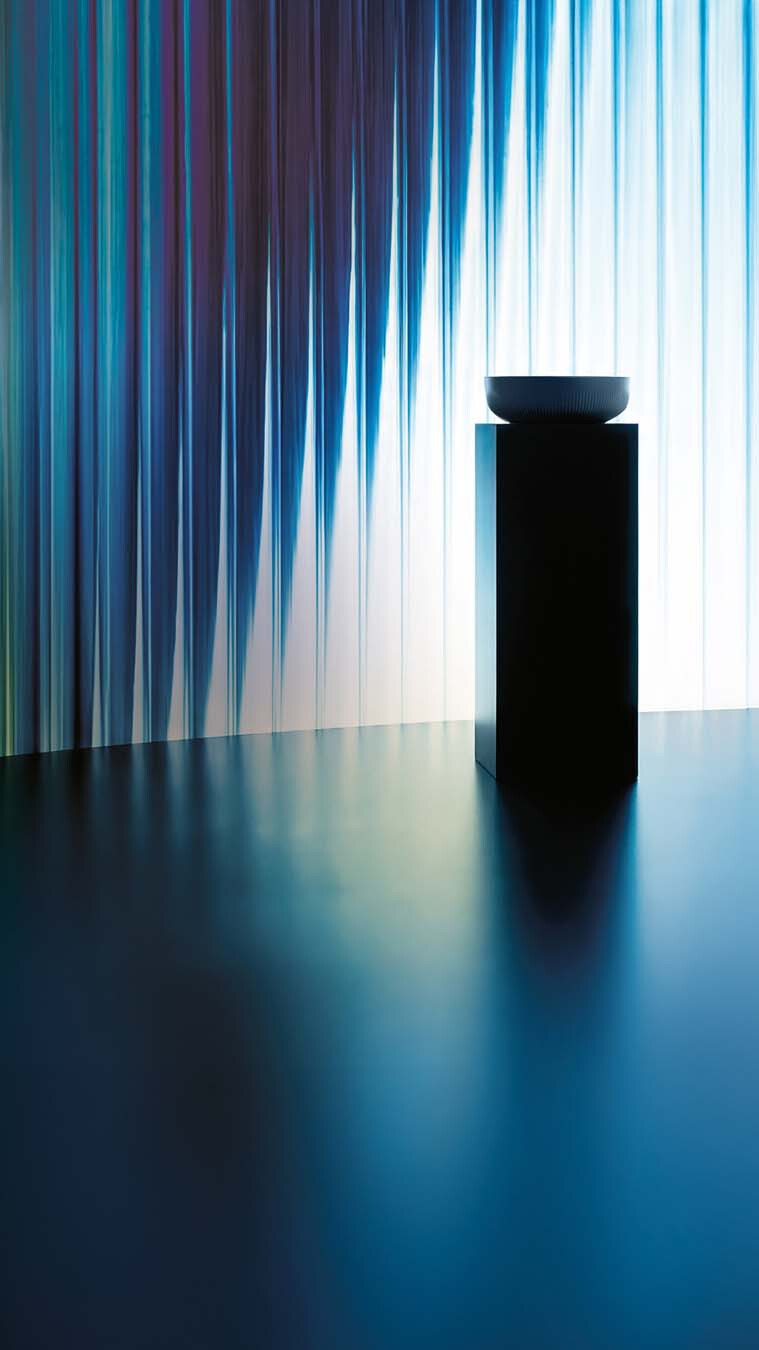
德國設計師 Christian Haas 所設計的 Artis Sense 面盆系列和 Vea 系列,即回應了對感知設計的理想解讀:Artis Sense 系列的浮雕結構在燈光投射下產生的細微變化,參與者不僅能觀察到立體線條的陰影層次,凸起處的折射光線,透過指尖滑過線條感受序列性的引導,配合德籍丹麥裔設計師 Gesa Hansen 的色彩語言,即於衛浴設計的多維體驗中有了更多發現;而靈感源於香水瓶的 Vea 龍頭系列,進一步導入精品香氛的感官儀式,ViPush 按壓開關改變了身體的動作,僅需以指尖輕輕按壓水流便應聲而來,悄然轉變了洗淨的記憶,當香氣釋放使體驗在展區中細微地逐漸擴展,日常洗滌的感受因此更沉浸其中,這一系列的展示互動裡,每個動作都被賦予感官記憶的意圖。
Designed by Christian Haas, the Artis Sense washbasins and Vea tap collection offer two distinct readings of sensory design. Artis Sense, with a colour concept by Gesa Hansen, features a delicate haptic relief structure whose appearance changes in artificial illumination. Shadow deepens within the recessed lines, while the raised ribs catch and diffuse the light. As a fingertip follows their measured sequence, the surface is felt as much as it is seen; colour, texture and light become part of the same experience. Vea turns instead to gesture. Inspired by the elegance and proportions of classic perfume bottles, the premium tap collection brings faceted detailing and tactile precision to an object used throughout the day. Its ViPush technology replaces the conventional lever action with a focused sequence: pressing activates the water, while turning the control knob adjusts it. A carefully chosen scent within the installation extended Vea’s perfume reference into the surrounding space. The fragrance belonged to the setting rather than to the fitting itself. The change in movement is modest, but it allows a familiar ritual to register differently, as touch, water and scent gradually reshape the experience of washing.
➤ Antao Earth
➤ Antao Earth
➤ Artis Sense
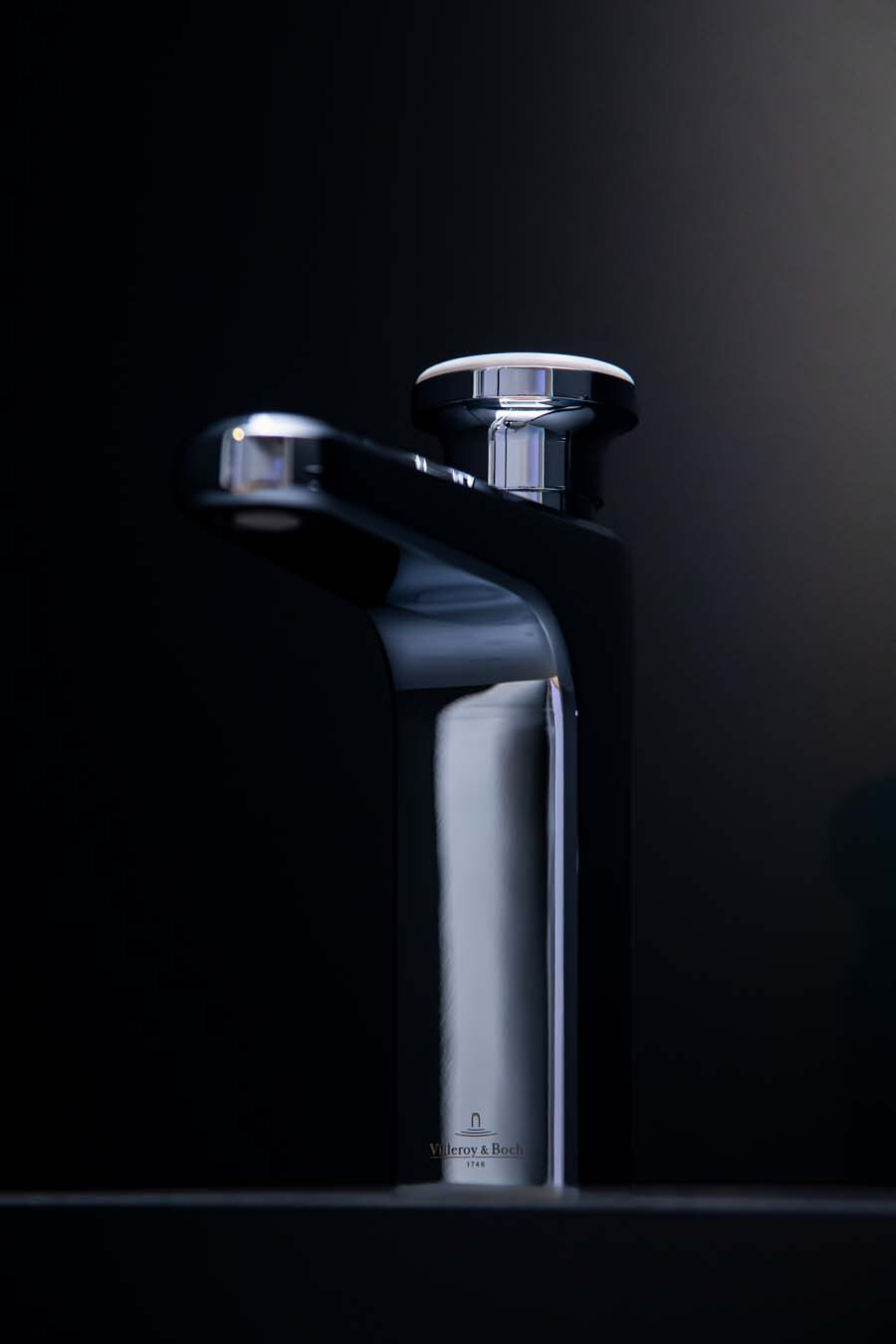
➤ Vea
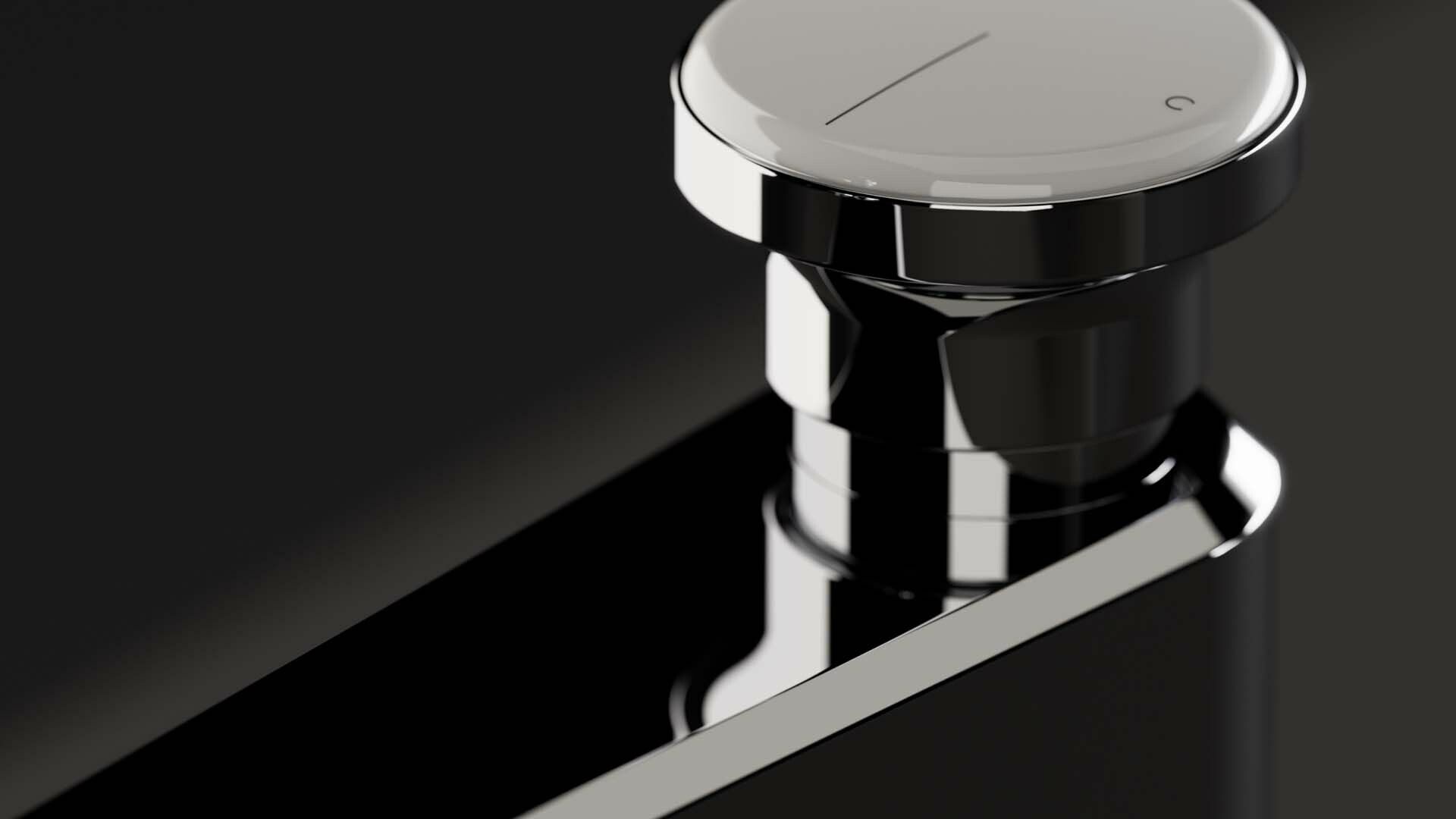
➤ ViPush
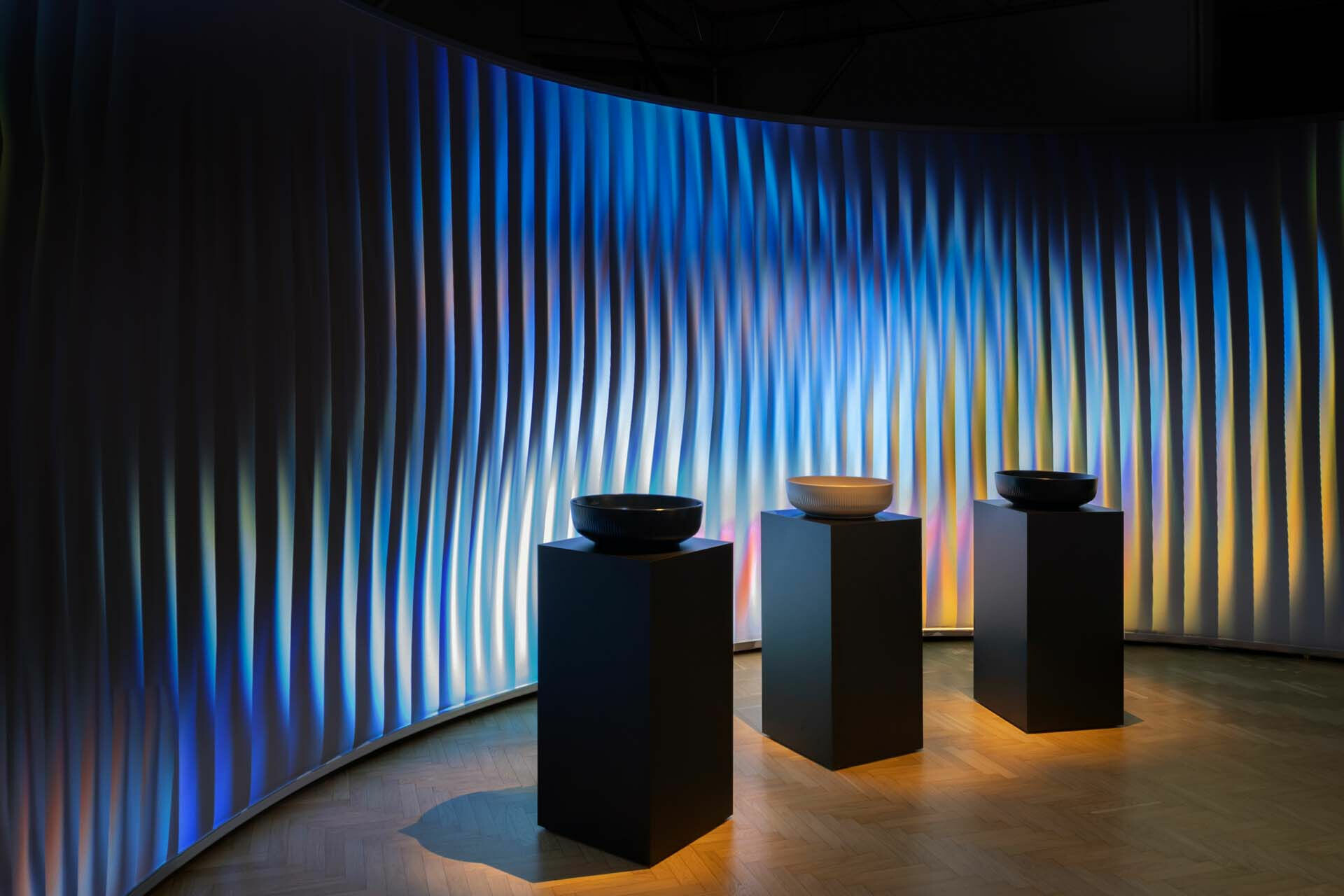
➤ Artis Sense
精密之後的謙遜設計
After Precision: The Value of Restraint
在此次展示中,Villeory & Boch 透過展現、接納、對話,將設計連續體 Design Continuum 這個概念轉譯更為具體。集團併購德國百年品牌 Ideal Standard,與其在技術創新方面深入探究,從概念發展引領使用者與設計者看見了製程作為起點,和包容材質變異的呈現,考究永恆形式的本質,細觀設計線性肌理配合光與色彩的體驗,以進化機制改變既定的身體行為,這一系列的體驗安排皆指向:對設計謙遜的重新定義與重構身體的感知記憶。在當代設計追求潔淨無菌的衛浴中,V&B 於這次米蘭展引領參與者看見表面之下的敘事,邀請每個身體覺察從設計而來的光線、嗅聞的香氣和觸覺感受,不僅侷限於材質「光滑」或「粗糙」的二元選擇,進而接納技術變革的真實轉變,便是設計意圖對身體的直接回應。
Throughout the exhibition, Villeroy & Boch translated Design Continuum into a clear series of material and spatial decisions. Following the group’s acquisition of Ideal Standard, the two brands approached technical innovation through complementary strengths. Process became a point of departure; material variation was allowed to remain; enduring form was considered alongside linear relief, light and colour; and new operating mechanisms subtly adjusted familiar bodily movements. Together, these choices suggest a more restrained understanding of precision, one in which design responds to the body rather than overriding it. In a bathroom culture long associated with seamless, hygienic surfaces, the exhibition drew attention to the narrative beneath the finish. Visitors encountered light across a surface, scent held in the air and texture beneath the fingertips. Material experience was no longer confined to a simple opposition between smooth and rough. Technical change became perceptible through the body itself.
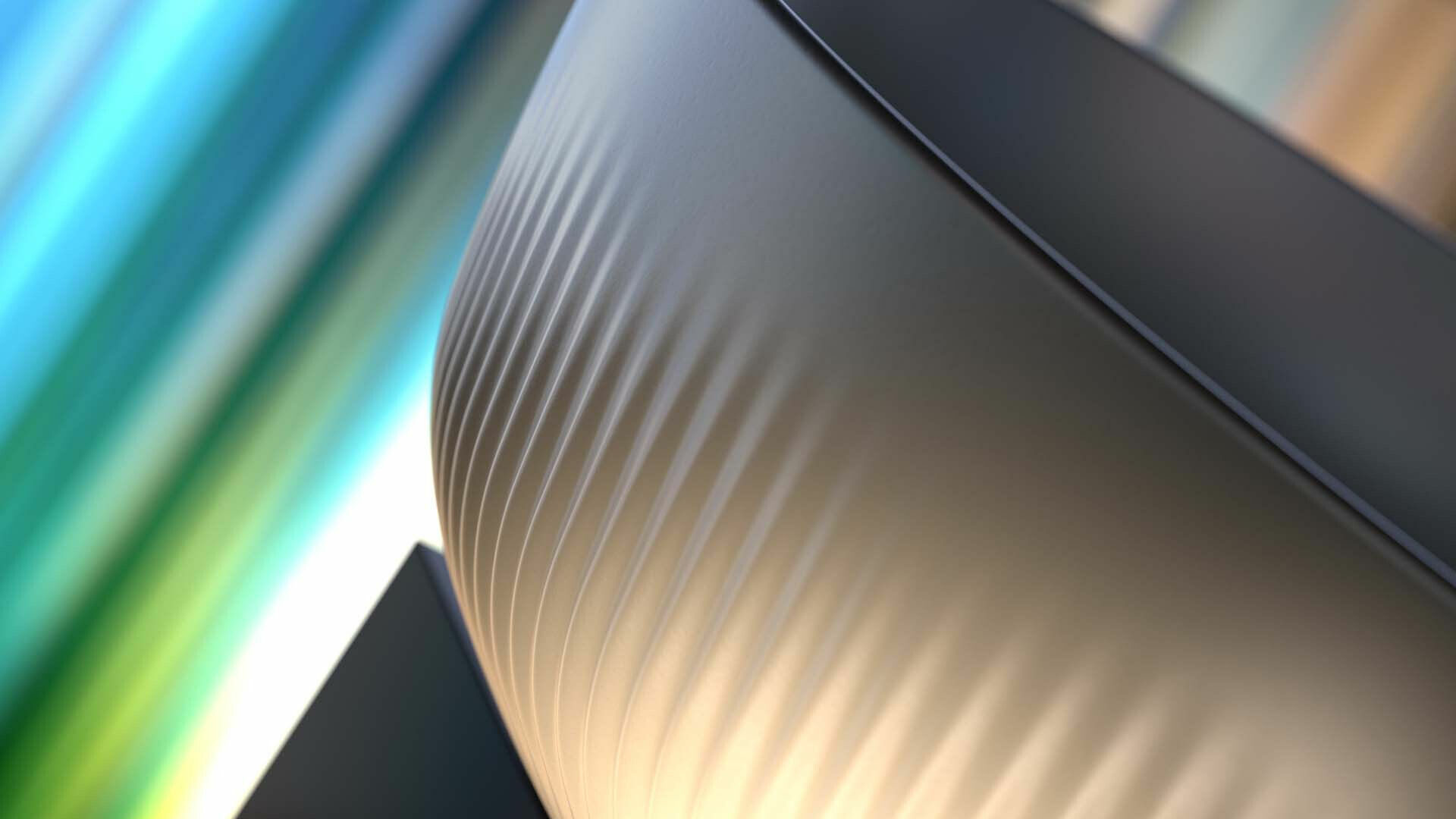
➤ Artis Sense
Villeory & Boch 在百年的設計傳承中,一直探究的根本問題:製造的本質是什麼?工業精密的最終目標是什麼?如果設計者與使用者在每一次技術進步中都伴隨著對「人應如何與這個設計共存」的深刻反思,那麼新的感知方式便應運而生。設計將展現過去隱藏製程、接納材質的變異,在追求耐久的同時,也允許時間留下痕跡。Villeroy & Boch 與 Ideal Standard 設想:當設計越能控制一切,它是否也應該保留某一些不可完全控制的部分,讓身體與材料之間仍有相遇的空間?在時間碎片化的當代,如此追問尤其重要,而當衛浴不再只是住宅空間裡的配角,成為身體、材料與時間相遇的場域,設計便不止於完成物件,而是邀請生活被真實感受。在短暫的相處中,該如何讓自己重新感受?也許便來自晨光與燈光改變釉面的瞬間,指尖輕撫浮雕紋理的感受,和香氣緩緩漫展的時刻。
Within Villeroy & Boch’s long design tradition, the exhibition returns to a fundamental concern: what is making for, and what should industrial precision ultimately serve? Technical progress gains meaning when designers and users continue to consider how people will live with what is made. Process may be revealed rather than hidden; material variation may be accepted; durability may coexist with the traces of making and the passage of time. If design can control almost every variable, should it also preserve some space for what cannot be fully predetermined, allowing body and material to meet? In an age of fragmented attention, the question feels especially pertinent. When the bathroom is understood not simply as a supporting room, but as a place where body, material and time come together, design no longer ends with the finished object. It continues through brief encounters: morning light altering the depth of a glaze, fingertips moving across a relief surface and scent gradually diffusing through the room.
➤ Villeroy & Boch | Ideal Standard