➤ Photo | Iwan Baan
A Call of All Beings
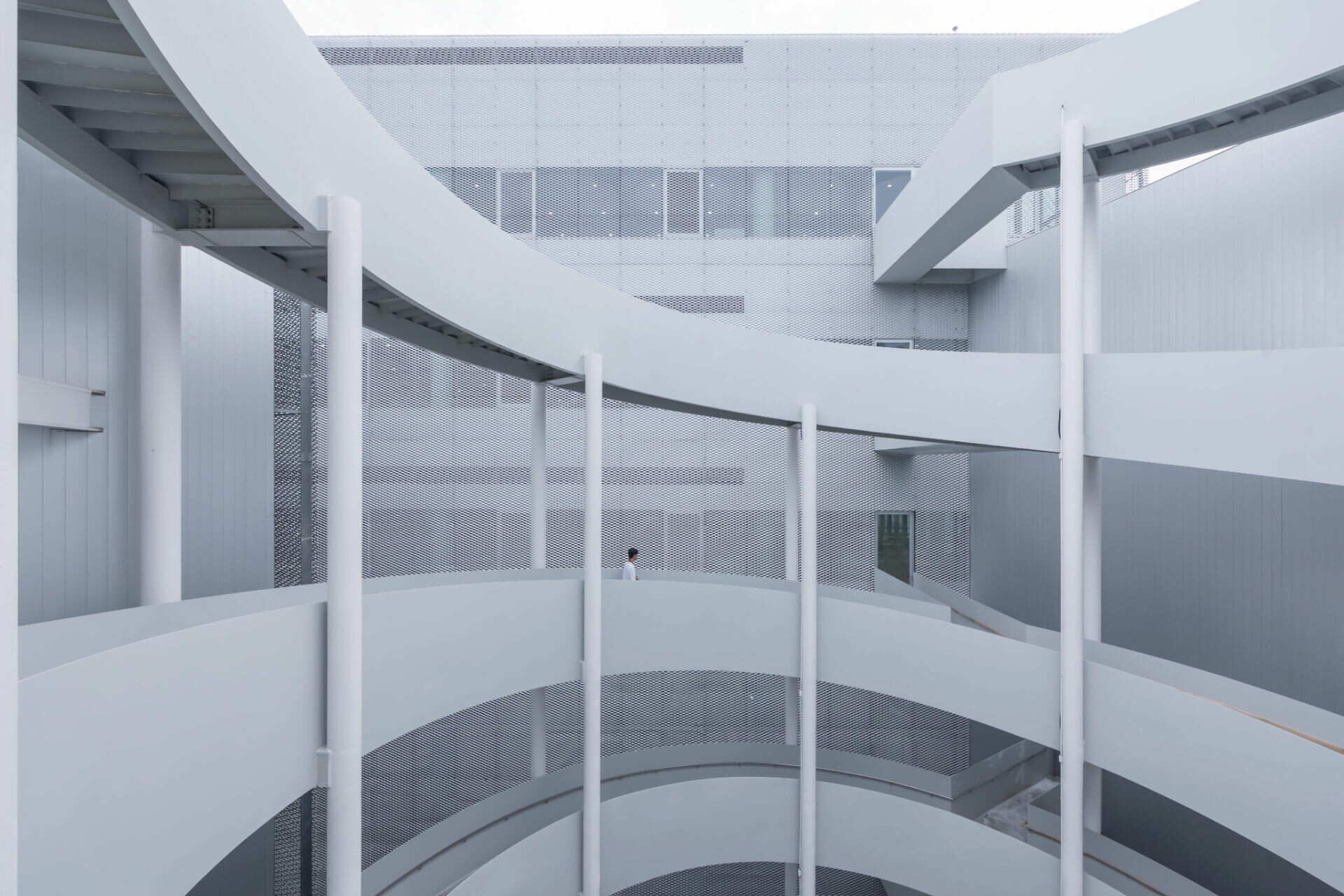
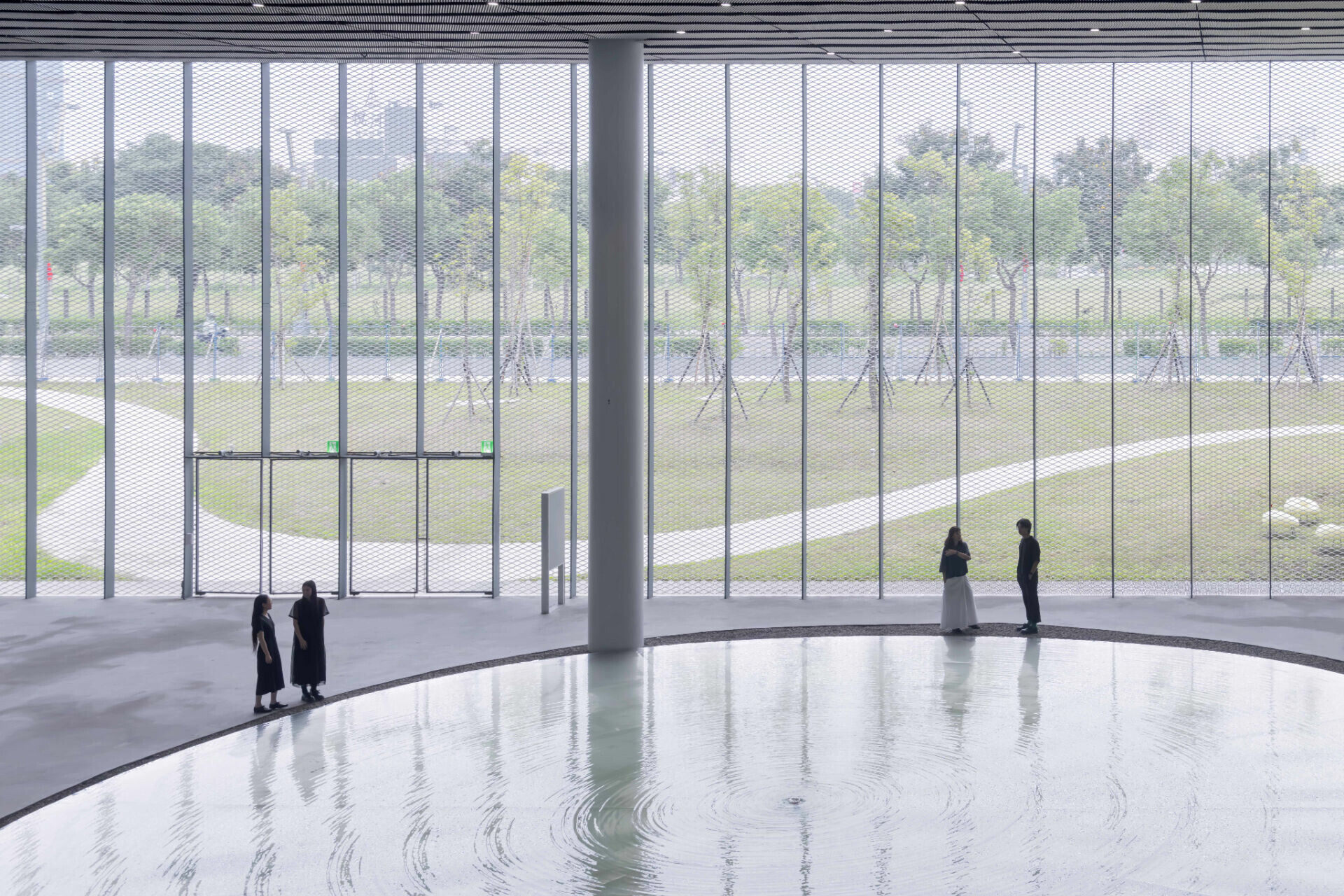
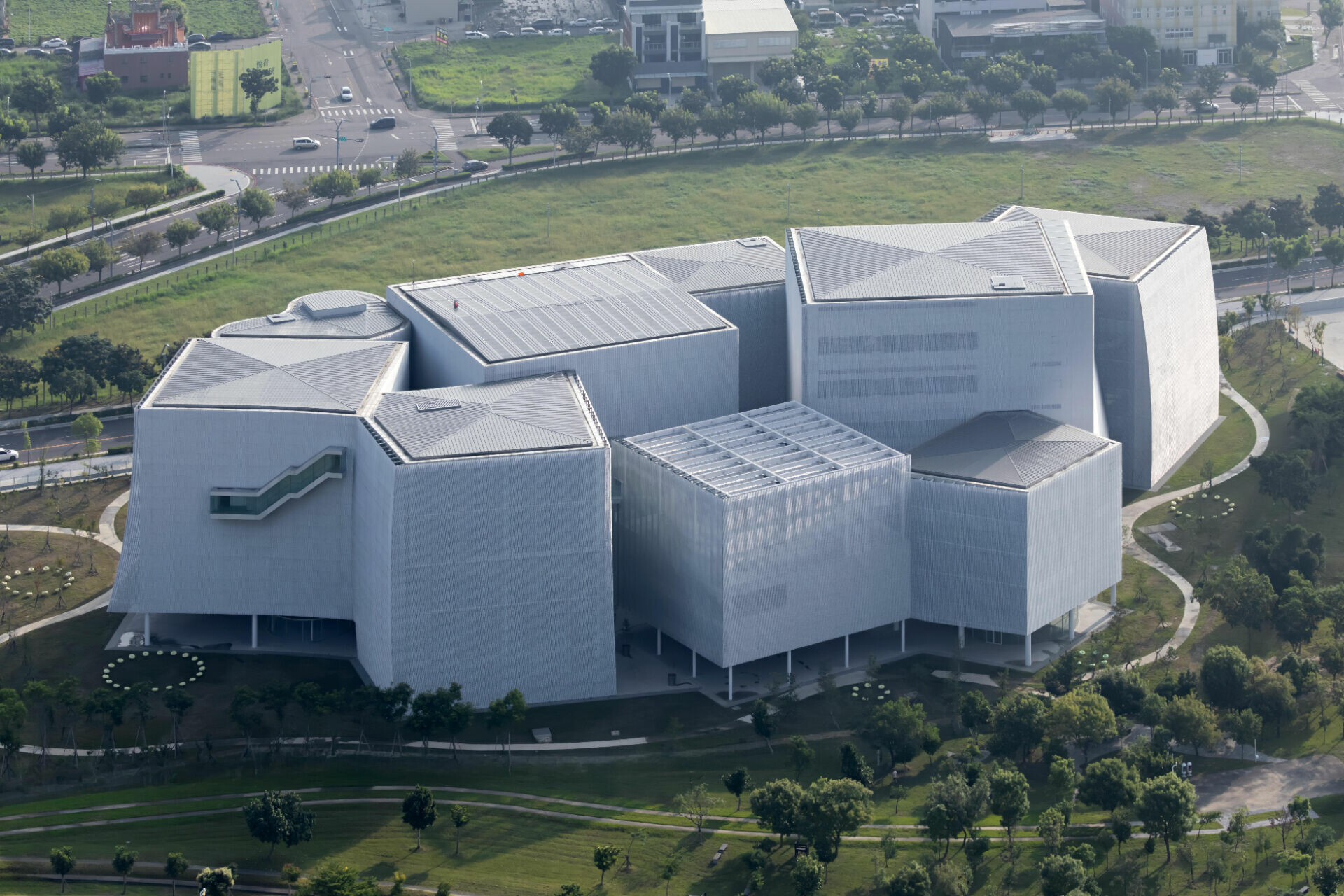
As Taiwan’s first cultural complex to integrate an art museum with a public library, the Taichung Green Museumbrary draws its character from an open, fluid spatial disposition, thresholds that feel present one moment and dissolve the next, a richly layered landscape history, and an atmosphere shaped by close coexistence with nature. These conditions offer artists a different kind of stimulus, while opening curatorial possibilities that feel newly imaginable. Taichung Art Museum (TcAM) inaugurates the venue with "A Call of All Beings," officially unveiled on December 13. The exhibition is jointly curated by the TcAM curatorial team, Taiwanese curator Ling-Chih Chow, American curator Alaina Claire Feldman, and Romanian–Korean curator Anca Mihuleţ-Kim, bringing multiple viewpoints into contact as a way of reflecting the building’s own interwoven nature.
➤ Photo | Iwan Baan
➤ Photo | Iwan Baan
Beginning from the landscape context of Central Park—once Taichung’s Shuinan Airport—the exhibition extends outward to multiple relationships: between humans and nature, city and memory, interspecies life and the idea of a future yet to be written. It gathers work by more than 70 artists from 20 countries, spanning video, painting, sculpture, installation, archives, and artists’ books, to unfold humanistic narratives rooted in this land and to open a dialogue that moves across eras, cultures, and geographies—speaking on behalf of all beings.
➤ Photo | Iwan Baan
The Inhabitation of Art: Experiencing Creative Expression Within the Architectural Grain
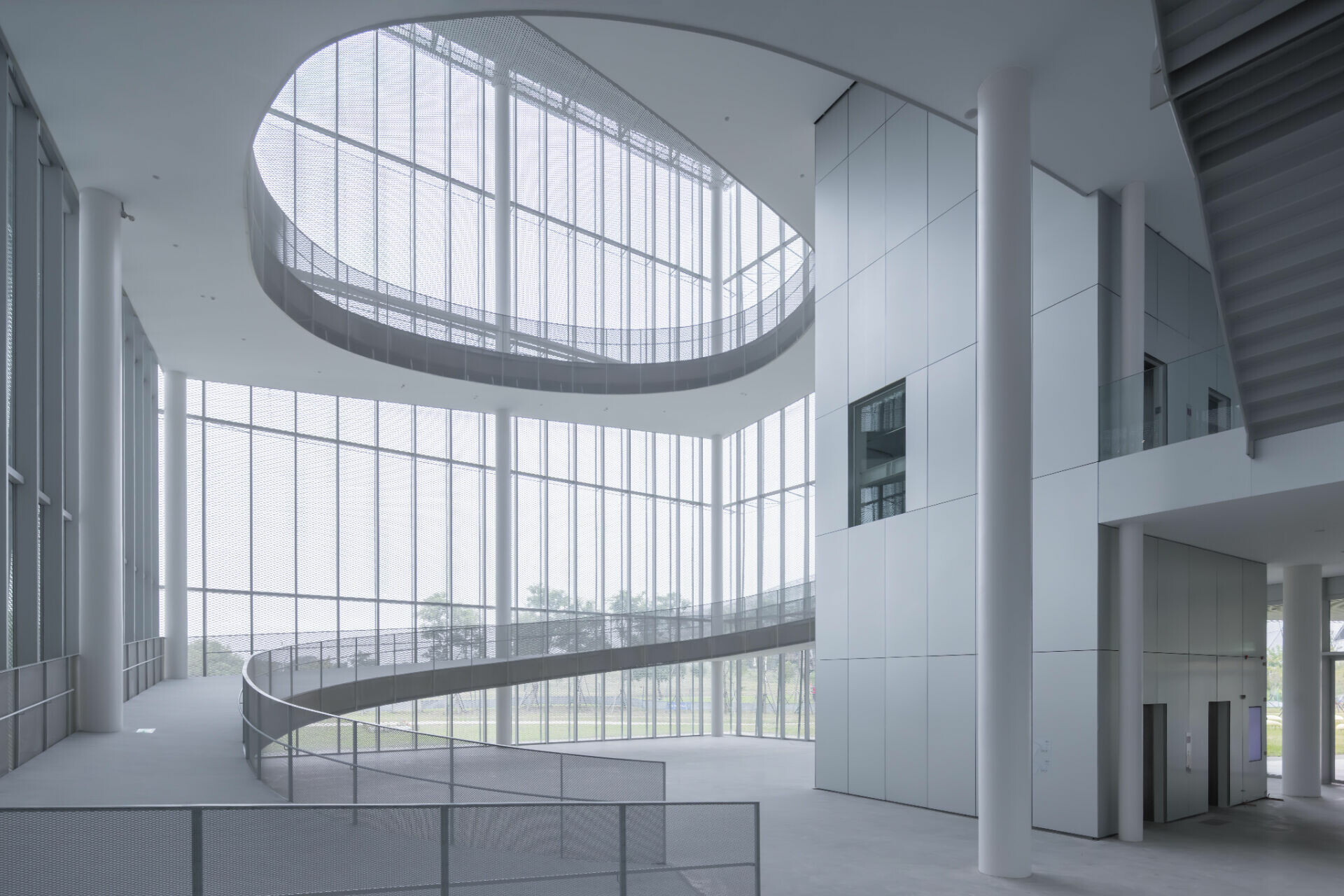
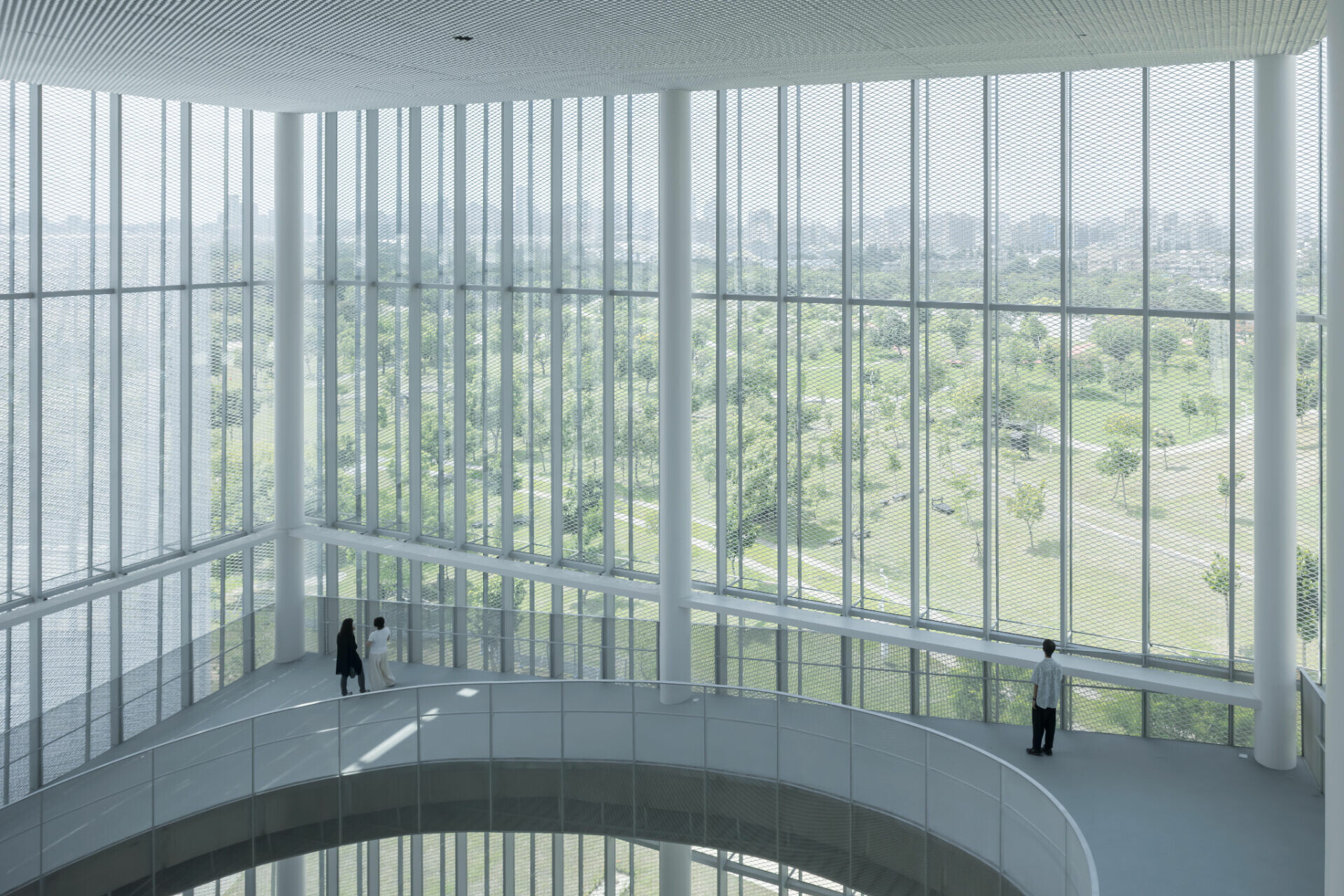
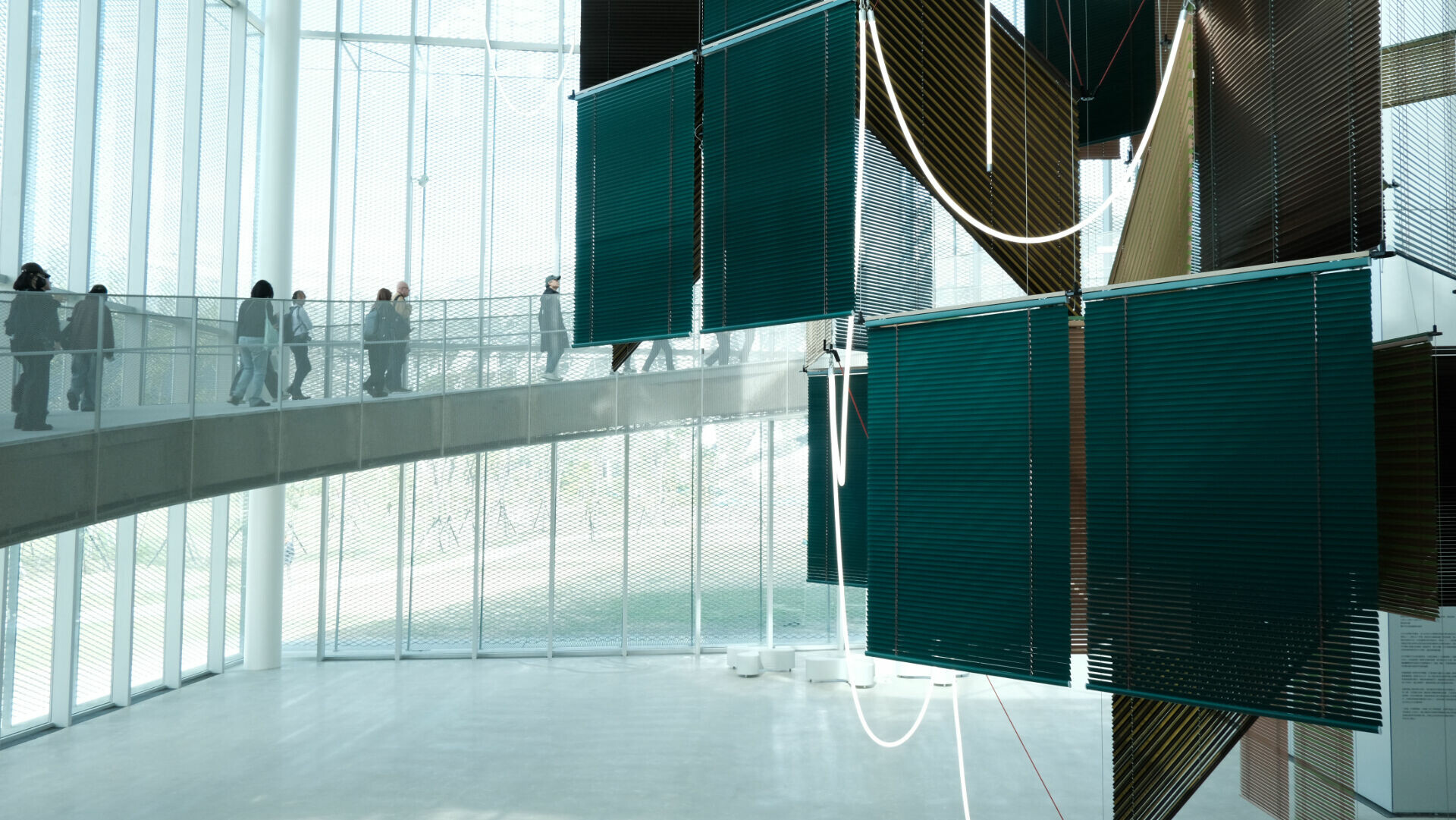
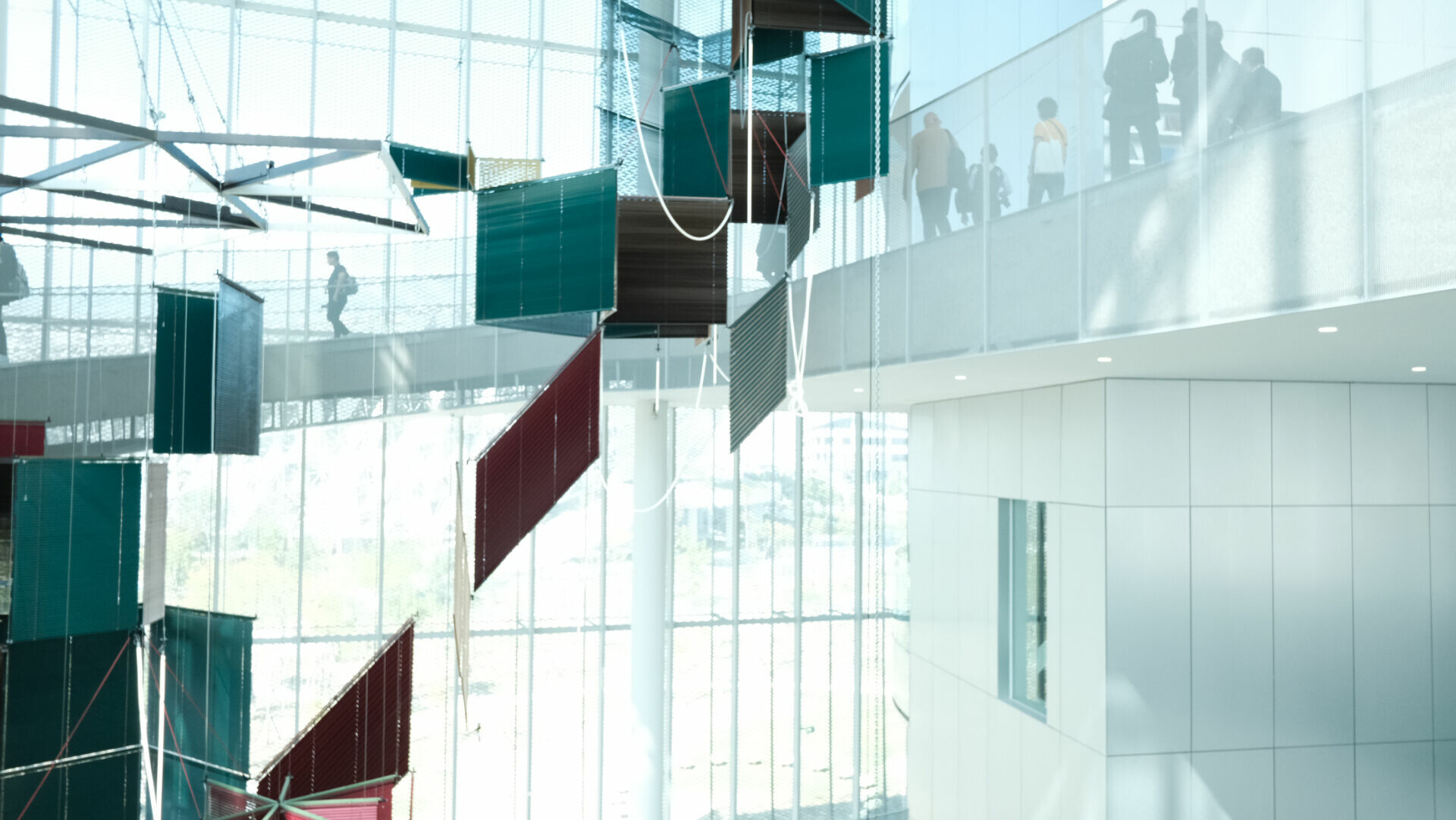
Entering TcAM, the viewing experience feels closer to walking through a park—greenery at your side, sunlight slipping through. This is not a romantic projection; it becomes a concrete, bodily reality inside the museum. In the 27-metre-high atrium, TcAM’s commissioned work by Korean artist Haegue Yang, Liquid Votive – Tree Shade Triad, is suspended at the spatial core. The piece grows from an imagination of a floating giant tree, alongside the folk beliefs found across many Asian communities that protect and venerate trees, seeking to conjure a sacred presence that shelters the museum’s interior.
➤ Haegue Yang, Liquid Votive – Tree Shade Triad. Photo | Jean Yang
Made from metal Venetian blinds, the work filters light while allowing wind to pass through; its permeability resonates with the expanded metal mesh language of the architecture. Across the day, slats in deep green, brick red, mustard yellow, and brown weave into shifting projections of light and shadow. At night, the pulse of white LED bars reads like a tree’s breathing, punctuated by green points of light that evoke fireflies, sketching a living image of a vast tree in company with all beings.
➤ Haegue Yang, Liquid Votive – Tree Shade Triad. Photo | Jean Yang
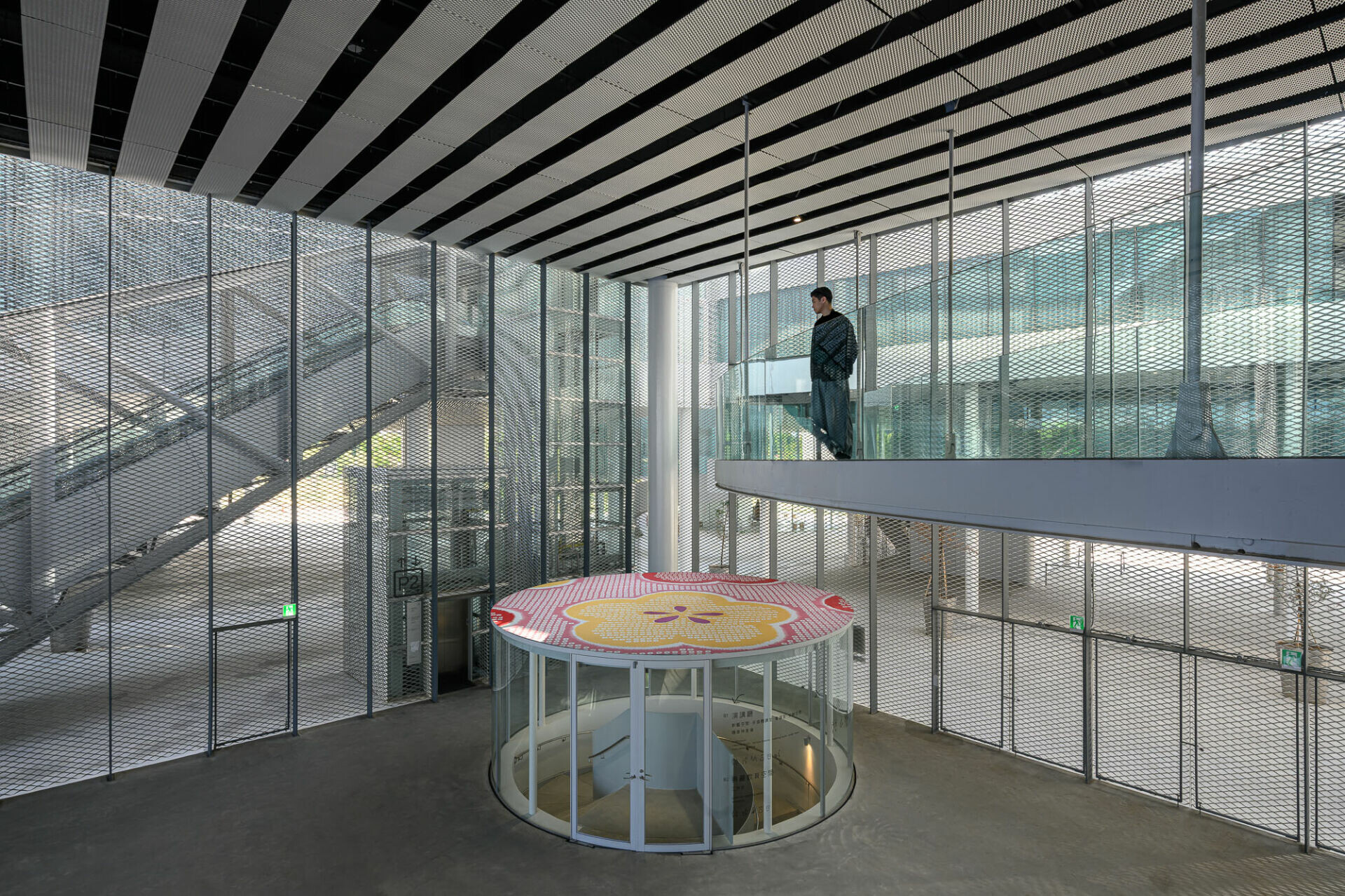
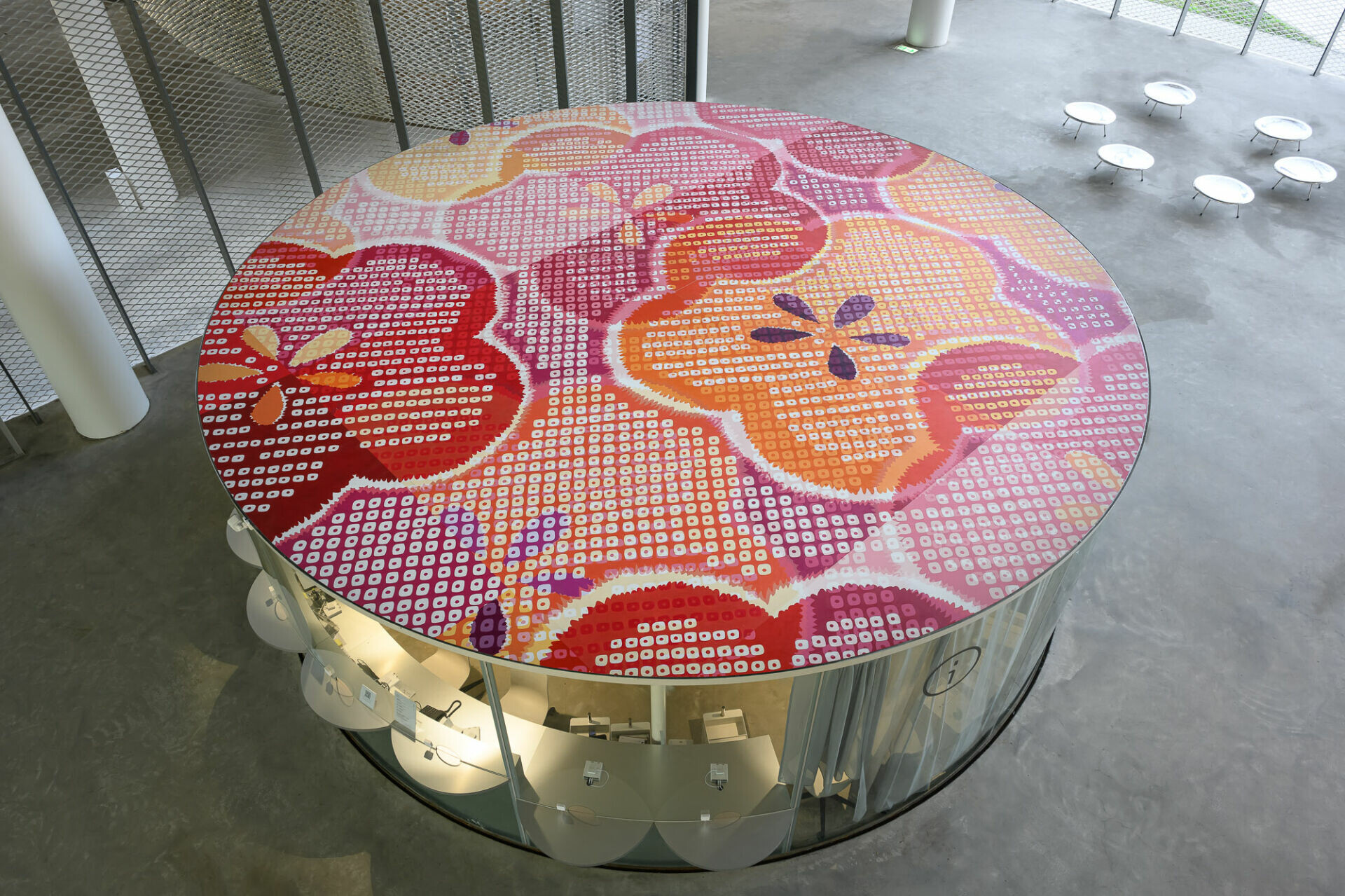
A second, large-scale painting installation by Michael Lin, Processed, is deftly embedded into the domes of the glasshouses flanking the atrium. It can be seen only from the second-floor skybridge, offering an oblique vantage and the surprise of a chance encounter within the building. Visually linking the two paintings, the bridge folds one’s direction of movement and order of looking into the work’s interpretive logic, turning bodily participation into part of the piece itself.
➤ Michael Lin, Processed. Photo | ANPIS FOTO
The work draws on the stains and misregistrations that often accompany mechanical printing. A stylised plum blossom motif appears across the two glasshouses: one rendered out of register and blurred, the other aligned and crisp. The pairing mirrors how a viewpoint shifts with a change in angle—an ongoing process of argument, correction, and completion. In that sense, the piece echoes the building’s openness and grants the viewer an additional, quieter pleasure of thought.
➤ Michael Lin, Processed. Photo | ANPIS FOTO
Through local creators’ lives, the city’s past and future come into view
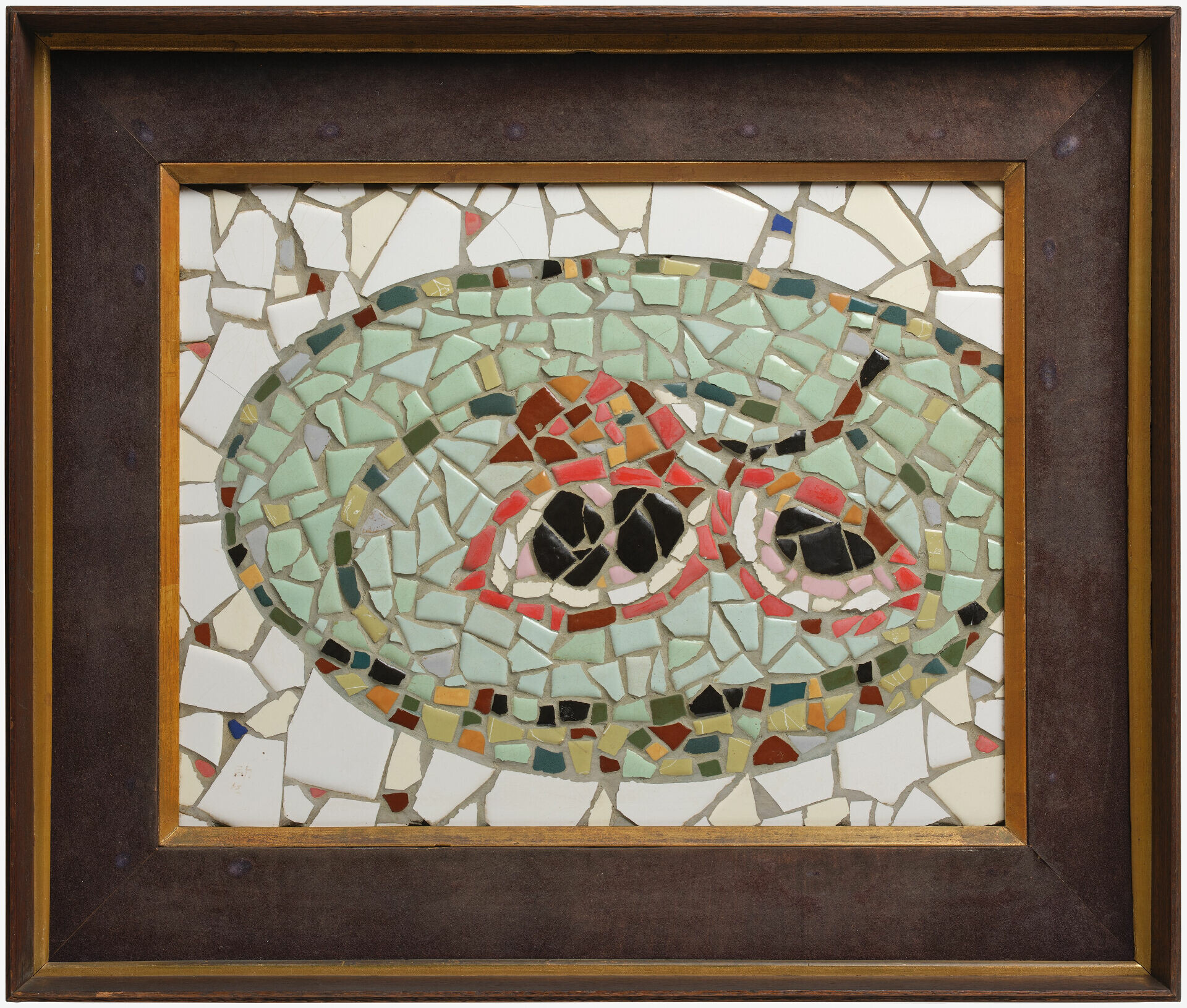
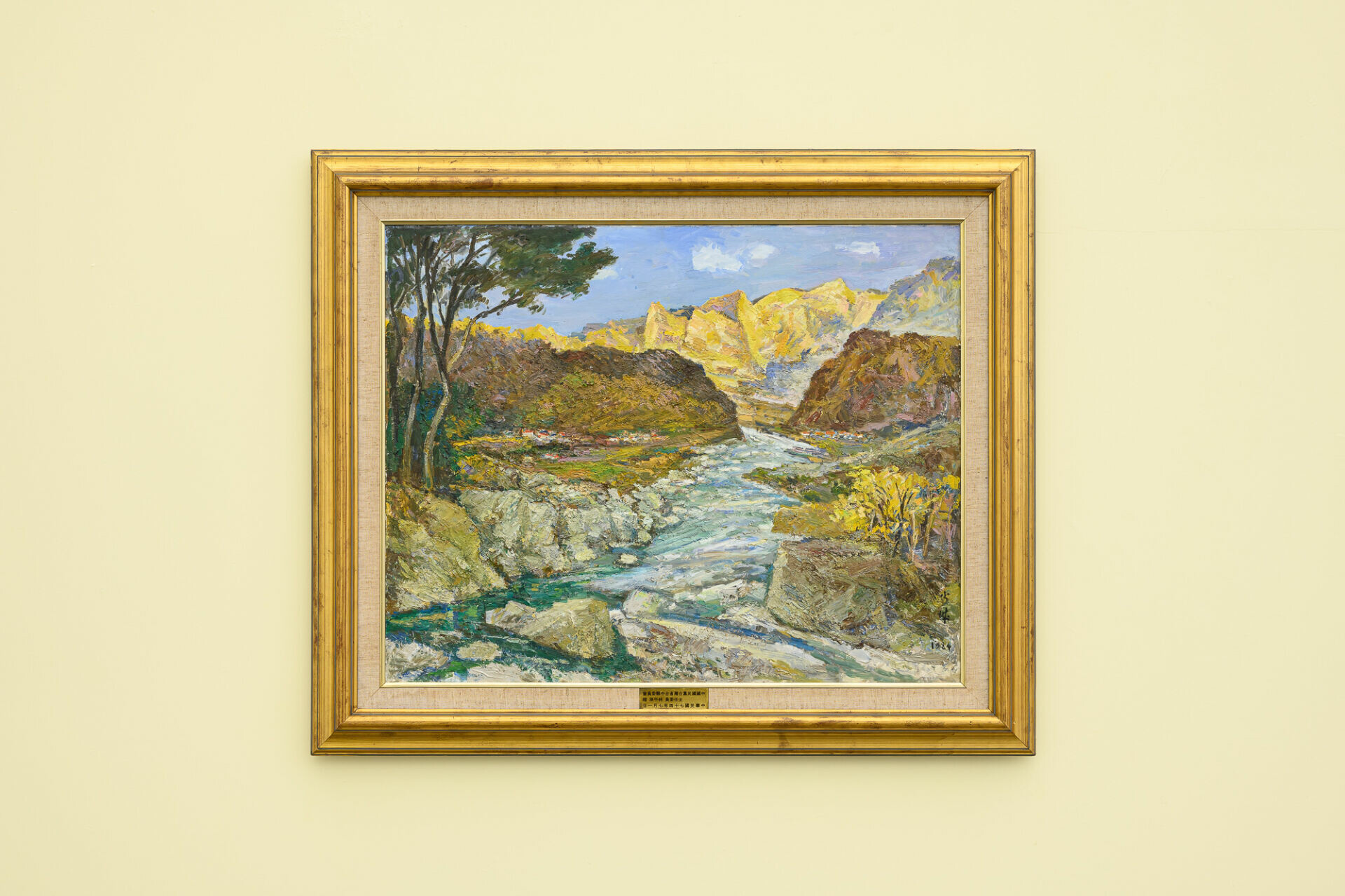
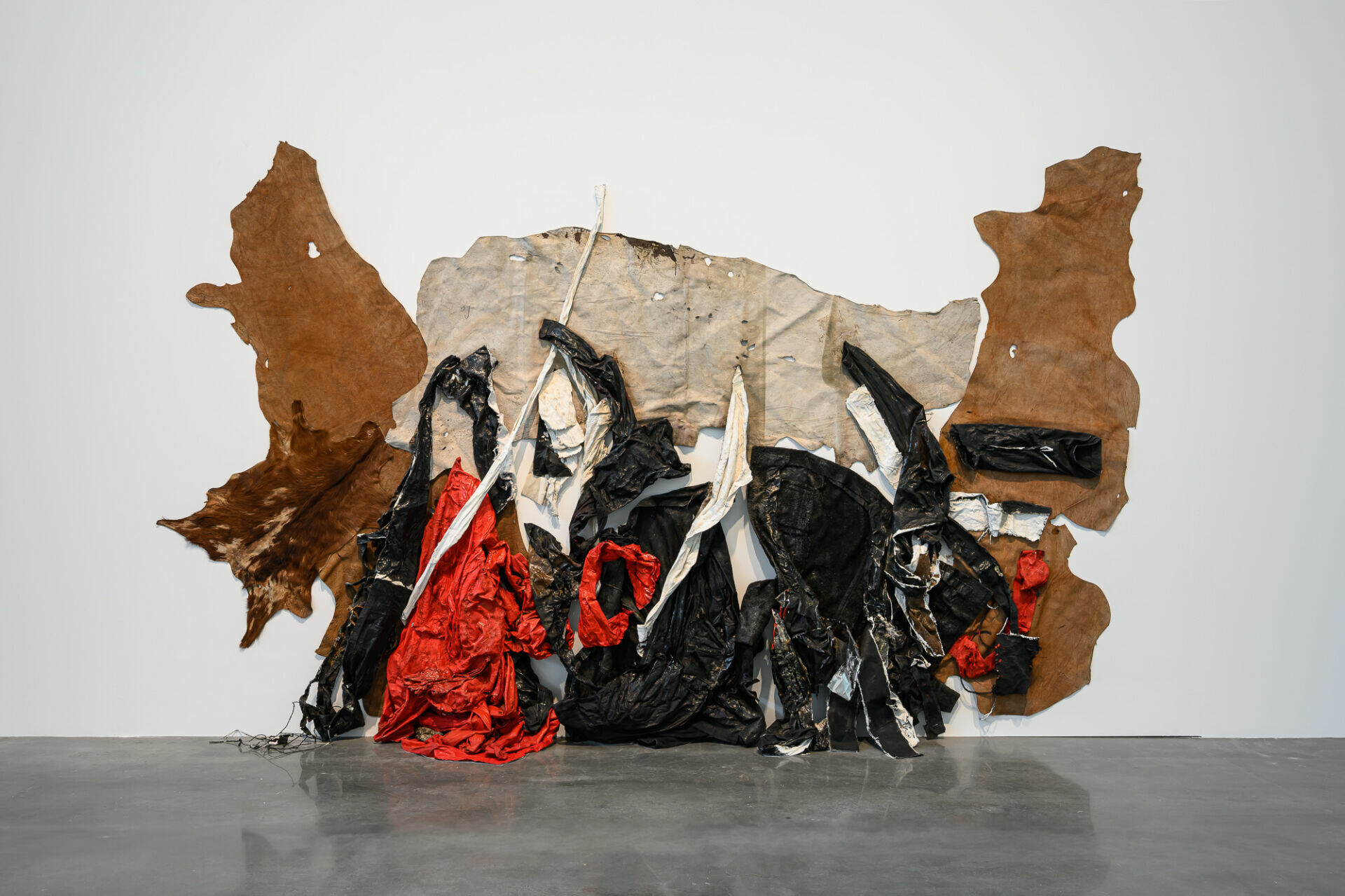
Central Taiwan has a long-standing artistic lineage. The curatorial approach begins Art in central Taiwan has a long lineage. Beginning from the life experience of local creators, the curatorial approach presents representative works from different eras, tracing a century of landscape record and artistic expression. Figures such as Lin Chih-Chu—celebrated for energising Nihonga practice in central Taiwan—are widely regarded as pivotal to its development; YEH Huo Cheng is known for oil paintings of hometown landscapes and for cultivating younger generations through the “Fengyuan group”; the father–daughter pairing of Chen Hsia-Yu and Chen Hsin Wan brings together a sculptor recognised as one of the most representative in Taiwan’s art history and a daughter whose work Song of the Earth No. 1 is publicly shown again for the first time in thirty years; and Wang Ching-Shuang’s lacquer practice bears witness to the technical and aesthetic evolution of Taiwanese lacquer art over the past century. Through these works, time and memory are retraced, and the symbiotic relationship between humans and all beings—between nature and the city—is explored.
➤ Lin Chih-Chu, Autumn Fruits. Photo | ANPIS FOTO
➤ YEH Huo Cheng, At the Foot of Huoyan Mountain. Photo | ANPIS FOTO
➤ Chen Hsin Wan, Song of the Earth No. 1. Photo | ANPIS FOTO
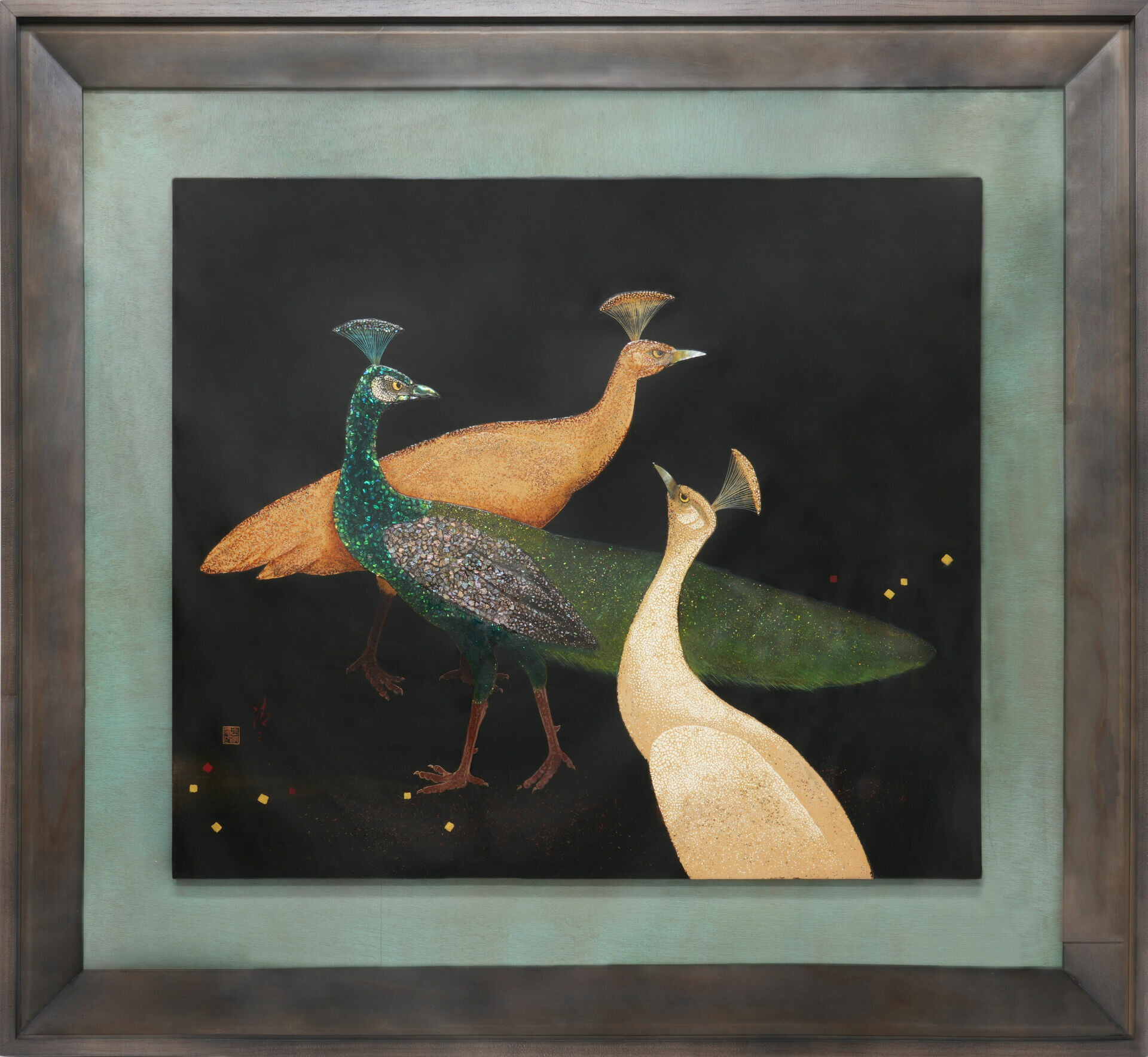
➤ Wang Ching-shuang, Standing Peacocks. Photo | Taichung Art Museum
Five curatorial subthemes, shaping ways of looking
Each of the five galleries carries a distinct subtheme. One can see how the curators attempt, from their respective cultural vantage points, to open multi-angled reflections on the public, culture, history, and nature, while bringing forward perspectives by women creators long muted within male-dominant narratives. Under the theme "How to Draw a Coastline?" a bright gallery presents artists’ depictions of nature alongside imaginings of geographic boundaries. By reflecting on how people look at nature, it turns the gaze back onto our relationship with the natural world—prompting thought on the essence of life while guiding visitors to sense the states of being around them from shifting angles.
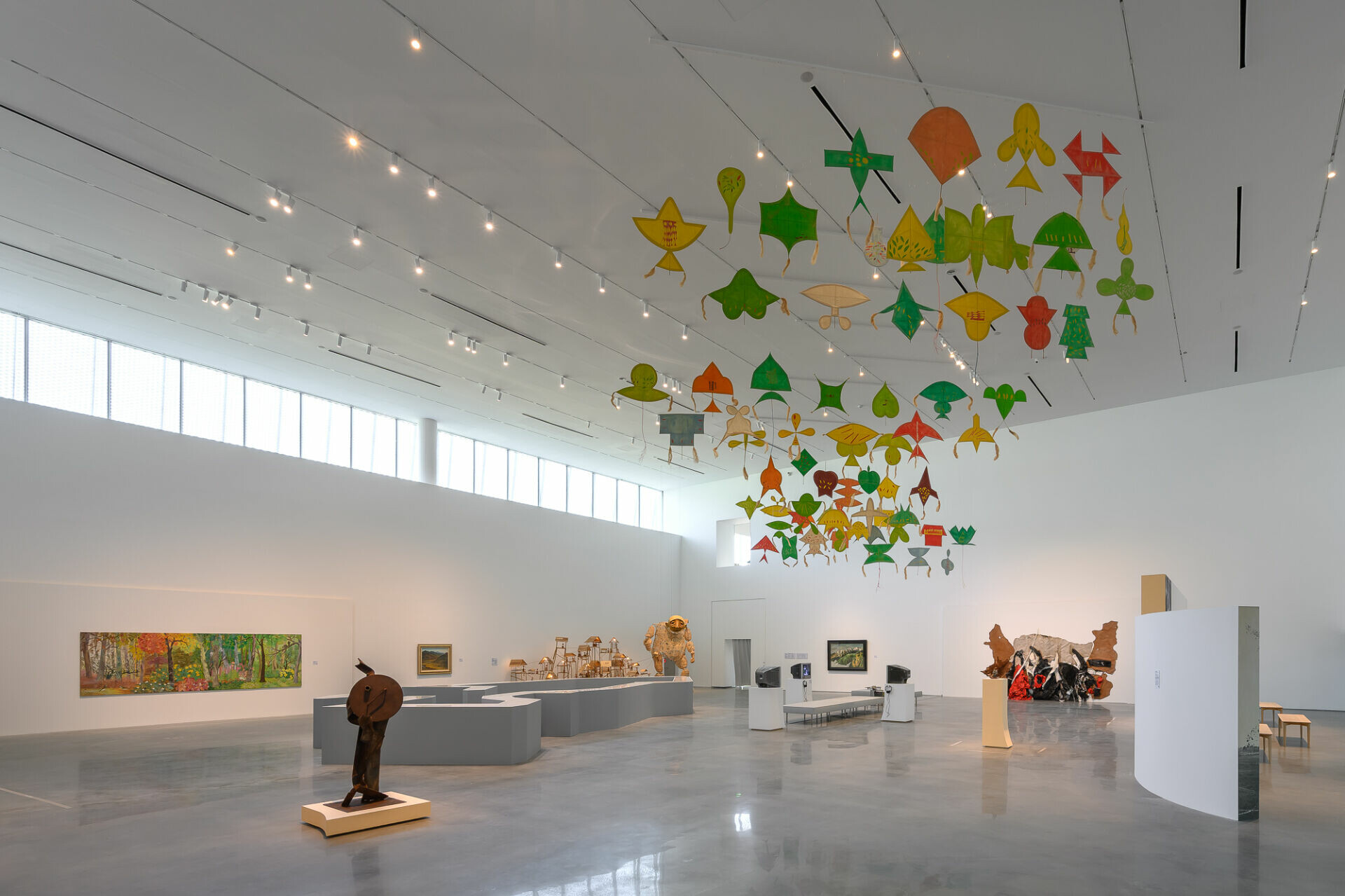
➤ Exhibition room A | How to Draw a Coastline? Photo | ANPIS FOTO
In ''Recalling Fables,'' an entirely different, mysterious atmosphere takes hold. Artists begin from legends, myths, and fables to feel their way toward paths of understanding the world; or they speak from the perspectives of plants and animals, pushing back against human-centred narratives, probing and reconstructing relationships of interdependence between people and all beings.
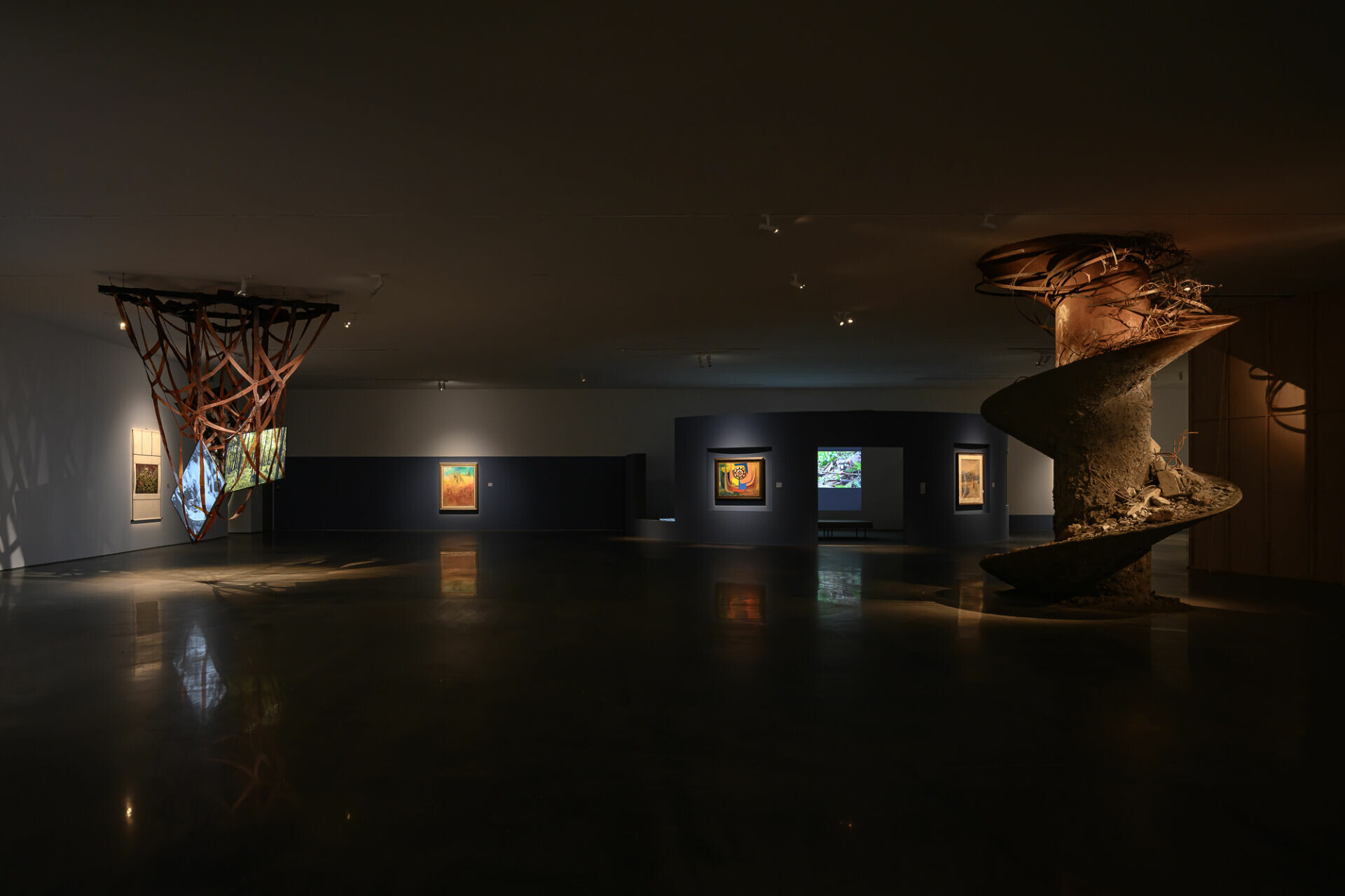
➤ Exhibition room B | Recalling Fables. Photo | ANPIS FOTO
In ''Folds and Flows,'' a century of change between people and land is condensed. Ways of living remain a question in motion; landscapes, identities, and memories of the present, within the folding and flow of time and space, hold the possibility of being read and interpreted anew.
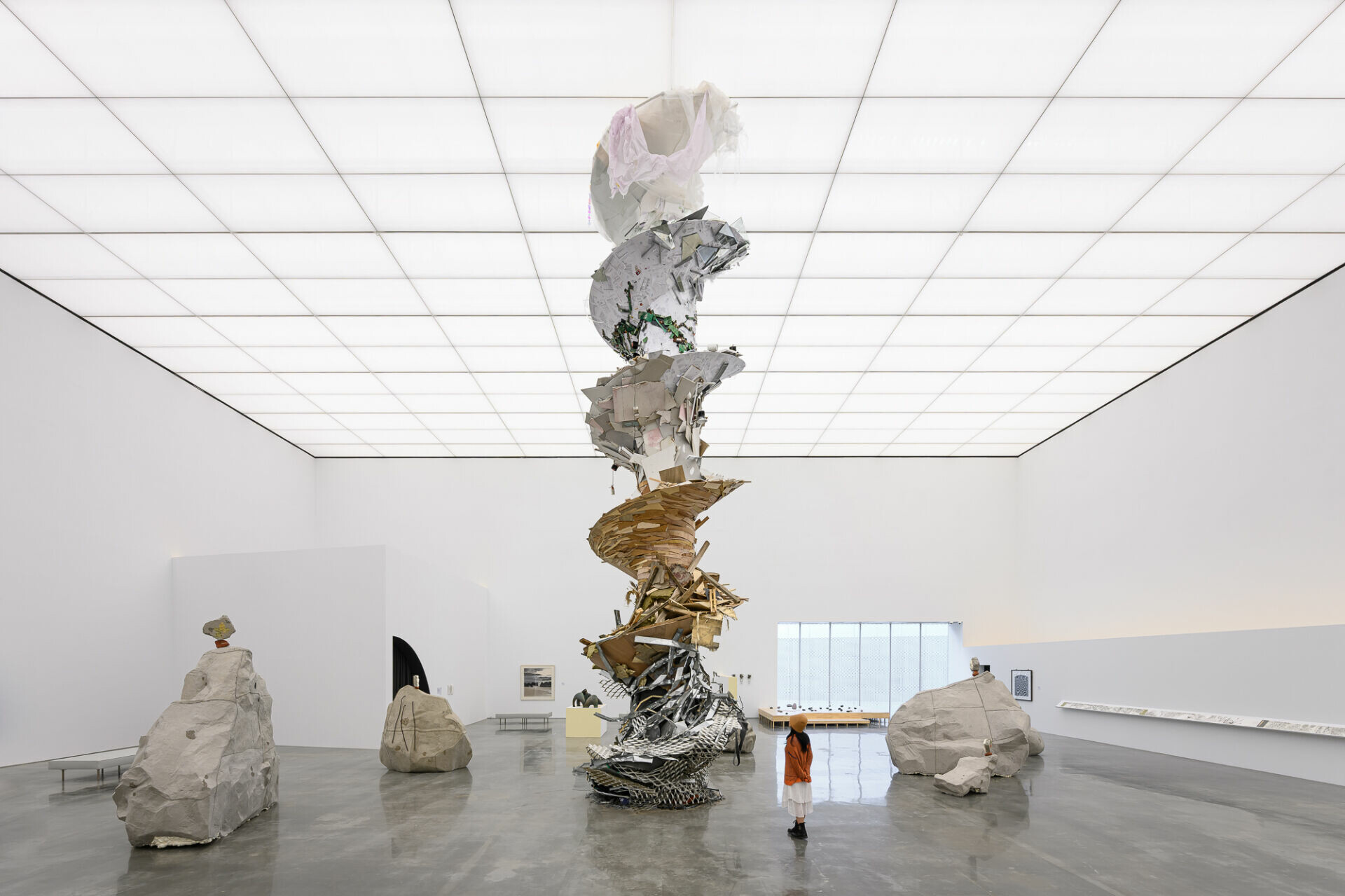
➤ Exhibition room C | Folds and Flows. Photo | ANPIS FOTO
''The Troubling of Natural Histories'' focuses on relationships between the human and the non-human. Just as nature does not call itself “nature,” our understanding of the world is bounded by human language. By overturning these civilisational “disturbances,” the section seeks a more open perceptual linkage between people and the natural world, loosening domesticated knowledge systems and stepping out from the limits of a single historical narrative.
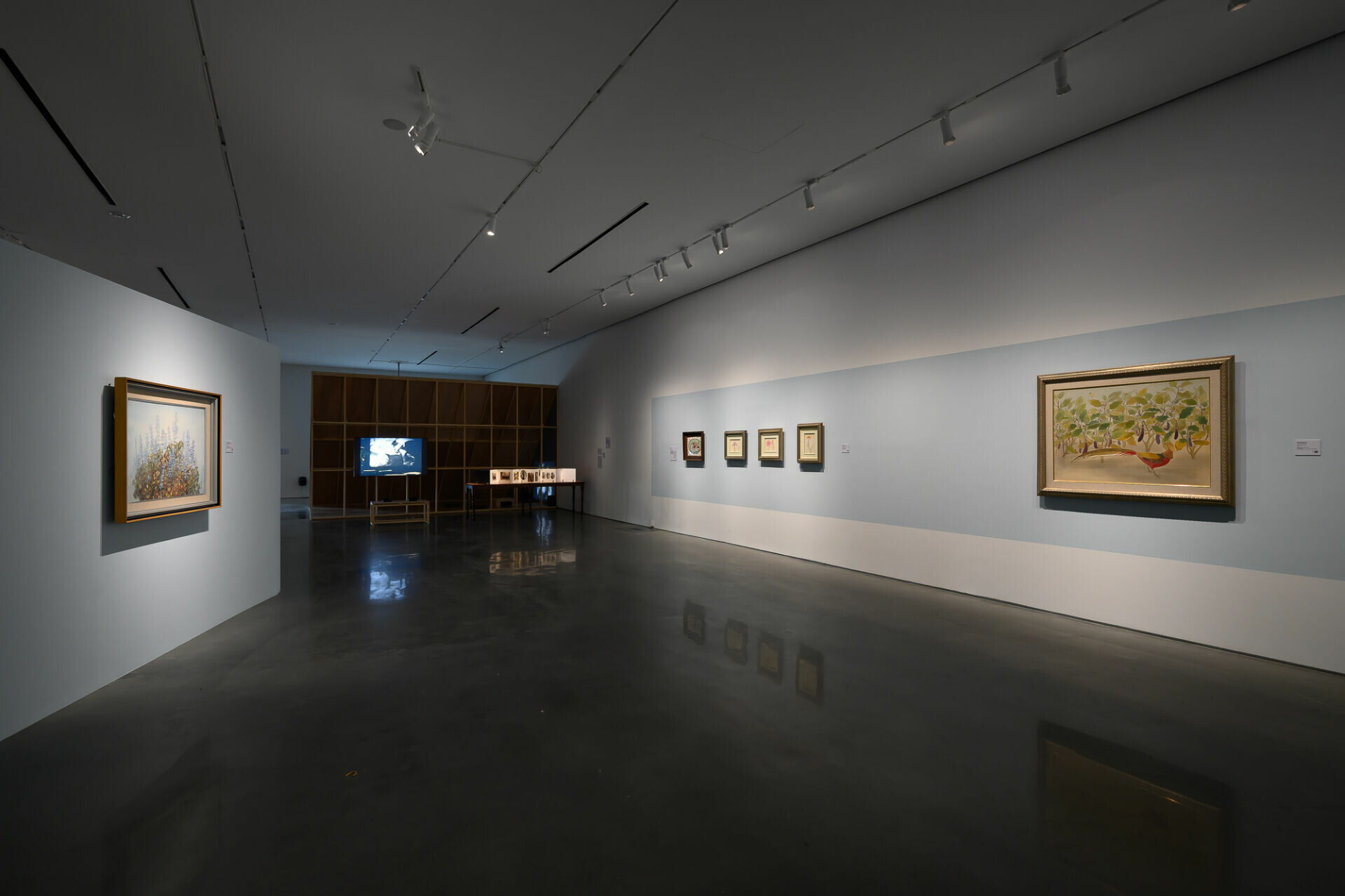
➤ Exhibition room D | The Troubling of Natural Histories. Photo | ANPIS FOTO
''When the World Begins to Speak'' invites us to “listen” as a way of responding to the world. Who is granted the right to speak? Who is forced into silence? By sensing narratives from the personal and the collective—wounded bodies, memories of exile, repressed emotions—listening builds a bridge toward understanding, where coexistence and repair may become possible.
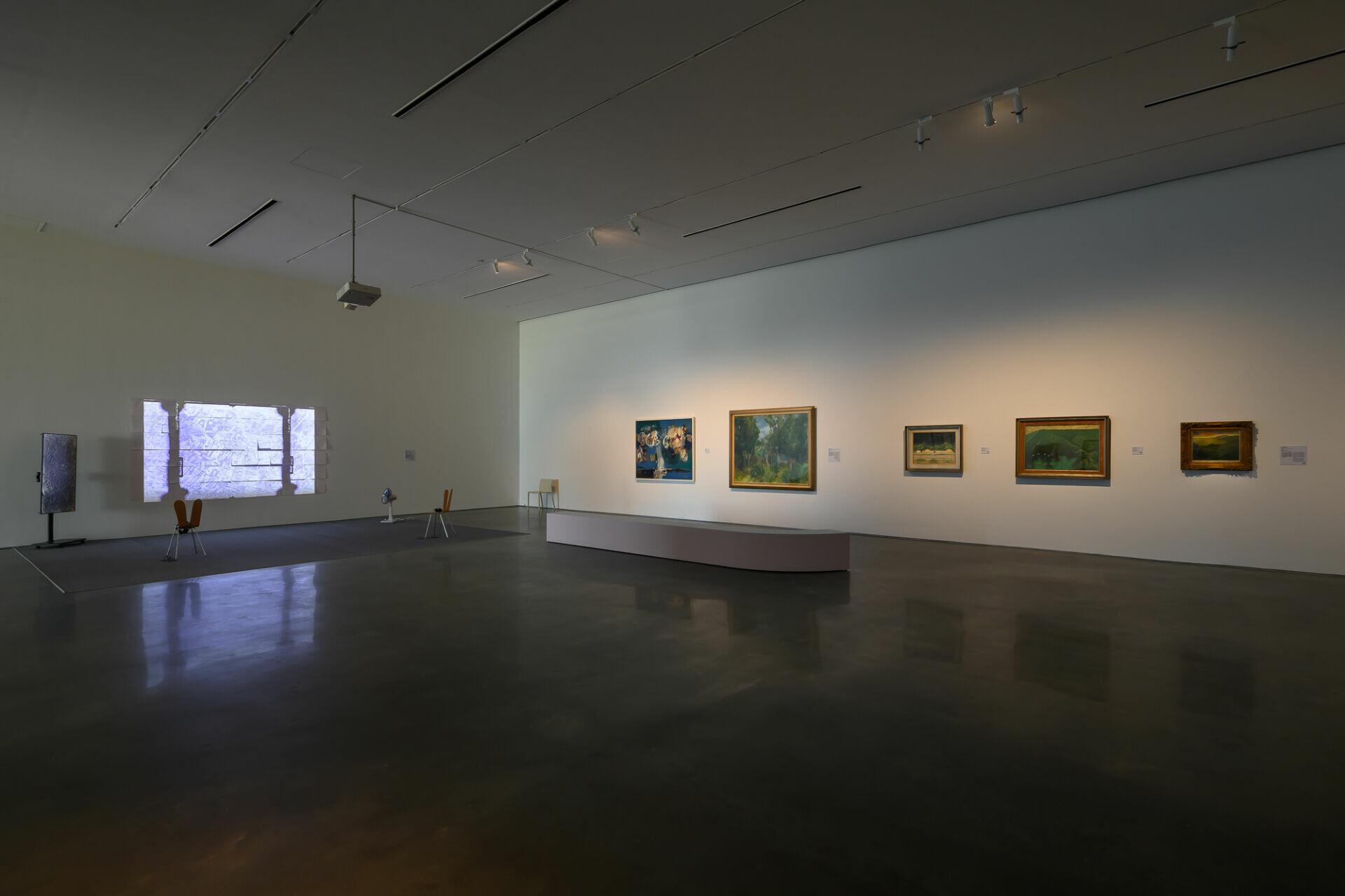
➤ Exhibition room E | When the World Begins to Speak. Photo | ANPIS FOTO
Extending lived experience, entering into dialogue with all beings
After leaving the venue, the exhibition does not end. Walking between blue sky and green ground, one may still encounter artworks—randomly, at a corner. “We hope to connect with people’s everyday lives. Building on the museum’s co-constitution with the library, we want to ignite multiple ways of looking and move beyond the boundary of the art venue as a white cube,” said TcAM Director Yi-Hsin Lai.
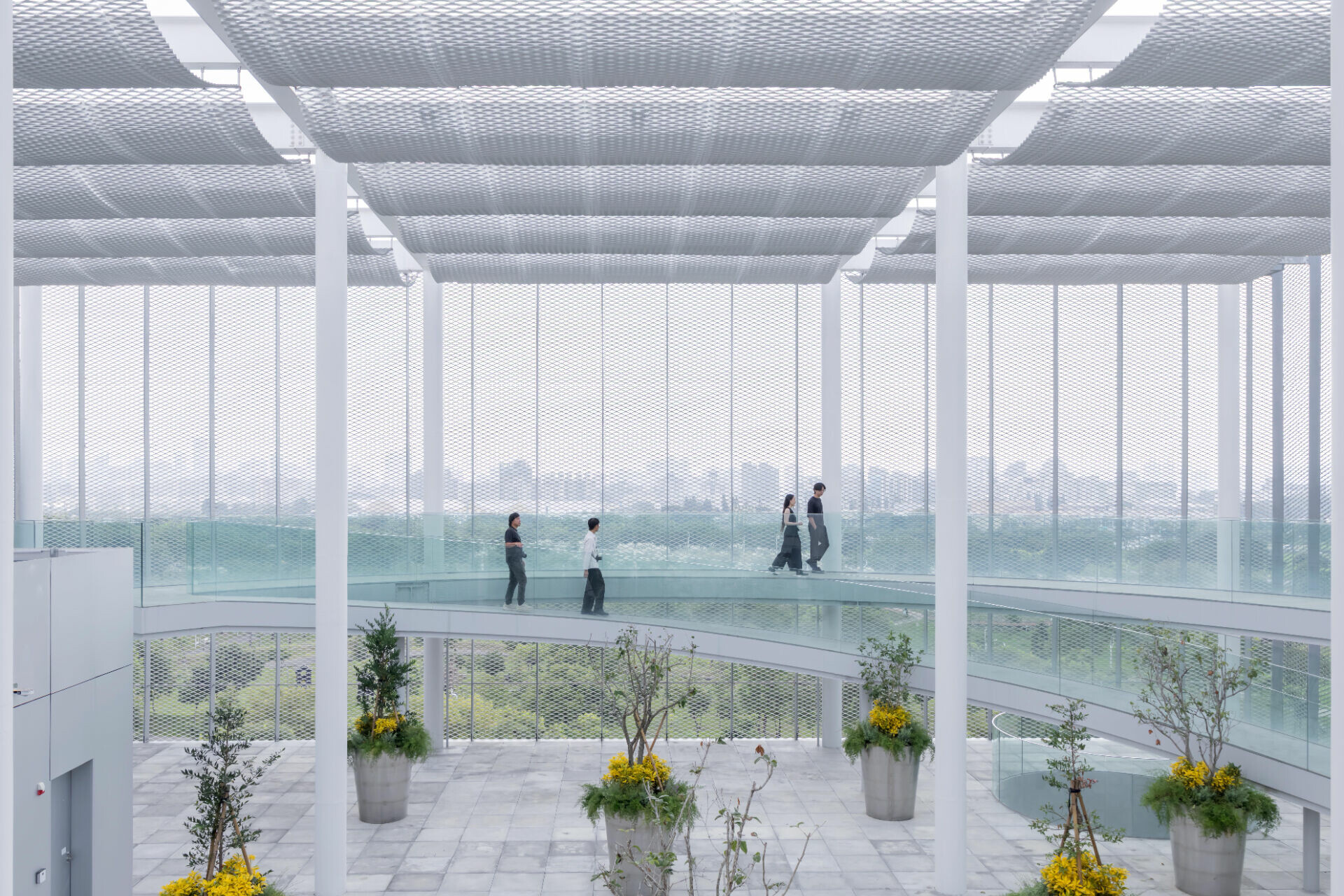
➤ Photo | Iwan Baan
TcAM is not only a museum that presents viewpoints; it also seeks to be a cultural hub that connects with civic life. Her expectation for the institution aligns with the exhibition’s subtitle, “See you tomorrow, same time, same place.”—a quiet anticipation of watching all beings and the interweaving of time and space, of people meeting here without prior arrangement.