


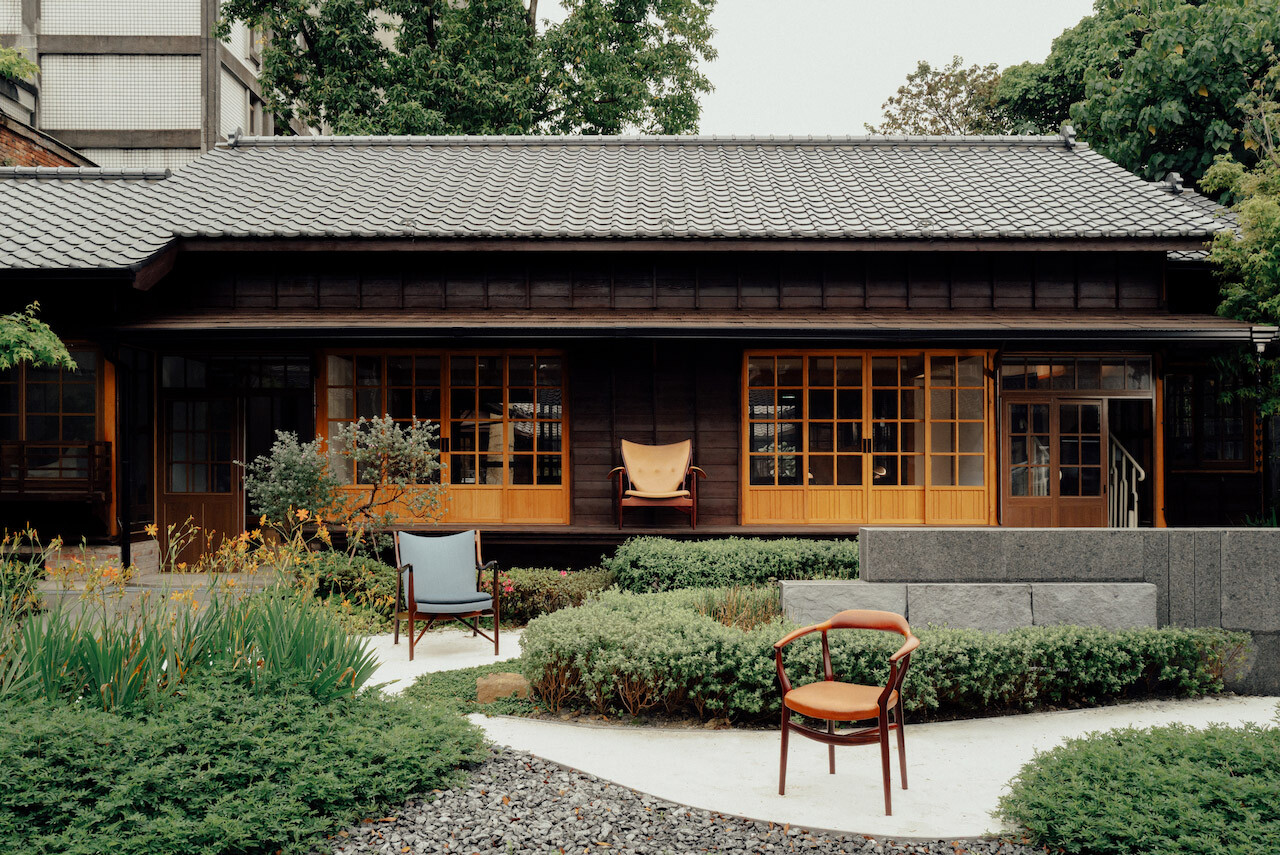
➤ Chieftain Chair,Model 45,Model 44 (Bone Chair)
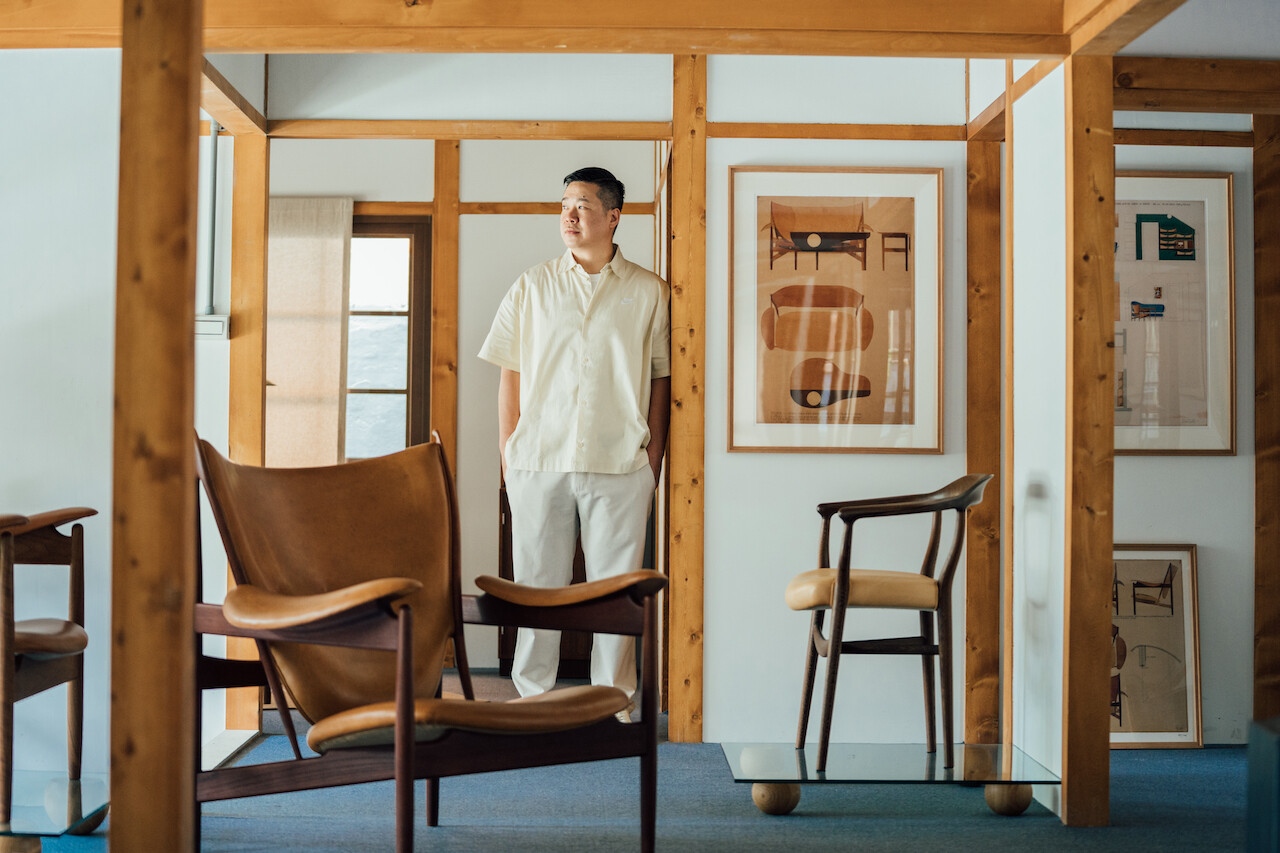
To collectors, the meaning of a chair has long transcended that of an ordinary piece of furniture. One cannot help but wonder: in their eyes, beyond being an instrument for sitting, what kind of craftsmanship and presence of master designers do chairs reflect? When Eric H., founder of The VG House, by a twist of fate encountered a chair with cracked leather and an unassuming form, he found himself instantly drawn to it. That moment of resonance arose from instinct, and from his sensitivity to structure and presence. As if imbued with soul through the designer’s thinking, and shaped by the warmth of repeated handcrafting, the chair becomes a vessel of ideas—something one may quietly converse with in solitude. Across time and geography, these works allowed Eric H. to draw closer to the design thinking and craft lineage of Danish master designer Finn Juhl. Over more than a decade, Eric gradually assembled thirteen series of designs, including four generations of the “FJ 49A Chieftain Chair,” the “FJ 44 Bone Chair,” and the “FJ 45,” regarded as one of the most beautiful armchairs in the world. The current collection exhibition, A CHAIR IN THE ROOM, held at Light on Shining Town in Taipei, invites visitors into a Japanese-style dormitory space still imbued with traces of the past, where stillness, light, and slow rhythm converge—allowing each chair to unfold its own quiet monologue.
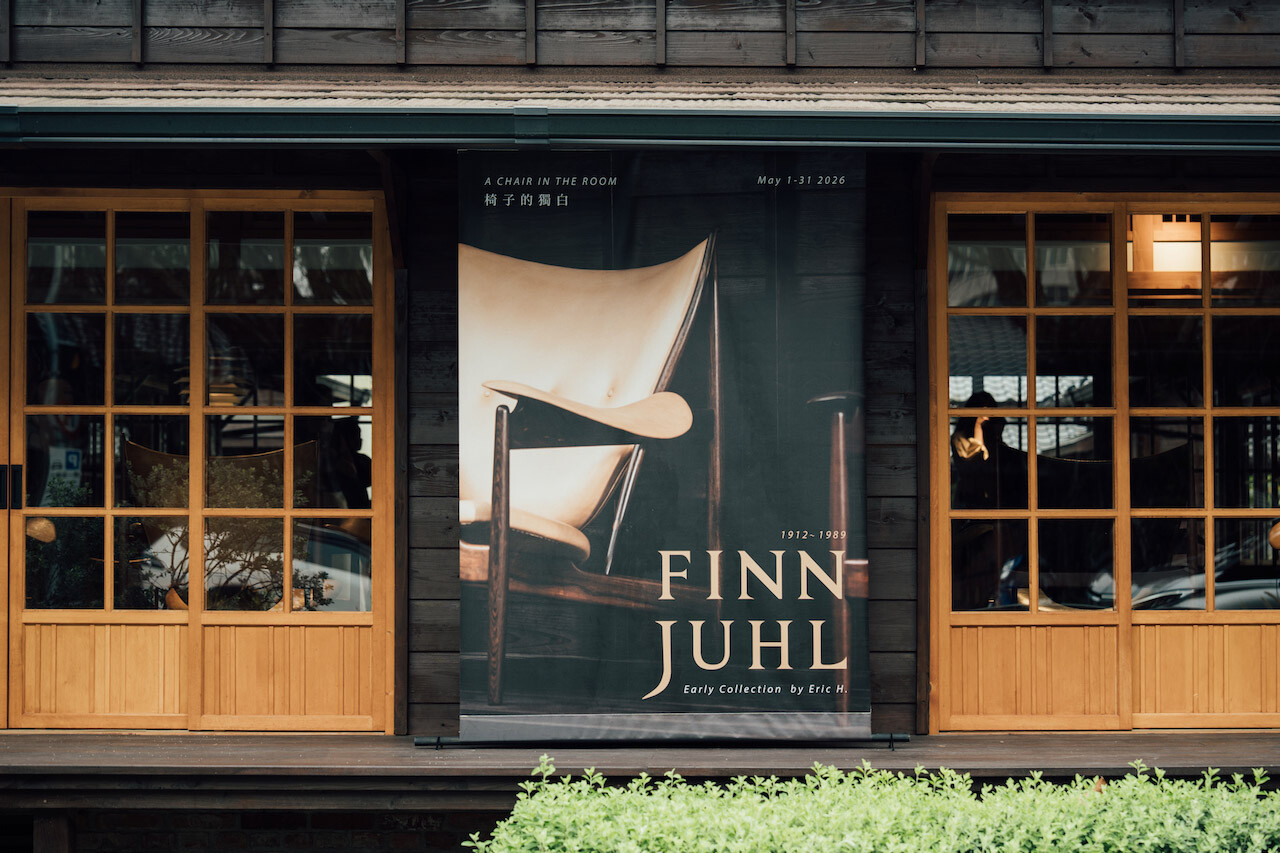
➤ A CHAIR IN THE ROOM
As one of the pioneers of modern Danish furniture design, Finn Juhl (1912–1989), alongside Arne Jacobsen, Hans Wegner, and Børge Mogensen, stands as one of the defining figures of his era. The first impression of his work is its smooth and refined structure—proportioned like the human body, yet paradoxically light despite its seemingly solid construction. This may stem from his deliberate separation of the seat from its supporting frame, creating a sense of levitation. This approach broke away from the heavy and solid language of furniture at the time, allowing solid wood structures to express both delicacy and durability. Influenced by modern sculptor Henry Moore, Juhl employed a sculptural language of the human body in constructing his furniture systems. As a result, his early works were not merely objects of appreciation, but archetypal designs that would influence generations to come, occupying an irreplaceable position in design history. To him, if a chair remained only within the pursuit of comfort, it still belonged to the realm of utilitarian function. He instead explored the relationship between people and space, transforming the chair into a medium through which aesthetics enters everyday life—whether used, observed, or simply placed within a space, it remains complete in its own right.
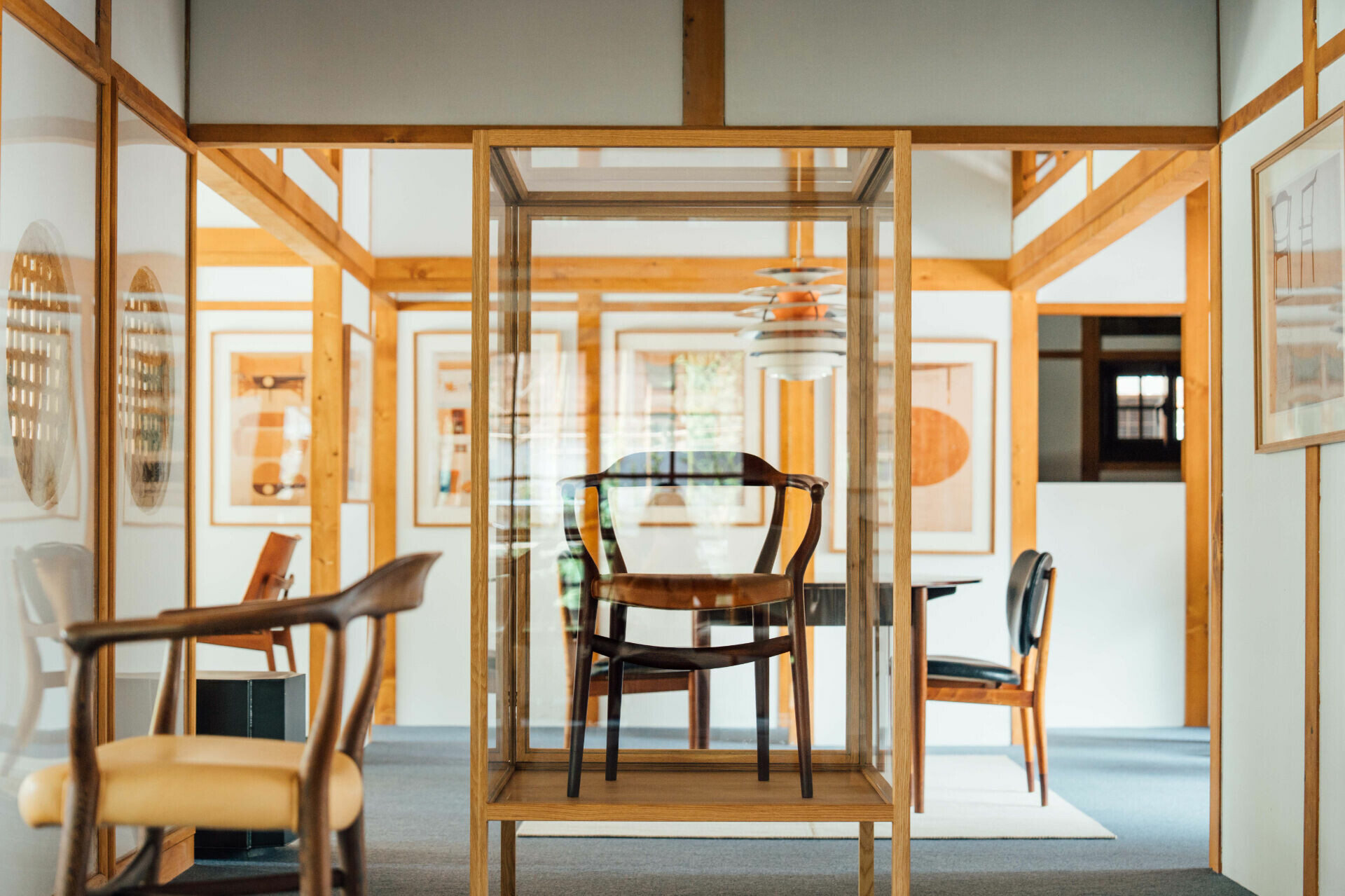
Turning attention to the FJ 44 Bone Chair, first introduced in 1944, its name derives from its resemblance to the human skeleton, serving as a perfect articulation of Finn Juhl’s design philosophy. The design boldly exposes the underlying structure beneath the leather upholstery, revealing the frame itself. The process resembles a precise surgical dissection, placing extreme demands on craftsmanship. In the 1940s, without modern drying equipment, each piece required months of repeated hand planing followed by prolonged resting to ensure the stability of the wood. Due to the extreme difficulty of production, early examples are exceedingly rare and are now regarded as highly scarce collector’s pieces. The work on display is significant for its rarity, as well as for the way it marks a decisive turn in Finn Juhl’s structural vocabulary. Another “Prototype” version predating the 2012 reissue, crafted in wenge wood from the Congo, further reveals how a design becomes iconic through sustained refinement over time. Today, the exposed structural frame, flowing armrests, and V-shaped support beneath the seat have all become defining elements of Finn Juhl’s design language.
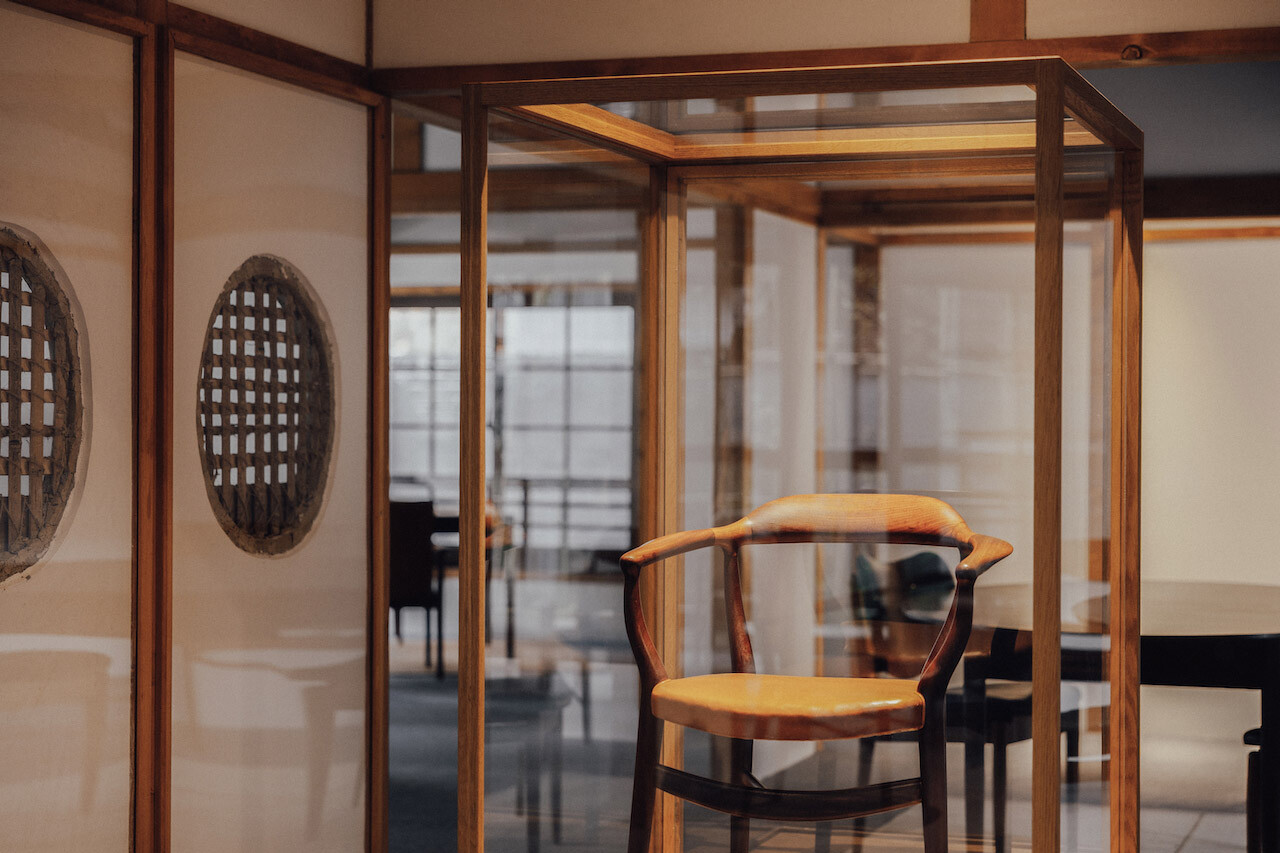
➤ FJ 44
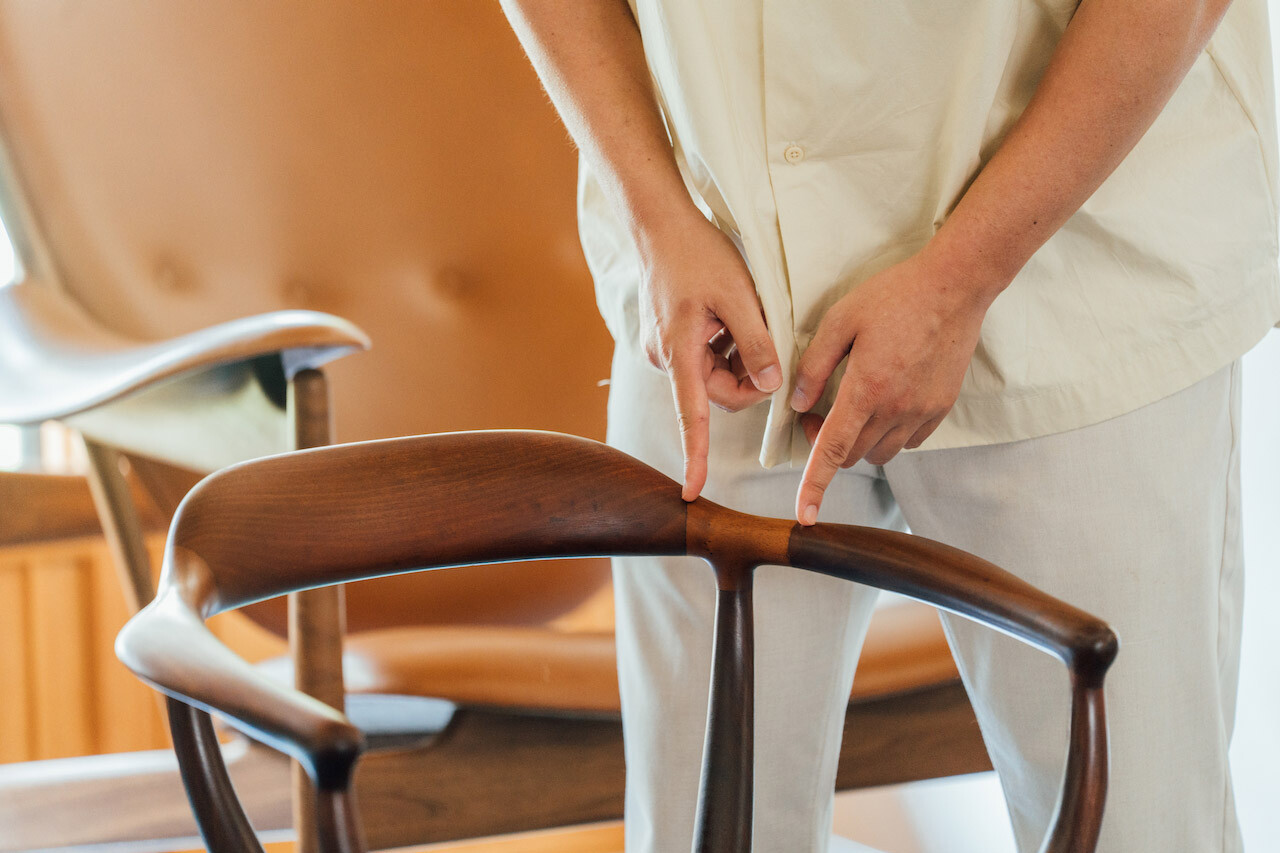
➤ FJ 44
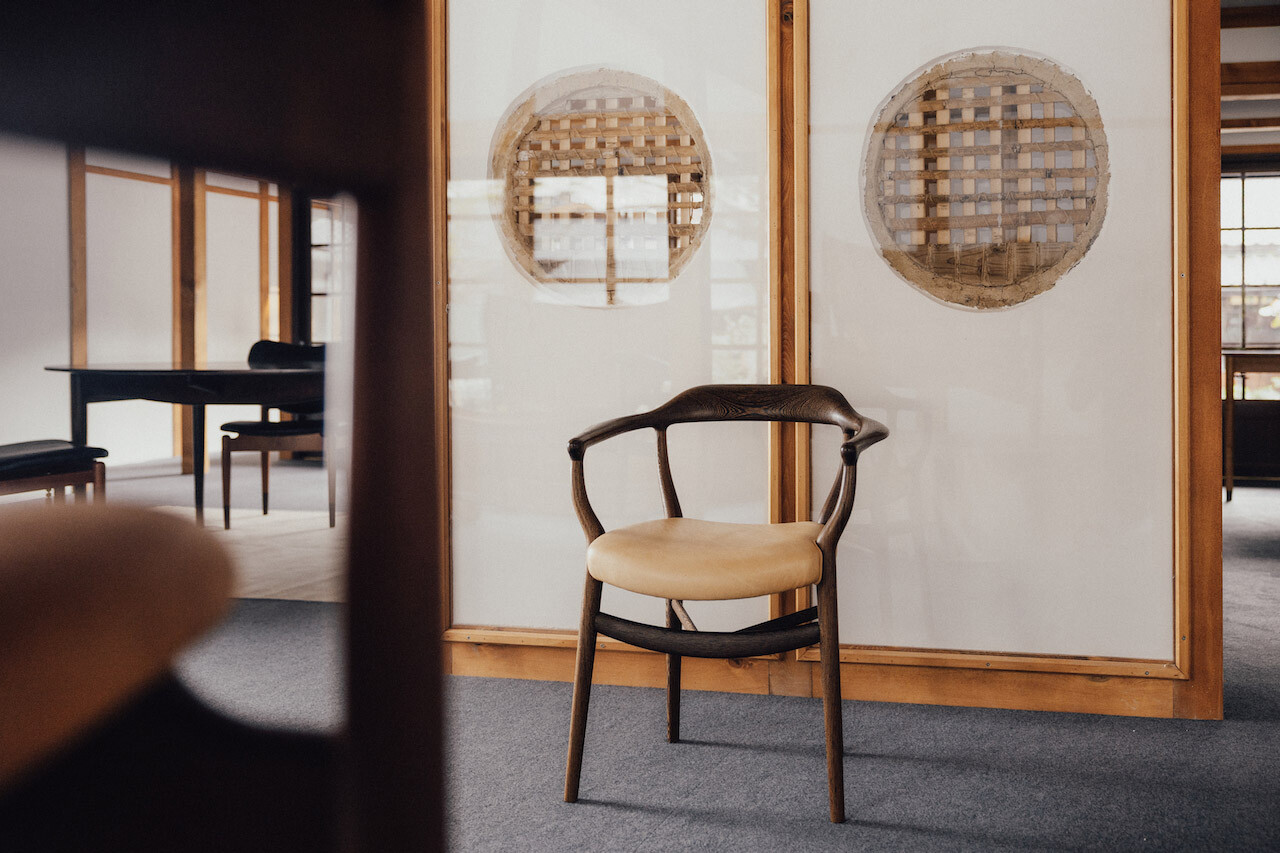
➤ FJ44 2012 Prototype
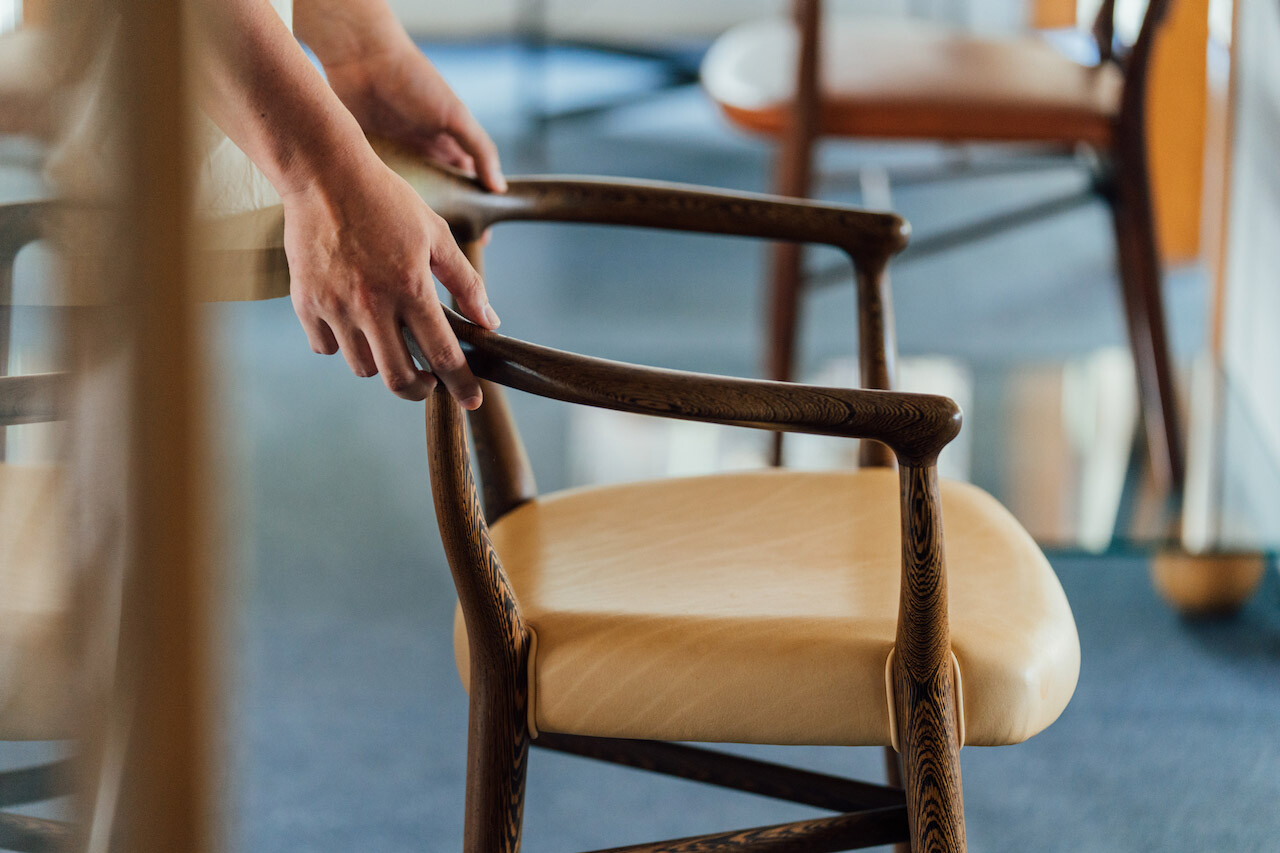
➤ FJ44 2012 Prototype
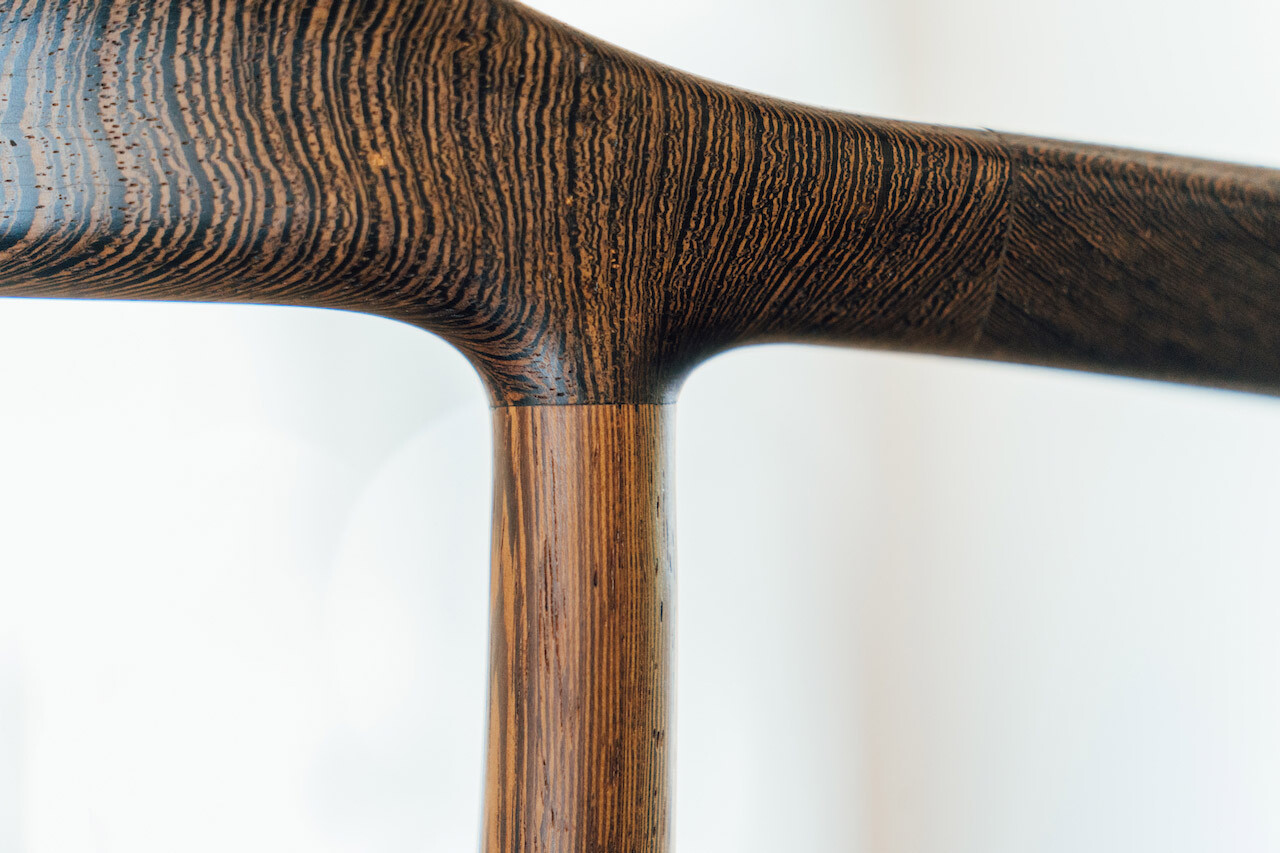
➤ FJ44 2012 Prototype
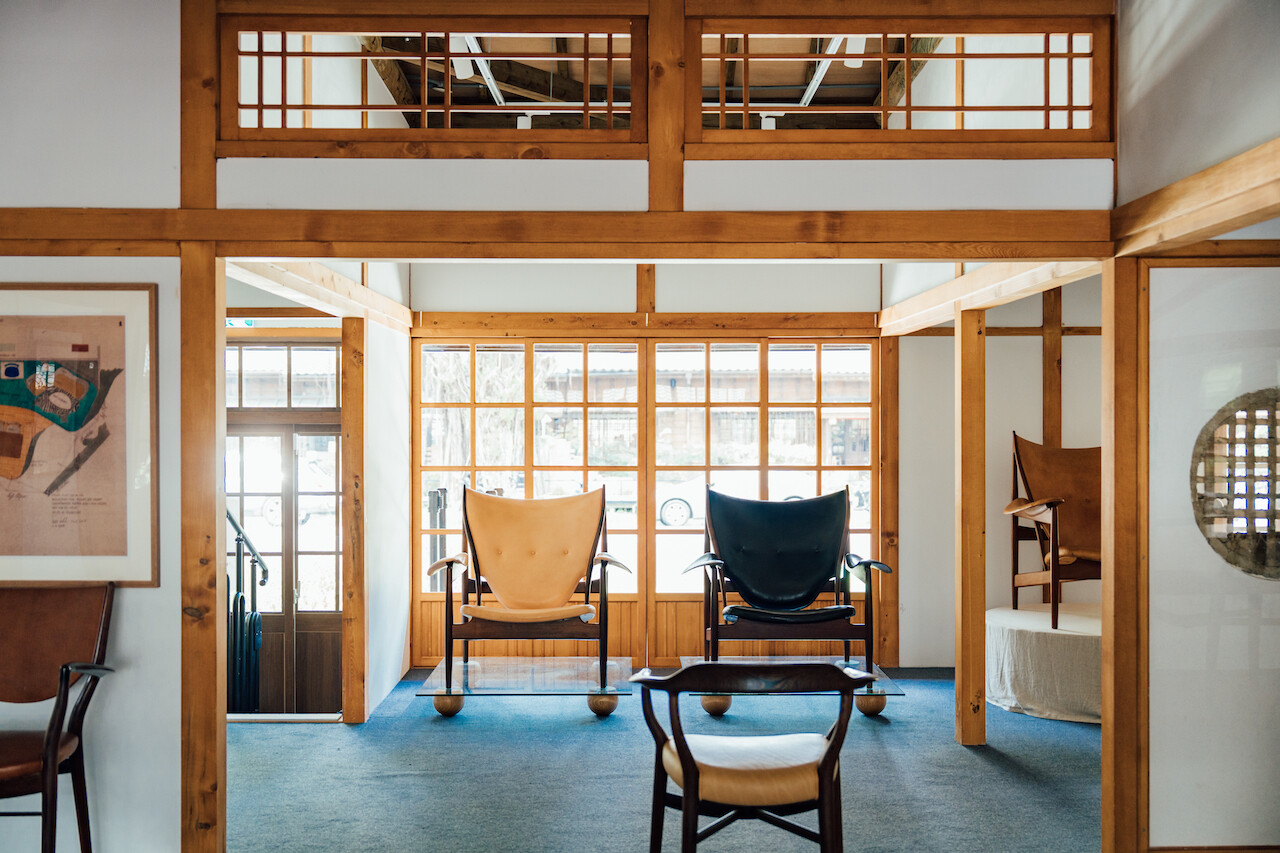
A similar trajectory can be seen in the legendary FJ 49A Chieftain Chair. Its references move between Egyptian antiquity, images of bows and shields, and the period’s broader fascination with cultures beyond Denmark. The chair’s lines carry intense tension: an S-shaped silhouette evokes the pull of a bow; the backrest suggests armour, while the armrests carry the posture of a shield. The upward-turning ends gather into horn-like details, giving the chair a charged balance between attack and defence. Regarded as one of the high points of Danish design, the exhibition presents five examples across different generations of its evolution. Among them, a version crafted by Niels Vodder in Brazilian rosewood is especially rare. With Brazilian rosewood now subject to conservation restrictions, the scarcity of early examples has become even more pronounced. After acquiring this rare piece, Eric unexpectedly visited the descendants of Niels Vodder during his 2017 trip to Denmark, gaining firsthand insight into how furniture coexists with life itself. The encounter sharpened his sense that an object carries its own form together with the time, memory, and people gathered around it. This experience marked a turning point in his life: from collector to practitioner, he began studying woodworking in depth—examining every screw, every branded mark, and every mortise-and-tenon joint—in search of a closer understanding of the philosophy and spirit of the master designer.
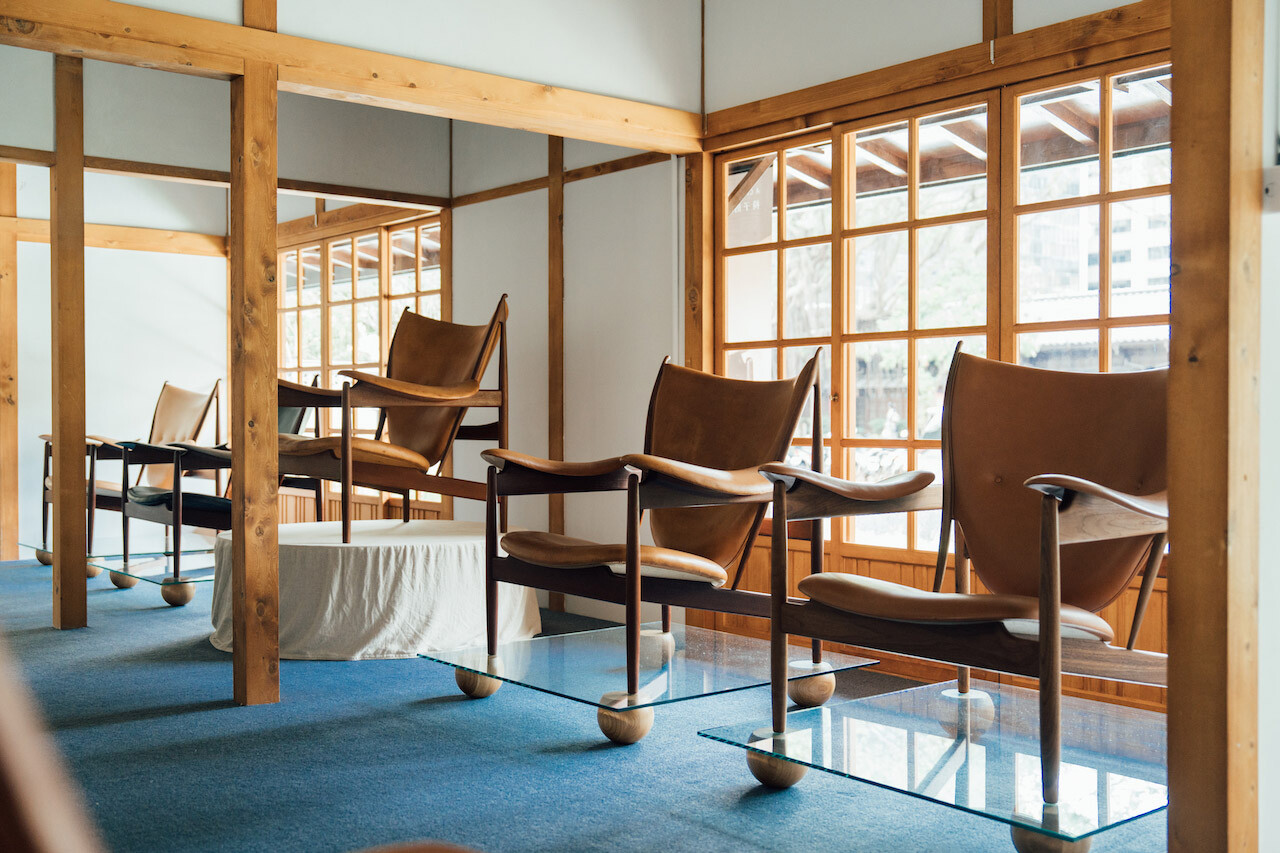
➤ Chieftain Chair
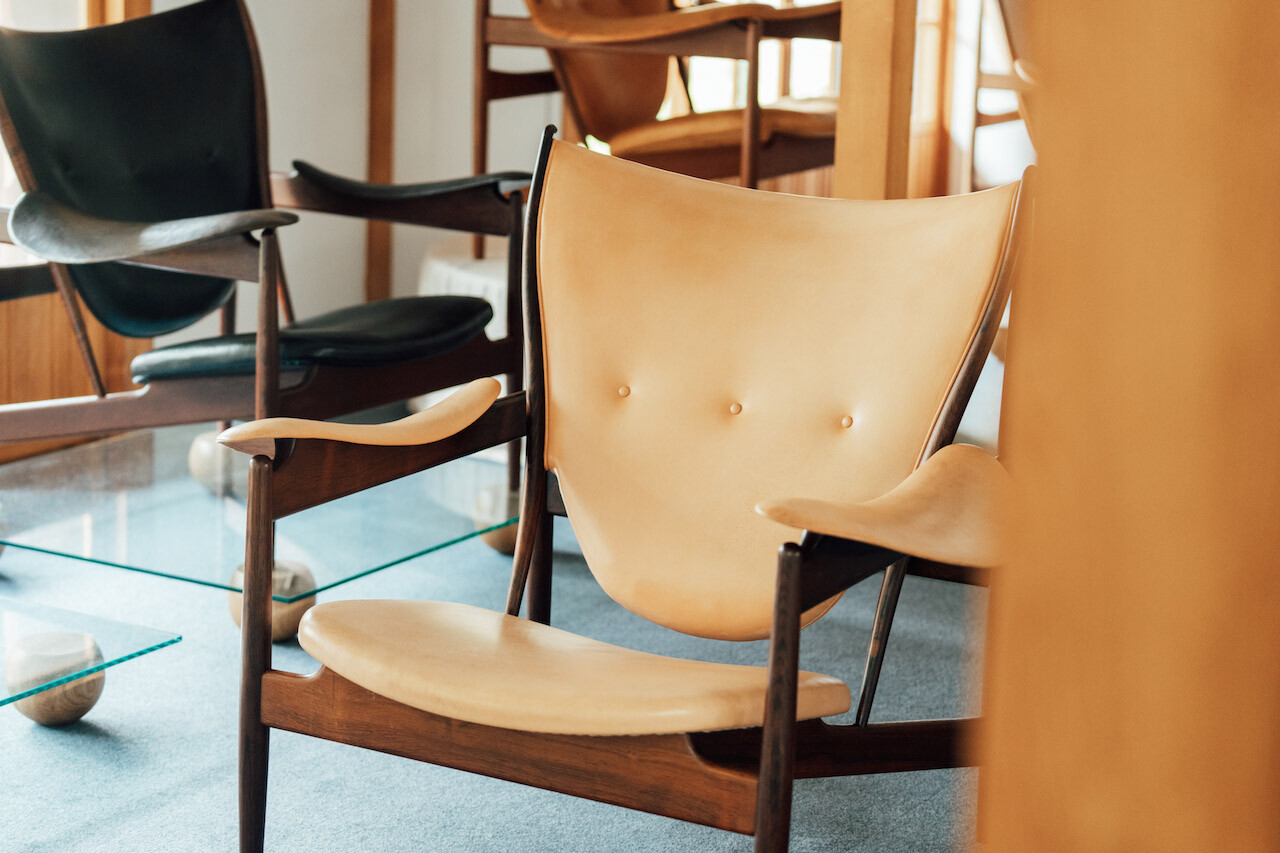
➤ Chieftain Chair | Niels Vodder Version
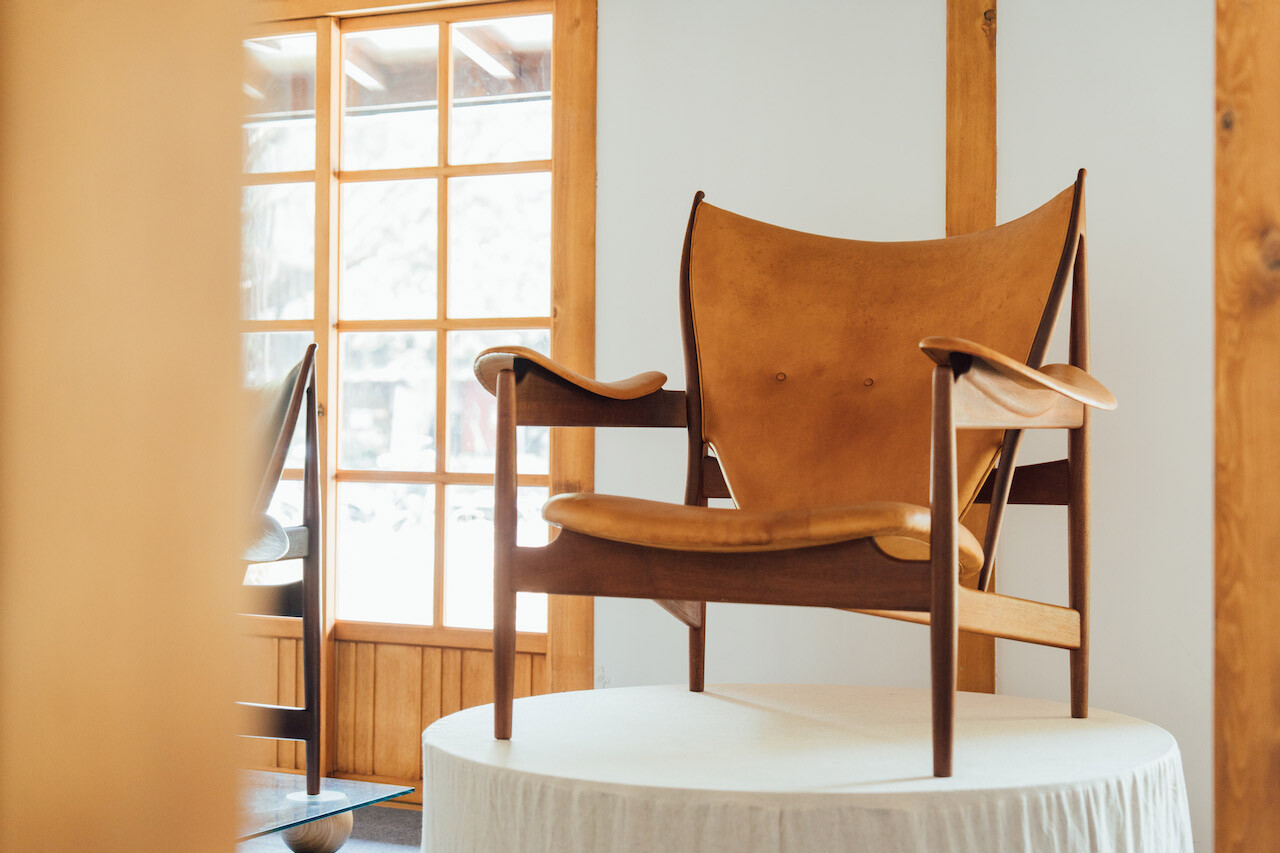
➤ Chieftain Chair | Ivan Schlechter Version
In this exhibition, the FJ 45 Chair, often regarded as one of the most beautiful armchairs in the world, is also presented. A closer look reveals that the seat’s supporting structure is recessed inward, allowing the cushion to appear visually suspended within the frame, creating an unprecedented sense of lightness and rhythm. The overall form is almost devoid of straight lines, composed instead of continuous flowing curves and natural variations in the thickness of wood. This balance of flexibility and structural tension also brought one early example into the context of Fallingwater, the house designed by Frank Lloyd Wright, where it remains in the third-floor study of Edgar Kaufmann Jr. Kaufmann Jr. would later become an important advocate for Finn Juhl’s work in the United States.
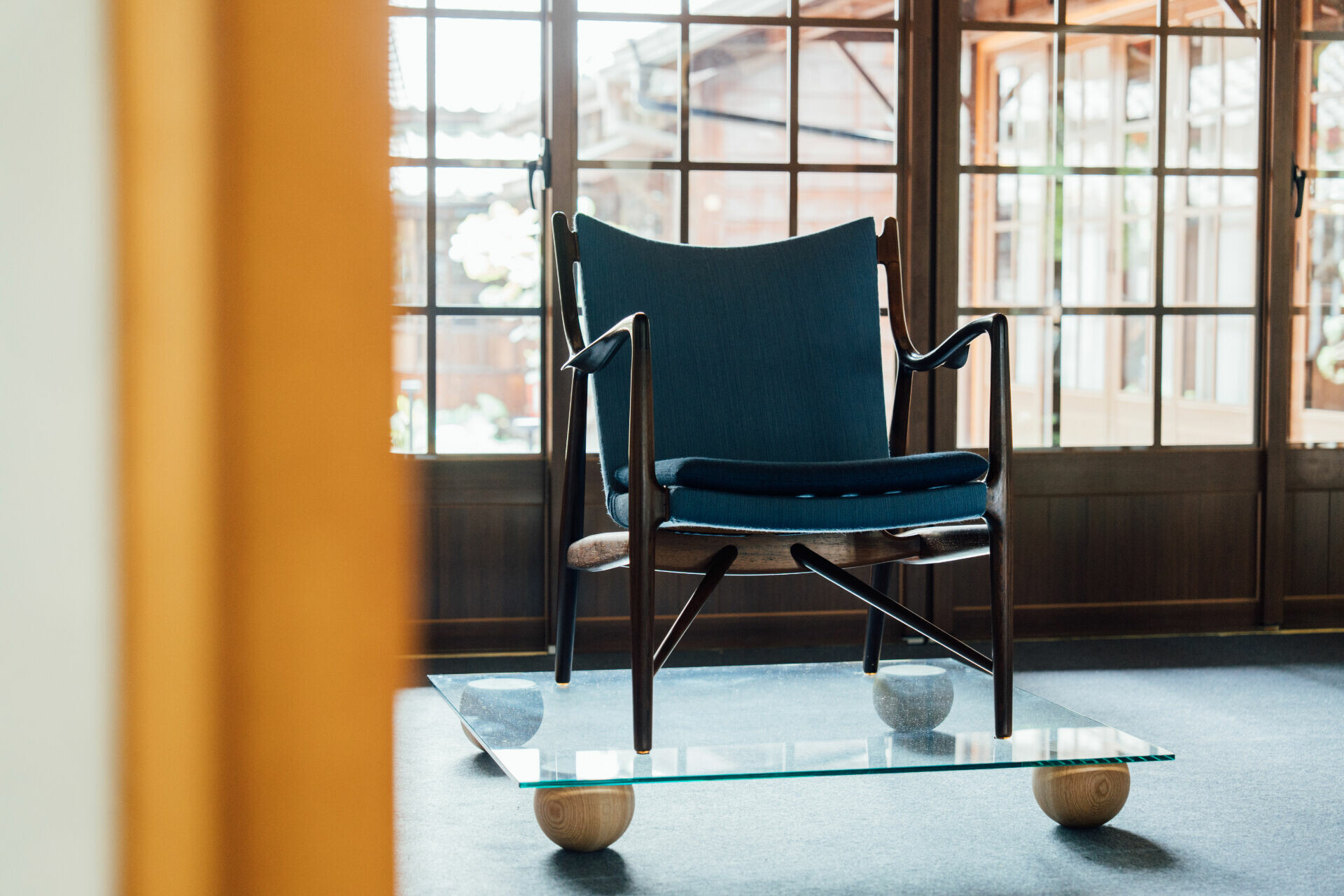
➤ FJ 45
As one walks through Light on Shining Town, encountering these masterpieces within a historic residential atmosphere, their timeless vitality becomes even more palpable. The VG House has specially designed glass display stands elevated by wooden spheres, echoing the floating quality of the works. This attention to detail reveals the collector’s deep understanding and reverence for the pieces. A hands-on workshop area is also installed, displaying a partially crafted armrest of the FJ 45 Chair, allowing visitors to witness the transformation of raw wood into organic curves. Meanwhile, a monograph released for the first time during the exhibition—written by Eric himself and edited by writer Hsiao Pei-Chieh—documents in detail the stories and emotions behind each chair, accompanying readers and Eric on a journey of pursuit that has unfolded over the years.
➤ Photograghy | YuZhi,Lin @zhinsomeplace
May 1, 2026-May 31, 2026
THE VG HOUSE
Photography|@zhinsomeplace