Bodies Without Permission
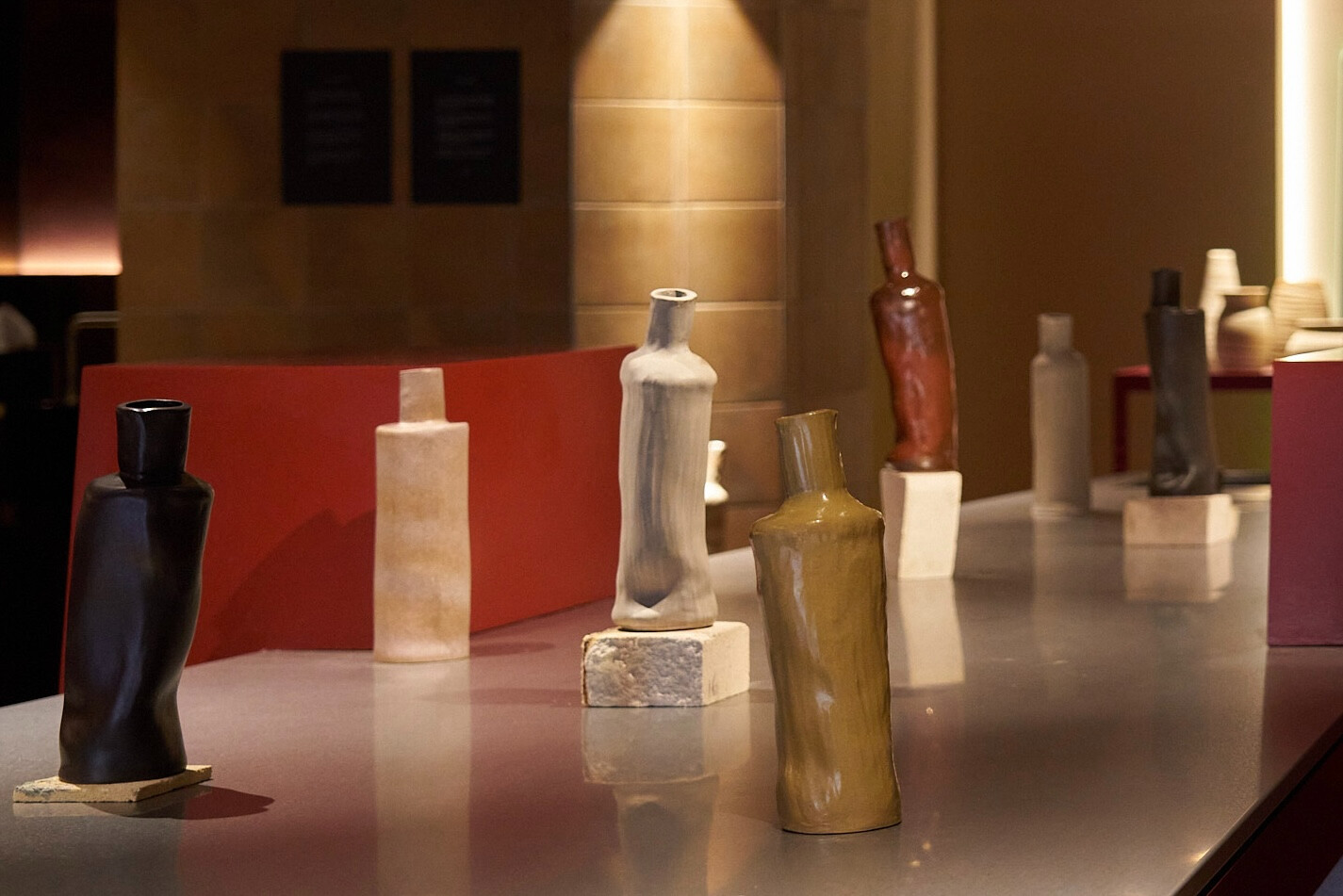
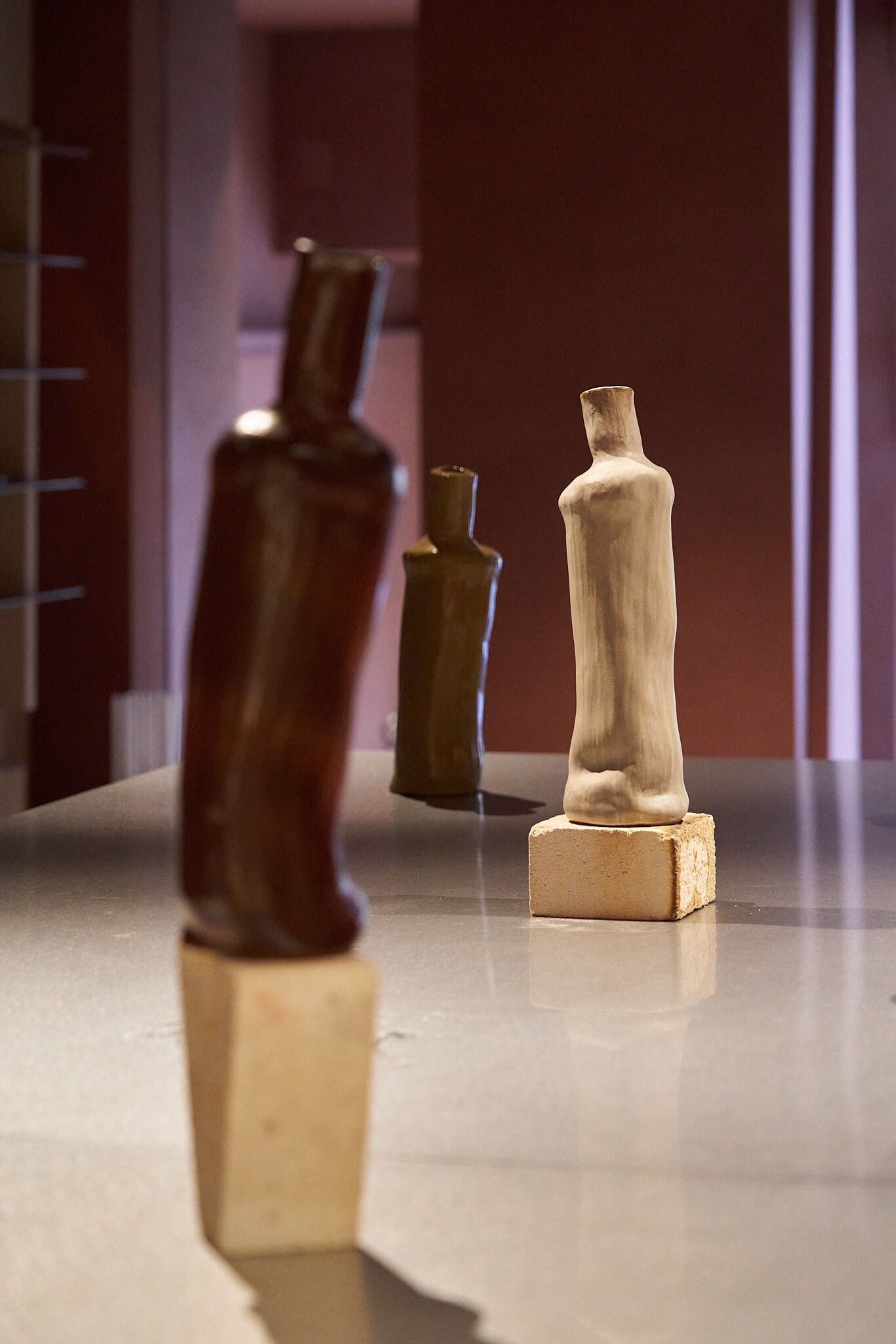
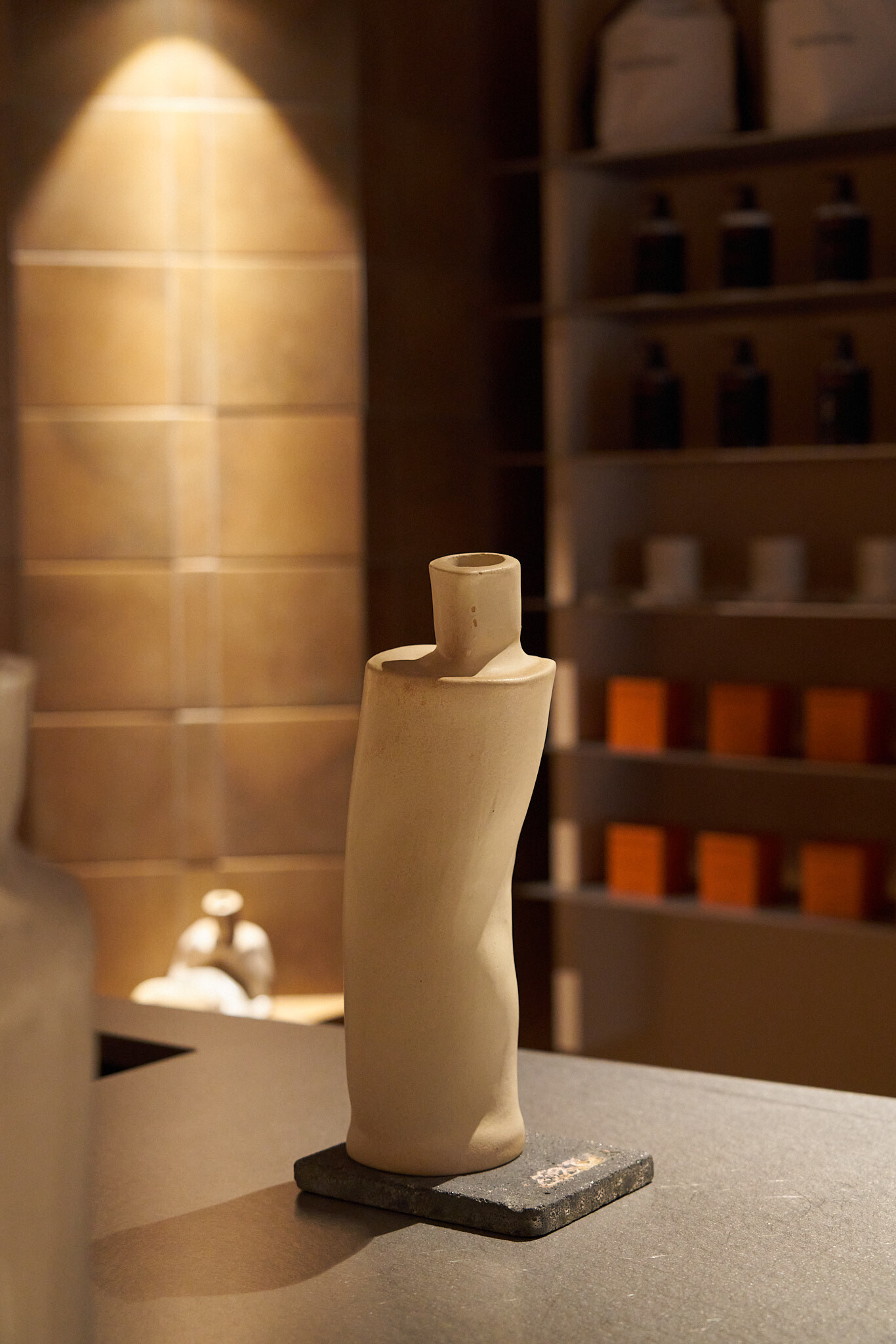
In this exhibition, posture is not form, but a decision the body makes amid uncertainty. Leaning, shifting, supporting, and recalibrating are not mistakes but the body’s way of understanding the world.These works do not seek uniformity, nor do they orient toward a single center. Each one stands in its own posture, continuously asserting its presence in coexistence.
Ting
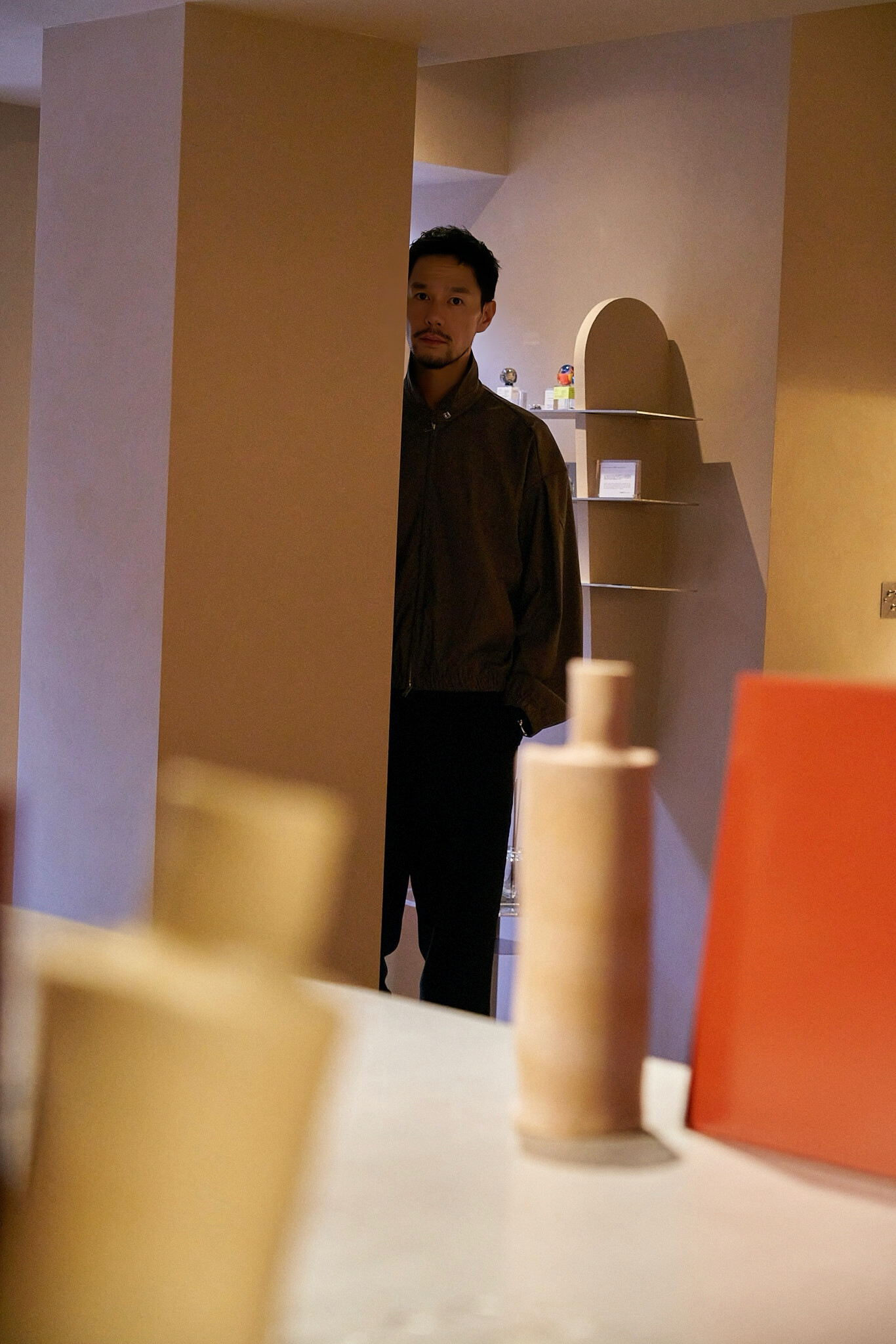
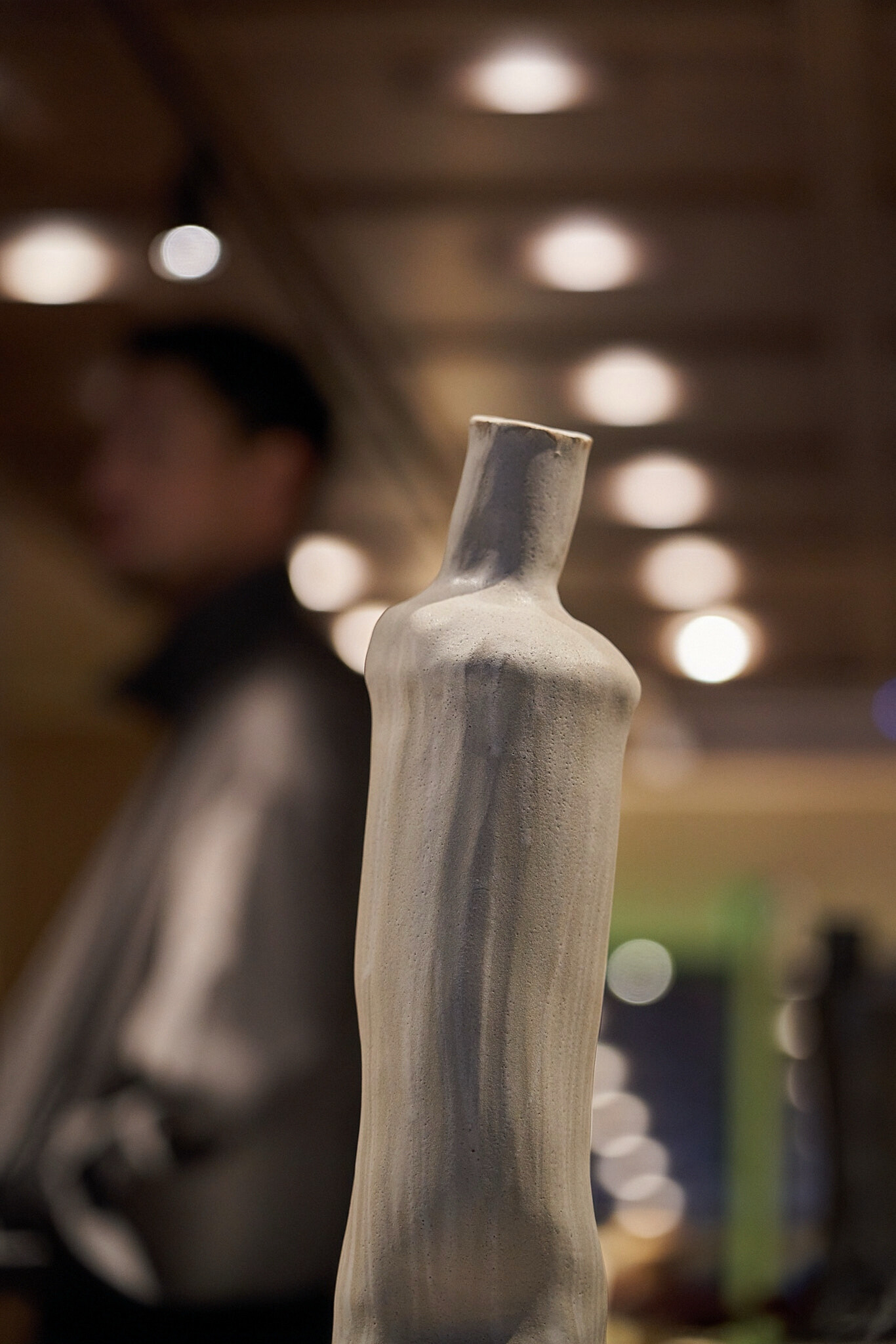
If the body is the soul’s vessel, then a person is architecture shaped in flesh: with structure, with loads to bear, and with unseen codes that quietly determine how one should stand and how one is seen. Under social discipline, are there rules for posture? Does the space that contains the self have boundaries? In his solo exhibition Bodies Without Permission, Ting revisits bodily scale and asks: when we begin from the artist’s subjective position, what kind of self is broken apart, and what is remade?
Standing Is Never Simple
As we grow, we learn to stand, to keep our balance, to hold ourselves upright, to align left and right. This training is meant to make us fit the shape society expects. It appears natural only because we learned too early what the body is “supposed” to become. Inconsistency is treated as error; deviation is corrected. Yet should the body have a single “correct” form?
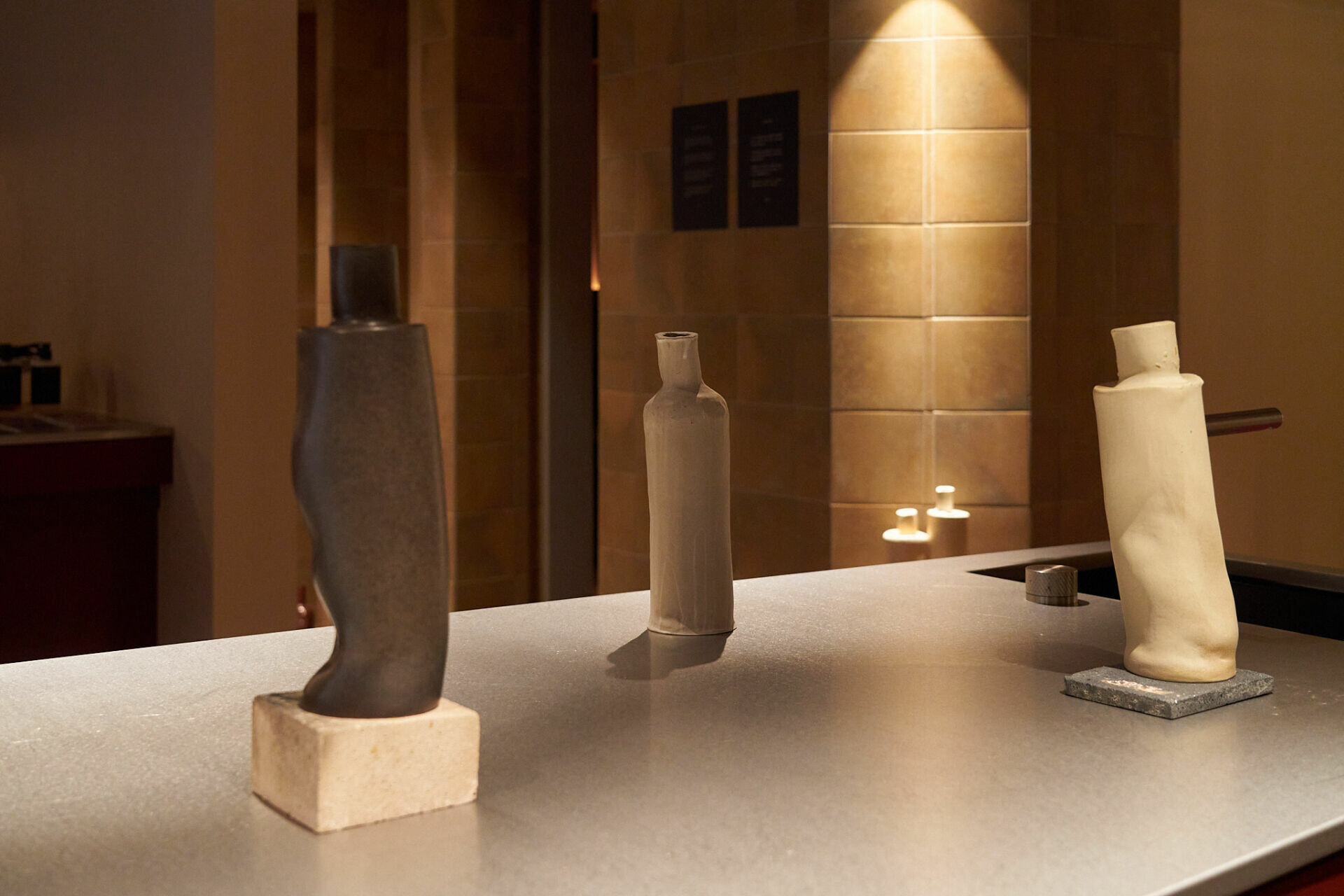
What the artist attends to is not whether standards hold, but the process by which the body is shaped. The overlooked truth is that standing is not a static state. Every second, the body shifts its centre of gravity to remain upright. It is constantly making judgments in response to real conditions, formed in the immediate interaction of gravity, space, and others. The moment we become aware of “standing” may be the smallest unit through which we understand existence.
Coexistence Between Bodies
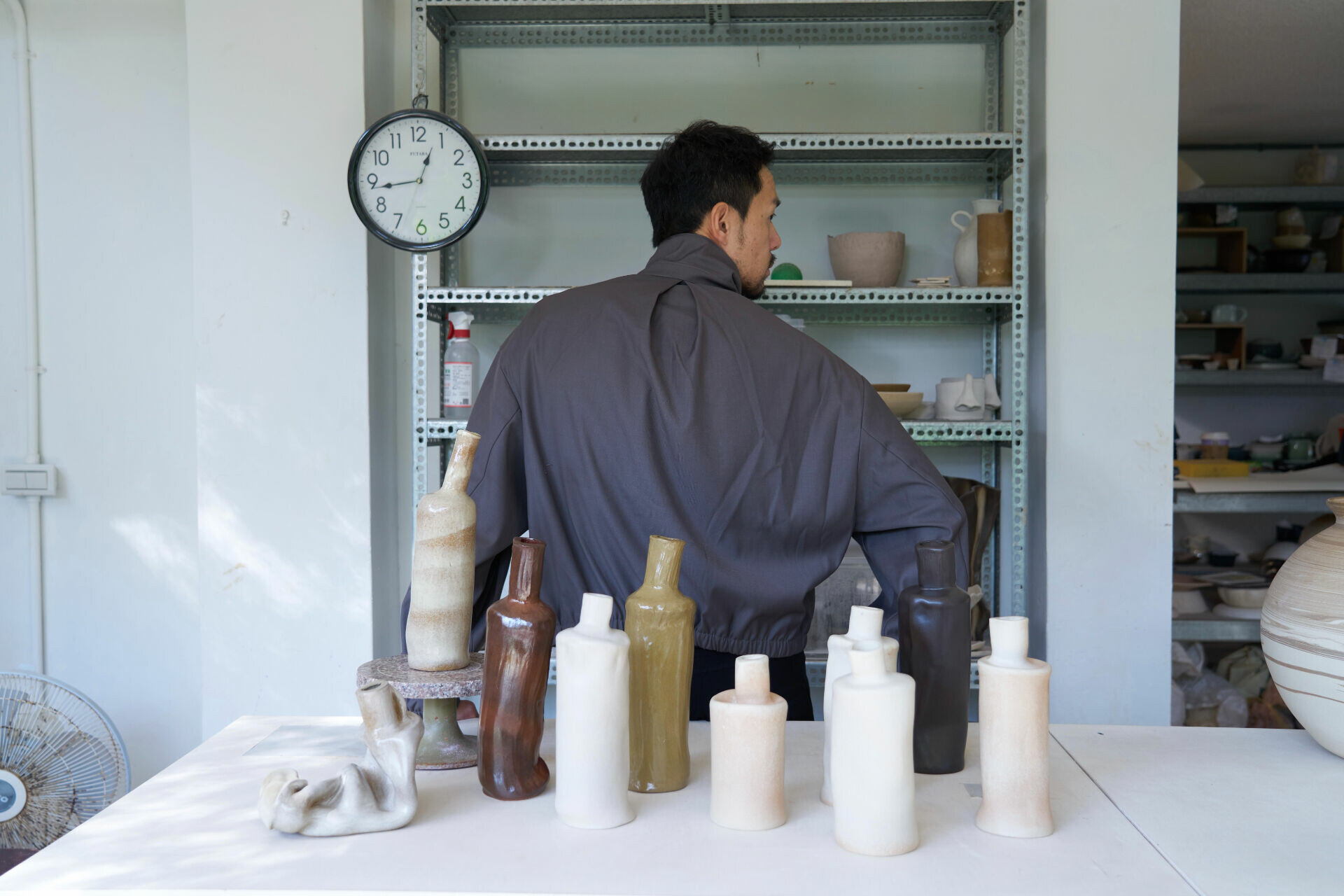
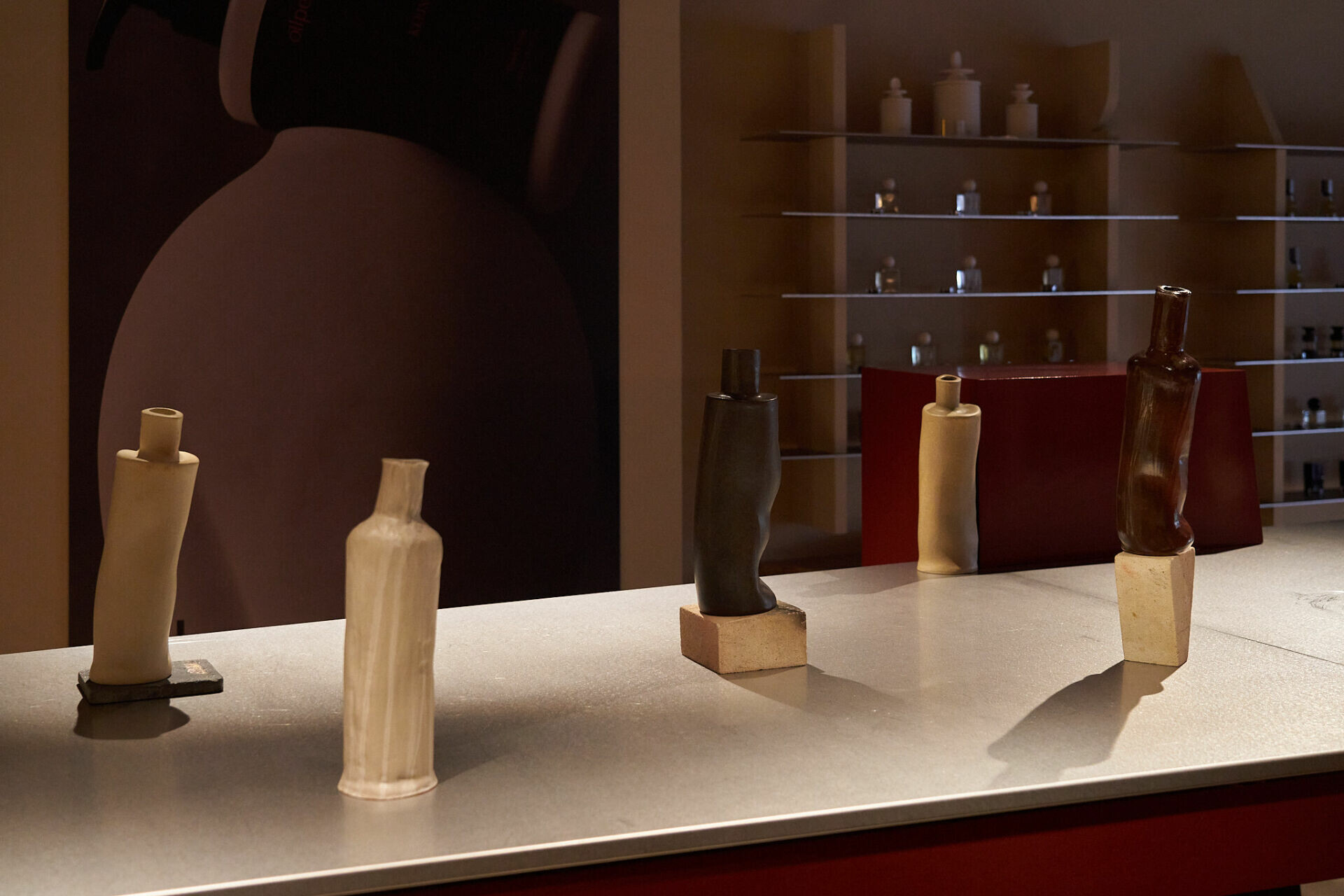
In the Bodies series, Ting explores the nature of posture not for how it appears, but to address a more fundamental question: how does a body stand, and still remain in balance? More than twenty works come together as a large-scale installation. They draw close, negotiate their positions, and support one another, testing ways of standing under differing conditions. Released from a unified sense of order, each piece exists in its own stance. There is no hierarchy, no principal and subordinate. In doing so, the works challenge structures of authority: “Every form is a centre; every presence has its reason.” Stability is redefined from within disorder.
Tracing the Body Through Clay
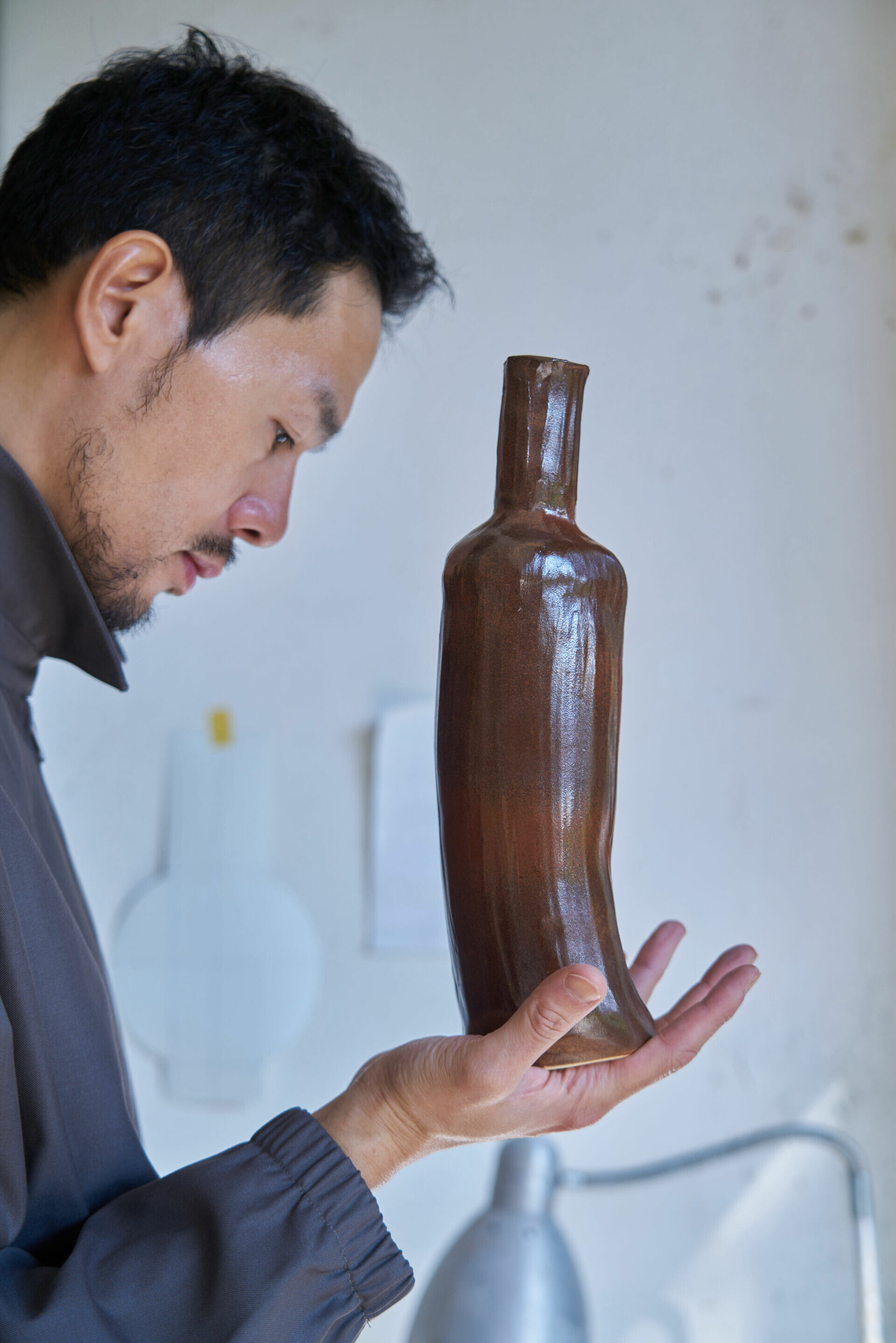
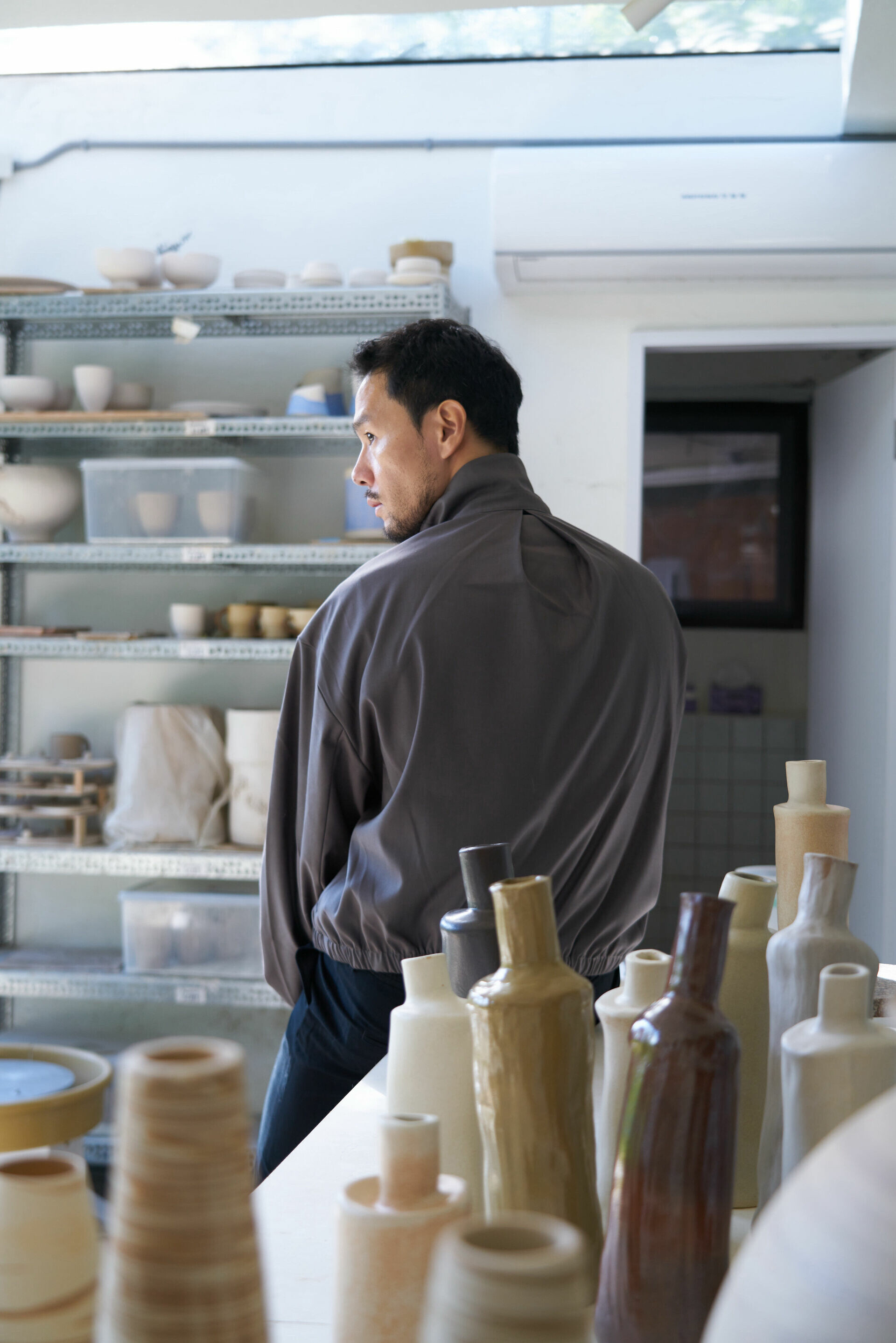
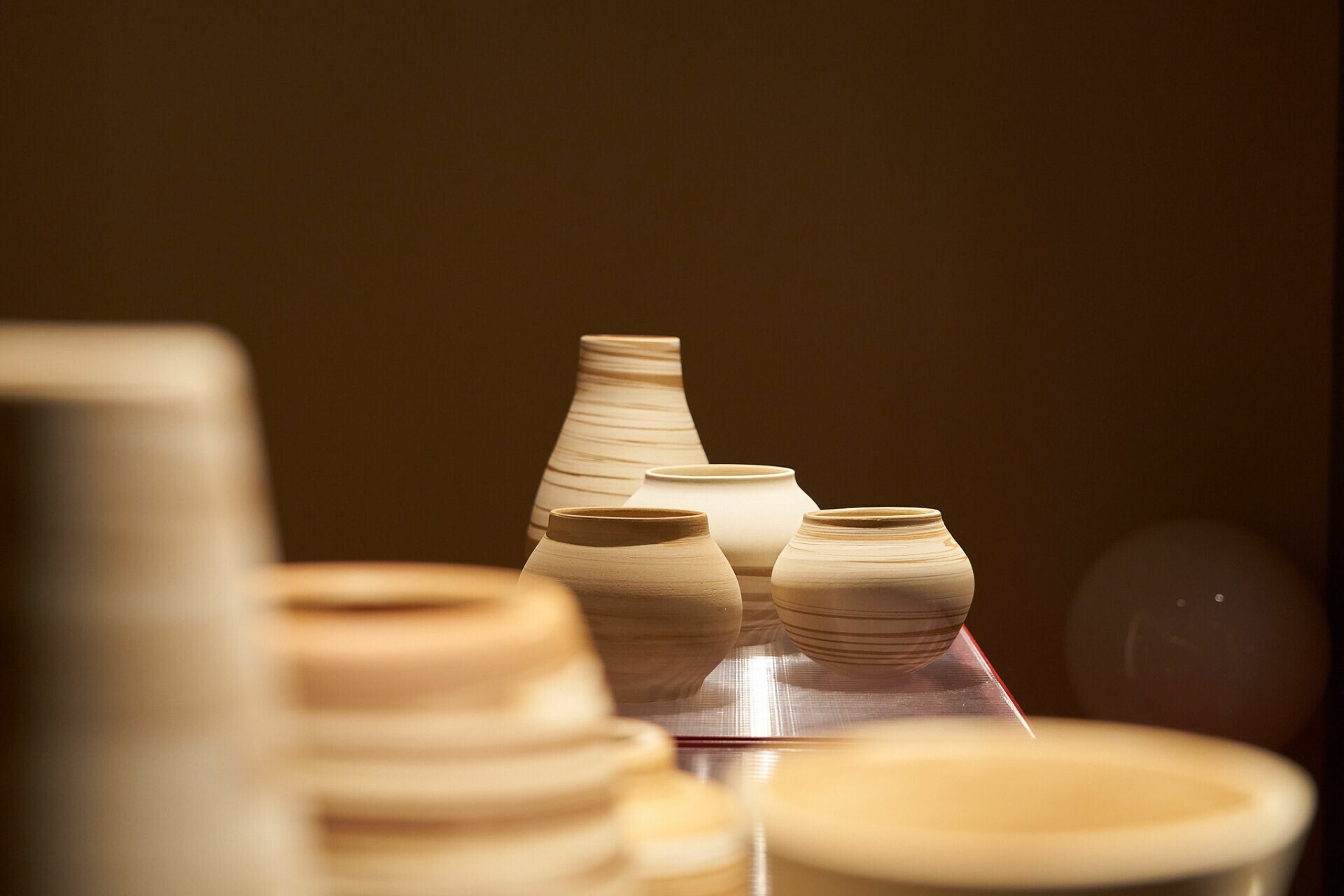
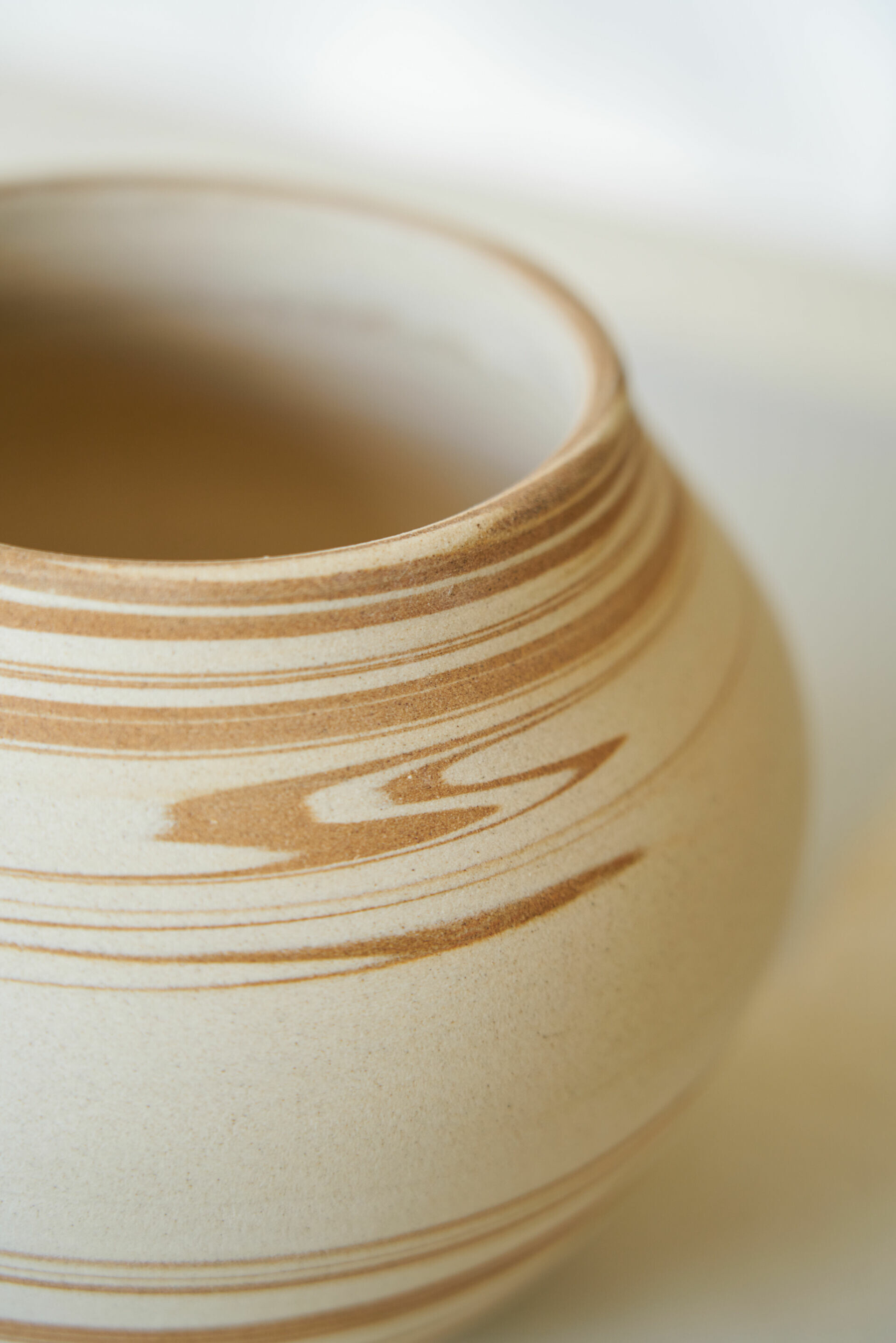
From another material register, Ting chooses clay to render the body. Clay is not passive. It holds the memory of every applied force, every hesitation, every trace left by error. It offers no simple undo, much like the body, which carries memory. Using a neriage (mixed-clay) technique, Ting kneads clays from different origins into layered strata. The resulting textures document compression, fusion, and interlocking as materials press into one another, merge, and embed within a single form. Within those lines lies evidence of varied origins and cultures coexisting, a record that speaks directly to the life stories each of us carries.
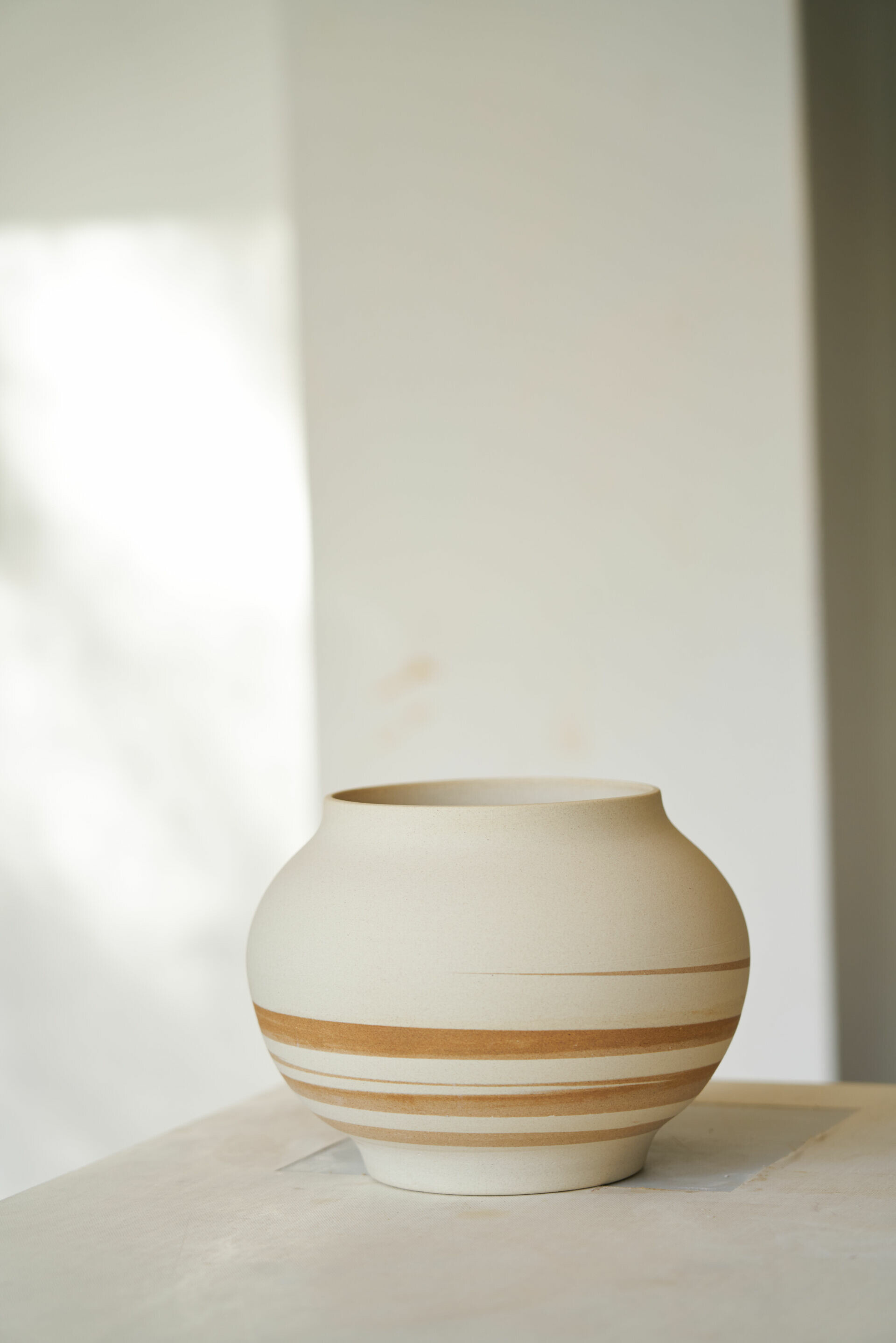
Ting’s practice has always been closely tied to embodied experience. Countless trials and failures are part of the search rather than its conclusion. Unbound by fixed standards, making remains a present-tense act. Through fine adjustments of each angle and by probing thresholds close to collapse, he arrives at a brief, delicate reconciliation between the body and the conditions of reality.
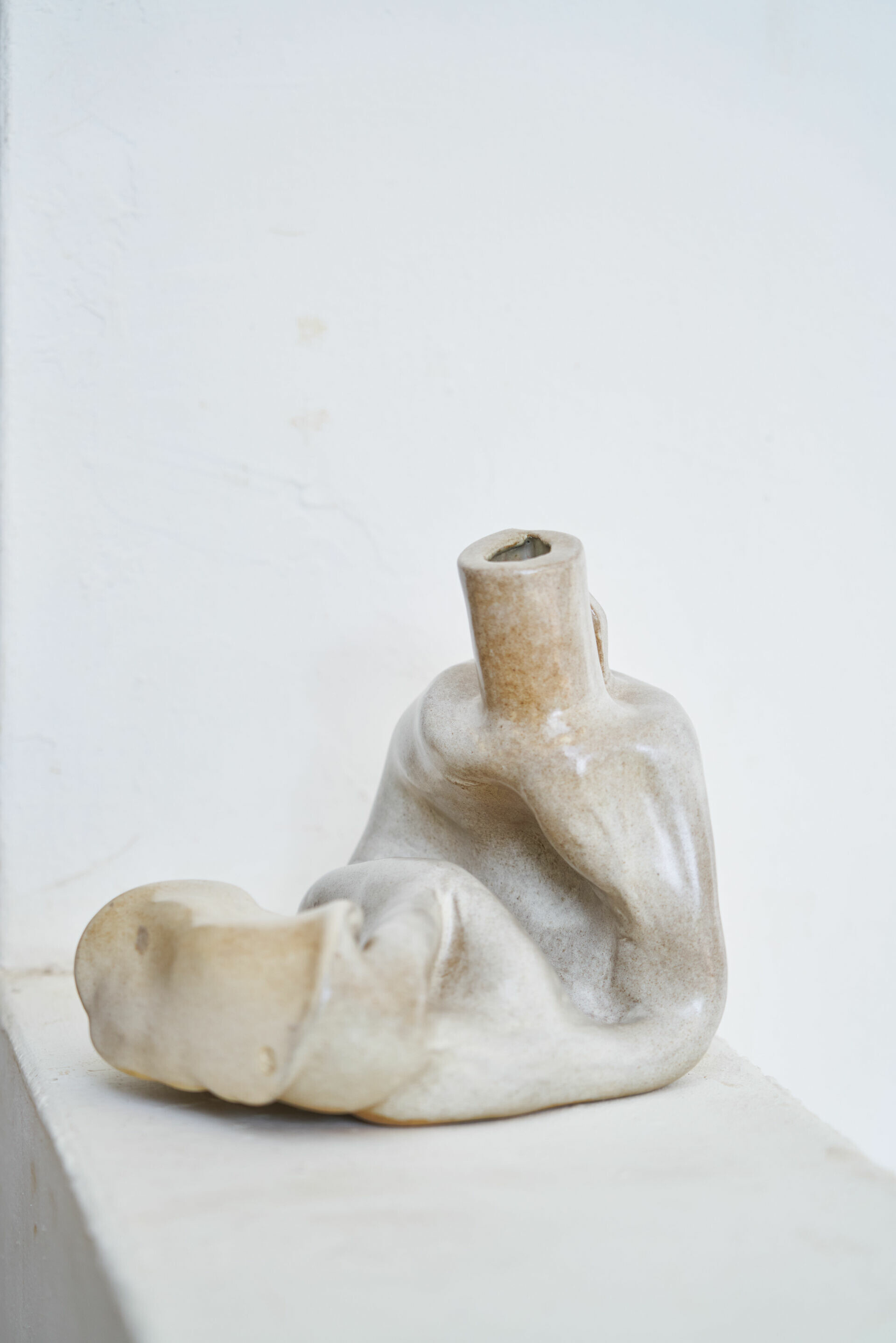
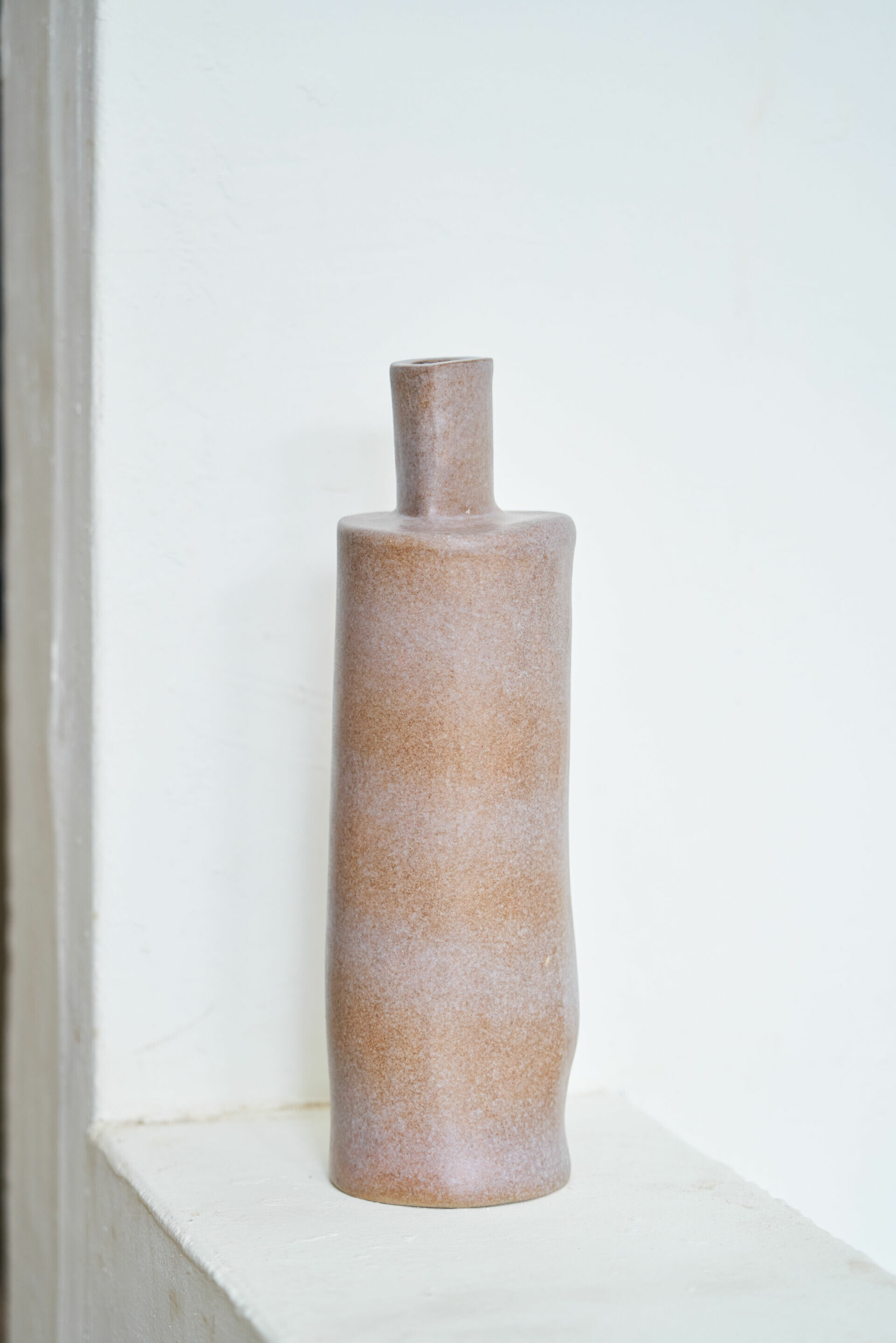
Bodies Without Permission does not seek completeness, nor does it wait for approval. It raises questions without offering a definitive answer. Ting says, “What I hope viewers remember is not a particular work, but a particular posture.” That effort to keep balance, even when it appears unstable, exists not only in each body, but also in our relationships with environment, systems, and others. He adds, “When you leave the exhibition, those postures should not remain here. They should return to your own way of standing, to the way you find your place in the world.”