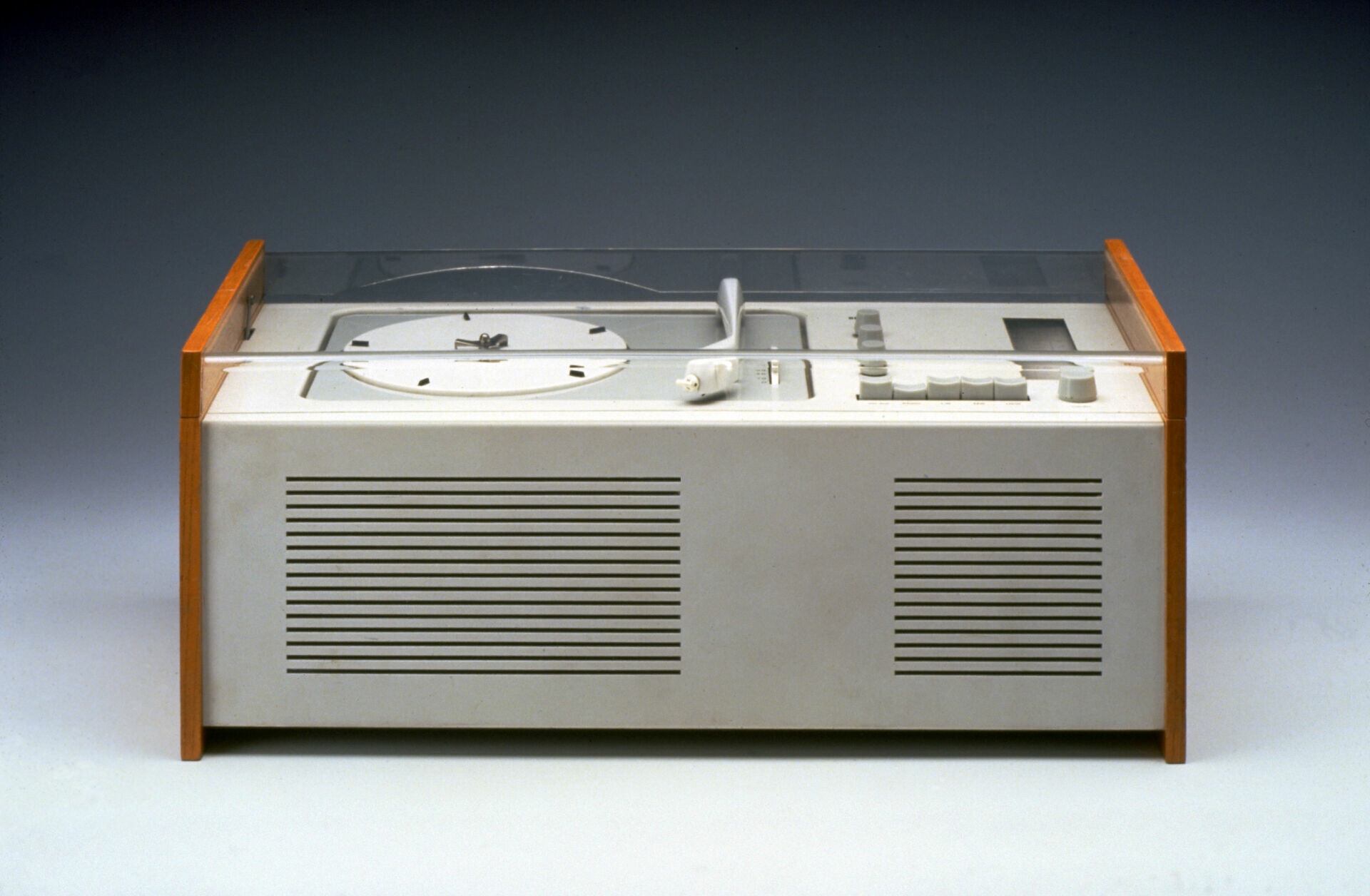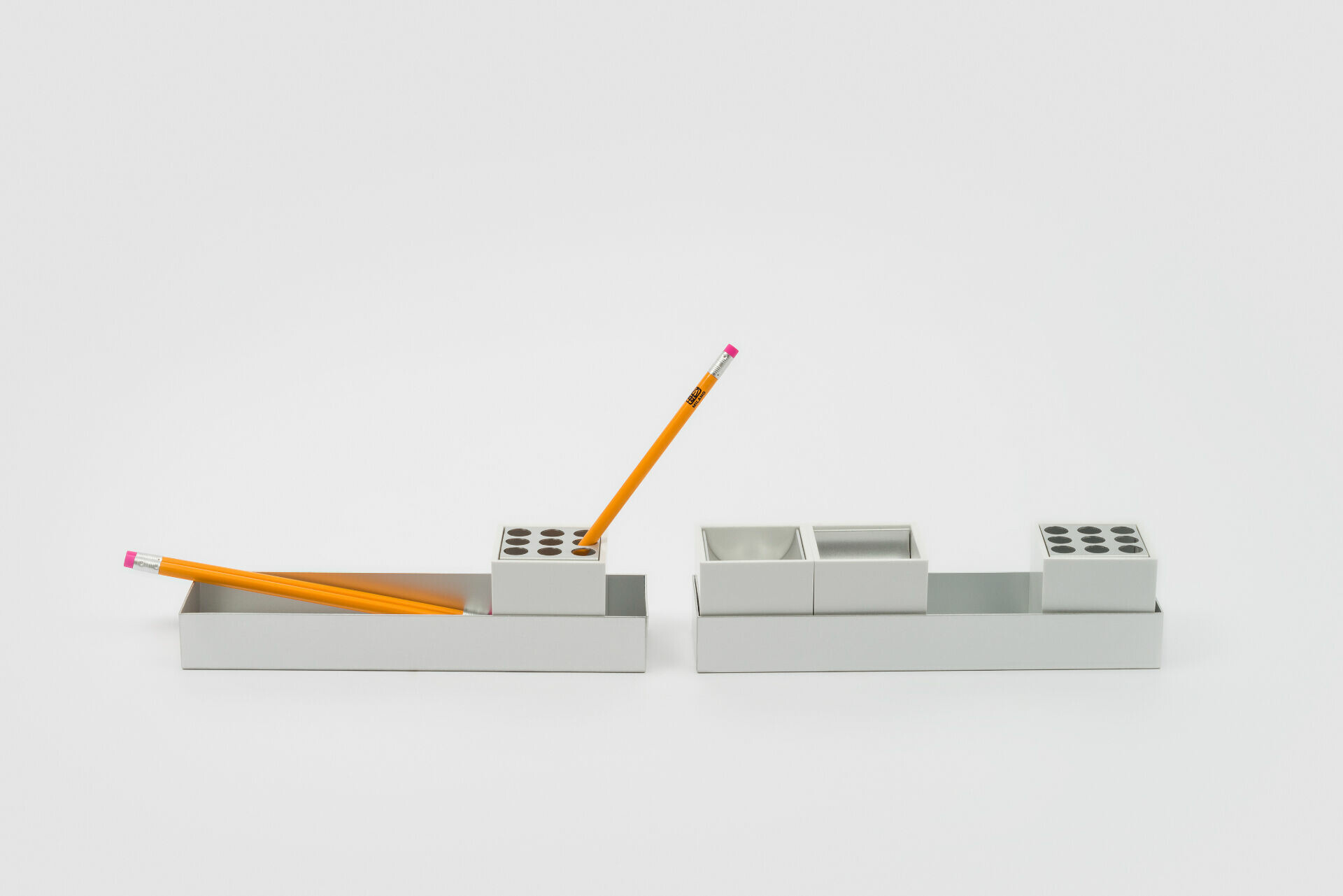
➤ Bruno Munari “Canarie” (Designed in 1958)
The spaces we inhabit are full of human-made forms. Fine examples are few, yet every outstanding piece will be the crystallization of a long hinterland. It will be the accumulation of time, and the condensation of thought. For this reason, we pass down superlative designs across ages and cultures, and they acquire special auras.
——Directors’ Messages by Noriko Kawakami, Kaoru Tashiro

➤ Noriko Kawakami
Photo | Kenichi Yamaguchi

➤ Kaoru Tashiro
Photo | Keizo Kioku
Six Design Maestros showcase the masterpieces of their lifetimes
The exhibition introduces six towering figures under the label of Design Maestros. They are Bruno Munari (born Italy, 1907–1998), Max Bill (born Switzerland, 1908–1994), Achille Castiglioni (born Italy, 1918–2002), Otl Aicher (born Germany, 1922–1991), Enzo Mari (born Italy, 1932–2020), and Dieter Rams (born Germany, 1932–). Each surprised people in many countries. Each possessed a power to propel society forwards, imparting a deep fascination that last until today. While showing their projects, we also reveal the philosophies hidden behind the surfaces.
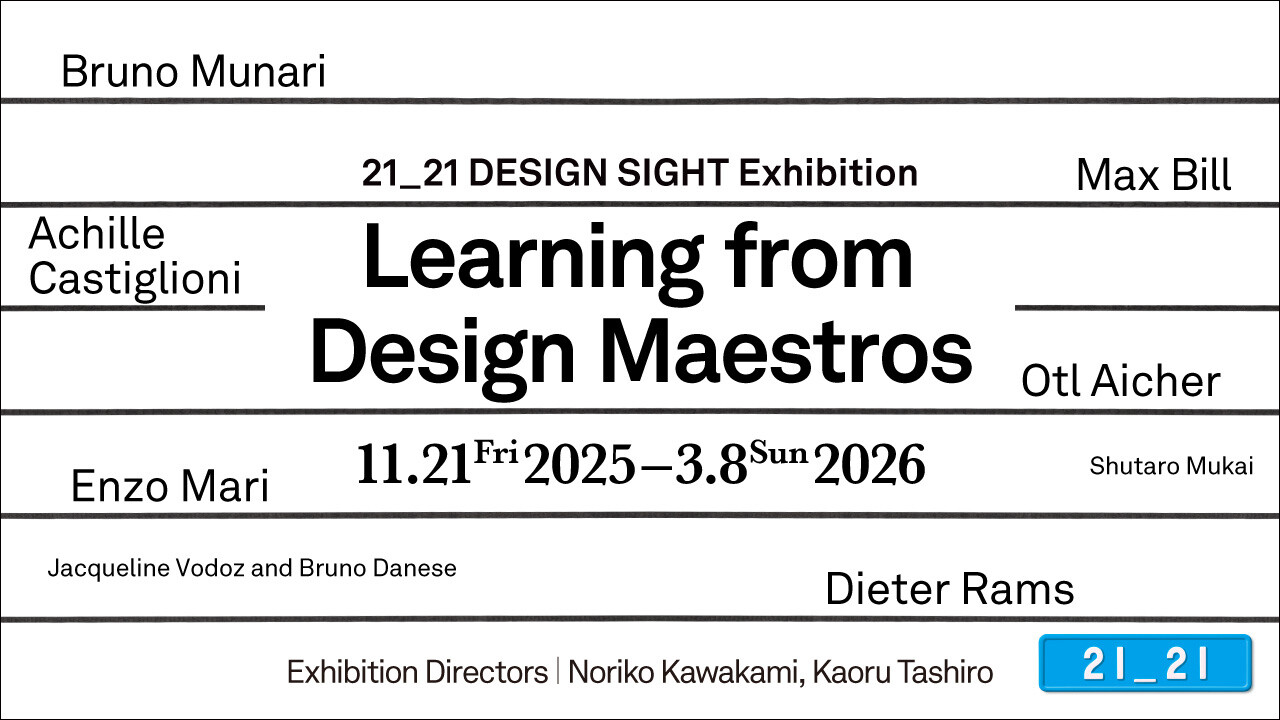
➤ Exhibition visual (English ver.)
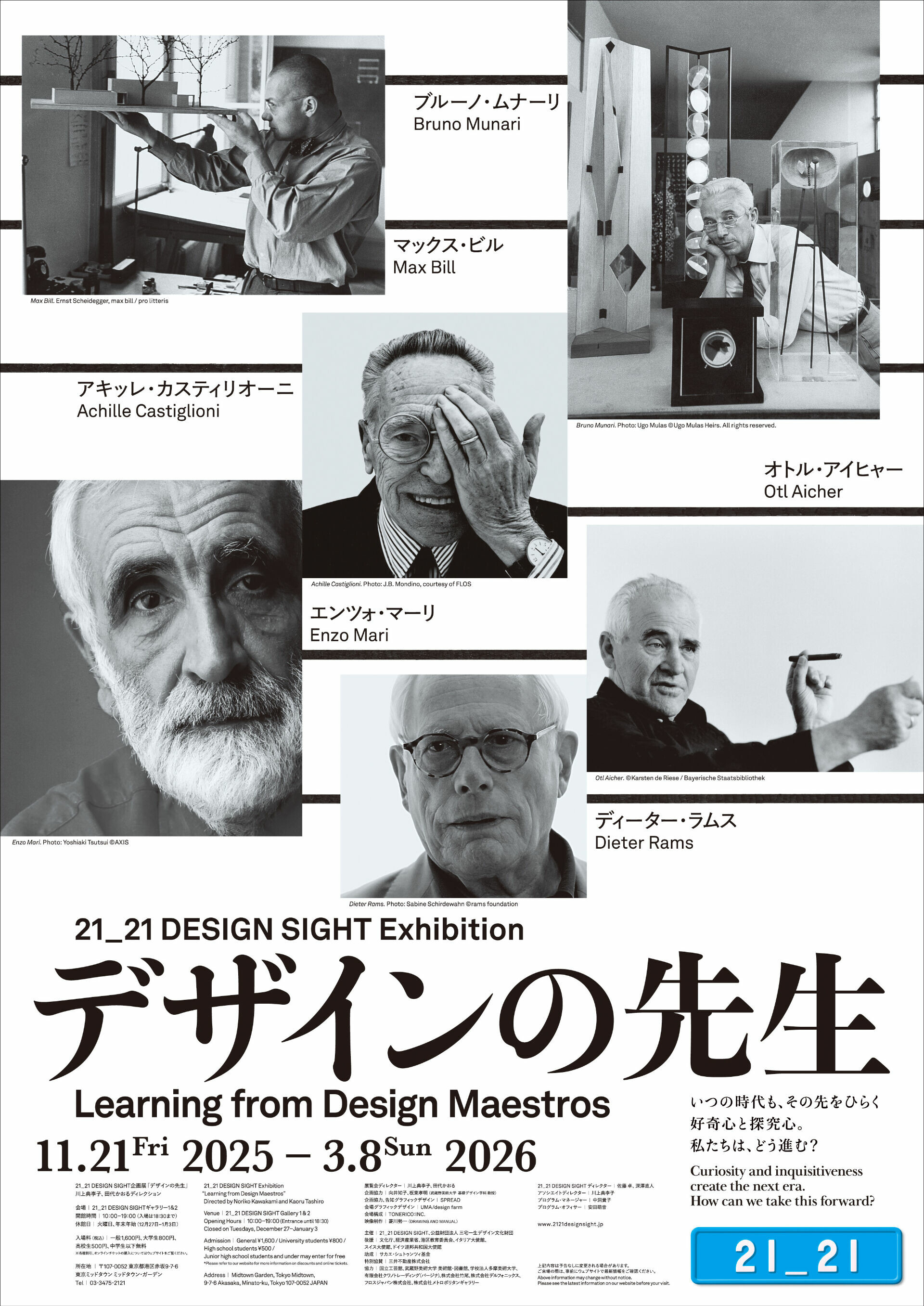
➤ Exhibition poster
Wisdom Hidden in Everyday Objects, Waiting to Be Discovered
The Maestros presented here are from Germany, Italy and Switzerland, and they did not belong to a single trend. Each had their own driving forces and notions, but with them, each beat a unique path in Post-war Europe, earning the shared status of design maestros. It is this common creative axis that justifies bringing them together, despite their individual methods and lifestyles. Some extended their work into teaching, assisting the development of future designers through education. But more importantly, all shared pioneering qualities, bringing new social insights. They opened up fresh eras by putting their hopes and beliefs into practice. This exhibition also includes the perspective of Shutaro Mukai (1932–2024) whose friendship with Max Bill and Otl Aicher laid the foundation for the Science of Design in Japan.
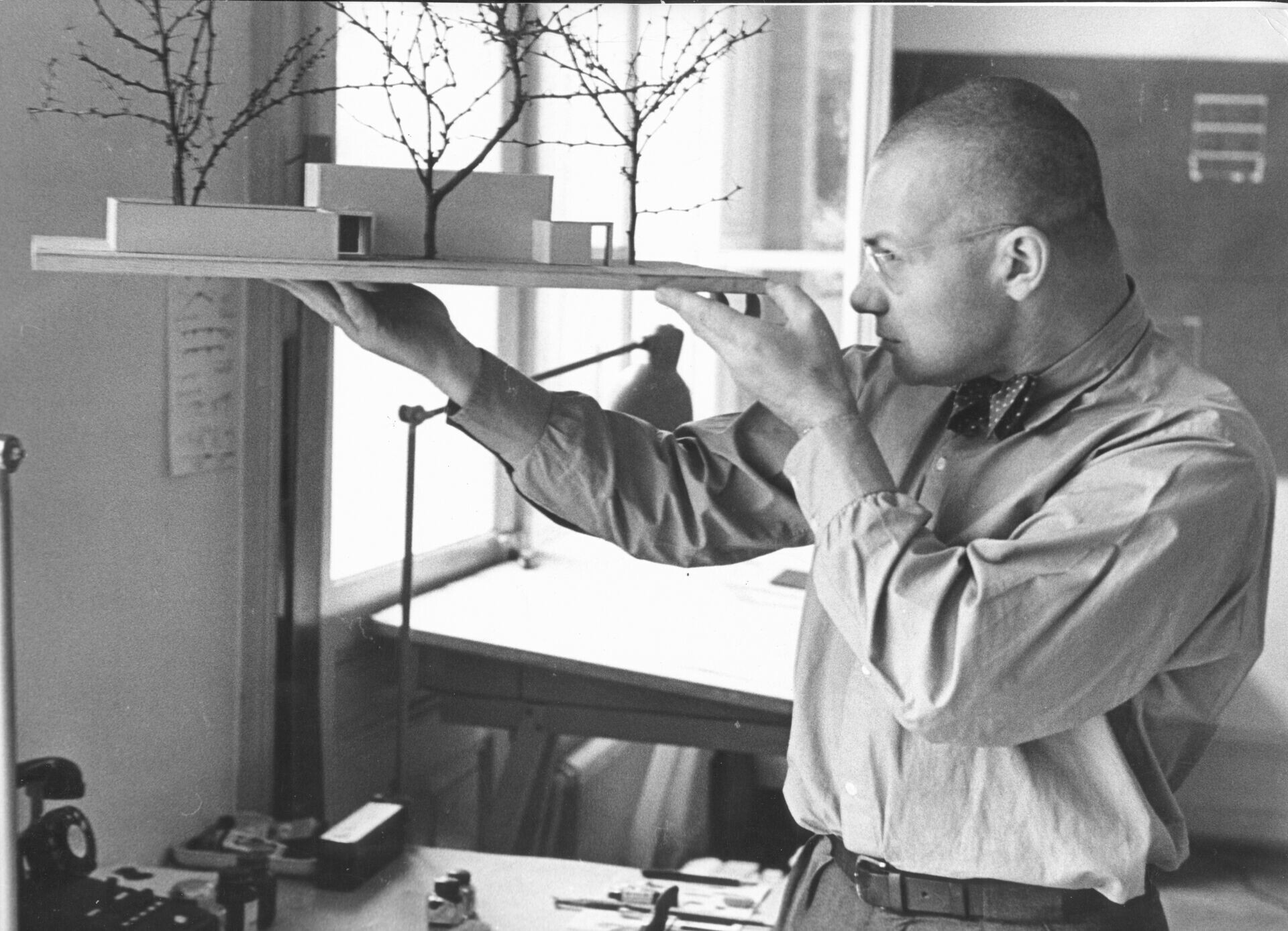
➤ Max Bill with the model of the Swiss Pavilion of the Venice Biennale (1948)
Ernst Scheidegger, max bill / pro litteris
None of the Maestros regarded “form” as subservient to commerce. They embedded a humanistic core in each project, extending this to an embrace of the environment. The six called their activities “Gestalter” and “Entwerfer” in German, or “progettista” in Italian, which in English mean “conceiver,” or “designer,” that is, “a person who undertakes a project.”
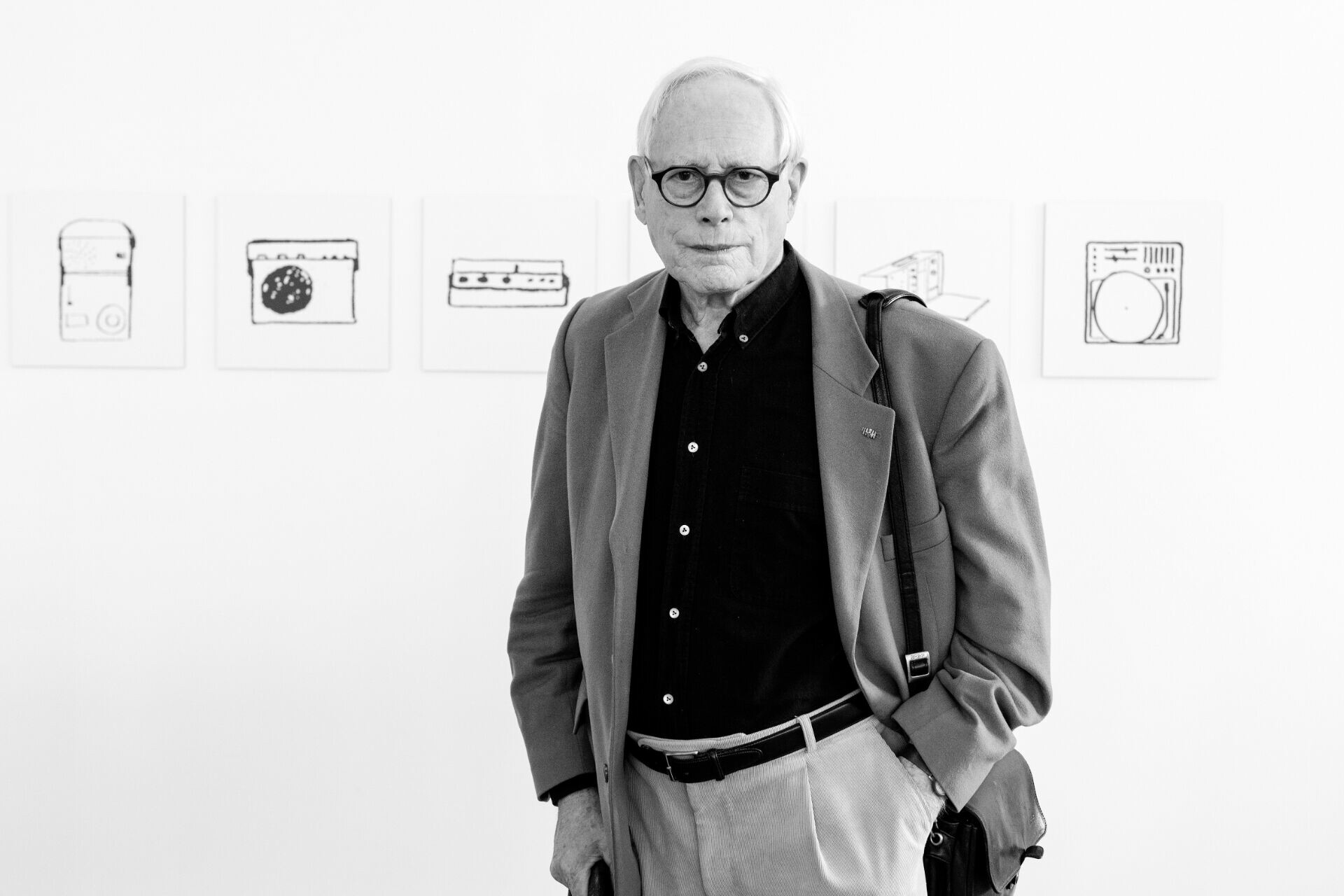
➤ Dieter Rams
Wolfgang Günzel ©rams foundation
Design Beyond Time: Guiding the Human Spirit
Acts of design that entail thought, creativity and communication are inseparable from life itself. The exhibition uses documentary film to show the human dimensions of the six designers’ endeavors, in their own words, and puts this alongside their representative masterworks. It provokes in visitors a sense of what these designers expected from their followers, and how we too should be independent and proactive.
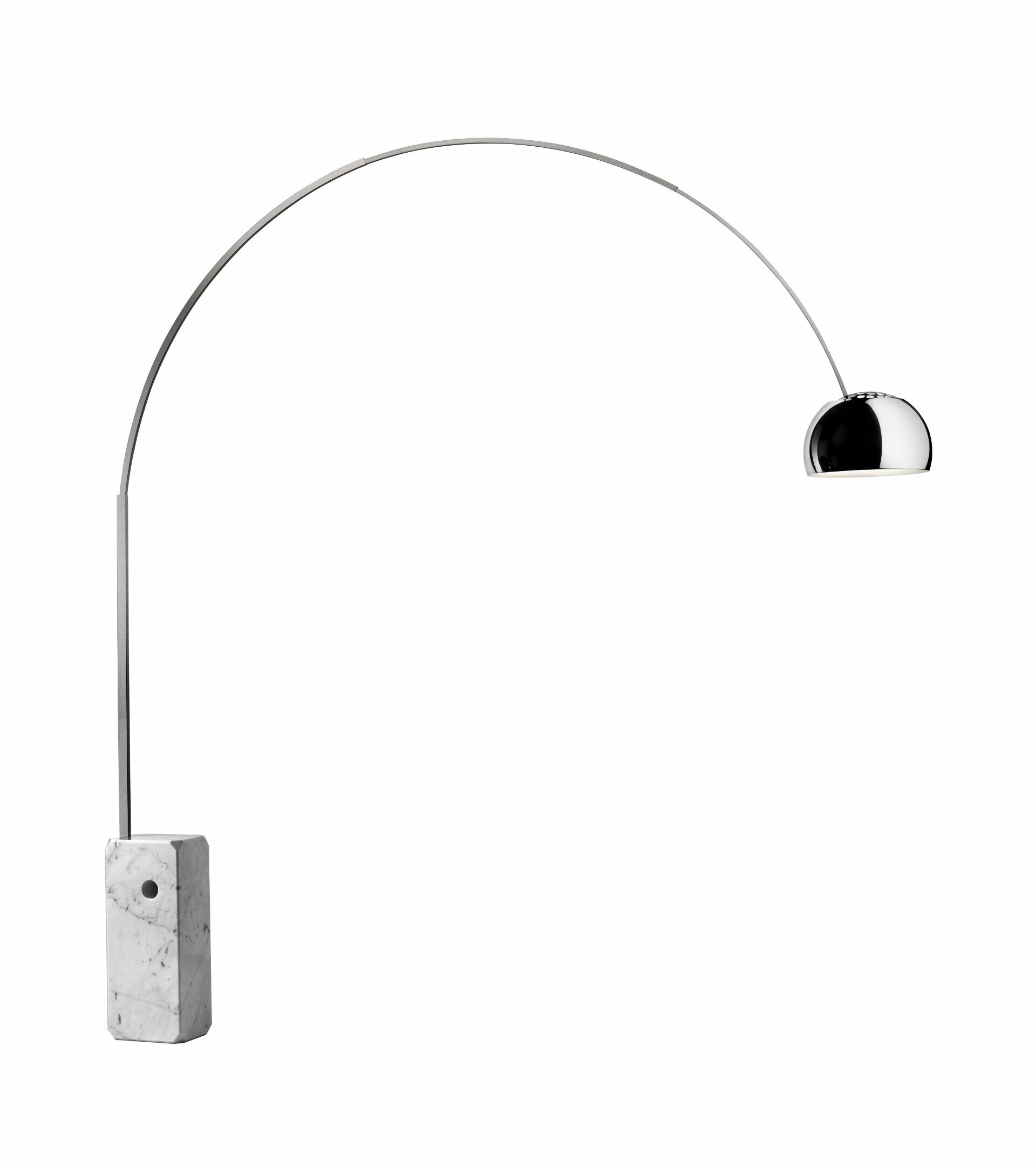
➤ Achille & Pier Giacomo Castiglioni “Arco” (Designed in 1962)
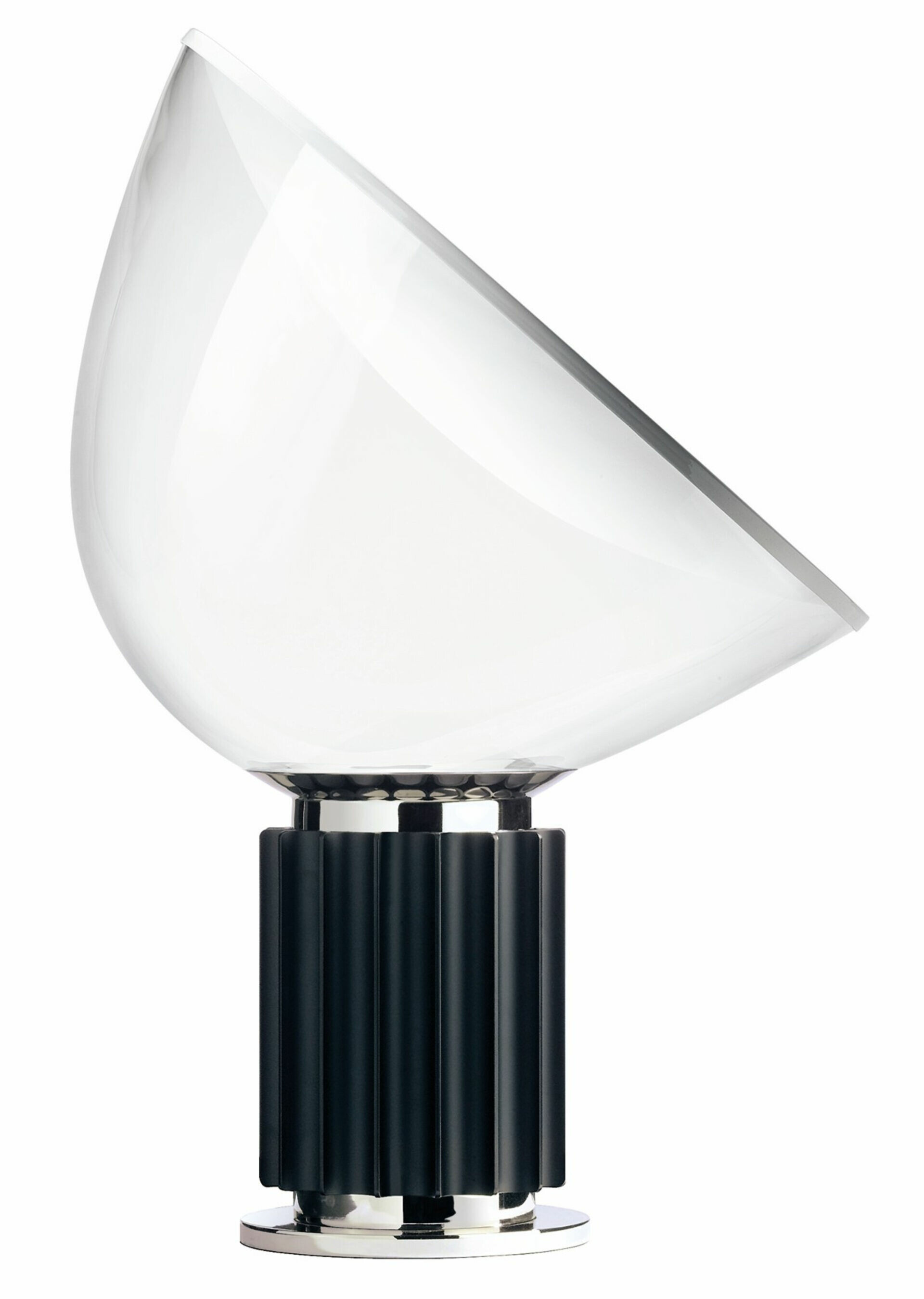
➤ Achille & Pier Giacomo Castiglioni “Taccia” (Designed in 1962)
While showing the projects, the exhibition also sees these works as guidelines. We view them, but also listen to them as powerful statements. Human encounter provides avenues to think about the future of life and society. In this age of dramatically changing values, with its fast flows of mass information, we might wish to look back and consider masters who used design to articulate diverse viewpoints.
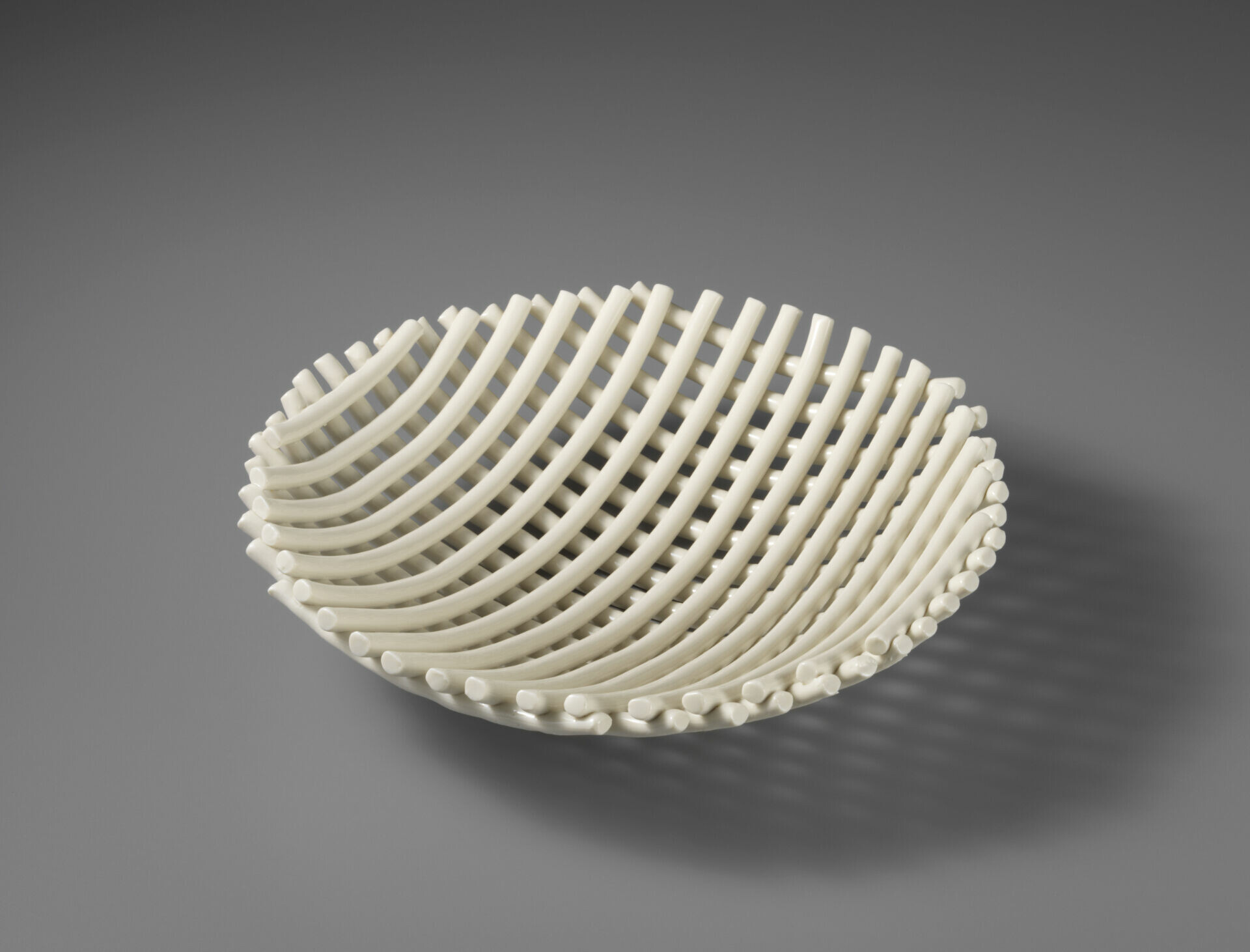
➤ Enzo Mari “Samos Series ‘Design for porcelain, Mod. G’” (1973)
Photo | S&T PHOTO ©2022
Learning from Design Maestros held at 21_21 DESIGN SIGHT, during November 21 (Fri.), 2025 -March 8 (Sun.), 2026. Exhibition Directors are Noriko Kawakami, design journalist, and Kaoru Tashiro, curator and writer.
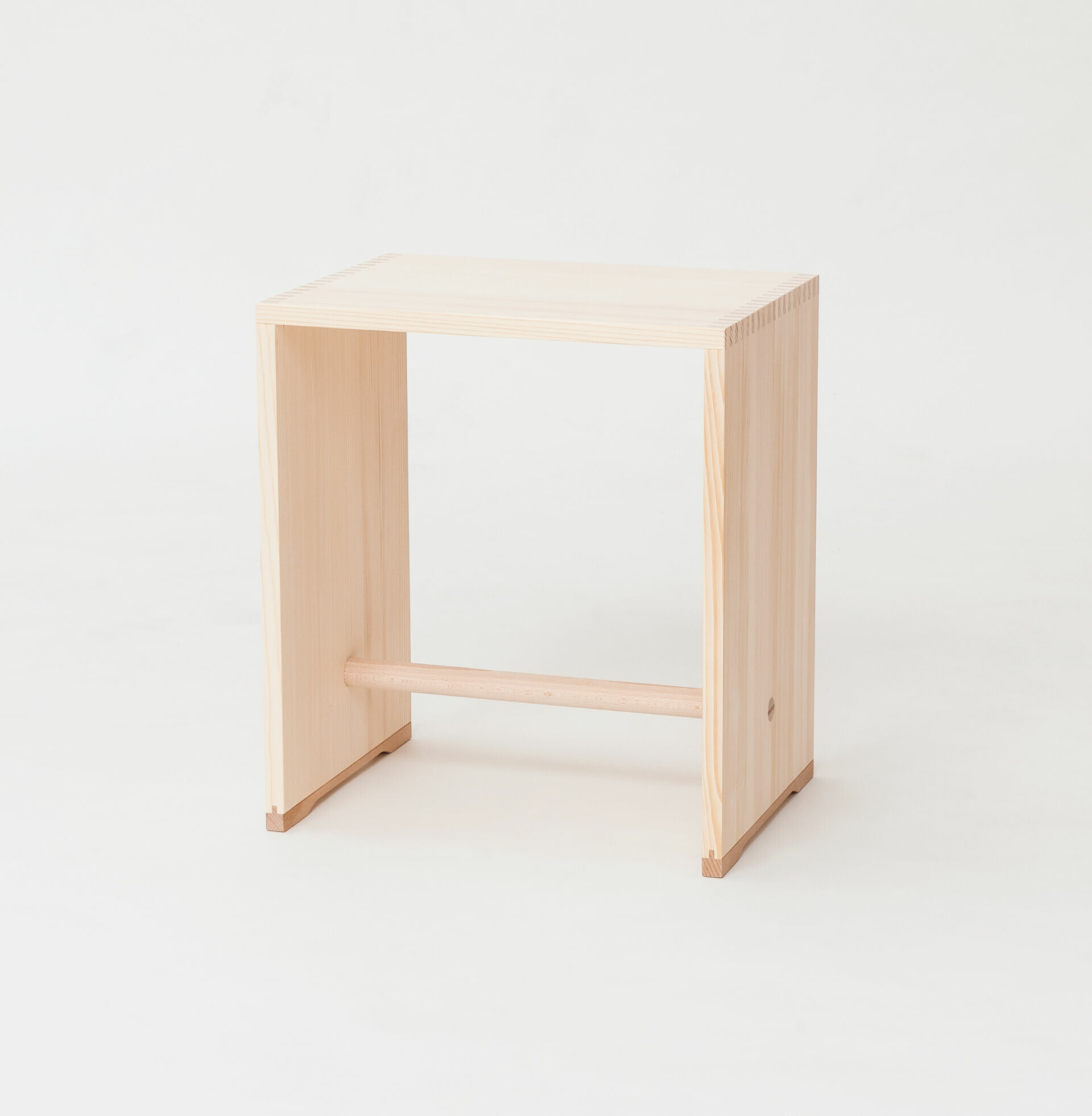
➤ Max Bill “Ulm Stool / Ulmer Hocker” (In collaboration with Hans Gugelot and Paul Hildinger, Designed in 1954)