WABISABI
  • Projects
    • Worldwide
    • Interiors
    • Features
  • Contemporary
    • Exhibitions
  • Record
  • Lifestyle
  • City Explore
  • News
  • Issue
  • Account
  • Search
  • Language
Mobile nav


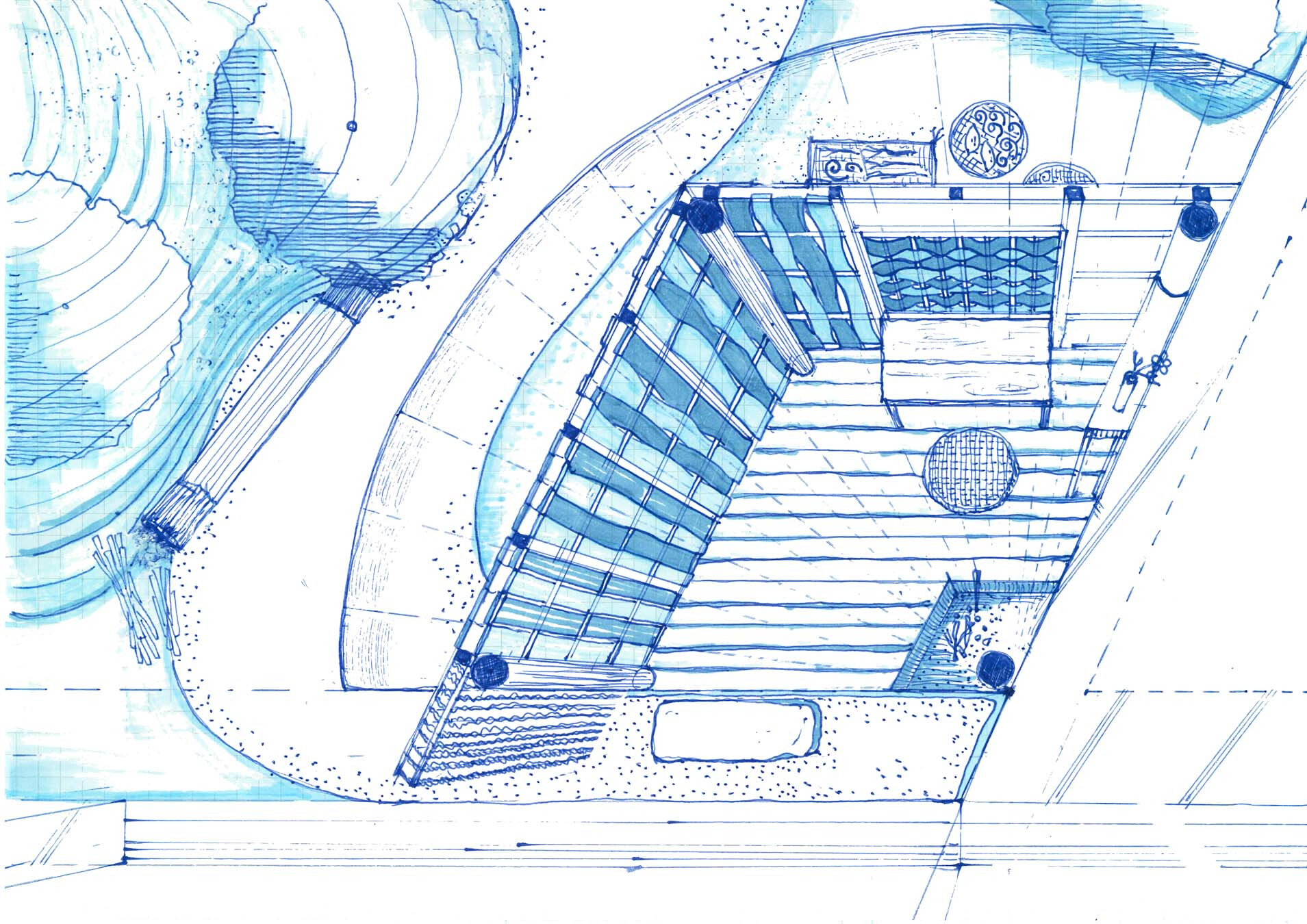
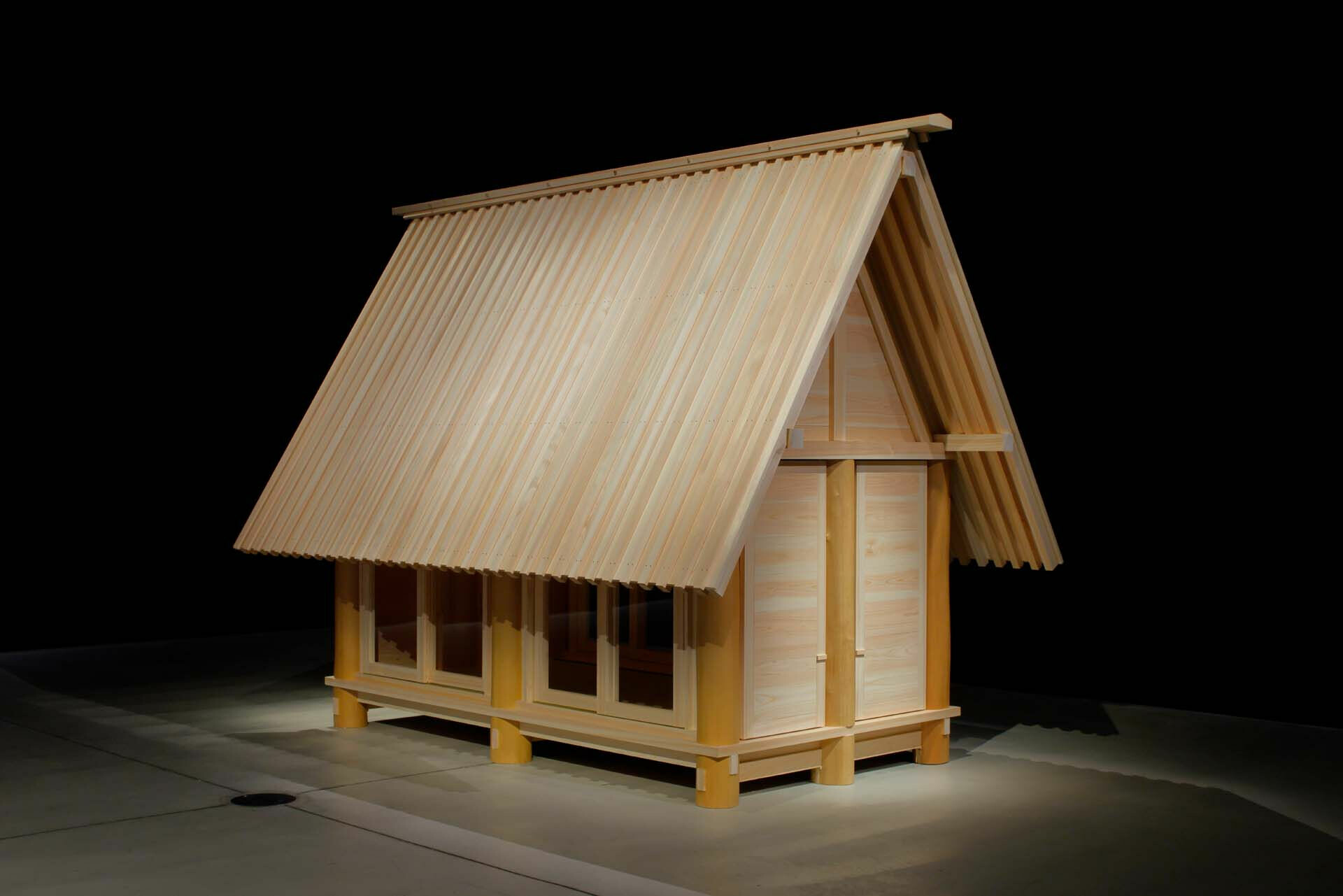
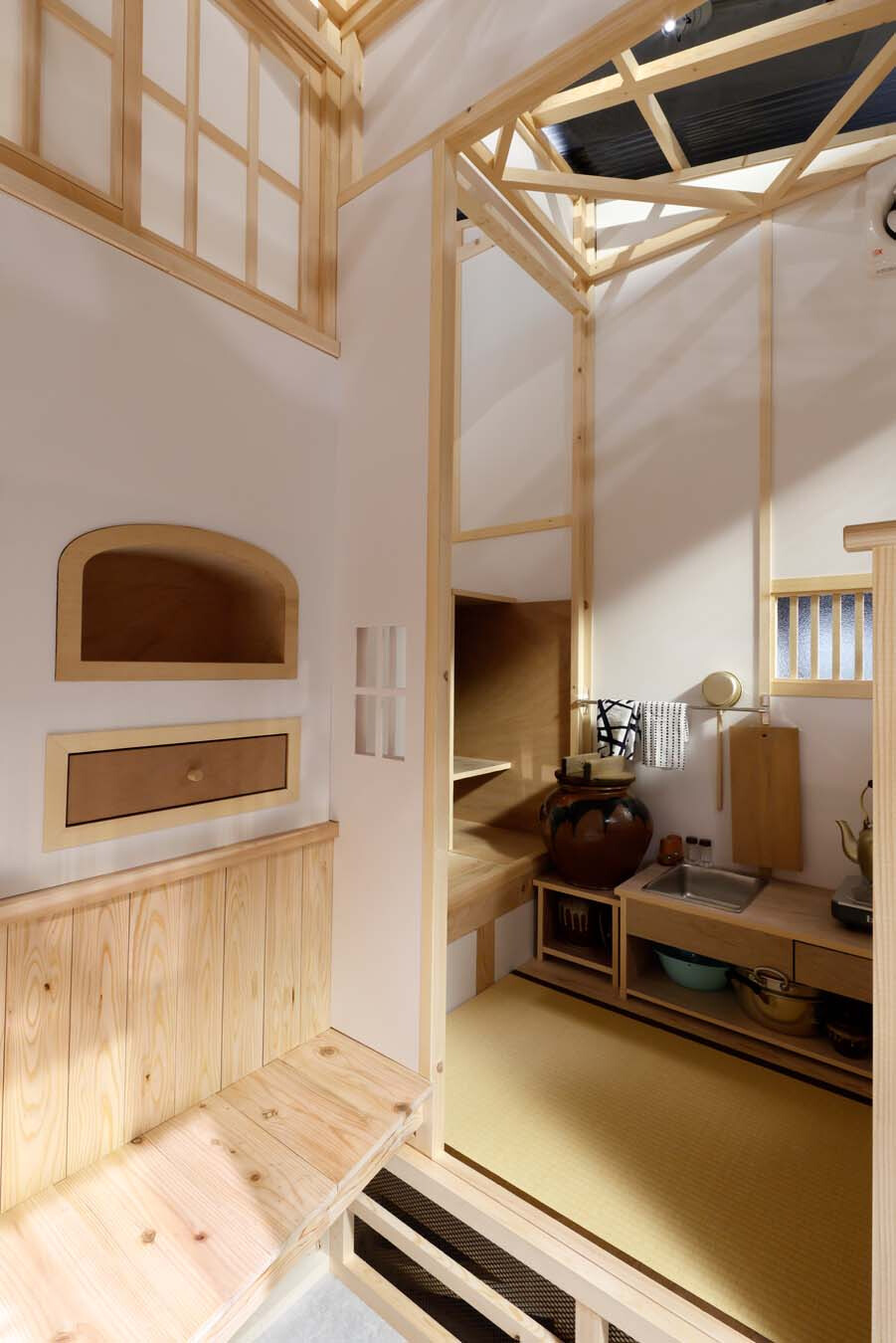
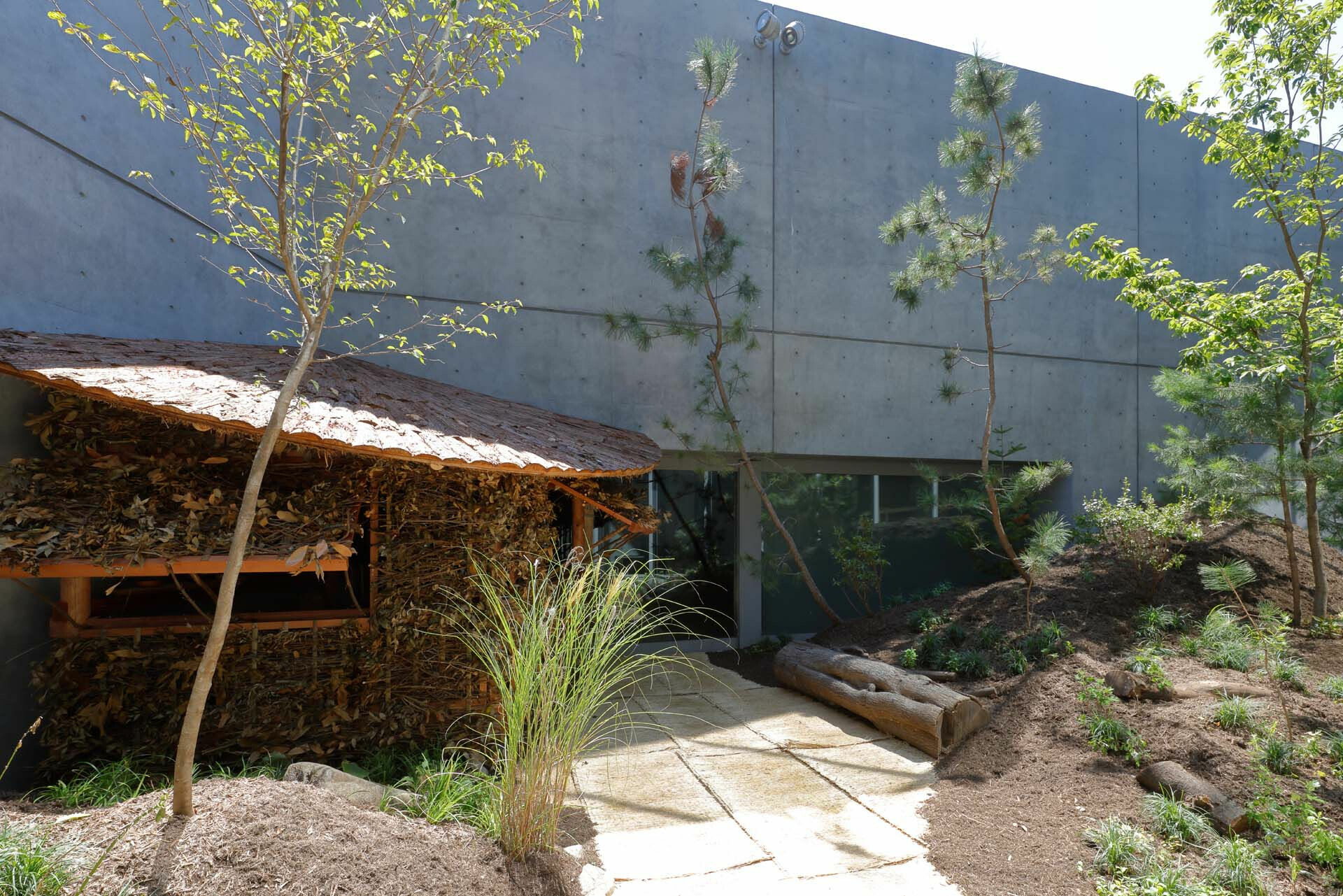
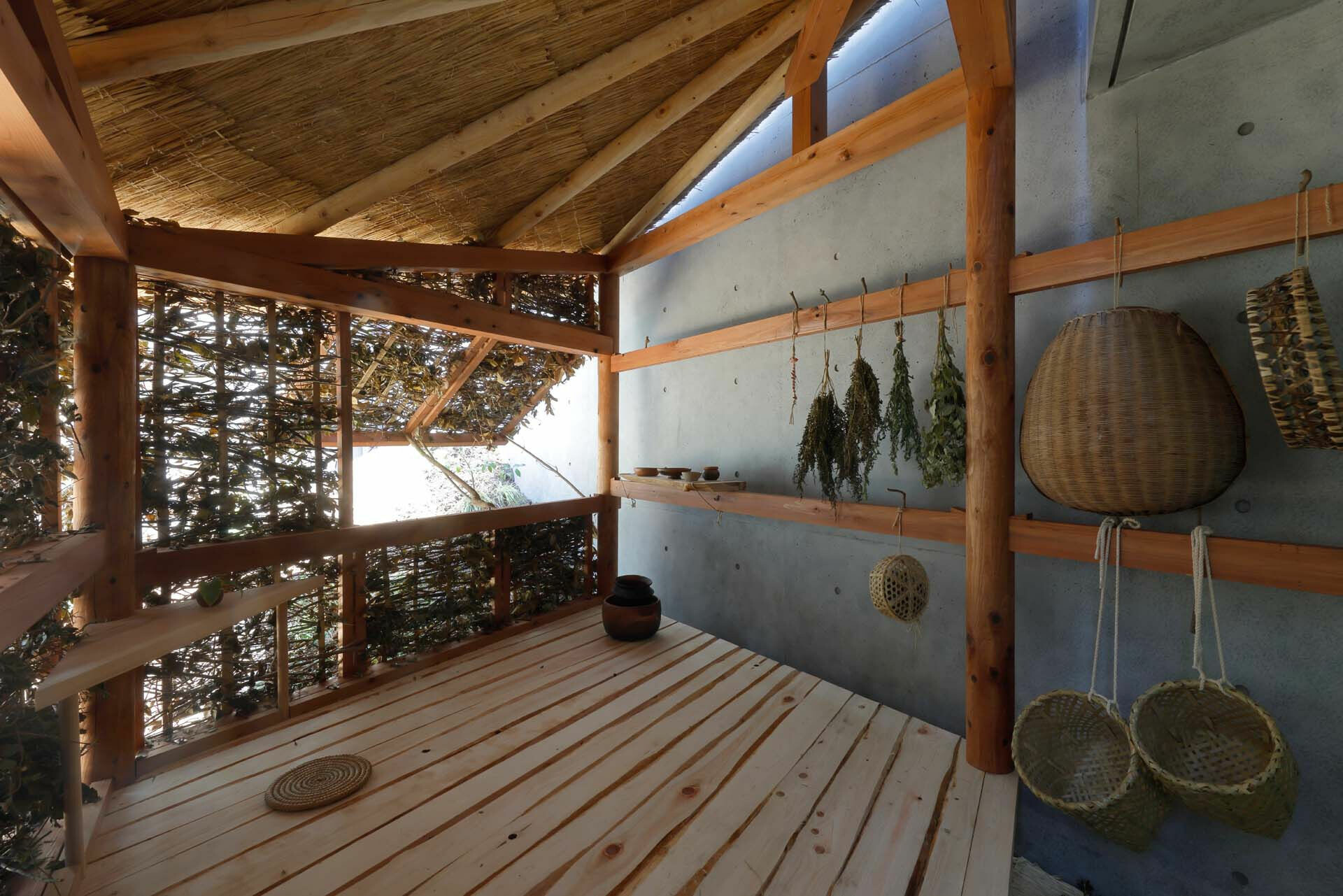
➤ Tomoki Shoda + TAKENAKA CORPORATION + veig, “Mino-an Mount-ei / Clad Hut Mountain Garden” (Sketch)
 
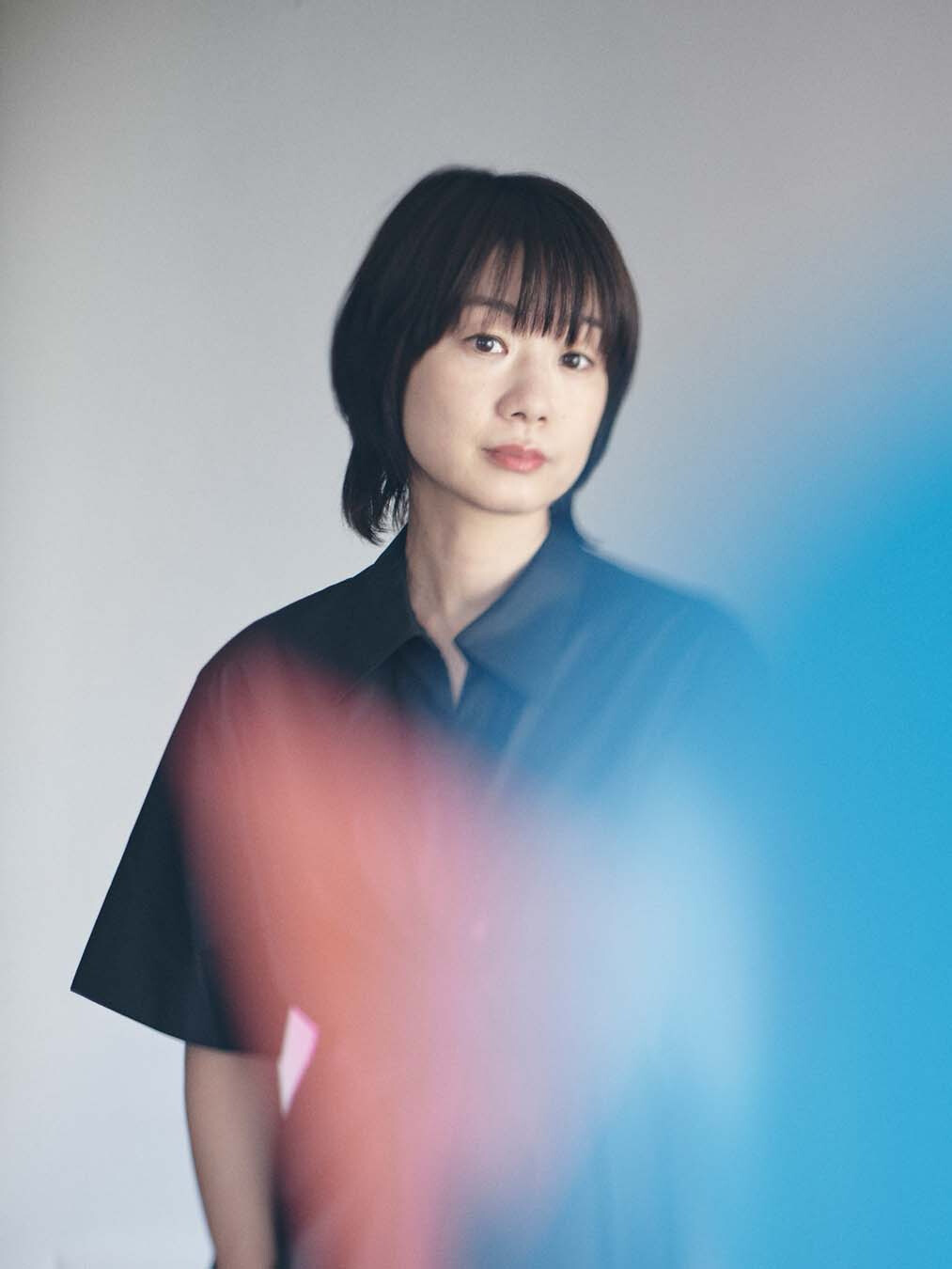
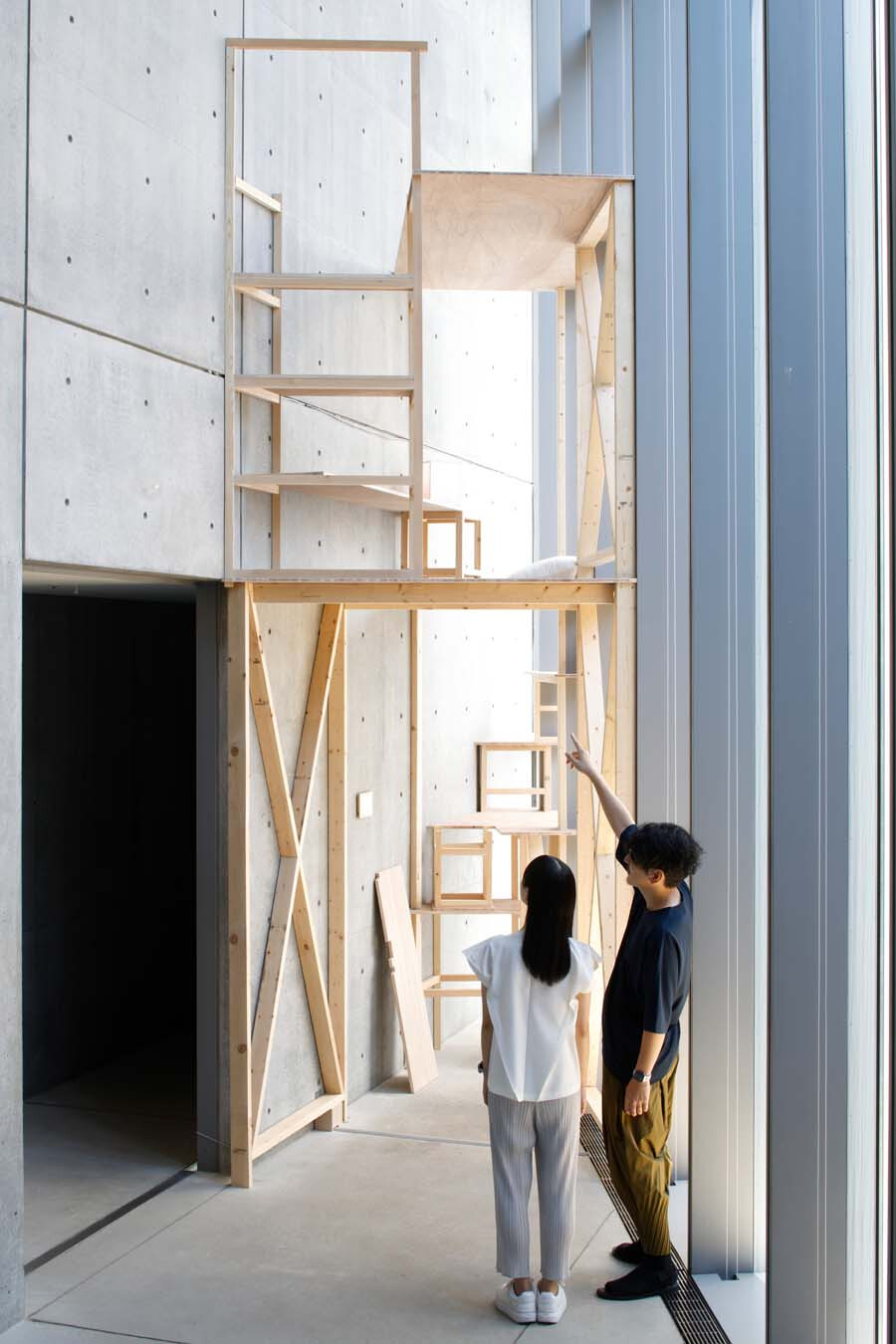
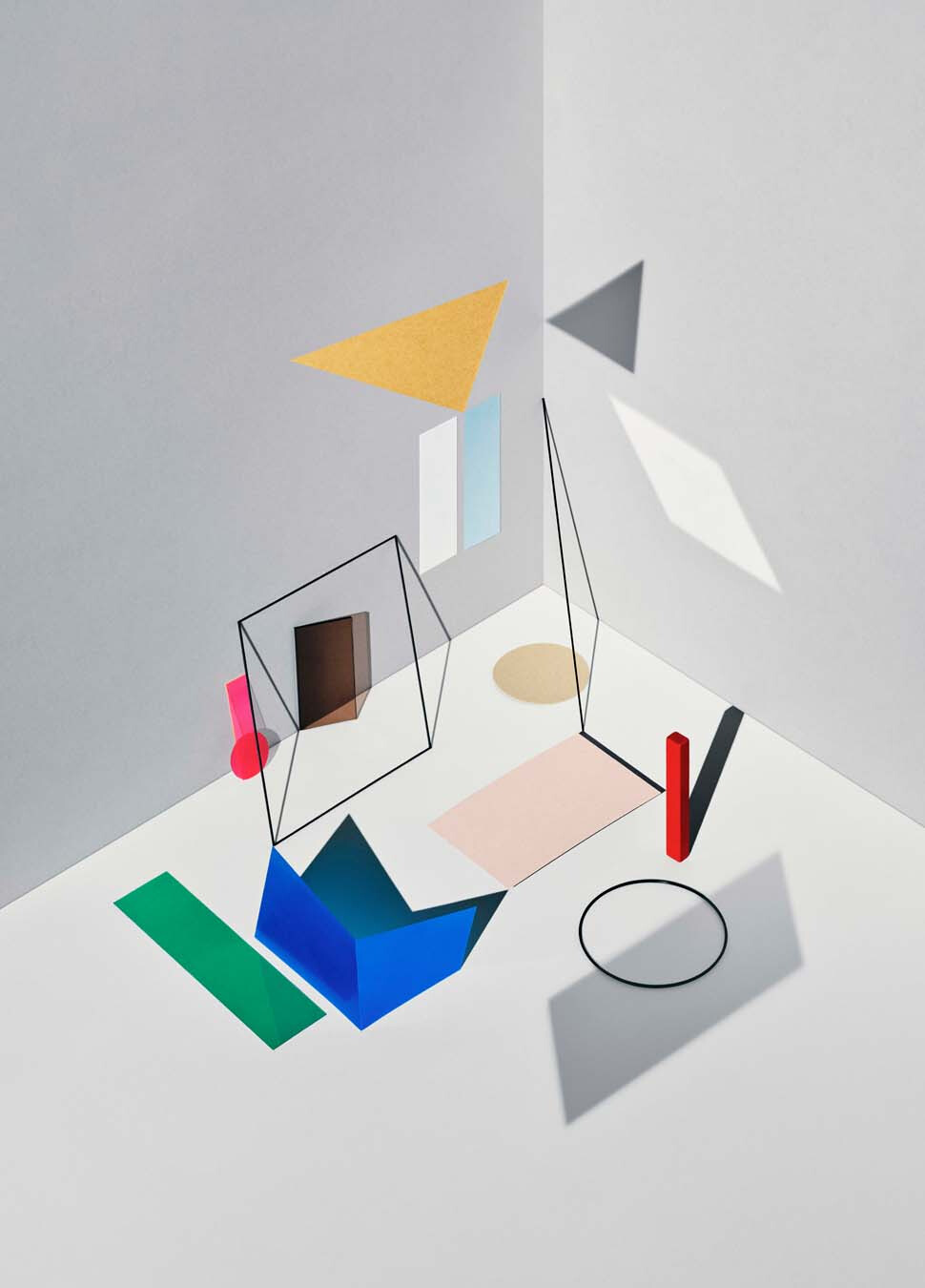
➤ Mina Tabei, “Rotating Landscapes”. Photo | Masaki Ogawa
➤ Mina Tabei


Learning from "Hōjōki": Tiny Architecture Reweaves Life


“The flowing river never ceases, yet the water before our eyes is never the same.” — Hōjōki
 
In a world defined by constant change, how might we live within society while still finding a way to be alone with ourselves? How much do we really need for life to be sustained? Within a space measuring ten feet square, Kamo no Chōmei, who lived through the upheavals of the Kamakura period, sought to explore the smallest possible scale of human dwelling. When cities, buildings and social orders could all collapse in an instant, houses regarded today as real estate, together with the material resources supplied through complex modern systems, appear equally fragile under shifting temporal and environmental conditions. How, then, might one find a place to dwell within such impermanence? This question lies at the heart of Hōjōki, a work written more than eight centuries ago that continues to provoke reflection today.


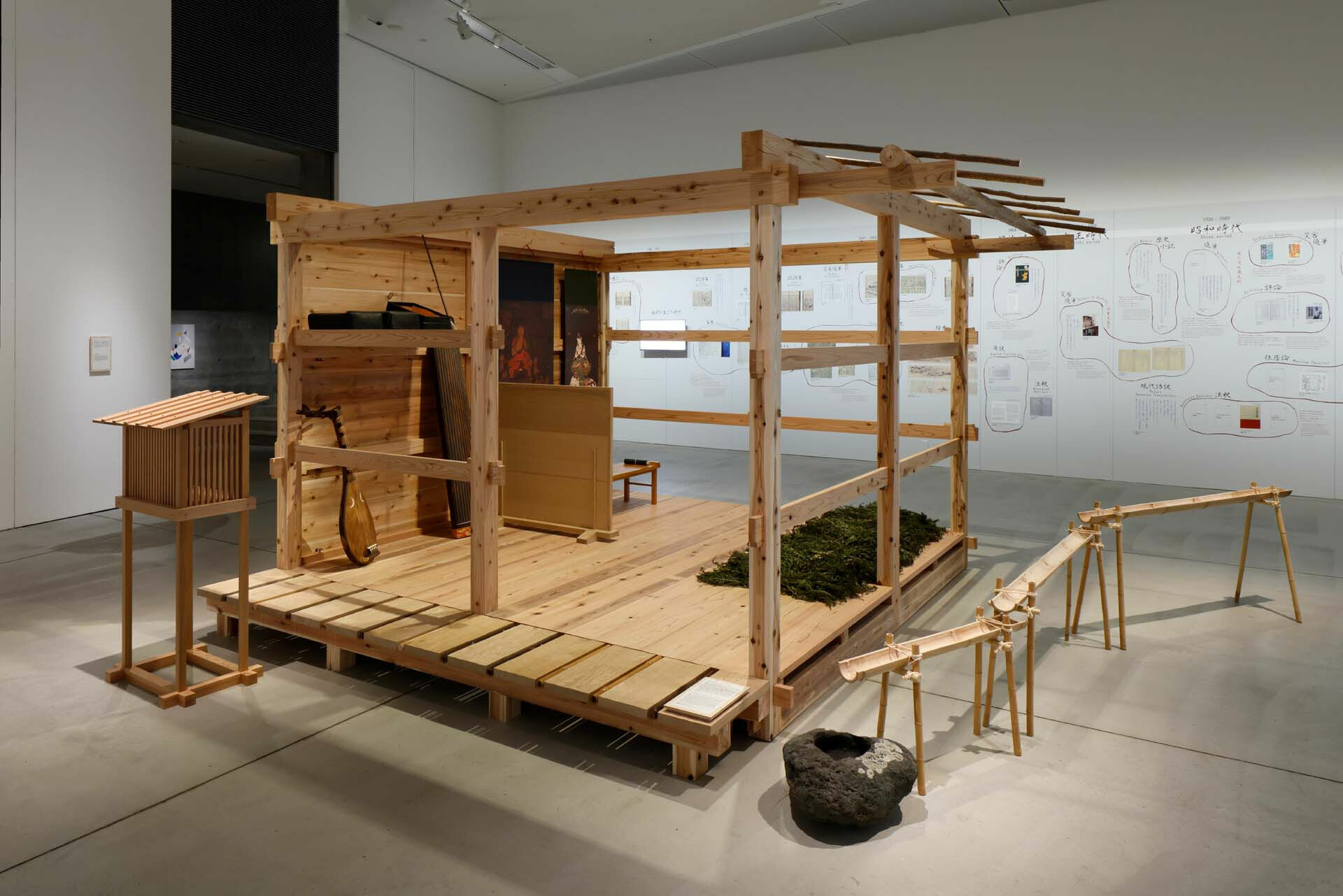
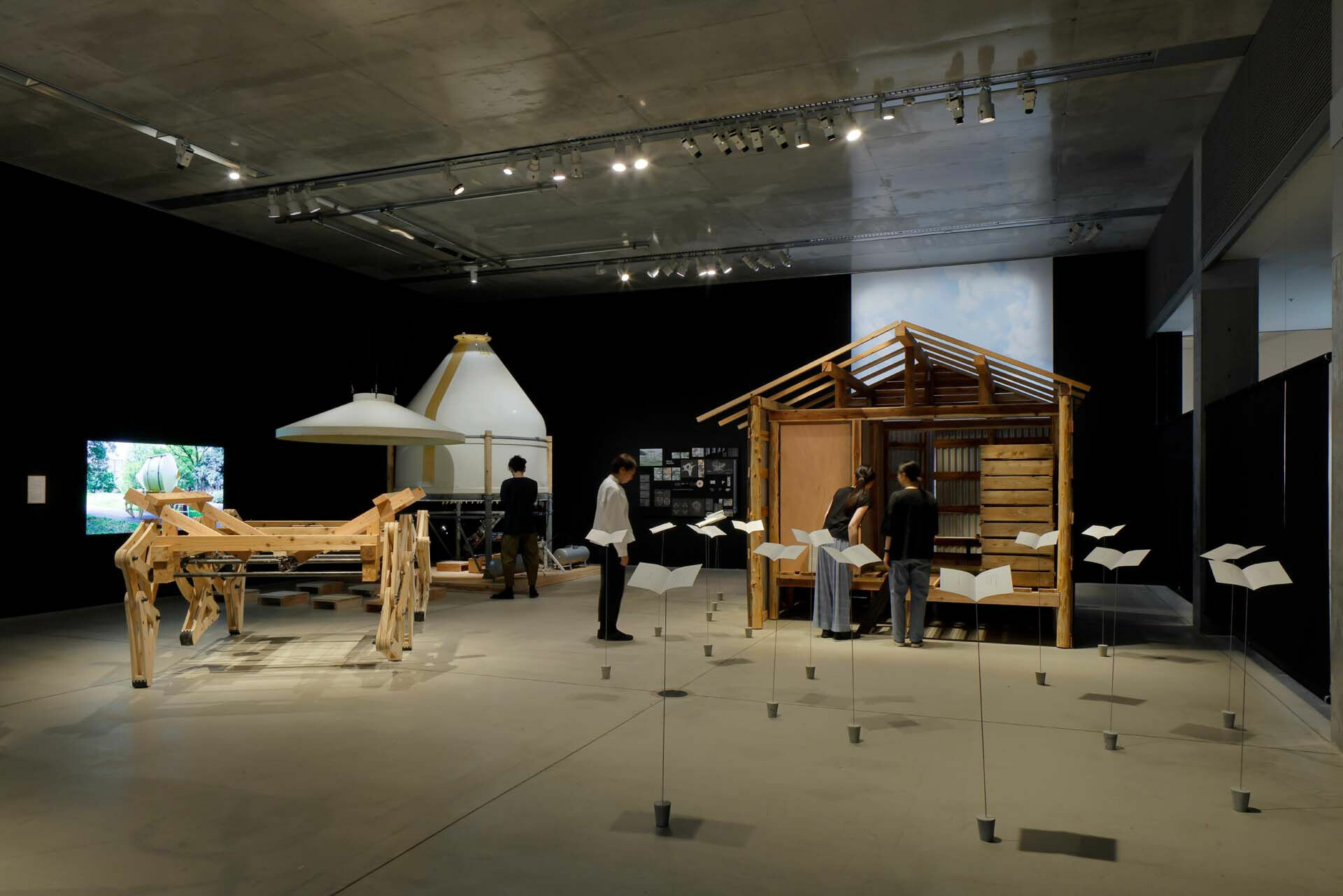
➤ Exhibition View, Gallery 1 “The Hōjō Hermitage as a Non-existence Space”. Photo | Keizo Kioku 


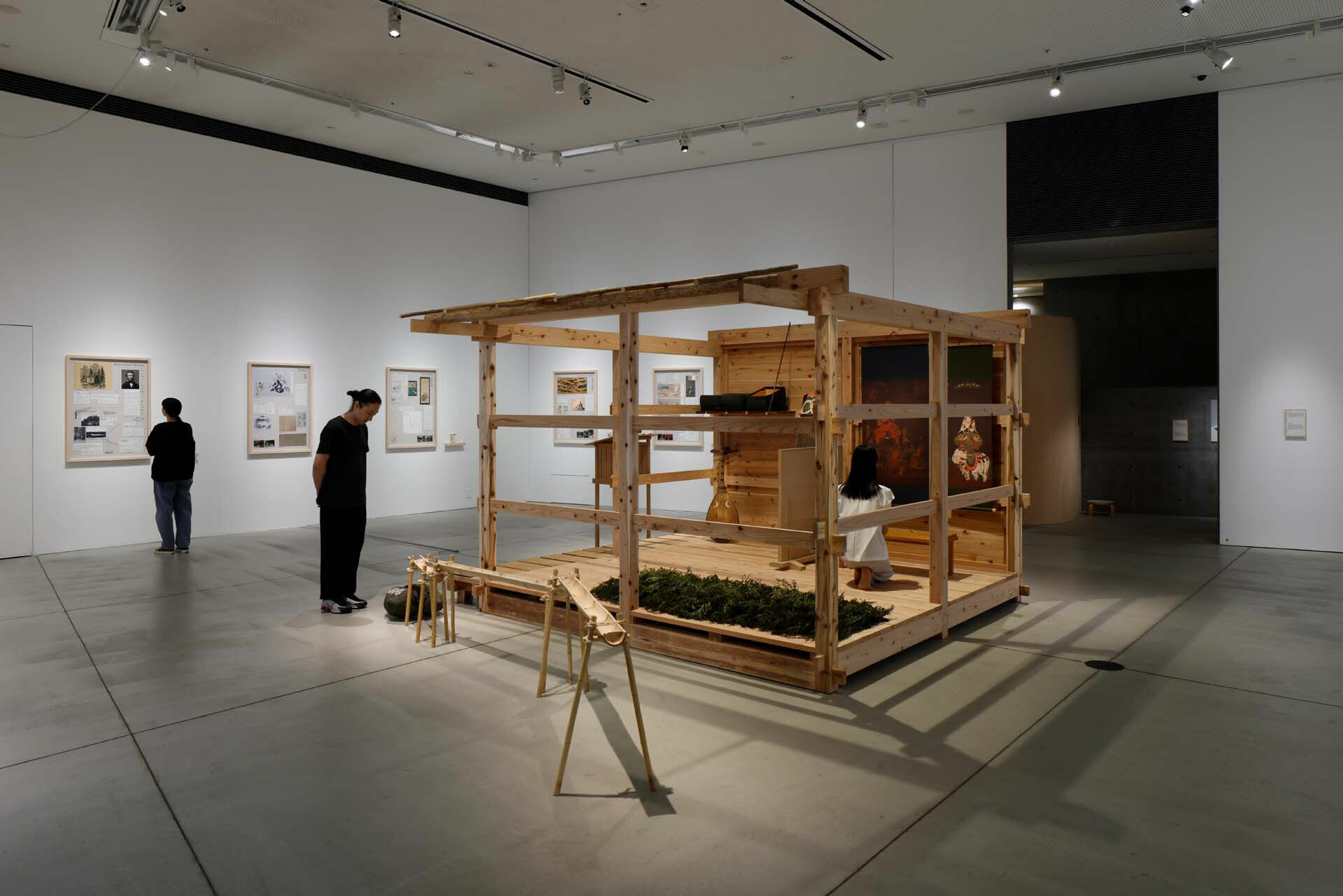
➤ Exhibition View, Gallery 1, “The Hōjō Hermitage as a Non-existence Space”. Photo | Keizo Kioku 
 
➤ Exhibition View, Gallery 2. . Photo | Keizo Kioku


Conceived and directed by architect Yoshiharu Tsukamoto, the exhibition brings together architects, designers, artists and corporate groups, each offering their own interpretation of the Hōjō-no-iori , or Ten-Foot-Square Hut, while reflecting on contemporary architecture and the conditions of modern life. Tsukamoto has long advocated behaviorology as a way of reconsidering architectural design, and finds a profound resonance between this approach and the thinking embedded in Hōjōki. He observes that we, living in the twenty-first century, share circumstances with Kamo no Chōmei, who was born in the twelfth century. As Tsukamoto points out, contemporary life has become deeply dependent on others and on external systems, and such dependence may, in turn, expose the vulnerabilities of society. Perhaps, then, we need to reconsider the ways of living we have long taken for granted, and ask ourselves: what are the things we can provide and accomplish on our own?
 
 
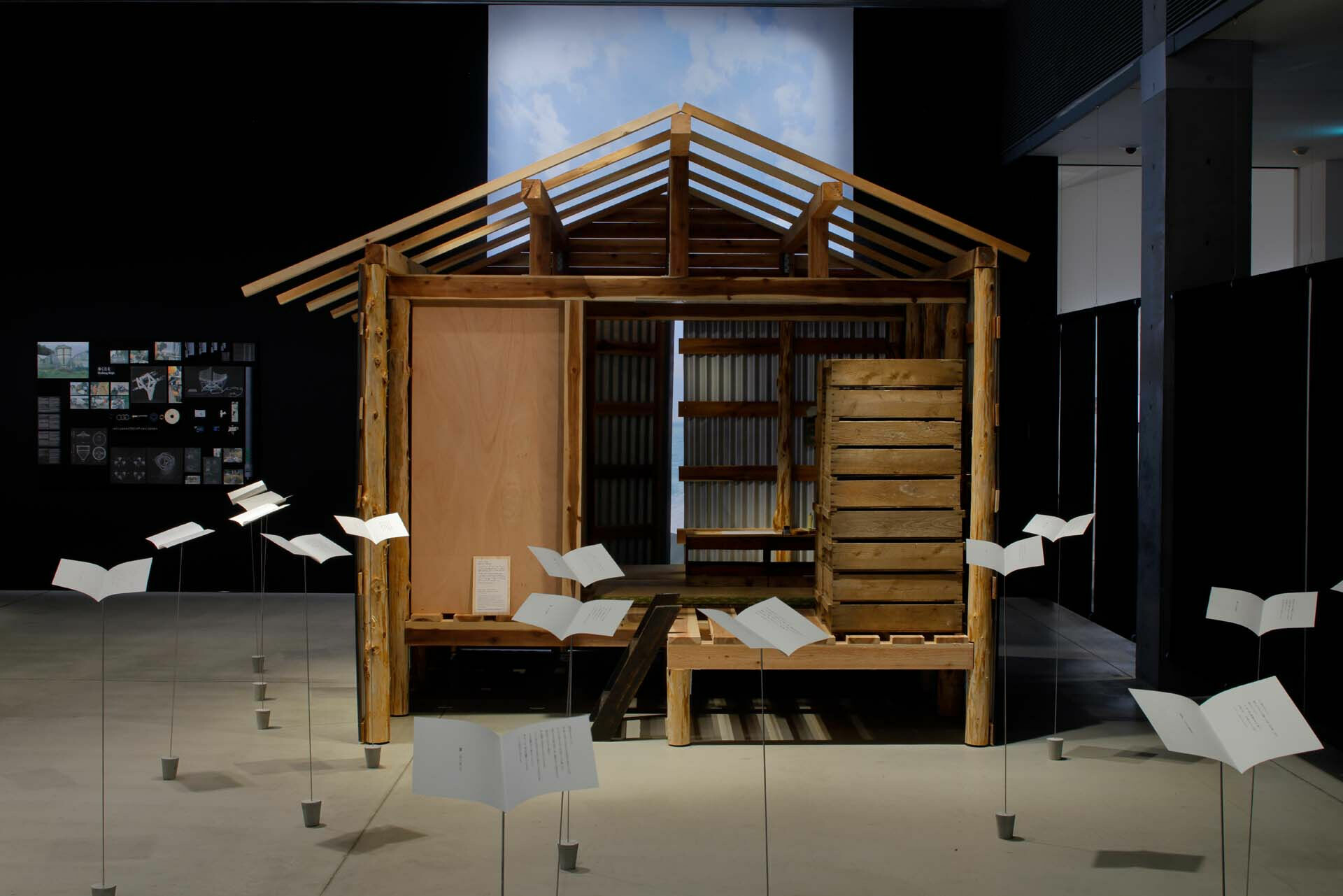
➤ Gallery 2, Yusuke Omuro + Kawacho-Gumi, “Storage Shed ‘Relocation’ Project from Literature”. Photo | Keizo Kioku 
 
 
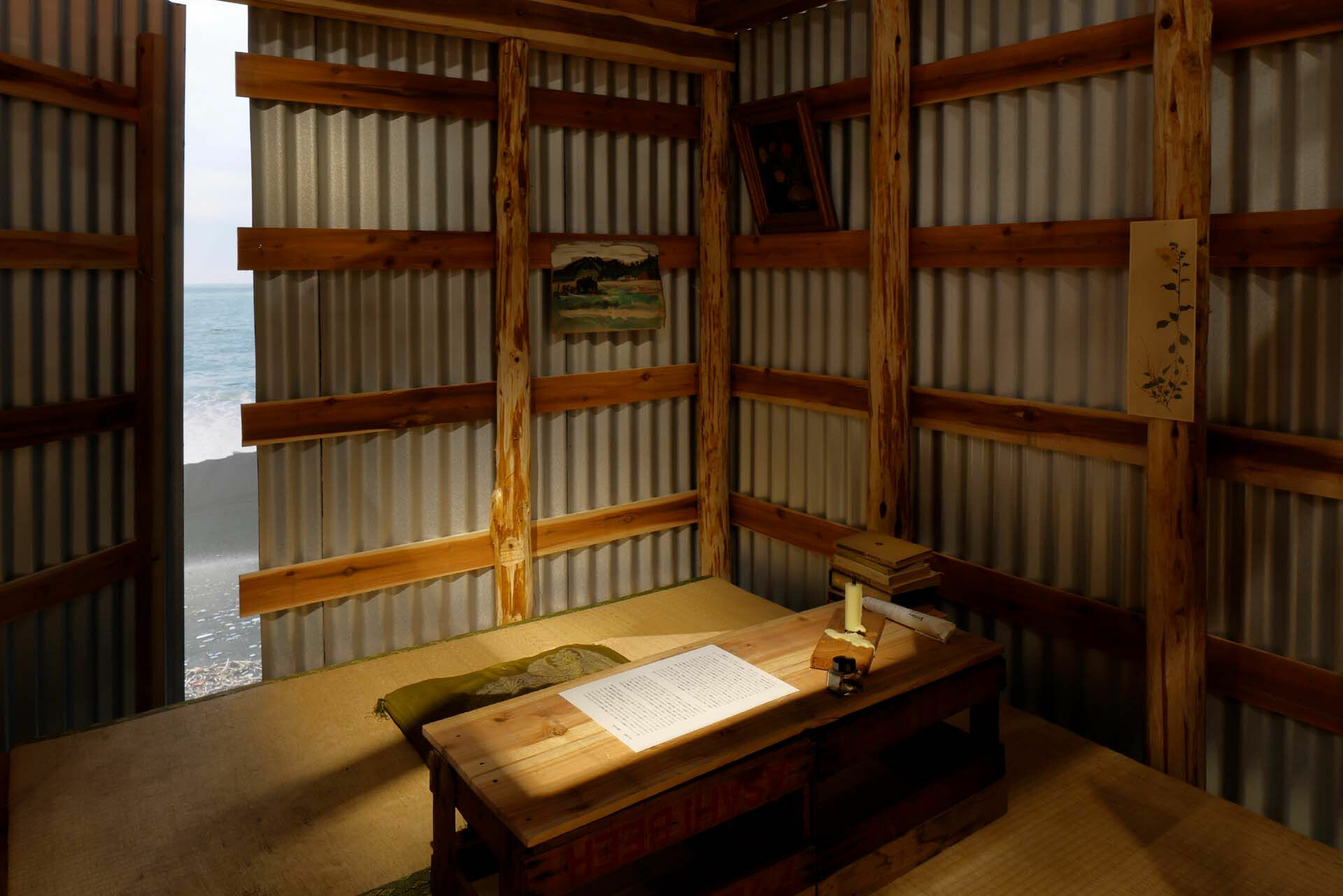
➤ Gallery 2, Yusuke Omuro + Kawacho-Gumi, “Storage Shed ‘Relocation’ Project from Literature” (Interior View). Photo | Keizo Kioku 
 
 
➤ Gallery 2, 2m26, “living with”. Photo | Keizo Kioku 
 
The exhibition takes Hōjōki as its point of departure, using Chōmei’s modest hut—less than three tsubo, or approximately nine square metres—as a starting point from which to reconsider contemporary life. In Gallery 1, a spatial installation introduces the Hōjō-no-iori , where Chōmei withdrew to live in the hills of Hino, while manuscripts, commentaries and translations trace its trajectories of reading across the centuries, examining how Hōjōki has been understood over time and how it reflects the architectural worldview of its era. In Gallery 2, meanwhile, participating artists and creative teams offer contemporary interpretations of the Hōjō-no-iori . Working with their own chosen tools and materials, they construct works within a limited footprint that respond to the conditions of contemporary life. Visitors are invited to wander freely among these huts, lingering within their different imaginings of the Hōjō-no-iori . Rather than seeking to define how we should dwell today, the exhibition offers a plurality of perspectives from which to reconsider it: perhaps a sense of security is not something fixed and bestowed upon us from the outside, but something shaped by the ways in which each of us constructs a life.


➤ Gallery 2, YAMAGUCHI Akira, “Tsubi-an”. Photo | Keizo Kioku
 
➤ Lobby, YAMAGUCHI Akira, “An-an 3”. Photo | Keizo Kioku


➤ Sunken Court, Tomoki Shoda + TAKENAKA CORPORATION + veig, “Mino-an Mount-ei/ Clad Hut Mountain Garden”. Photo | Keizo Kioku
 
➤ Lobby, YAMAGUCHI Akira, “An-an 5”. Photo | Keizo Kioku
 
 
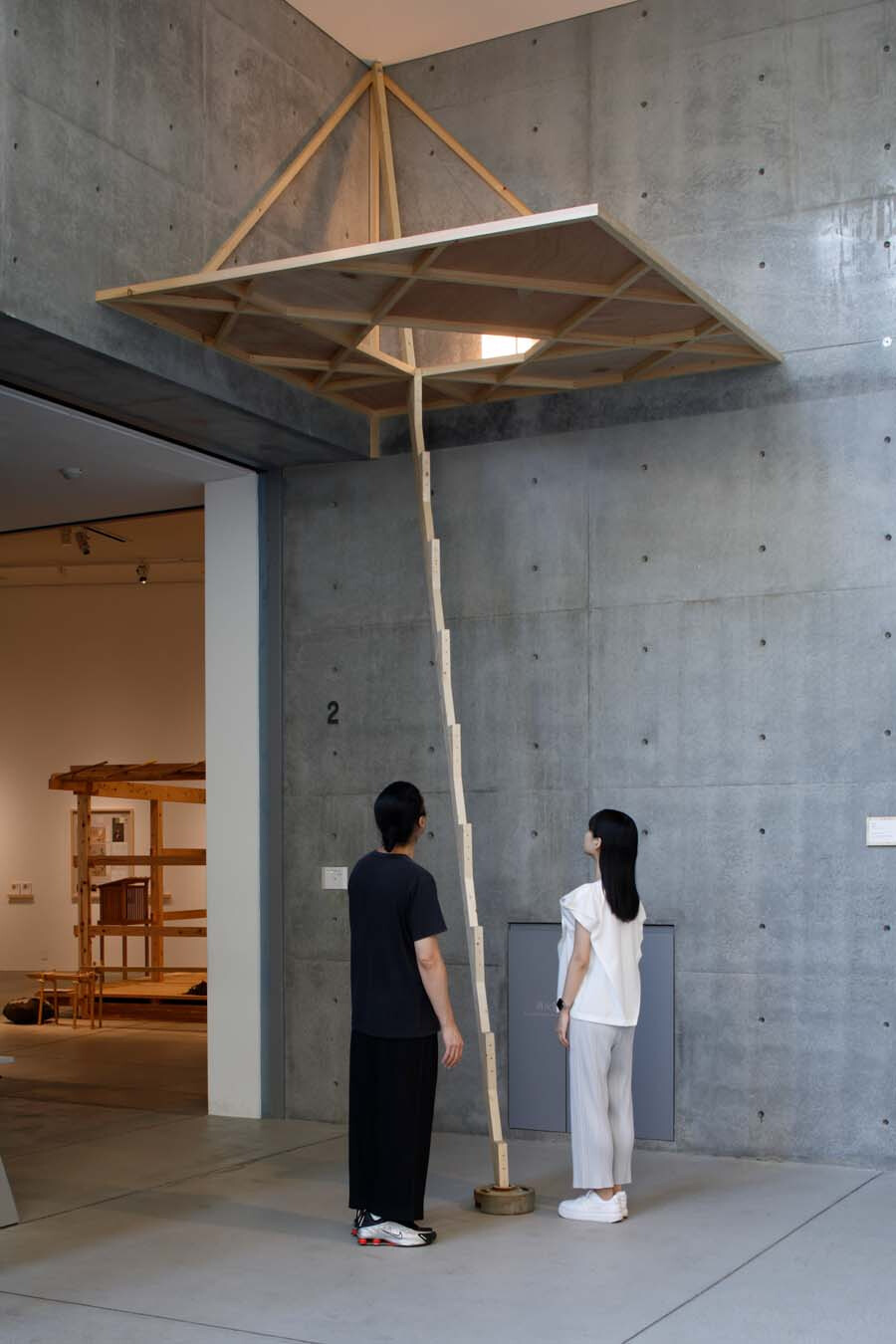
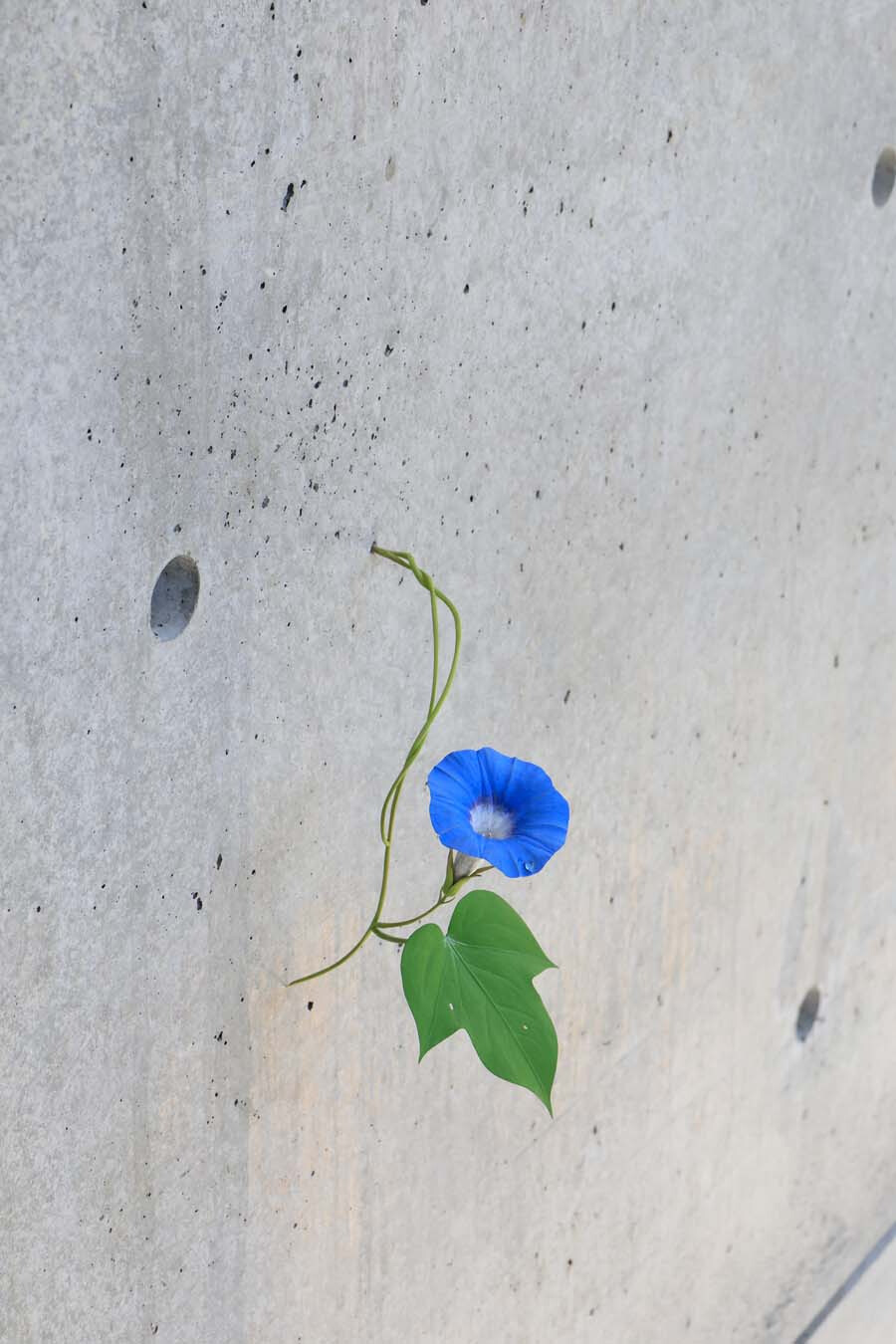
➤ Lobby, Suda Yoshihiro, “Morning Glory”. Photo | Keizo Kioku
 
 
➤ Sunken Court, Tomoki Shoda + TAKENAKA CORPORATION + veig, “Mino-an Mount-ei/ Clad Hut Mountain Garden”(Interior View). Photo | Keizo Kioku
 
 
Aug 28, 2026 – Jan 11, 2027

21_21 DESIGN SIGHT Gallery 1&2
  • About
  • Privacy policy
  • Track Order
  • Customer
  • Contact
  • Join us
FACEBOOK
instagram
Language

Copyright © WABISABI ISSUE. 侘寂傳媒有限公司 統一編號:90451315

  • Projects
    • Worldwide
    • Interiors
    • Features
  • Contemporary
    • Exhibitions
  • Record
  • Lifestyle
  • City Explore
  • News
  • Issue
  • About
  • Privacy policy
  • Track Order
  • Customer
  • Contact
  • Join us
Language