WABISABI
  • Projects
    • Worldwide
    • Interiors
    • Features
  • Contemporary
    • Exhibitions
  • Record
  • Lifestyle
  • City Explore
  • News
  • Issue
  • Account
  • Search
  • Language
Mobile nav

A Thoughtful Stay: Quietly Composed Between Material and Light


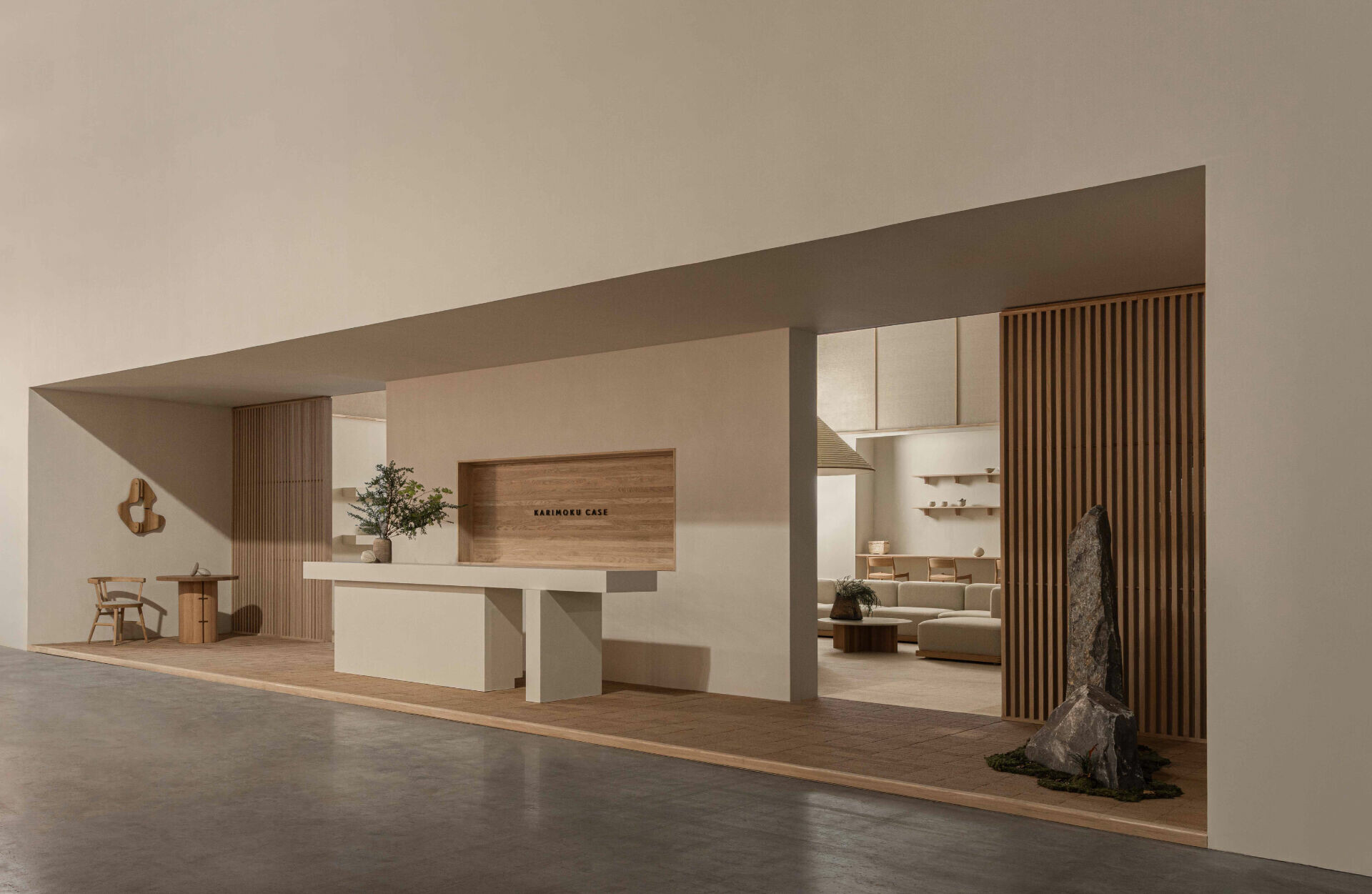
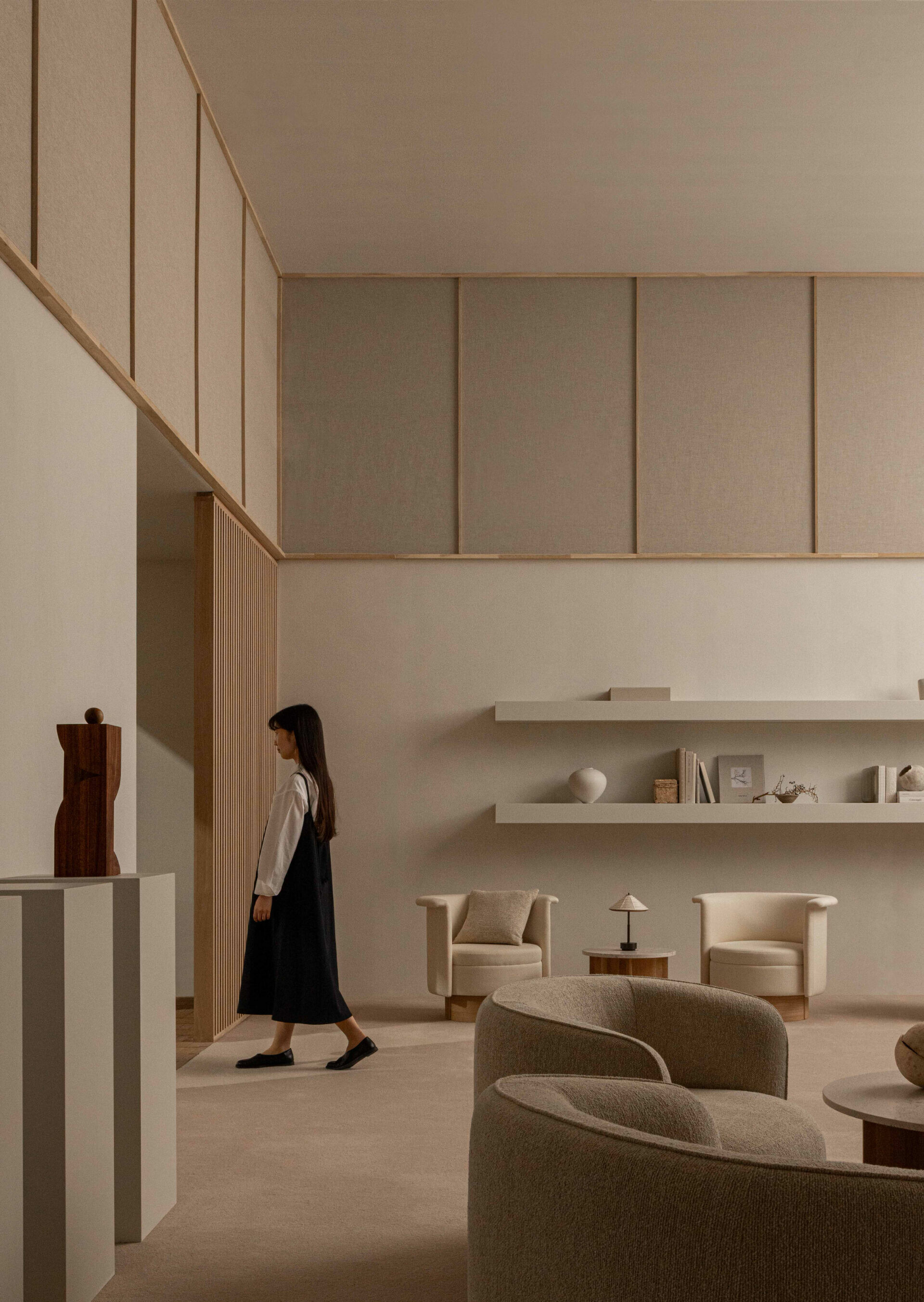
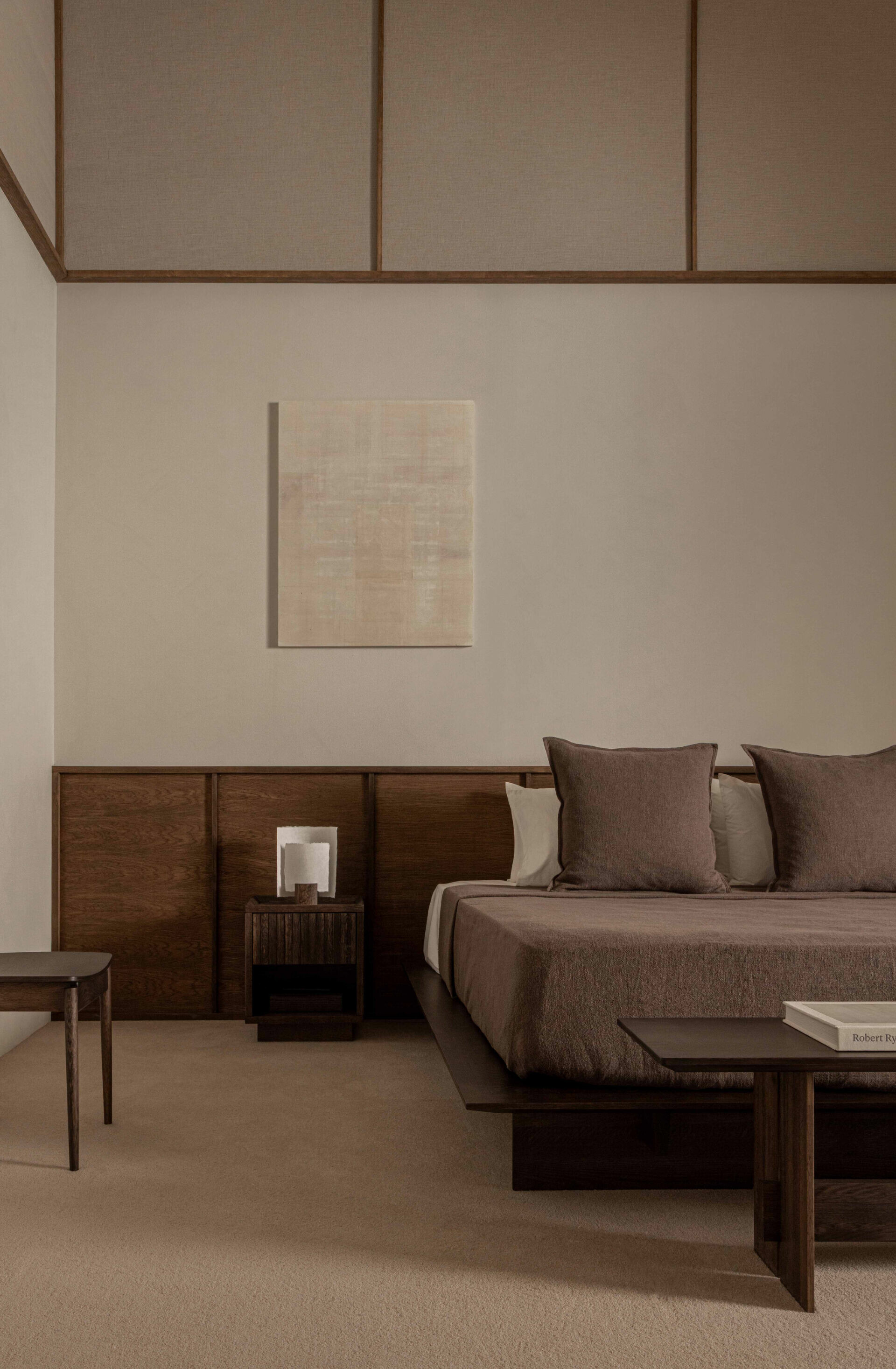
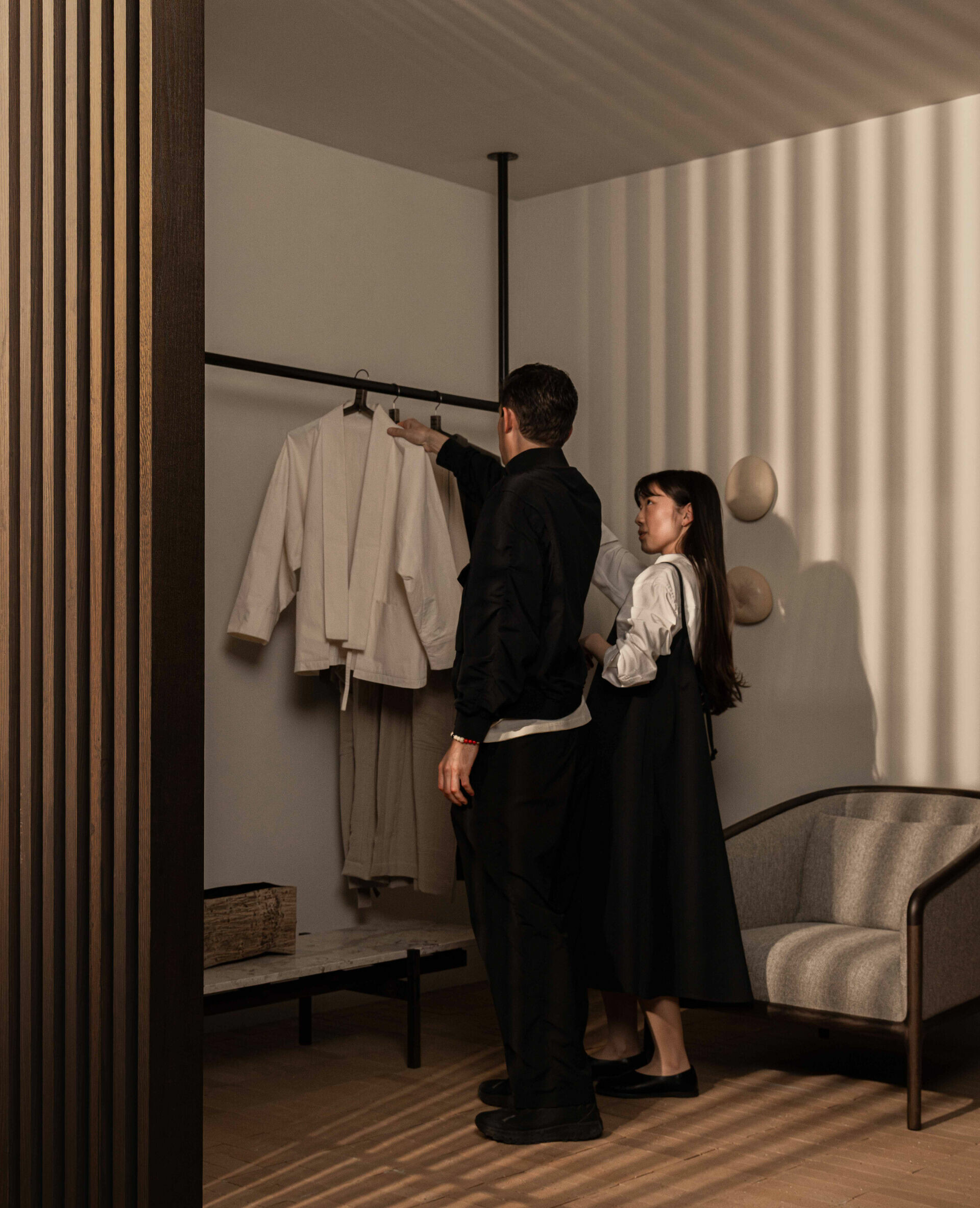
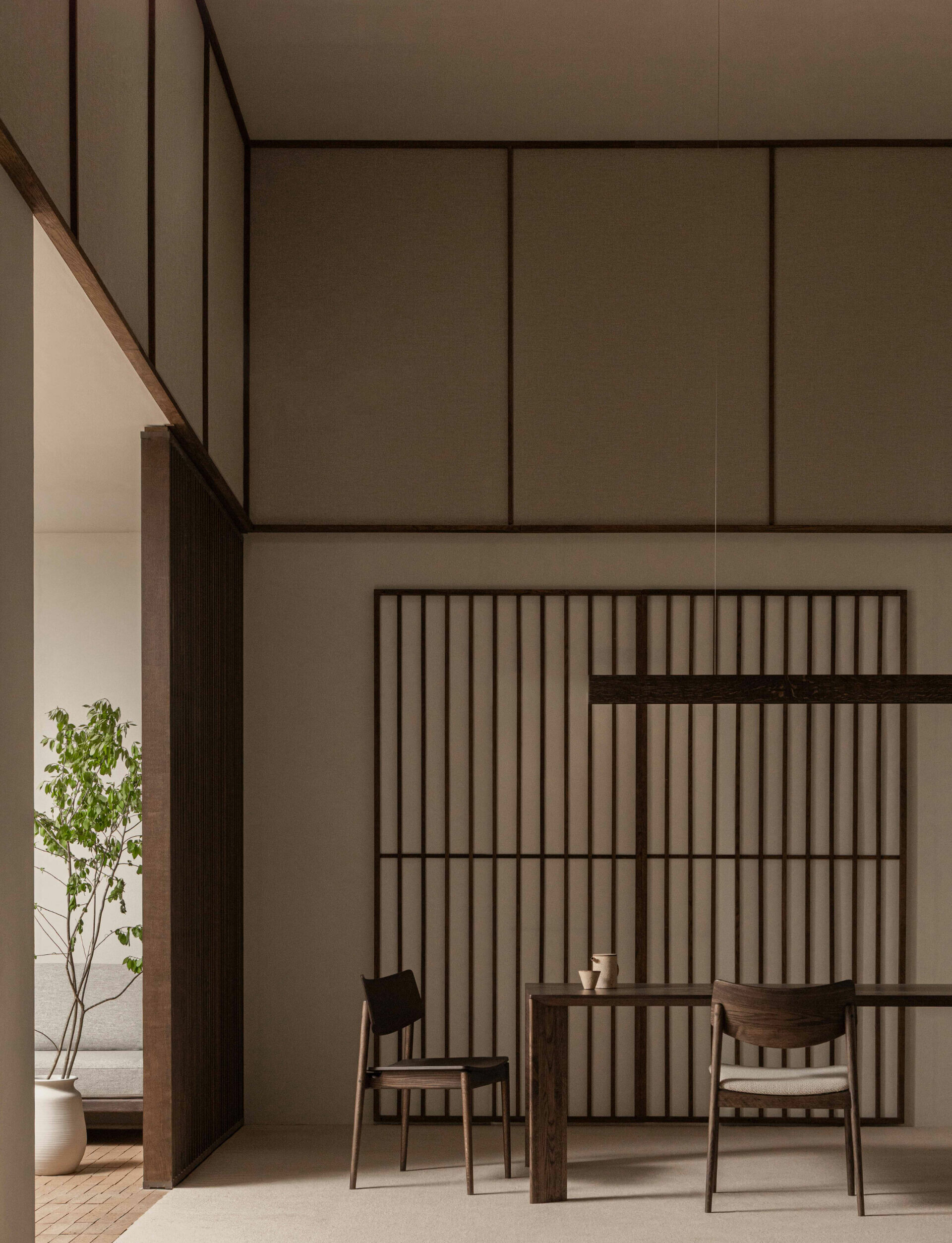
Have you ever heard the echo of materials? In moments of stillness, stone speaks through the traces left by time, plants stretch their branches and breathe lightly, while wood quietly exhales and inhales — regulating humidity and delicately tracing the movement of light and shadow. This is A Thoughtful Stay, the exhibition conceived by KARIMOKU CASE for Milan Design Week 2026, inviting visitors from around the world into a tranquil environment shaped through materiality, proportion, and light.


➤ Photo by Karl Tranberg Knudsen
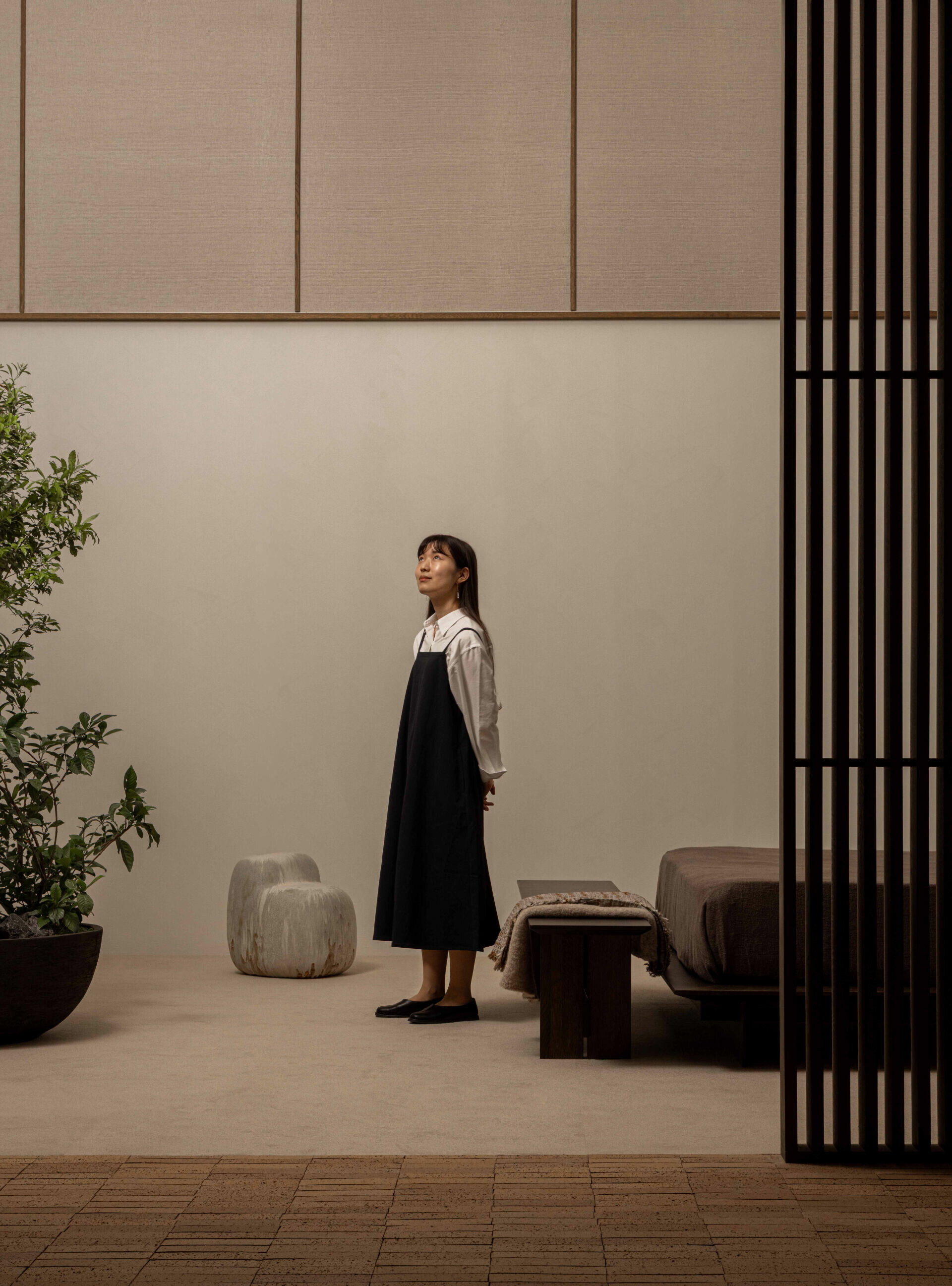
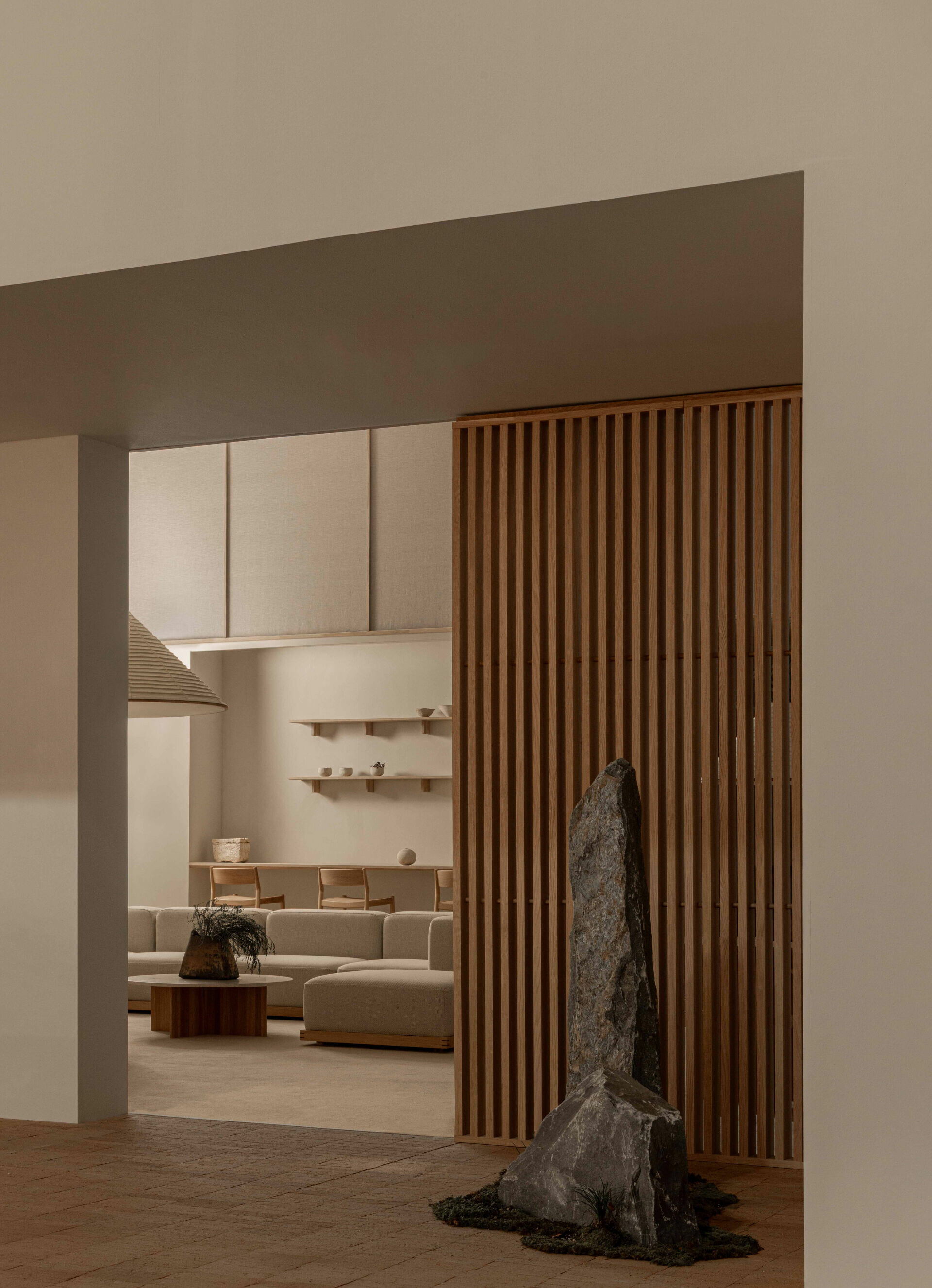
The welcoming ritual begins with a horizontally extended reception counter. Expanses of soft white surfaces are framed by wooden latticework in the background, where restrained and minimal lines shape the refined atmosphere of a contemporary retreat. Stones gathered beneath the entrance are accompanied by patches of moss, subtly evoking a quiet connection with nature, while shadows cast through sculptural solid wood partitions suggest the passing of time. Staff dressed in functional uniforms by nanamica gently guide visitors through the space, revealing an understated sensibility rooted in craftsmanship and thoughtful detail.
➤ Photo by Karl Tranberg Knudsen
➤ Photo by Karl Tranberg Knudsen
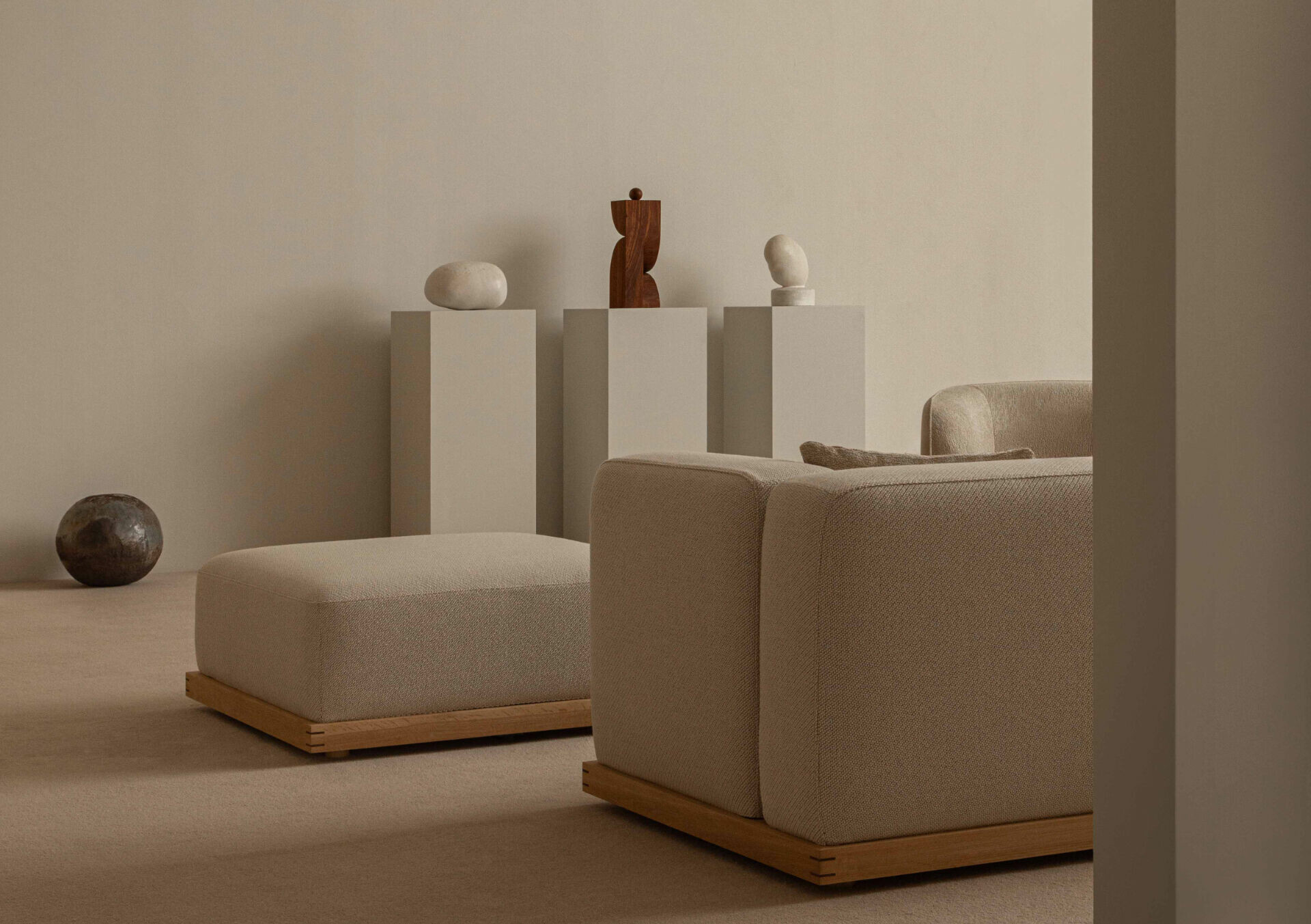
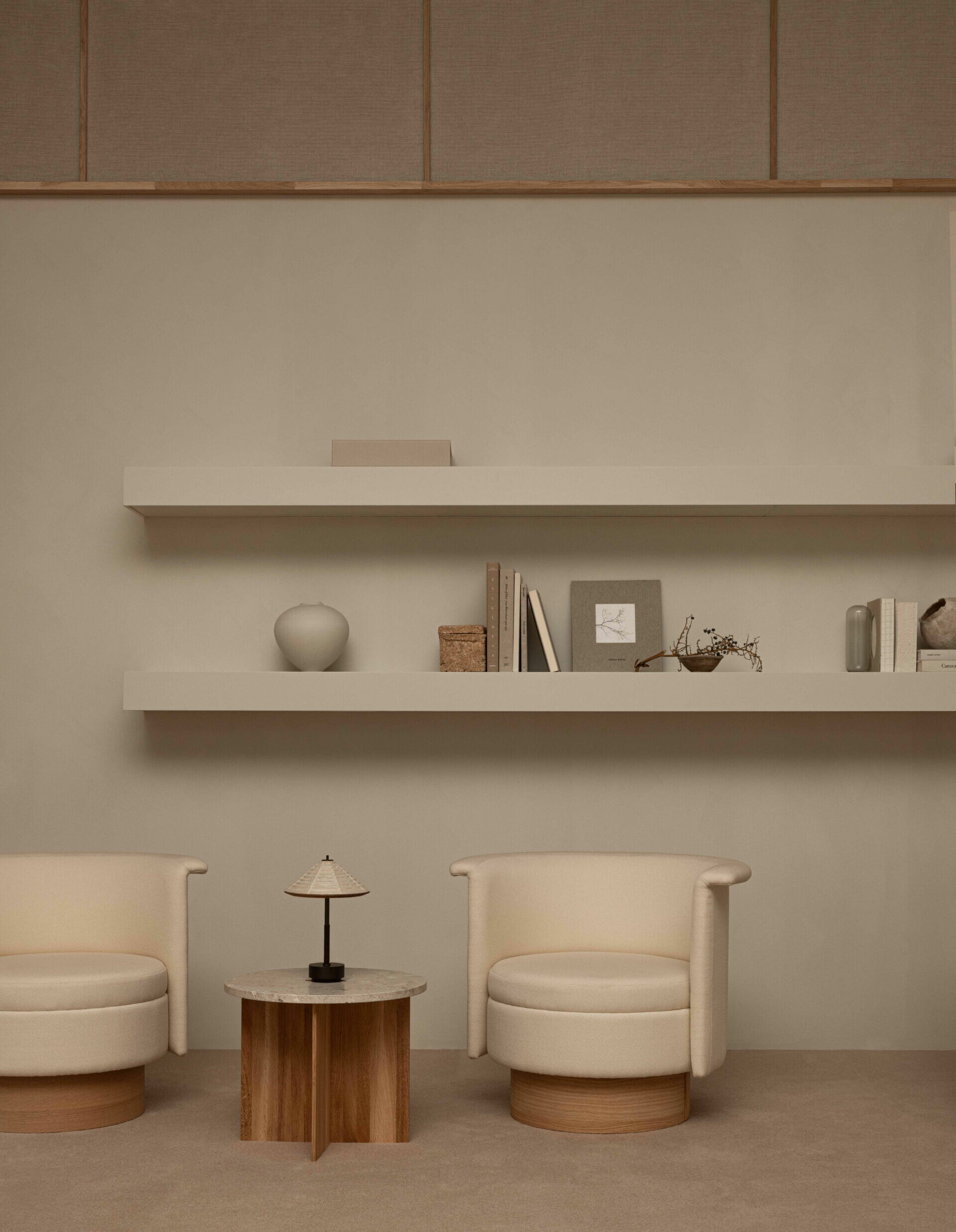
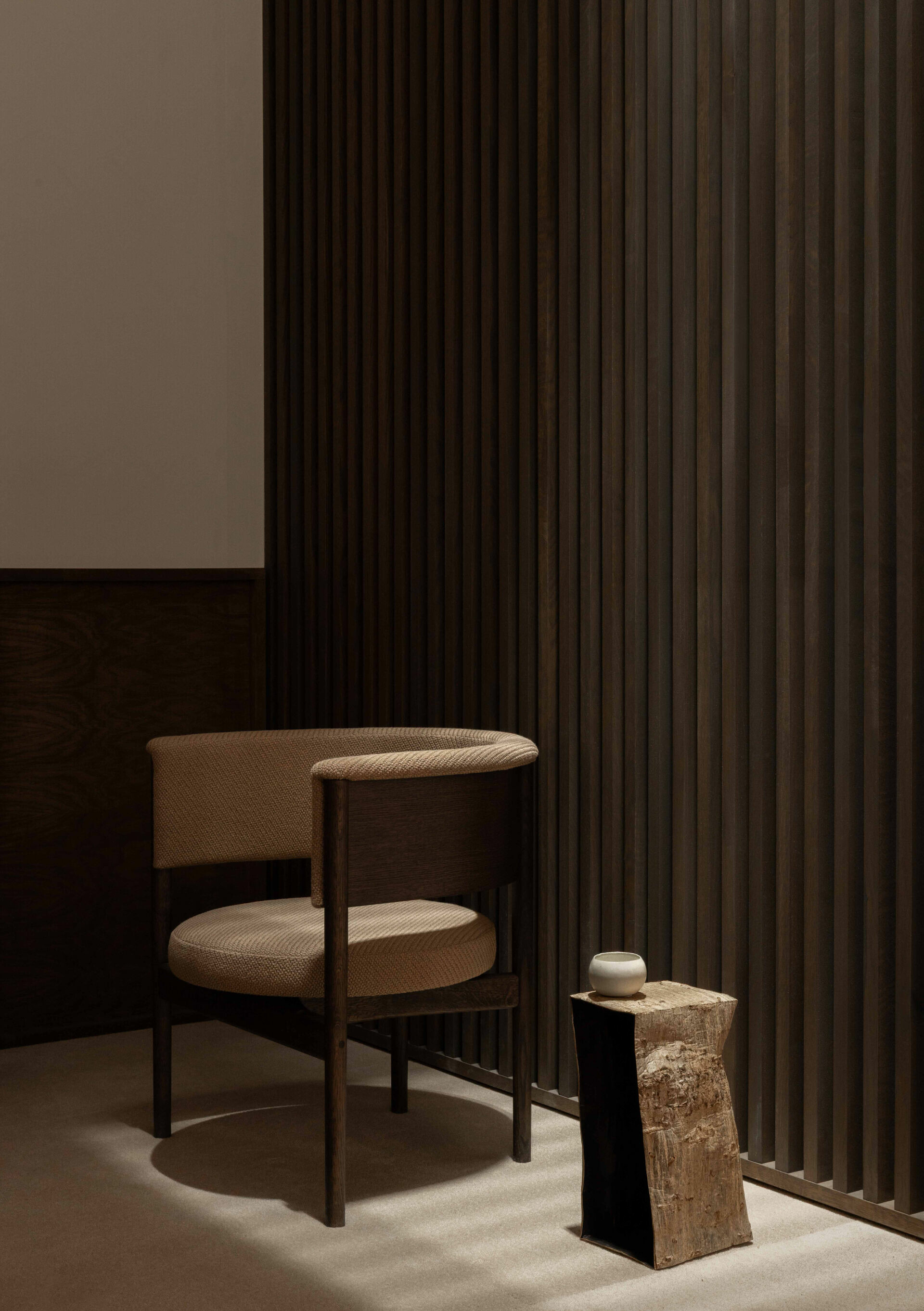
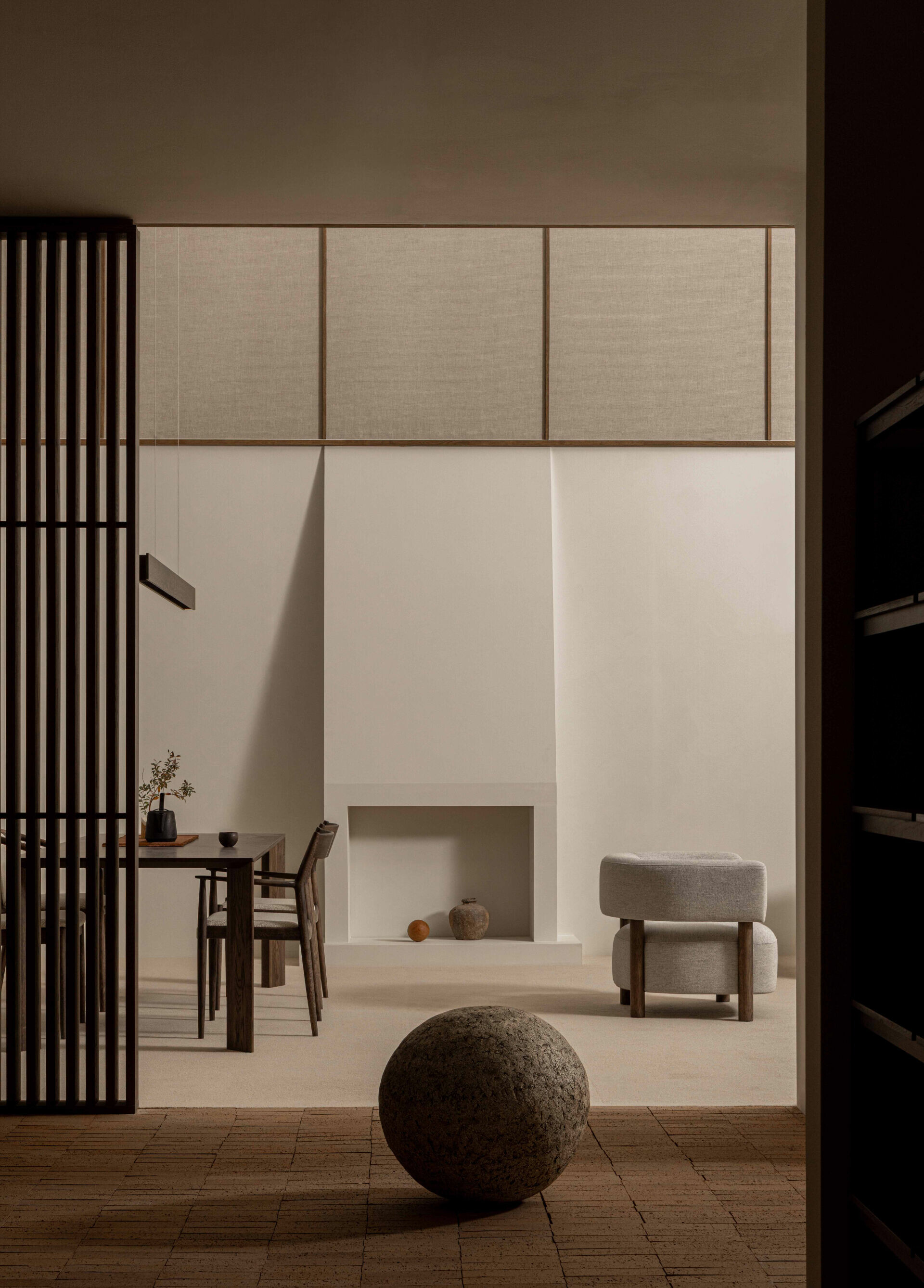
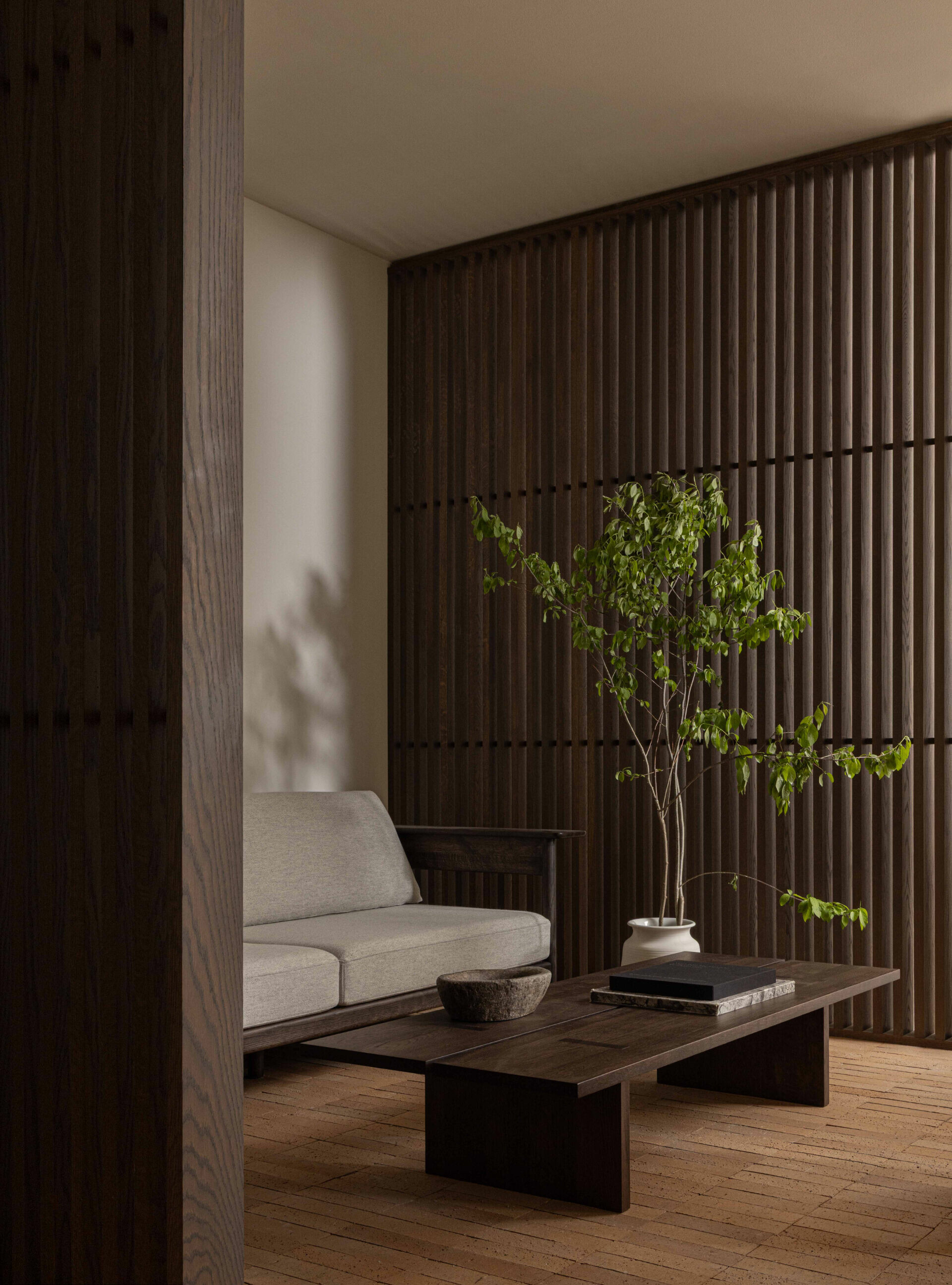
As one moves further inward, the spatial composition gradually unfolds in layers. Within the bright reception area sits a modular sofa designed by Norm Architects for Azabu Residence, its adaptable configuration offering flexibility across different spatial arrangements. Nearby, the A-S02 lounge chair by Keiji Ashizawa introduces a more intimate sense of scale through its rounded and embracing silhouette. Beside it, the N-ST01 coffee table — composed of a wooden base and circular marble top from the Kinuta Terrace project — expresses a delicate balance between visual lightness and structural clarity within its minimal form.


➤ N-S02 designed by Norm Architects. Photo by Karl Tranberg Knudsen
➤ N-ST01 & N-SW01 designed by Norm Architects. Photo by Jonas Bjerre-Poulsen
➤ A-S02 designed by Keiji Ashizawa. Photo by Karl Tranberg Knudsen
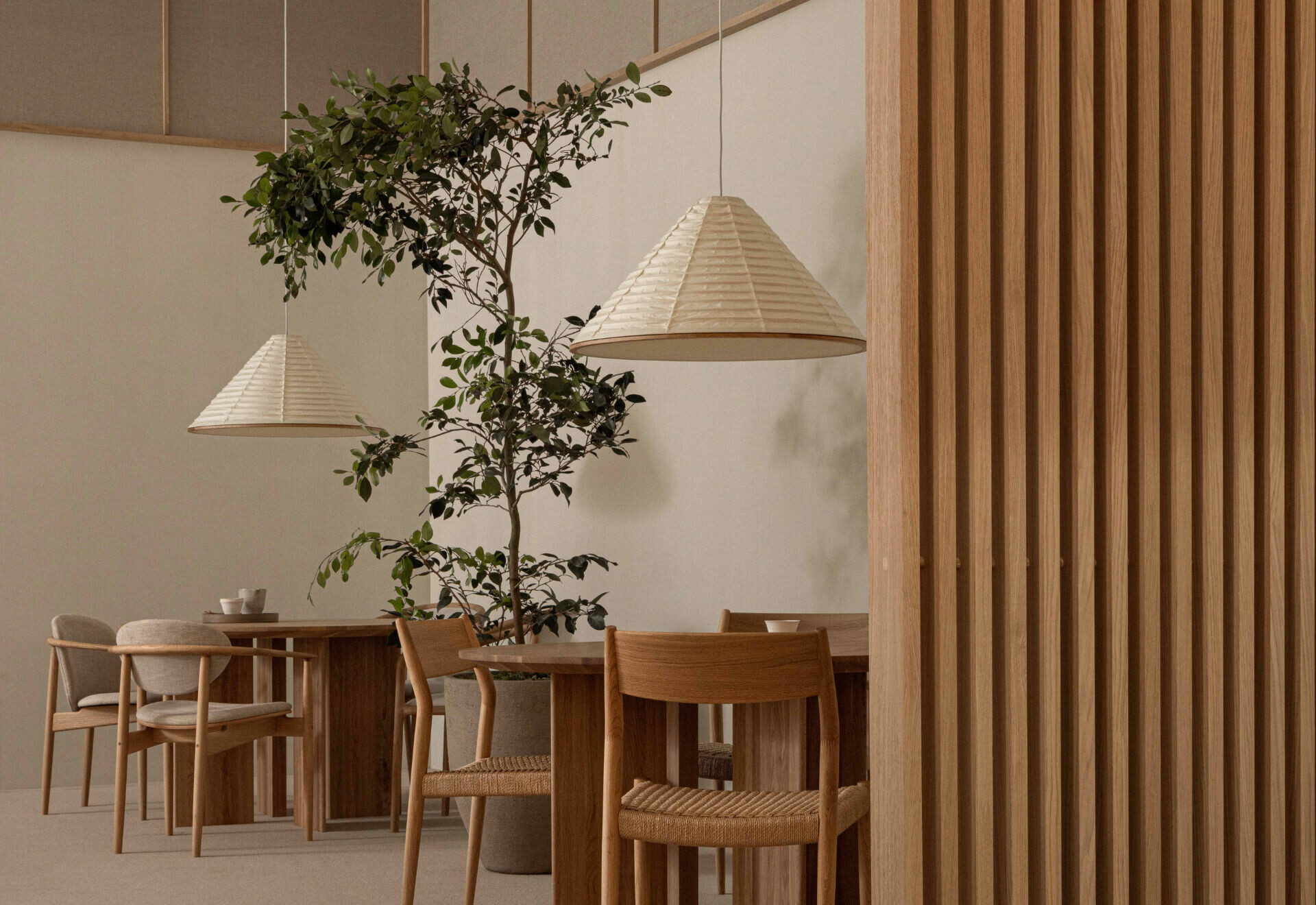
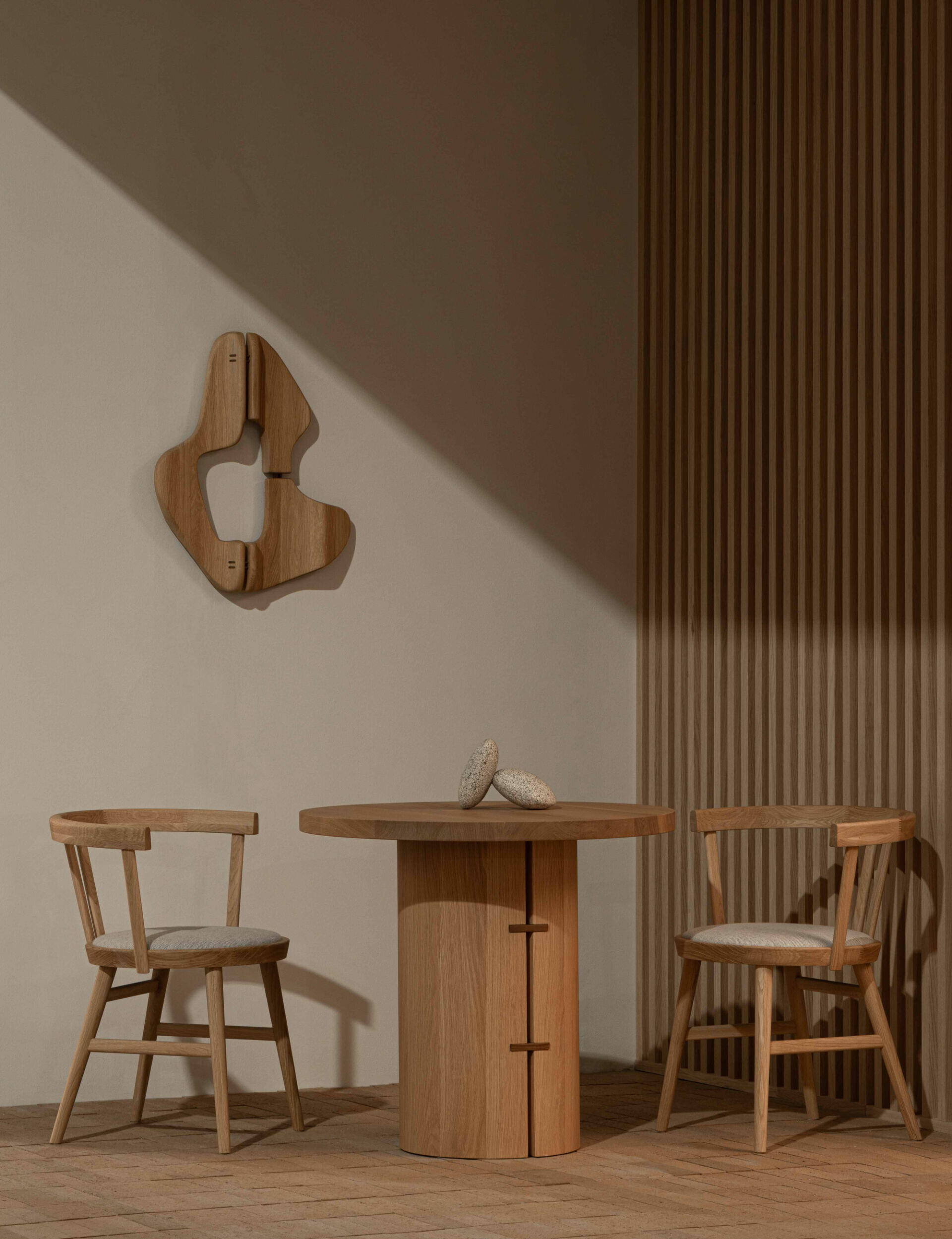
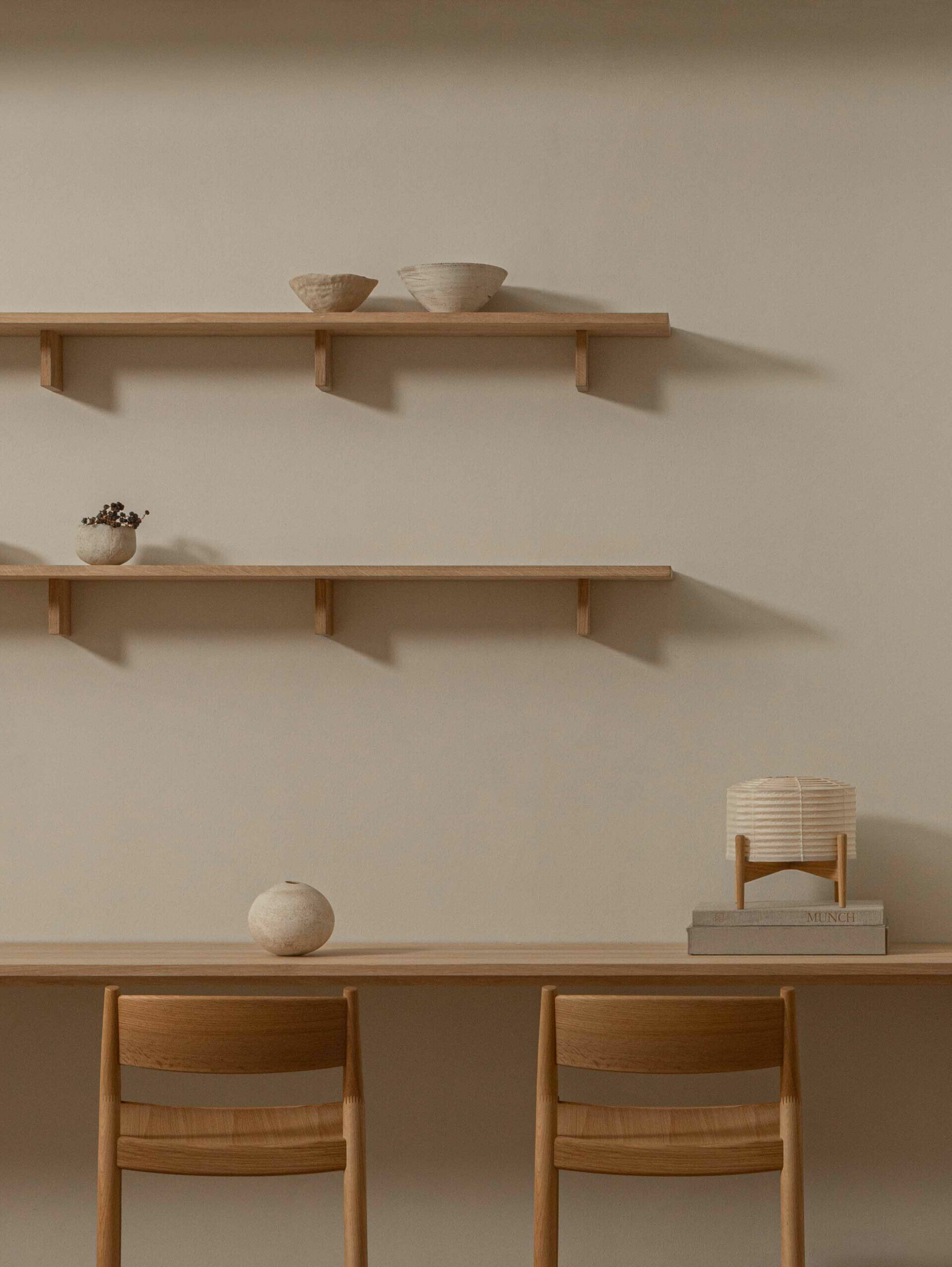
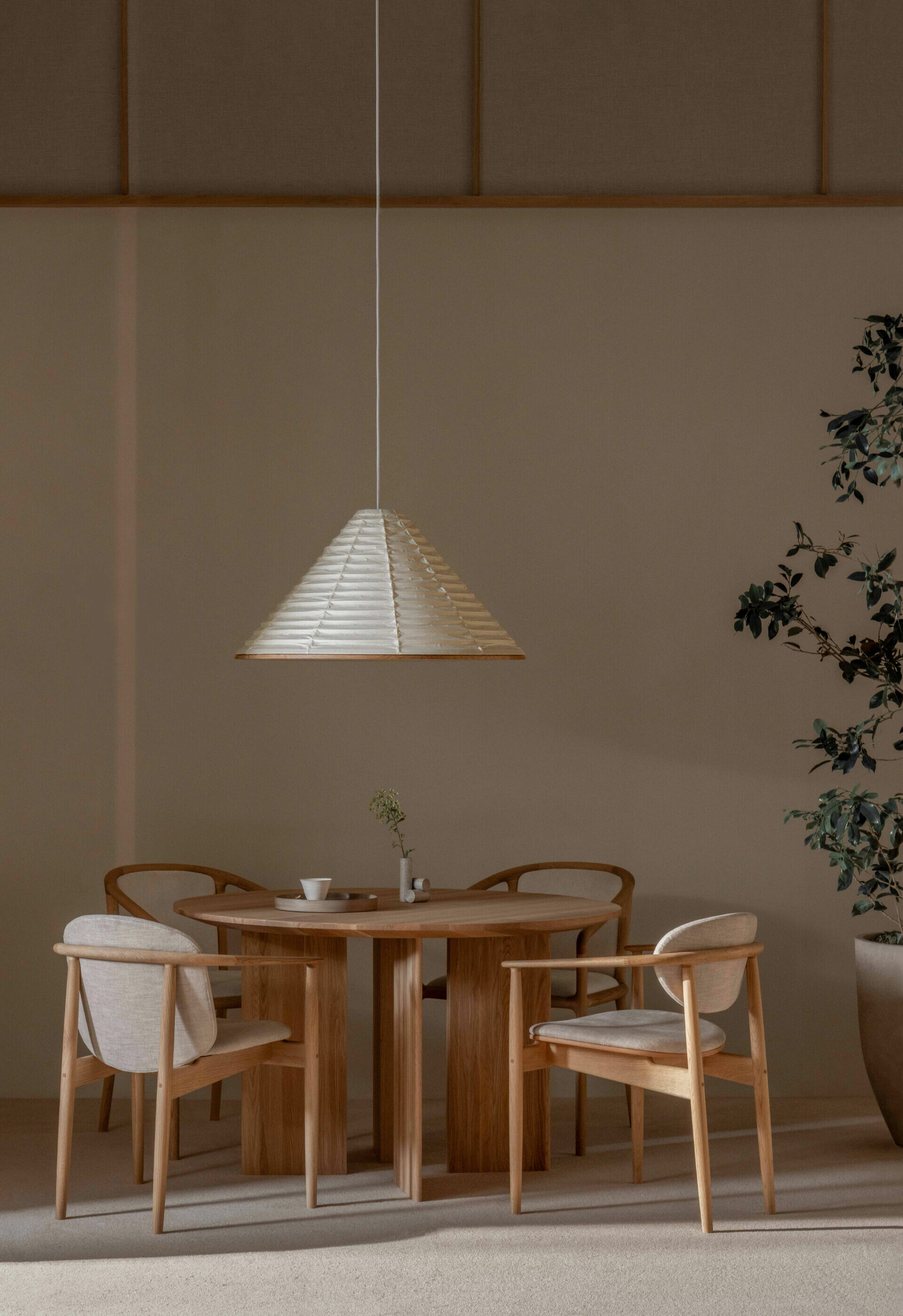
These furnishings, designed specifically for architectural environments, distinguish KARIMOKU CASE from conventional furniture brands. Through bespoke design and spatial integration, the brand shapes living environments centered around their inhabitants, allowing furniture to become part of the framework that defines spatial order. Each placement therefore evokes a distinct scene: gathered around the dining table of Restaurang Äng, one can almost imagine immersive conversations shared over food, while sitting on a stool from Minatomirai Cafe, the subtle aroma of coffee seems to linger quietly in the air.


➤ Photo by Karl Tranberg Knudsen
➤ Photo by Jonas Bjerre-Poulsen
➤ Photo by Karl Tranberg Knudsen
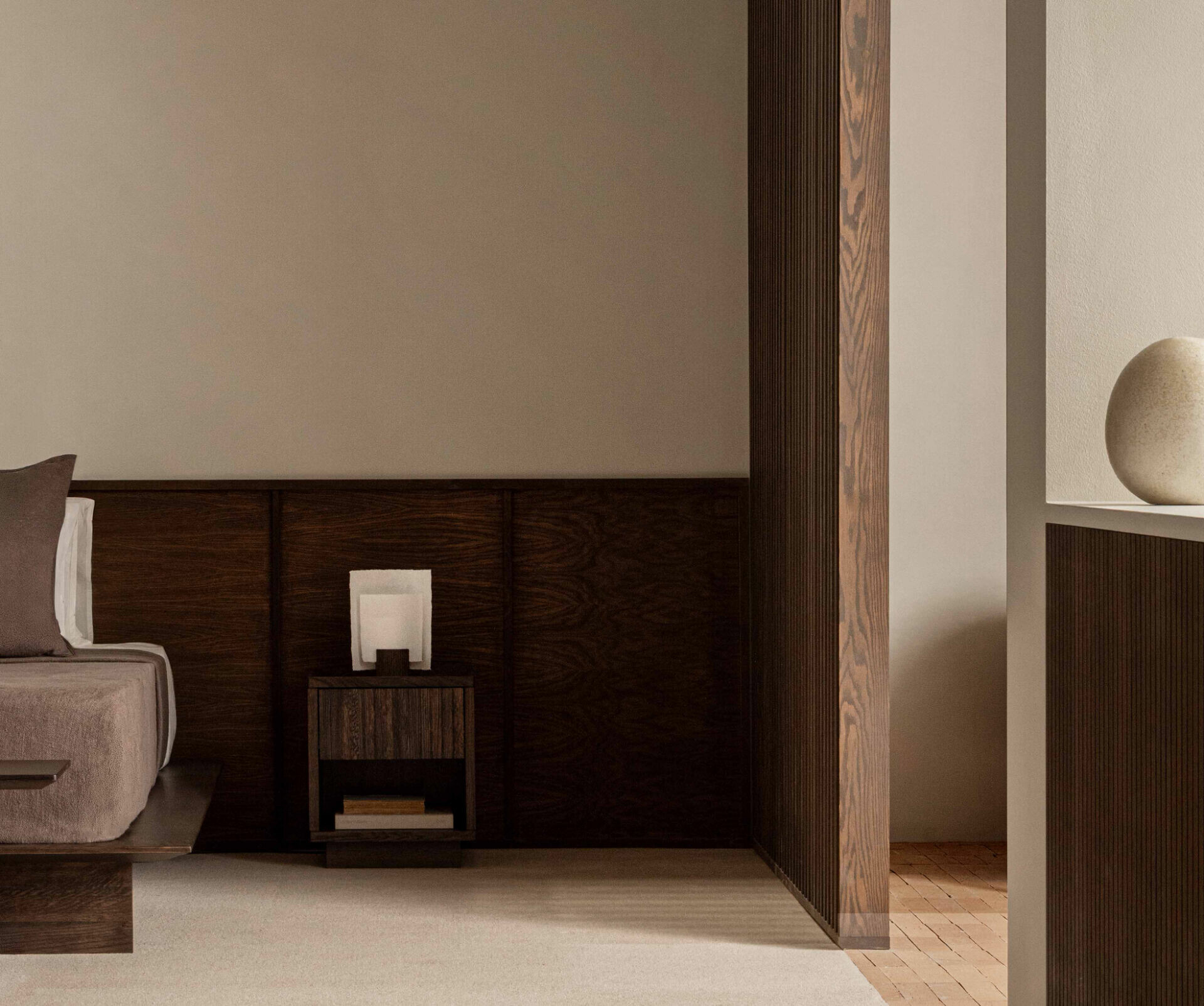
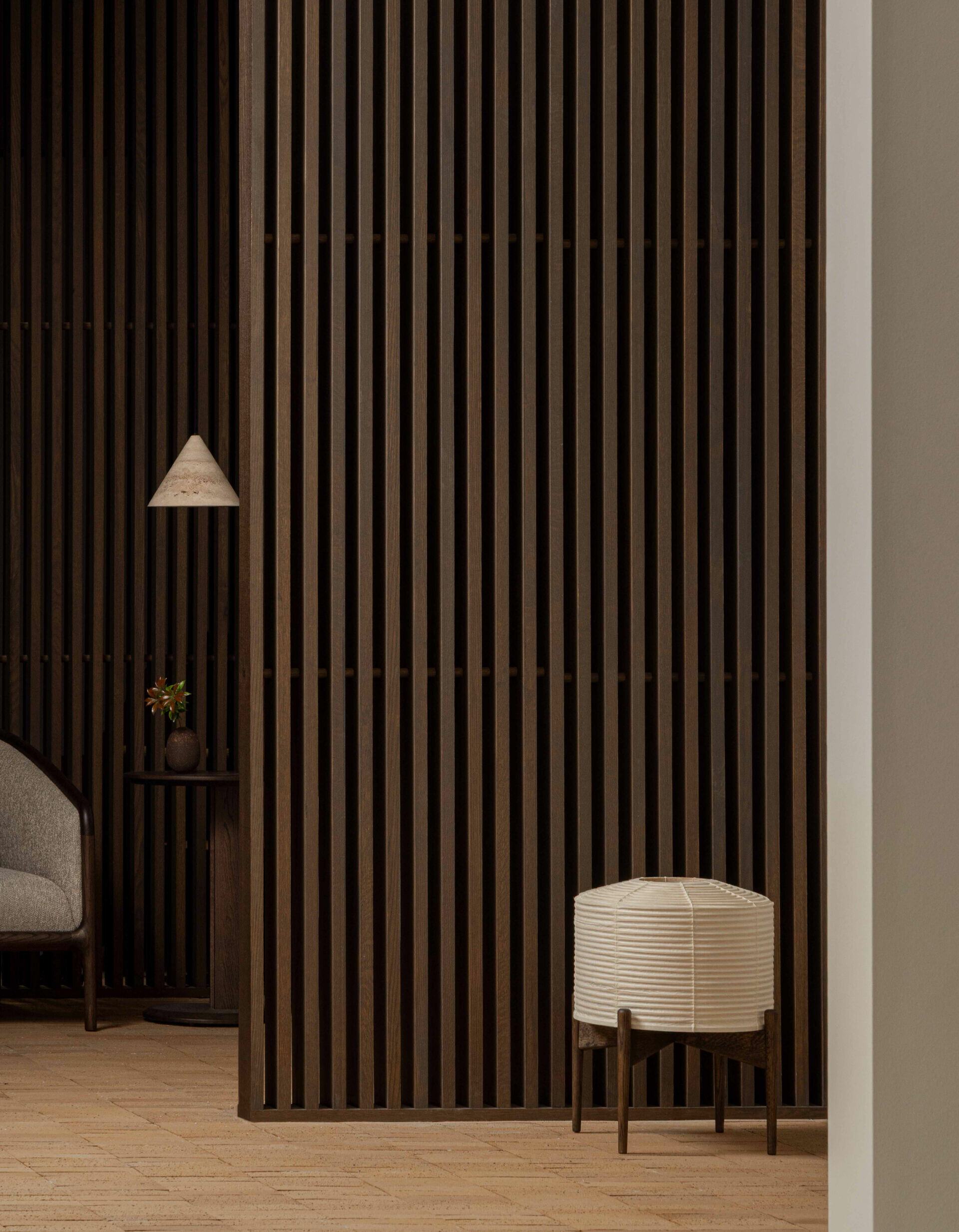
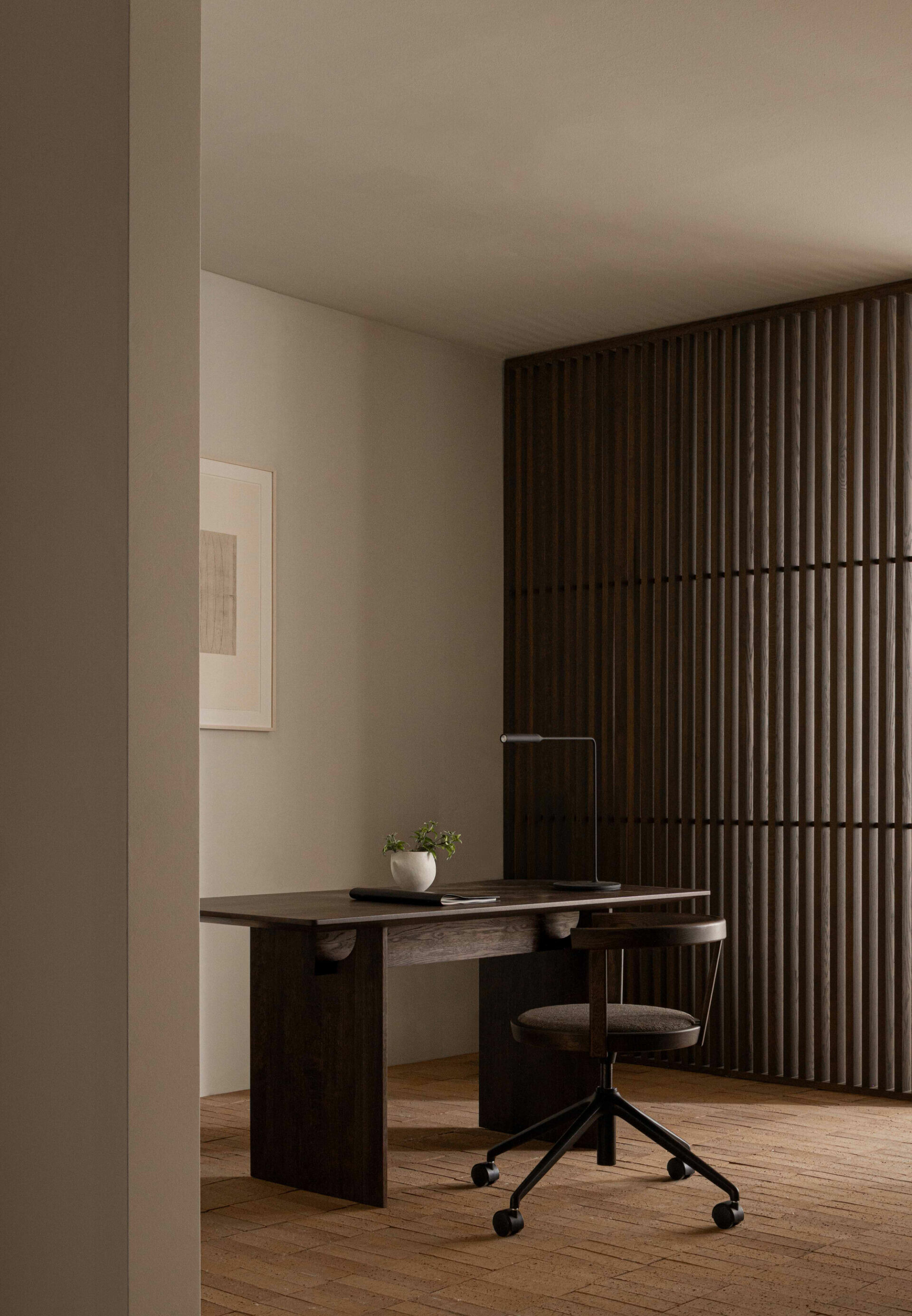
Gradually, the atmosphere transitions from communal gathering spaces into more private interiors. Passing through smoked oak lattice screens toward the bedroom setting, visitors are guided by light and tactile textiles that awaken sensory awareness. Through shifts in color, shadow, and material, the experience slowly settles into a quieter and more introspective rhythm. Every wooden furnishing emphasizes material honesty and sustainability — values shared by the collaborators behind the collection, including Norman Foster from the UK, Norm Architects from Copenhagen, and Keiji Ashizawa from Japan.


➤ Photo by Karl Tranberg Knudsen
➤ Photo by Karl Tranberg Knudsen
➤ Photo by Karl Tranberg Knudsen
Even within a brief stay, visitors may find a sense of gentle stillness while touching wooden surfaces and tracing softened lines by hand. In a rapidly shifting design landscape, the exhibition presents a thoughtful refuge that turns inward rather than outward. This is what KARIMOKU CASE seeks to convey: an authentic connection woven between space, architecture, and everyday living. Like wood deeply rooted in the earth, and like time itself moving in quiet silence, it remains willing to respond to the human longing for inner calm.
➤ Photo by Karl Tranberg Knudsen
KARIMOKU CASE
  • About
  • Privacy policy
  • Track Order
  • Customer
  • Contact
  • Join us
FACEBOOK
instagram
Language

Copyright © WABISABI ISSUE. 侘寂傳媒有限公司 統一編號:90451315

  • Projects
    • Worldwide
    • Interiors
    • Features
  • Contemporary
    • Exhibitions
  • Record
  • Lifestyle
  • City Explore
  • News
  • Issue
  • About
  • Privacy policy
  • Track Order
  • Customer
  • Contact
  • Join us
Language