Material Meets the Body: Reconsidering Everyday Perception — Villeroy & Boch
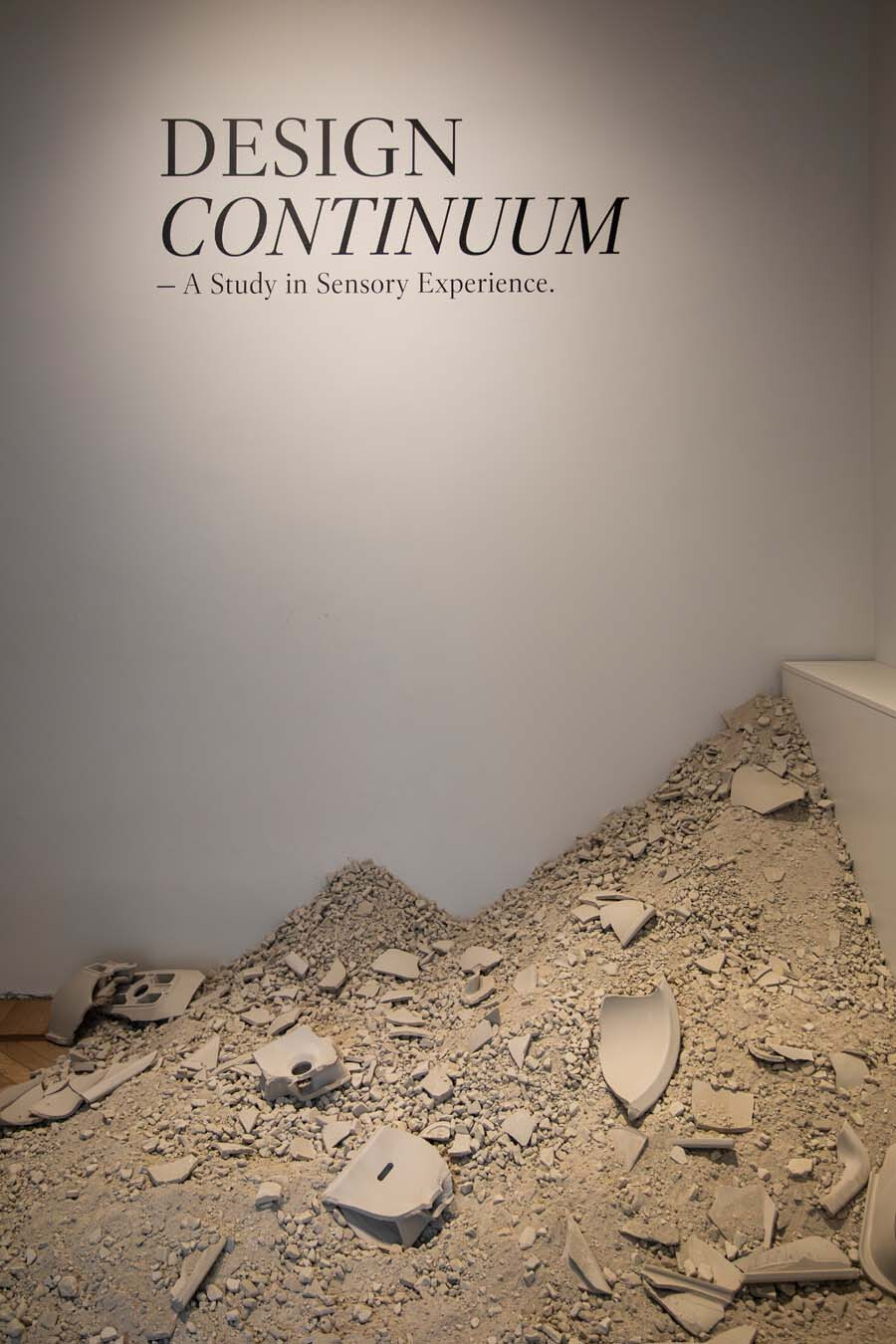
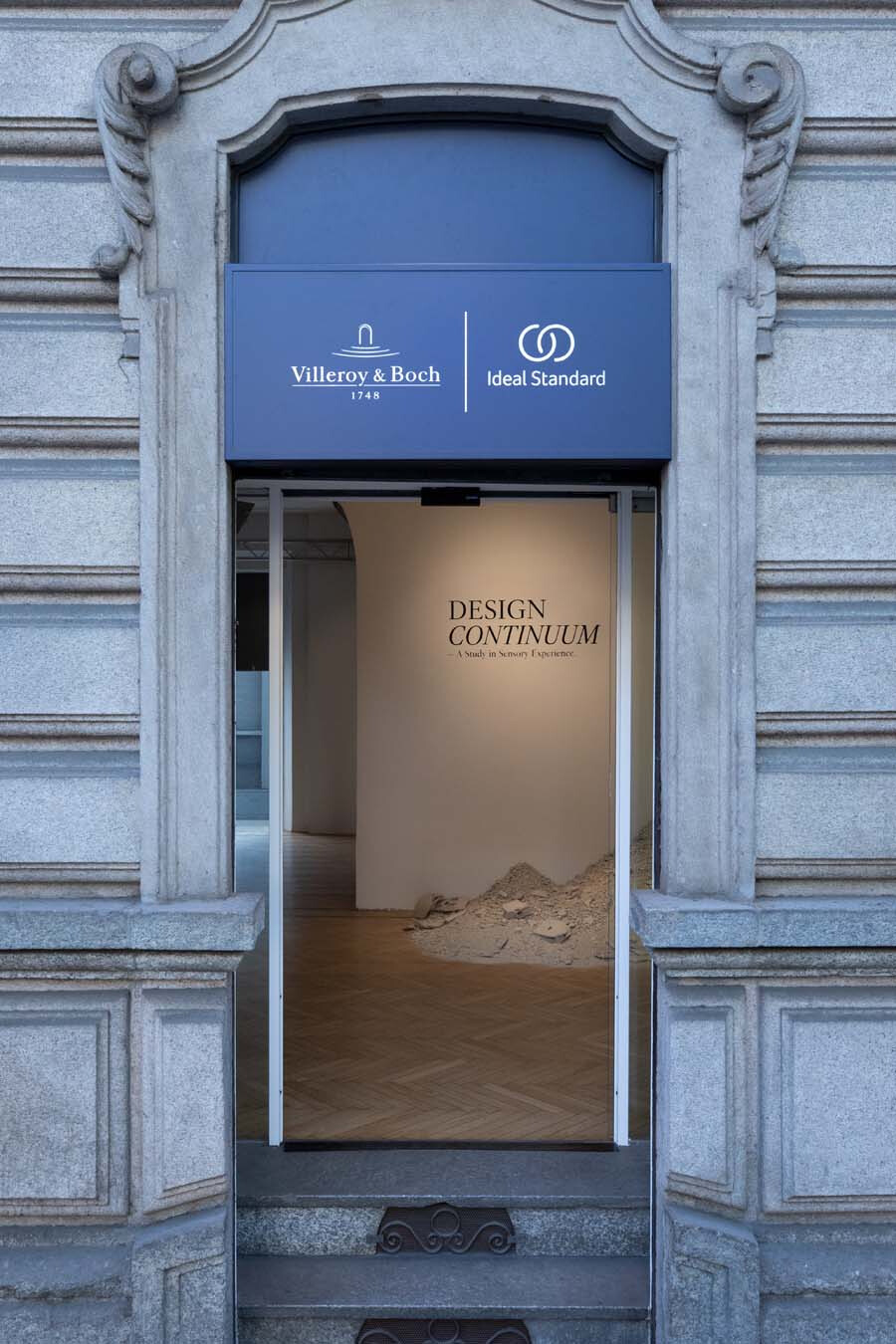
The bathroom is one of the few rooms in the home where time can be kept wholly to oneself and the body attended to without distraction. Unlike living and dining spaces, it is not primarily shaped by social exchange. It is where the public self recedes and we return, most directly, to ourselves. When the water begins to flow, droplets skim and gather across the ceramic washbasin; moments later, water meets the hands and face. Warmth, the steady hush of the flow and the movement of light awaken the senses within seconds. In lives increasingly divided into fragments, such details feel unexpectedly precious. When manufacturing has reached an exceptional degree of precision, how can bathroom design remain attuned to the body through material, time and everyday use? This question lay at the heart of Design Continuum: A Study in Sensory Experience, presented by Villeroy & Boch and Ideal Standard at Milan Design Week 2026. Drawing on generations of ceramic craftsmanship, the exhibition used material and form to consider what contemporary bathroom design should reveal, what it should allow to remain, and how sensory experience within this private setting might be made tangible.
➤ Antao
➤ Antao 3D
Making the Senses Tangible
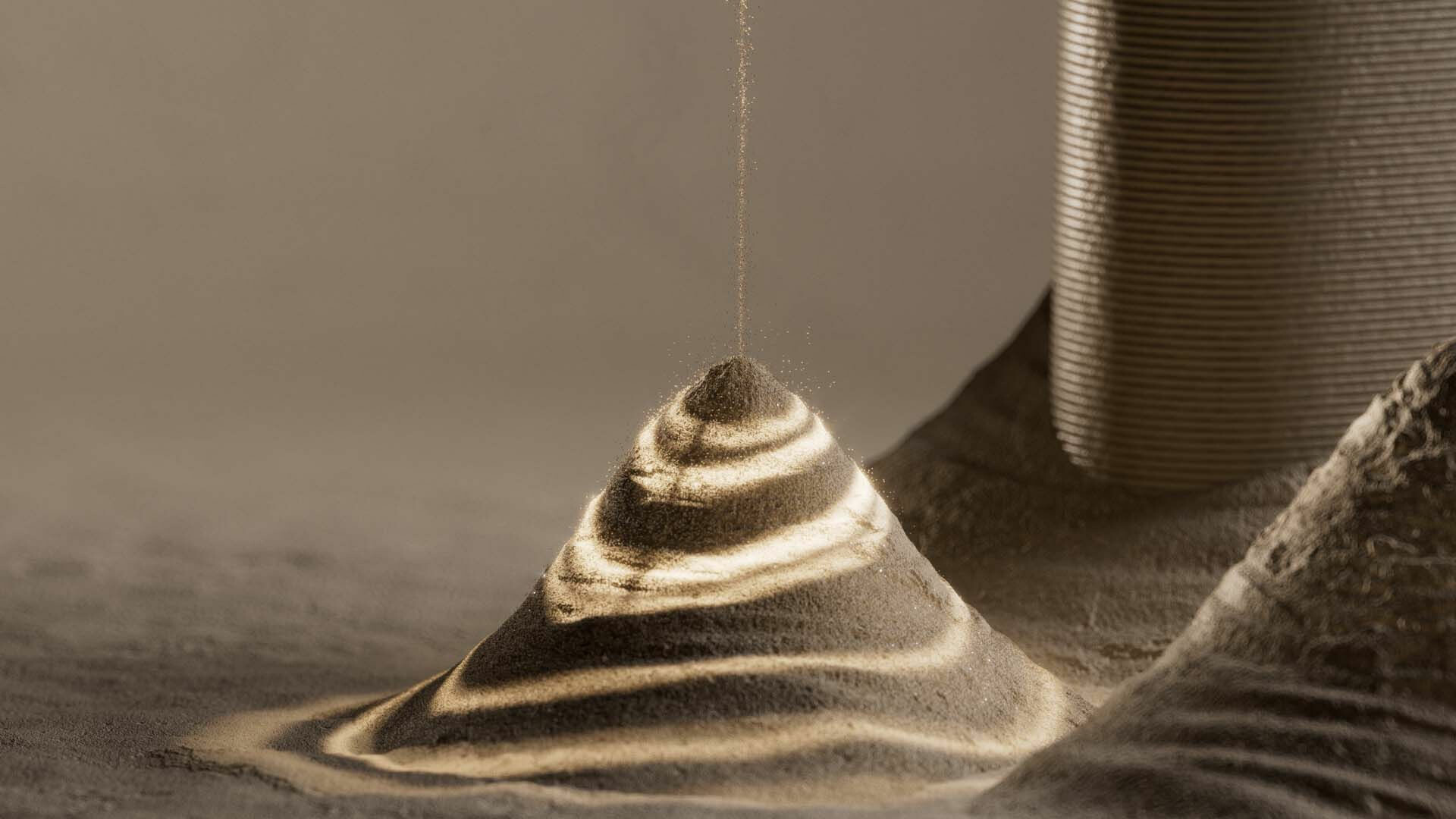
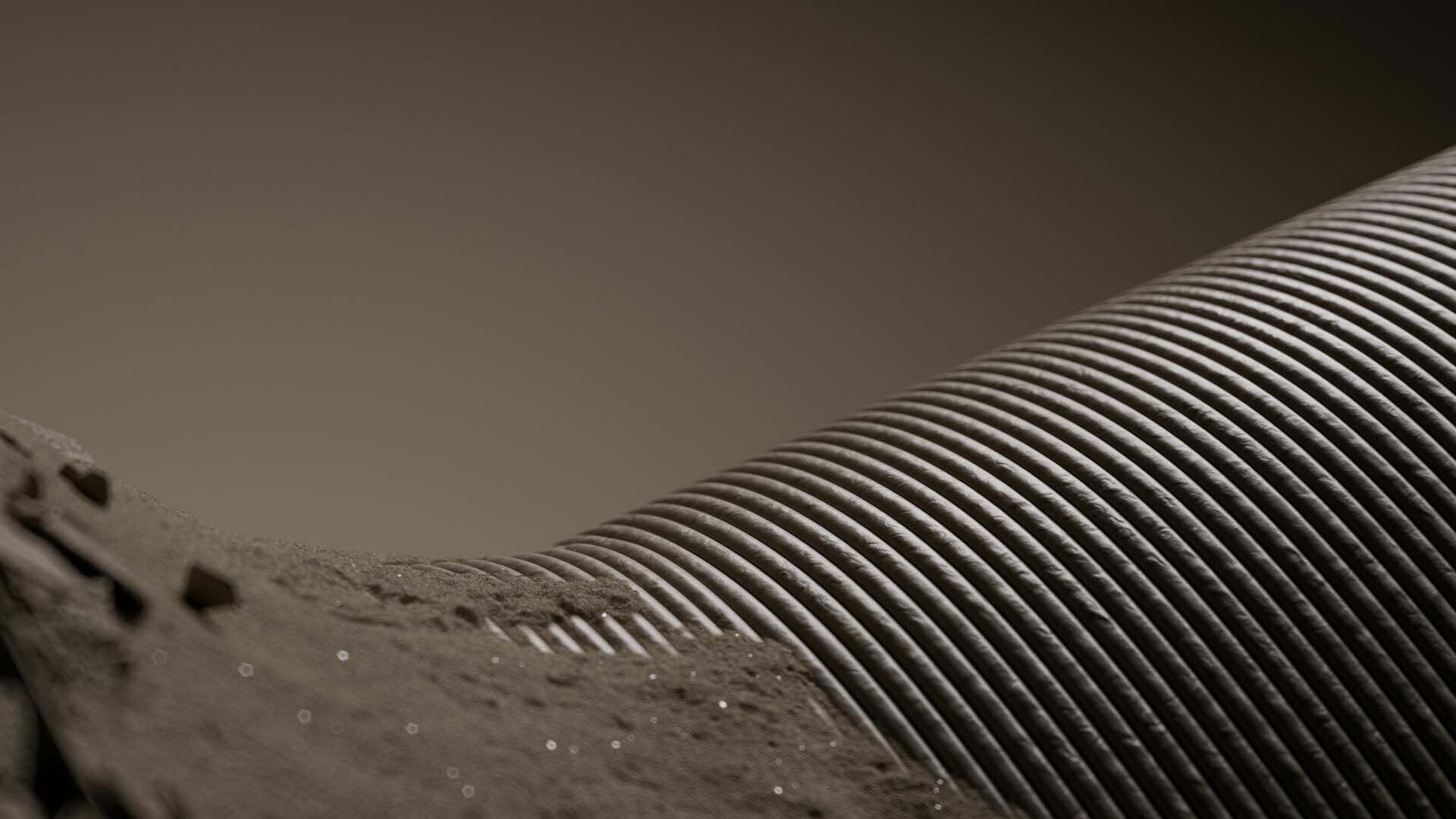
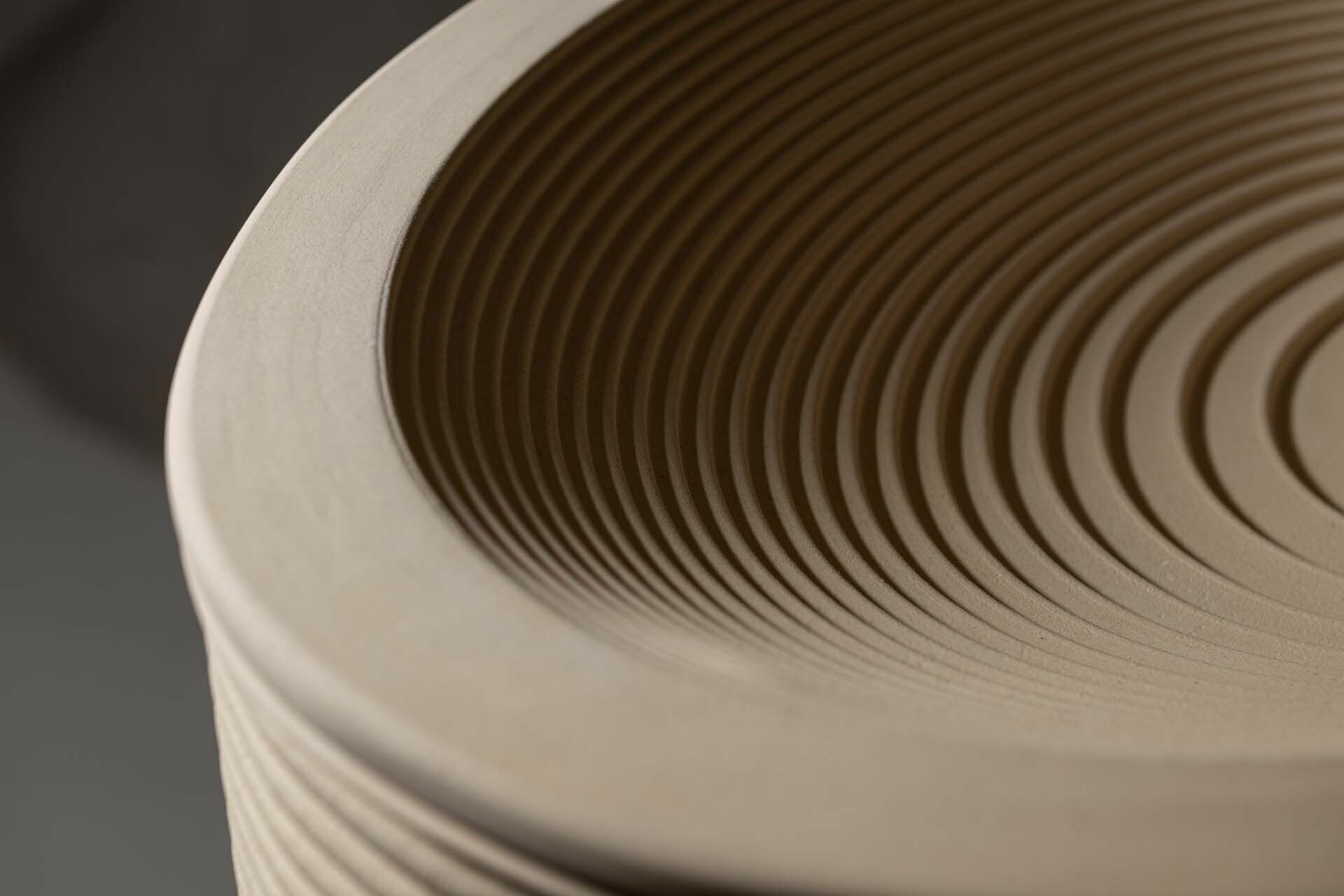
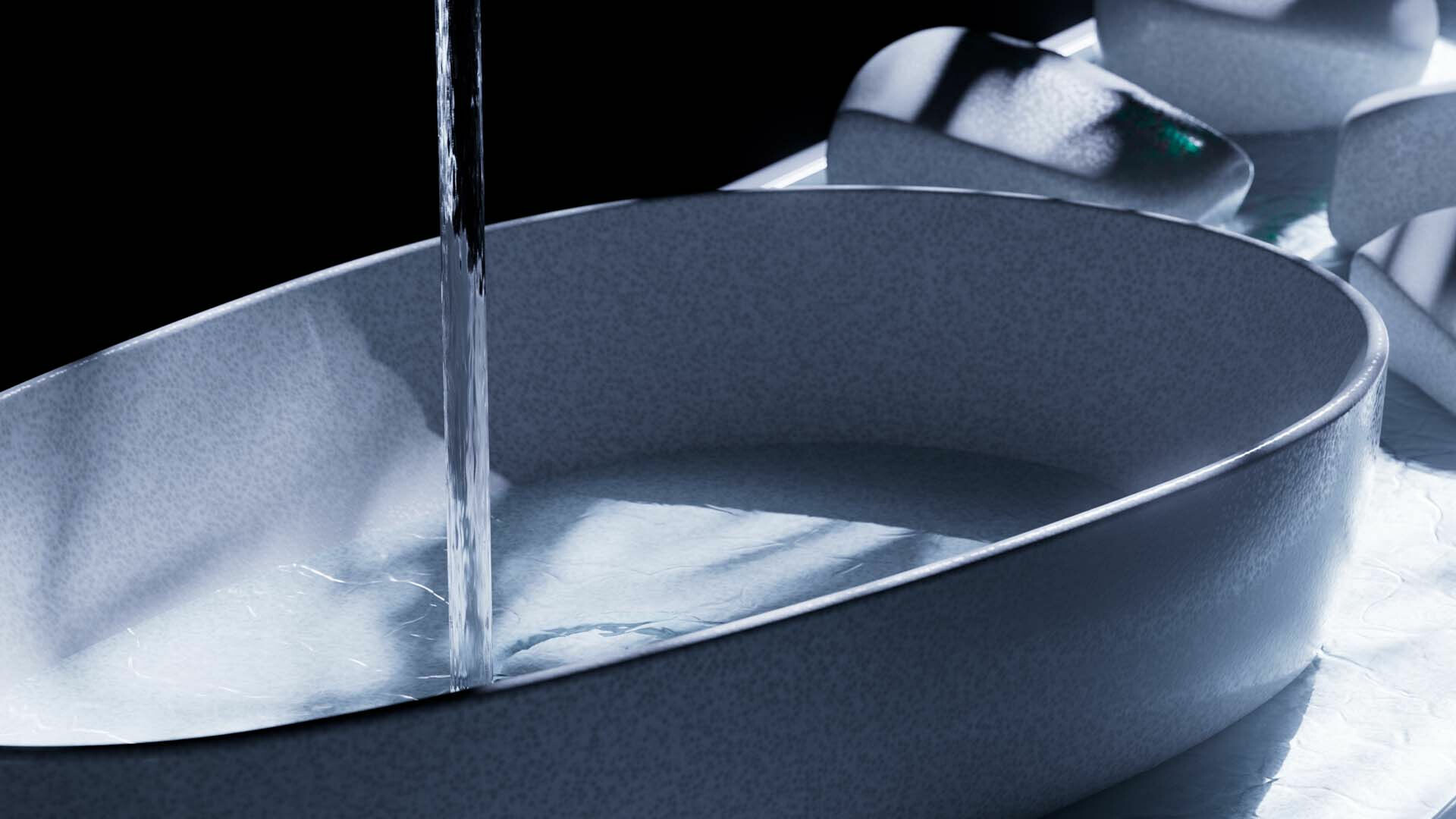
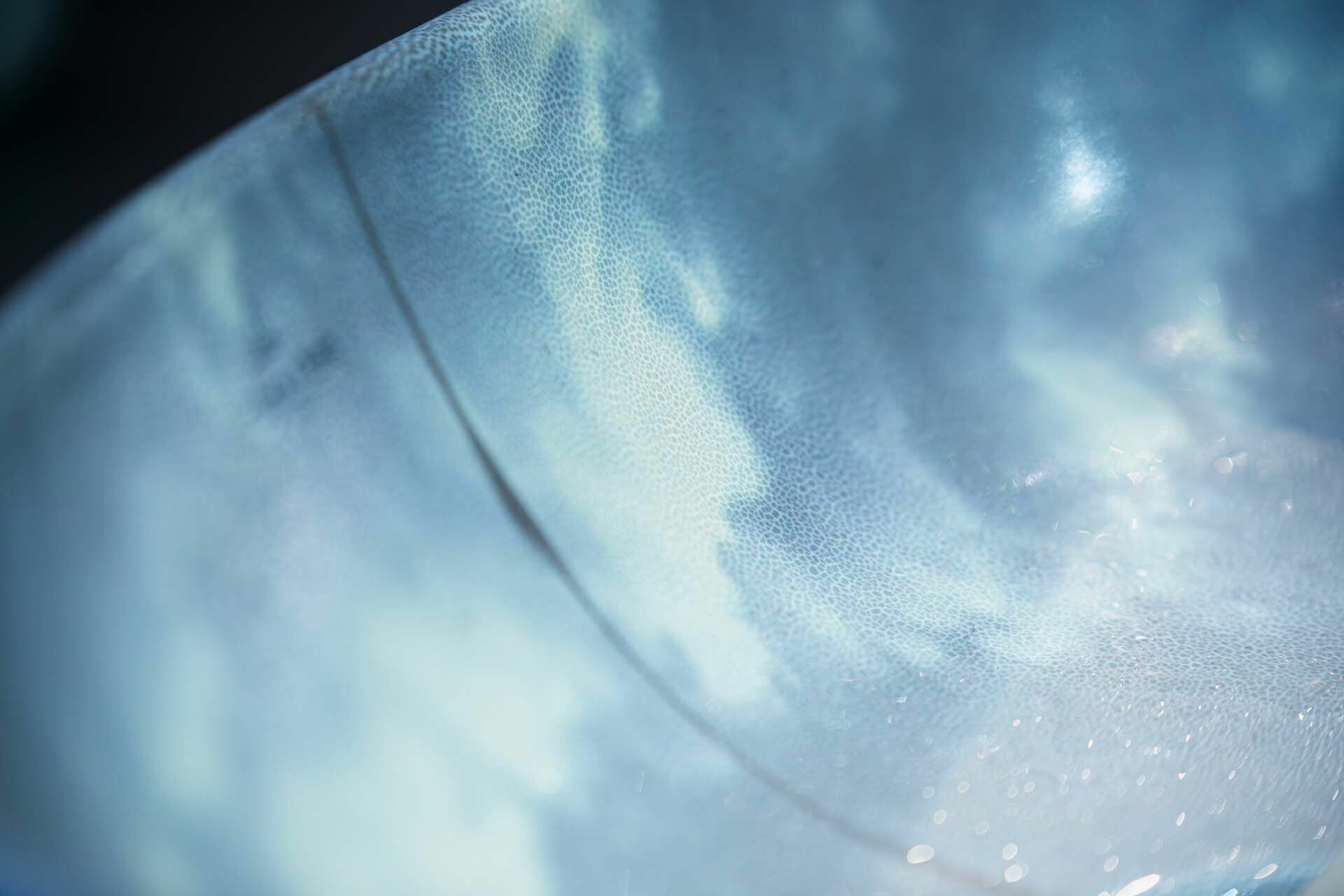
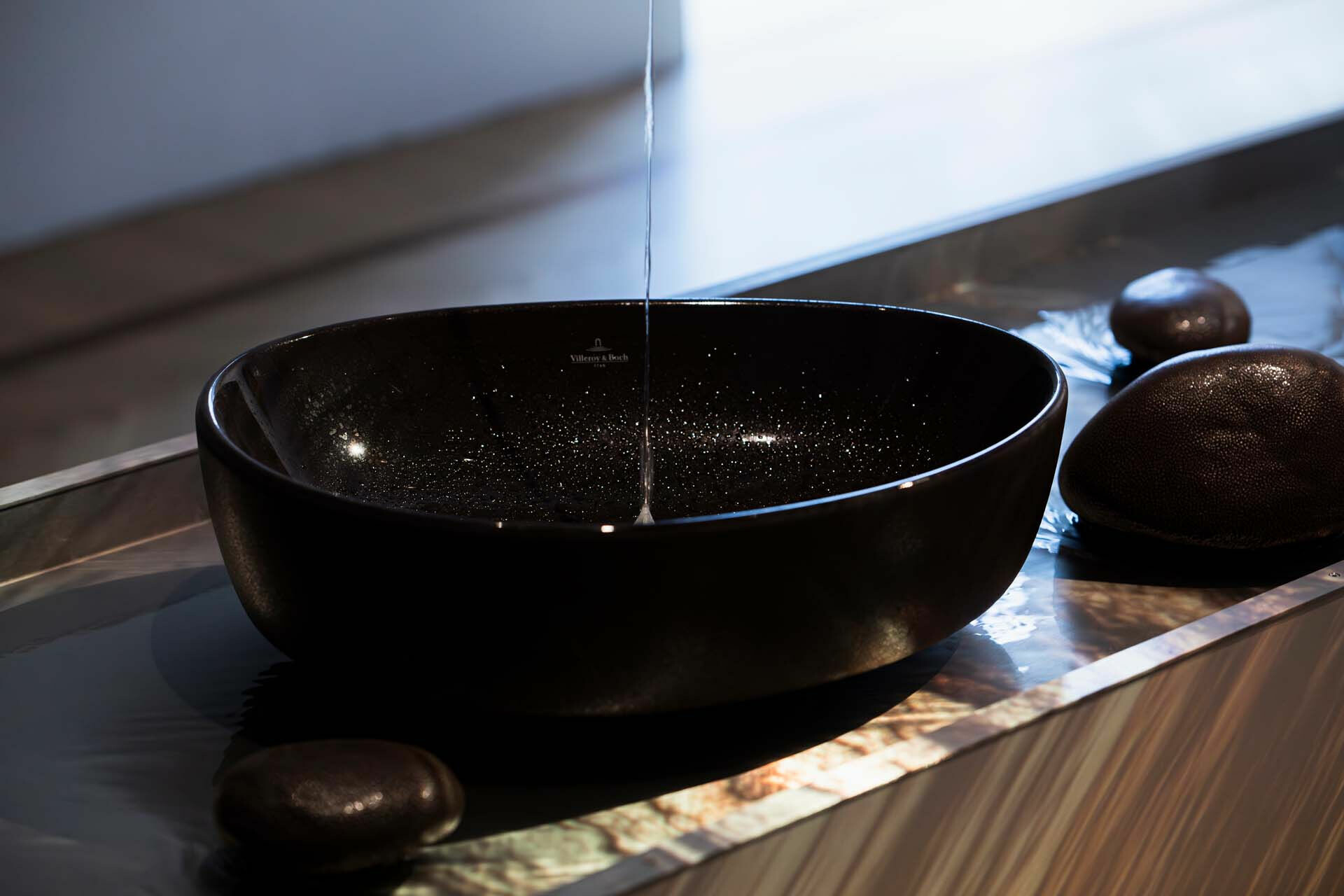
Villeroy & Boch’s ceramic vocabulary and characteristic elegance were brought into dialogue with Ideal Standard’s architectural clarity. Across five interconnected environments, the installation unfolded through material innovation, timeless form, perception, interaction and craft, revealing different dimensions of design as parts of a continuous spatial narrative. Here, wellbeing was not staged as atmosphere. It emerged when traces of making were left visible, when variation was accepted as part of the material, and when familiar bodily movements were reconsidered. These small encounters gradually settle into bodily memory. The material enquiry began with Antao 3D, a prototype monolithic basin developed as a material study by Design Studio KASCHKASCH. Made from 100% internally recycled ceramic using advanced 3D printing, it is built layer by layer, retaining traces of the material’s origin and transformation. The resulting surface is precise yet naturally irregular. Rather than concealing the manufacturing process, the design allows form, texture and materiality to show how technology can extend the possibilities of ceramic while respecting sustainability and craftsmanship. Antao Earth takes a different approach. Its surface-mounted washbasins feature Artisan Glaze in Terra, Sand and Smoke. Reactive glaze technology creates subtle variations in colour and texture, giving each piece a character of its own. Terra brings an earthy red-brown warmth, Sand a mineral beige and Smoke a quiet grey depth; their tonal qualities shift gently as the light changes.
➤ Antao Earth
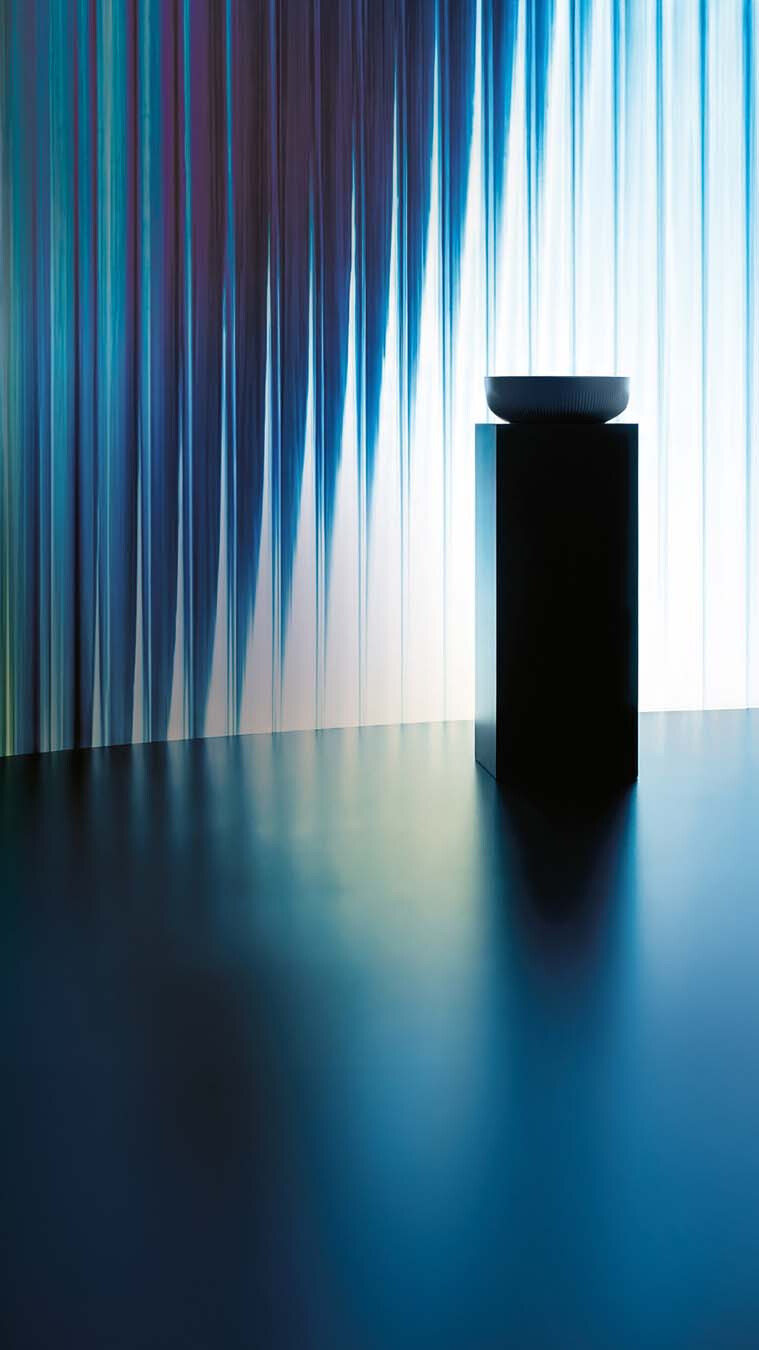
Designed by Christian Haas, the Artis Sense washbasins and Vea tap collection offer two distinct readings of sensory design. Artis Sense, with a colour concept by Gesa Hansen, features a delicate haptic relief structure whose appearance changes in artificial illumination. Shadow deepens within the recessed lines, while the raised ribs catch and diffuse the light. As a fingertip follows their measured sequence, the surface is felt as much as it is seen; colour, texture and light become part of the same experience. Vea turns instead to gesture. Inspired by the elegance and proportions of classic perfume bottles, the premium tap collection brings faceted detailing and tactile precision to an object used throughout the day. Its ViPush technology replaces the conventional lever action with a focused sequence: pressing activates the water, while turning the control knob adjusts it. A carefully chosen scent within the installation extended Vea’s perfume reference into the surrounding space. The fragrance belonged to the setting rather than to the fitting itself. The change in movement is modest, but it allows a familiar ritual to register differently, as touch, water and scent gradually reshape the experience of washing.
➤ Antao Earth
➤ Antao Earth
➤ Artis Sense
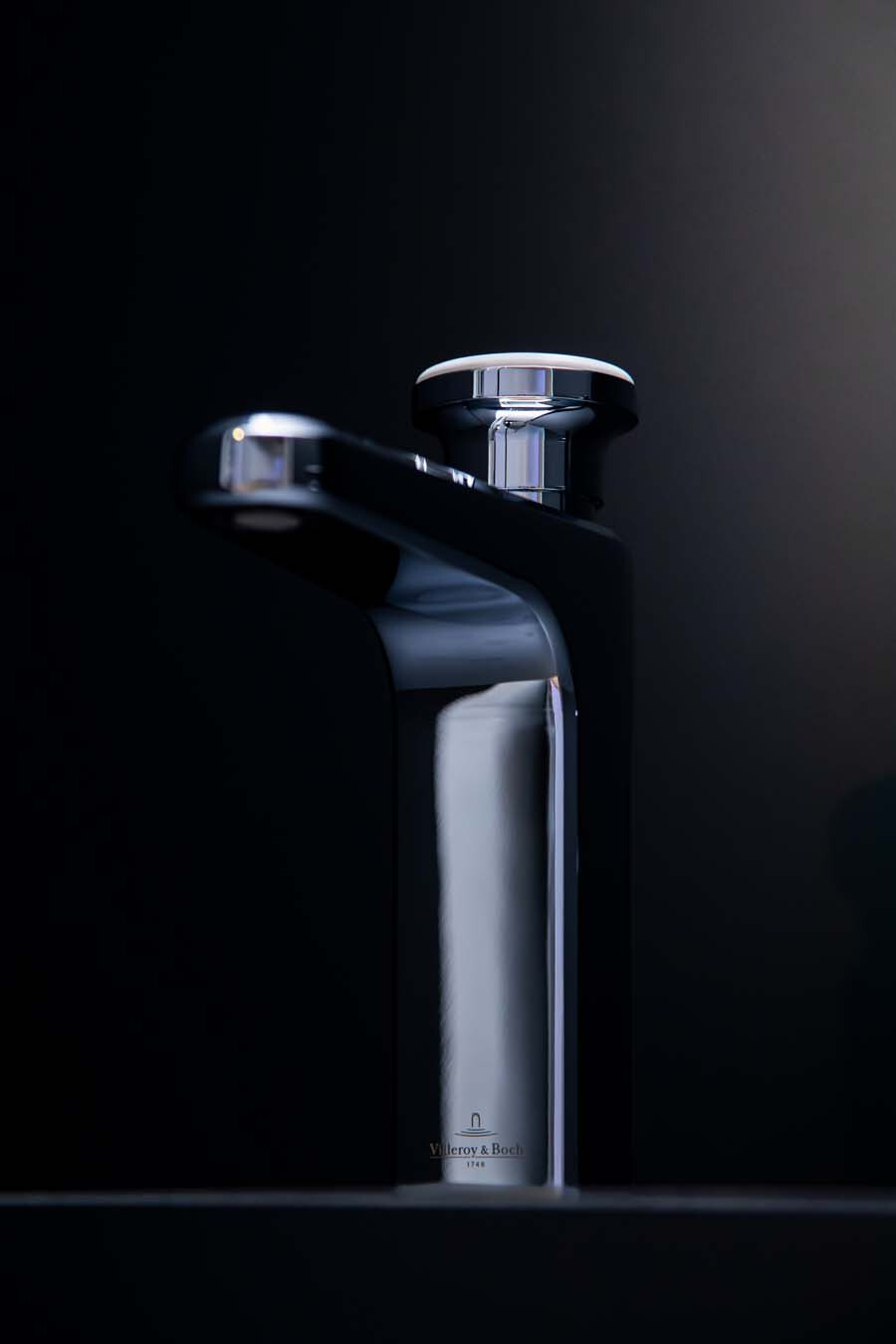
➤ Vea
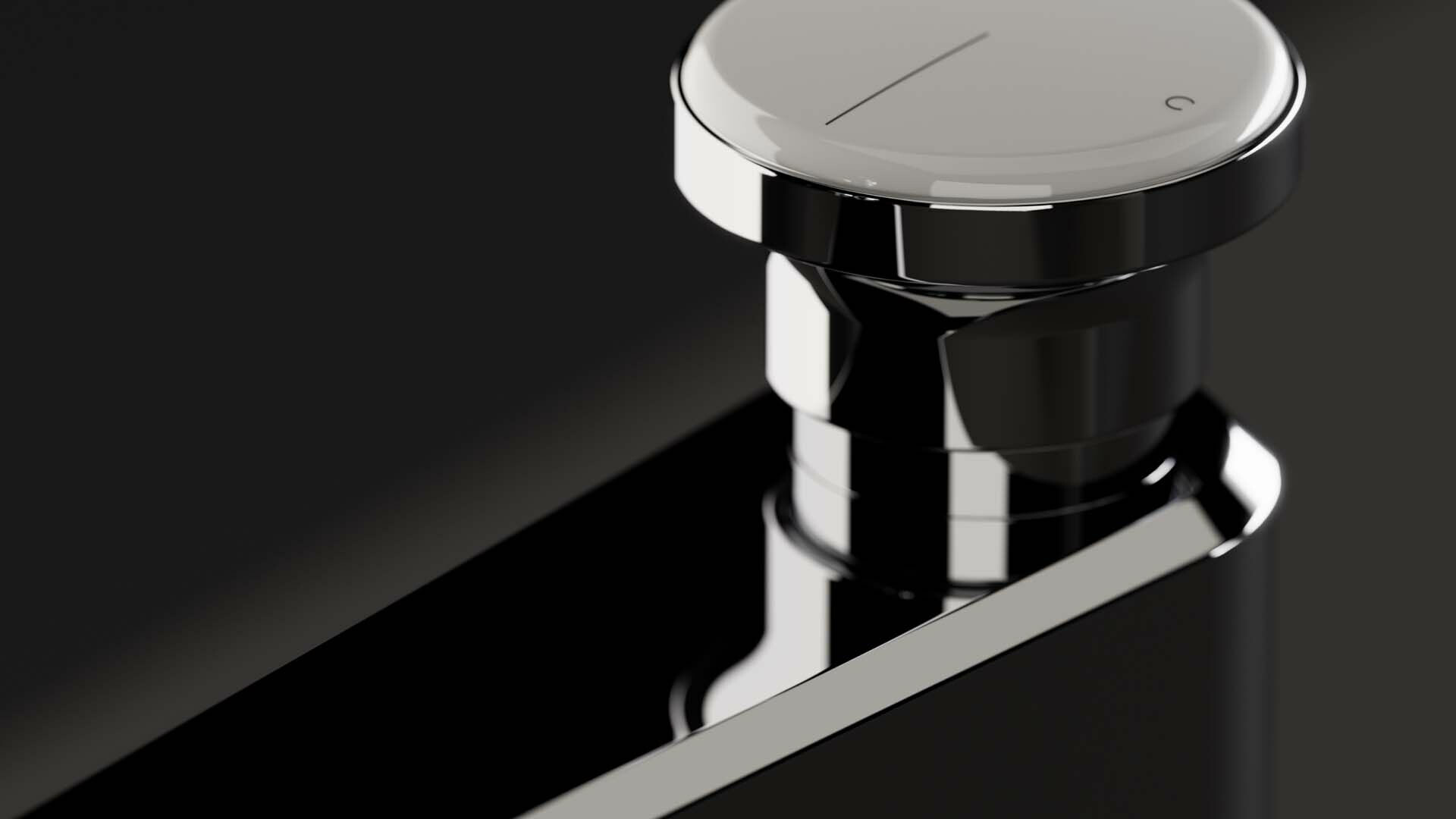
➤ ViPush
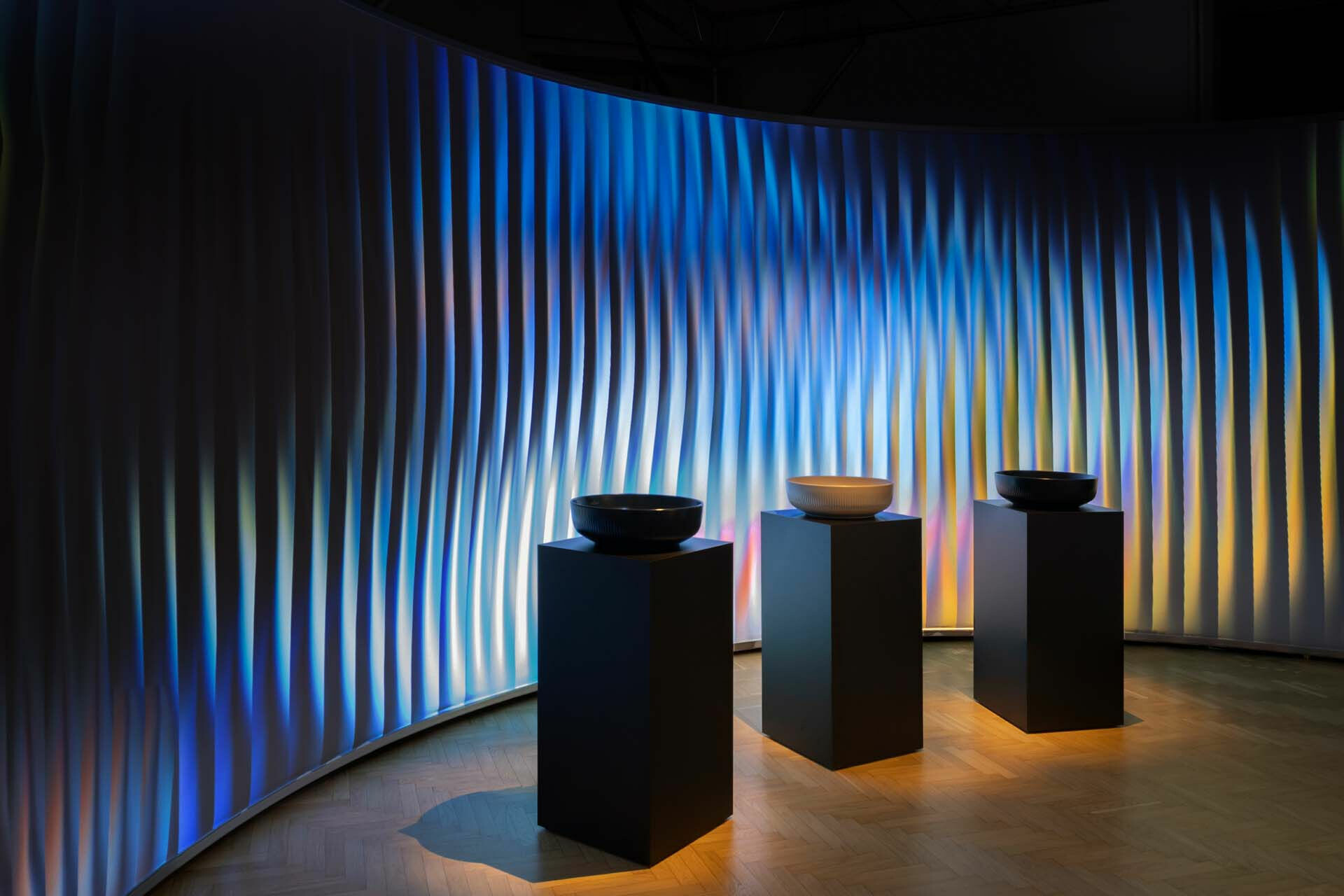
➤ Artis Sense
After Precision: The Value of Restraint
Throughout the exhibition, Villeroy & Boch translated Design Continuum into a clear series of material and spatial decisions. Following the group’s acquisition of Ideal Standard, the two brands approached technical innovation through complementary strengths. Process became a point of departure; material variation was allowed to remain; enduring form was considered alongside linear relief, light and colour; and new operating mechanisms subtly adjusted familiar bodily movements. Together, these choices suggest a more restrained understanding of precision, one in which design responds to the body rather than overriding it. In a bathroom culture long associated with seamless, hygienic surfaces, the exhibition drew attention to the narrative beneath the finish. Visitors encountered light across a surface, scent held in the air and texture beneath the fingertips. Material experience was no longer confined to a simple opposition between smooth and rough. Technical change became perceptible through the body itself.
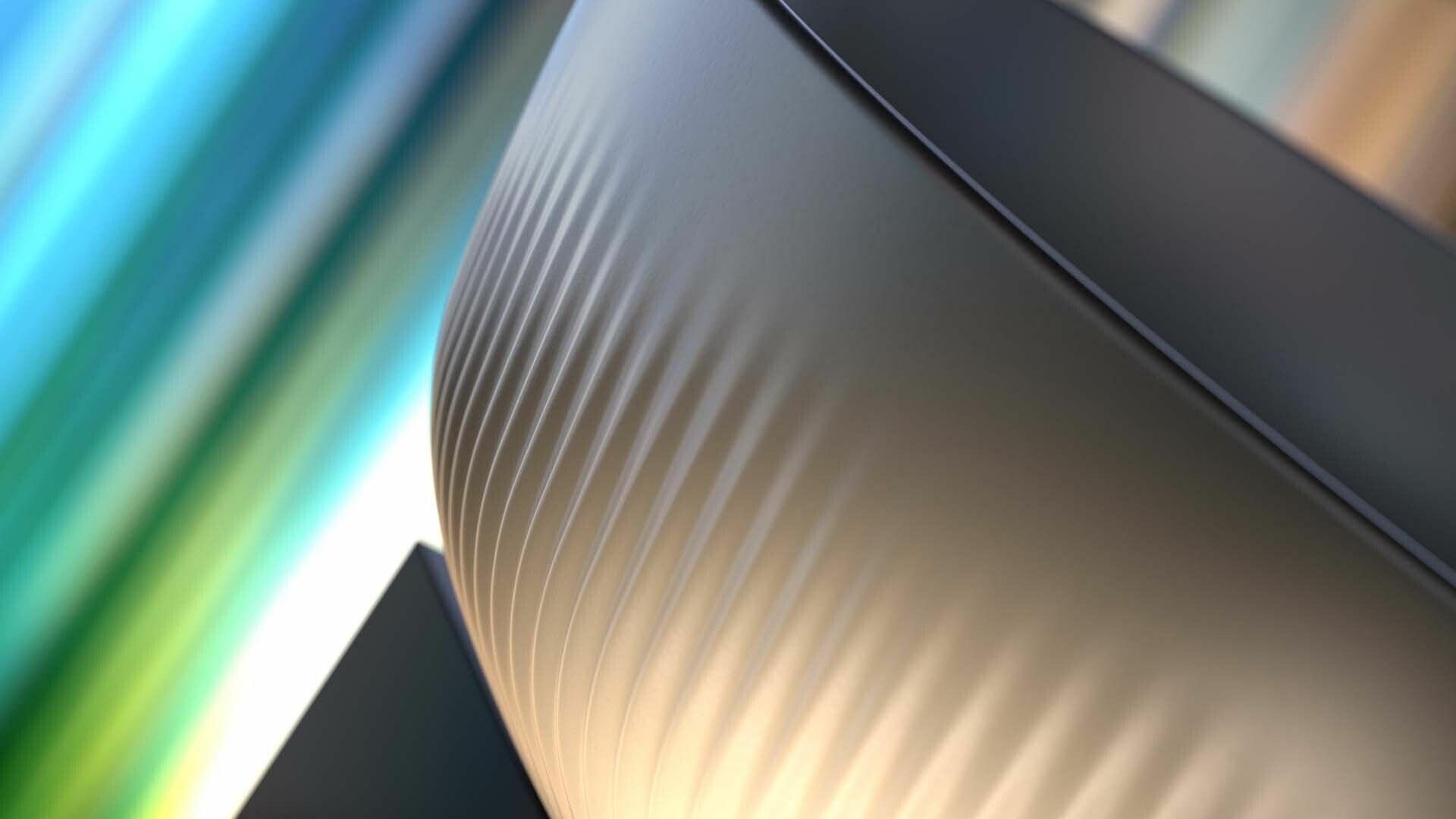
➤ Artis Sense
Within Villeroy & Boch’s long design tradition, the exhibition returns to a fundamental concern: what is making for, and what should industrial precision ultimately serve? Technical progress gains meaning when designers and users continue to consider how people will live with what is made. Process may be revealed rather than hidden; material variation may be accepted; durability may coexist with the traces of making and the passage of time. If design can control almost every variable, should it also preserve some space for what cannot be fully predetermined, allowing body and material to meet? In an age of fragmented attention, the question feels especially pertinent. When the bathroom is understood not simply as a supporting room, but as a place where body, material and time come together, design no longer ends with the finished object. It continues through brief encounters: morning light altering the depth of a glaze, fingertips moving across a relief surface and scent gradually diffusing through the room.
➤ Villeroy & Boch | Ideal Standard