Transcending Time and Space:Embracing the Art of Minimalism Creative– 101 Copenhagen
Beautiful things often capture our attention effortlessly, evoking a desire to make them part of our lives, to hold on to them forever. However, nothing escapes the passage of time. As the seasons change, do these objects still move you as they once did? In this fast-paced world, people are gradually shifting away from the pursuit of extravagant materialism, turning instead to seek a purer, more meaningful beauty from within. Ultimately, they long for a connection with nature, exploring the essence of things in tranquility. The simpler and more refined an object is, the more it can withstand the test of time, revealing a timeless elegance that deepens with age, offering profound insight beneath its surface.
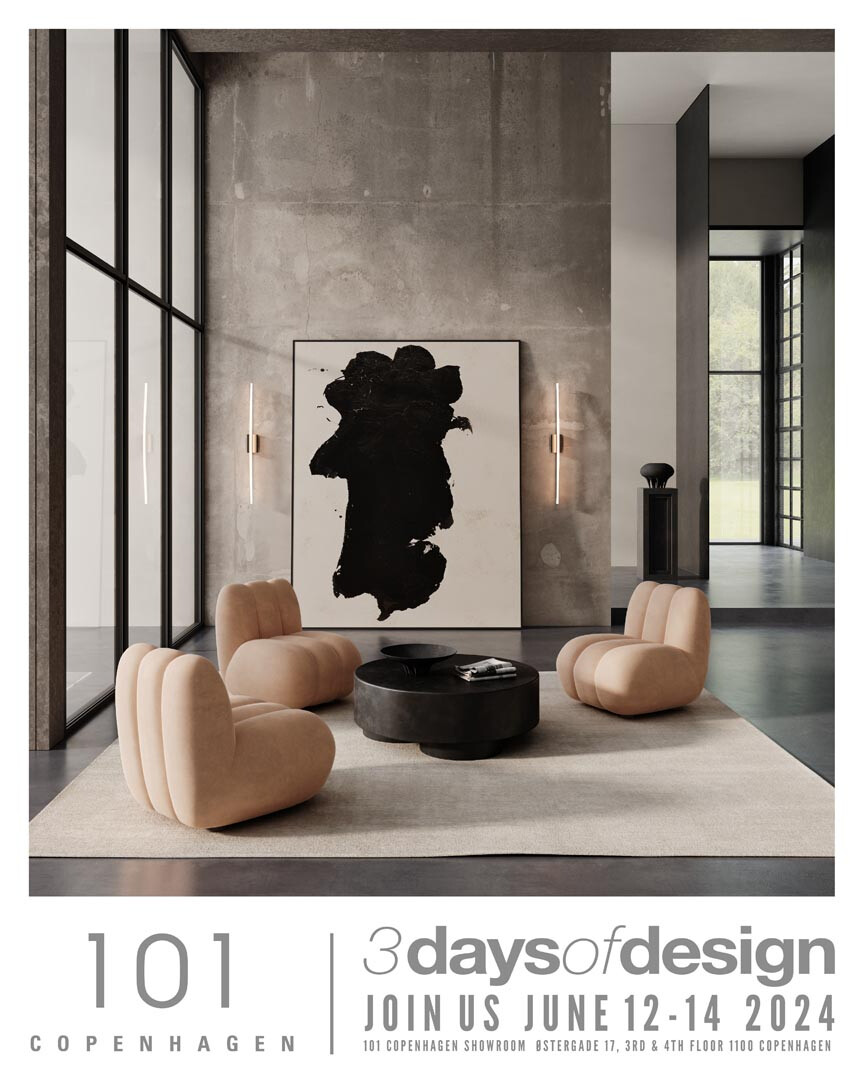
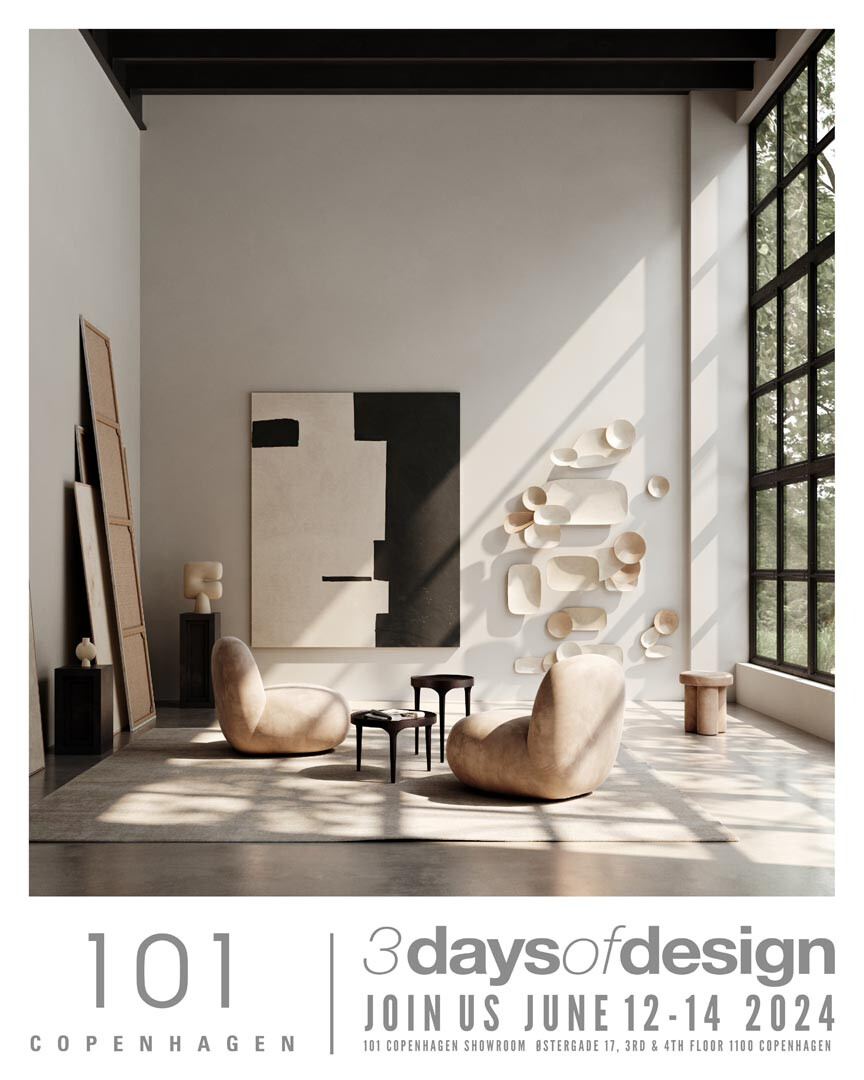
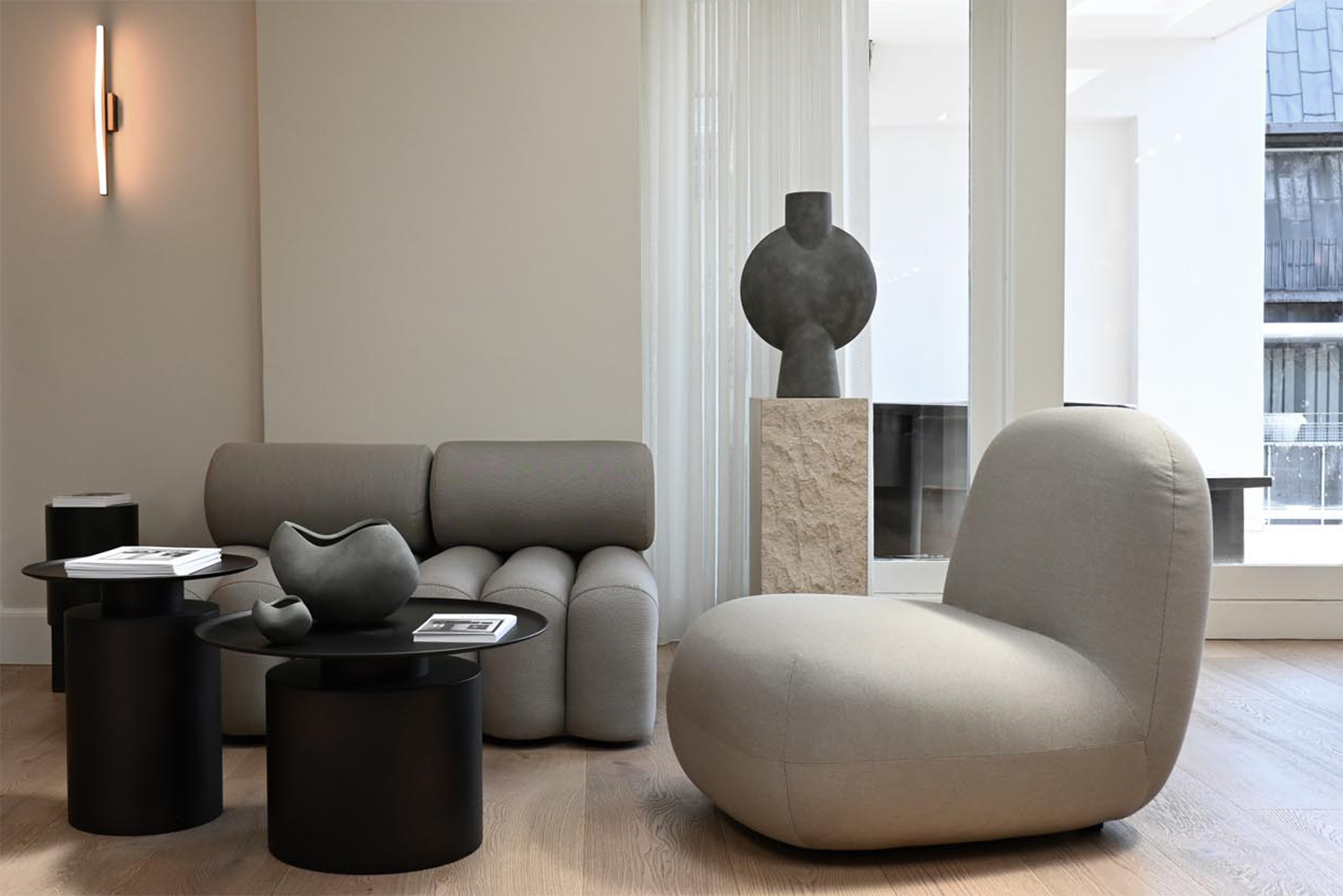
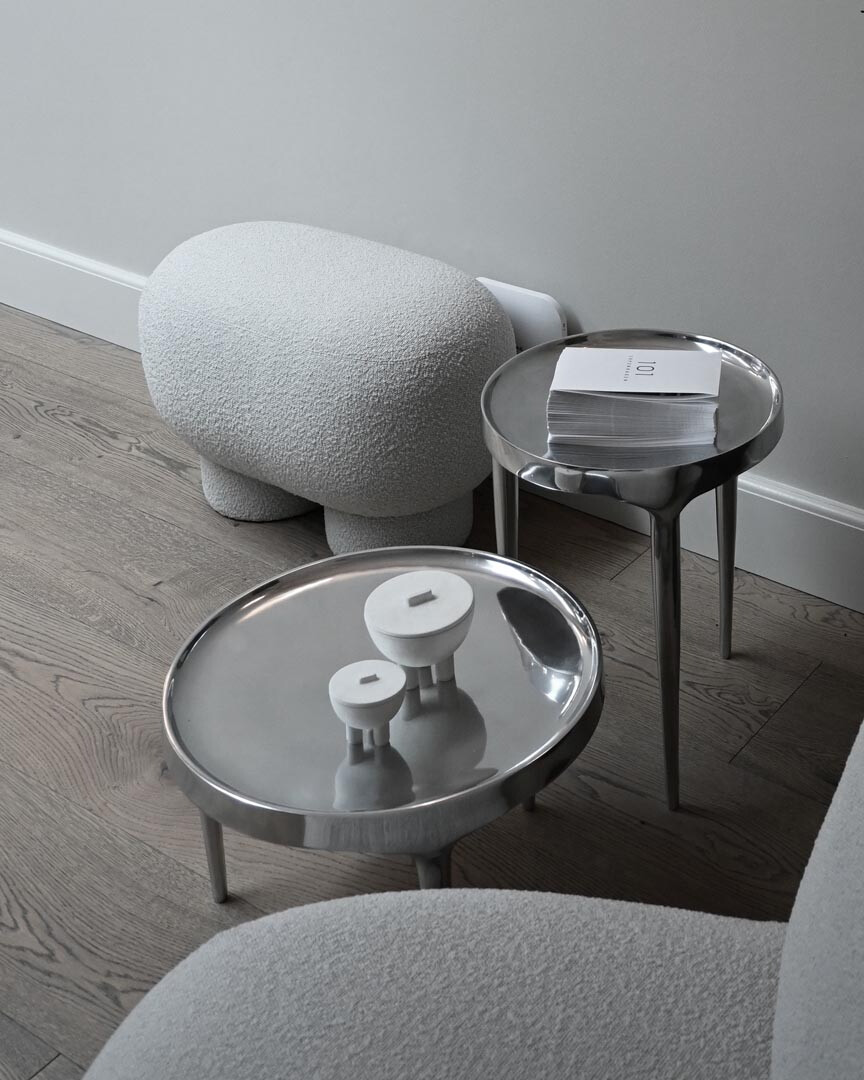
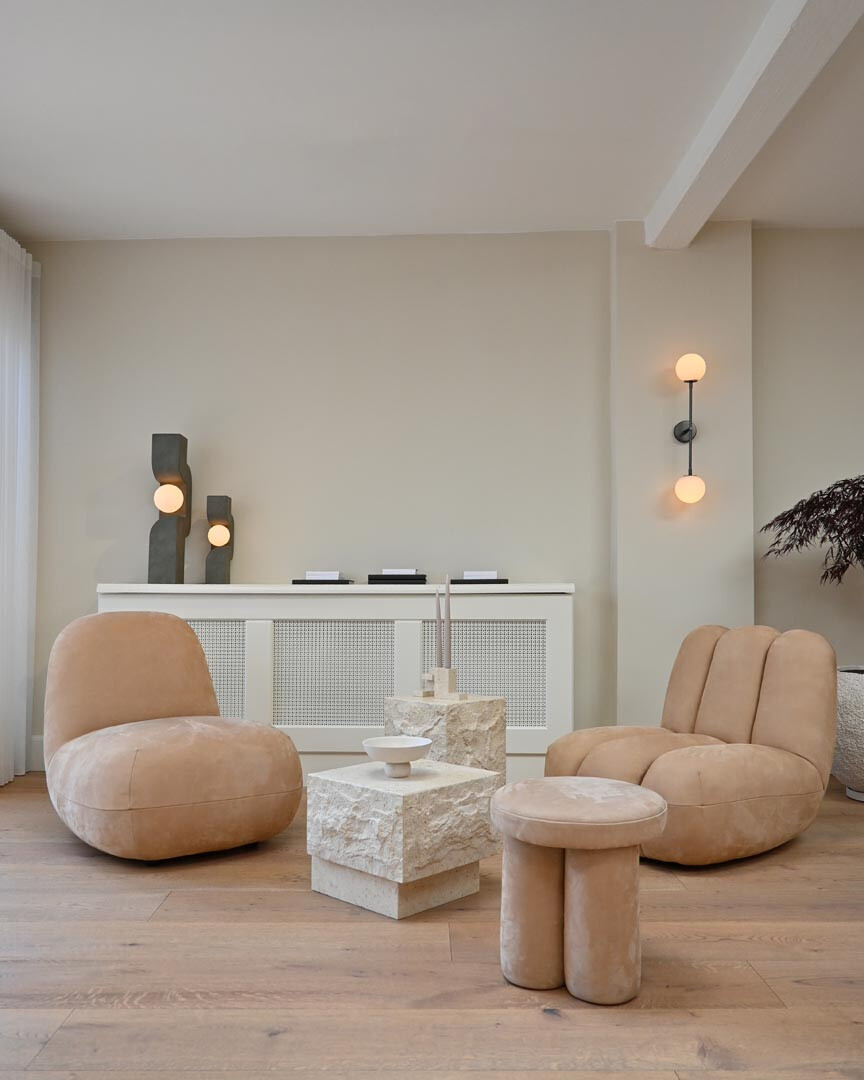
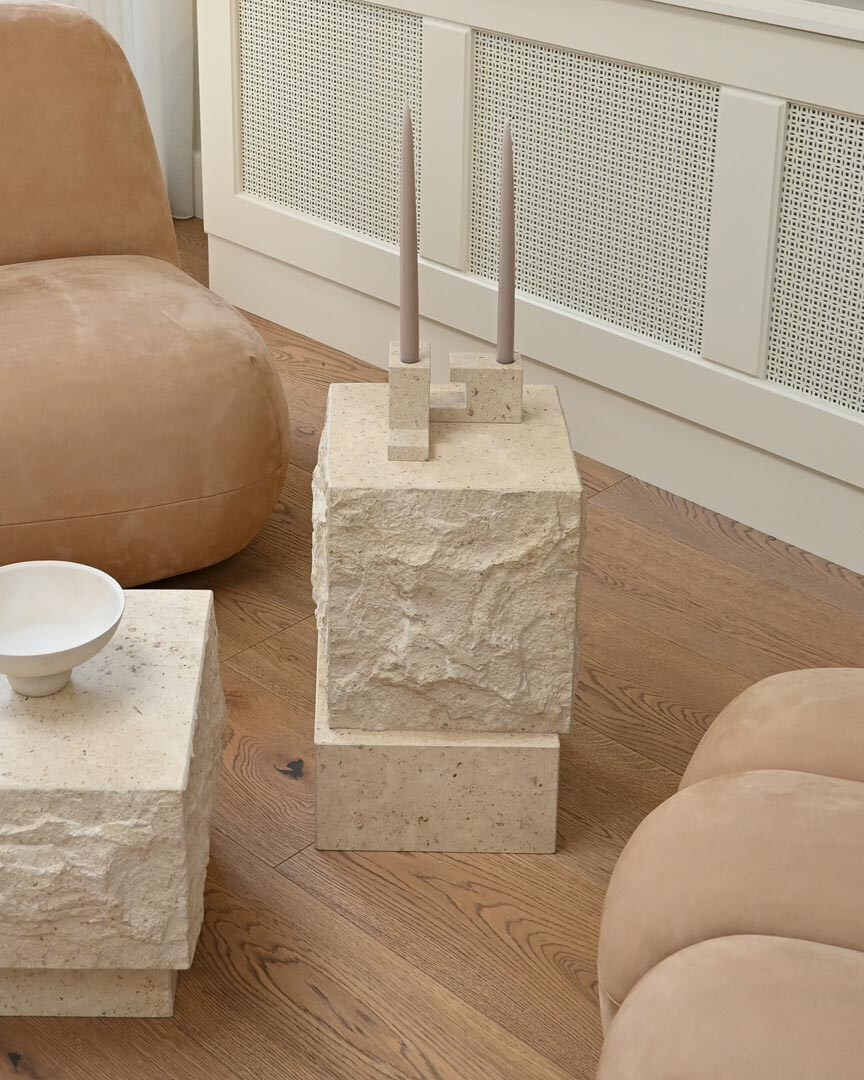
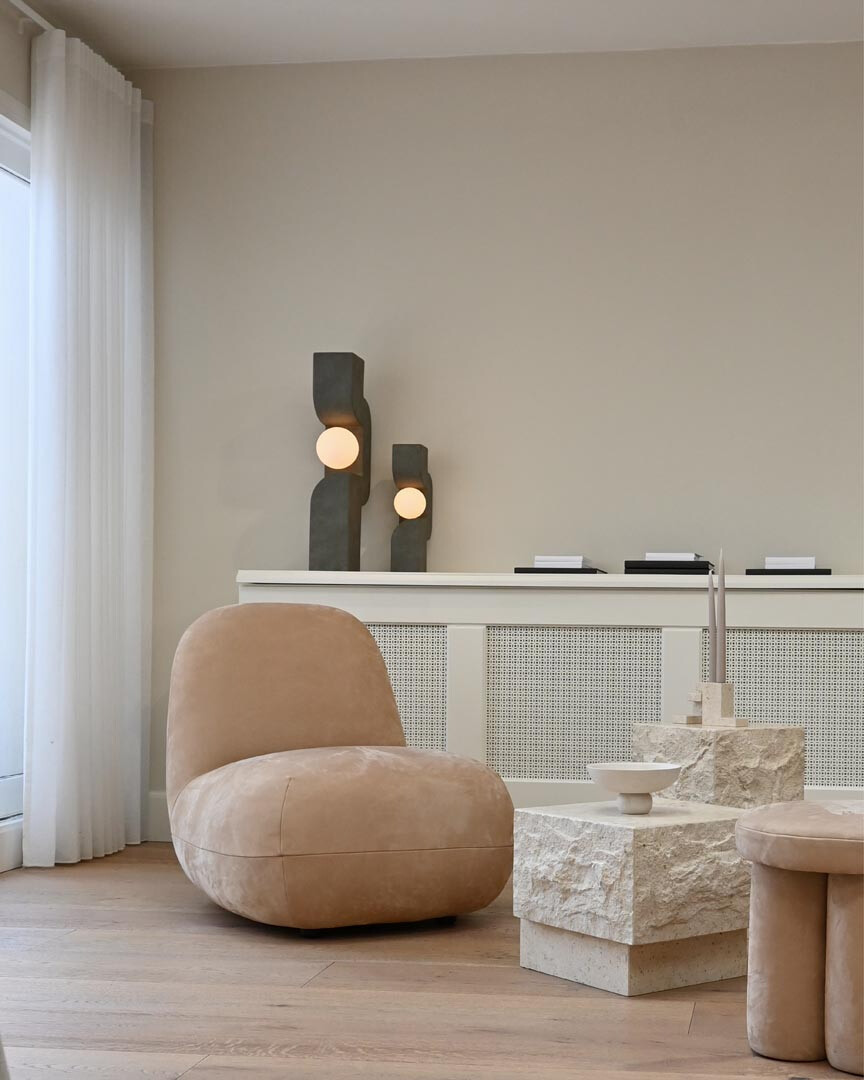
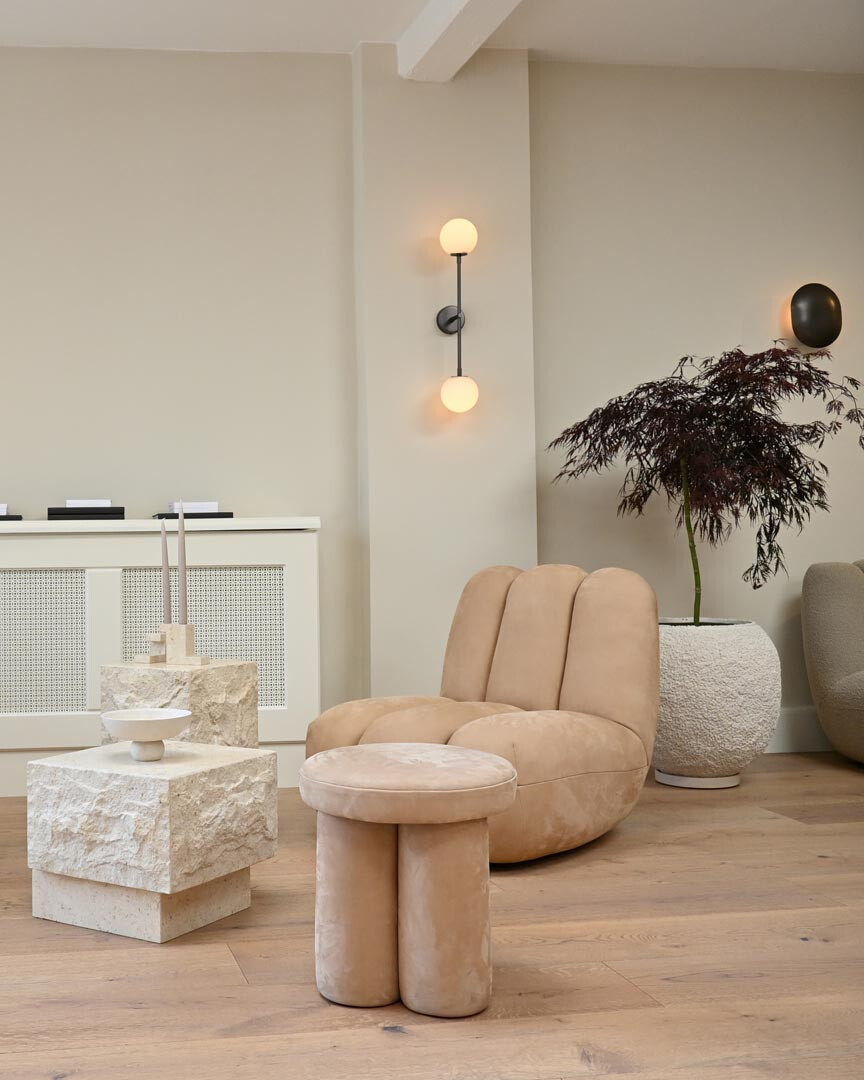
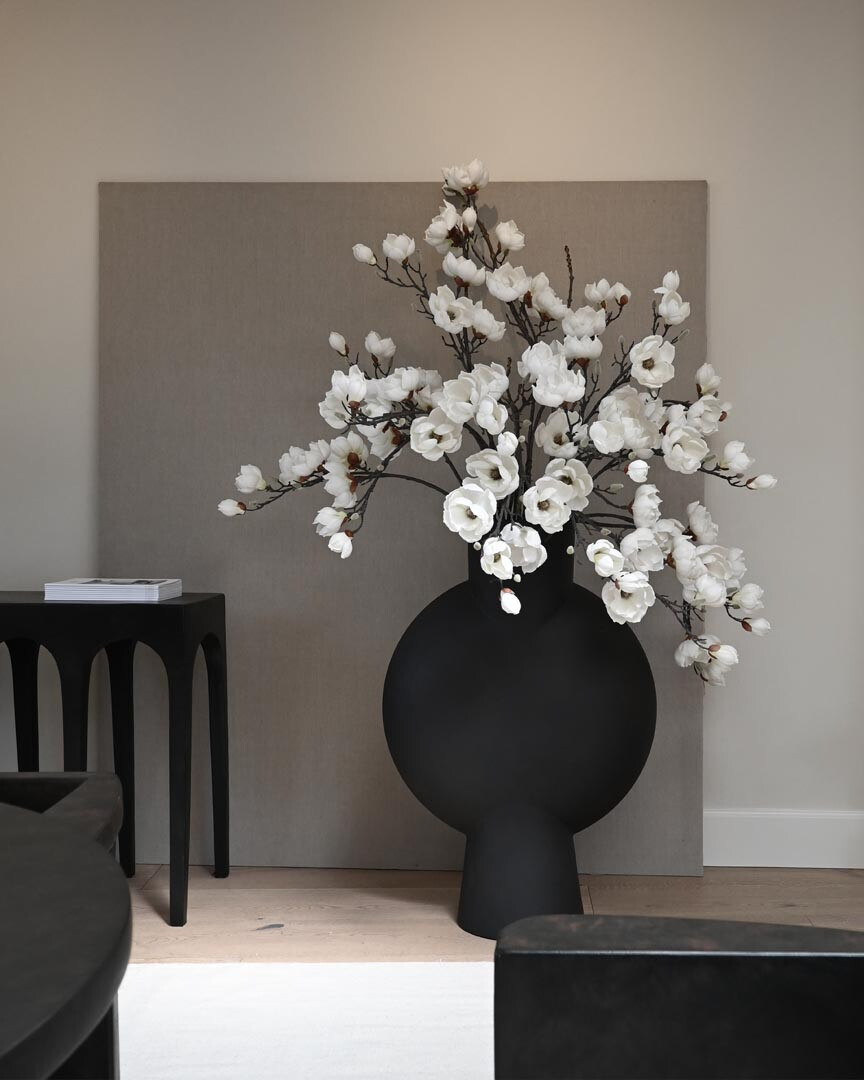
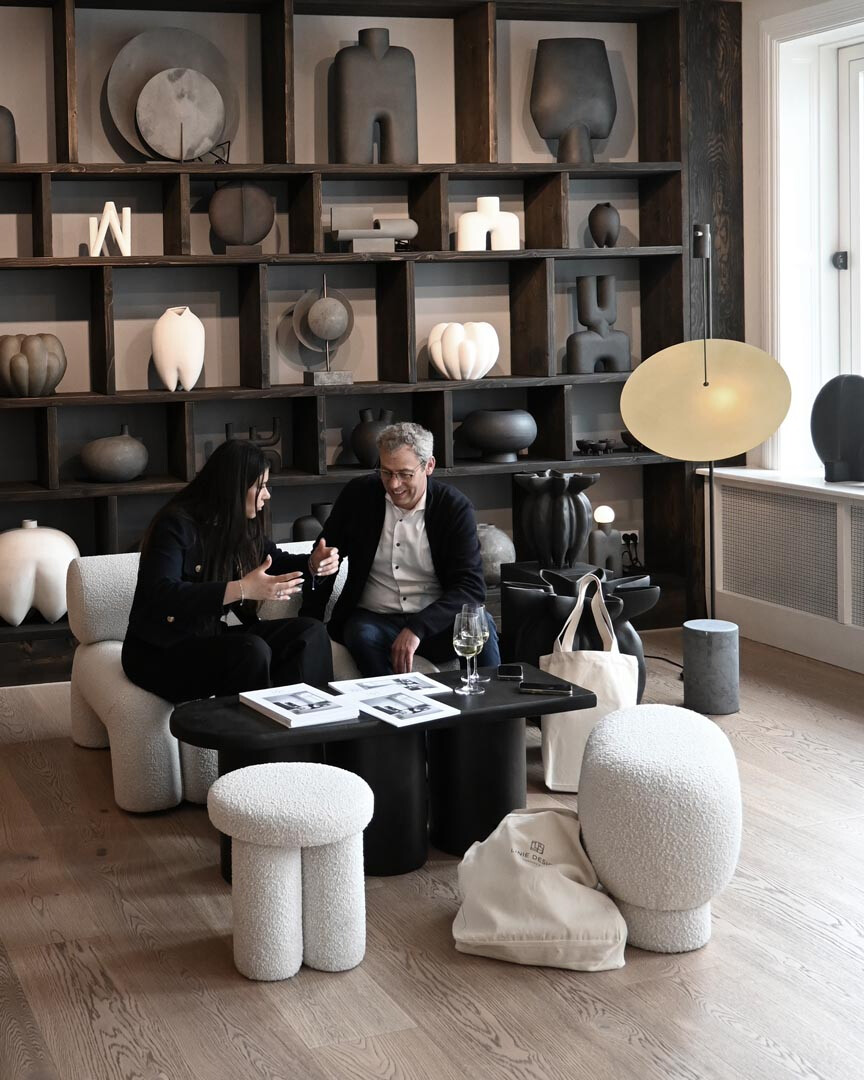
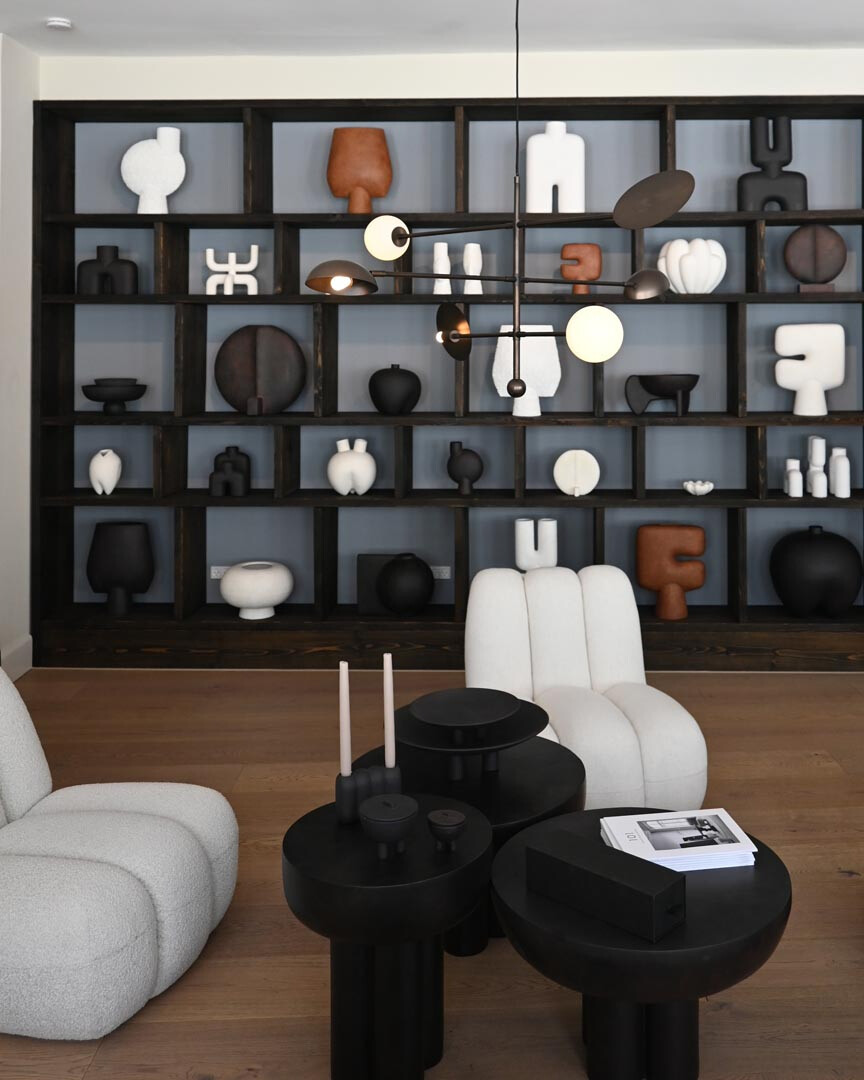
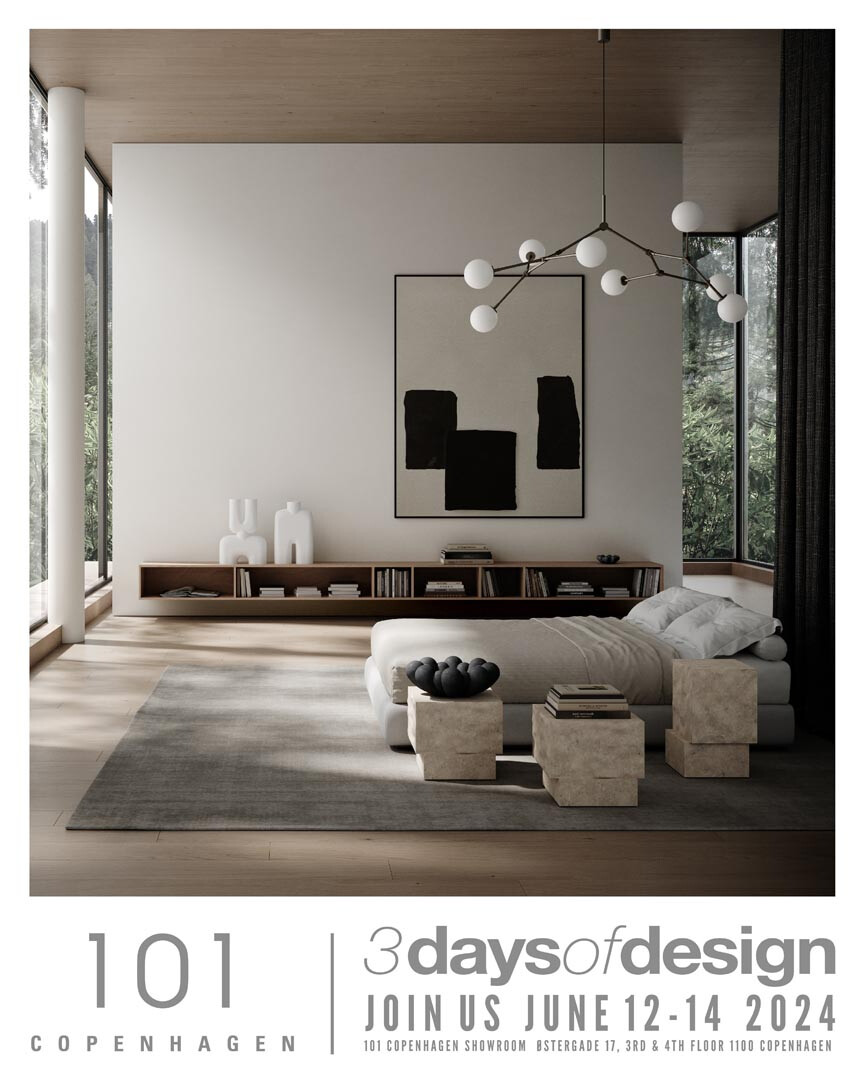
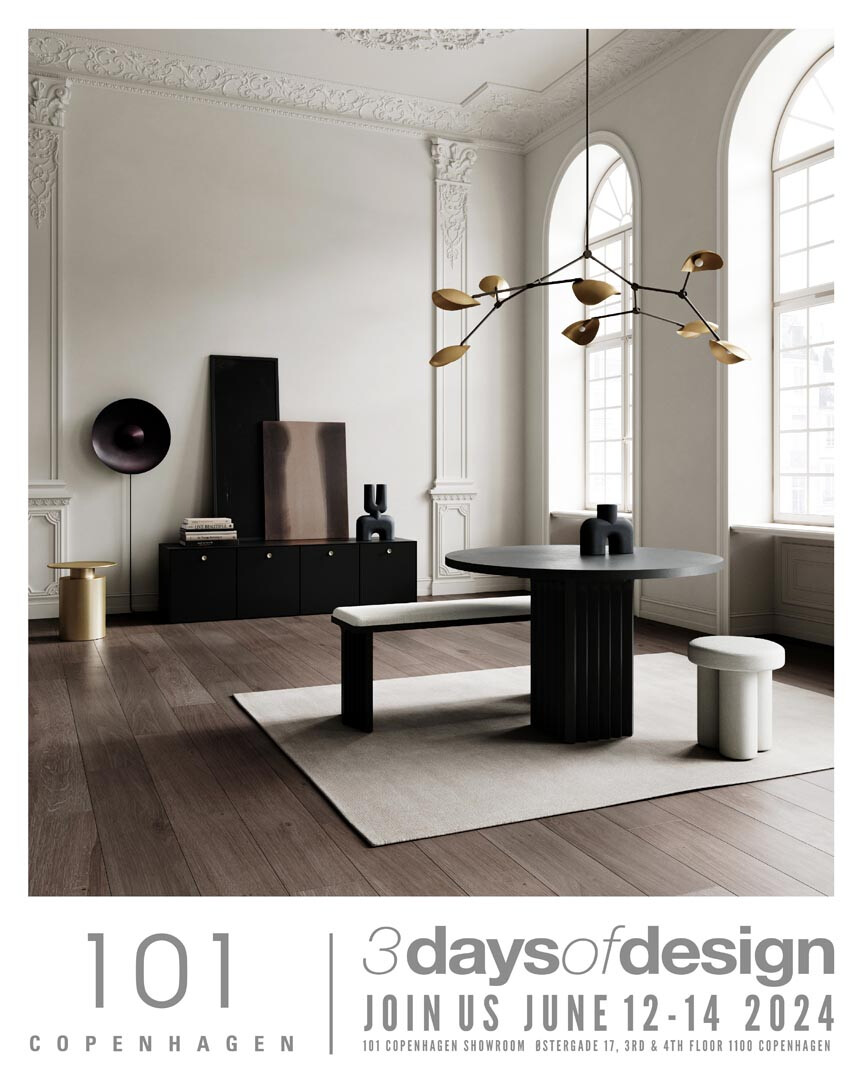
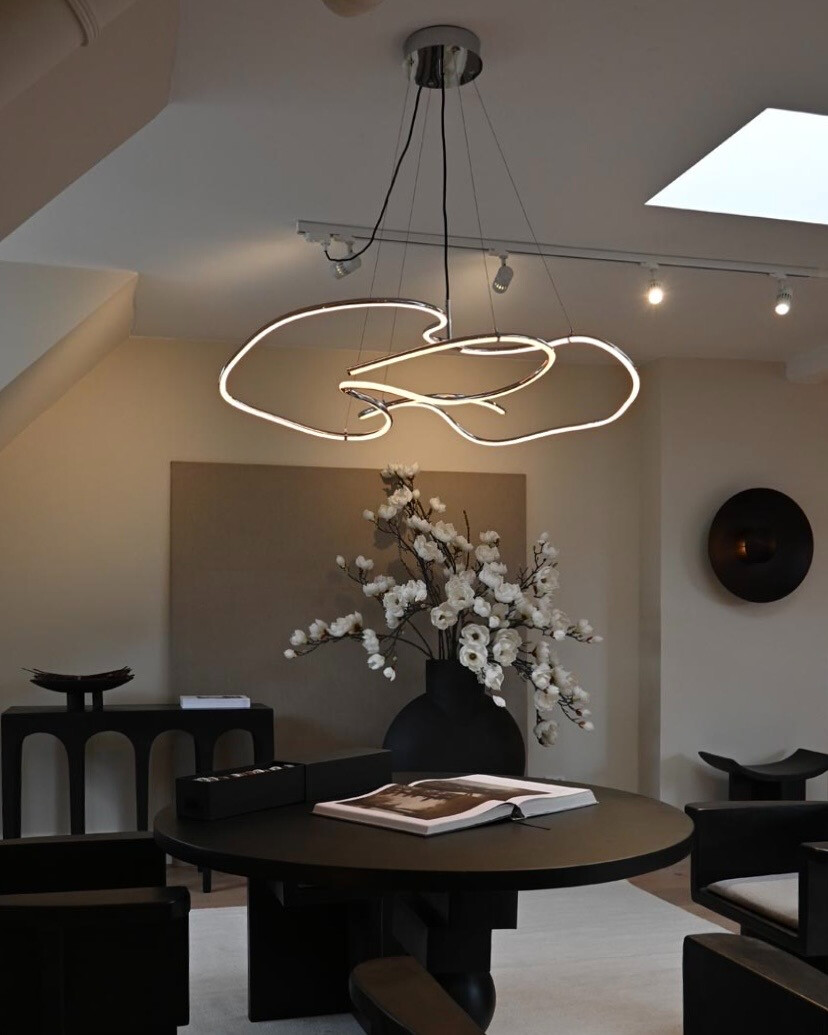
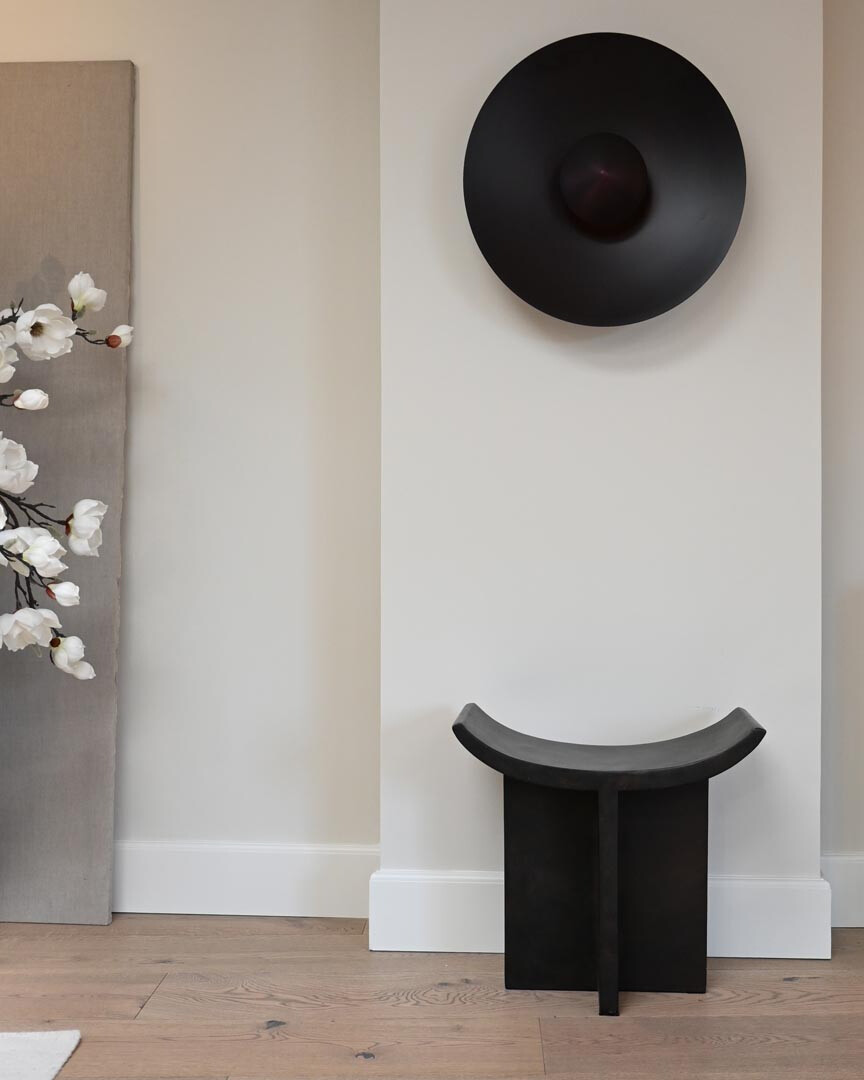
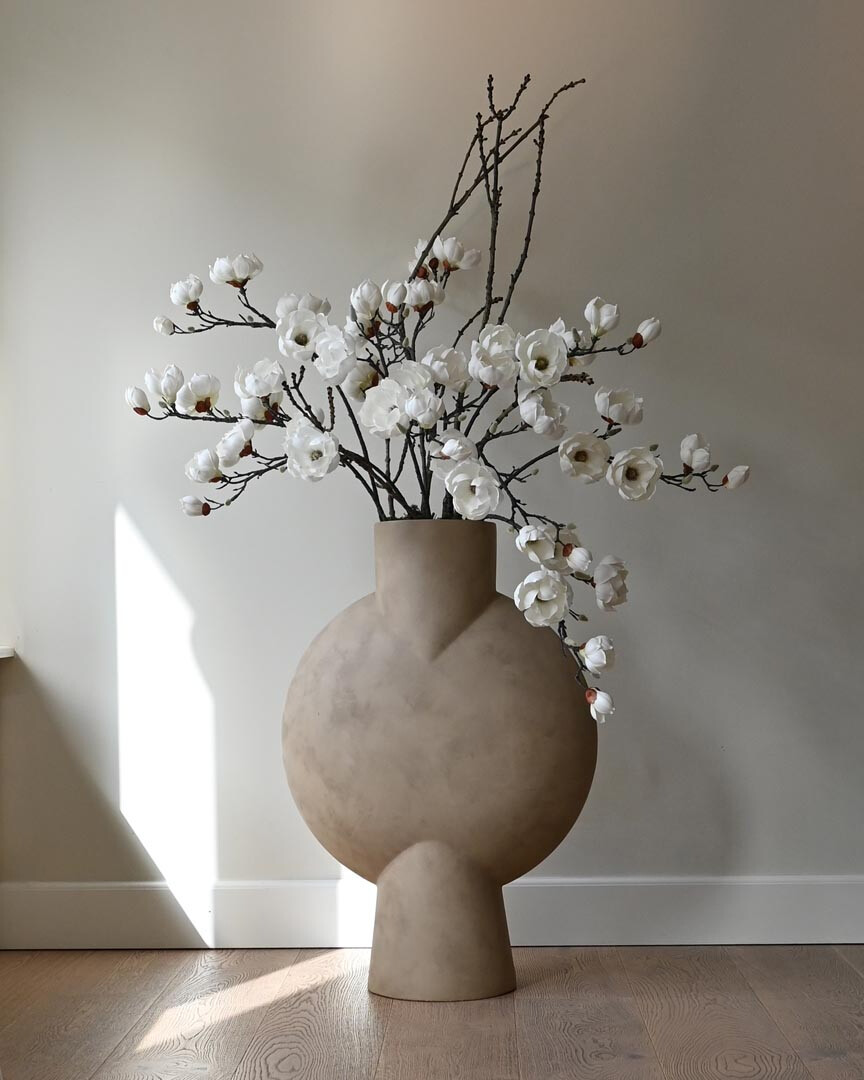
Within the home, the clutter is stripped away, leaving only a few pieces from 101 Copenhagen strategically placed in each area. Whether it’s the ceramic vases on the shelves, the lighting fixtures on the walls, or the tables, chairs, and sofas in the living room, each piece stands like a sculptural work of art, bringing a sense of poetry to the space through organic forms and natural textures. These objects create a harmonious balance from within their order, fostering an atmosphere of calm and serenity. They serve their purpose by supporting daily routines, while playfully complementing the interior setting. Over time, these pieces become timeless classics, continuing their legacy as enduring icons.
The Convergence of Eastern and Western Cultures – Uncovering Profound Truth in Simplicity
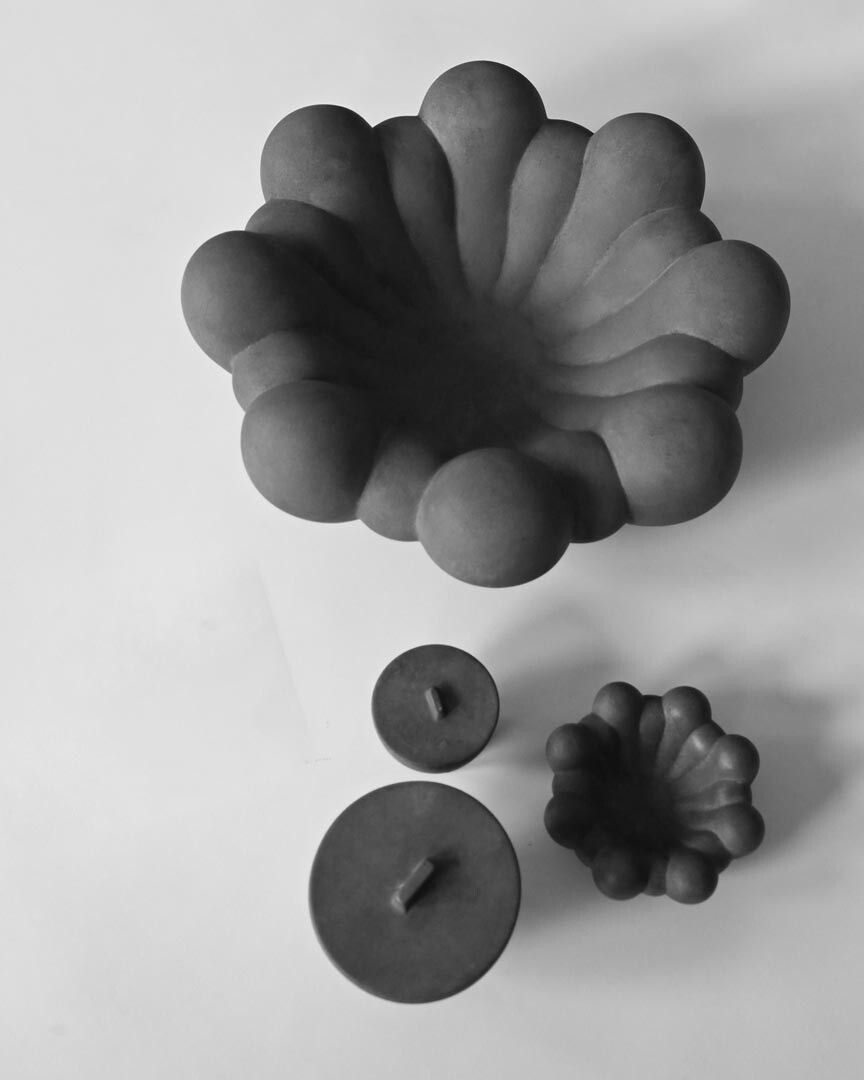
"We wouldn't call ourselves pure minimalists, but minimalism is certainly in our DNA, shaping our natural approach. It serves as the foundation, though we focus more on combining functionality with playful creativity and artistic expression," says founder Tommy Hyldahl. Established in Denmark in 2017, 101 Copenhagen is a design brand with immense potential, embedding its philosophy into every creation. The brand goes beyond the rational by integrating emotion and passion into its artistic forms, fostering a deeper emotional connection between its objects and their users. With a meticulous attention to craftsmanship, these seemingly simple, understated home décor pieces are imbued with soul and warmth. From the launch of its first Sphere ceramic collection, the brand’s handcrafted vases and home accessories have evolved from basic lines into more rounded, sculptural forms. Some pieces even feature playful bases that support unique contours, becoming brand signatures. Initially, these matte-textured finishes were available only in dark grey and coffee tones, emphasizing the raw beauty of the material and awakening the senses, while balancing both functionality and decorative appeal.
At the heart of this vision lies a deep appreciation for Japanese minimalism. Founder Tommy Hyldahl, along with lead designer Kristian Sofus Hansen and designer Nicolaj Nøddesbo, were captivated by the beauty found in the natural evolution of materials—a key principle of wabi-sabi aesthetics. The flowing curves and asymmetrical forms reflect a philosophy of returning to the essence of life. This understated beauty resonated deeply with the designers, prompting them to fuse the modernity of Scandinavian design with traditional Japanese craftsmanship. The result is a fresh and unique collection where these two distinct cultures intersect, yet still maintain the simplicity that defines them both.
“We are constantly striving for better quality, always refining even the smallest details to breathe life into the design’s core.” Beyond aesthetics, 101 Copenhagen also places great emphasis on materials and craftsmanship, ensuring that each product is built to last. They are committed to sustainable design practices, from careful material selection to the use of eco-friendly packaging. Inspired by the traditional Japanese technique of Kintsugi, which honors the life of objects by repairing them with gold, 101 Copenhagen sees beauty in the natural aging of materials. This genuine respect for materials as they transform over time is a guiding philosophy. In their choice of ceramics, concrete, and metals, they enhance sensory experiences with natural textures. Through the challenges posed by these processes, they have innovated solutions like fiber concrete, always aiming to reduce environmental impact while thinking ahead to future trends—making sustainability a core part of their design ethos.
Embracing Trends to Stay at the Forefront of Design