A Living Journey Along Milan’s Golden Axis — Palazzo Molteni
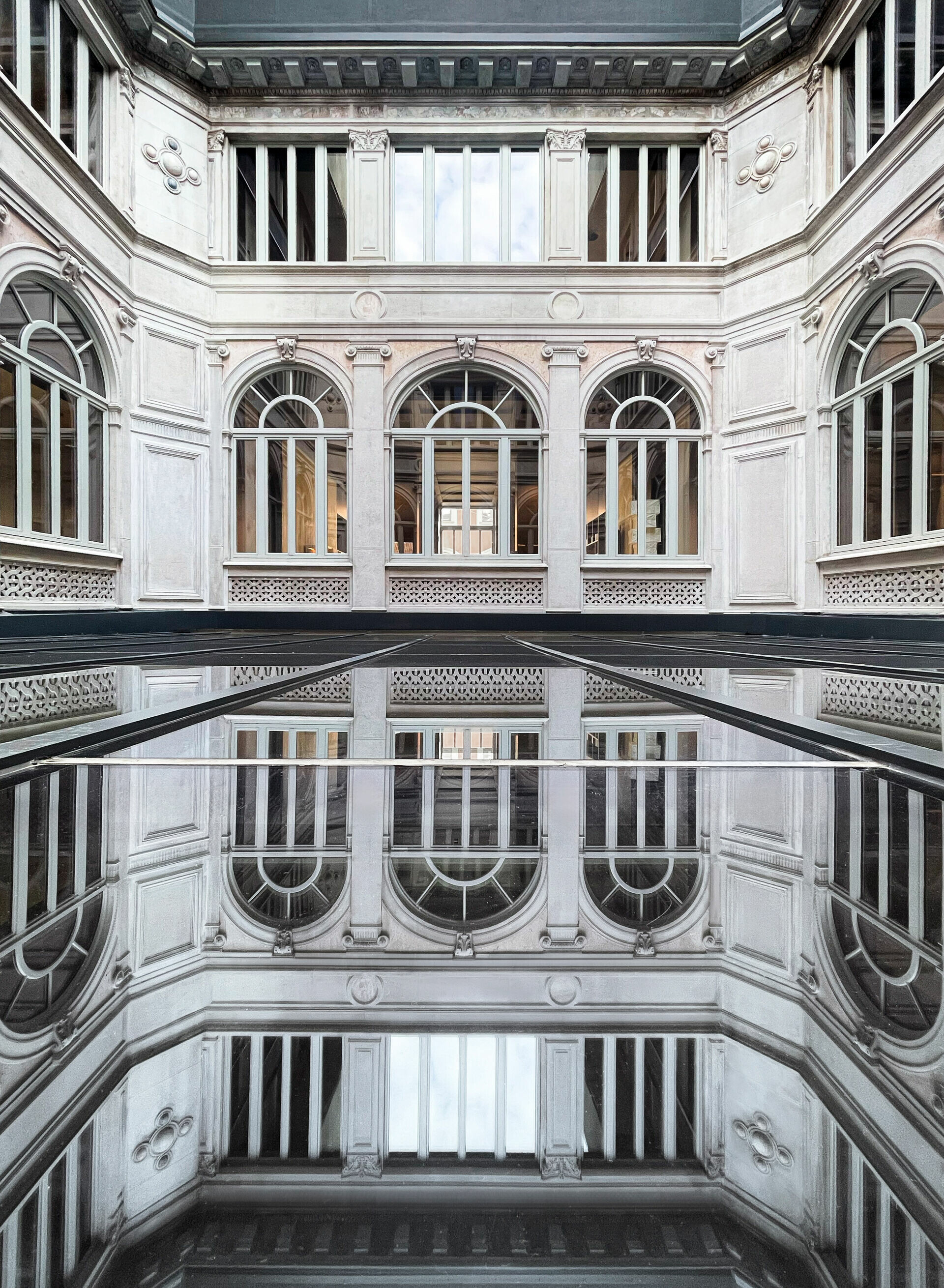
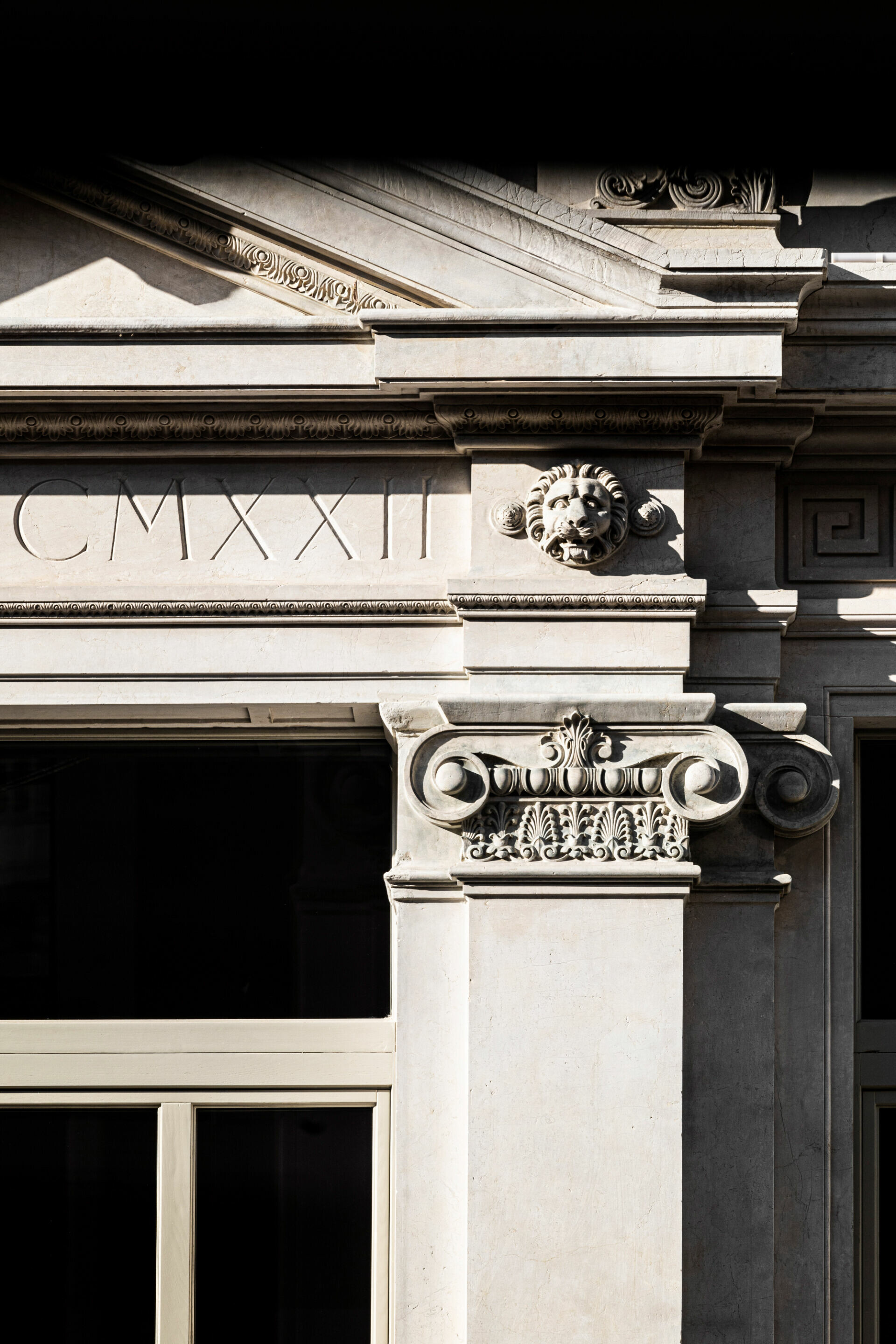
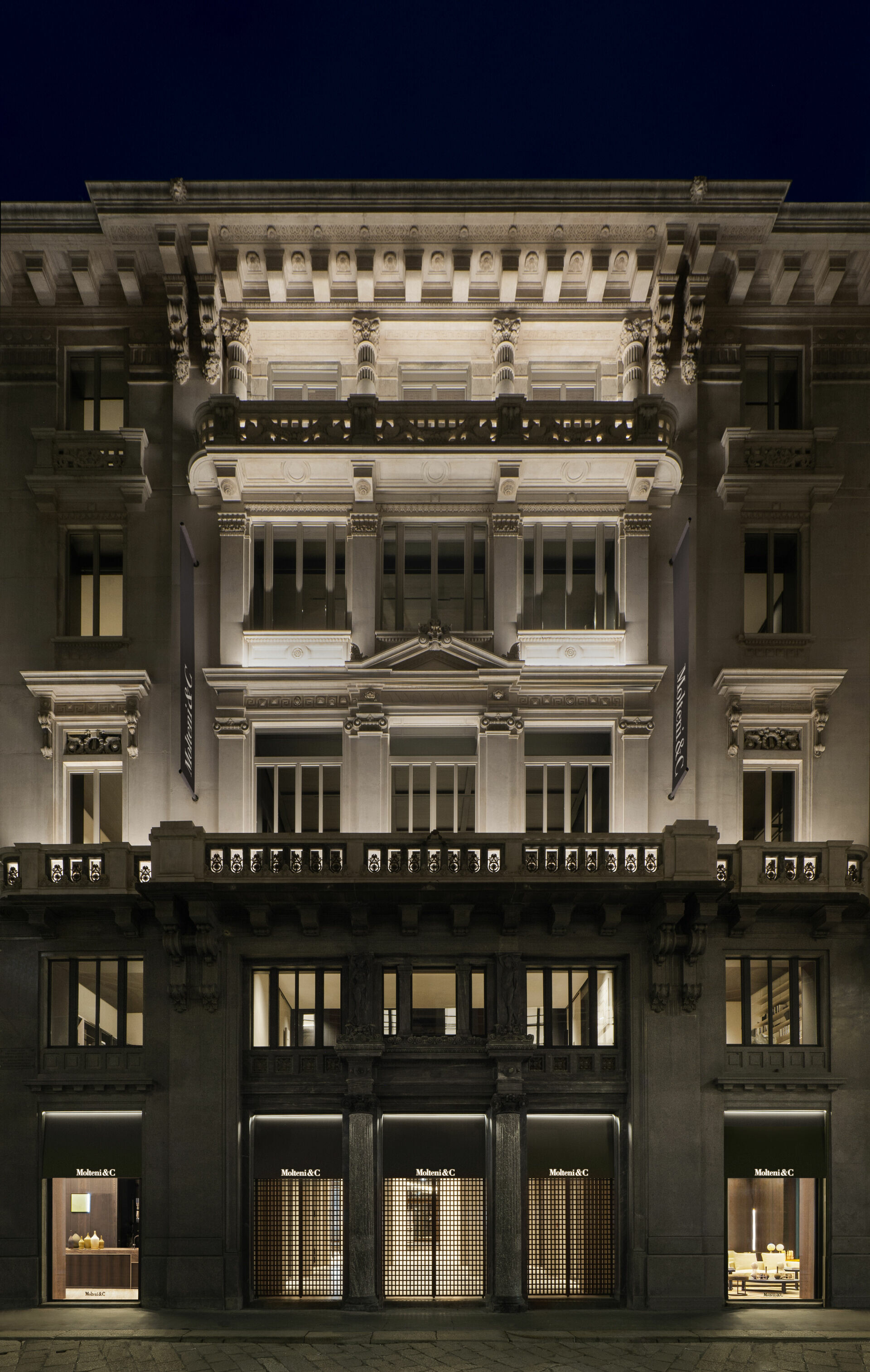
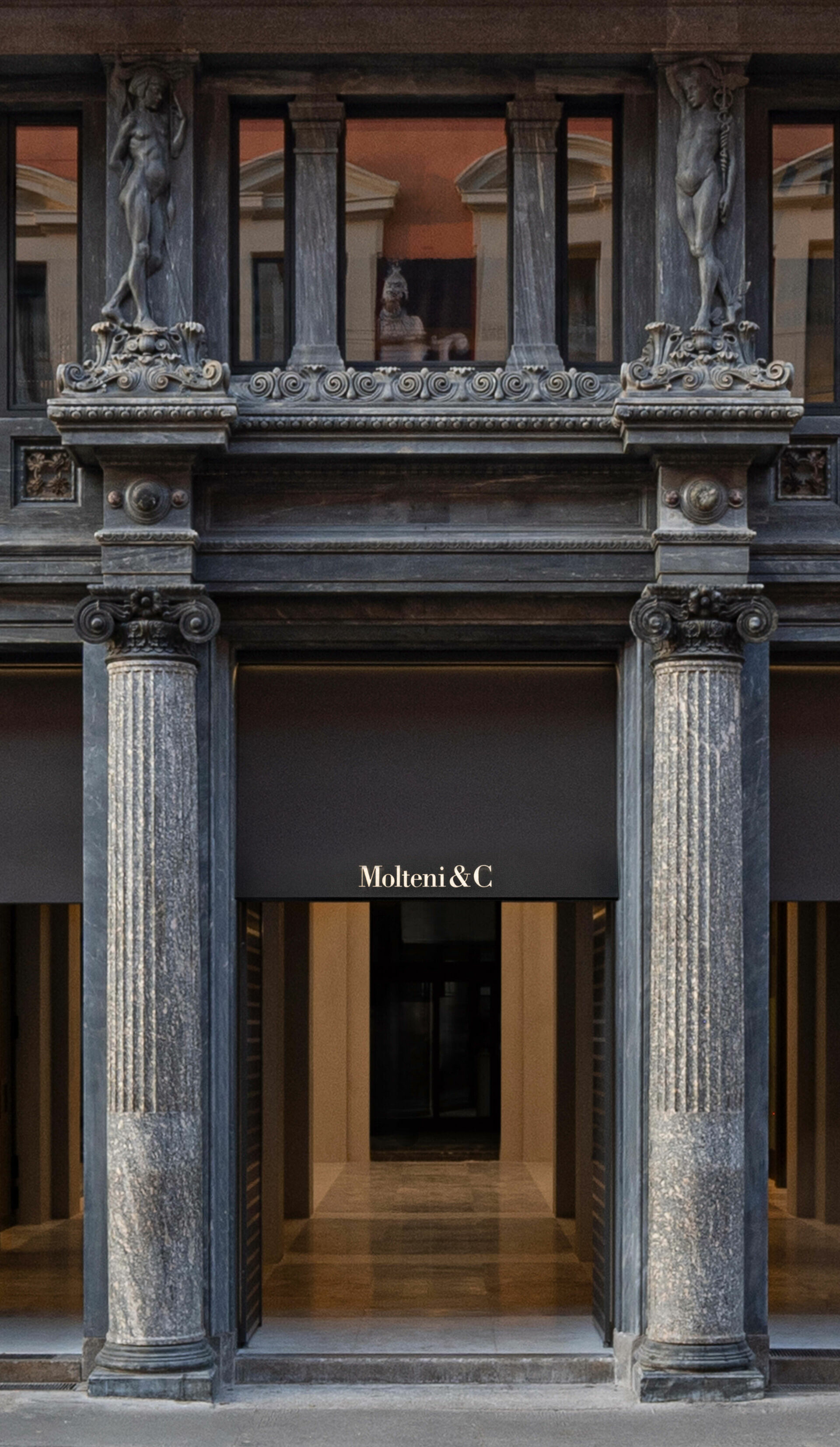
On an afternoon along Via Manzoni’s cultural corridor, the pace stays unhurried. From afar, trams skim the rails with a soft metallic chime; footsteps gather and disperse across the stone underfoot; a faint perfume drifts in the air. In the slanting light, Palazzo Molteni briefly catches warm amber light. The fluted shafts of Ionic columns and acanthus reliefs framing figurative sculptures read crisply in light and shadow, carrying a 19th-century classical order into contemporary Milan. The building’s measured proportions draw the eye.
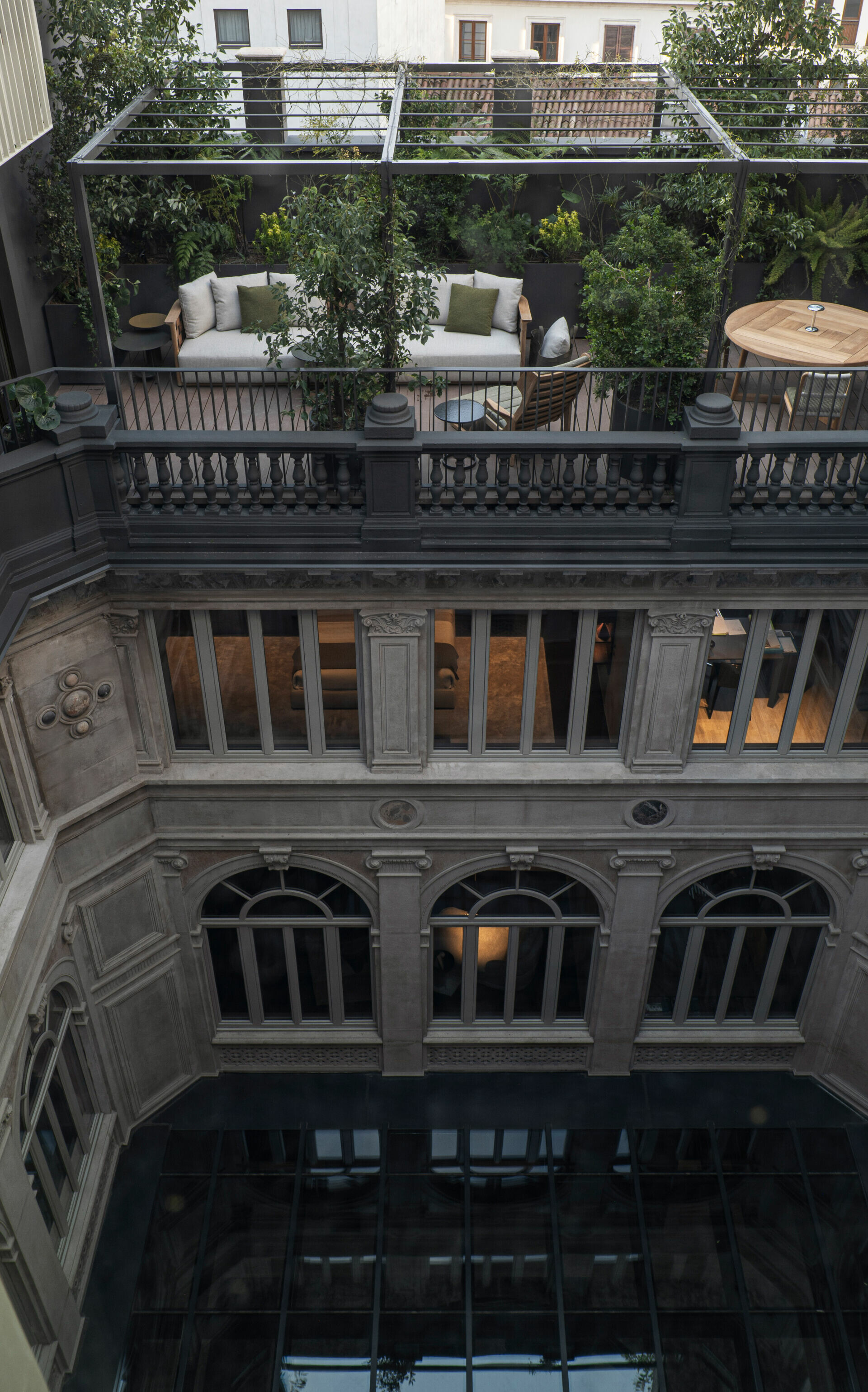
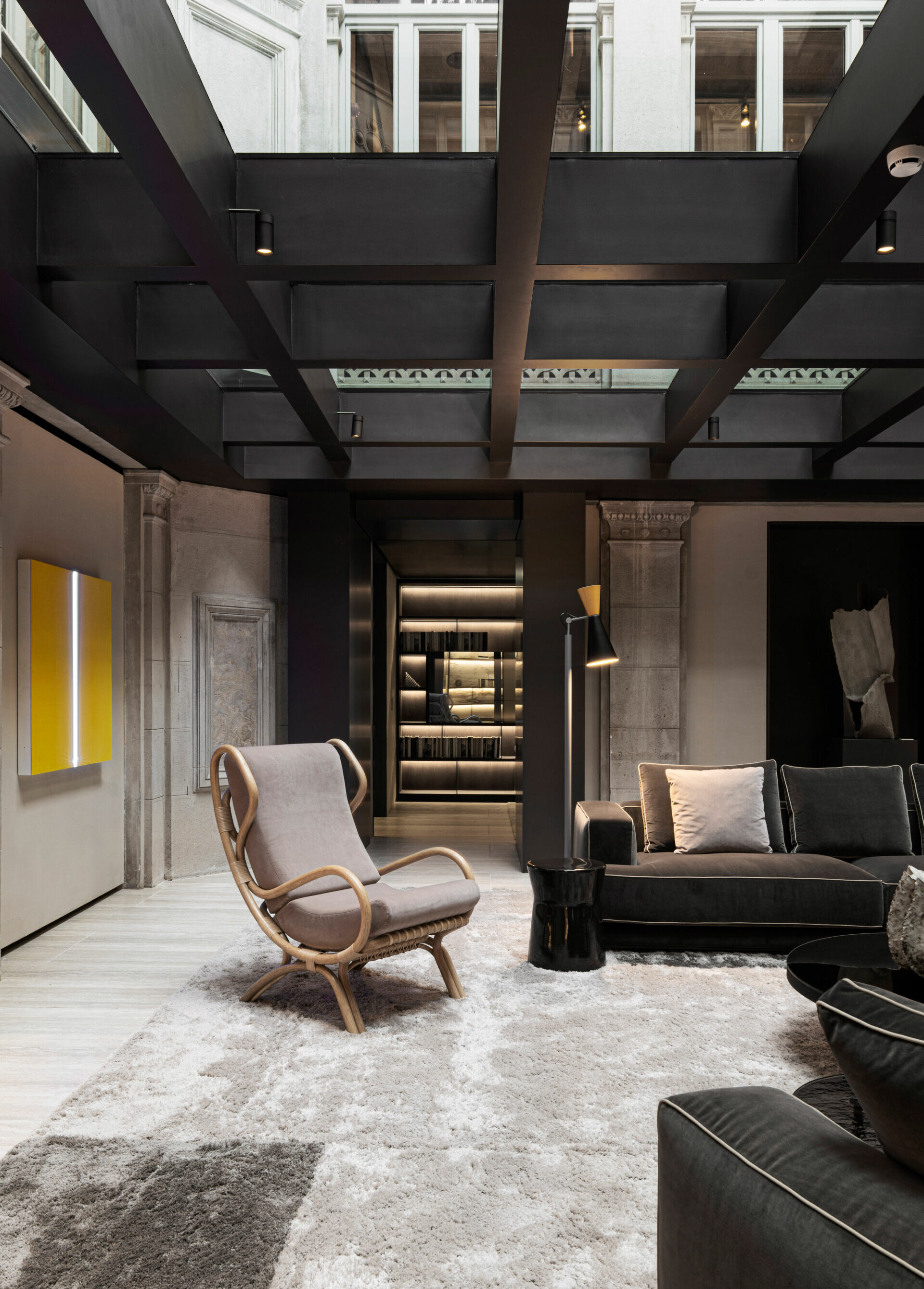
Conceived as a seven-level Urban Pavilion with “home” as its theme, Palazzo Molteni combines cultural exchange and display functions. Across the street, the Museo Poldi Pezzoli offers a quiet counterpoint, a dialogue held in the seams of time. Architect and Molteni&C Creative Director Vincent Van Duysen composes a sequence of living-room settings that translate Milan’s understated elegance from exterior to interior. Across more than 3,000 sq m of space, conversations between design, art, and daily life play out room by room.
Through the Arcade, Into a Living Room Beneath Glass
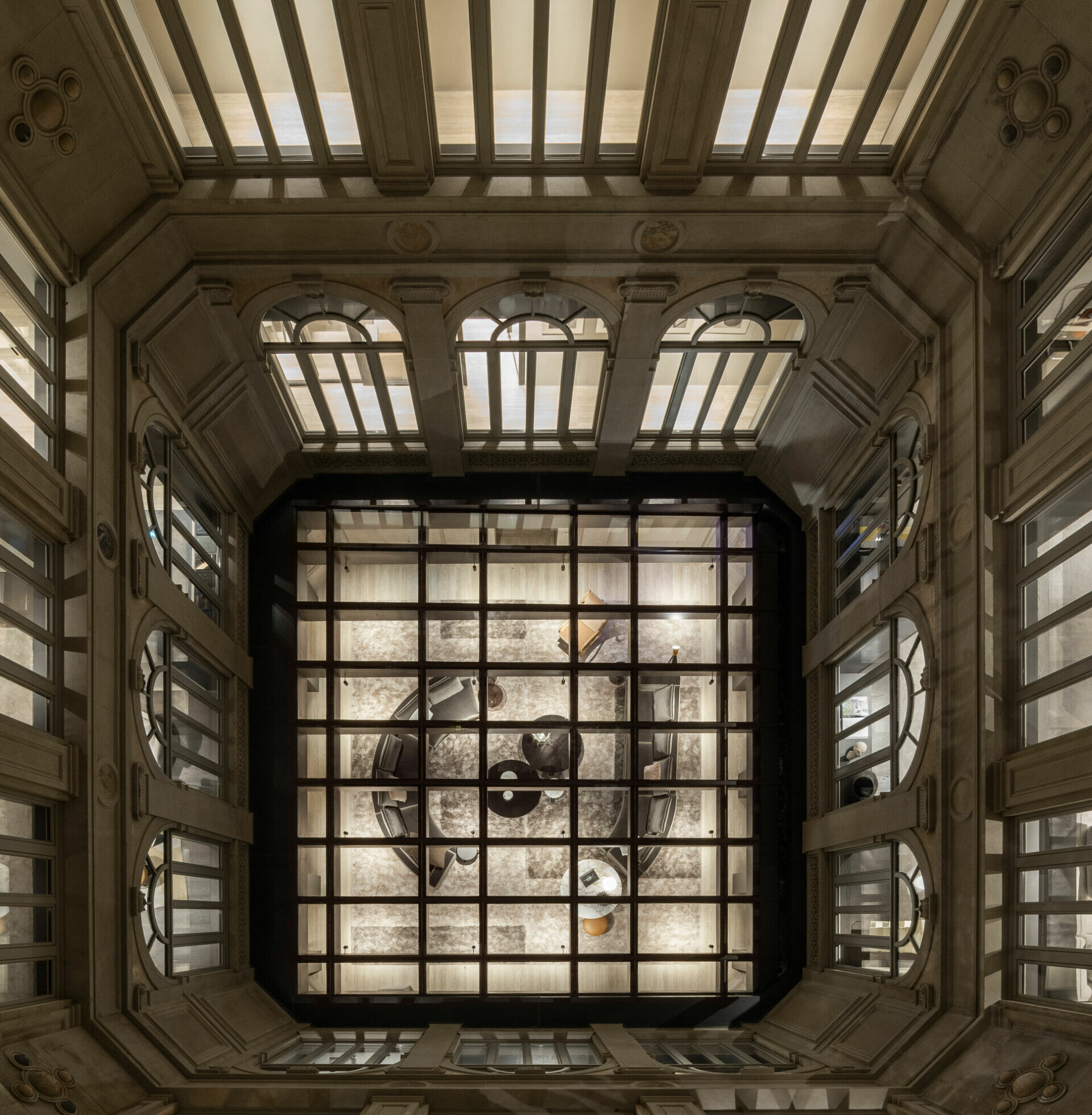
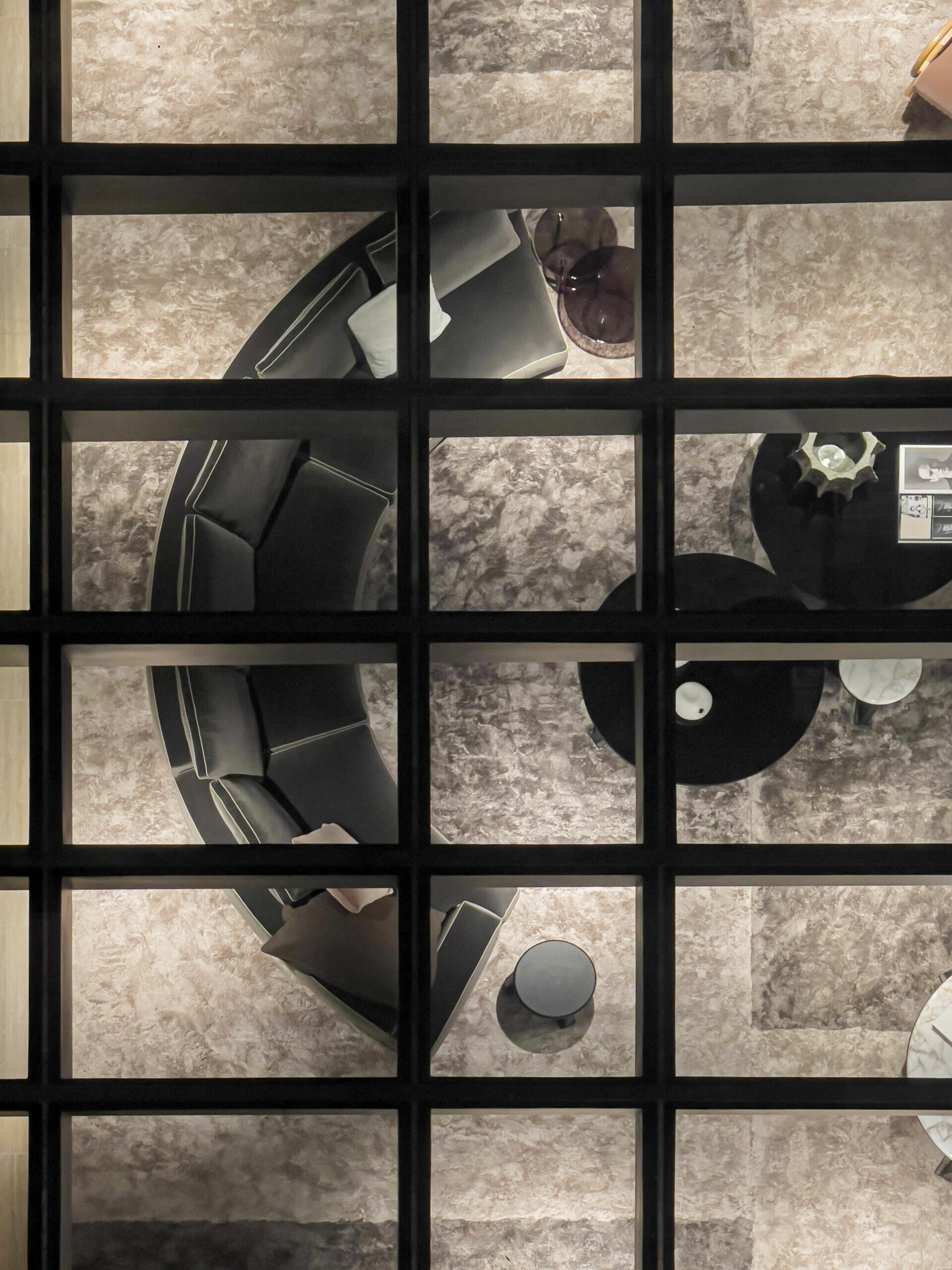
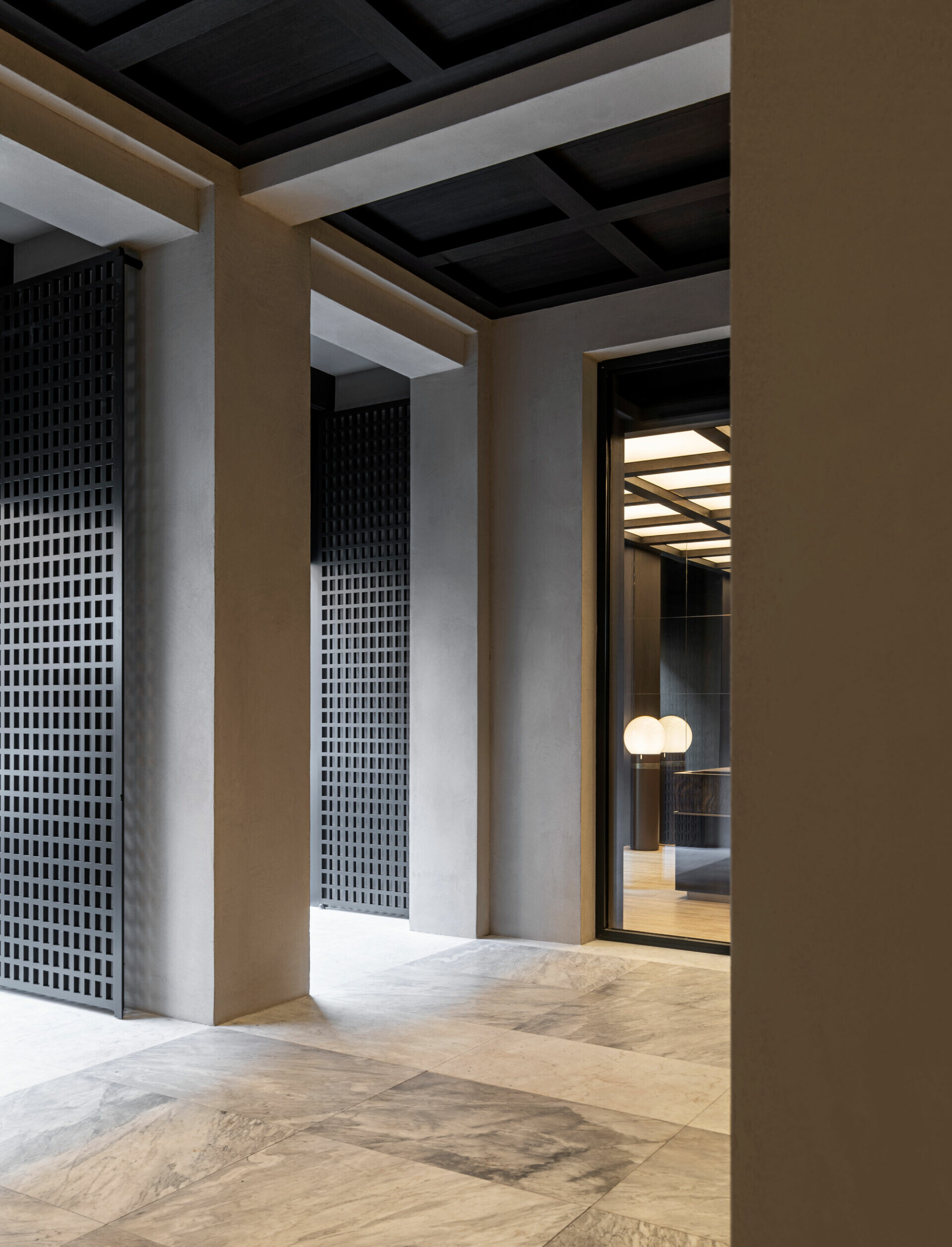
The stone threshold receives each step. A glance upward finds the geometry of a coffered ceiling and the iron gate’s linear grid answering Liberty-style slender divisions and a neoclassical sense of proportion. Sunlight slips through the side arcades, fading from bright to dim, tempering the street’s bustle into a calm, public room. At the end of the gallery, daylight gathers beneath the central glass roof around Emile by Christophe Delcourt. Deep, continuous curves set a steady cadence; a sculptural outline and modular construction provide real flexibility. Whether standing alone or anchoring a group, seating distances and sight lines adjust comfortably, holding a calm, balanced scale.
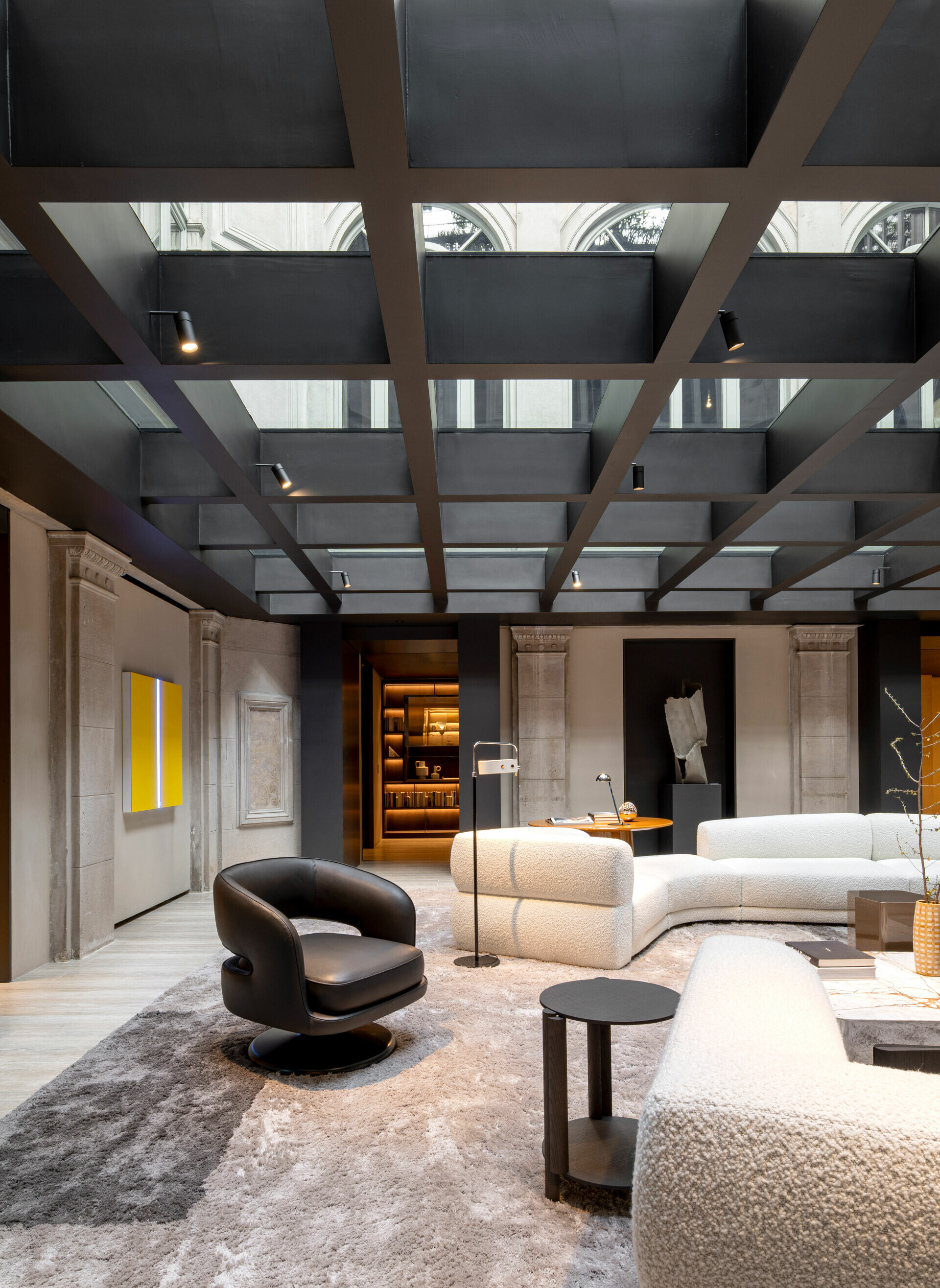
➤ Item | Emile Sofa
Up the Stairs, Where Contemporary Life Meets a Curated Archive
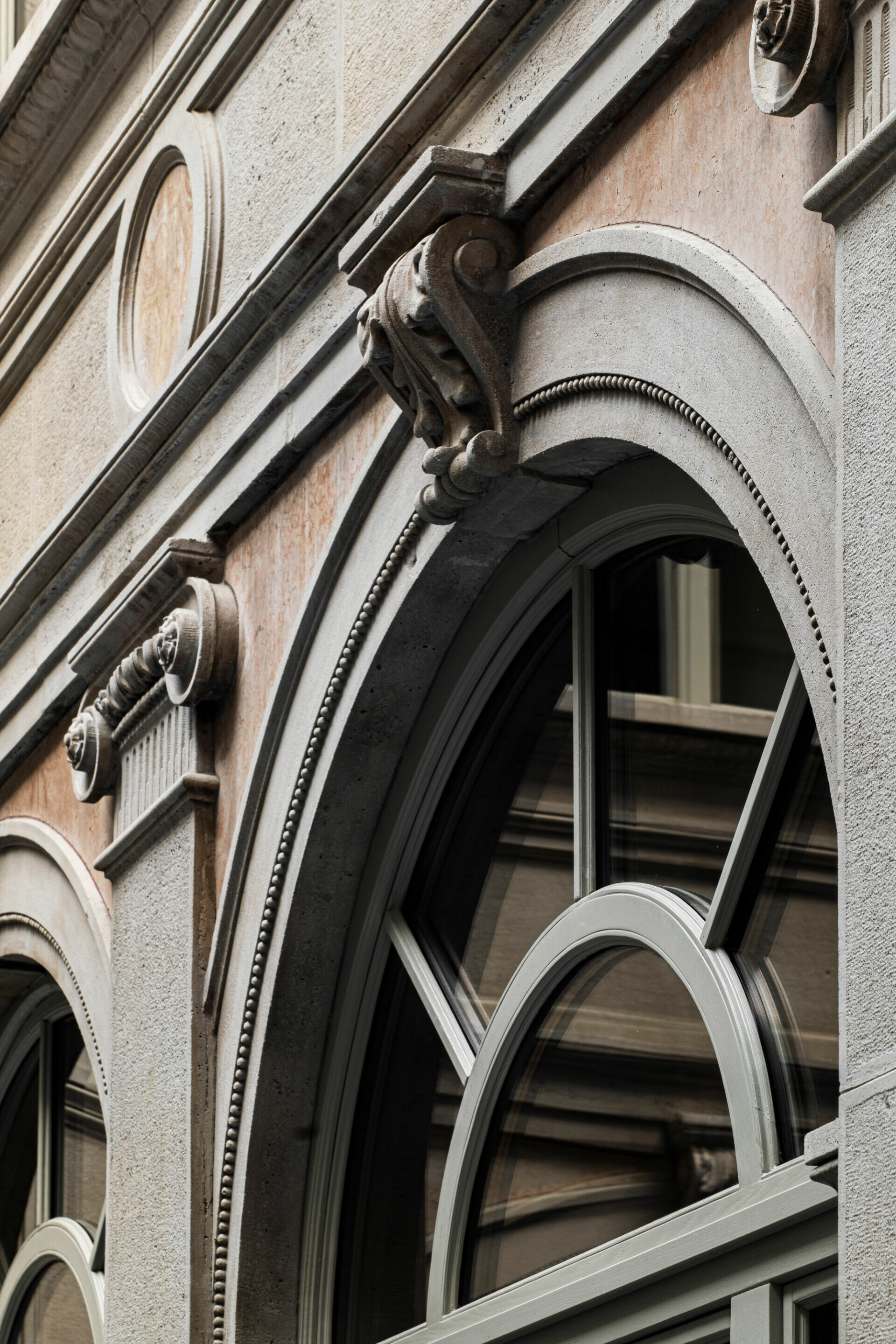
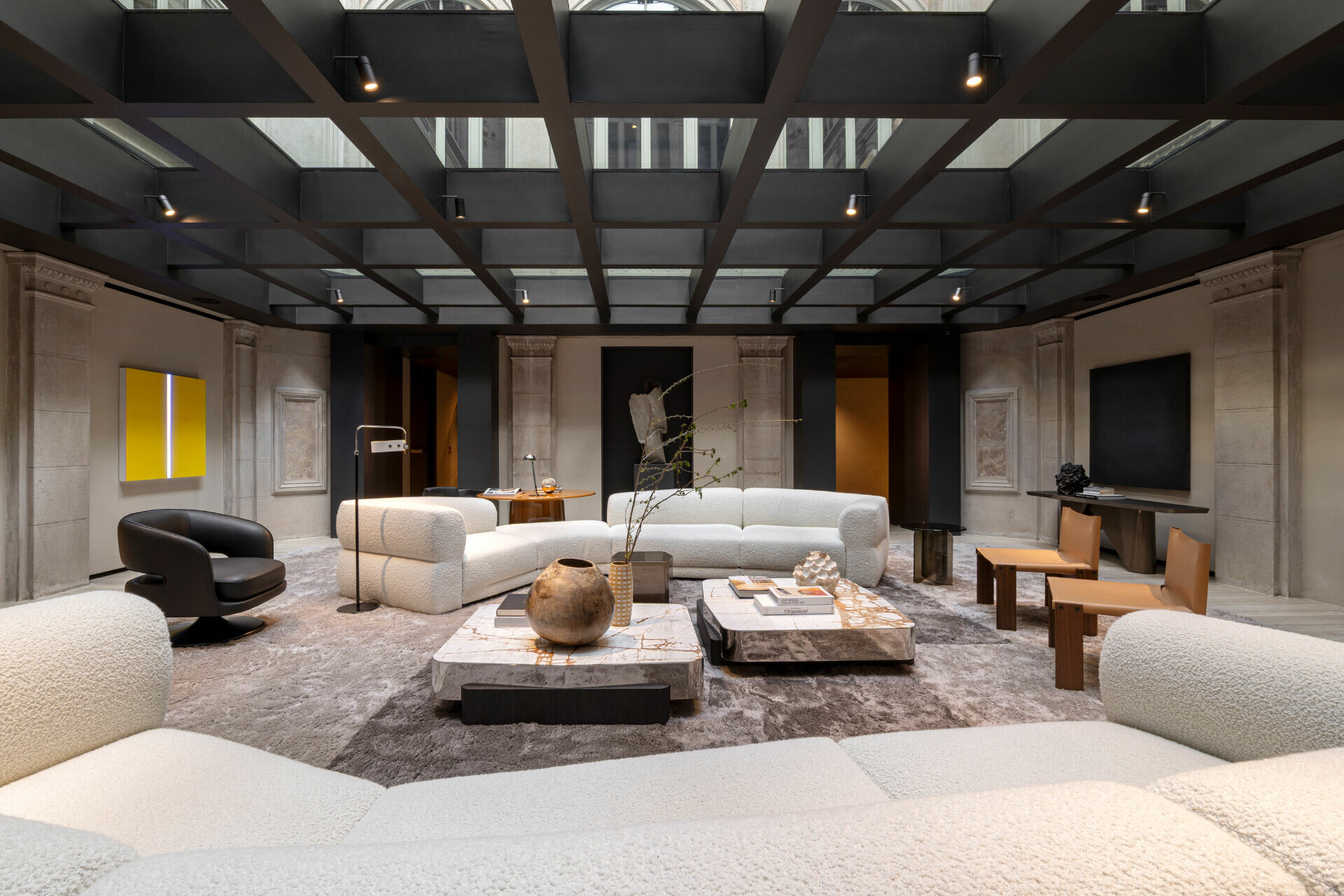
Climbing the stairs, the classical façade carries inward through tall arched windows, bringing the street’s grain into the room. Natural light settles on a pale woven rug and a constellation of Maylis coffee tables—irregular hexagons in Breccia Capraia marble with deep-green tops on polished metal bases—quietly echoing Milanese precision. Beside them, the Monk chair—designed in 1973 by Afra and Tobia Scarpa and reissued by Molteni&C—returns in its essential clarity. A walnut frame and finely proportioned leather seat and back are secured with eight discreet metal fasteners along a tubular steel support. Its restraint is precisely what draws the eye. In a contemporary setting, that latent force reads clearly.
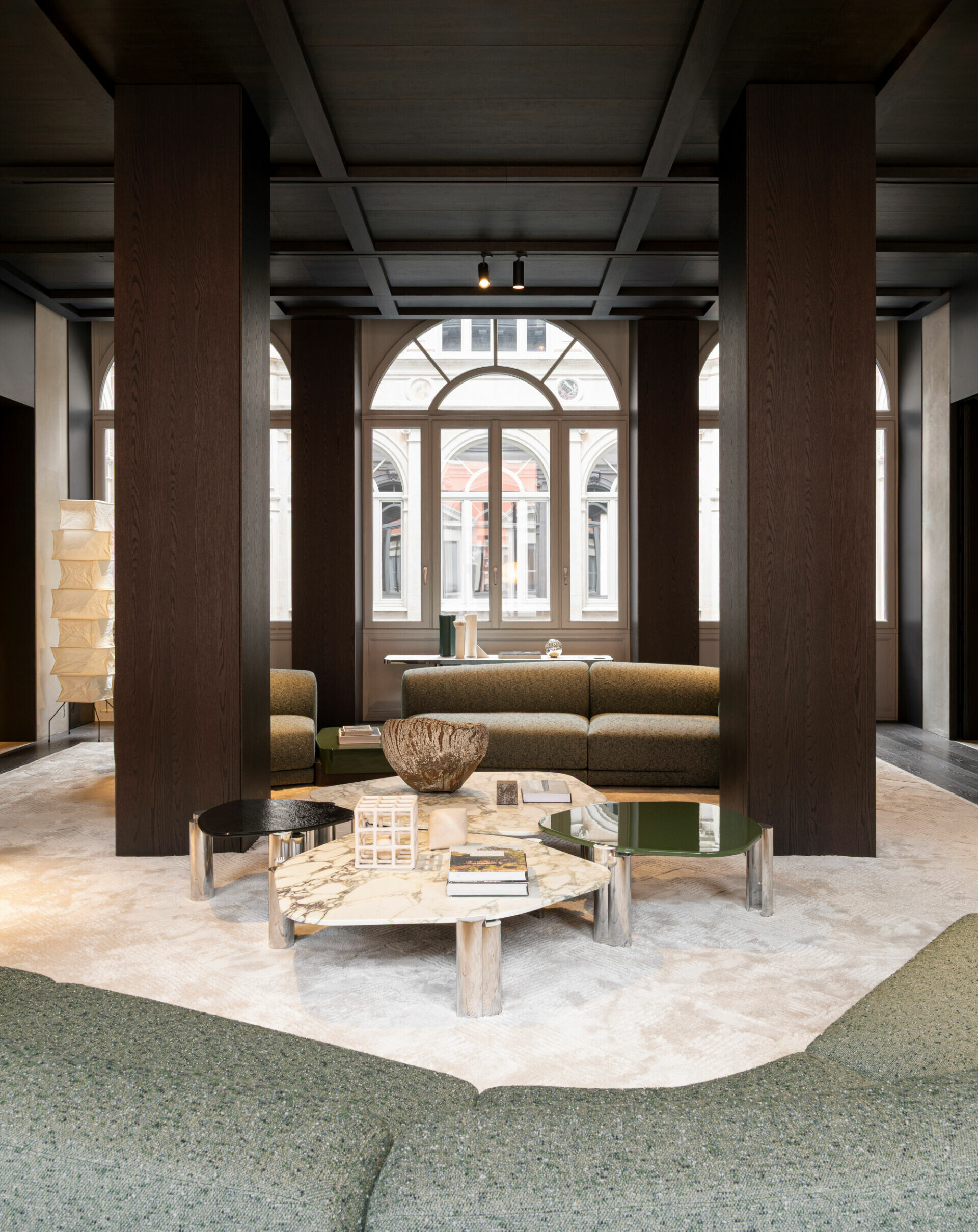
➤ Item | Maylis
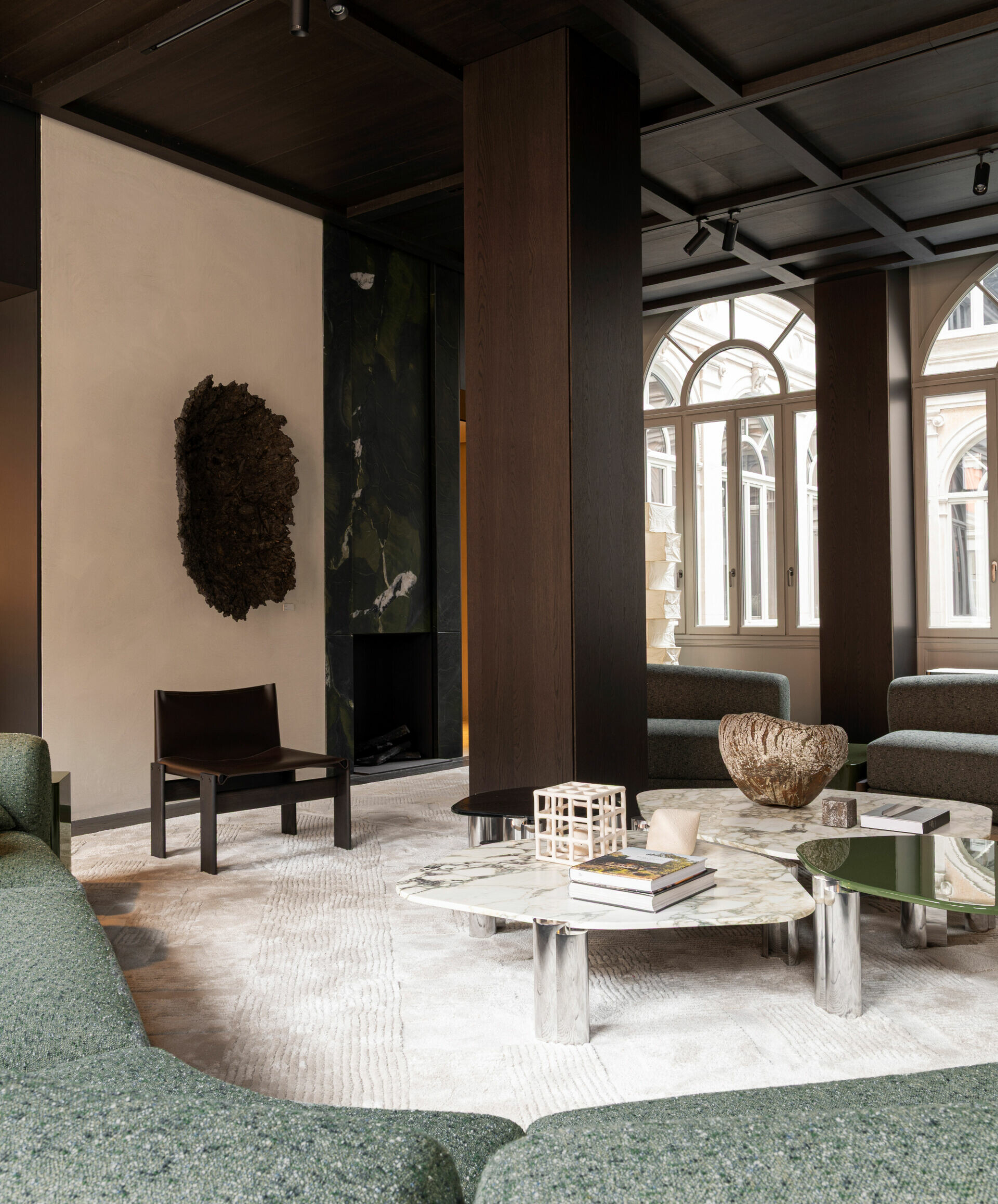
➤ Item | Monk chair
A Quiet Window, a Meeting with the Milan Sky
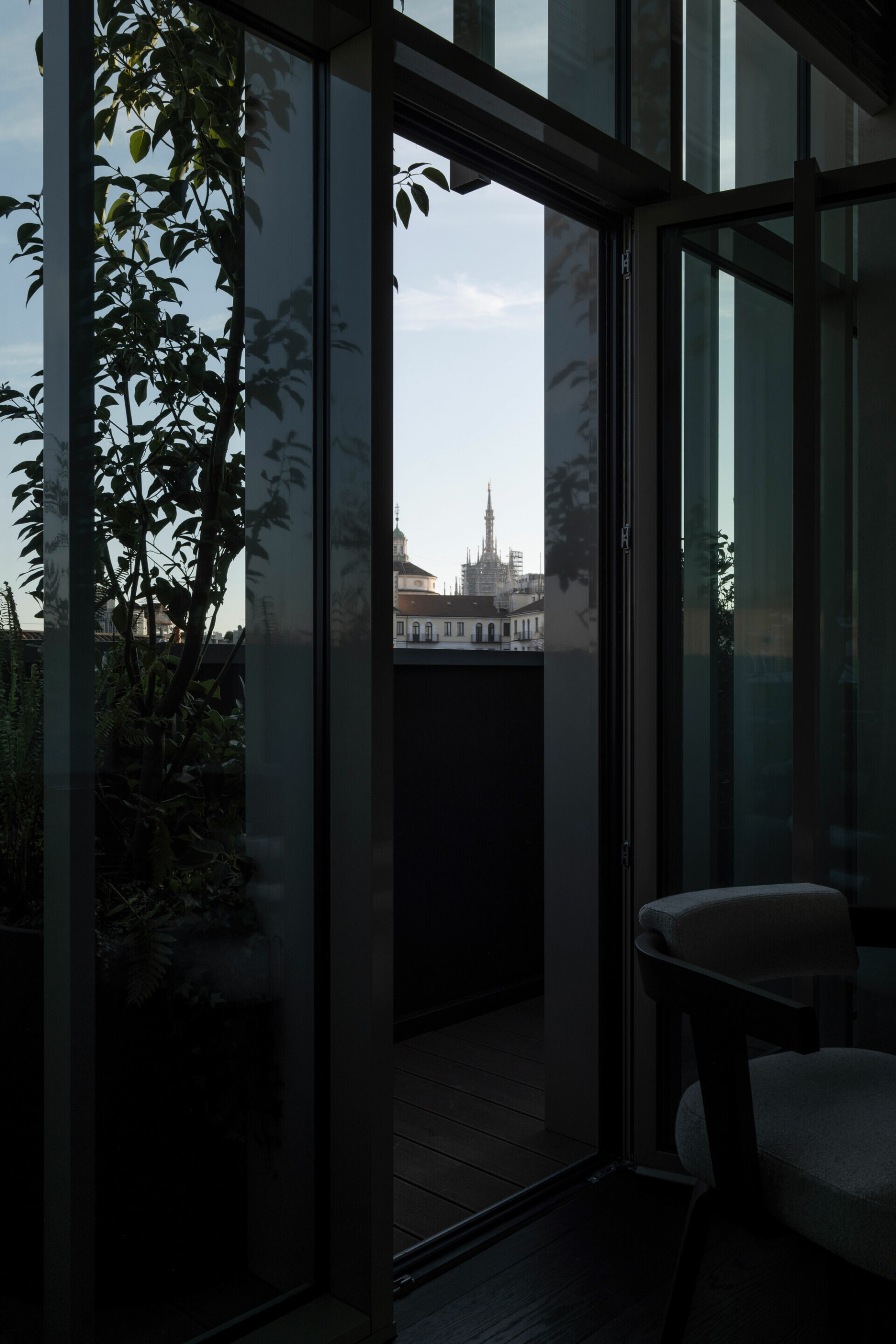
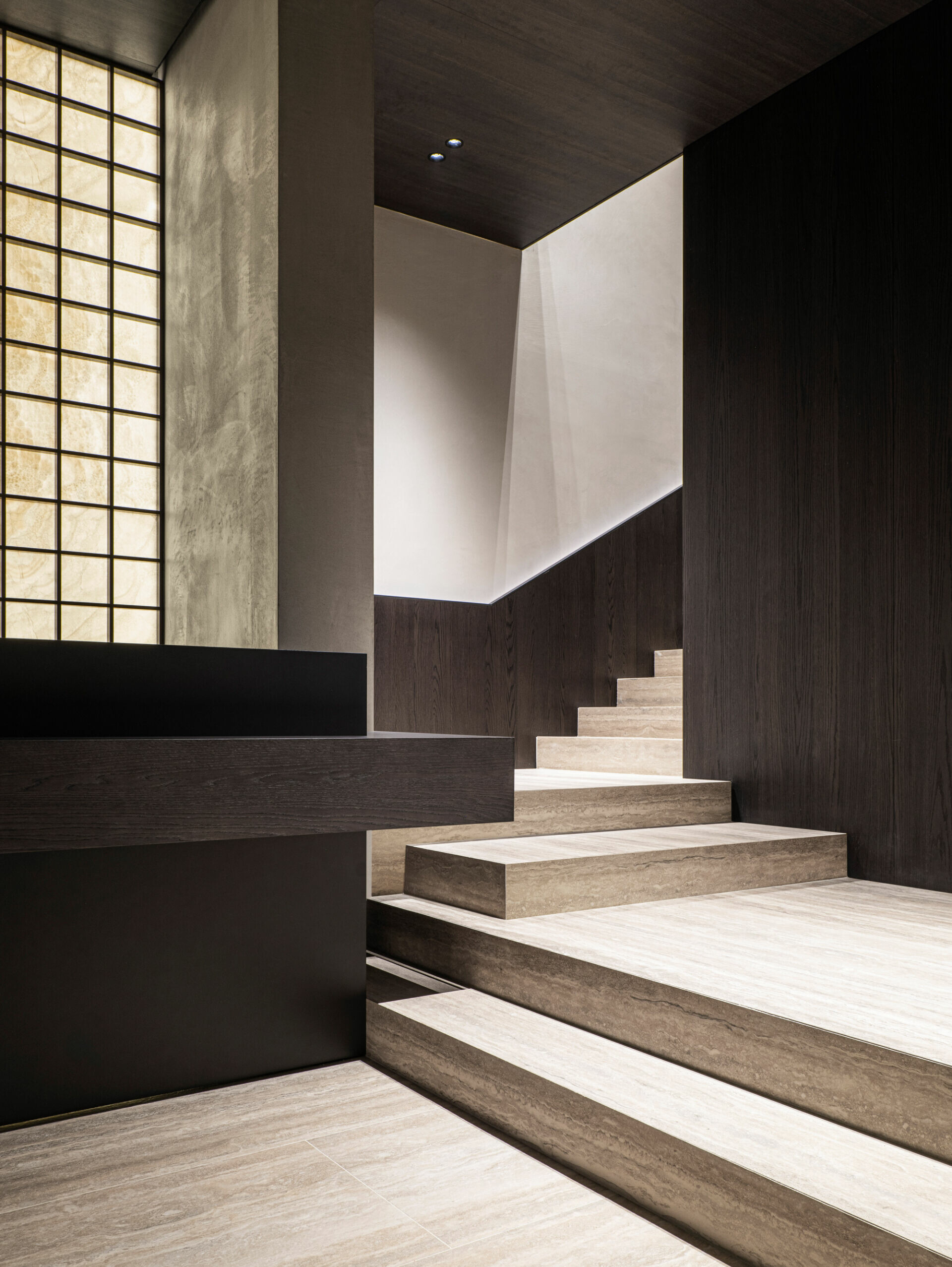
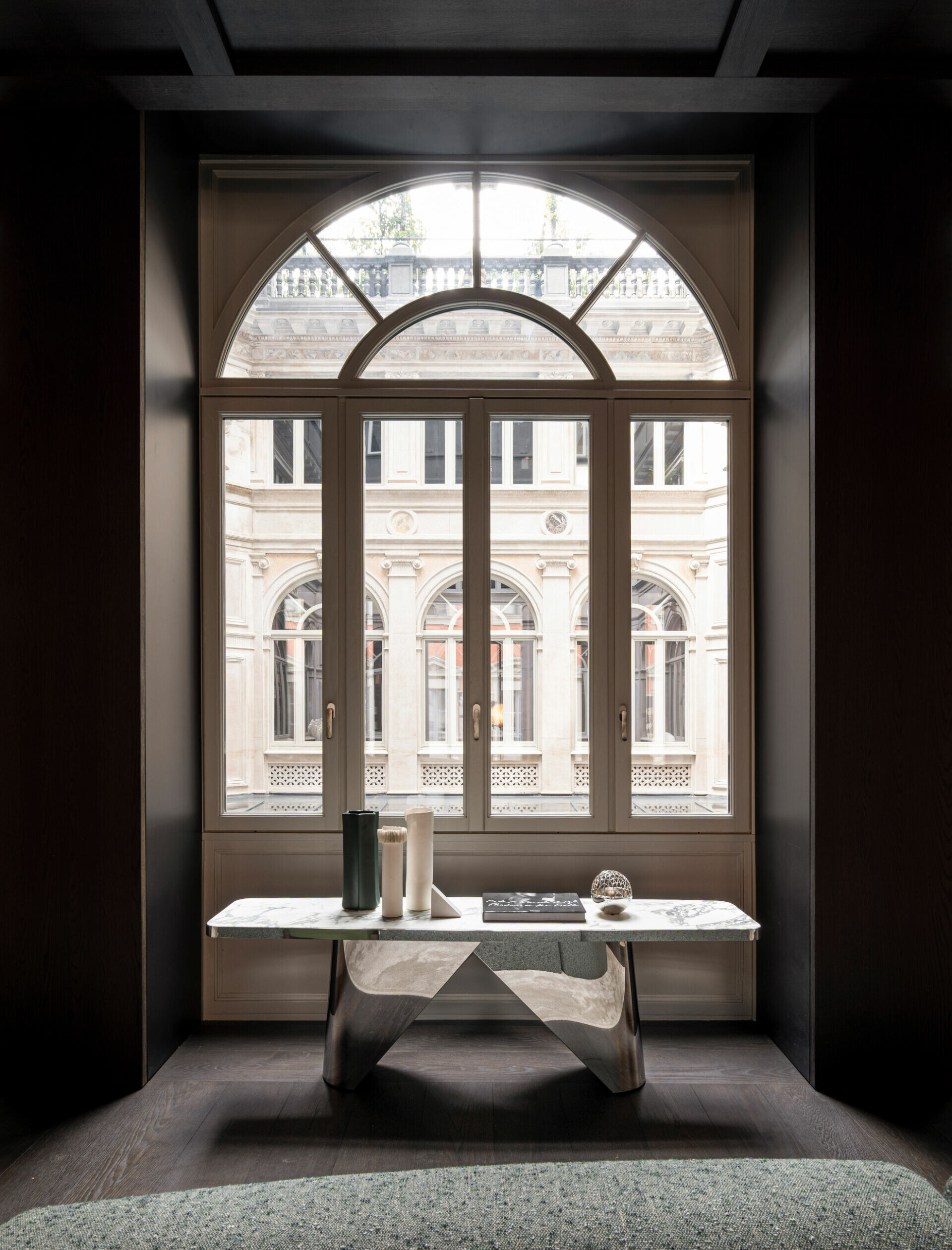
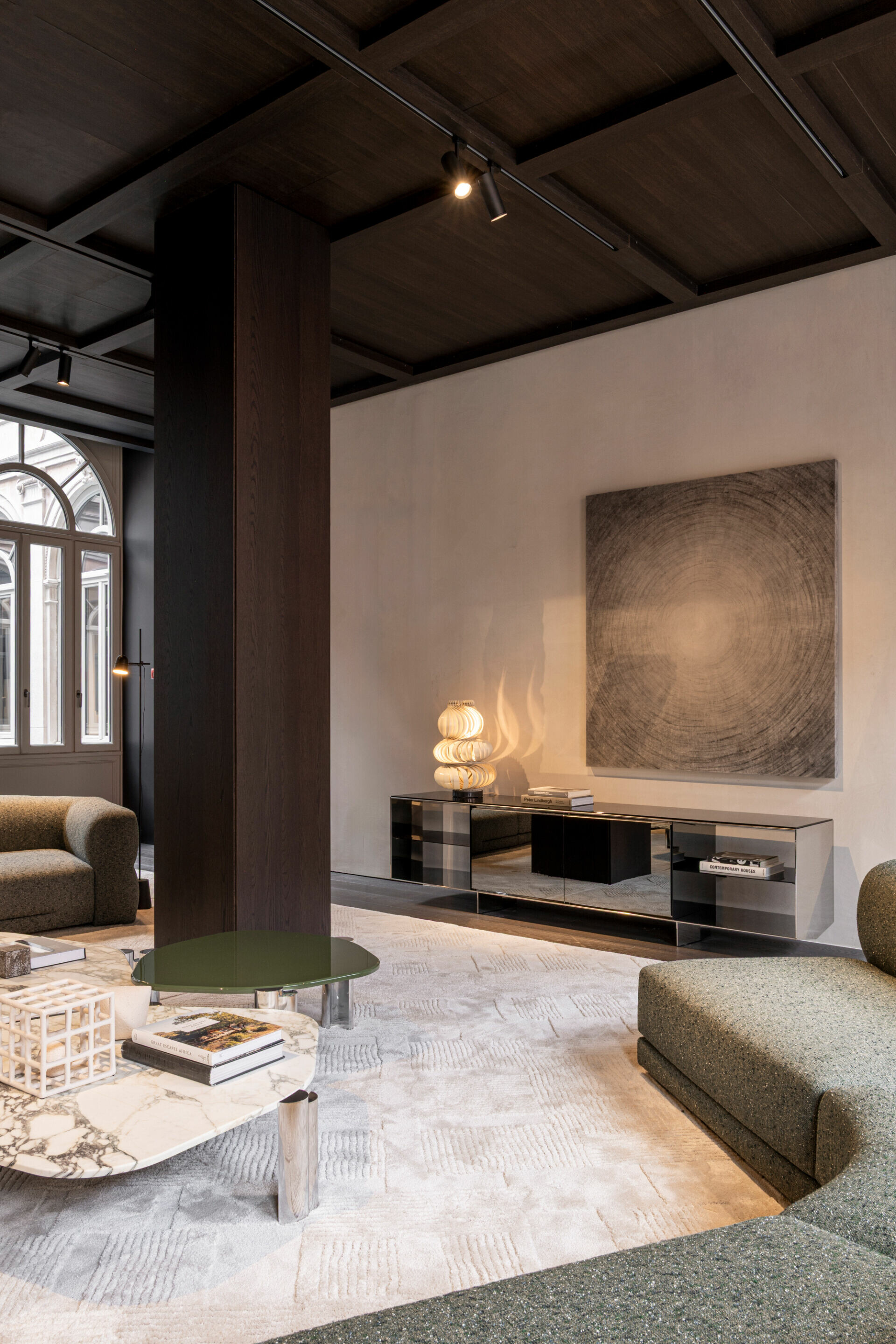
Higher in the building, the atmosphere grows still. Afternoon light falls through high windows across the junction of dark timber panelling and rug. A Lia armchair rests at the window. Its metal structure is light yet assured; gentle curves create a sense of suspension and an easy embrace. Facing the street, it watches the shifting light on the Poldi Pezzoli façade as if in silent exchange, attuning to the city’s slower cadence. Here, Van Duysen preserves the long view, carrying the view outward, reconnecting it to the street. What might once have been a simple terminus becomes a place to gather: meeting rooms, a lecture space, and Stefano Baccari’s landscaped terrace form Molteni Galleria, an elevated salon for events. At dusk, voices mingle with distant bells and a light wind through evergreen leaves; the historic skyline resolves into silhouette, and another scene of everyday Milan comes into view.
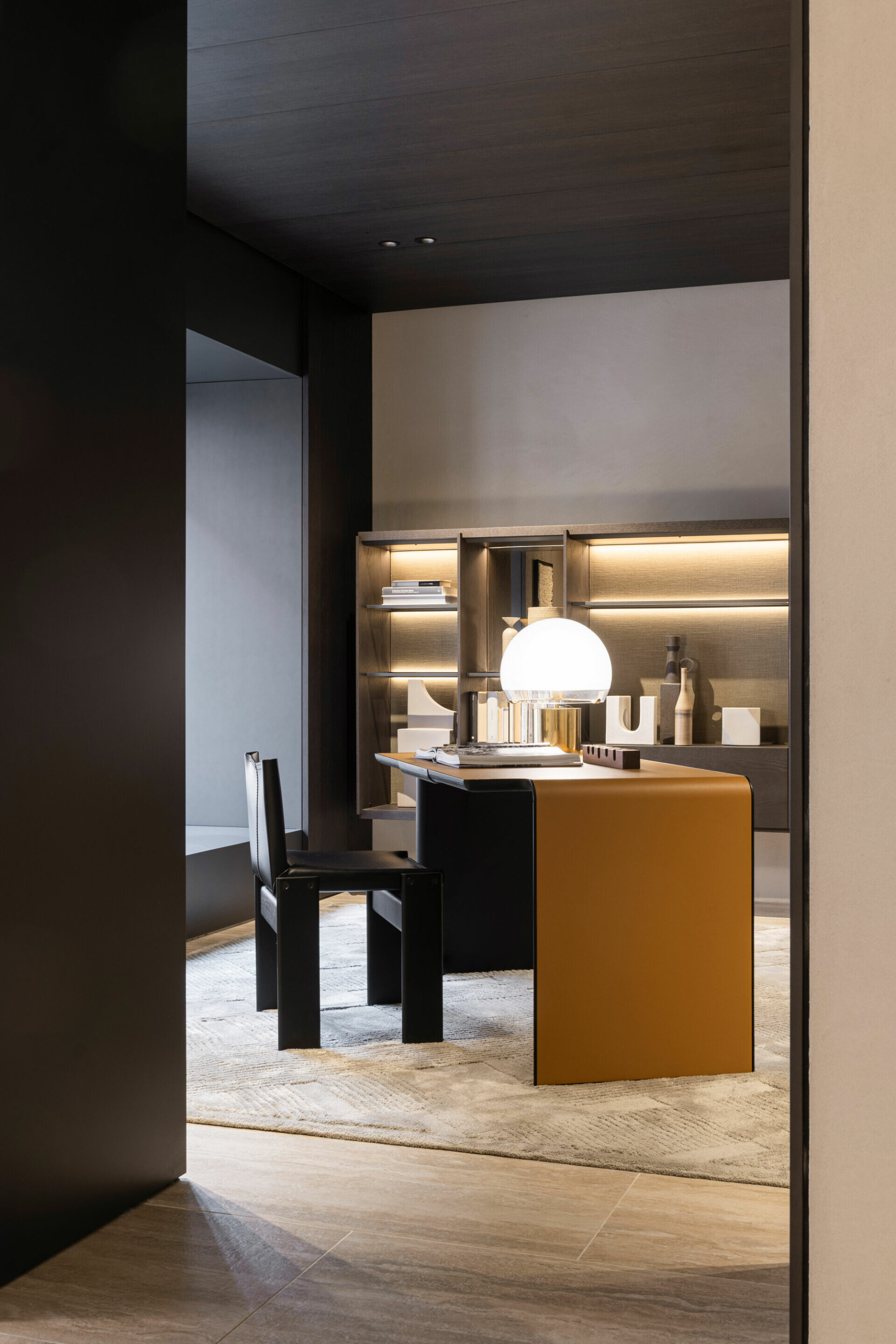
➤ Item | Monk chair
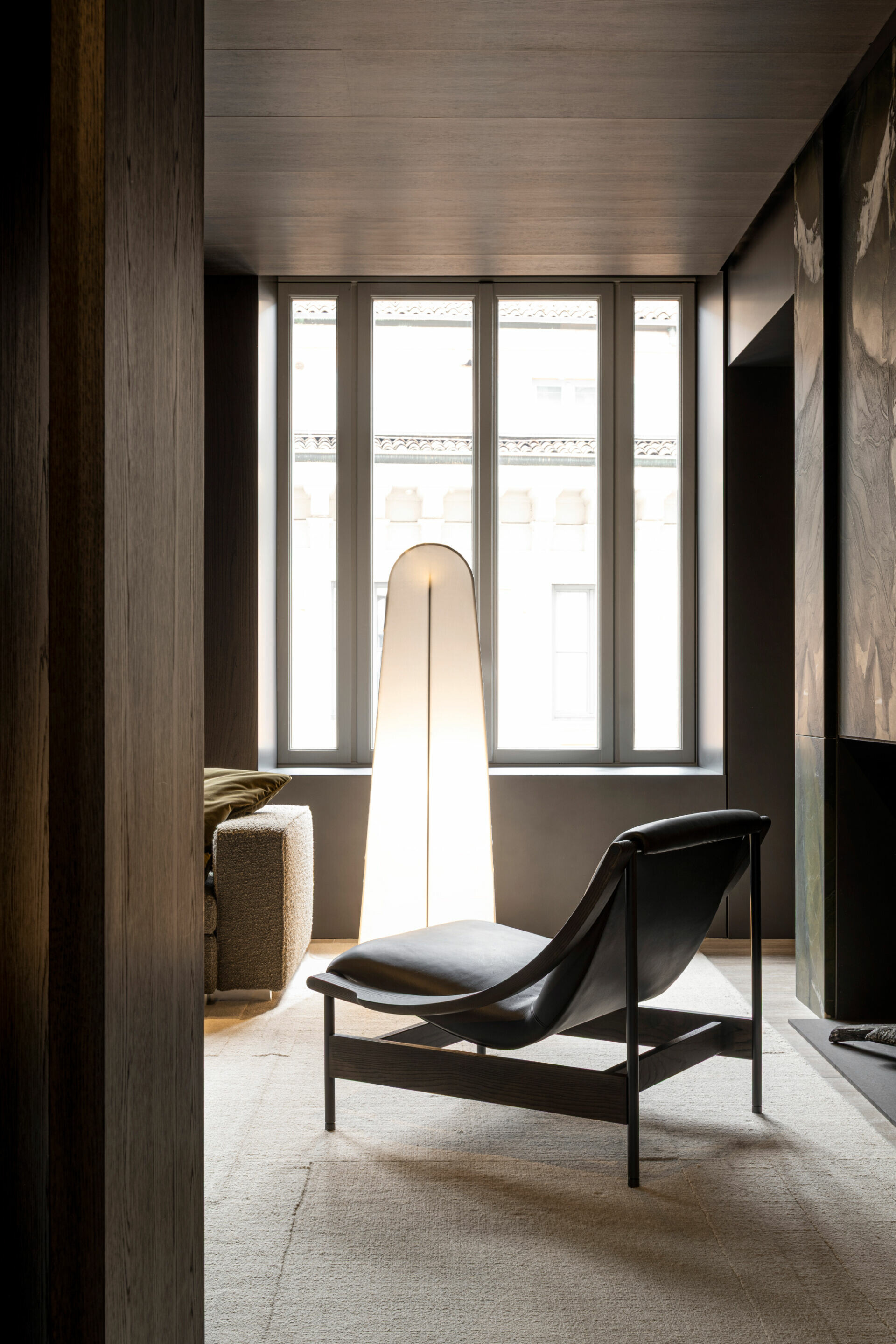
➤ Item | Lia Armchair