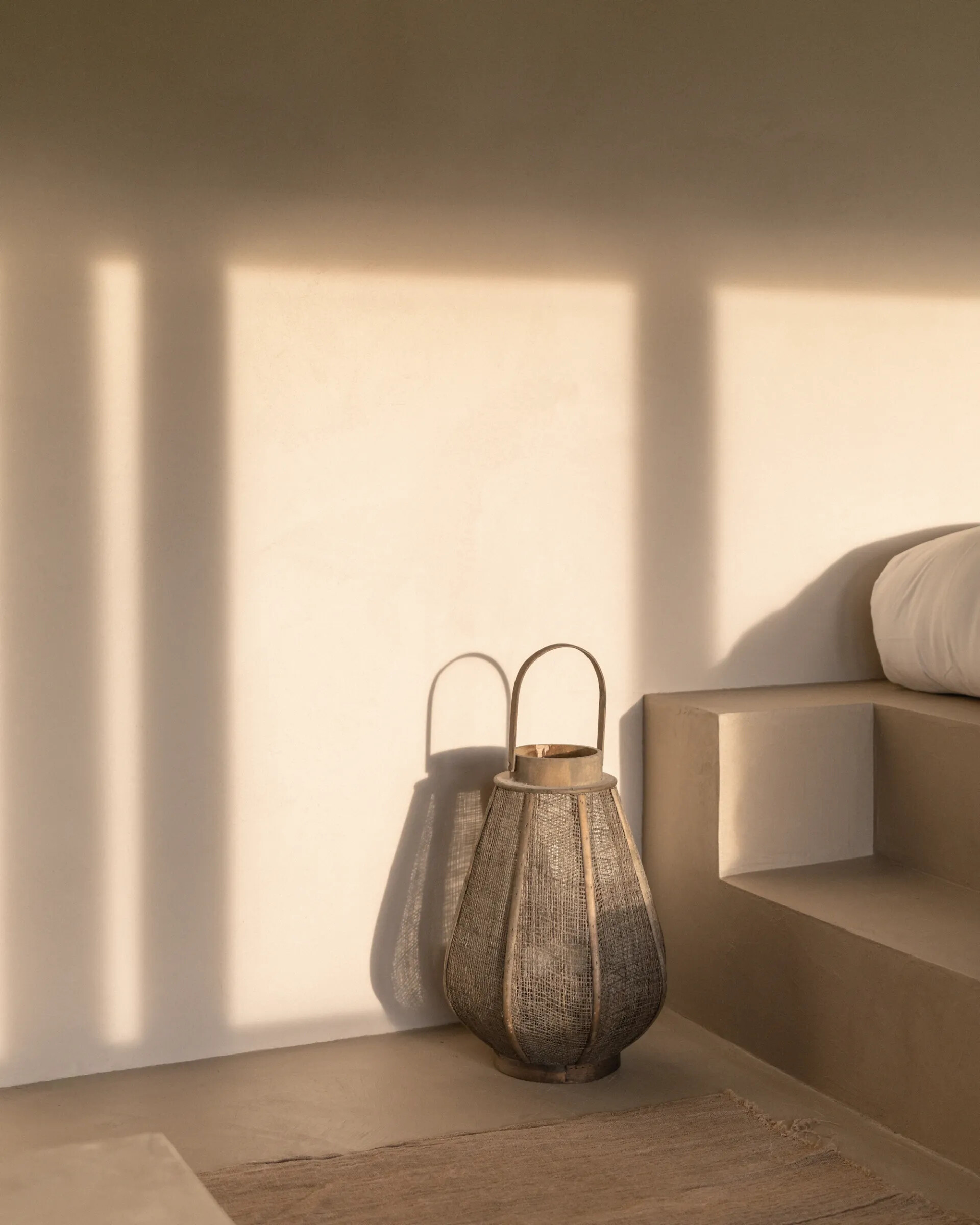
A Meditation Journey in a Traditional Machiya House
—Maana Kiyomizu
Traveling is an experience. It involves filling a travel itinerary with iconic landmarks, immersing oneself in the local culture while traversing through cities and rural areas, connecting the dots of personal understanding and interpretation of unique local characteristics, and finally creating an exclusive map. In the midst of a non-stop urban exploration, accommodation becomes a condensed storybook of the city.
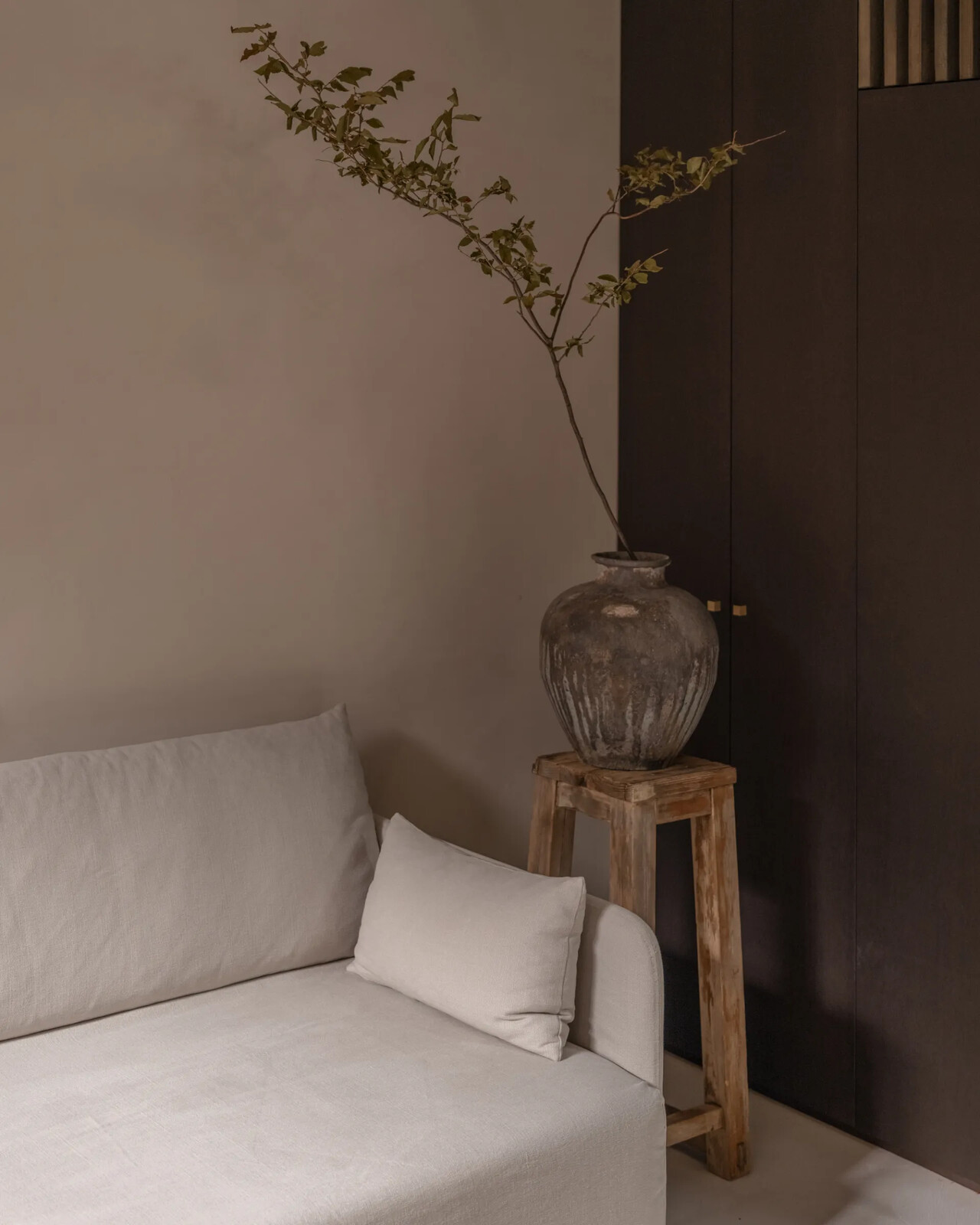
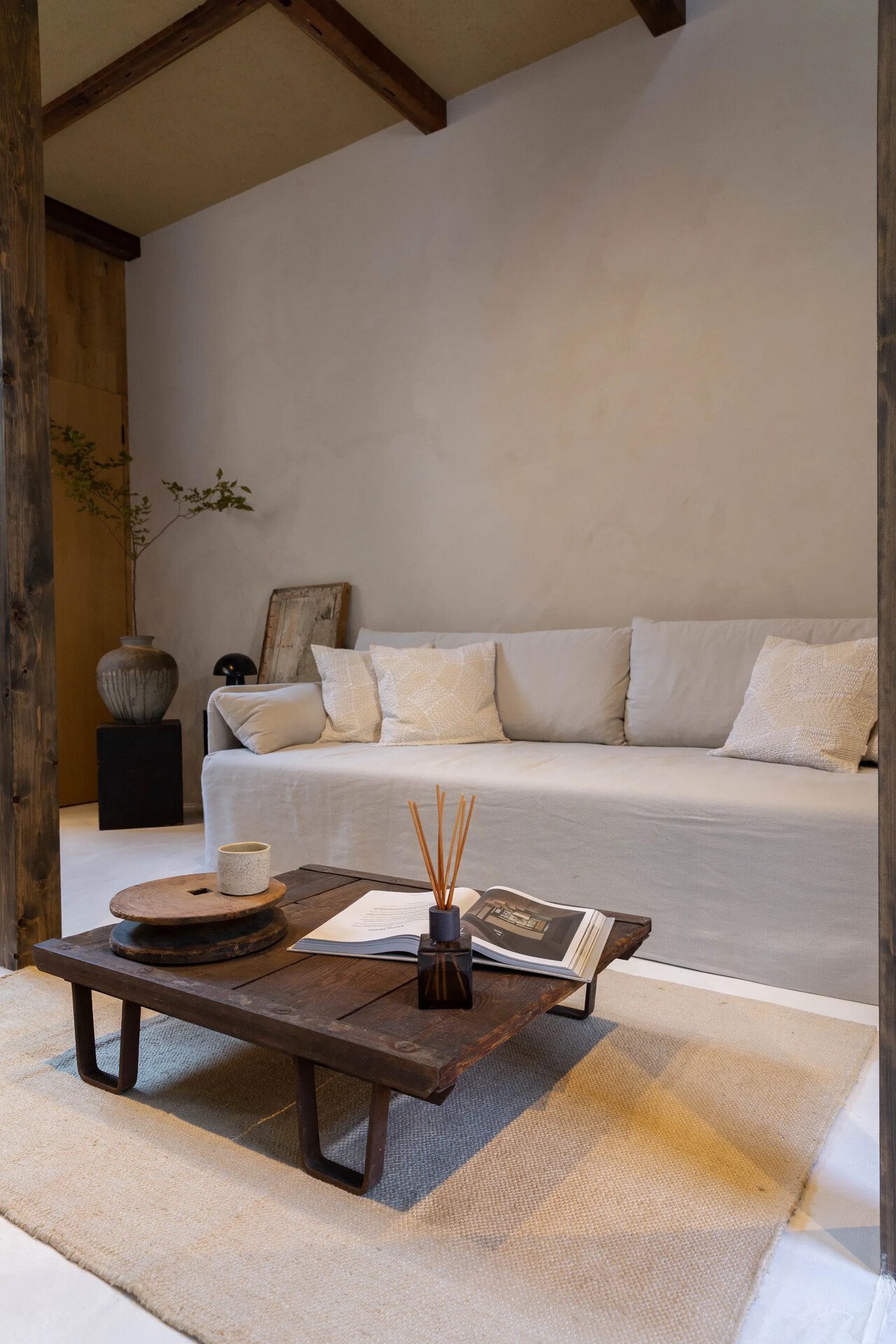
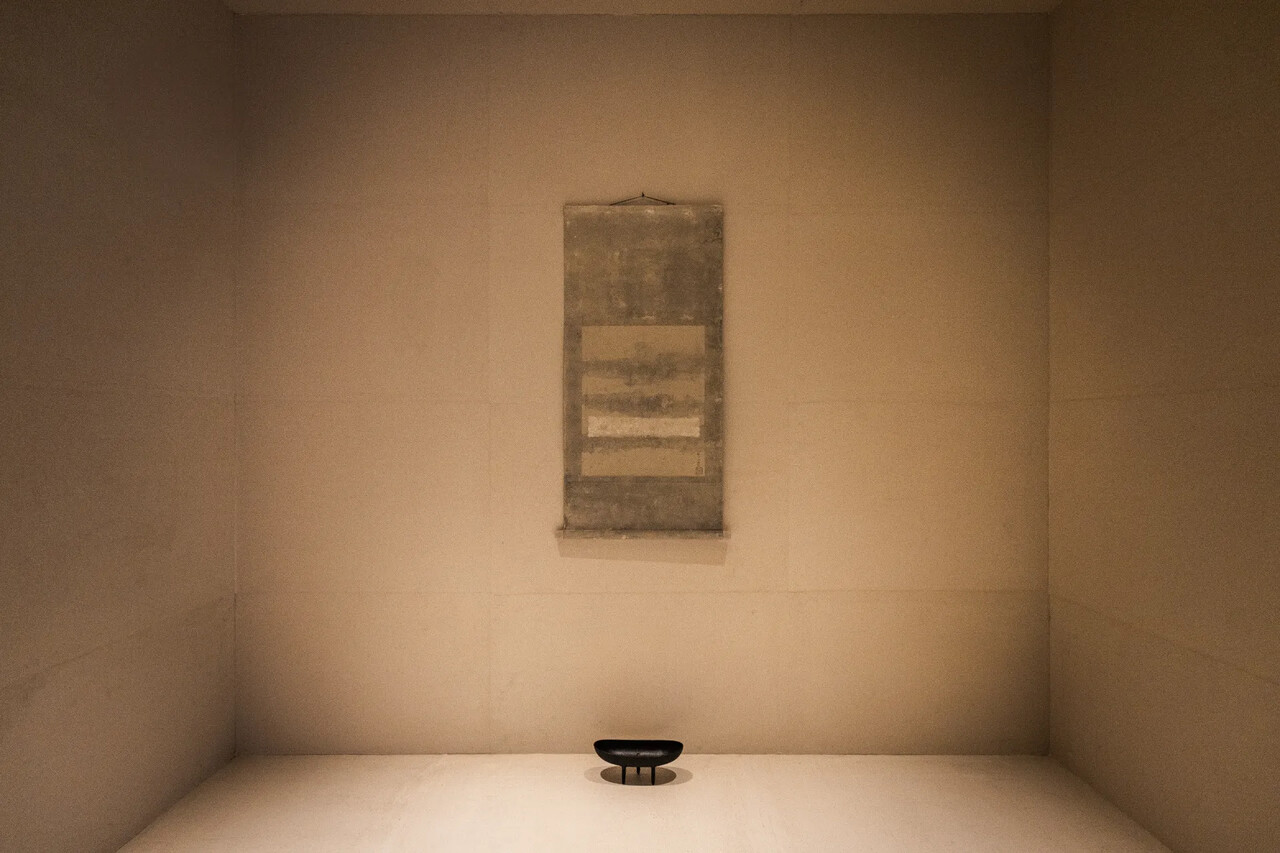
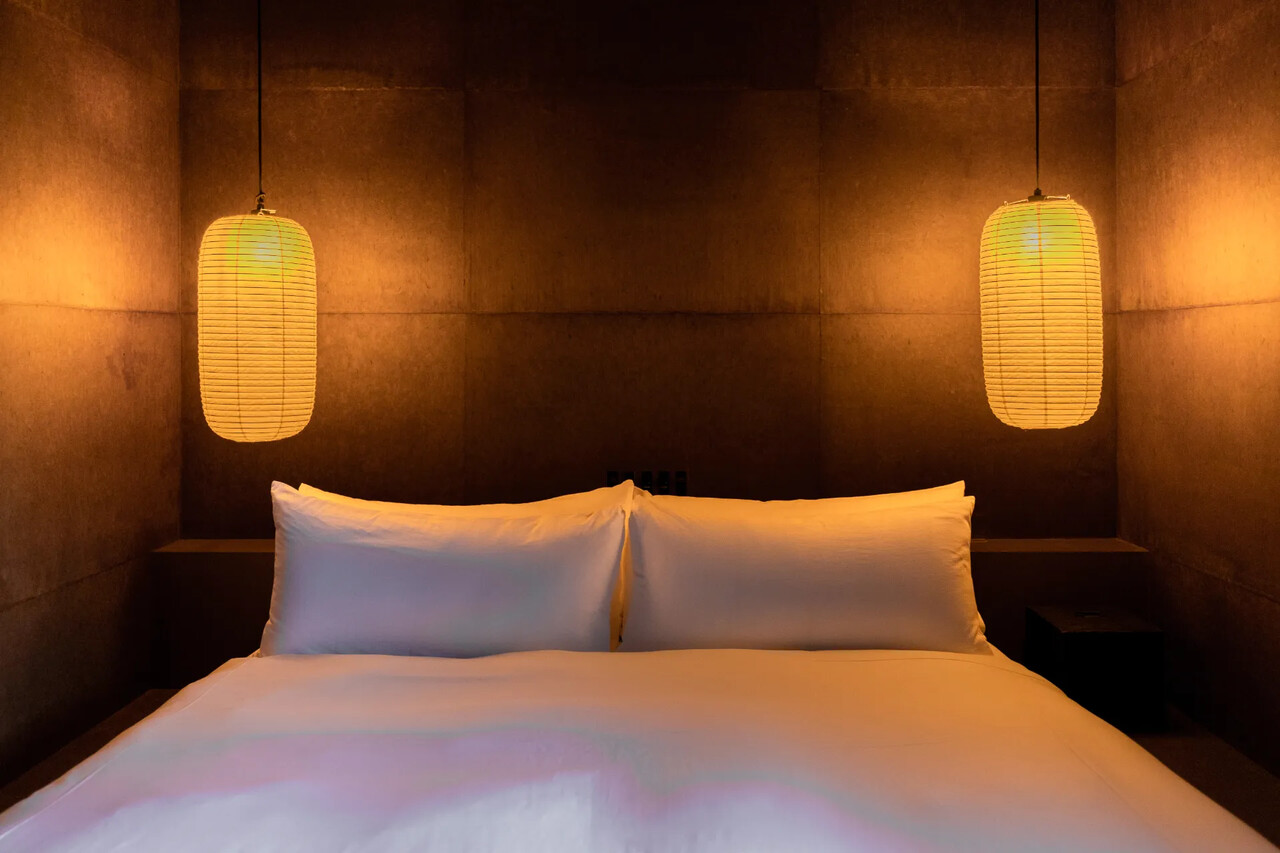
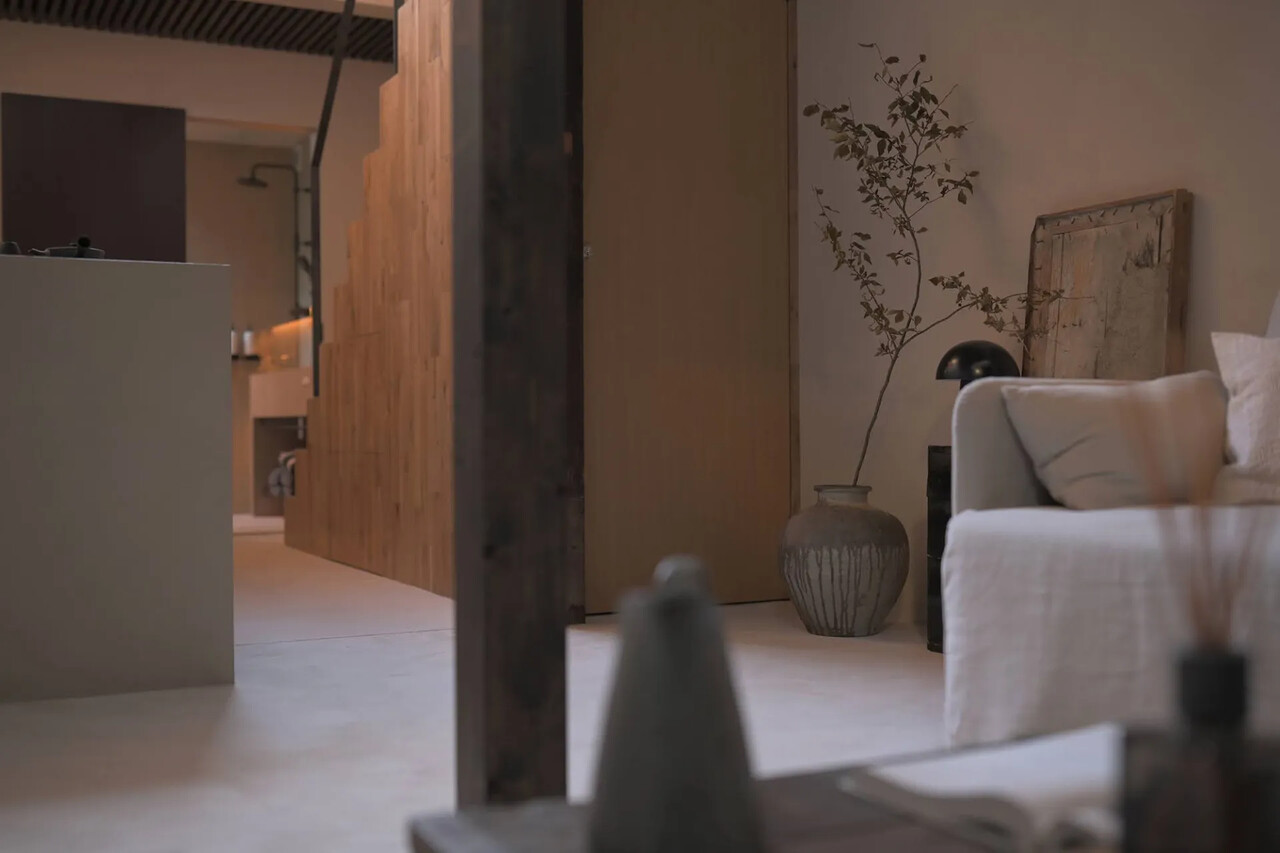
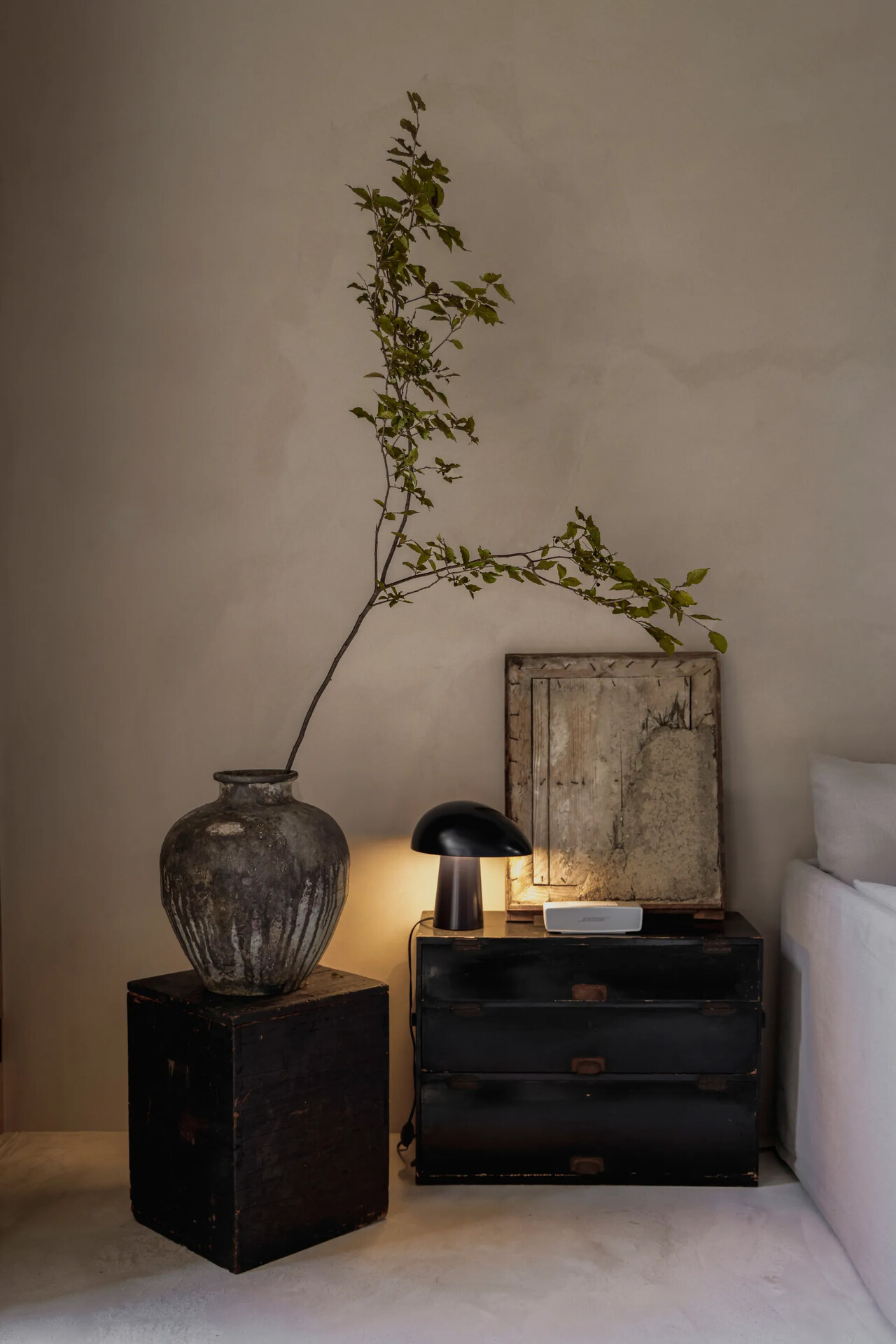
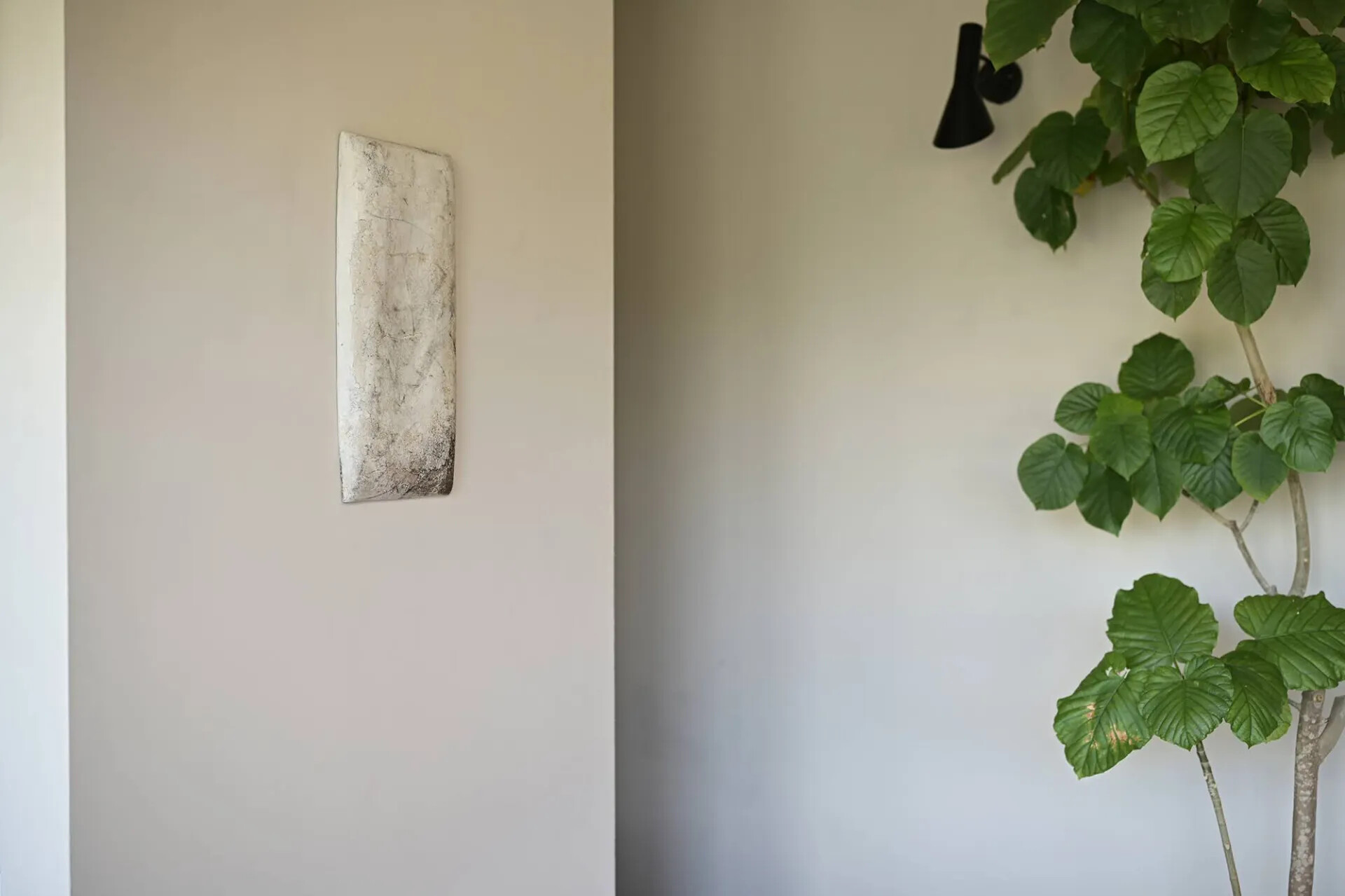
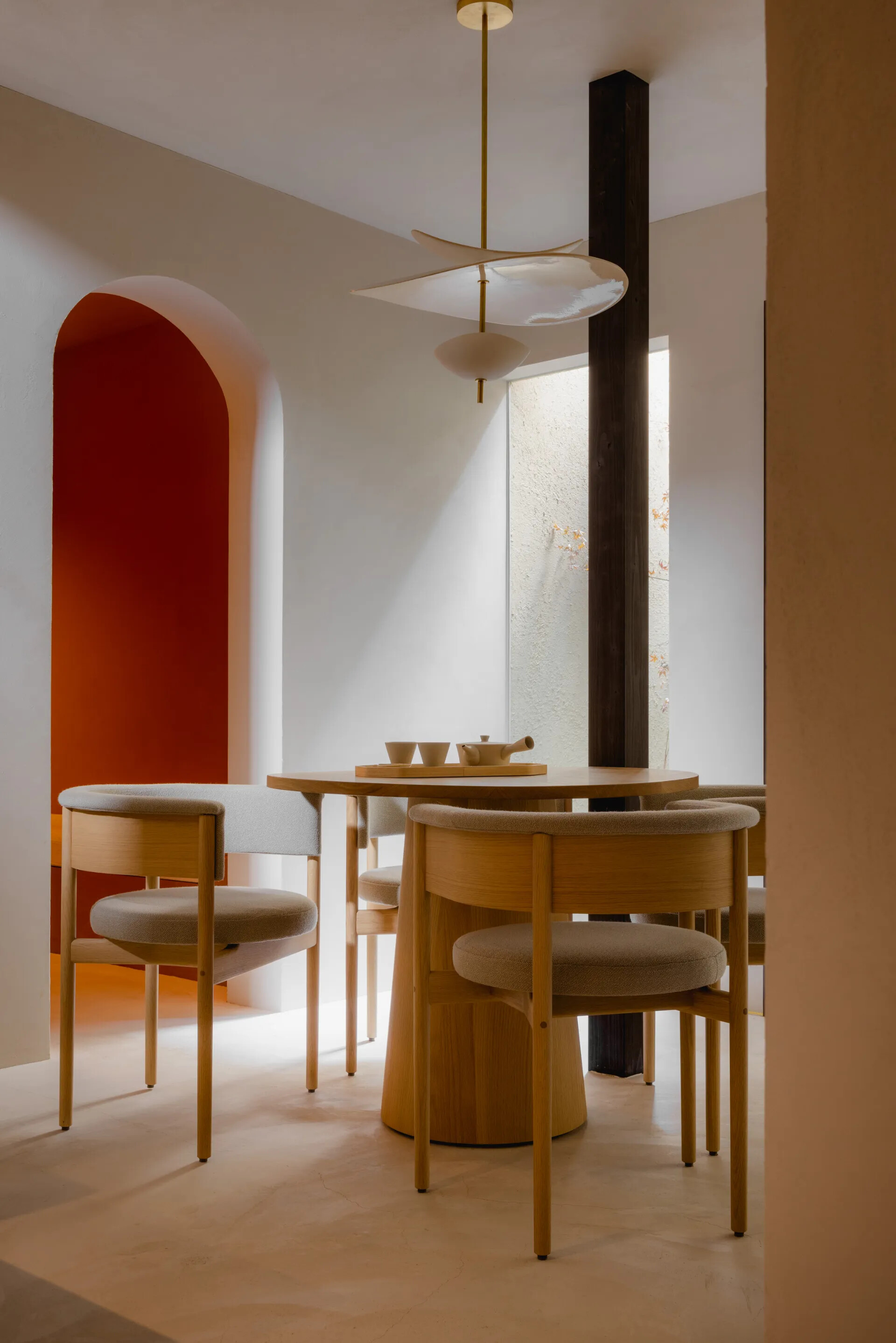
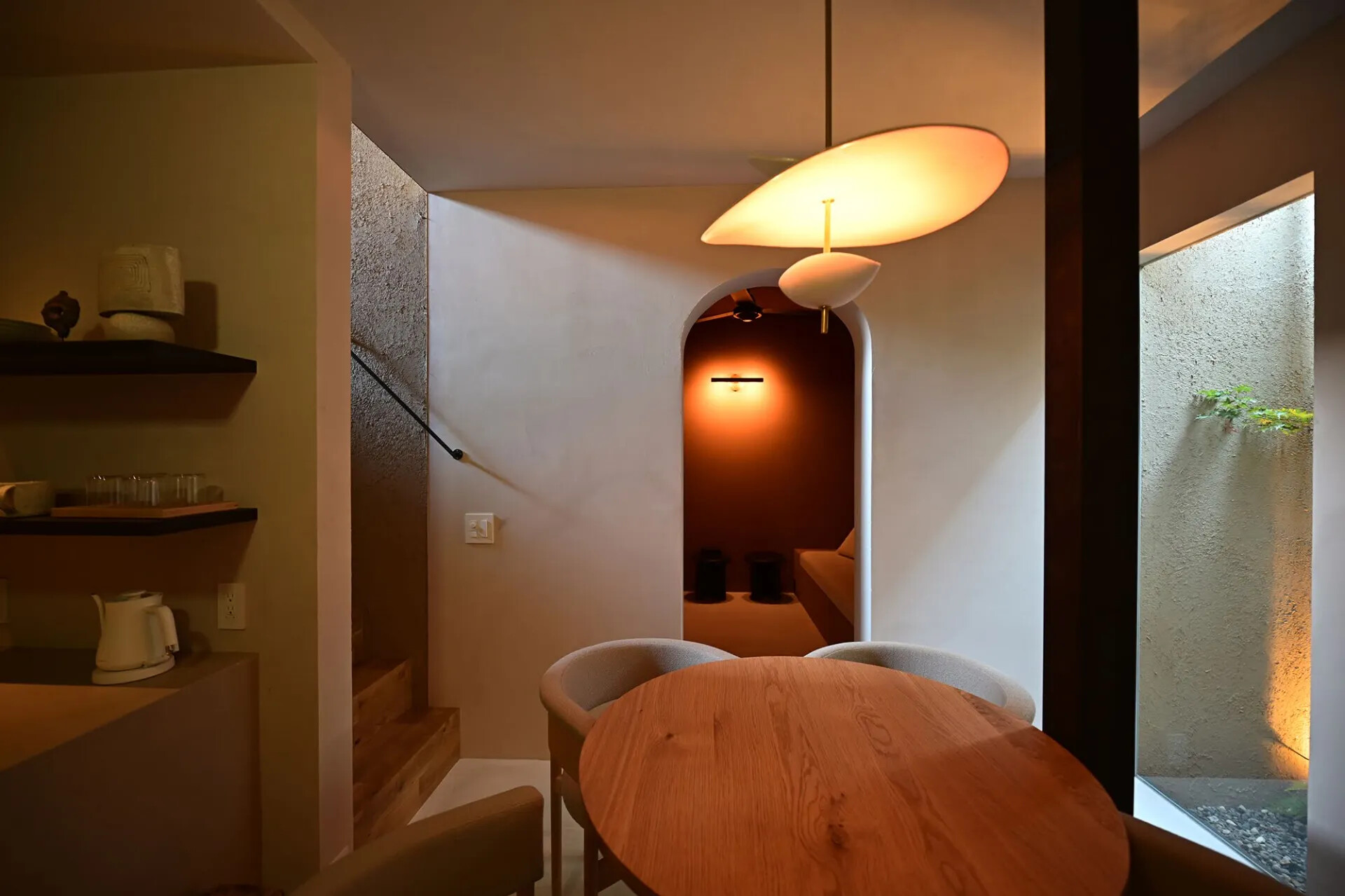
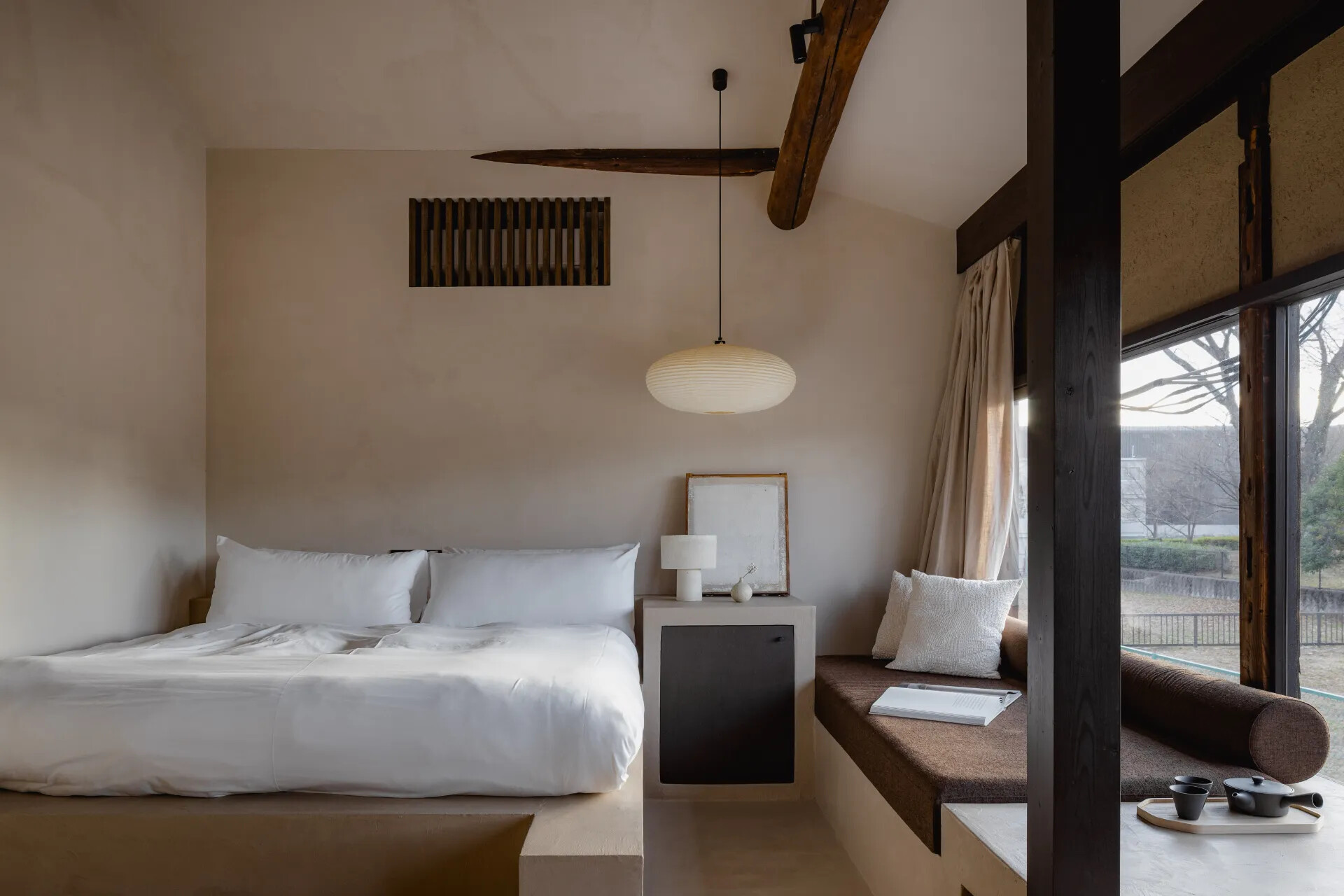
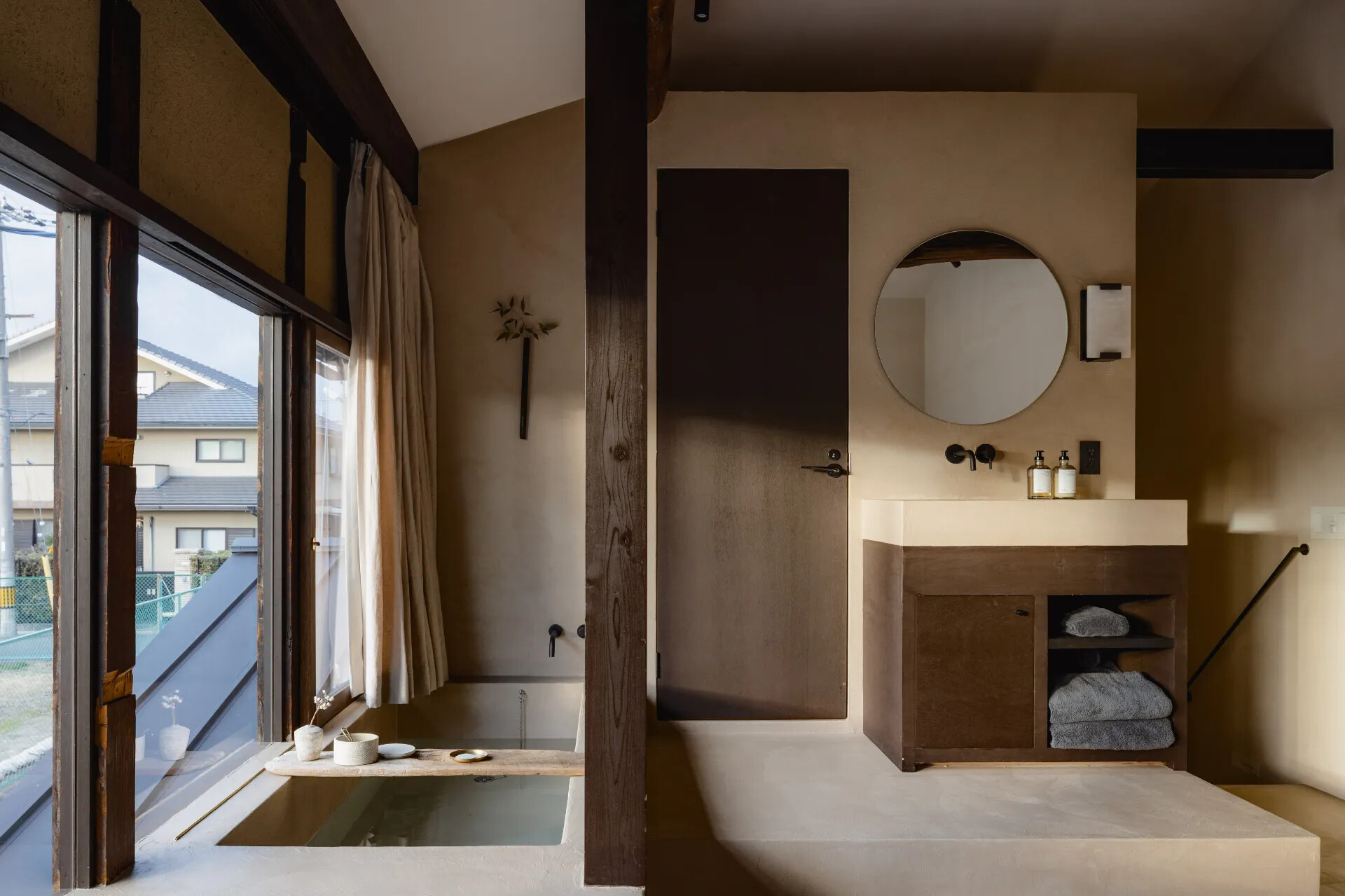
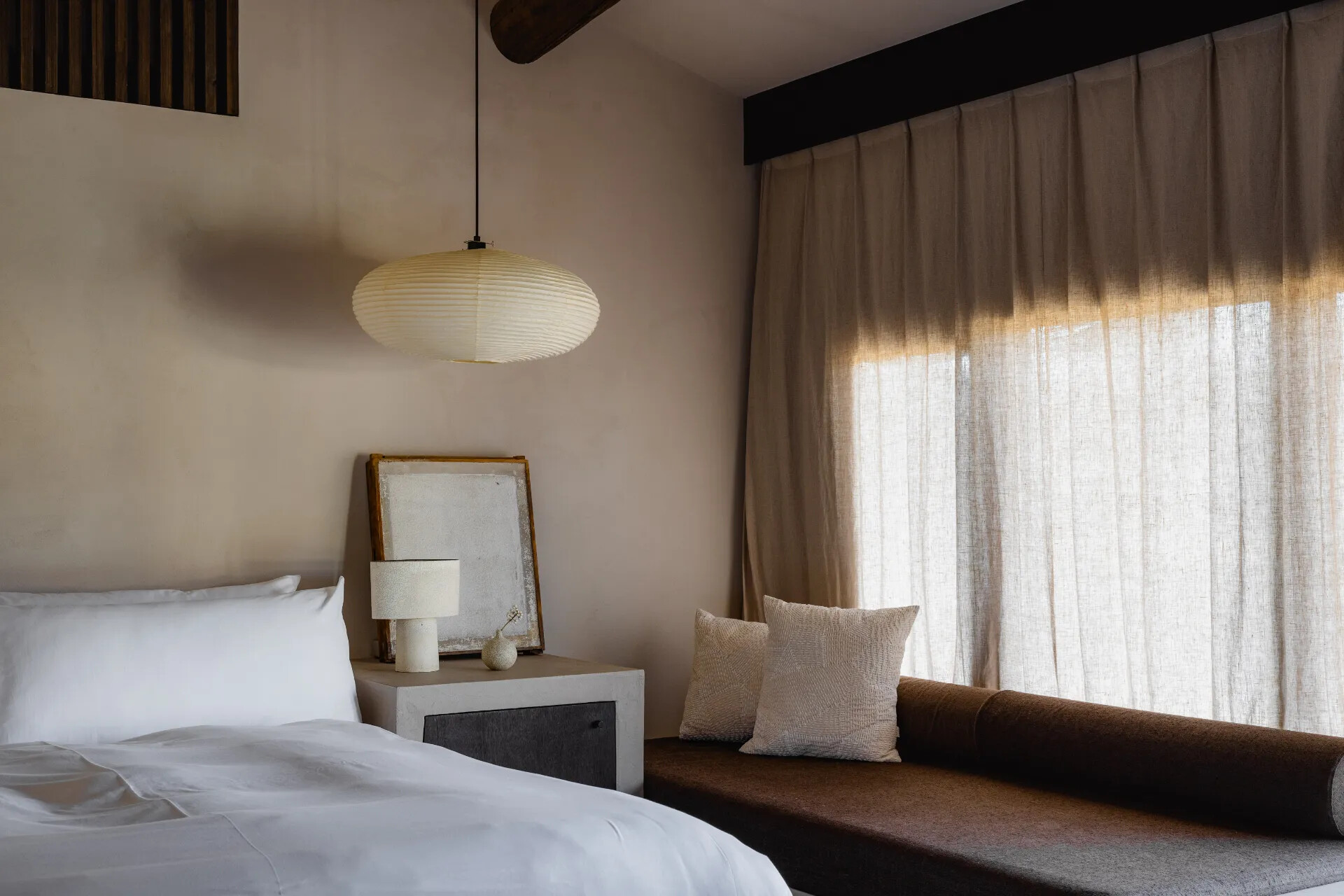
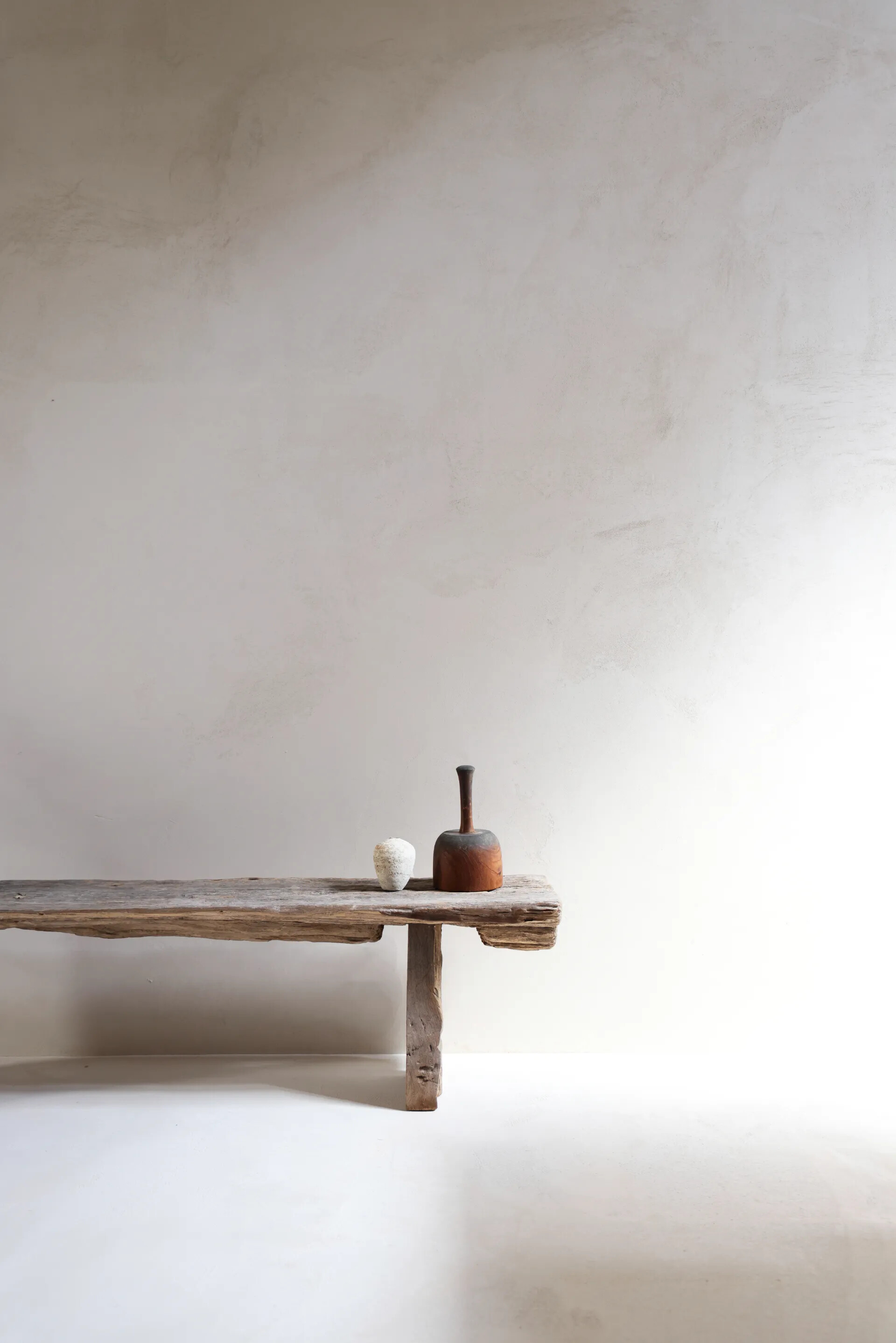
Maana Homes is a series of modern accommodations founded by Hana and Irene, offering a unique way to experience the cultural capital of Kyoto. During their stay in this ancient city, they were deeply inspired by the old buildings, shrines, temples, and the rich artistic and cultural heritage that has been accumulated over thousands of years. By incorporating their interpretation of the Kyoto lifestyle into the spatial foundation of the traditional Japanese machiya architecture, Maana Homes aims to offer a contemporary perspective on the city's history and culture. The term "Maana" means "perception", which opens up the senses and arouses curiosity, guiding people to immerse themselves in the ancient Kyoto culture. The term "Home" is used to refer to accommodation that can provide a serene and comfortable living environment. It embodies a peaceful and harmonious space that combines simplicity and elegance. Time seems to pass slowly here, allowing for contemplation and meditation during one's journey. This concept reflects the Japanese aesthetic consciousness of Wabi-sabi.
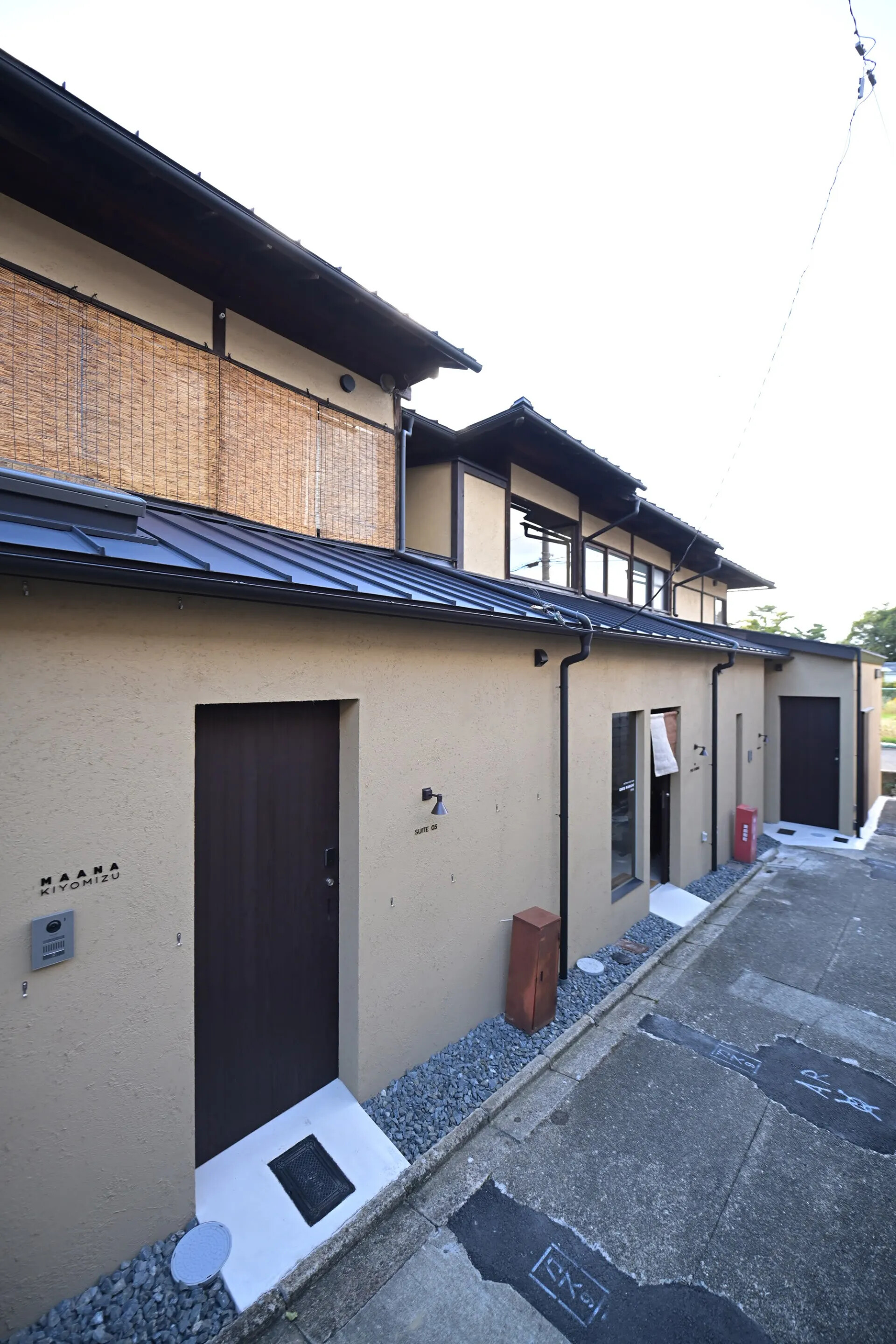
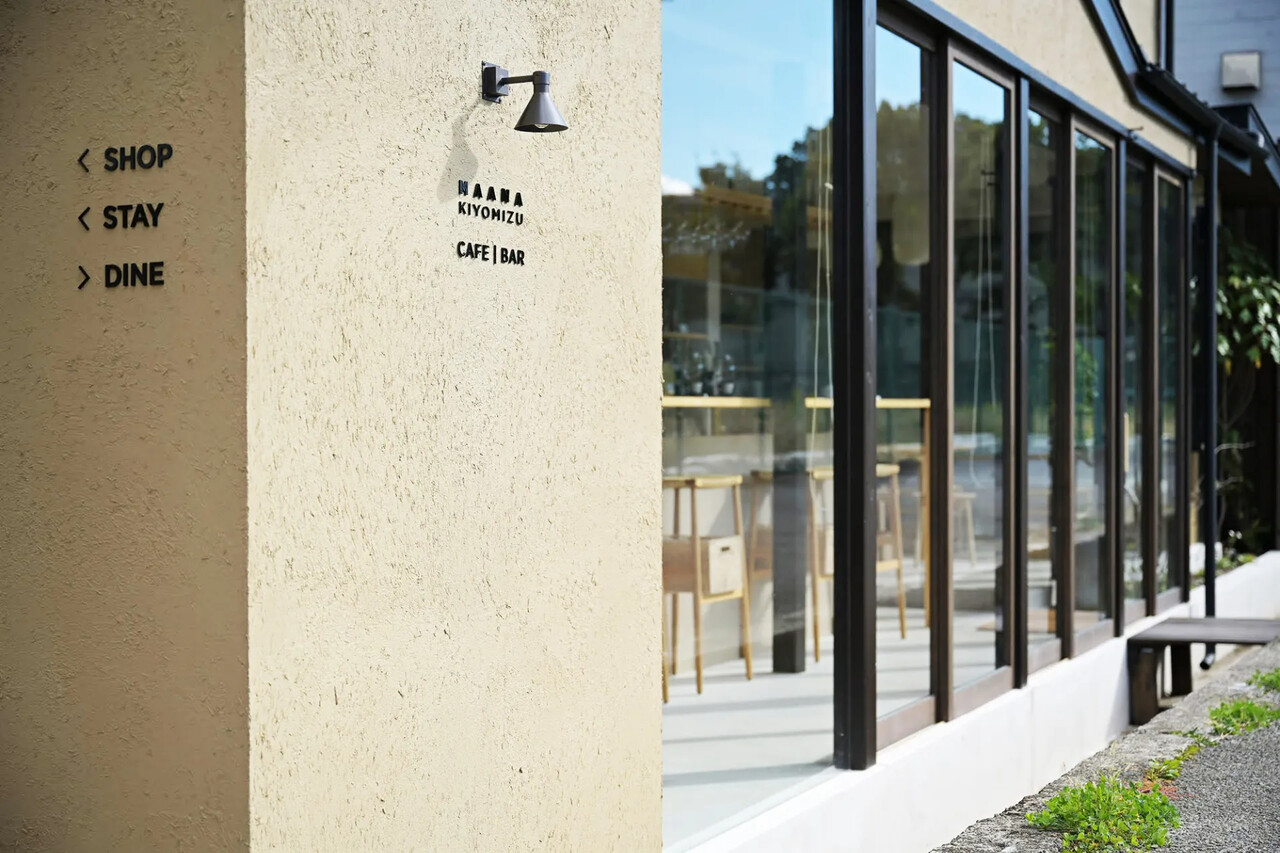
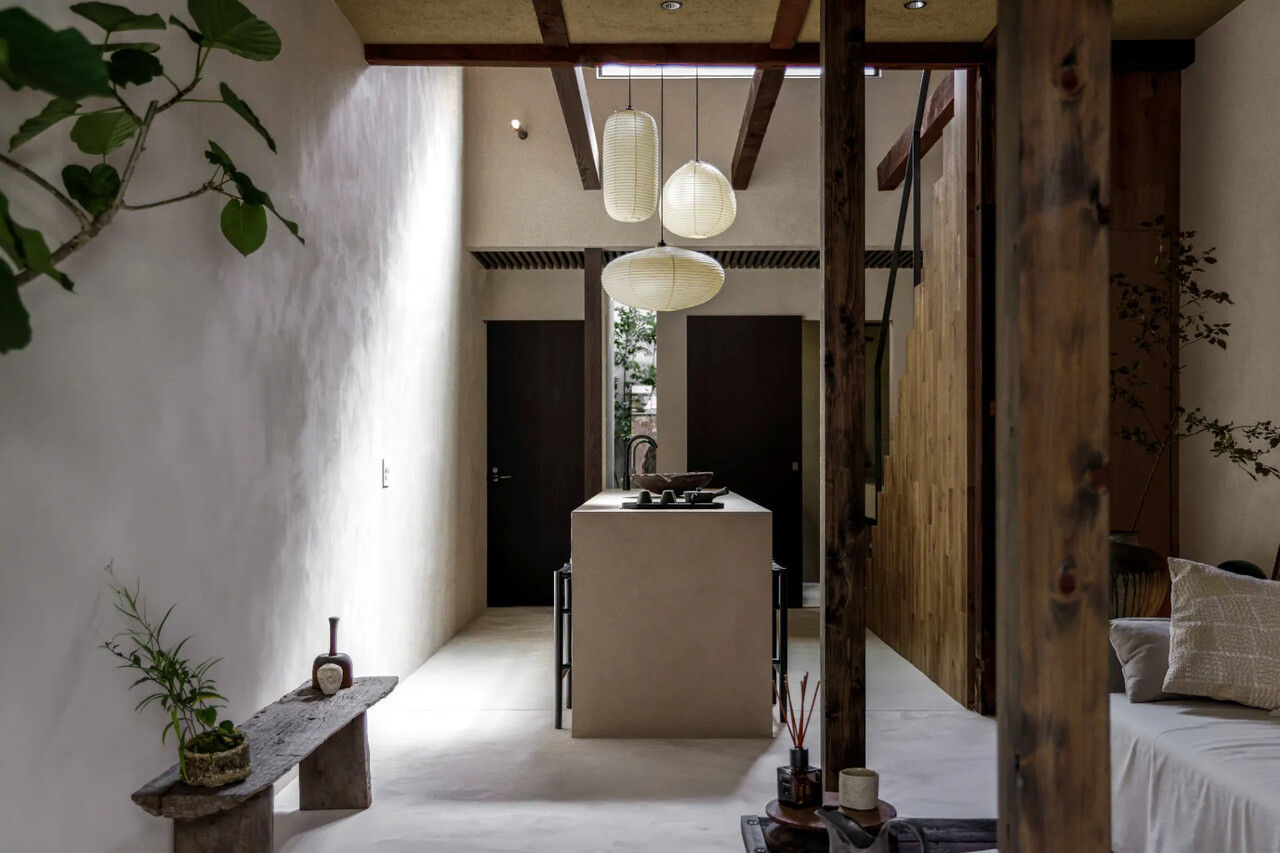
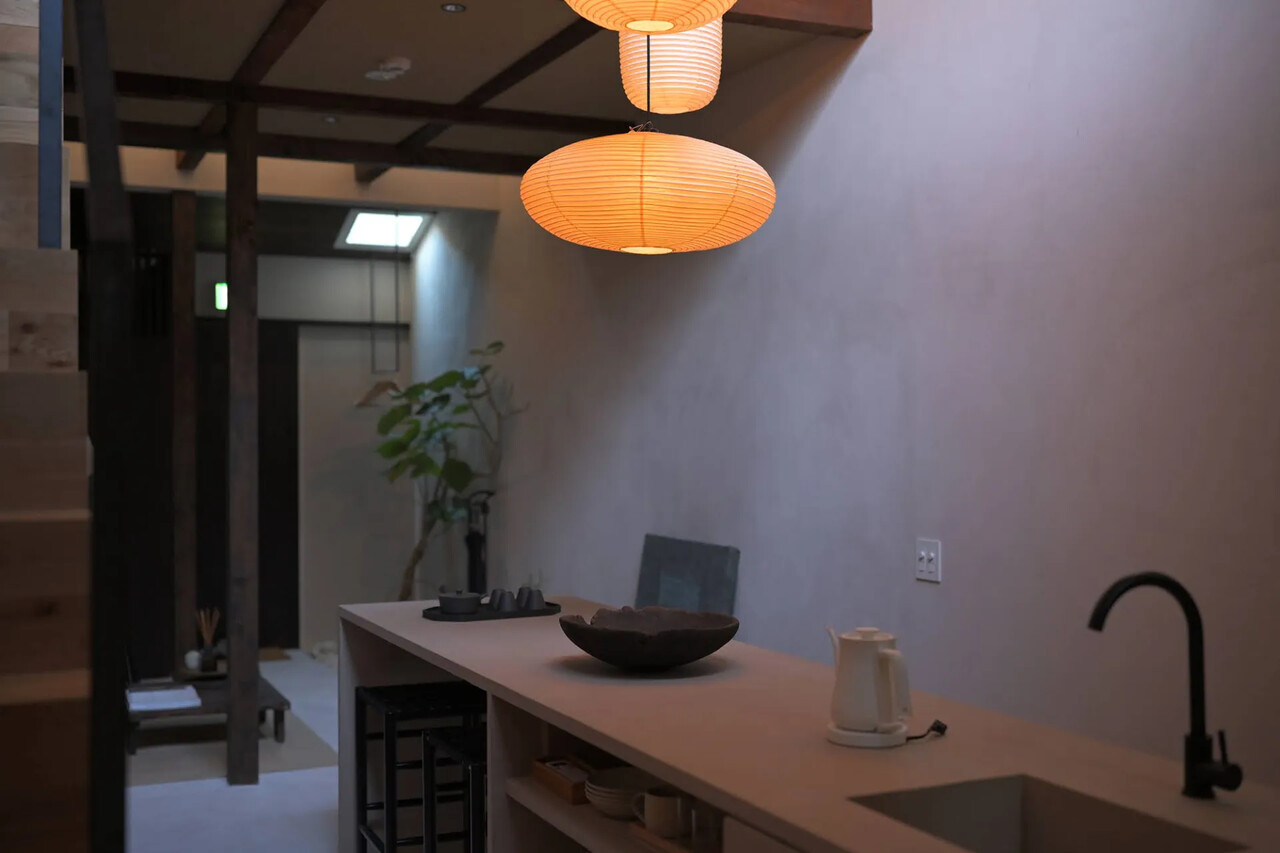
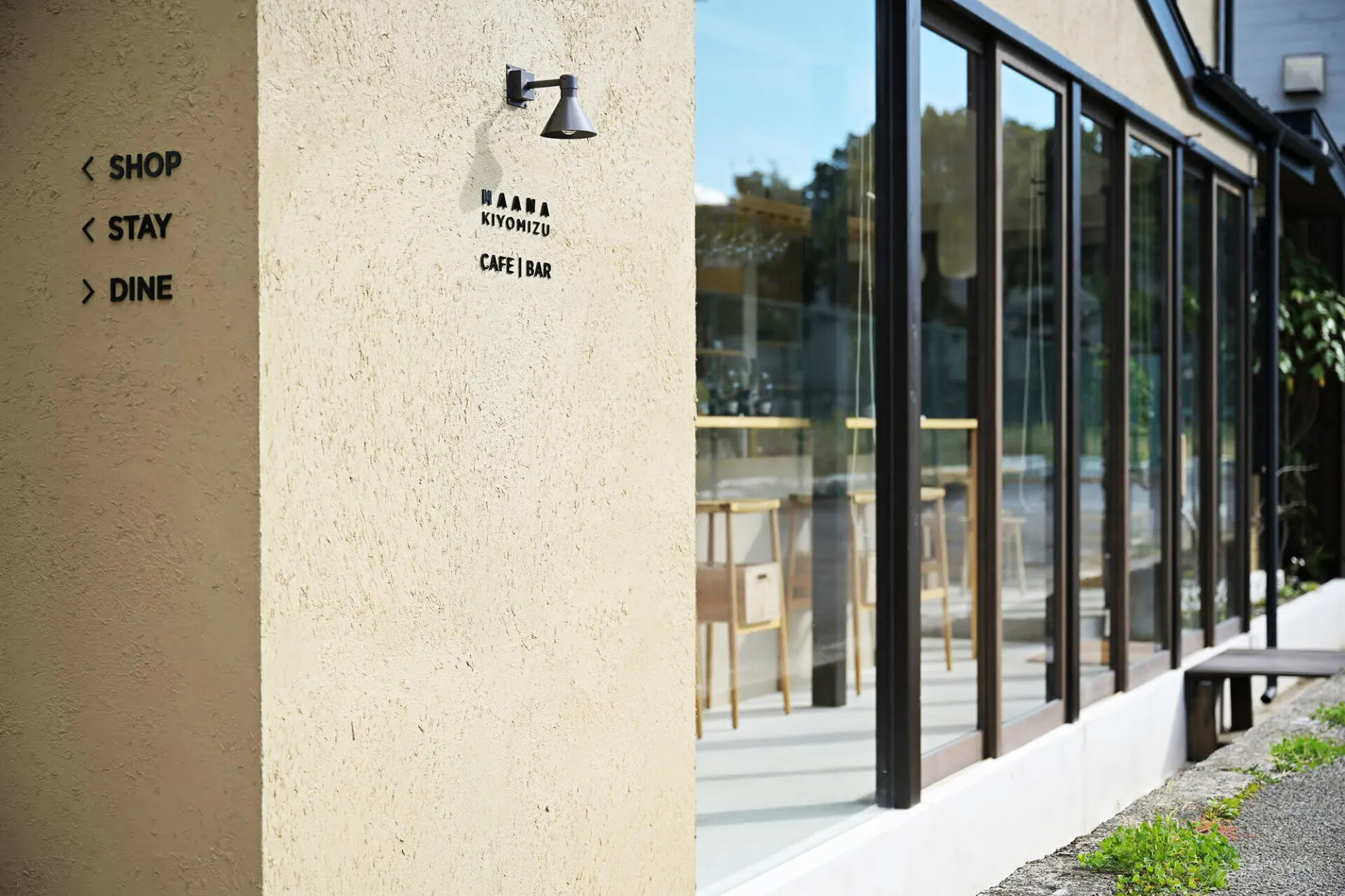
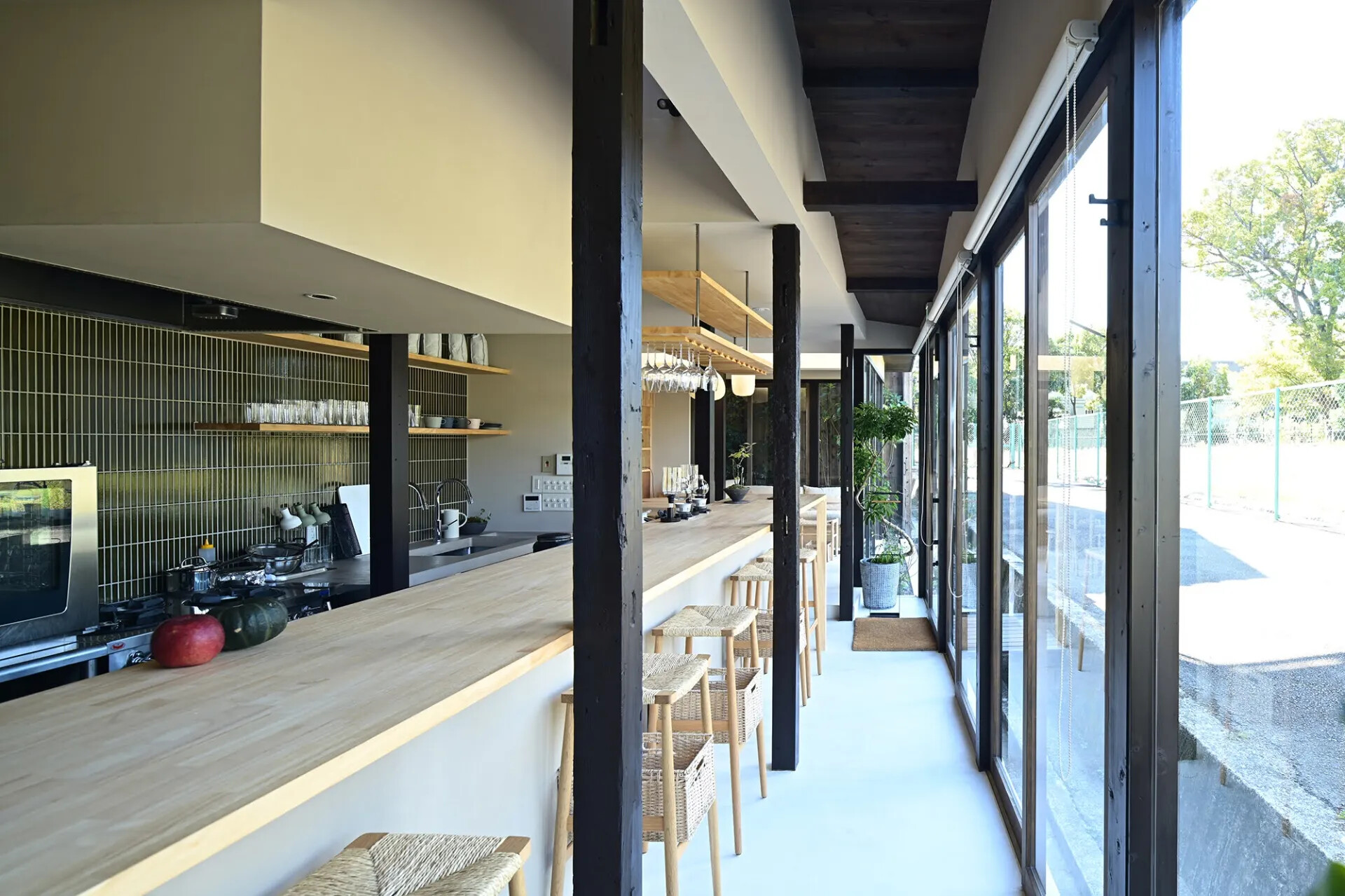
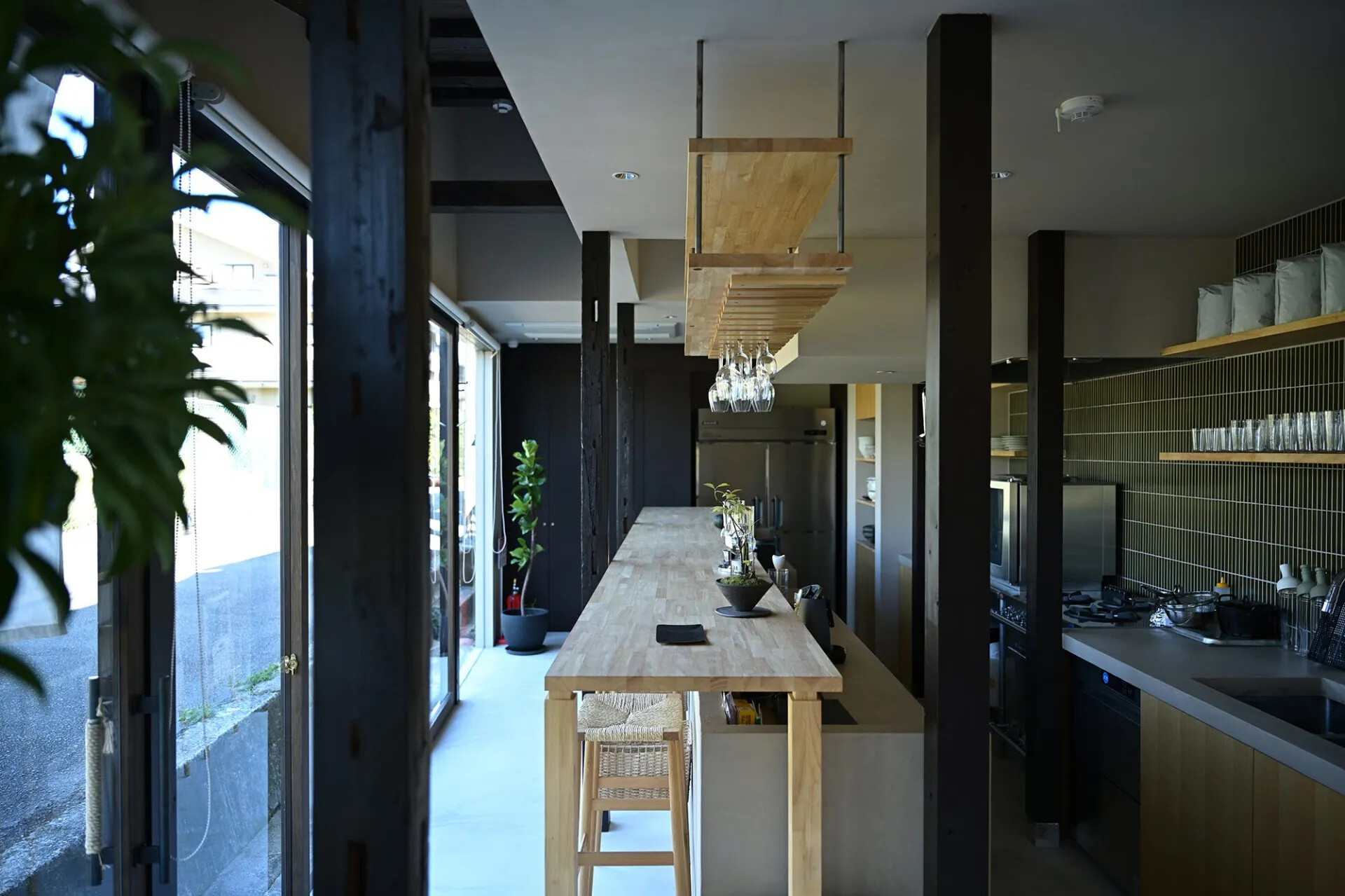
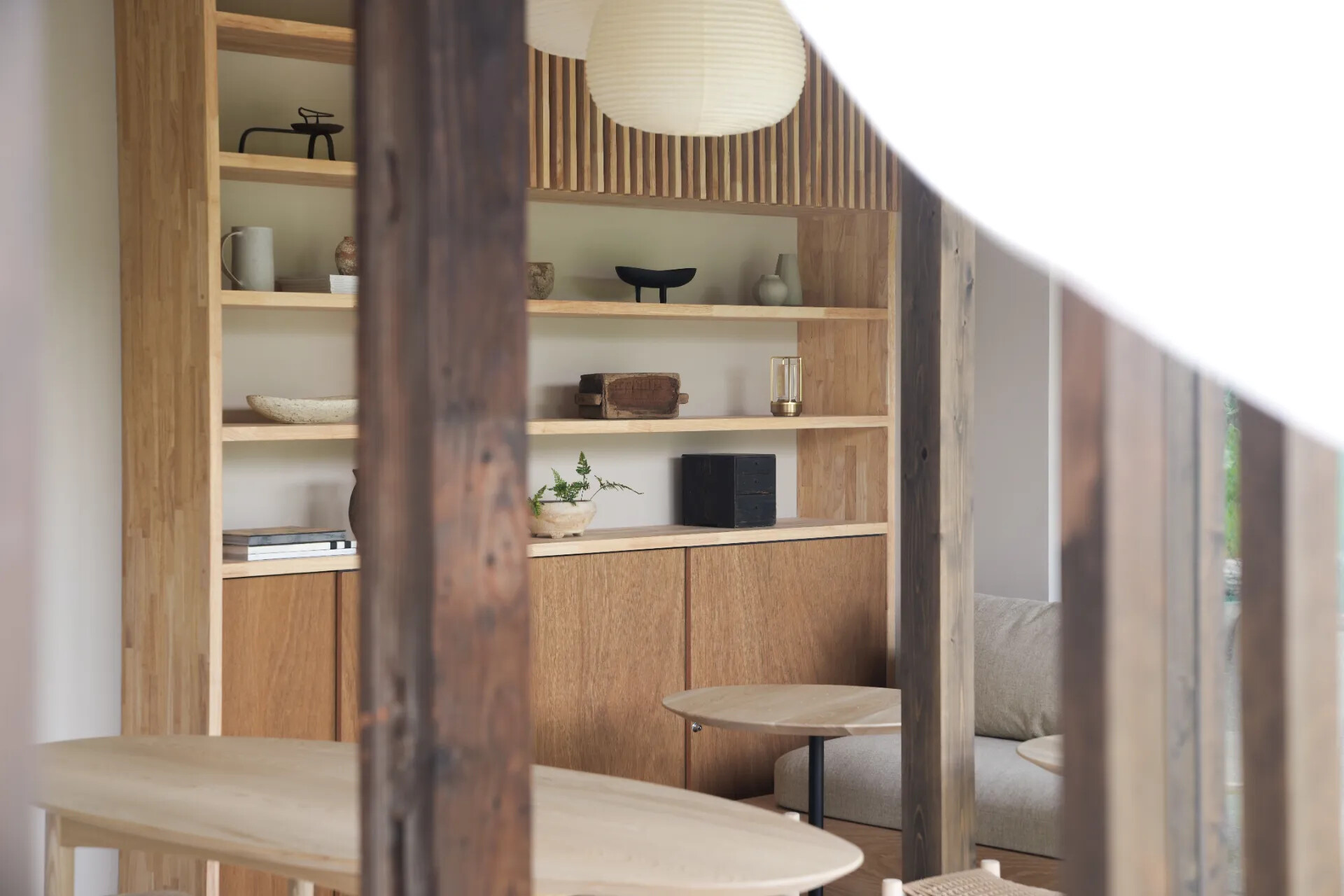
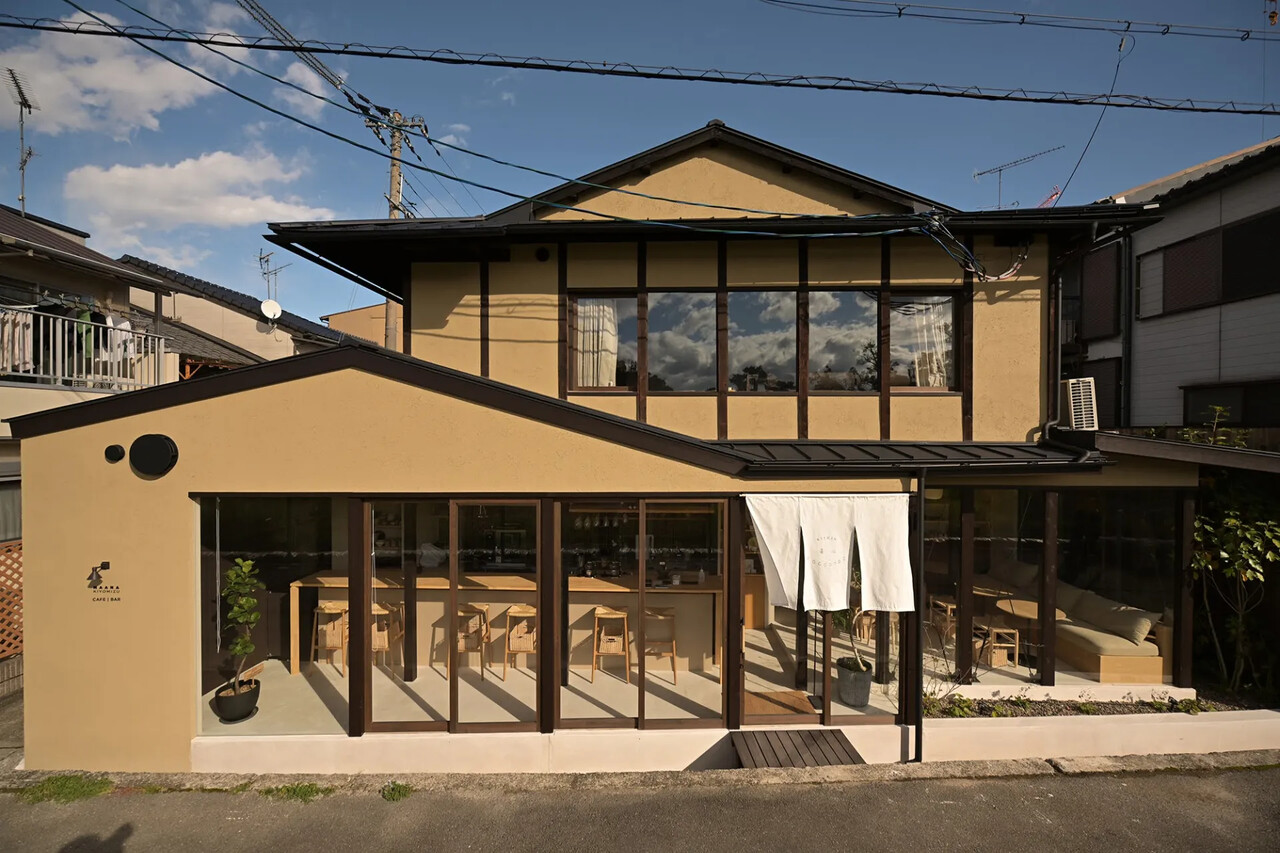
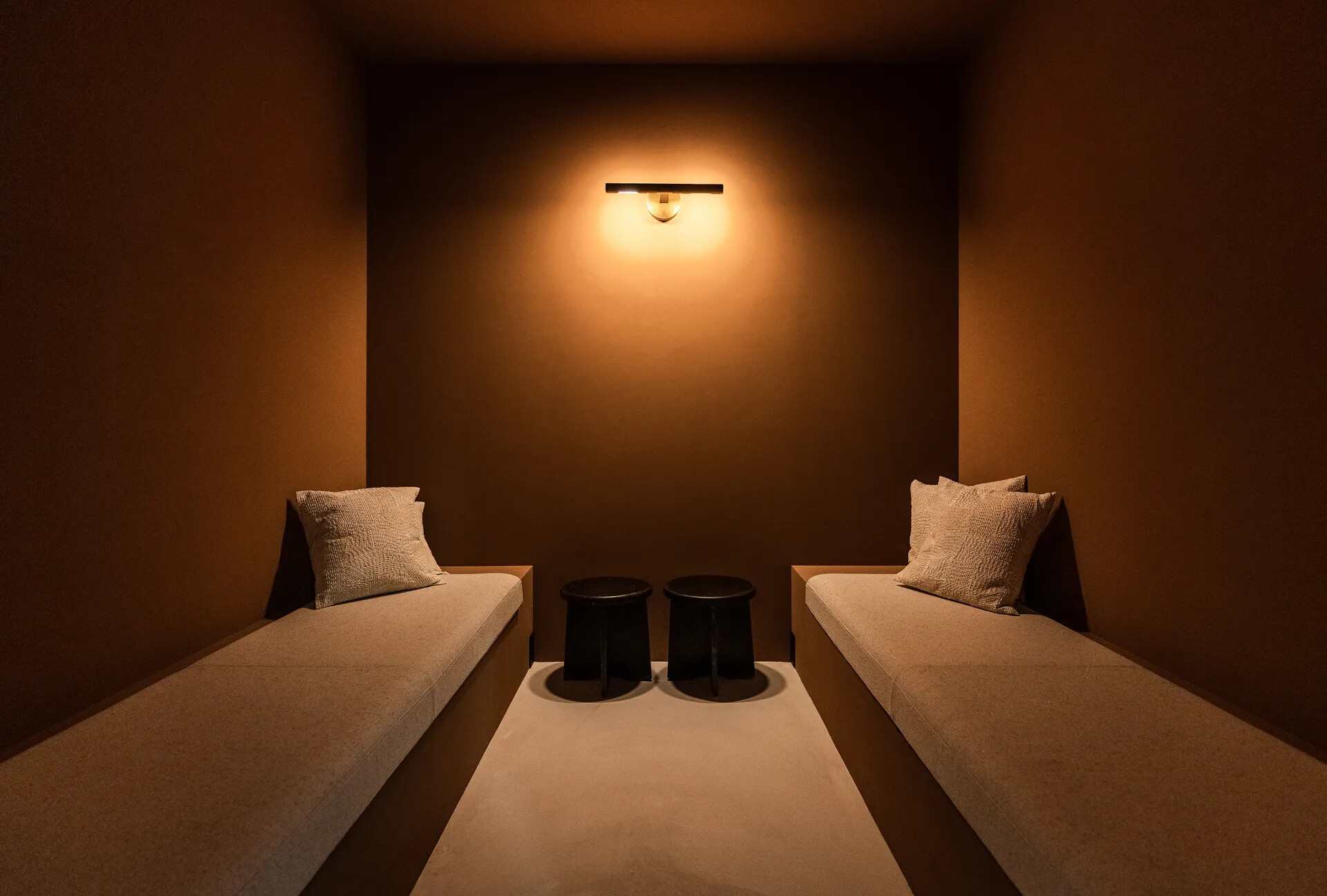
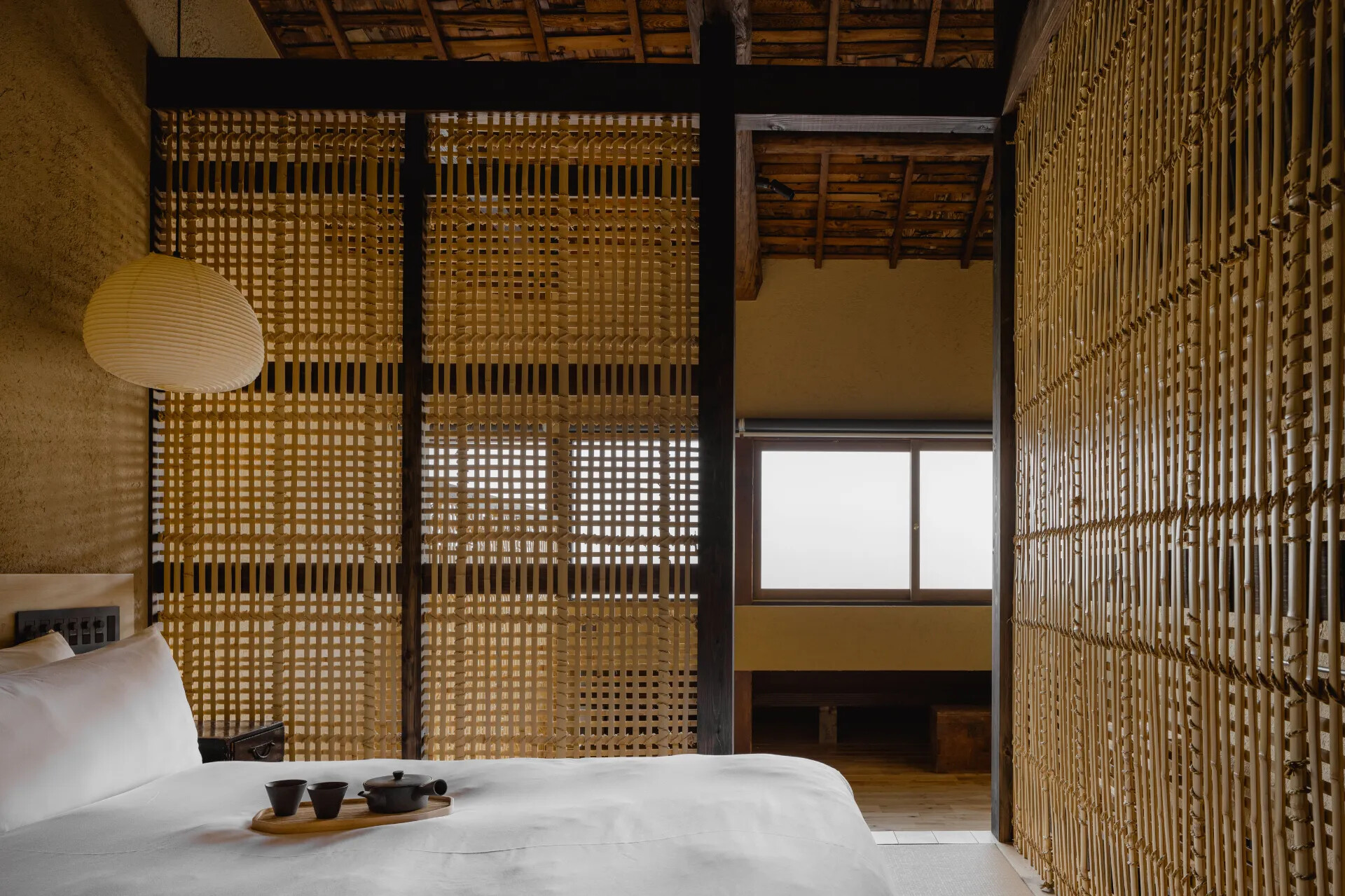
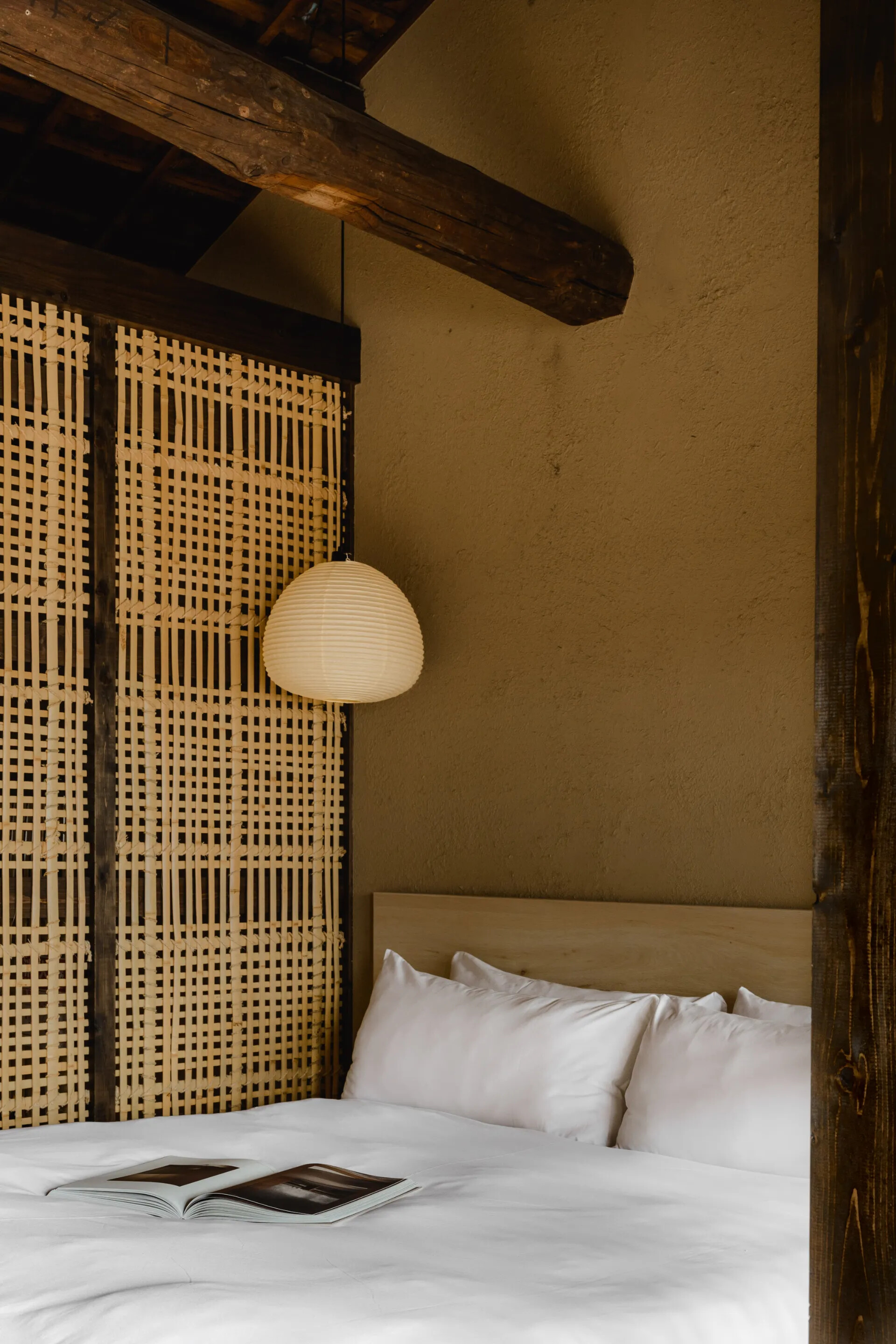
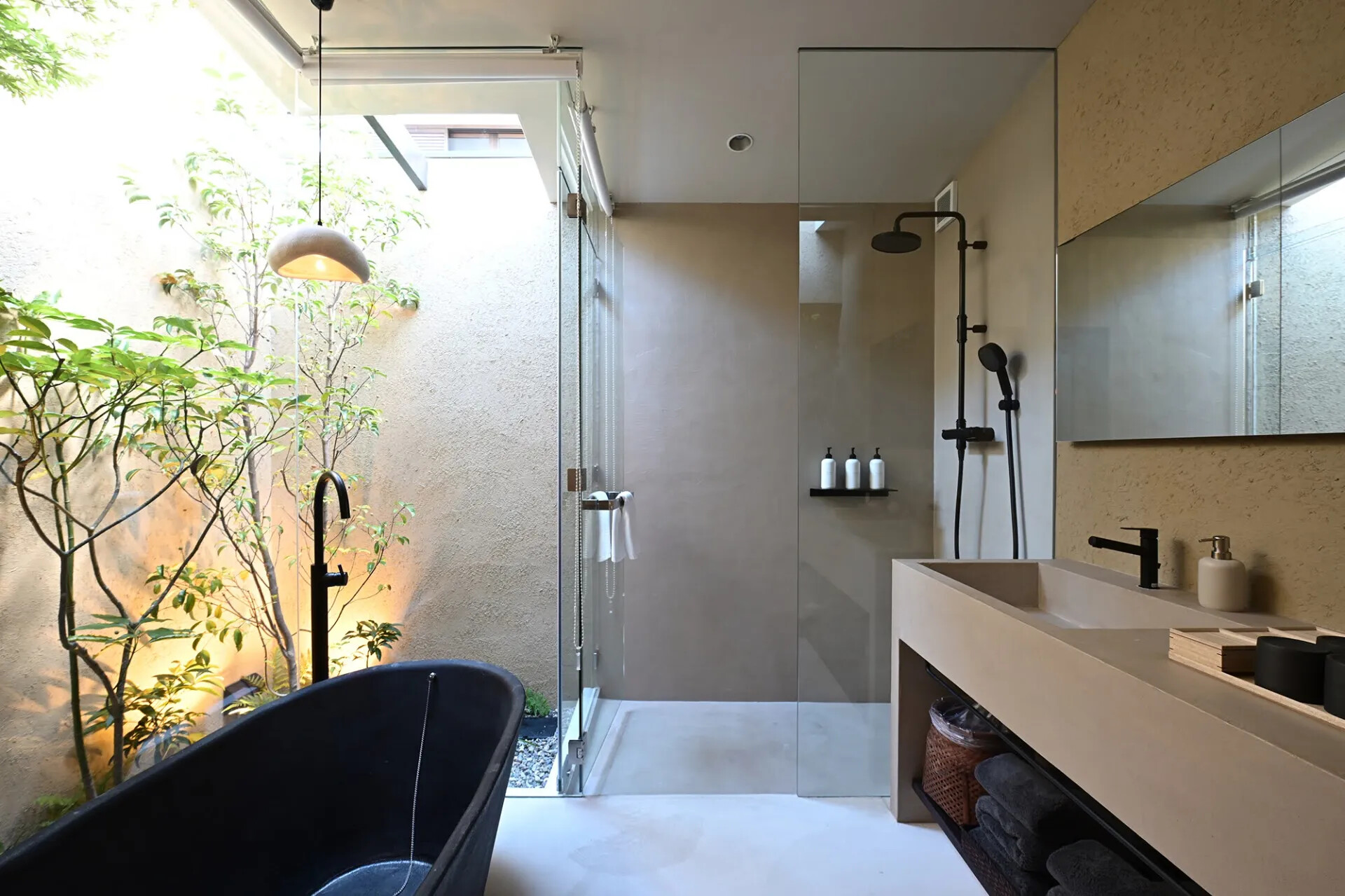
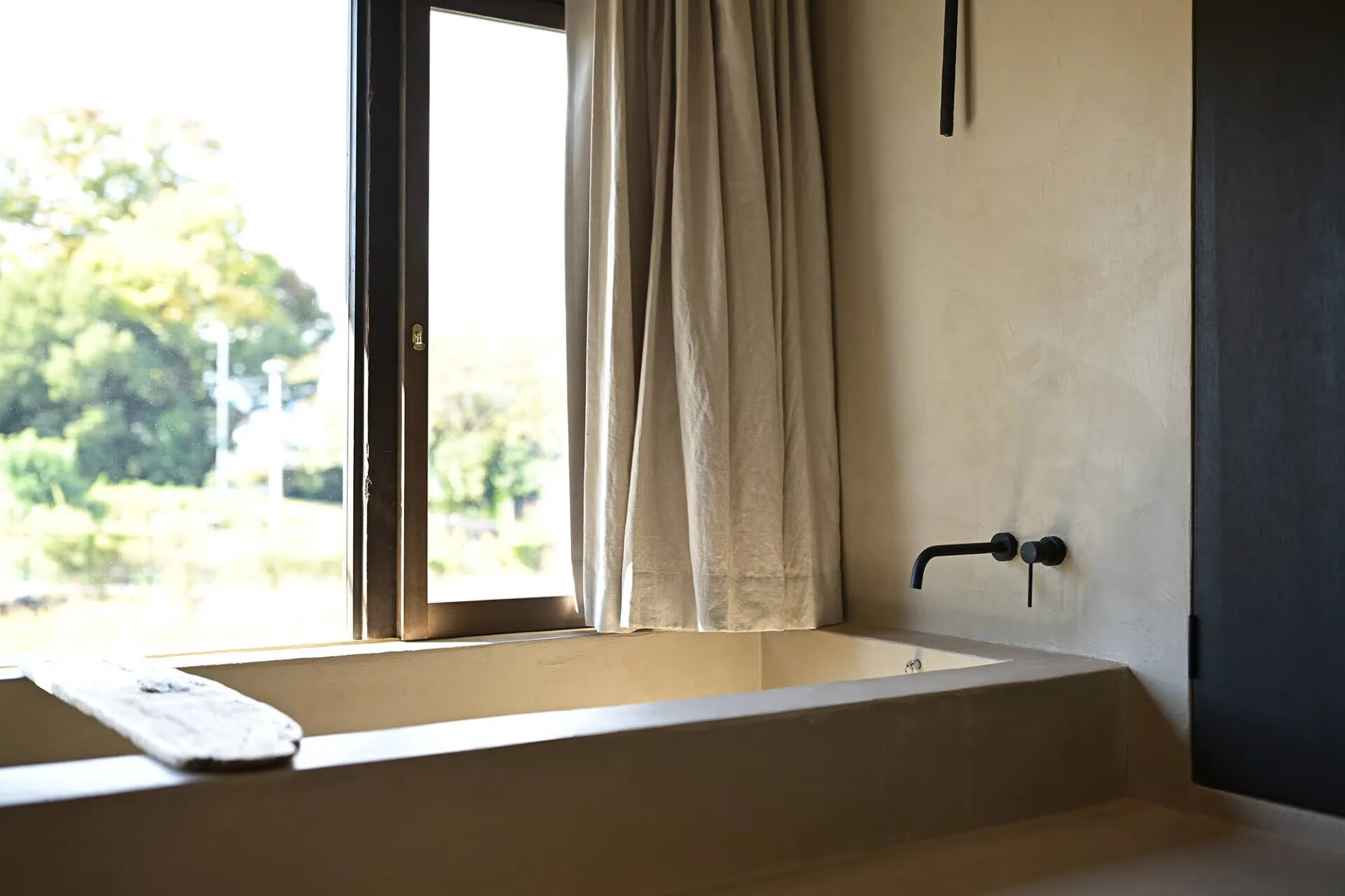
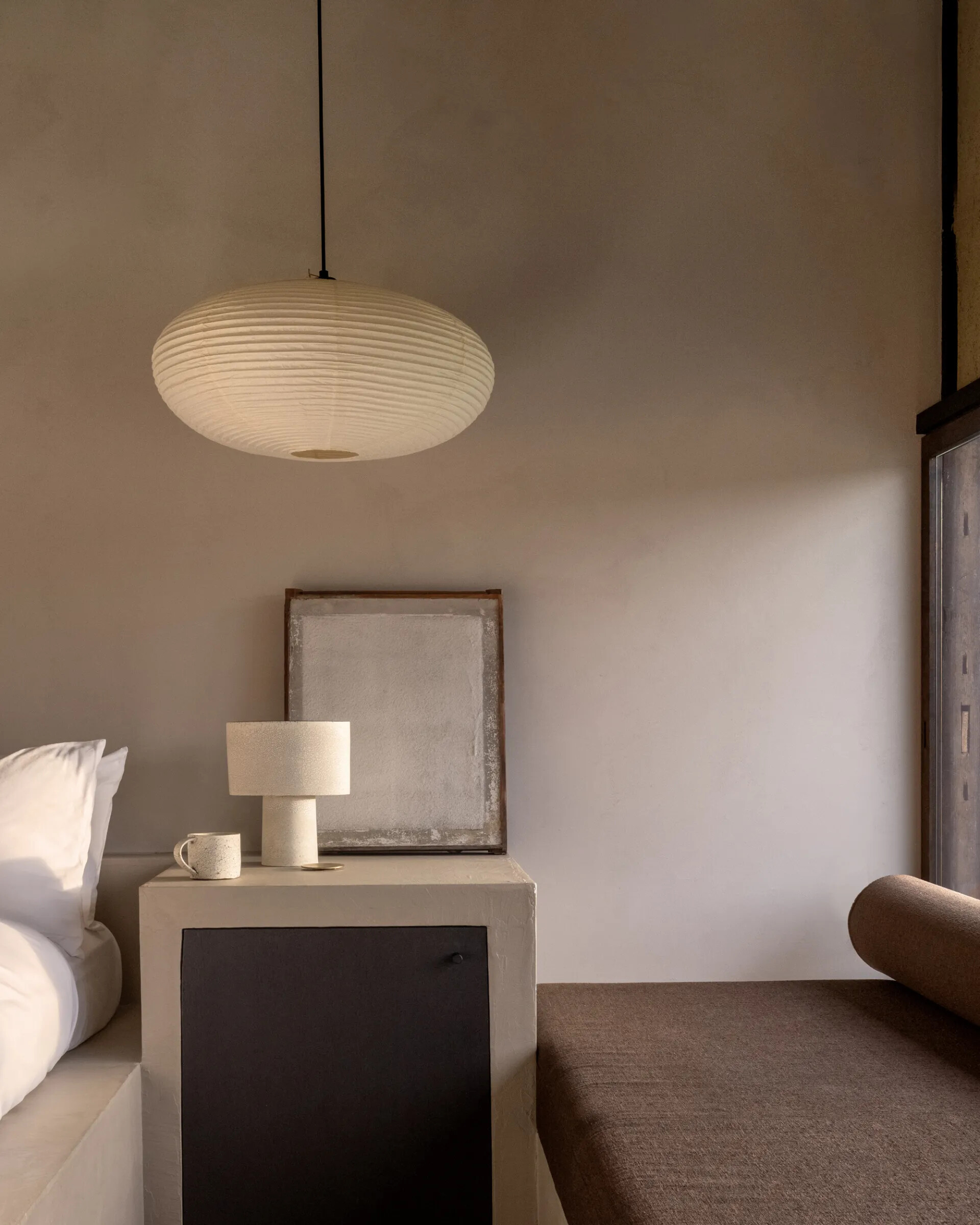
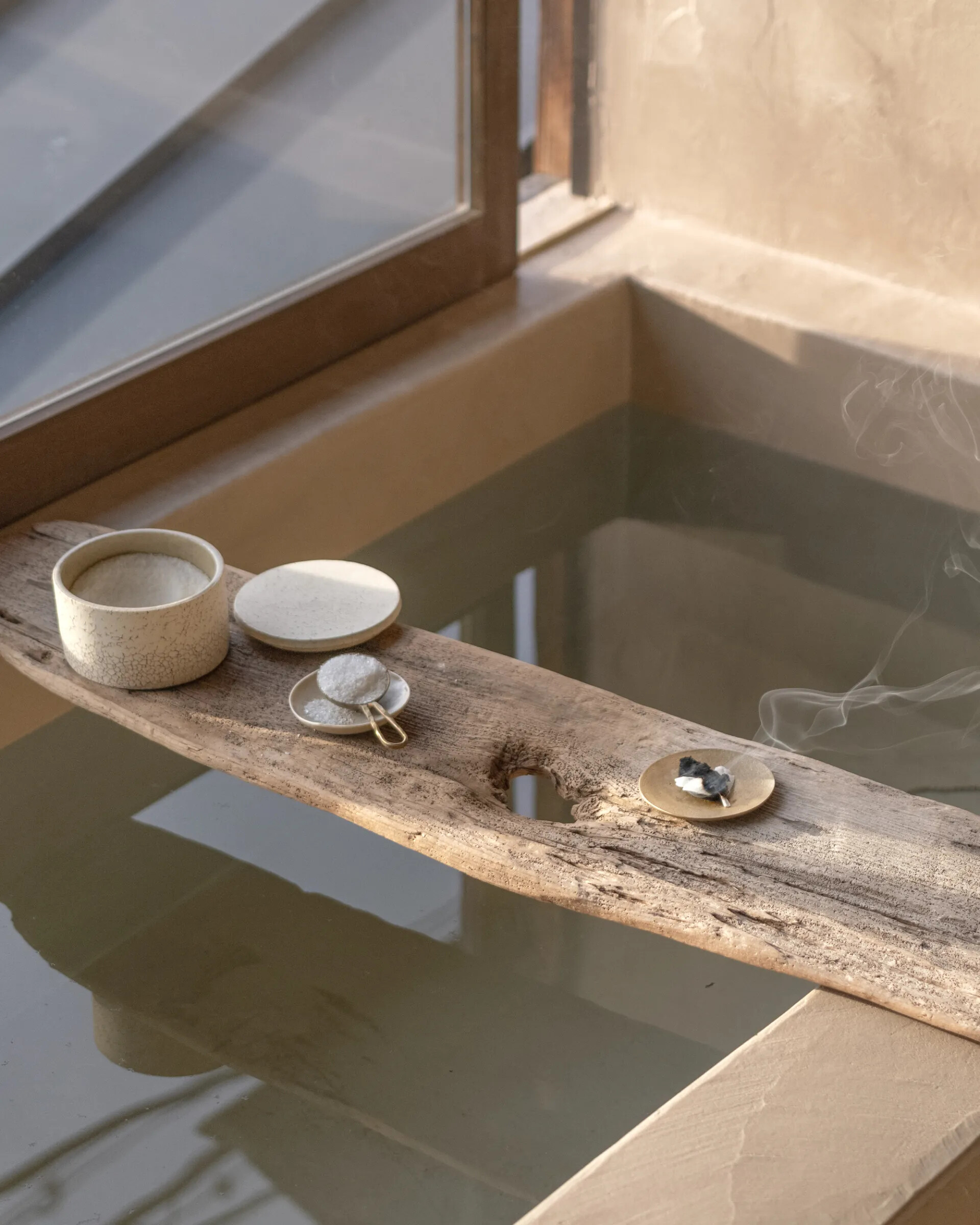
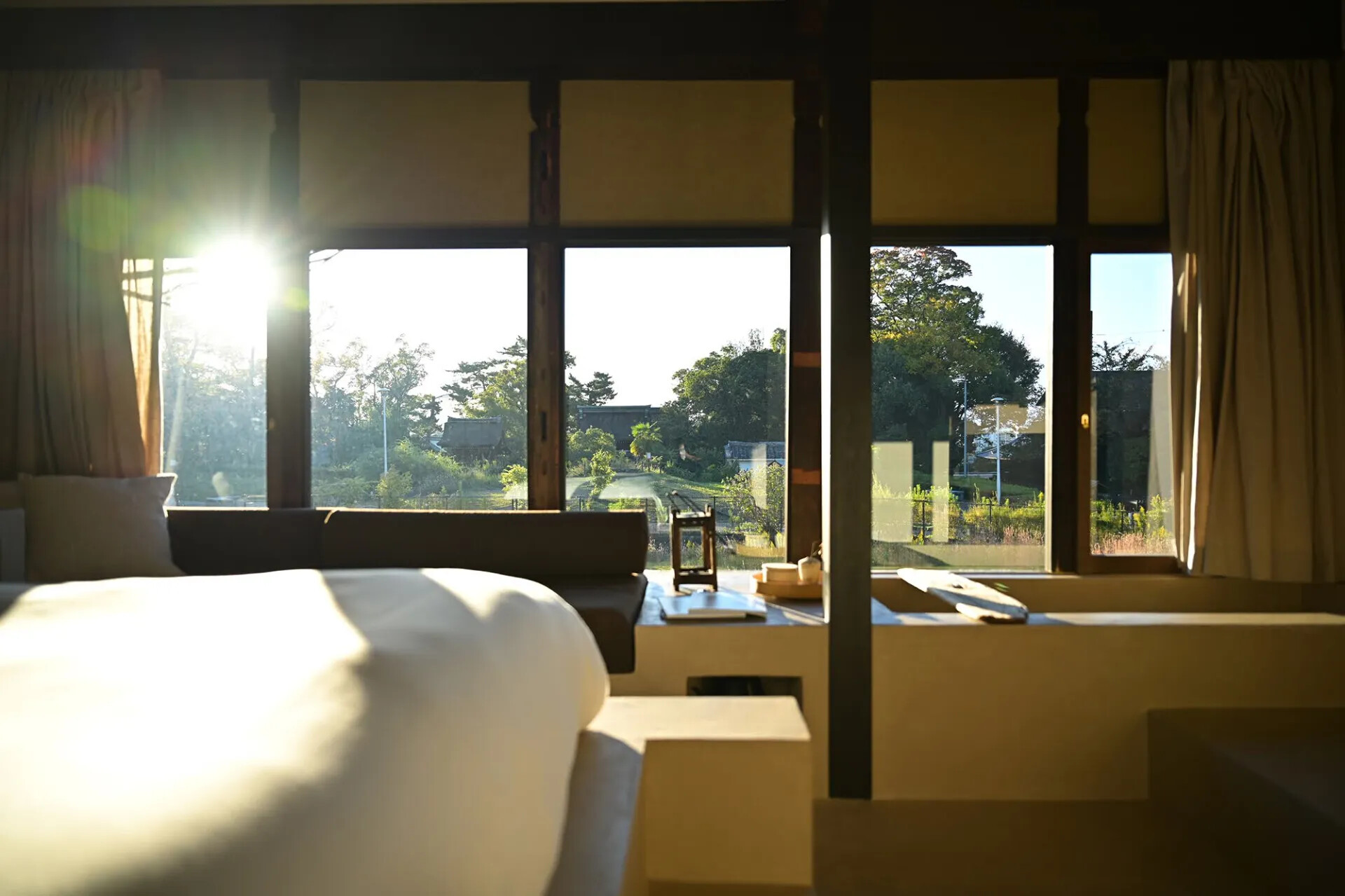
Maana Kiyomizu is one of the accommodations in the Maana Homes series, situated near the Kyoto National Museum, which houses a collection of historical artifacts. It is also close to the Gion geisha district, known for its flower and art culture, and the Kiyomizu-dera temple, which is one of the oldest and most renowned temples in Kyoto, making it steeped in rich cultural heritage. Most Japanese people believe that modern urban living cannot be reconciled with the traditional style of machiya townhouses. However, Maana Kiyomizu, designed by Shigenori Uoya and Takeshi Ikei, preserves the elements of a century-old Kyoto machiya and seamlessly integrates them into a slow-paced life steeped in the traditions of the distant past, exuding a sense of tranquility and understated elegan. The accommodation seamlessly combines three different types of suites, including Stay (lodging), Shop (store), and Dine (restaurant), all of which are dedicated to preserving the cultural heritage of Kyoto. Additionally, the first physical storefront of POJ Studio (Pieces of Japan), a handmade craft shop that also focuses on the heritage of Kyoto, is located within the accommodation. As for dining, Kissa Kishin interprets Japanese kissaten culture and daily visits local farms to harvest the freshest seasonal produce, offering light and delicate Kyoto cuisine.