An Unfinished Story: Writing Time Through the Evolution of Watchmaking
In an age where information moves at the speed of light, one might ask: what does a wristwatch mean today? For collectors, a mechanical watch has long transcended its original timekeeping function. It embodies culture, artistry and emotion—an expression of refinement and a discreet form of connoisseurship. The allure of Patek Philippe lies not in investment alone, but in the union of craftsmanship, timeless design and lineage that each creation represents. There is a calm confidence and restraint in its aesthetic—a quality that invites contemplation rather than spectacle. What is it, then, that allows a brand with more than 185 years of history to captivate successive generations of collectors around the world?
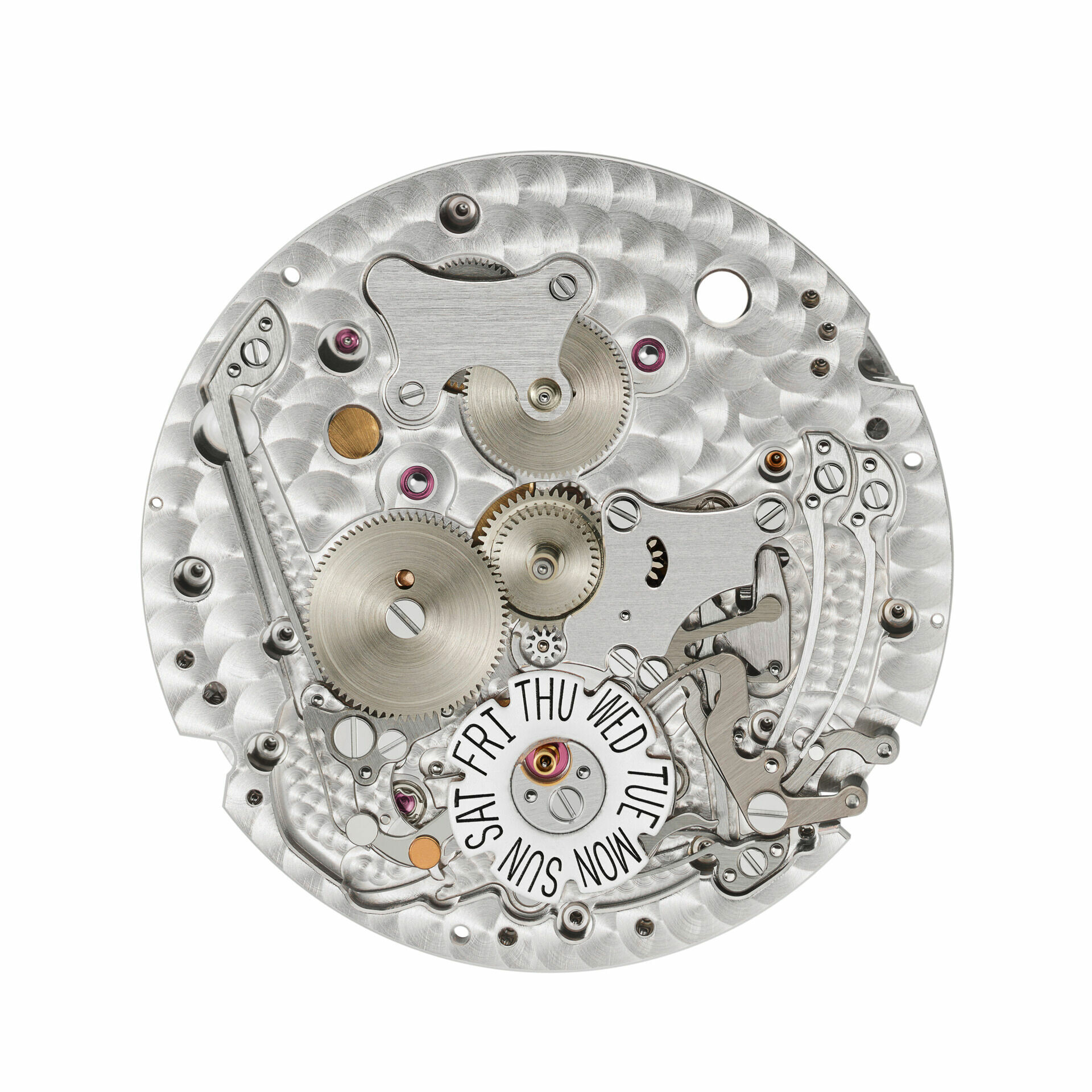
➤ Ref. 5328G-001
Nurturing Icons: The Origins of a Legacy
Patek Philippe remains the only Genevan manufacture that is still family-owned and fully independent. Regarded as an heirloom of excellence, the brand traces its roots to the Polish nobleman Antoine Norbert de Patek, who in 1839 founded Patek, Czapek & Cie with watchmaker Franciszek Czapek. At the 1844 Paris Exhibition, Patek met the French horologist Jean Adrien Philippe, inventor of the keyless winding mechanism. Philippe joined the firm the following year, and his patented system became a cornerstone of the company’s technical heritage. At the 1851 Great Exhibition in London’s Crystal Palace, Patek Philippe presented the blue-enamel, diamond-set pendant watch No. 4719, purchased by Queen Victoria—an encounter that secured the brand’s place within royal and aristocratic circles. Between 1854 and 1858, Patek travelled extensively through Europe and America, forging partnerships that would give the company an international perspective. His entrepreneurial spirit, combined with Philippe’s meticulous watchmaking, brought the firm swift acclaim at world fairs in Paris and London.
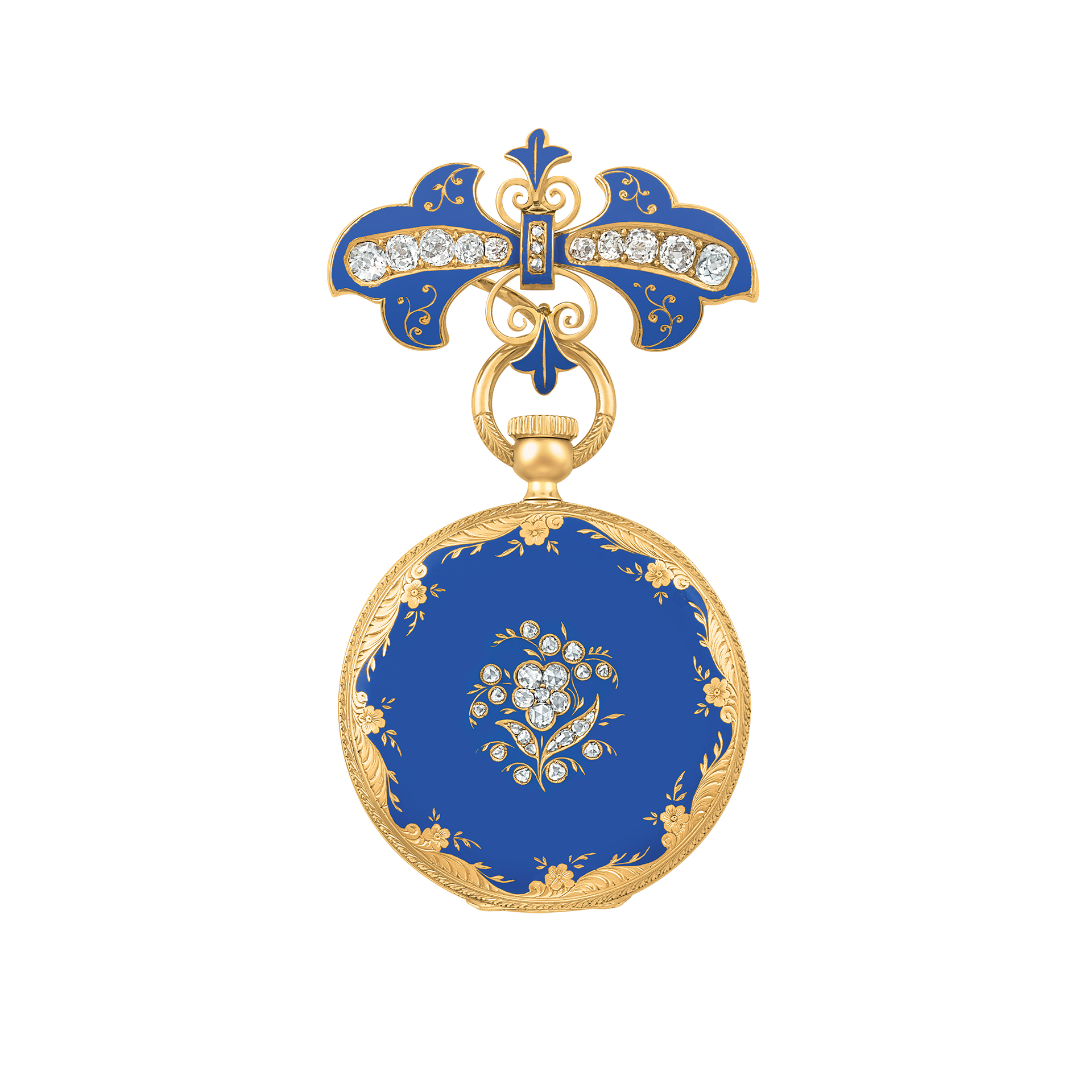
➤ No. 4719
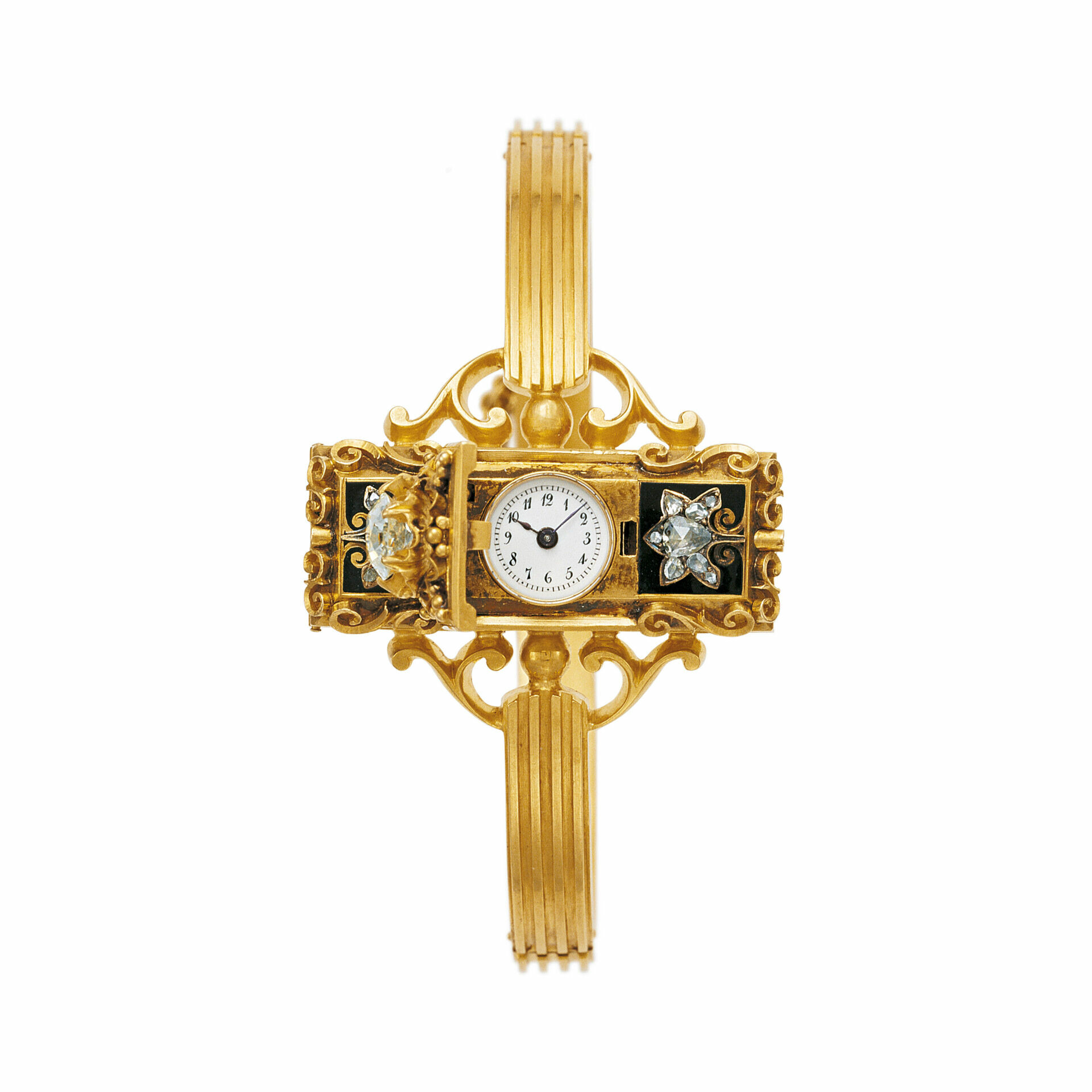
➤ No. 27368
Ever since, Patek Philippe has remained steadfast in its philosophy: quality over quantity. Each component is hand-finished, inspected and refined—an ongoing pursuit of precision that has yielded more than 200 patents. Among them is the slipping spring devised by Jean Adrien Philippe in 1863, still essential to modern self-winding mechanisms. In 1868, the maison crafted Switzerland’s first wrist-worn timepiece, the key-wound bracelet watch No. 27368, signalling the transition from pocket to wrist. And in 1910, the “Duc de Regla” Grande and Petite Sonnerie Minute Repeater elevated horology to the realm of music, foreshadowing the grand complications that would define the brand’s later masterpieces.
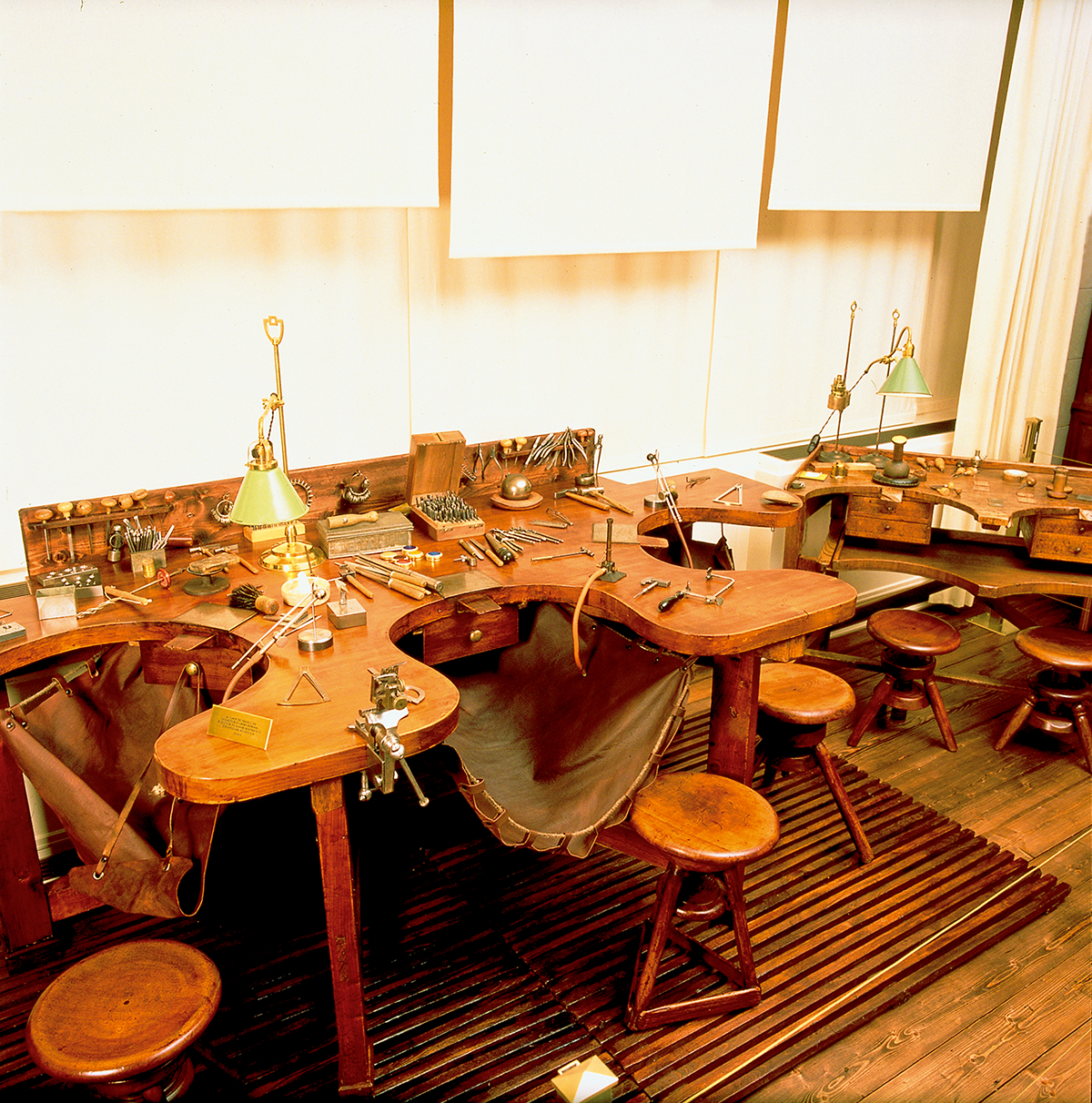
➤ PP Museum
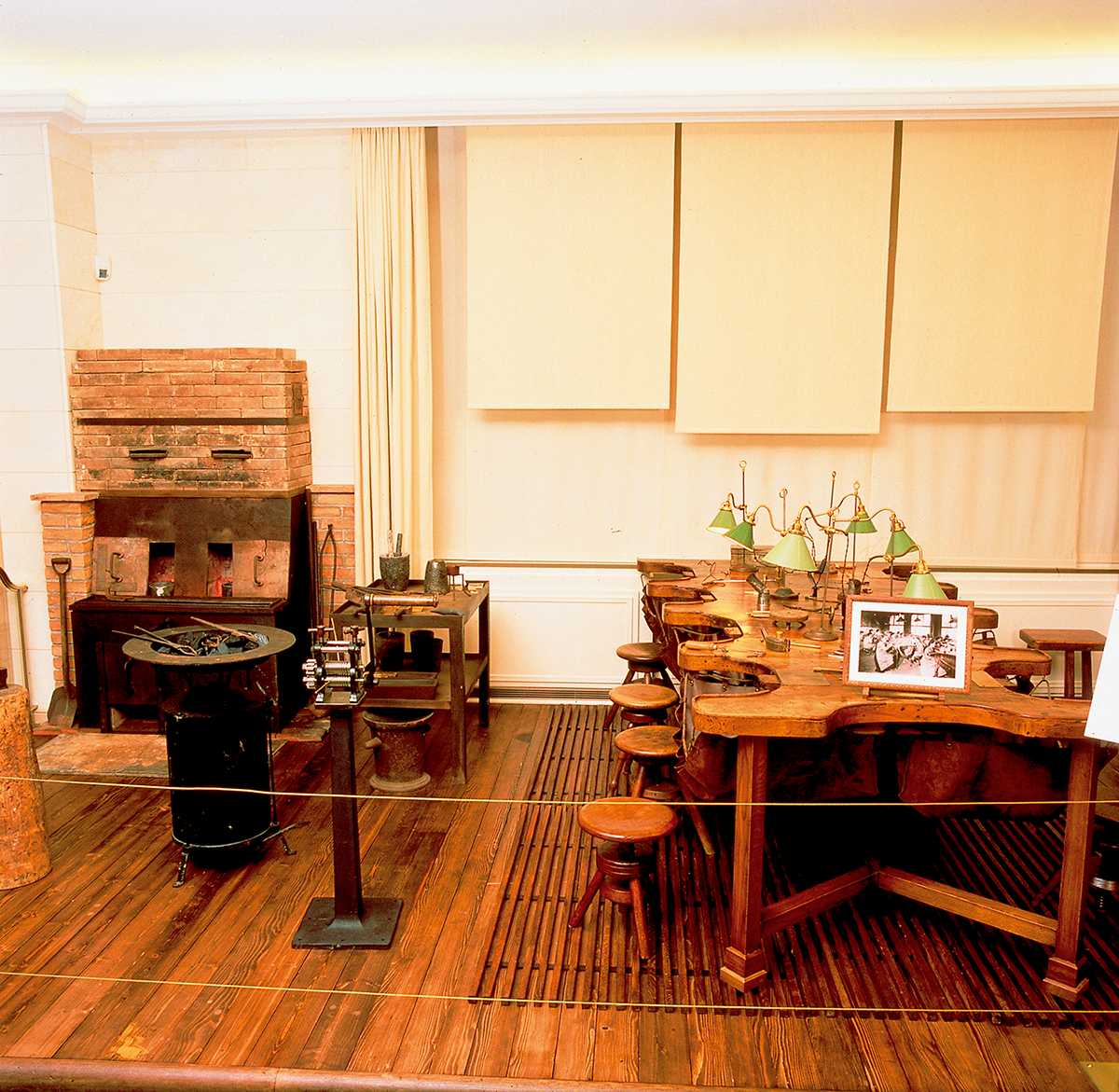
➤ PP Museum
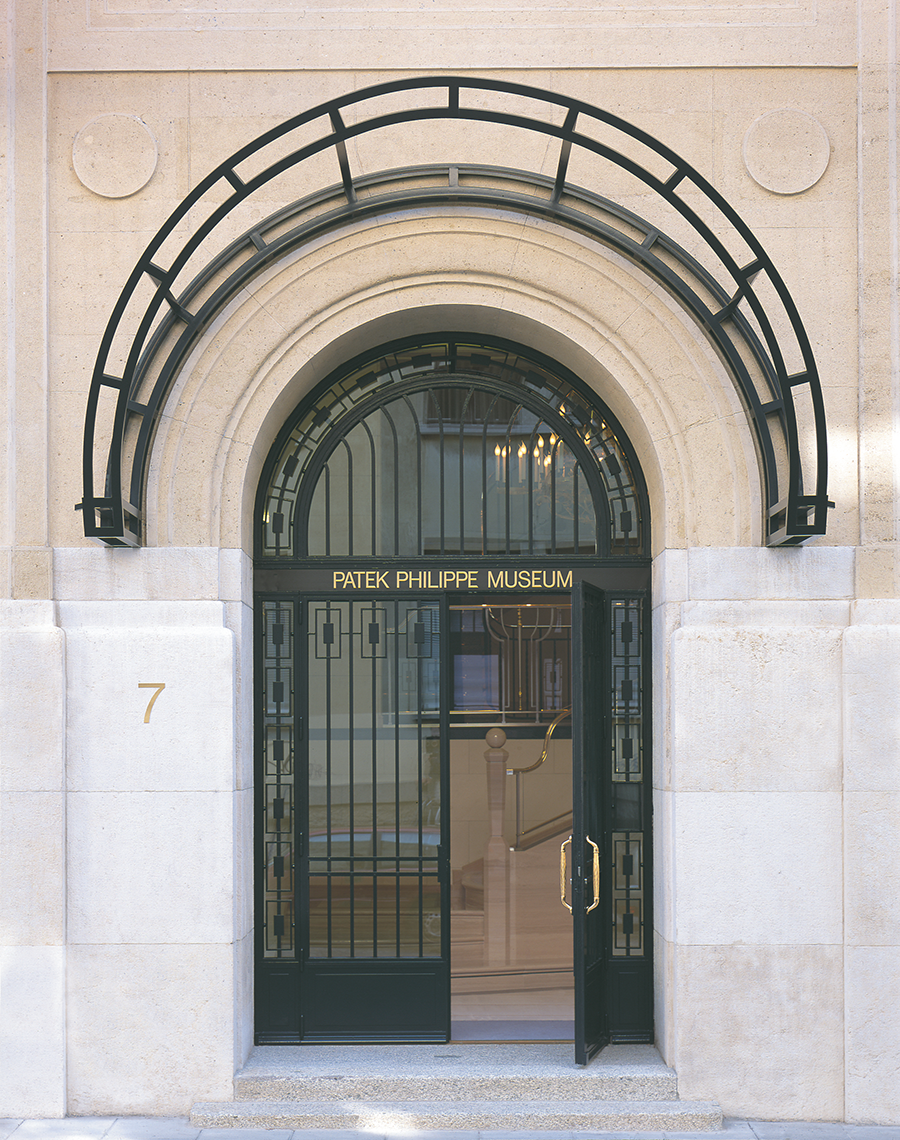
➤ Patek Philippe Museum
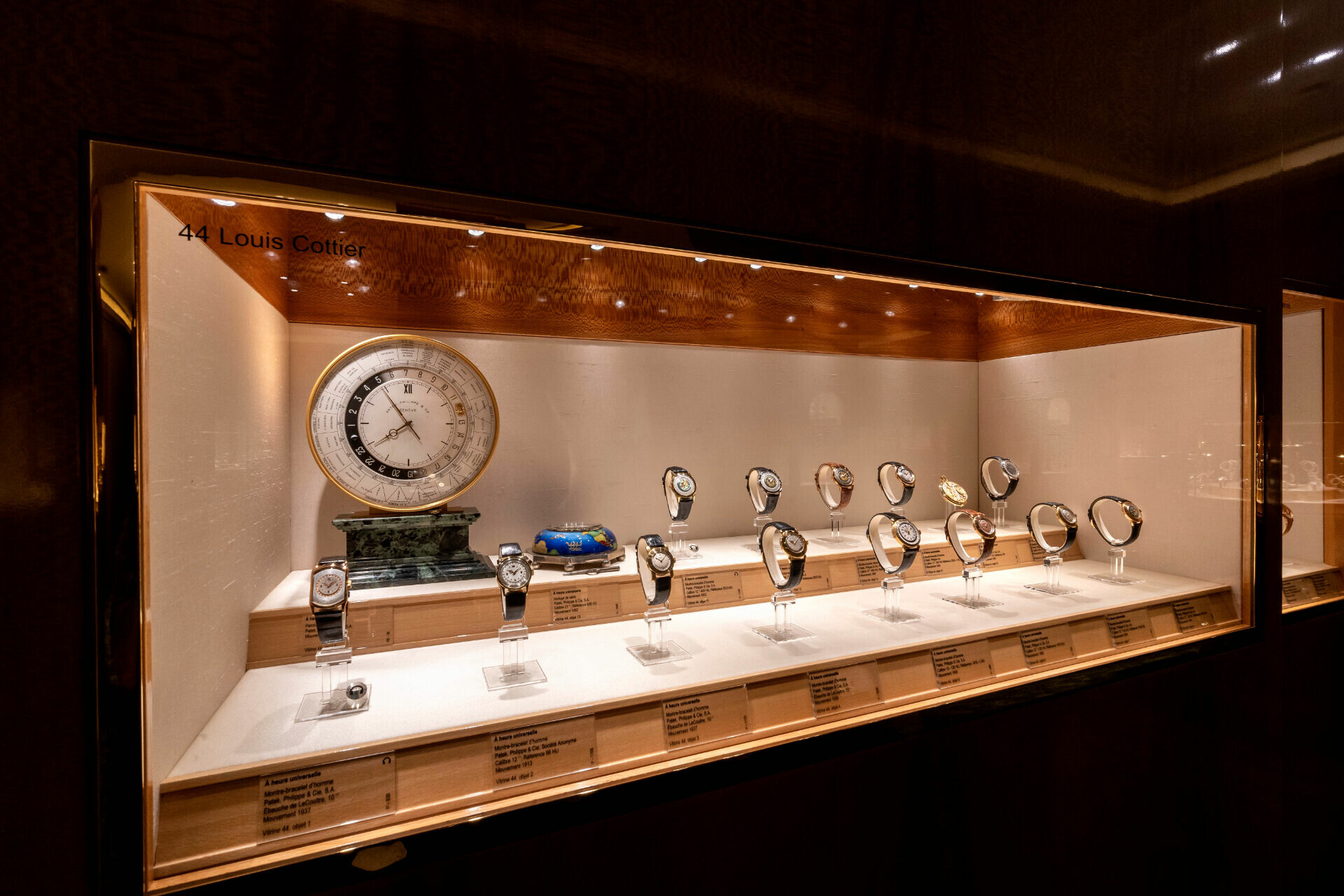
➤ World Time
When Craft Becomes Culture
The Great Depression of 1932 brought challenges that would ultimately shape Patek Philippe’s identity. That year, the Stern family — owners of the dial manufacturer Cadrans Stern Frères — acquired the company, securing its future and preserving its artisanal integrity. The same year witnessed the debut of the Ref. 96 Calatrava, a design of rare purity that became the archetype of understated elegance. A year later, the Graves Supercomplication, then the most complex portable timepiece ever created, affirmed the brand’s legend — fetching USD 11 million at a 1999 auction and becoming a symbol of refined status and taste. From that foundation, Patek Philippe continued to redefine horological craftsmanship through innovation and artistry: the Gyromax® balance wheel patented in 1951; the Ref. 2499 Perpetual Calendar Chronograph; the Golden Ellipse Ref. 3548, whose proportions were inspired by the golden ratio; and the Calibre 89, created for the maison’s 150th anniversary, a masterwork with 33 complications. In 1976, the Nautilus, with its distinctive porthole-shaped case, defined a new era of the refined sports watch. The Gondolo collection, revived in 1993, echoed Art Deco geometry, while the Aquanaut, introduced in 1997 and re-imagined in 2004 as the Aquanaut Luce, brought a contemporary spirit to women’s watchmaking. The Twenty~4® collection, launched in 1999 and followed by its automatic edition in 2018, translated the maison’s timeless elegance for the modern woman.
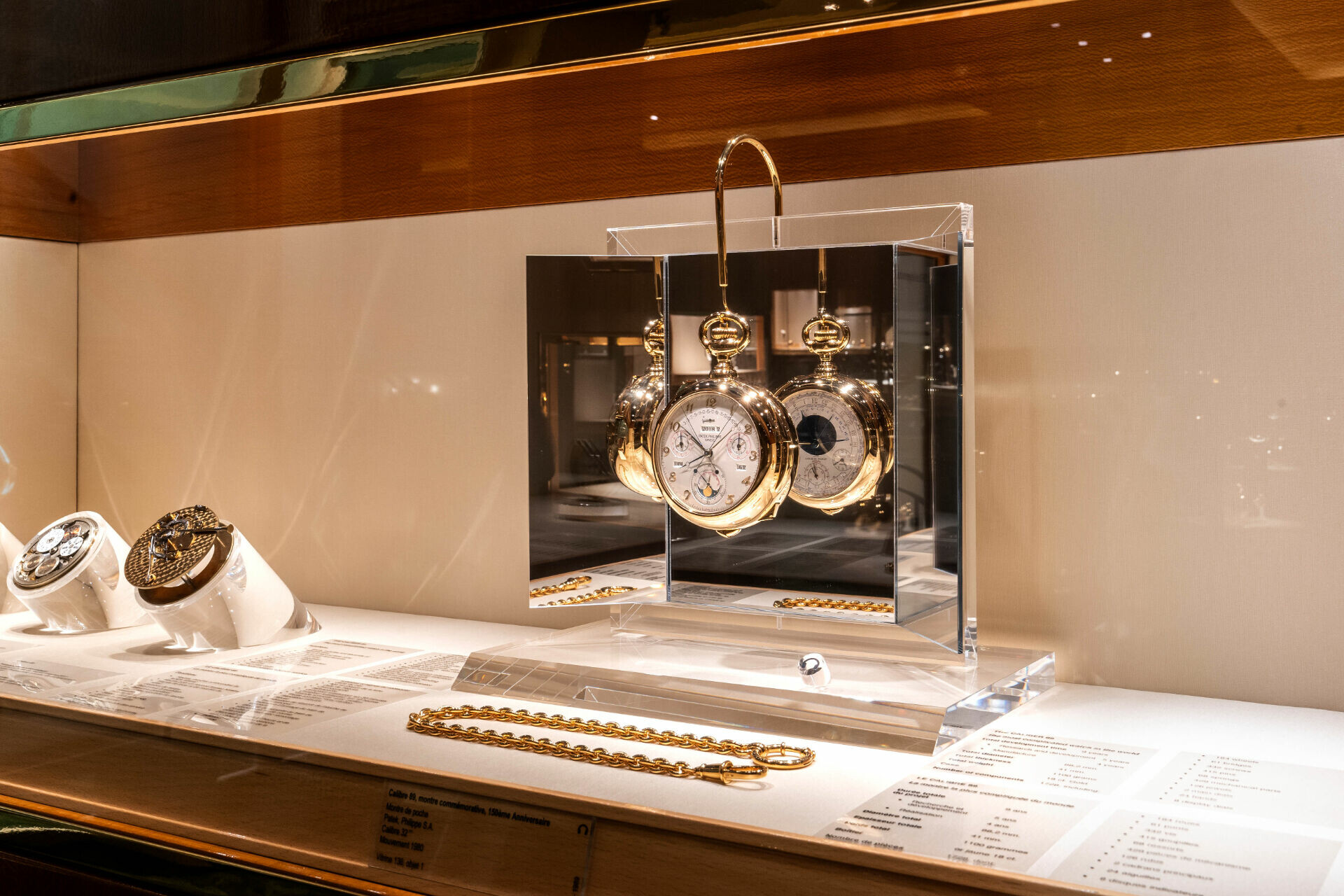
➤ Caliber 89
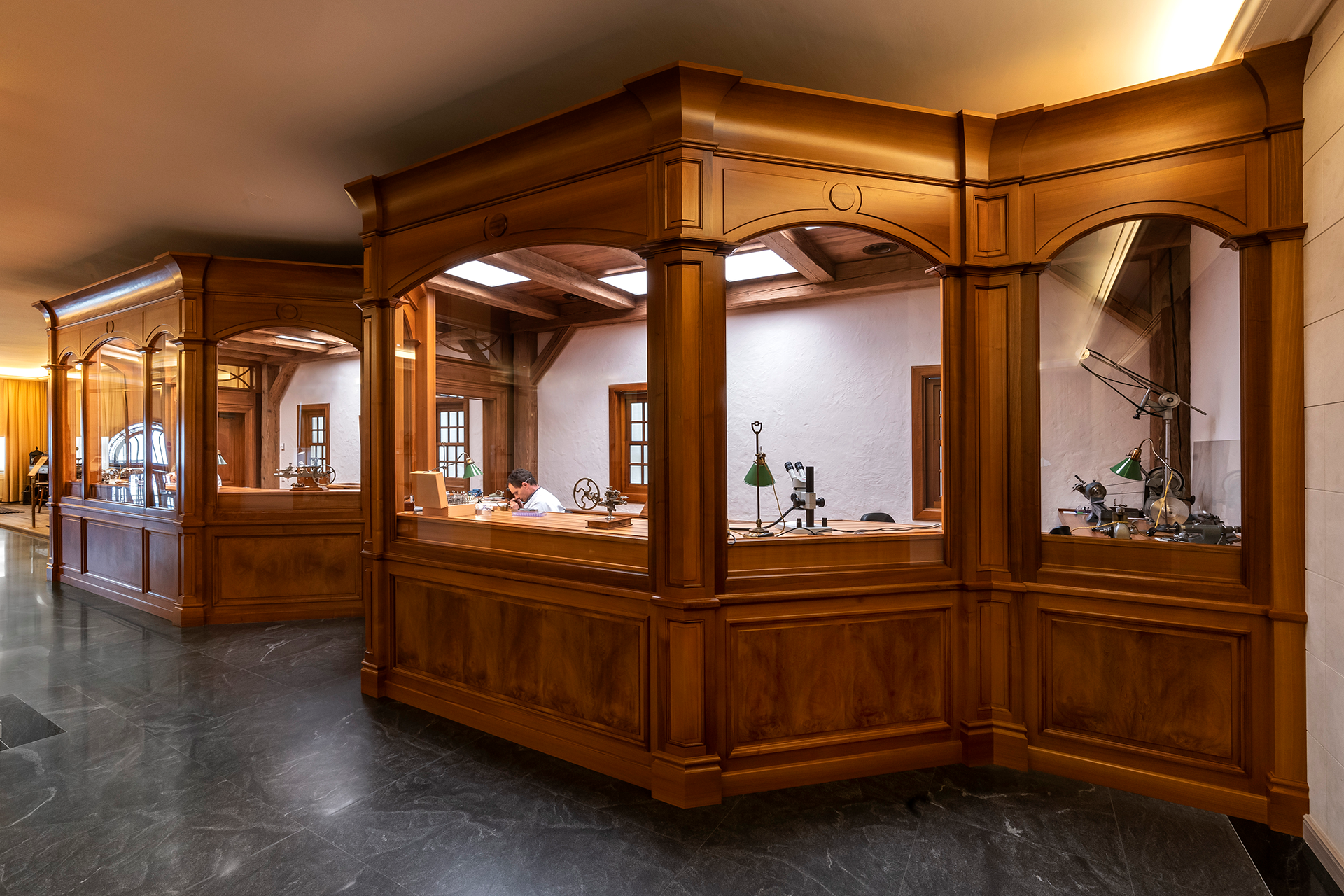
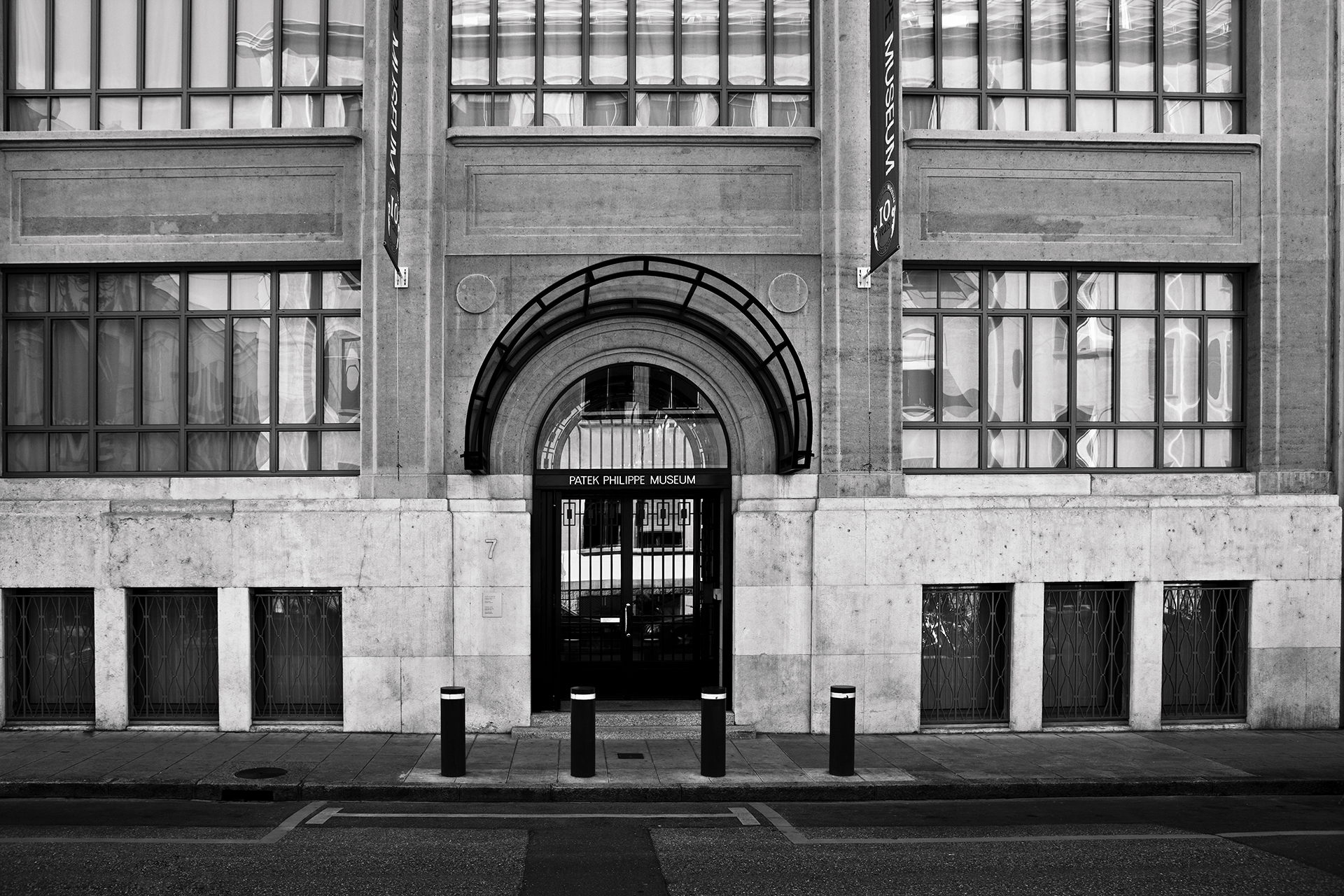
As the millennium approached, Patek Philippe completed the Star Caliber 2000, uniting 21 complications and six patents, followed by the Sky Moon Tourbillon Ref. 5002, its second-most complicated wristwatch, and the opening of the Patek Philippe Museum, now a sanctuary of horological heritage. Between 2005 and 2017, the brand’s Advanced Research division unveiled a series of revolutionary developments centred on Silinvar®, a proprietary silicon material that is light, anti-magnetic and dimensionally stable. The Ref. 5250 introduced the Silinvar® escape wheel; the Ref. 5350 presented the Spiromax® balance spring; and the Ref. 5450 debuted the Pulsomax® escapement, enhancing efficiency by 15 per cent. These advances marked the dawn of micro-mechanical precision in haute horlogerie. In 2008, the Ref. 5207 Grand Complication — combining an instantaneous perpetual calendar, a minute repeater and a tourbillon — captured the admiration of collectors worldwide. The following year, Philippe Stern, the third-generation president, established the Patek Philippe Seal, a comprehensive benchmark covering creation, precision and after-sales care. His son, Thierry Stern, who assumed leadership in 2009, continues to uphold this philosophy, ensuring that every watch leaving Geneva embodies the maison’s ideal of perfection.
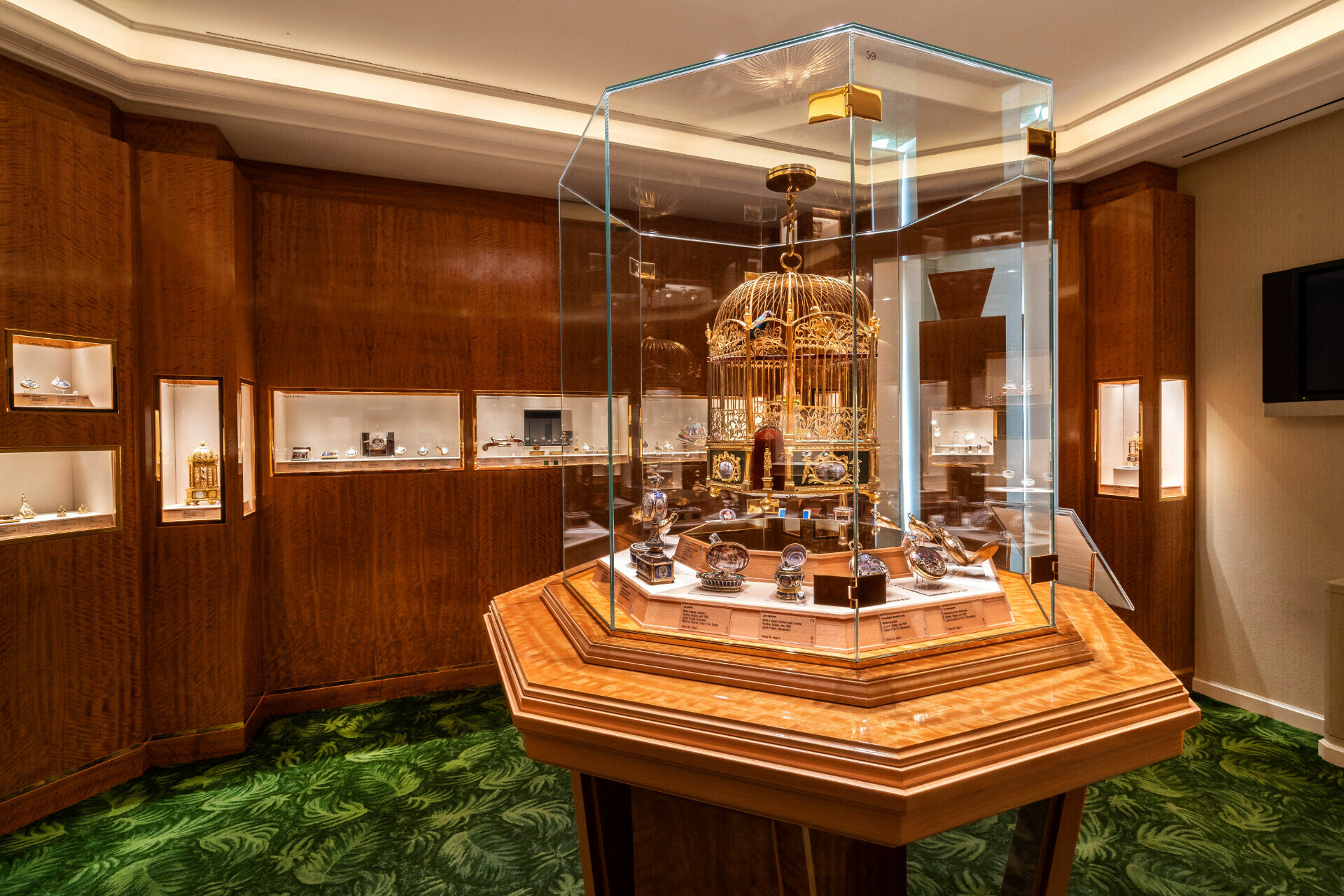
➤ PP Museum
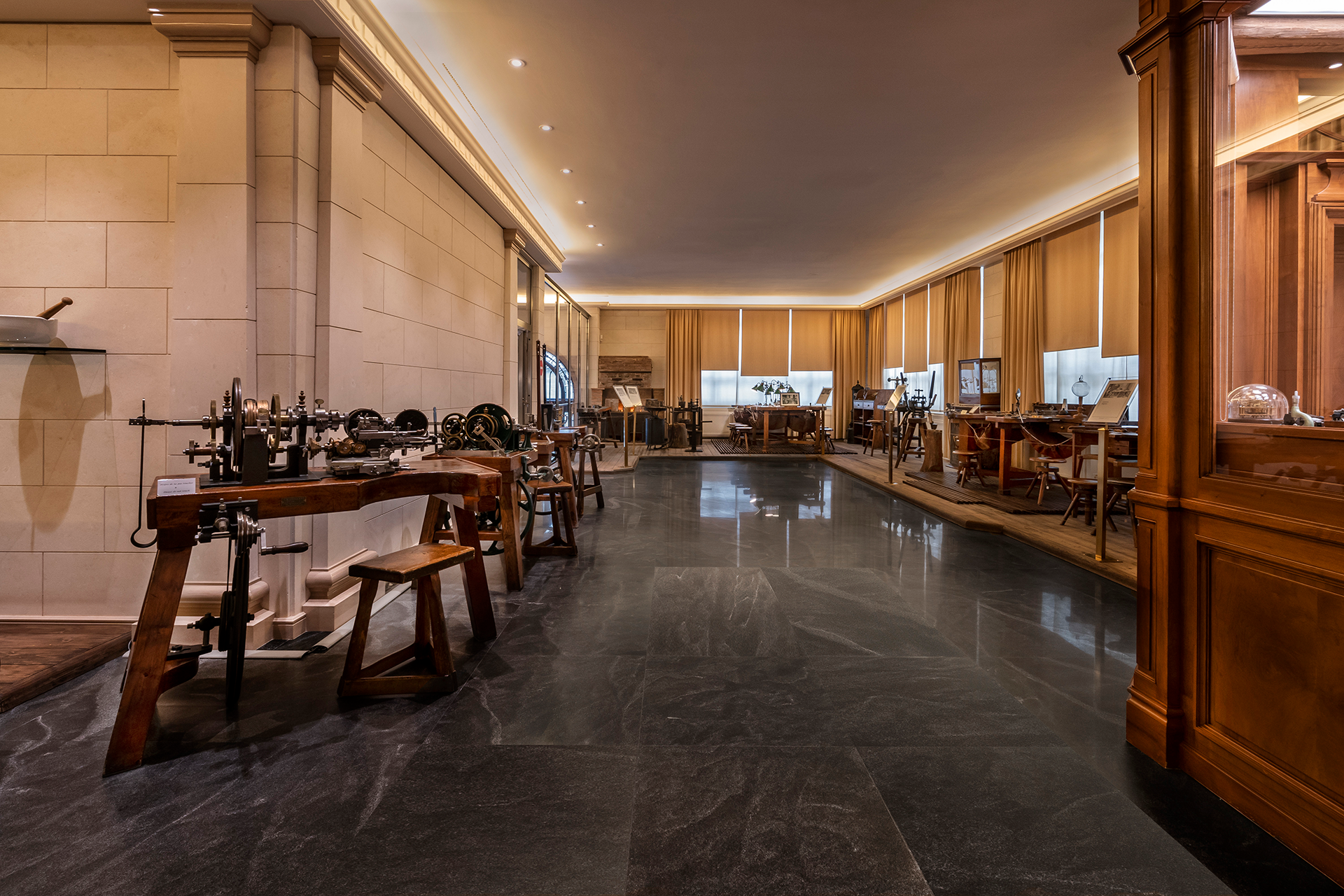
➤ PP Museum
Re-Creating Classics: The Story Continues
Following the success of the Ref. 5207 Grand Complication—combining a minute repeater, an instantaneous perpetual calendar and a tourbillon—Patek Philippe pursued a deeper synthesis of artistry and technology. In 2011, the Ref. 5550 Advanced Research introduced the Oscillomax® regulating organ, uniting the Pulsomax® escapement, Spiromax® balance spring and GyromaxSi® balance wheel. That same year, the Ref. 5208, the manufacture’s first self-winding triple complication, joined the collection, blending a minute repeater, a monopusher chronograph and an instantaneous perpetual calendar. In 2014, the Grandmaster Chime Ref. 5175 marked the maison’s 175th anniversary; in 2017, the Ref. 5650 Aquanaut Advanced Research presented the compliant mechanism and a refined Spiromax® spring with a tolerance of –1 to +2 seconds per day—accuracy on a par with a tourbillon. That year, the titanium Ref. 5208T-010, created for Only Watch 2017, achieved CHF 6.2 million, underscoring both technical mastery and rarity. The inauguration of the PP6 Manufacture Building in 2020 symbolised the maison’s enduring harmony between tradition and innovation. The Ref. 5470P (2022) introduced a 1/10-second monopusher chronograph; the Ref. 5308P (2023), unveiled at Tokyo’s Watch Art Grand Exhibition, previewed a new generation of grand complications; and in 2024, the Cubitus collection re-interpreted the modern sports watch with geometric poise and discreet elegance.
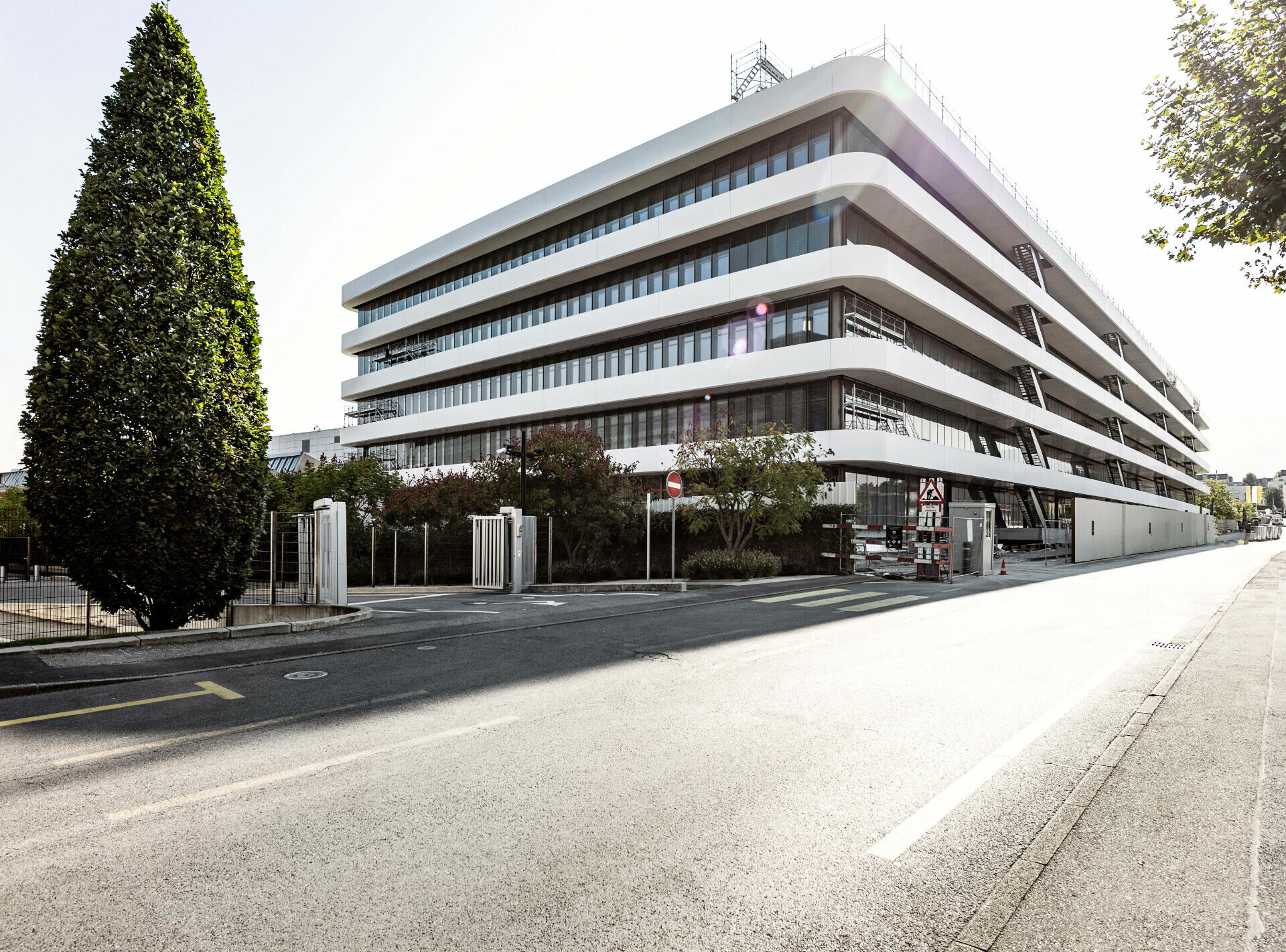
➤ PP6 Manufacture Building
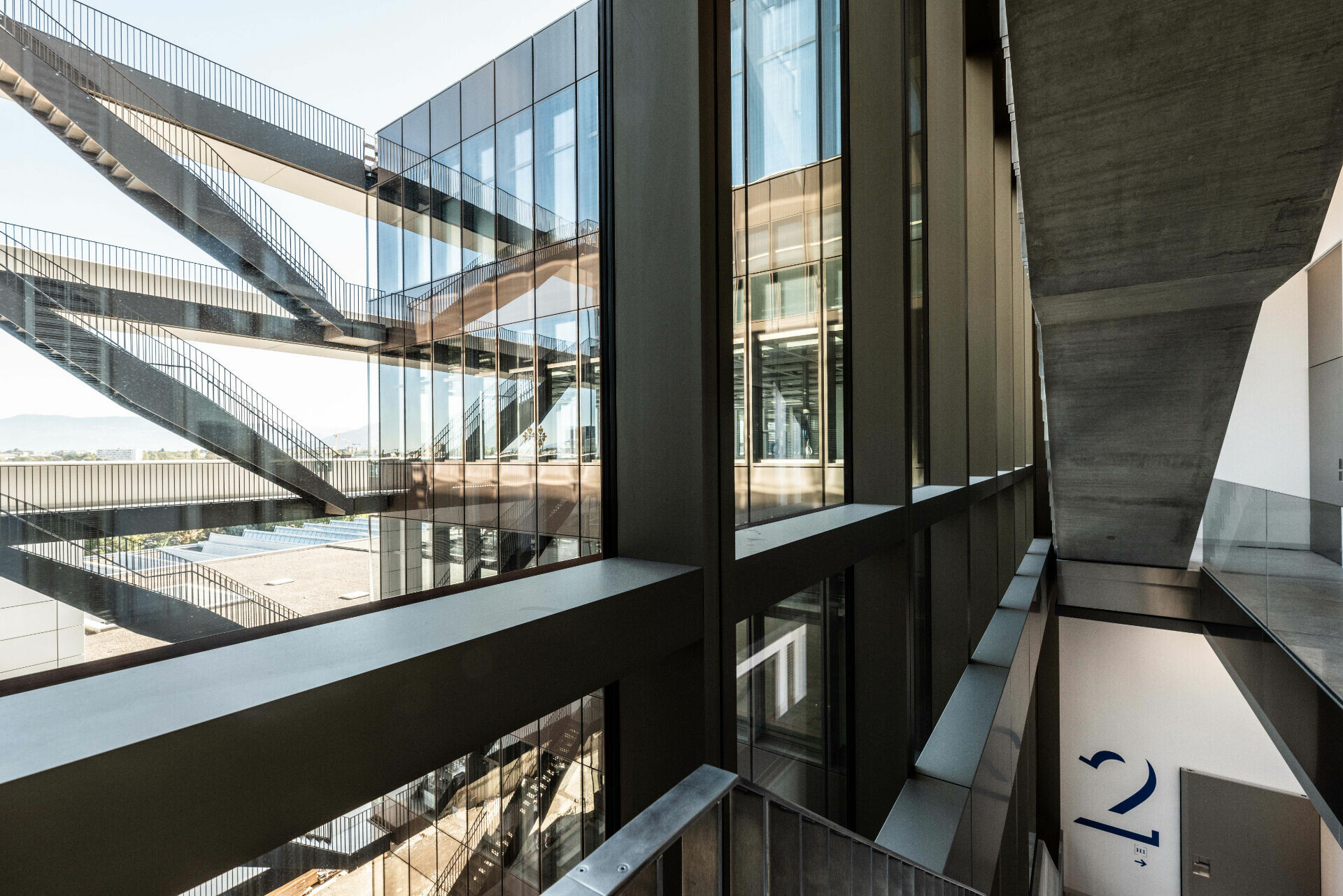
➤ PP6 Manufacture Building
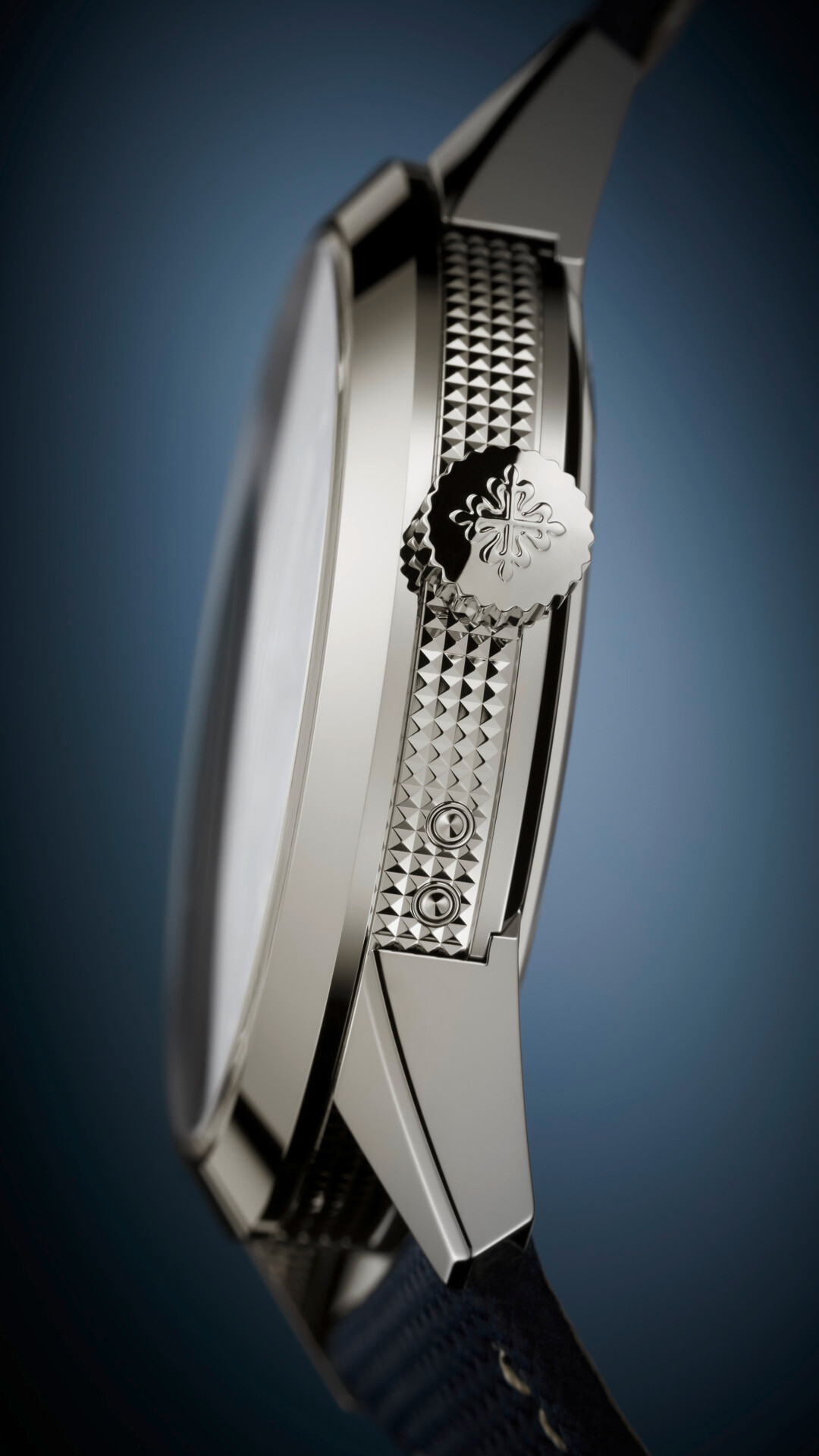
In 2025, two new creations extend this conversation between heritage and progress. The self-winding Ref. 5308G-001, conceived for connoisseurs, builds upon the 5207 and 5208 by introducing a split-seconds chronograph—one of watchmaking’s three most demanding complications—thus becoming the brand’s first quadruple complication wristwatch. Its newly optimised R CHR 27 PS QI calibre drives an ice-blue sunburst dial framed by a 42 mm white-gold case with openworked lugs, supplied with either a sapphire-crystal or a solid white-gold back and paired with a deep-blue alligator strap secured by a patented three-fold clasp. The hand-wound Ref. 5328G-001 Calatrava 8-Day Power Reserve debuts the 31-505 8J PS IRM CI J calibre, featuring a jumping day-date display and eight days of autonomy. Its Pulsomax® escapement and Spiromax® spring ensure enduring stability and precision. The 41 mm white-gold case bears the maison’s signature Clous de Paris hobnail pattern, while a gradient blue-to-black dial with applied numerals conveys quiet sophistication. Two interchangeable calfskin straps—woven blue and grained taupe—allow effortless transition between formal and casual wear. Together, these timepieces embody the brand’s dual trajectory: the relentless pursuit of mechanical excellence and the refinement of everyday elegance. As Patek Philippe’s enduring motto reminds us, “You never actually own a Patek Philippe. You merely look after it for the next generation.” The story remains unfinished—time continues to be written through the quiet art of watchmaking.
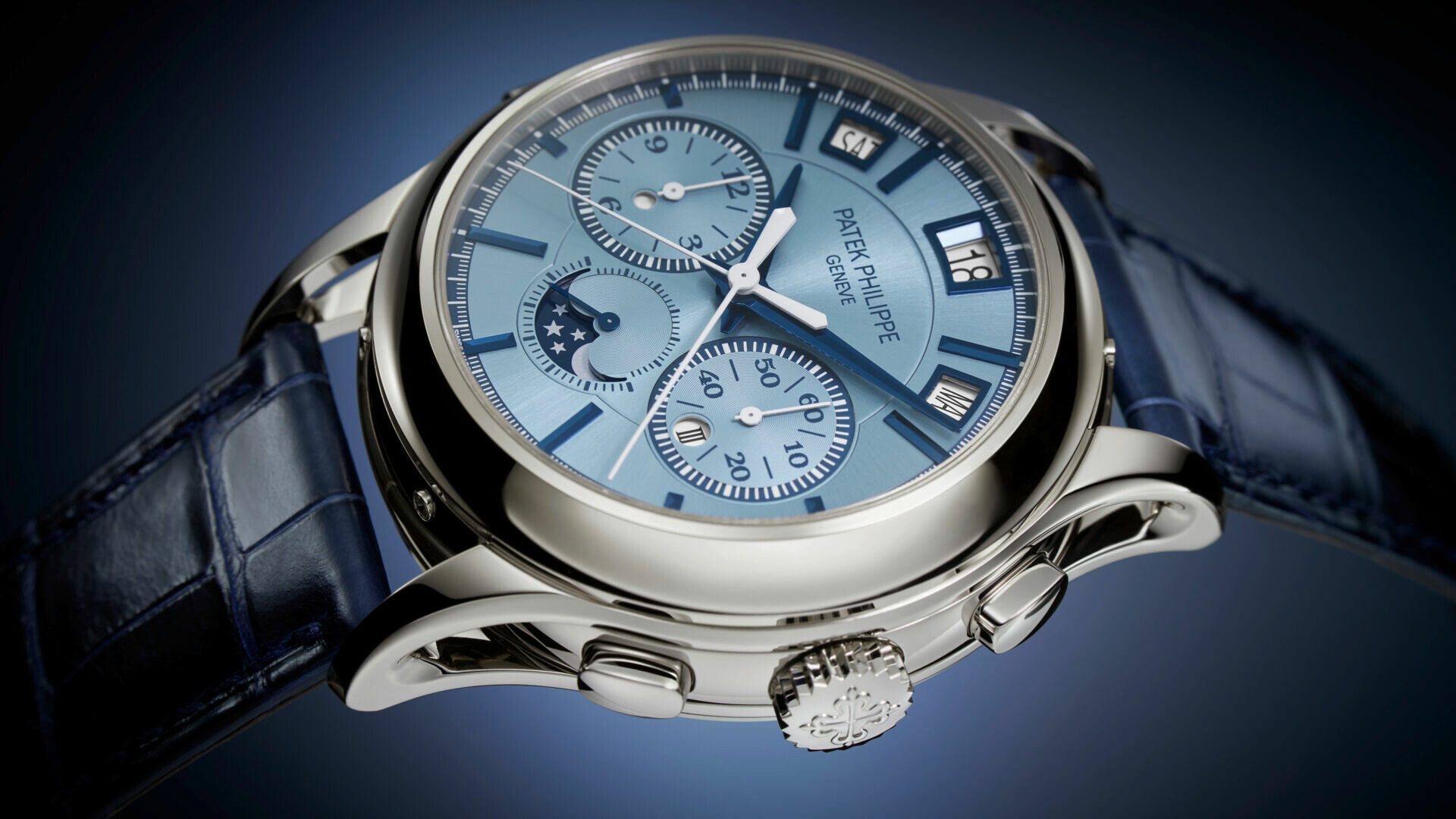
➤ Ref. 5308G-001
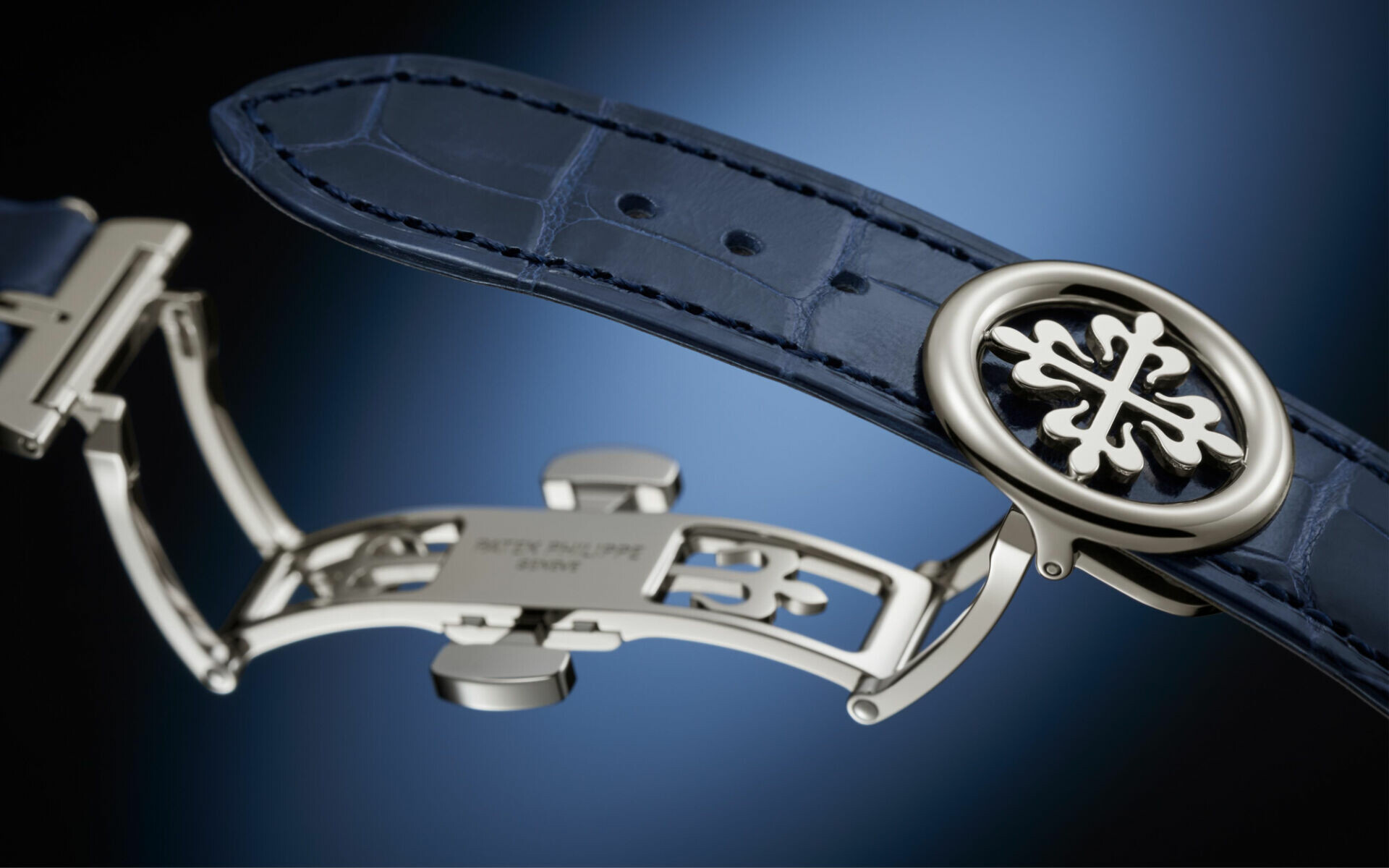
➤ Ref. 5308G-001
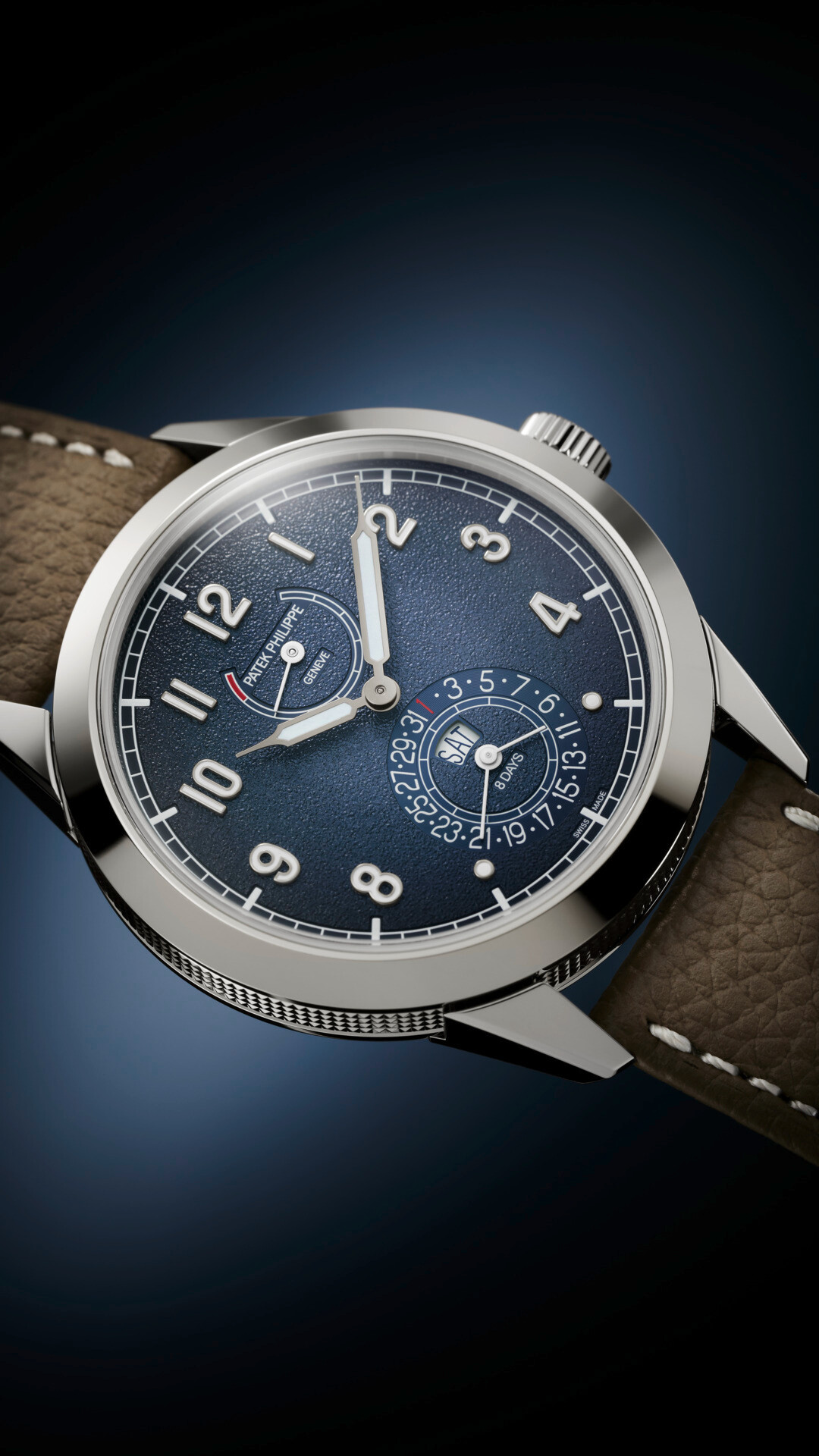
➤ Ref. 5328G-001