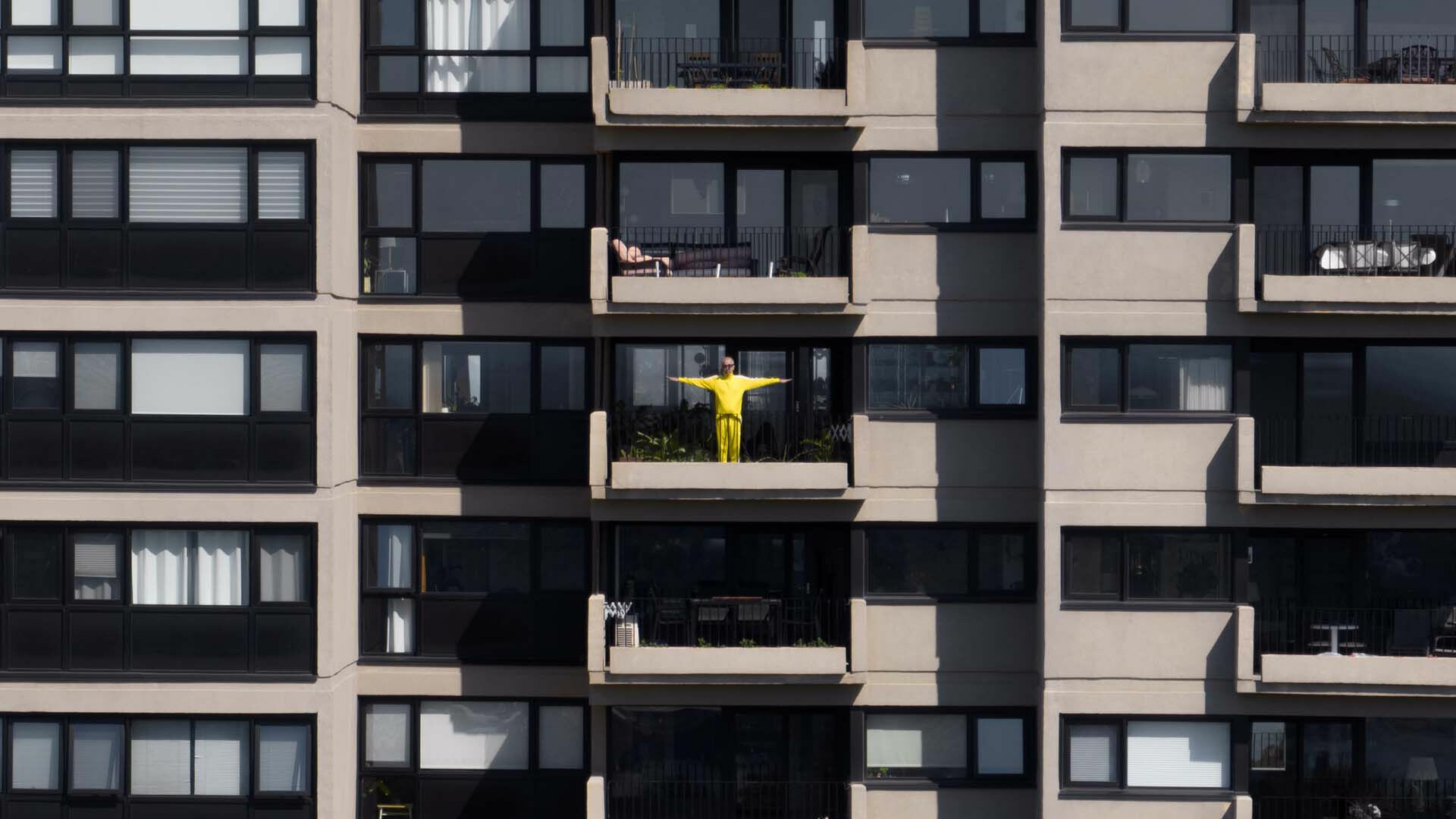
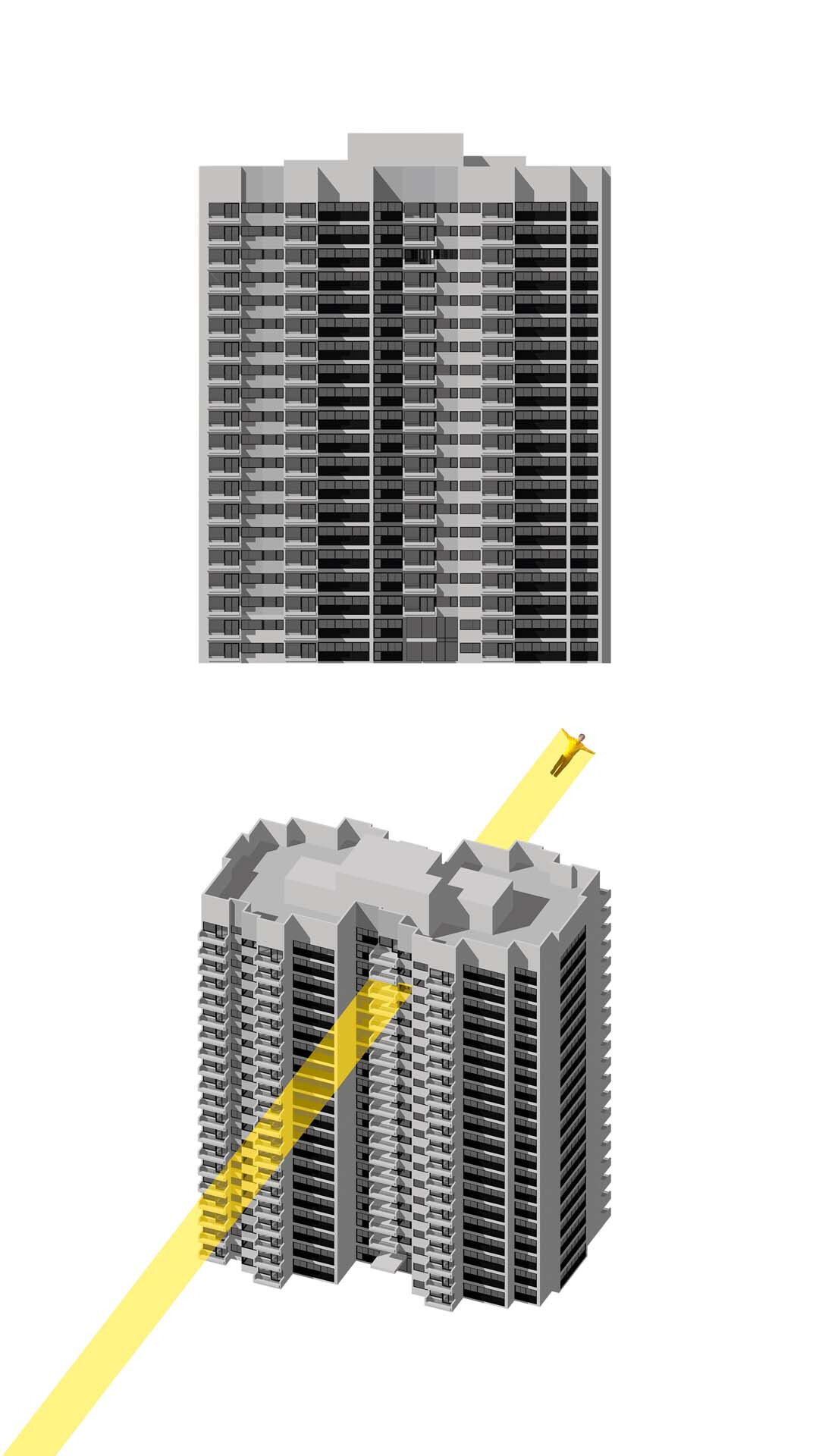
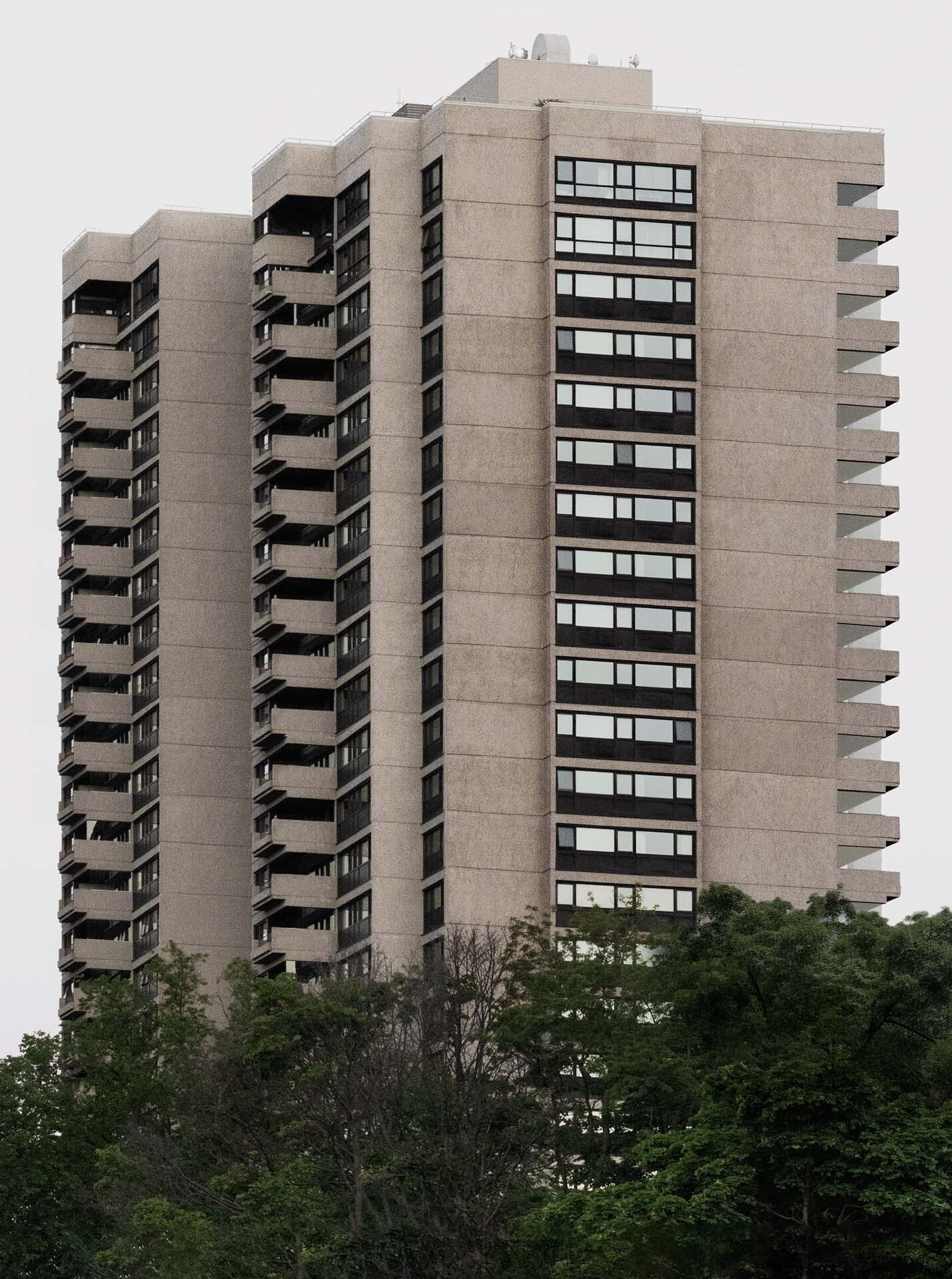
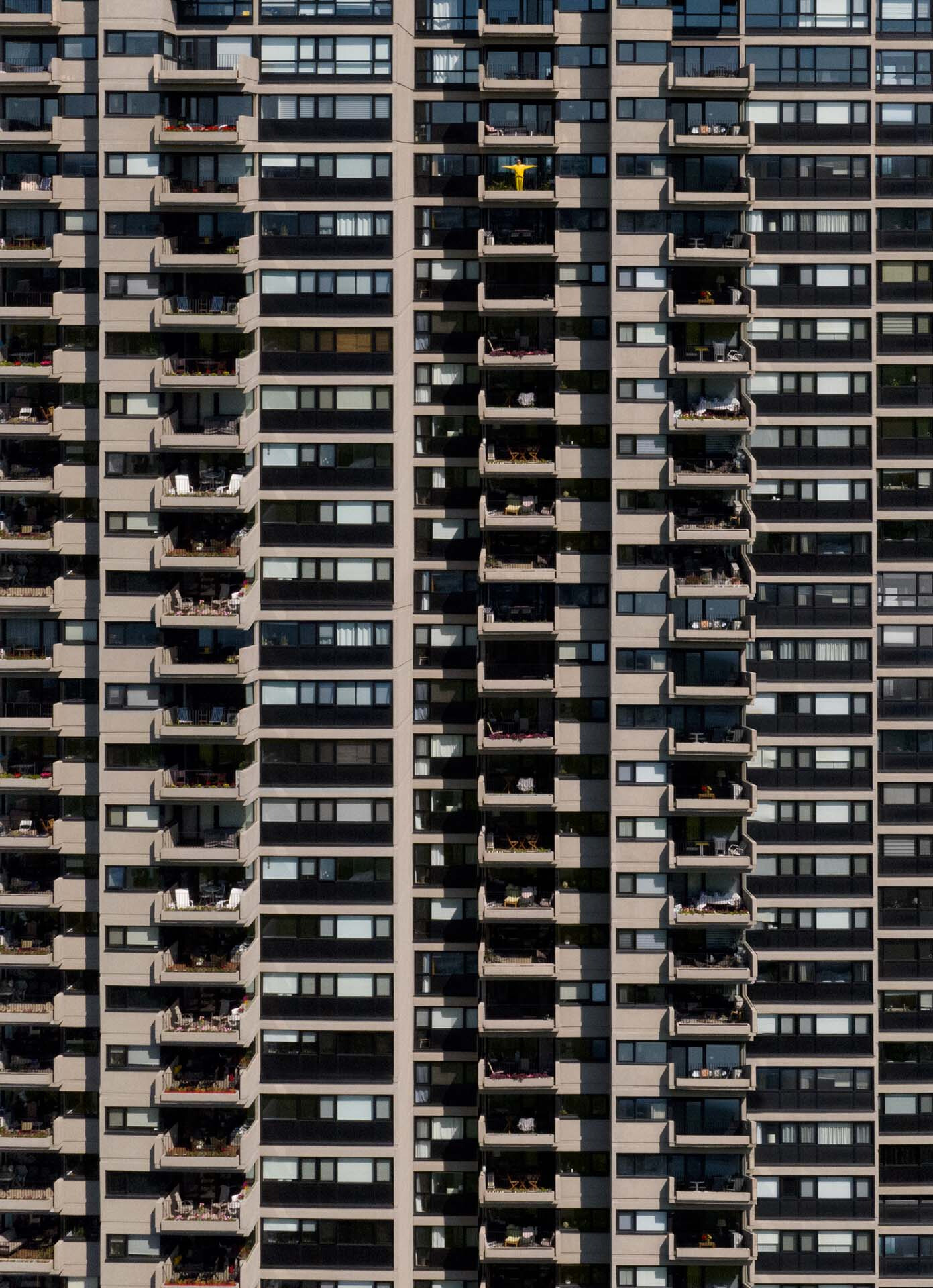
In Jean Verville's architectural works, the integration of art and creative concepts into building design is frequently apparent. As a professor at Laval University, Verville was inspired by the brutalist architecture of Quebec City. This influence led him to choose a high-rise residential building, designed by Marcel Bilodeau in the 1970s, to create his own habitable creative laboratory. The building, resembling a monumental sculpture, faces the expansive Plains of Abraham and overlooks the park's dynamic landscape, as if silently awaiting an endless flow of creativity.
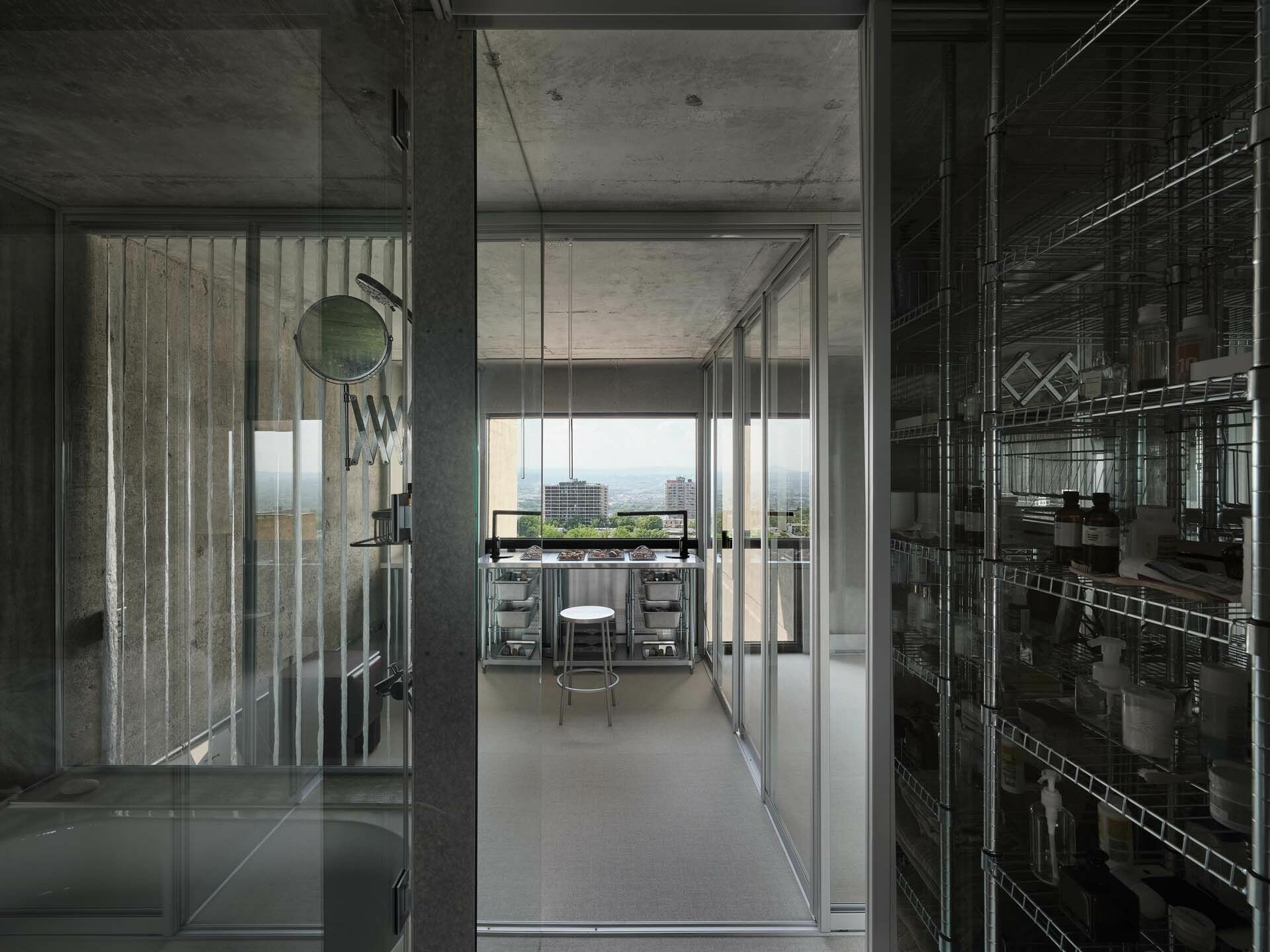
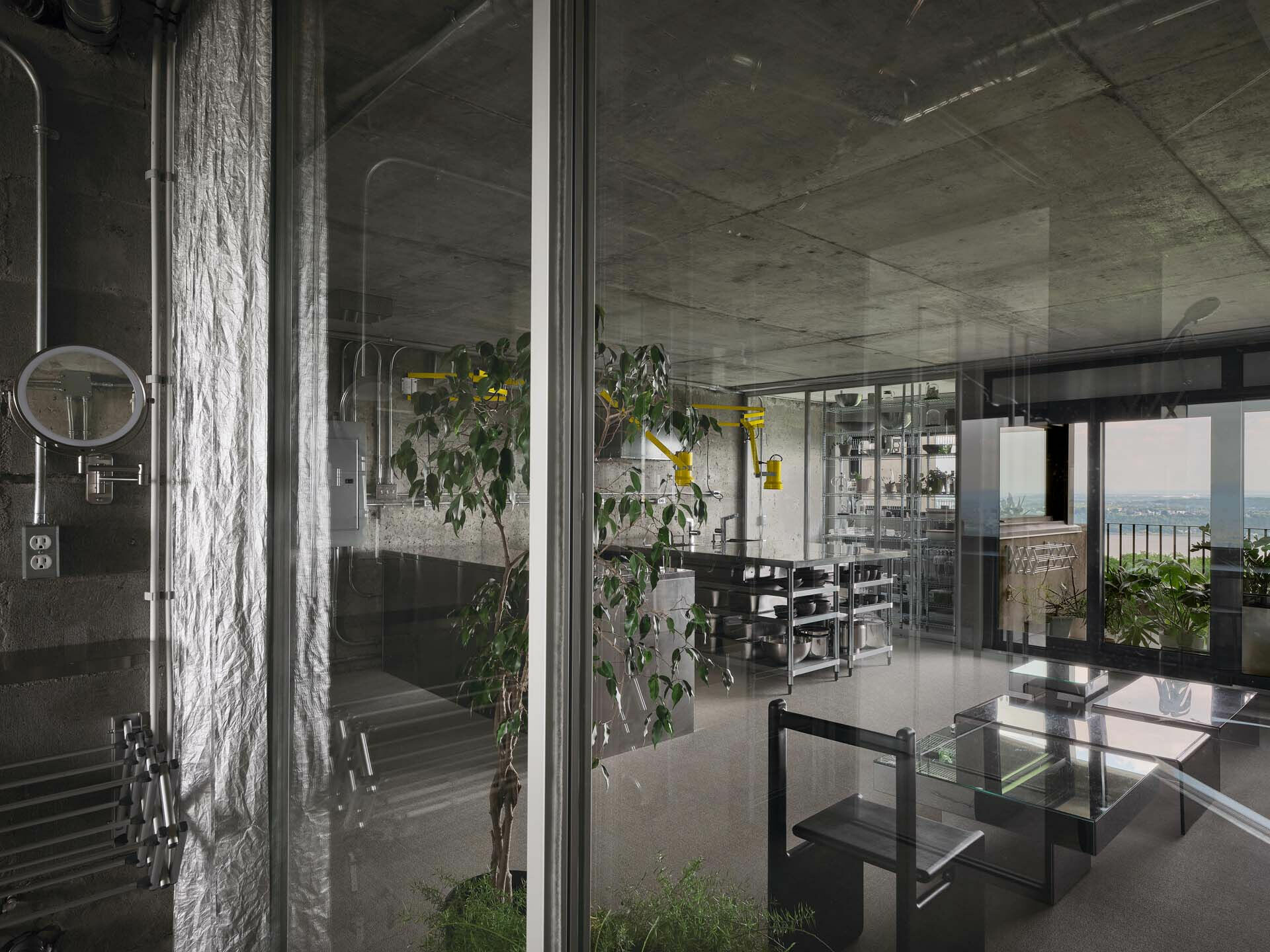
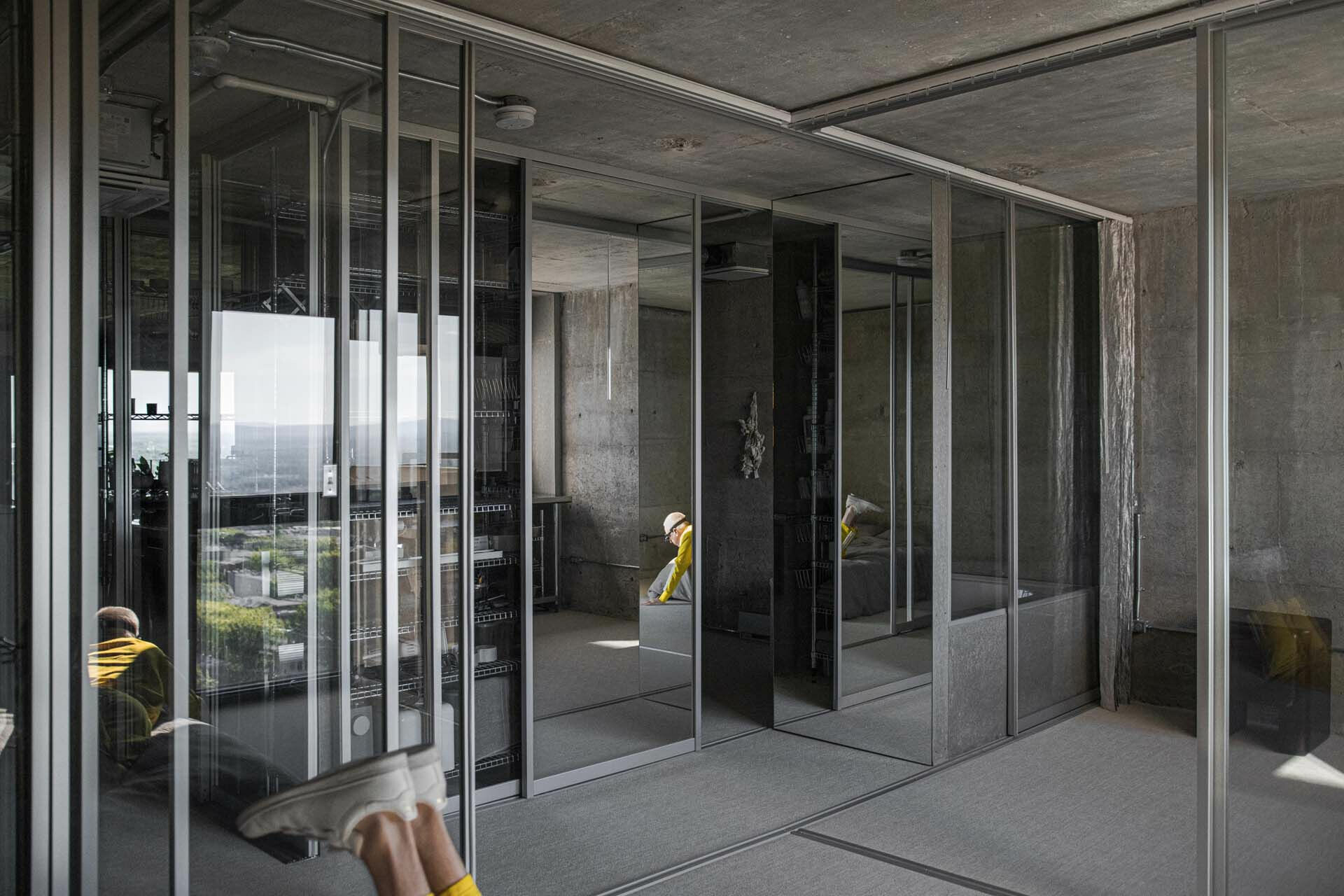
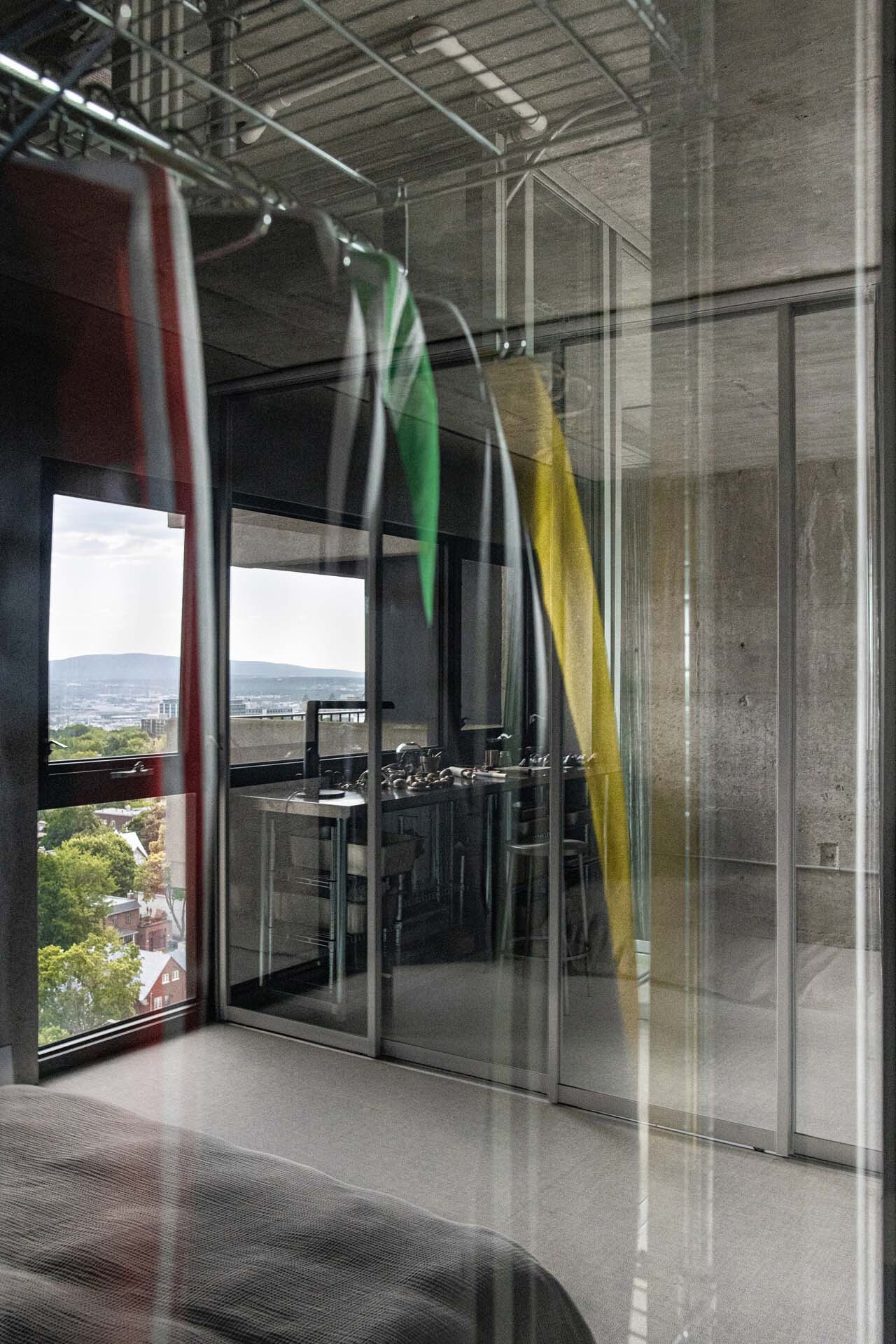
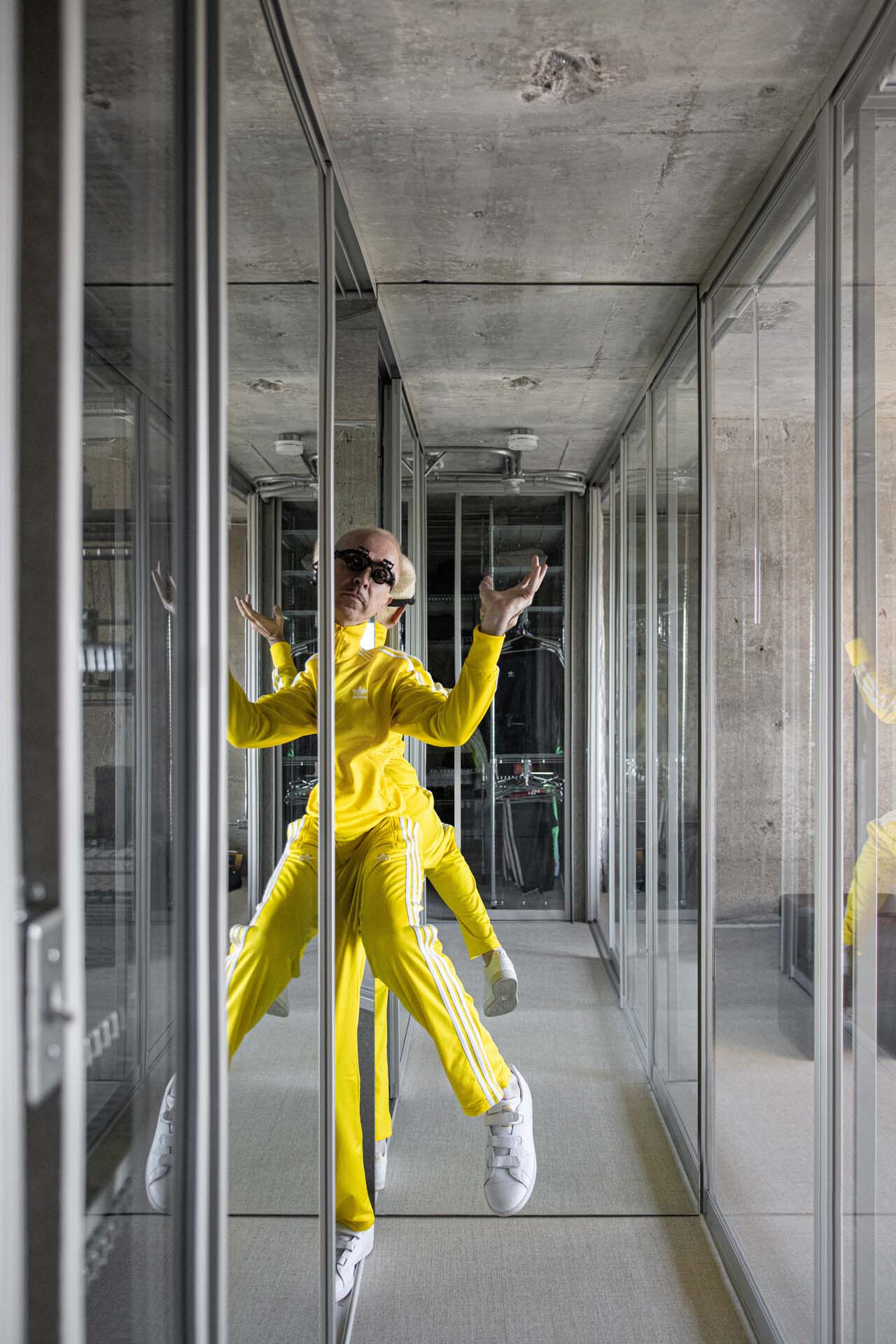
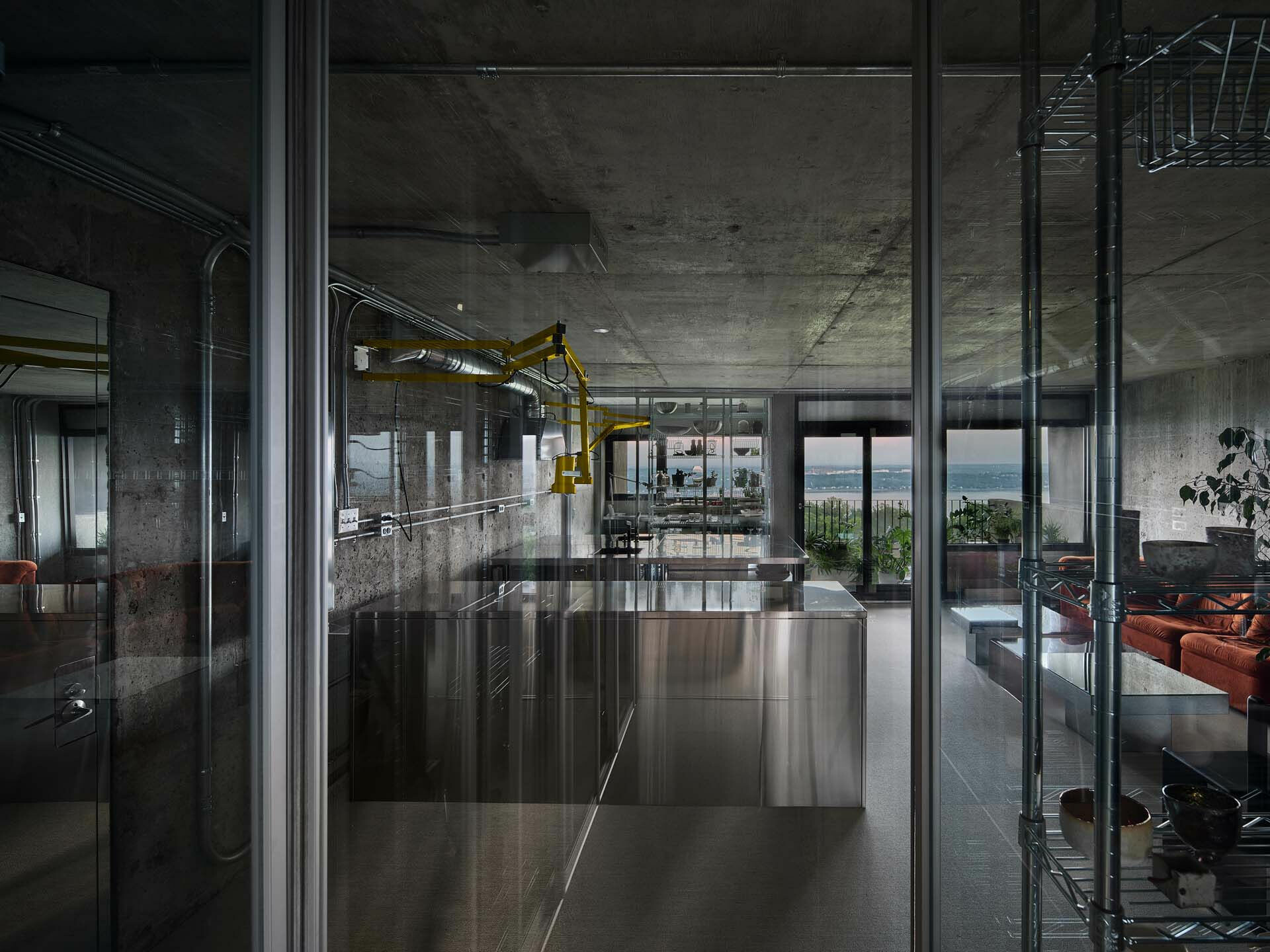
Verville's innovative laboratory spans just 79 square meters, yet every detail of its renovation reveals clever surprises and ingenuity. In this design experiment, transparency, reflection, and metallic materials are extensively employed to create a strong visual impact. Beyond its functional purpose, the space offers the experience of dynamic views in motion, showcasing unobstructed vistas of the Laurentian Mountains, the St. Lawrence River, and the urban landscape. These elements foster a sense of interaction between the body and the space, making it come alive. Through visual reflection and layering, the spatial depth is extended, capturing the interplay between nature, daily life, reality, and unpredictability.
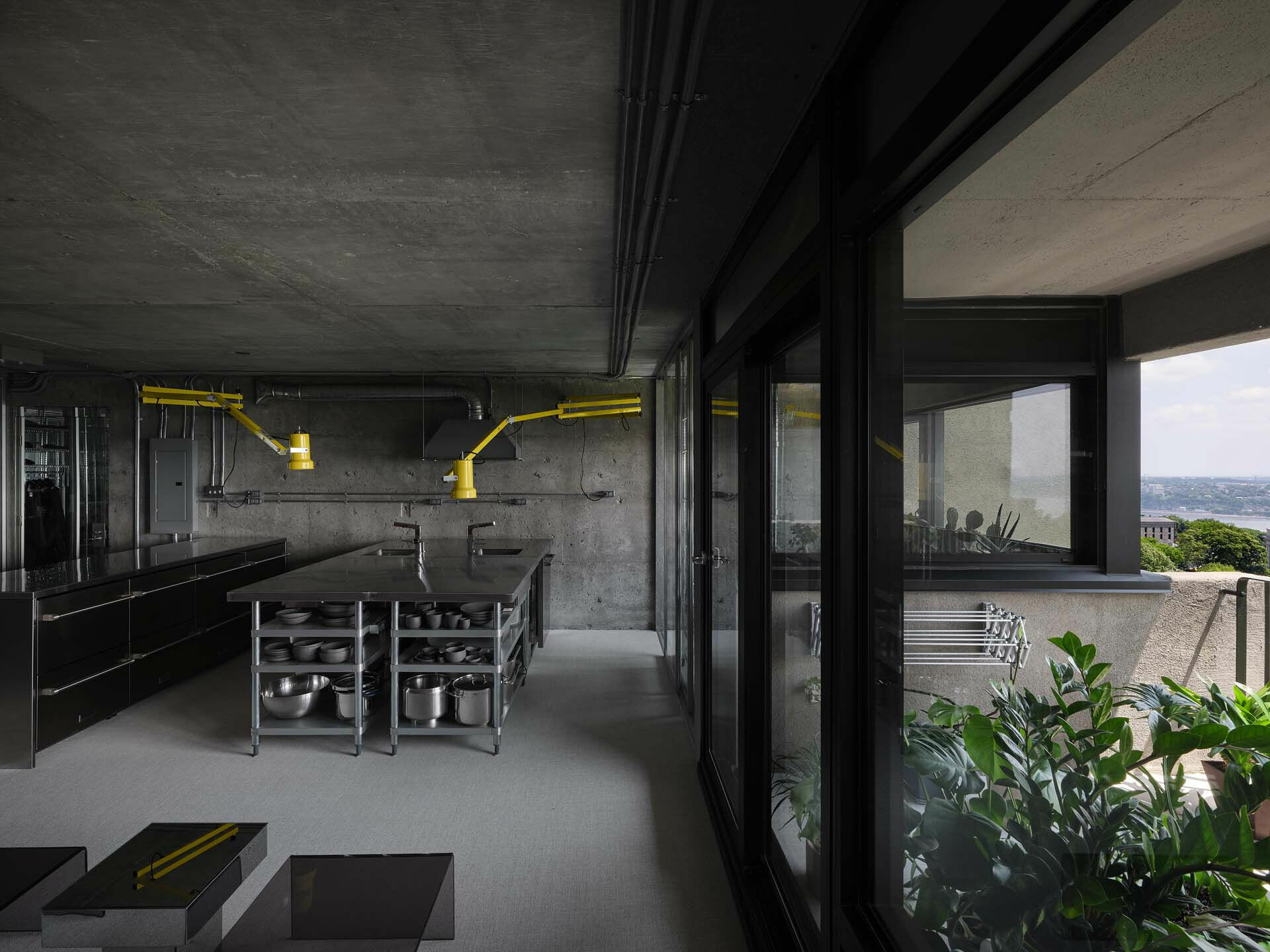
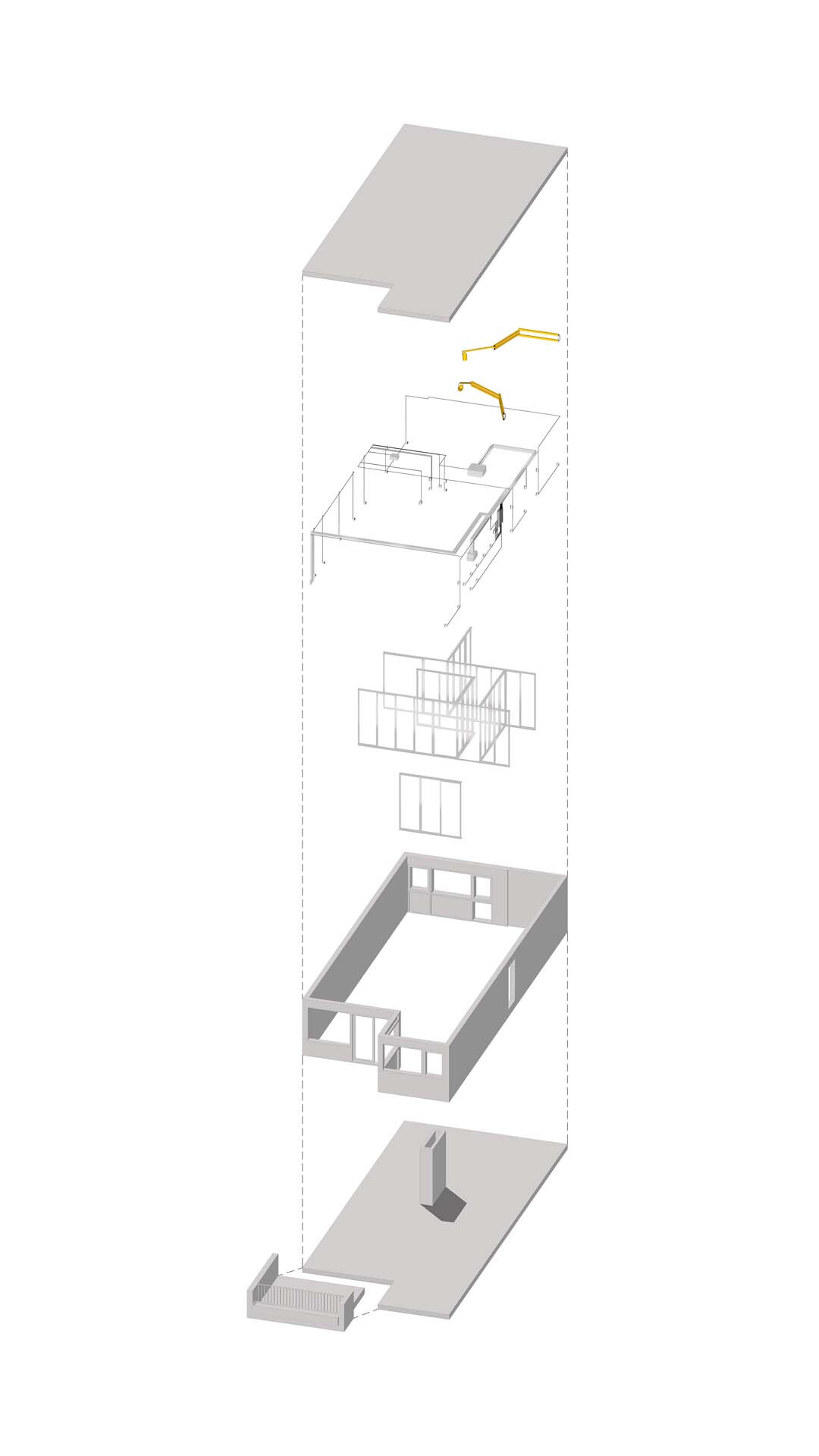
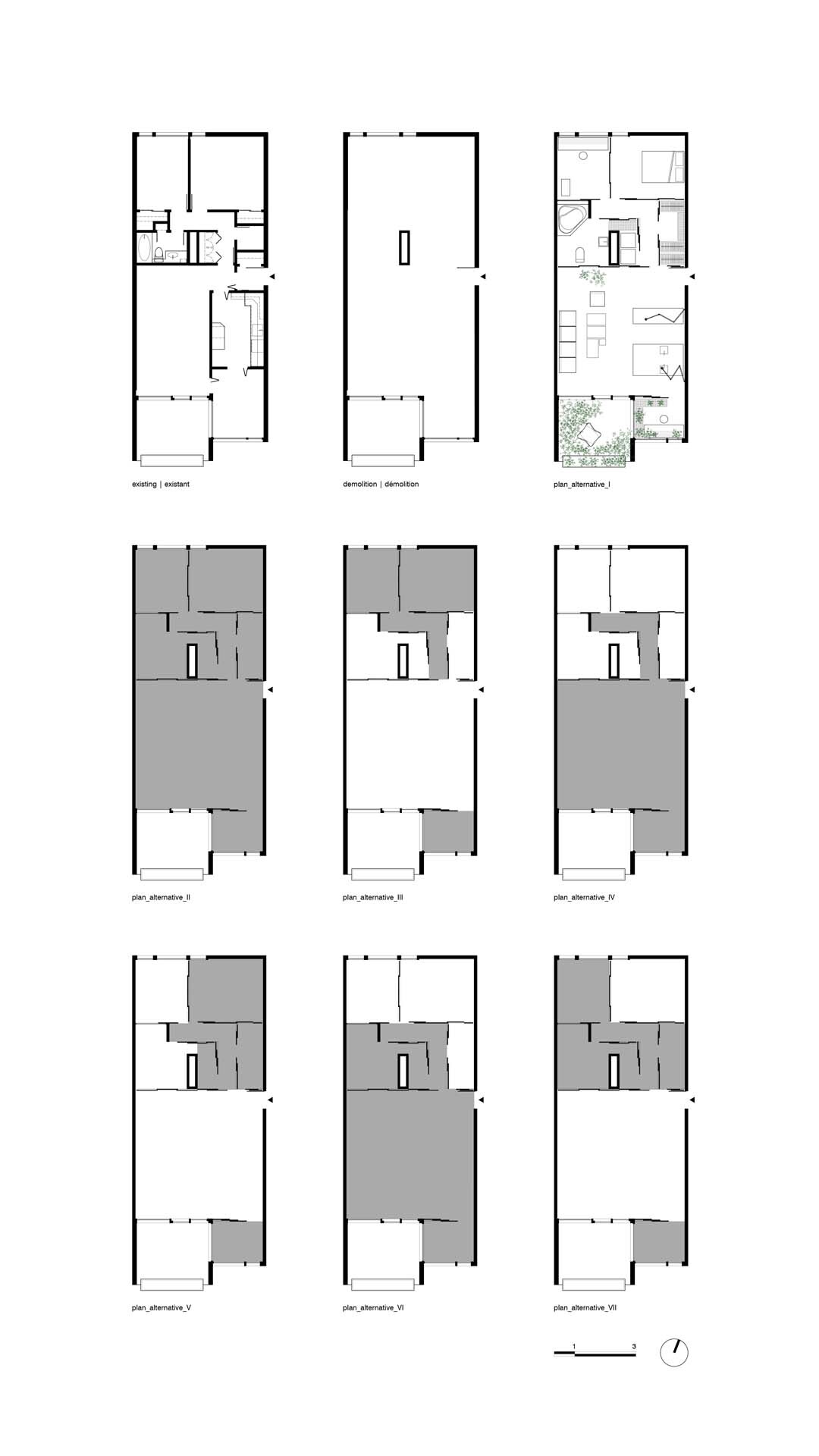
During the renovation process, Verville completely cleared the original layout, removing all existing fixtures and leaving only the raw concrete structure and electromechanical systems. He maximized the use of windows on the north and south sides to allow natural light to flood the open space. Movable glass walls were then introduced, whose transparency enables the limited space to be reconfigured into six different layouts. This flexibility enhances the spatial experience, alleviating any sense of confinement, while allowing for easy adjustments to meet the needs of work or living. Each transformation offers a new discovery.
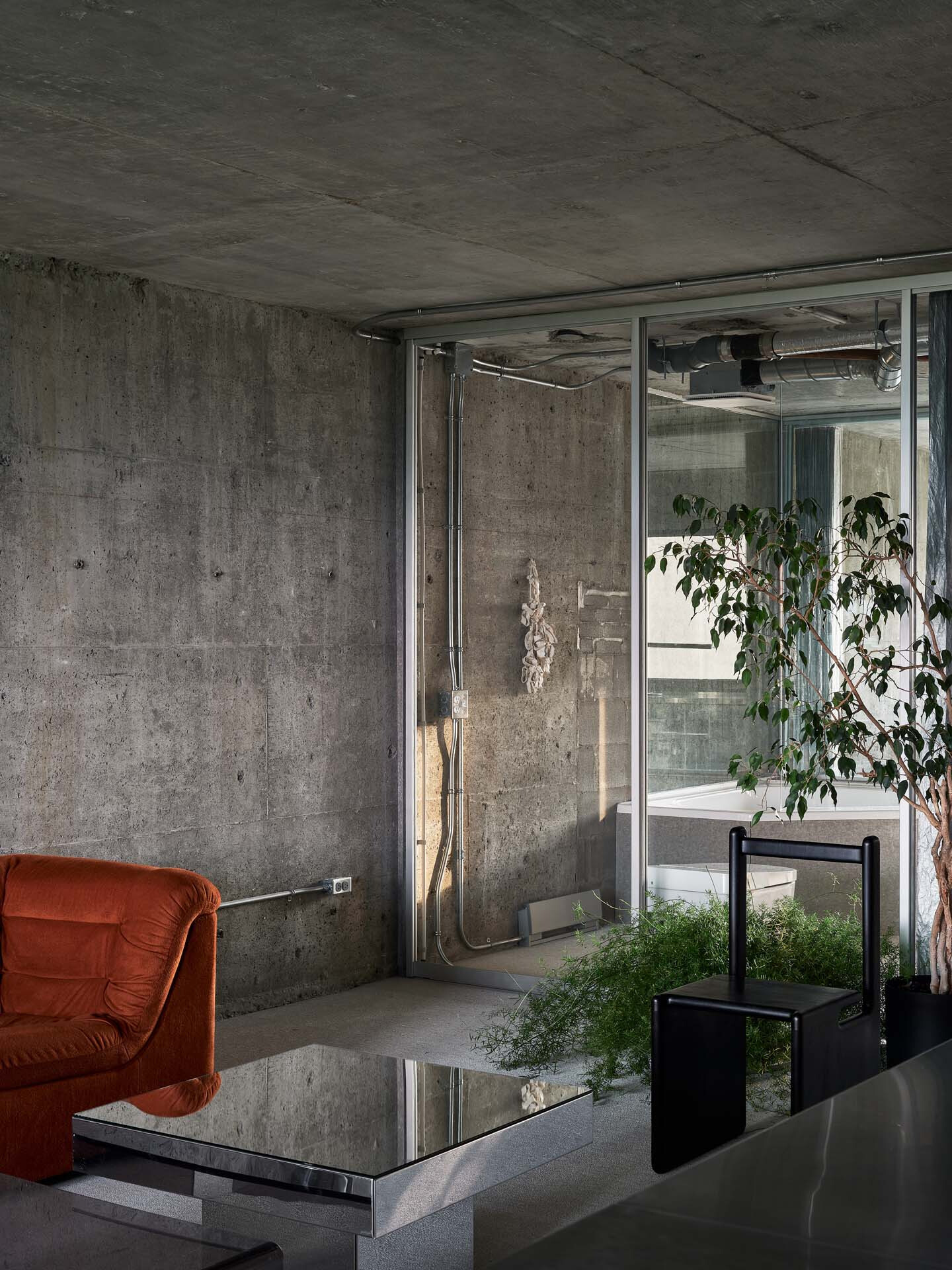
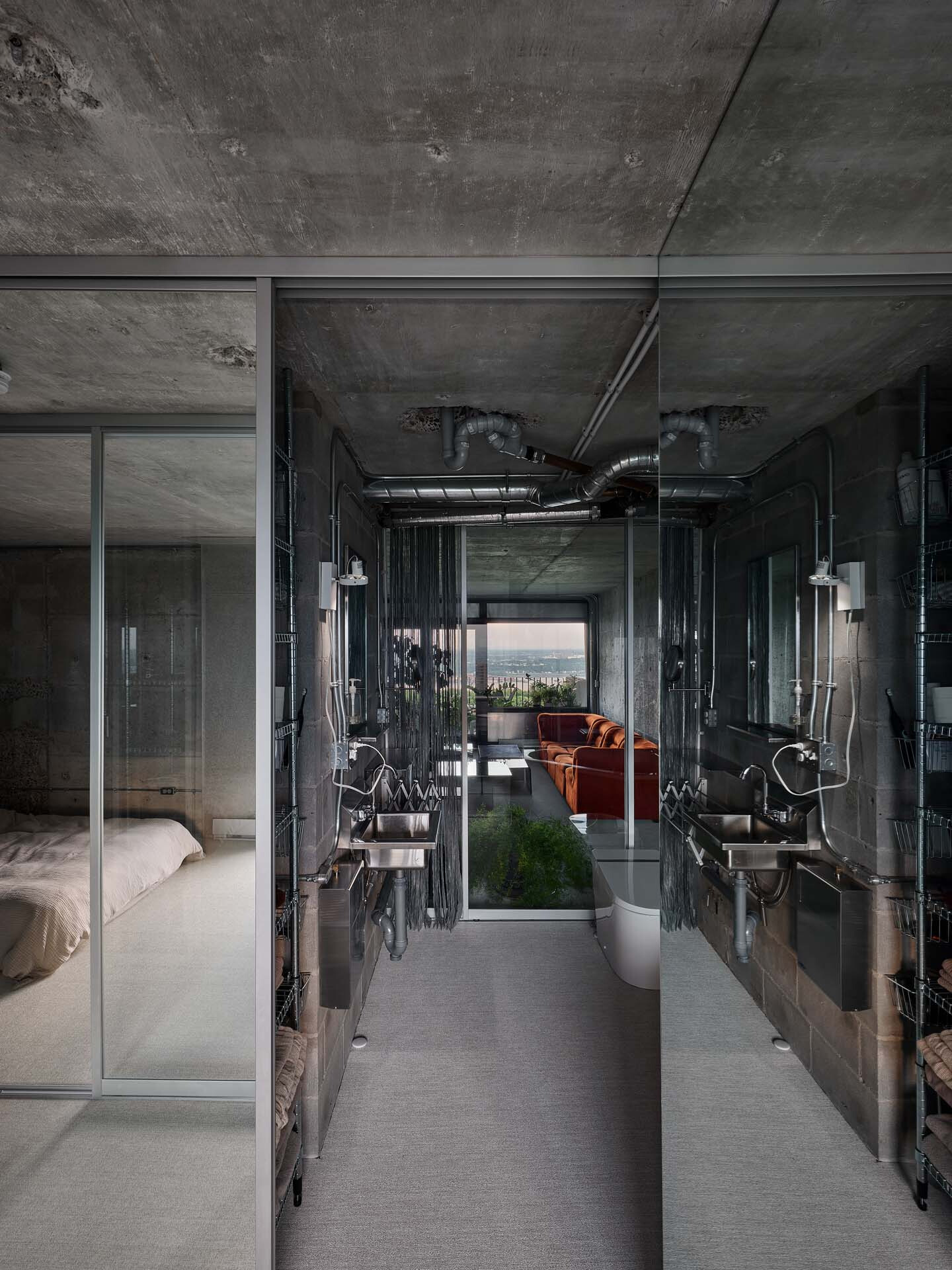
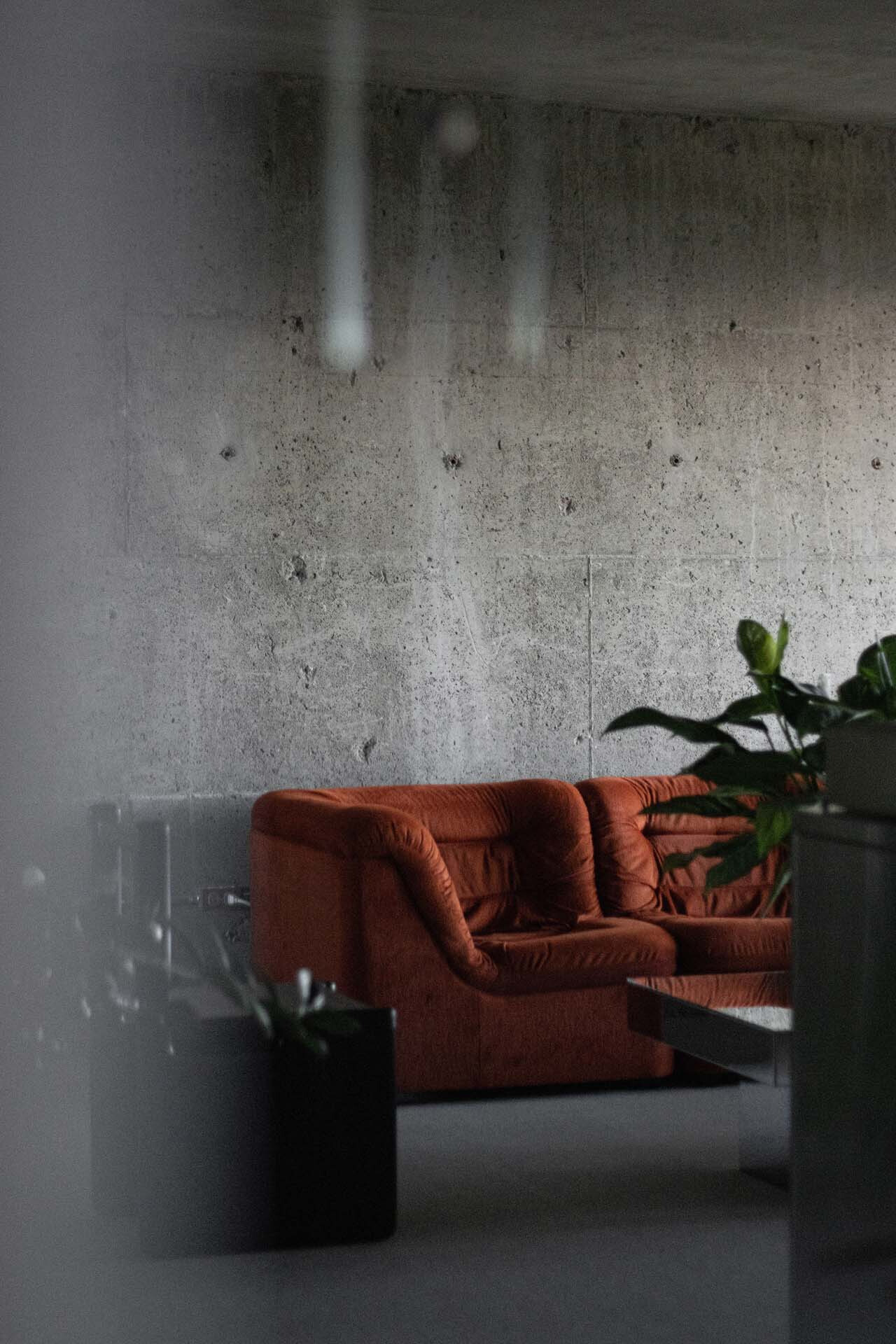
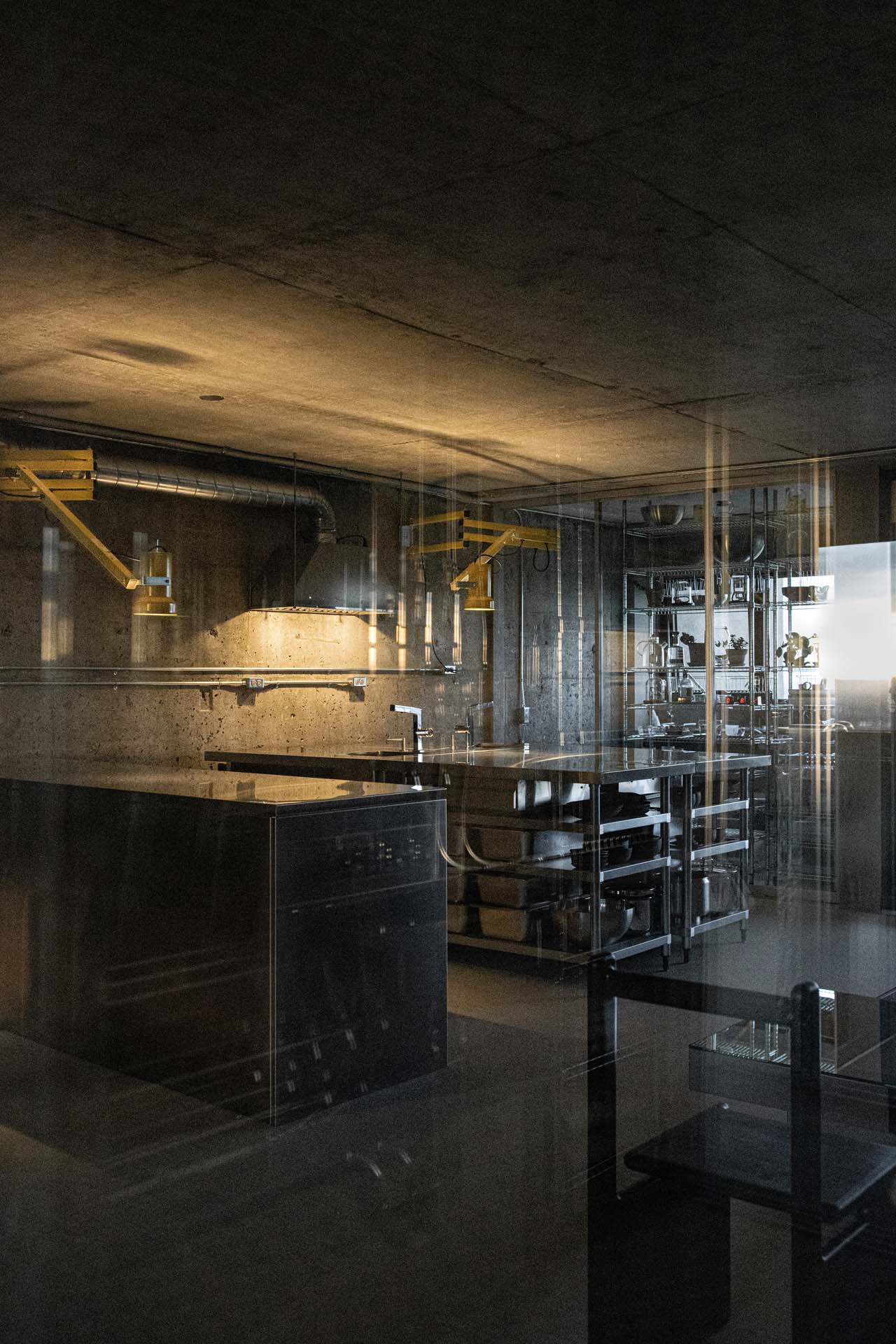
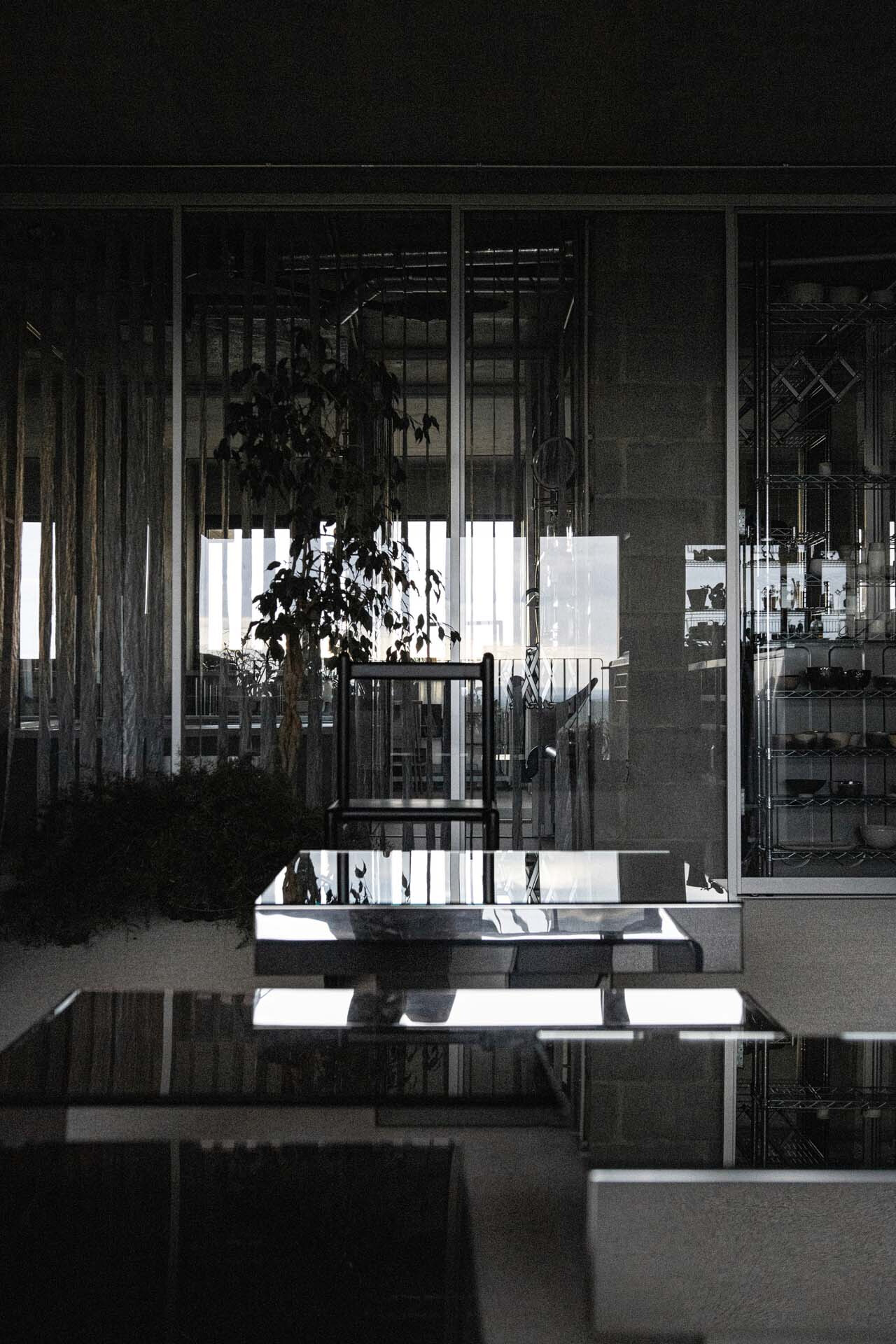
With careful consideration of flexibility and functionality, Verville redefined conventional living patterns by incorporating a modular concept. This concept creates seven distinct zones within the six flexible layouts, adapting to individual or family needs. The metallic vertical blinds add further flexibility, offering seamless transitions between openness and privacy. These blinds, almost magical in their ability to transform the space, enhance the sensory experience, making the environment rich, novel, and intriguingly mysterious.
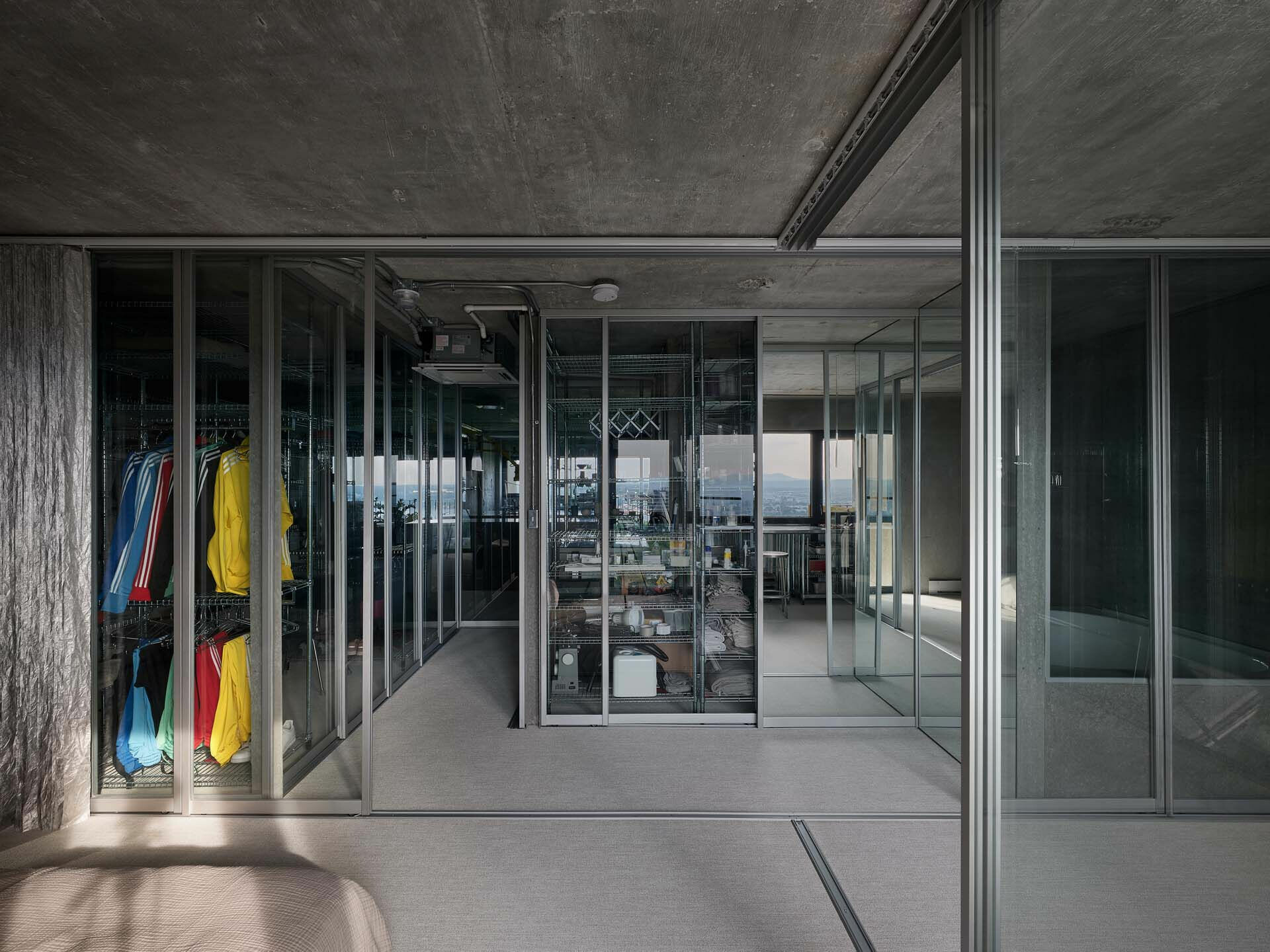
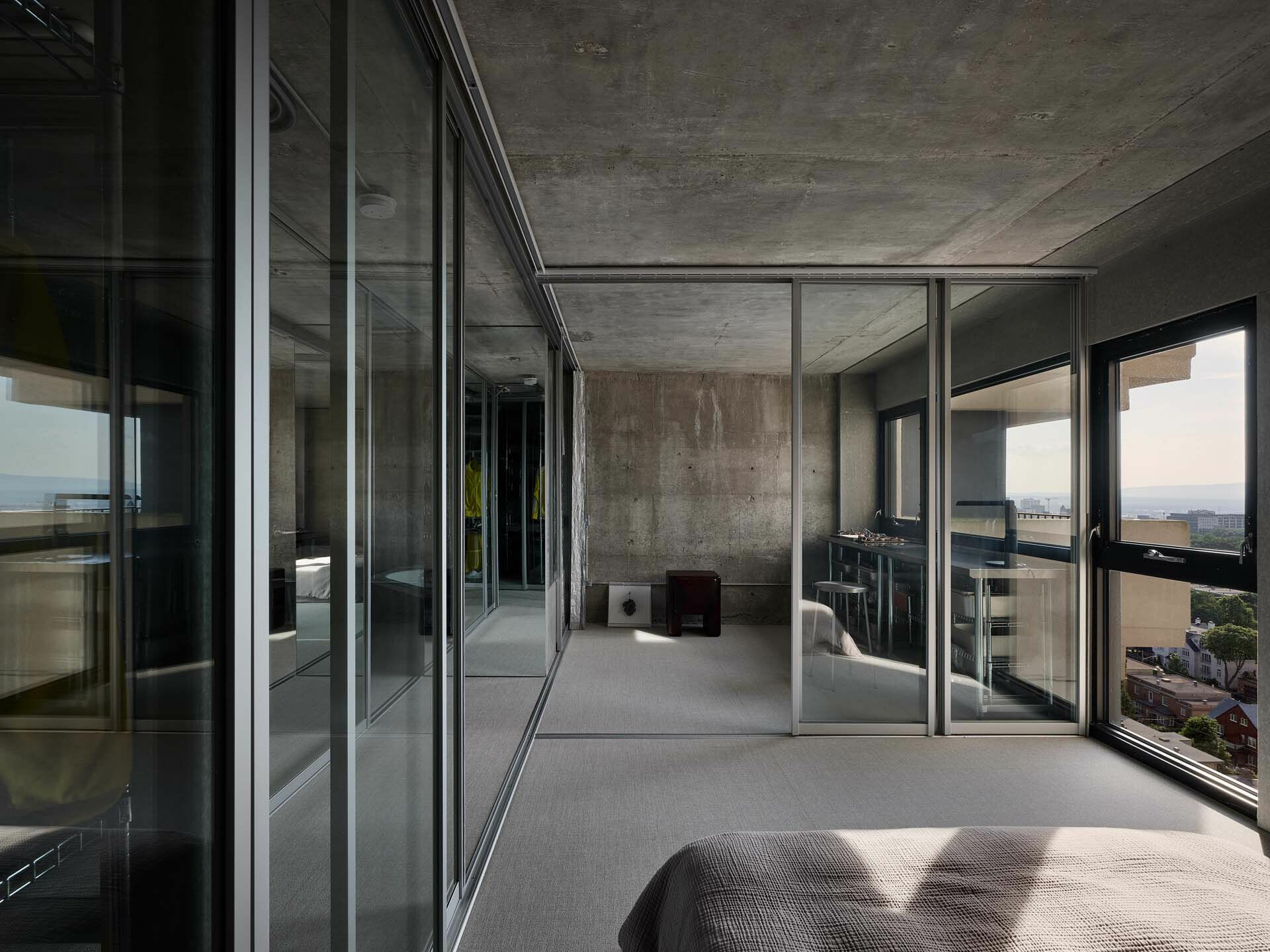
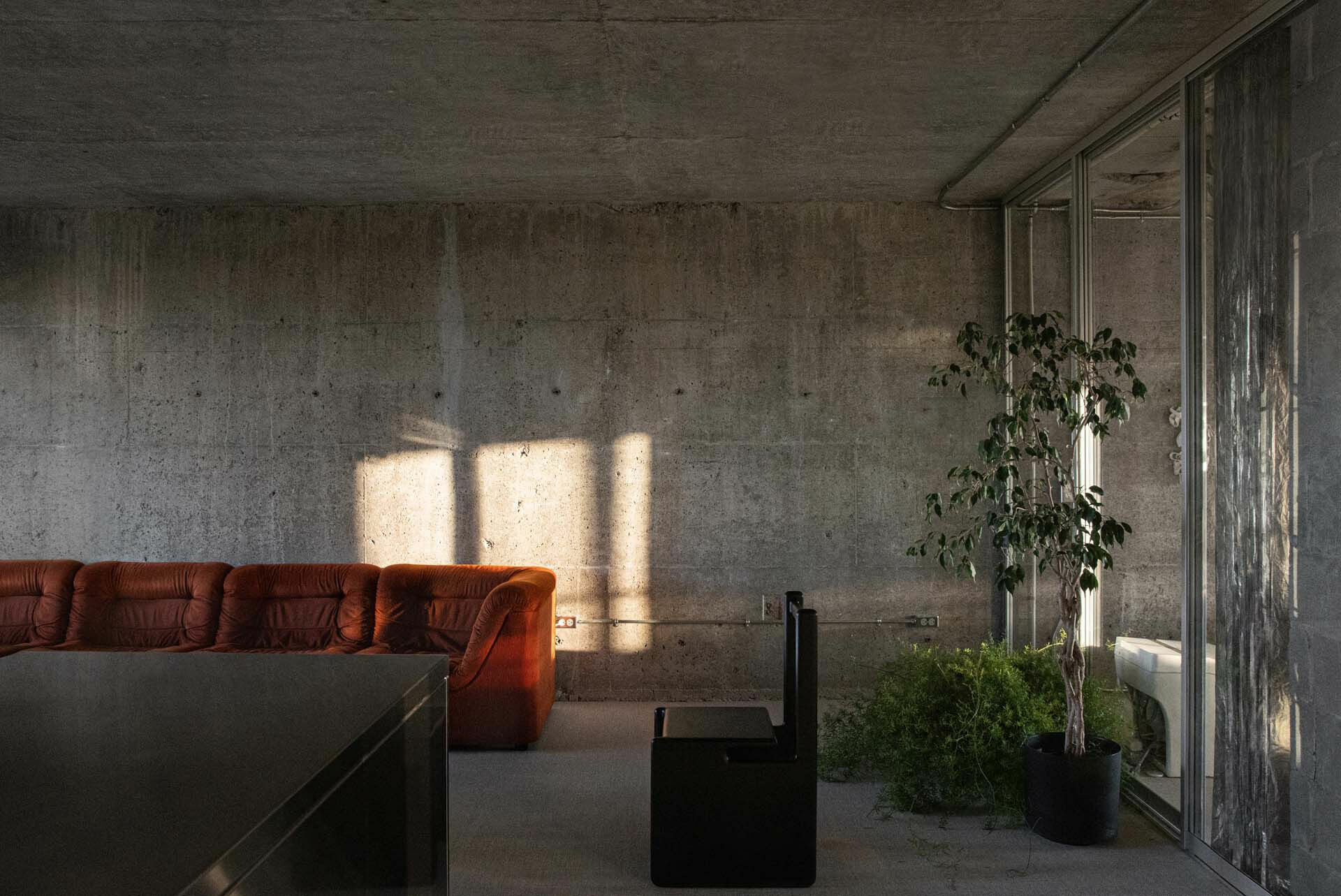
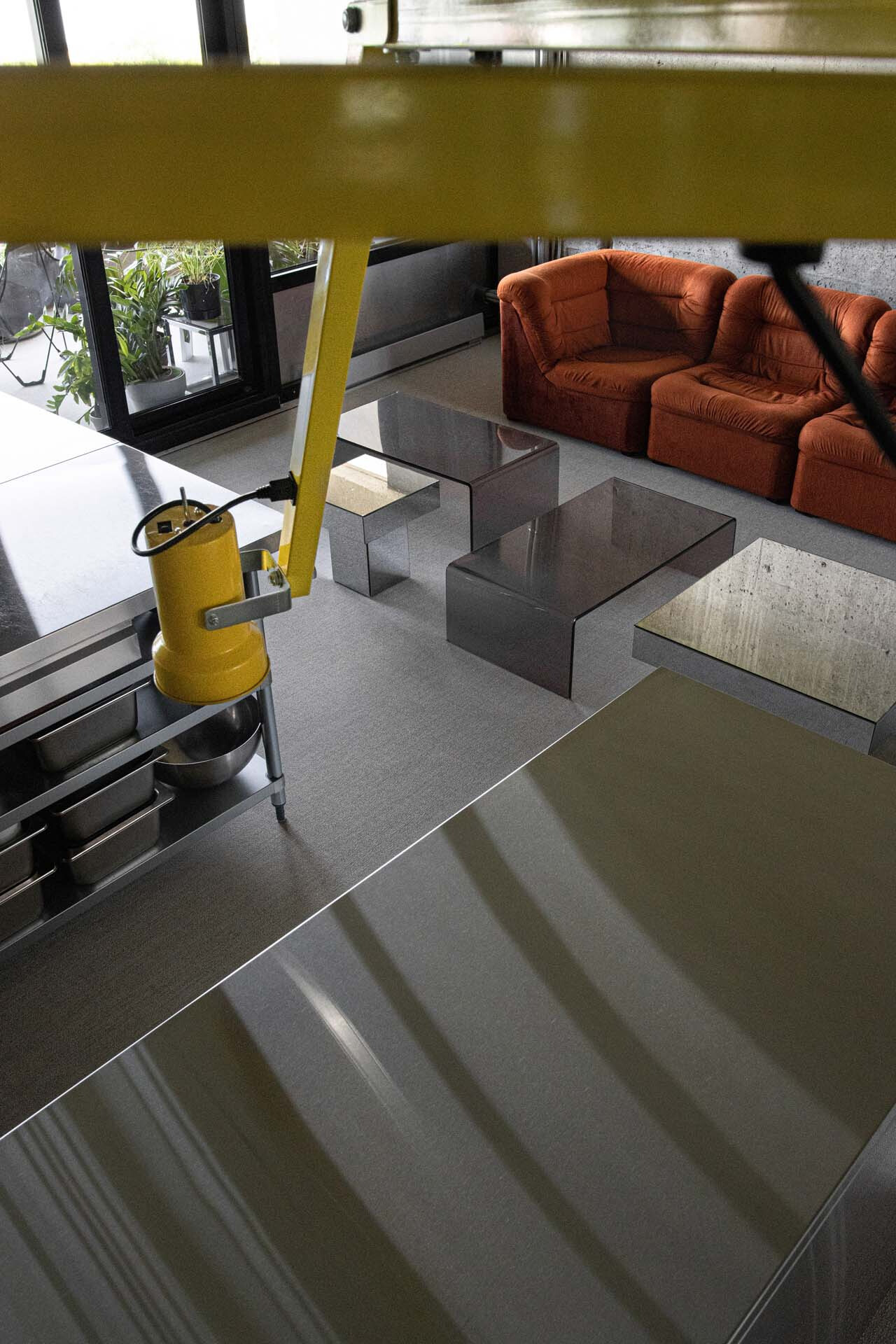
In the BRUJ project, Verville pursued not only visual innovation but also integrated considerations of sustainability and energy efficiency. The thermal properties of concrete, which provide warmth in winter and coolness in summer, reduce energy dependency. The interaction of light and shadow through reflection, transparency, and metallic surfaces creates dynamic, multi-layered visual effects. Industrial lighting and furniture choices further add to the eclectic aesthetic, reflecting Verville’s personal taste and infusing everyday life with a sense of discovery. Just as Verville combines humor, playfulness, and self-mockery in his professional practice and teaching, his unique design philosophy and teaching methods are clearly articulated. These design elements invite people to engage with the space, offering multi-sensory and visual experiences. They make the design interactive, enjoyable, and reflective, perfectly embodying his vision of contemporary visual exploration.