Casa Rancho Avándaro
Perhaps it is instinctive—despite the conveniences of city life, there remains a quiet yearning to retreat into the forest, to reconnect with a simpler, more elemental way of living. A place where the body and mind can fully unwind, allowing one to recover a deeper sense of balance and clarity. For a young family seeking to escape the urban din, Casa Rancho Avándaro was conceived as a weekend sanctuary nestled 90 kilometers west of Mexico City, near the lakeside town of Valle de Bravo. Tucked into a narrow plot accessible by a single road, the house is cocooned in nature—surrounded by oak and fir trees, their gentle whispers carried on the breeze beneath an expansive, open sky.
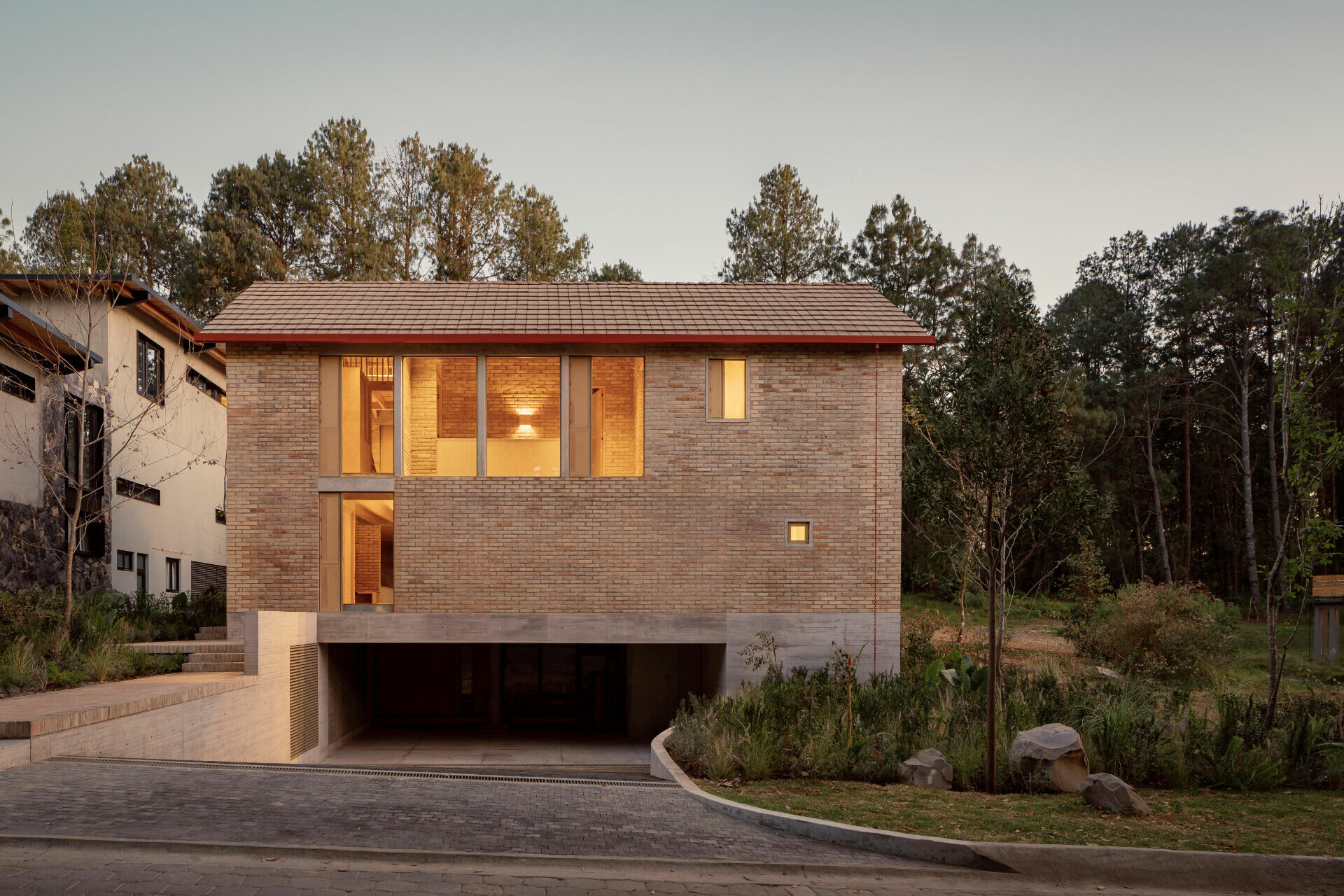
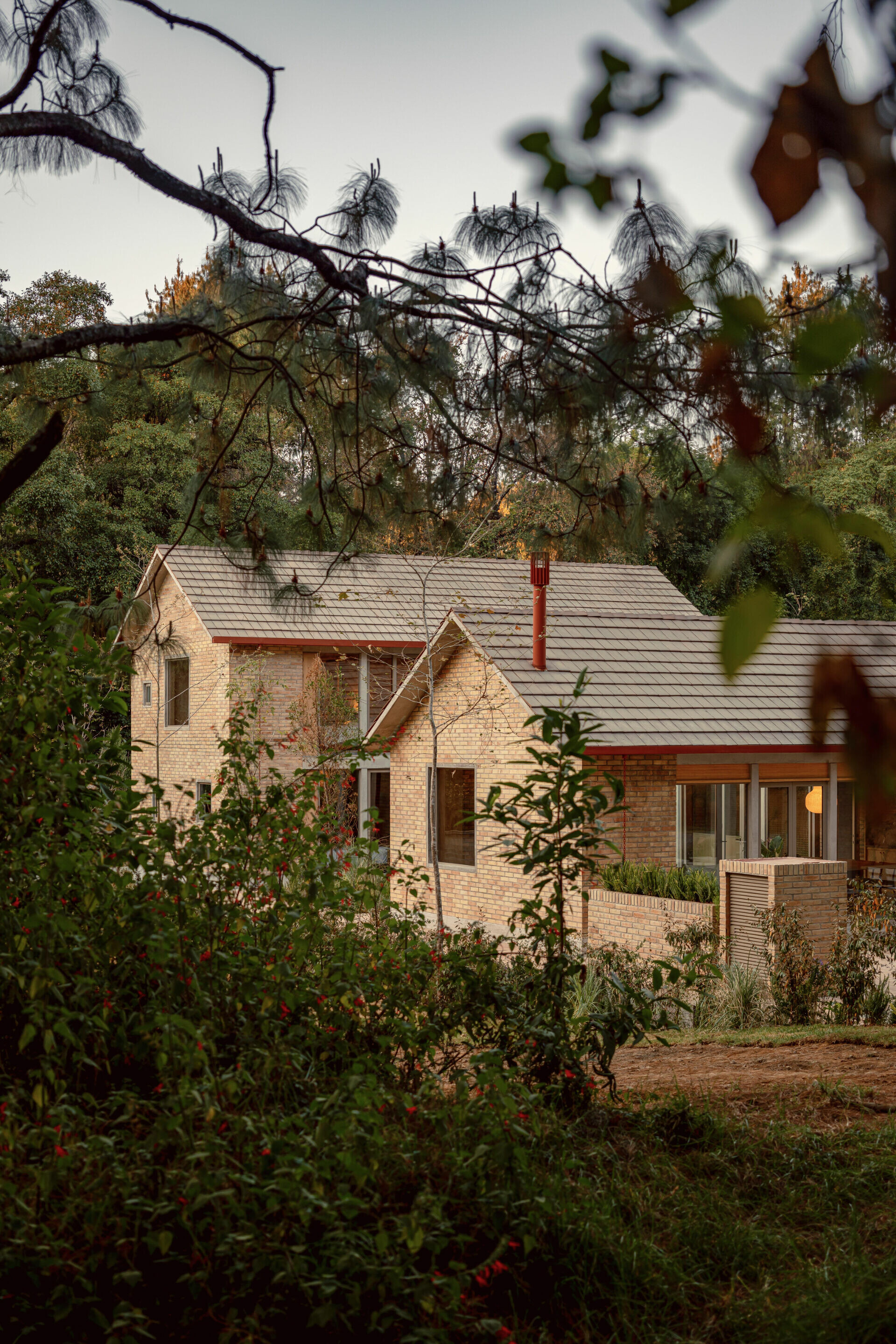
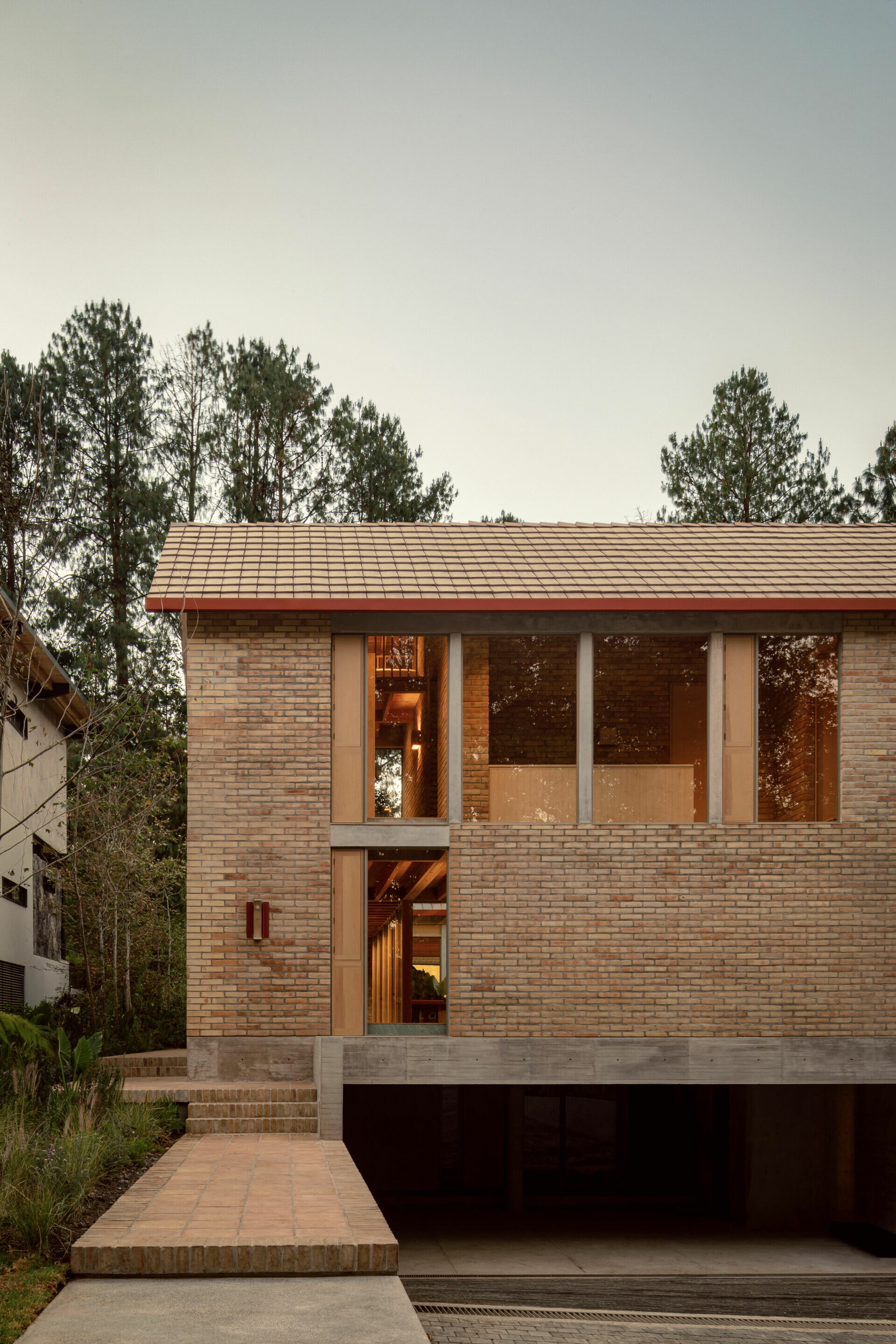
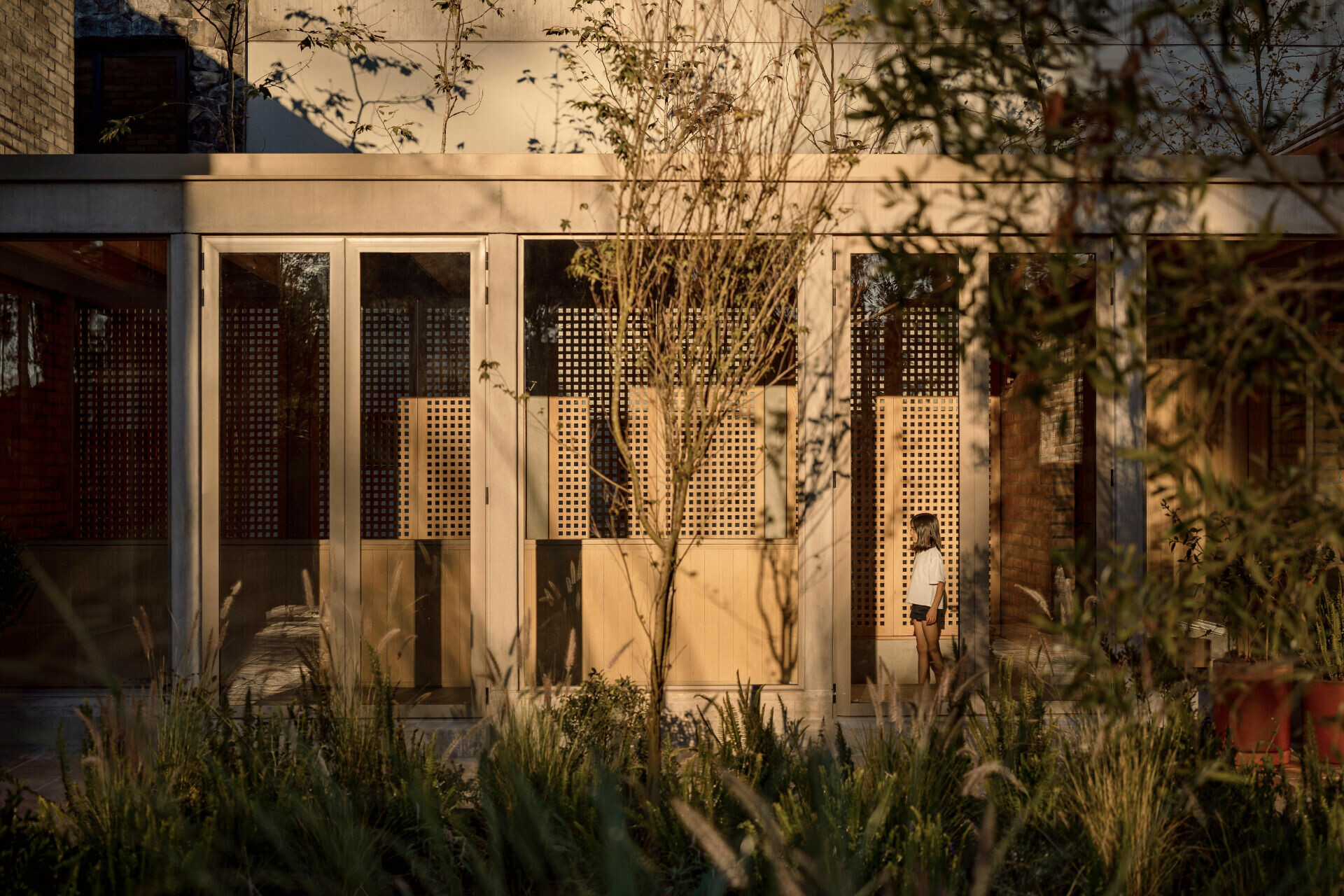
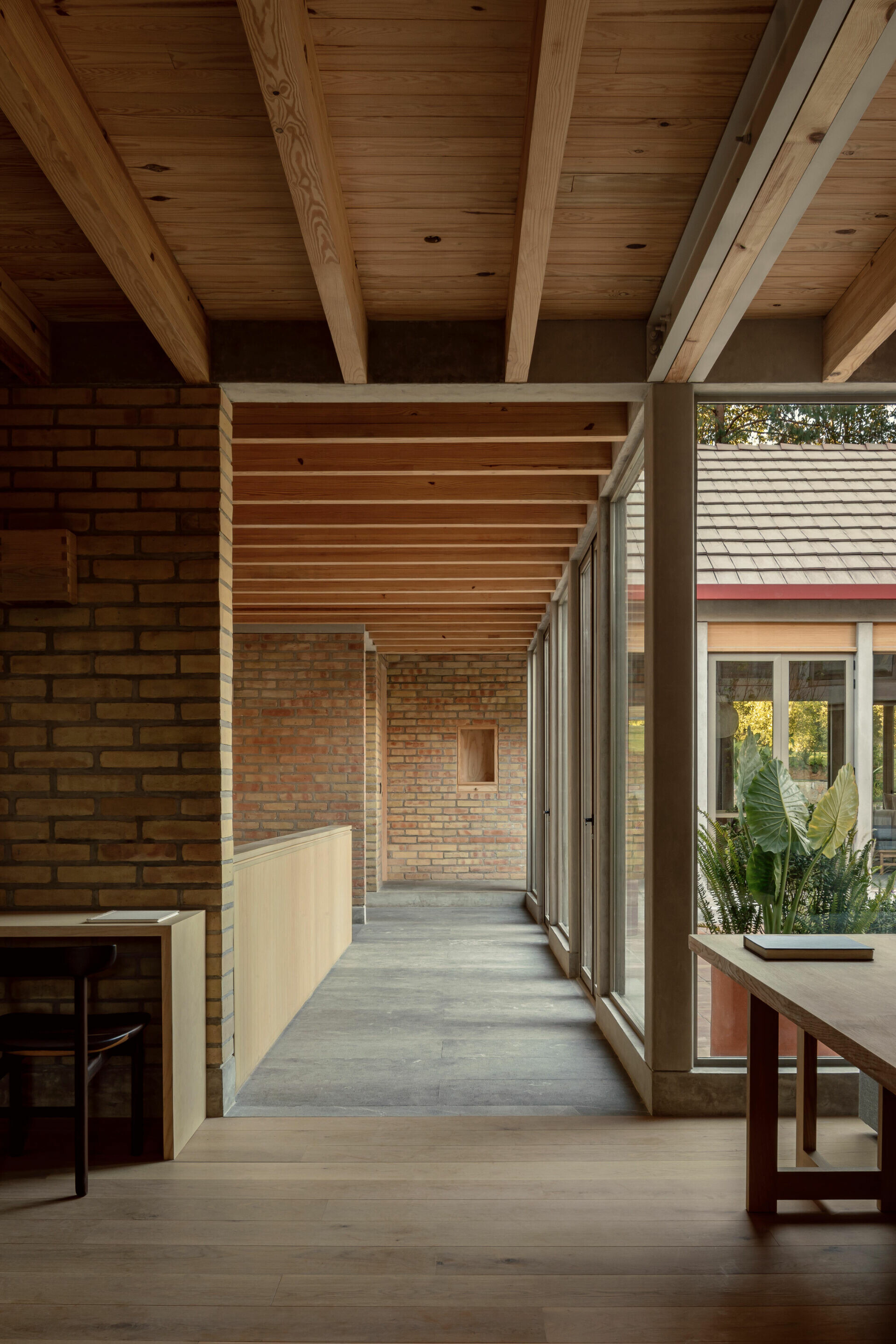
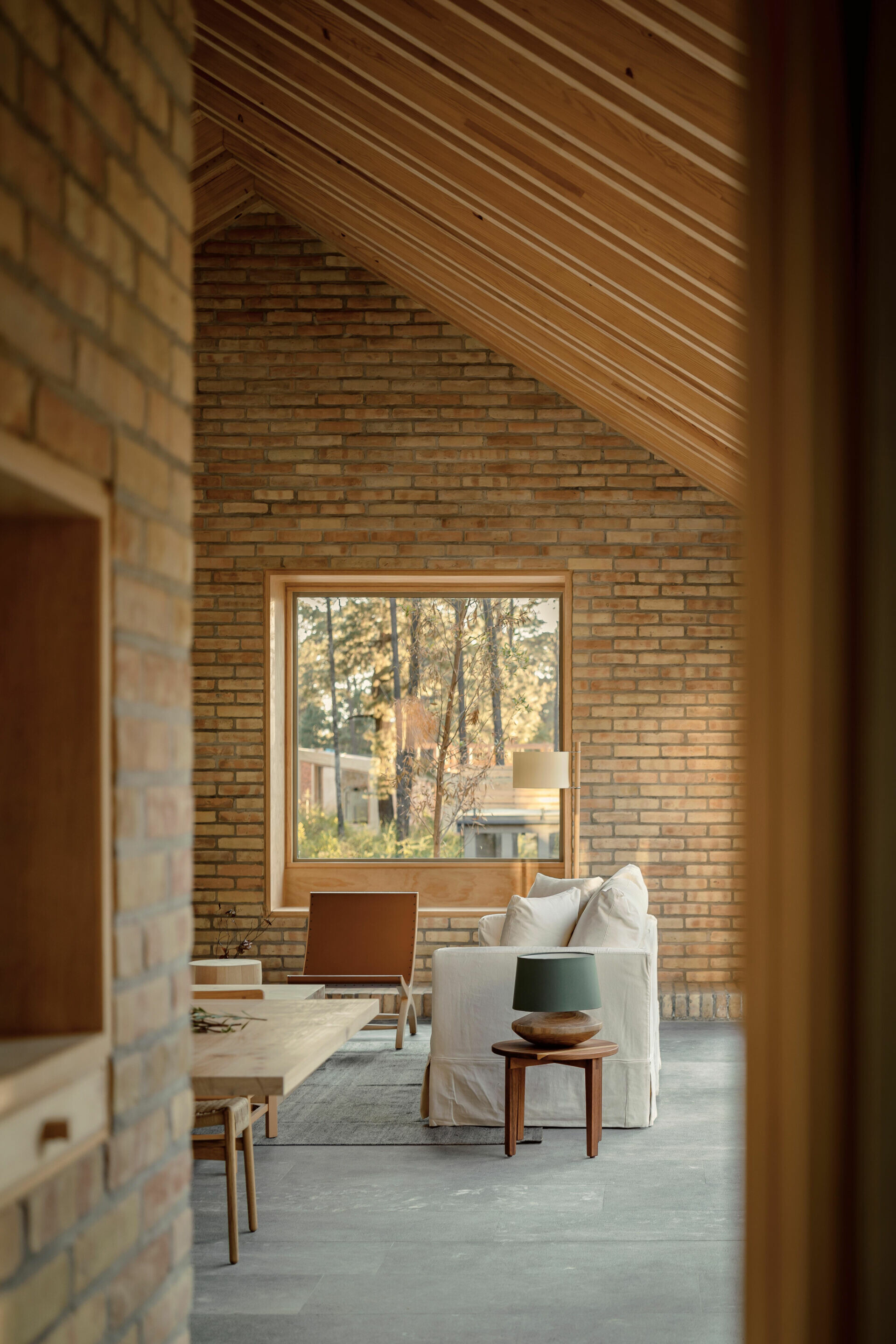
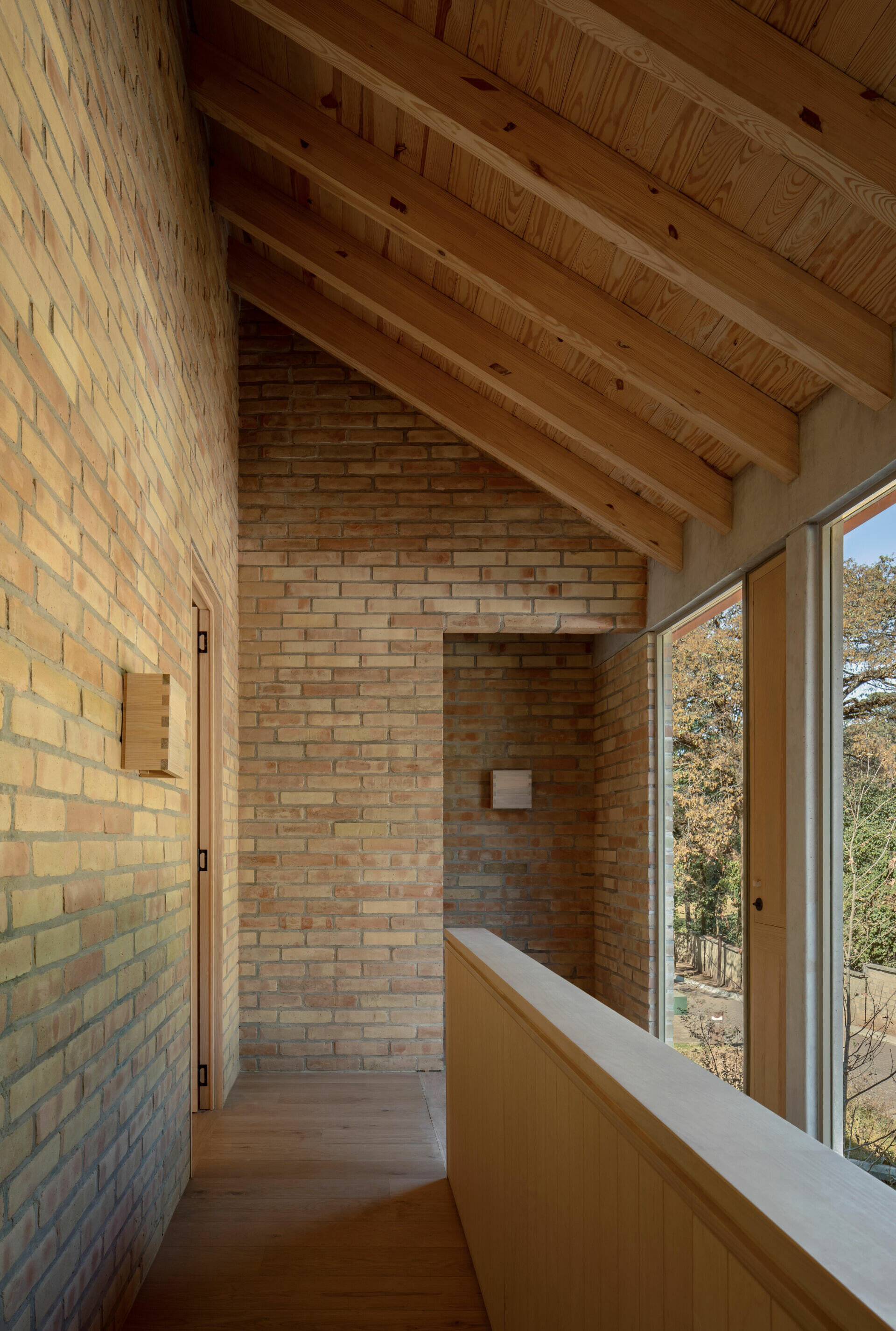
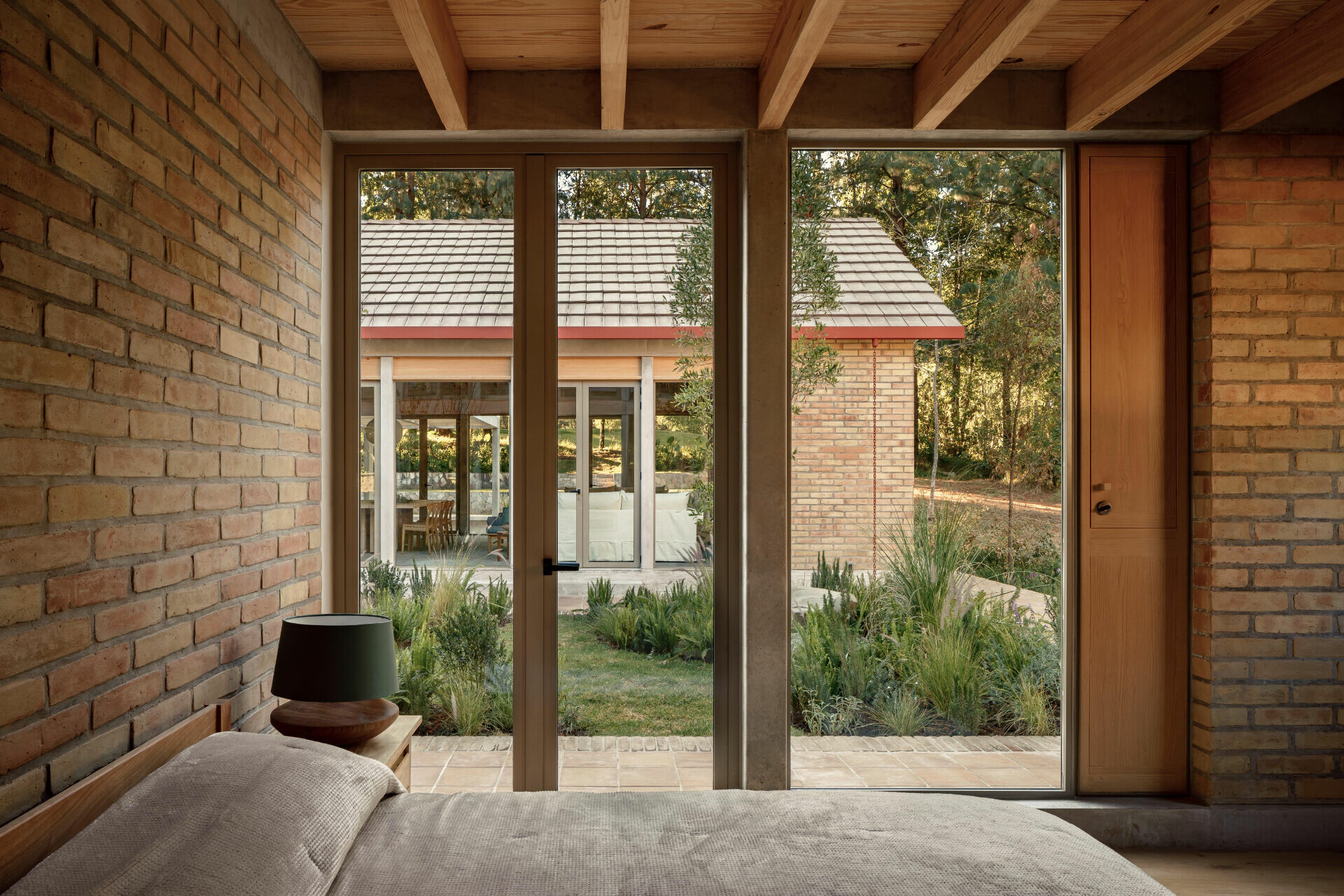
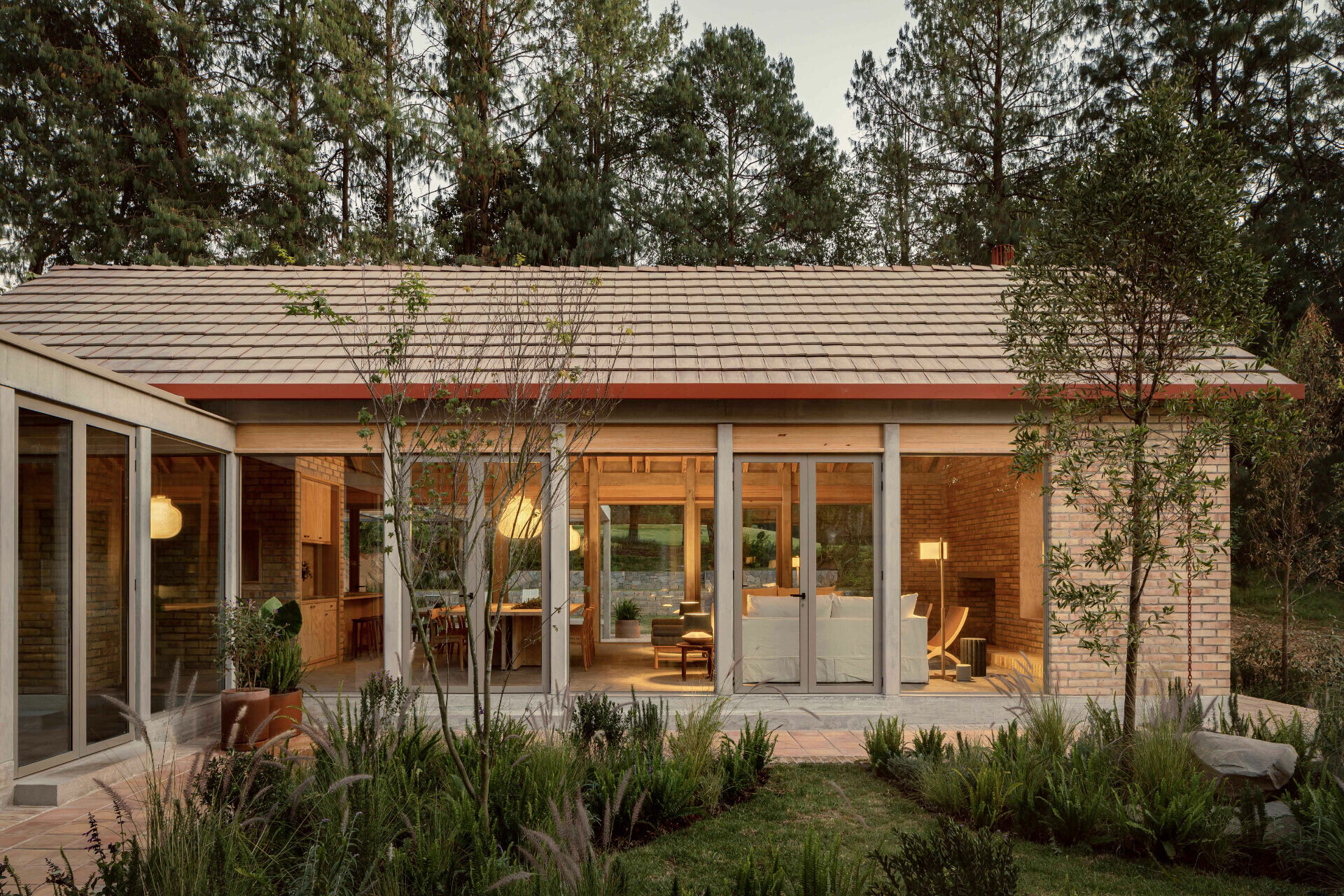
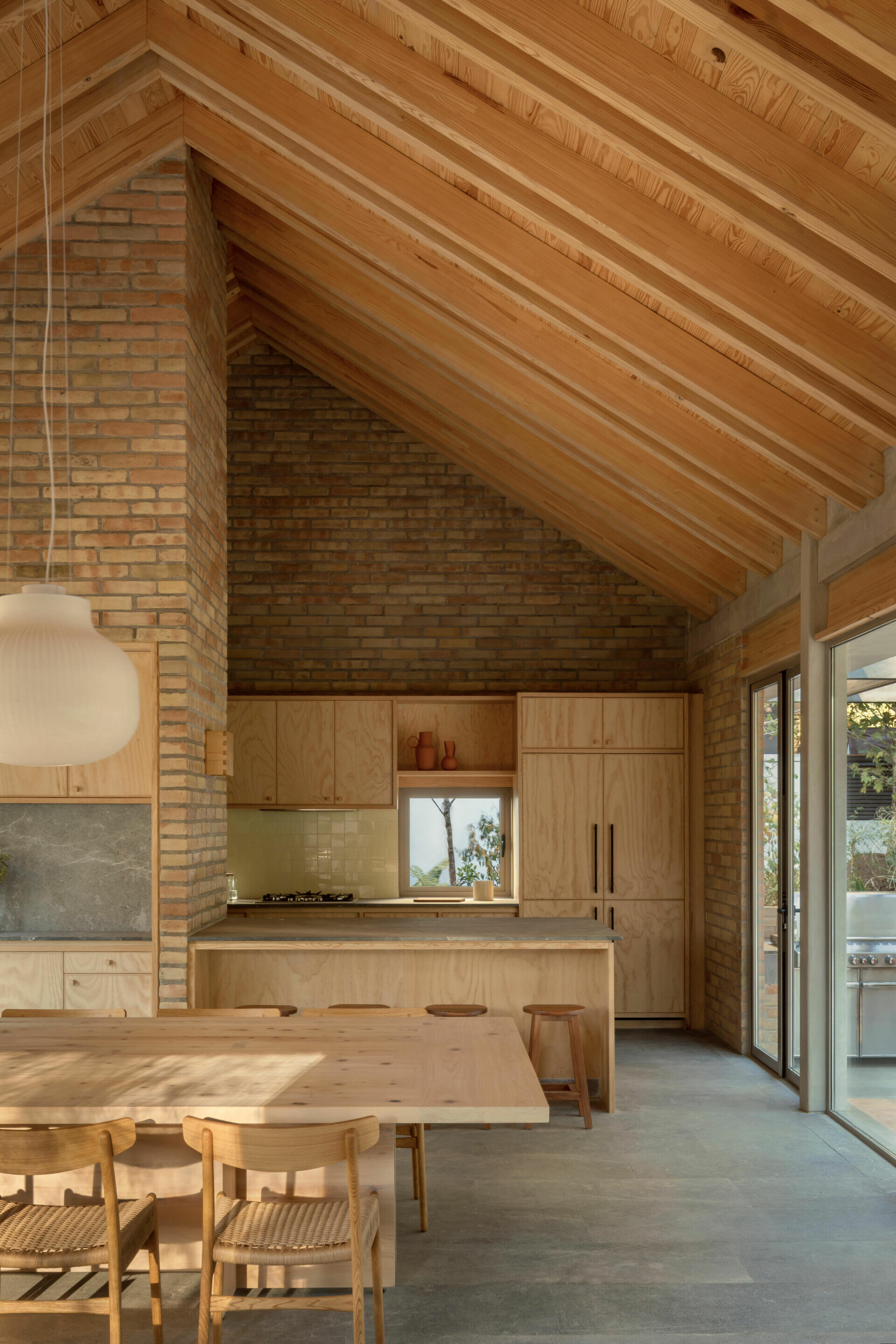
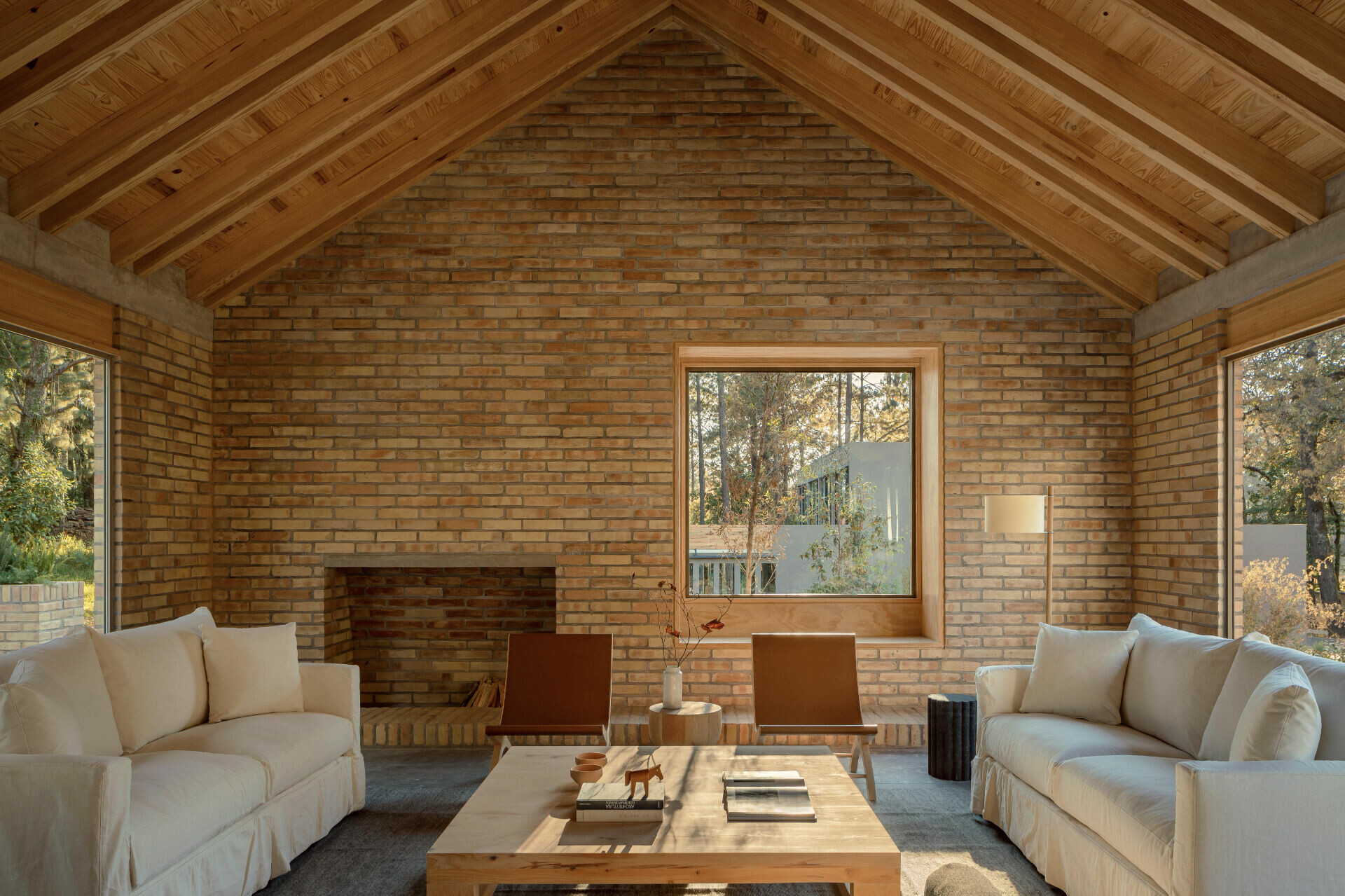
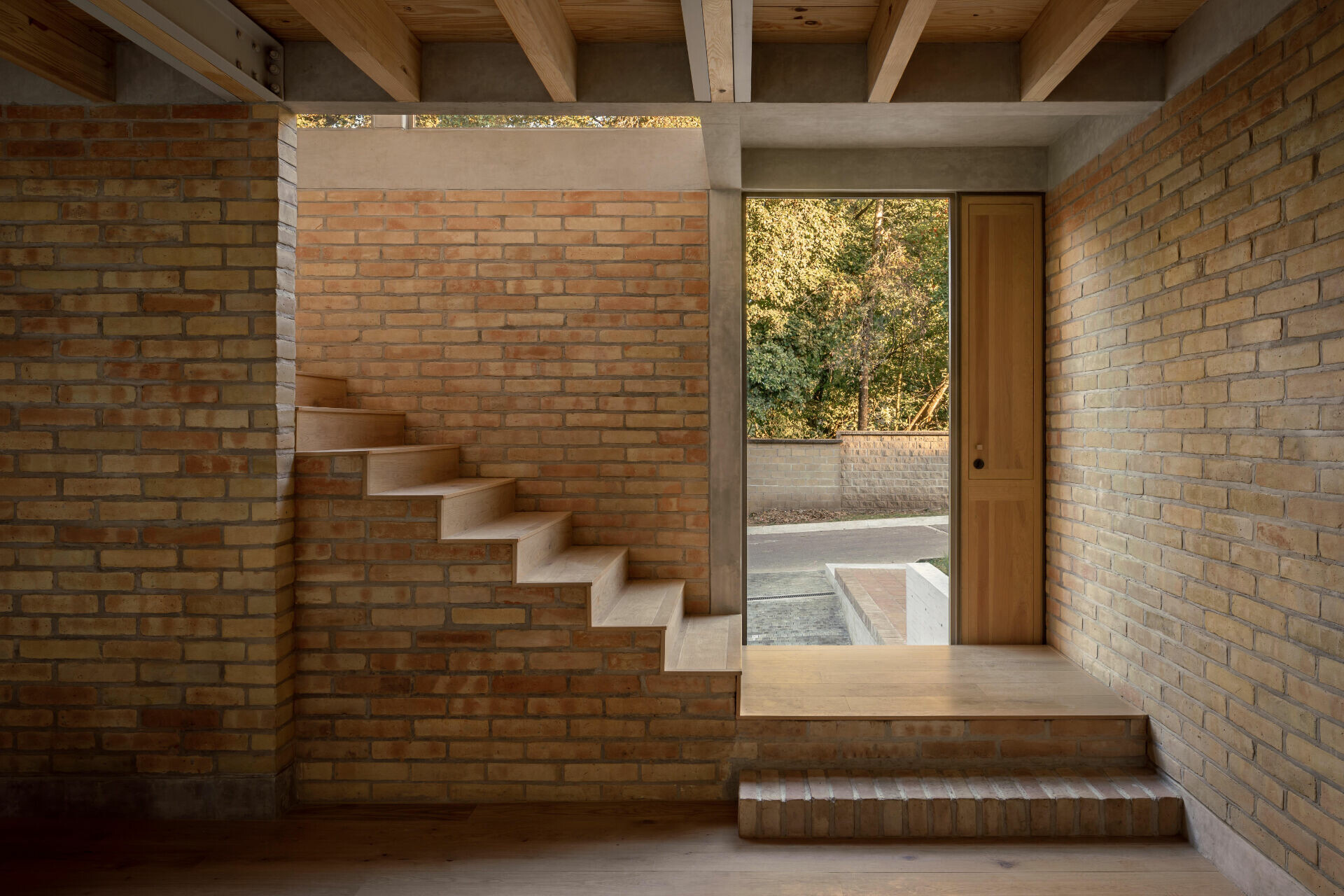
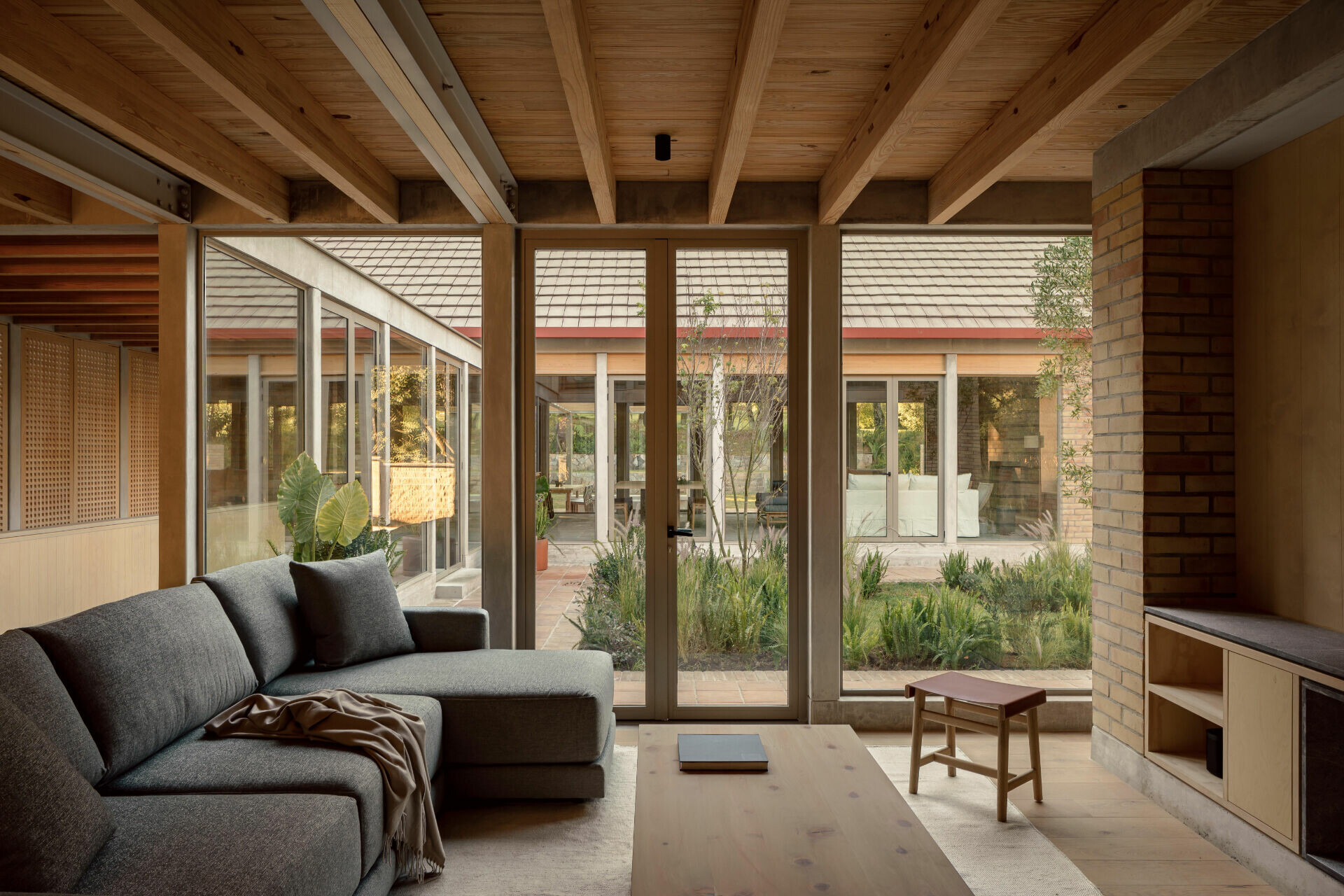
In response to the family’s desire to live closer to nature and to deepen their shared experiences, architecture studio HEMAA began by observing the family’s routines and aspirations. The resulting design fosters harmony between the built environment and the surrounding landscape. Three primary volumes gently rise from a base of exposed concrete, arranged on either side of a generous central courtyard, in proportions informed by the golden ratio. Light-filled corridors, lined with transparent glazing, connect the main spaces and frame perspectives through the house. For privacy, a secondary wing serves as a retreat for more intimate family functions, where red brick staircases lead to bedrooms and shared activity rooms, allowing the family to circulate freely between spaces depending on their needs. Along the corridor, one arrives at a single-storey wing facing the garden. Here, within a bright and open plan, the family can relax together on the living room sofa, immersed in an ever-shifting interplay of natural light. In unhurried moments, a walk to the kitchen for a cool drink or light snack leads to a seat at the dining table, where lush greenery outside becomes the visual backdrop for everyday leisure.
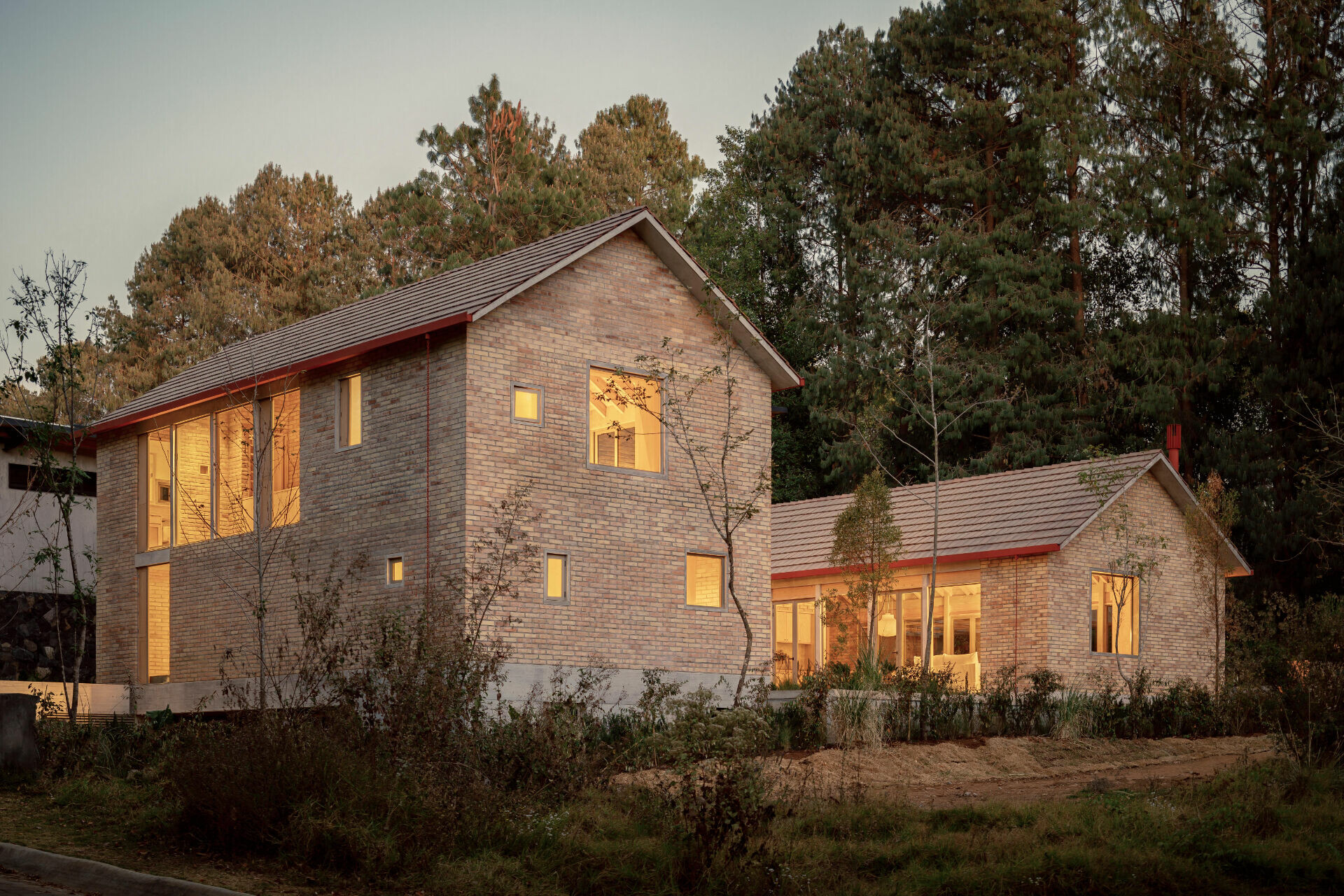
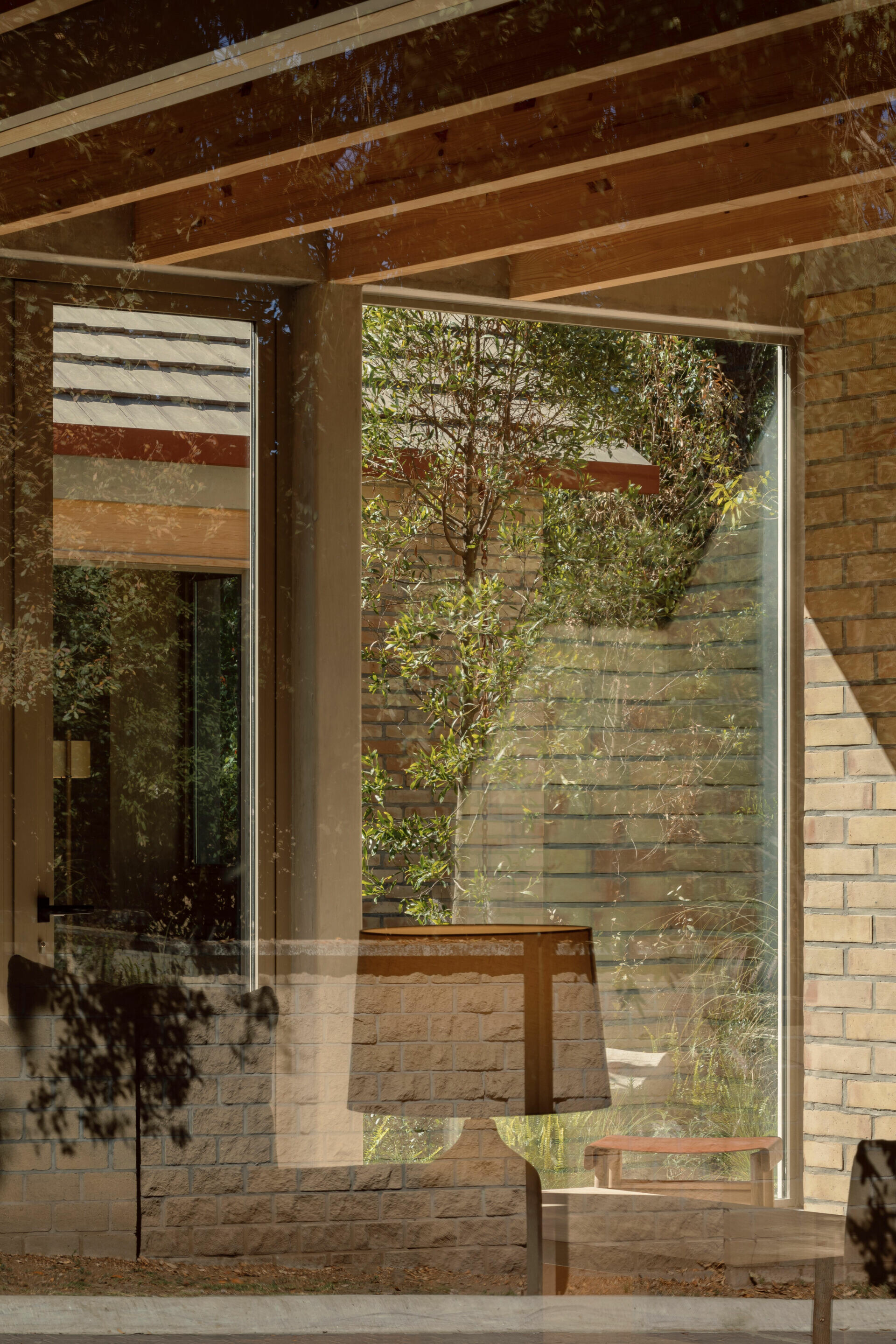
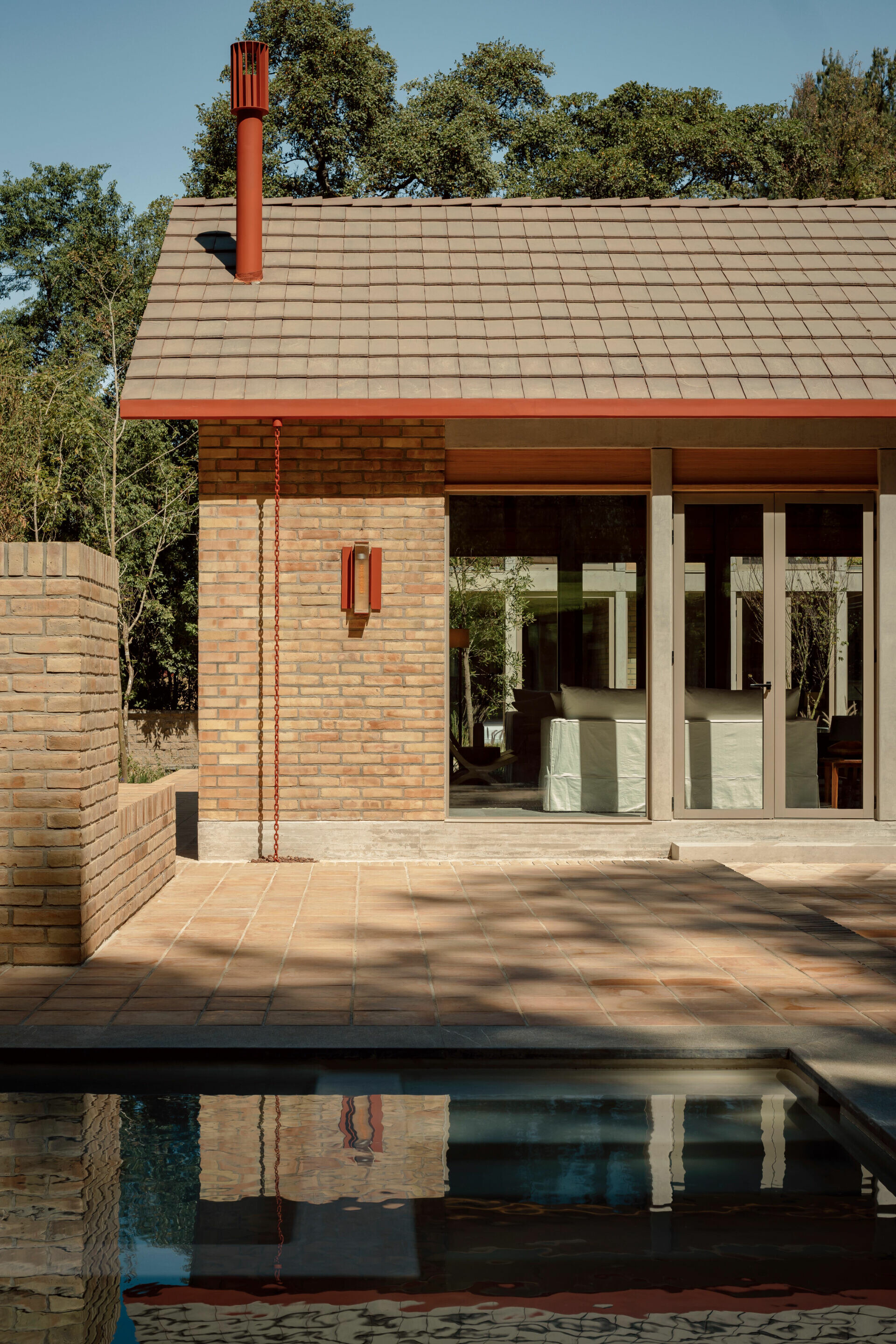
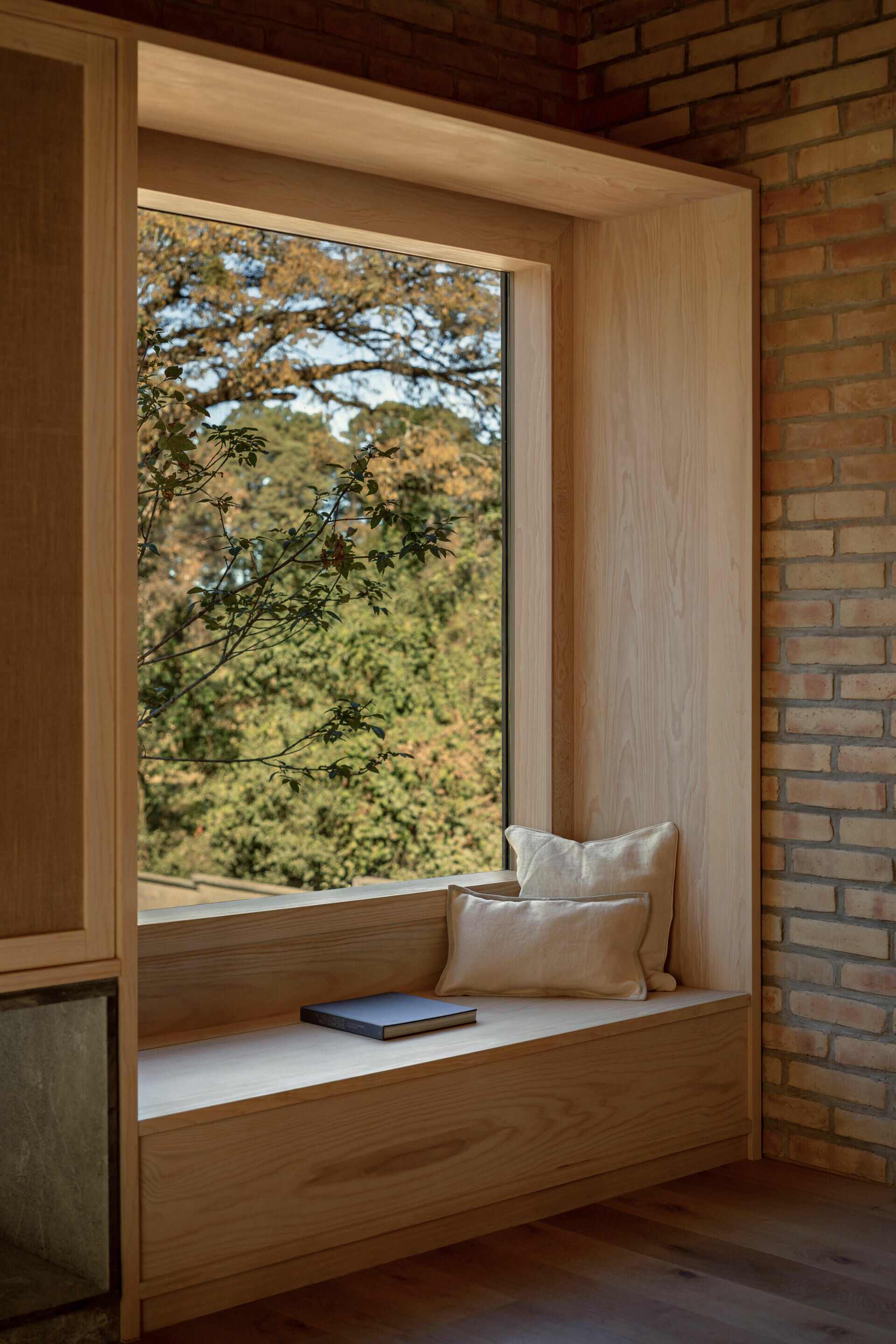
Careful calibration of glass walls and openings allows Casa Rancho Avándaro to strike a fine balance between openness and enclosure, immersing its occupants in the surrounding landscape while maintaining a sense of refuge. The gabled roofs and humble material palette evoke the rural vernacular of the region, yet the architectural language remains unmistakably contemporary. HEMAA reinterprets the traditional houses of Valle de Bravo through meticulous study of spatial layout, wall-to-opening ratios, and sectional rhythm. Brick walls and exposed timber beams bring a warm, tactile softness, while crisp concrete geometries introduce a quiet order—allowing tradition and modernity to meet in dialogue. On the interior-facing elevations, floor-to-ceiling glass panels extend views deep into the house, gently dissolving the boundary between indoors and out, fostering a seamless connection to the natural world.
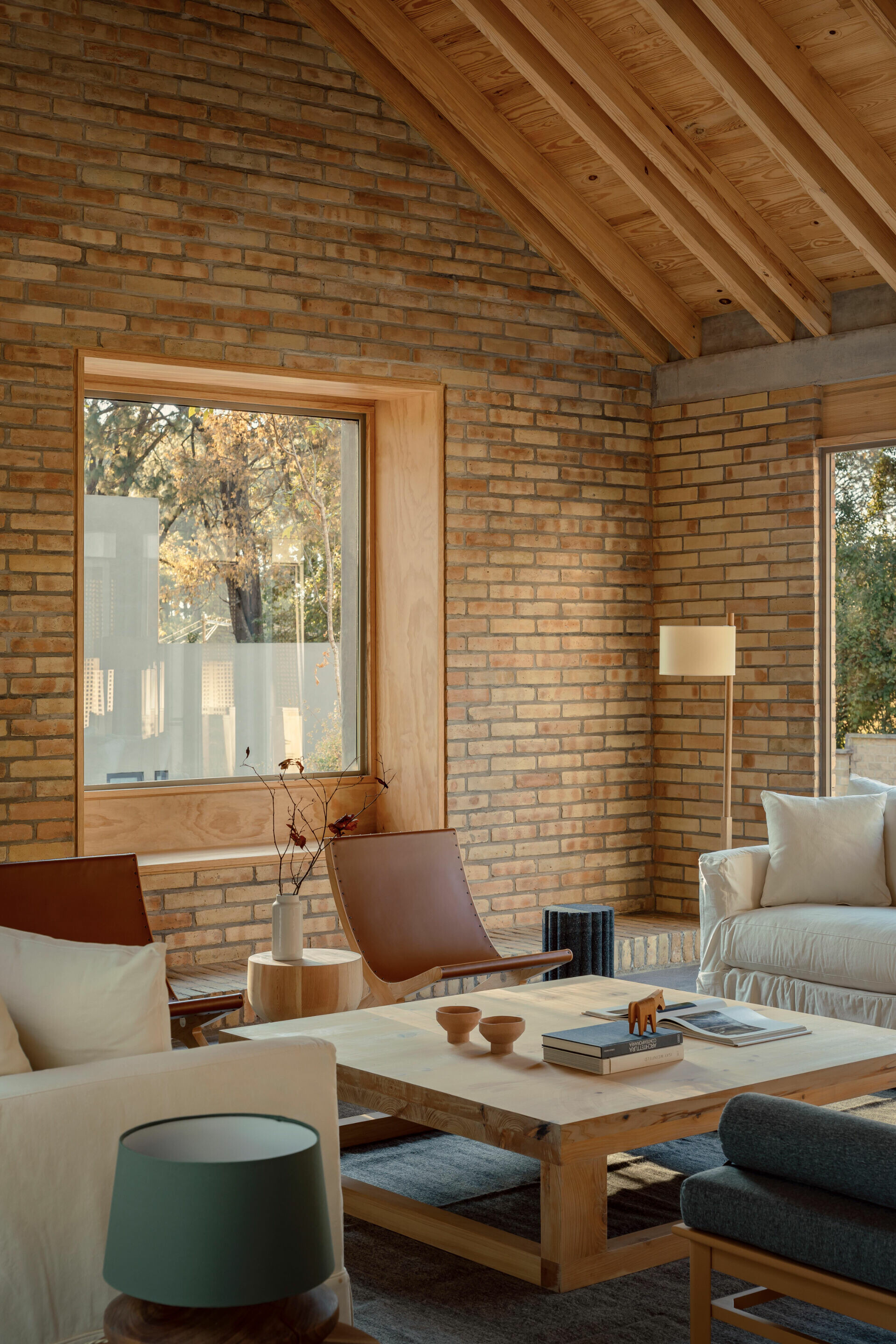
As HEMAA notes, the region’s distinct seasonal shifts were an essential consideration in the home’s environmental responsiveness. The south-facing orientation is complemented by deep roof overhangs and operable openings that promote passive shading and cross-ventilation, ensuring year-round thermal comfort. A thoughtfully integrated system of gutters and drainage channels allows rainwater to be collected during the wet season and reused during dry spells. Here, architecture transcends its role as physical shelter—it becomes a vessel for memory and experience. Through its use of natural materials and an updated interpretation of traditional forms, the house quietly recalls the essence of the Mexican countryside. It offers a chance to dwell in close proximity to the land, and for the children growing up here, it becomes a place where they learn to perceive their surroundings through all five senses, discovering, day by day, their intimate and reciprocal relationship with the natural world.