Chou’s Penthouse
Waking up each morning to see one’s home, like a ballet dancing lightly, who could not feel joyful? This piece, with its elegantly understated character, reminds us under the morning’s white light that every day is a brand new beautiful moment.
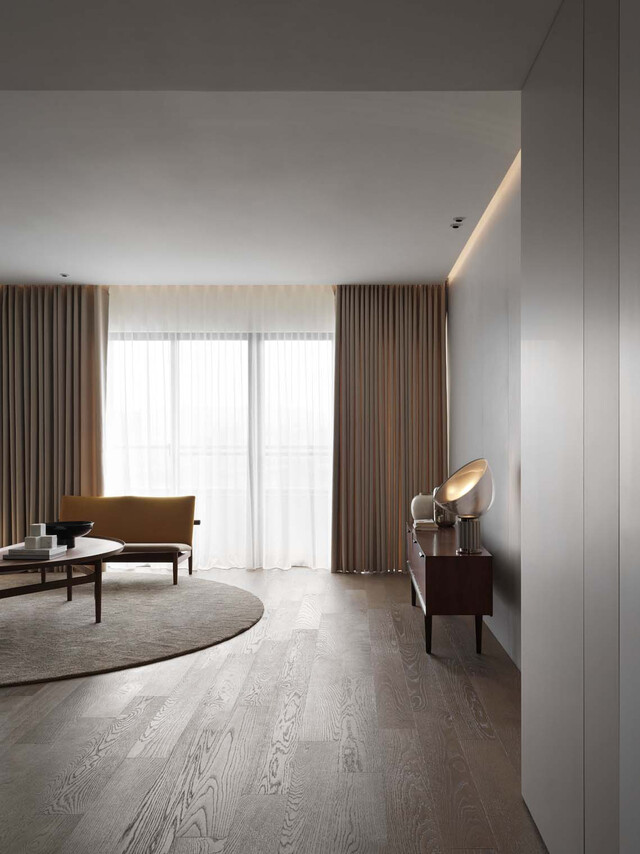
Designer Wei Lai Jhen shares that this is the new home of a woman nearing her seventies. This independent woman, who finds joy in her work and has seen the beauty of the world, has ultimately chosen to settle in her hometown. She hopes that this space, dedicated to her, can provide a serene retreat after a day of hard work. Thus, the designer removed the original elaborate decorations and unnecessary partitions, allowing the home's space to breathe once again. What follows is a moment of collaboration between her, who has studied ballet from a young age, and the homeowner, who possesses a youthful spirit, to choreograph together.
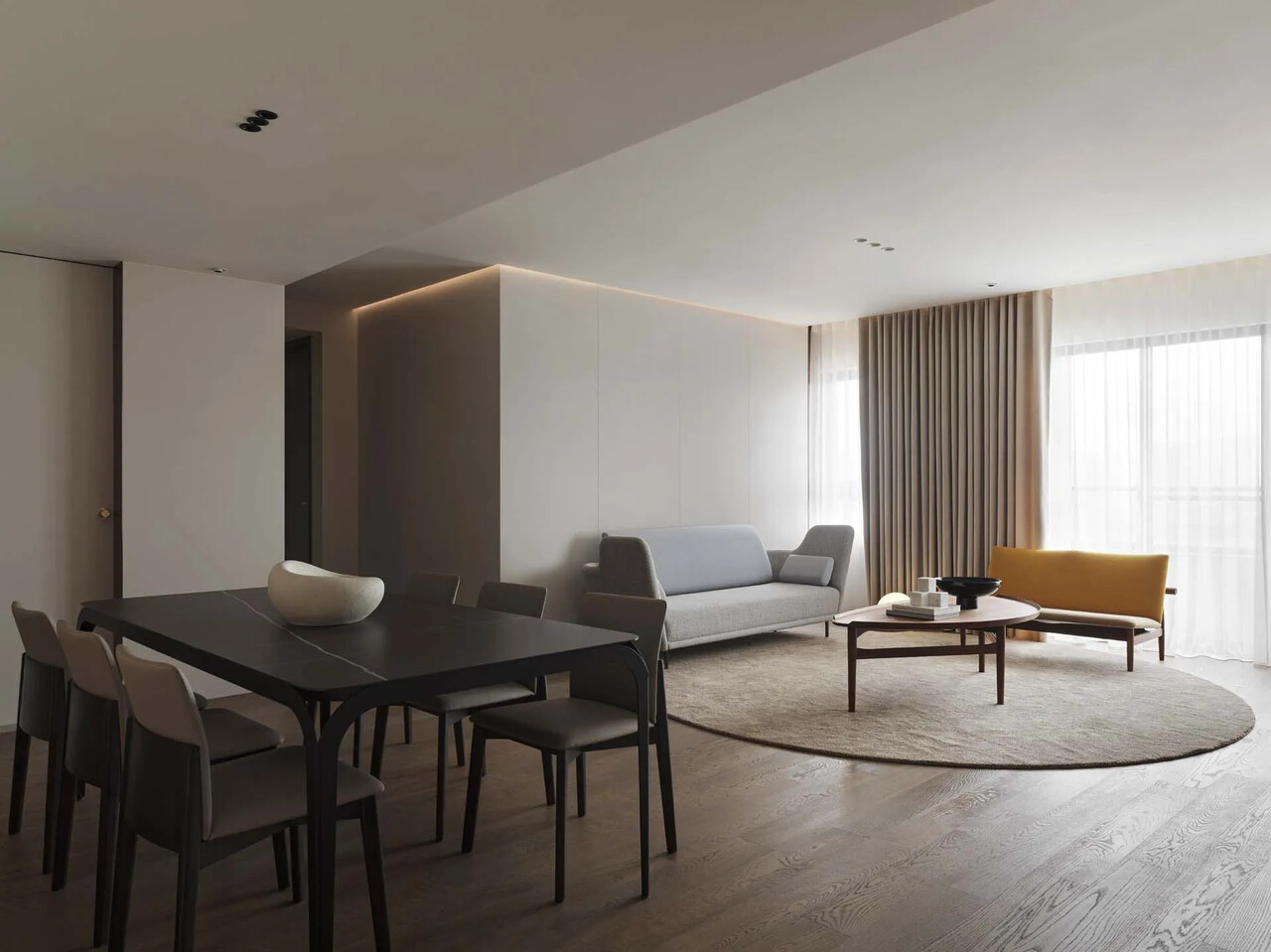
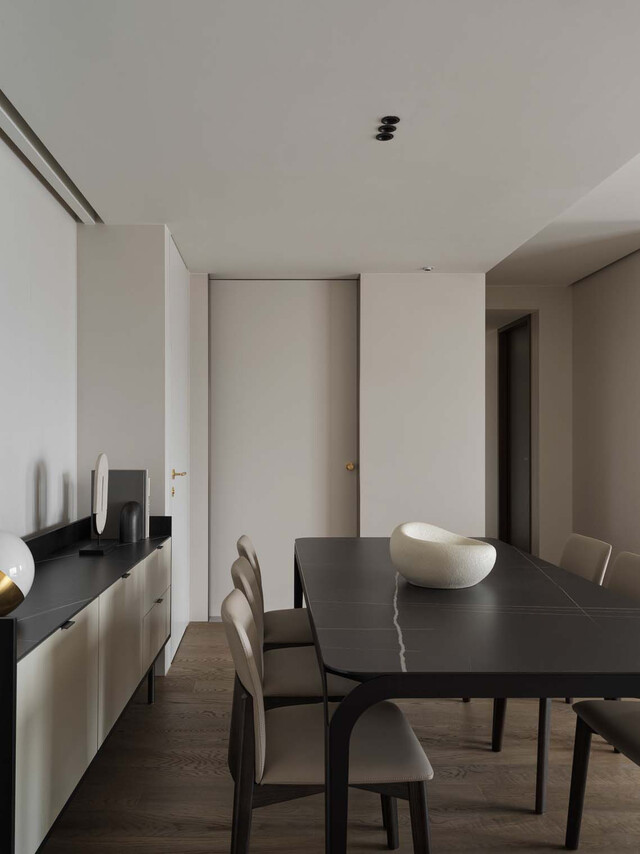
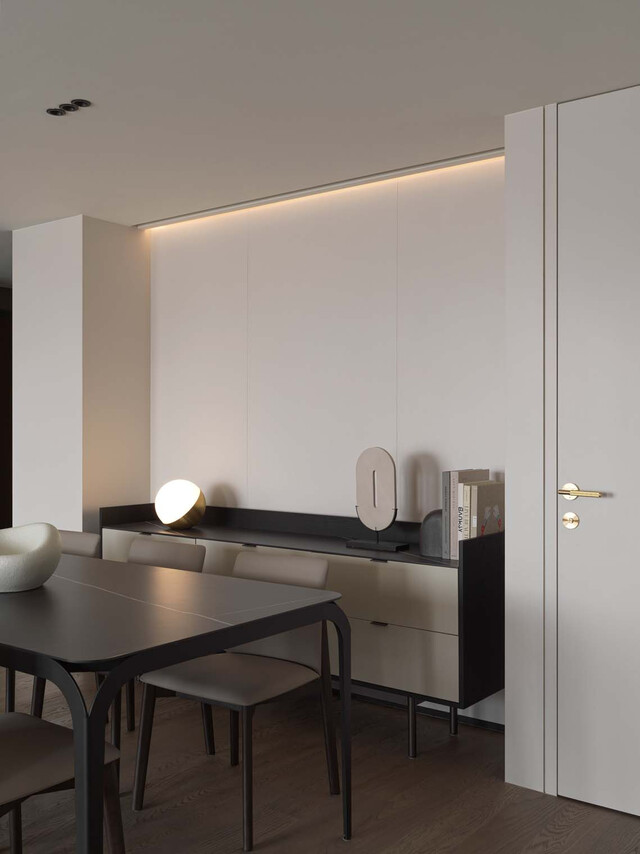
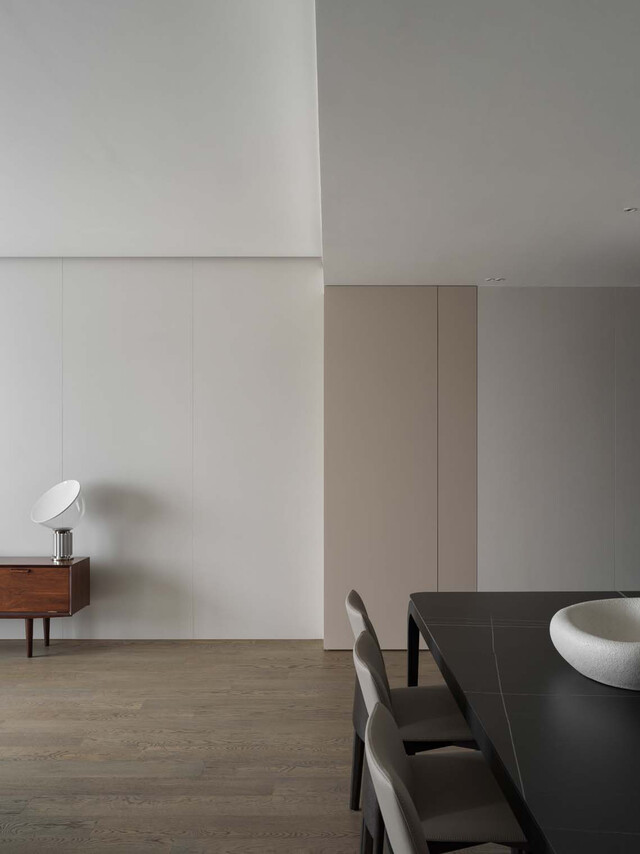
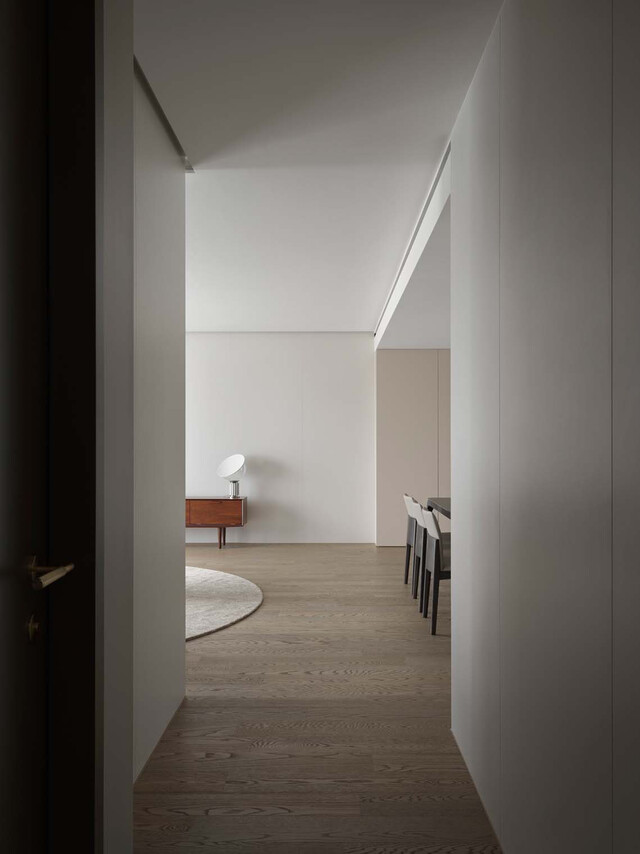
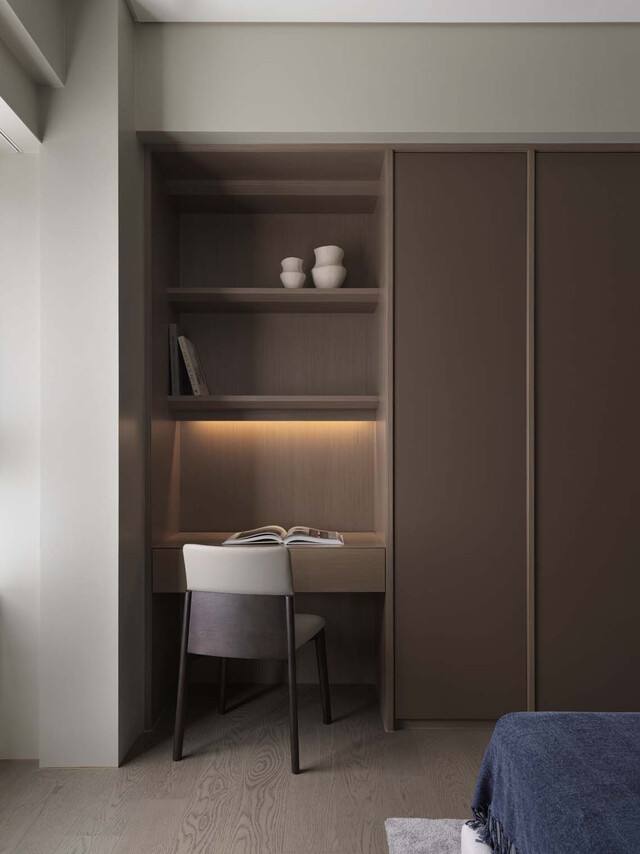
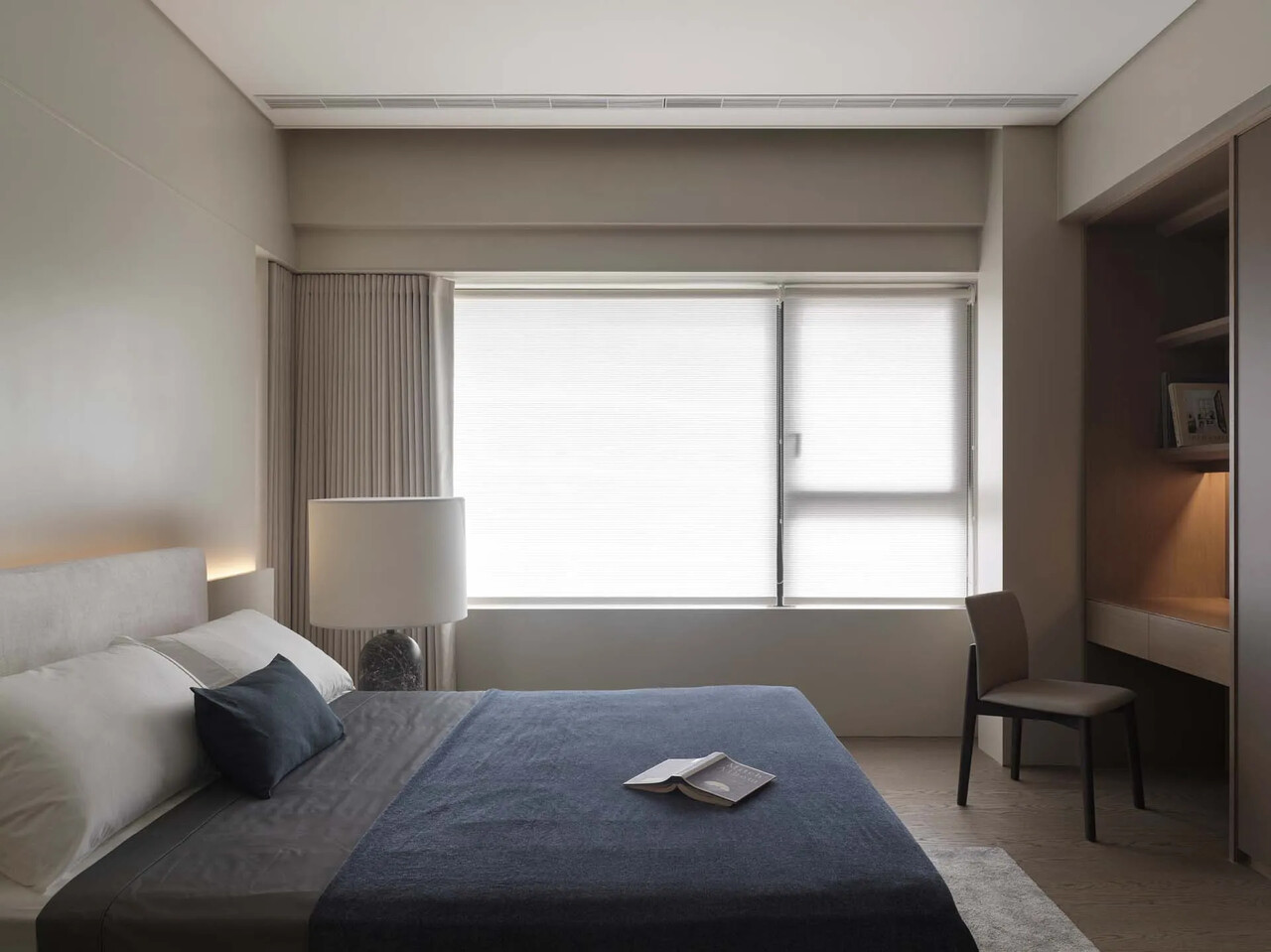
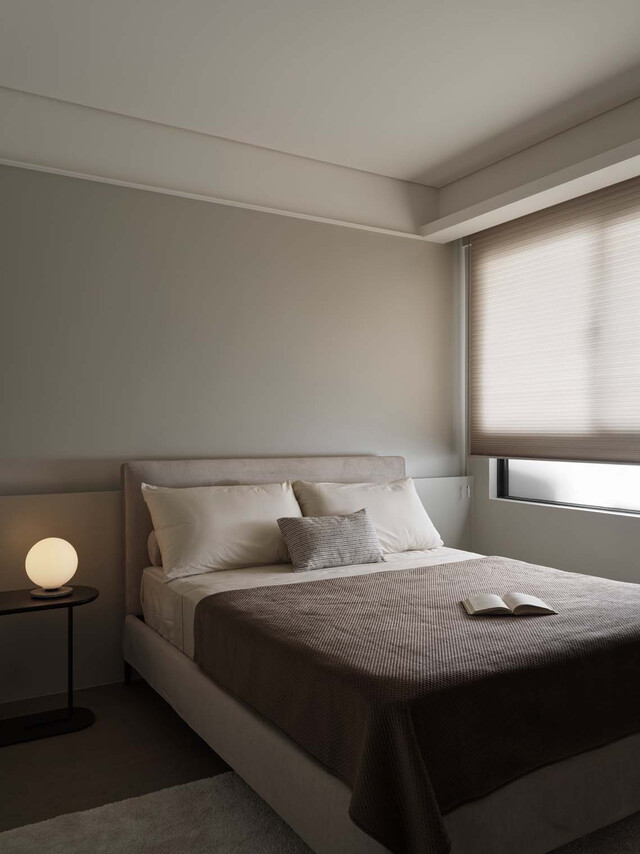
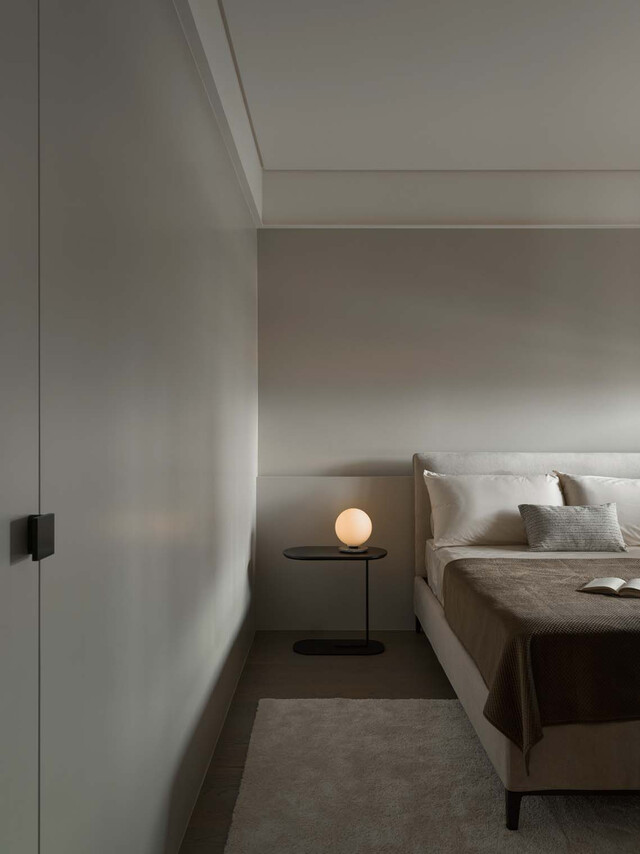
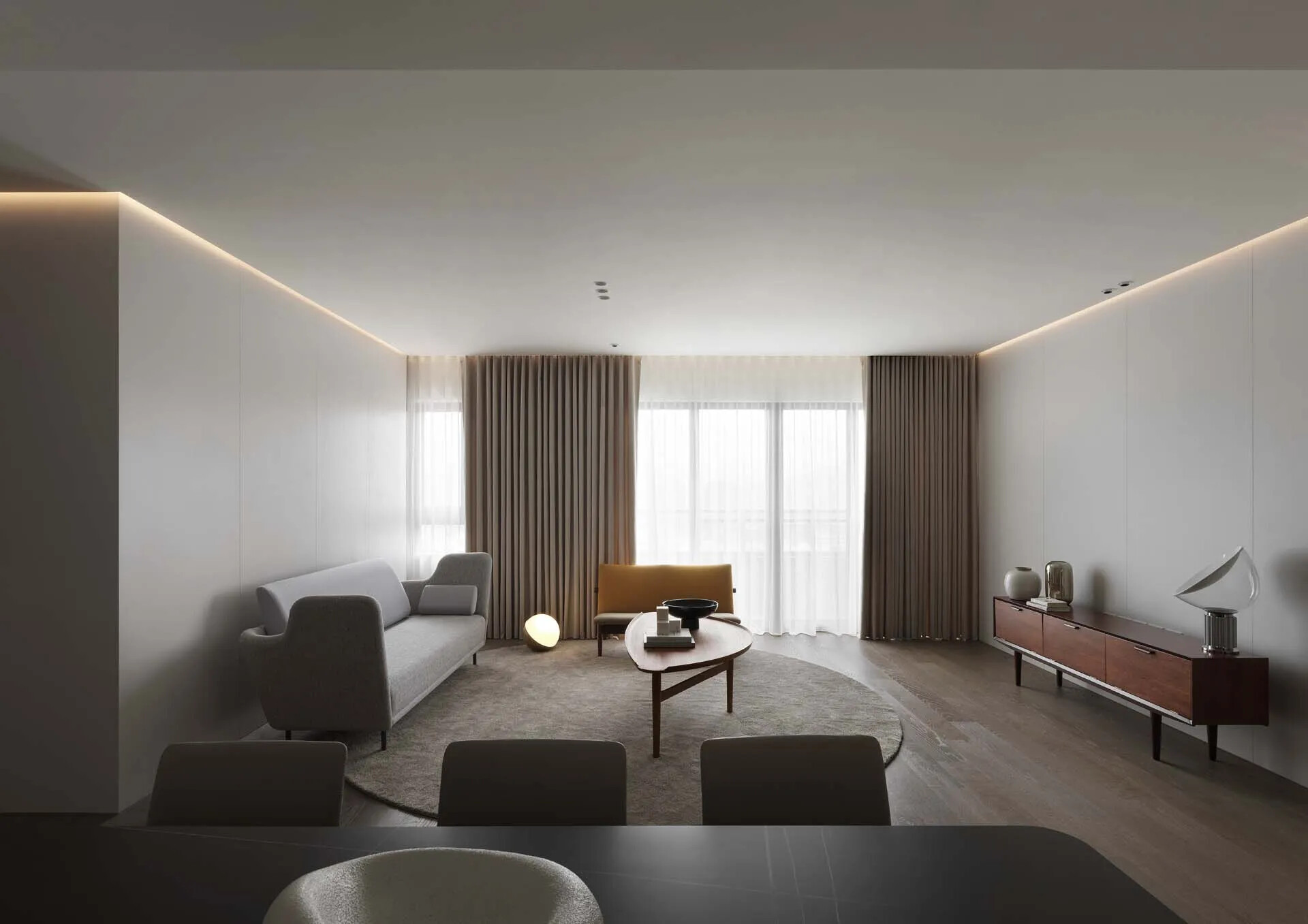
The designer used pure and soothing large tiles to cover the entire house's walls, making the space under the sunlight as light and tranquil as a dancer's steps; the use of elegant straight lines resembles the upright and noble posture of an elegant dance. The aesthetic memory of classical dance not only shapes the designer's graceful demeanor but is also etched into her soul. Unlike modern dance, which emphasizes self-expression, ballet, originating from the court, places greater importance on interaction between people. Therefore, the designer does not prioritize a strong style or technique but opts for a minimalist design, creating a home that can cleanse the homeowner's spirit and foster tranquility. Simplicity does not mean lacking in flavor or interest; it requires perfect details to achieve timeless aesthetics. If the finishing of corners, the transition of beams, or even the junction between materials were to shift slightly, it would be like the pea under the mattress in fairy tales, making it impossible to relax. This is similar to a pause in dance: too short, and it seems rushed; too long, and it becomes dragging and sluggish.
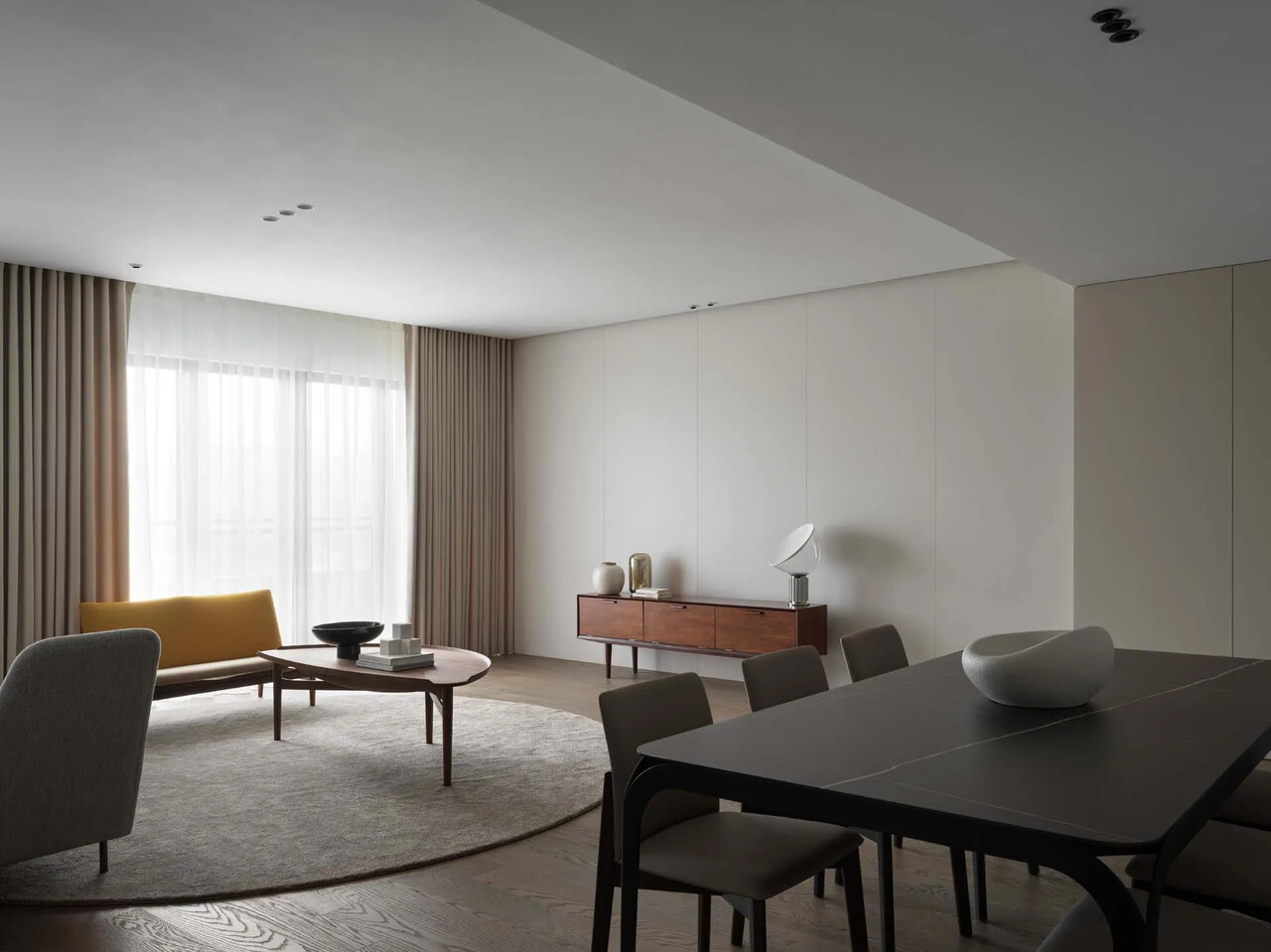
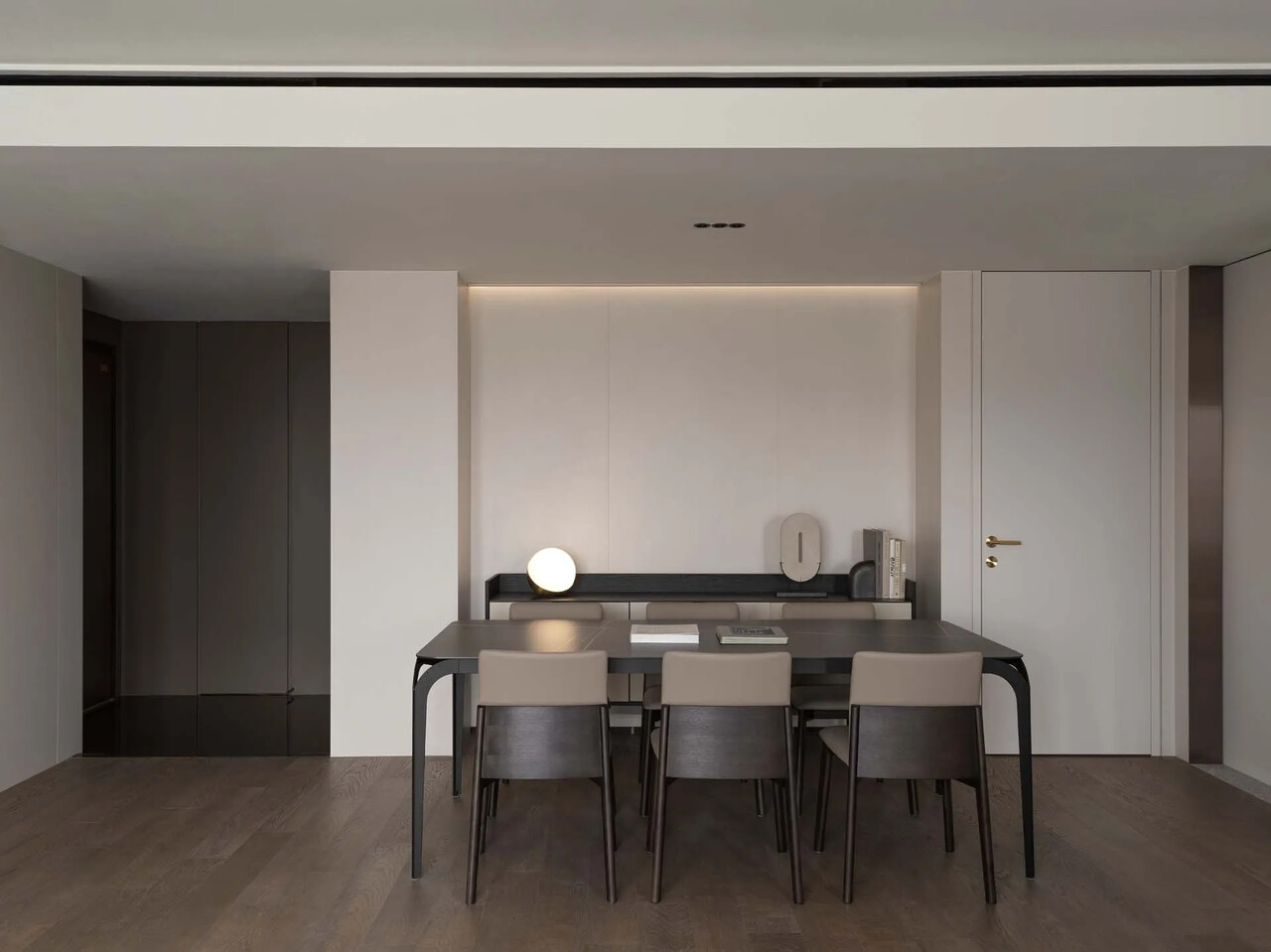
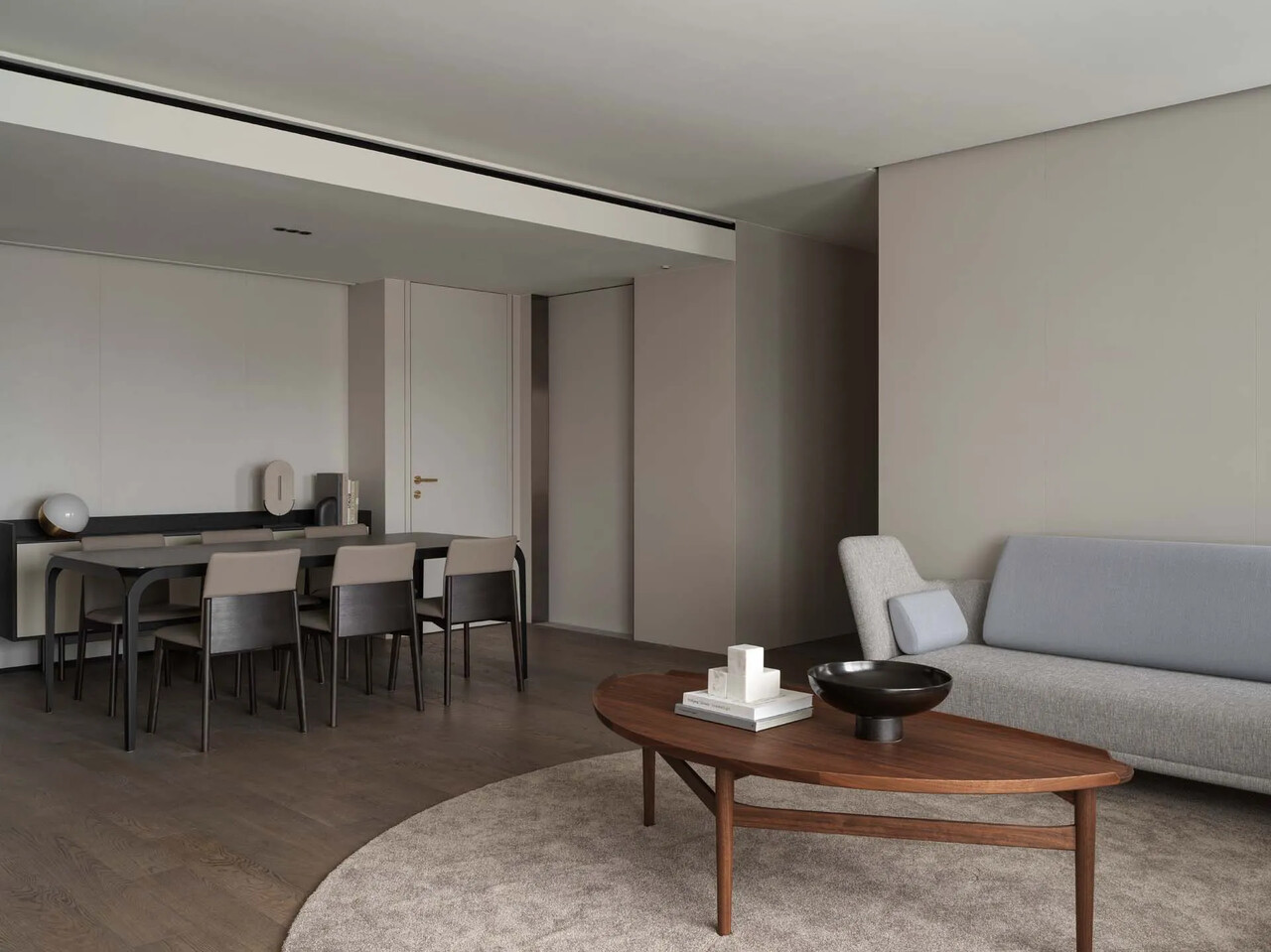
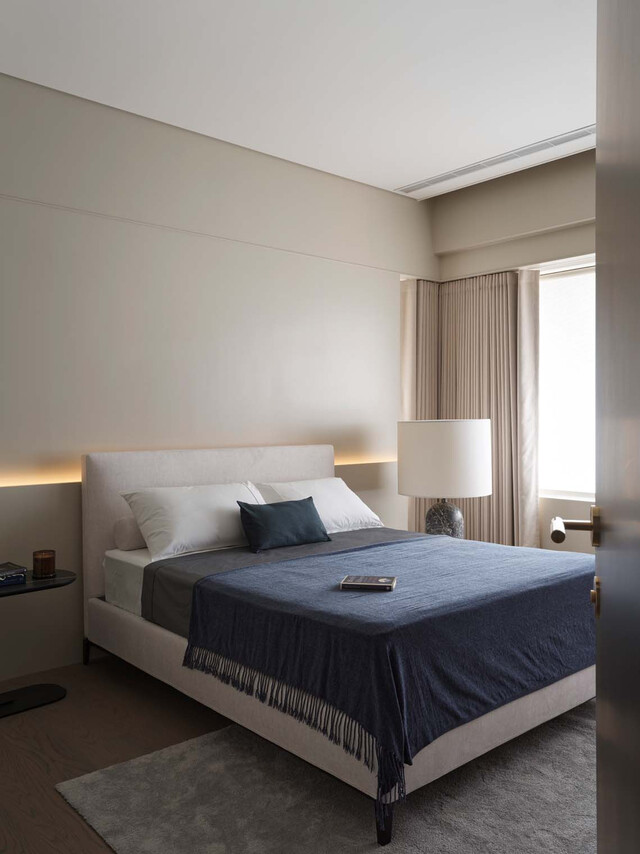
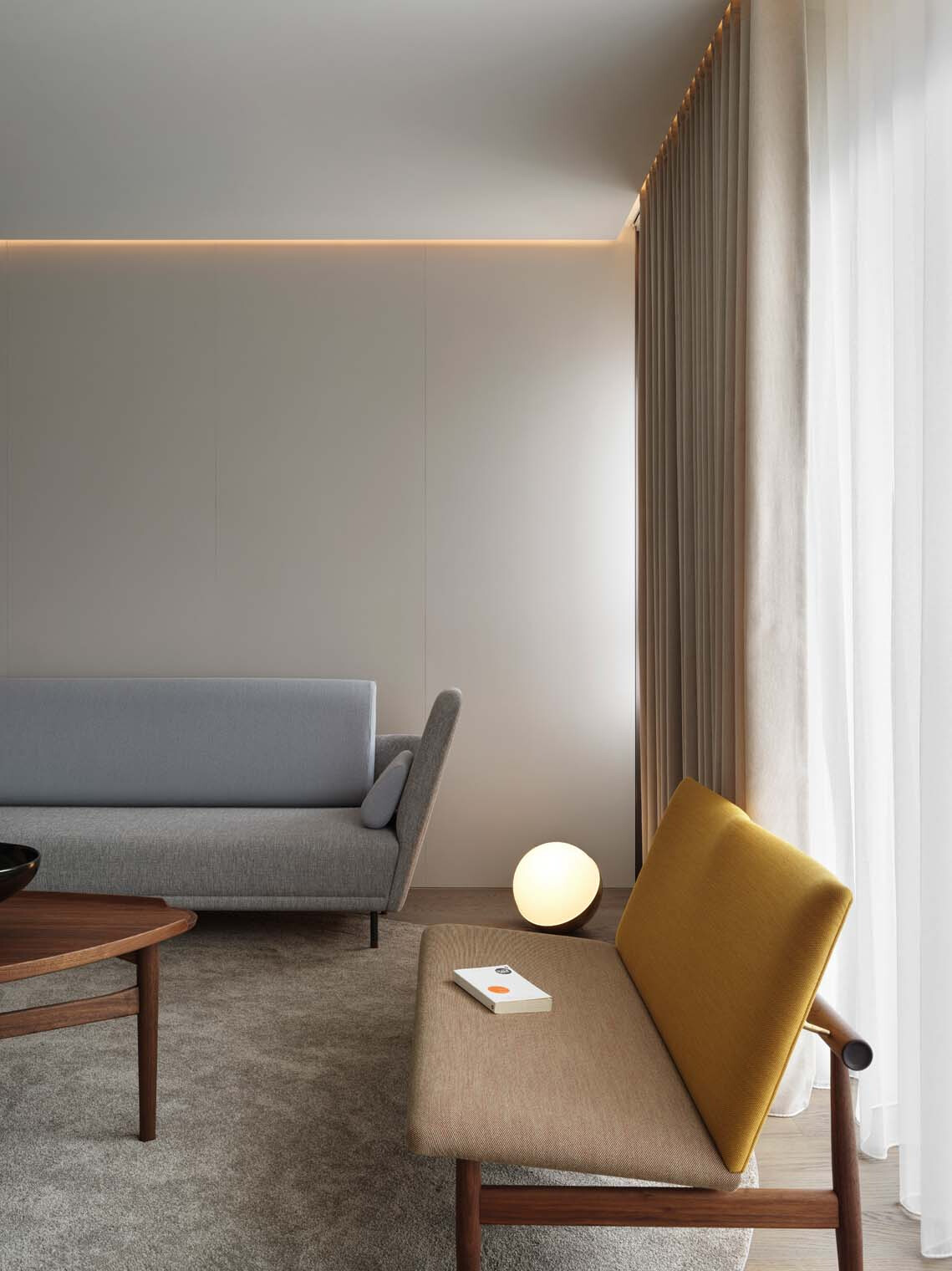
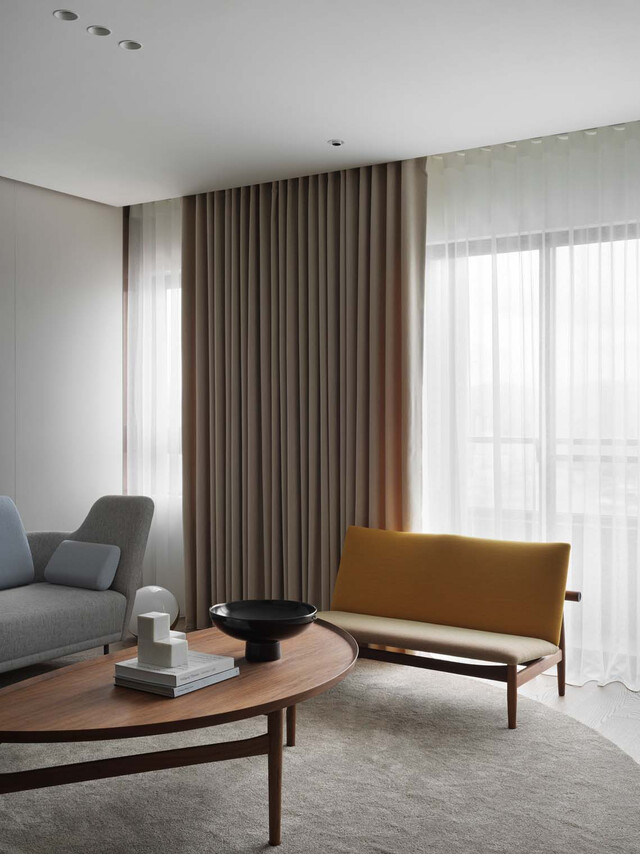
Interior design is akin to performing ballet, "Regardless of any changes, one must keep the interior flow smooth and elegant." She, with her unique aesthetic expertise, meticulously calculates proportions, making each connection within the space appear effortlessly natural yet deeply sophisticated. The beauty of dance movements requires long-term practice and discipline by the dancer. Similarly, Wei Lai Jhen maintains the same disciplined habit, constantly studying materials, thus enabling her to intuitively select the most suitable options in dialogue with the space. Years of ballet practice have provided the designer with a unique aesthetic soul and design character but have also led to neck and back injuries. However, this accumulated experience allows for a deeper empathy and attention to the homeowner's physical needs. In selecting furniture for this project, aside from maintaining a consistent minimalist beauty, ergonomic design is also prioritized to better suit the user, making life more comfortable. Beyond comfort, these home decorations and furniture are boldly chosen for their vibrant colors and lines, instantly filling the space with the youthful vitality of ballet dancers found in the paintings of the French Romantic artist, Edgar Degas.