Dzen House
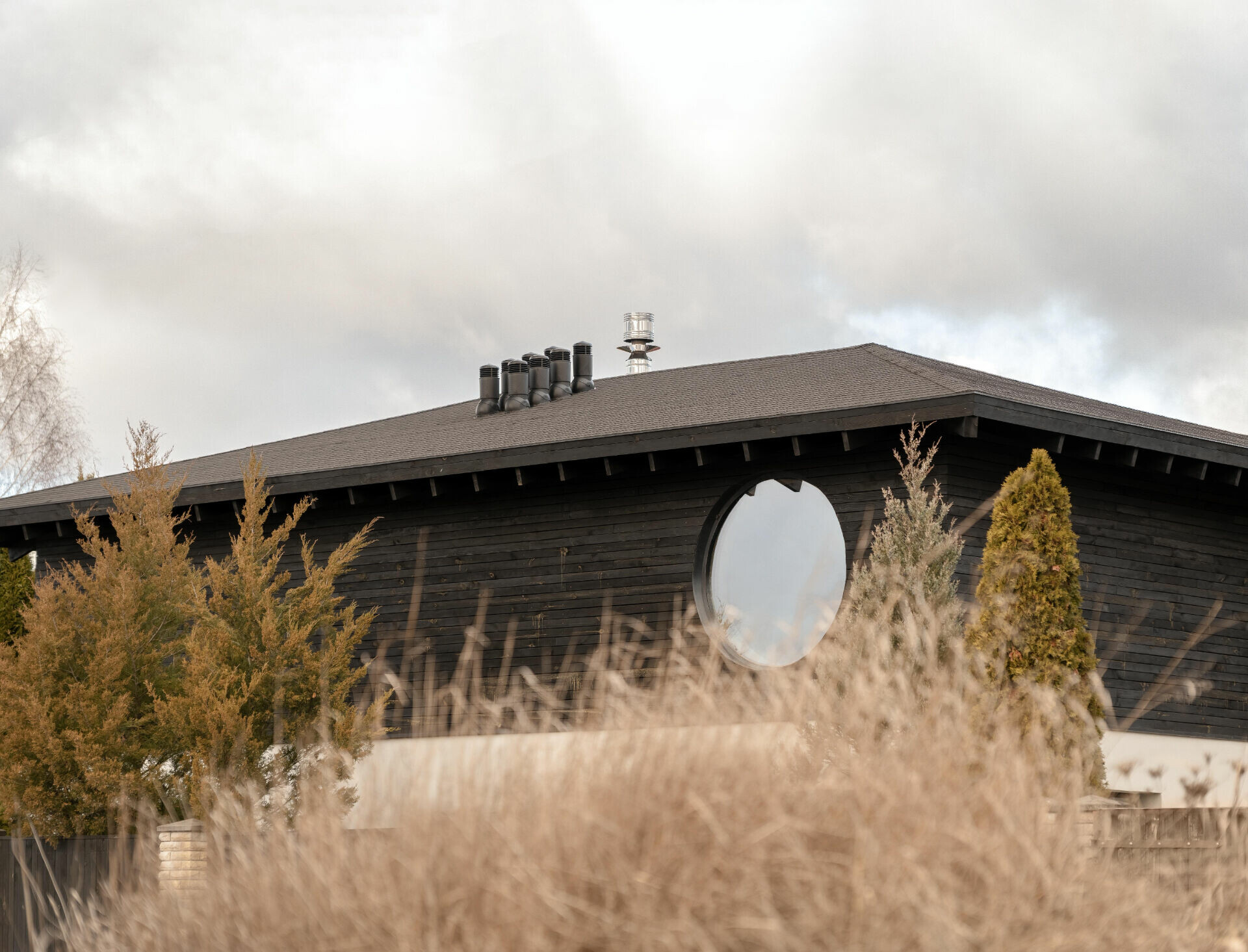
What does a home that embodies the essence of the universe, nature, and tranquility look like? In the redesign of Dzen House, Shovk Studio transforms this vision into reality, crafting a sanctuary where the owner can find belonging and inner balance. Inspired by the owner’s admiration for Japanese minimalism, the design incorporates traditional Japanese elements such as exposed roof beams, shou sugi ban wood-clad exteriors chosen for their lightweight durability, and a tatami-style tea room. These features form a home that celebrates simplicity while providing a dedicated space for meditation and introspection, reflecting the timeless principles of Japanese aesthetics.
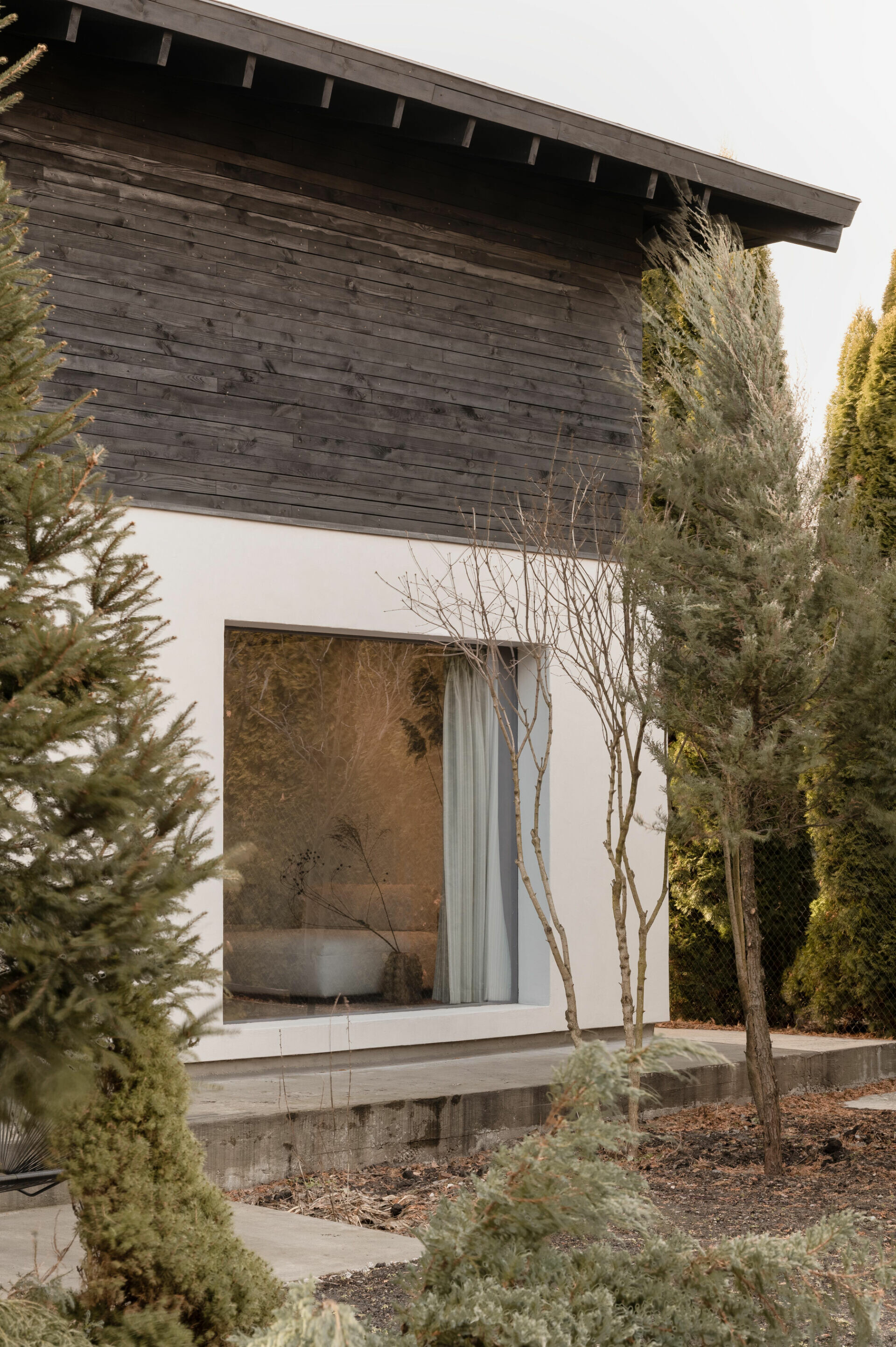
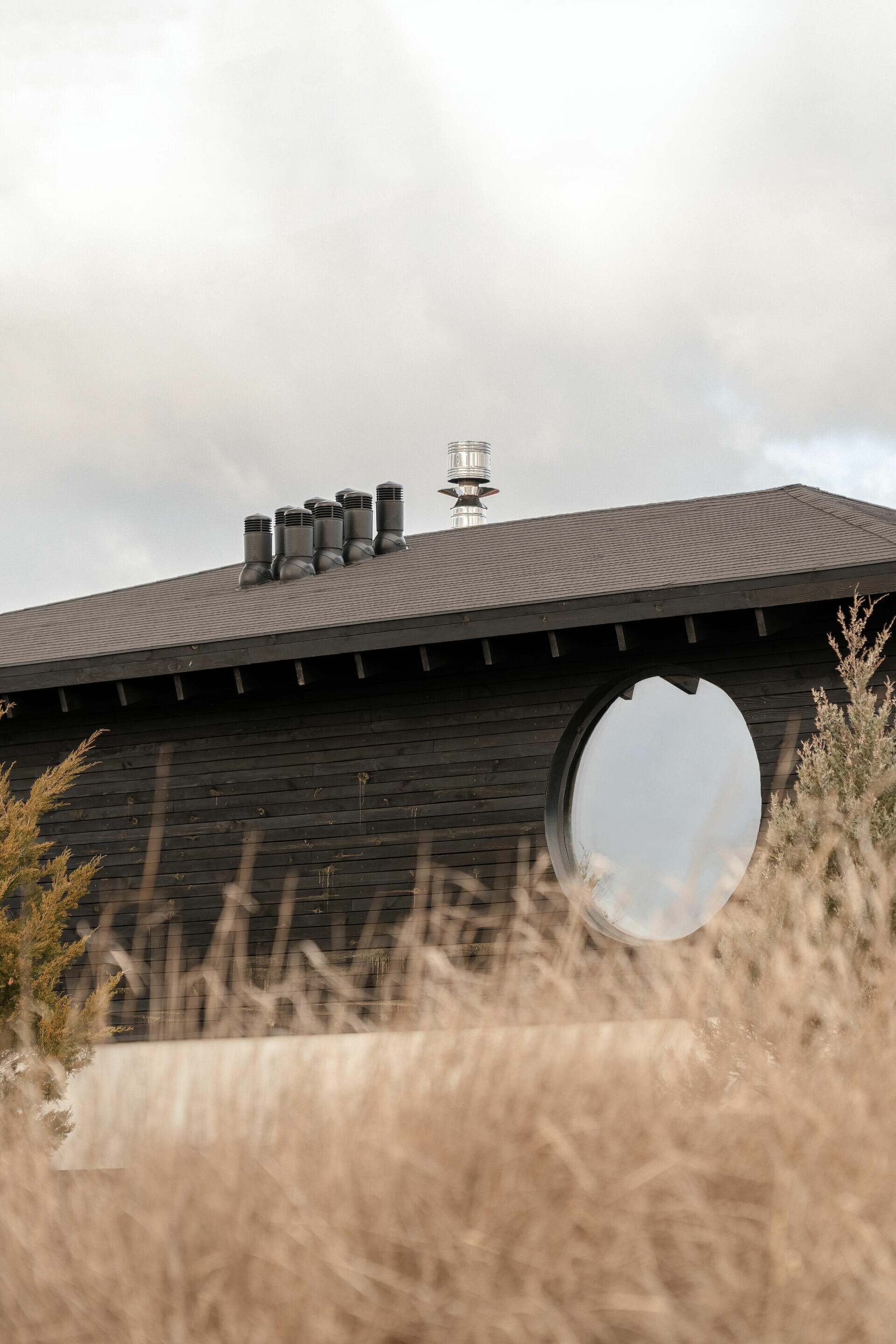
While embracing the purity of Japanese design, the project also integrates materials from Ukrainian tradition, creating a harmonious cultural dialogue. The architecture's ground floor uses mazanka plaster—a rustic material from Ukrainian rural architecture—that complements the refined elegance of shou sugi ban on the attic level. This thoughtful material choice balances cultural depth with technical functionality, symbolizing the fusion of two distinct heritages. Dzen House’s natural surroundings, including a tranquil coniferous garden, are integral to its design. Panoramic floor-to-ceiling windows draw the changing beauty of the seasons into the interior, seamlessly connecting the indoors and outdoors. This interplay between architecture and nature embodies the essence of Japanese aesthetics, where harmony with the environment is paramount.
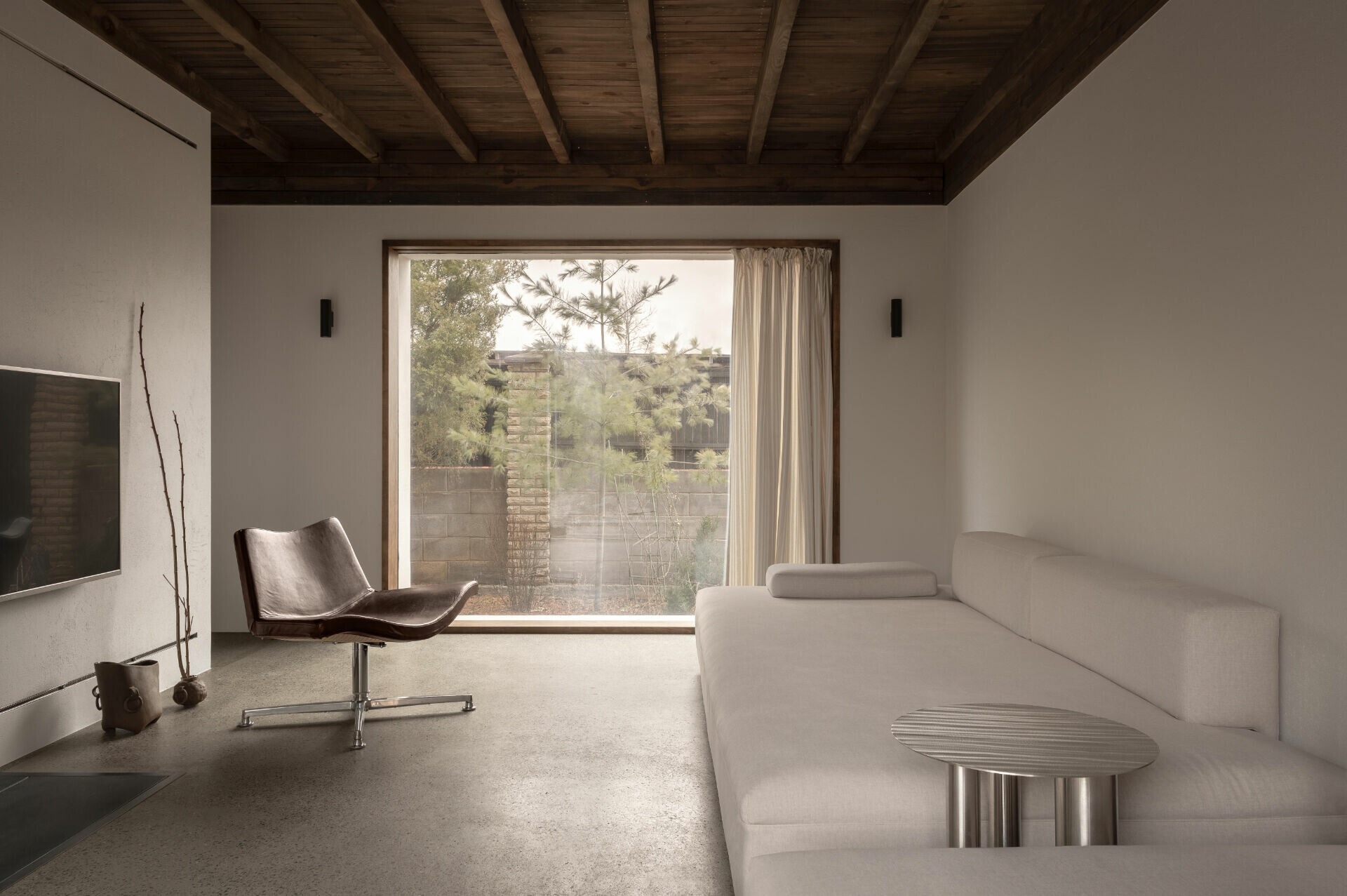
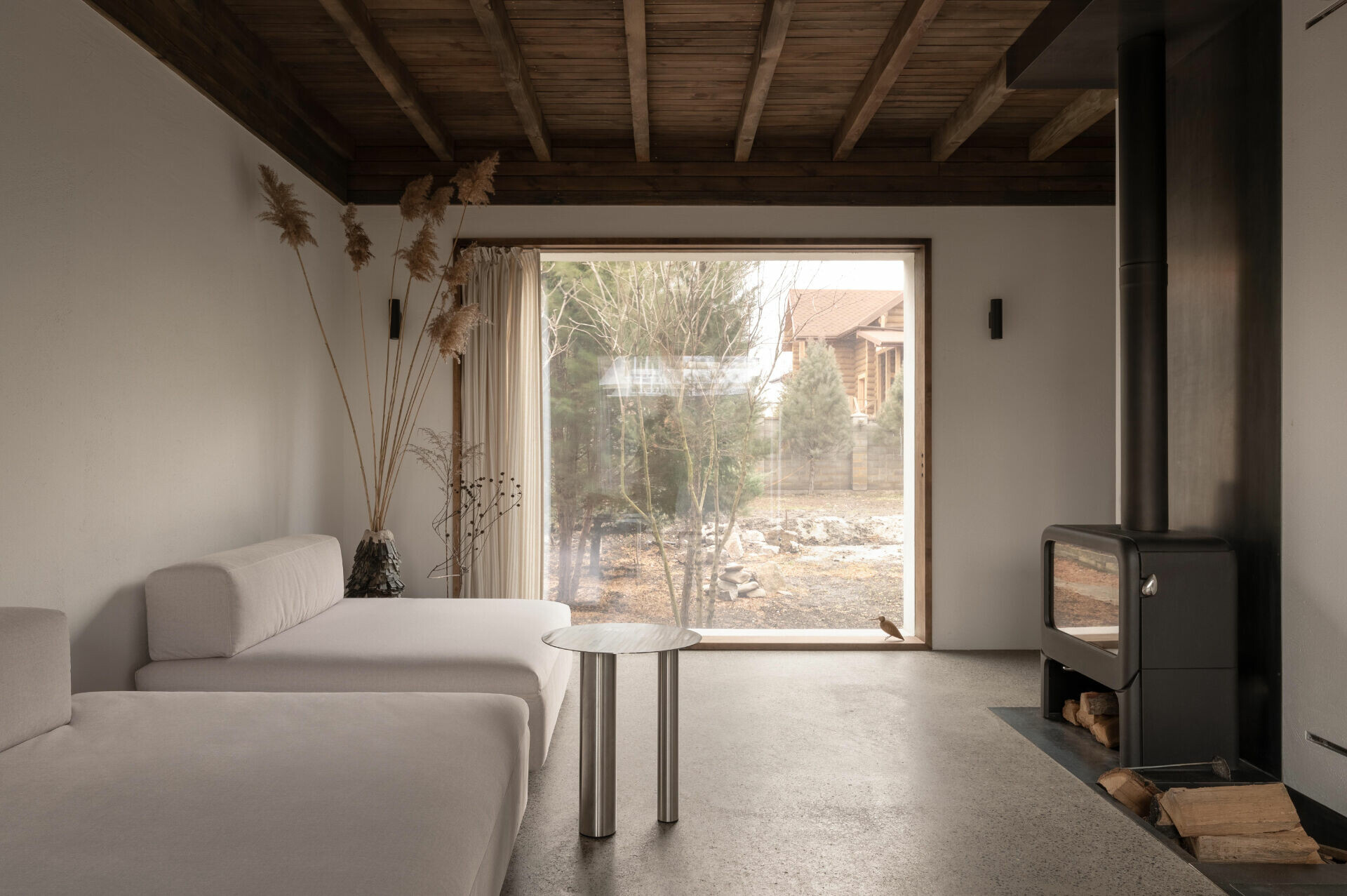
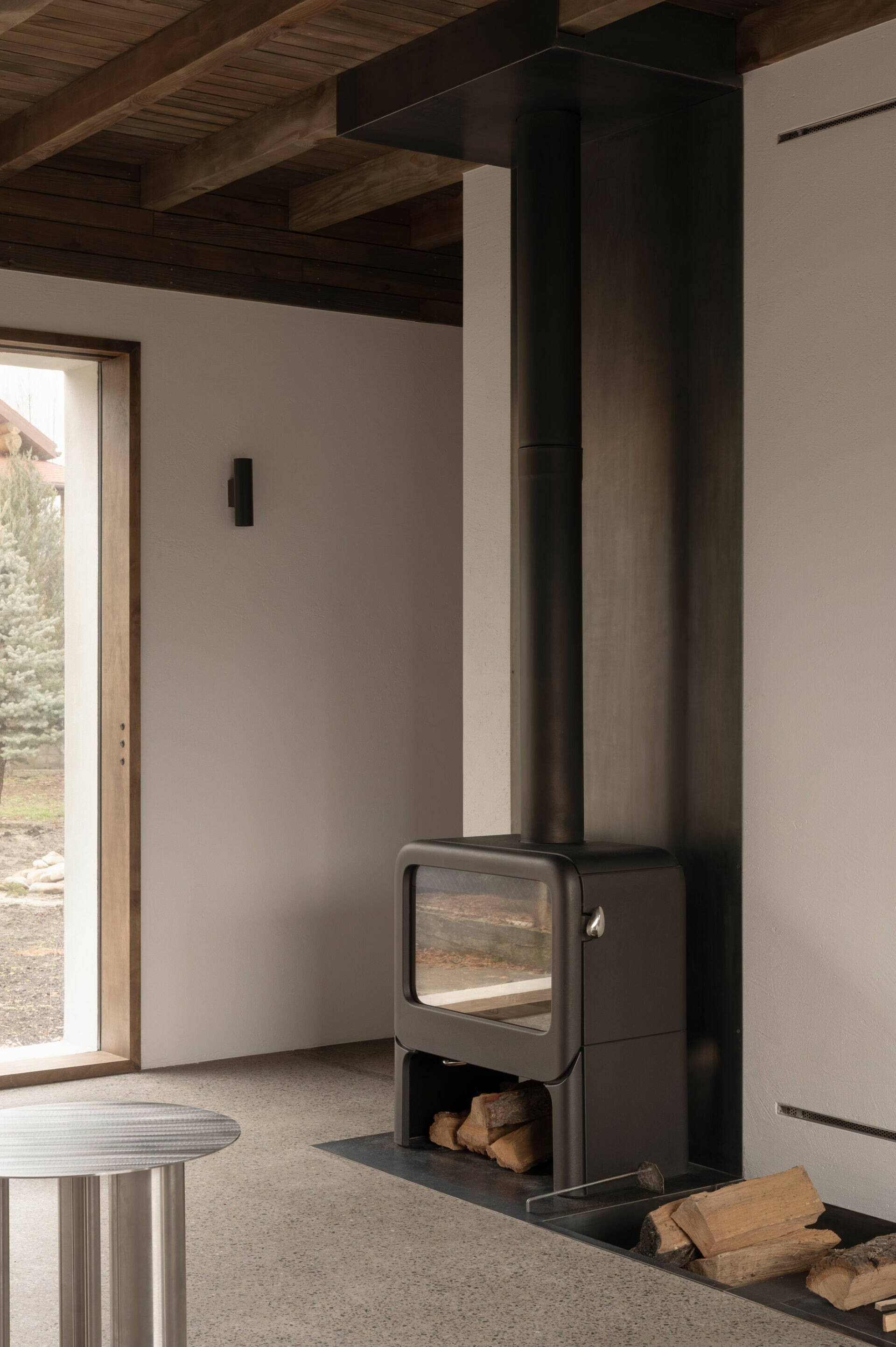
The ground floor is organized around a central core housing the staircase, bathroom, and storage areas, creating a natural flow between the kitchen, dining, and living spaces. This circular layout enhances interaction and flexibility while maintaining functional clarity. The living room centers around a fireplace, which warms the home during colder months and extends its utility to the second floor through a stainless steel chimney. Radiant heating within the concrete floors ensures consistent warmth while preventing overheating. Combined with a ventilation system, it maintains a fresh and comfortable indoor climate year-round.
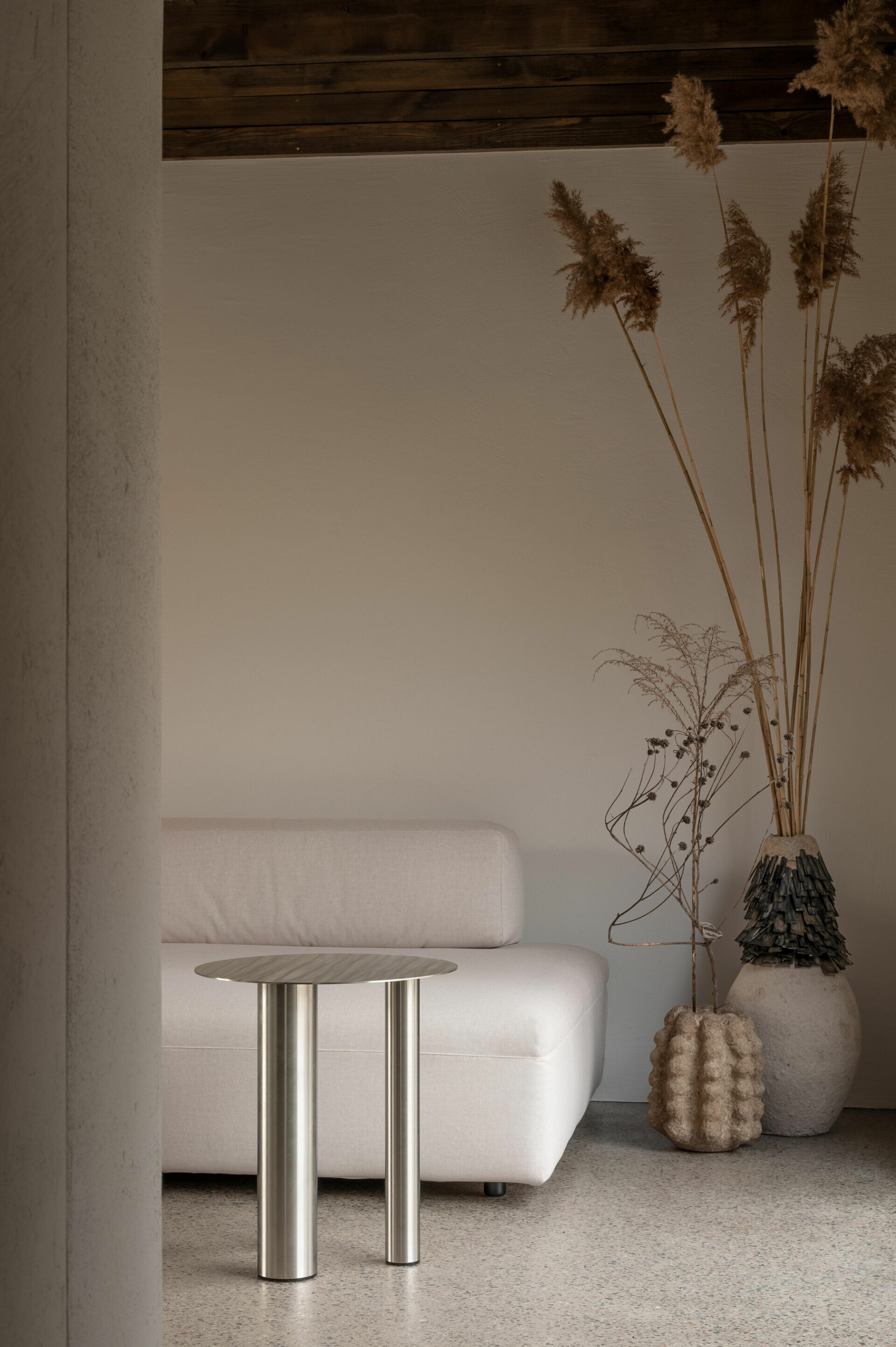
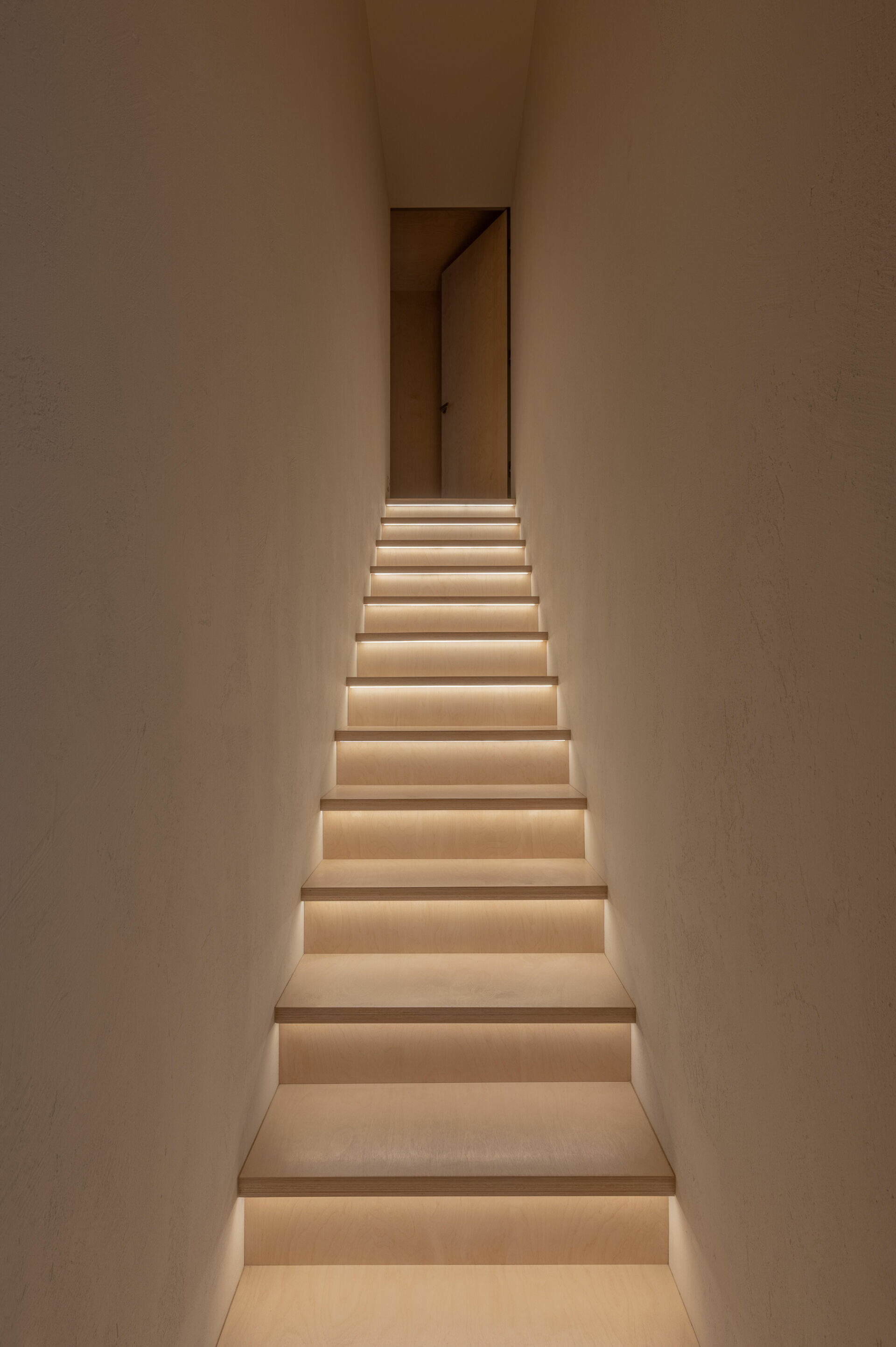
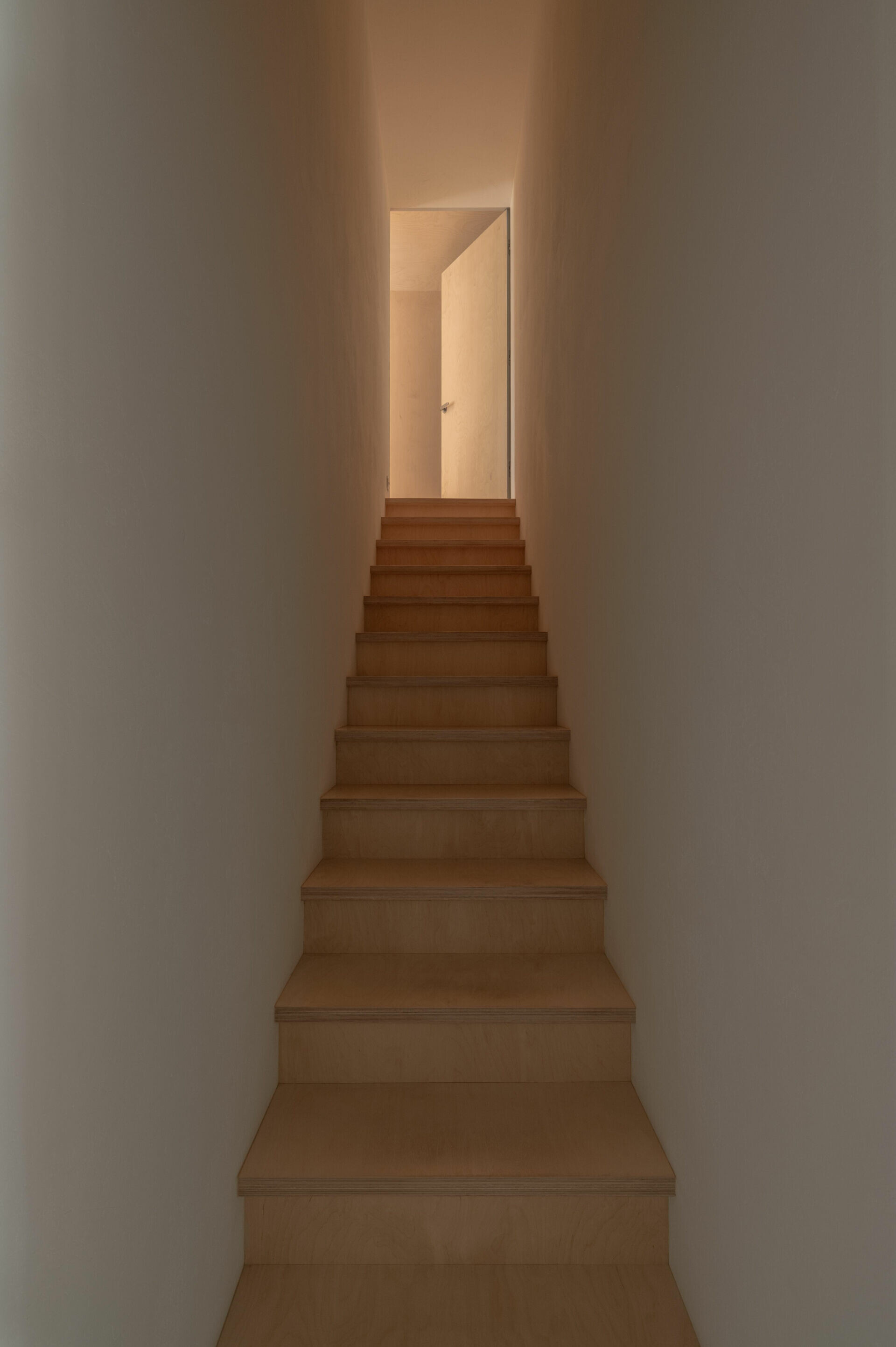
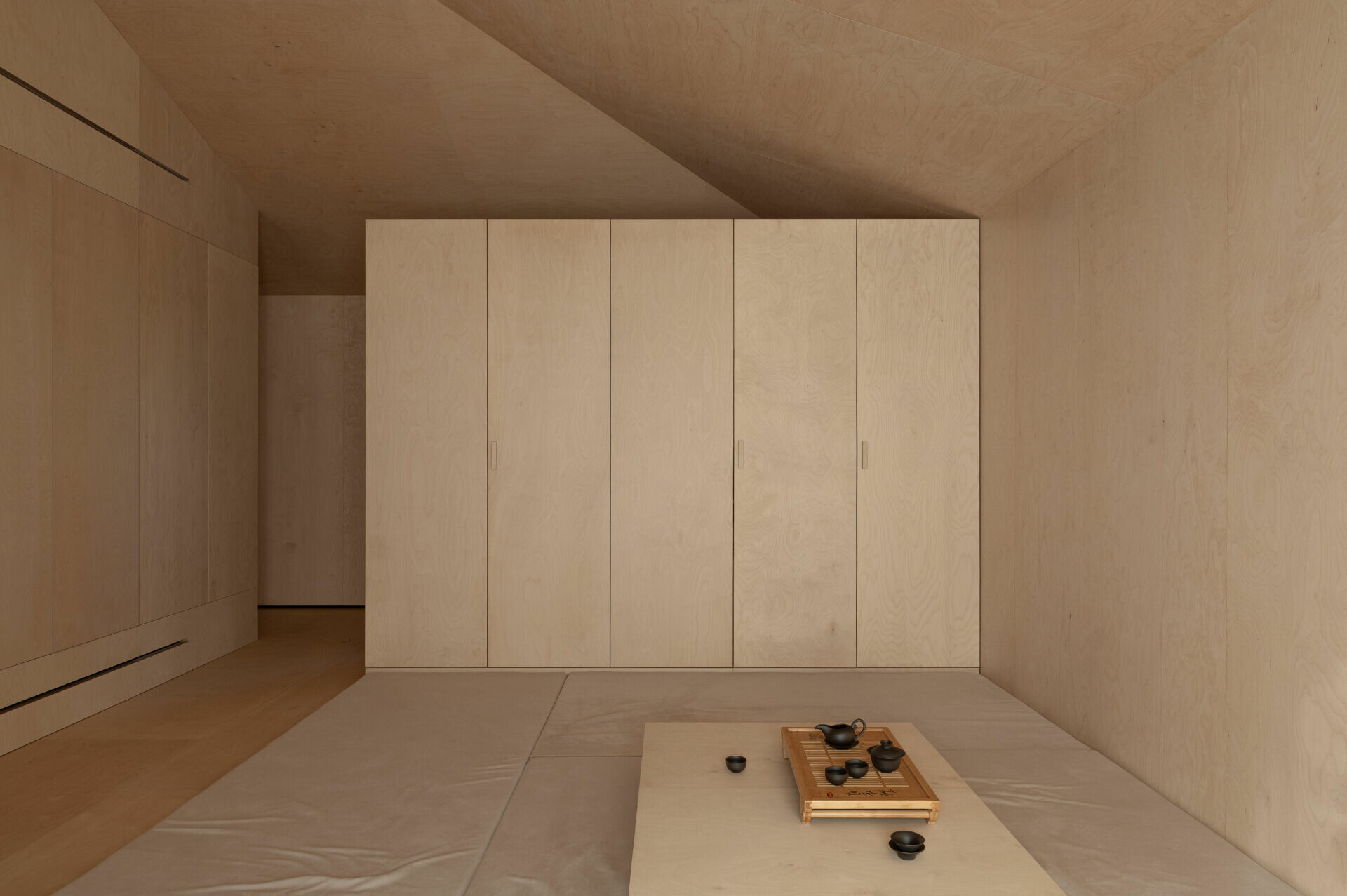
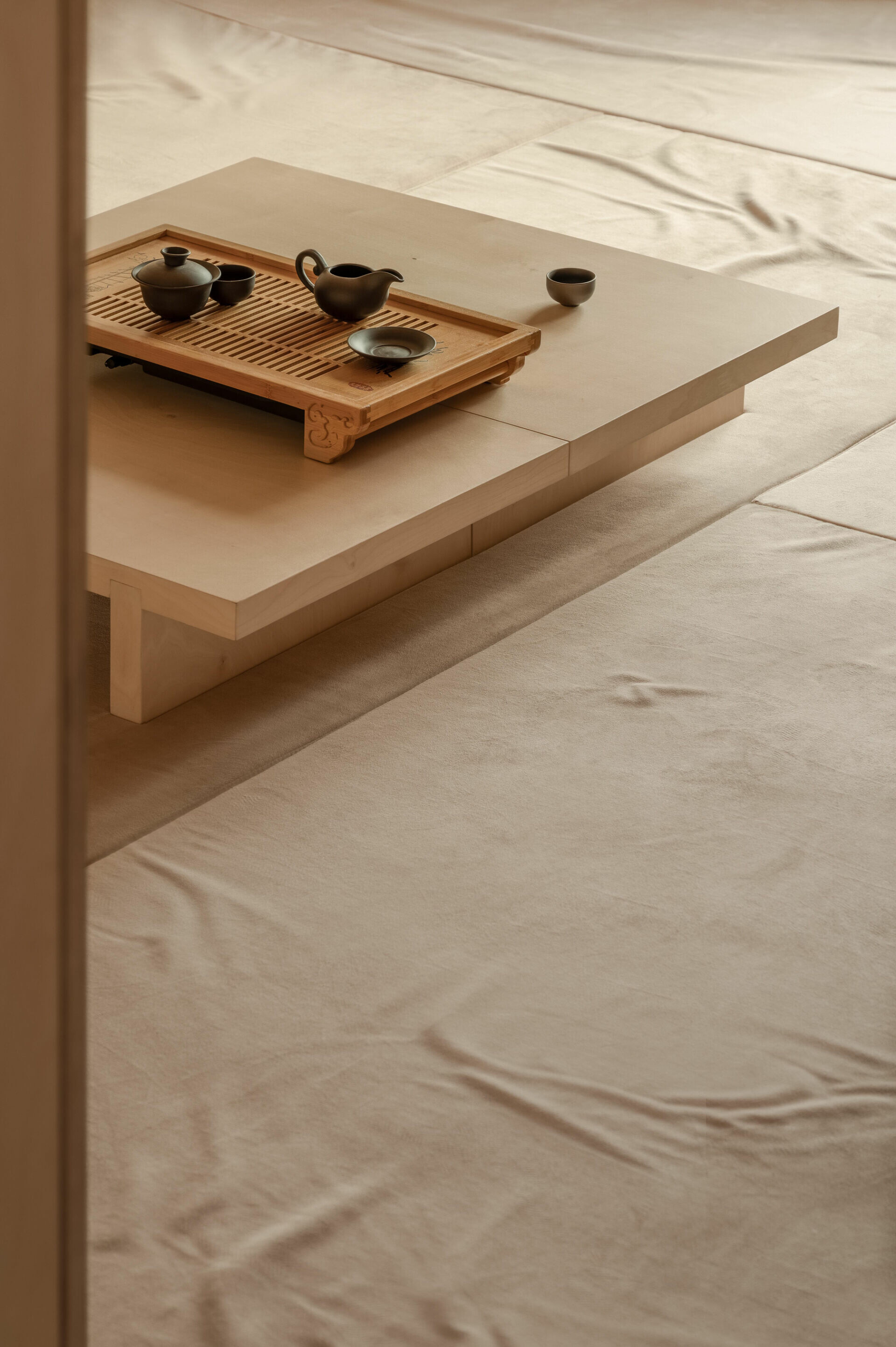
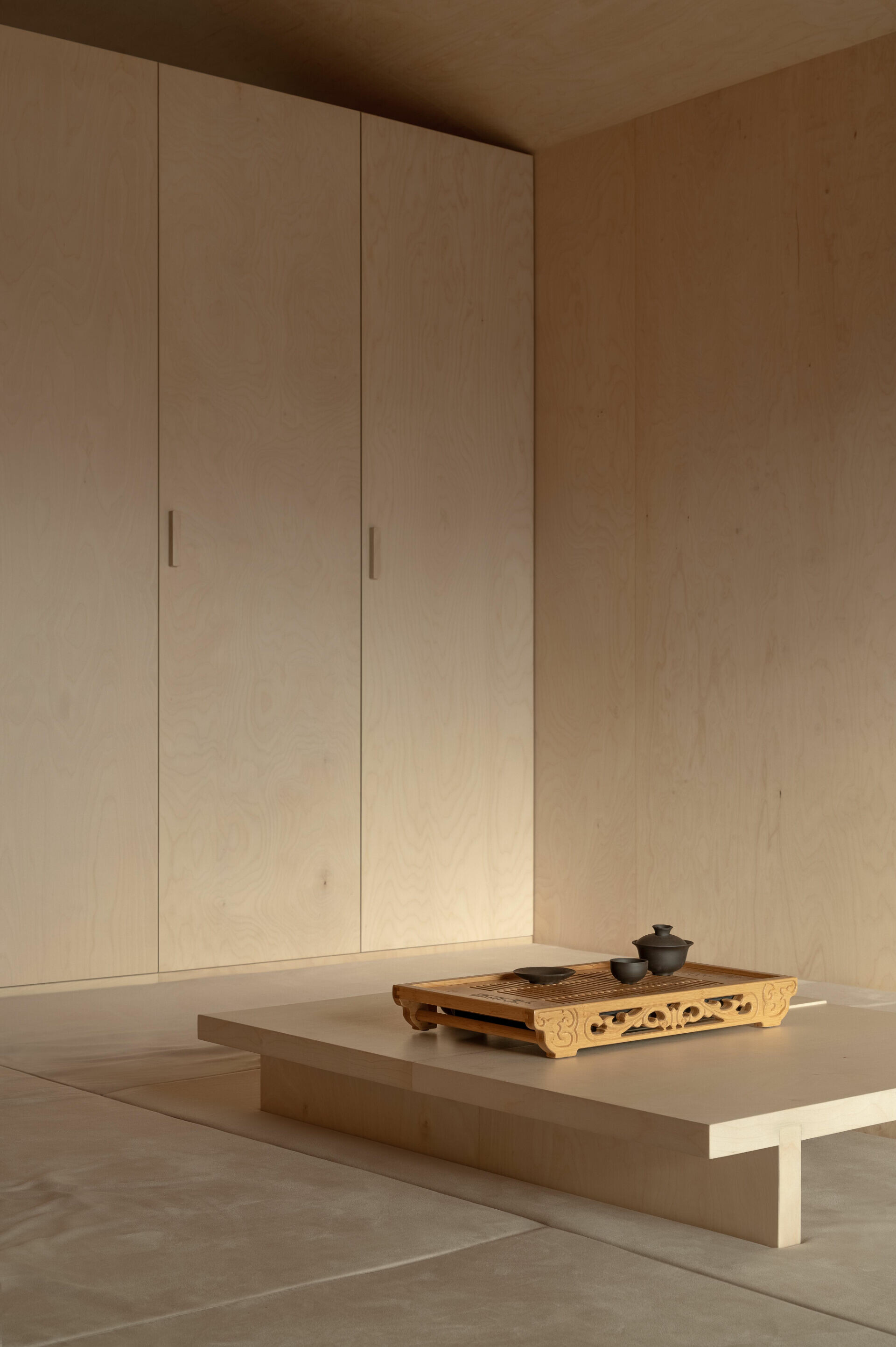
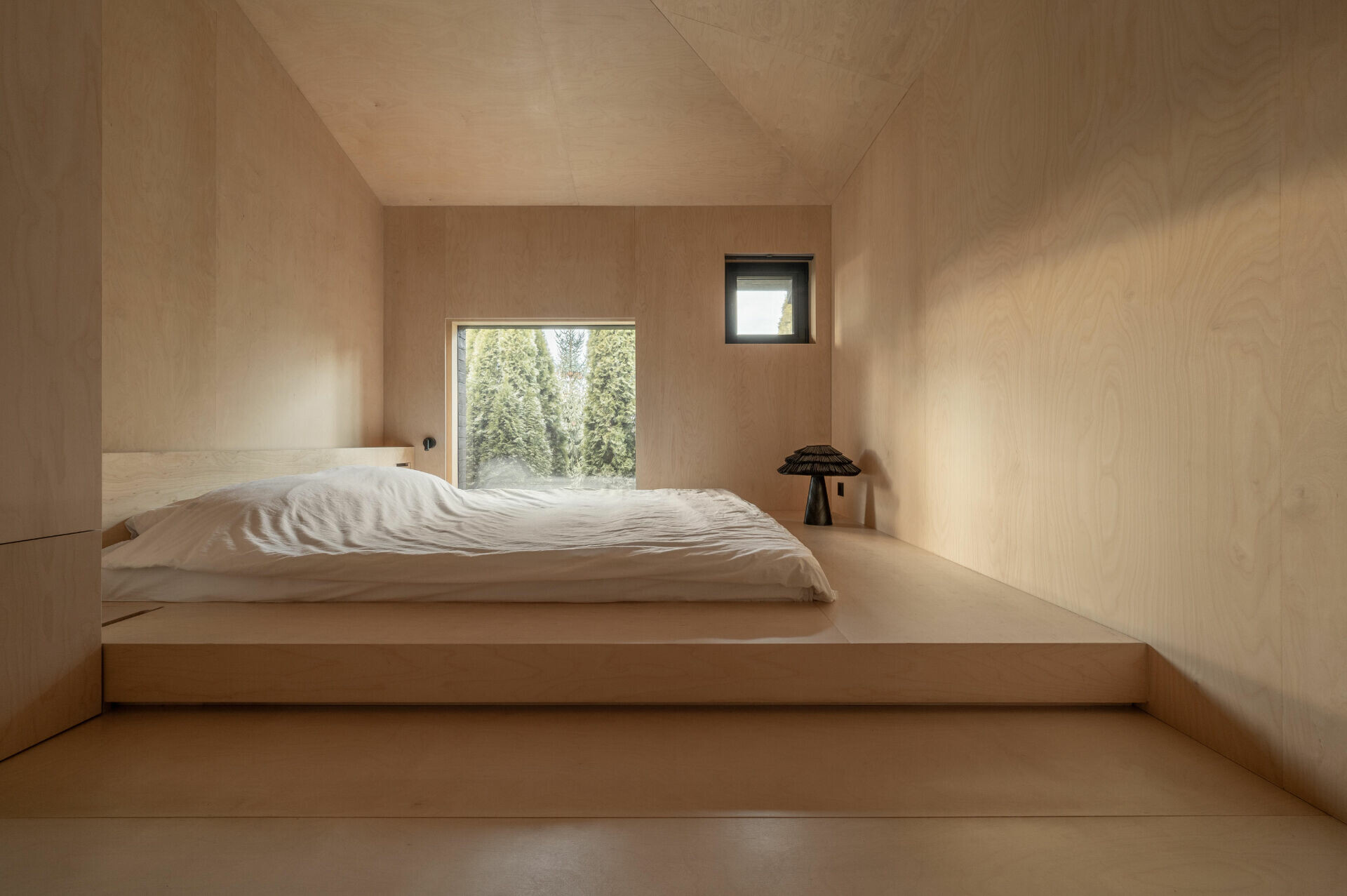
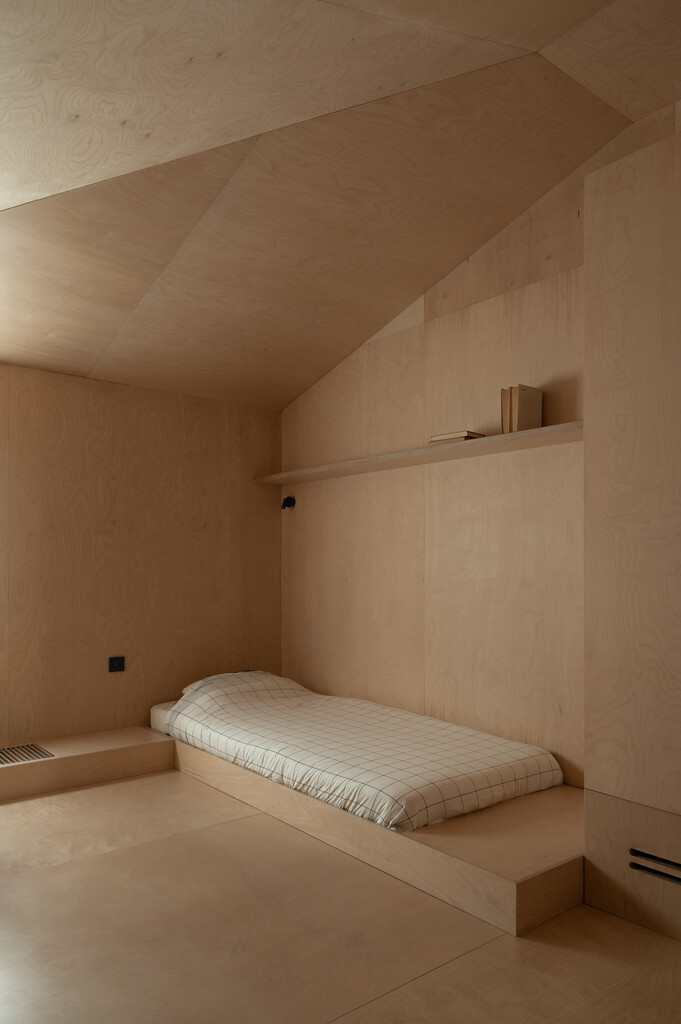
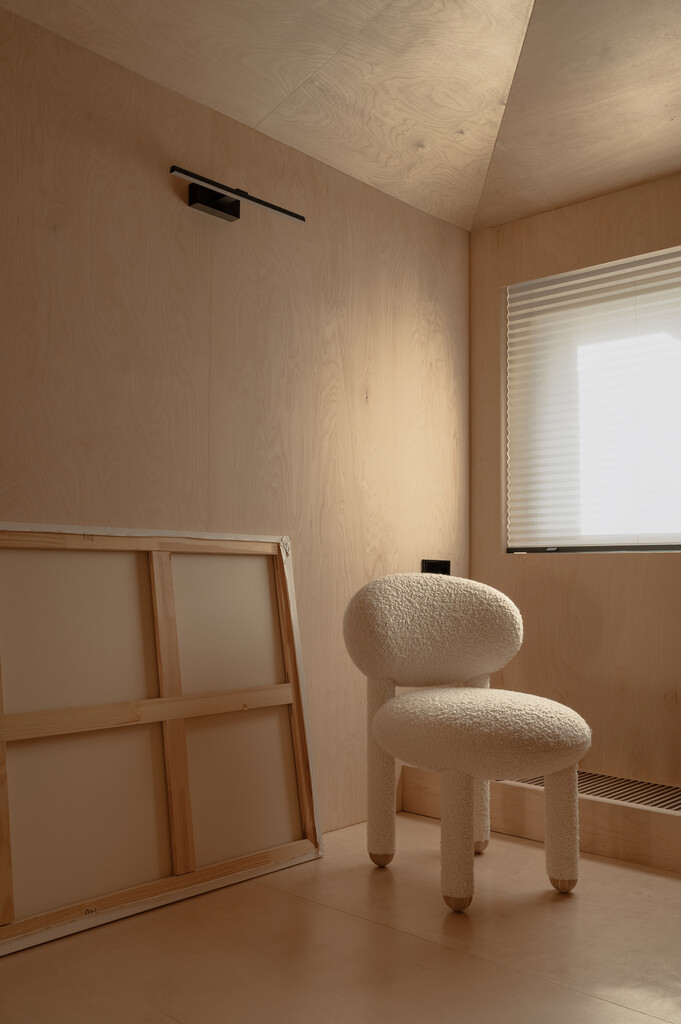
Ascending to the second floor reveals a serene retreat. An open tatami-style tea room serves as a dedicated space for tea ceremonies, yoga, and quiet introspection. Through a frameless circular window, natural elements come alive, with sunlight dancing on floating particles and raindrops cascading from the eaves—inviting a meditative stillness and creative inspiration. The floor’s birch plywood walls and ceilings create a cohesive and warm environment, while the layout cleverly separates the tatami tea room, reading area, and sleeping areas. Two elevated bedrooms crafted from the same material feature platform beds, with the master bedroom framing calming views of the surrounding coniferous landscape. Shovk Studio embraced the sloping roofline to create an intimate loft-like atmosphere, evoking the scale and proportion of traditional Japanese interiors. For the owner, Dzen House is more than a residence—it is a retreat for mindfulness and introspection, where life’s essentials are cherished, simplicity prevails, and harmony becomes a way of living.