Function Recedes from View; Space Responds to the Body — KEUCO
We live within an urban matrix shaped by collective norms, rarely noticing how often everyday convenience depends on the way we categorise bodies. Stairs and ramps, standard and accessible toilets all draw clear distinctions between their intended users. Even priority seating for older people, those who are frail, pregnant women and young children often prompts disputes over who is entitled to use it. Such disagreements inadvertently reveal an unspoken standard of judgement: a person’s needs often have to be linked to a recognisable “disability” before they are readily acknowledged. Yet our physical condition and needs are not always apparent, nor do they remain constant. When society habitually classifies bodies as “normal” or “disabled”, it overlooks a spectrum of needs between the two that has yet to be recognised. This raises a more fundamental question: shouldn’t an assistive system be integral to the space itself, offering reliable support without assuming a particular kind of body?
Whose Body Defines Space?
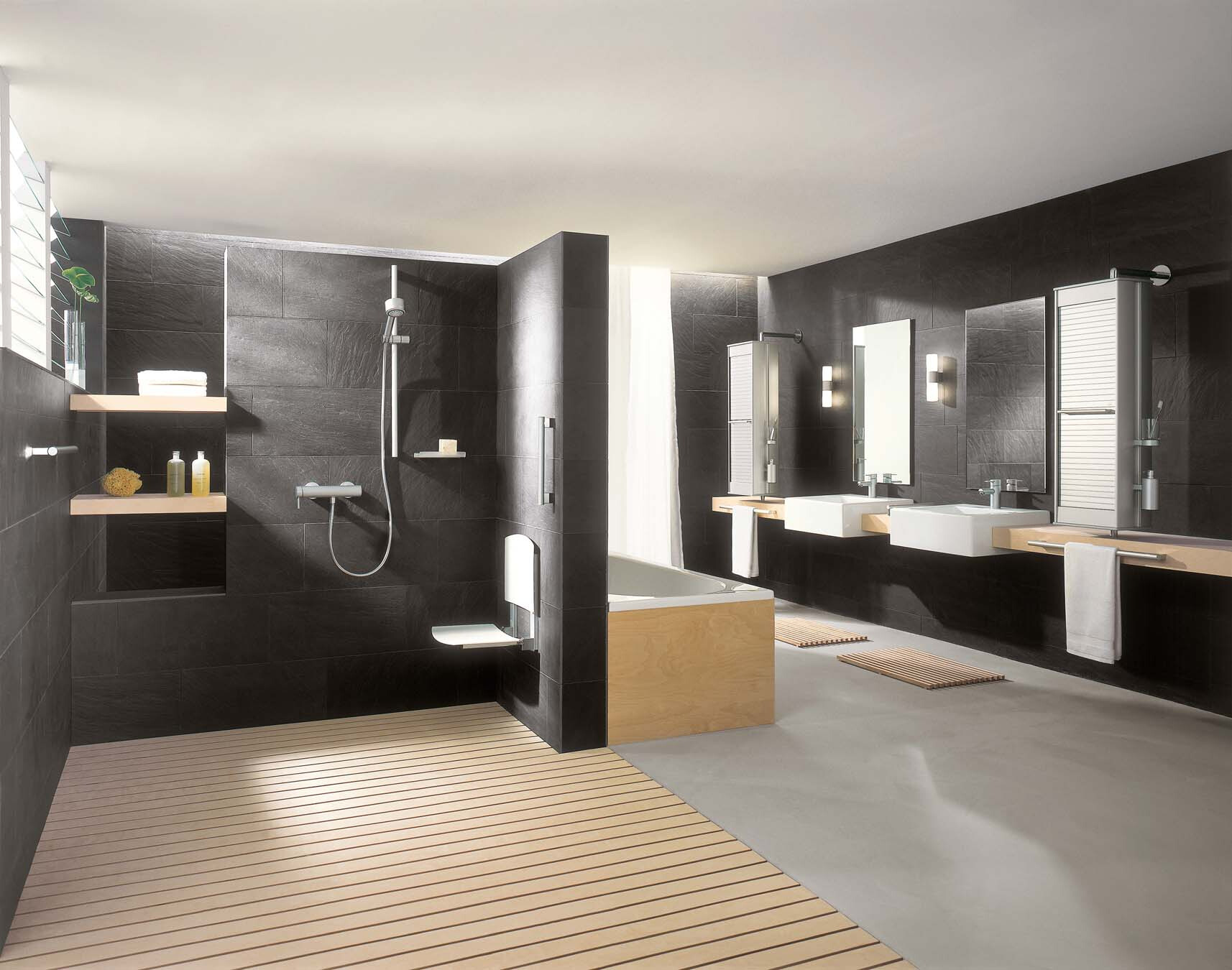
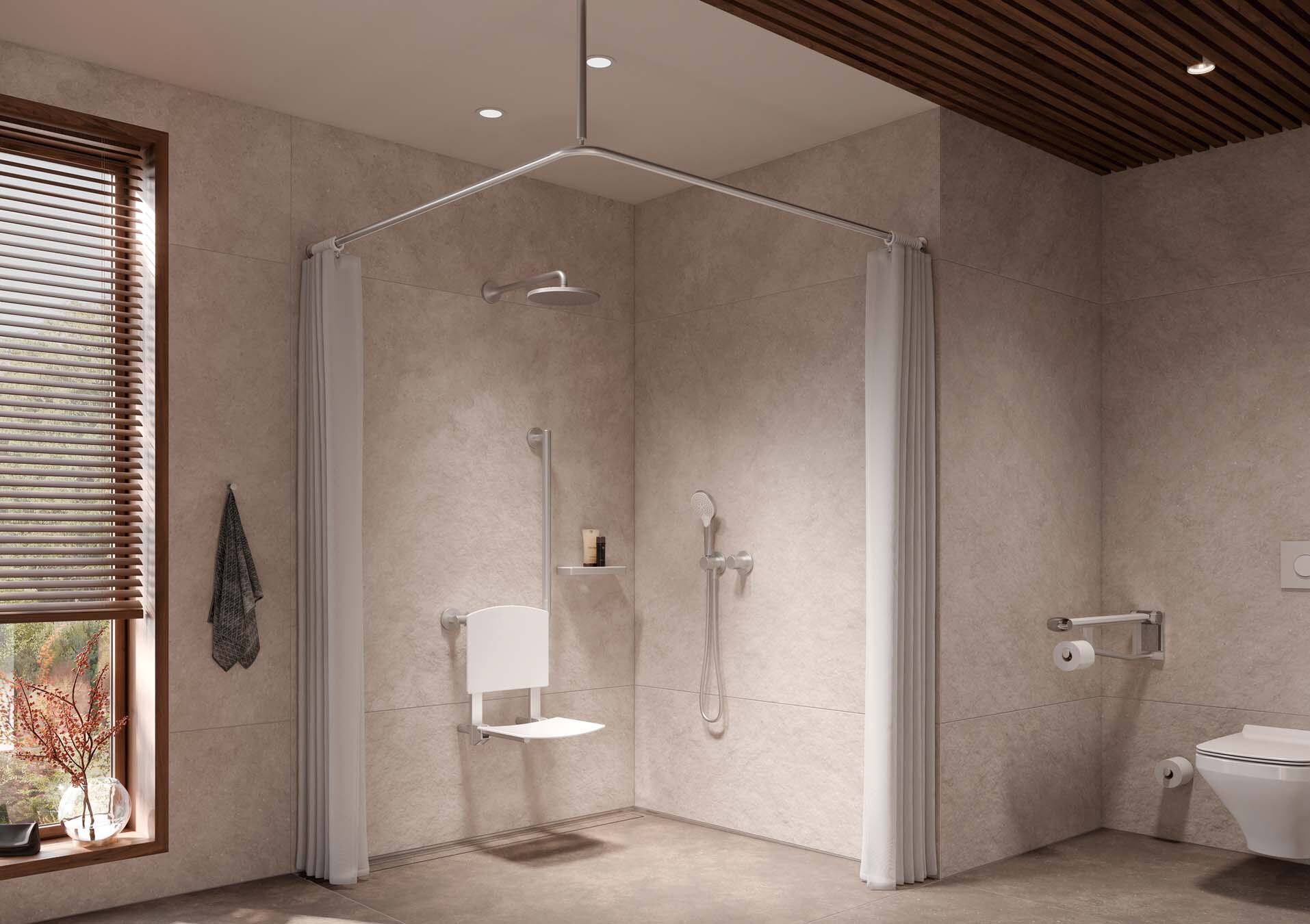
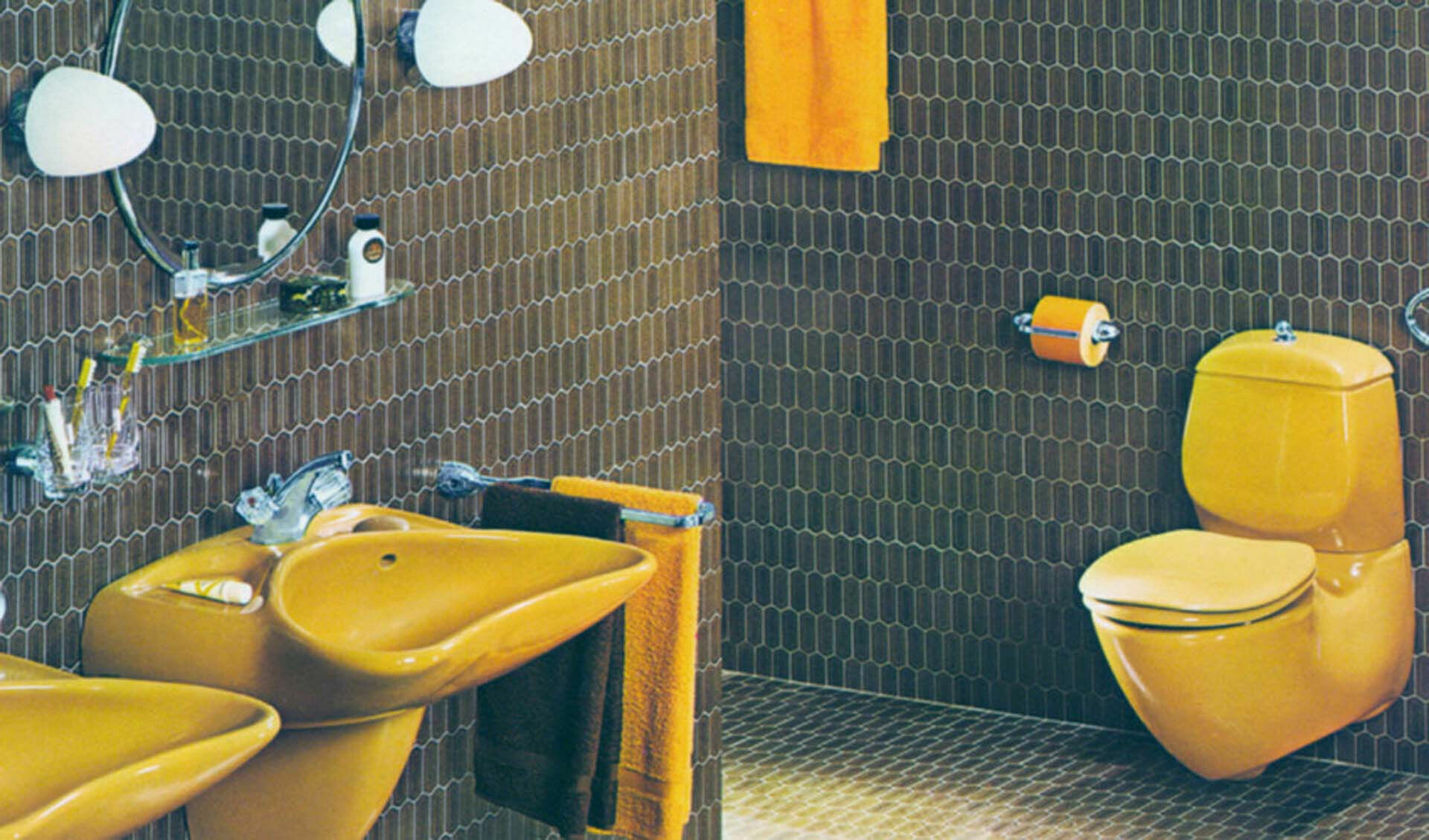
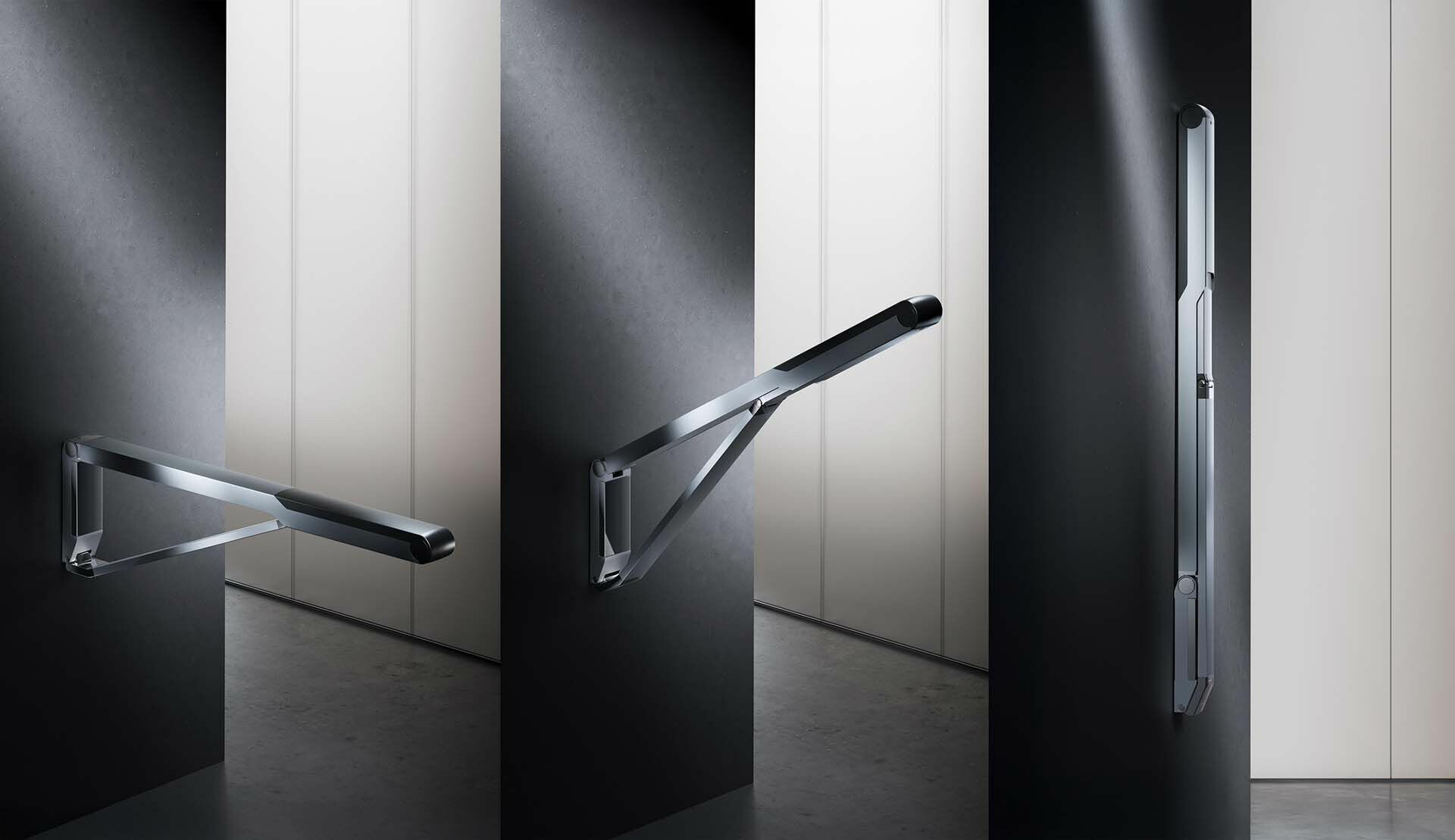
Imagine feeling dizzy and struggling to get up, or suddenly losing your footing. How reassuring it would be to reach out and find a firm handhold on the wall just when you needed it. When not in use, it could be folded neatly out of the way, keeping the space clear and reducing the risk of accidental knocks. Accessible, inclusive design might then be understood as a space’s capacity to respond actively to people’s needs, rather than simply as a set of fittings provided for particular users. Following this line of thought, familiar shower fittings could also take on a supporting role: a shower rail could be designed to double as a grab rail, while a shower seat could ease the strain of prolonged standing and fold flat against the wall when not in use. Such designs add practical support to everyday life while helping to soften the stereotypes associated with assistive equipment. This integrated approach to bathroom design can be traced to 1975, when German bathroom manufacturer KEUCO collaborated with renowned industrial designer Luigi Colani and the long-established German brand Villeroy & Boch on the Colani bathroom, the first bathroom conceived as a living space. For the first time, ceramic sanitaryware, accessories, lighting and mirrors were brought together within a consistent functional and visual language. KEUCO later introduced ranges such as PLAN CARE and IXMO, exploring different ways to integrate safety, aesthetics and flexible combinations of fittings into bathroom design to meet the needs of different users.
Making Support an Elegant Part of Everyday Life
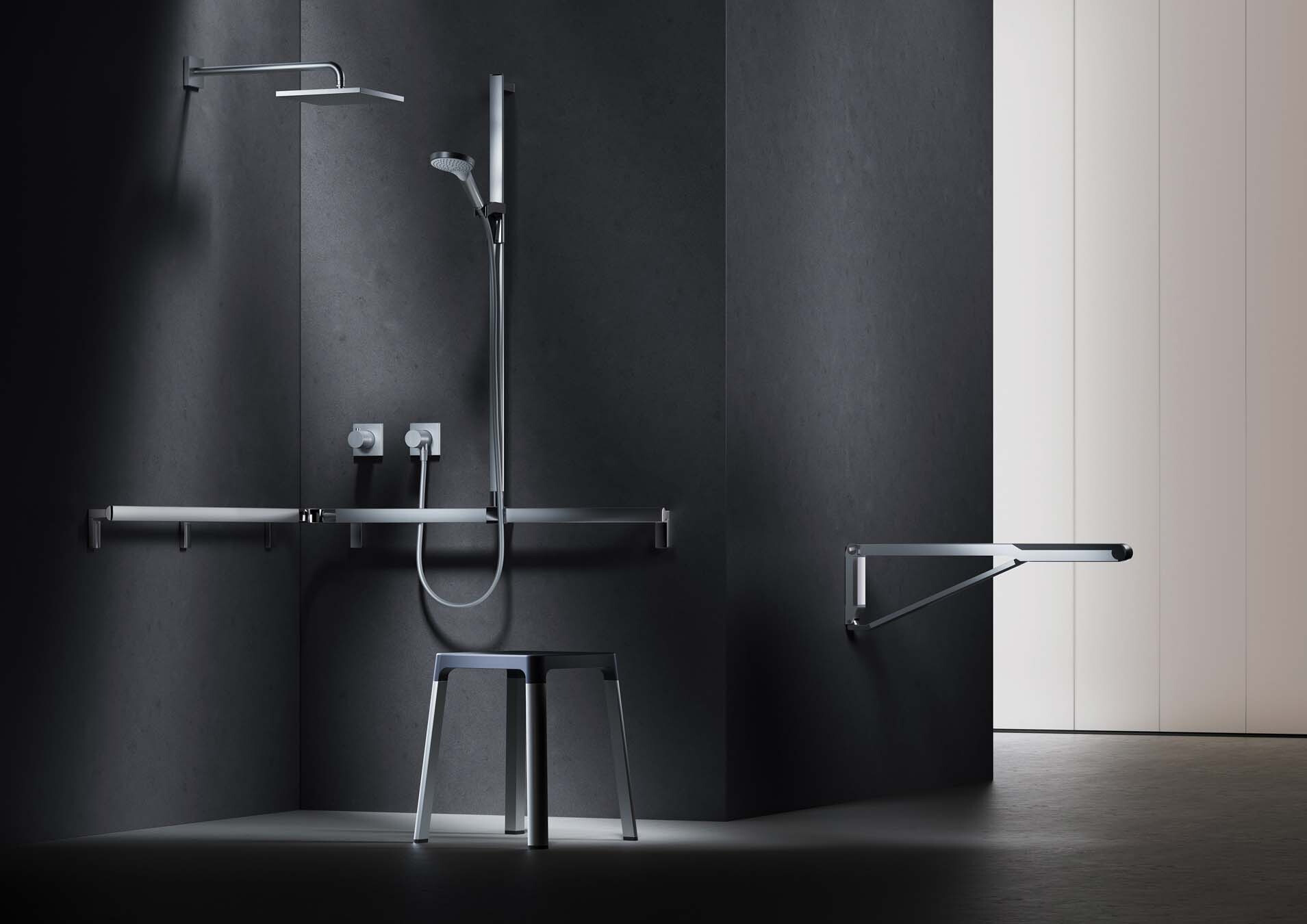
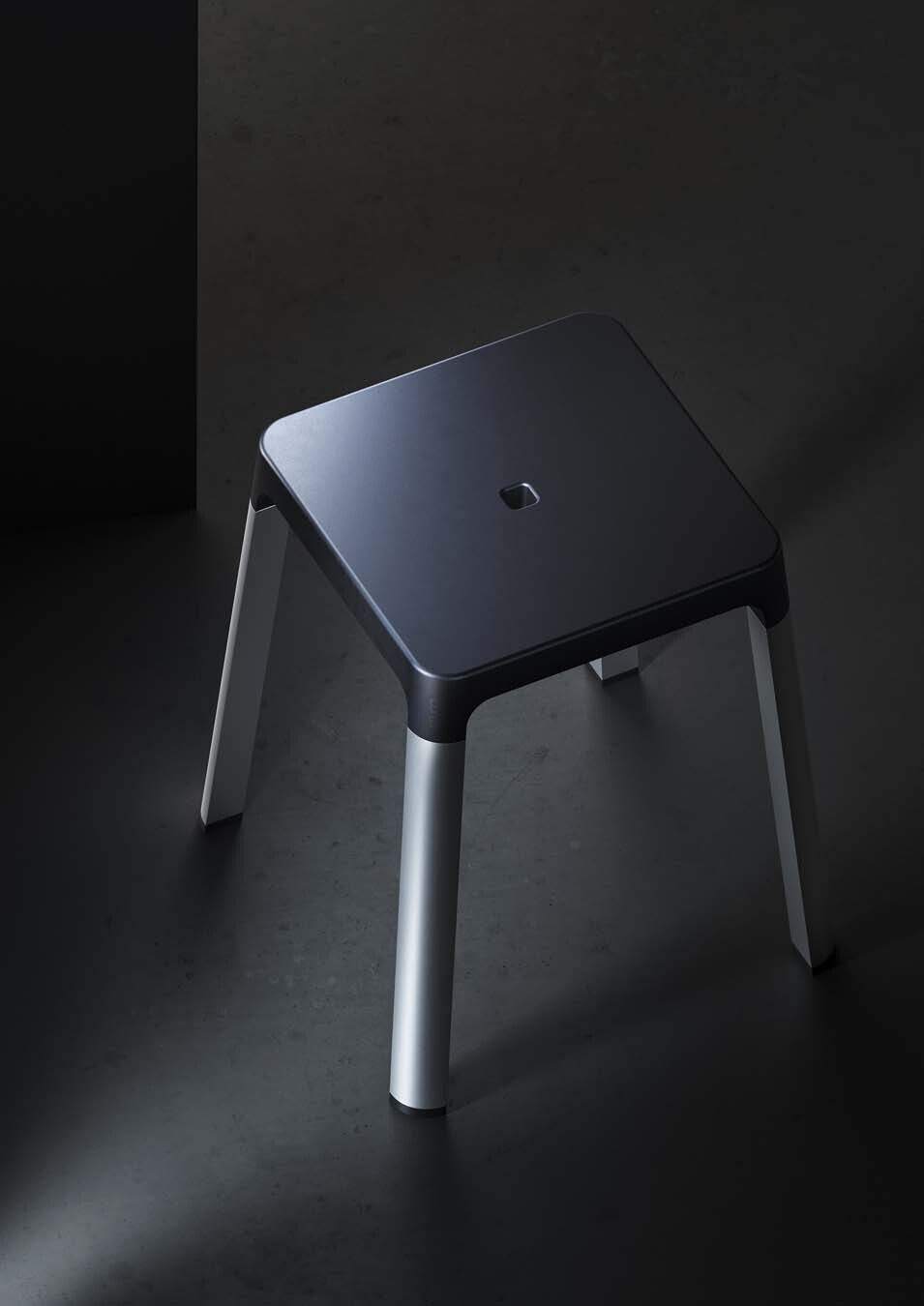
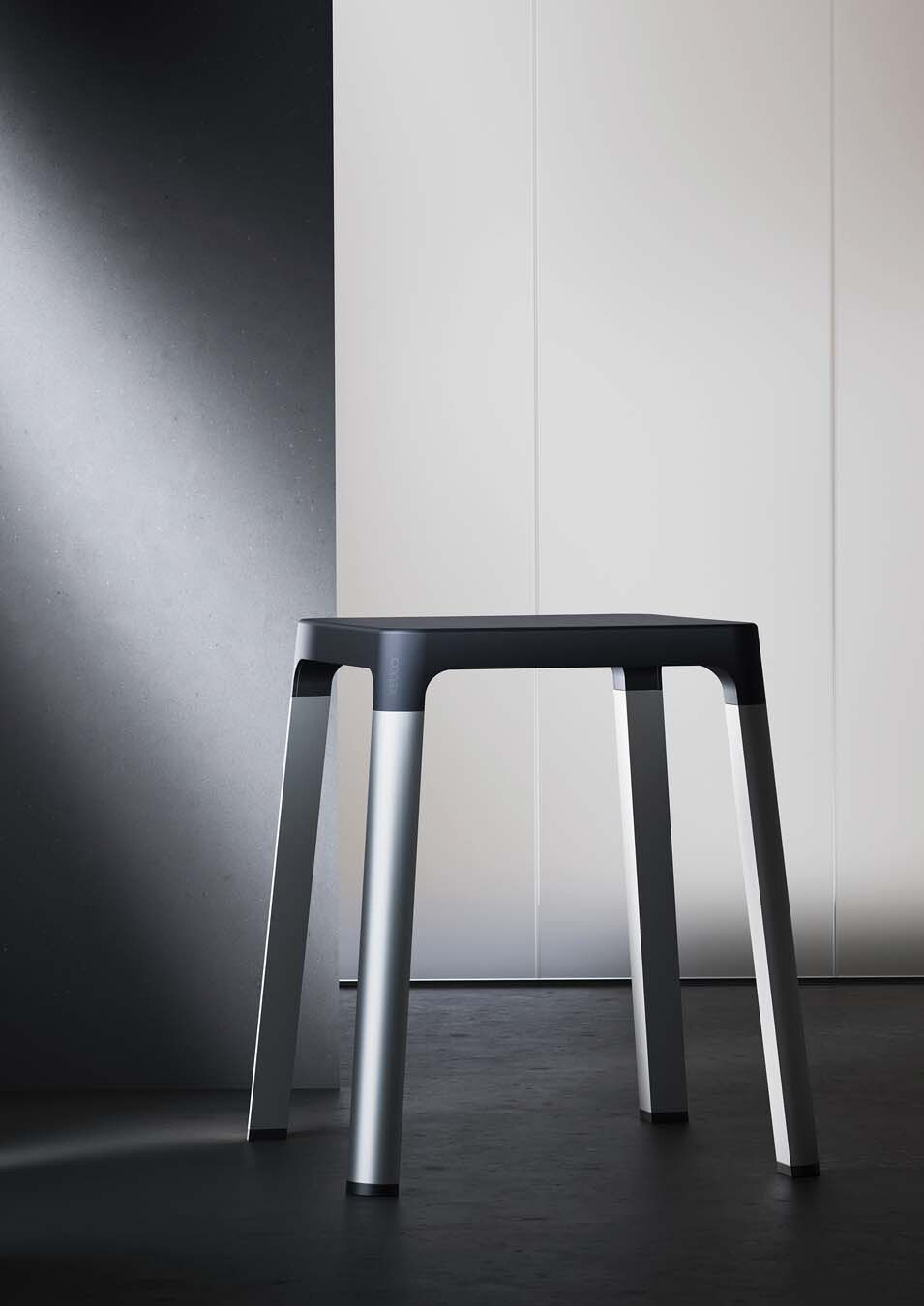
A shift in perspective can open up new ways of thinking about design. Studio F. A. Porsche, adept at reshaping form through function, has found that rethinking a product’s design and purpose can sometimes lead to a new product category. That possibility made the studio all the more keen to explore a question in its collaboration with KEUCO on AXESS: if assistive products lost their familiar visual cues, could their function still be clear and their use intuitive? When a universal design language extends to accessible spaces, design can remove not only the visual markers that set people apart but also the psychological barriers. Sculptural lines replace bulky support frames, while architectural geometry gives form to a lightweight, stable bathroom stool. Someone entering the bathroom might not even recognise the elegant folding support rail, fitted with a toilet paper holder, as assistive equipment. Yet it can readily bear a load of 115 kg. Its rounded grip lets the hand rest at a natural angle, giving users a firm hold as they press against it for support. Studio F. A. Porsche focuses on ensuring that every line and angle serves a specific function. Those elements that can be simplified no further reveal their essential beauty as they are used and put to the test over time.
The more practical and precise a design, the quieter it often seems to those who use it. It need not continually announce its presence; support comes naturally when needed. It neither categorises bodies nor singles anyone out, allowing people to use it with grace and ease. Freedom of movement at every age and equal access to safety and comfort might then bring the world we live in a little closer to the ideal of equality.
楠弘集團