House C
Establishing order in life is not about imposing limitations. Organizing the void brings the freedom of whitespace. In this orderly new system, a relaxed and leisurely atmosphere emerges, which often best faithfully represents one’s true self.
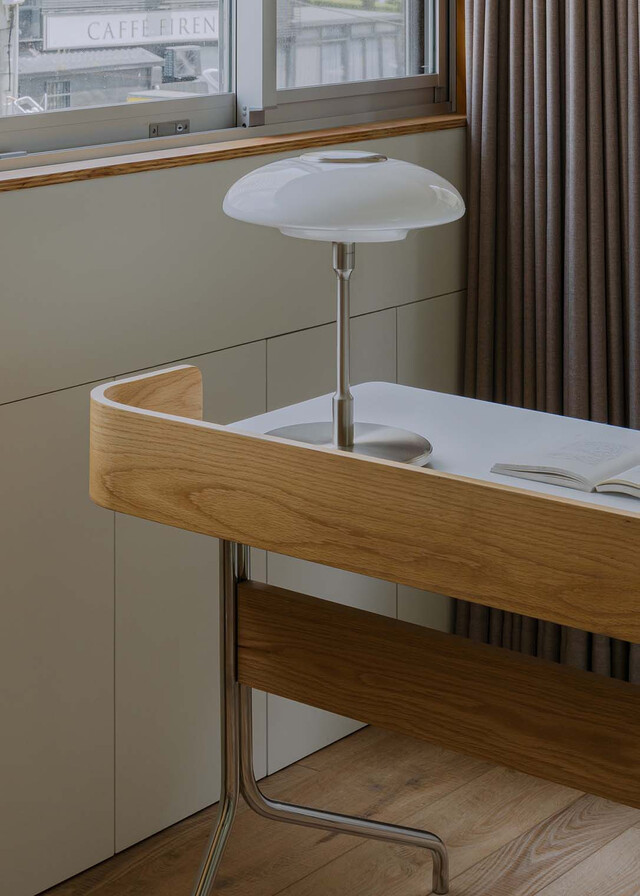
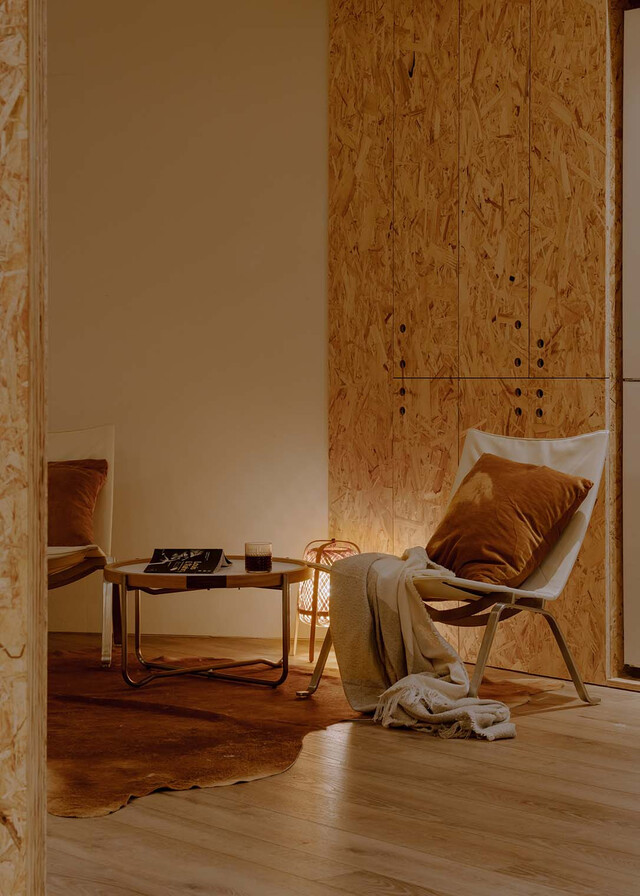
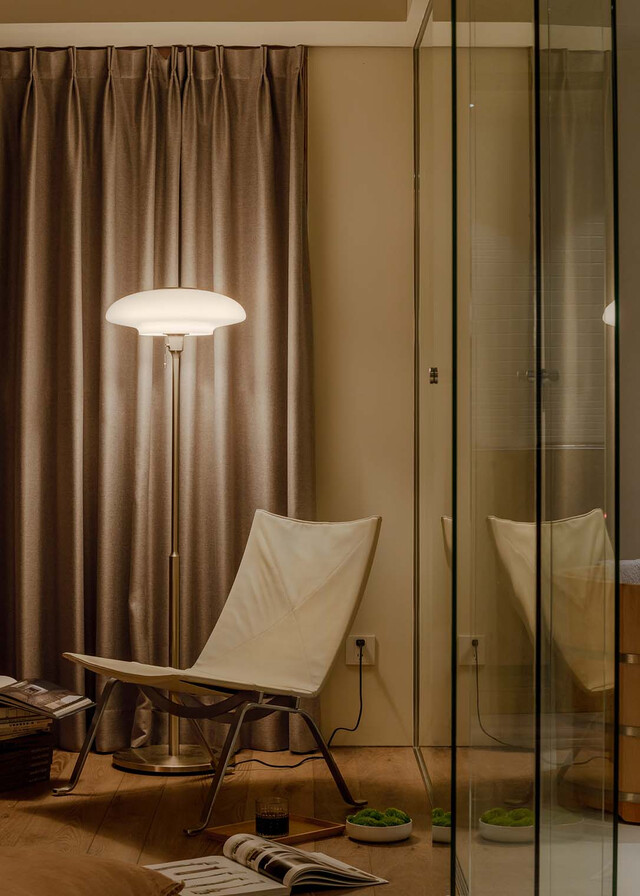
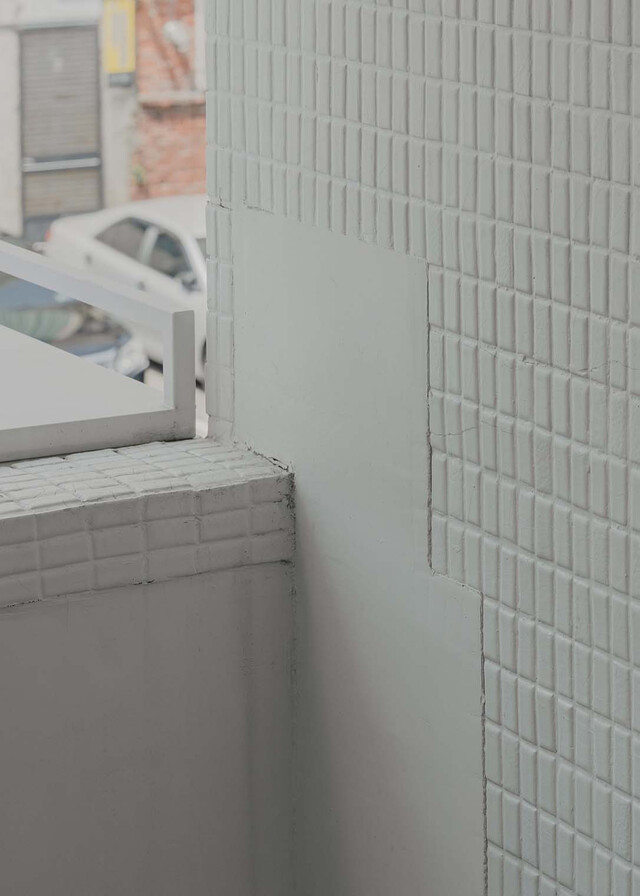
Designer Ching-Ju Chen plays a vital role in helping a diverse array of clients find their ideal lifestyle through his work. When he returns to his own living space, he meticulously organizes it from the outside in, from visual to tactile aspects, thereby redefining the standards of a new life. As an interior designer with an architectural background, he prioritizes cleaning the exterior walls of his home on the second floor, aiming to restore the facade of the building to a clean appearance as a response to the urban setting. He says, 'Washing the exterior walls is a simple task, yet it's easily overlooked. It is a response to the public environment and a way to organize external order, and it represents the first step towards establishing an orderly life.'
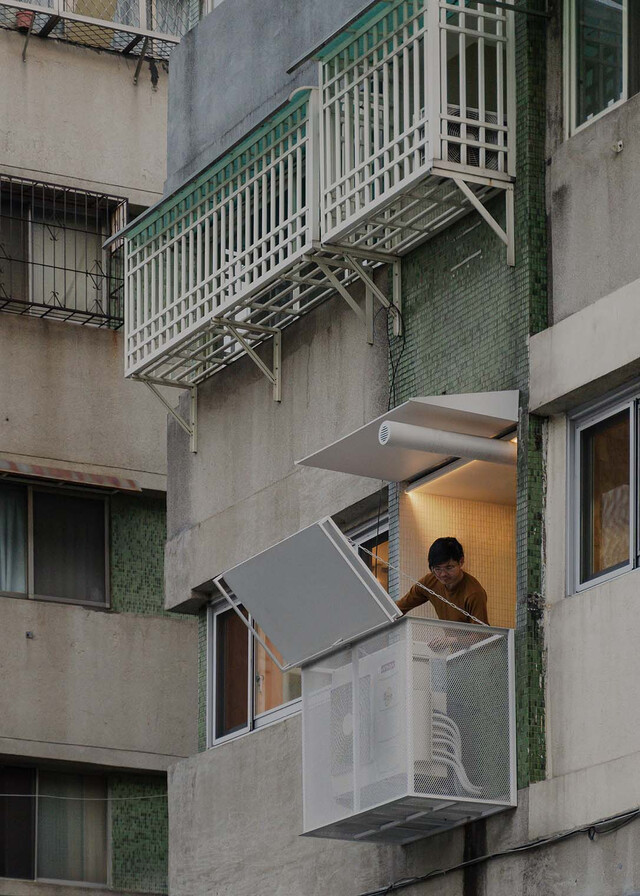
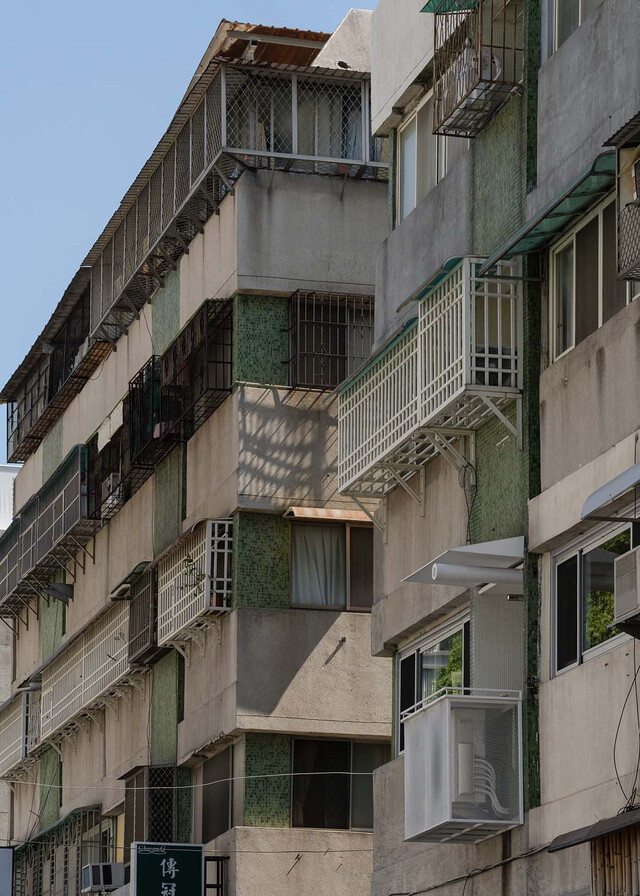
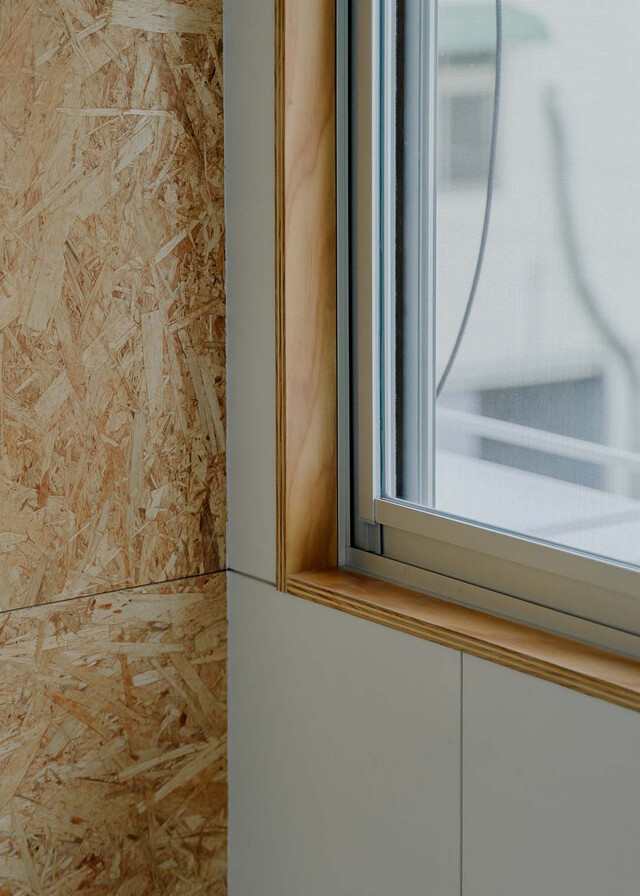
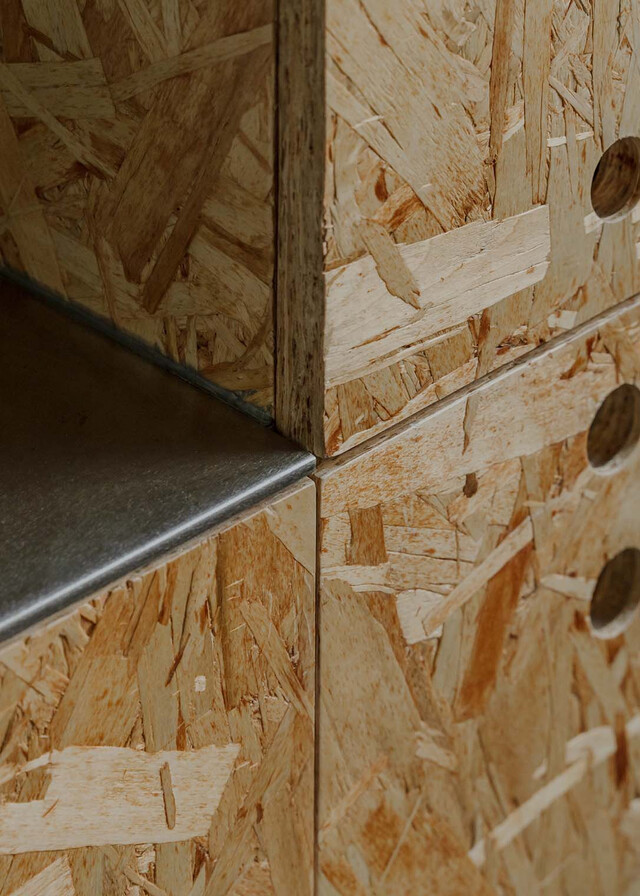
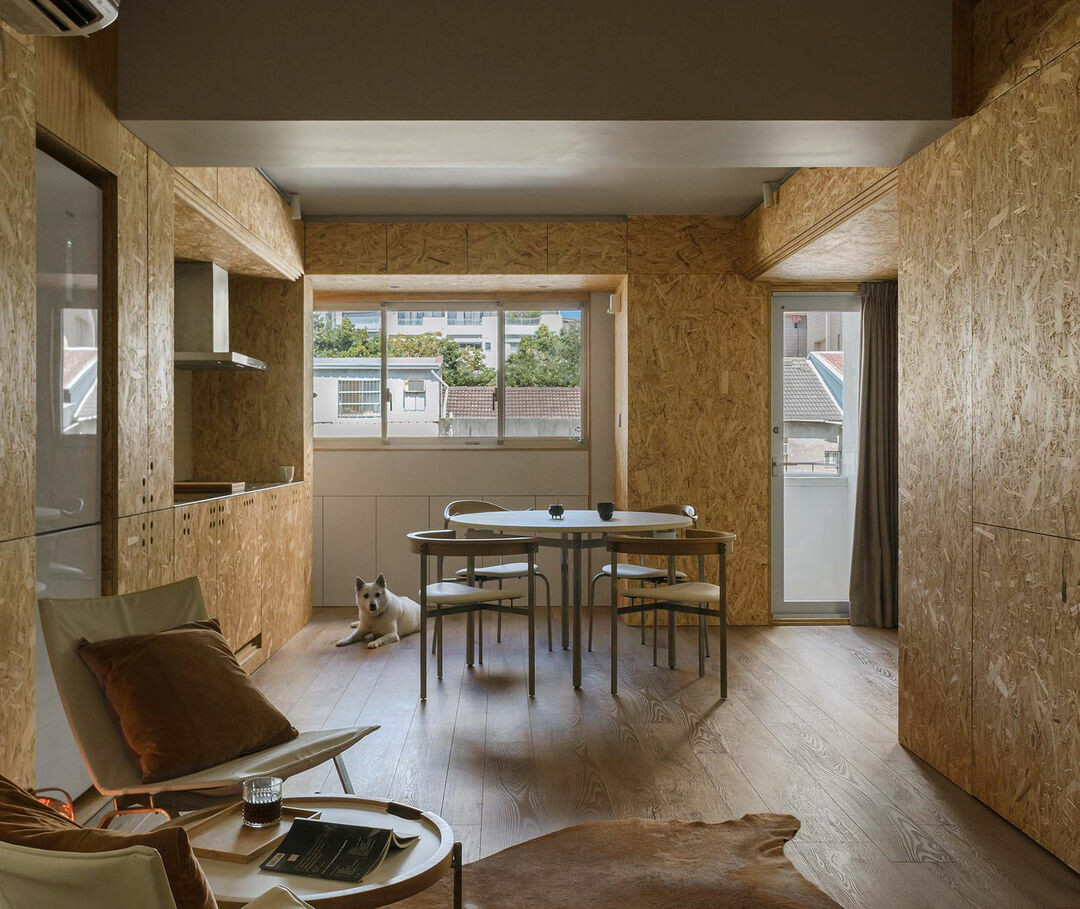
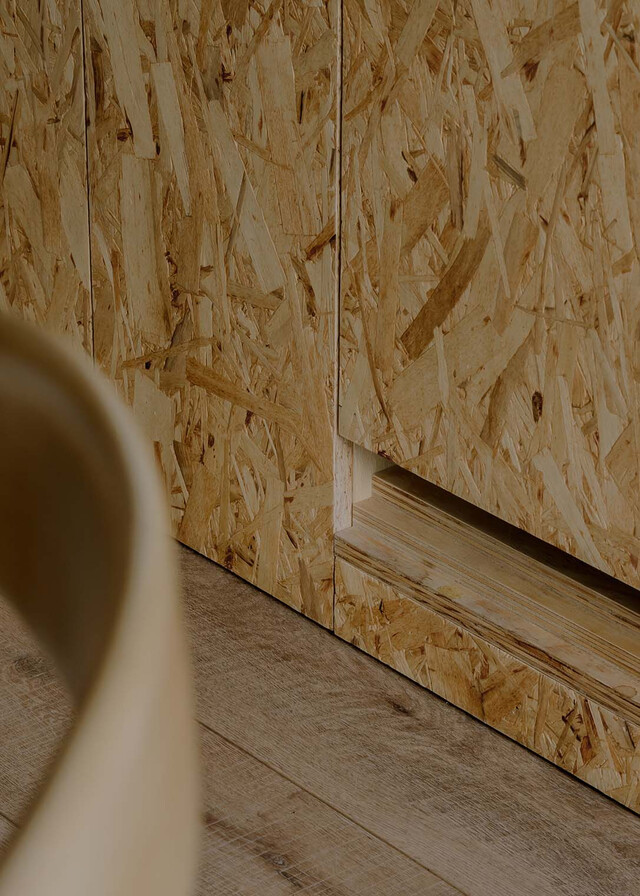
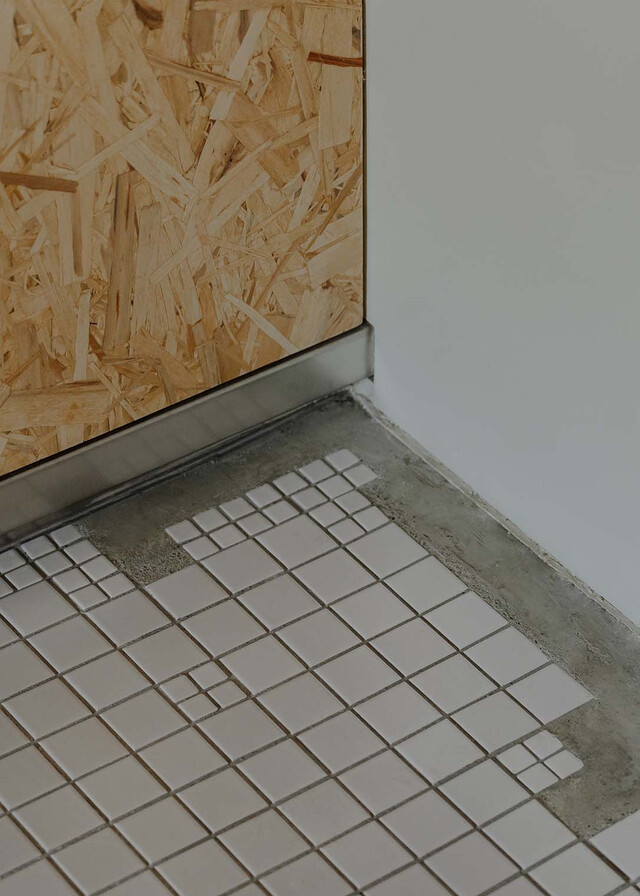
In the creation of his home, the designer satisfied his own preference for cleanliness. Armed with a thorough understanding of building systems, he set up numerous clever guidelines. The interior's use of wood, tiles, and steel effectively highlights their unique properties and meets his taste for whimsy. He tried setting up some of the facade panels to float above the ground, cleverly hiding the expansion joints by reserving the thickness of the floor wood, and boldly abandoning the traditional use of silicone for finishing edges. The home, like its owner, thus embodies a distinct personality: organized, clear, and lively.
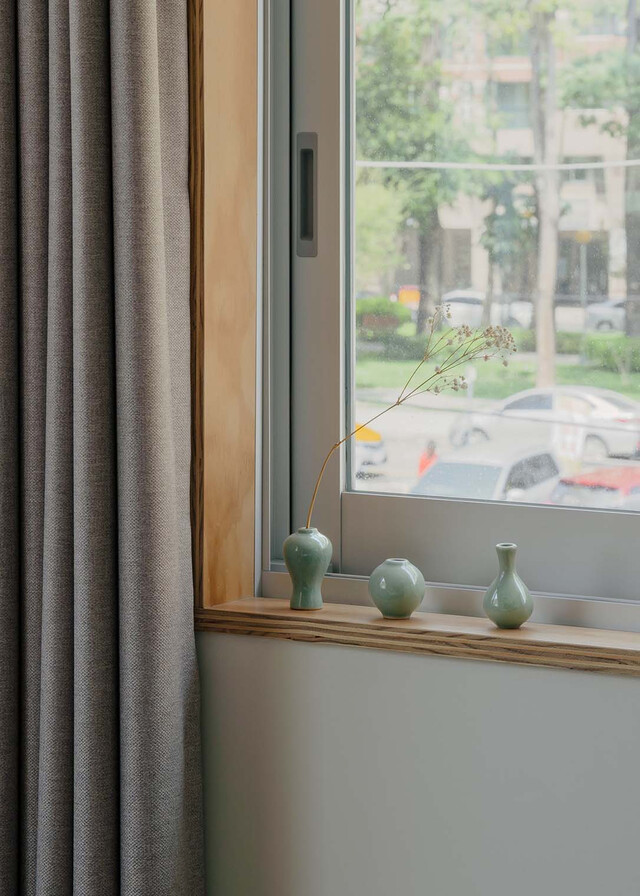
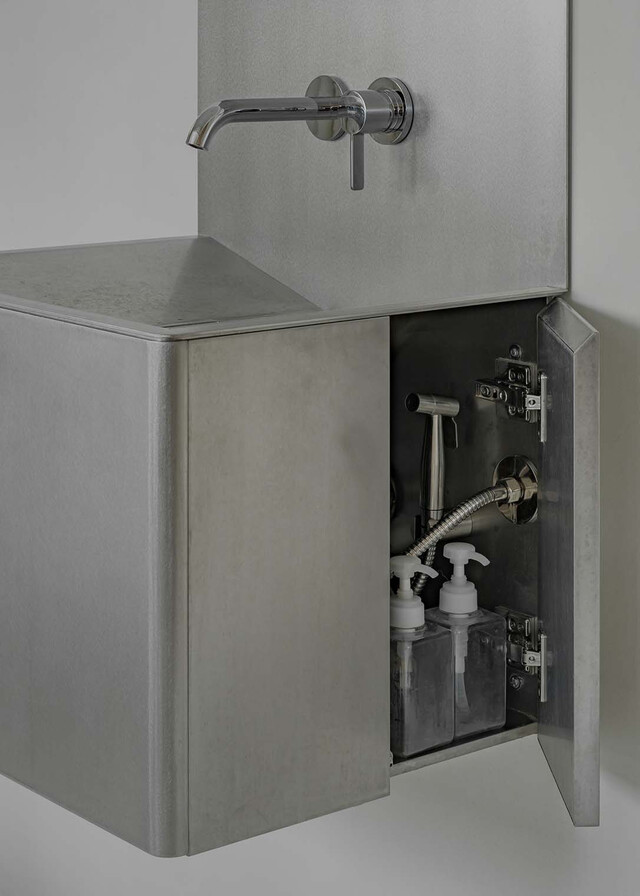
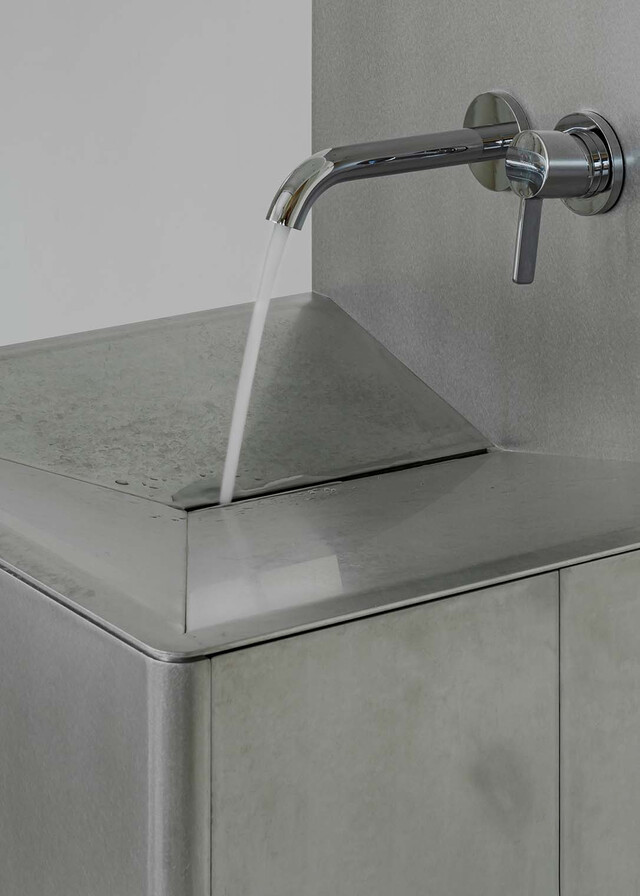
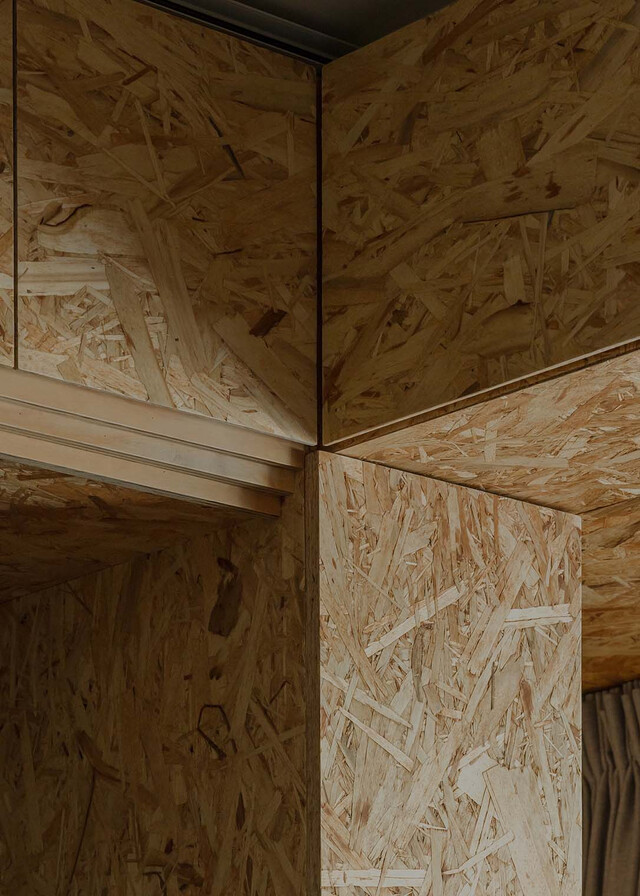
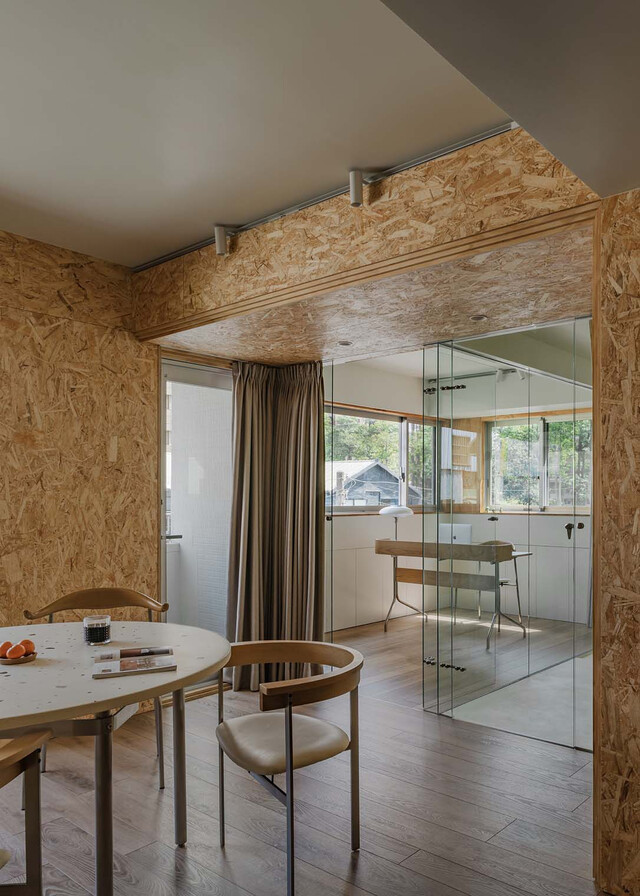
In an old house showing signs of age, internal walls and details inevitably show some crookedness. Leveraging the designer's extensive experience and the craftsman's skilled techniques, iron elements are used to reestablish horizontal and vertical axes, structuring the three-dimensional frames for the dining kitchen, study, and bathroom areas. Materials transition smoothly at the boundaries, with different textures and materials defining each space. In the detailing of new and old interfaces, there is no blind pursuit of precise joint alignment. Instead, there is a thoughtful consideration of how to effectively utilize surplus materials. Through these extended gaps, materials from different eras and of various types harmoniously coexist within the same interface. The establishment of this new order allows the materials to breathe and creates space for flexible adaptation.
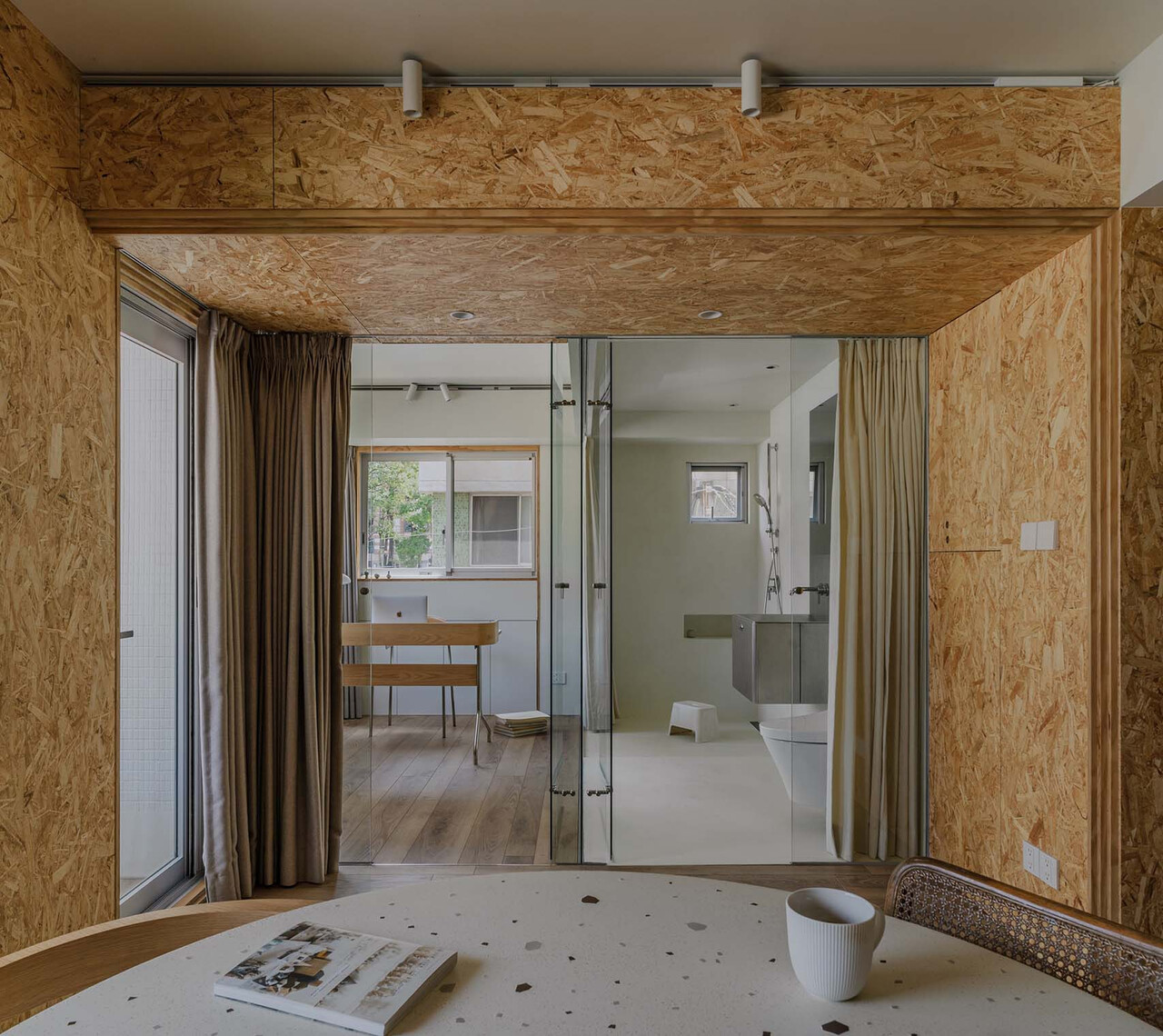
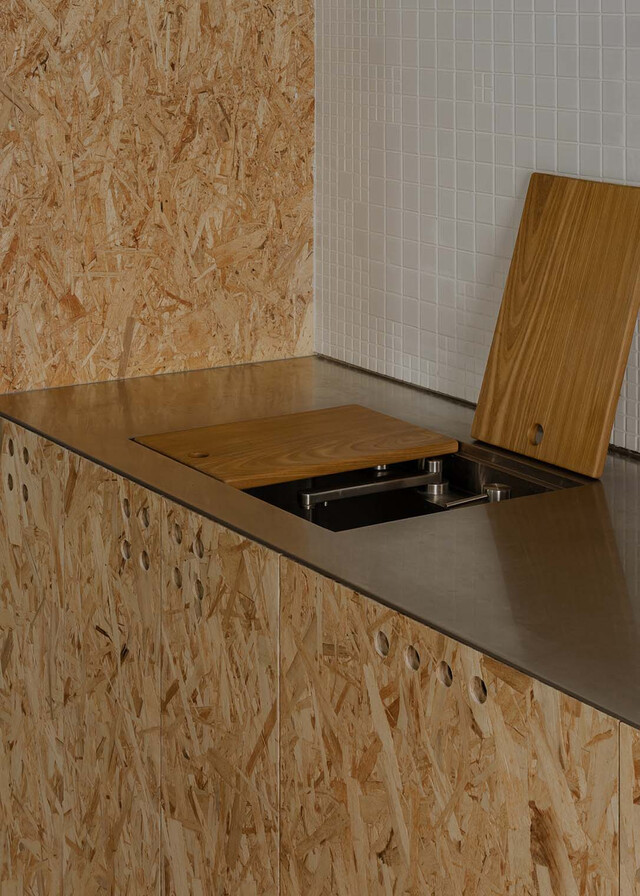
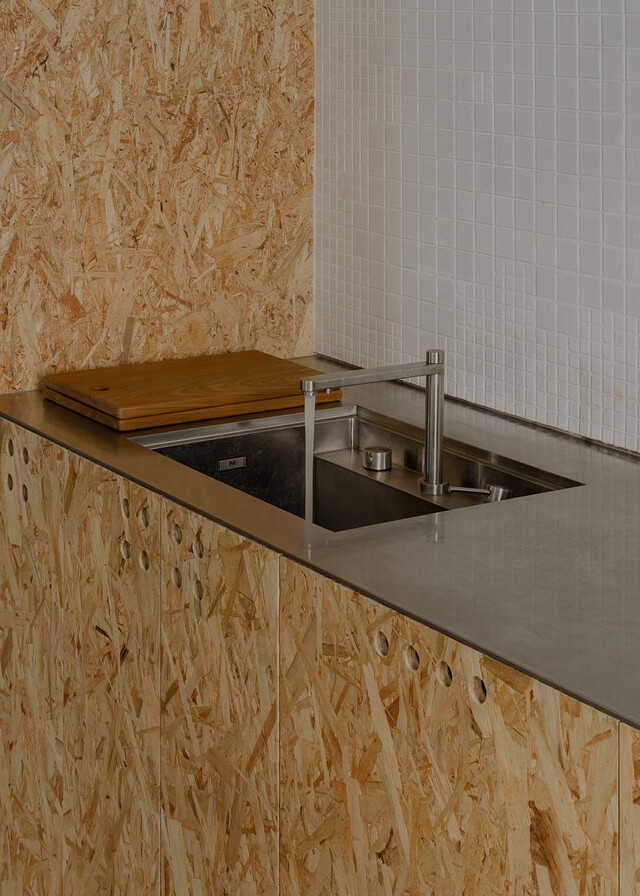
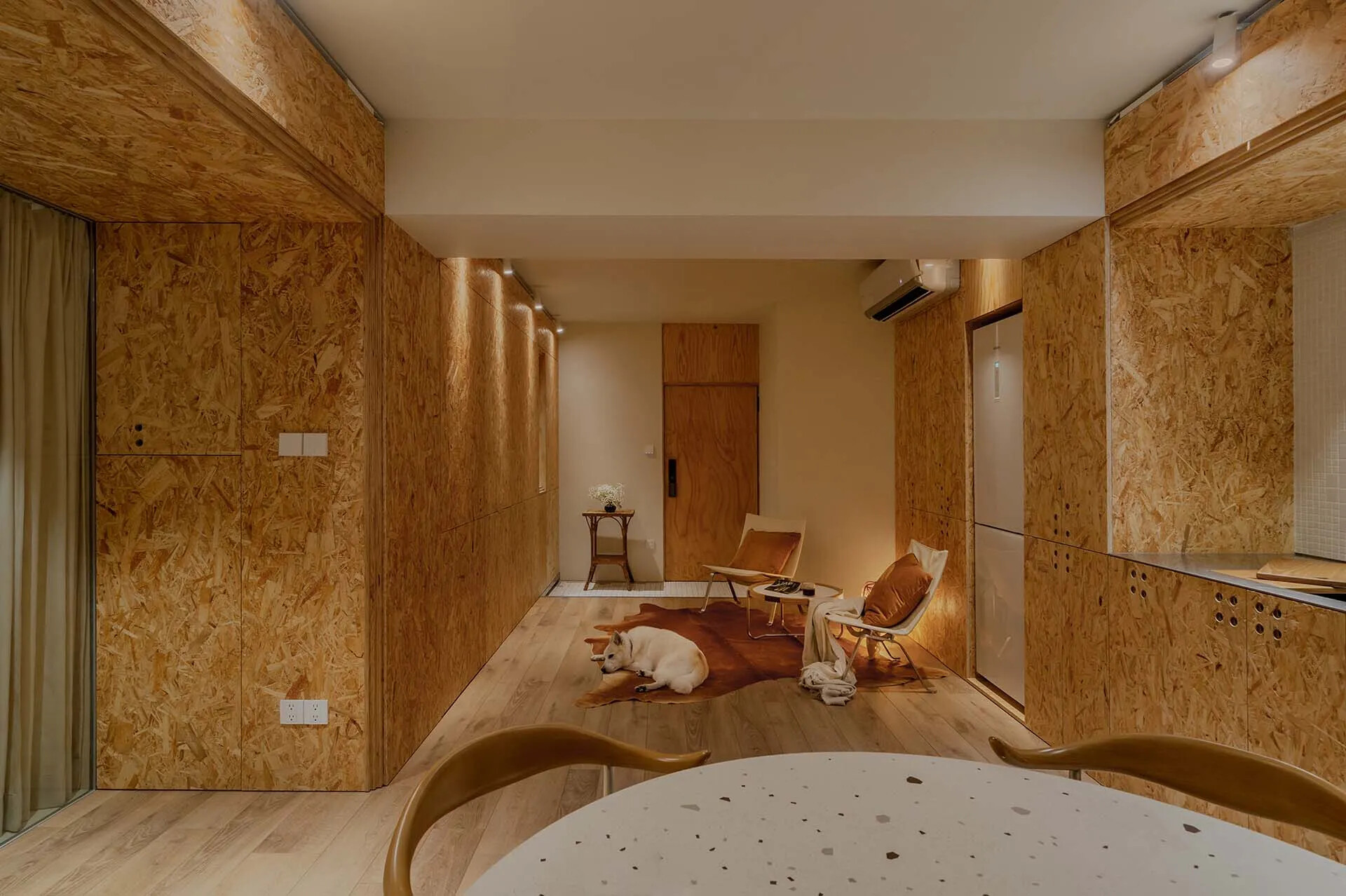
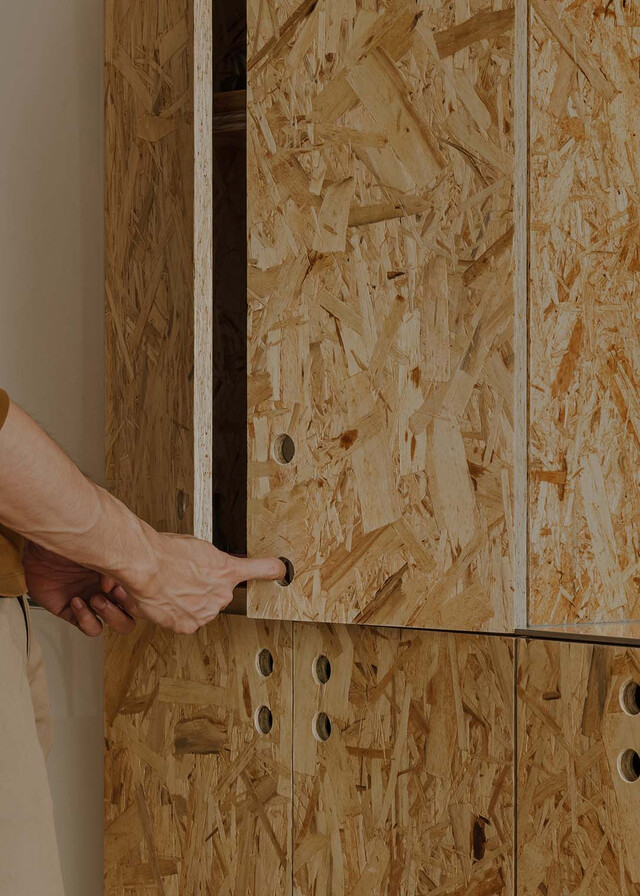
Beyond his primary focus on design, designer Ching-Ju Chen, who is enthusiastic about research, possesses a solid understanding of industrial products. Therefore, the cabinetry in his home is designed with more than storage in mind; it also considers usage frequency, access methods, and even issues like signal interference. He carefully determines the depth of each cabinet and opts for circular holes instead of traditional handles to facilitate smoother movement in the valuable living space, ensuring an orderly flow throughout the home.
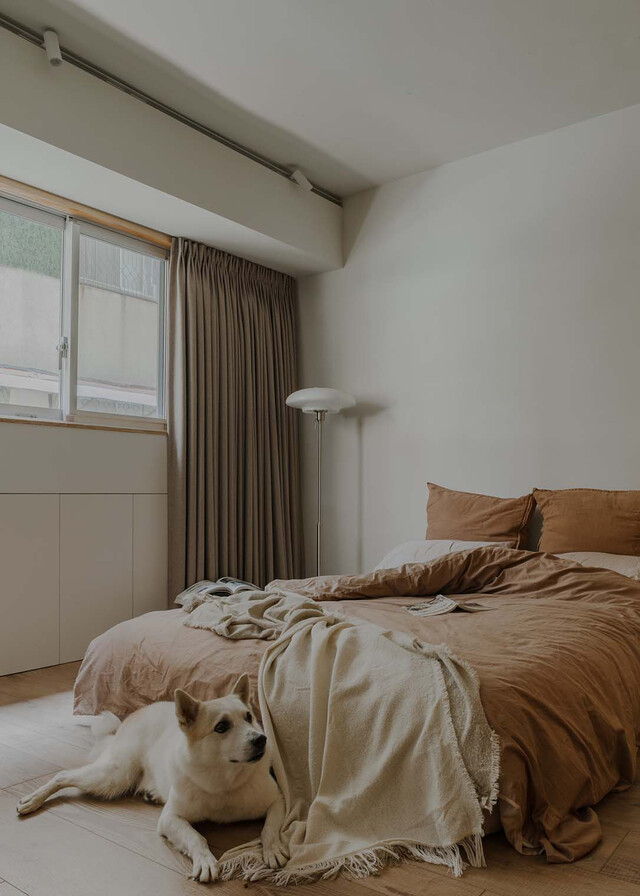
This is not just a typical renovation of an old house, but a demonstration of integrating design with craftsmanship, akin to a showcase of the achievements of designers and craftsmen. Ching-Ju Chen's expectations for life are invoked here, allowing him to rediscover an orderly lifestyle dedicated to himself and his beloved dog amidst the hustle and bustle.