MAS CADALT
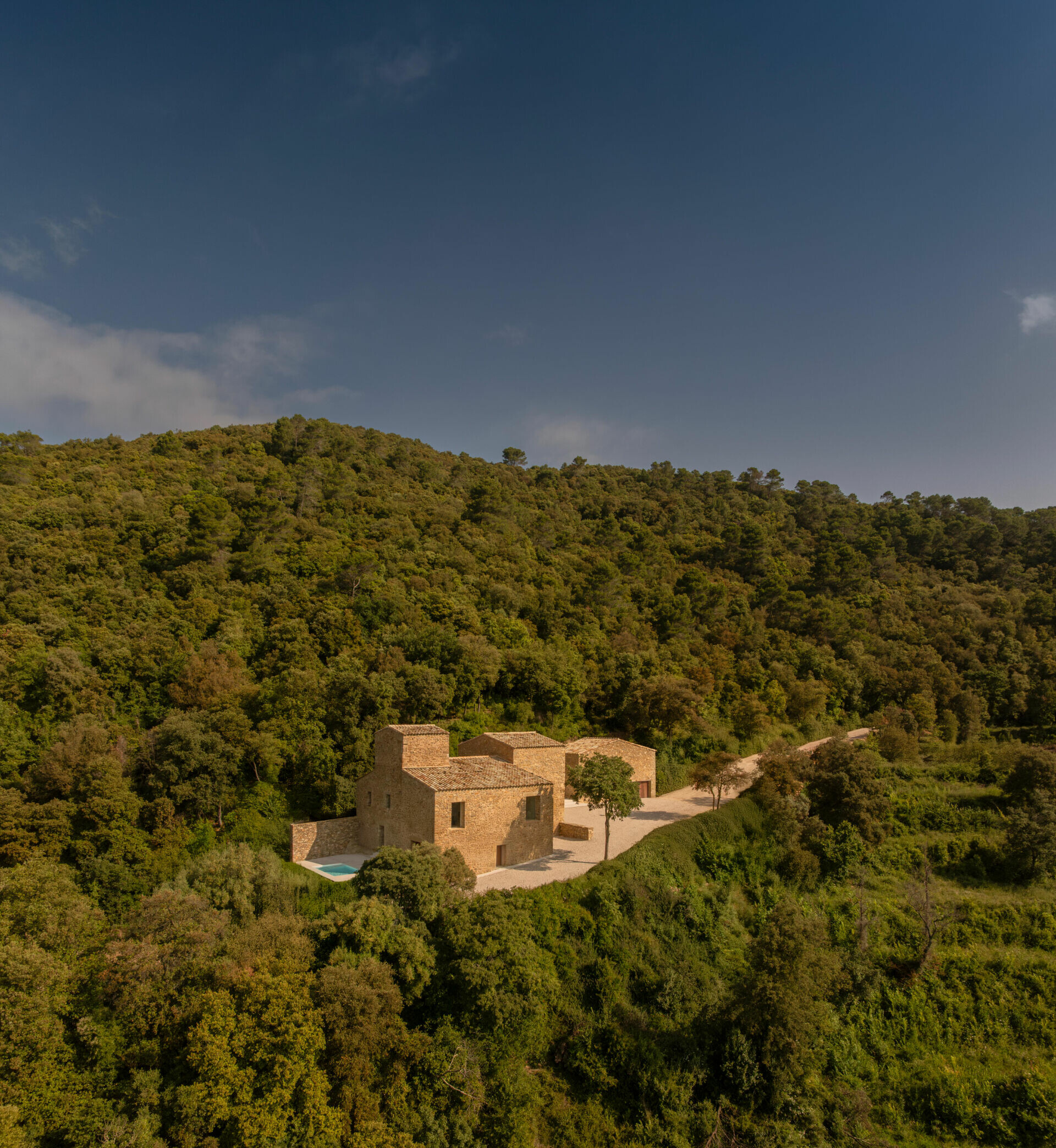
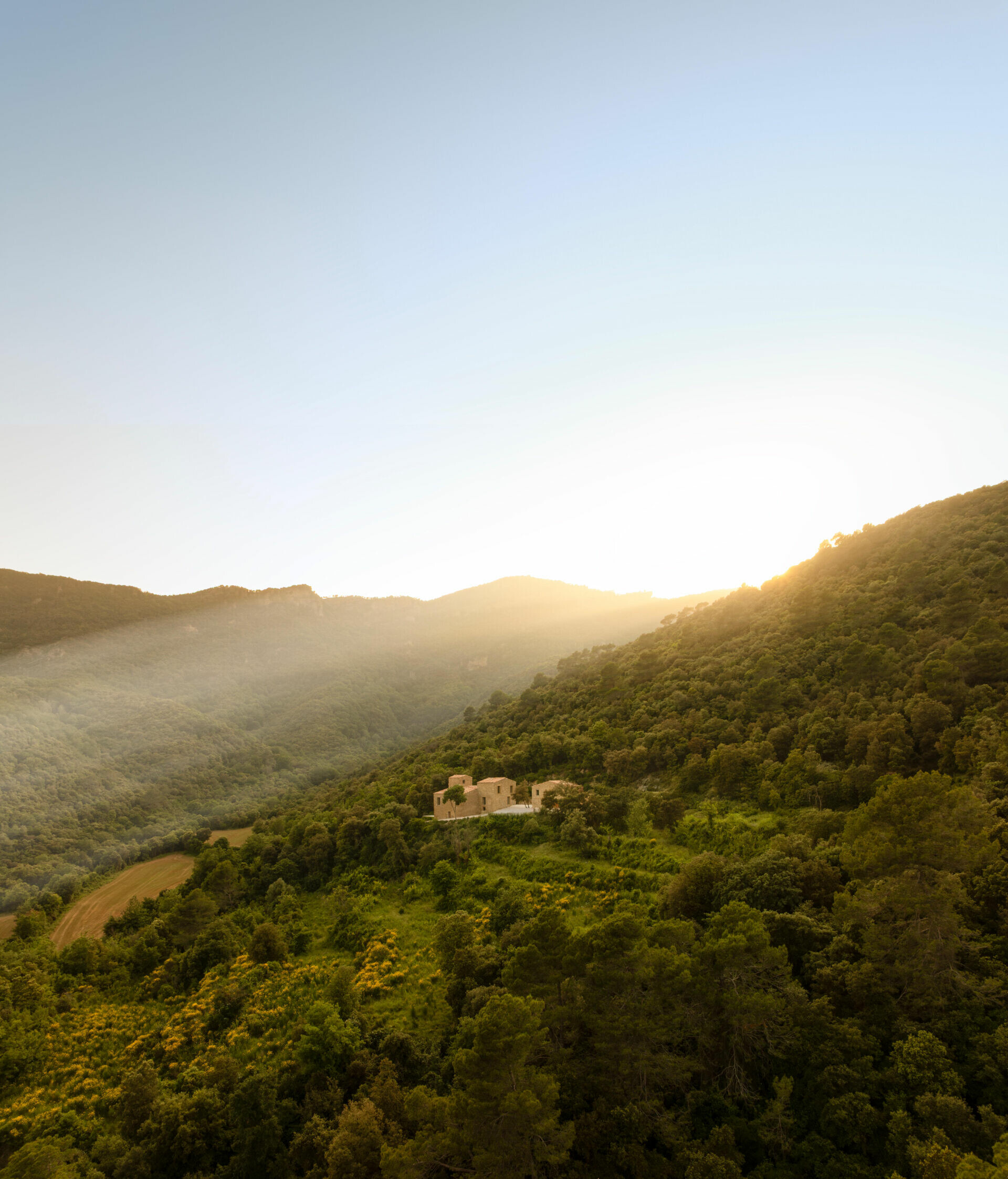
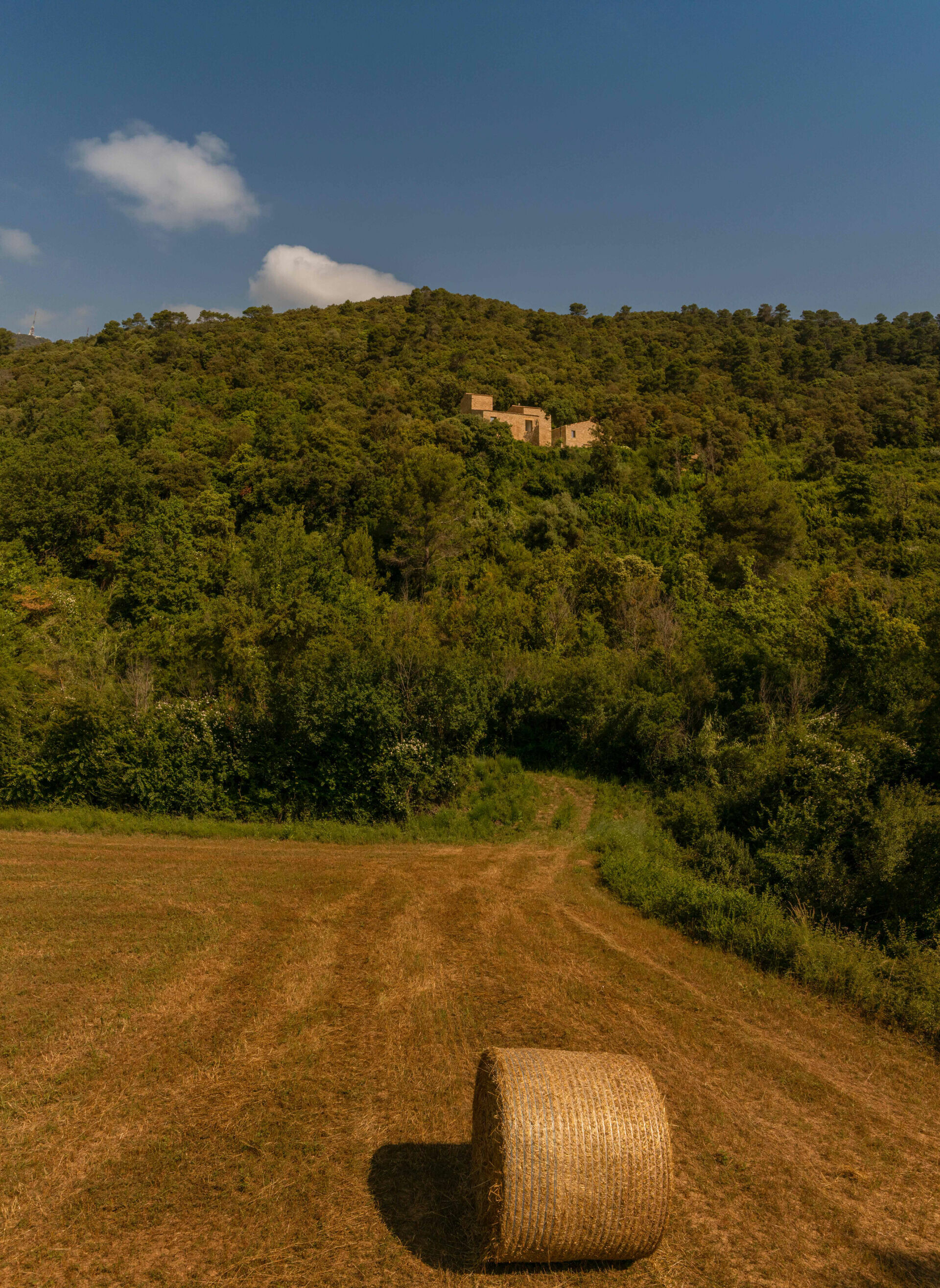
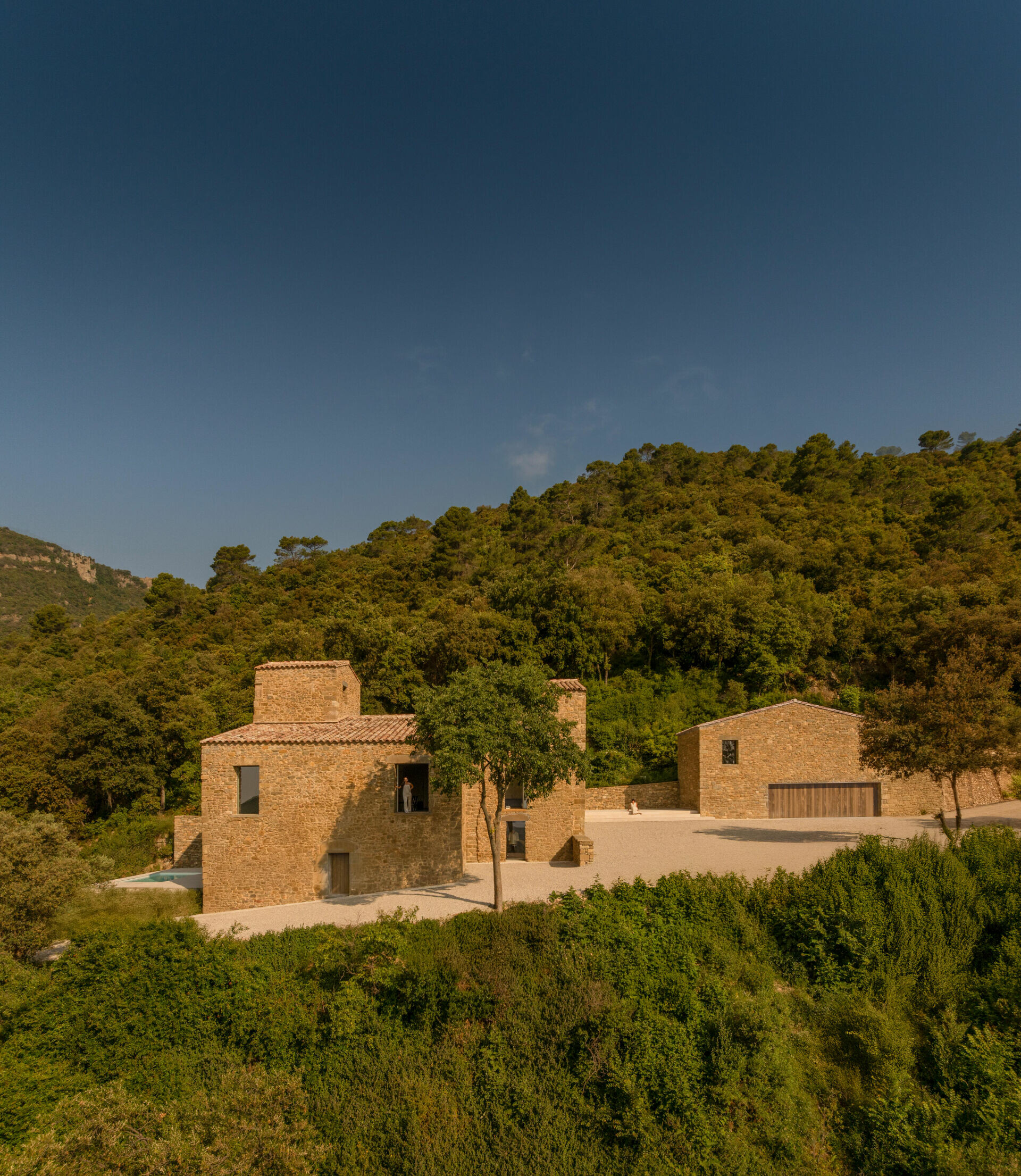
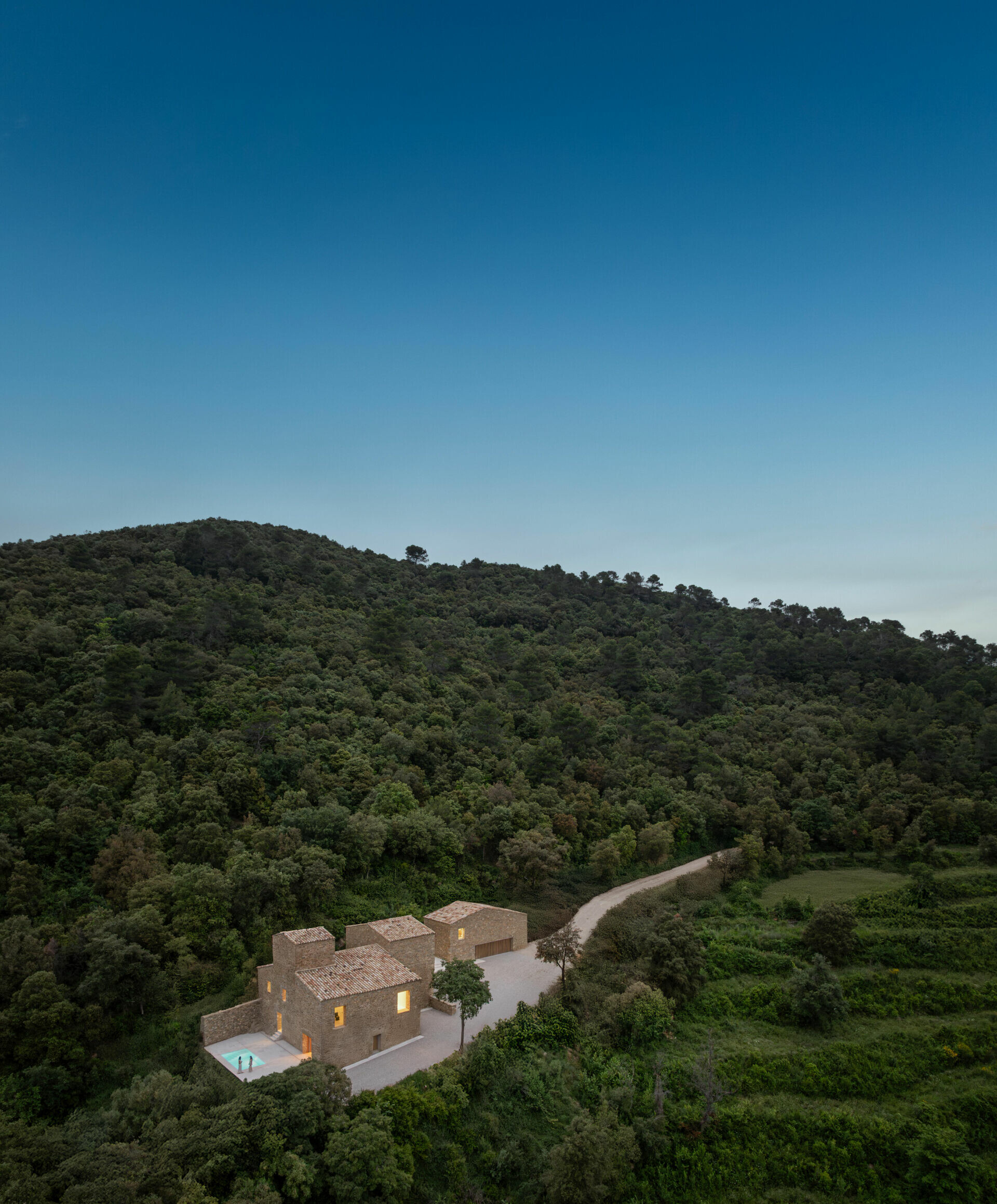
A family’s story begins with their departure from London, as they settle in the heart of the Serrat de la Cadalt hills in Spain. Here, the landscape unfolds in soft, continuous ridges, forming a secluded world where sunlight lingers and time seems to slow. A calm, almost meditative stillness settles over the air. The house they now inhabit appears at first glance to be a traditional rural dwelling, its stonework and proportions rooted in the local vernacular. Yet stepping inside offers a surprising shift in atmosphere: a luminous, pared-back interior defined by crisp lines and a contemporary sensibility. The original ground surface and the warm texture of the stone masonry at the entrance maintain a tangible link to the building’s past and to its surroundings. It is difficult to imagine, then, that before Fran Silvestre Arquitectos undertook its transformation, the farmhouse stood in ruins, its renewal prompting curiosity about how such a structure was brought back to life.
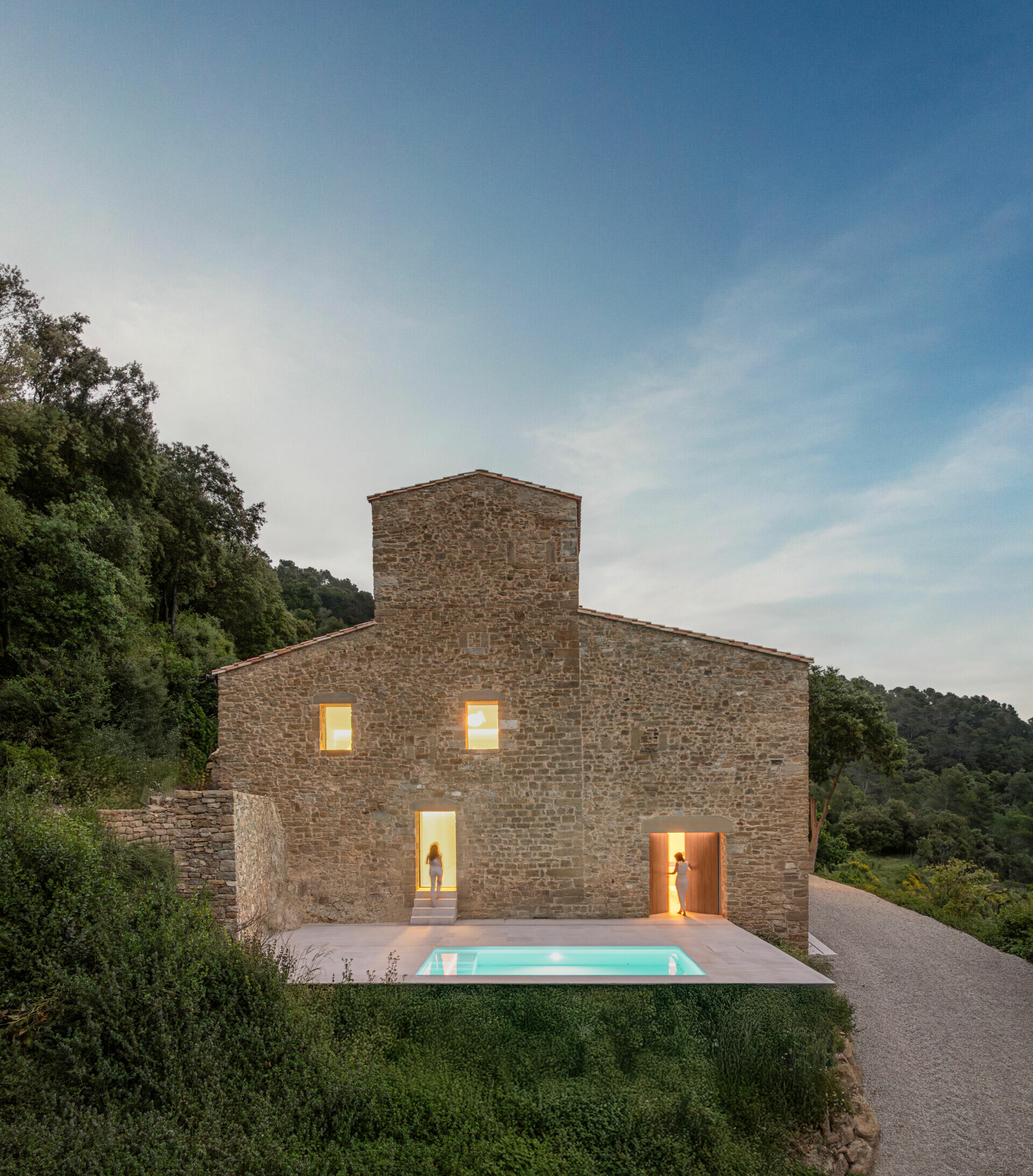
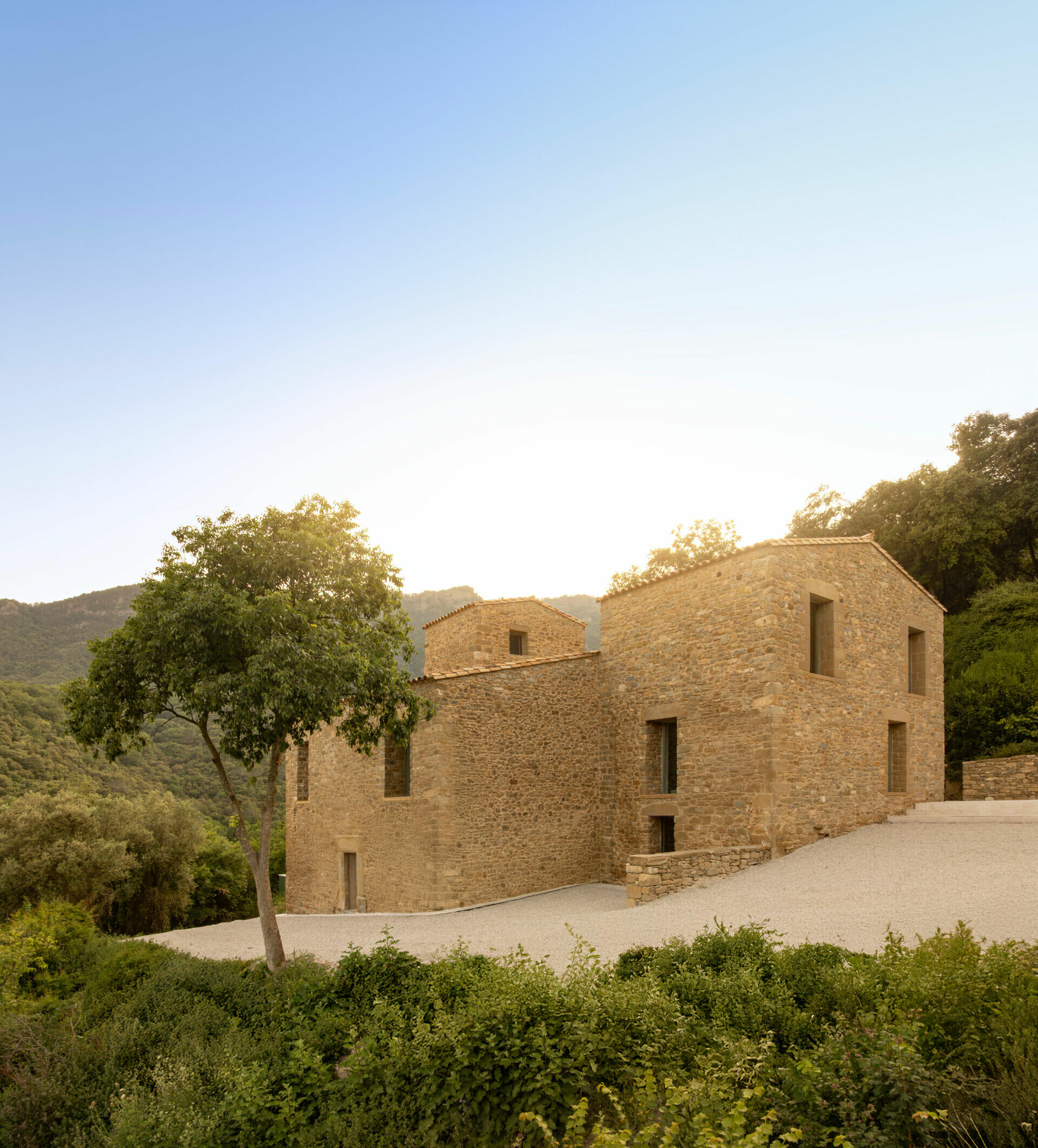
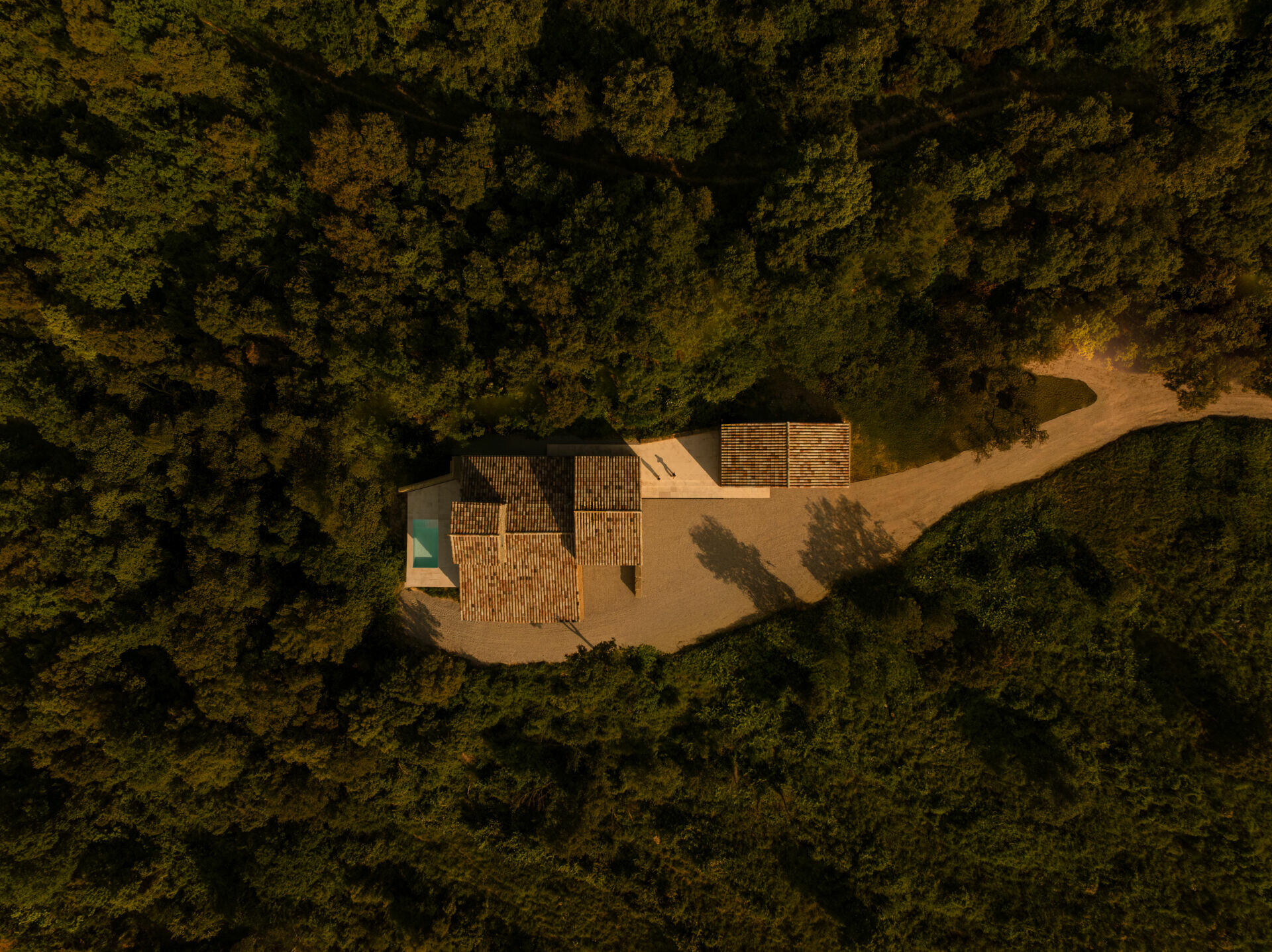
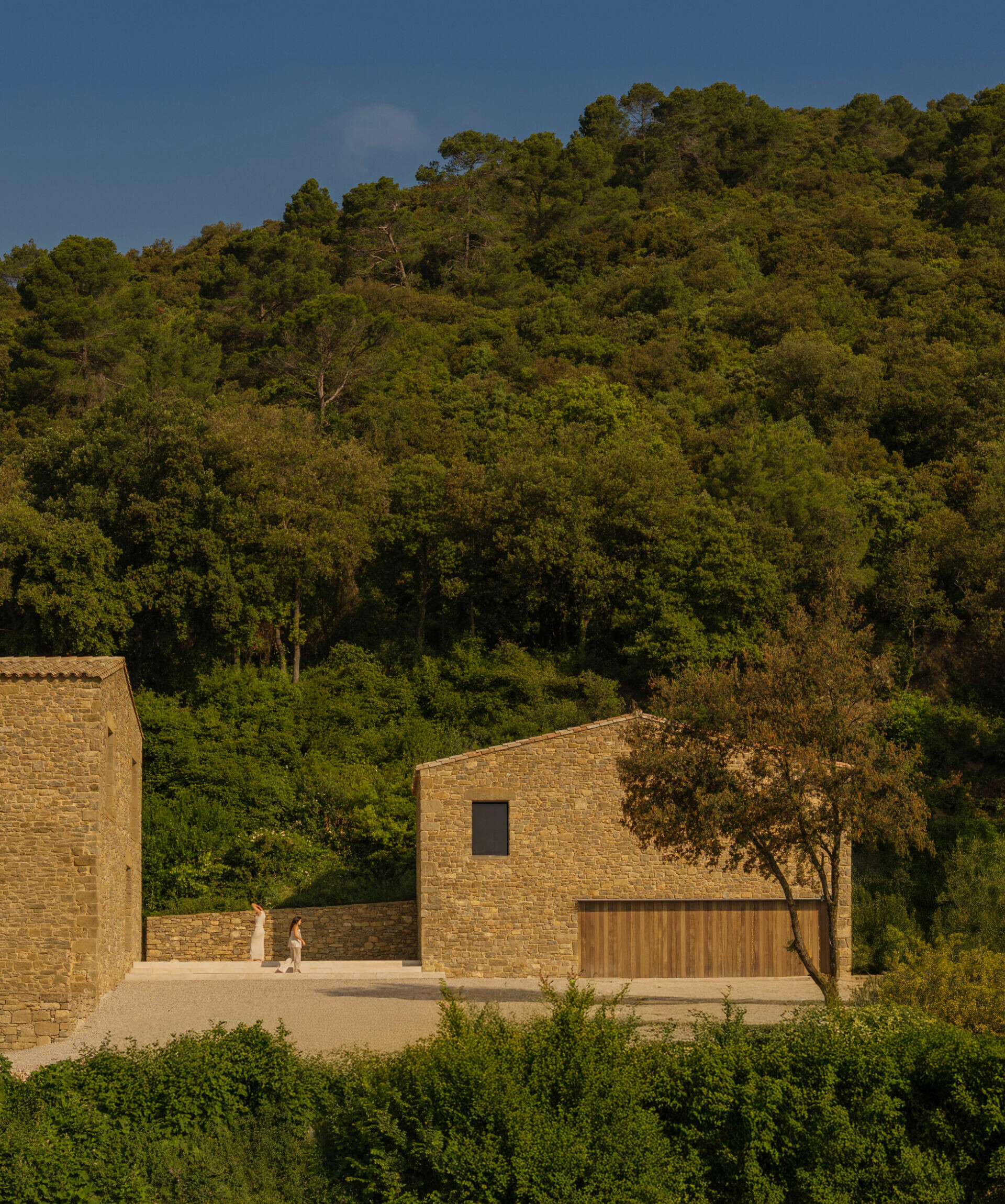
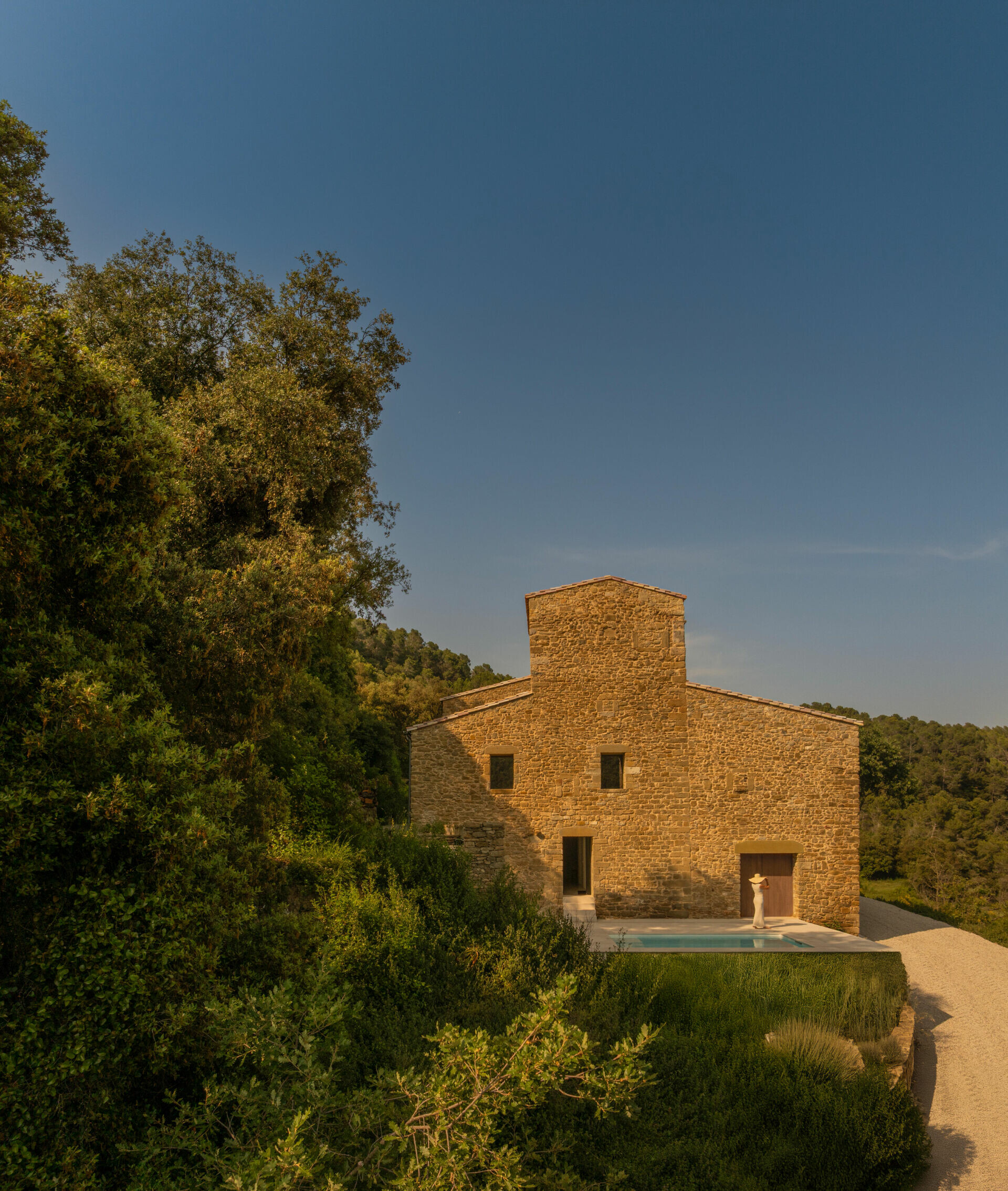
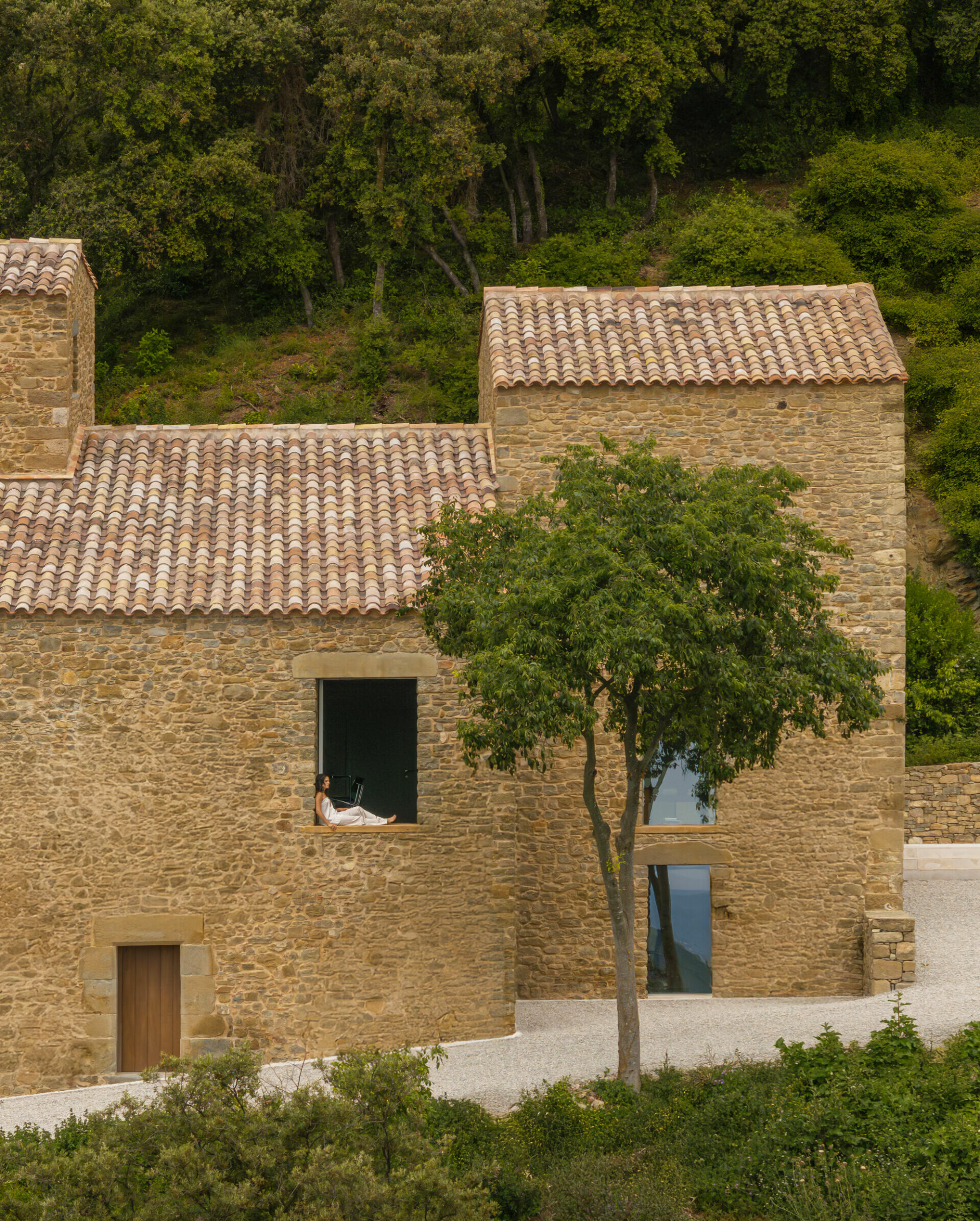
Unlike the firm’s more familiar portfolio of large-scale, sculptural minimalism, this project required a different sensibility: an approach closer to the restoration of an artifact, as it involved the transformation of an abandoned farmhouse. The central question became whether a way of life could be reinstated with the same delicacy one brings to the recovery of historical objects. Guided by a close reading of the building’s past, the architects preserved its original volume and typological form, intervening only where necessary to meet contemporary needs. The farmhouses of Girona, particularly those in the Empordà region, are traditionally built with load-bearing walls of irregular limestone masonry bonded with lime mortar. Corners, lintels, and jambs rely on finely cut ashlar blocks for structural precision.
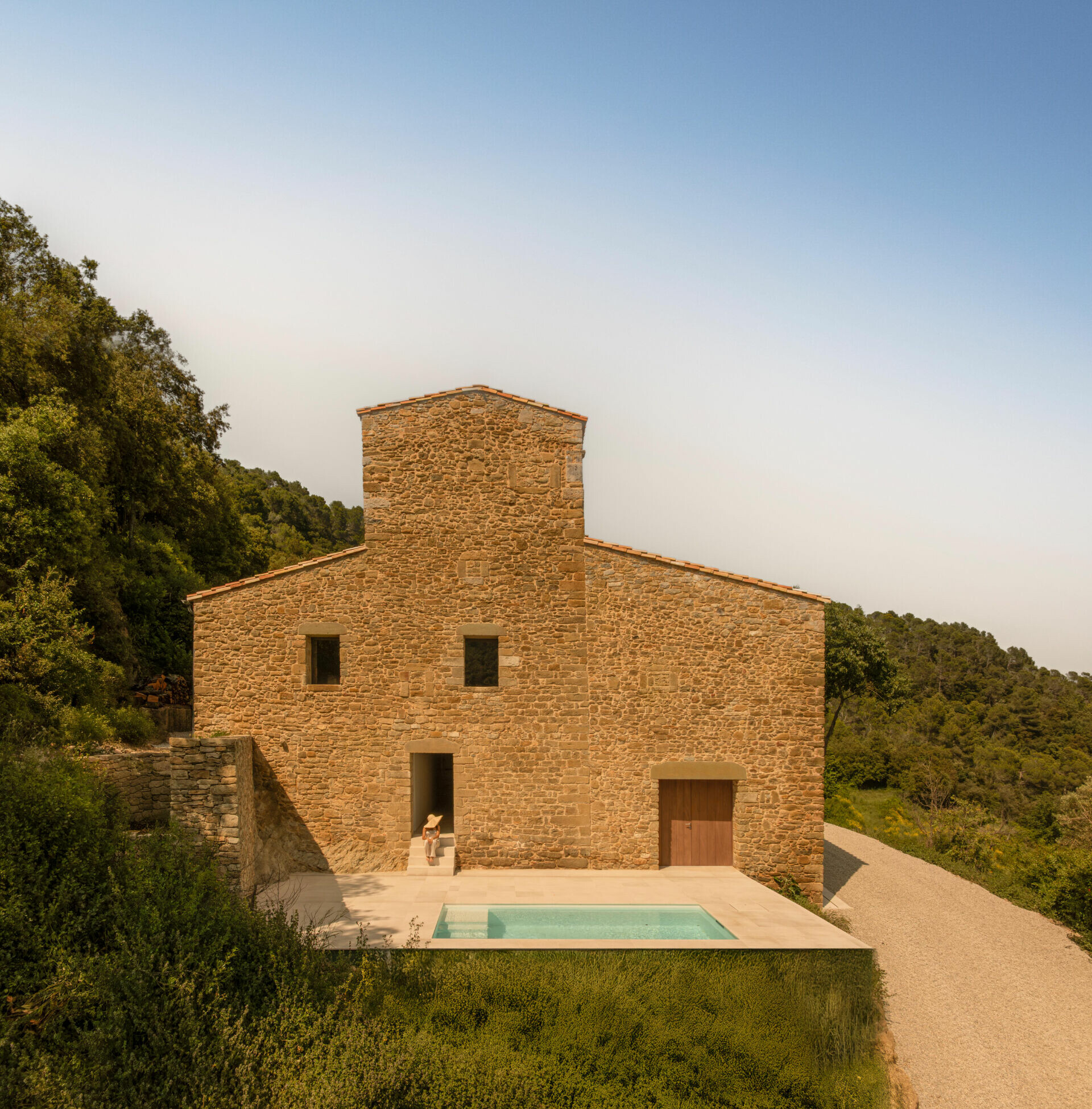
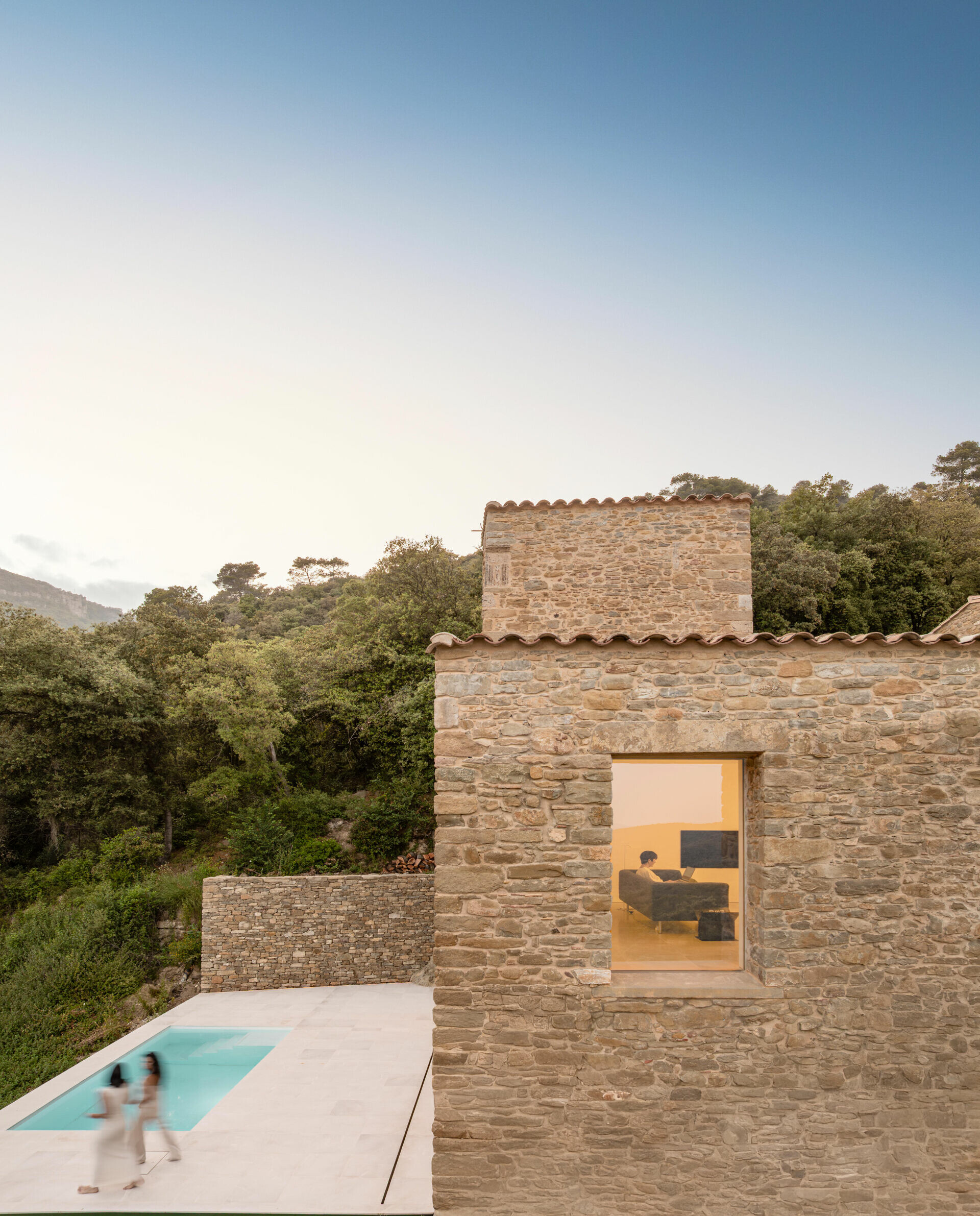
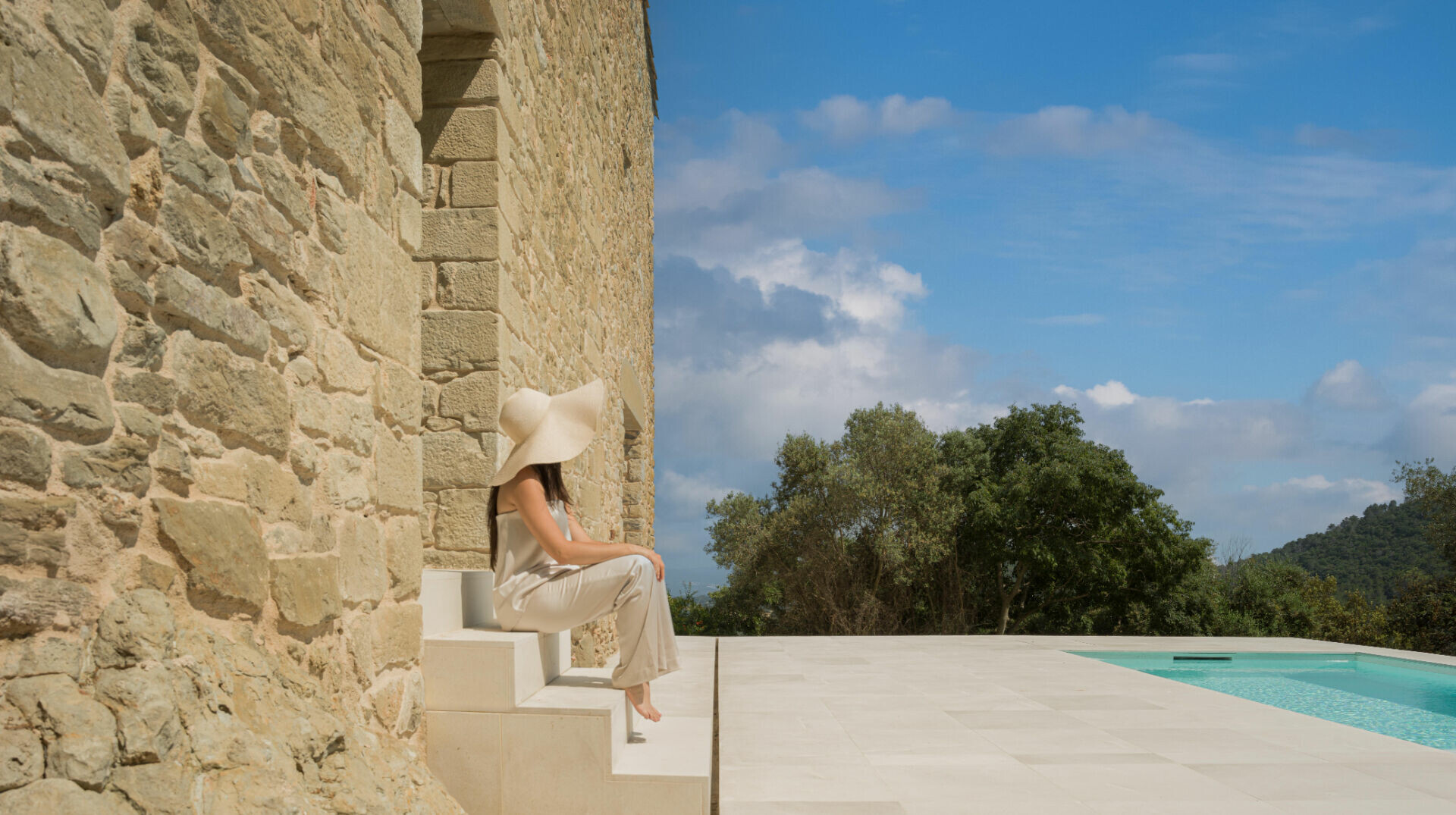
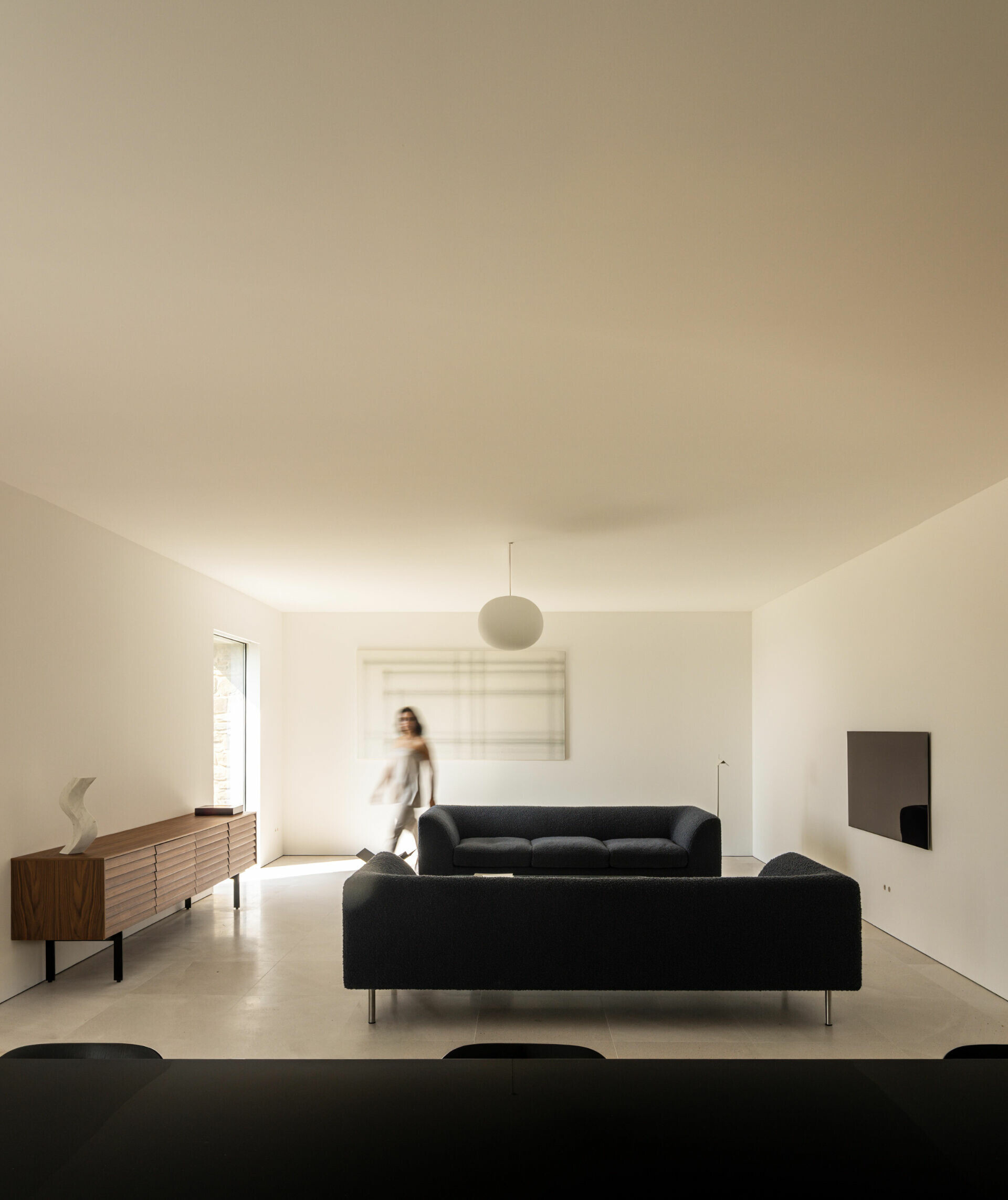
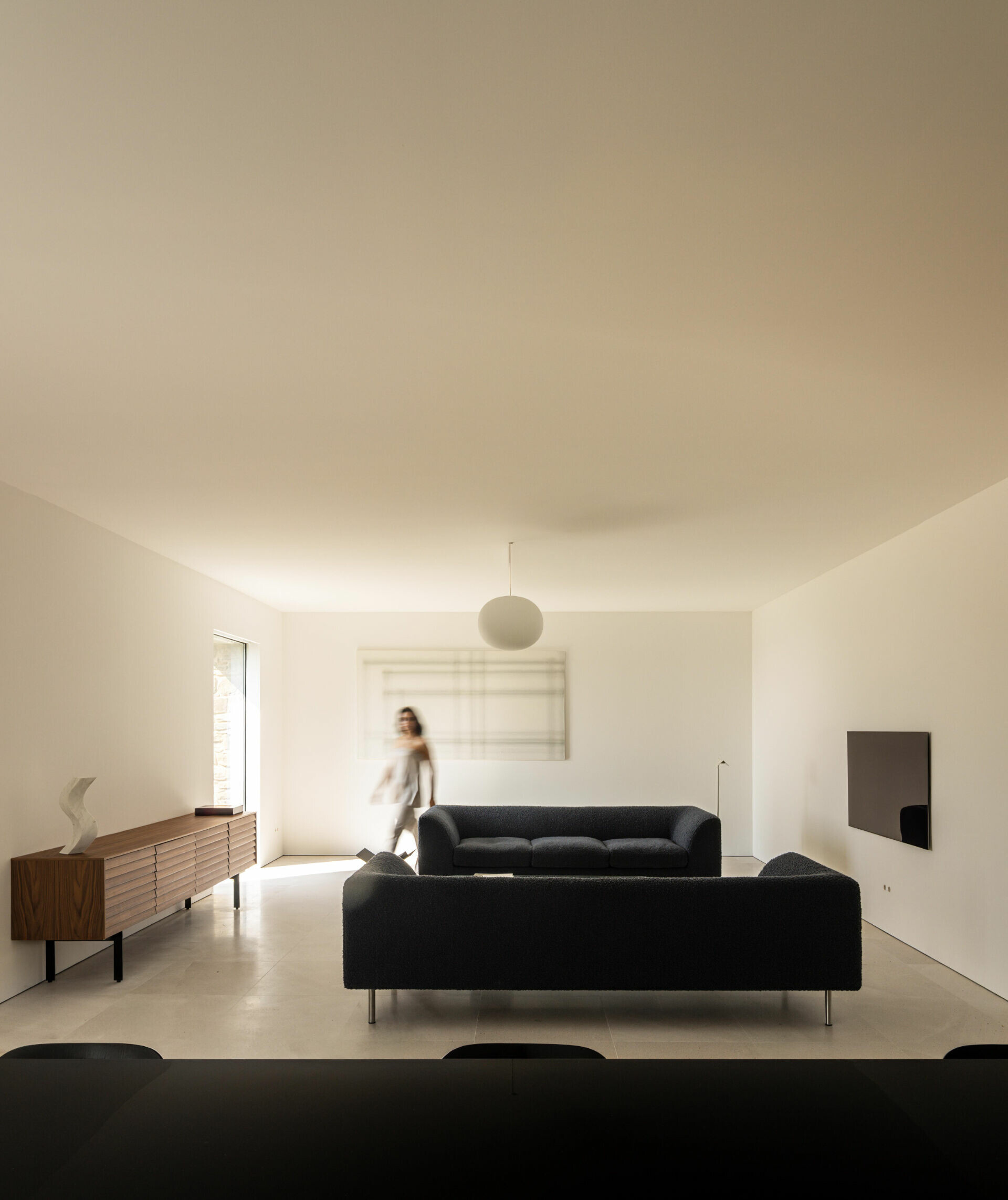
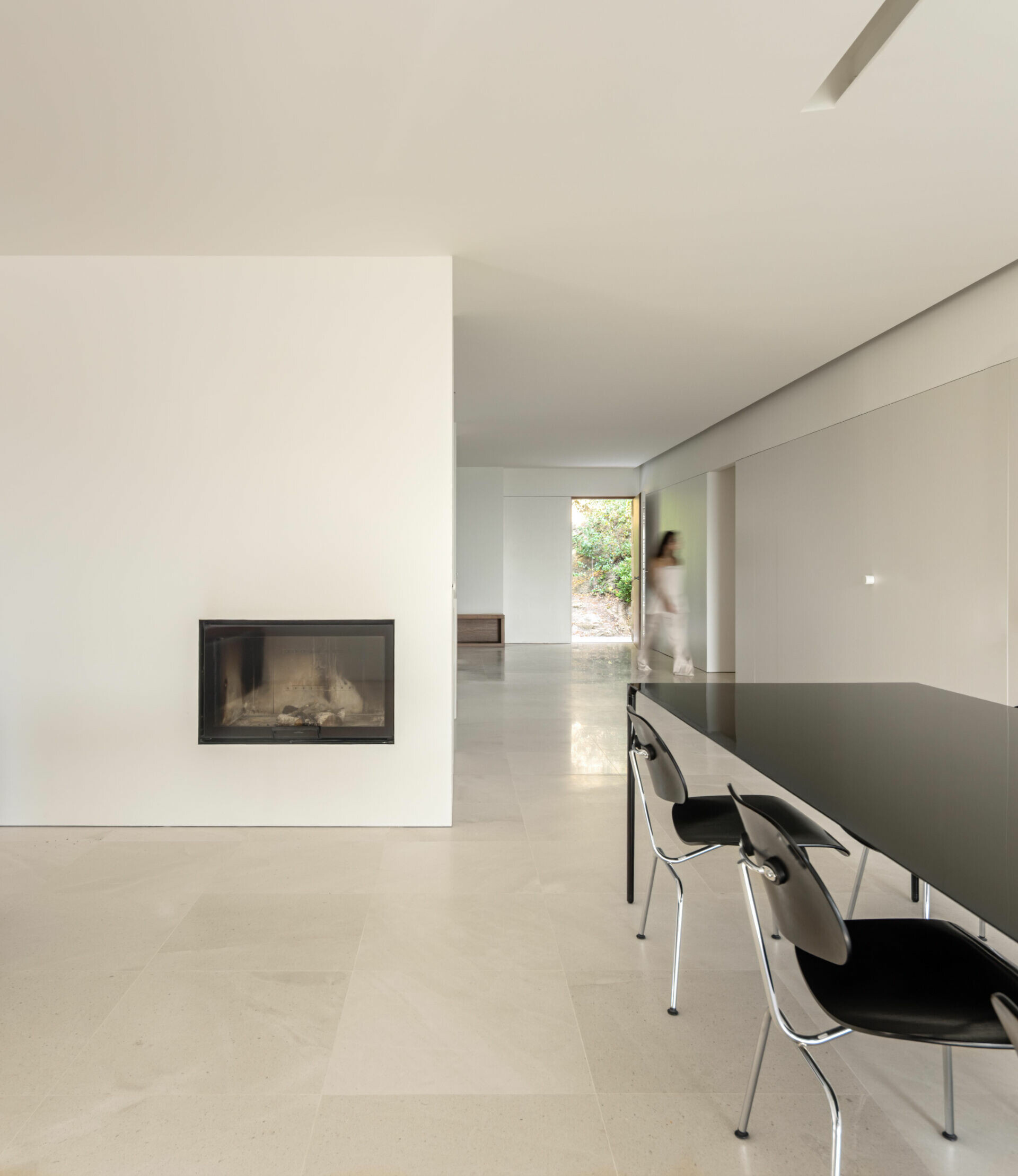
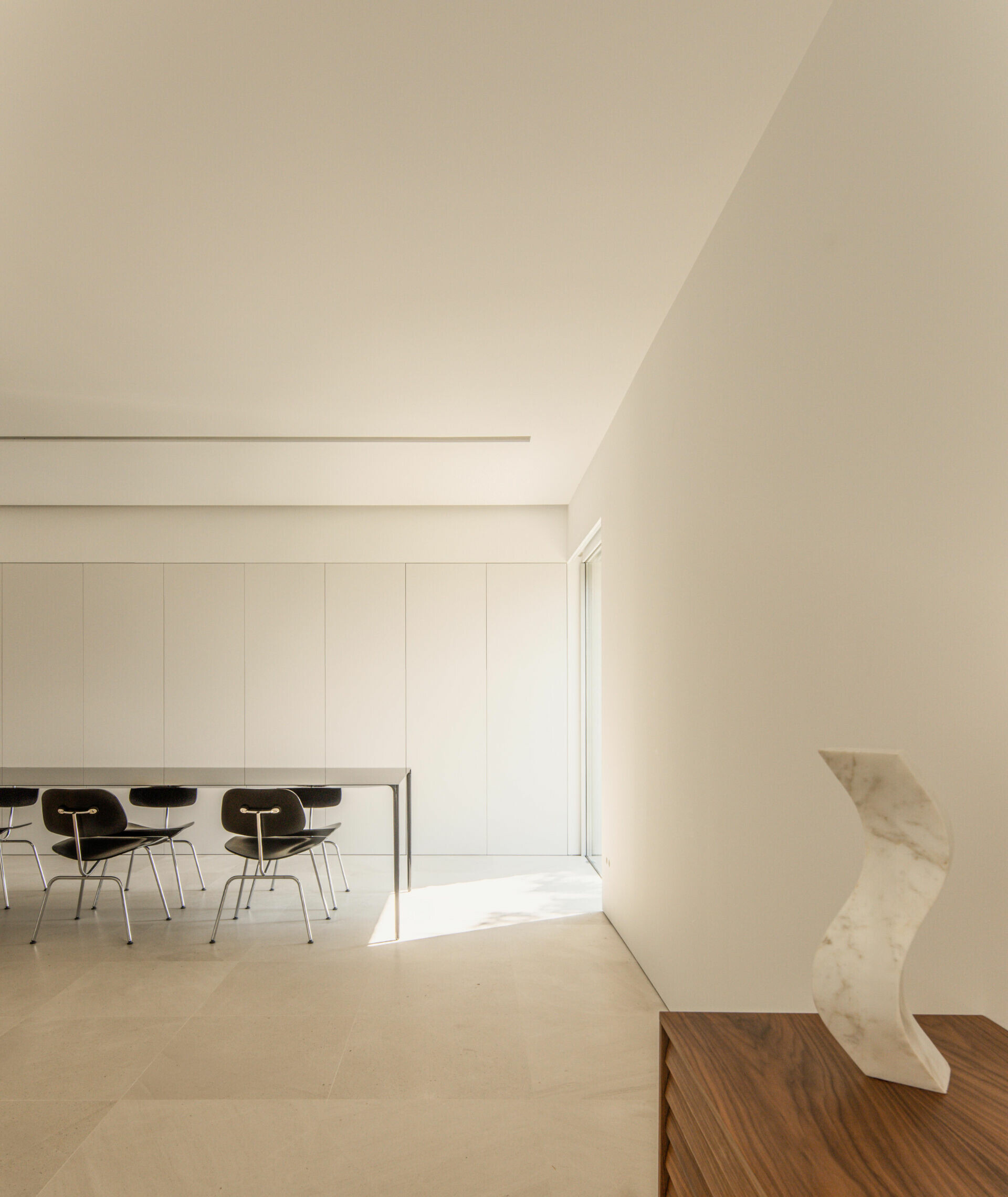
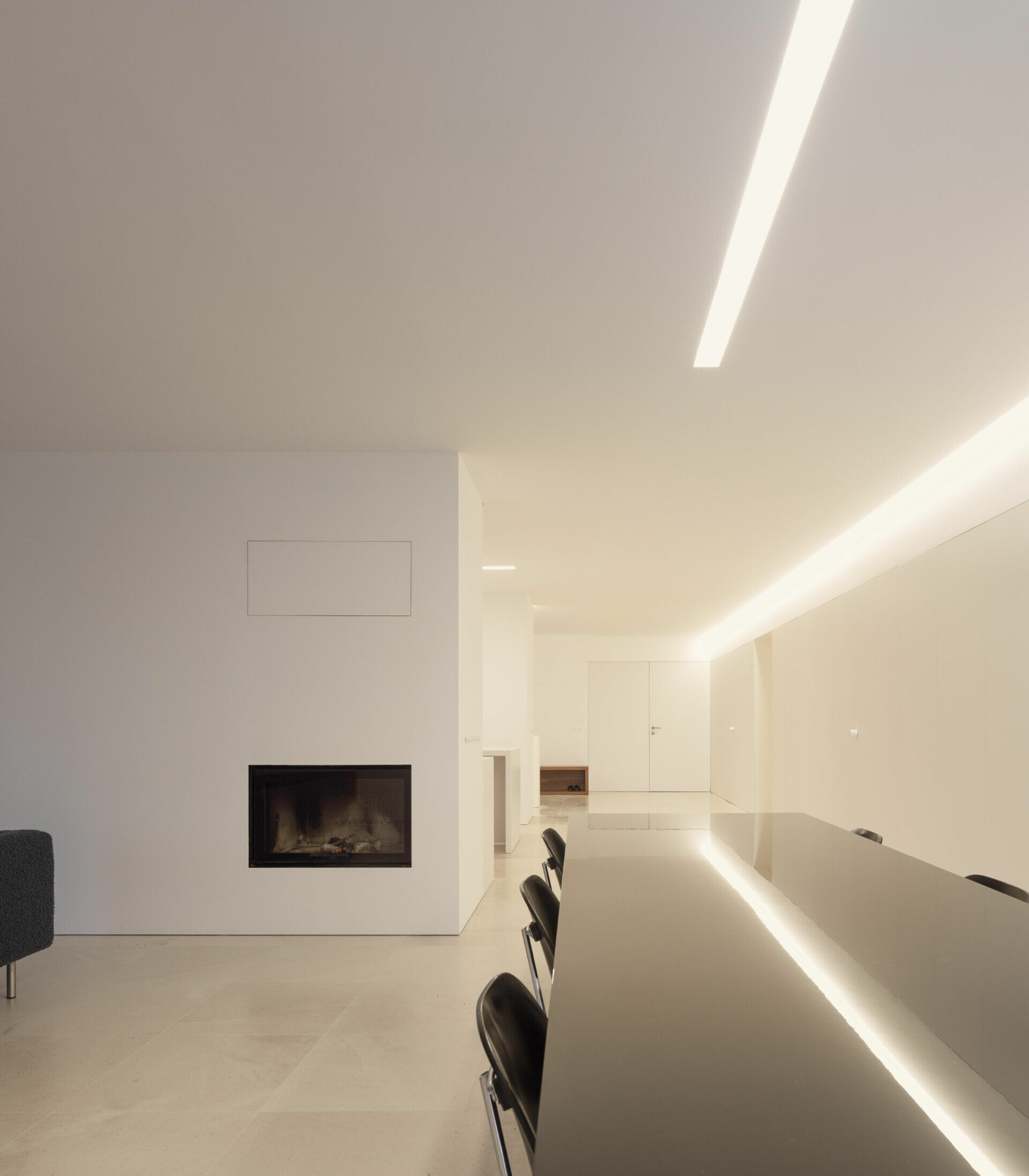
Respecting this fabric, the team rebuilt and repaired the existing walls using the same materials, restoring the familiar character of local rural architecture. A cork-based thermal insulation layer was added to improve energy performance. Inside, the white surfaces and clear geometric lines recall Fran Silvestre Arquitectos’ earlier explorations of interior space. However, the details reveal a thoughtful dialogue with regional construction customs. The walls are finished with the same lime-and-sand render commonly found in Girona farmhouses, then coated with a layer of slaked lime to enhance brightness and give the rooms a soft, reflective quality. Electrical fixtures are recessed flush within the walls, maintaining a clean visual plane. Underfoot, limestone tiles unify the interior palette, subtly reinterpreting traditional materials while creating a calm, comfortable domestic atmosphere.
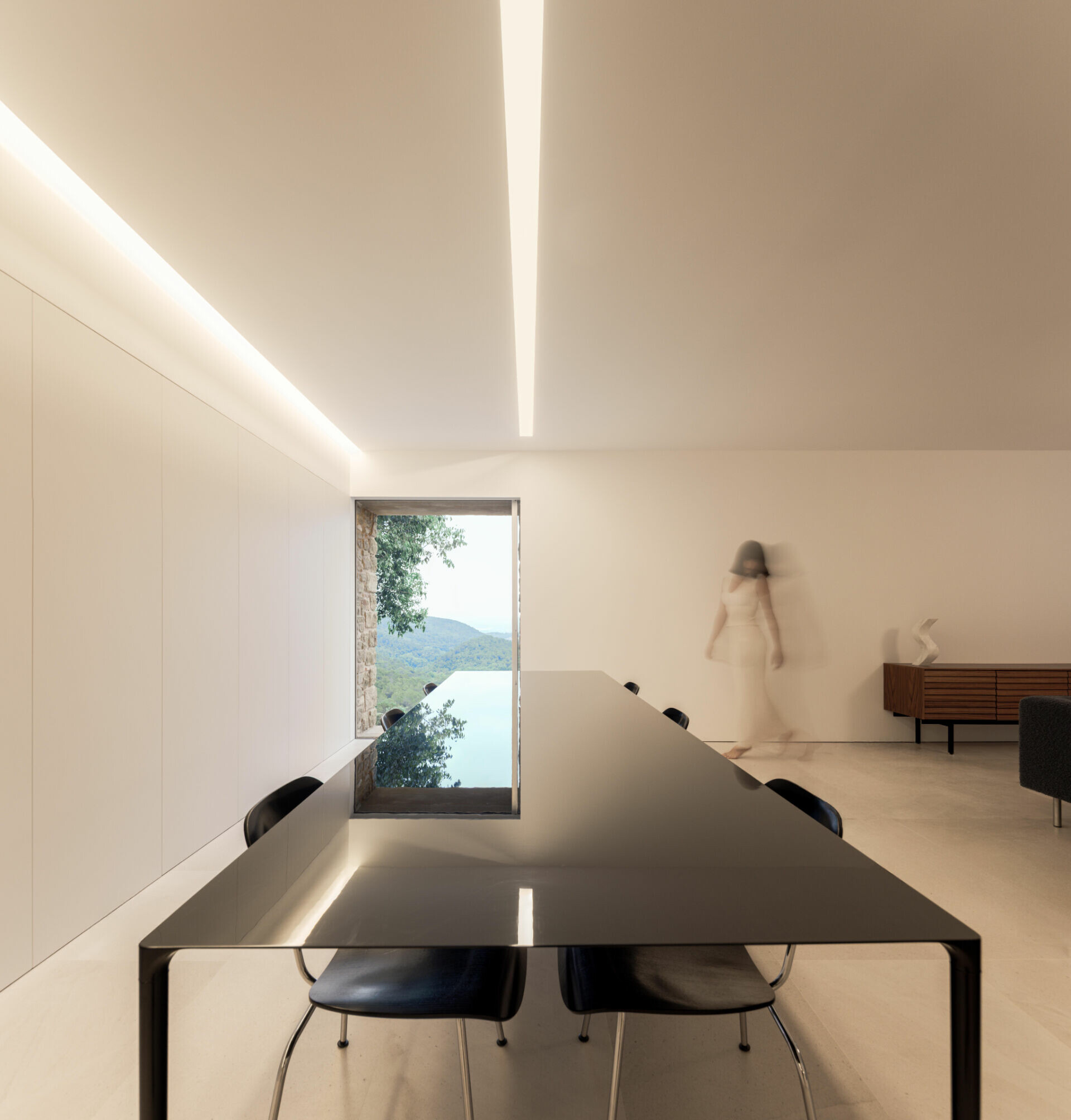
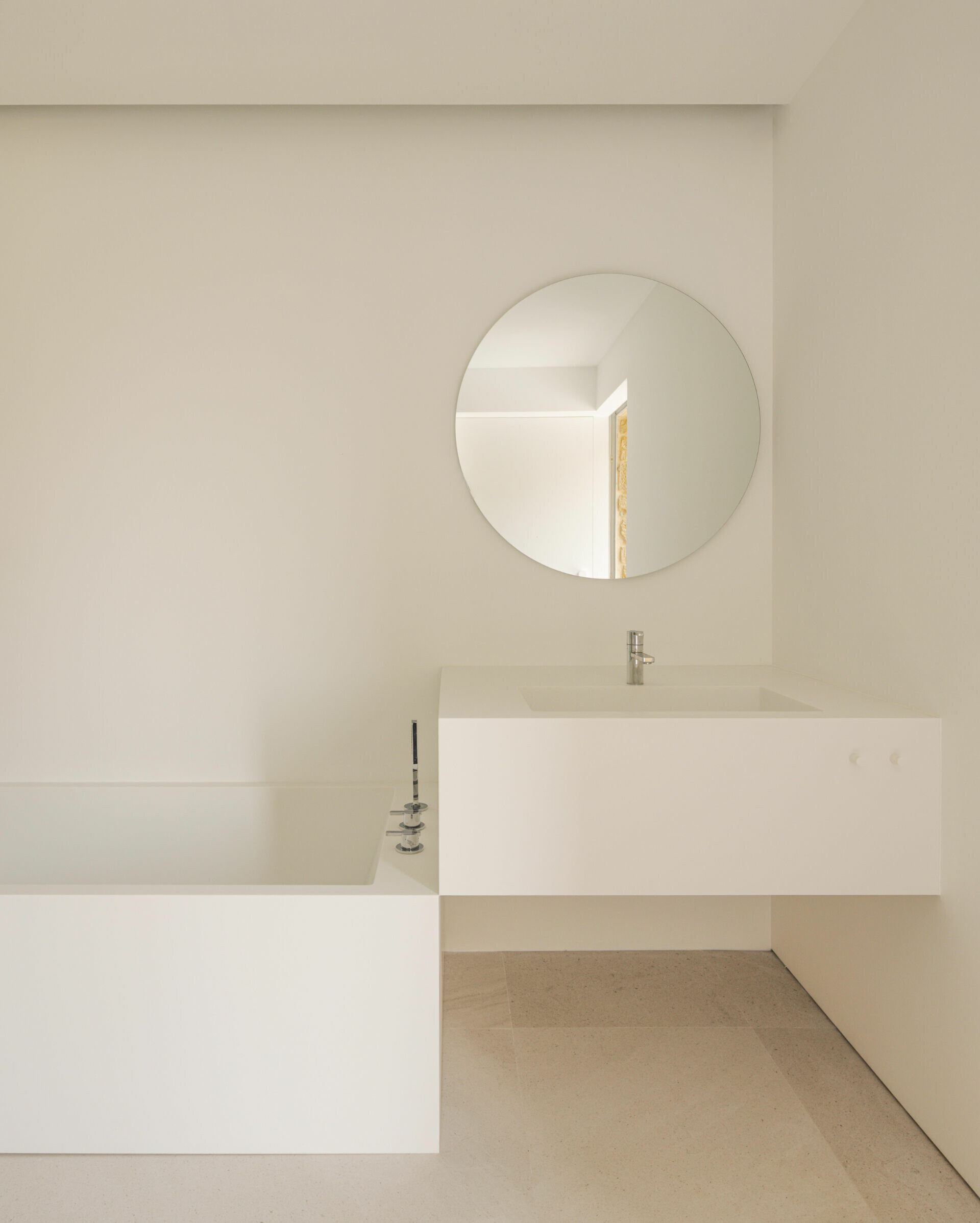
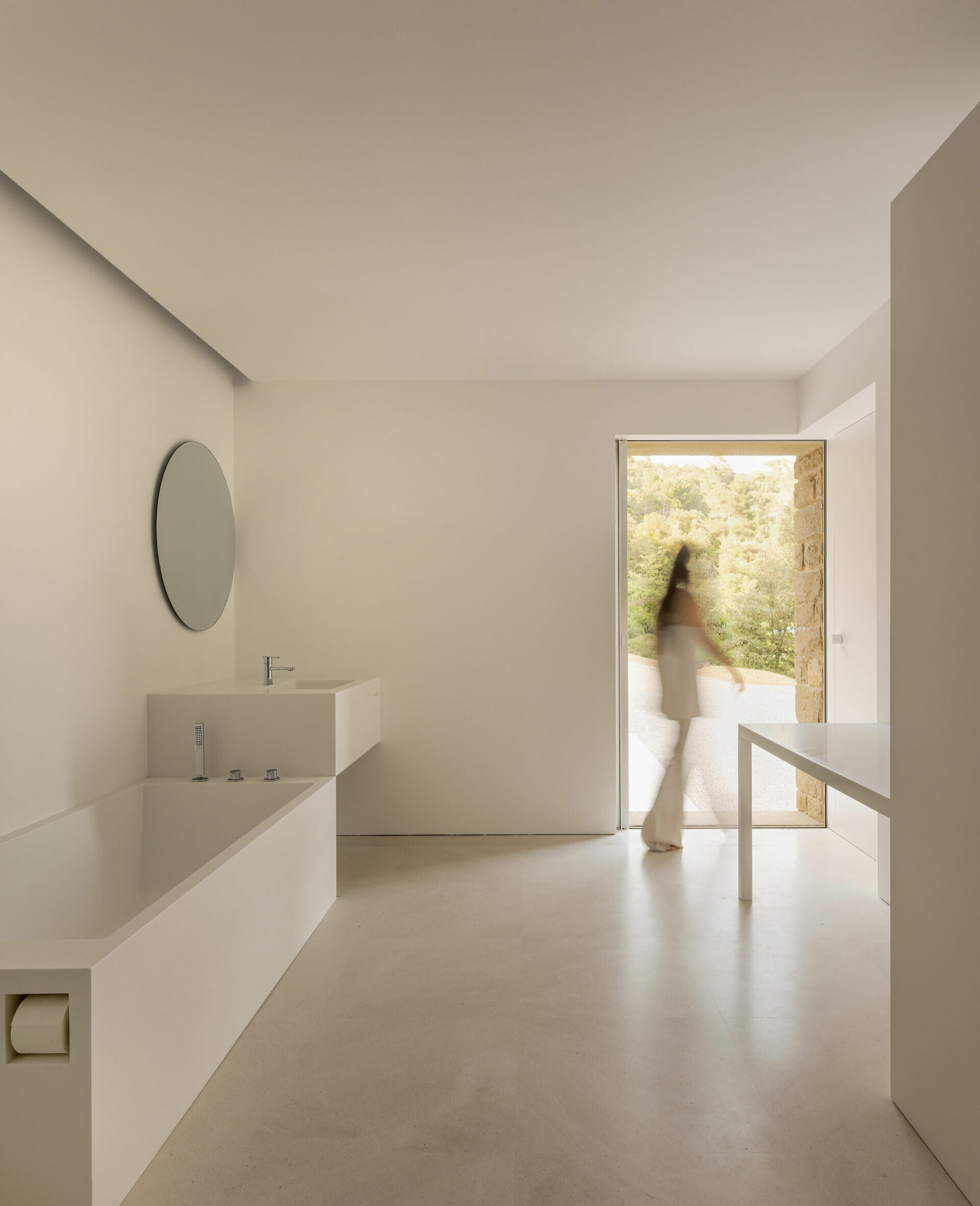
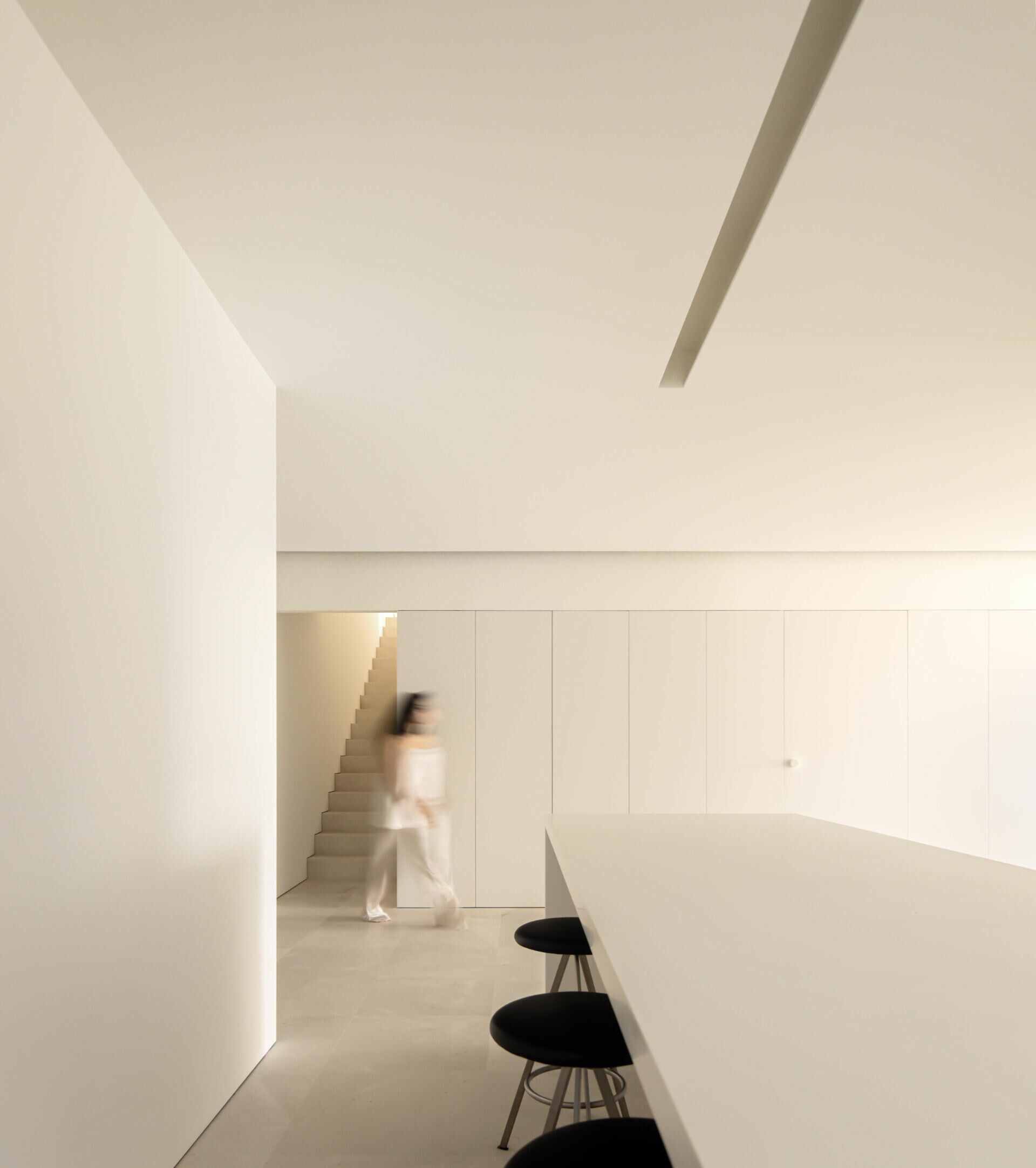
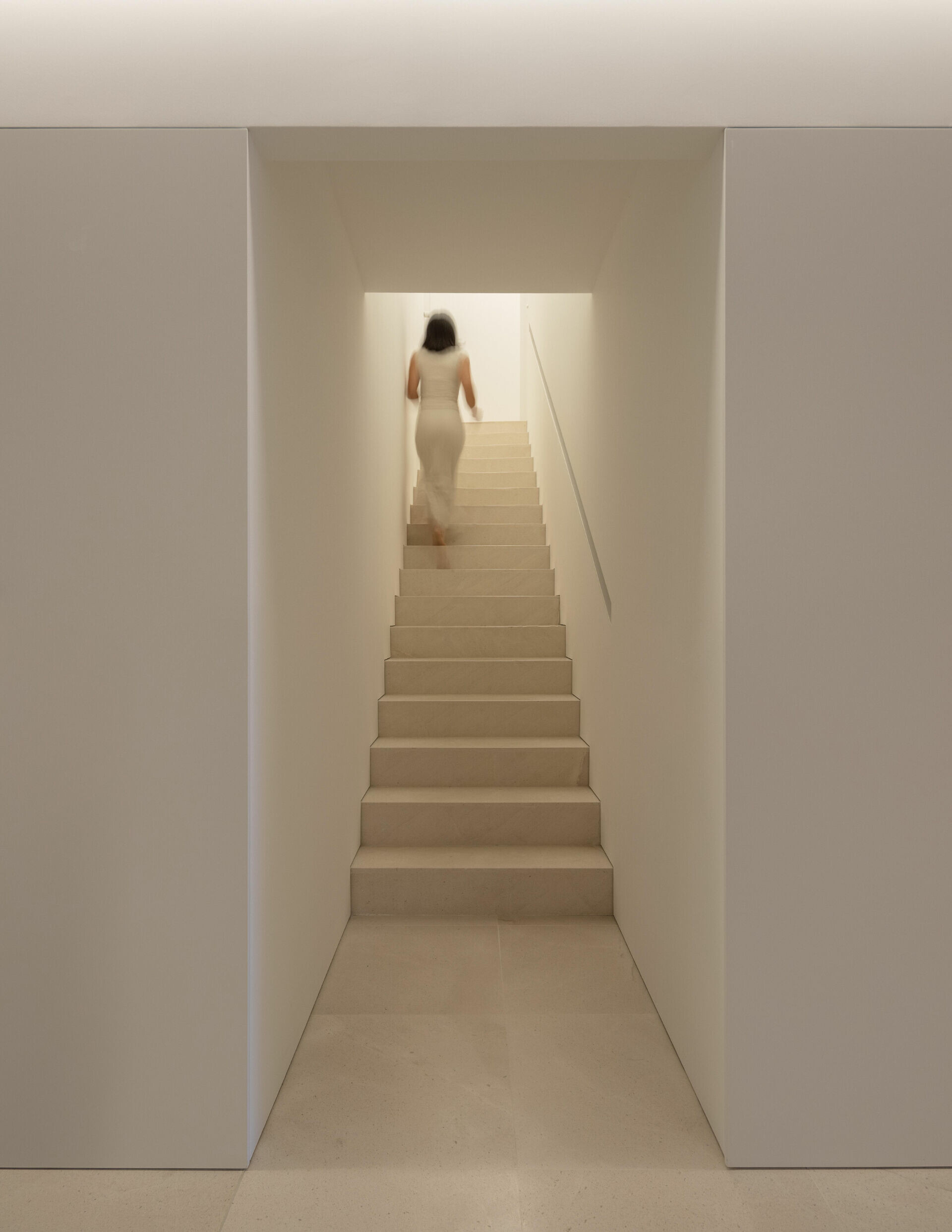

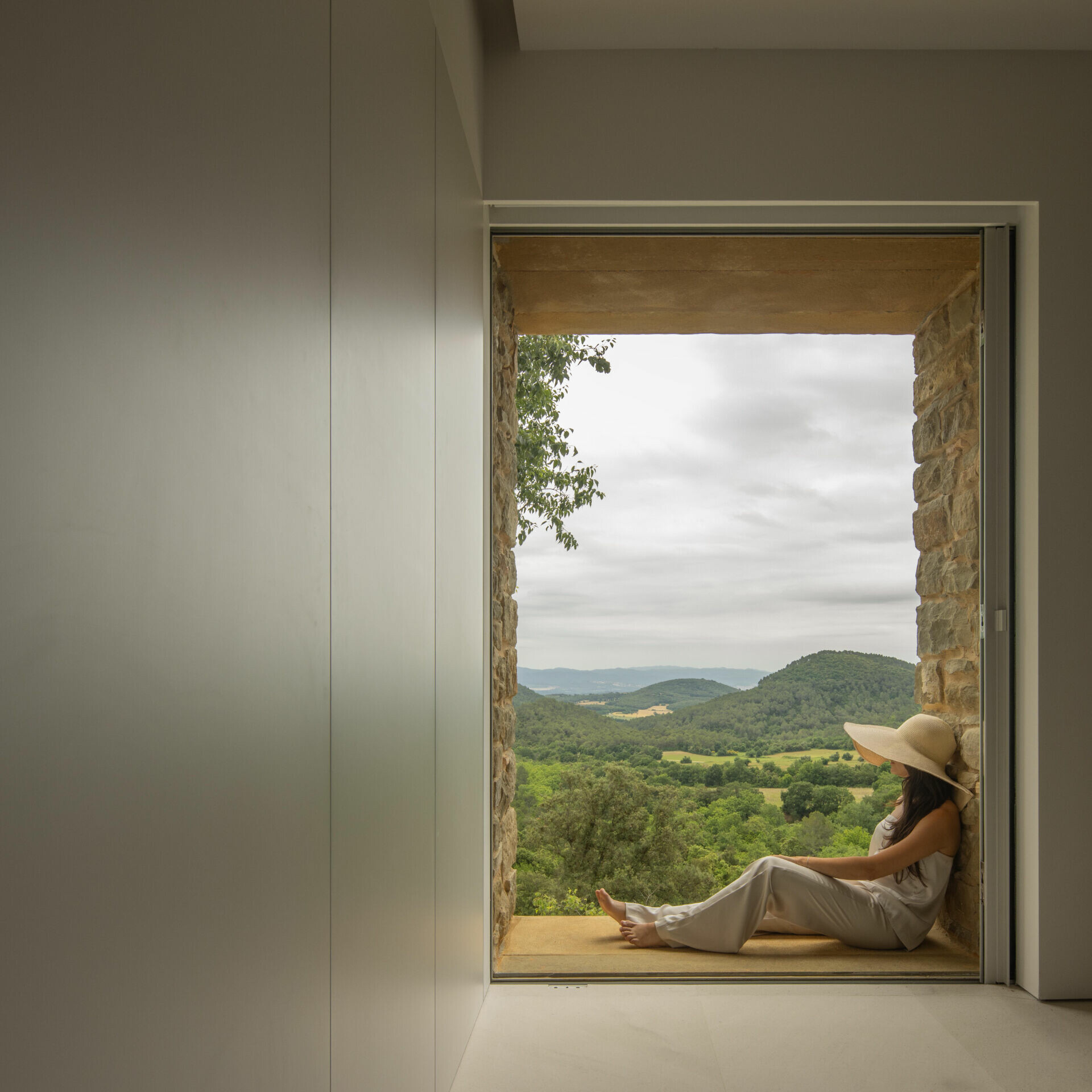
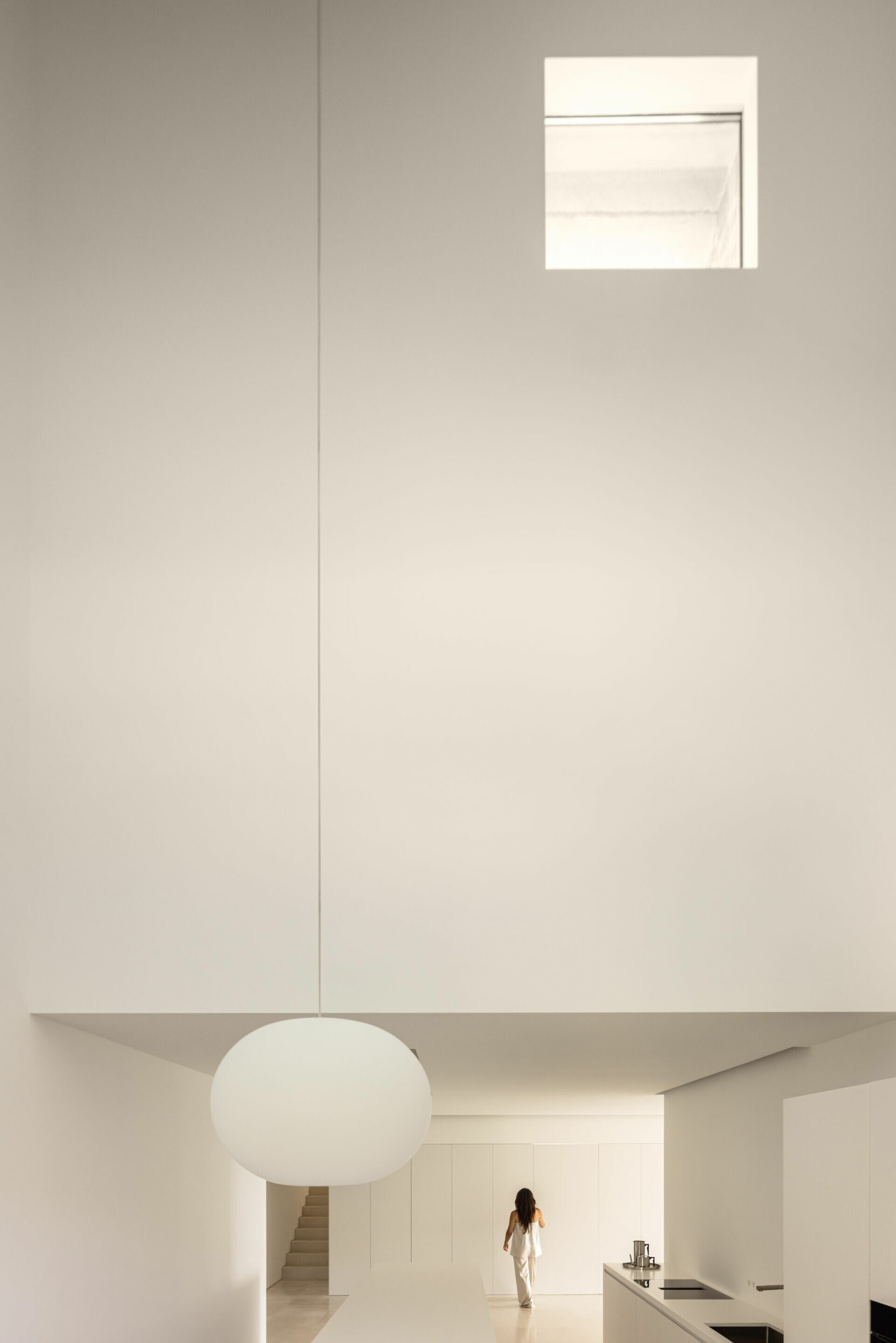
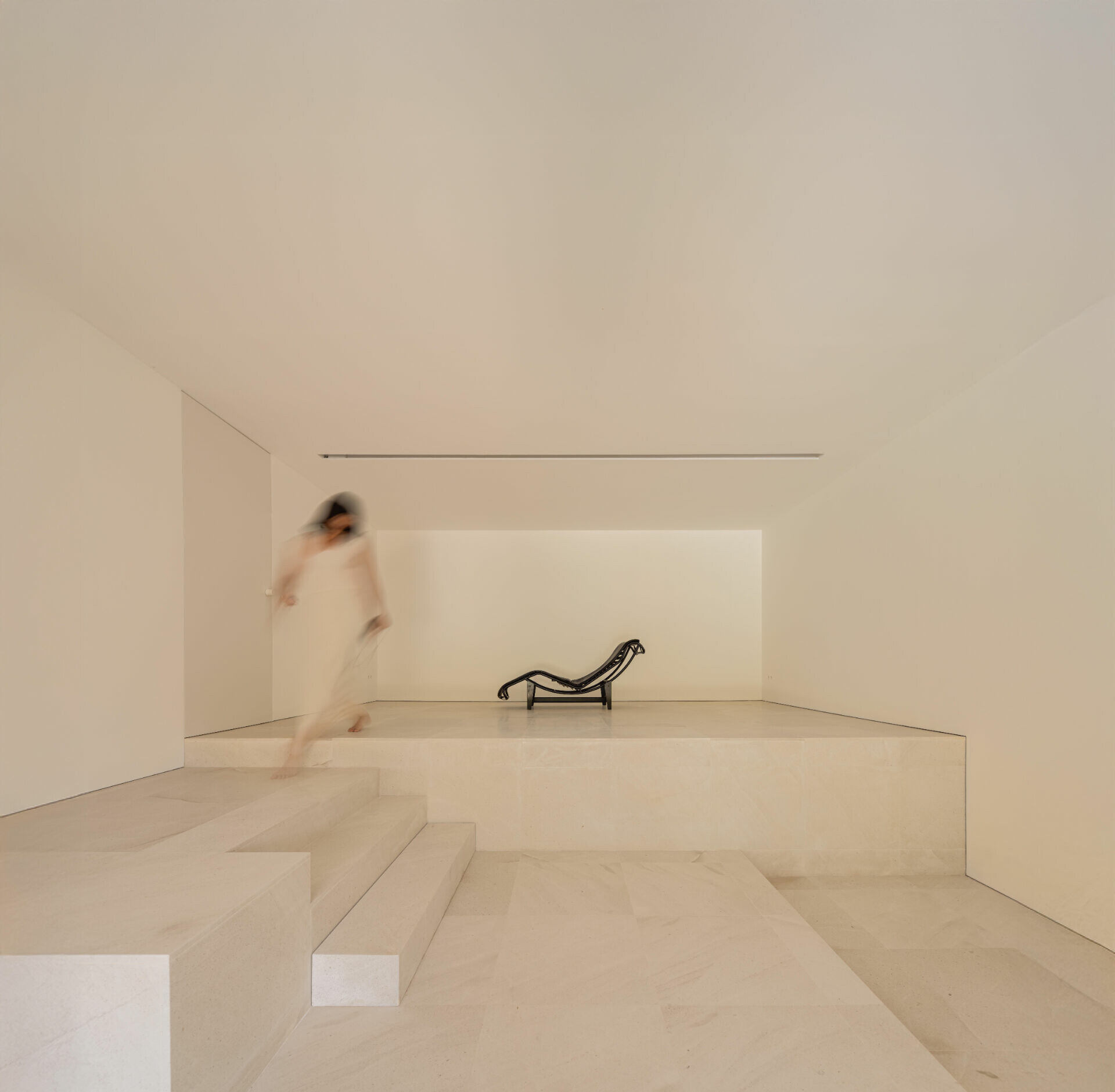
The three-storey home retains its existing structural framework but adopts a layout aligned with contemporary patterns of living. On the ground floor, the various programmatic areas are defined by walls yet remain connected by a central passage, encouraging informal interaction and allowing circulation to flow naturally through the shared living spaces. In the kitchen, the triple-height void of the original tower draws daylight from above, letting it fall gently across cabinetry, the long dining table, and the floor, opening the room visually and emotionally. Moving toward the living area, an opening frames expansive views of the Serrat de la Cadalt range. A slender staircase links the house vertically: two bedrooms occupy the upper level, while the former animal enclosure on the lower floor has been converted into a multipurpose room. To accommodate designer Terence Woodgate’s need for a dedicated workspace, a low, adjacent structure once used for storing farming tools has been reconfigured into a garage and studio, offering a quiet environment for uninterrupted work.
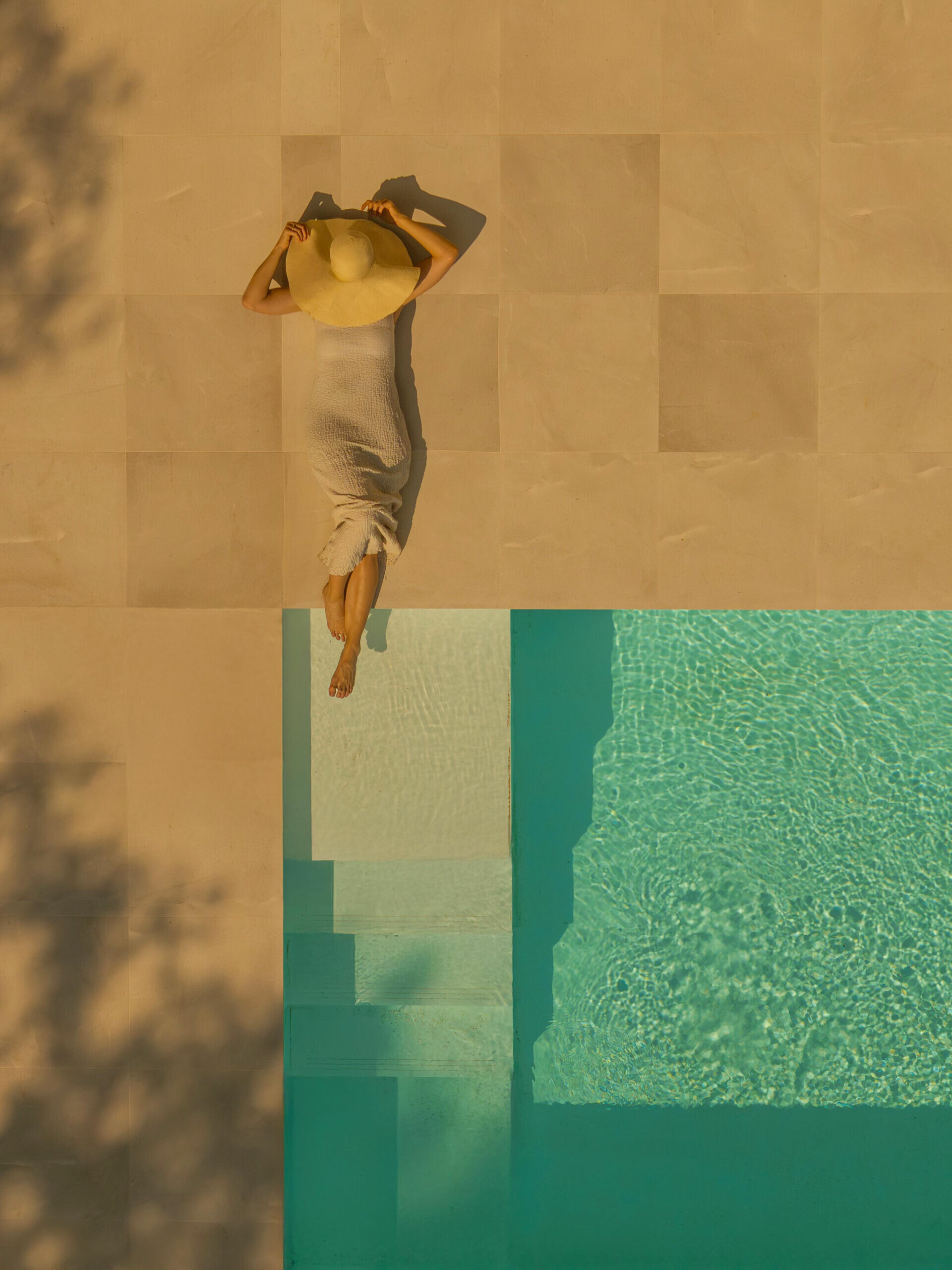
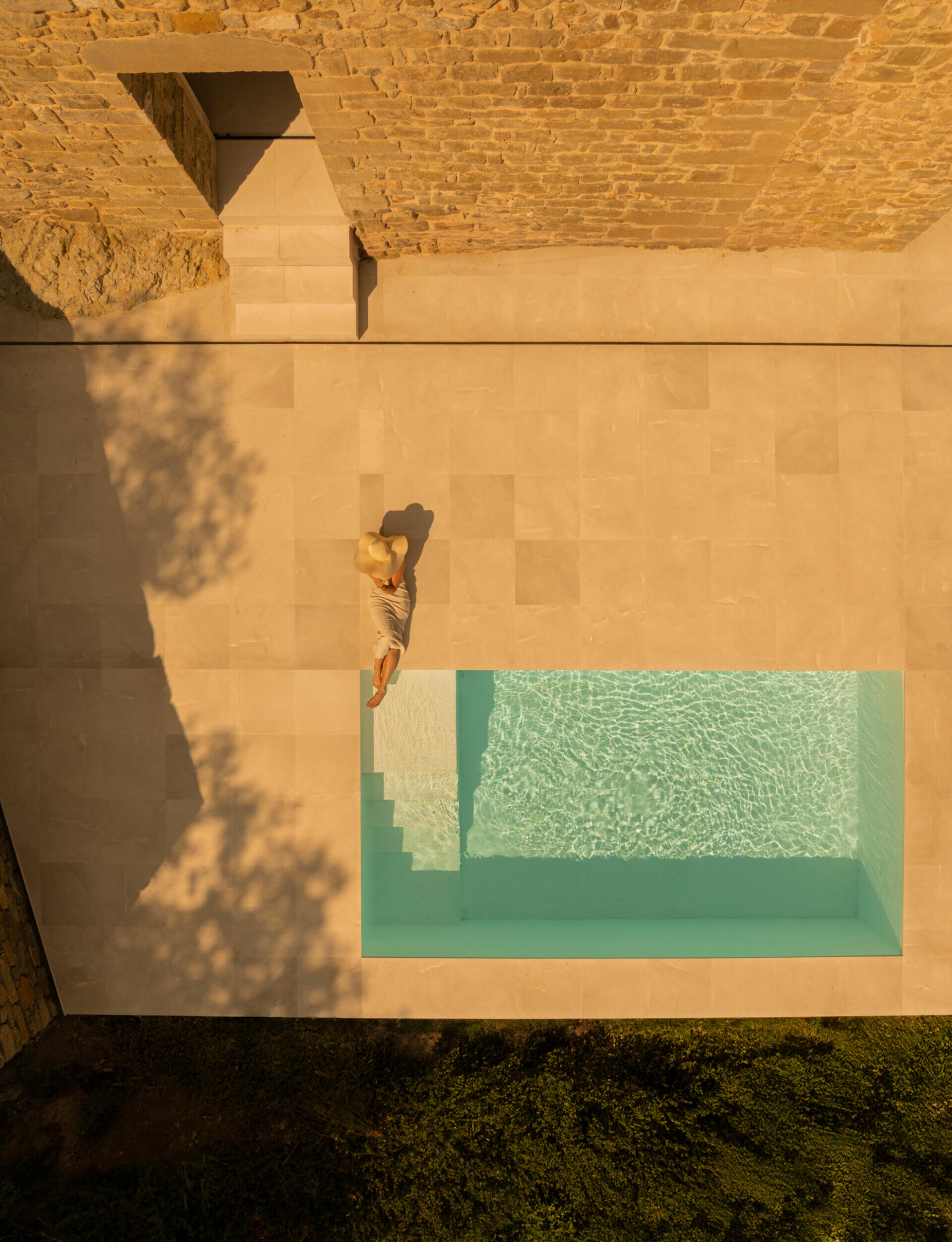
The property now operates with full energy and water self-sufficiency through the installation of photovoltaic panels, cisterns, and a custom water storage system. One of the cisterns doubles as an outdoor pool for cooling off in warmer months. Several hectares of surrounding land are cultivated to supply the household with produce, allowing the couple, who once lived in London, to embrace an entirely rural way of life.