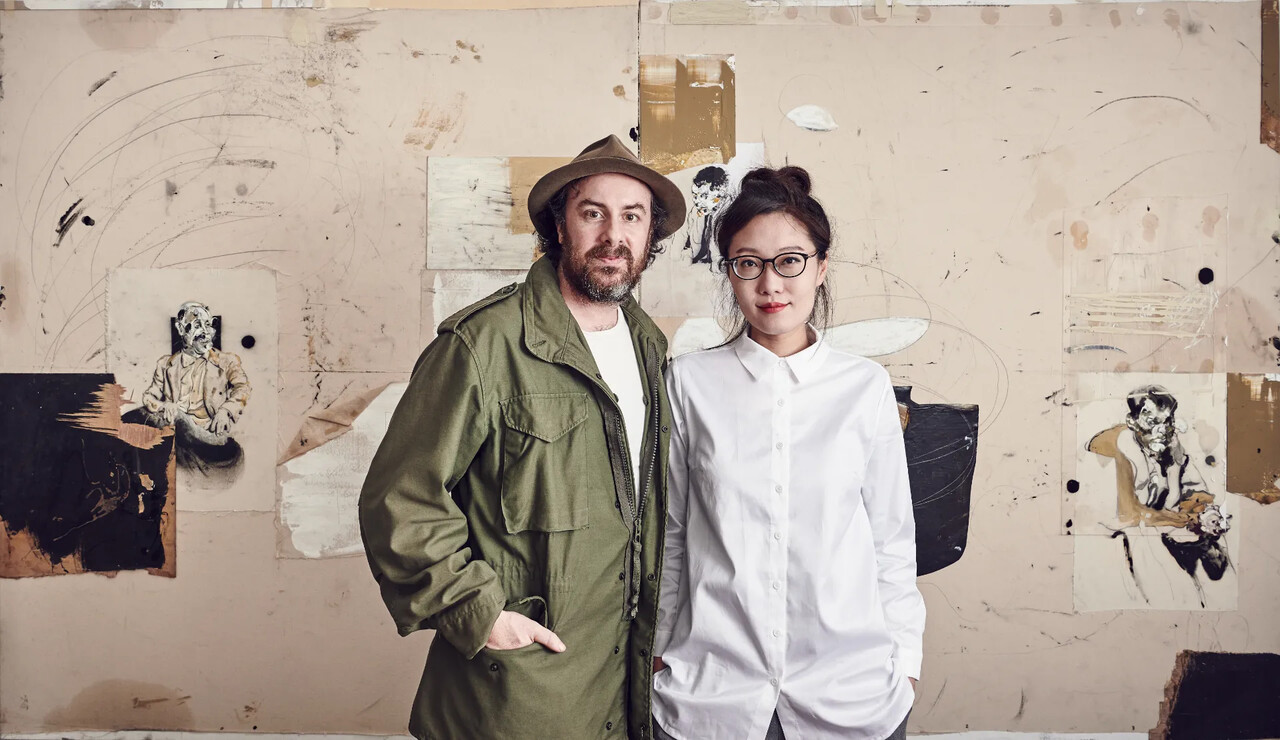
Lucas K. Doolan & Sara Lee
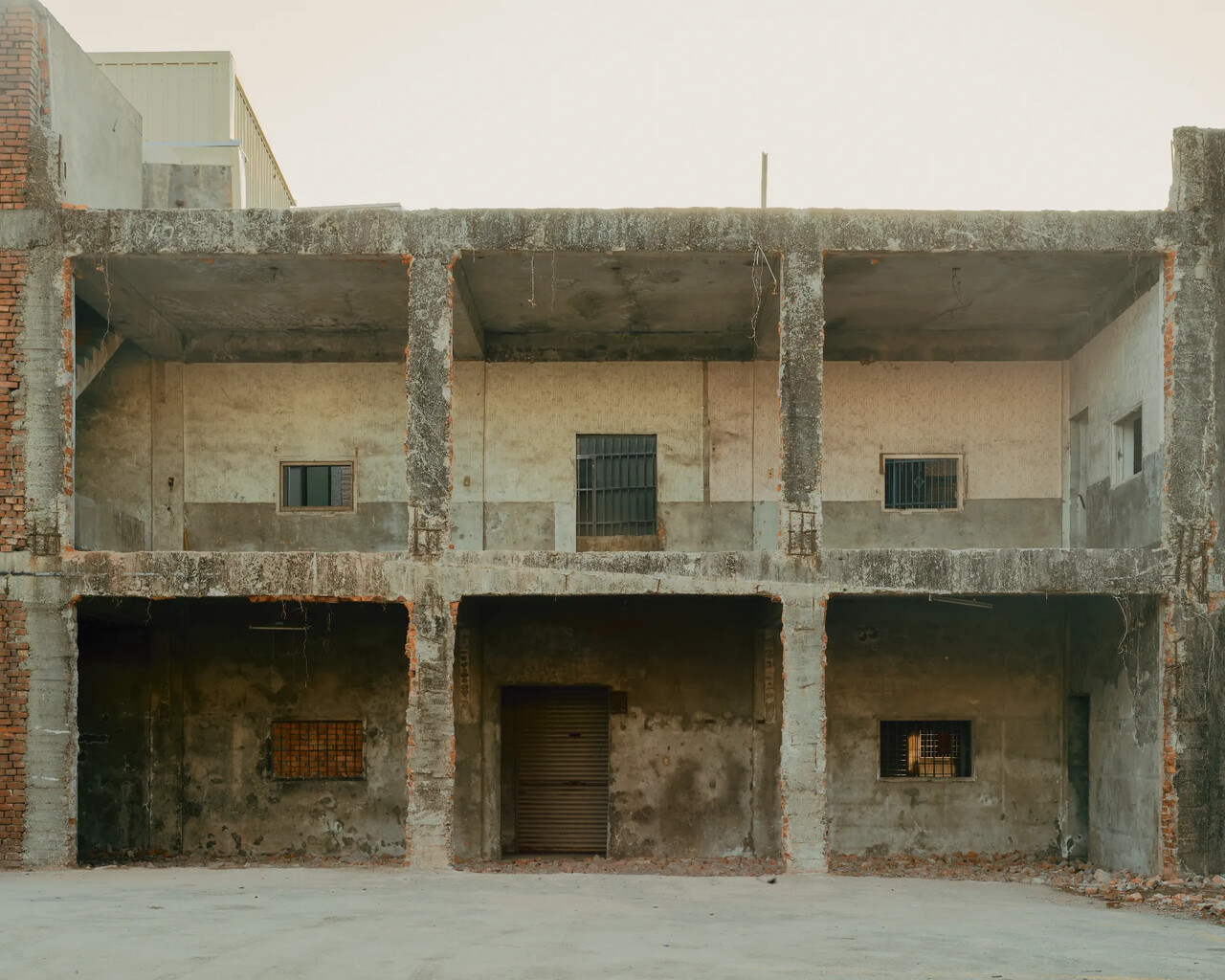
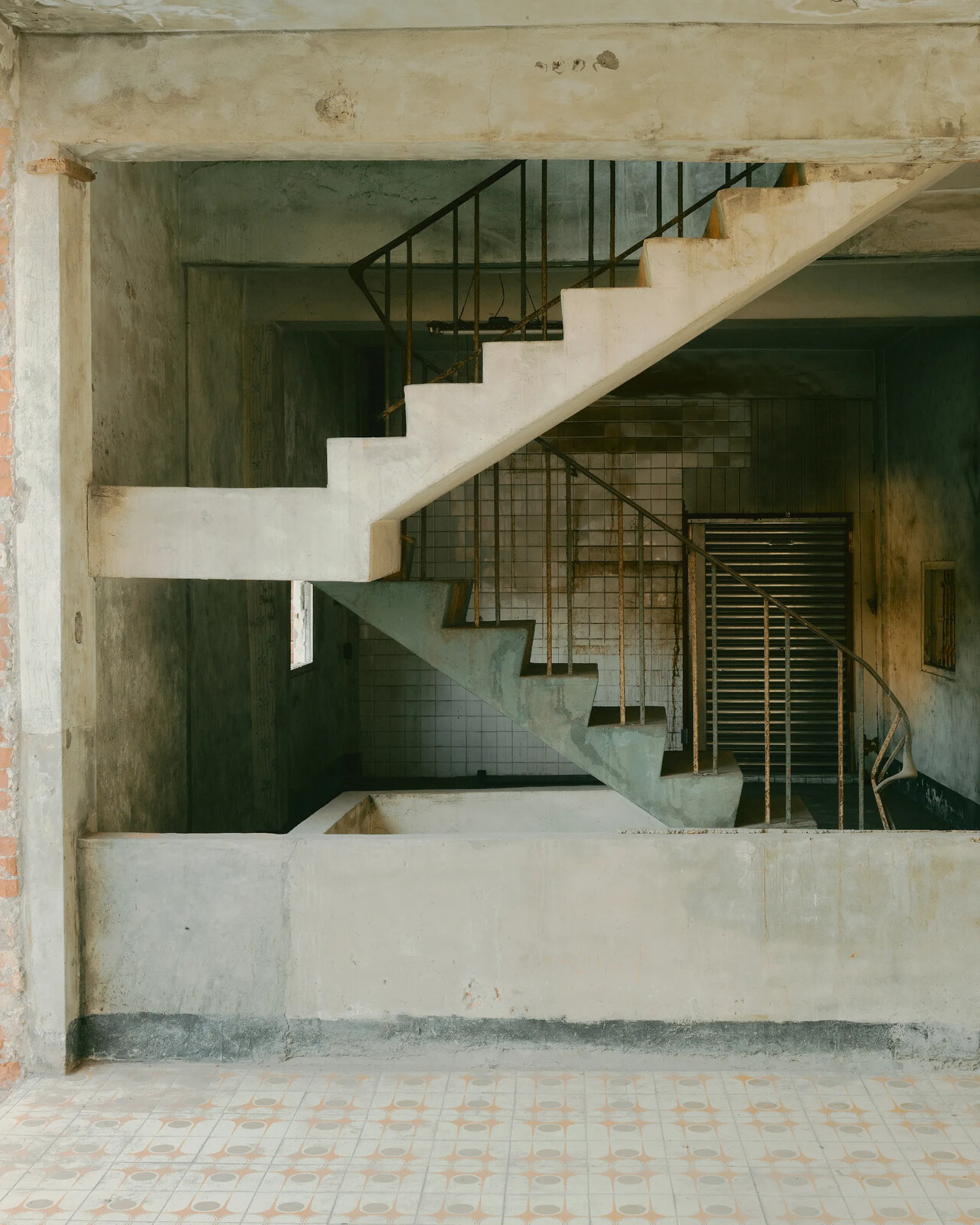
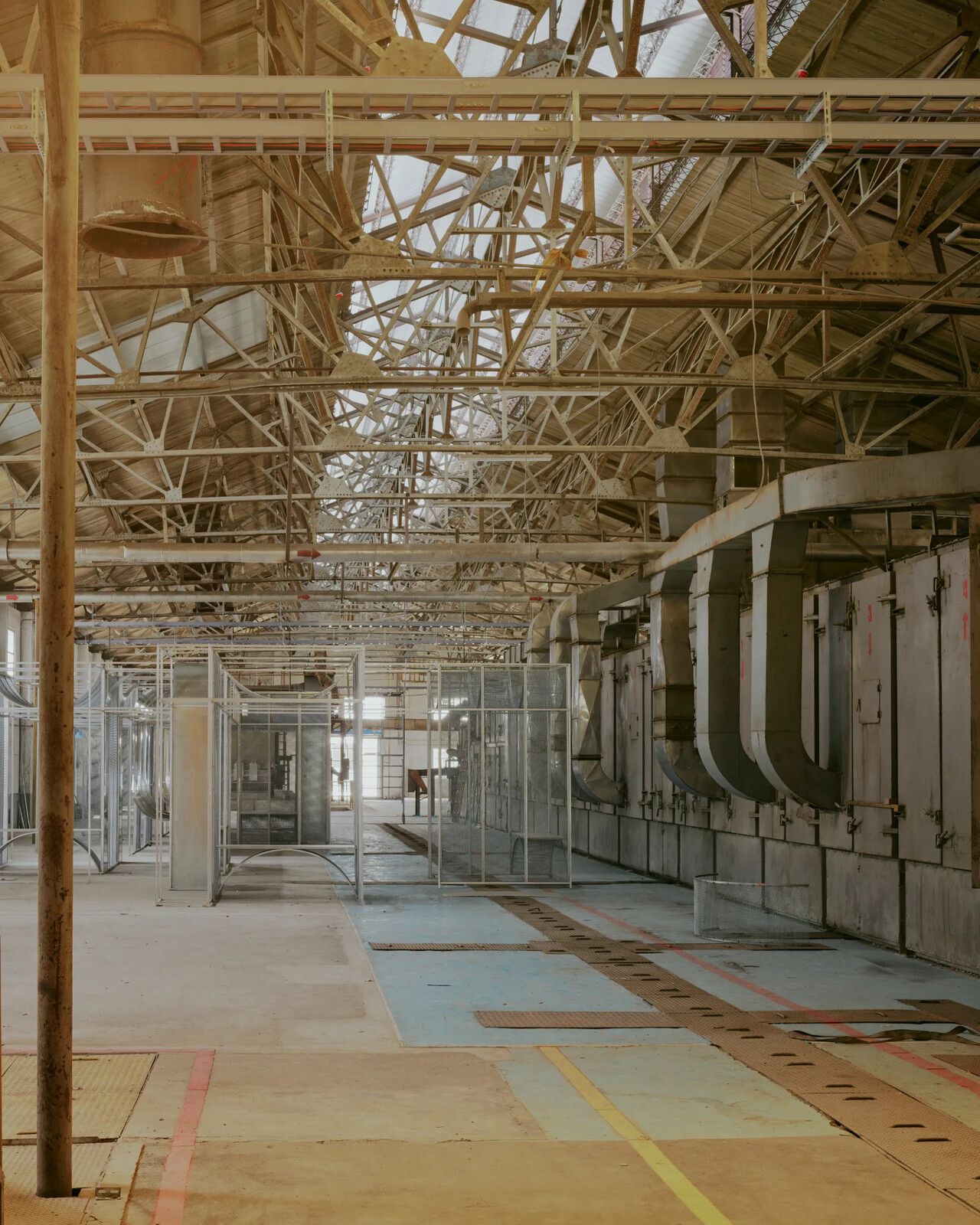
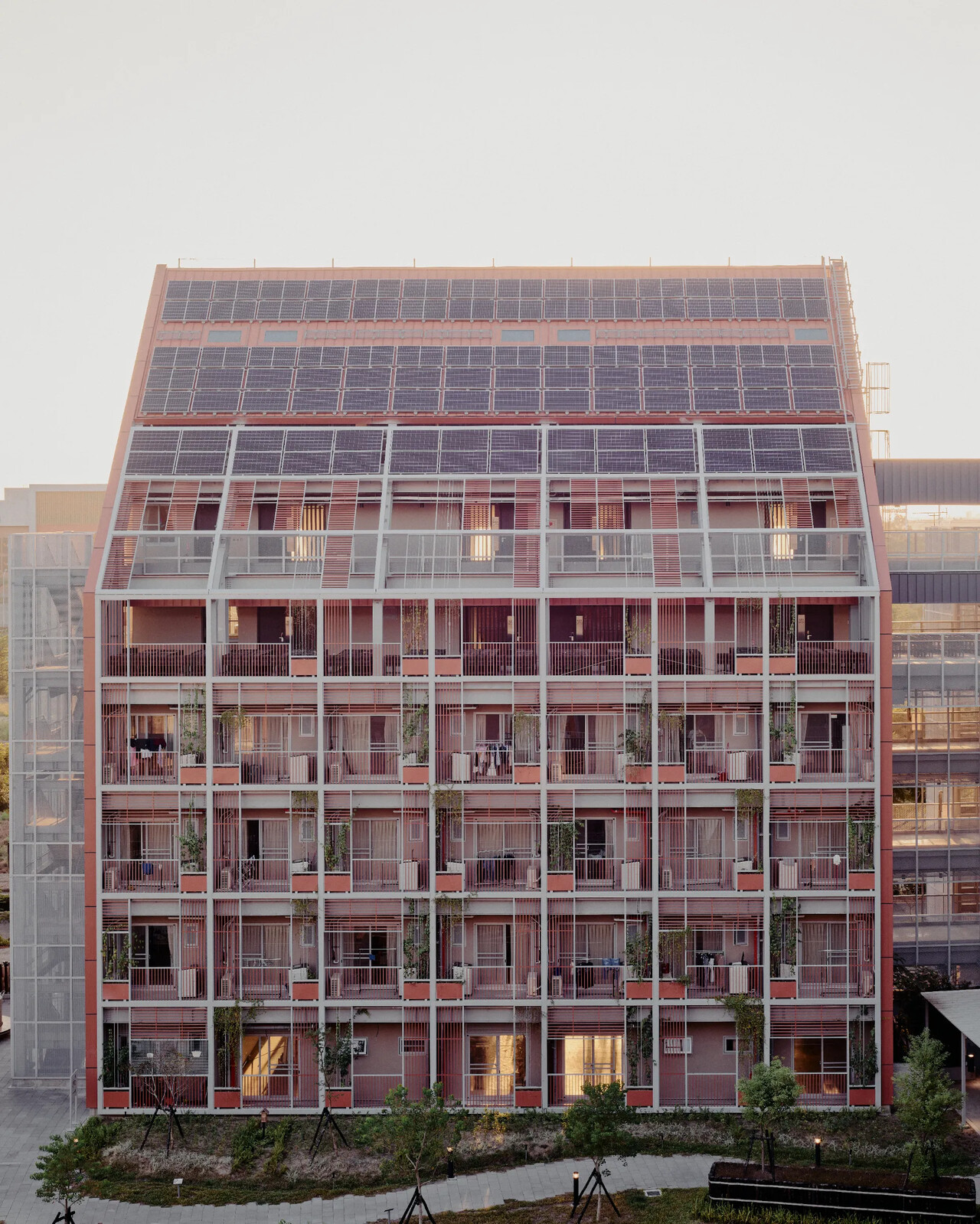
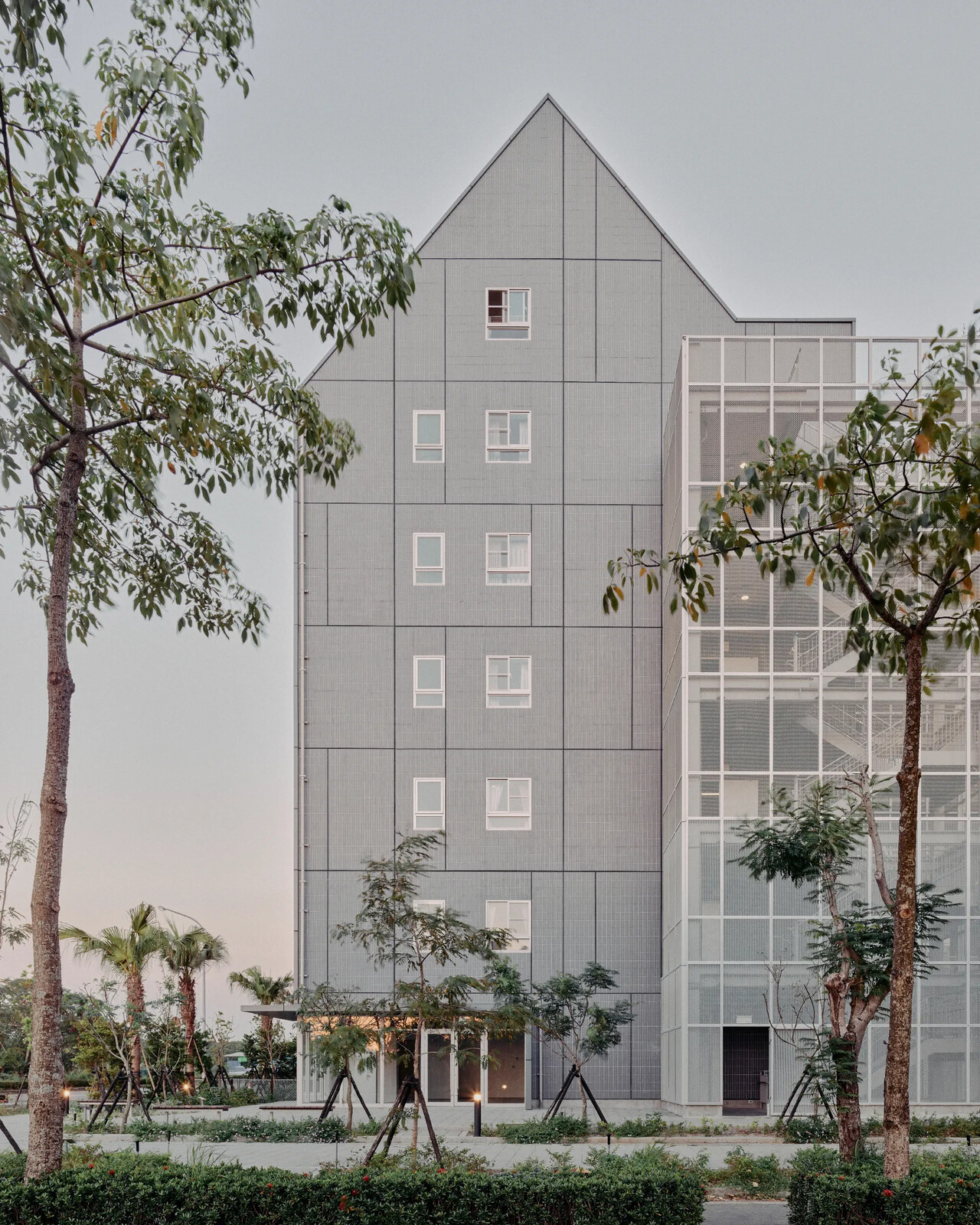
We talked through screens, but the spatial barrier did not affect Lucas and Sara's passion for world exploration. Their amicable demeanor stems from their open-mindedness, evident in their architectural photography and artistic creations. The studio they have established together, Studio Millspace, brings unique aesthetic perspectives to Taiwan architectural photography. Acting as a pairing of artist and curator, with Lucas in charge of photography and Sara in the role of communication, they discuss aspects of the space, the atmosphere they want to present, how to interpret it, as well as retouching images together. From the initial curious exploration of Taiwan's architecture, to attempting to make more connections between commercial photography and art in recent years, it has always been difficult to break out of one's own rut, yet the two of them are more certain than ever now of which direction to pursue after experiencing a small period of confusion.
Nourishment from New Zealand Days
Having both brought up in New Zealand, they started out as online friends with similar interests and realized in their freshman year that they were classmates, a miraculous encounter that has brought them together ever since.
Lucas comes from a simple village and is the only one in his family who is interested in art, jokingly referring to his "strange state of not being understood throughout his life". His interests are very diverse, which includes: painting, photography, video, graphic design, art theory, among others. Fortunately, he chose a subject that enables him to experiment with a wide range of fields. Lucas discovered photography at the age of 15 to 16. It was not until he worked as a professional photographer and director at the Department of Fine Arts that he began to realize the profundity of photography, which among many other interests has become a skill that he relies on for a living. From his perspective, it was photography that chose him, not the other way around.
Sara immigrated to New Zealand with her parents when she was 14 years old and was passionate about art, but later chose to study architecture, which focused more on design and contemplation compared to techniques and structures, which made her realize that art and architecture are intertwined. While studying for her master's degree, Sara was also teaching at a university and working in an office. She enjoyed the interplay between the two, striking a balance between the hands-on experience and the classroom. One year, she became a member of the New Zealand team to participate in the Venice Biennale. However, she unexpectedly became severely ill for a whole year and returned to Taiwan to recuperate, which became an opportunity for the two of them to enter architectural photography.
The sudden change in their lives made them drop everything in New Zealand and start from scratch in Taiwan. Looking back on the process, they concluded that "it was a nice decision".
Possibilities of Architectural Photography
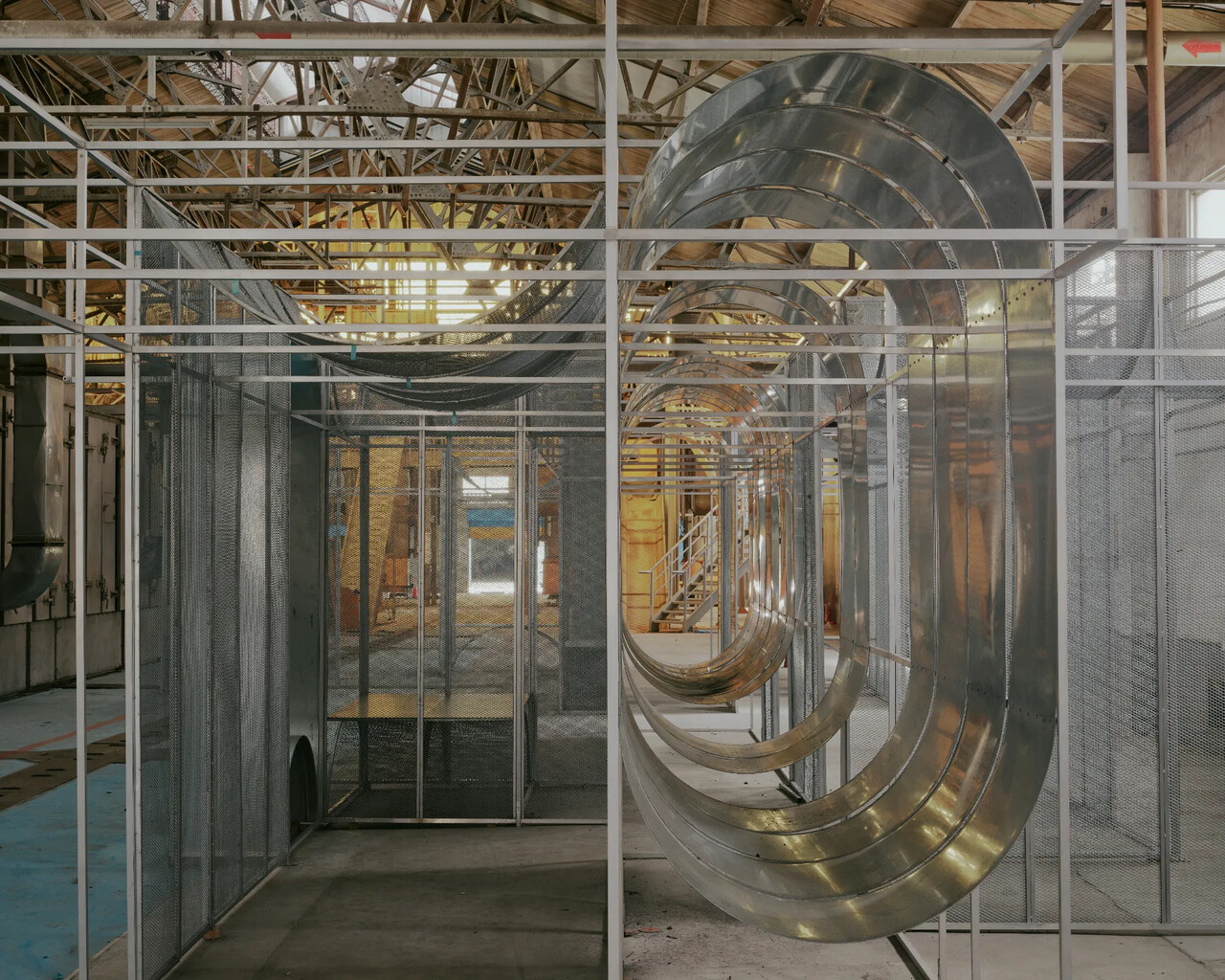
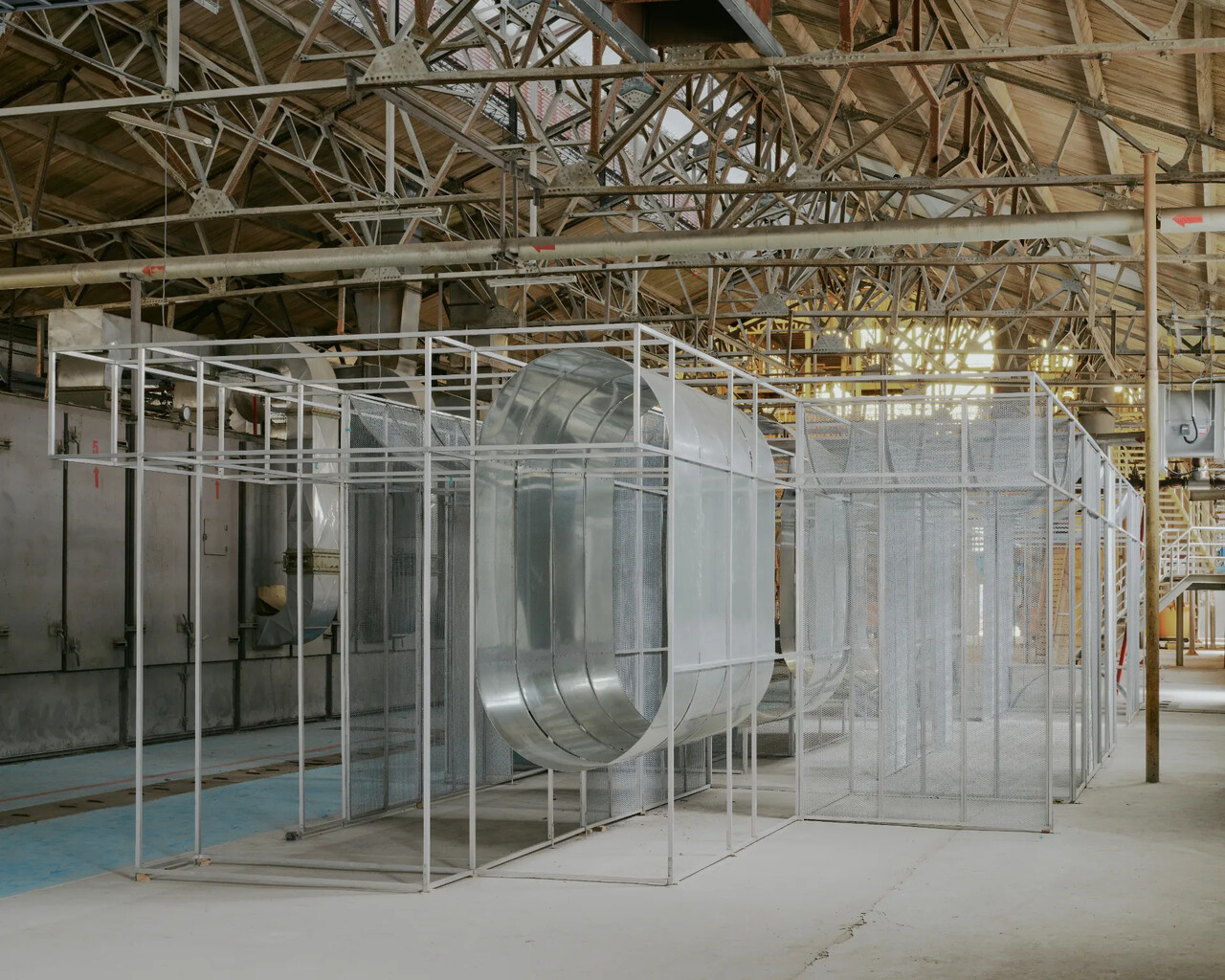
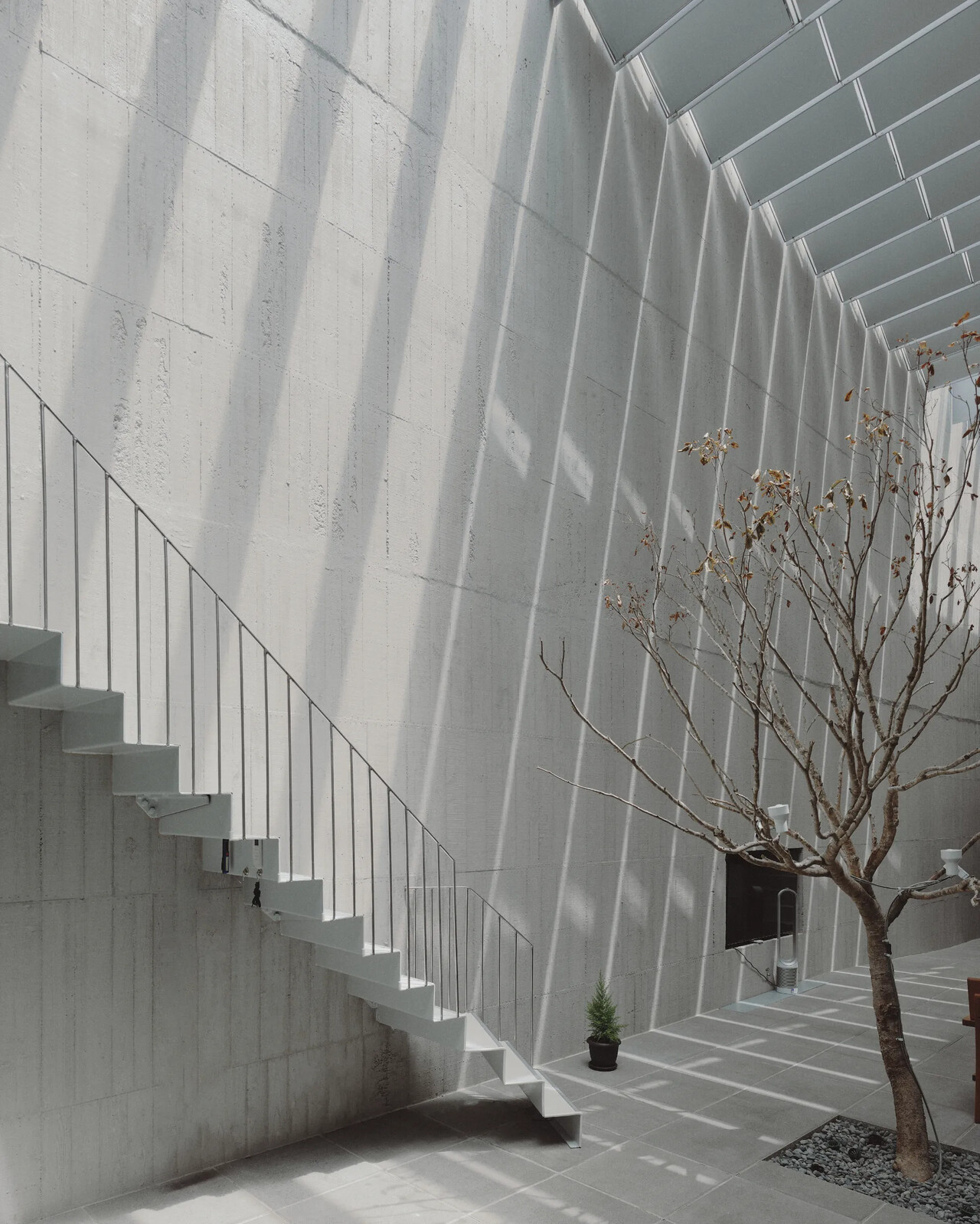
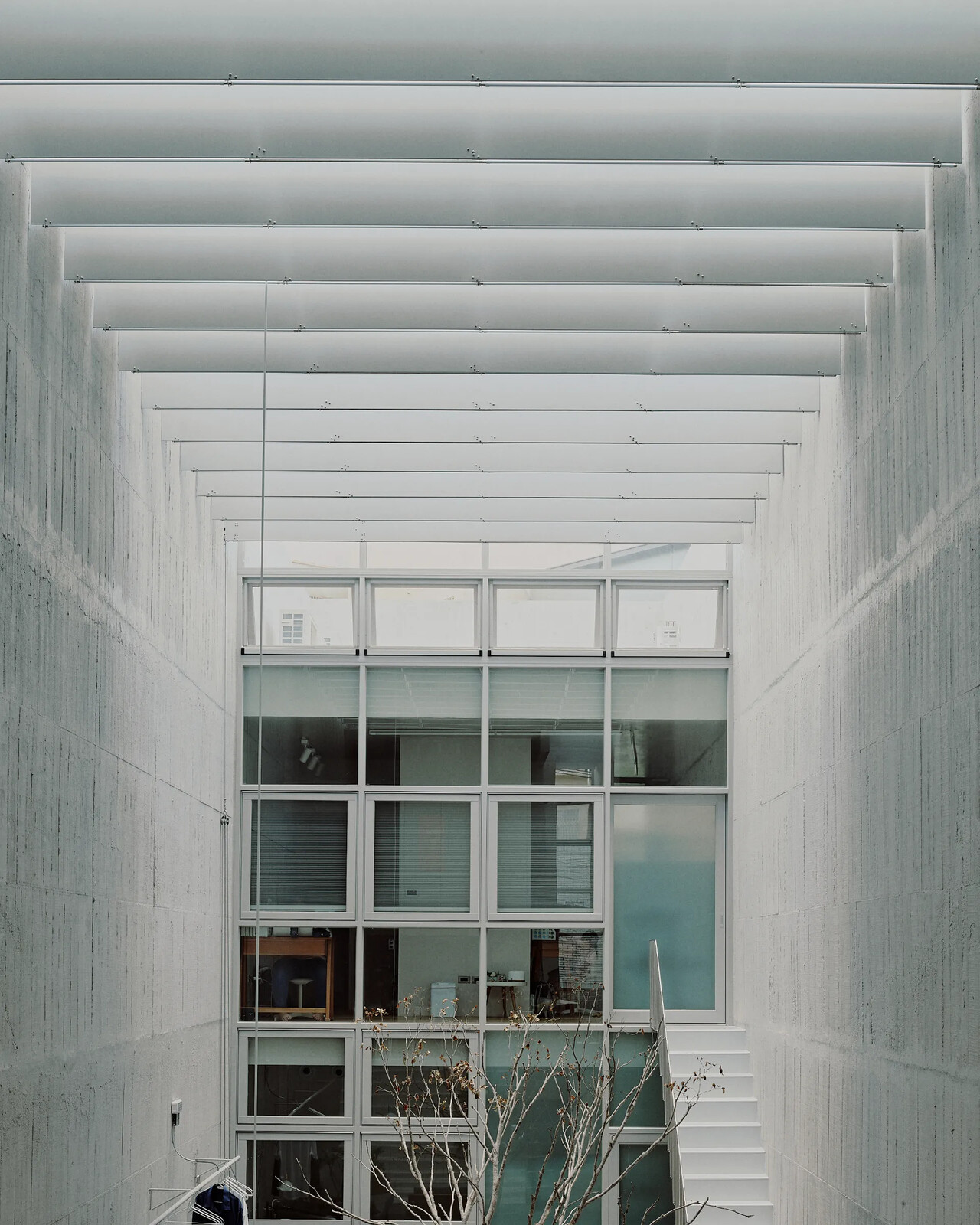
Studio Millspace has undergone a style change since 2016. Looking back at their early works, they realized that they were only records and lacked any sense of the space itself. Architecture is art, but photography is not tied to art, and the environment of architectural photography overseas has also altered. The color tone of their work was influenced by the color tones of classic film, and they initially employed both film and digital cameras to shoot photographs and investigate the differences between color tones. Moreover, light is also an essential component of photography, but Lucas is not so adamant about what type of light is required. He prefers nature, and even the quiet atmosphere brought by cloudy days, and believes that the experience of the scene should be reflected in the work, rather than relying on mechanical or software data. In the past, he would undertake a site reconnaissance prior to filming, but today he prefers not to know too much in order to maintain his curiosity and because a tight timeline and prompt response might make the work more dynamic.
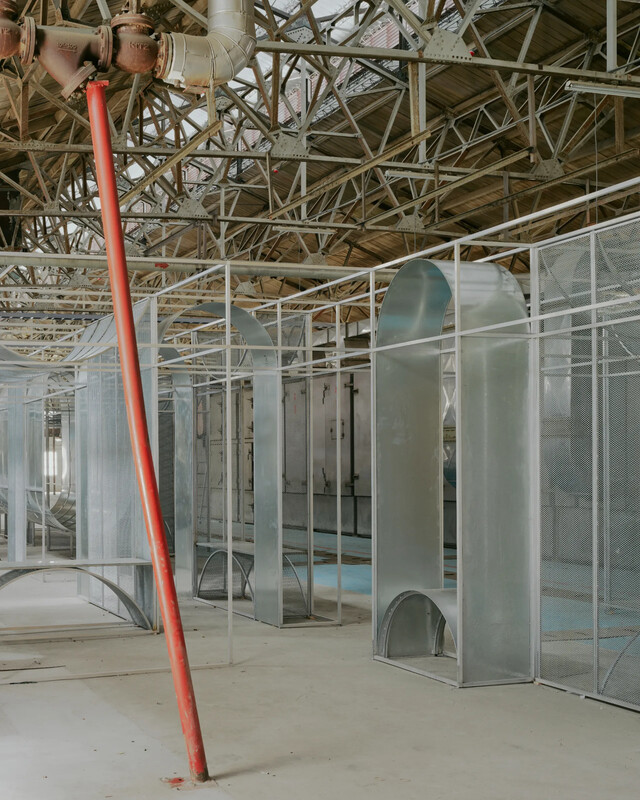
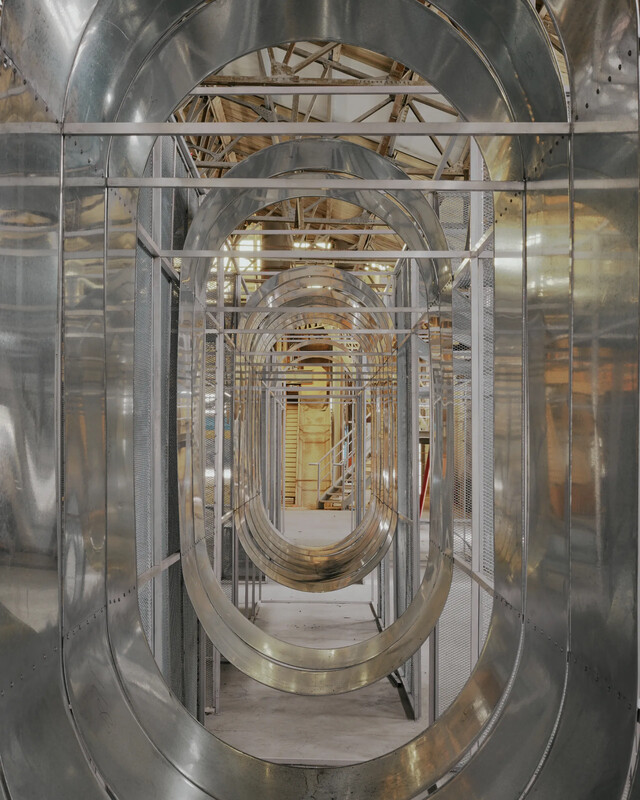
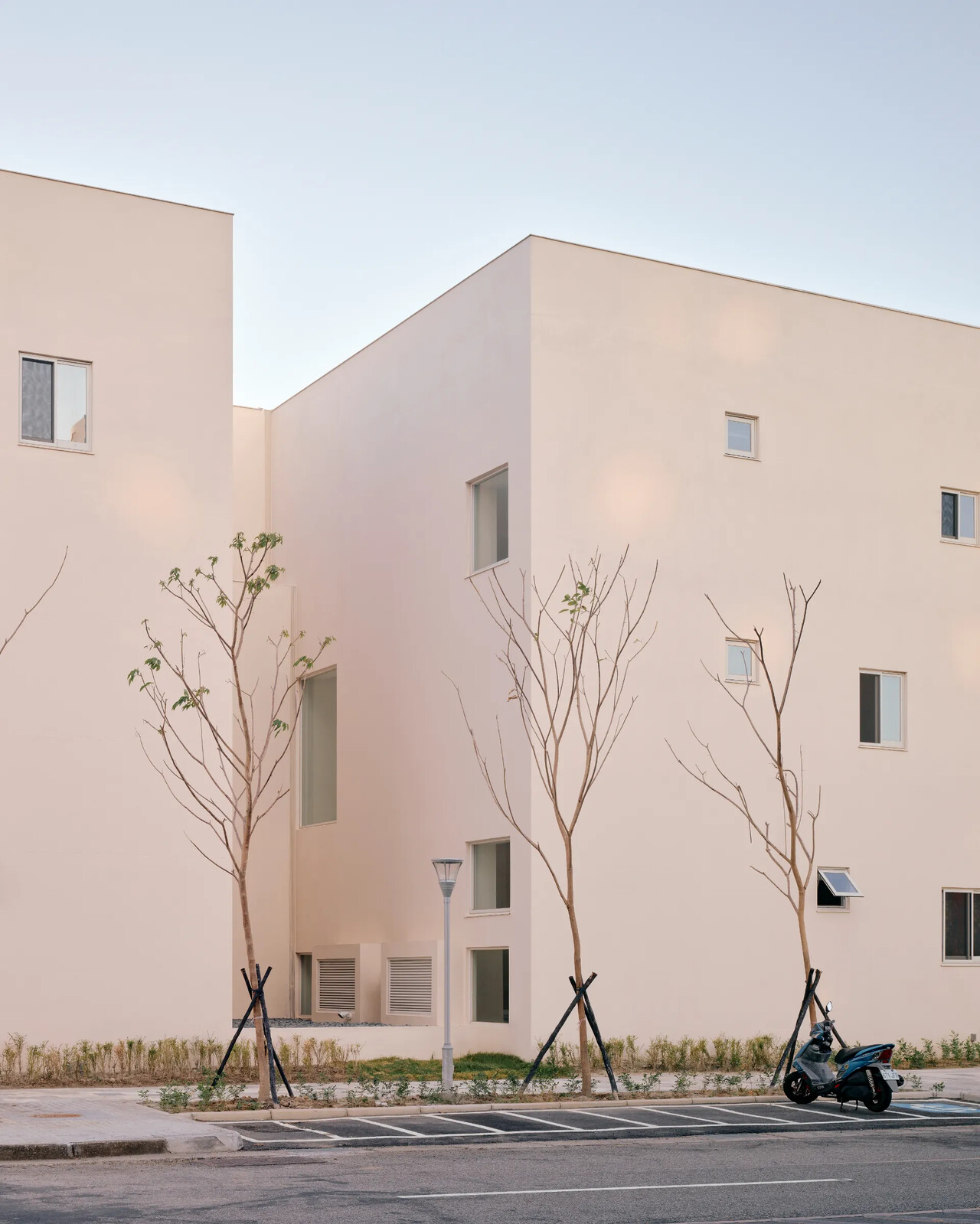
When advancing with their own style, they do not hide the fact that not every building is suitable for their shooting style, and that it is crucial to find the right partner to work with. In doing so, they are attempting to convey that there are more opportunities for commercial photography, and that there is more room to discuss architectural photography by allowing for diverse perspectives.
Seeing the World from an Independent Perspective
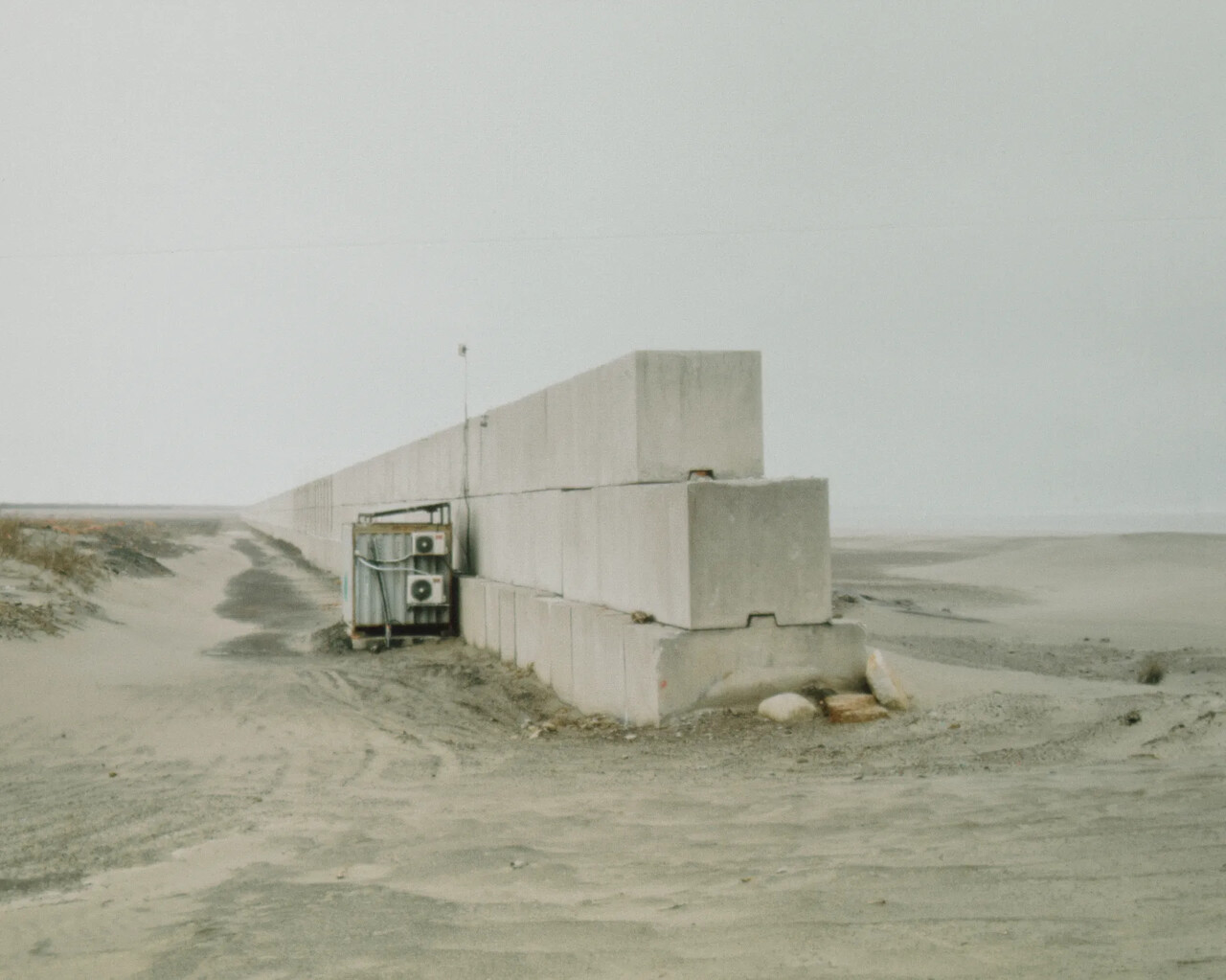
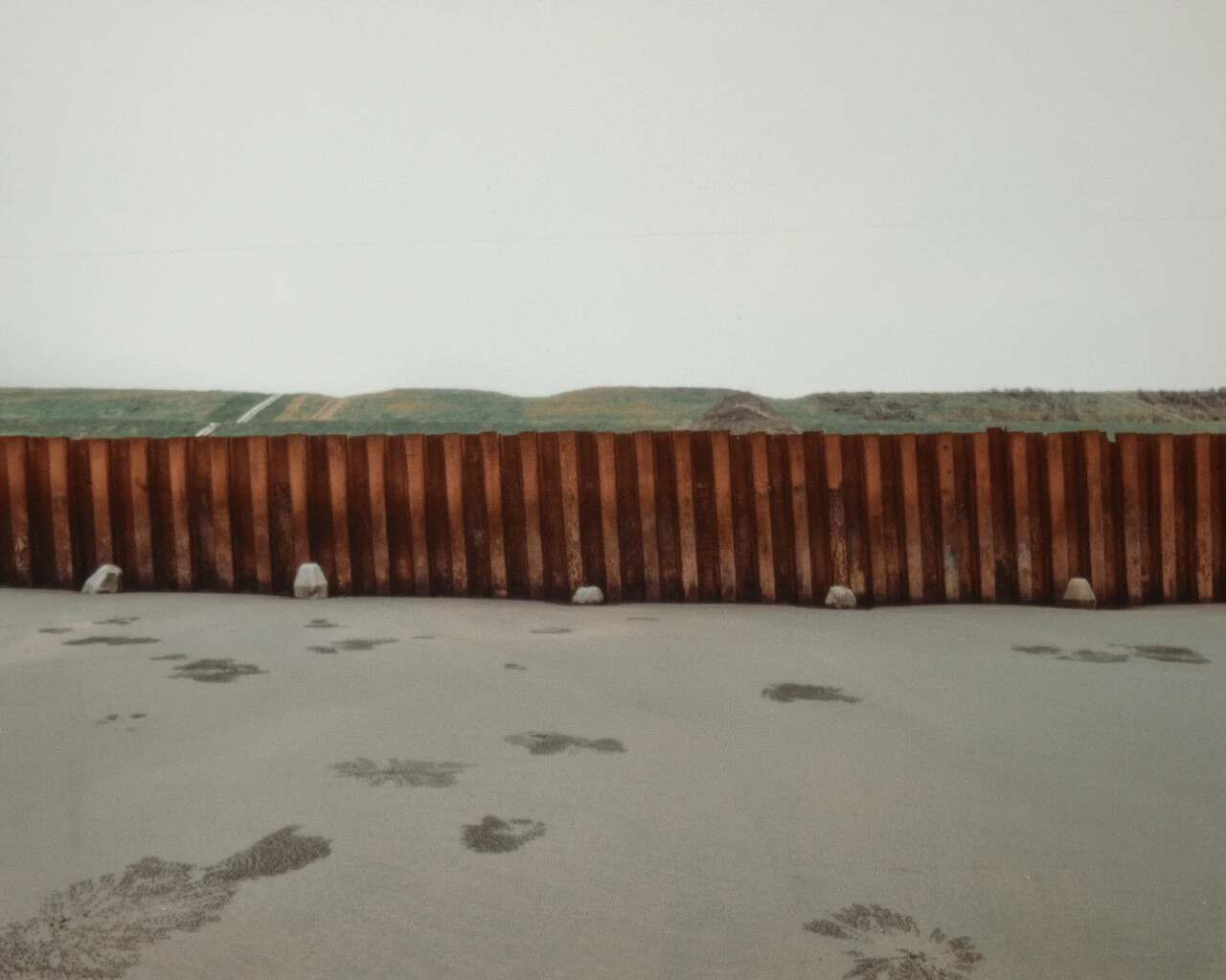
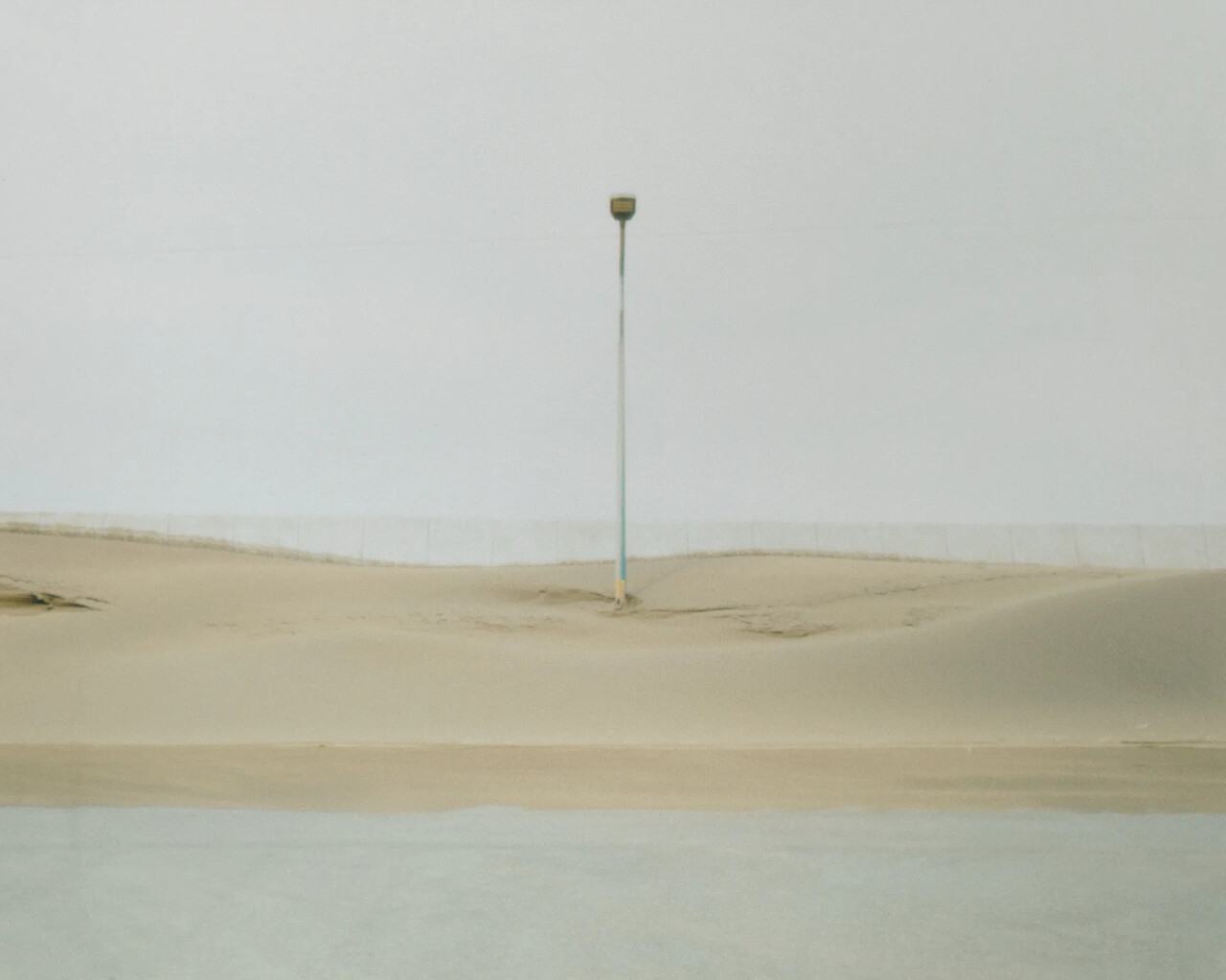
In addition to photography, Lucas also pushes himself to create other forms of artwork to avoid the formation of a standardized habit of photography and introduce new influences to his photography. In 2022, Lucas exhibited "Borderline: Lucas K. Doolan Solo Exhibition" at the Kaohsiung Museum of Fine Arts. The exhibition was inspired by the fact that the two of them were working in Taiwan, but rarely had the opportunity to see the coastline. As New Zealanders are also children of islands, they have a very close relationship with the coastal paths. After exploring the west coast of Taiwan, they found that the border was very different from their imagination, which are often intermittent, with many unreachable places or some inaccessible factories, so they began to document the process of their accessing the border.
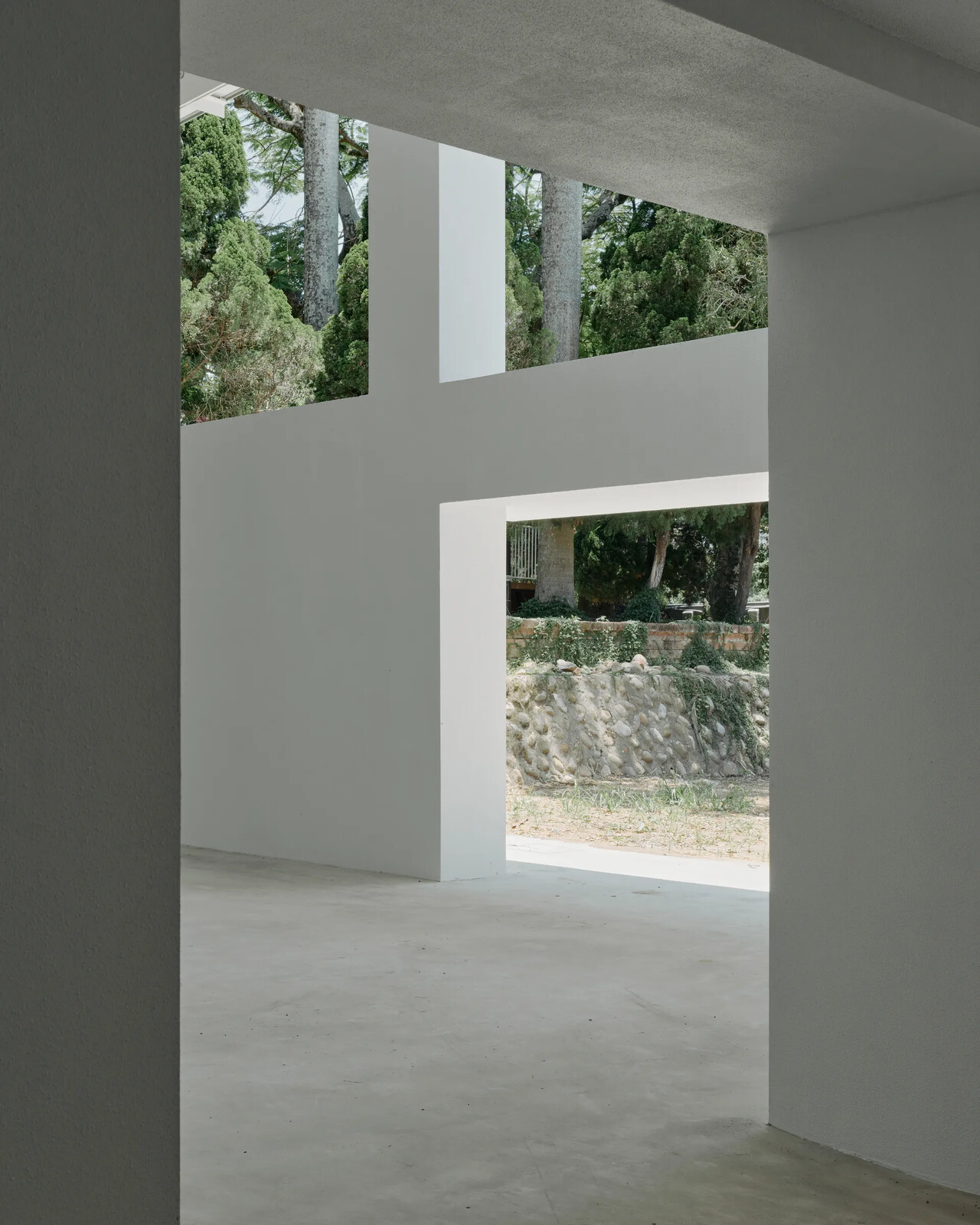
Inevitably, people are curious as to how Lucas and Sara from New Zealand view Taiwan. They believe that it may not be so much about nationality and culture as it is about personal journey and experience, and they are trained to look at it from an independent perspective. They look at Taiwan in a detached perspective, pondering the cultural context from underneath the landscapes. They illustrate that the scenery in New Zealand is overly picturesque, which poses a creative dilemma for Lucas, while the coastal border of Taiwan has a distinctly diverse context, providing him with more revelation and inspiration.
With an independent perspective of the world, they follow not other people's perspectives, but their own approaches, as evidenced in their photographic journeys.
風景其來有自,
看見背後的文化脈絡
揅空間工作室
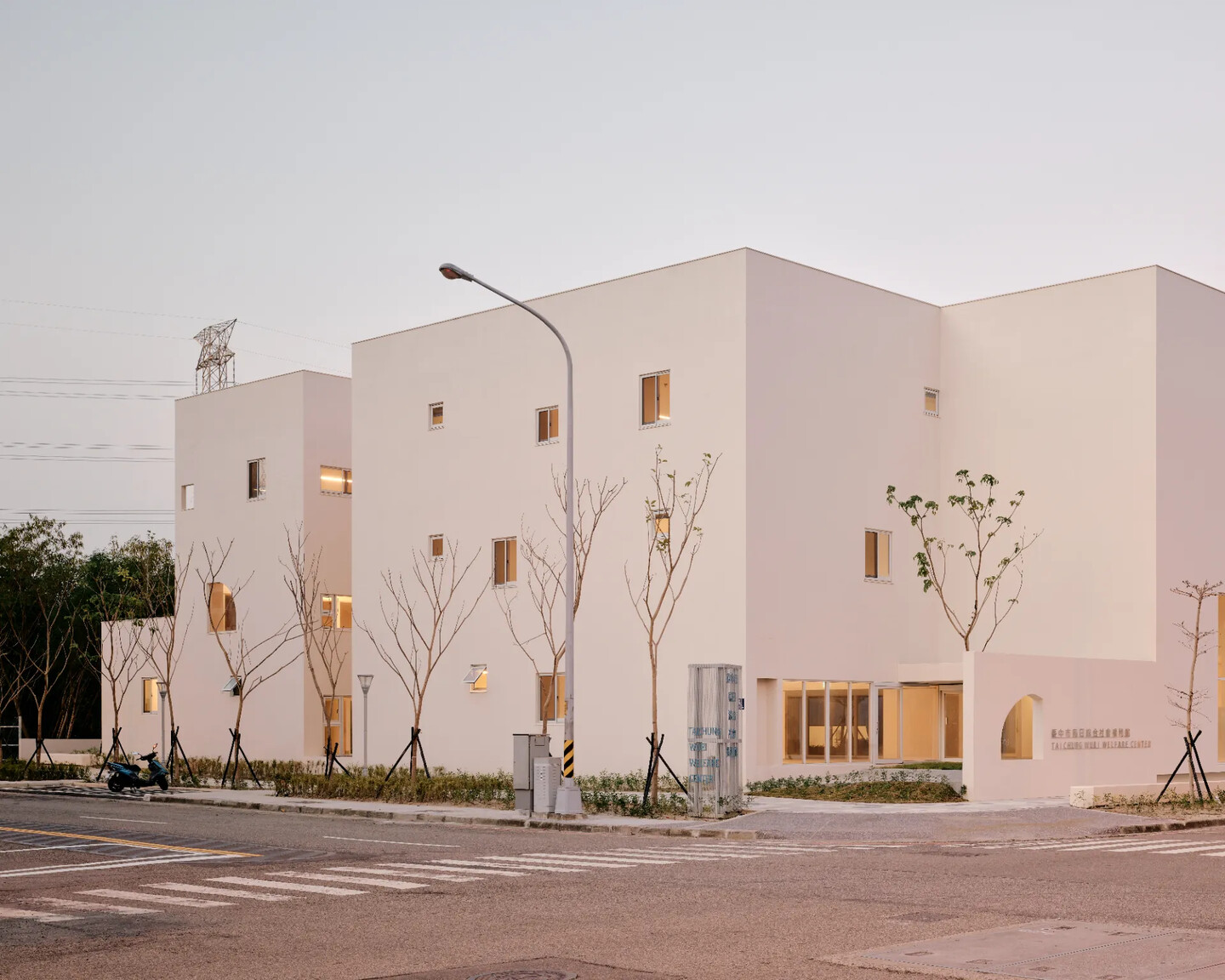
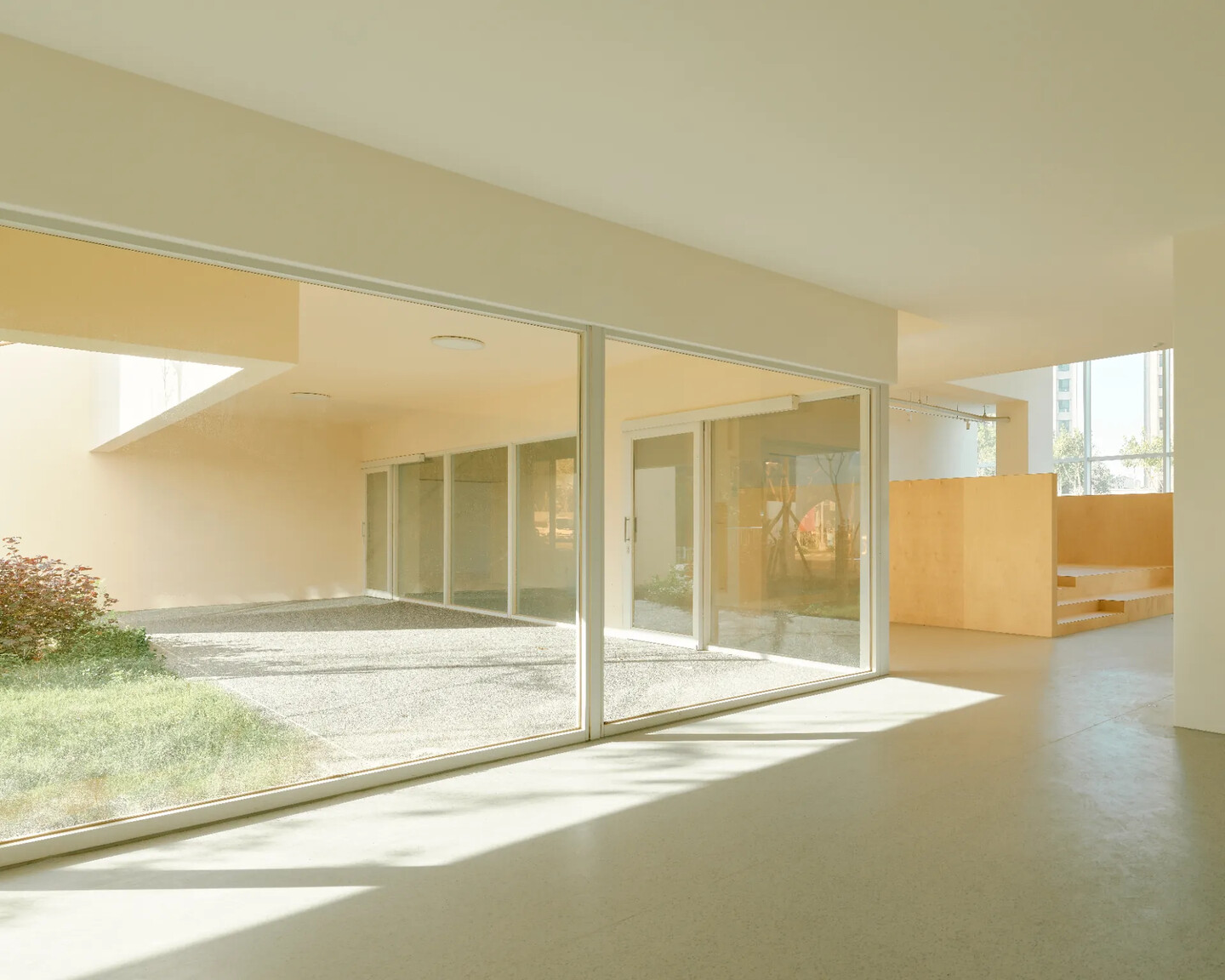
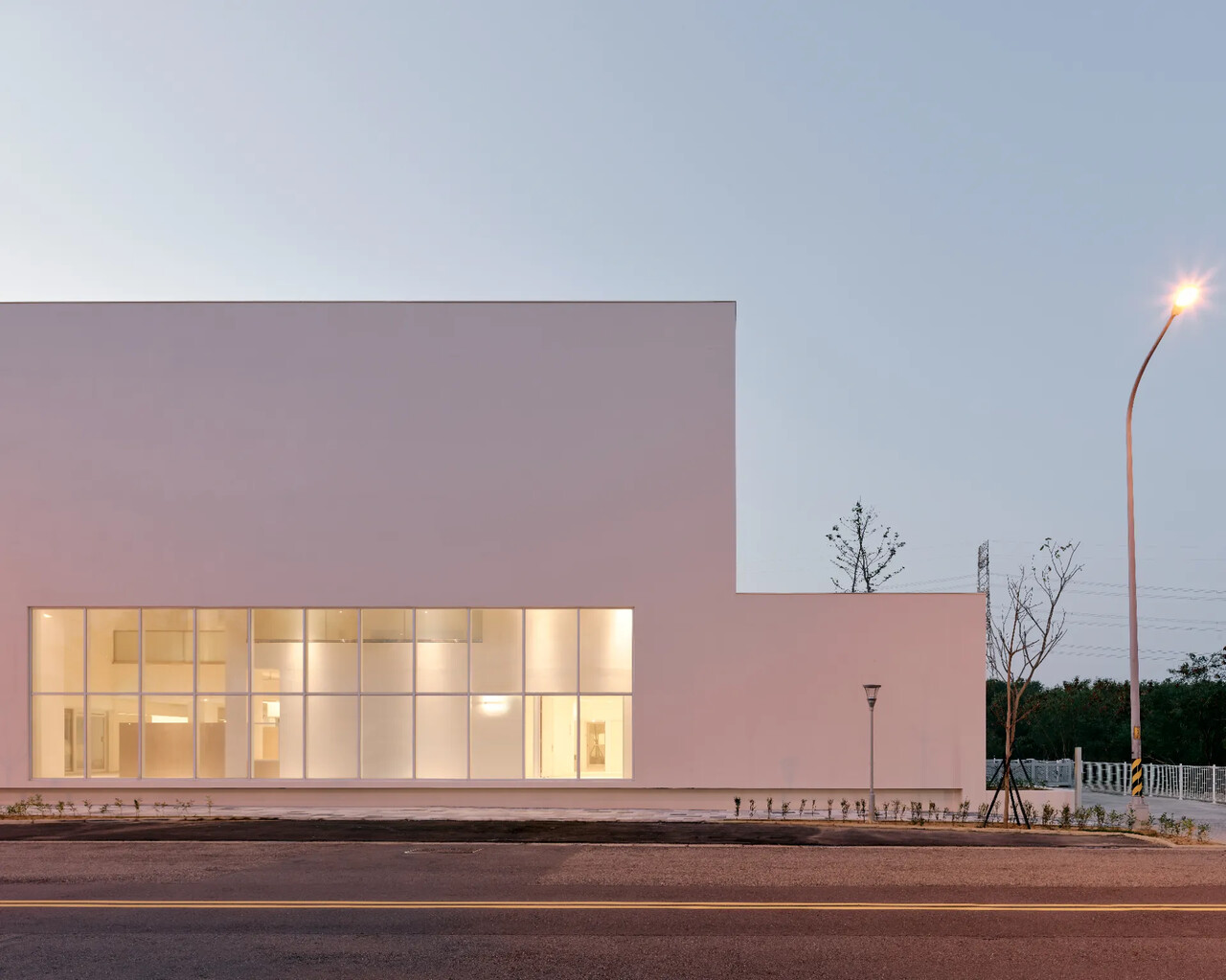
我們隔著螢幕對談,空間的阻隔並不影響Lucas和Sara傳達探索世界的熱情,兩人友善的態度來自於開放的思維,在其建築攝影或藝術創作中可見一斑。他們一同成立的工作室Studio Millspace以獨特的審美視角為台灣建築攝影帶來新的思考,兩人的搭配猶如藝術家與策展人,Lucas 負責拍攝,Sara則是溝通的角色,會一起討論空間的脈絡、想呈現的氛圍、以什麼方式詮釋等,以及一起做修圖。從一開始因好奇而開始探索台灣建築所做的攝影紀錄,到近幾年嘗試讓商業攝影與藝術做更多連結,要走出自己的路總是辛苦的,兩人歷經一小段迷惘後更確信要往哪個方向前進。
昔日在紐西蘭的成長養分
兩人都成長於紐西蘭,一開始是興趣相投的網友,在大一時發現彼此是同學,奇妙的緣分讓兩人攜手至今。
Lucas來自樸實的村,是家中唯一對藝術有興趣的人,笑稱「一直以來處於一個不被理解的奇怪狀態」,他的興趣很廣泛:繪畫、攝影、錄像、平面設計、藝術理論等等,所幸選擇的科系能讓他多方嘗試。Lucas十五、六歲左右開始接觸攝影,直到日後在美術系工作時擔任專業攝影與導演,才開始意識到攝影的博大精深,在眾多興趣中成為賴以為生的技能,他認為是攝影選擇了他。
Sara十四歲時隨父母移民紐西蘭,對於藝術興趣濃厚,後來選擇建築系所,系上相對於技術、結構更注重設計與思考,這讓她體悟到藝術與建築是彼此貫通的。Sara在攻讀碩士期間,同時在大學任教並於事務所工作,她很喜歡兩者之間的交錯,在工作實務與課堂的天馬行空中相互取得平衡。某一年,她成為代表紐西蘭團隊的一員參加威尼斯雙年展,卻突然生了一整年大病,回台休養成為了兩人進入建築攝影的契機。人生的突變讓他們放下紐西蘭的一切在台灣從零開始,回顧過程他們認為「這也是個不錯的決定」。
建築攝影更多的可能性
從2016年至今,Studio Millspace歷經了風格轉變,他們回頭審視作品,發現初期的作品只有紀錄,少了對於空間本身的感受,而建築即是藝術,攝影卻沒有與藝術做連結,同時在國外,建築攝影的氛圍也發生轉變,他們開始循著脈絡做嘗試。作品調色的轉變是受到傳統底片色調的影響,嘗試初期,他們使用底片和數位相機去拍攝,從中摸索兩者的色調差異。此外,光線也是攝影重要的元素,Lucas卻不那麼堅持一定要什麼樣的光線,而是傾向自然,甚至他更喜歡陰天帶來的寧靜氛圍,並且認為應該將現場的體驗表現在作品中,不要直接相信機械或軟體的數據。以往拍攝前會做場勘,現在Lucas反而會希望不要知道太多,保持好奇心,緊湊的行程和及時應對反而能讓作品更有活力。
當走出自己的風格,他們也不諱言並非每個建築都適合他們的拍攝方式,找到契合的合作對象非常重要,也藉此想告訴大家,商業攝影能有更多可能性,容納多元的聲音可以有更多空間去討論建築攝影。
以開放的視野觀看世界
除了攝影,Lucas也強迫自己去做其他形式的創作,避免攝影工作漸漸形成制式的習慣,也能為攝影帶來新的影響。2022年Lucas在高雄美術館展出《閱界:邊際之潮》,源自於兩人在台灣工作時常奔波各地,卻很少有機會看見海岸線,同為海島國家,紐西蘭人與海岸線的關係十分緊密。當他們實際探索台灣西岸,發現這個邊界和他們的想像非常不同,常常斷斷續續,很多地方到不了,或者是有工廠進不去,所以他們開始發展一系列到達邊界的紀錄過程。
不免俗地也會讓人好奇,來自紐西蘭的Lucas和Sara如何看待台灣這片土地,他們認為這或許無關國籍文化,而是個人的旅程和經歷,加上兩人受到的訓練都是以開放的視角觀看。他們以抽離的方式看台灣,從景觀背後去思考文化脈絡,也舉例道,紐西蘭的風景過於美好,反而是Lucas創作上的困境,台灣的海岸邊界卻擁有截然不同的脈絡,給予他更多的啟示與靈感。
以開放的心態去看世界,他們不循著別人的觀點,而是摸索出自己的方式,在攝影歷程上也如出一轍。