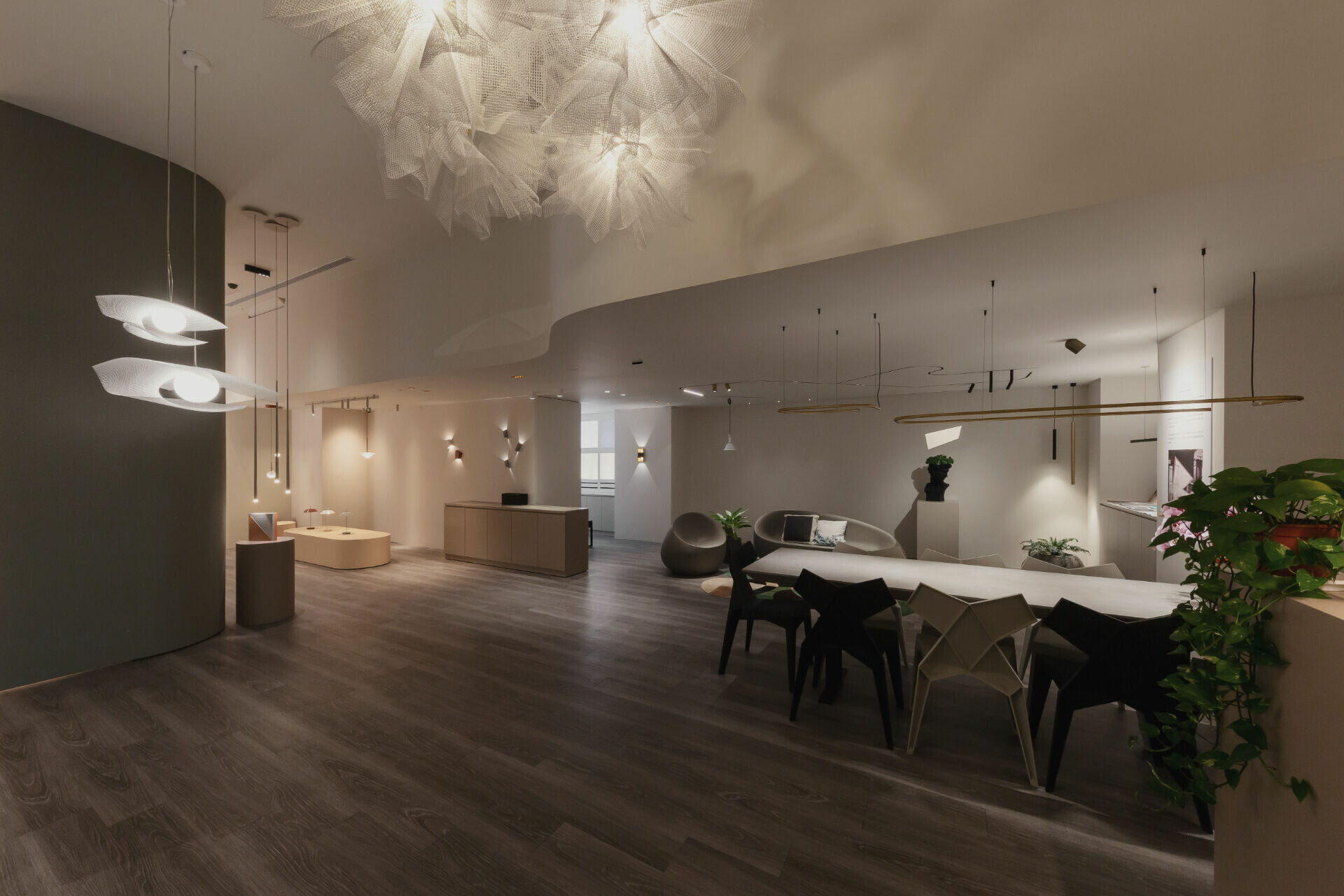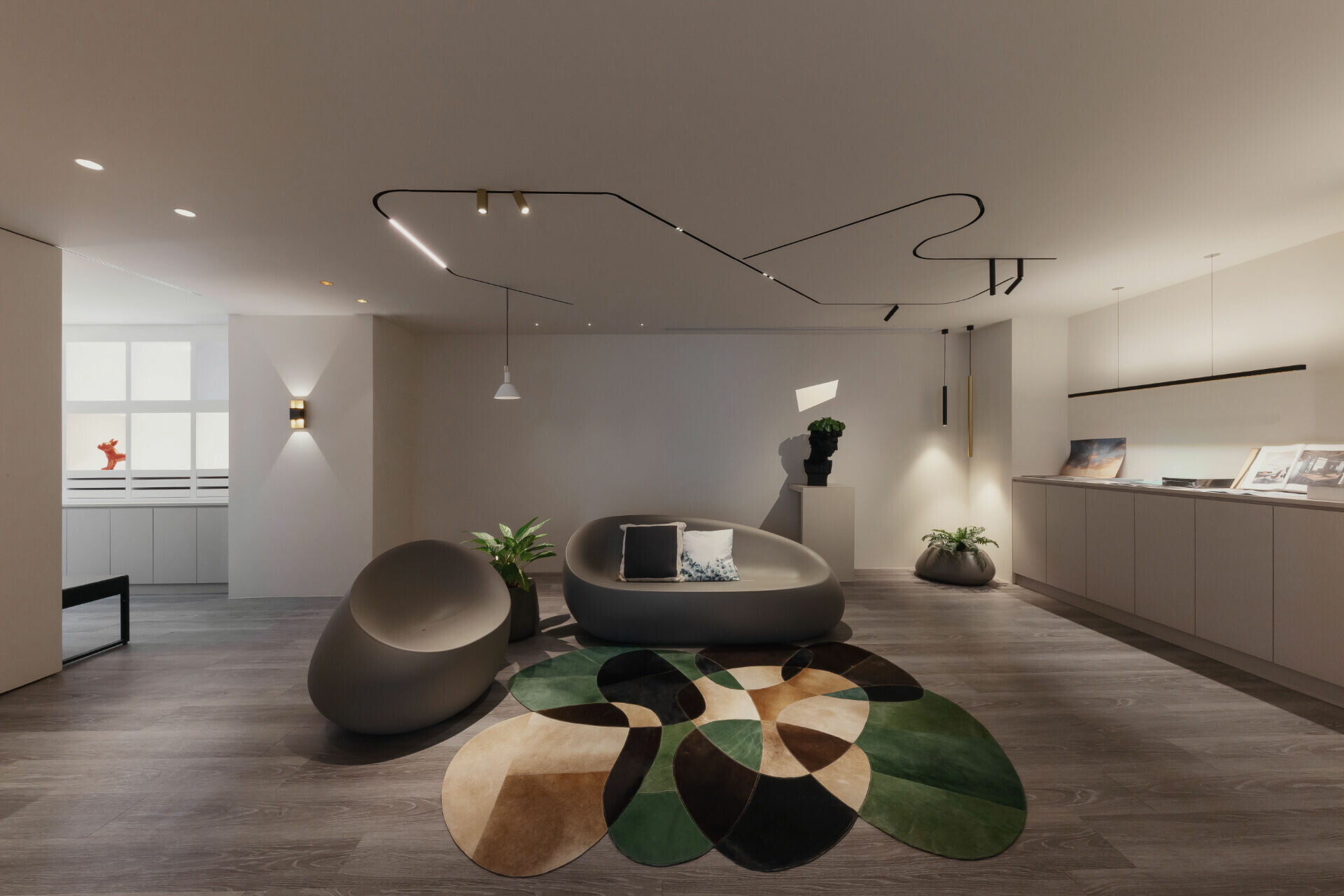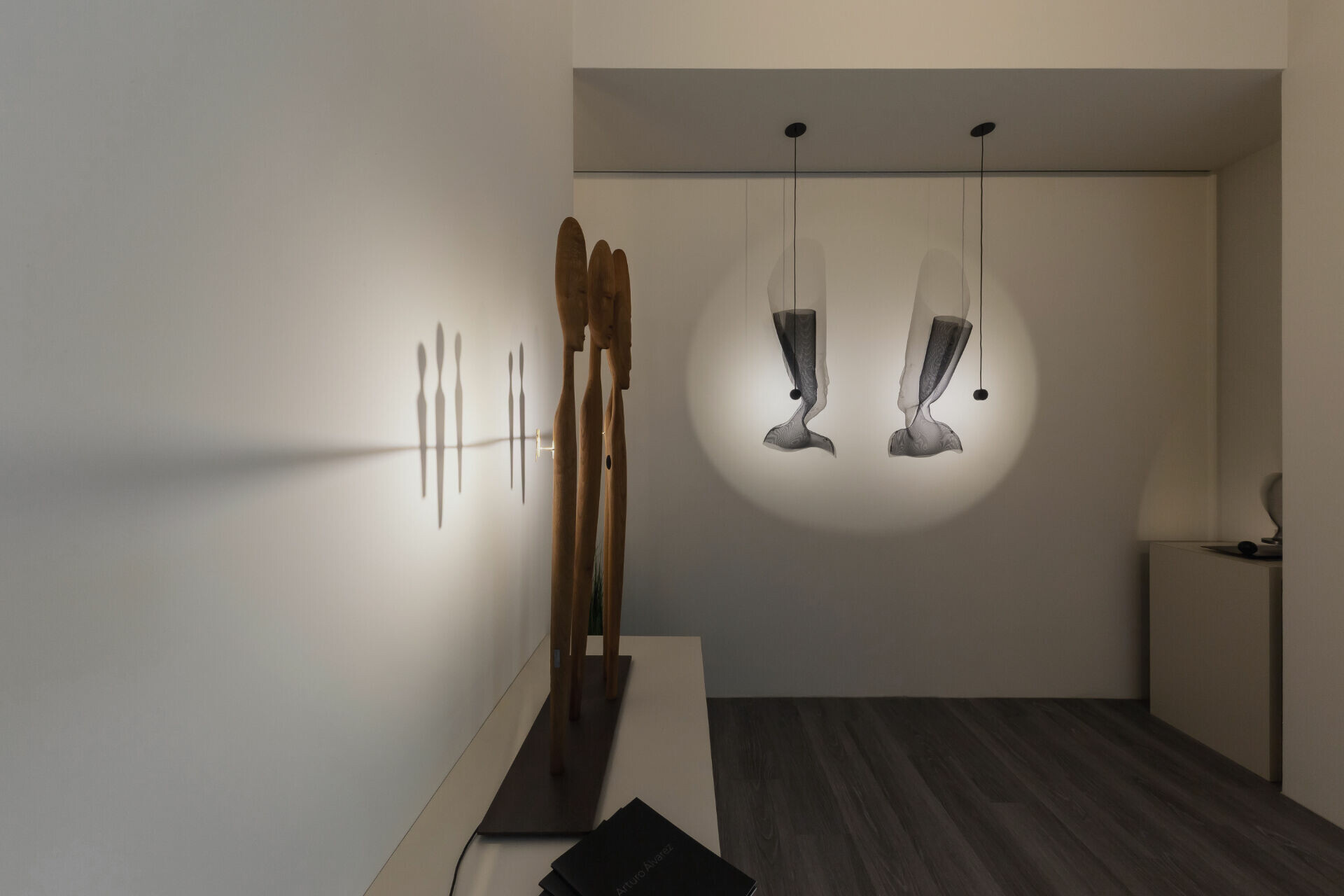
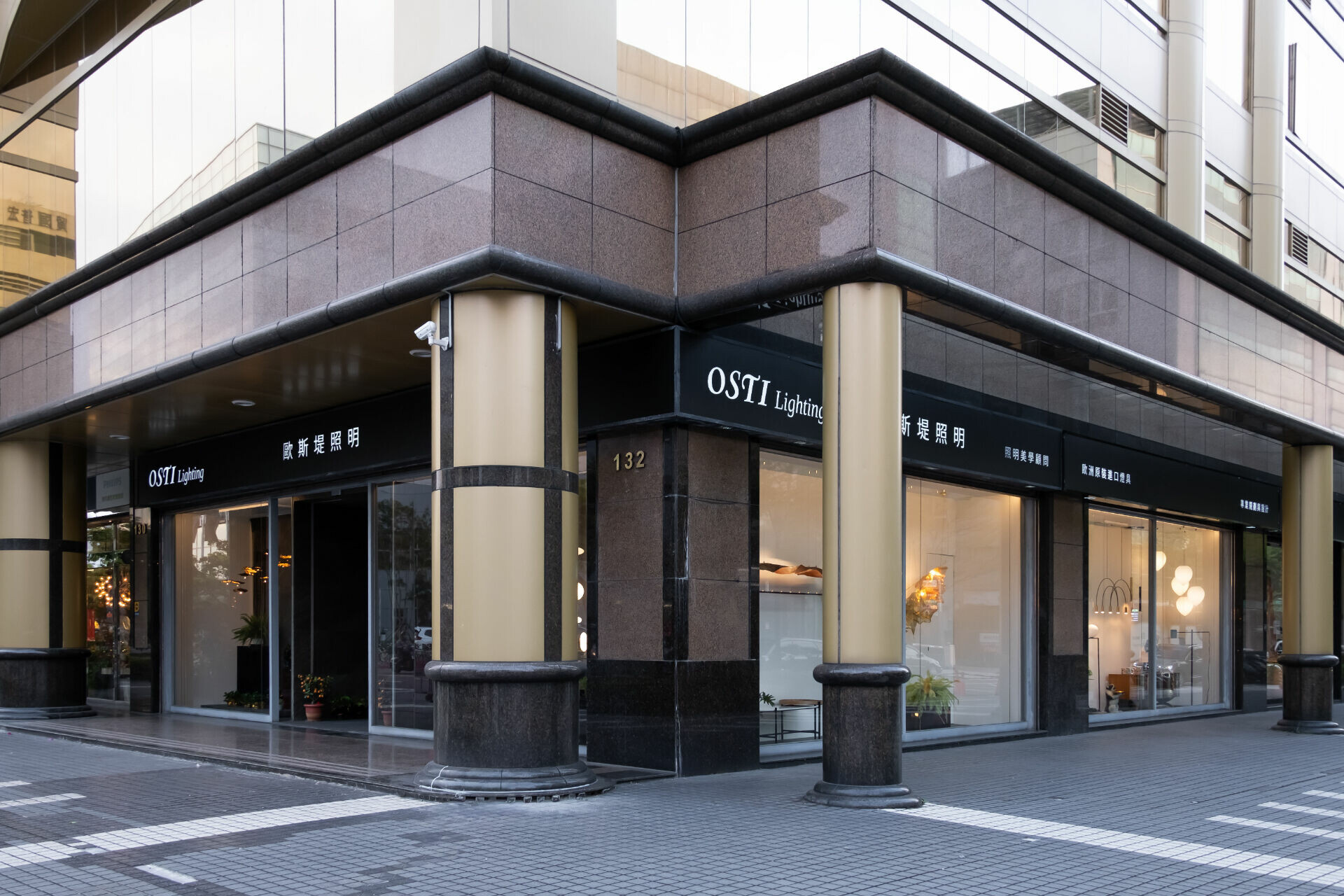
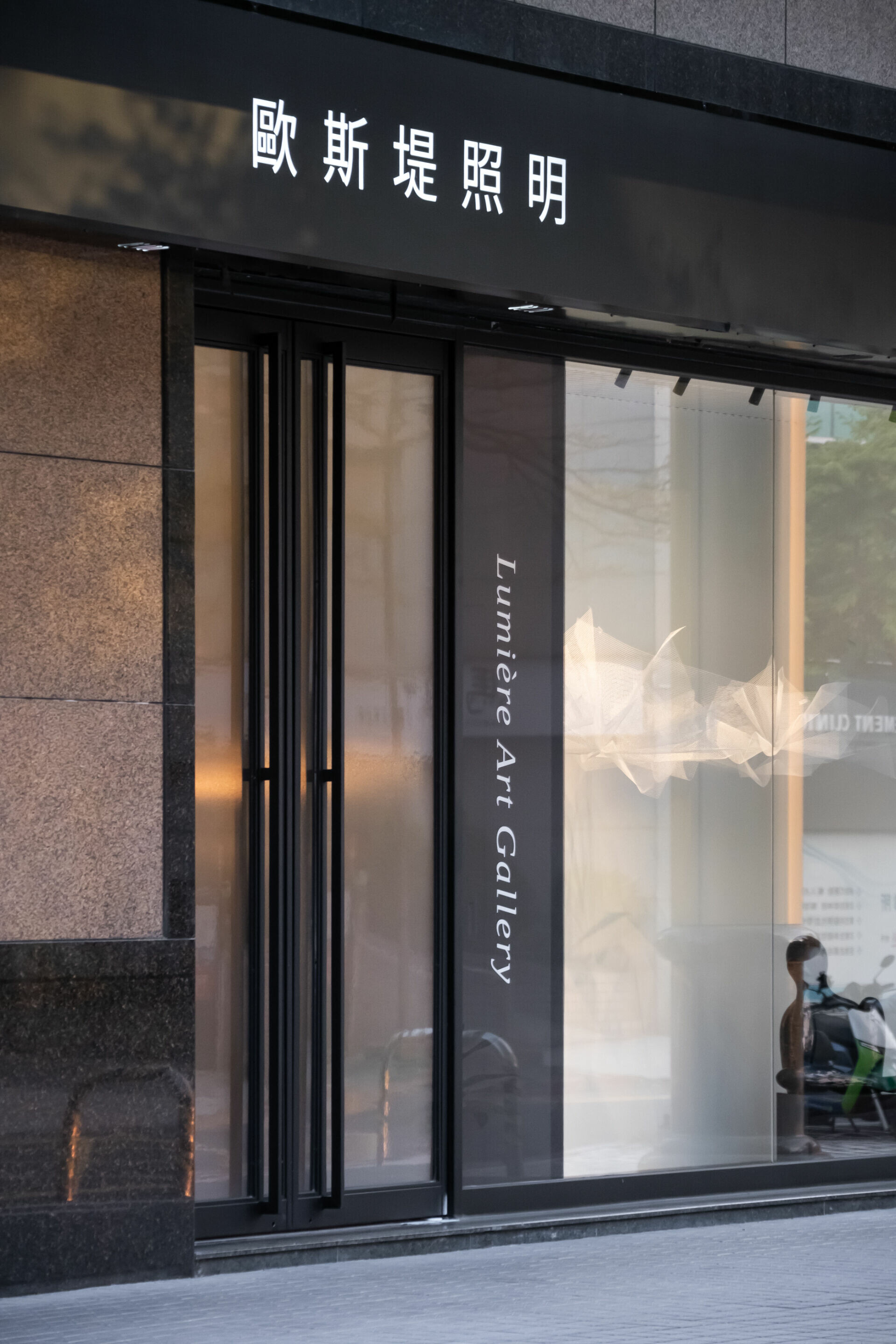
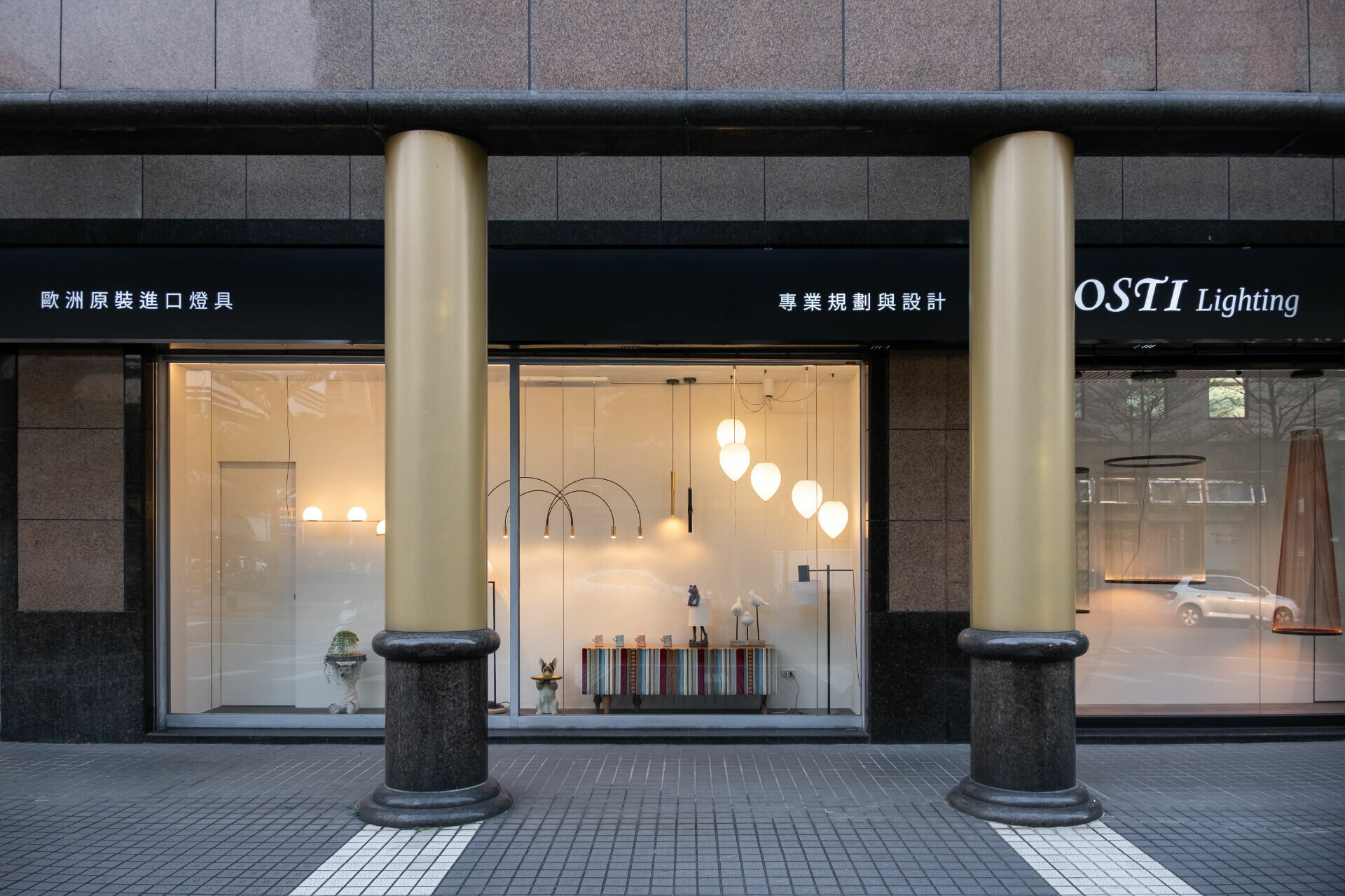
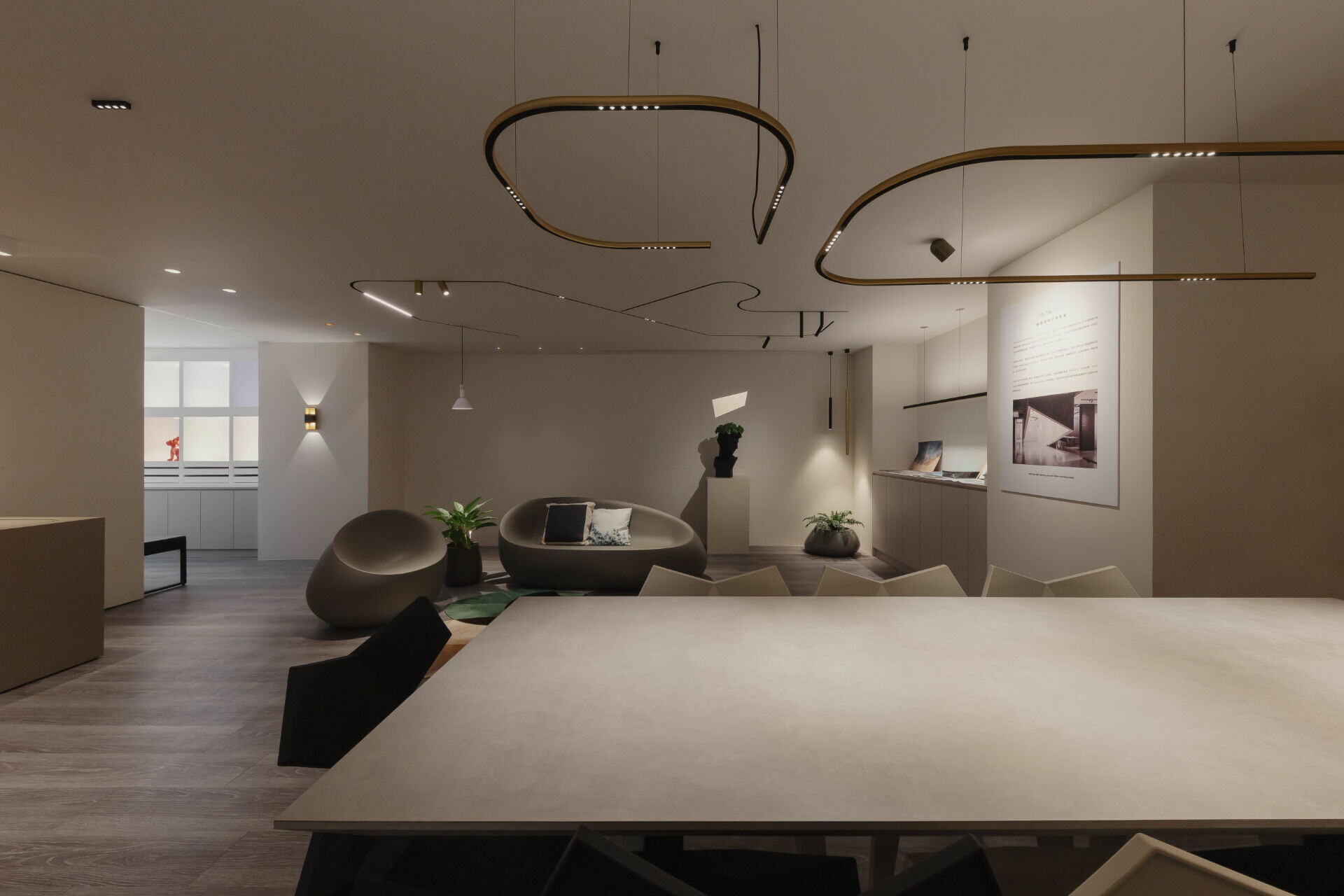
That afternoon, guided by a specialist from OSTI Lighting, I stepped through the doors of Lumière Art Gallery. Afternoon light filtered through frosted glass, casting the interior in a soft, steady glow. The hush that greeted me slowed my pace almost at once. Around me, white walls stretched like canvases, quietly receiving the movement of light and shadow and allowing each luminaire to take on the presence of a work of art. Through material, proportion, and the interplay of light and shade, the space seemed to acquire a soul of its own. As I moved through it, I became newly aware of light itself, pausing almost instinctively to look more closely. In that stillness, I could sense the warmth that lighting brings to everyday life, and the emotion held in its flicker between presence and absence. Listening to the thinking behind each work, I realised how narrow my earlier understanding of light and shadow had been. What emerged from their dialogue felt like a series of stories held within the space, each waiting to be read in turn.
Form in Motion as a Creative Medium
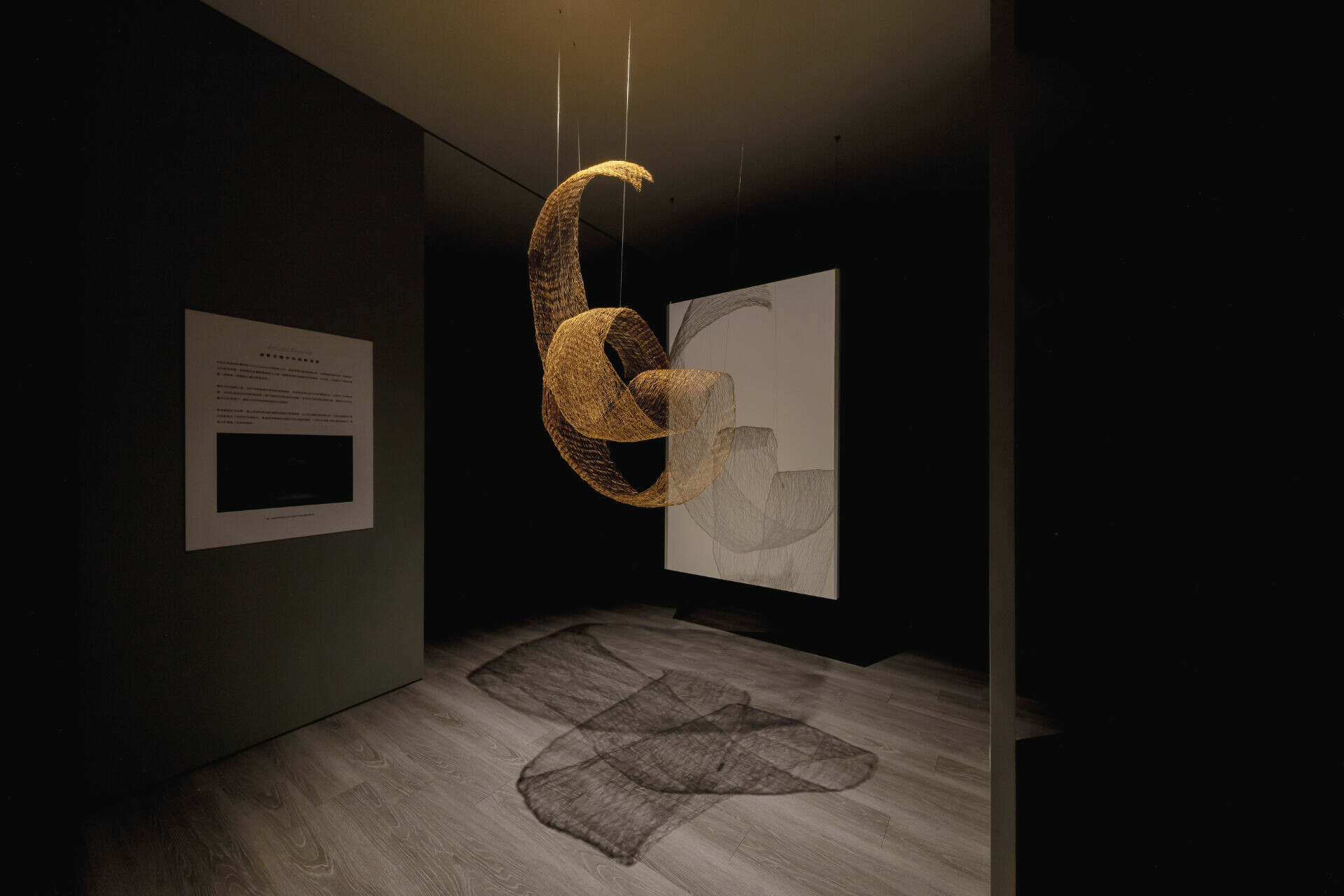
“Everyone is an artist in the way they live.” After visiting Lumière Art Gallery in Neihu, those words from Sandy Chen resonated more deeply than ever. Light is so constant a presence in everyday life, as ordinary as air, that it often escapes notice. Yet it remains one of the essential elements through which atmosphere is shaped in space. Chen recalled an experience that profoundly shaped her understanding of light and shadow. At the Luigi Rovati Foundation in Milan, during the exhibition 20th Century Etruscans, Mirko Basaldella’s Roaring Lion (1957) was transformed by the deliberate projection of artificial light. The shadow it cast extended the sculpture’s sense of movement beyond its physical form, while shifting gradations of brightness and direction sharpened the lion’s commanding expression. Together, light and shadow gave the work dramatic tension and a palpable sense of life, transforming a static sculpture into something vividly alive. The impression lingered. It made clear that light and shadow are not merely functional arrangements, but an artistic medium capable of changing the quality of everyday life. Even in the most familiar surroundings, light, once shaped through design, can still animate a space.
Light is formless in itself, yet once it falls upon an object, it reveals contour and edge. Through the layering of shadow and brightness, it gives space depth and emotional texture, softening perception and creating a more intimate connection with place. “Today, the home has become an extension of personal identity, and lighting is like a flowing brush. Everything depends on the hand that guides it,” Chen said. In that thought lies her understanding of what light means to space. For her, people must first understand the nature of light before they can recognise its weight in daily life. Moved by what she had experienced in Milan, she set out to break with the conventional model of the local lighting market. Under the title Lumière Art Gallery, she developed an art-led showroom concept, bringing together artistic presentation and signature pieces from the leading European lighting brands that OSTI represents, so that visitors could experience the aesthetic value of light and shadow at first hand. It is a new kind of experience. Through lighting design, the showroom creates a setting in which intellect and emotion coexist, allowing what is felt there to settle inward and continue into the everyday landscape of home.
The Artistic Language of Light and Shadow
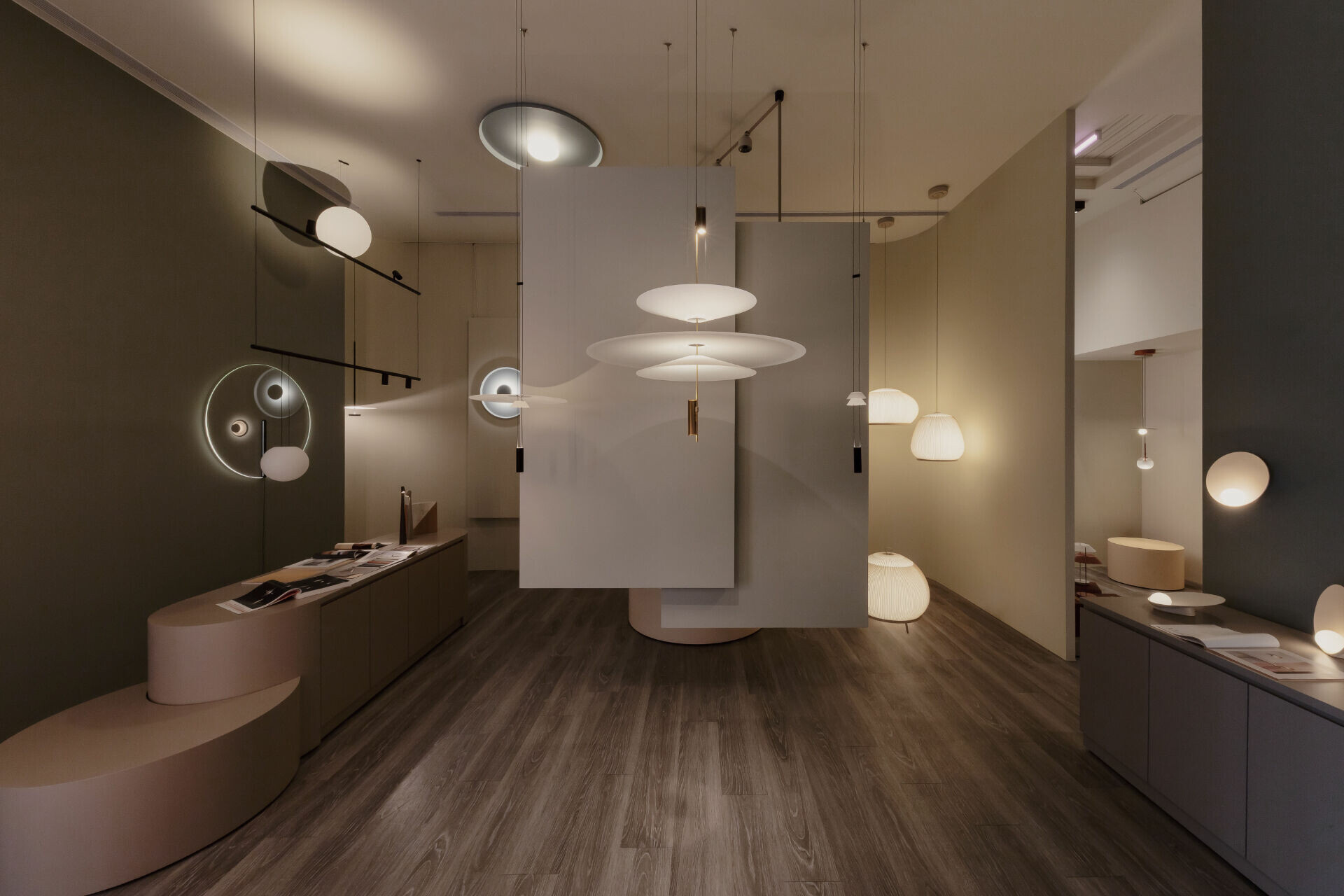
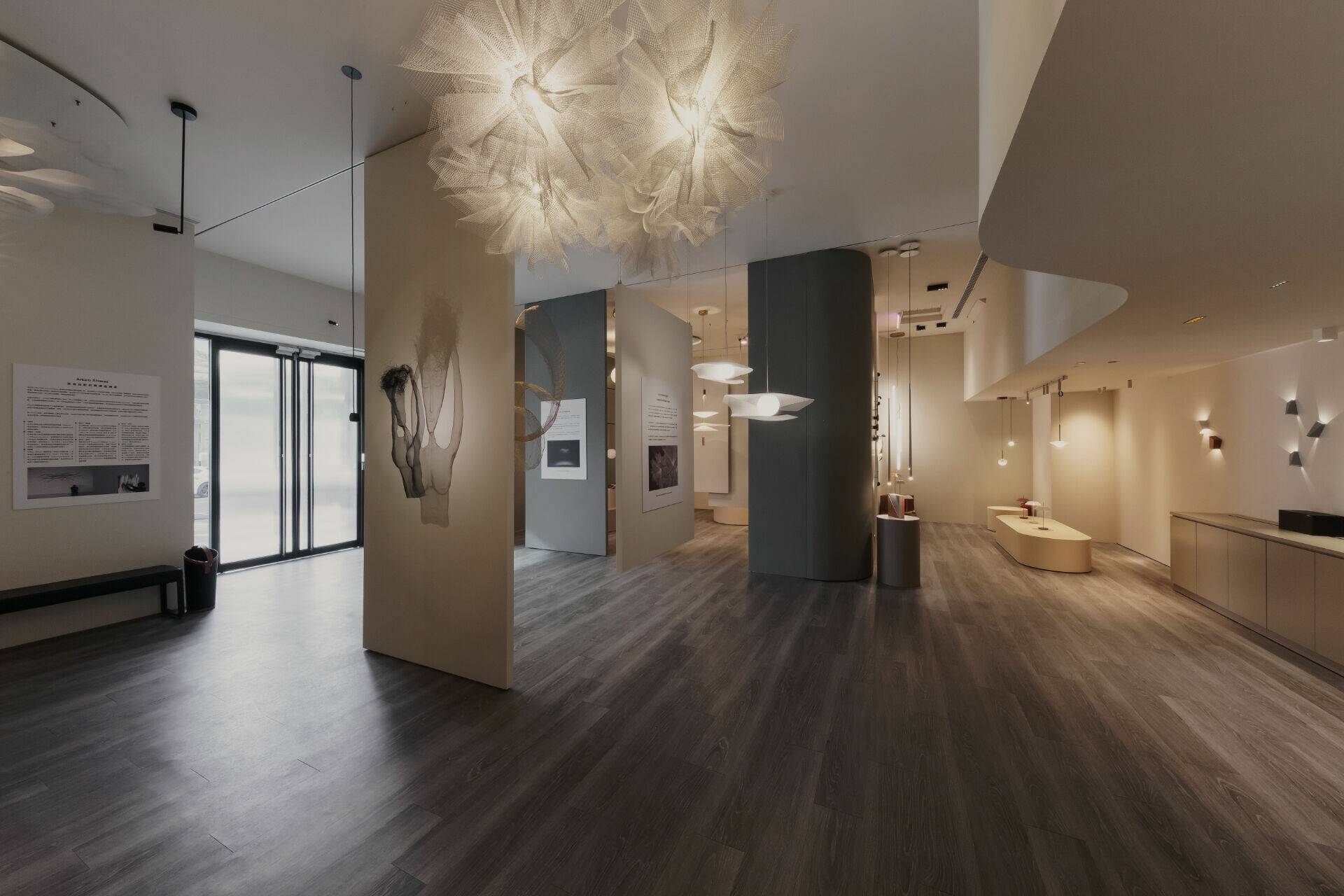
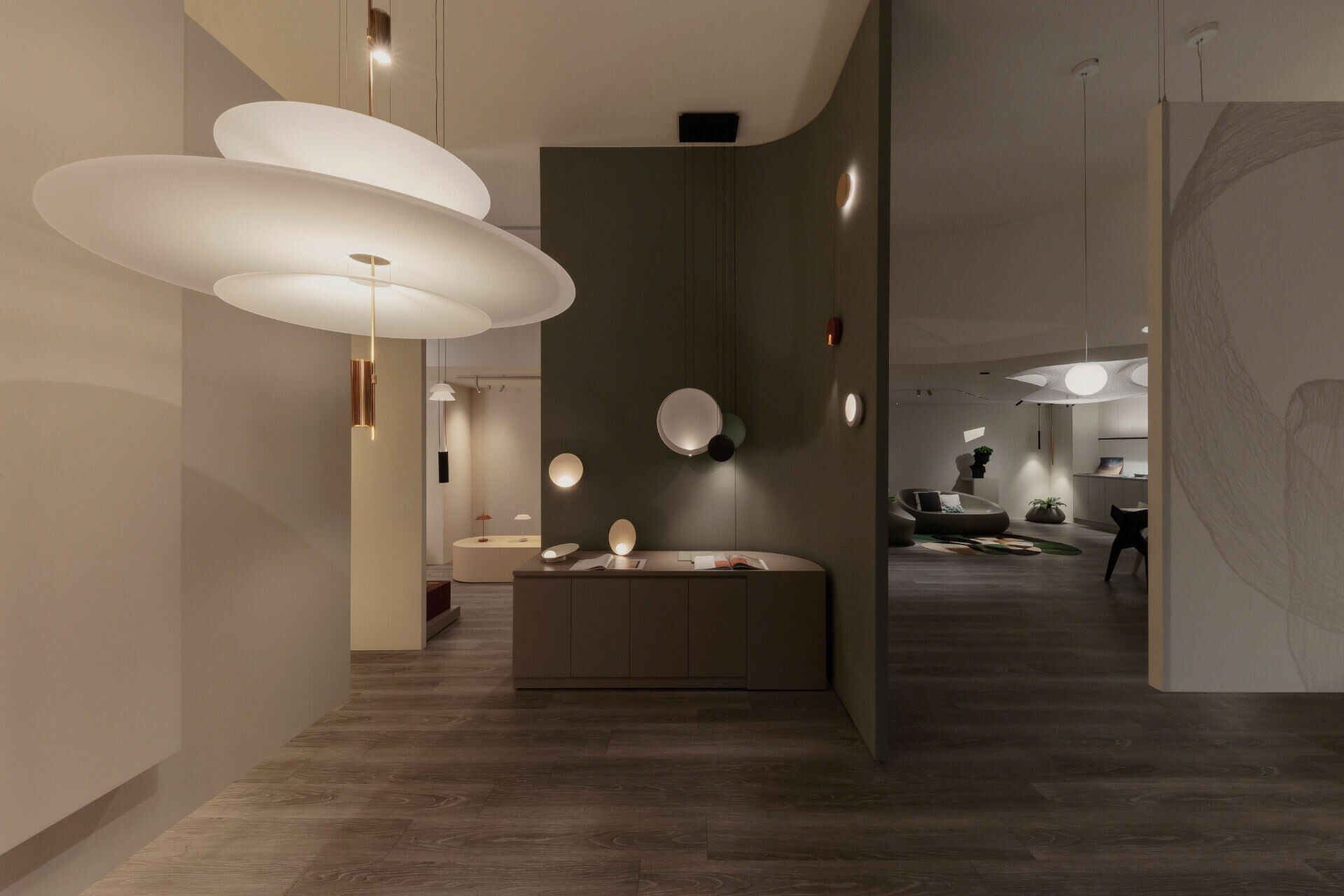
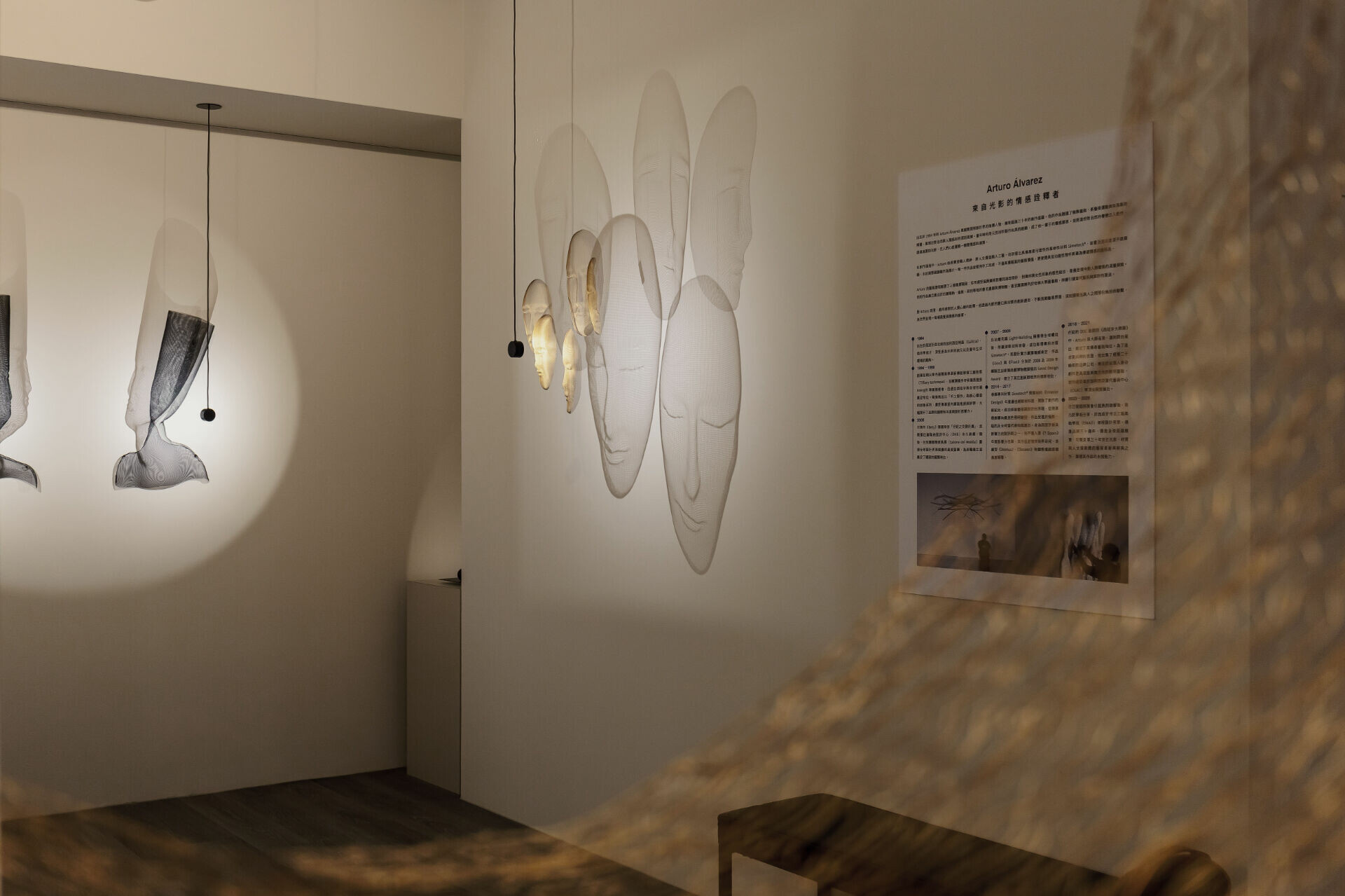
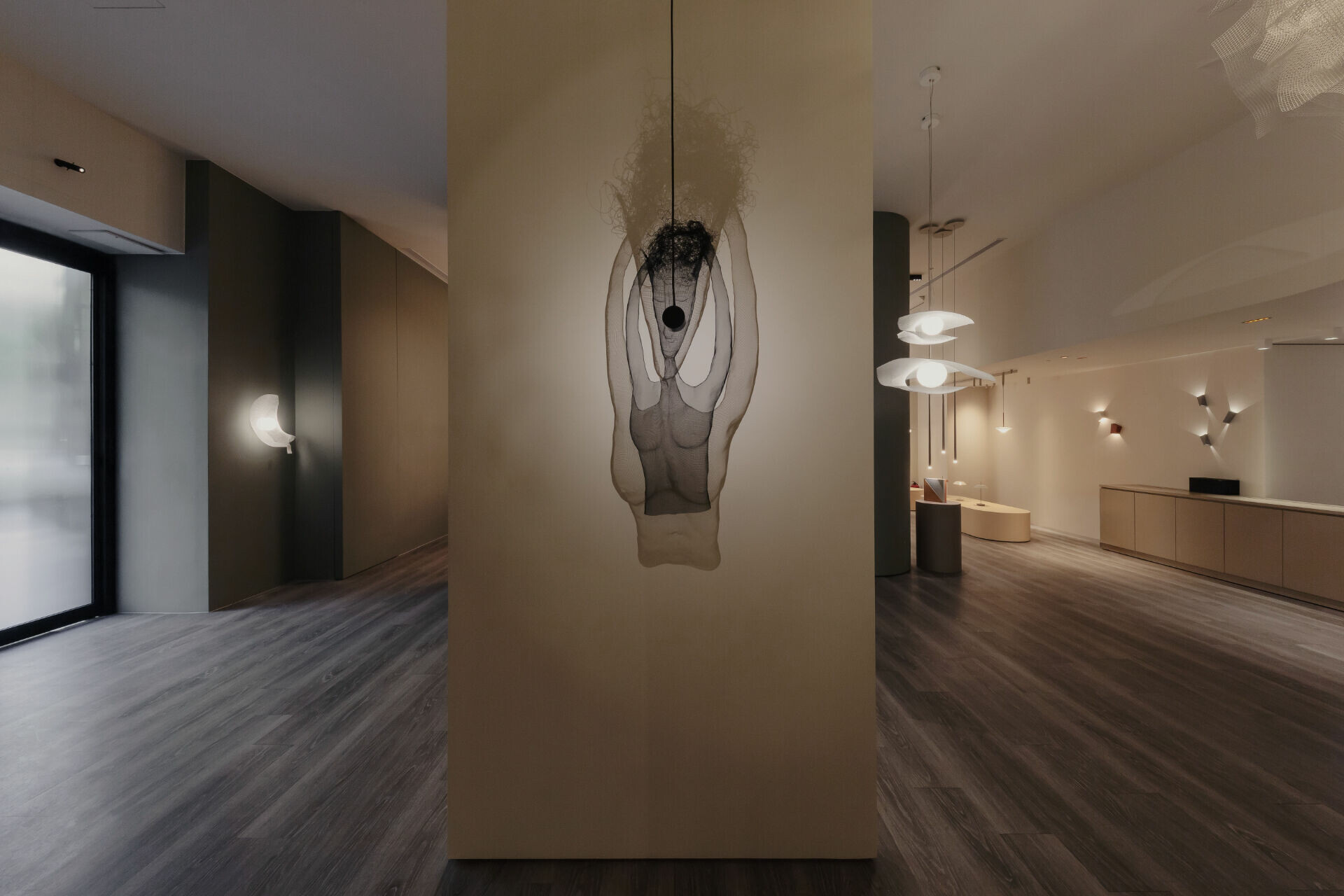
Within the generous showroom, each step is guided by light. The Art of Light and Shadow section unfolds like a journey of discovery. Here, sculptural light works by Spanish artist Arturo Álvarez, displayed on walls and tabletops, reveal how light can move beyond familiar expectations and enter into dialogue with space. Through carefully calibrated angles of projection, visitors can observe how light and shadow shift across different materials and structures, prompting both sensory response and emotional resonance. Ahead, the General Lighting and Smart Controls section extends the architectural language of Delta Light, where intelligent controls show how flexibly and intuitively light levels and atmosphere can be adjusted.
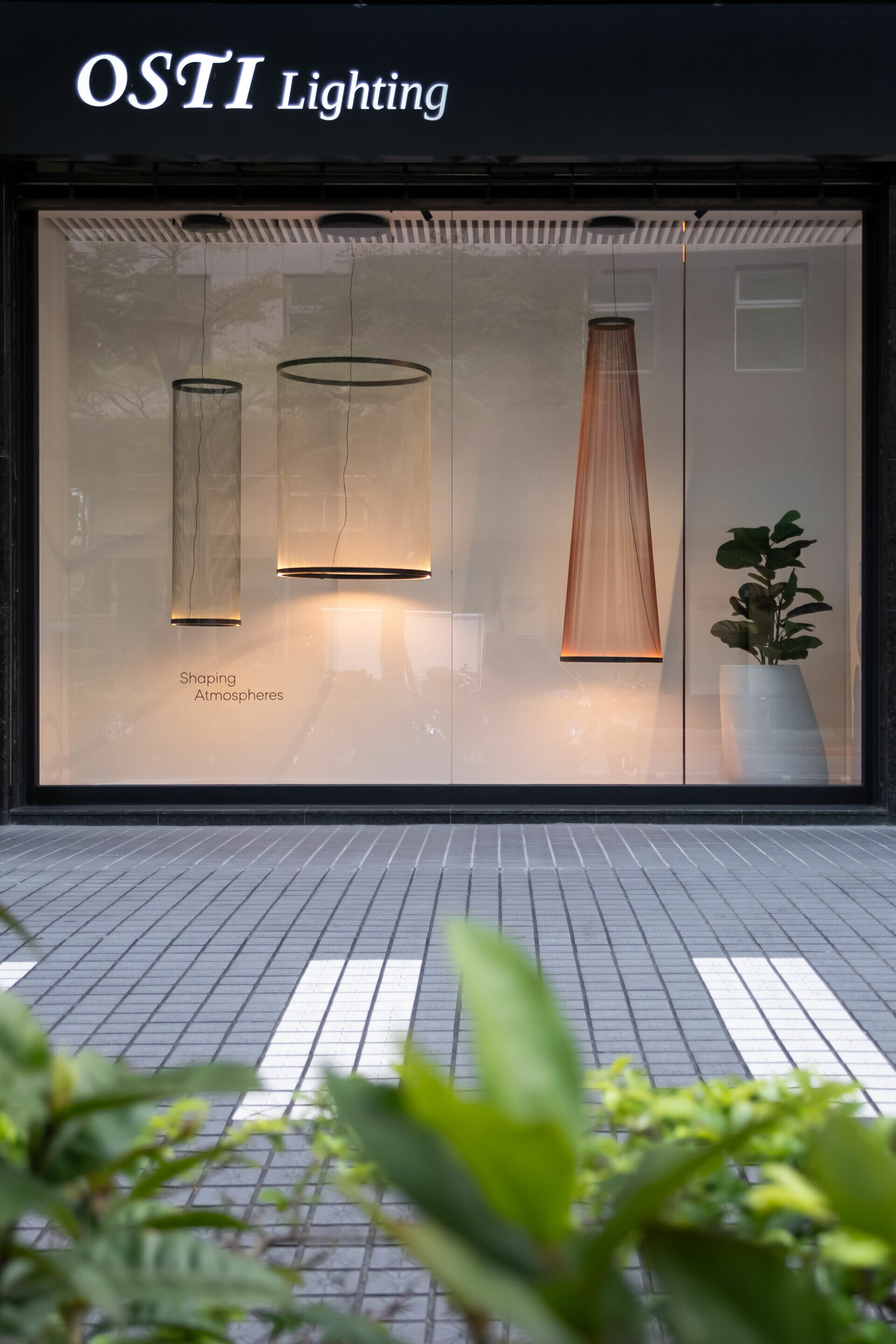
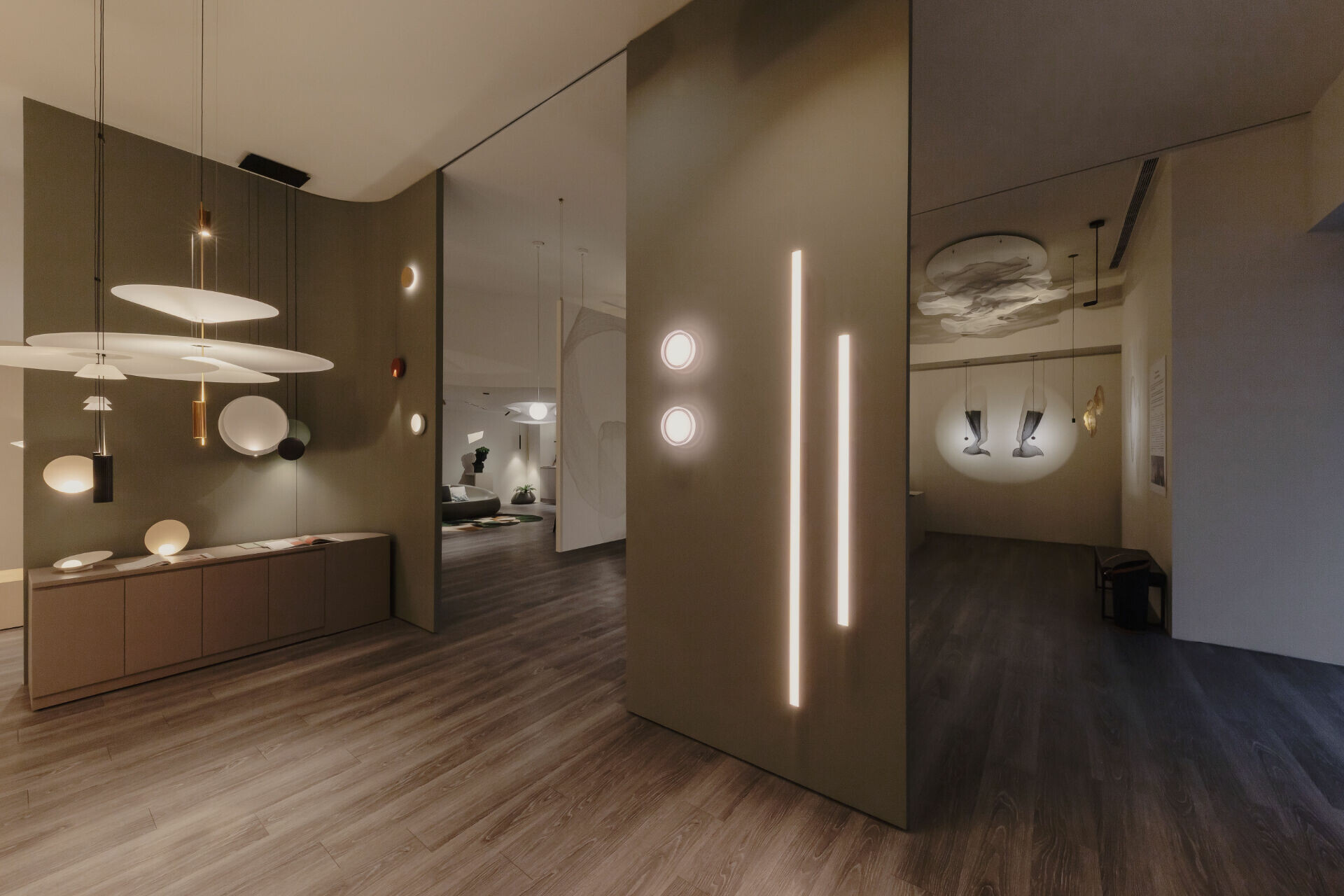
To one side, the Lighting Lab presents a modular display that allows visitors to adjust angle, brightness, and colour temperature freely, observing how different materials respond under changing conditions. The journey concludes in the Contemporary Spanish Aesthetics section, where, against a carefully composed neutral backdrop by VIBIA, luminaires show how line can lend a space greater depth, bringing aesthetics and function into balance while opening up new ways of thinking about spatial beauty. “From artistic atmosphere to practical application” was the guiding principle behind the planning of the flagship showroom. By linking four themed sections, the showroom creates a complete experience of light and shadow, leading visitors through successive layers of perception until they arrive at an emotional resonance with both.
The Aesthetic Value That Reframes Perception
Although the atmosphere of Lumière Art Gallery has been carefully calibrated, it is precisely within this restrained, pared-back setting that the emotional language of light becomes most tangible. Because every visitor lives in a different environment, Chen offers one-to-one professional lighting planning consultations within the showroom, guiding clients step by step as they experience how light and shadow unfold in different settings and come to understand their own needs more clearly. Drawing on both expertise and passion, she develops tailored lighting proposals, from fixture selection and colour temperature to brightness levels, translating the aesthetic vision first felt in the gallery into the lived reality of home.
A closer look suggests that the local lighting market has long been shaped by function and price, making it difficult for lighting to be understood as part of spatial design. Chen noted that before coming here, many people thought of lighting only in its most basic sense, as something that illuminates. At Lumière Art Gallery, however, clients are able to feel how light and shadow lend warmth to a space. Her hope is to help people see lighting anew, so that light and shadow may come to be recognised as an indispensable medium for art and emotion in everyday life.