WABISABI
  • Projects
    • Worldwide
    • Interiors
    • Features
  • Contemporary
    • Exhibitions
  • Record
  • Lifestyle
  • City Explore
  • News
  • Issue
  • Account
  • Search
  • Language
Mobile nav


Listening to the Body, Tracing Tea Back to Its Source — YO CHI EN


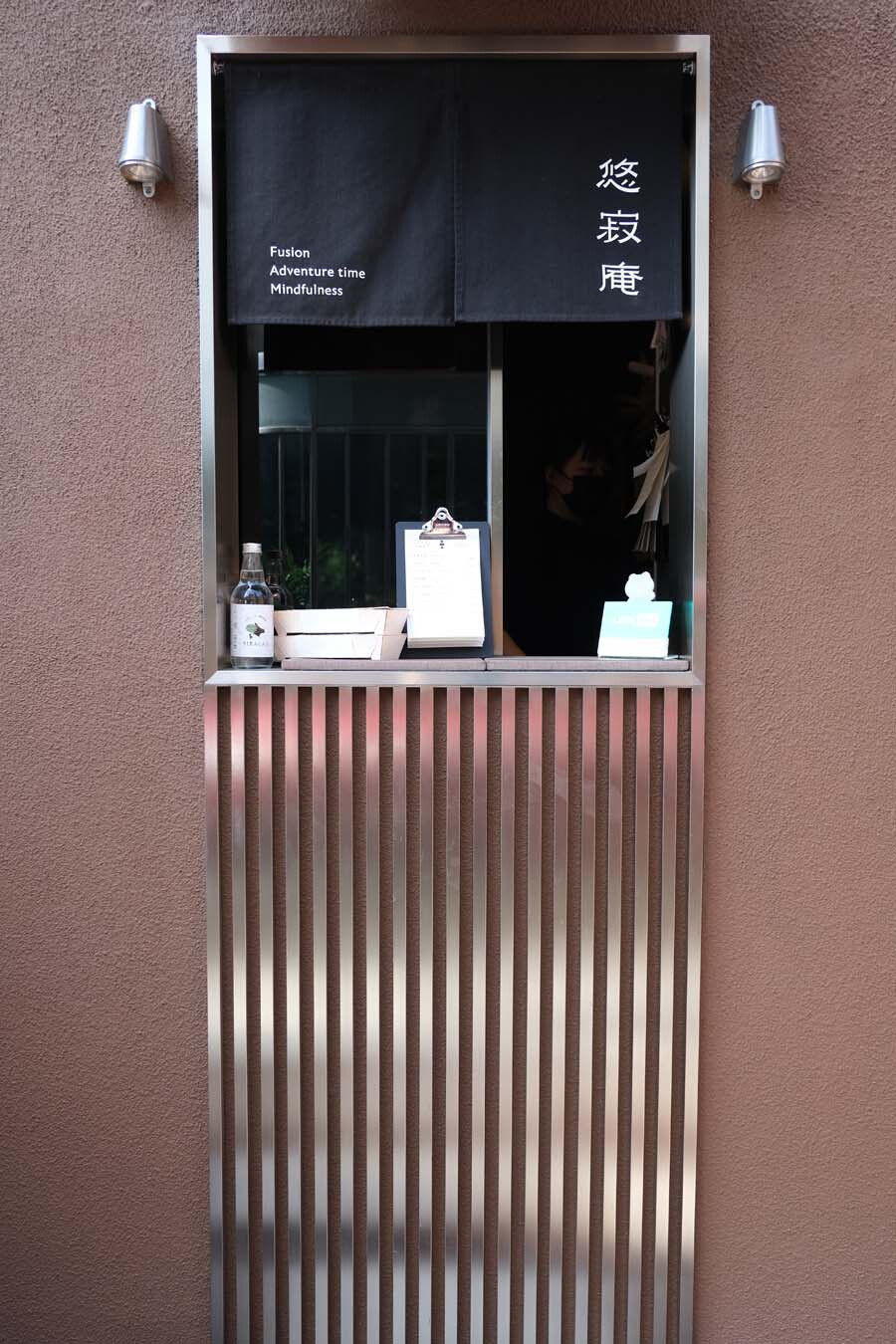
Yo Chi En began in fits and starts, with the unguarded courage of a child reaching for each flash of inspiration before learning to fear failure. Today, it is a quiet, dimly lit tea room in the Shen Ji New Village area of Taichung, a neighbourhood known for its cultural life. A single takeaway window is set into the muted ochre-red façade, where customers collect gift boxes and food ordered online. To the right, a fabric curtain conceals a stepping-stone path leading inside. The tea room receives only a small number of guests, all by reservation. From the street, little of the interior is visible, leaving passers-by a moment to pause and look.


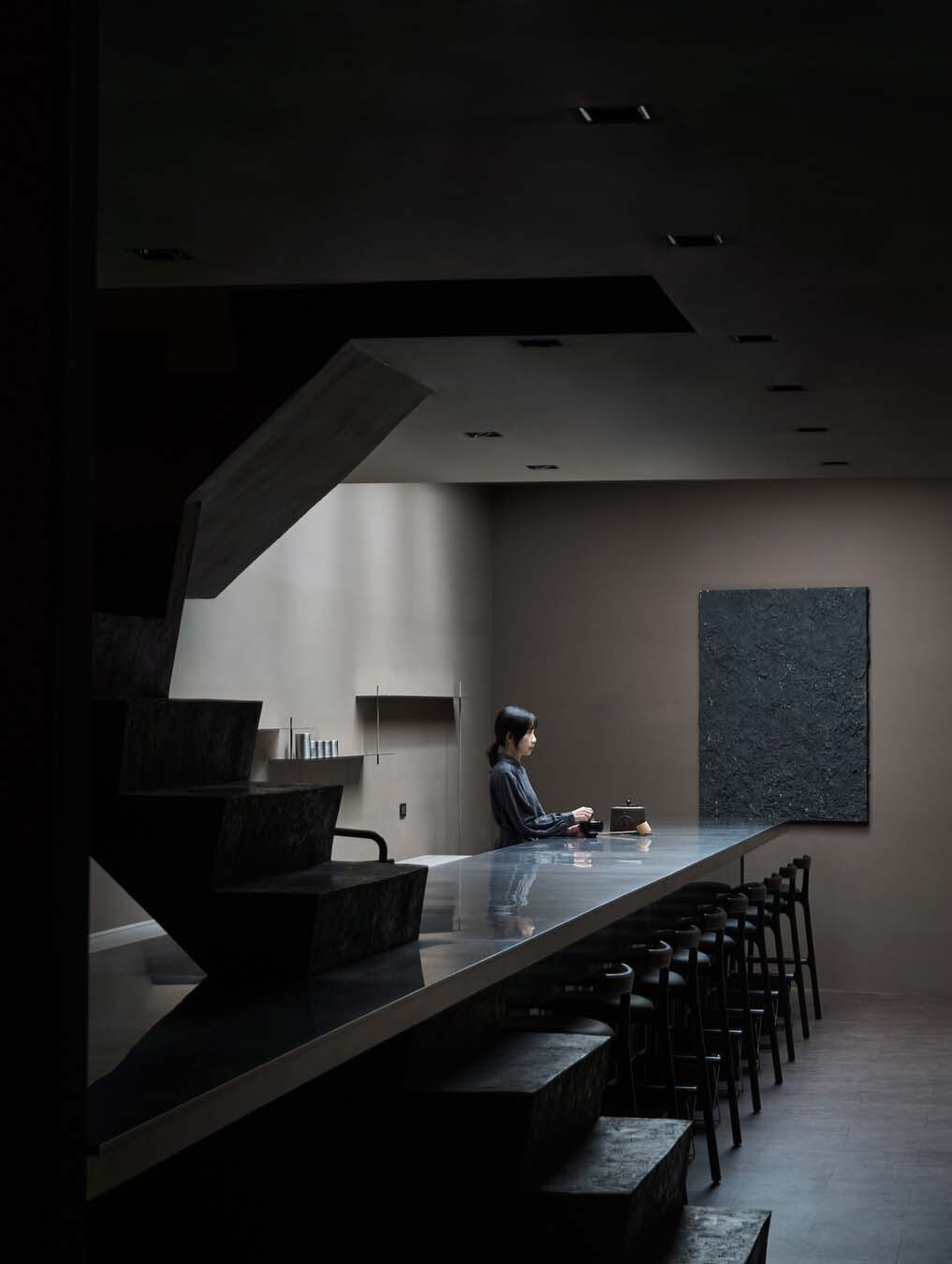
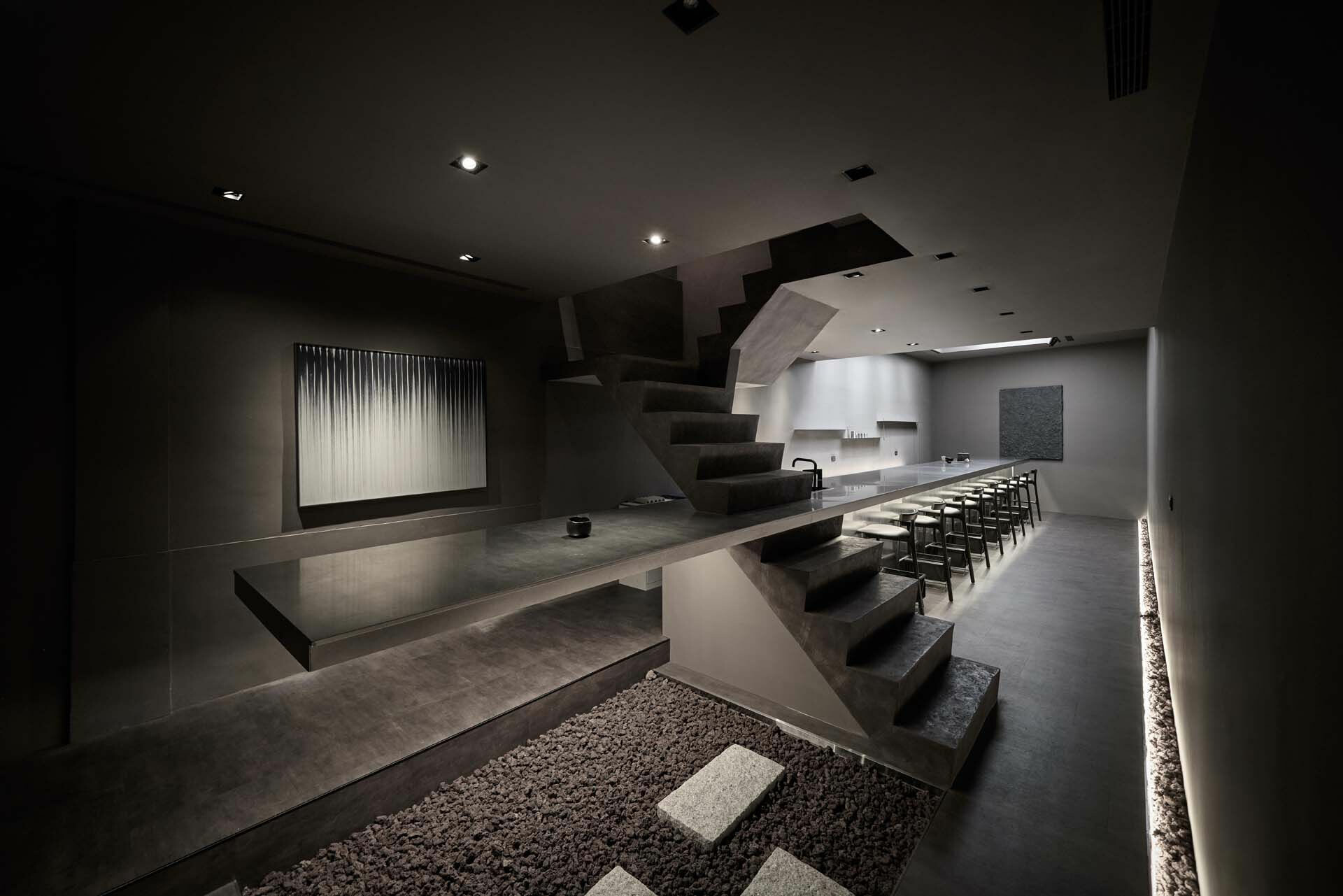
Past the curtain, the narrow passage darkens with each step, and the scrape of gravel underfoot becomes increasingly distinct. As the view narrows, every sound and movement feels more immediate. At the threshold, a long stainless-steel counter comes into view, appearing to float, its far end caught in light. Guests sit opposite the tea host, who guides them through three teas, each asking them to notice something different within themselves. They turn the bowl quietly, breathe in the aroma and feel tension begin to ease as the tea warms the body from within. When the host asks, “How do you feel now?”, what lingers is not a distinct flavour but a quiet fullness that gathers slowly and resists description.
Yo Chi En’s Shitaisei: Asking Why We Drink Tea


In “The Origin”, the opening chapter of The Classic of Tea, Lu Yu describes tea as “cold” in nature and best suited, as a drink, to those of disciplined conduct and frugal habits. He also writes about where tea grows, the physical characteristics of the plant and its medicinal uses. As Yo Chi En’s three founders studied, prepared and tasted tea, they came to recognise how much human intervention enters the process once tea becomes a commercial product. Fertilisation, pesticide use and processing all shape flavour and quality. Yet understanding how the system worked still did not answer the simplest question: why drink tea at all? Their thinking shifted after a chance encounter with organically grown teas made from varieties native to Taiwan and teas from low-intervention gardens. They experienced these teas, cultivated without chemical pesticides, as gentle and balanced, and noticeably easier on the body. Yo Chi En calls this Shitaisei, its own term for how well a tea agrees with the body. The founders began to see it as a possible answer.


Yo Chi En’s business took shape just as indirectly. The three founders had first travelled to Japan to study confectionery, hoping to develop a gift box around a custom-shaped monaka, a Japanese wafer confection. When choosing the site, the long, narrow layout was selected for a simple reason: it suited a front dining area and a kitchen at the rear. Only after signing the lease did they discover the old house’s limited electrical capacity. After agreeing with the landlord to forgo open flames, they adapted the space into an offline experience store. A giant golden rabbit, whose Chinese name means “Two Million Taels”, sprawls across the outer edge of the upper-floor balcony. It recalls the costly custom mould the founders commissioned from a major Japanese manufacturer. With the confection settled, they began exploring teas to serve alongside it. From then on, each decision required a trade-off between Shitaisei and market demand. Holding to the principle meant fewer ingredients to choose from and a smaller audience. Was it worth it? What should take priority?


A Path Shaped by Bodily Awareness


Perhaps they were young enough to believe that steady work would eventually bring an answer. That conviction kept drawing them into unfamiliar territory. When the wholesale price of Japanese matcha began to fluctuate, curiosity took them to tea-growing regions in Japan to understand why. There they learnt that commercial matcha is often blended to create a recognisable house style. Determined to trace flavour back to cultivar and terroir, they began exploring the character of individual cultivars and working with regional growers. This led to the introduction of single-cultivar matcha at Yo Chi En. 


At Yo Chi En, Japanese wagashi, teas made from native Taiwanese varieties and Japanese matcha are brought together in an unlikely, almost experimental combination. Although the three offerings appear to pull in different directions, the same values run through them all. Yo Chi En’s method of whisking matcha draws on techniques learnt through the Urasenke tradition of chadō. Brisk, precise whisking produces a fine froth. On the palate, the matcha reveals layers of texture and flavour, while the differences between teas from different terroirs become more pronounced and their umami comes to the fore. For a moment, guests can set aside formal rules and etiquette, trust what they feel and find their own way of drinking tea.


Seated in the room, one notices how a newly installed stainless-steel counter meets the existing staircase to the upper floor. What began as a compromise between old and new also came, almost unintentionally, to reflect Yo Chi En’s willingness to work with circumstances as they are. Water marks and scratches continue to gather on the steel. Light shifts through the skylight, and several abstract paintings, dark and dense as ink, hang nearby. The room does not hide wear or fading. In this setting, it becomes easier to accept imperfection and to see the beauty of time in each flaw. The name Yo Chi En echoes the Japanese word yōchien, meaning “kindergarten”. It reflects the three founders’ wish to remain beginners: to keep learning as they go, until the way forward becomes clear.


YO CHI EN
  • About
  • Privacy policy
  • Track Order
  • Customer
  • Contact
  • Join us
FACEBOOK
instagram
Language

Copyright © WABISABI ISSUE. 侘寂傳媒有限公司 統一編號:90451315

  • Projects
    • Worldwide
    • Interiors
    • Features
  • Contemporary
    • Exhibitions
  • Record
  • Lifestyle
  • City Explore
  • News
  • Issue
  • About
  • Privacy policy
  • Track Order
  • Customer
  • Contact
  • Join us
Language