Return to Inner Peace and the Beauty of Simple Tranquility—SPUTNIK LAB
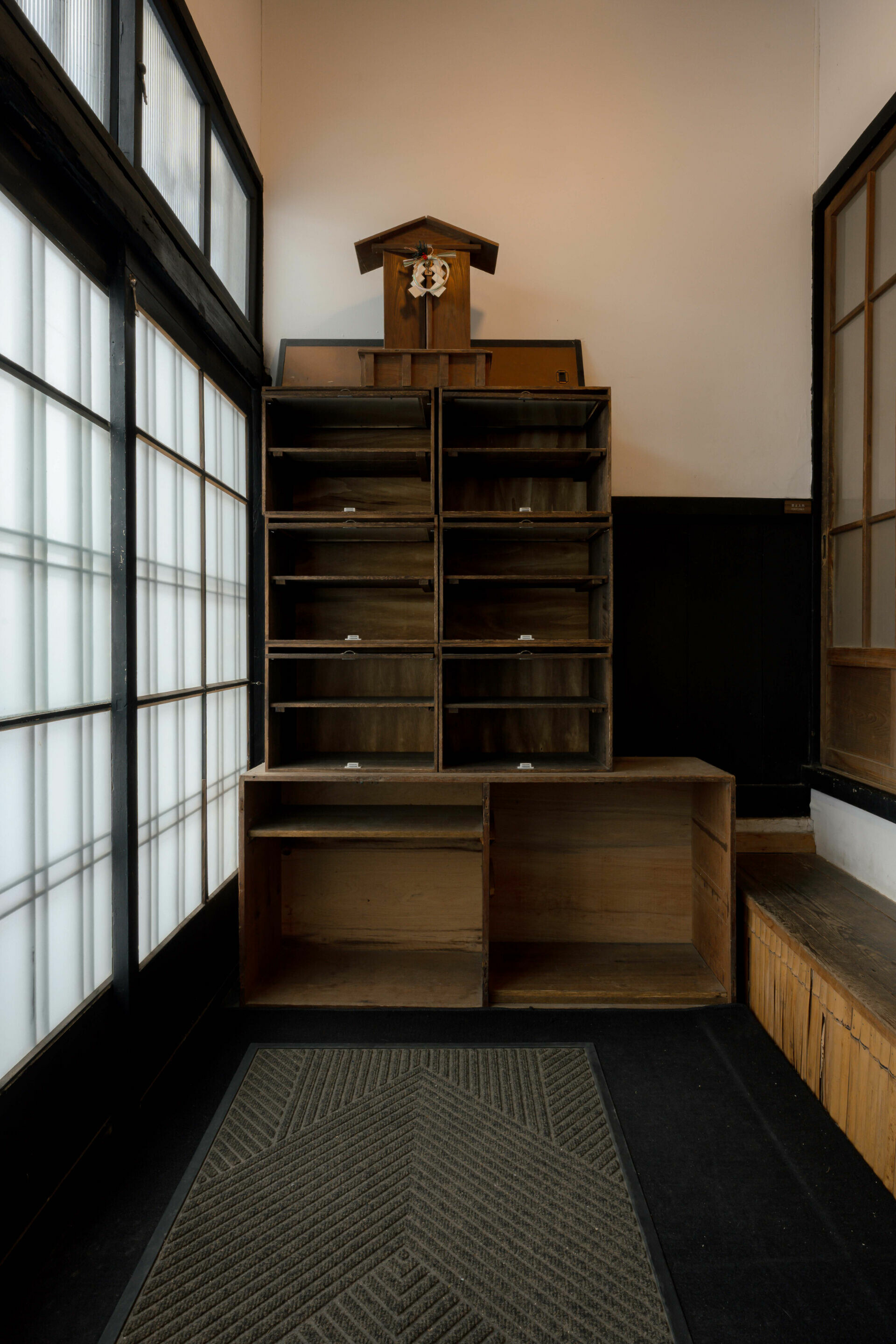
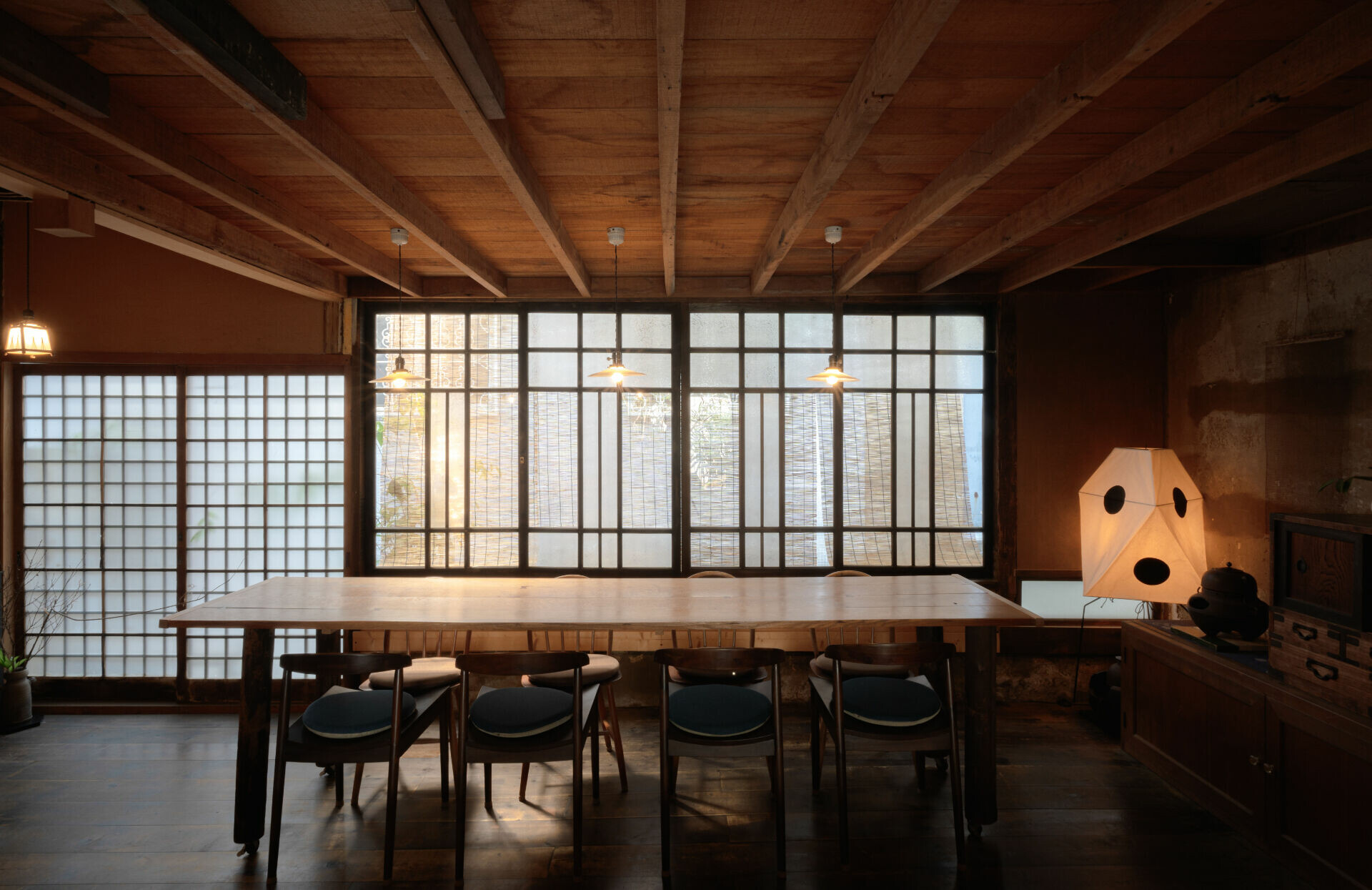
“Wa Kei Sei Jaku” (和敬清寂) — harmony, respect, purity, and tranquility — embodies the essential spirit of the Japanese tea ceremony. It reflects a mutual reverence between host and guest, a shared pursuit of spiritual clarity, and the maintenance of unadorned beauty in the tools, the tea room, and the surrounding garden. This concise phrase captures not only the Zen philosophy underpinning the tea ceremony but also a broader ideal of cultivated living. Stepping into Sputnik Lab, quietly hidden down a narrow lane in Tainan, is like slipping into another era. The rustic elegance of the space seems to suspend time, anchoring visitors in the period of Japanese rule. Here, the gentle aging of the wooden former dormitory speaks of history rather than decay. Timeworn furnishings, each bearing the patina of years, are arranged with thoughtful restraint. The air carries the subtle, lingering aroma of aloeswood, inviting the mind to settle into calm reflection.
Honoring Machiya Heritage: Restoring the Authentic Spirit of a Japanese Teahouse
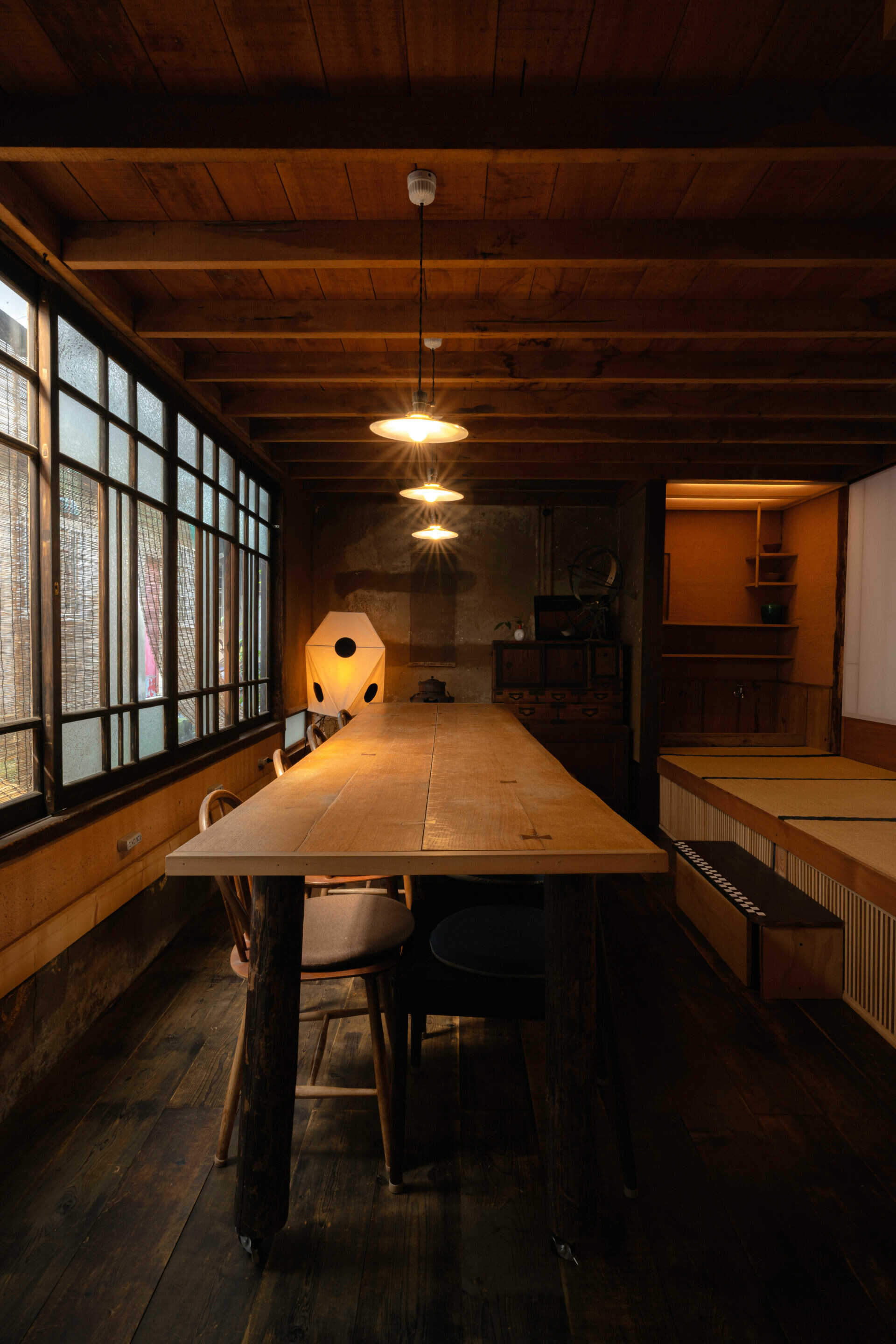
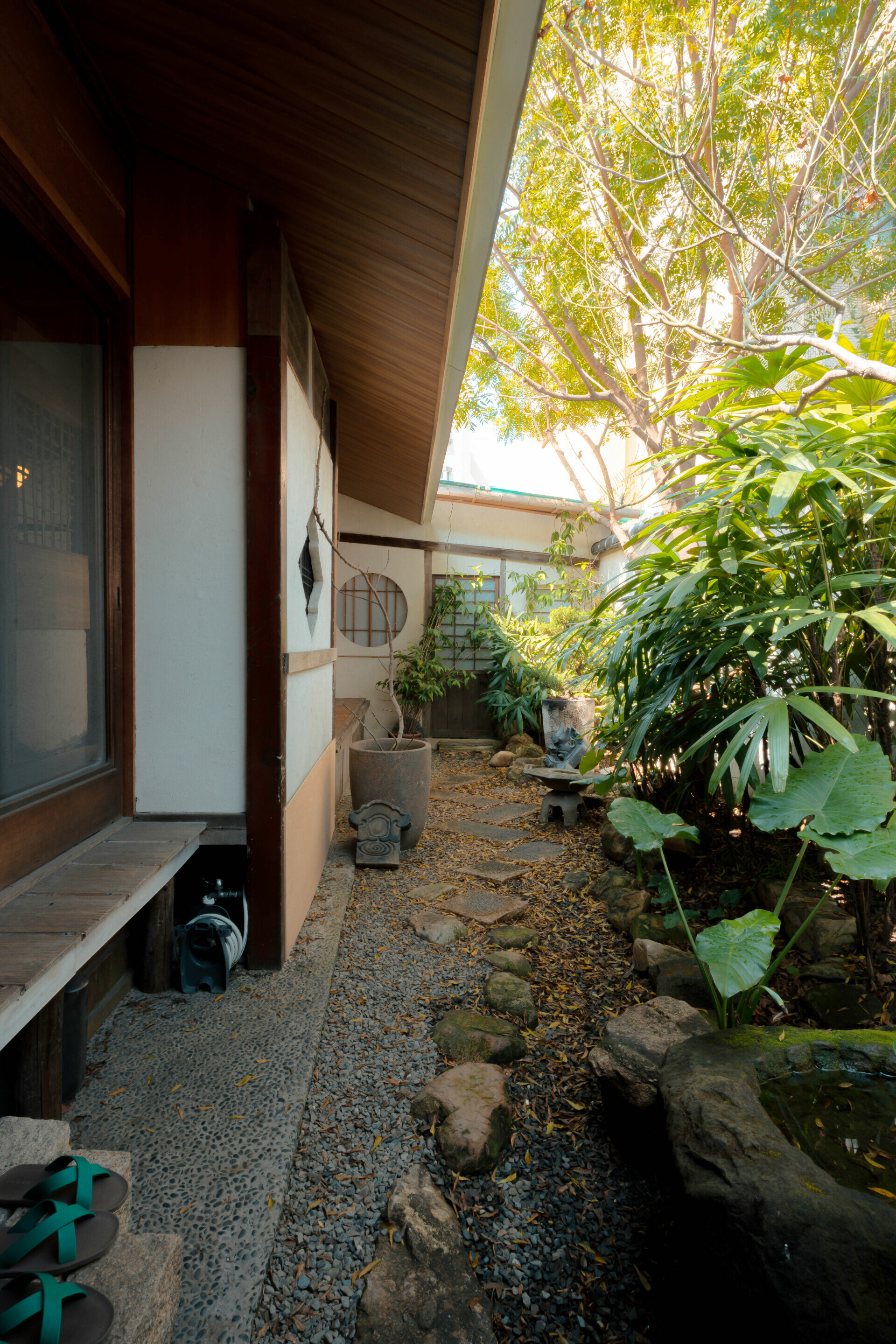
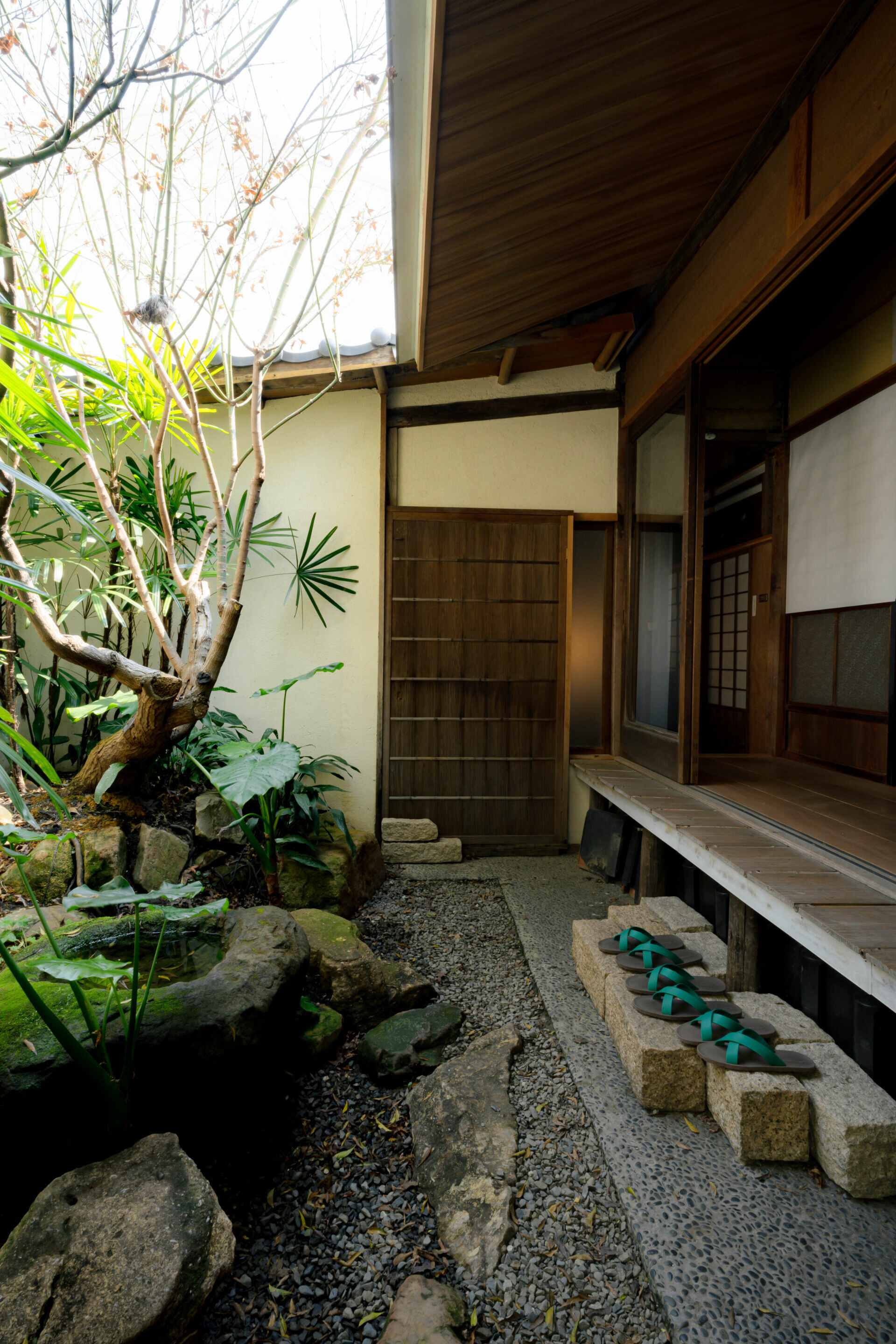
While echoes of traditional Japanese architecture can still be found across Tainan’s streets and alleys, Sputnik Lab—originally a wooden machiya townhouse dating to the Japanese colonial period—possesses a uniquely ethereal character. Nestled quietly near Tainan Station, its weathered timber, unembellished facades, and lush plantings offer a subdued welcome to those who discover it. Inside, the fine wooden structure of the original house remains intact, offering a tactile connection to the spirit of the machiya. This enduring quality was what first captivated Liu Shang-Ming, the teahouse’s founder.
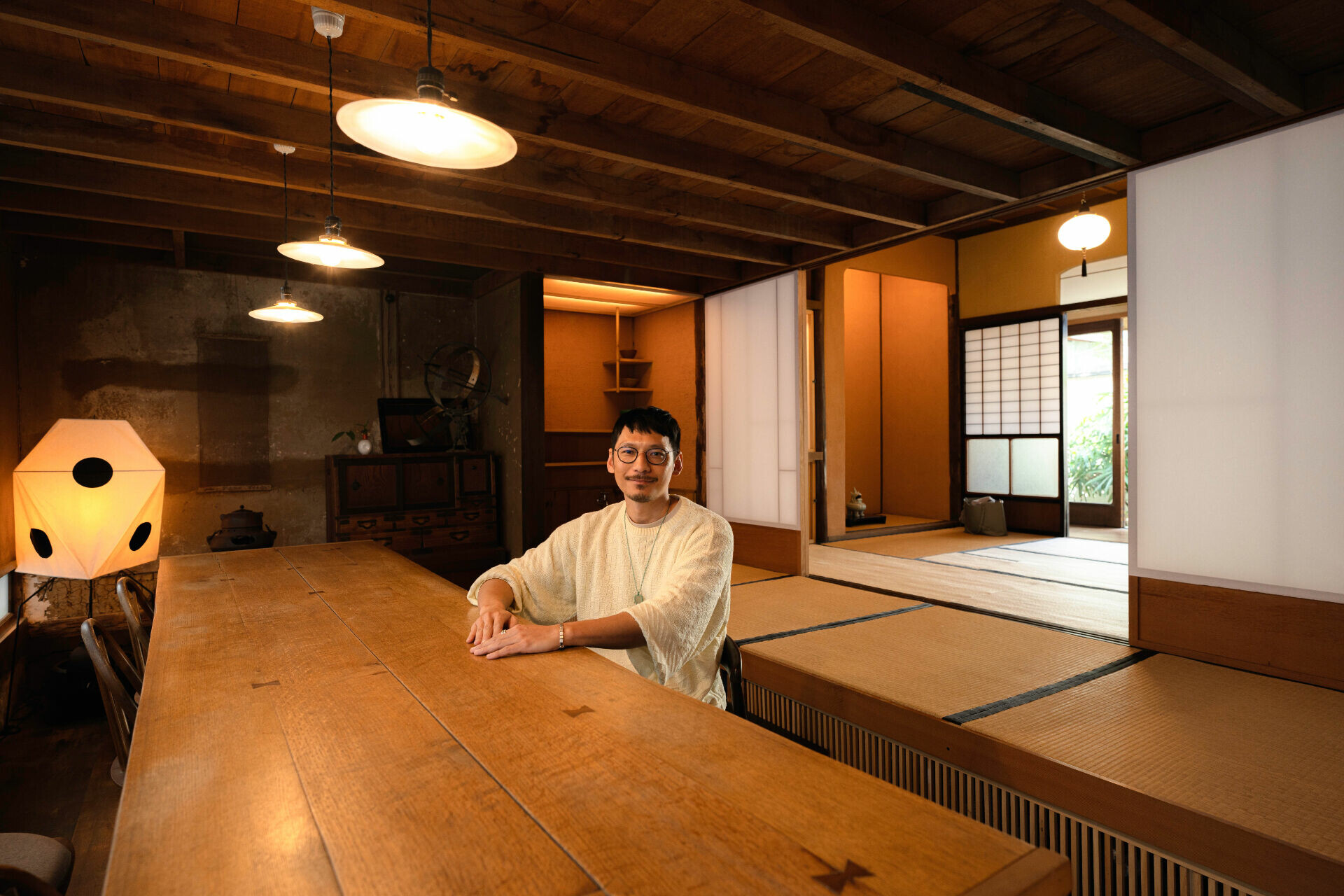
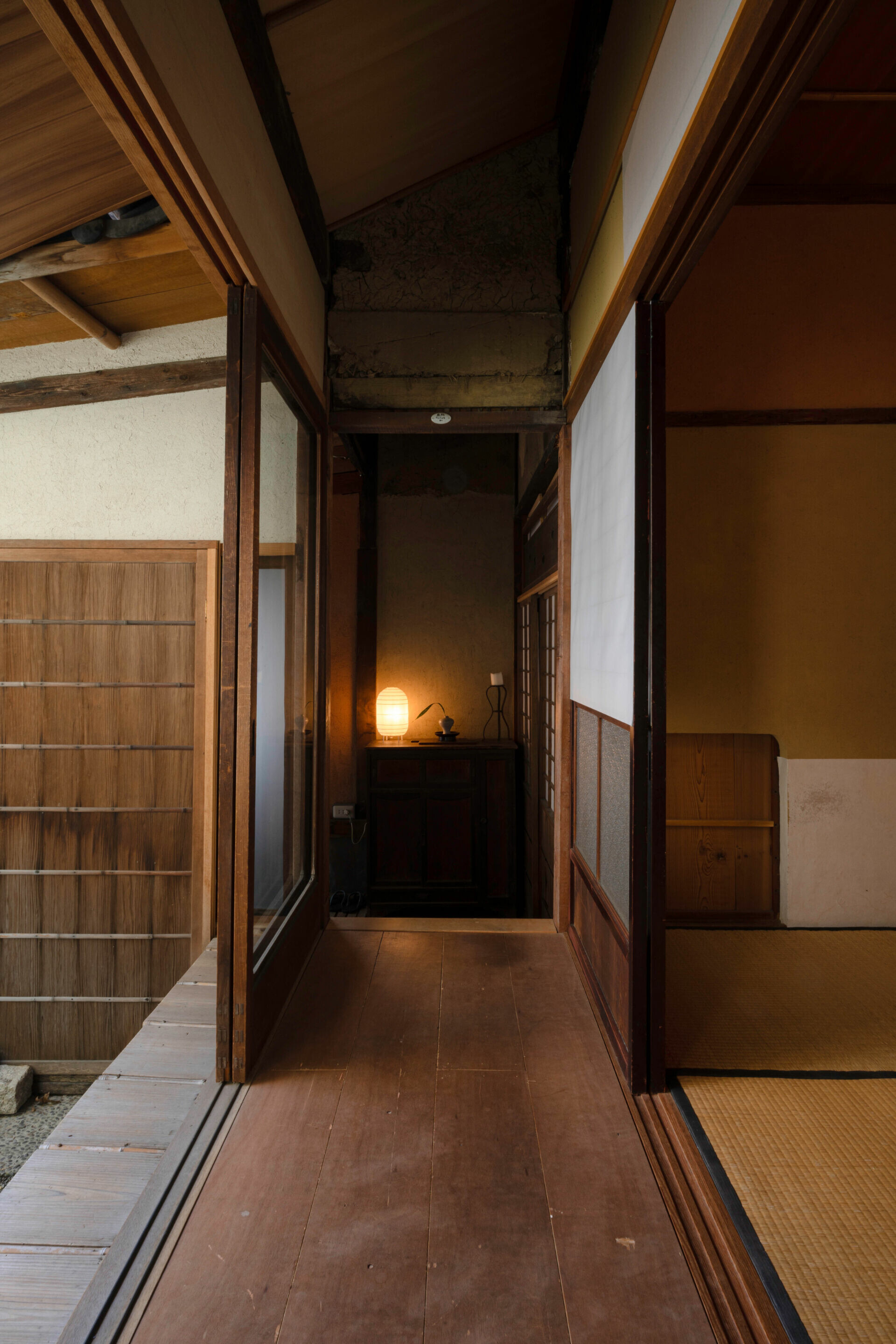
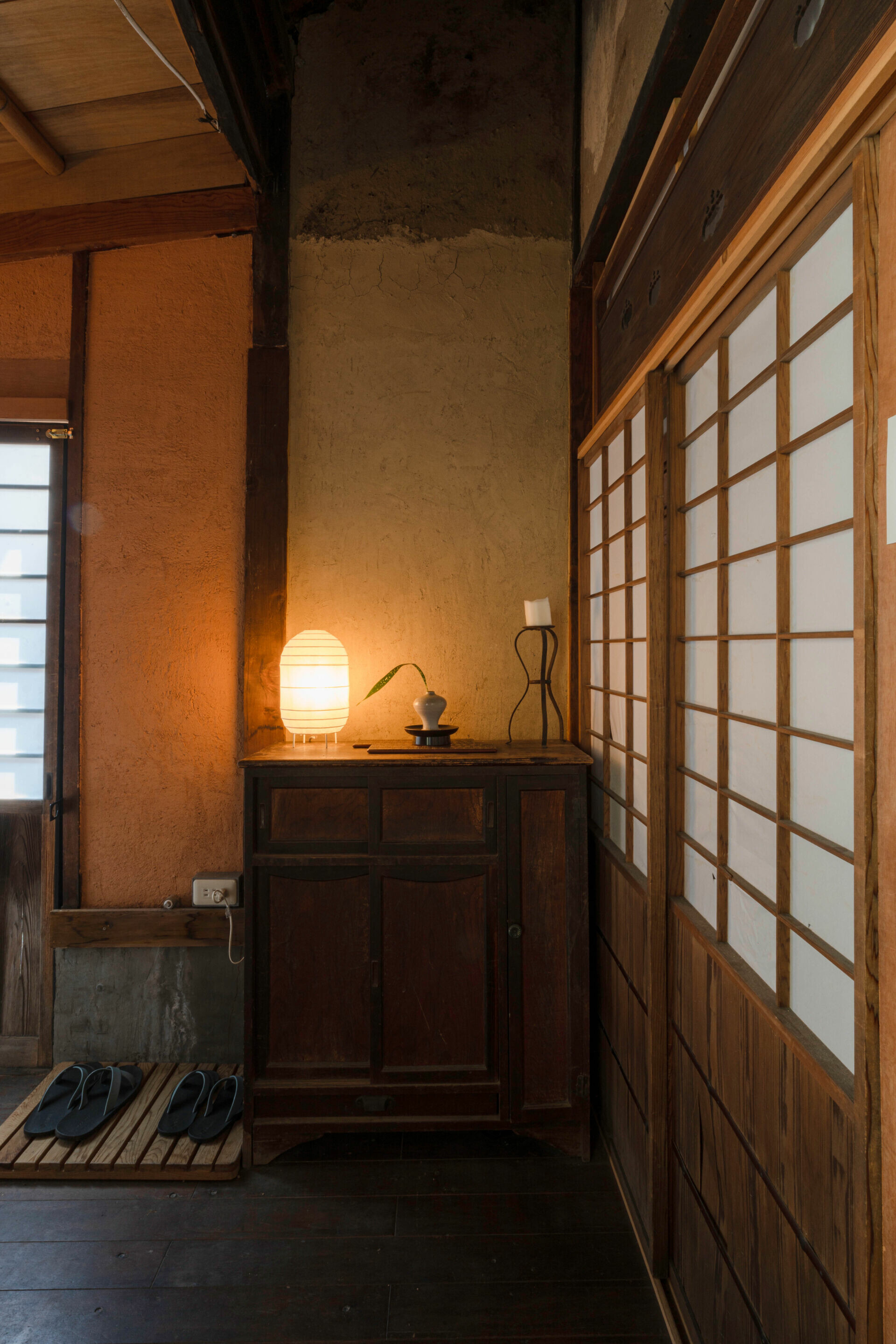
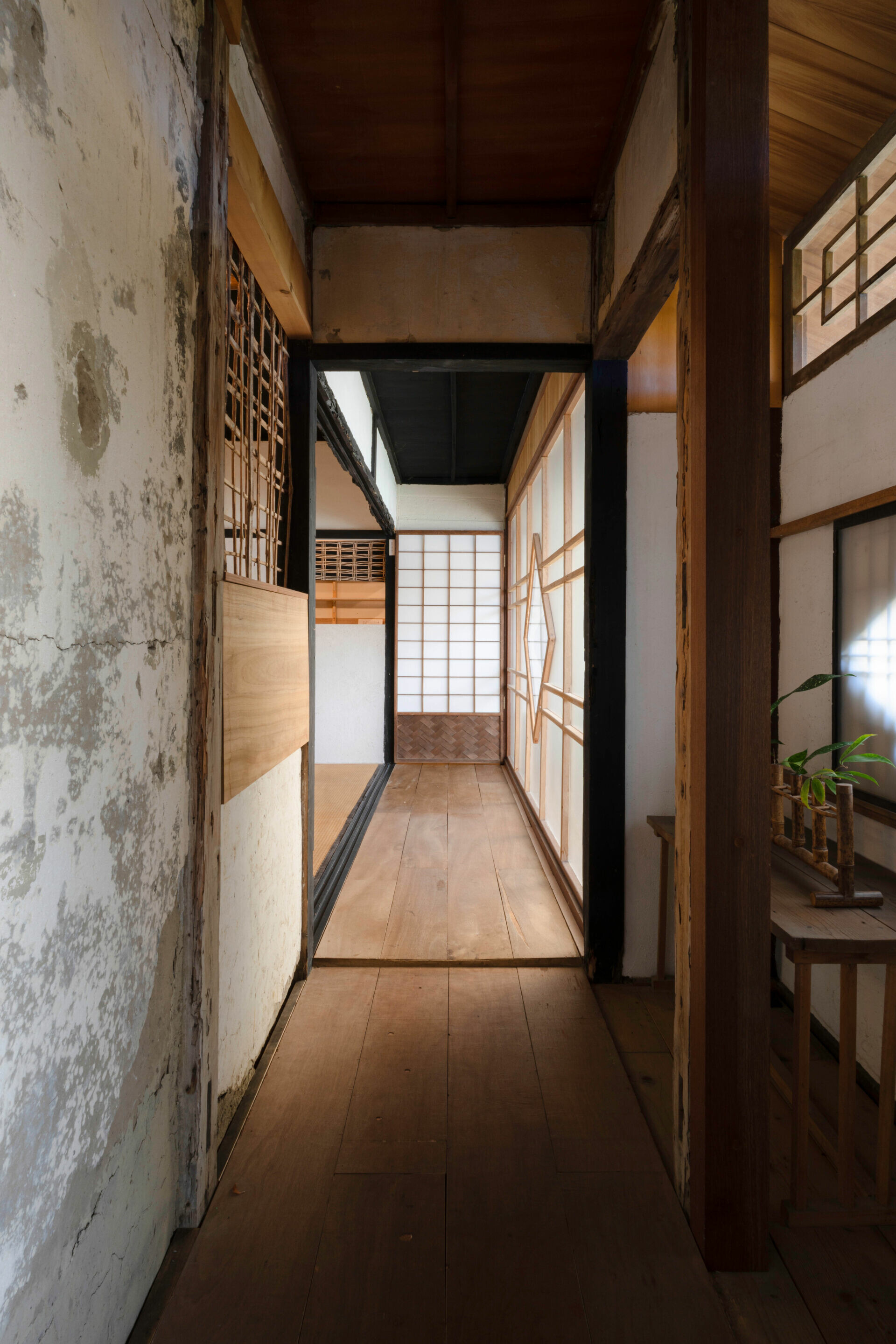
Initially, the building served as Liu’s private studio and residence. But as friends and acquaintances visited, Liu began to see the potential to share this serene, spacious setting more widely. At the time, Japanese teahouses were rare in Taiwan, and Liu envisioned creating a space where visitors could engage deeply with the refined world of Japanese tea culture. With a background in interior design, Liu personally oversaw the restoration. He leased three adjoining structures, removed existing corridor walls to establish a fluid, elongated layout, and traveled to Kyoto and the Kansai region to study authentic teahouse materials and construction techniques. He also consulted original Japanese texts on historic architecture to guide the restoration, aiming to preserve the residence’s authentic form to the greatest extent possible.
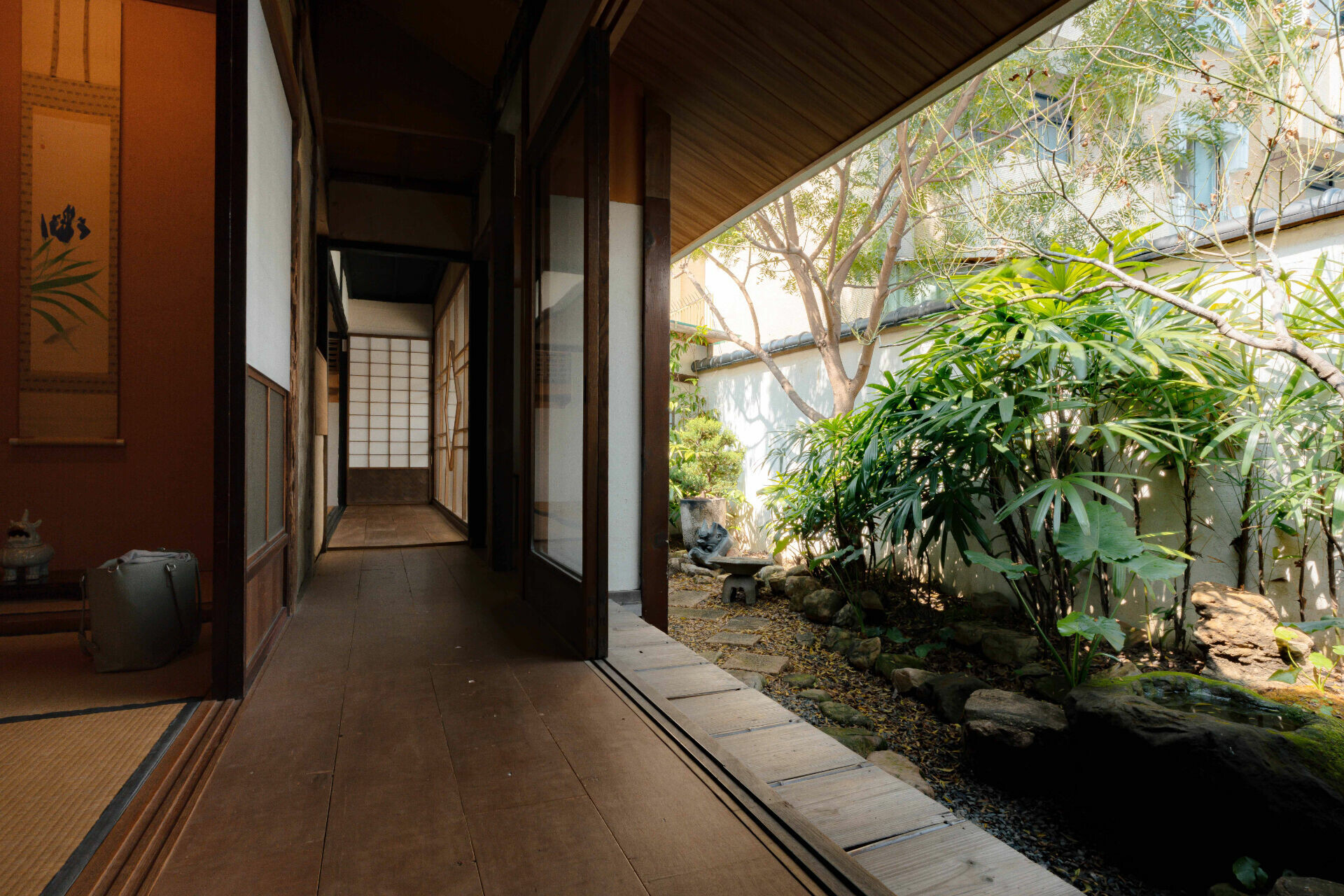
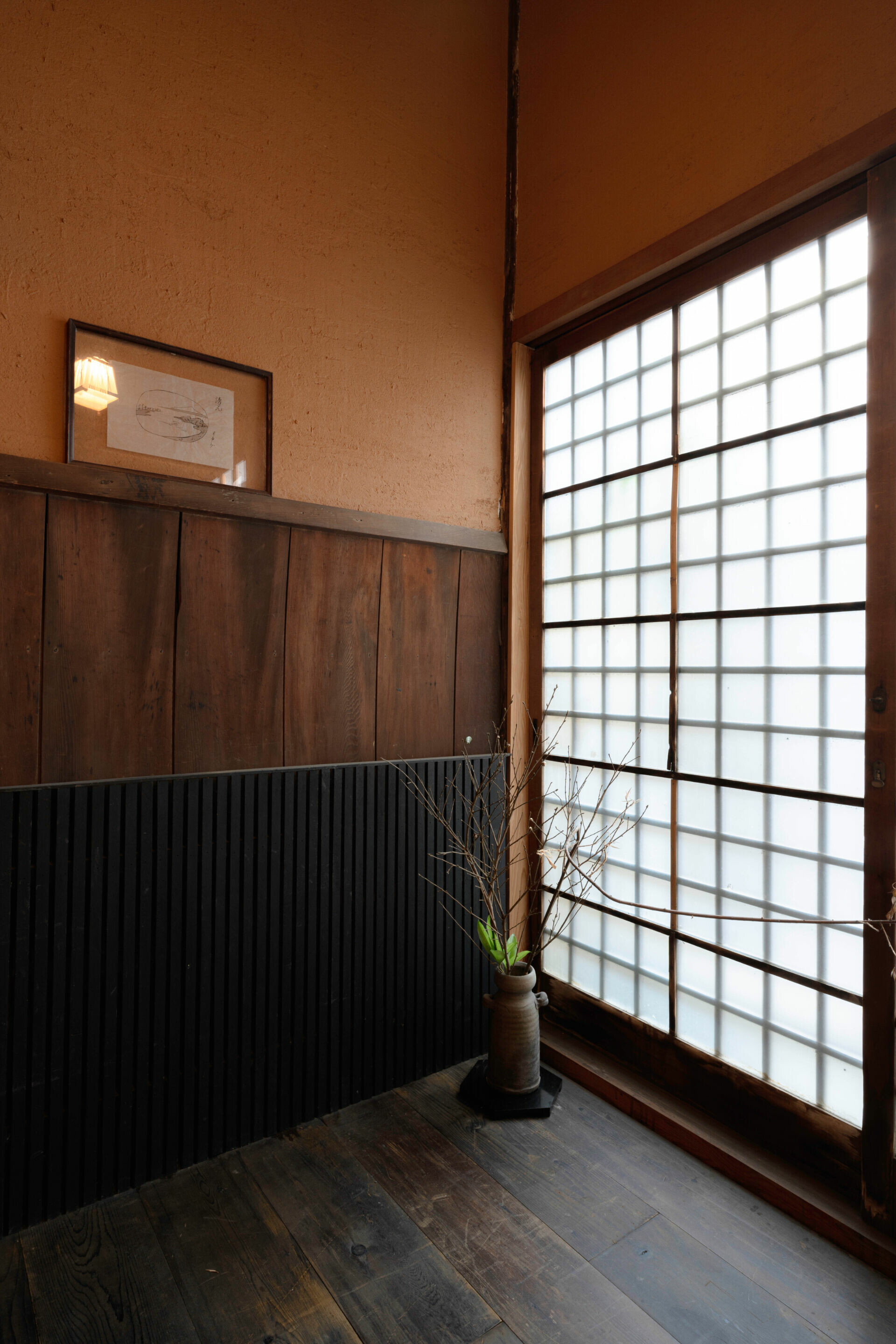
“I wanted to preserve elements from the Showa era,” Liu explains. “That period’s craftsmanship continues to inspire me.” Where others might have replaced deteriorated wood or peeling walls, Liu chose to embrace the natural traces of time. Rather than masking the effects of age, he sought out reclaimed building materials—vintage cedar and cypress among them—and used textured plaster to seamlessly integrate repairs with the original walls and surfaces. In every corner, the raw materials are left honest and visible. Visitors can read the past in exposed timbers and weathered surfaces, appreciating the wabi-sabi beauty of impermanence. This quiet authenticity extends beyond aesthetics; it invites contemplation of the traditional respect for natural materials and the passage of time.
A Sanctuary Within the City: Experiencing Life Through Tea
The name Sputnik Lab reflects Liu’s broader design philosophy. It originated from his earlier creative studio, Sputnik Lab, where Sputnik—the Russian word for “satellite”—also connotes a traveling companion. Liu wanted to avoid creating work that felt exclusive or disconnected from daily life. When the teahouse opened, he chose the character Wei (衛, meaning“to protect”) to symbolize his intent to preserve the historical traces of the machiya, while Chashi (茶事) denotes a space devoted to all things related to tea. The teahouse offers more than a place to drink tea. It hosts tea ceremony classes, cultural exhibitions, and seasonal gatherings, fostering a deeper connection between visitors and the philosophy of tea.
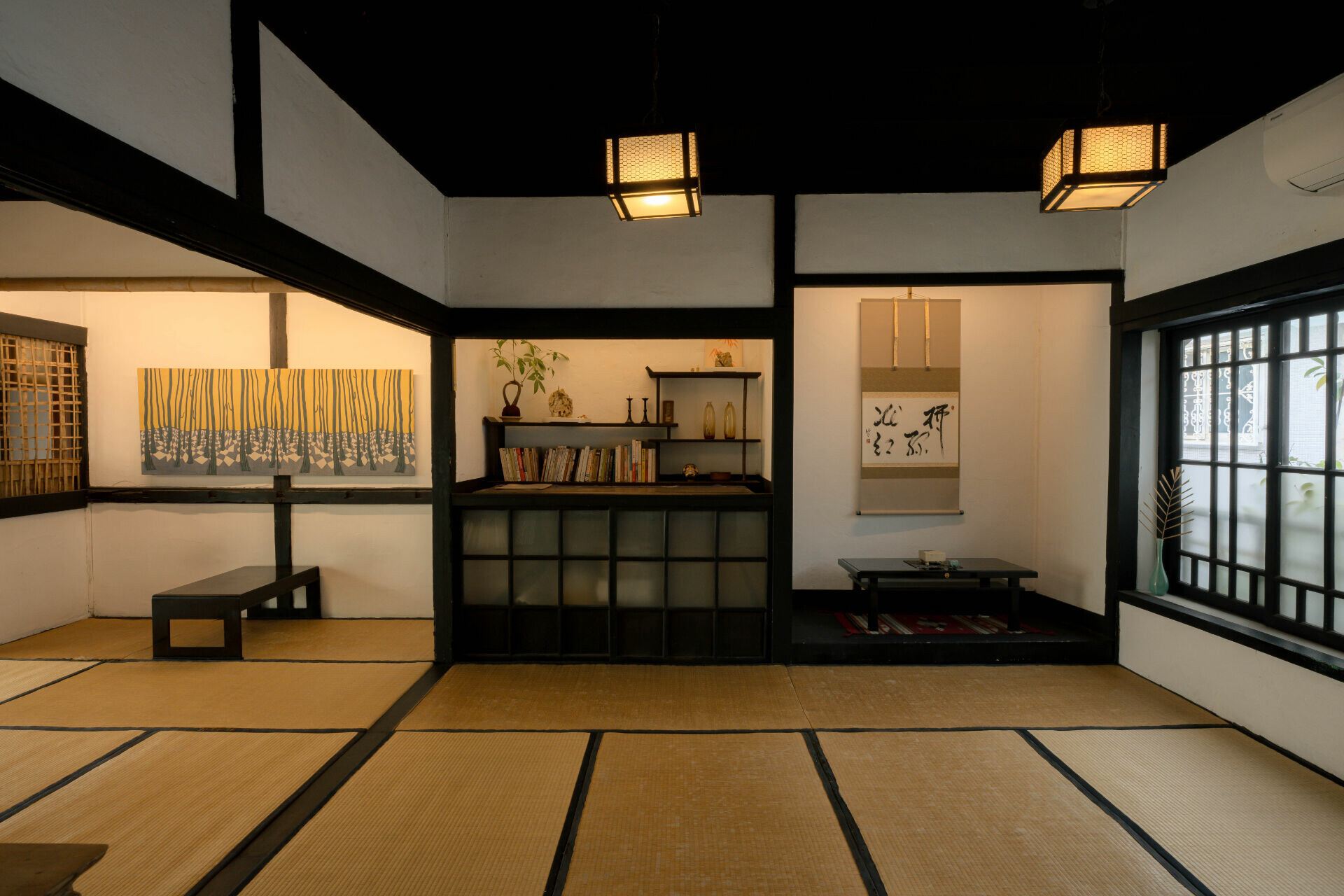
Liu’s connection to Japanese culture began in childhood. Growing up in a military dependents’ village, he was fascinated by the structure of houses and inspired by the Japanese crafts, books, and magazines his father brought home from business trips. Today, through the restoration of Japanese architecture, Liu invites guests to quietly experience the rituals of tea, savor seasonal kaiseki meals, and deepen their connection to Japanese culture in both form and spirit.
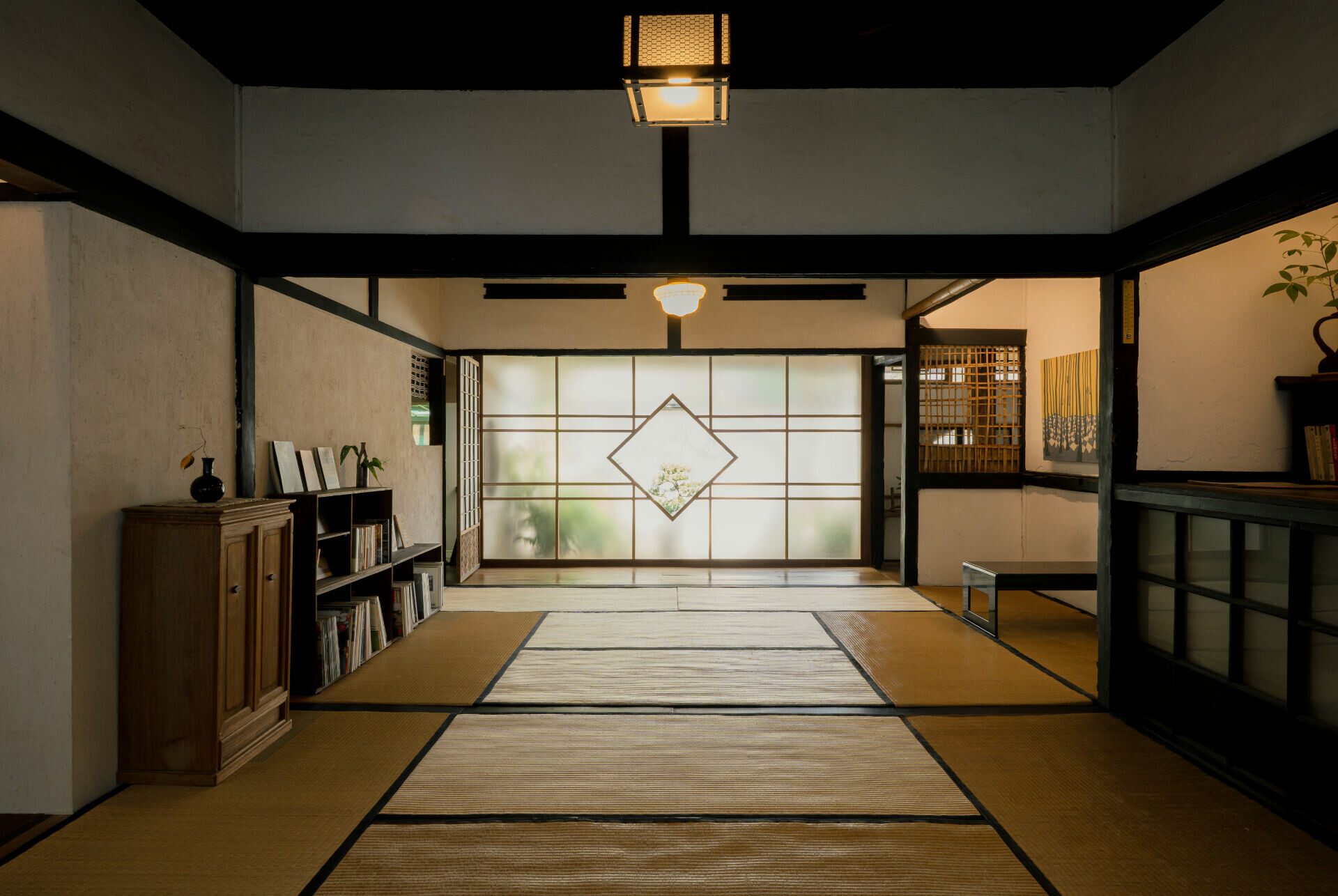
In an era defined by speed and convenience, Sputnik Lab offers a sanctuary of stillness. Visitors can learn the beauty of tea while observing the shifting greenery in the tea garden, or dine seated on tatami mats, savoring seasonal cuisine while gazing through large windows that frame a single pine tree—its branches creating a living composition that evolves with time. Here, the presence of natural materials and thoughtful design extends beyond aesthetics, offering a pathway toward inner balance. Looking ahead, Liu envisions a diverse program of exhibitions and cultural events that will continue to animate the life of the house, enriching its role as a living landmark where architecture, heritage, and contemplative living converge.