Attic House
閣樓
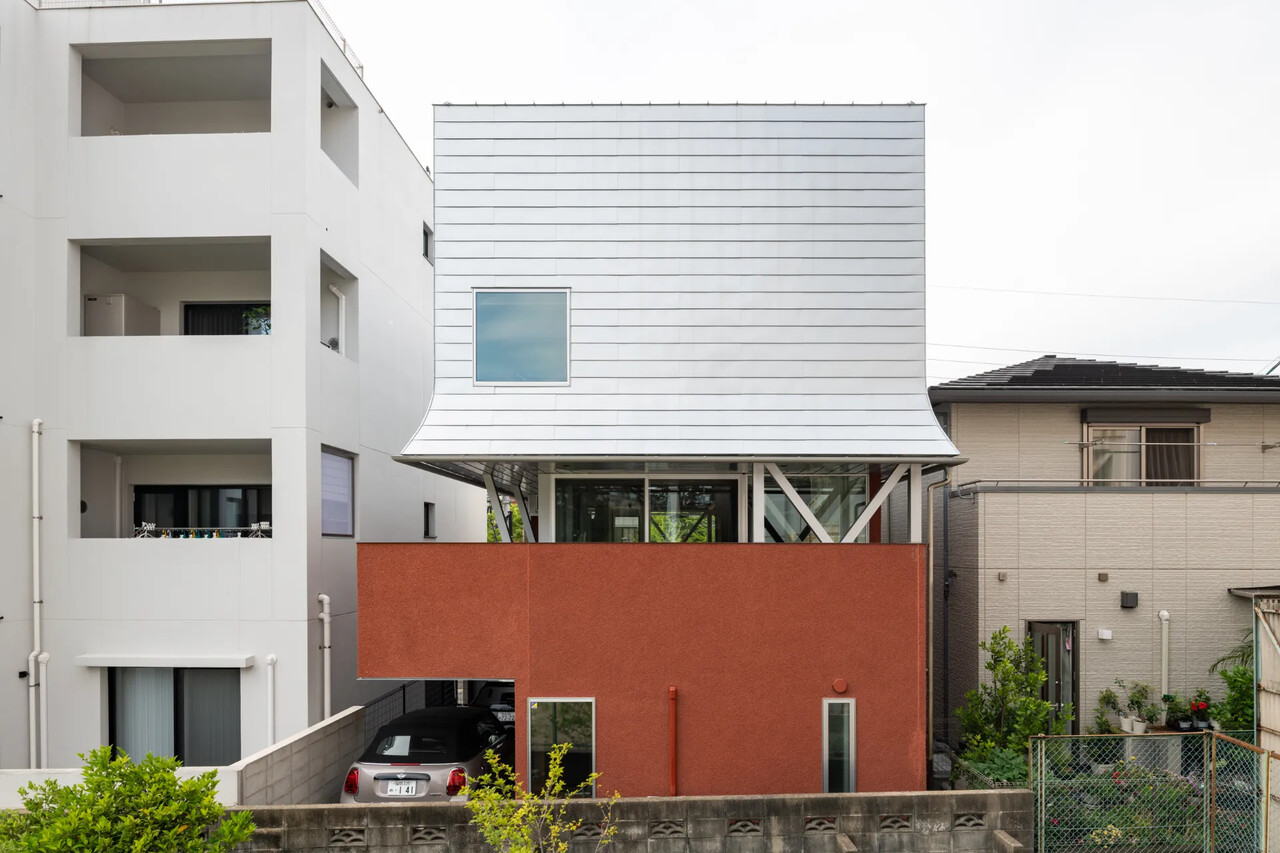
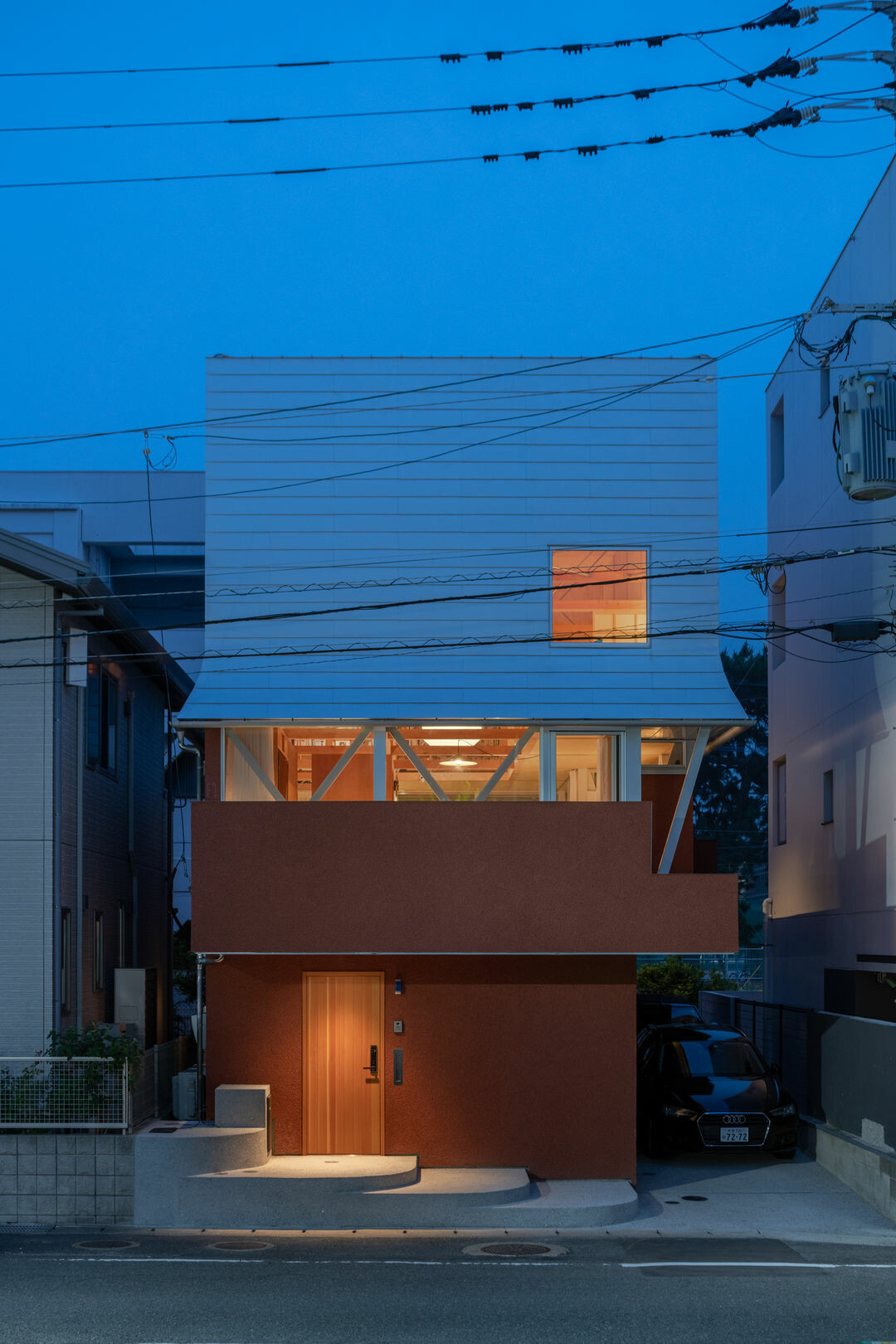
The house is built on land that was once a beach. To the north of the site is reclaimed land, created in the 1980s, and the pine forest to the south is a remnant of the past shoreline. The client, a young working couple, wanted a workspace with a good view, an open atrium, and ample storage space.
這棟房子位於北邊1980年代開發的填海造地工程,建在曾經是海灘的土地上,而南邊的松樹林則是過去海岸線所遺留下來的。業主是一對年輕的工作夫婦,他們希望有一個良好視野的工作空間,一個開放的中庭,和充足的儲存空間。
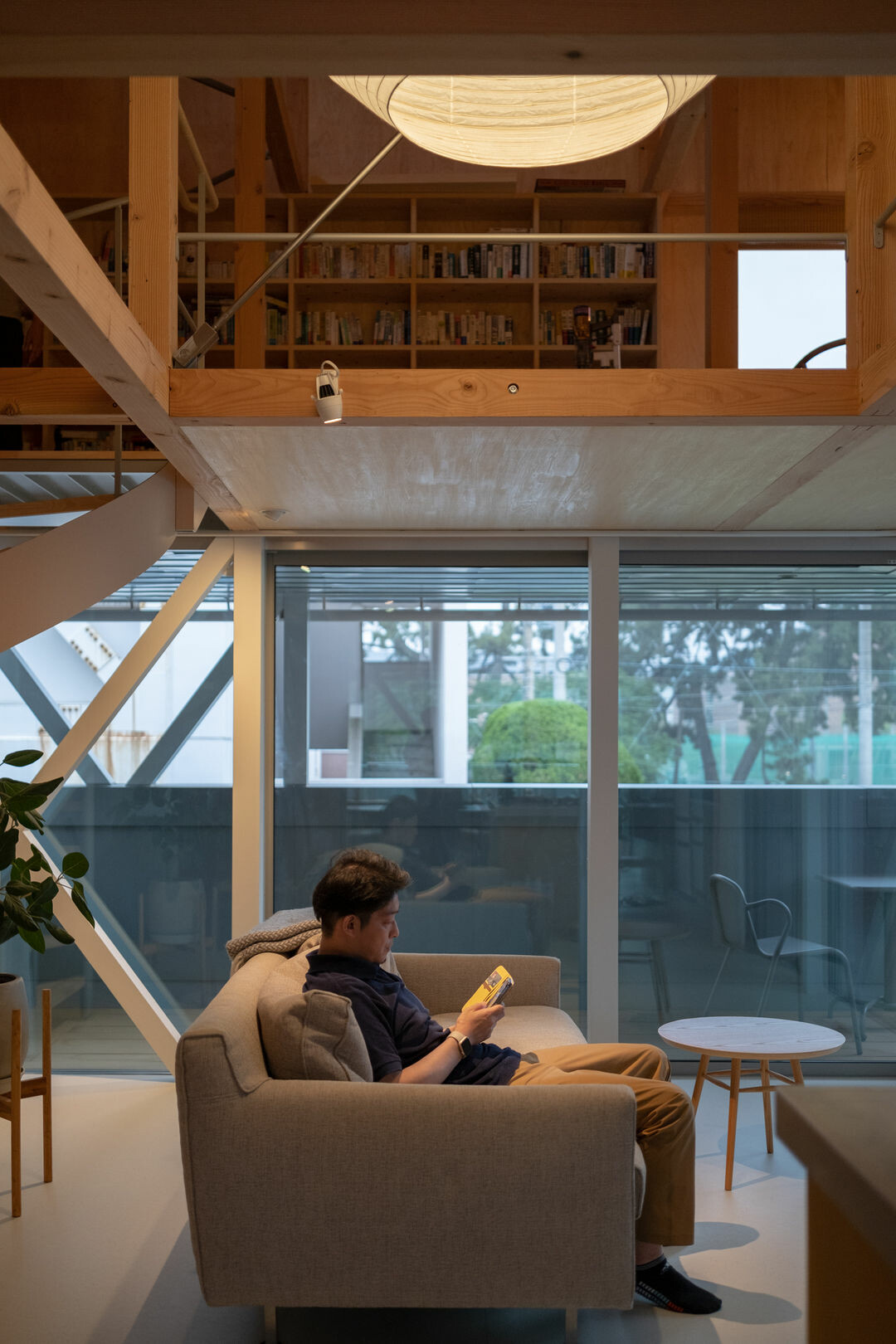
With the impact of the COVID-19 pandemic causing a reevaluation of the nature of housing, they did not want to simply create a study or storage space but aimed to create a space where life and work could intermingle and flexibly adapt to future changes. Therefore, we came up with the idea of putting a large roof over the LDK and floating the attic space as a significant blank canvas.
隨著COVID-19疫情的影響,使得人們對於居住性質重新評估,他們並不僅僅希望打造一個書房或儲存空間,而是創造一個生活和工作可以相互交織,並且能夠靈活順應未來變化的空間。現今時代,工作與居住一直是分開的。因此,我們想出了一個主意,將一個大屋頂蓋在LDK(客廳/餐廳/廚房)上方,並構想將閣樓空間作為一個主要的留白畫布。
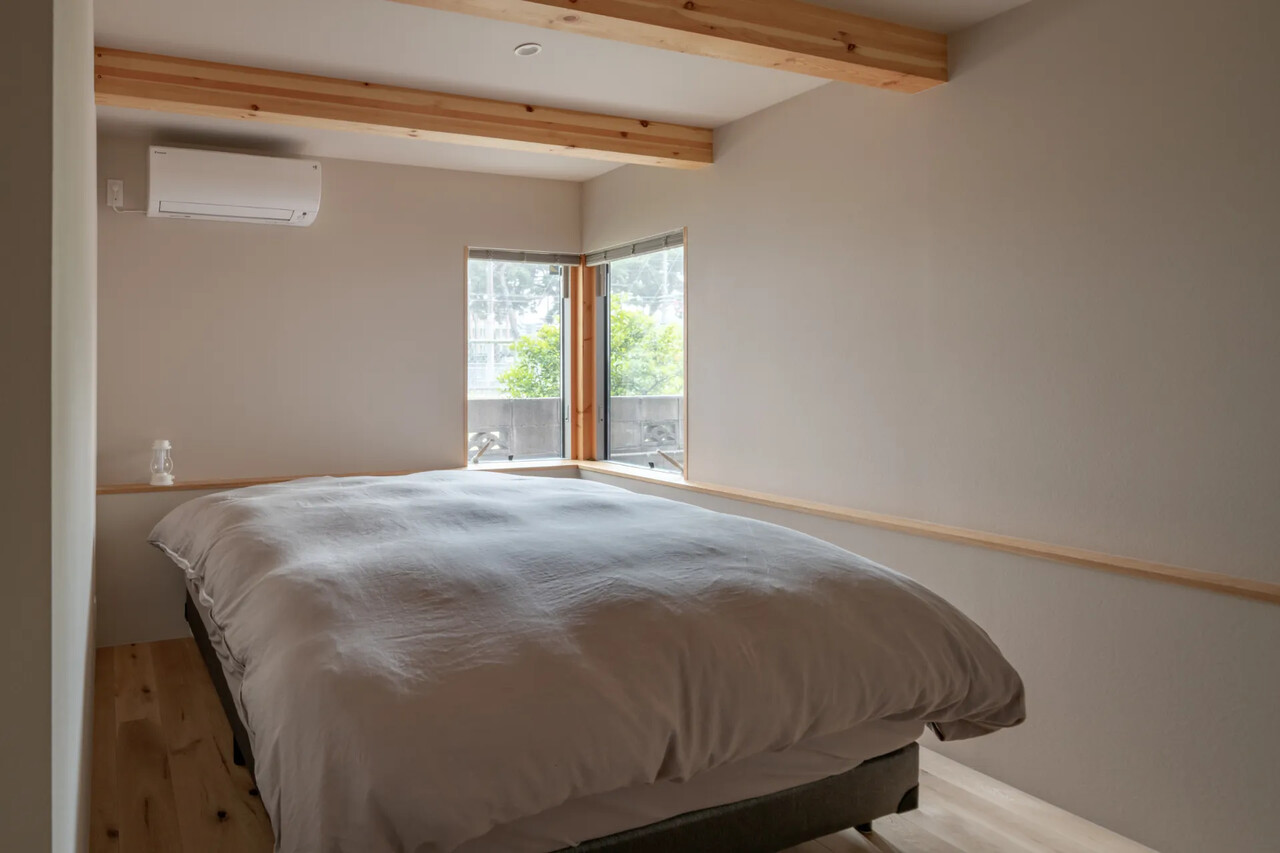
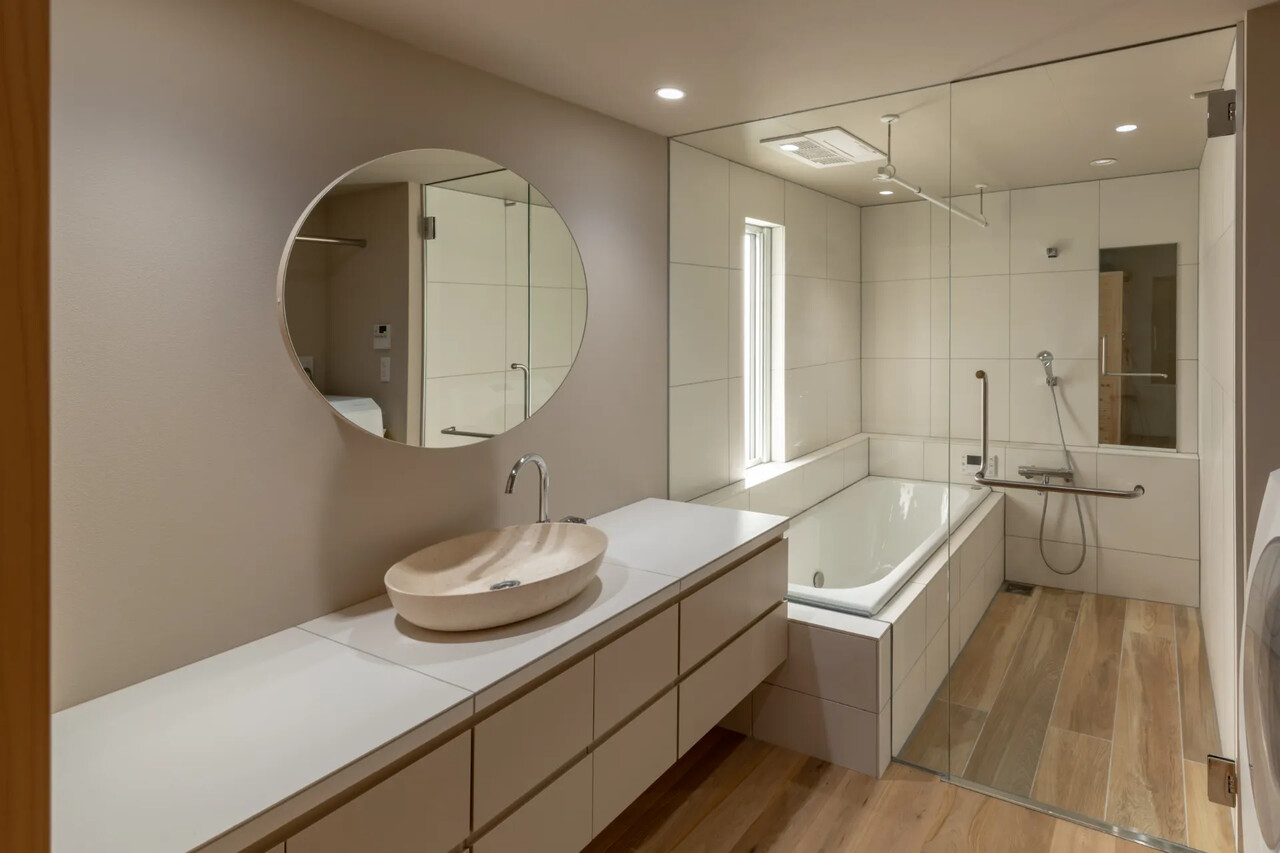
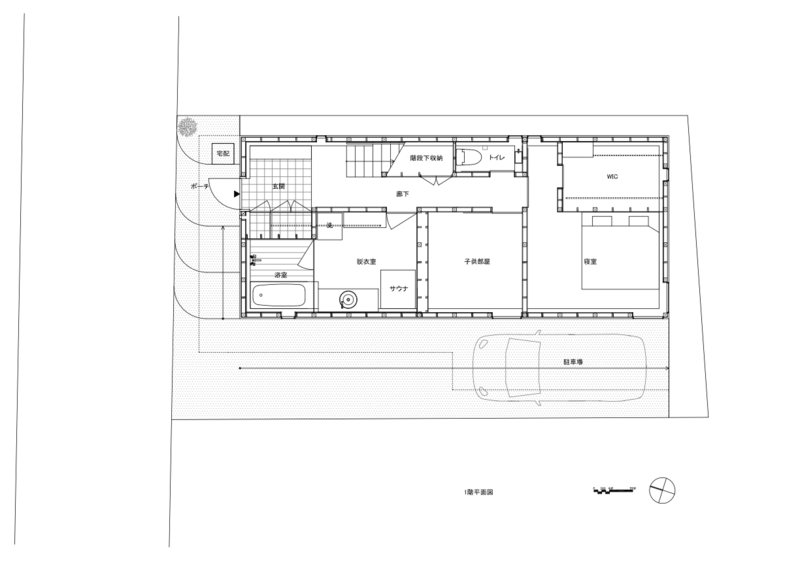
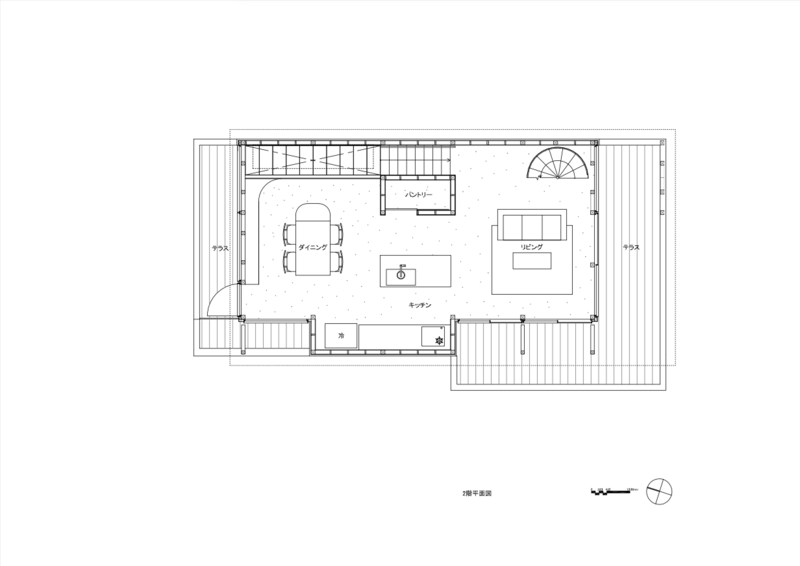
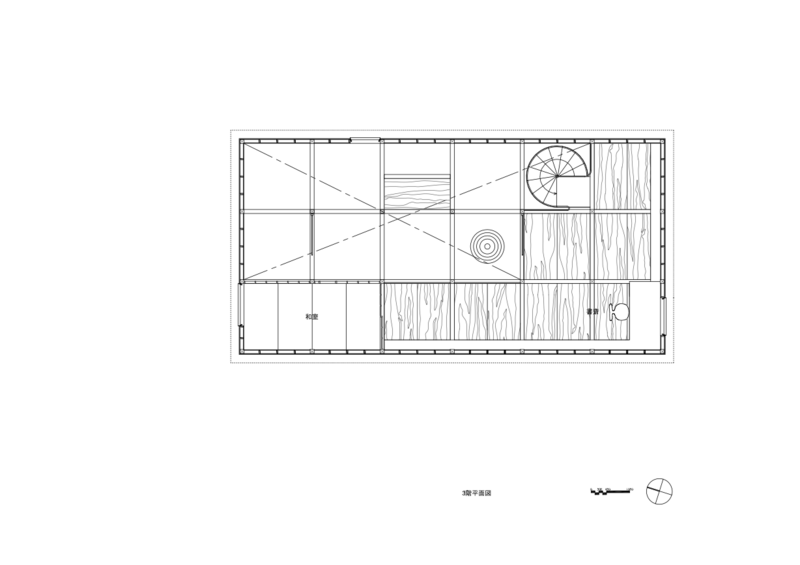
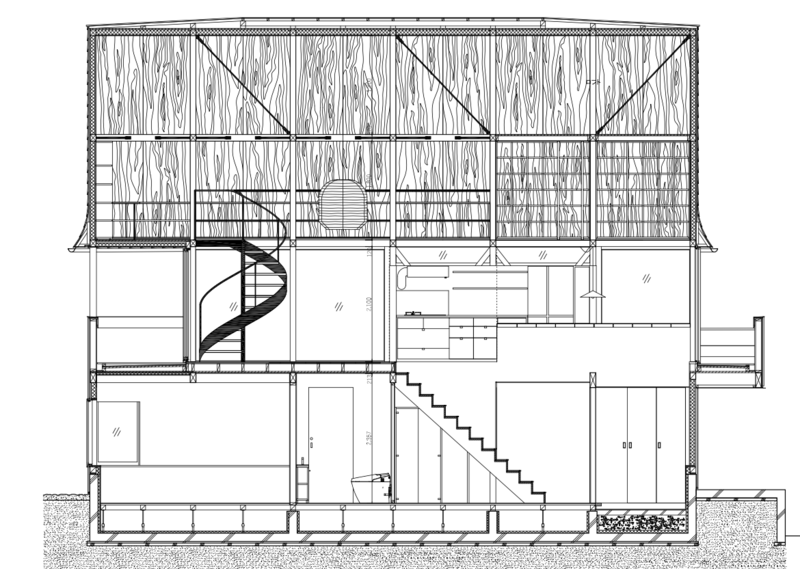
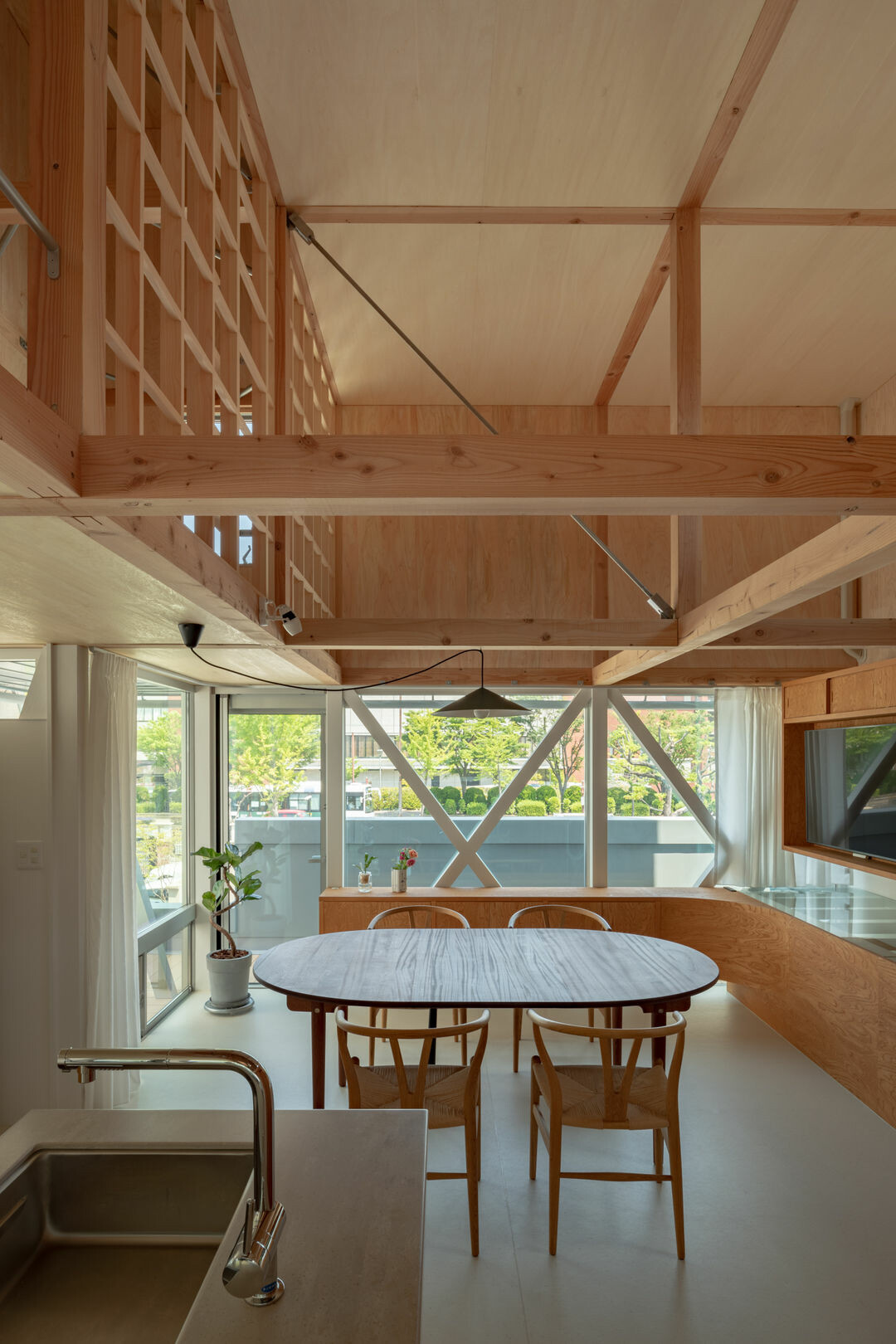
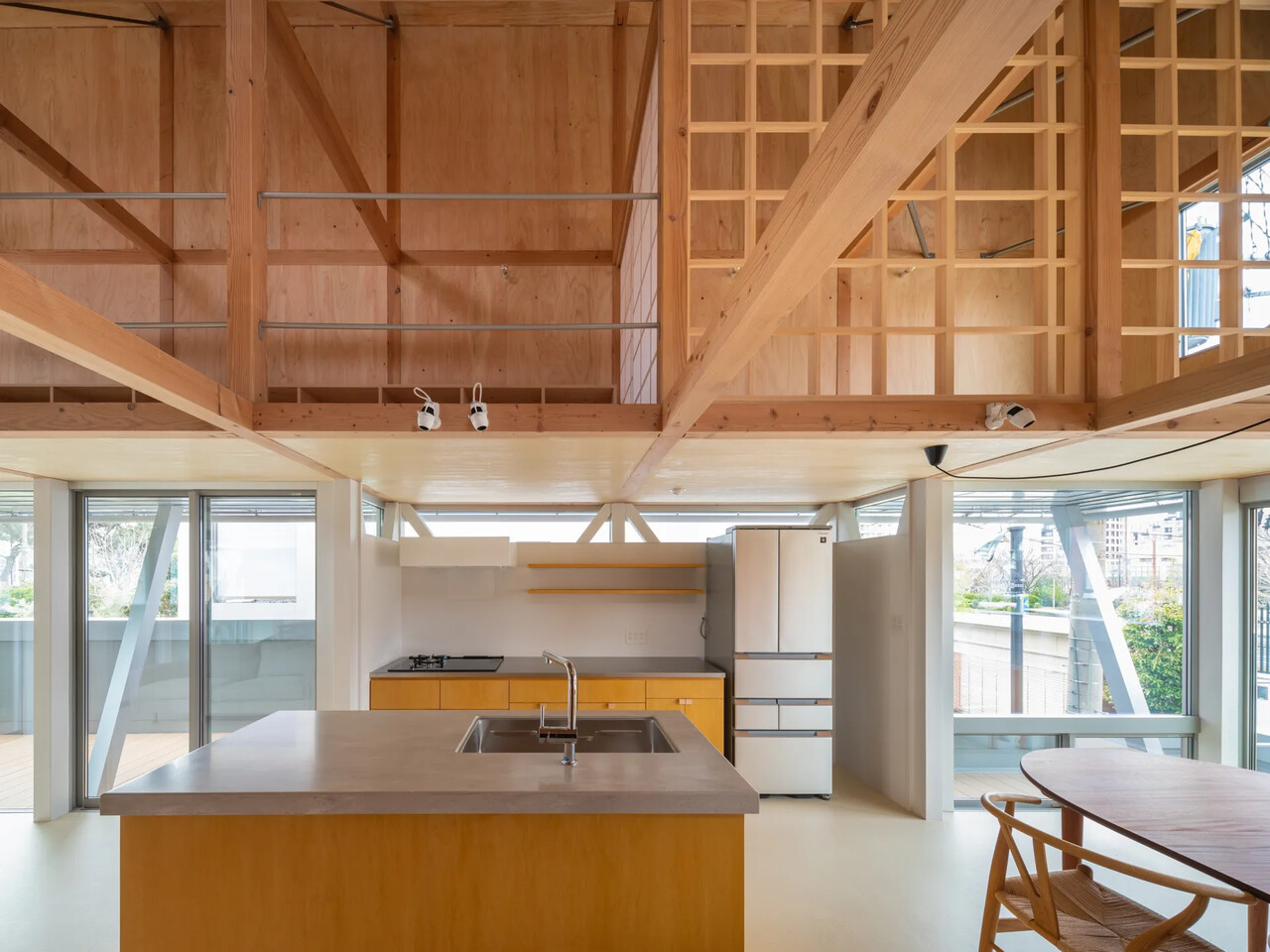
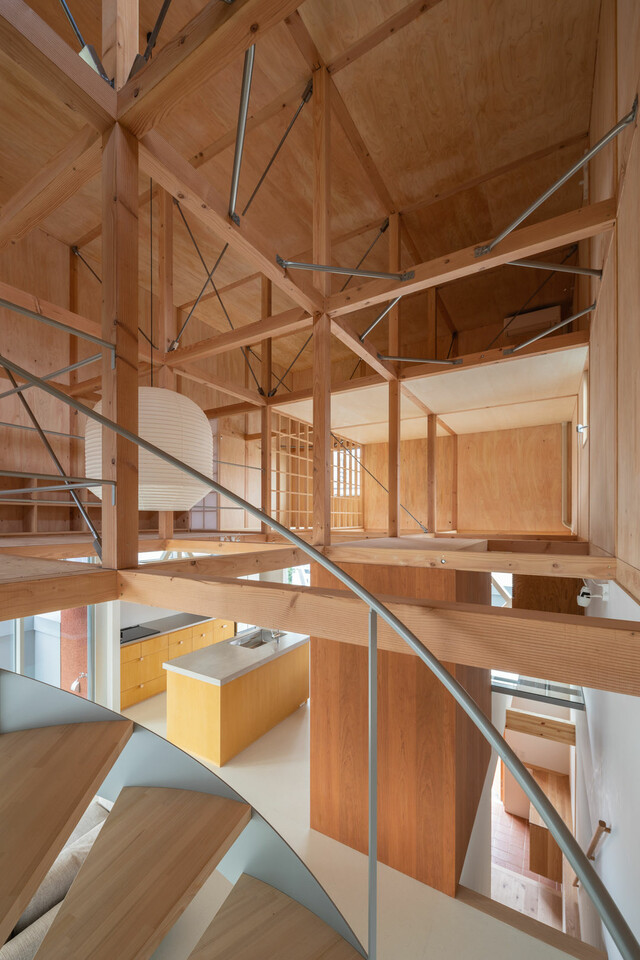
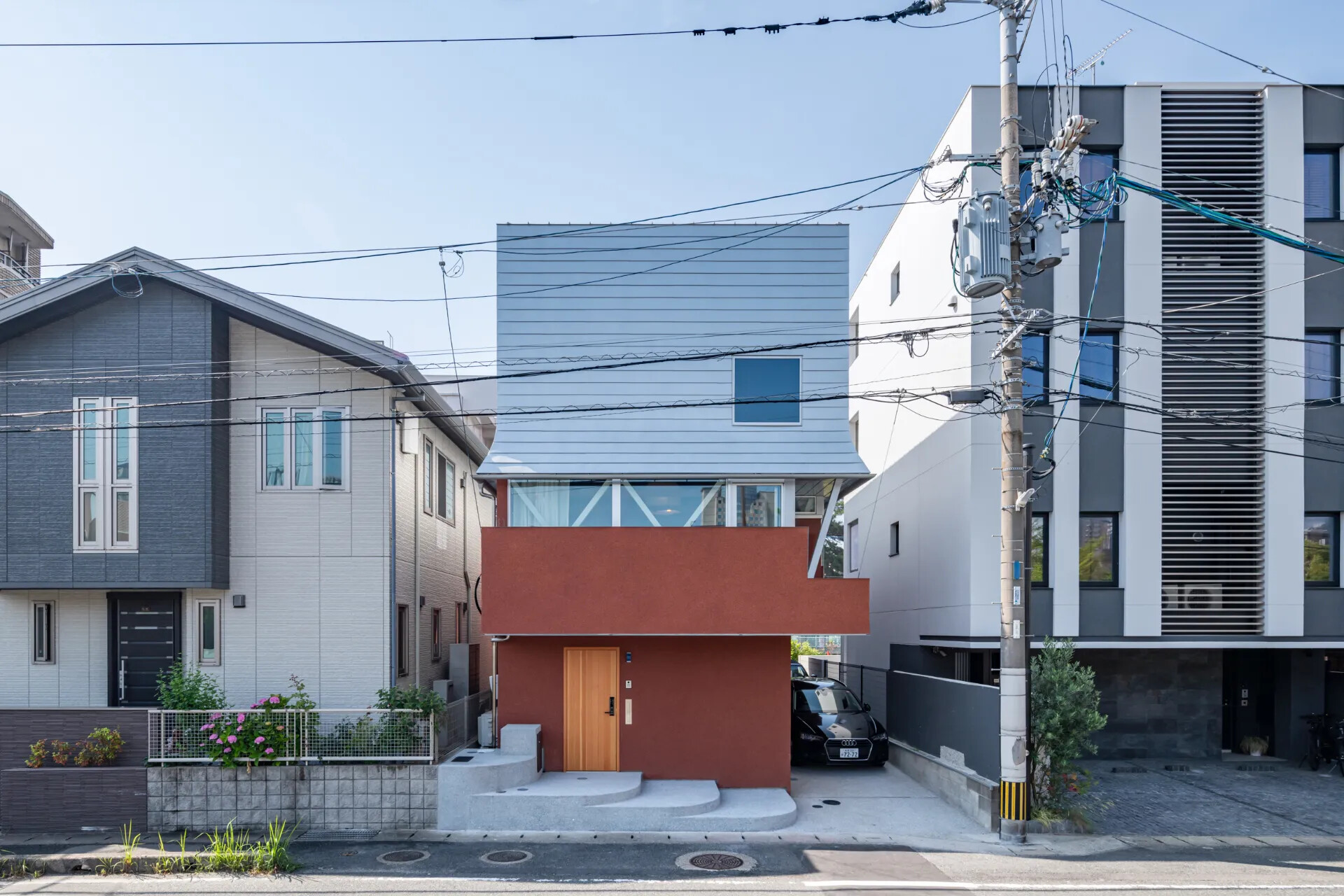
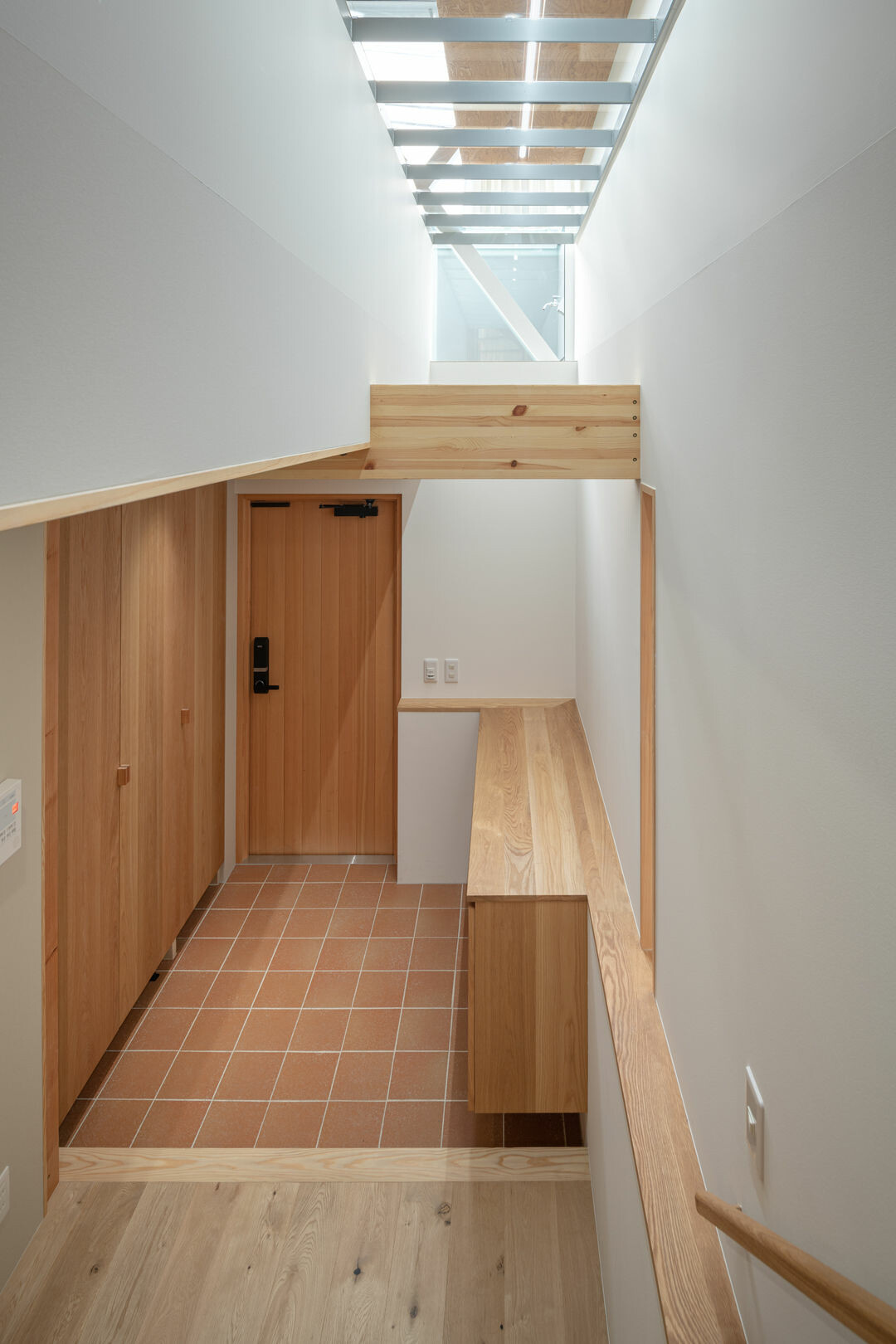
Work and residence have been separated since the modern era. Until then, work and life coexisted in traditional Japanese houses called "minka," where the attic was used for manual labor, sericulture, and storage. The idea was to update such attics to accommodate modern goods and activities while ensuring future expansion possibilities. To make the most of the limited site, the building is a three-story wooden structure with the bedroom and bathroom on the first floor, the LDK on the second floor, and the study, Japanese-style room, and storage on the third floor, which serves as the attic.
在此之前,被稱為"minka"的日本傳統房屋中,工作和生活是共存的,其中閣樓被用於手工作業、蠶絲養殖和儲存。我們的想法是改造閣樓,以容納現代物品及符合現在的環境背景,同時確保未來擴展的可能性。這是一棟三層的木結構建築,為了有效的利用有限空間,第一層規劃臥室和浴室,第二層是LDK(客廳/餐廳/廚房),而第三層閣樓的部分包含了書房、日式房間及儲藏室。
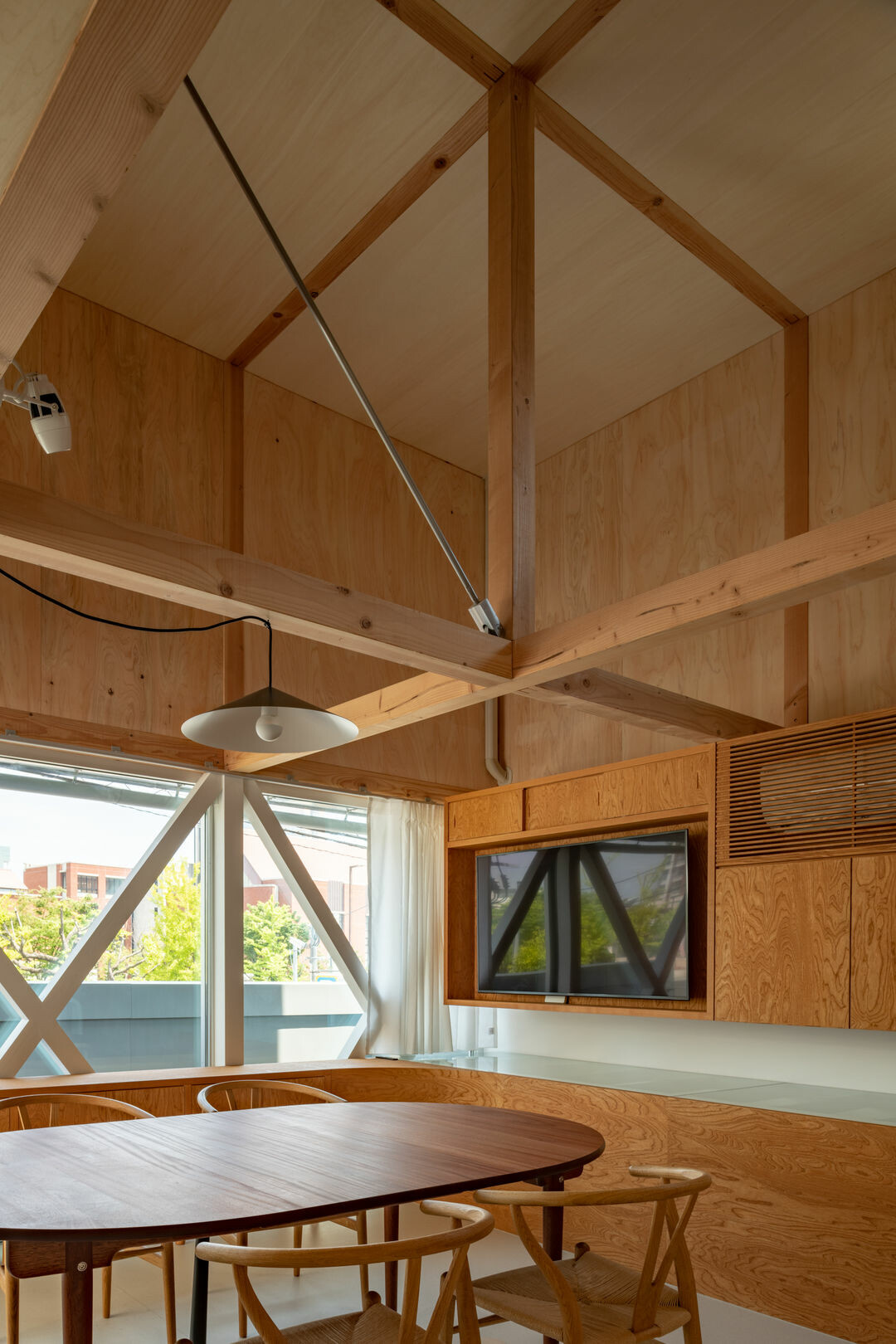
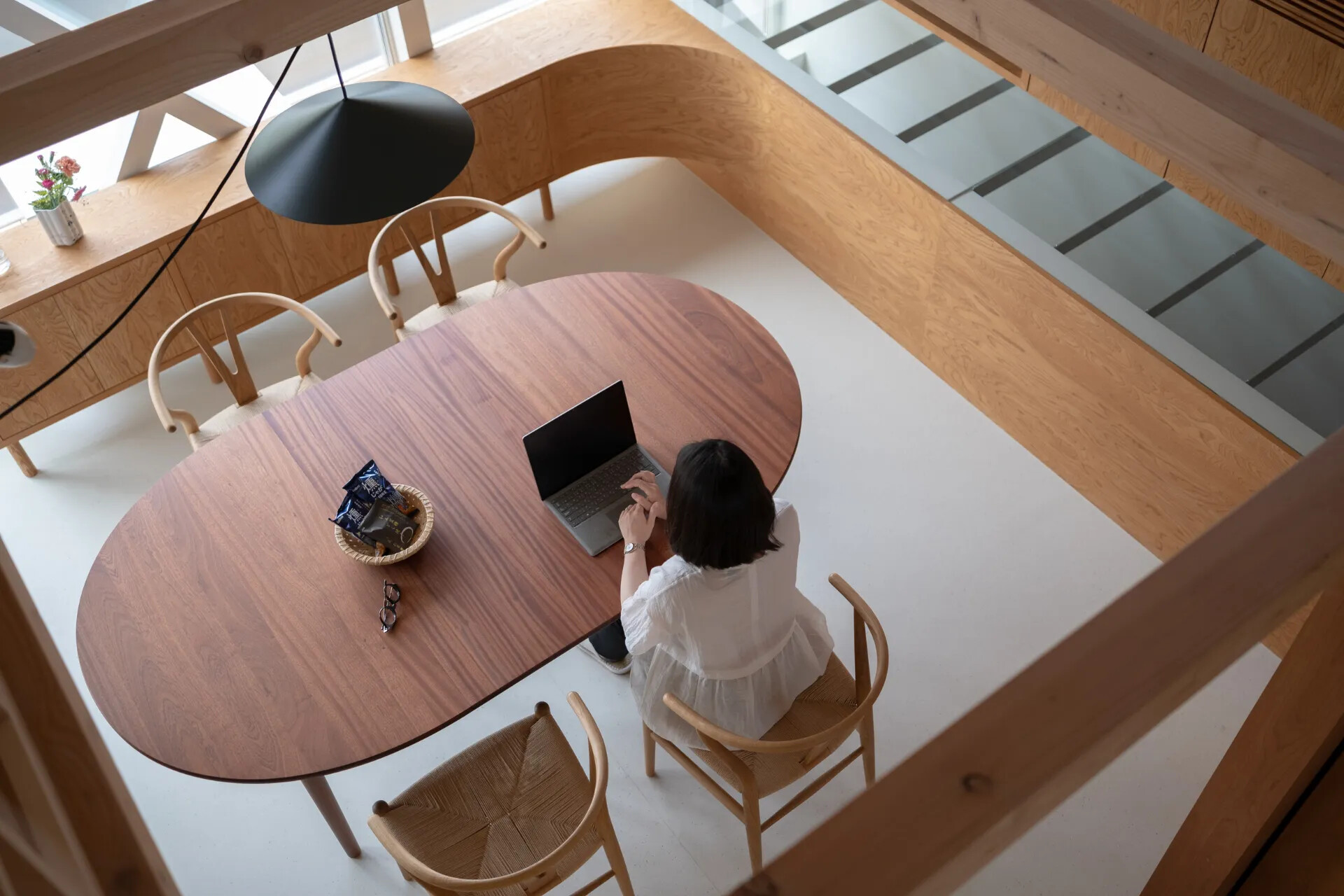
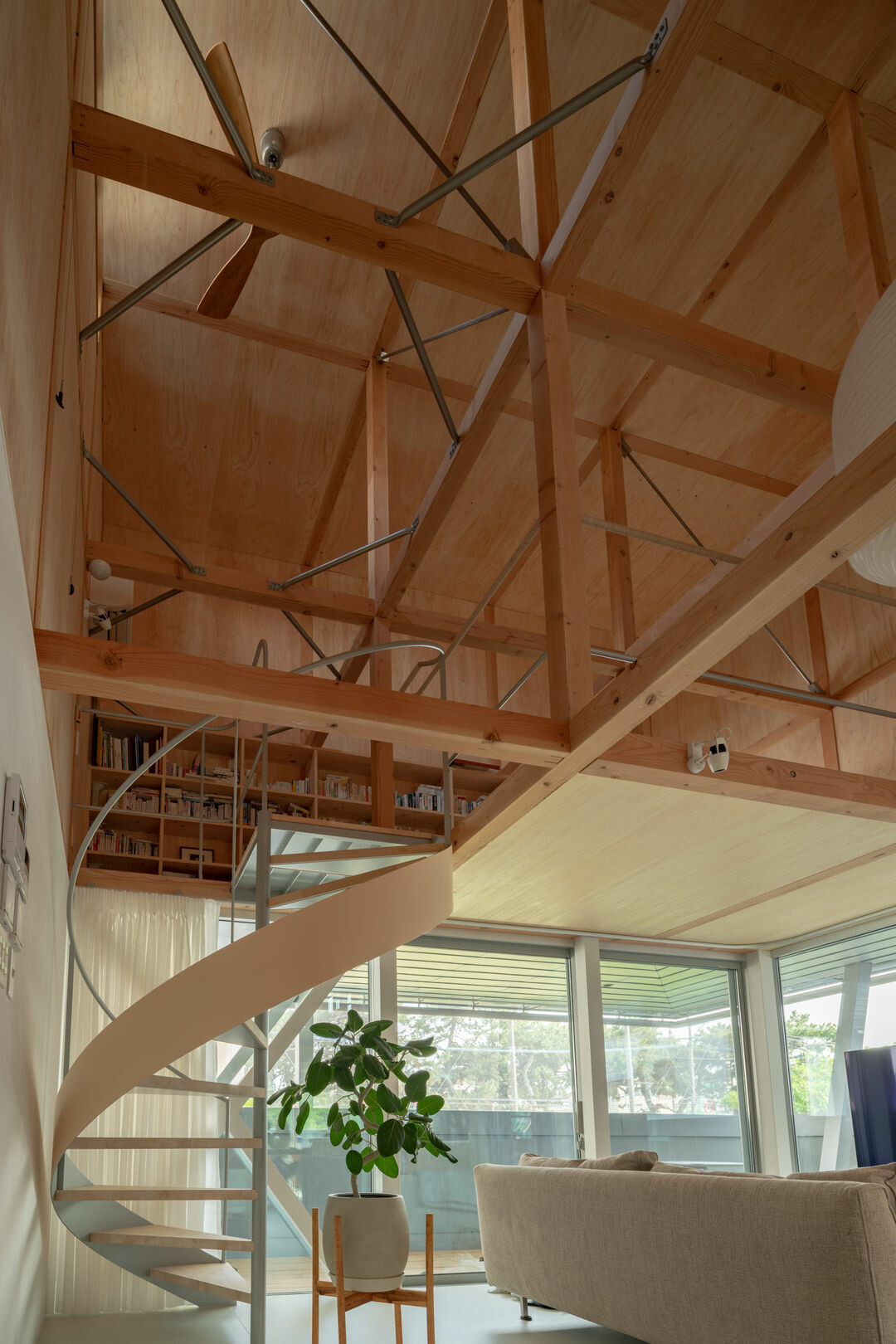
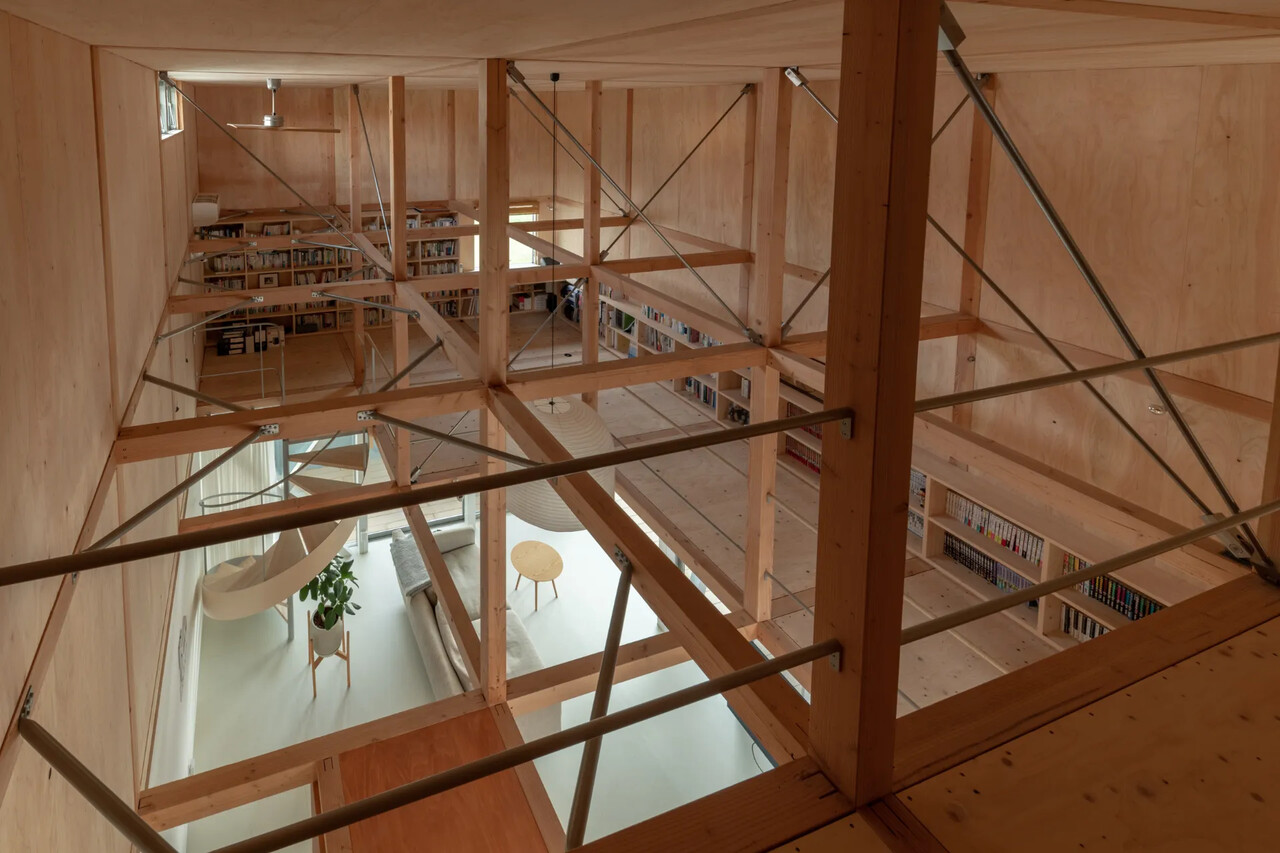
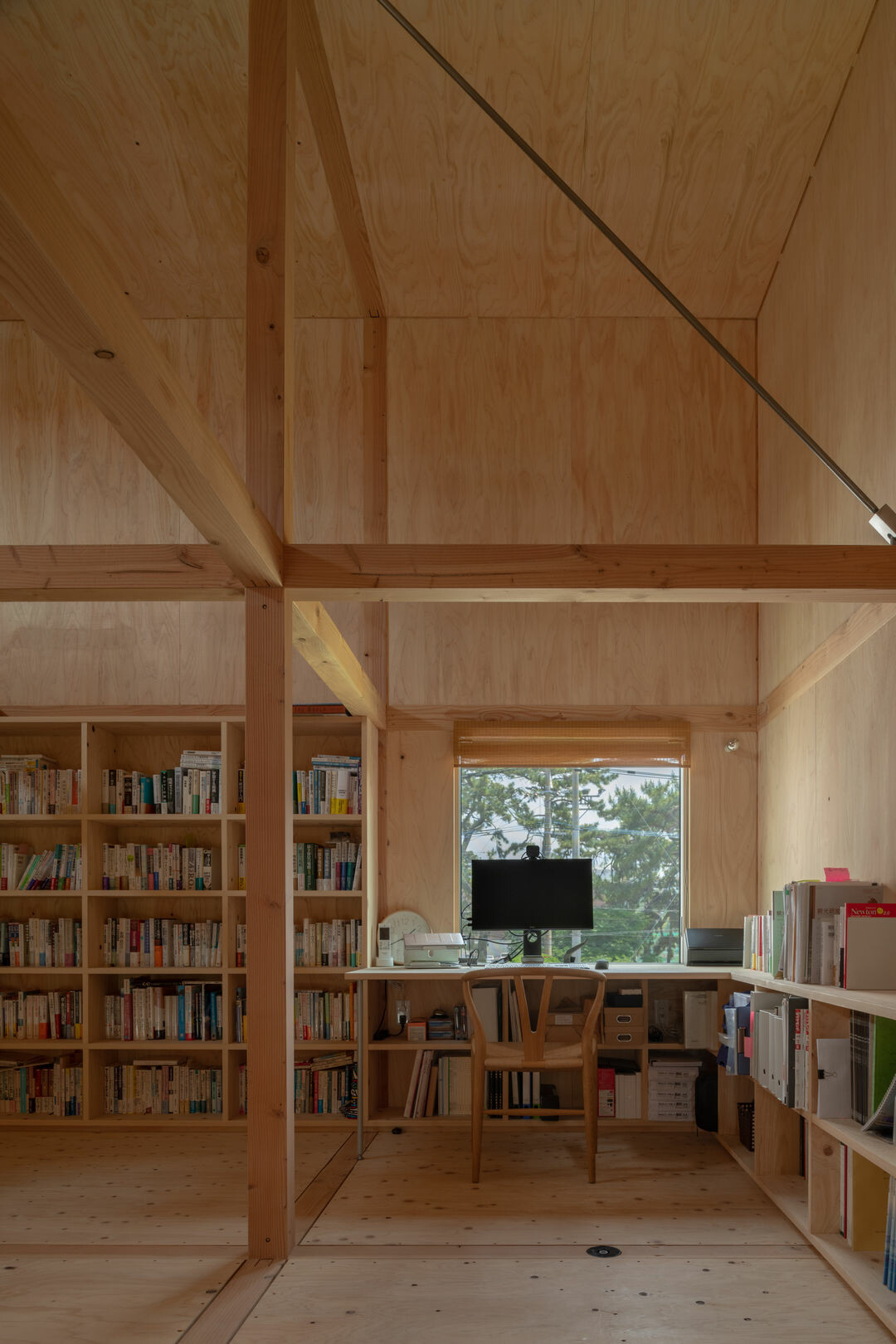
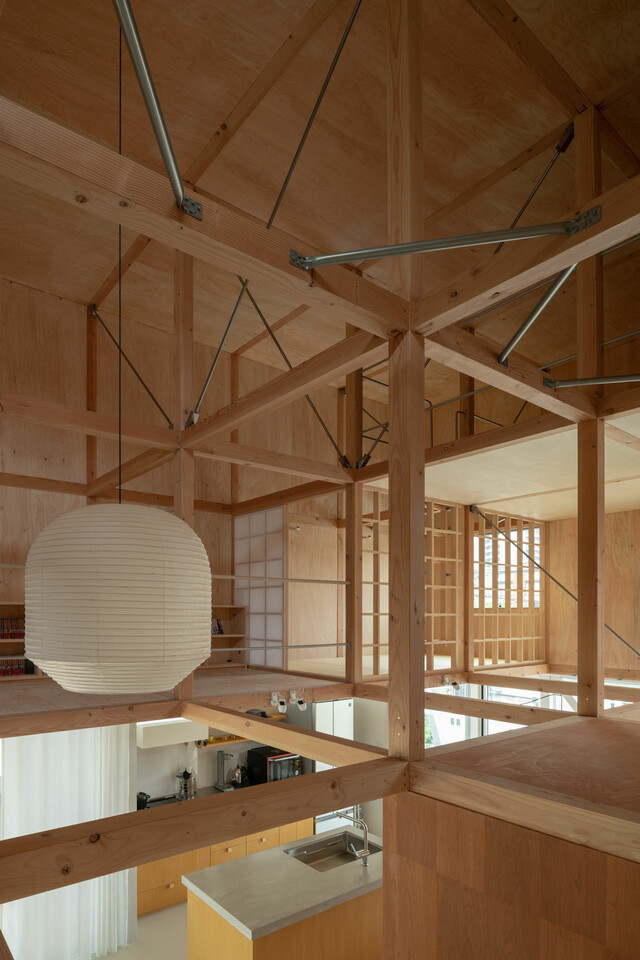
The attic, with its stacked one-ken(1820mm Japanese traditional scale) grid, offers a playful three-dimensional space, and the design allows for the possibility of adding an additional floor if the atrium is boarded up. The attic, with its high windows, air conditioning, ceiling fan, and lighting, also contributes to the comfort of the LDK directly below. The attic structure is a three-dimensional lattice unified with 105x120mm beams and 105x105mm columns. The steel diagonals and flint beams, which may appear random at first glance, are reinforcements strategically placed according to structural analysis, adding accents to the homogeneous wooden lattice.
閣樓佈局按照一間(日本傳統尺度,約1820毫米)的網格堆疊,提供了一個有趣的三維空間,並且設計設想若閣樓被封閉,還可以增加額外的樓層,其高窗、空調、吊扇和燈光也為正下方的LDK提供了舒適性。該結構是一個由樑105x120毫米和柱105x105毫米統一的三維格狀結構。鋼斜撐及燧石樑乍看或許顯得隨意,其實是根據結構分析,策略性放置的加固結構,為同質性的木質網格添加了補強作用。
The attic structure acts as a massive beam, creating a spacious LDK with deep eaves and minimal columns on the second floor. Living with the generous blank space above, embracing the past, present, and future, is sure to be a rich and enjoyable experience. (Masaaki Iwamoto, Nariaki Chigusa)
結構巨大的樑,為二樓LDK創造了深深的屋簷和少柱所形成的寬敞性,與上方留白的空間共生,融合過去、擁抱現在和未來,必定能成為一種豐富且愉快的體驗。(岩本正明,千草成明)