WABISABI
  • Projects
    • Worldwide
    • Interiors
    • Features
  • Contemporary
    • Exhibitions
  • Record
  • Lifestyle
  • City Explore
  • News
  • Issue
  • Account
  • Search
  • Language
Mobile nav


BUFFALO AKG ART MUSEUM

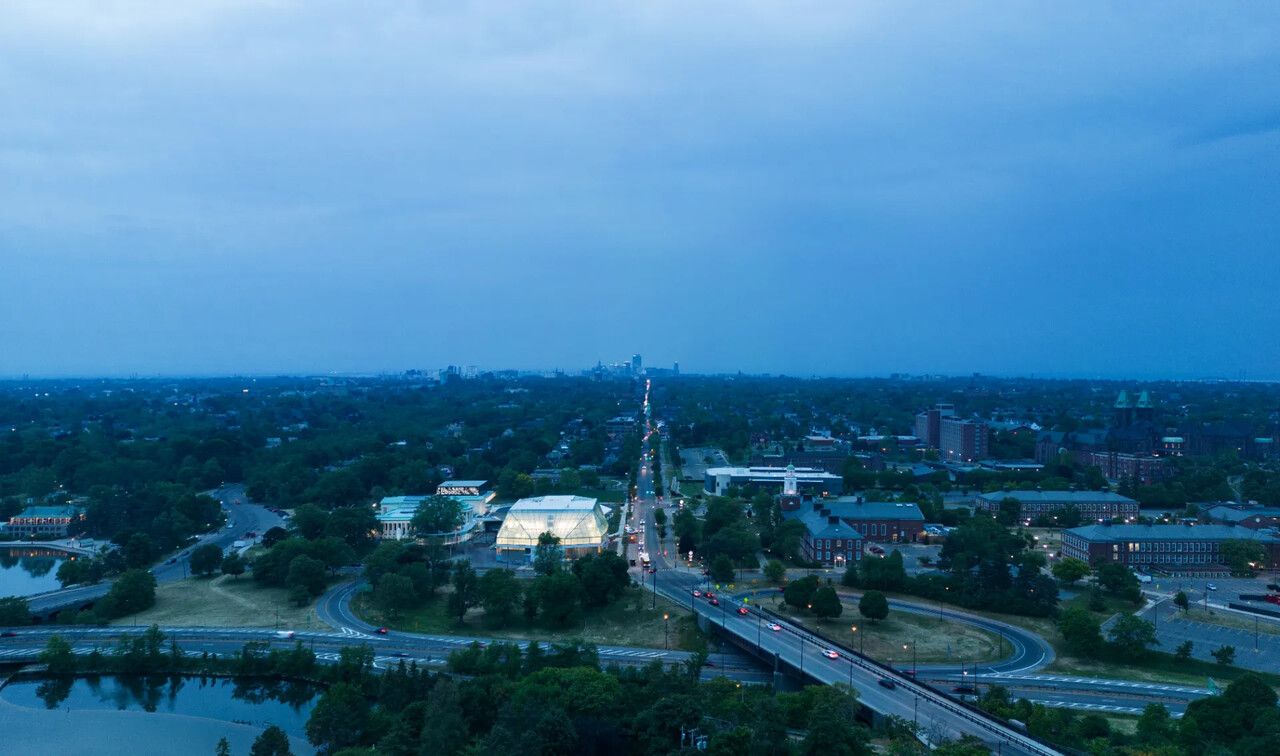
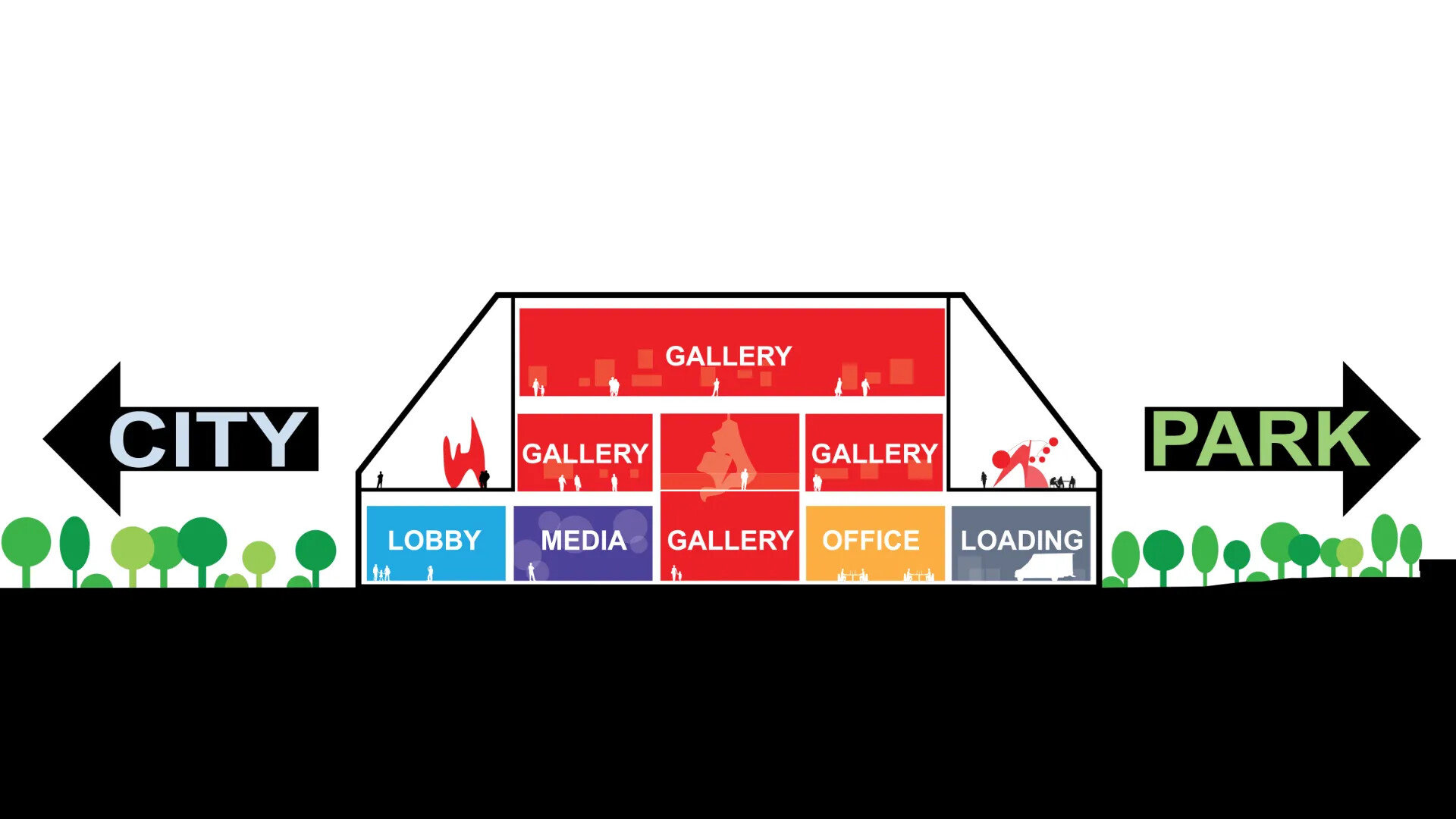
We often say that there are only two types of museums: a museum in the park, embedded in the tranquility of nature, and a museum in the city, implanted within the energy of urbanism. The Buffalo AKG Art Museum is both. It sits at the northern edge of the historic Delaware Park, designed by Frederick Law Olmsted. The city is known for its history of industrial revolution and the current revitalization of remnants from that past. It has a rich architectural history—from silos and manufacturing facilities to buildings by Eero Saarinen, Louis Sullivan, and Frank Lloyd Wright.
 

我們常說博物館只有兩種類型:一種是坐落於公園中、融入自然寧靜的博物館,另一種則隱身於城市中、融入都市活力的博物館。布法羅AKG藝術博物館兩種特質兼而有之。它位於歷史悠久的德拉瓦爾公園北端,該公園由弗雷德里克·勞·奧姆斯特德設計。布法羅市以工業革命的歷史及對遺跡的現代復興而聞名。它擁有豐富的建築歷史,從糧倉和製造設施,到由埃羅·薩里寧、路易斯·沙利文和法蘭克·勞埃德·賴特設計的建築物。
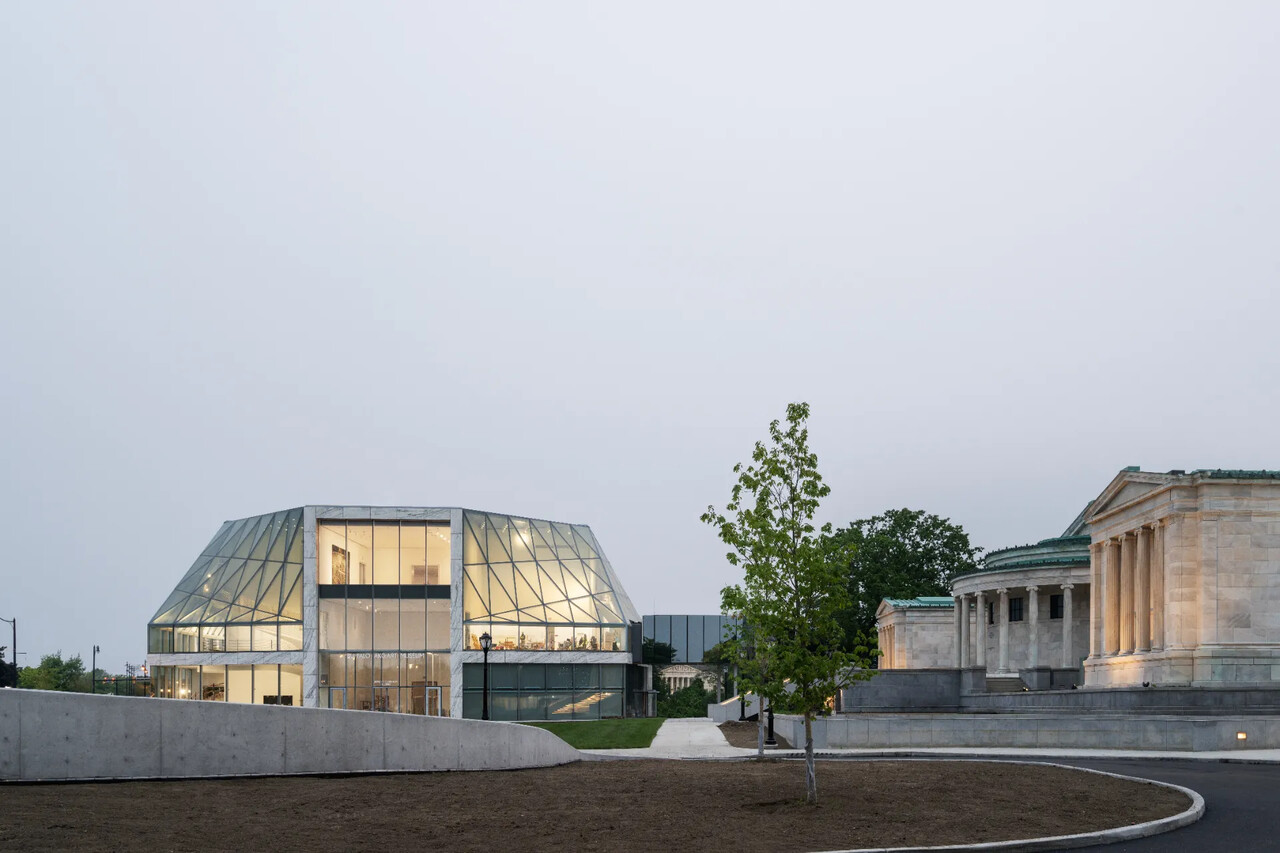
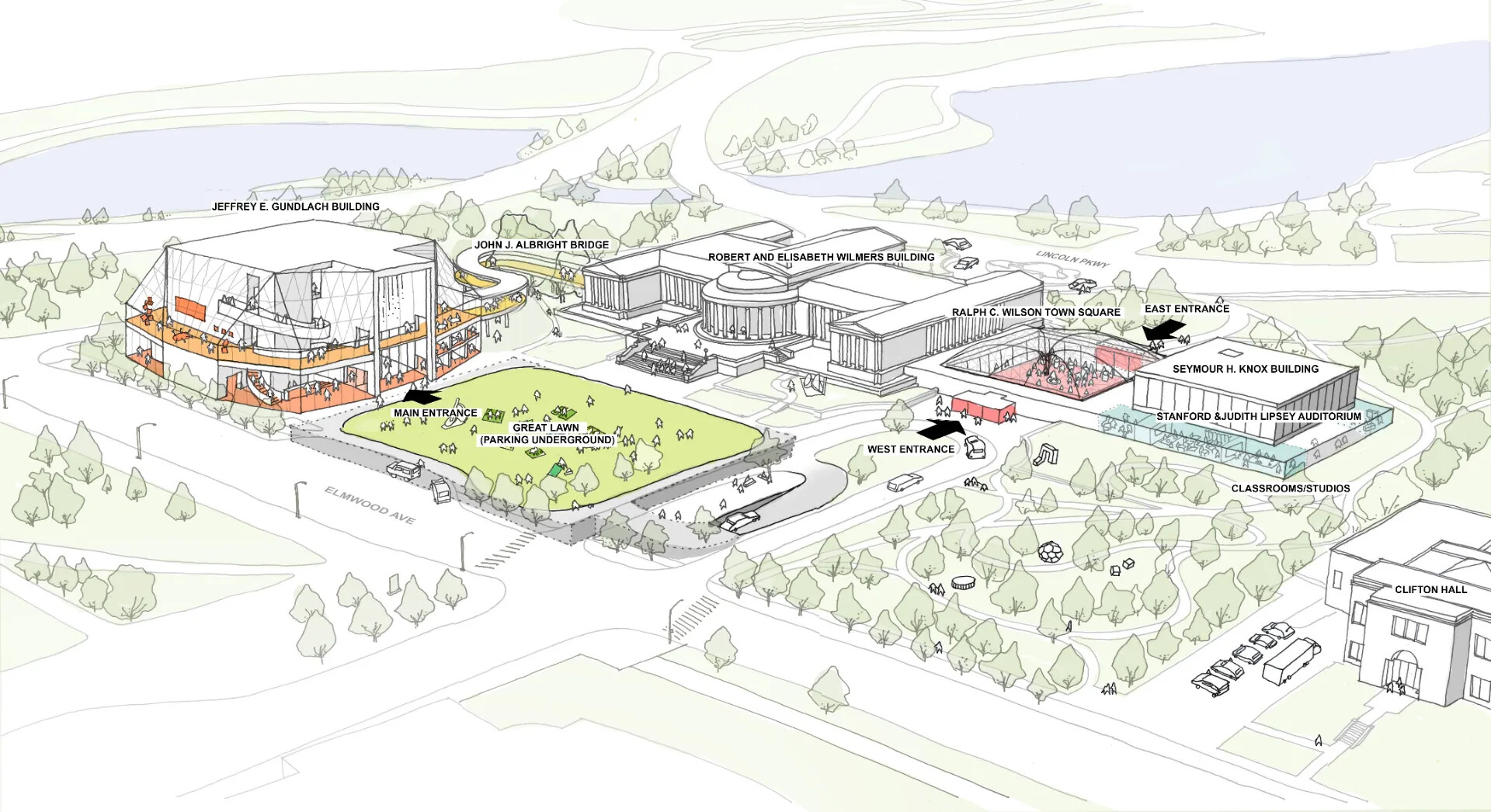
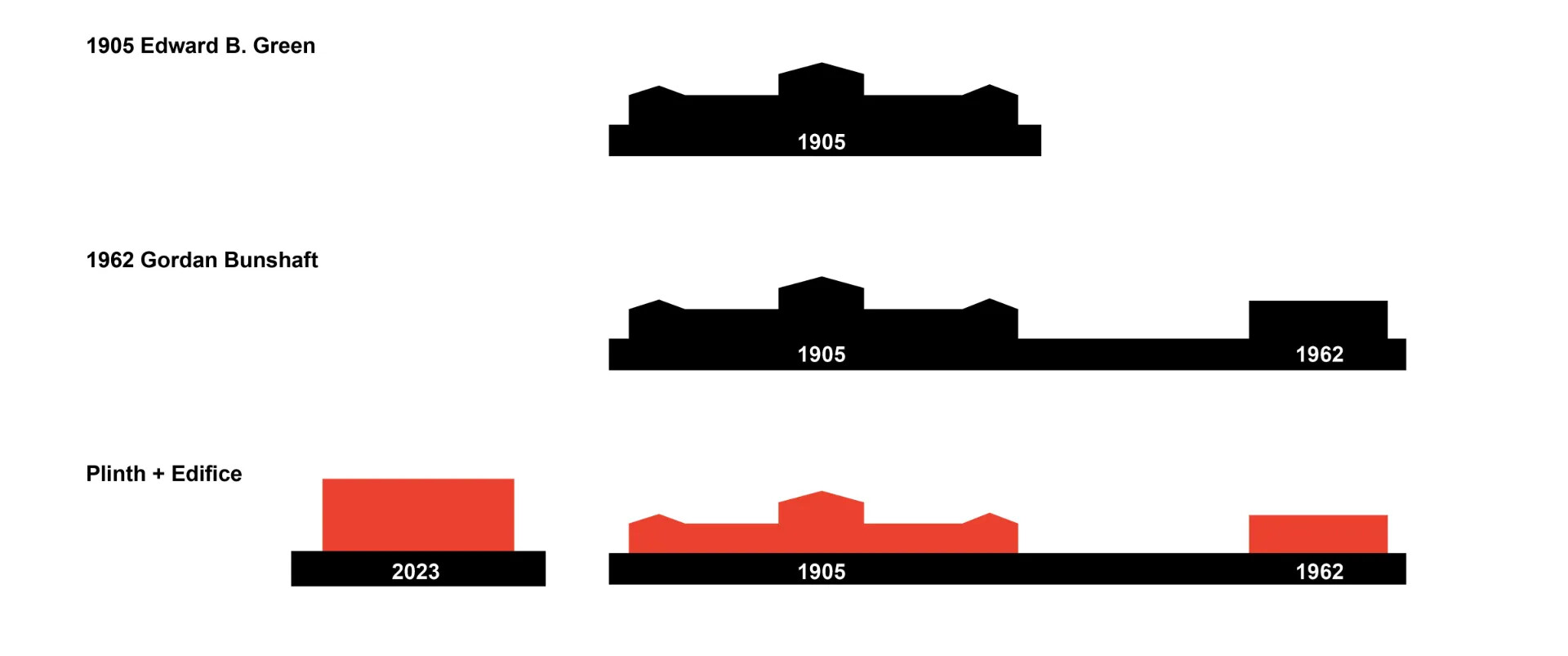
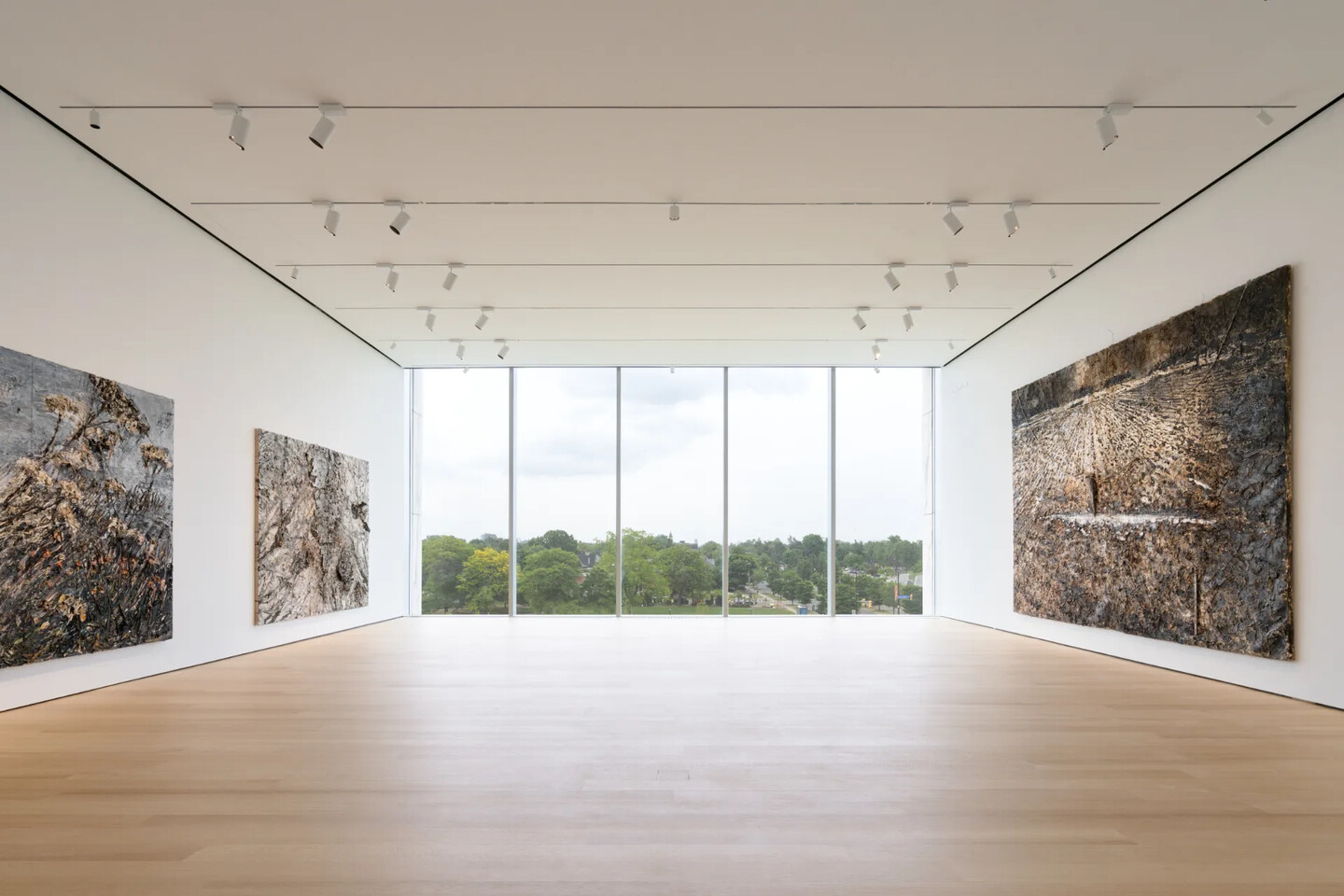
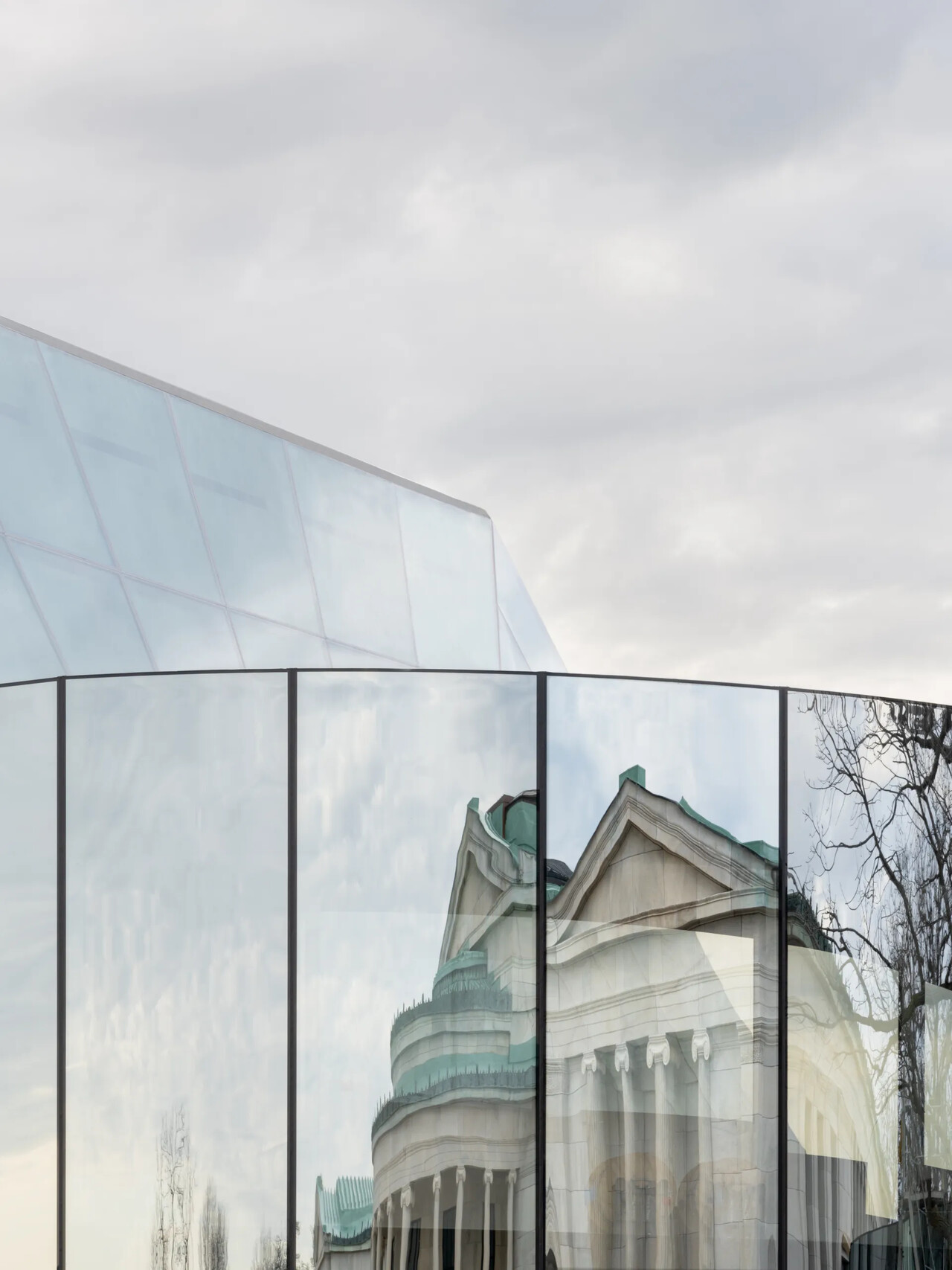
The museum itself has two connected historic buildings: a 1905 solid, neo-classical building by Edward B. Green originally planned for the 1901 Pan-American Exposition and a 1962 Modernist extension by Gordon Bunshaft that included a new auditorium box and an outdoor courtyard. Despite being in the park, the two buildings side-by-side severed views and access to it from the city, and even from inside the museum itself. Our ambition for the extension was not only to expand the complex to accommodate the museum’s growing art collection and diversifying programs, but also to reconnect it to the park and city and establish a new openness to public activities. The 1905 and 1962 buildings command a clear separation, closed off from their surroundings. In contrast, the approach for the new pavilion is to unlock the full potential of being in the park. 


博物館本身由兩座相連的歷史建築組成:一座由愛德華·格林(Edward B. Green)於1905年設計的實心新古典主義建築,最初計劃用於1901年的泛美博覽會;以及一座由高登·班夏夫特(Gordon Bunshaft)於1962年設計的現代主義擴建,其中包括一個新的禮堂和一個室外庭院。儘管位於公園中,但這兩座並排的建築卻阻斷了來自城市、甚至博物館內部的視野和通道。我們對擴建工程的期望不僅是為了擴大空間以容納博物館不斷增長的藝術品和多元活動計劃,還要重新將其與公園和城市重新連結起來,建立對公共活動的活絡。這兩座1905年和1962年的建築有明顯的隔離感,與其周圍環境隔絕。相較之下,新展覽館的設計理念是充分利用其處於公園的優勢。
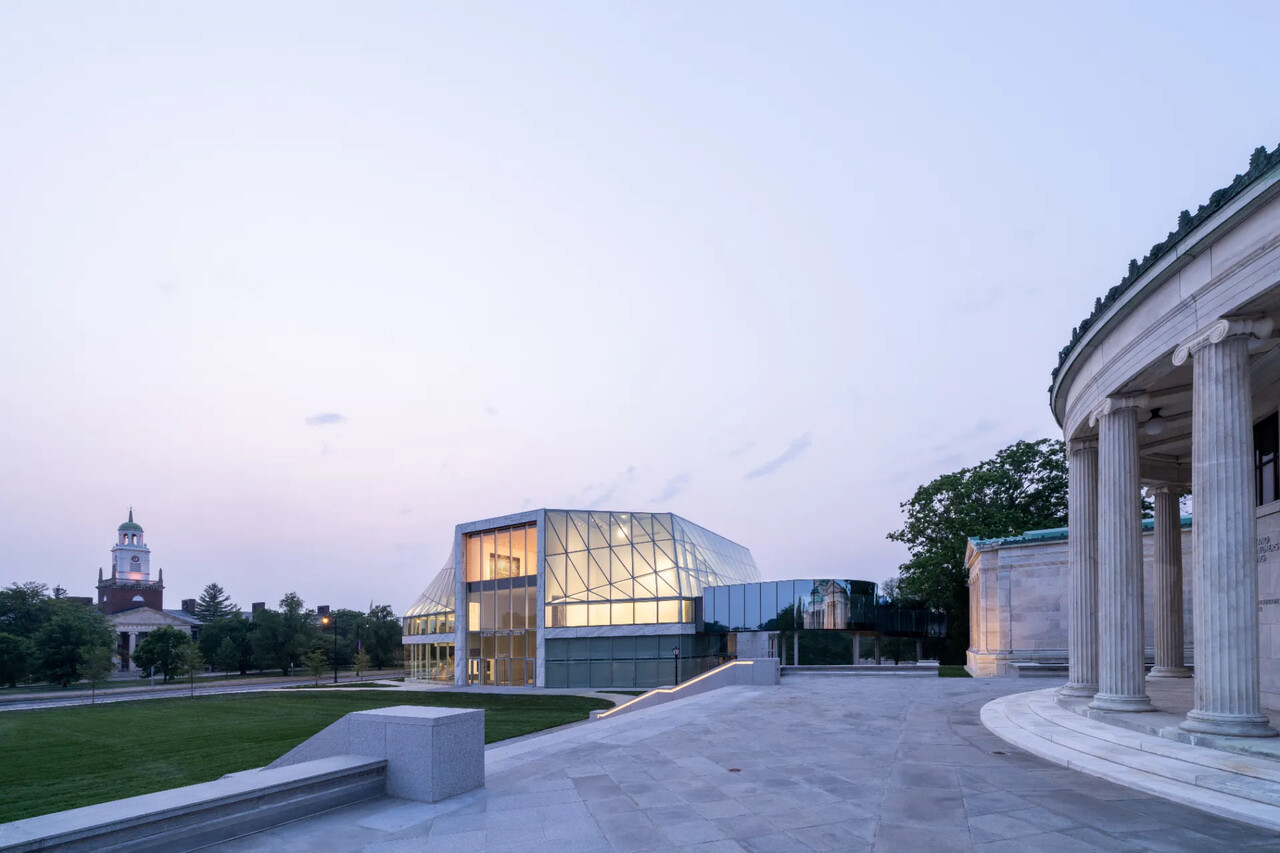
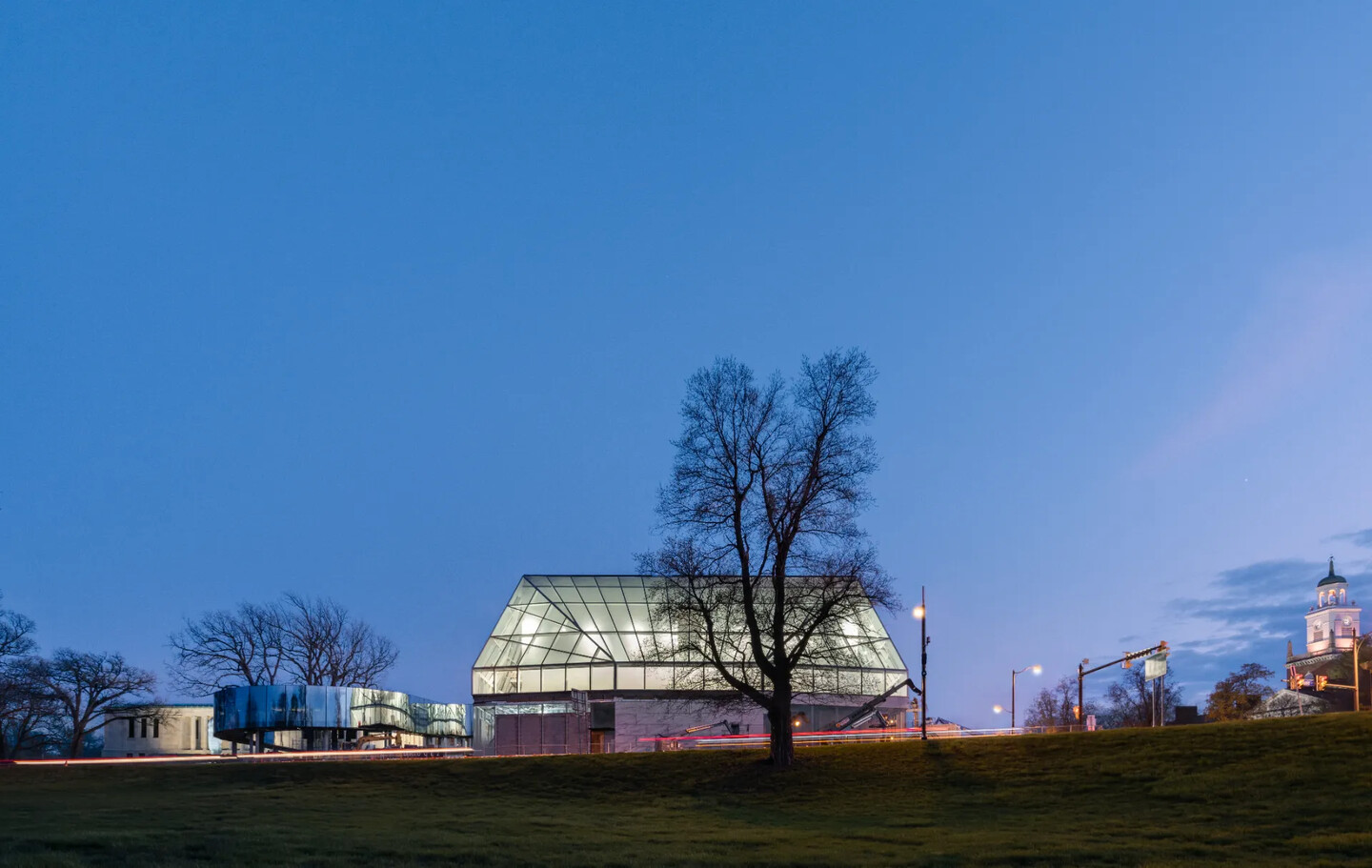
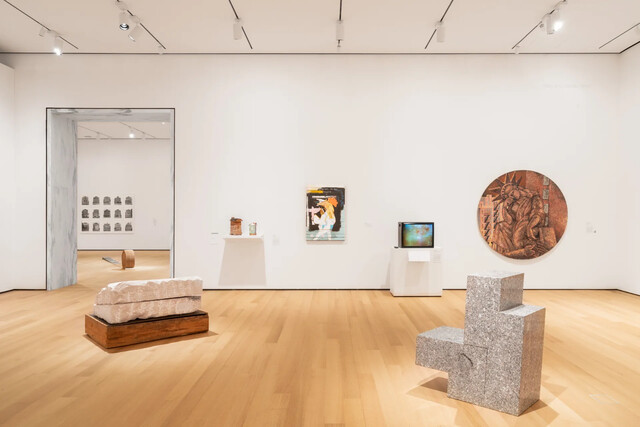
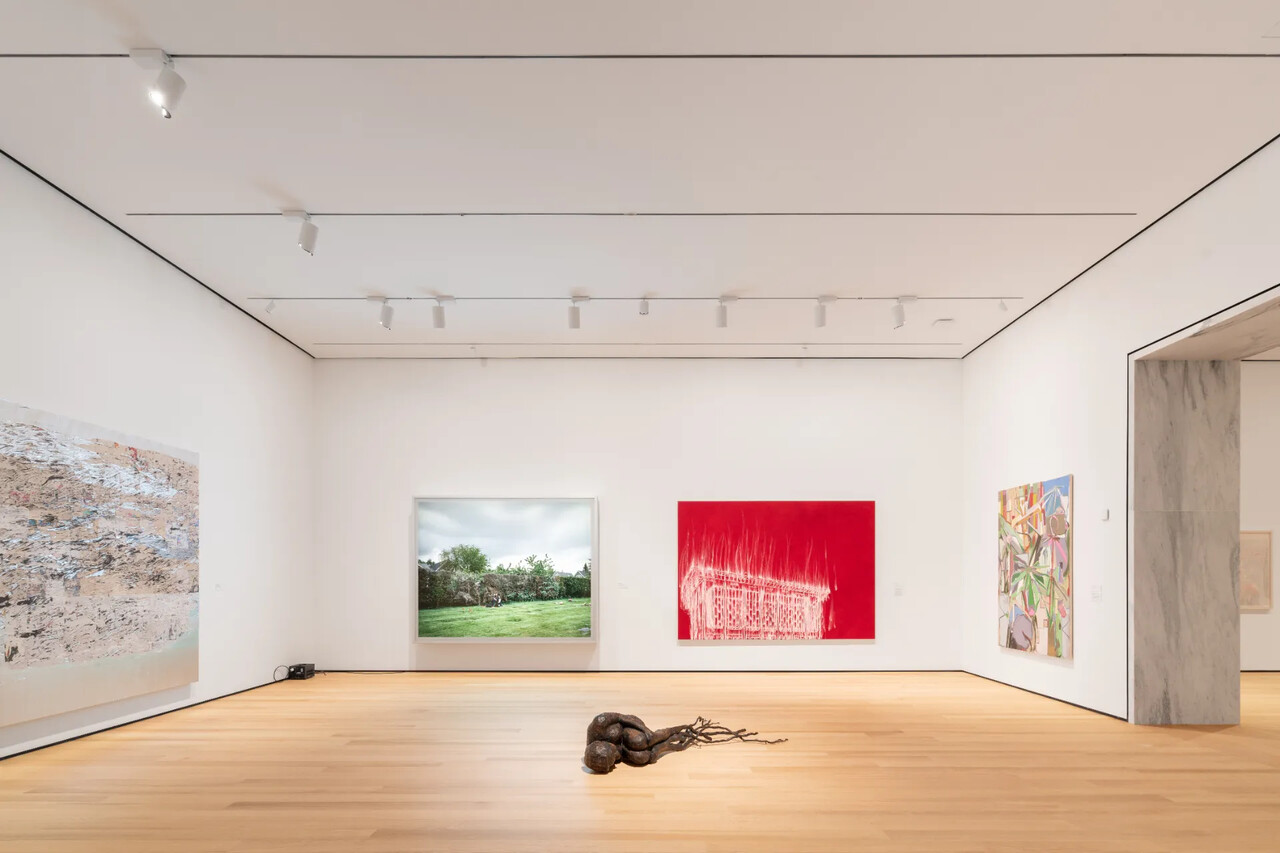
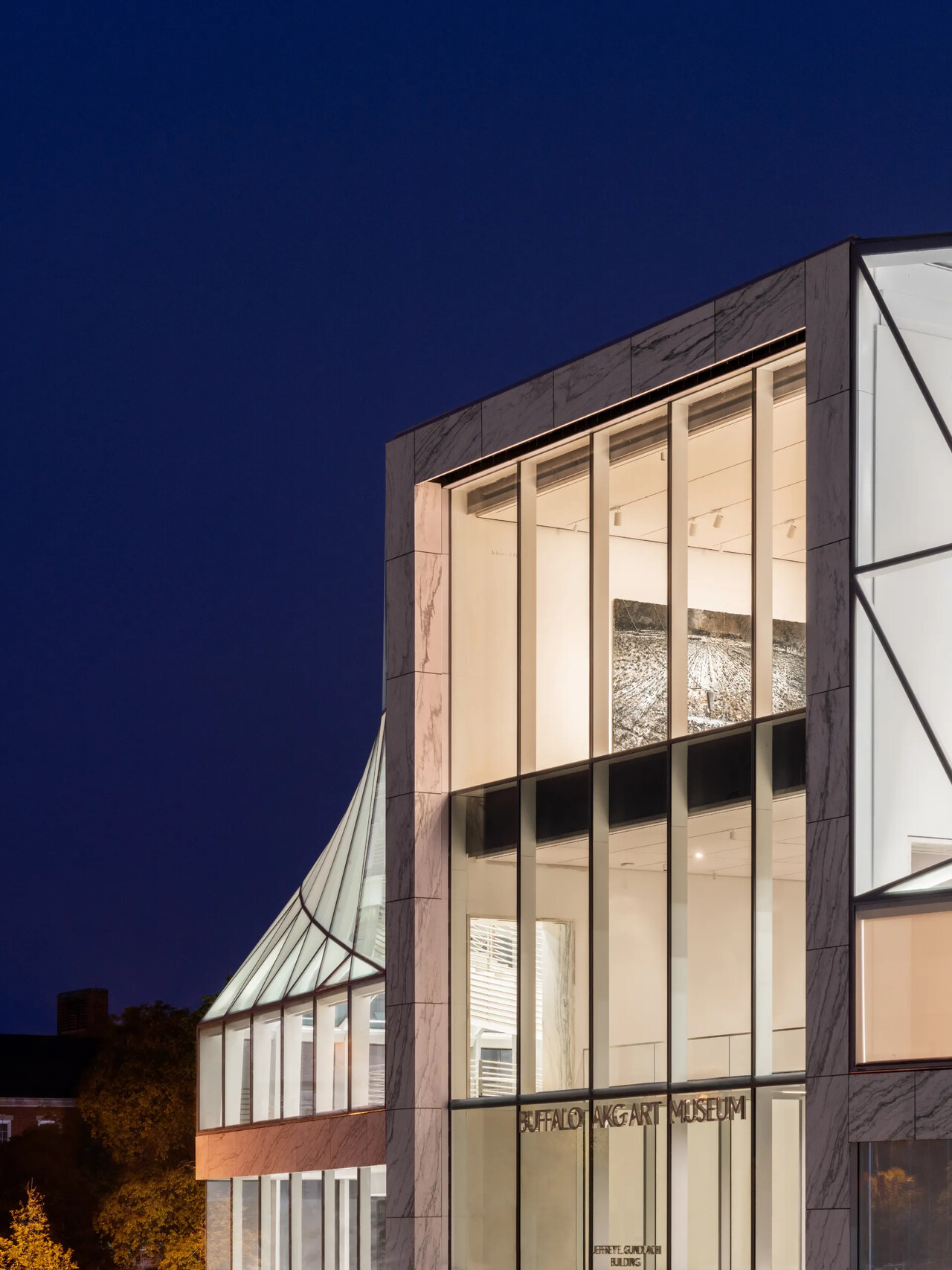
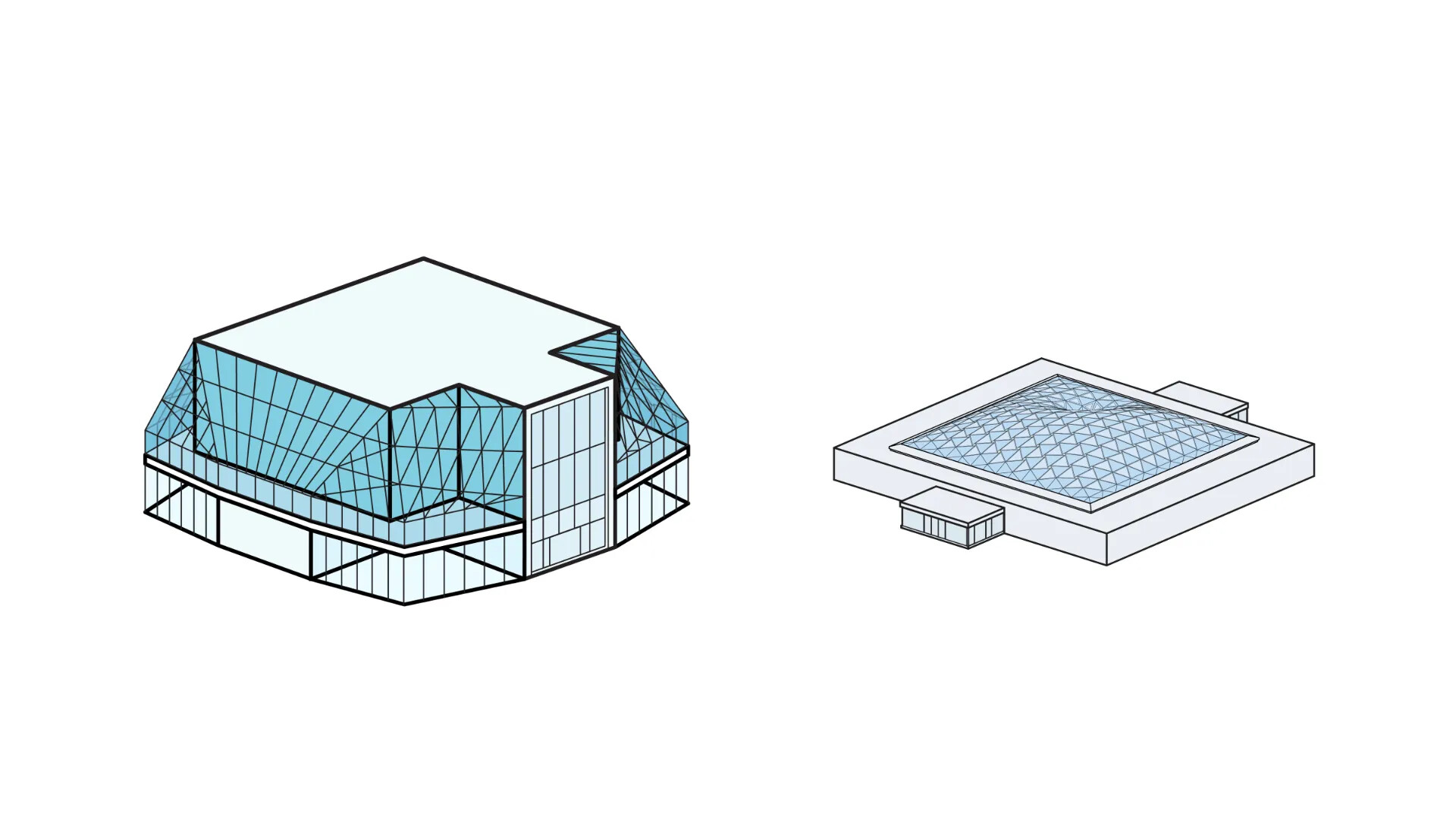
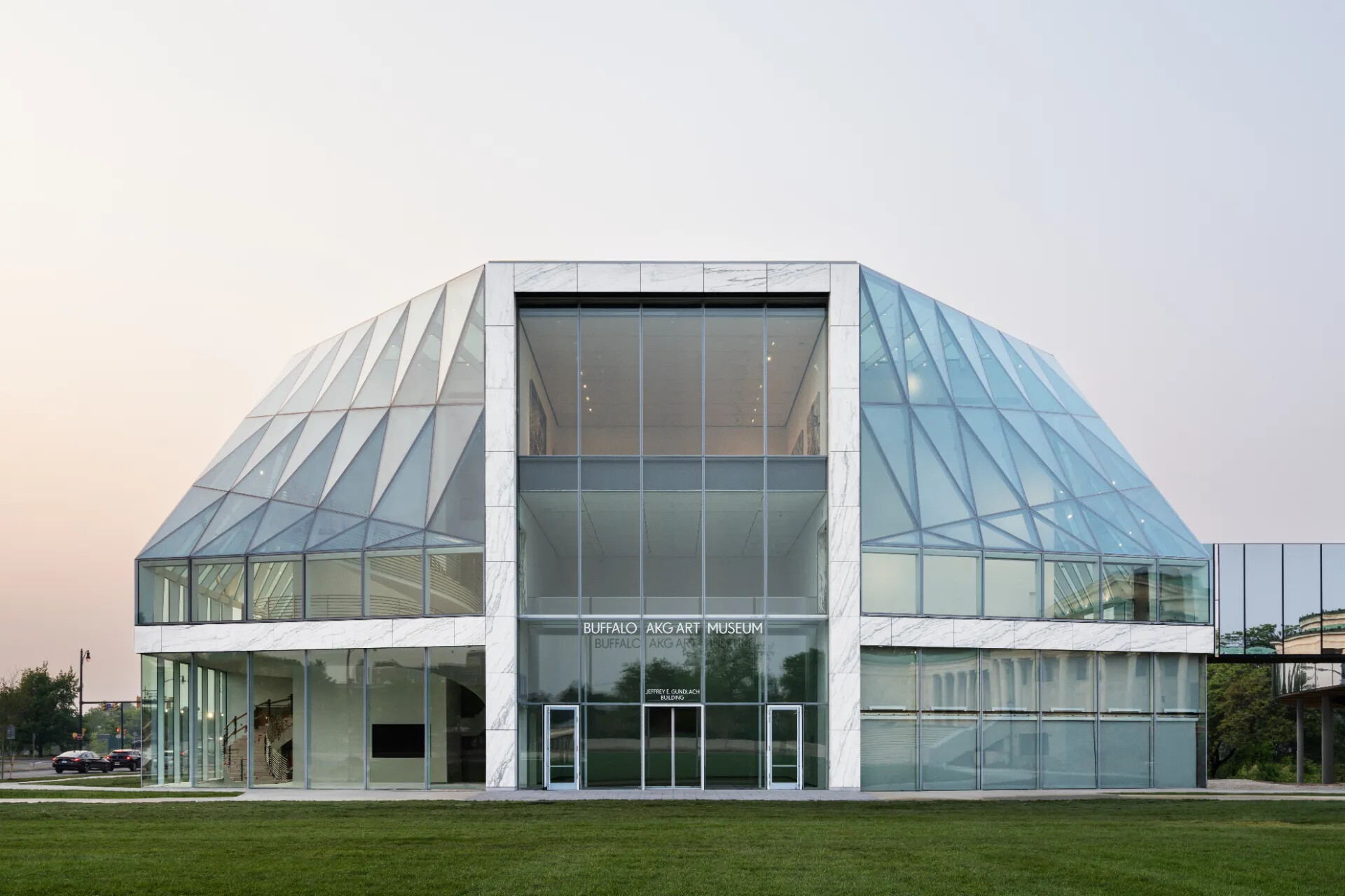
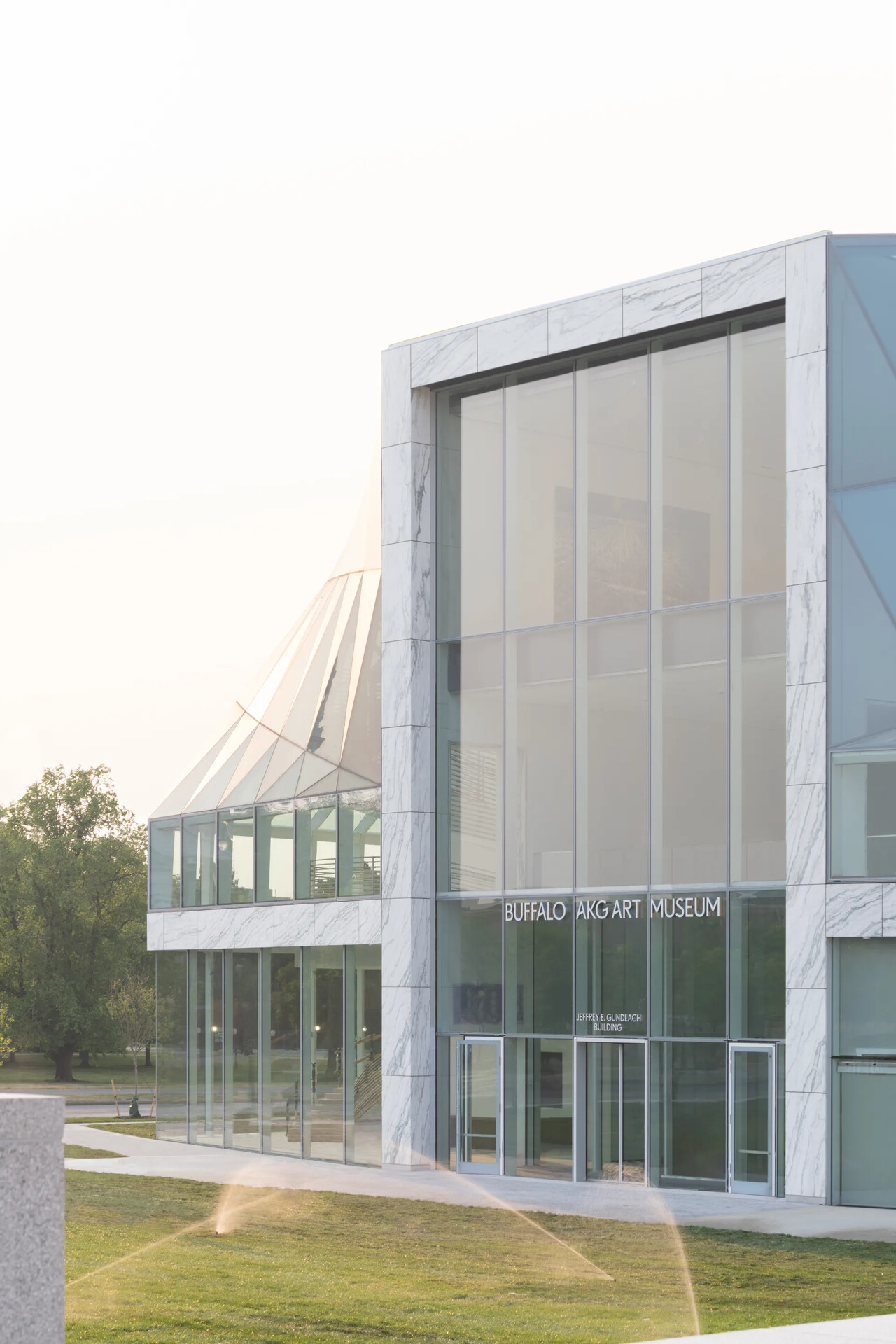
On the new Jeffrey E. Gundlach Building’s ground floor, we started with galleries in the shape of a cross, or a plus sign (because it’s an addition). The galleries lie at the heart of the building while four transparent corners—containing lobby, media gallery, office, and loading dock—bring the park in and surround the museum in nature. While the scale of the cross galleries is akin to that of the intimate rooms of the 1905 structure, two larger, more efficient gallery boxes that resonate with Bunshaft’s box are stacked above. A double-height gallery in the front of the building connects the cross and flexible boxes.


新的Jeffrey E. Gundlach大樓一樓,我們以十字形或加號形狀的畫廊作為設計起點(因為它象徵著對原有結構的添加或擴充)。這些畫廊位於建築物的核心,四個透明的空間——包括大廳、媒體畫廊、辦公室和裝卸區——將公園的景色引入其中,使博物館環繞在自然之中。十字形畫廊的尺度與1905年建築結構中的私人房間相似,然而,在其上方堆疊著兩個更大的畫廊盒子,與Bunshaft的盒子產生共鳴。建築物前端的雙層高畫廊將十字形畫廊和彈性畫廊連接在一起。
MORE
MORE


MORE
MORE
MORE
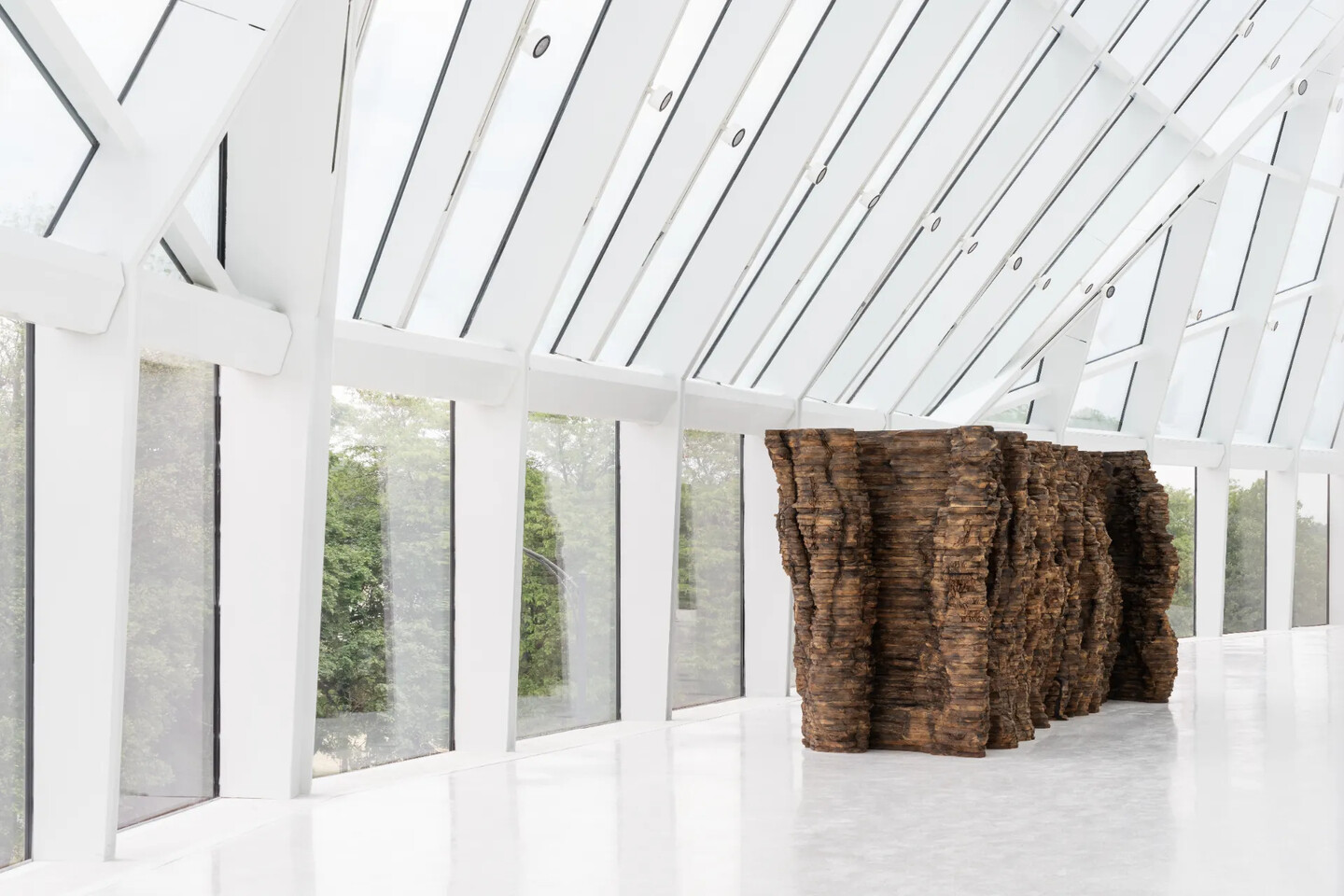
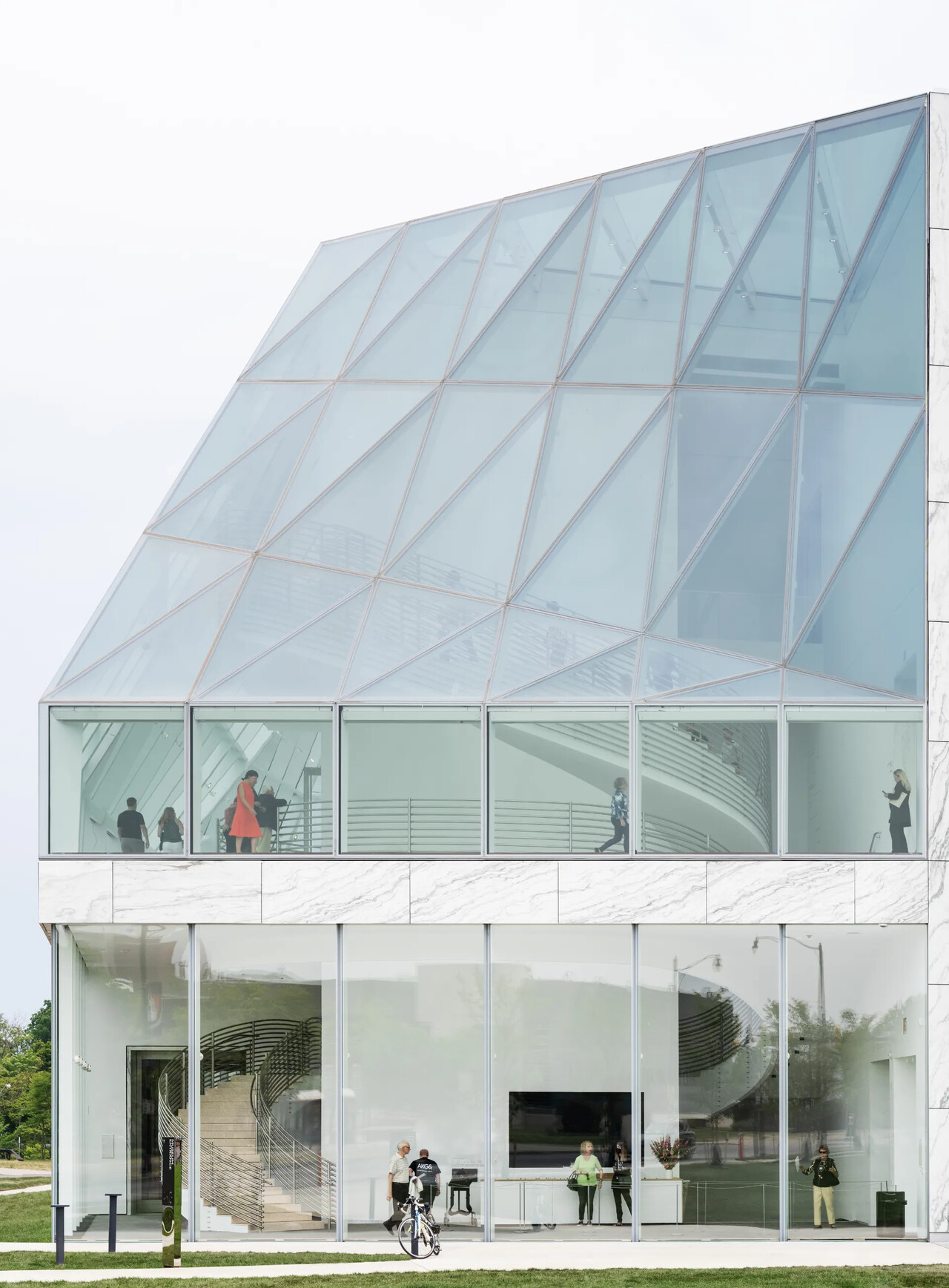
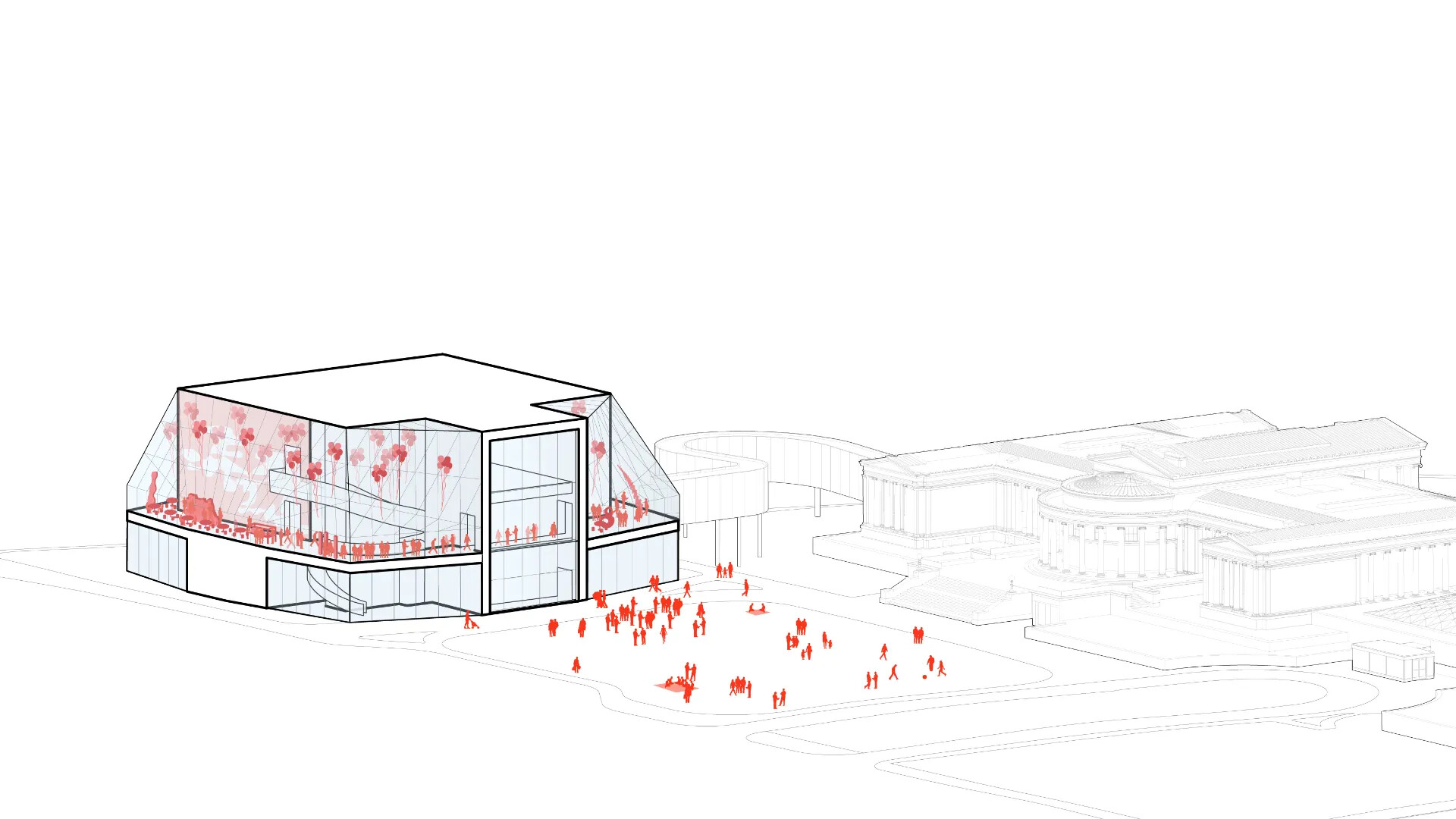
We had been observing how museums are evolving to provide diverse avenues of public engagement through expanded gallery activities and non-exhibition programs. We felt that museums now need to strike the right balance between programmed and programmable space, and must find new relationships between them. Our response was to wrap the second-level gallery with a promenade, an unprogrammed space for various activities—from sculpture exhibitions and galas to educational programs and wellness classes. The promenade and stack of efficient galleries are enveloped by a transparent facade that achieves an open and ephemeral quality. This “veil” covers the promenade to form a double-height buffer zone between nature and art. The resulting winter garden simultaneously embeds visitors in the park and exposes the museum’s activities to the campus and city. It is an inverse of the Bunshaft: while he captured nature at the center of art, we place art at the core surrounded by nature. 


我們一直在觀察博物館如何透過擴展的畫廊活動和非展覽節目提供多元的公眾參與途徑。同時認為,博物館現在需要在程式化以及可程式化的空間兩者取得平衡,並找到它們之間的新關係。我們的回應是在二樓畫廊周圍圍繞著一個步道,這是一個未編制的空間,可用於各種活動,從雕塑展覽及晚會到教育項目和健康課程。步道和高效的畫廊盒子被一個透明的外立面包圍,實現了開放和短暫的品質。這個「面紗」覆蓋著步道,形成了自然和藝術之間的雙層高緩衝區。由此產生的冬季花園將訪客融入公園中,同時將博物館的活動展示給校園和城市。這是對Bunshaft的反轉:他將自然捕捉在藝術的中心,而我們將藝術設置於被自然環繞的核心。
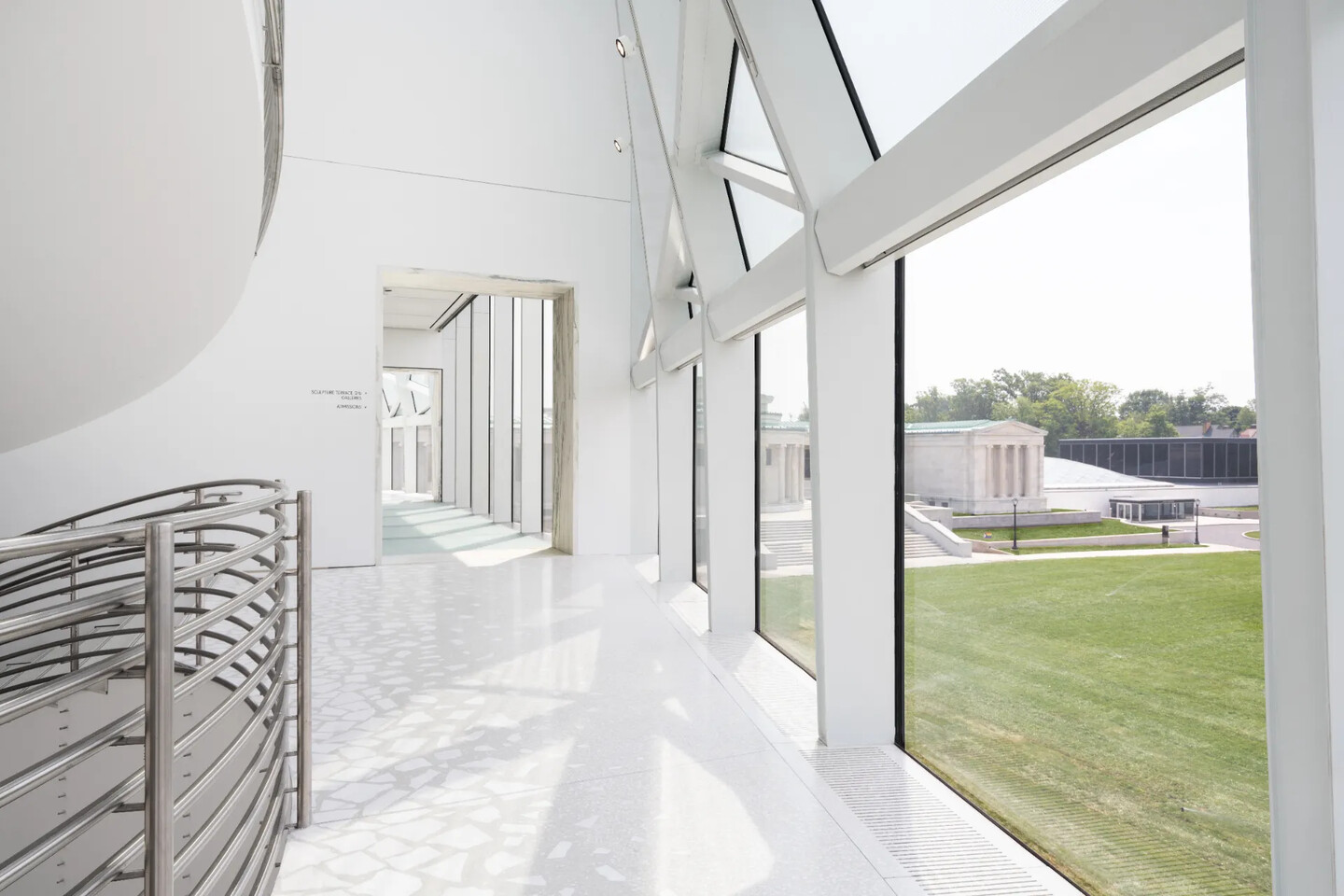


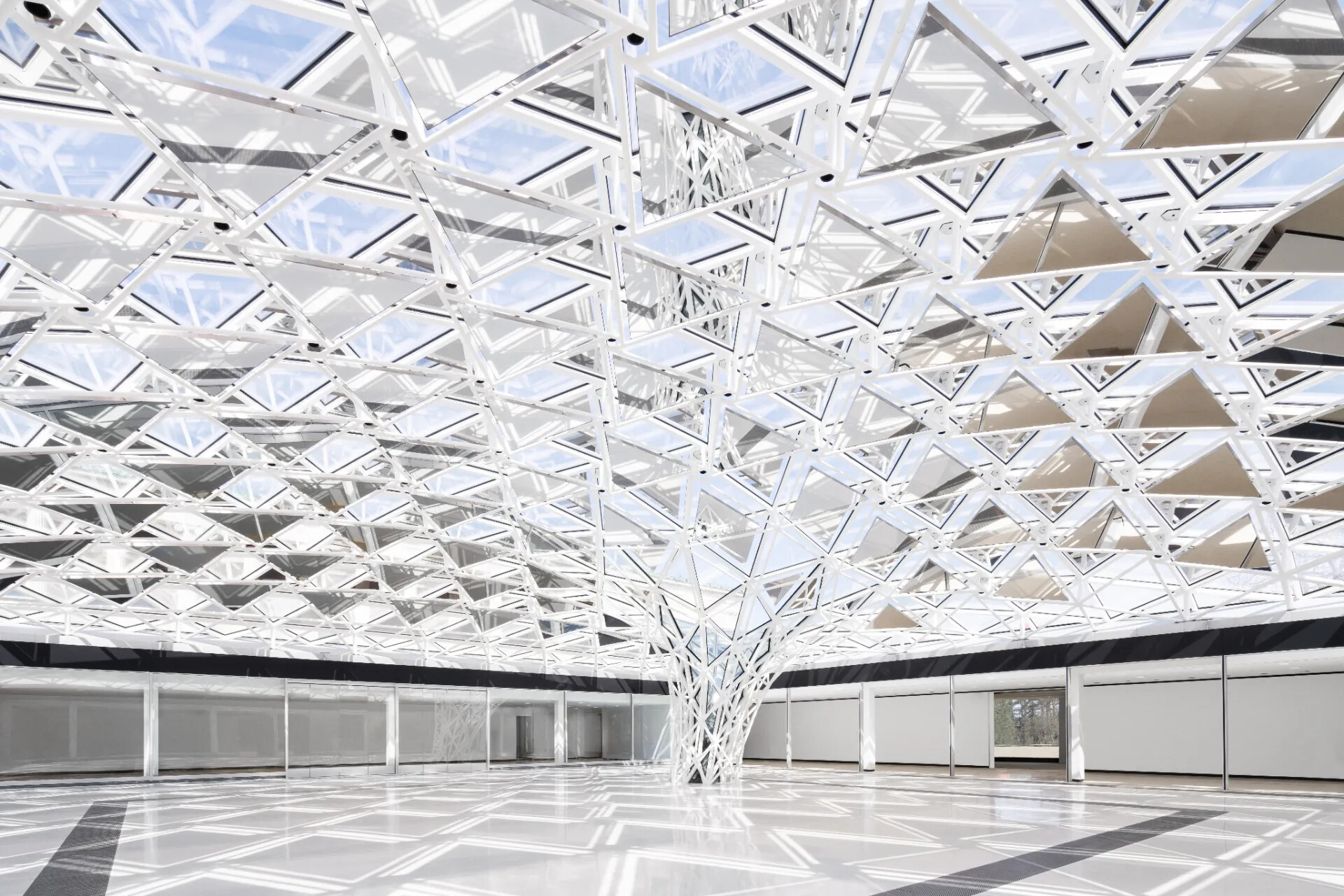
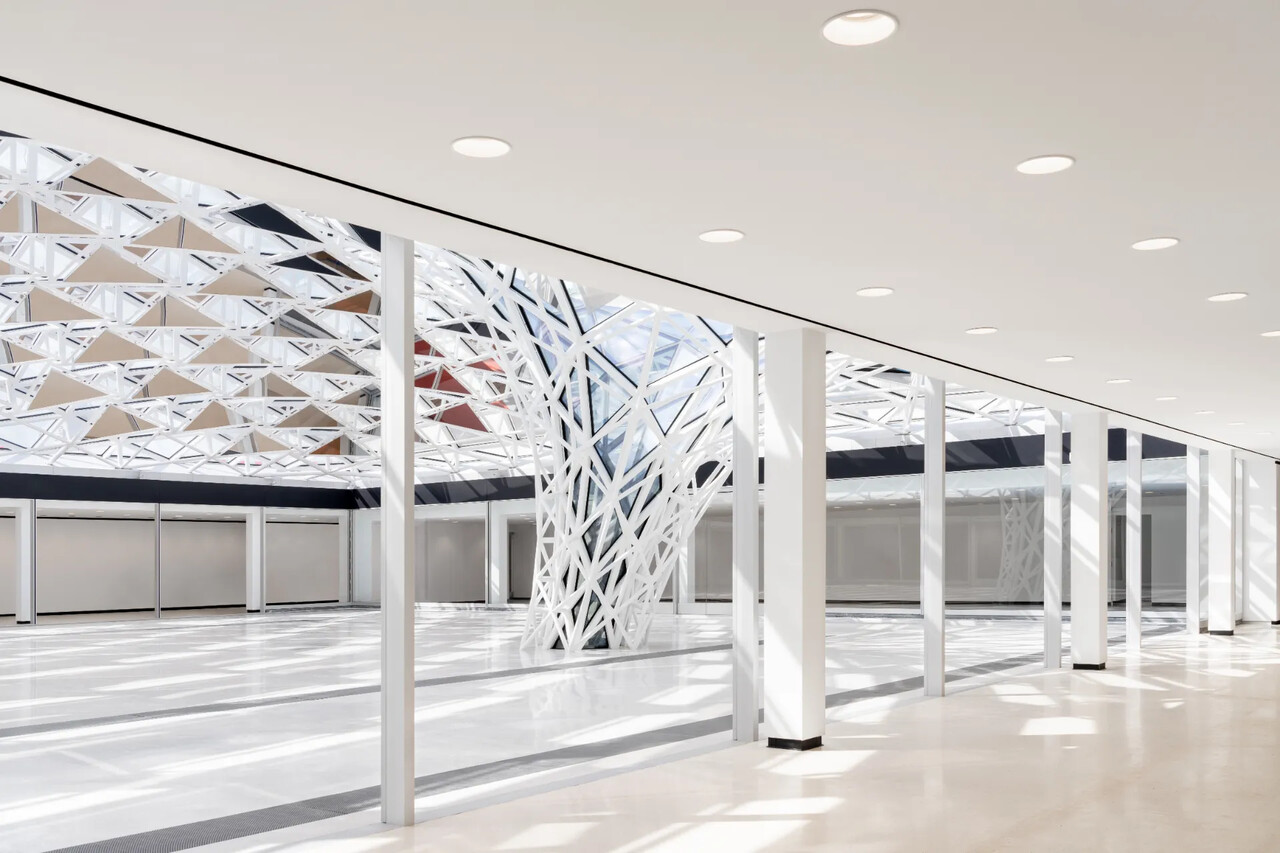
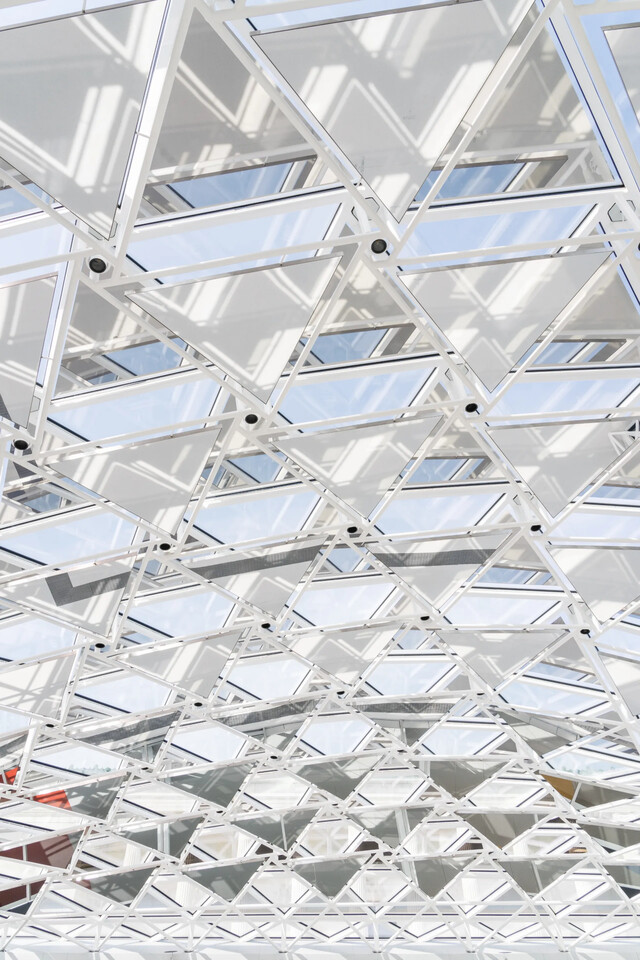
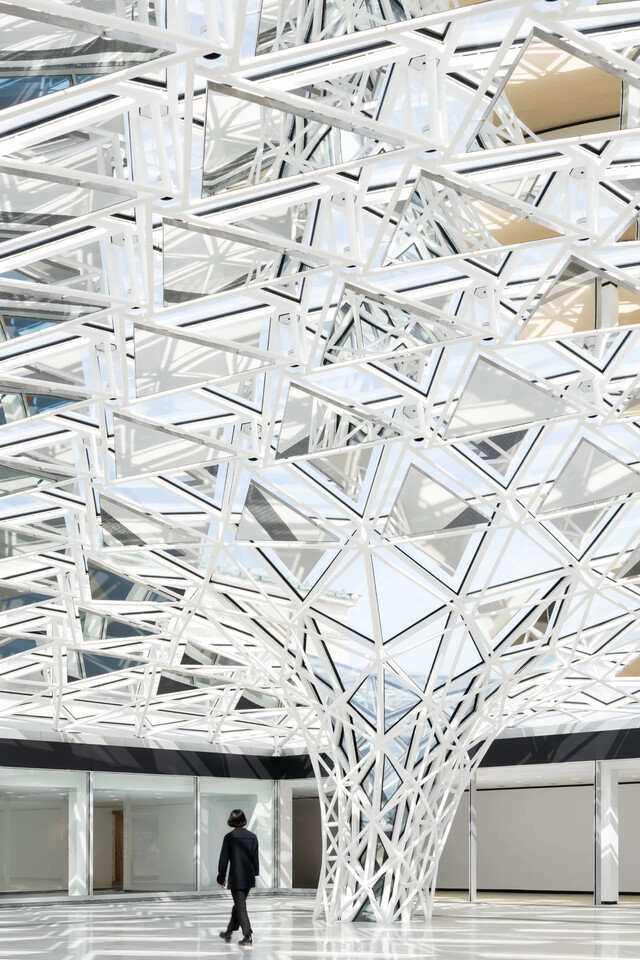
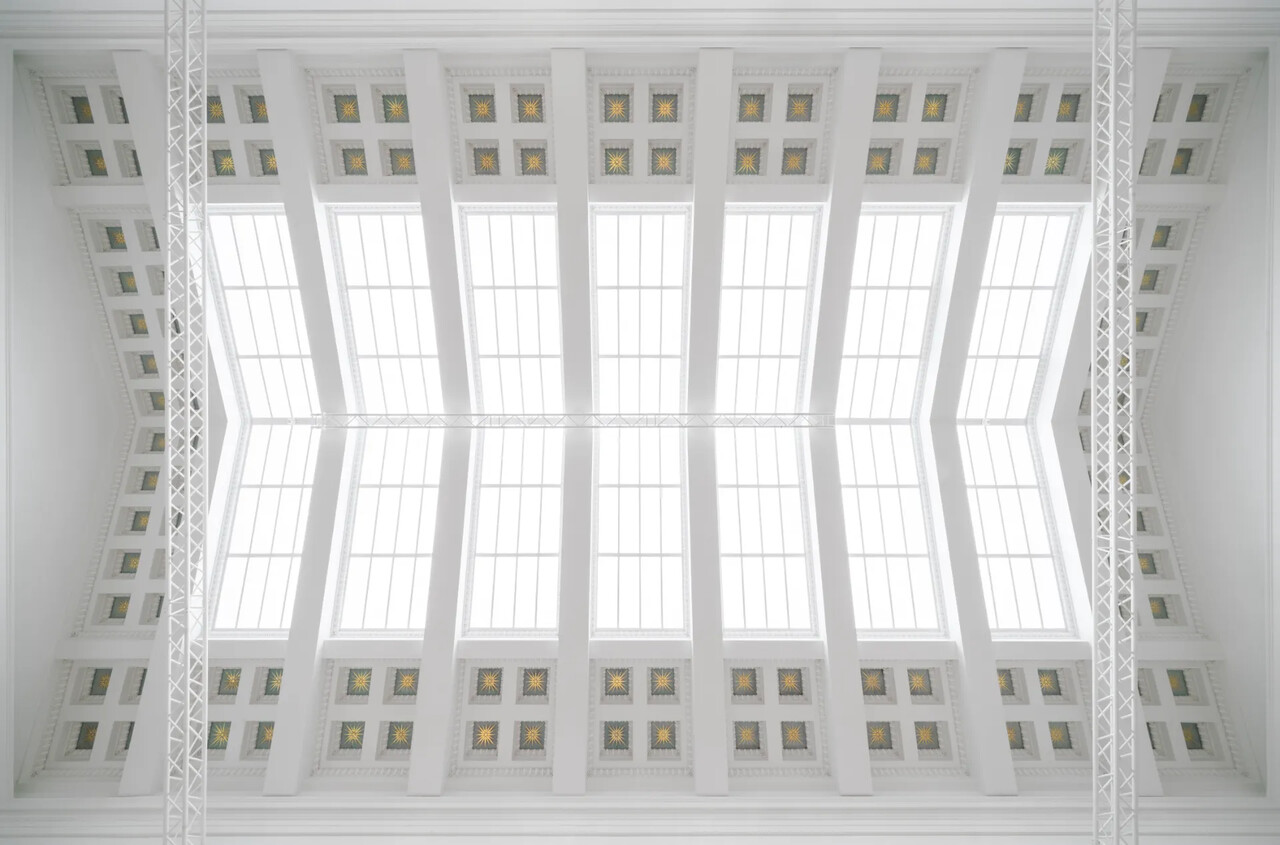
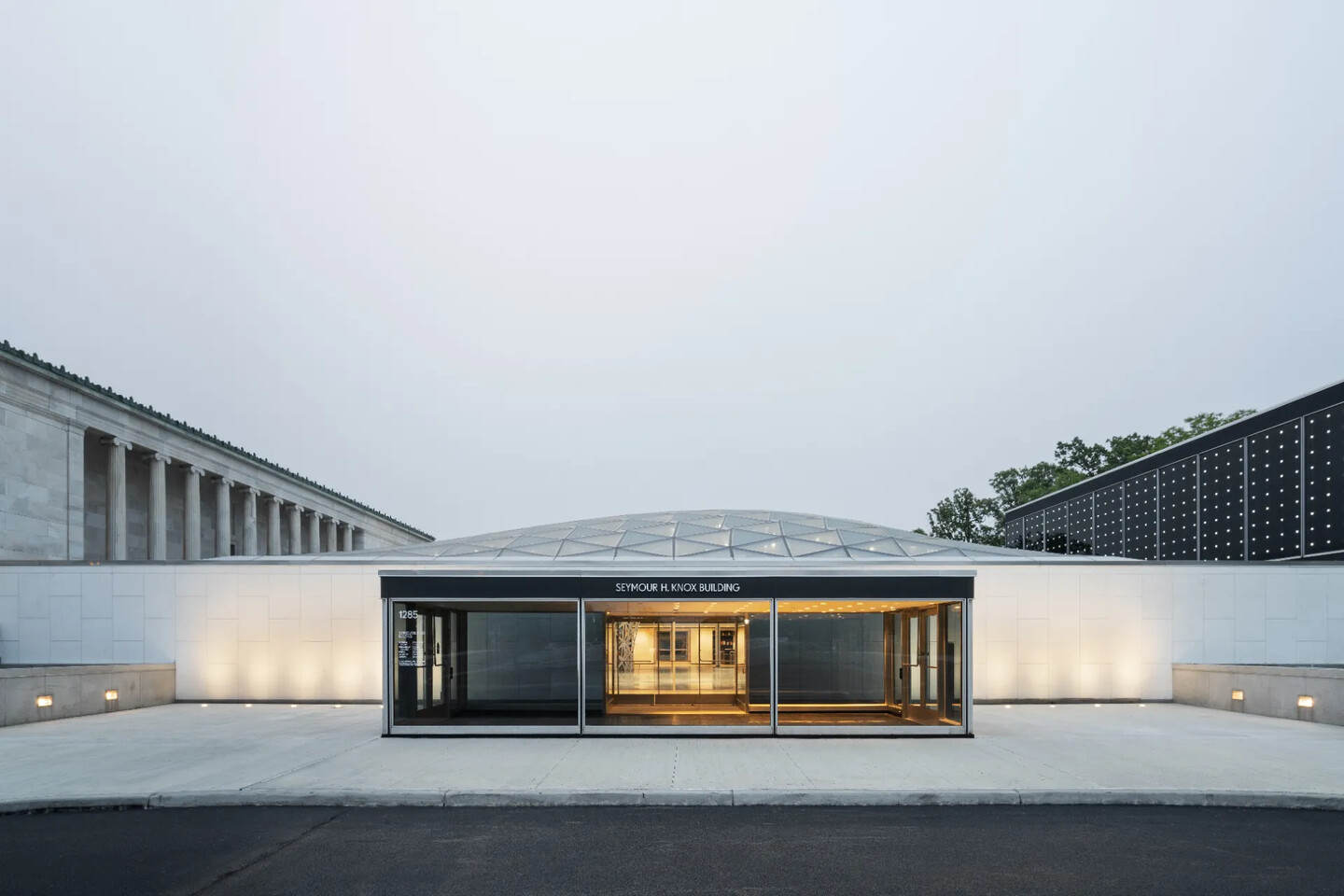
In addition to the new Gundlach Building, the existing campus as a whole is preserved and improved. The new, scenic John J. Albright Bridge connecting the Gundlach Building to the 1905 building, now known as the Robert and Elisabeth Wilmers Building, weaves through, and immerses visitors in, the historic park landscape. We bury the surface parking lot underground and place a large park lawn at the center of the campus and restore the historic steps of the Wilmers Building facing the lawn. The 1962 building, now known as the Seymour H. Knox Building, becomes a new community engagement, learning and creativity center; greatly enhanced by and monumental artwork Common Sky by Olafur Eliasson and Sebastian Behmann of Studio Other Spaces, which now encloses the original open-air and largely inaccessible interior courtyard to create the Ralph C. Wilson Foundation Town Square. Most importantly, a new point of entry on the east facade of the Knox Building establishes a through-connection from the city to the park.


除了新的Gundlach大樓外,整個現有的校園也得到保留及改善。新的景觀型John J. Albright橋連接著Gundlach大樓與1905年的建築物(現稱為Robert和Elisabeth Wilmers大樓),它穿梭並讓訪客沉浸在歷史公園的景觀中。我們將地面停車場埋設在地下,並在校園中心設置一個大型公園草坪,同時還修復了面向草坪的Wilmers大樓的歷史階梯。1962年的建築物現在被稱為Seymour H. Knox大樓,成為一個新的社區參與、學習和創意中心。它受到了由Olafur Eliasson和Sebastian Behmann的Studio Other Spaces創作的巨大藝術品《Common Sky》的大幅提升,該藝術品現在圍繞著原來的室外且很大程度上無法進入的內部庭院,形成了Ralph C. Wilson基金會的市政廣場。最重要的是,Knox大樓東立面的新入口建立了從城市到公園的通道連接。
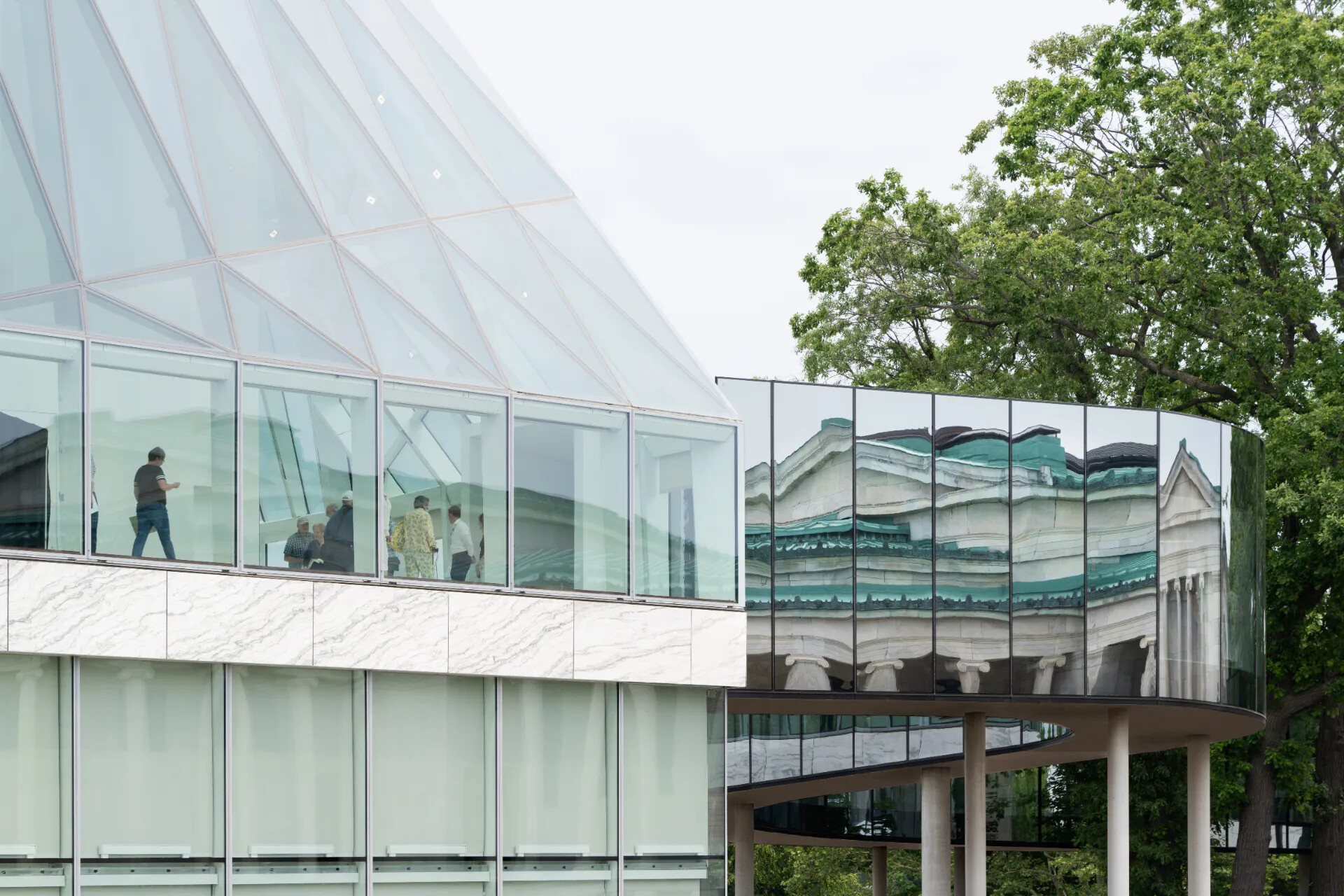
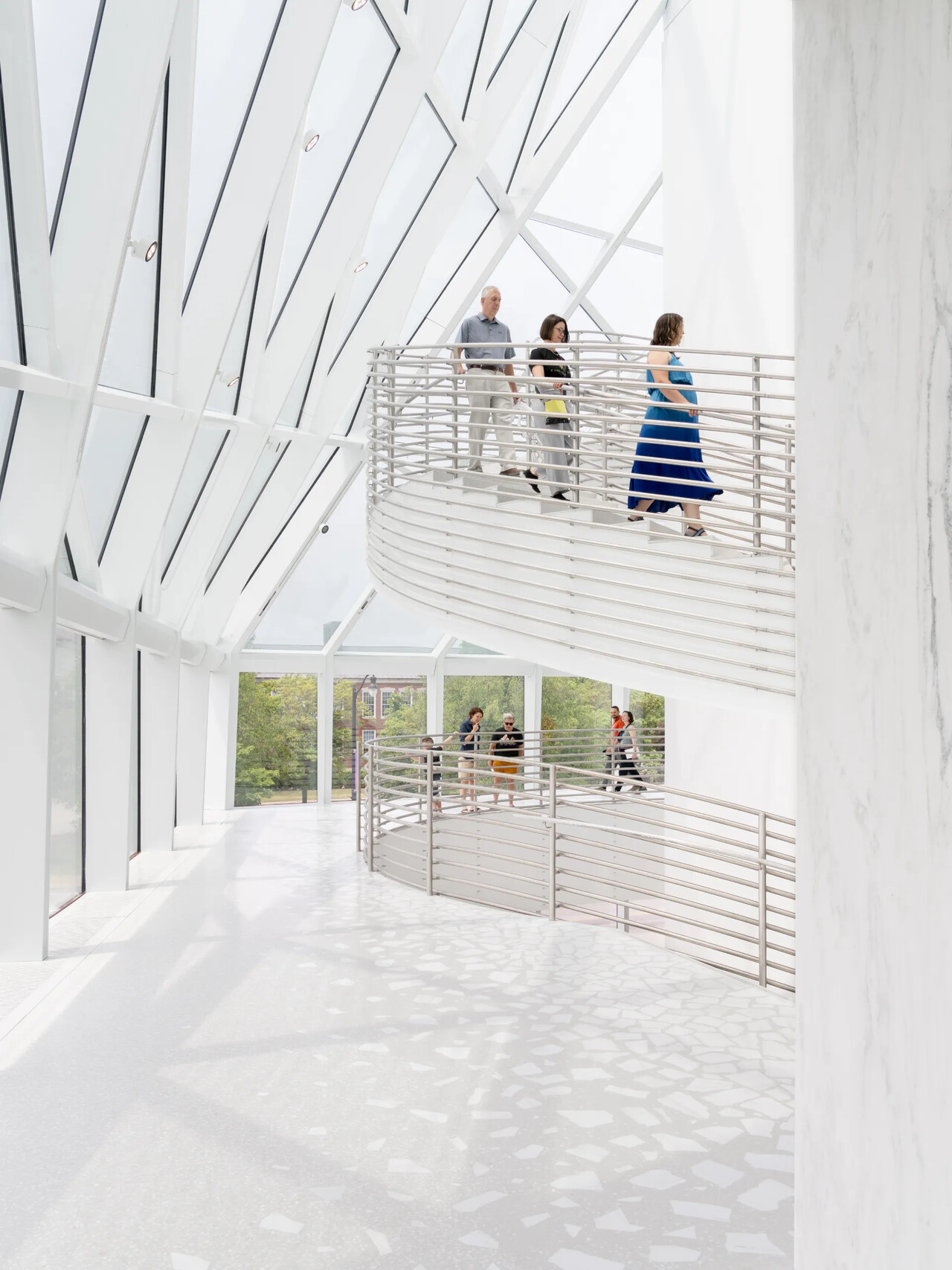


While the existing buildings were hermetic historically, the new Gundlach Building opens itself up to its surroundings—a transparent entity that contributes a new profile and language to the lineage of architectural history of the institution. Together, the new complex offers an array of programs and spatial experiences—from classic to modern to contemporary, gallery to classroom, intimate rooms to grand halls, lawn to courtyard to winter garden. The result is a true campus-like museum that integrates art, architecture, and nature.
 

儘管現有的建築在歷史上是封閉的,新的Gundlach大樓向周圍開放,成為一個透明的實體,為該機構的建築歷史增添了新的輪廓和語言。這個新的綜合體提供了多種節目和空間體驗,從古典到現代,從畫廊到教室,從小而私密的房間到宏偉的大廳,從草坪到庭院到冬季花園。結果是一個真正的校園式博物館,將藝術、建築和自然融合在一起。


Design Studio|OMA • SHOHEI SHIGEMATSU 
Photography|Marco Cappelletti
  • About
  • Privacy policy
  • Track Order
  • Customer
  • Contact
  • Join us
FACEBOOK
instagram
Language

Copyright © WABISABI ISSUE. 侘寂傳媒有限公司 統一編號:90451315

  • Projects
    • Worldwide
    • Interiors
    • Features
  • Contemporary
    • Exhibitions
  • Record
  • Lifestyle
  • City Explore
  • News
  • Issue
  • About
  • Privacy policy
  • Track Order
  • Customer
  • Contact
  • Join us
Language