Cabin Fever 2025
Cabin Fever is an international summer school and festival launched by the Hungarian architecture studio Hello Wood, known for its design-build approach and community-focused, sustainable projects. Since its founding in 2010, Hello Wood has become a global platform merging hands-on education with socially engaged architecture.
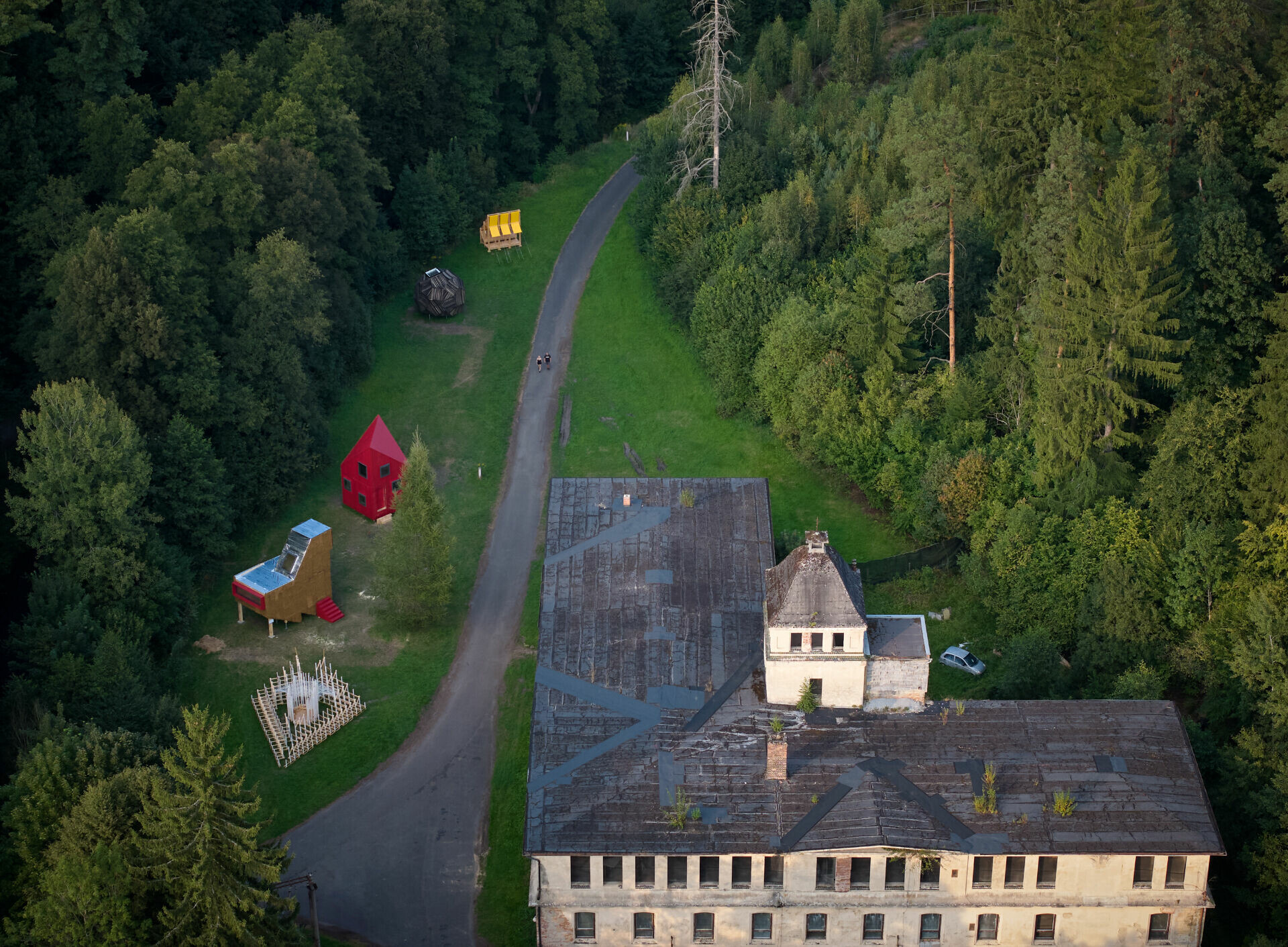
The 2025 edition, powered by VELUX, explored how light and space shape human experience — placing presence, intimacy, and connection at the center of architecture. This dialogue with VELUX reflects a shared conviction: that the future of building lies in responsibility — in creating spaces with care, with awareness, and with light — offering meaningful alternatives in an overstimulated world. From 23–31 July 2025, the festival took place in Česká Kamenice, Czech Republic, on the grounds of a former textile factory and wartime labour camp — a place that embodies both the weight of memory and the potential for transformation. Under the theme “Quality Time – Connection to Each Other”, participants were invited to explore how design can strengthen our relationships with each other and with the places we inhabit. Students and emerging designers from around the globe worked alongside acclaimed studios such as Arthur Mamou-Mani (UK), Geoffrey Eberle / Entropic (ES), Mjölk architekti (CZ), and Hello Wood (HU) to design and build cabins and temporary installations. Three winning proposals from an international open call for installations were also realized on site.
《Eclosion》
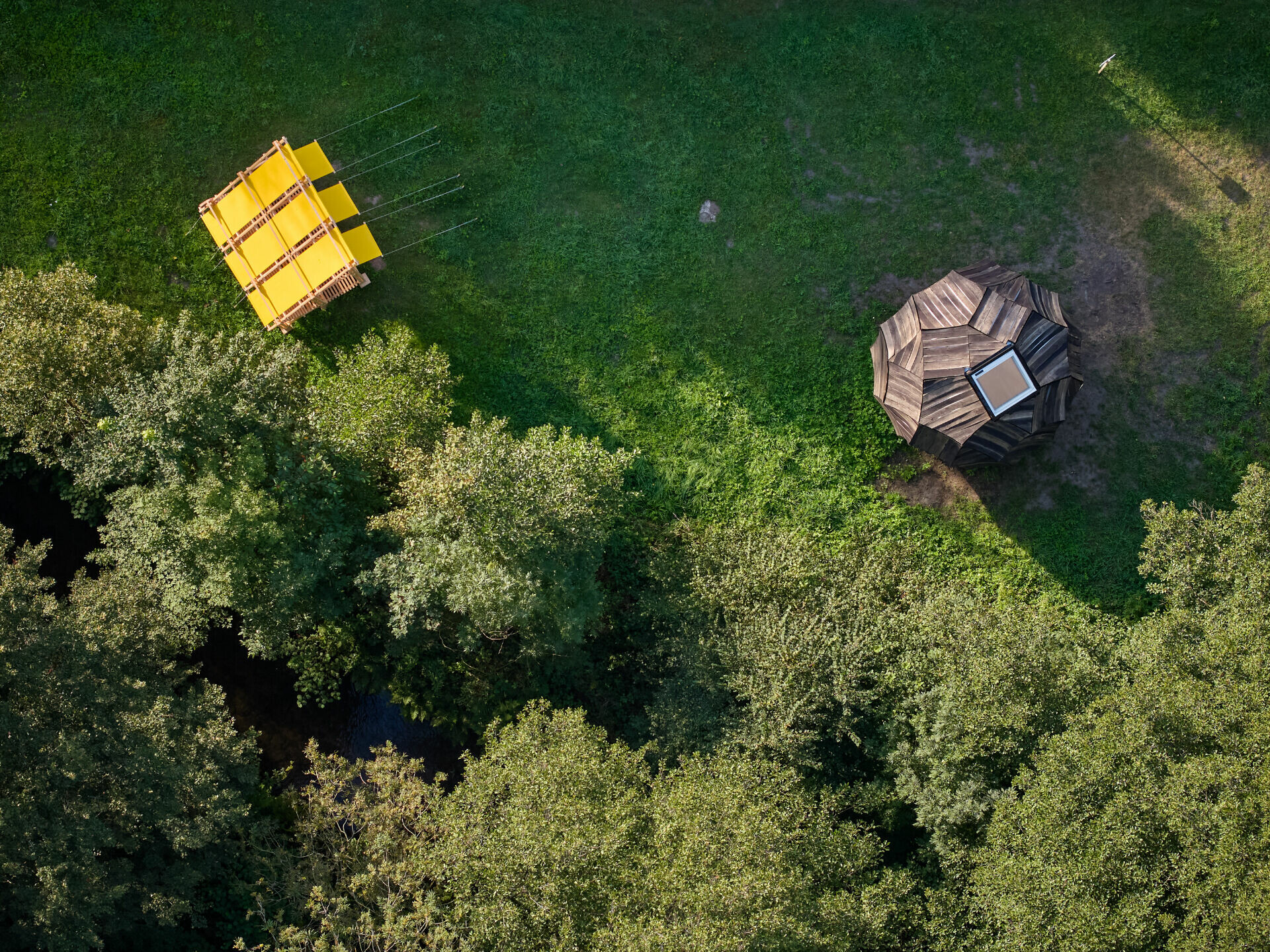
Eclosion invites you to connect to inner spaces and distant places. Like the warp and weft of woven fabric, this project recollects the complex histories of the site and interweaves them into a pavilion where people and place meet. The installation pulls inspiration from various layers of the site's histories, textile craft, aerospace manufacturing, and the cocoon of the Meta menardi spider. Interwoven layers of natural and human history in one space. While you visit this site, you are constantly being woven through the fabric of space and time: you become part of the ever-changing fabric of the site, emerging transformed—an eclosion of new perspectives and shared memories.
設計者:
Dorottya Kiss (HU), Matthew McArthur (CA)
工作坊指導:
Dorottya Kiss (HU), Matthew McArthur (CA)
建造團隊:
Balázs Csépi (RO), Caroline Mann (AT), Dániel Attila Bedrossian (HU), Ella Kullered (SE), Eszter Bärnkopf (HU), Marta Bautista Useros (ES), Steeven Isaac Pilla Barroso (EC)
《The Chicken》
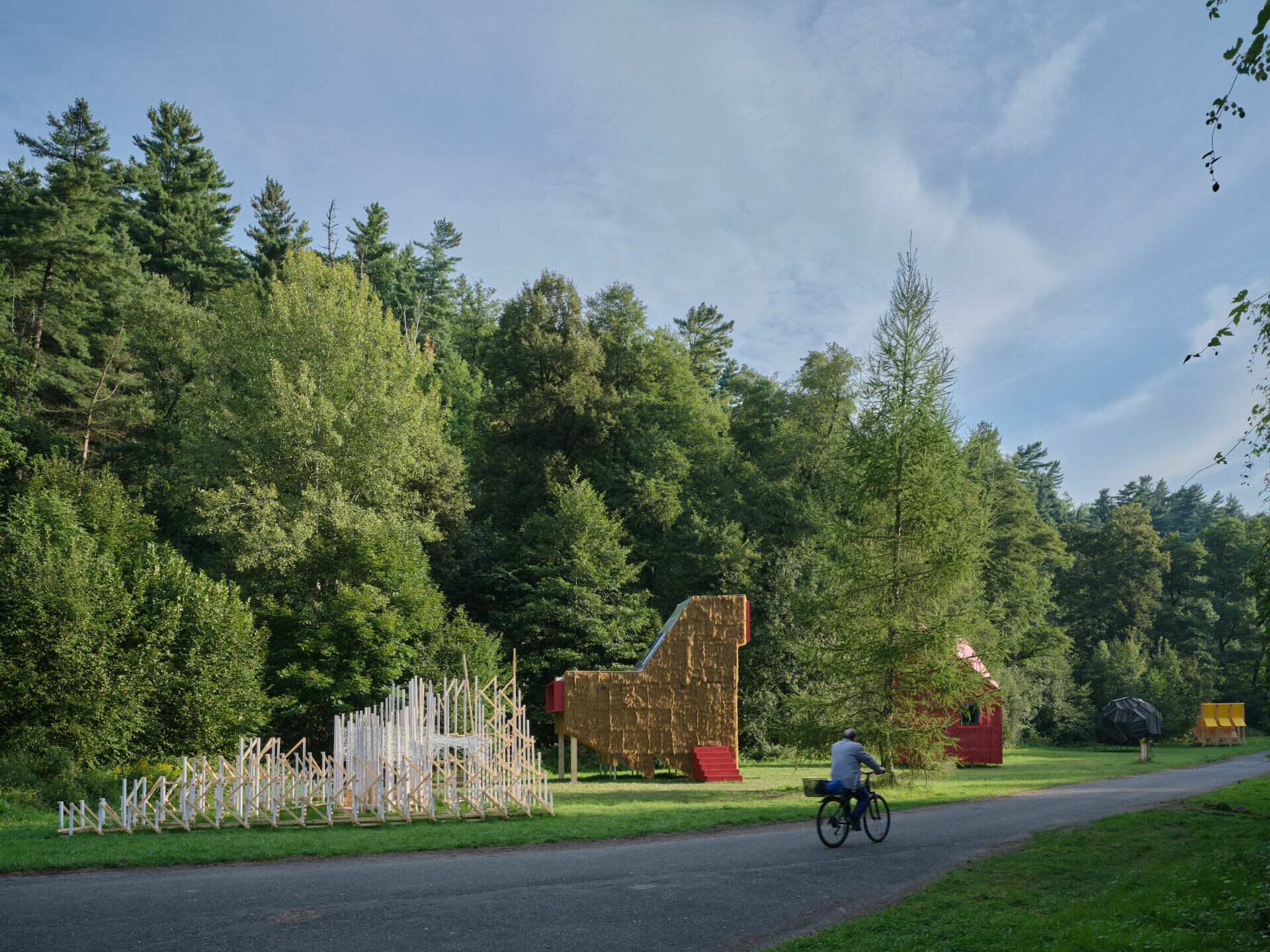
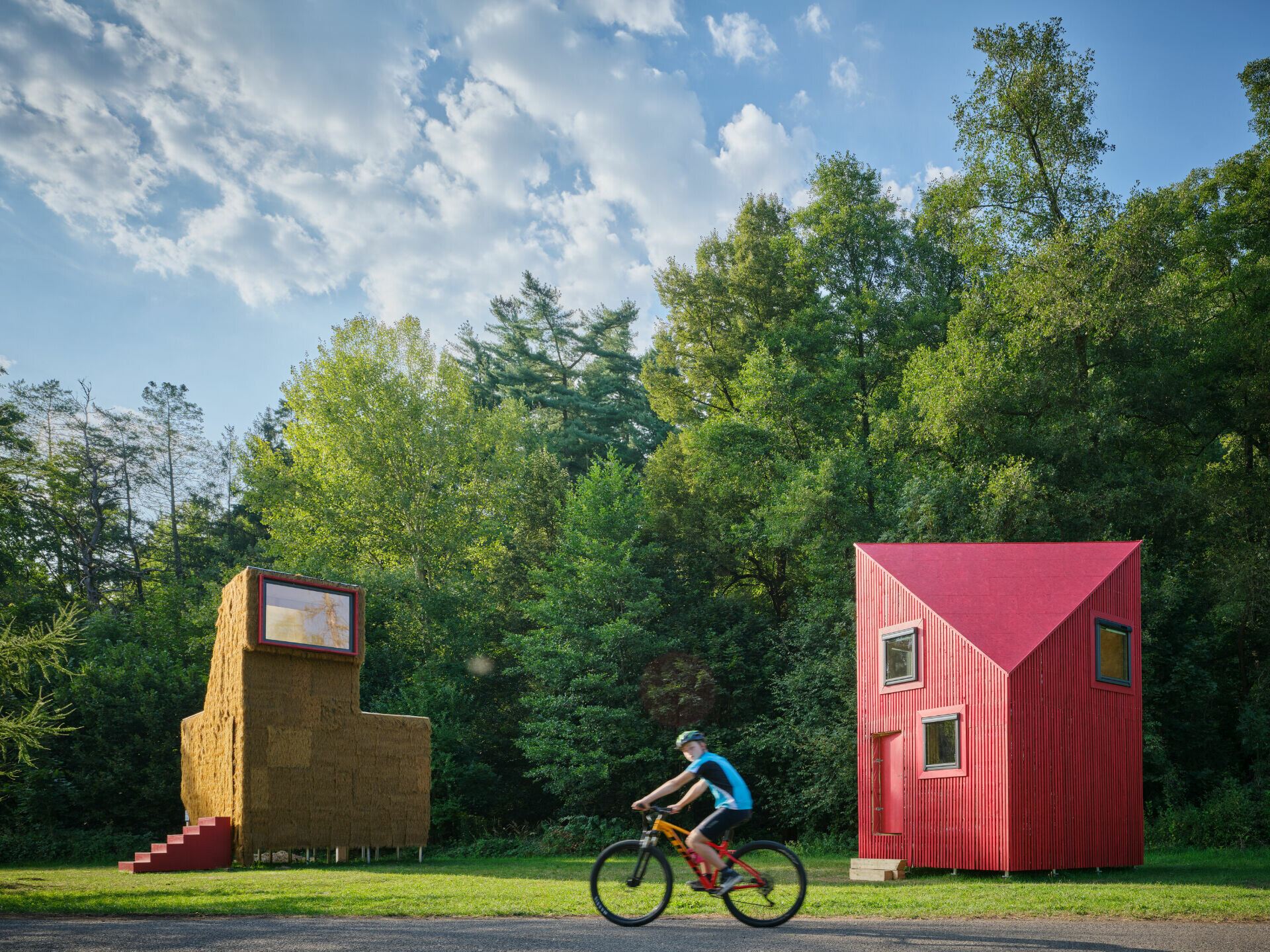
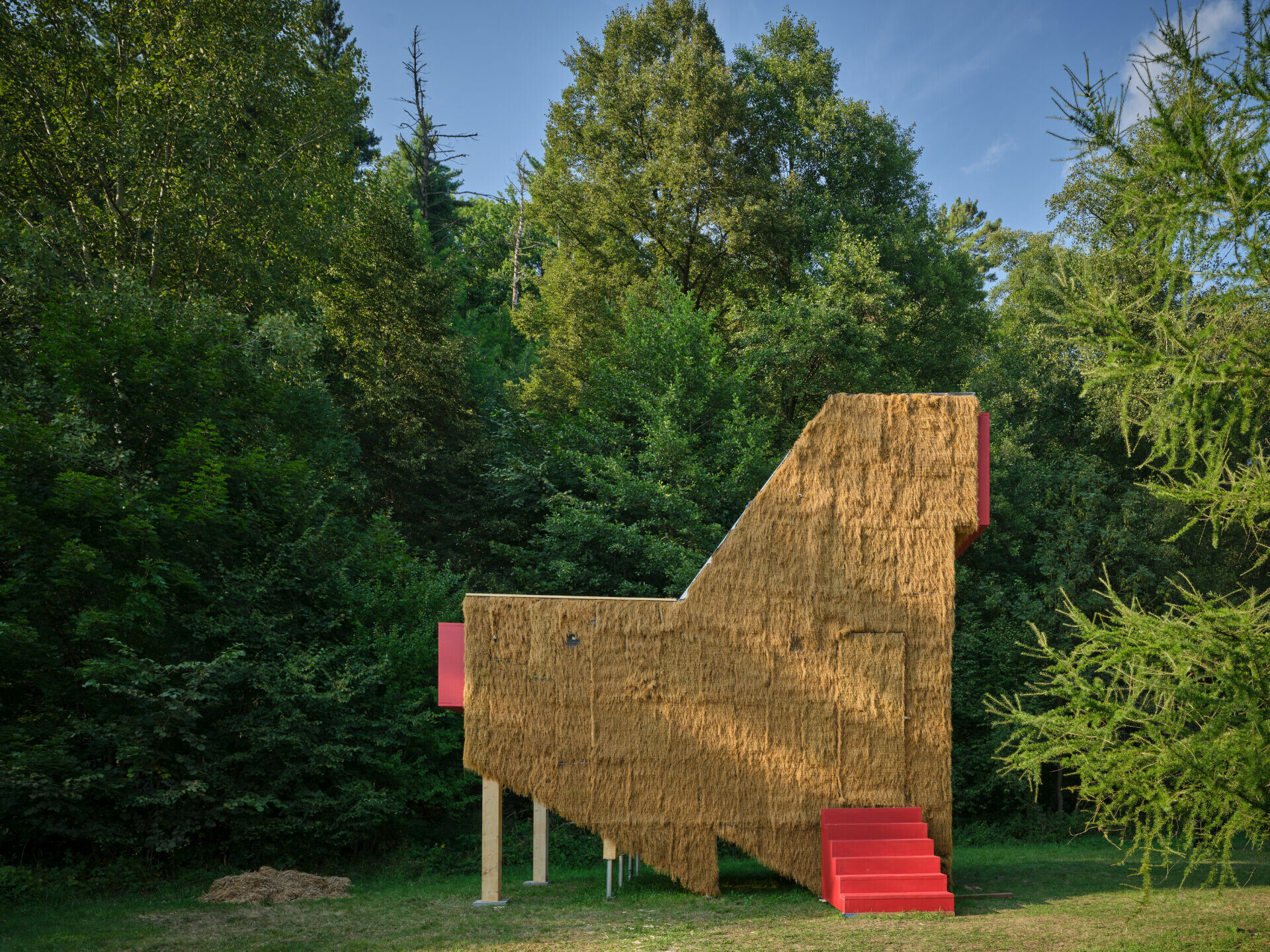
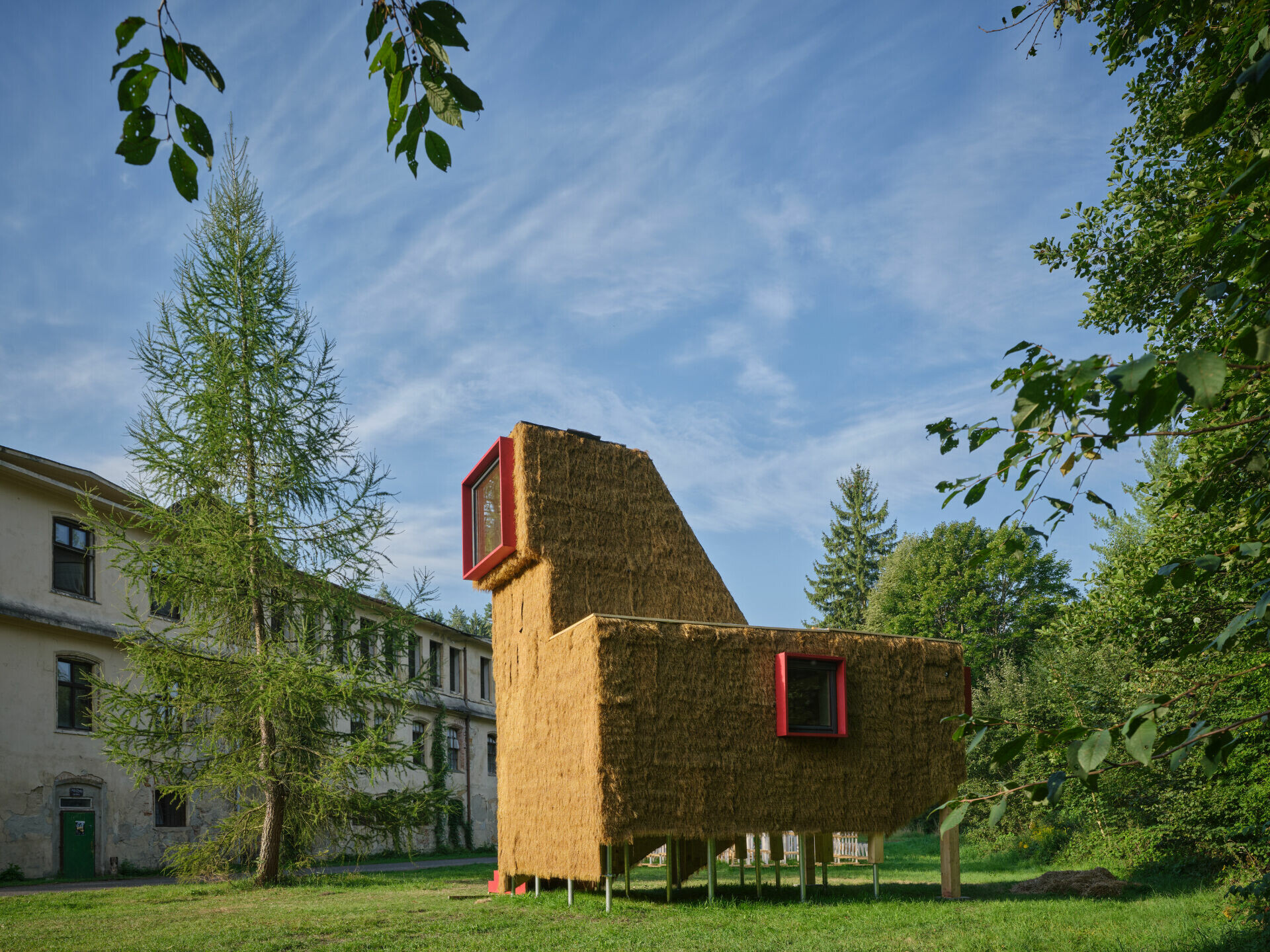
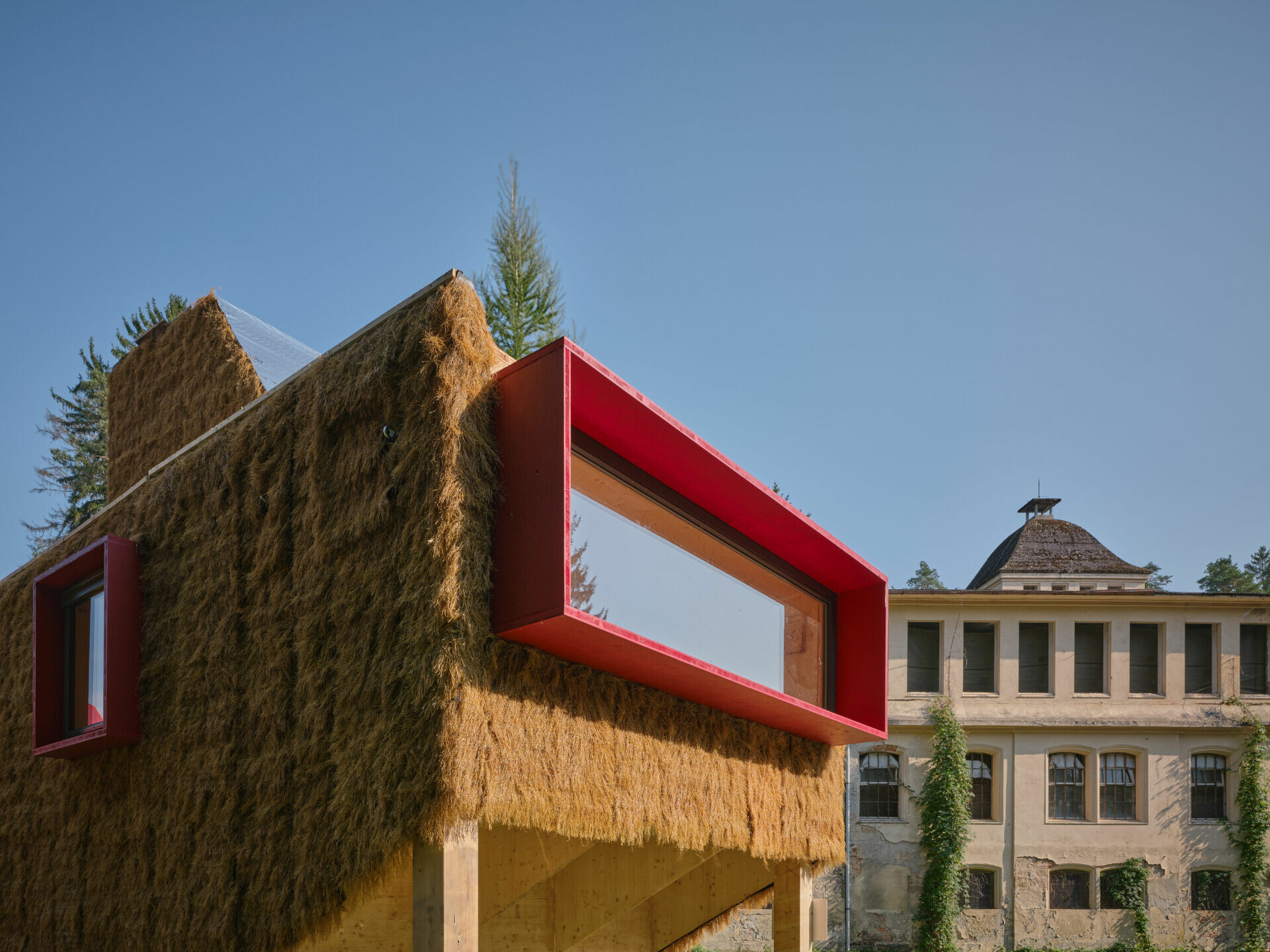
This playful yet functional structure reimagines one of the world’s most familiar birds as both shelter and observation point. Designed to reflect the life of the forest’s birds, it invites visitors to lie back inside its chicken-shaped neck, using an internal mirror to watch the canopy and nesting birds in comfort. The moss-covered exterior doubles as a living habitat for insects and birds, merging architecture with nature. Its whimsical form is a reminder that design is not only about straight lines — it can also bring joy, curiosity, and a deeper connection to the world around us.
設計者:
Mjölk architekti (CZ)
工作坊指導:
Jan Mach – Mjölk architekti (CZ), Igor Nesterov – Mjölk architekti (CZ)
建造團隊:
Ábel Fenyvesi (HU), Adam Schwarz (CZ), Anna Maršálková (CZ), Daniela Ondřejová (CZ), David Haňkovský (CZ), Ester Moretto (IT), Filip Cerha (CZ), Filip Thuma (CZ), Jolana Dubová (CZ), Marieke Béroff (FR), Marina Pyzhianova (CZ), Martina Thýnová (CZ), Nikola Žuchová (CZ), Tereza Podzimek (CZ), Tobiáš Hrabec (CZ), Veronika Richterová (CZ), Vilmos Hermann (HU)
《The Splinter》
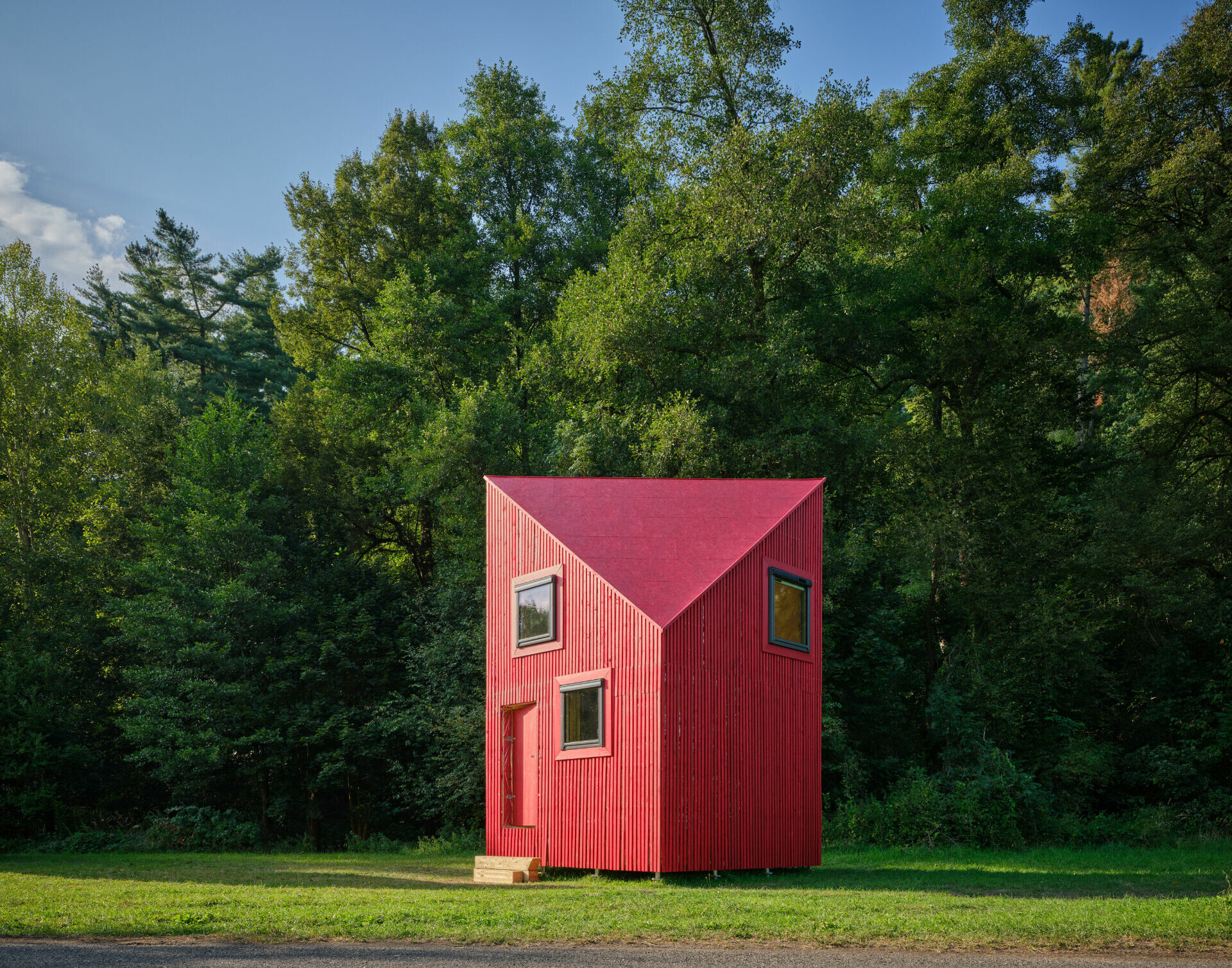
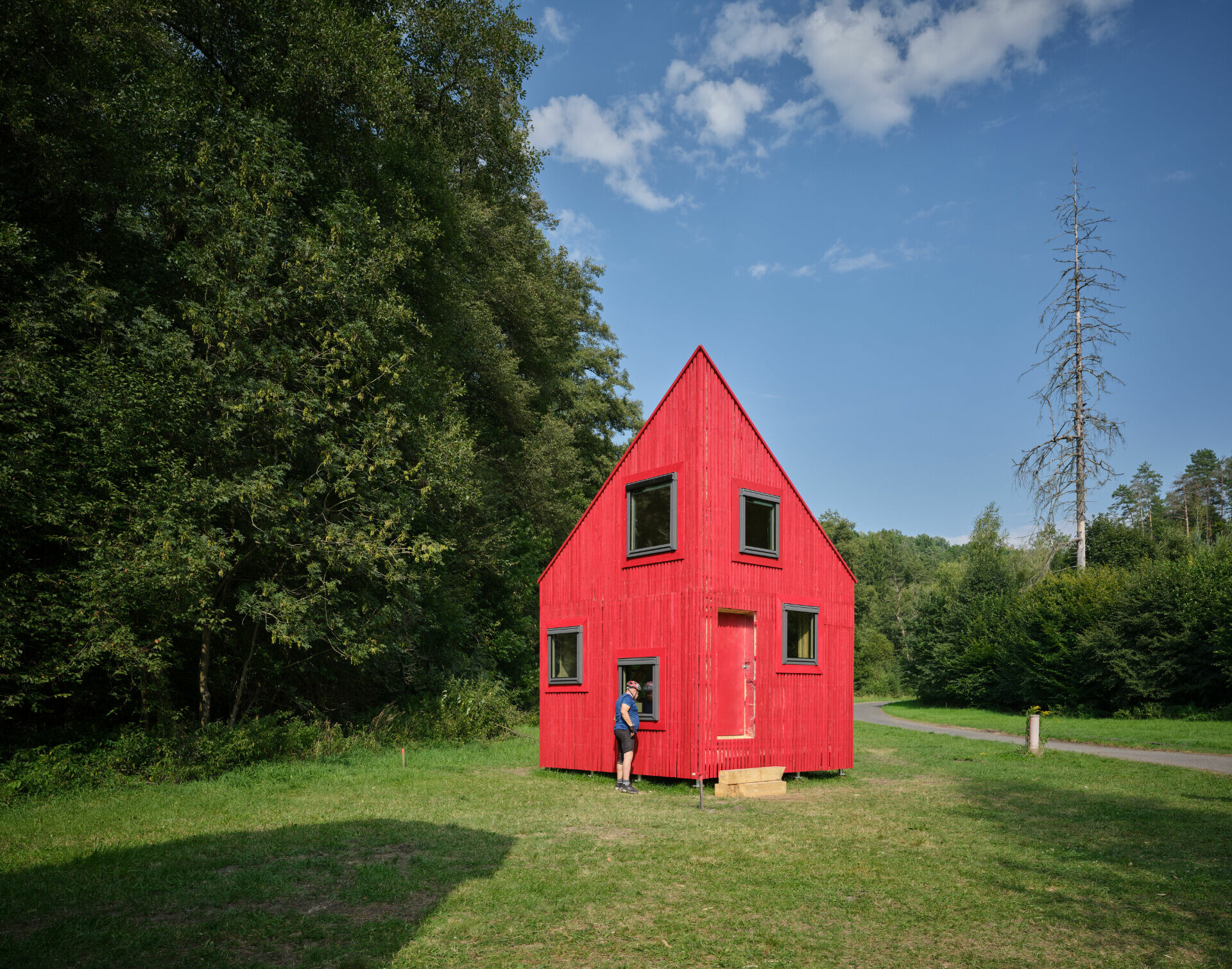
Like a piece of wood that’s broken off from the forest itself, this slender, vertical cabin stands sharp and distinct among the treetop canopies. From the outside, it shows a bold, spiky character—unique and striking against the natural backdrop. But step inside, and it reveals a warm, inviting space designed to bring people together, where natural materials and cozy design create the perfect setting for quality time. On and above the ground, this sheltered retreat balances solitude and connection, ruggedness and comfort, offering a place to unwind, share stories, and truly connect with both nature and each other.
設計者:
Entropic (ES)
工作坊指導:
Geoffrey Ebere – Entropic (GB), Magdalena Mróz – Entropic (PL), Jan Dobeš (CZ)
建造團隊:
Boglárka Fábián (HU), Dylan Joel Jacome Castillo (EC), Evangelia Kalevea (GR), Fernando José Valle Proaño (EC), Idil Kocak (TR), Jan Ptáček (CZ), Martin Zima (CZ), Merlin Summers (GB) , Omarian Millings (GB), Petr Jahelka (CZ), Petr Zeronik (CZ), Sara Vasilj (HR), Sebastian Salijević (CZ)
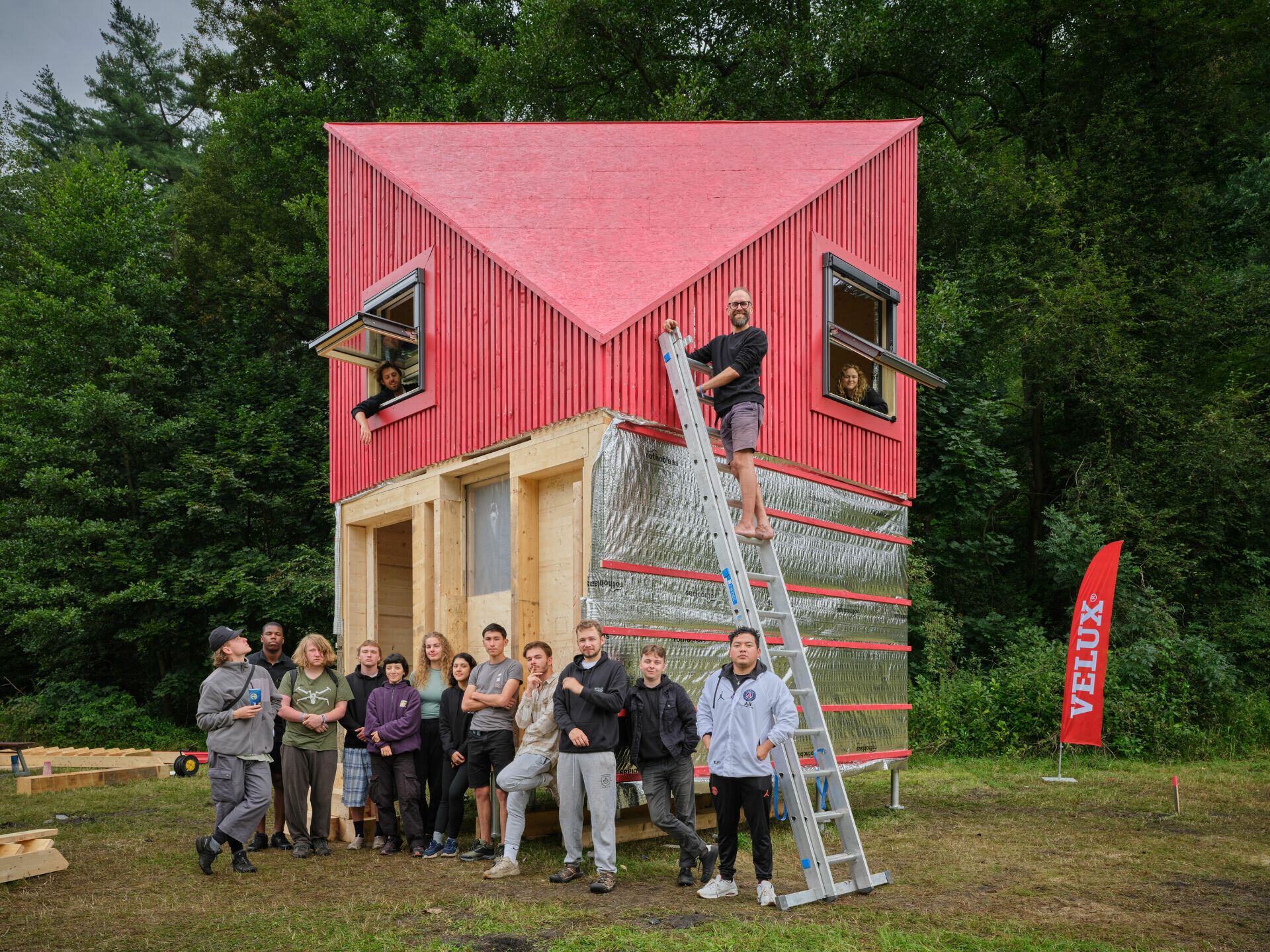
《Živa》
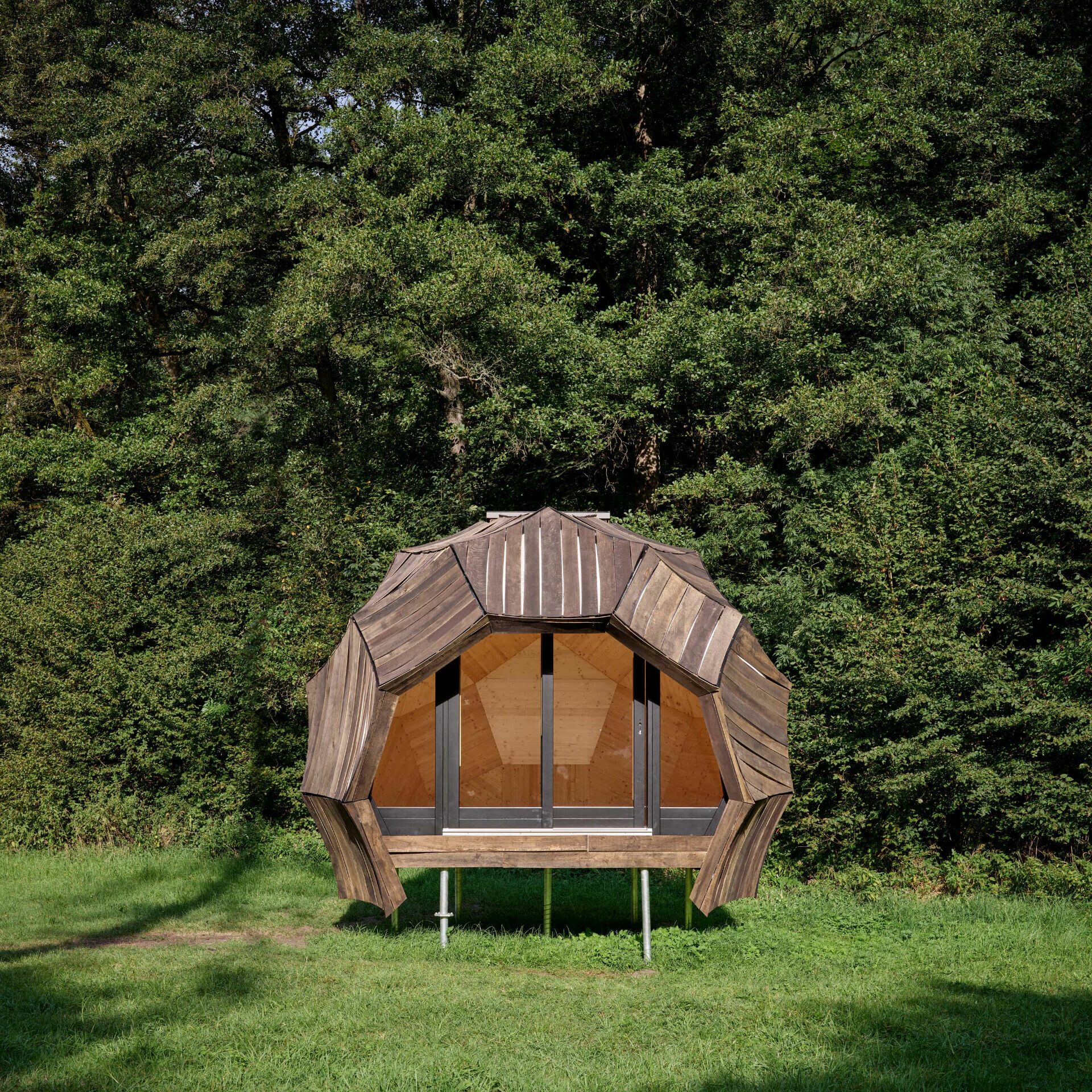
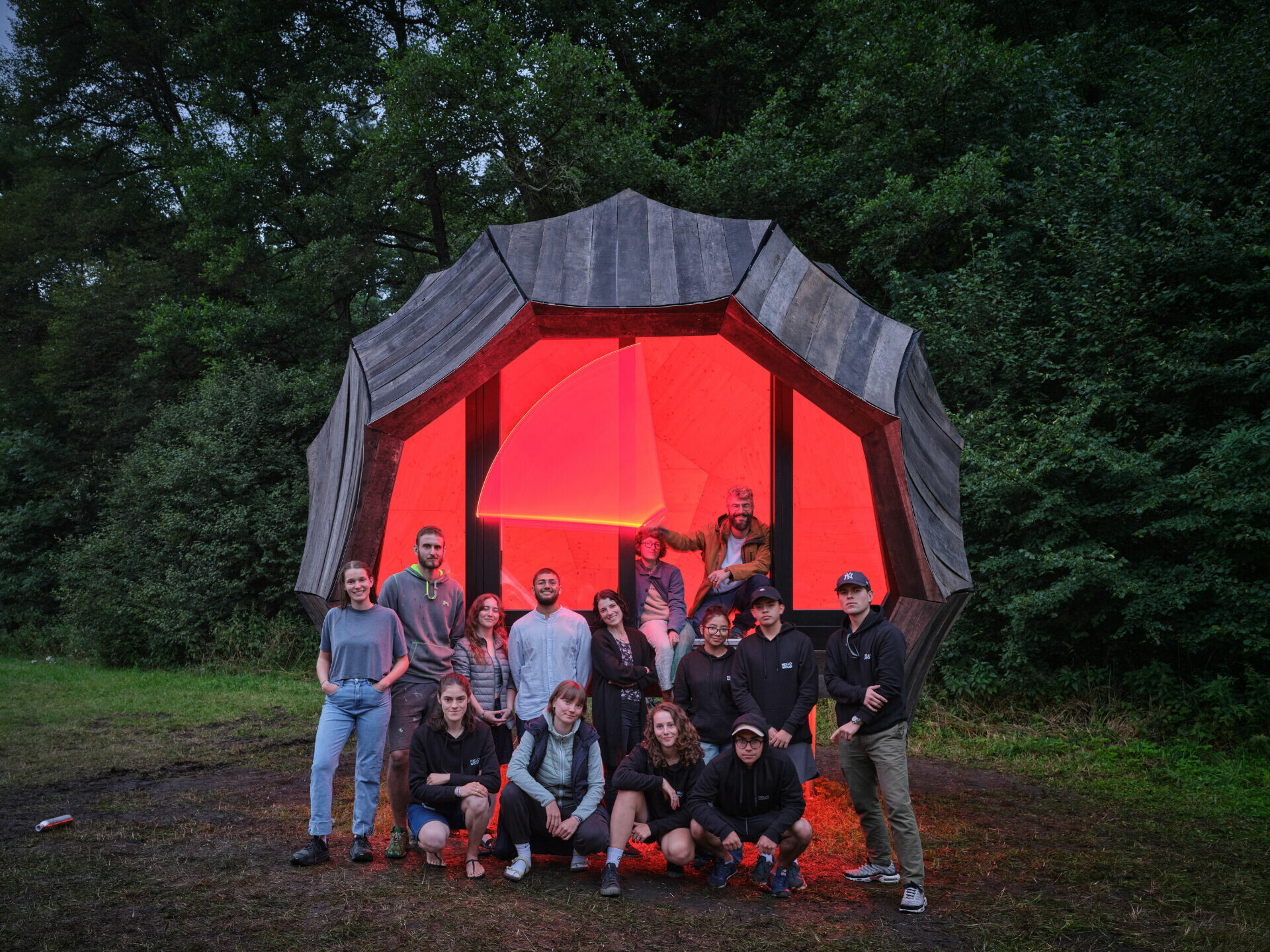
Like a seed stirring beneath the forest floor, Živa awakens as a living pod where nature and learning meet. Its intricate geometric form mirrors the balance and harmony found in the wild, while its mossy surroundings invite quiet reflection. Step inside, and the space transforms into a classroom in the trees — a warm, collaborative haven where ideas take root. Živa is more than shelter; it’s a shared act of creation, a symbol of growth, and a place where people, craft, and nature flourish together.
設計者:
Arthur Mamou-Mani (GB)
工作坊指導:
Giovanni Panico – Arthur Mamou-Mani x Fab.Pub (UK), Rae Woods (GB)
建造團隊:
Eliska Fuentes Pérez (EC), Jose Julian Salas Celleri (EC), Martín Alberto Montero García (EC), Natálie Demuthová (CZ), Natálie Dvořáčková (CZ), Saif Bashir (GB), Santiago Arroyo (EC), Tomáš Kadaňka (CZ), Zoe Mirkovic (CH)
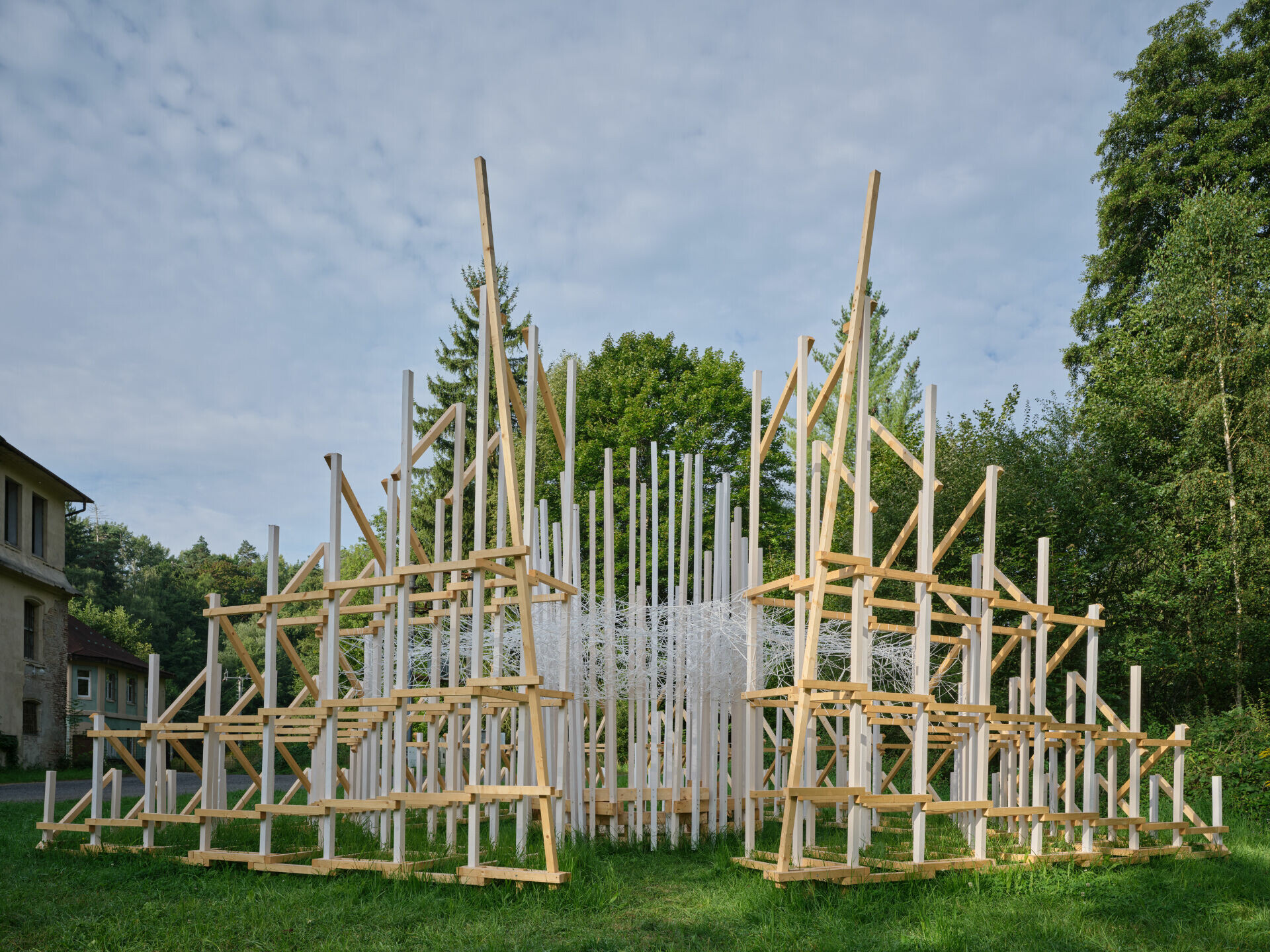
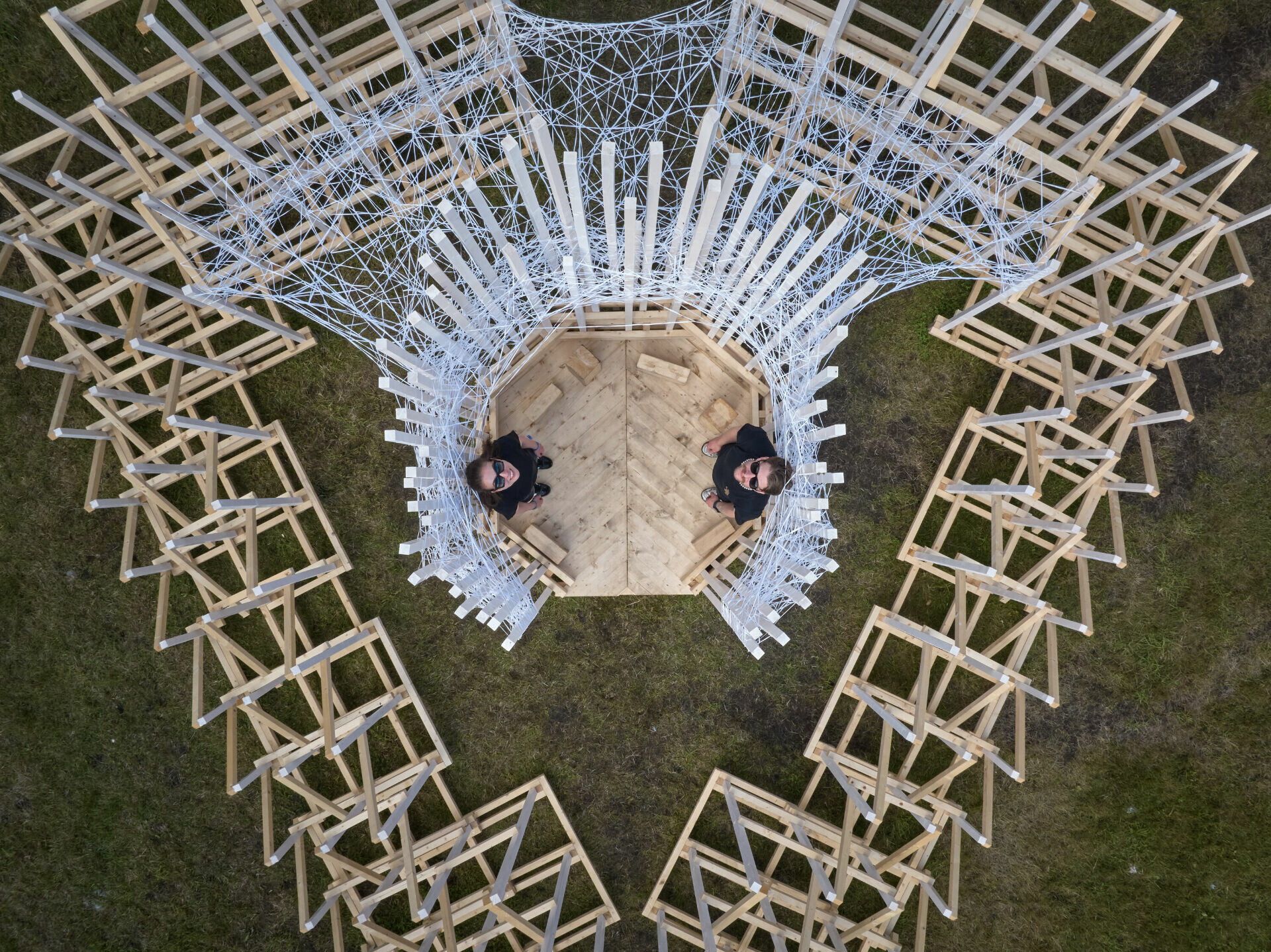
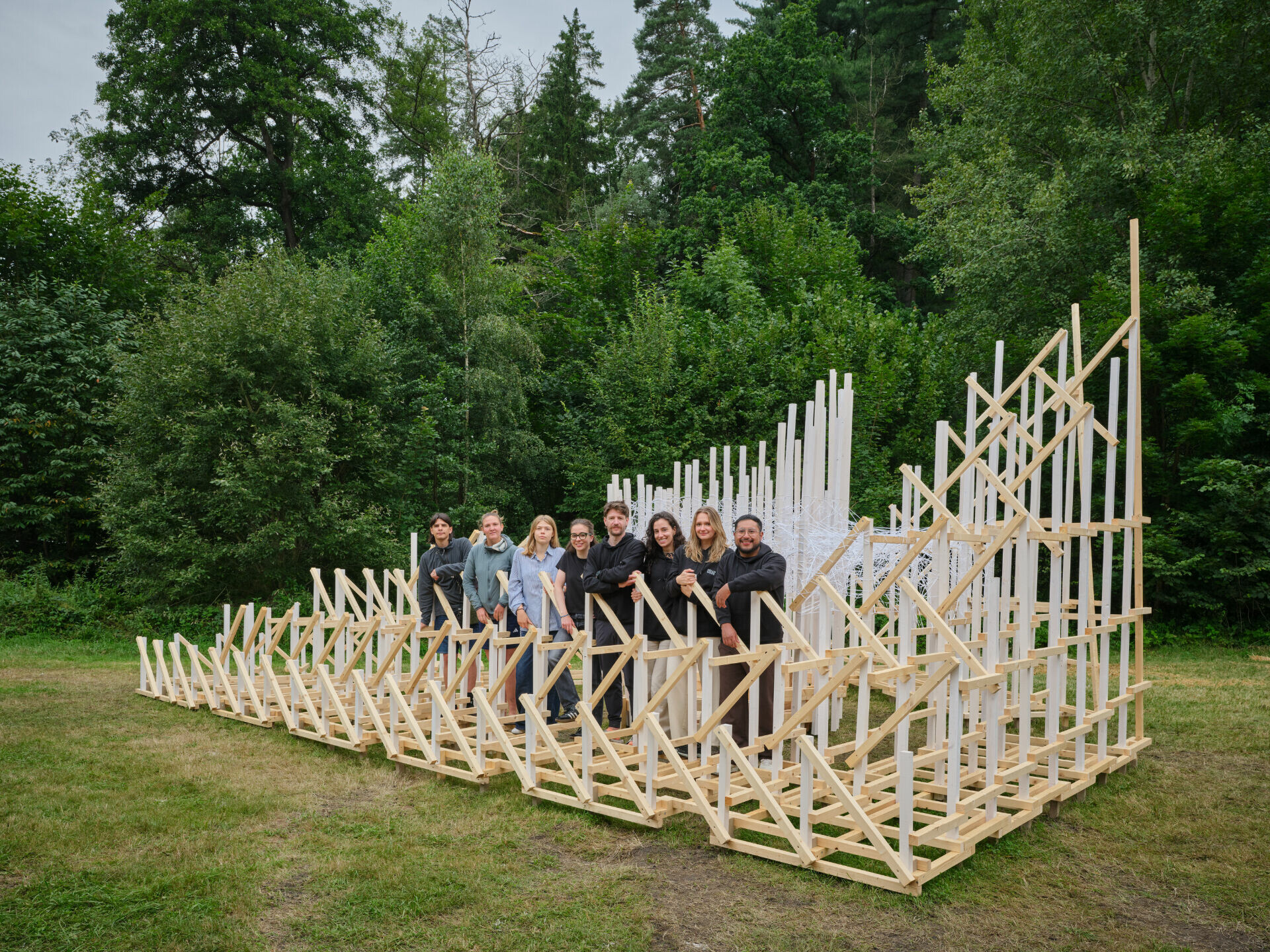
《LOOM》
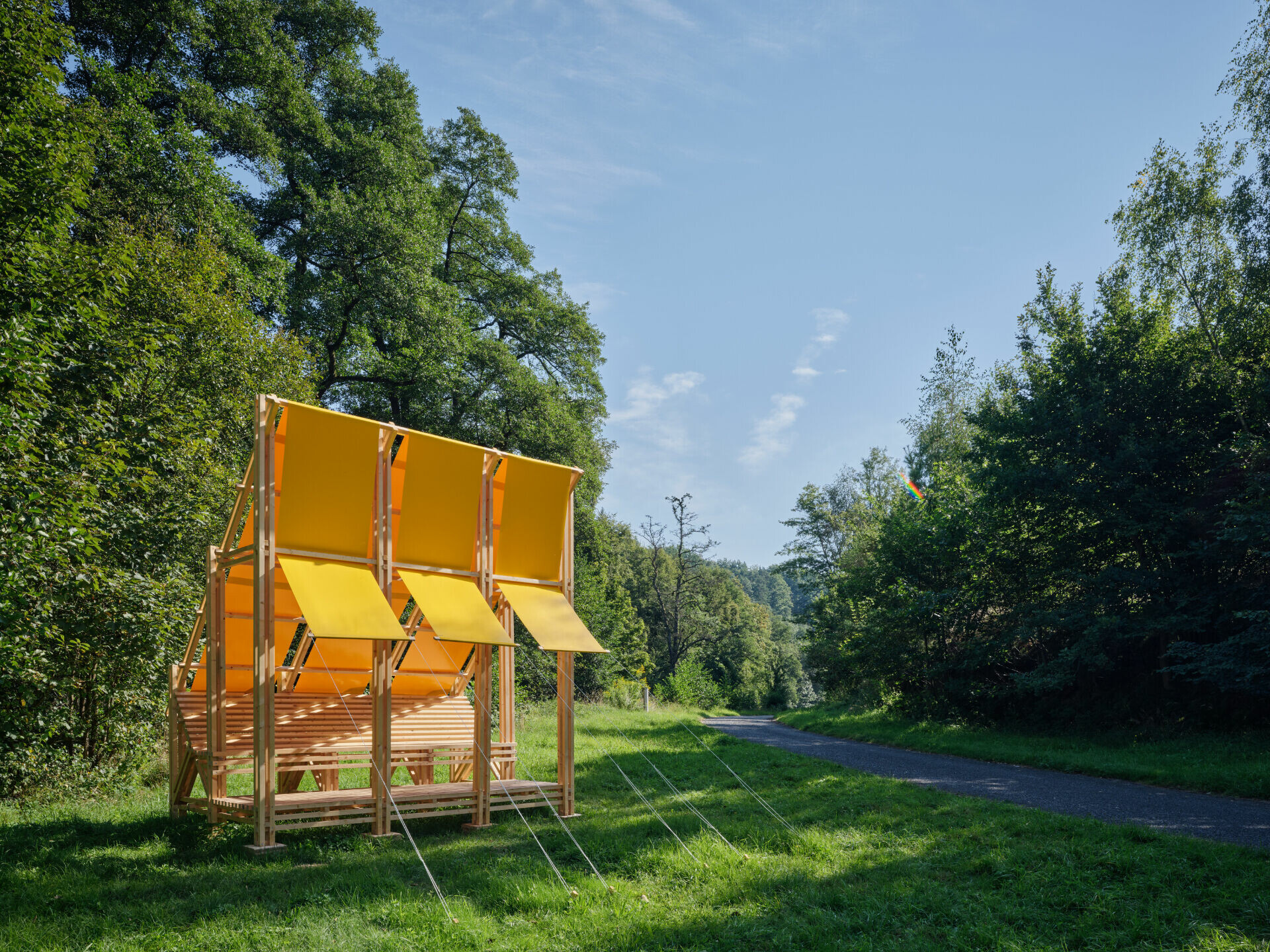
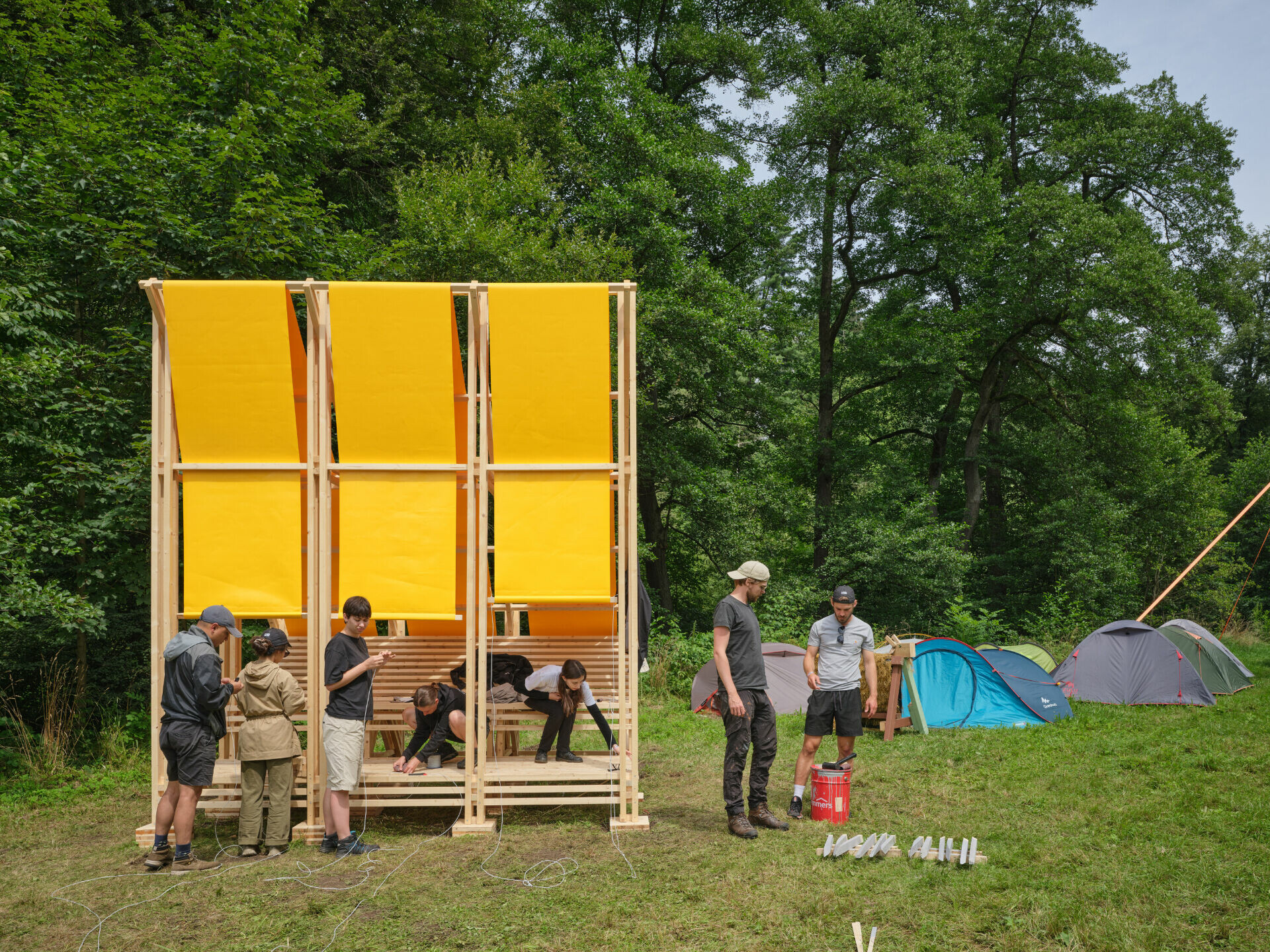
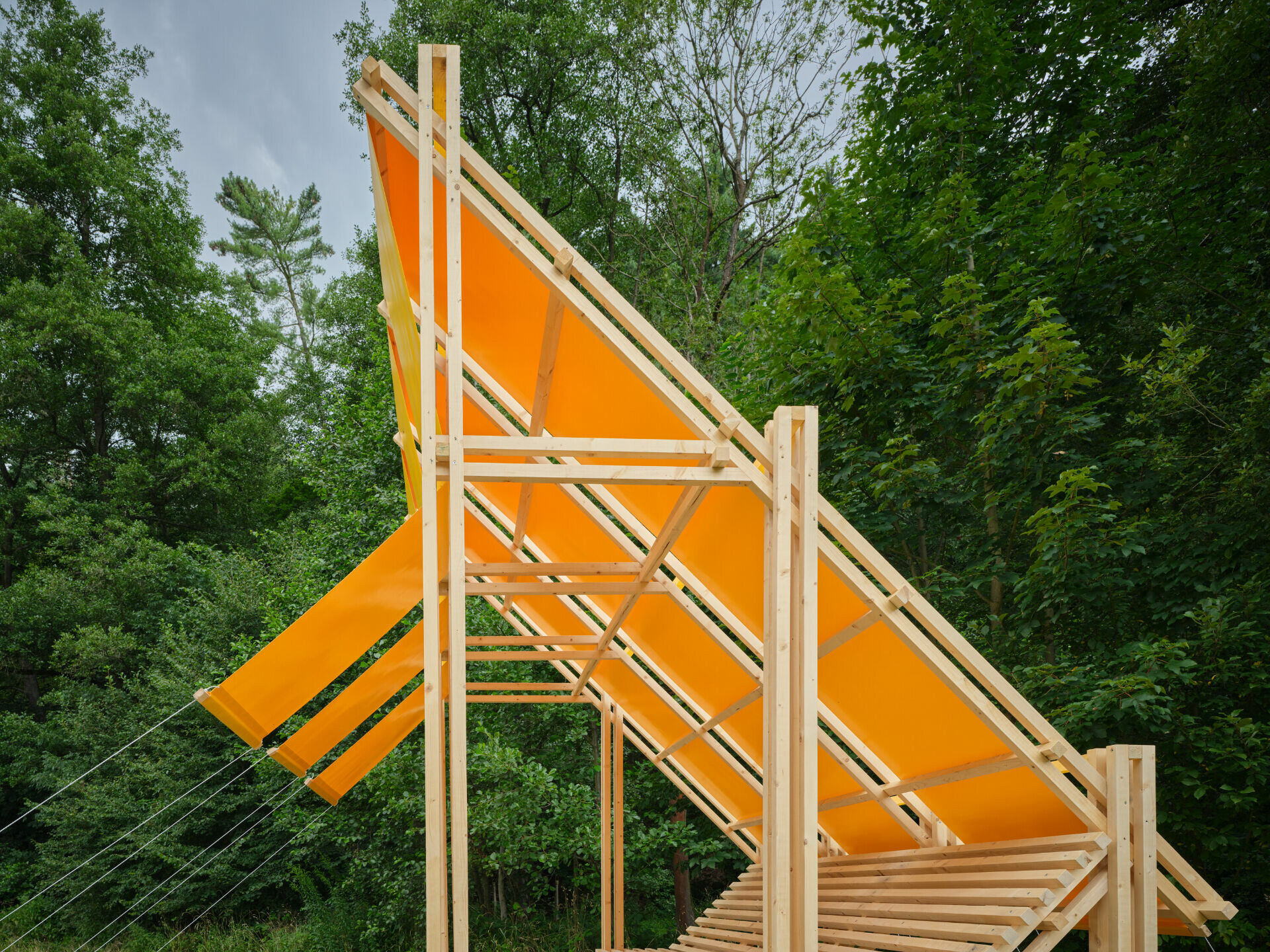
LOOM pays tribute to the site's textile-making heritage, reimagining the mechanics of a loom in architectural form. Vertical timber columns and horizontal beams echo the warp and weft of woven fabric, while stretched textile threads create a raised platform for rest and reflection. Set on the grounds of a former factory, LOOM becomes both shelter and symbol — a tactile reminder of craft, memory, and transformation. This project is not just a festival or a workshop — it is a growing ecosystem, rooted in cooperation, learning, and the belief that architecture can be a powerful social act.
設計者:
Zak Underwood (GB)
工作坊領導:
Zak Underwood (GB)
建築團隊:
Emma Szász (DE), Isabel Monserrath Quisingo Gaibor (EC), Kristýna Matýsková (CZ), Måns Sjöwall (SE), Marcos Israel Fiallos López (EC), Sofía Carolina Chávez Ortega (EC), Sohye Yeom (KR), Vendula Zíková (CZ)
Lecturers and workshop leaders |
Arthur Mamou-Mani x FAB.PUB [UK]
Entropic [ES]
Mjölk architekti [CZ]
Hello Wood [HU]
Dorottya Kiss [HU]
Matthew McArthur [CA]
Jan Dobeš [CZ]
Rae Woods [GB]
Zak Underwood [GB]
Workshop Participate |
Hello Wood board | András Huszár, Dávid Ráday, Krisztián Tóth
Project leader | Dávid Nagy
Project coordinator | Sára Lőrincz
Project architect | Maja Balogh
Lead carpenter | István Komjáthy
Organization partner | Martin Šolc
Workshop team | Attila Sztankovics, Kinga Németh, Katalin Kitti Kiss, Bálint Pörneczi Procurement manager | Zsolt Hodgyai
Electrical safety | Norbert Verpulácz
Content & press | Dávid Nagy
Kitchen: Zsolt Dunszt, Ildikó Dunsztné Pataki
Graphic design | Bercel Hegyessy
Character of Space | Summer School
Location | Česká Kamenice, Czech Republic