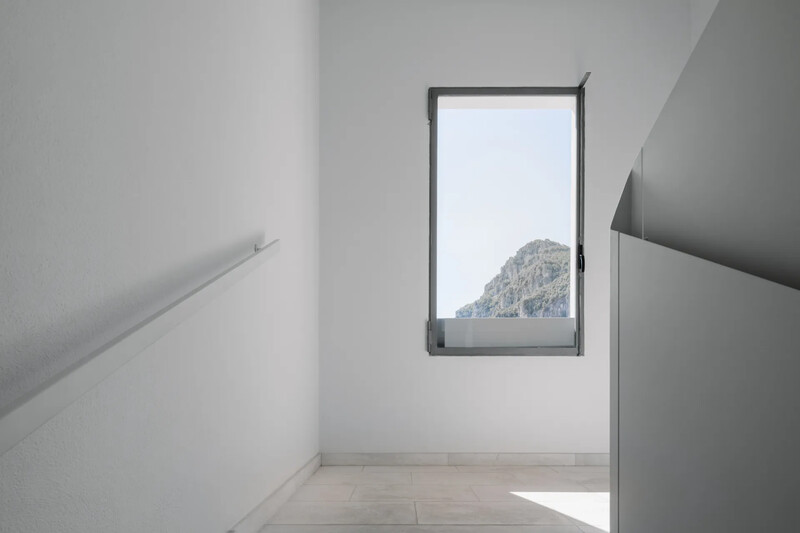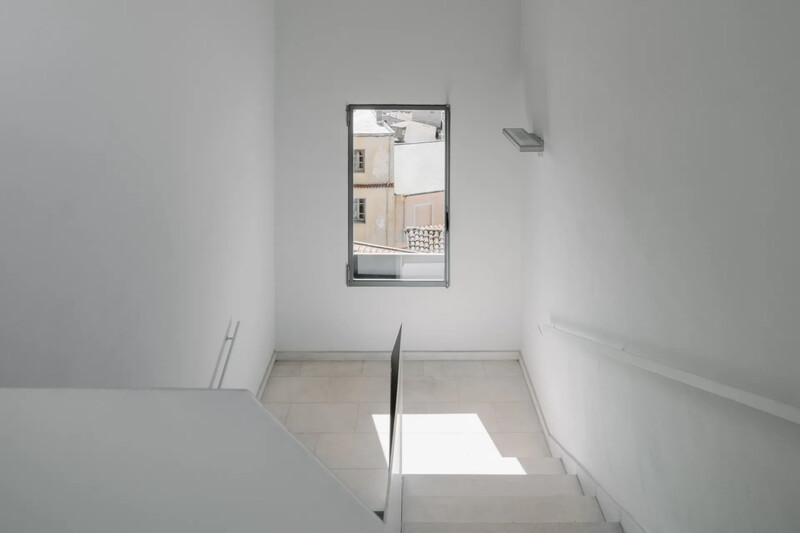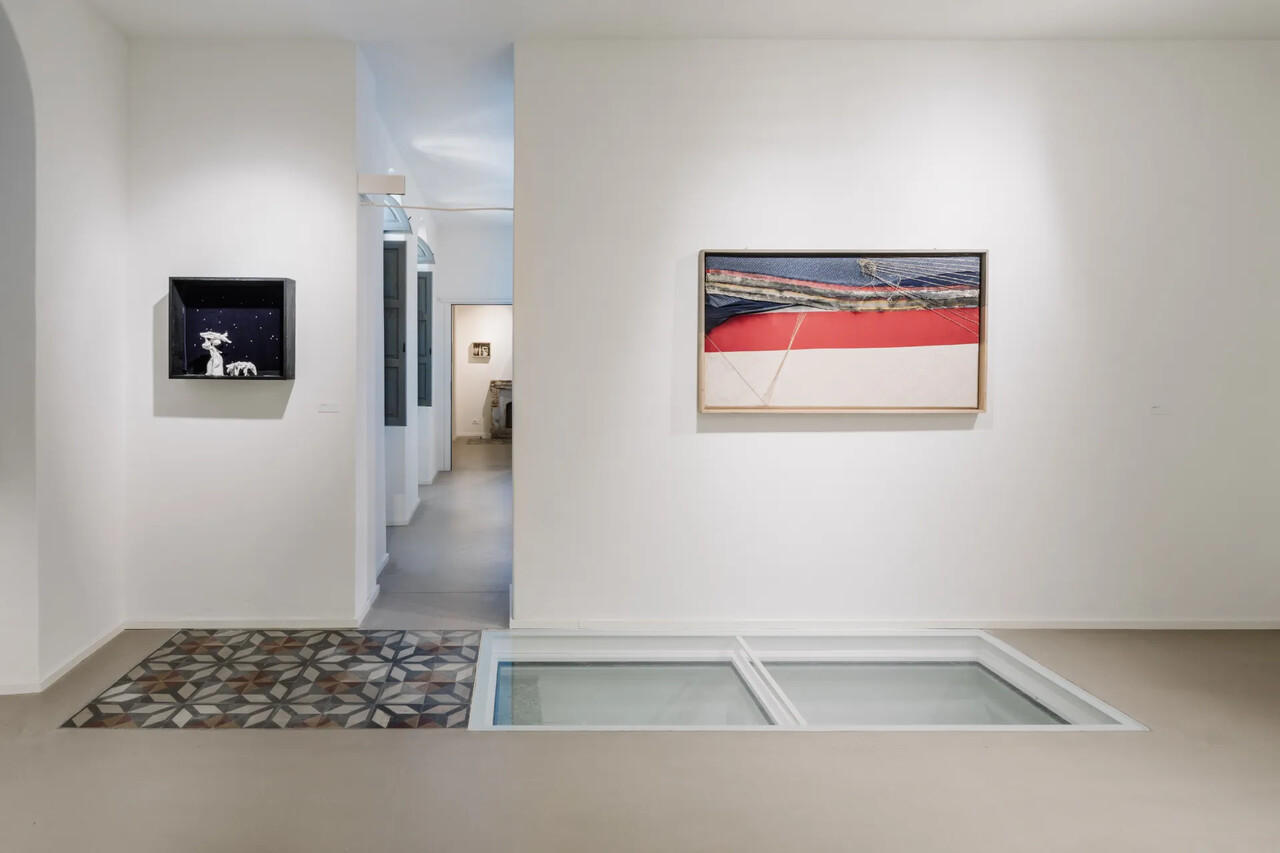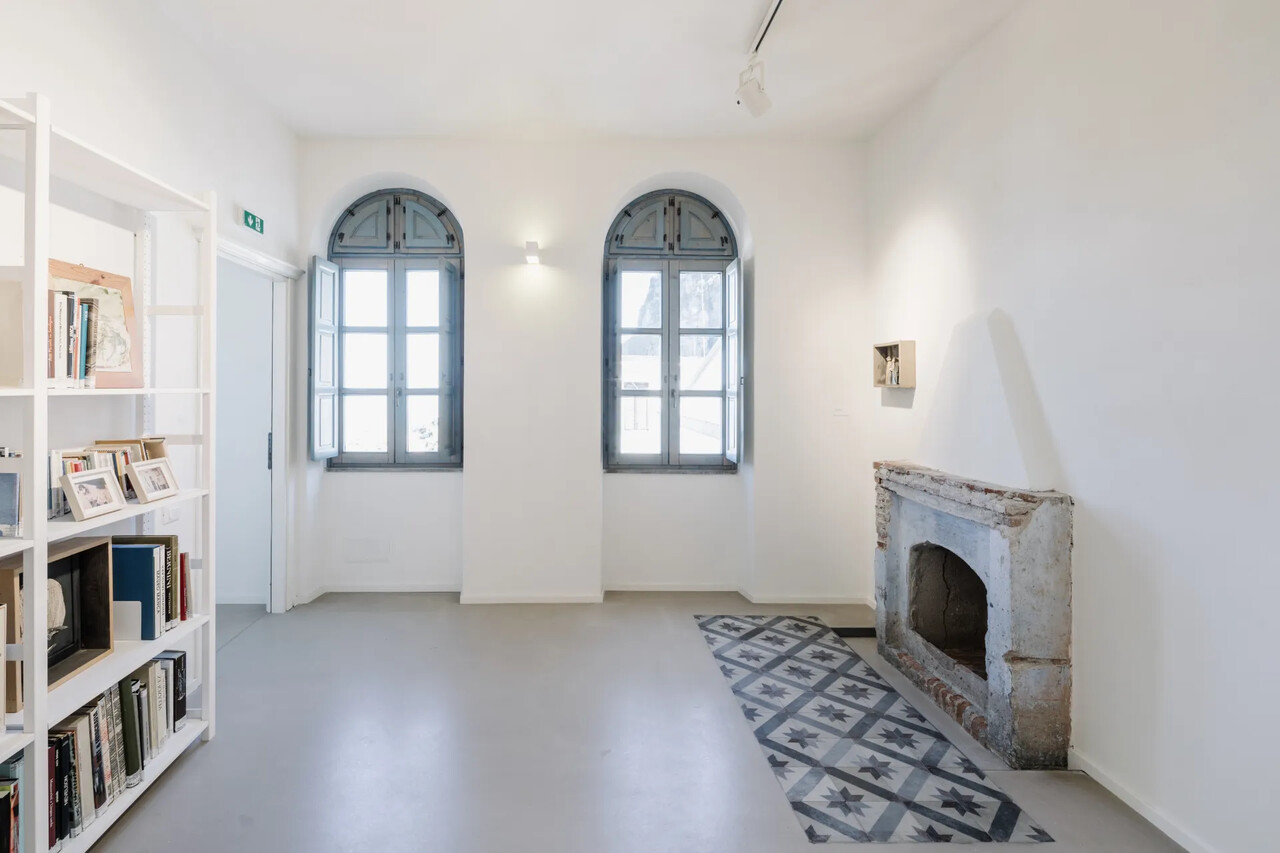
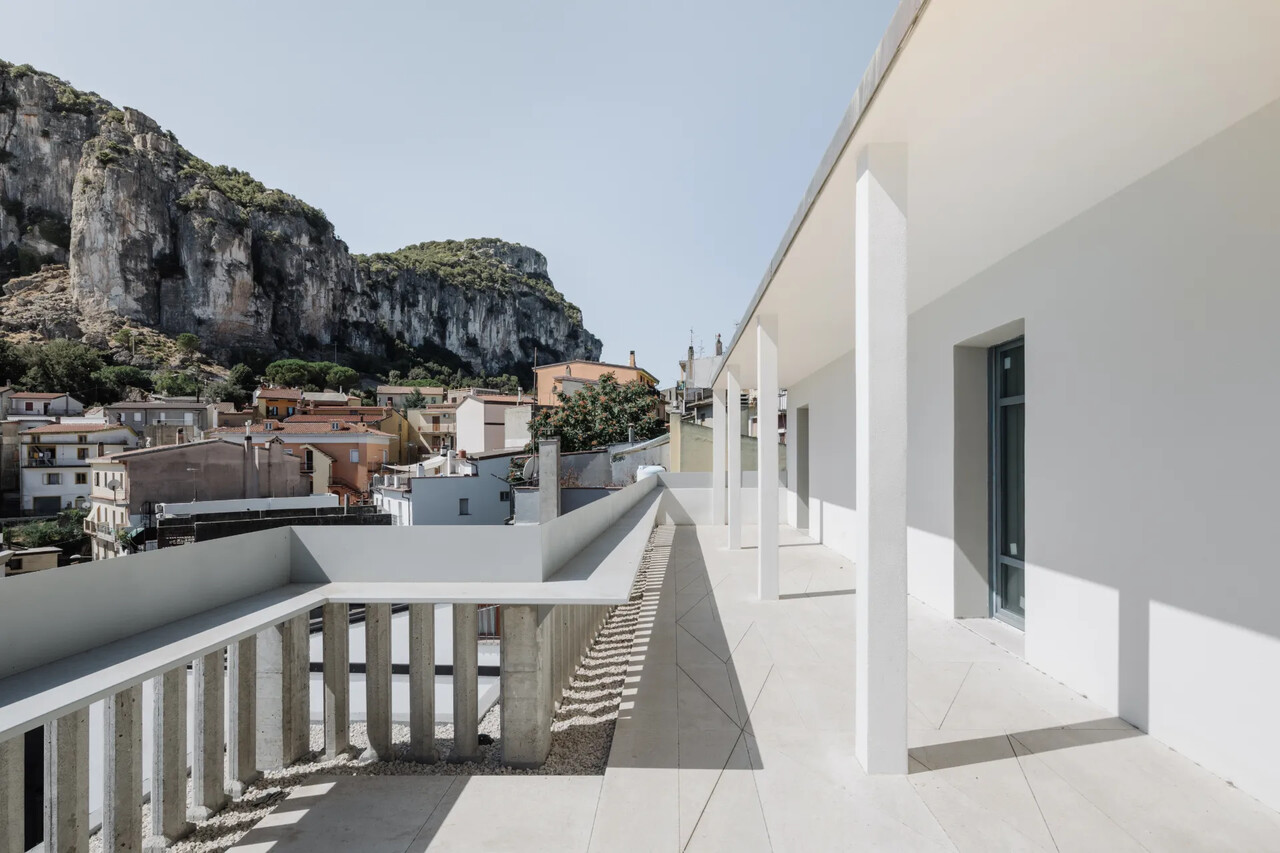
Casa Cannas is one of the surviving testimonies of traditional architecture in Ulassai, a small village in Ogliastra. Its incoherent and disordered buildings are often in contradictory relationship with the beauty of its mountains, the Tacchi, and with the value of Maria Lai’s artistic interventions spread across the territory.
Casa Cannas是烏拉薩(Ulassai)存留下來的傳統建築見證之一,它位於奧利亞斯特拉(Ogliastra)的一個小村莊。它那不一致、無序性的建築呈現與周圍壯麗的塔奇山脈(Tacchi)形成對比,並與瑪麗亞·萊(Maria Lai)展示在該地區之藝術價值相互矛盾。
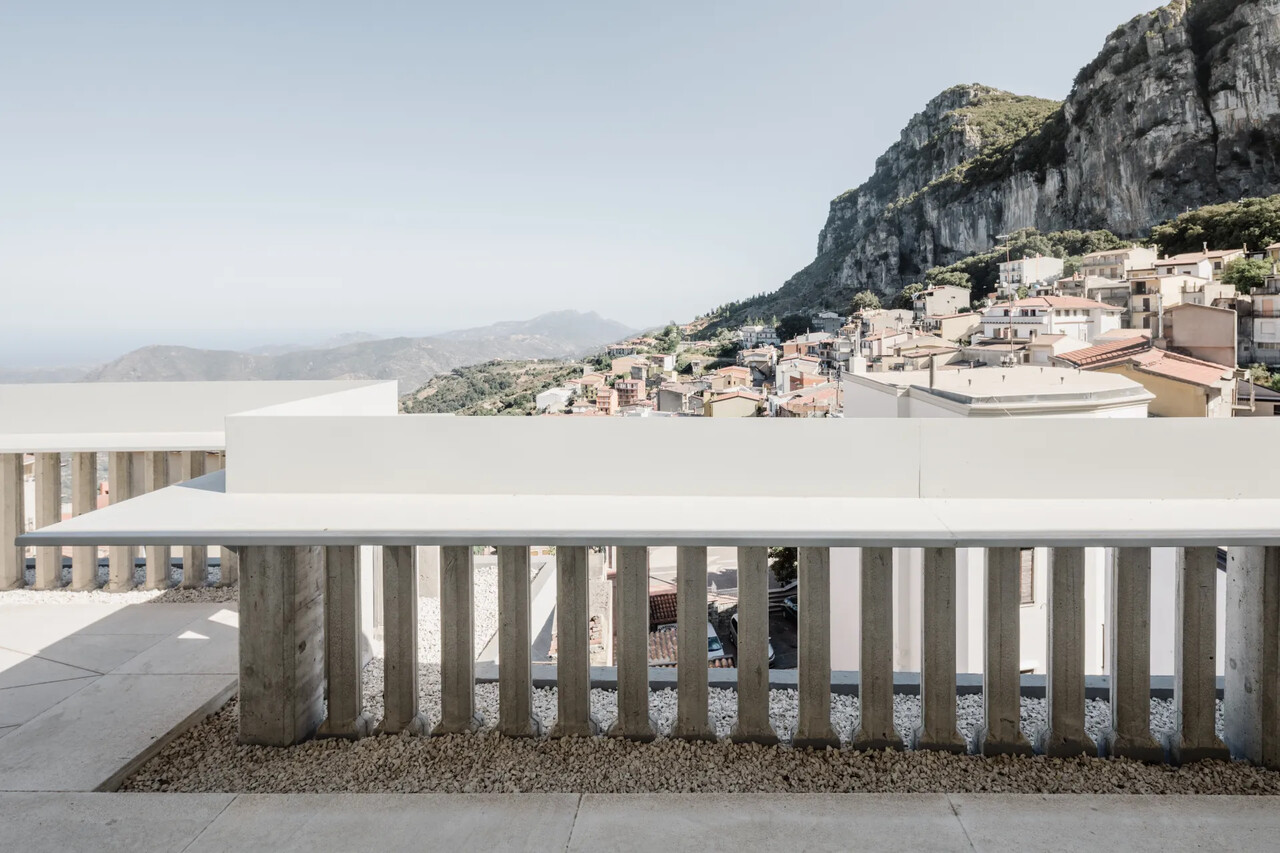
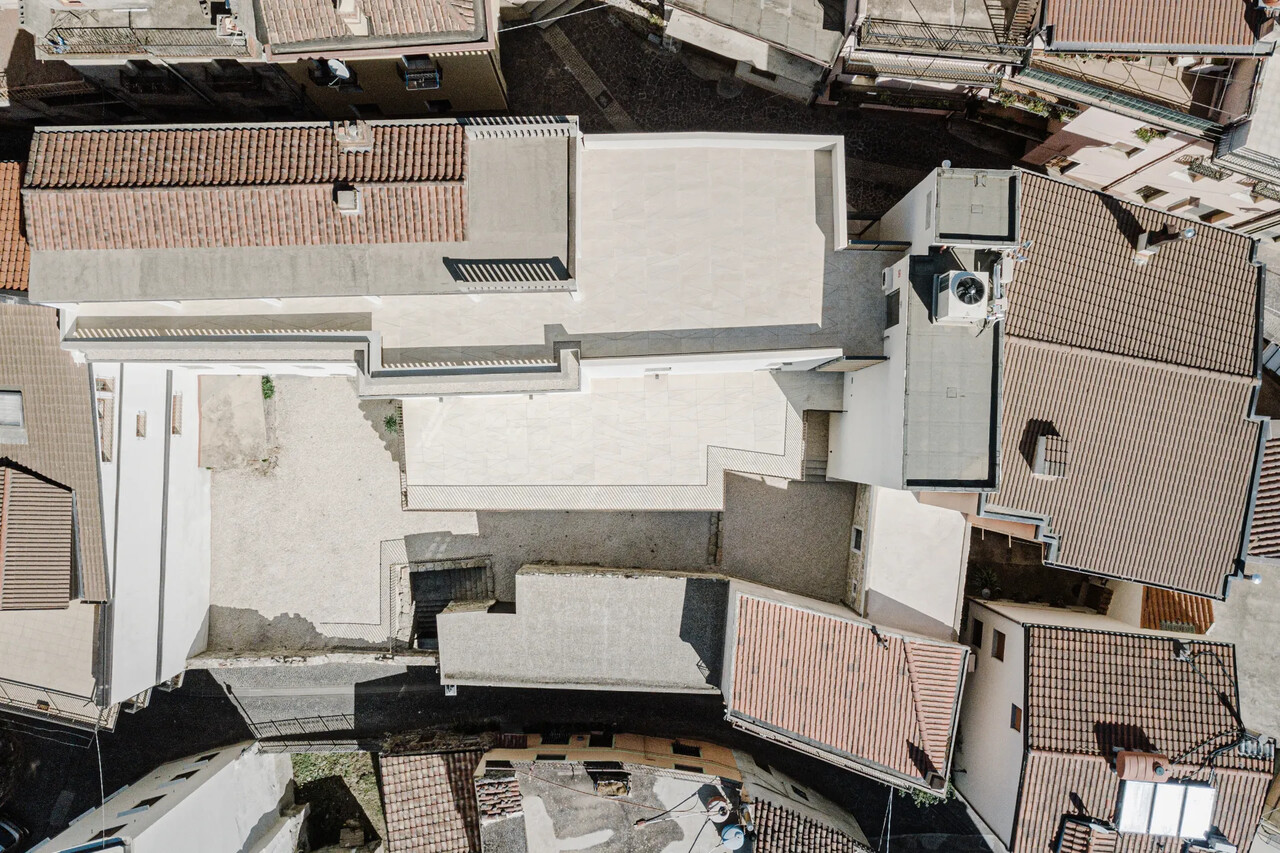
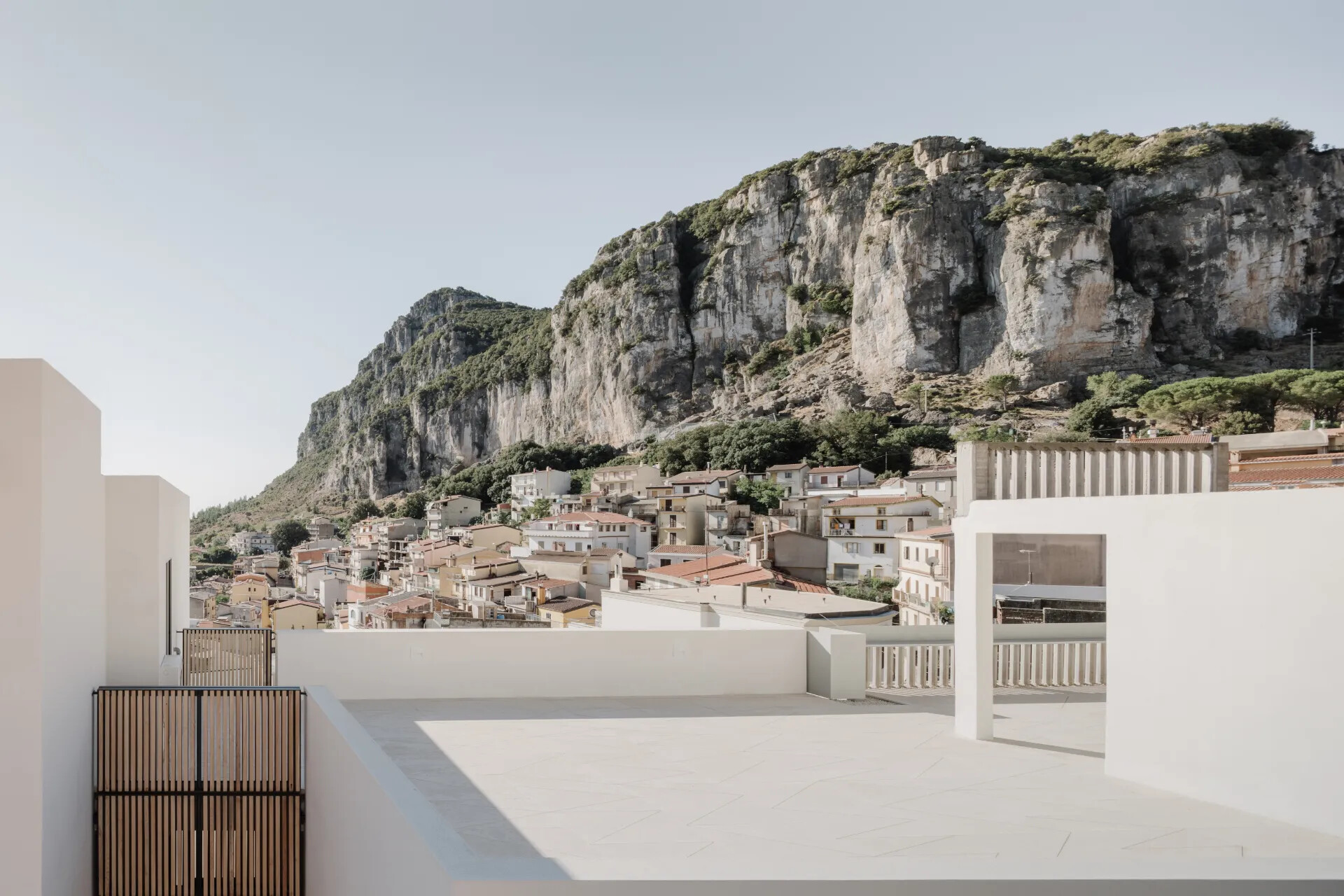
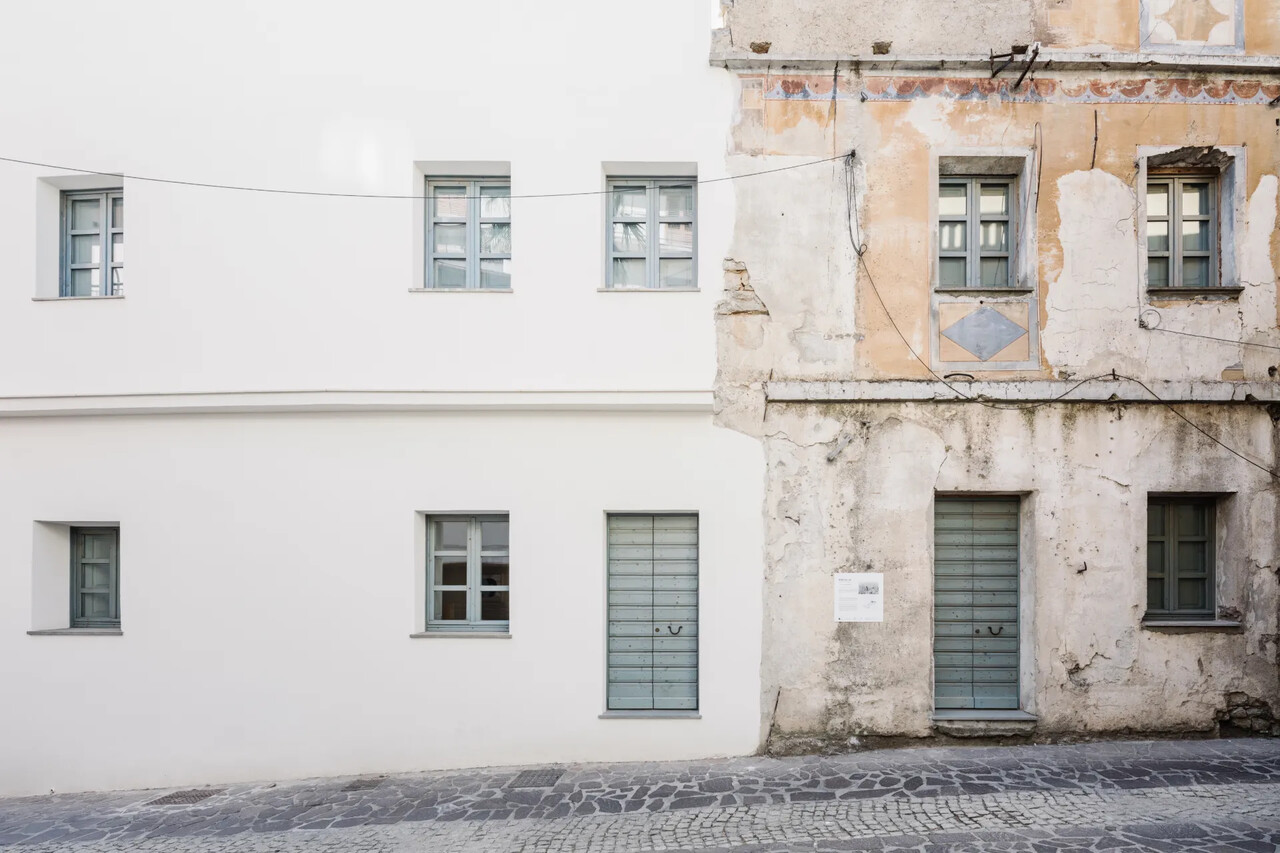
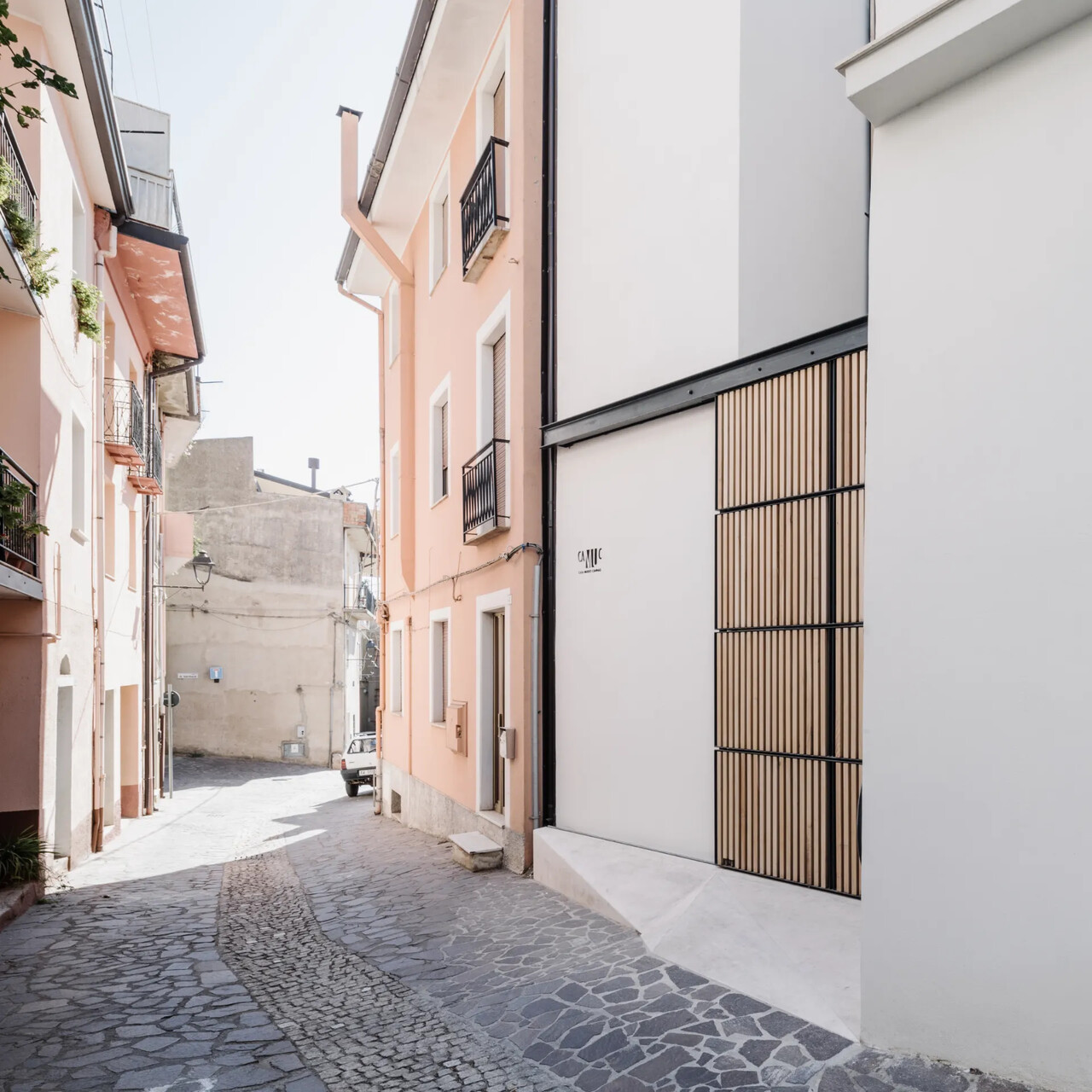
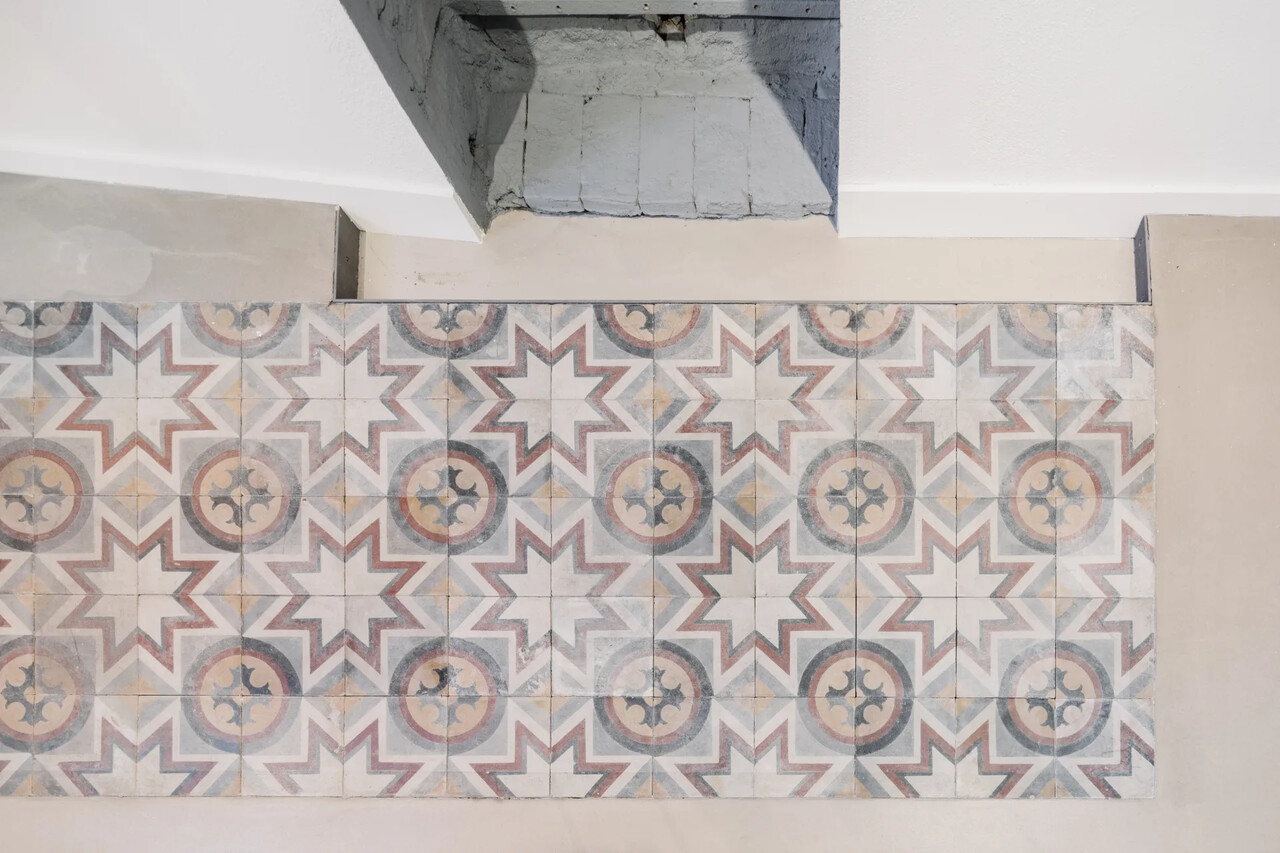
The Camuc project enhances the surviving spaces and volumes that are testimony of the key role played for the town (it was a mill, a bakery, a post office, a dynamo electric generator, etc.). But above all, it restores a collective memory of daily gestures of the past.
卡穆克計劃(Camuc)提升了留存下來的空間及面積,這些都是該城鎮扮演重要角色的見證(它曾經是一個磨坊、一家麵包店、一個郵局、一個發電機等等)。但最重要的是,它恢復了過去人們日常的記憶。
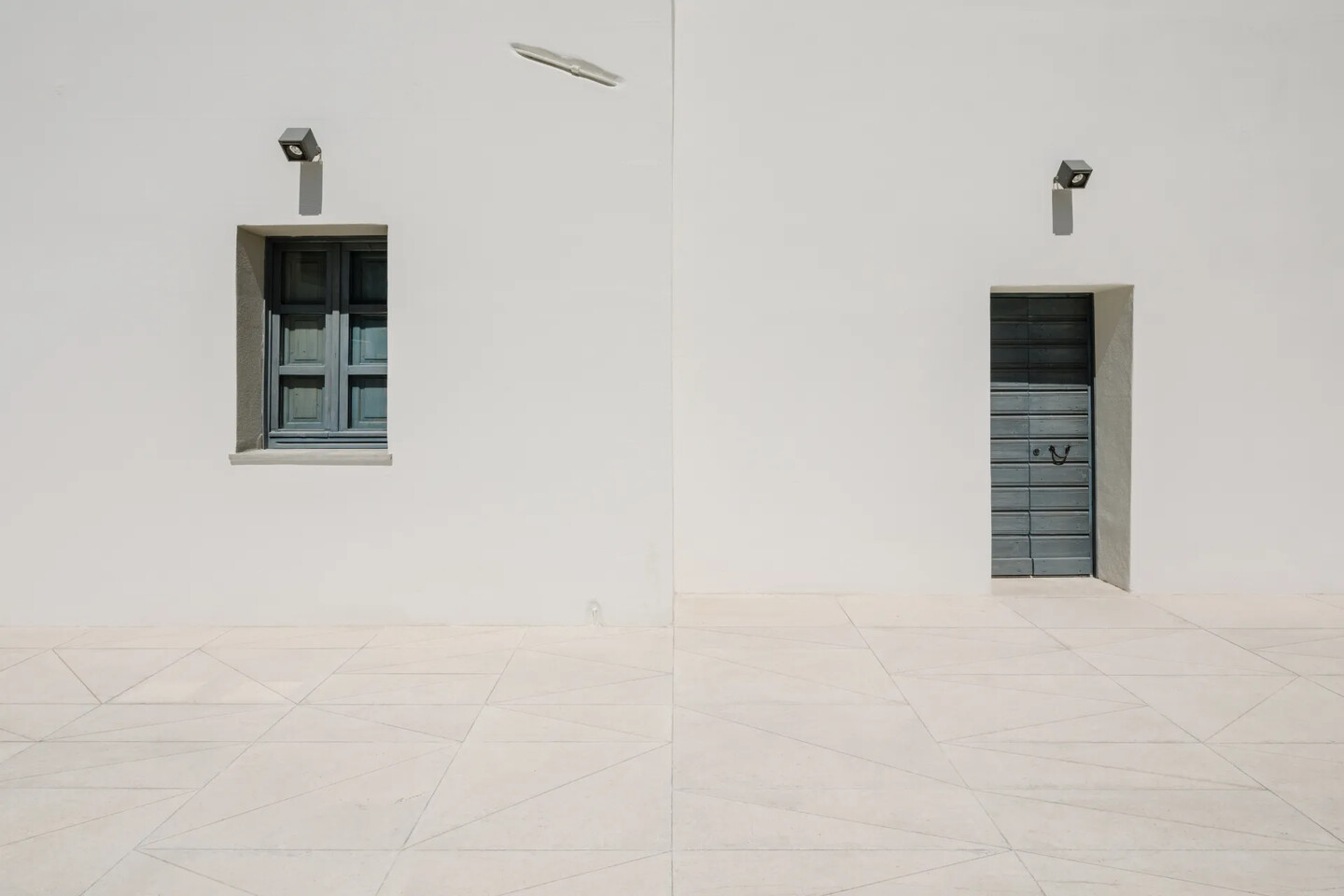
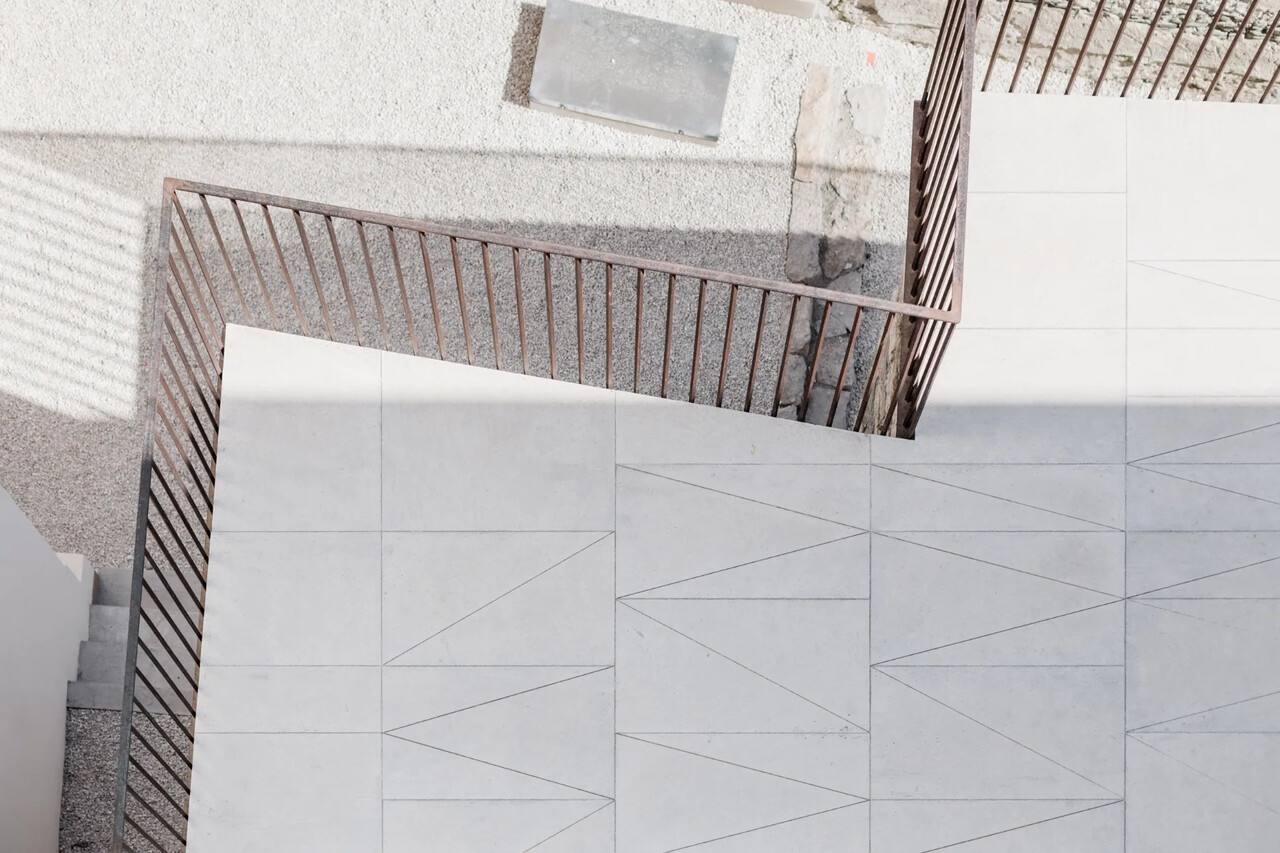
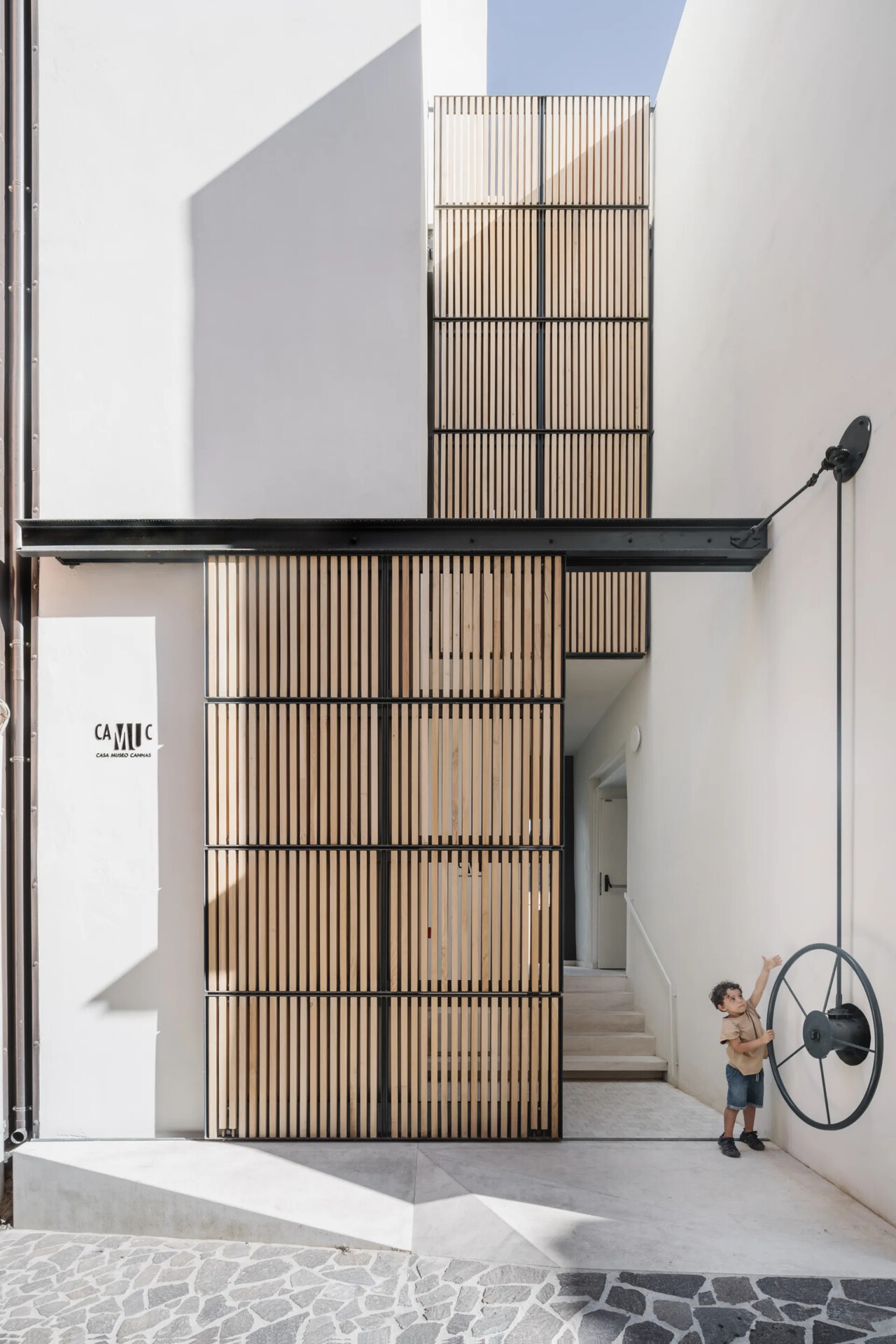
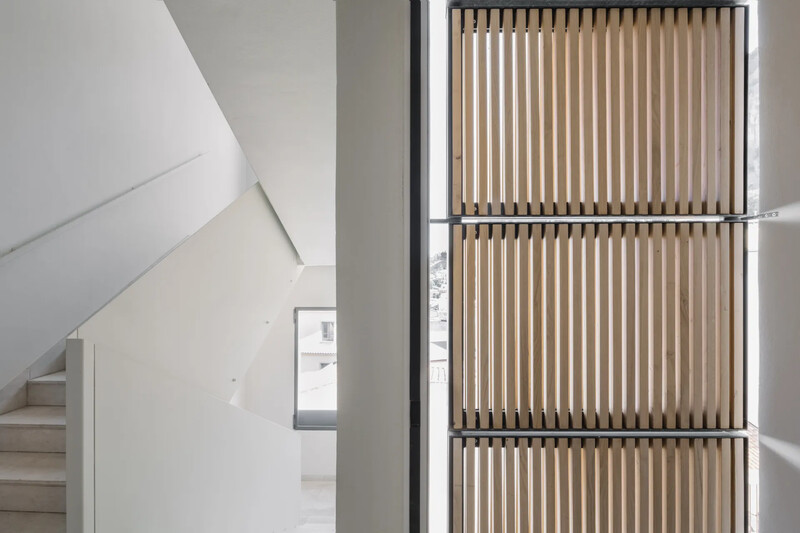
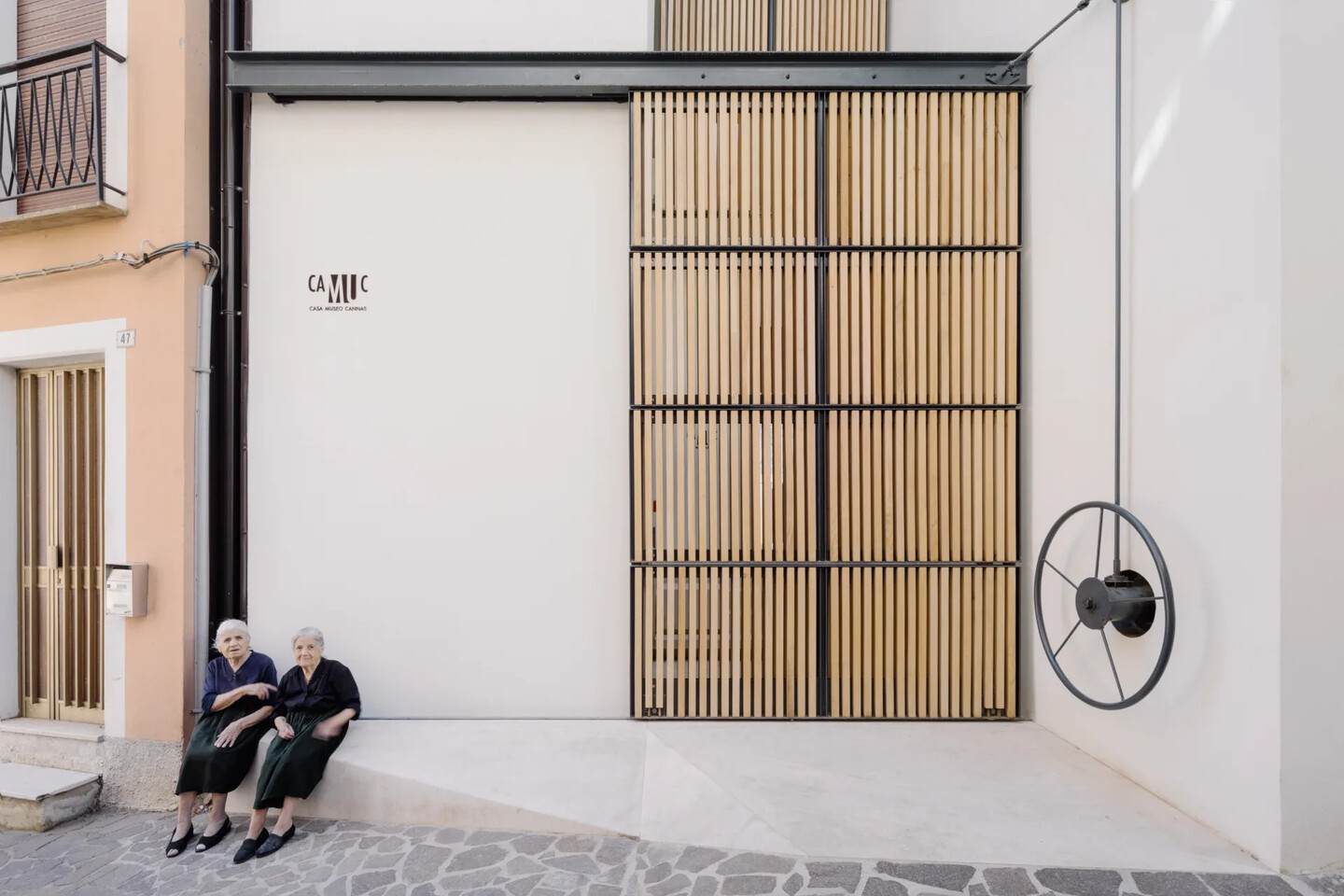
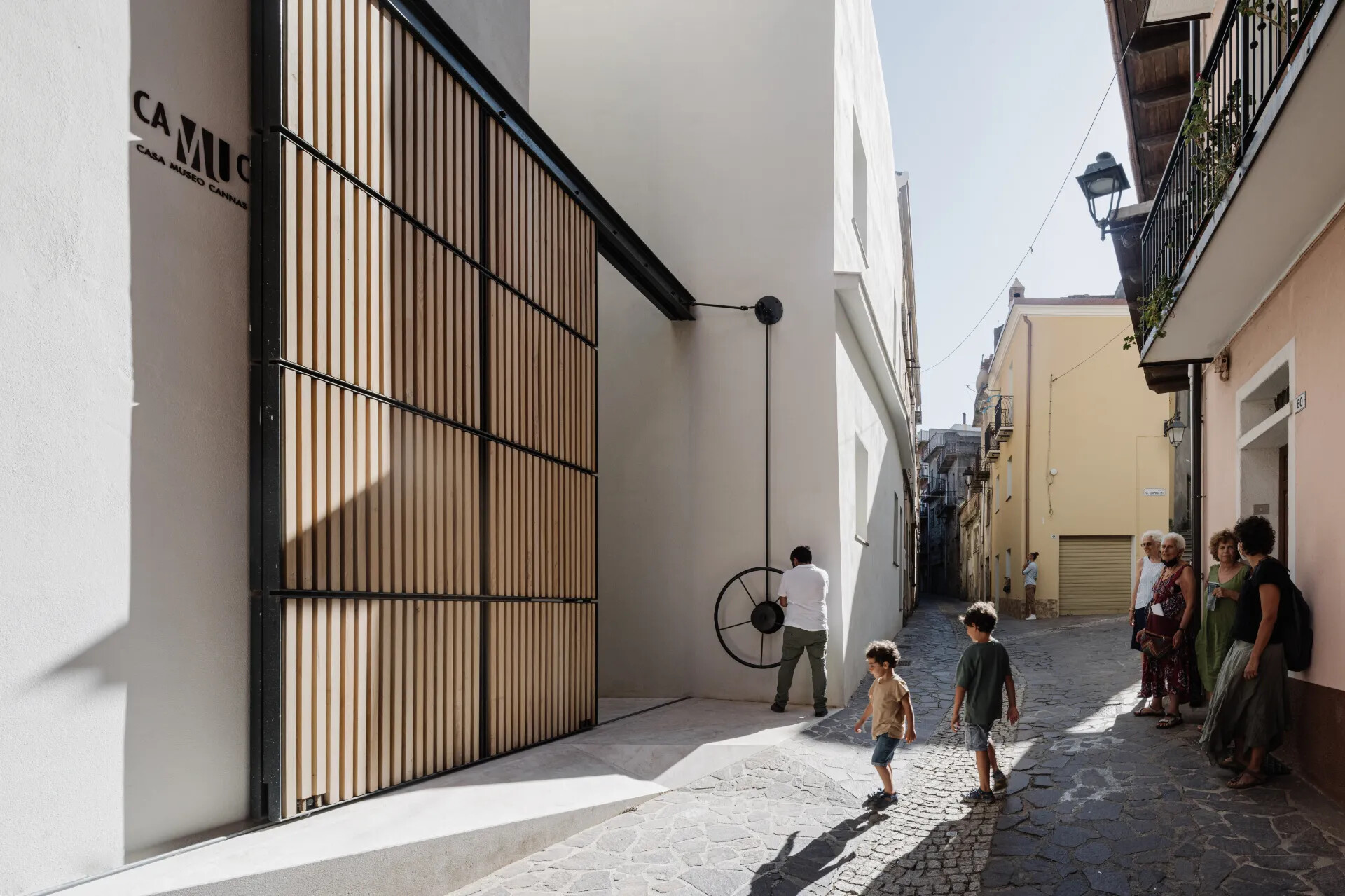
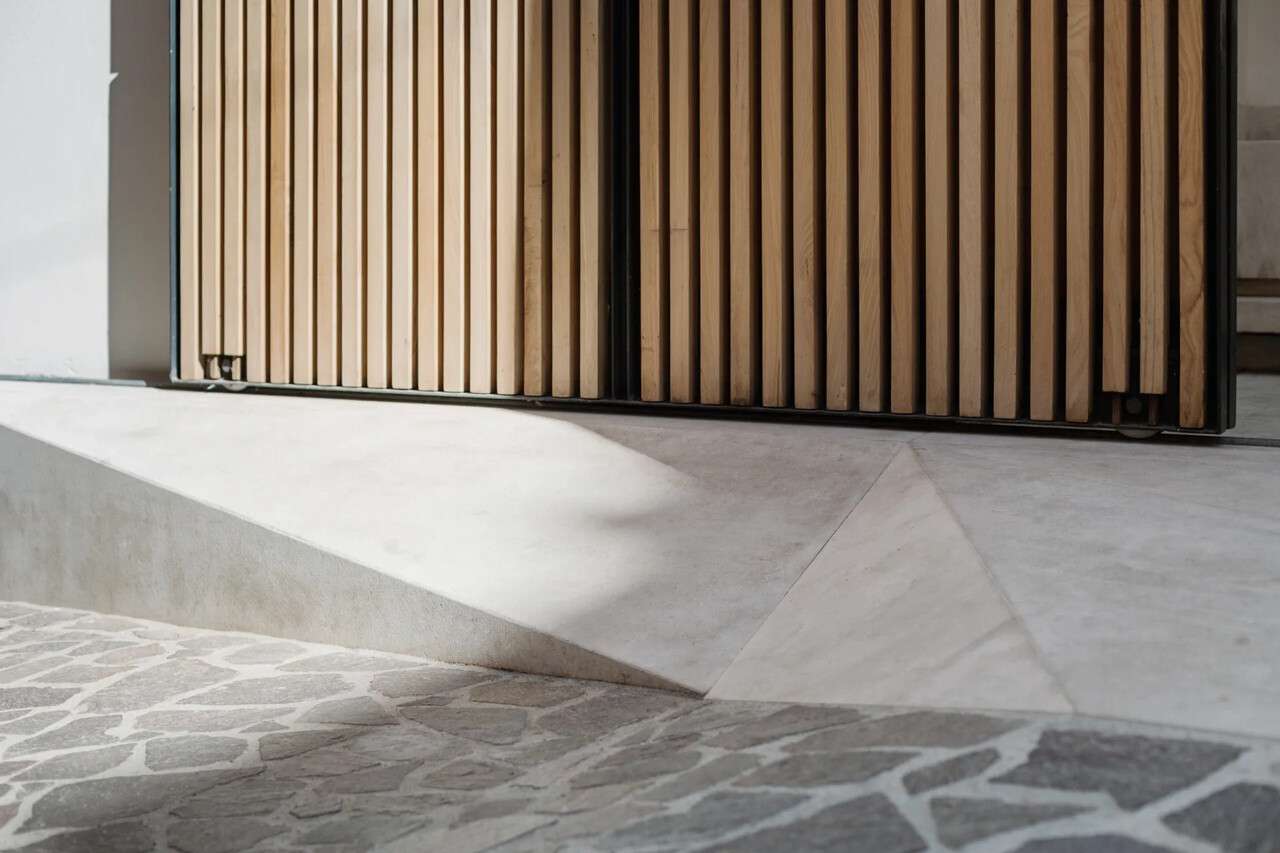
The first work was done to simplify the space by eliminating all the unnecessary elements by clarifying the relationships between the historical part and the new one, and restoring a chromatic unity to the volume. A new wooden facade becomes a vertical joint. It’s a screen and the entrance door that opens by turning a large external wheel. This is a reminder of the mechanics of the machinery kept inside, and today a new visual and sound ritual: a laic ritual, the sound of culture.
首先,我們將空間簡化,透過消除所有不必要的元素,釐清歷史部分和新的部分之間的關係,並將這個面積的色彩統一。一個新的木質立面成為垂直連接的零組件,它既是一個屏幕,也是一個入口門,可以透過轉動巨大的外部輪子開啟。提醒著人們,建築內部保存著機械結構,同時也是一個新的視覺和聲音儀式:一種世俗的儀式,文化的聲音。
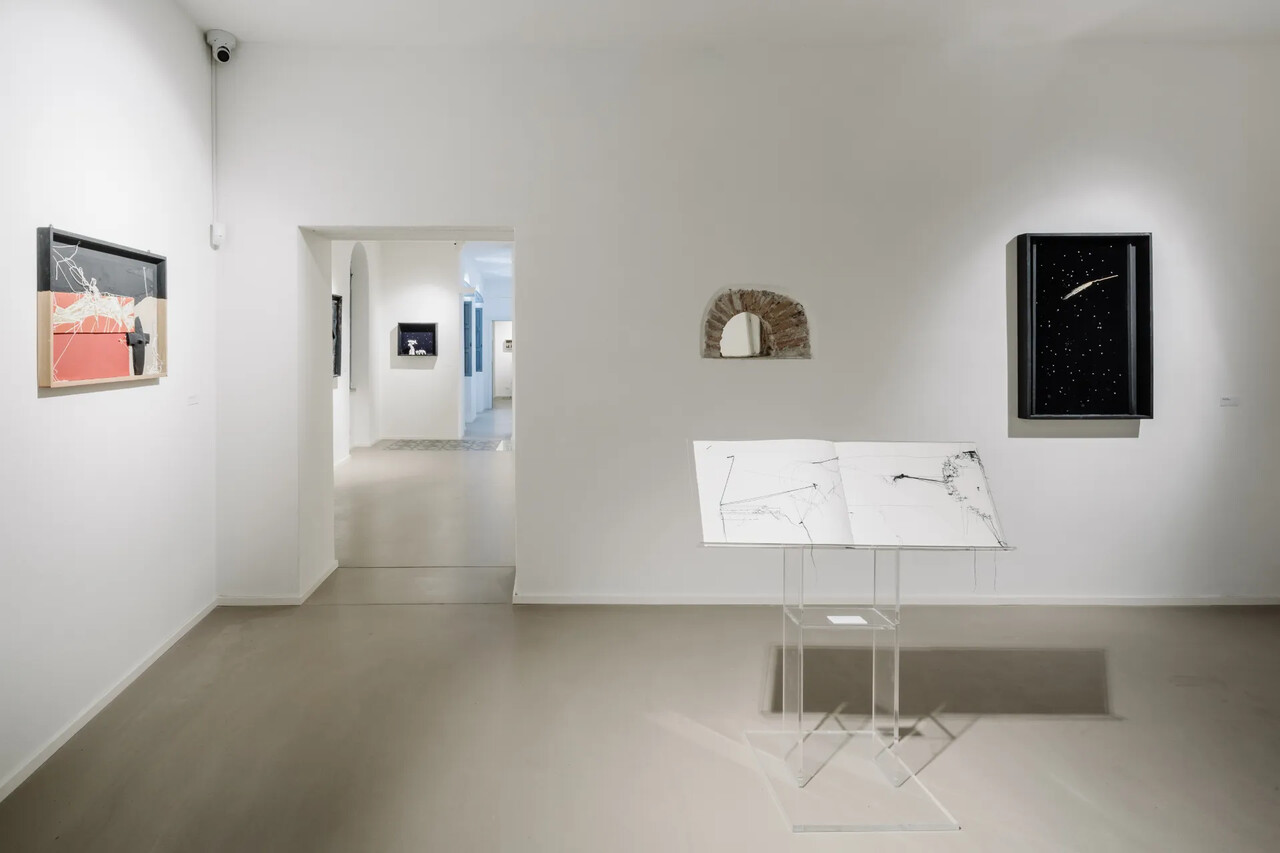
The project aims to exceed the physical boundaries of the lot by re-establishing the central role that the building has historically played for the town. It proposes itself as a flexible place of culture, where the town can consolidate its artistic vocation and desire to be a factory and not an exhibitor. It is a place that the community can take back and can start a cultural, social, and economic regeneration.
它展現為一個充滿靈活性的文化場所,城鎮可以在其中鞏固自己的藝術天賦以及成為一個創造文化而不僅僅是展示文化的工廠。這是一個社區可以重新使用並啟動文化、社會和經濟再生的地方。