Casa Uno
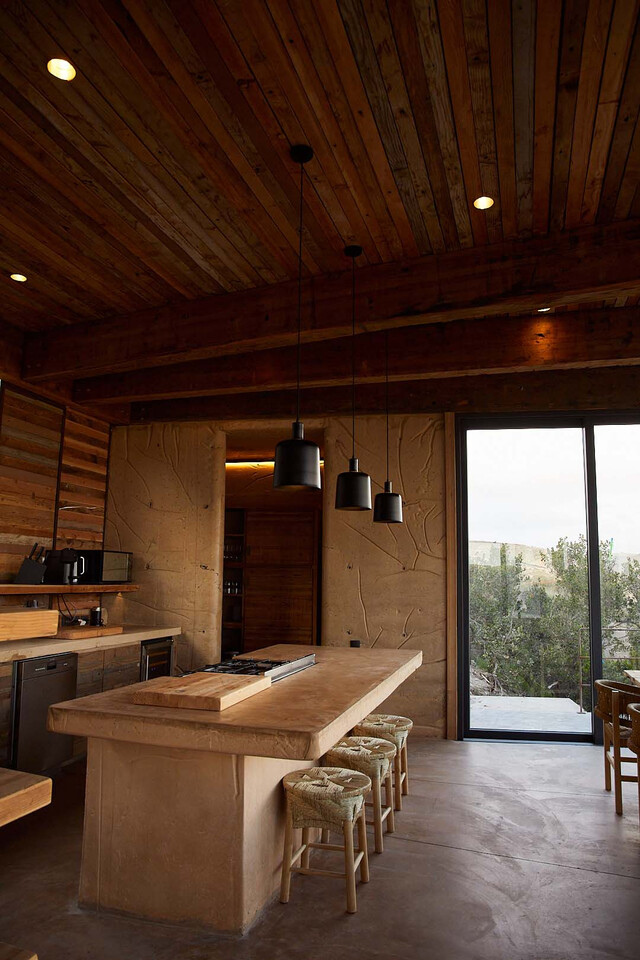
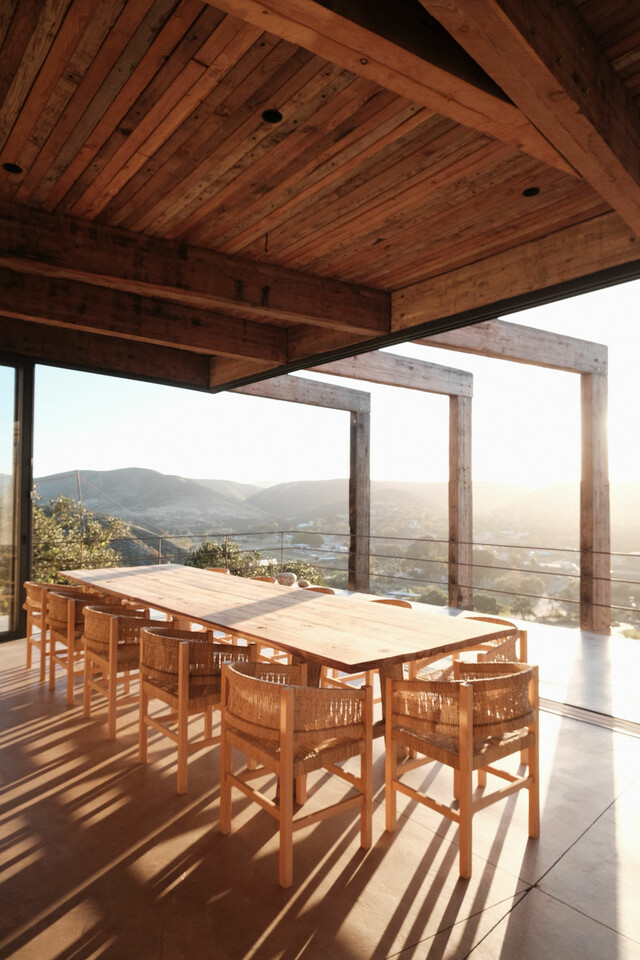
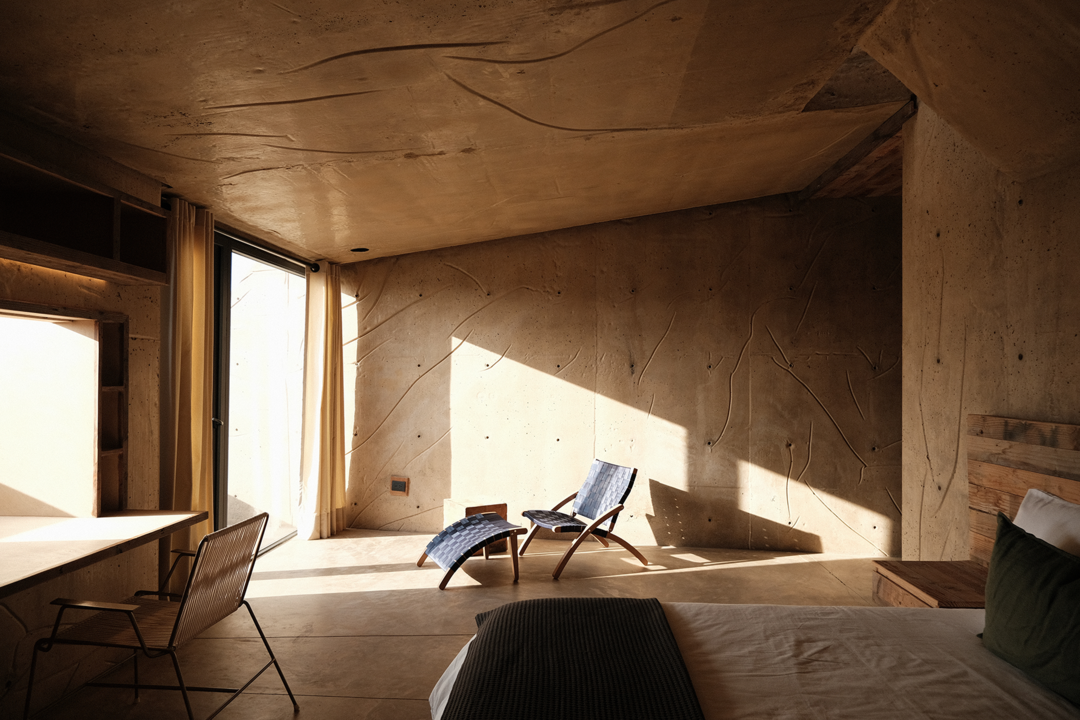
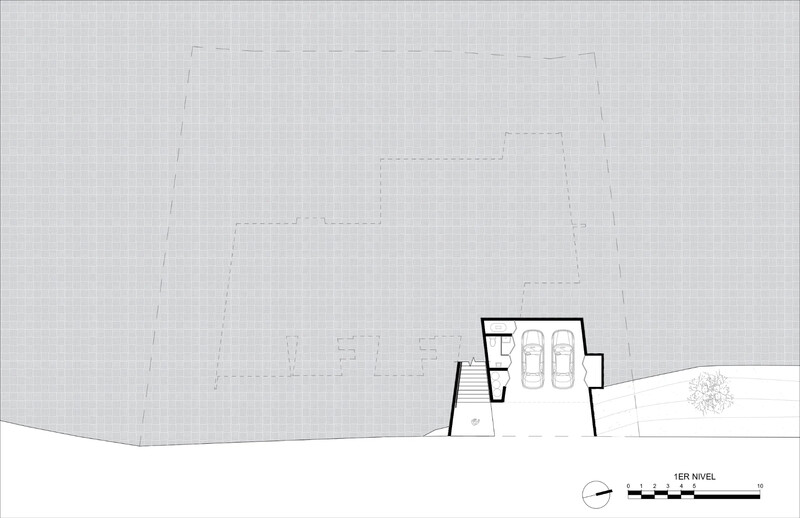
Casa Uno is a project that pursues the architecture of silence, seeking to hide most of the building within an existing topography to achieve greater energy efficiency and reduce its visual impact. In this way, a lower perception of the constructive density of the house is achieved. Upon entering the house, one experiences the sensation of entering a cavern, the quintessential refuge of mankind in ancient times. This reminiscence gives us a strong sense of protection within the project. The idea of burying the project has the consequence of leaving a wound in the earth.
"Casa Uno"一個追求寧靜建築的設計,試圖將大面積的建築隱藏於現有的地形之中,不僅提高能源效率,還能緩和其視覺衝擊,此設計手法使得建築密度在視覺上顯得更低調。踏入屋內,便彷彿走入了古時的洞窟,那是人類初始本能尋求安全感的庇護所,這個記憶在人們內心中產生了一種強烈的保護感。
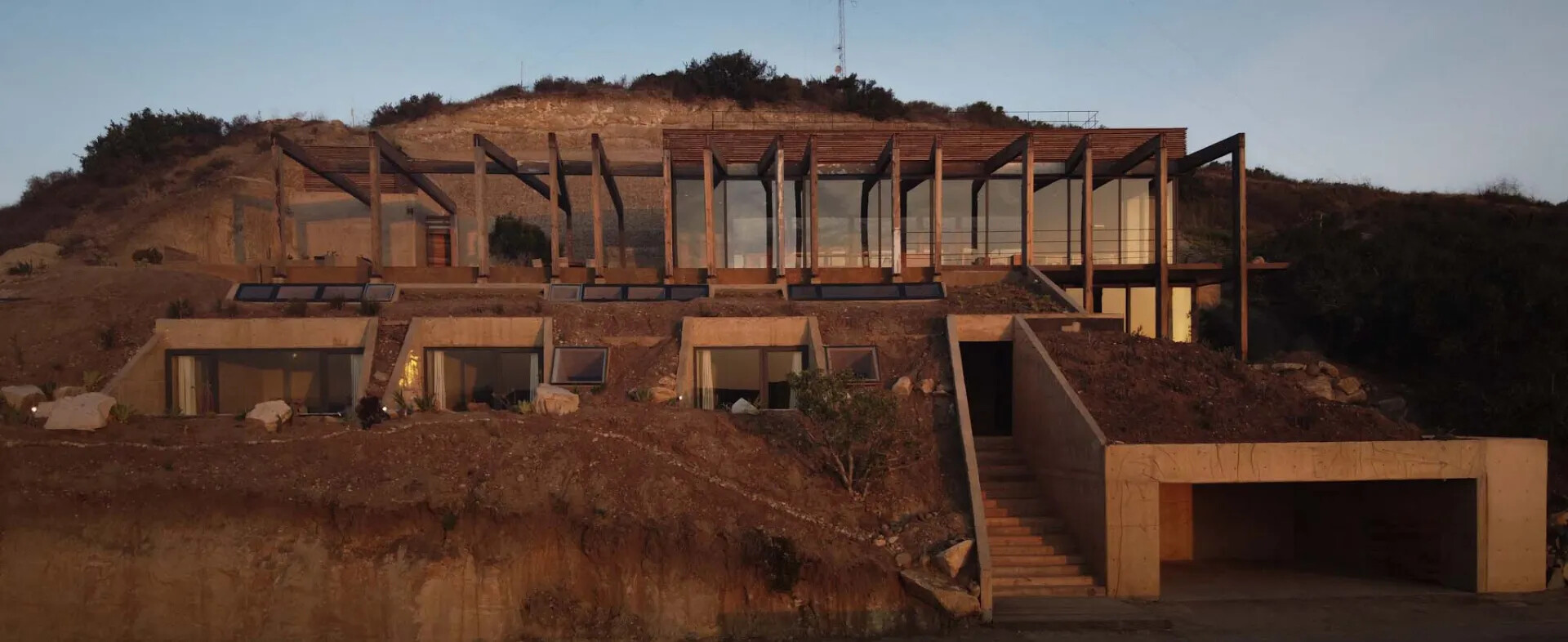
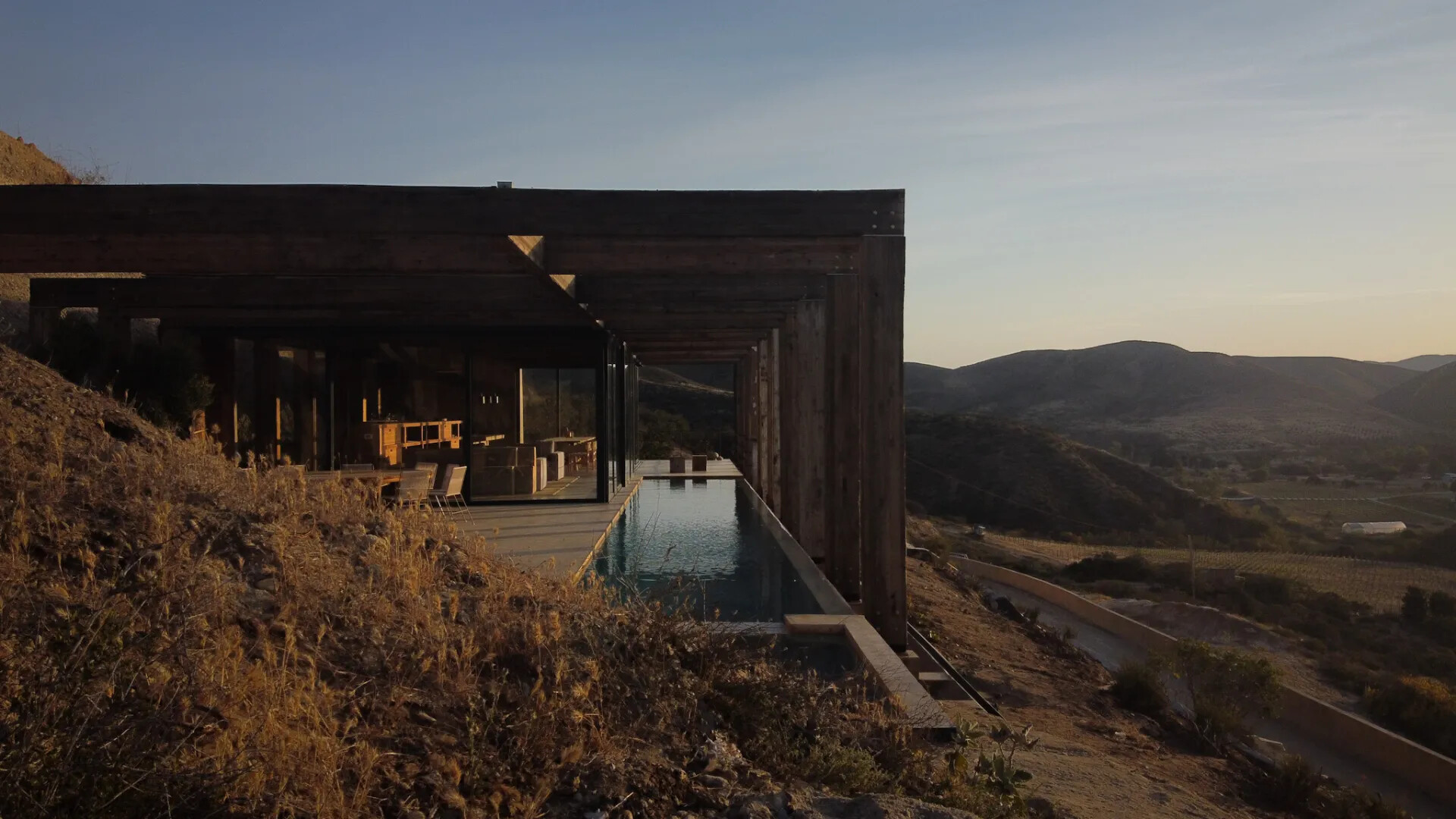
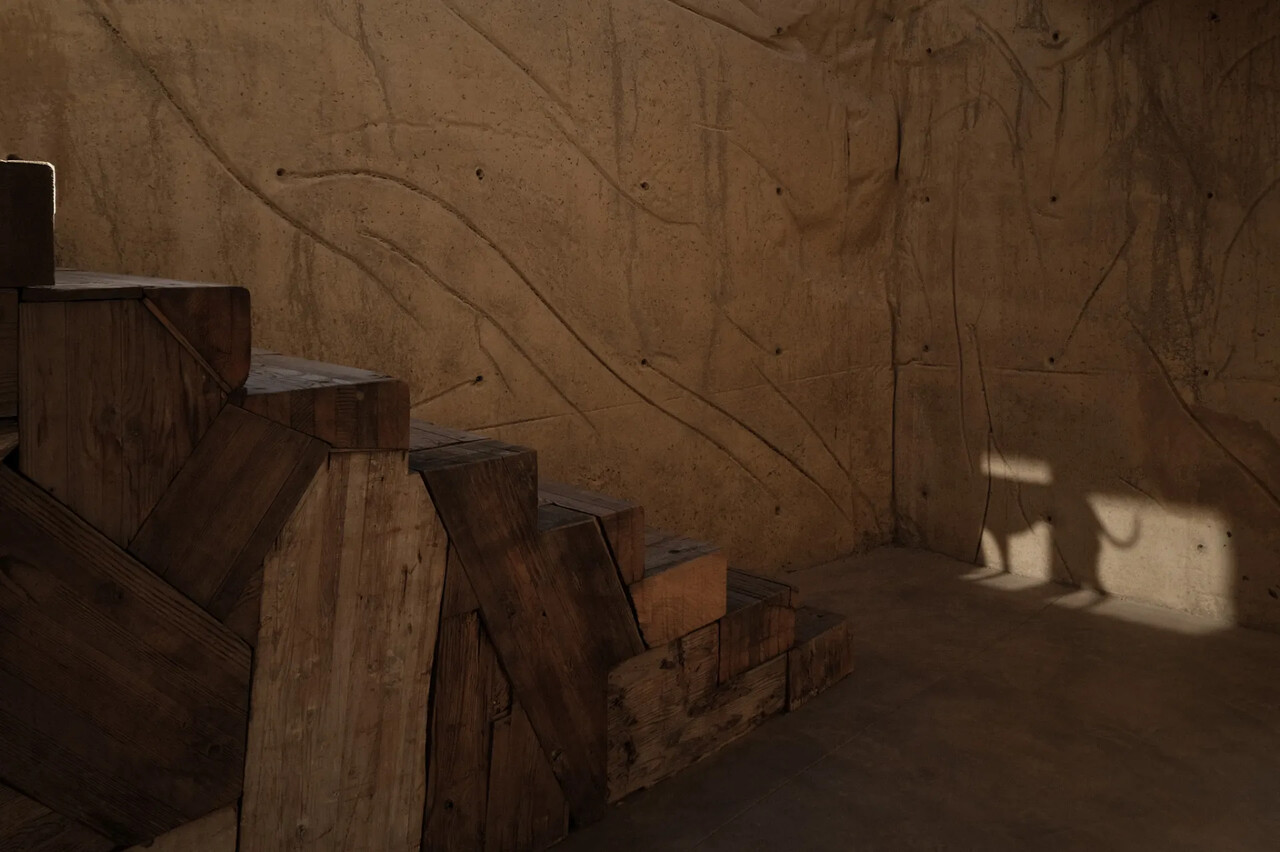
In order to heal this wound, it is necessary to restore the native vegetation, which was previously transplanted to a nursery. Therefore, water management becomes a fundamental part of the project. All the water consumed in the house is reused through a passive system integrated into the design of the project, which allows irrigation to be viable and, over time, to restore the footprint of the intervention. The main material used is pigmented concrete, which generates a color that mimics the tone of the local earth.
將此項目低調隱藏的想法,結果即是對大地造成了一道傷痕,這對於環境來說具有深遠的影響。為了修復這道傷痕,我們需要恢復原生植被,這些植被早前已被移植到苗圃。因此,水資源管理成為了項目的核心部分。房屋內使用的所有水都透過一個整合在設計中的被動系統進行再利用,使灌溉變得可行,並隨著時間的推移,也有助於恢復對土地環境破壞所留下的痕跡。
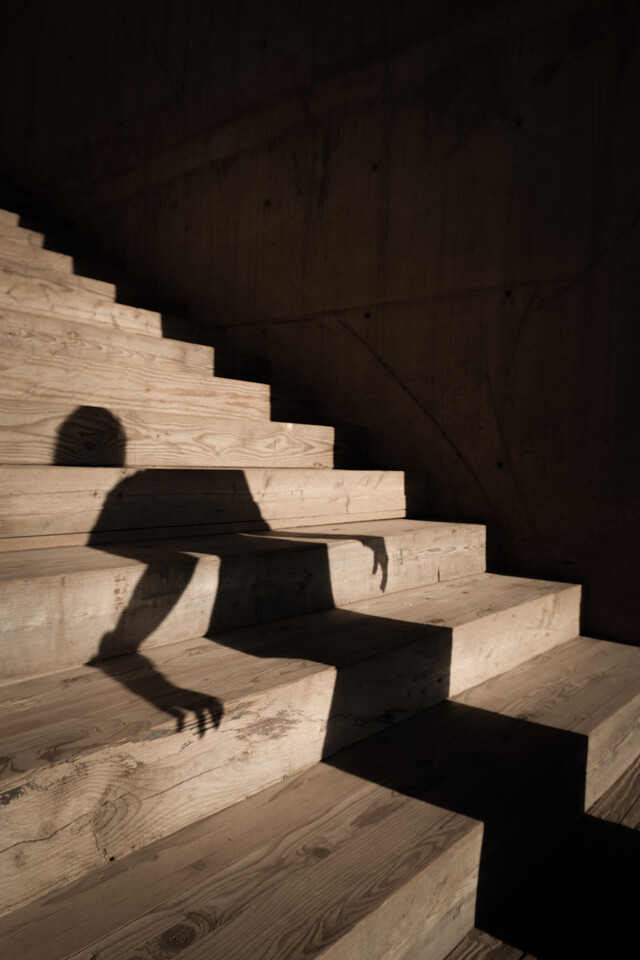
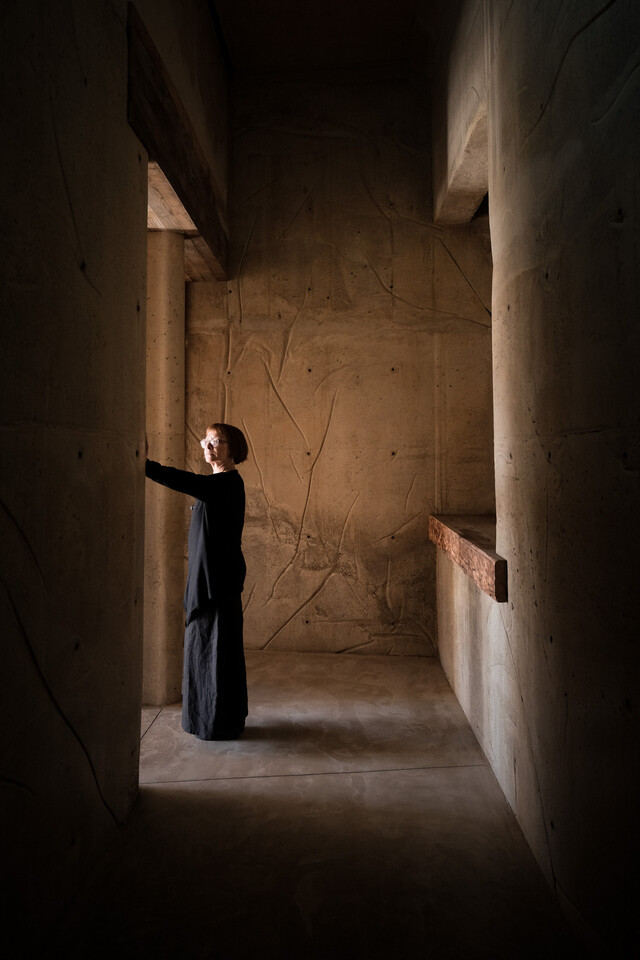
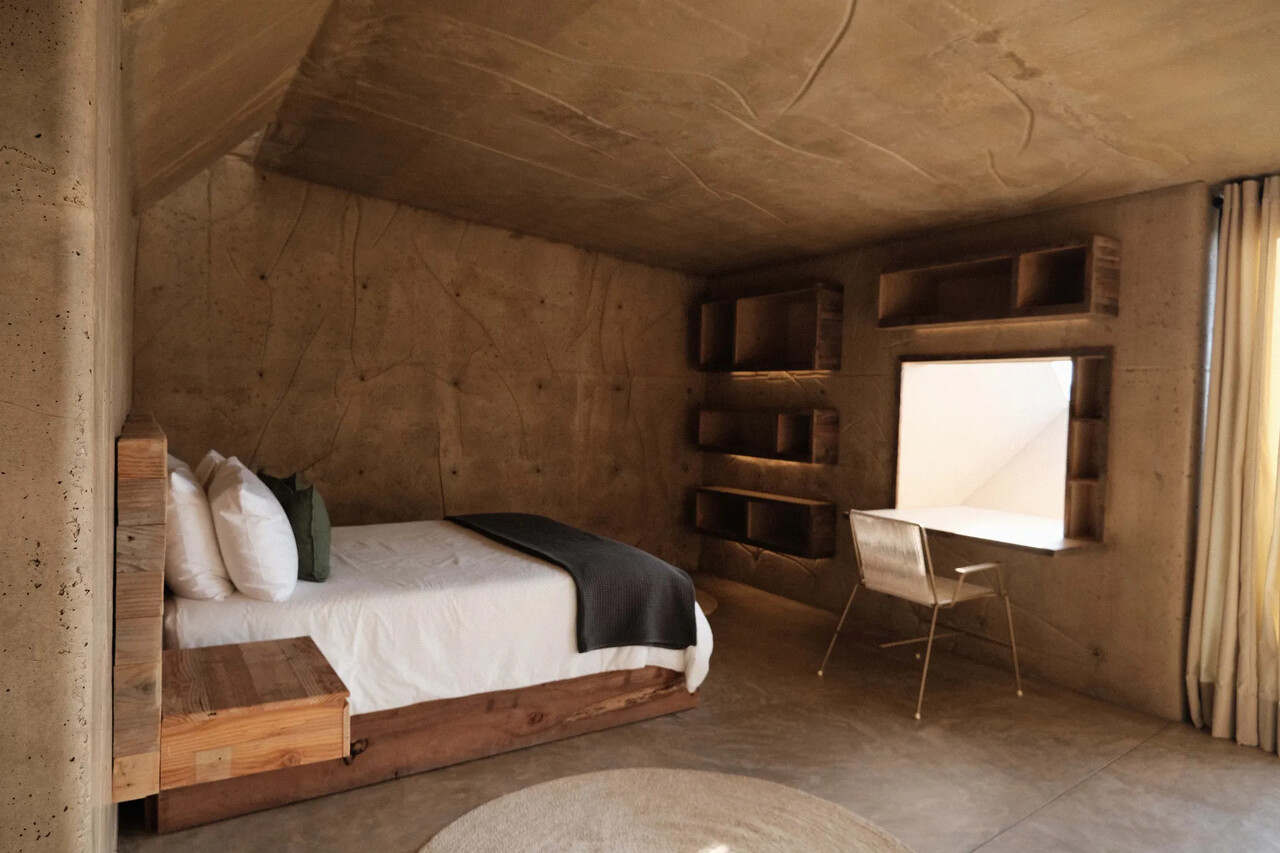
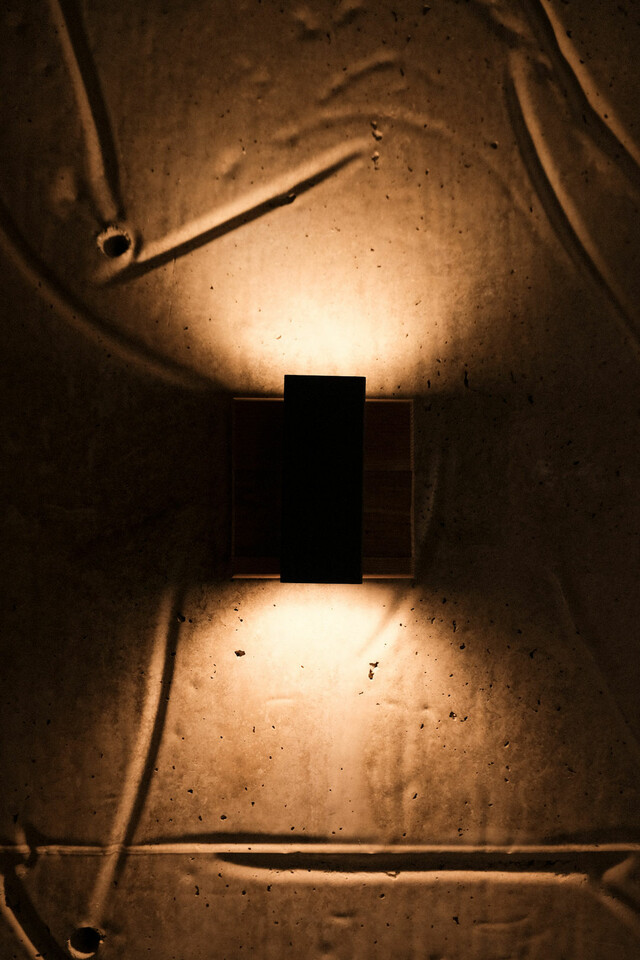
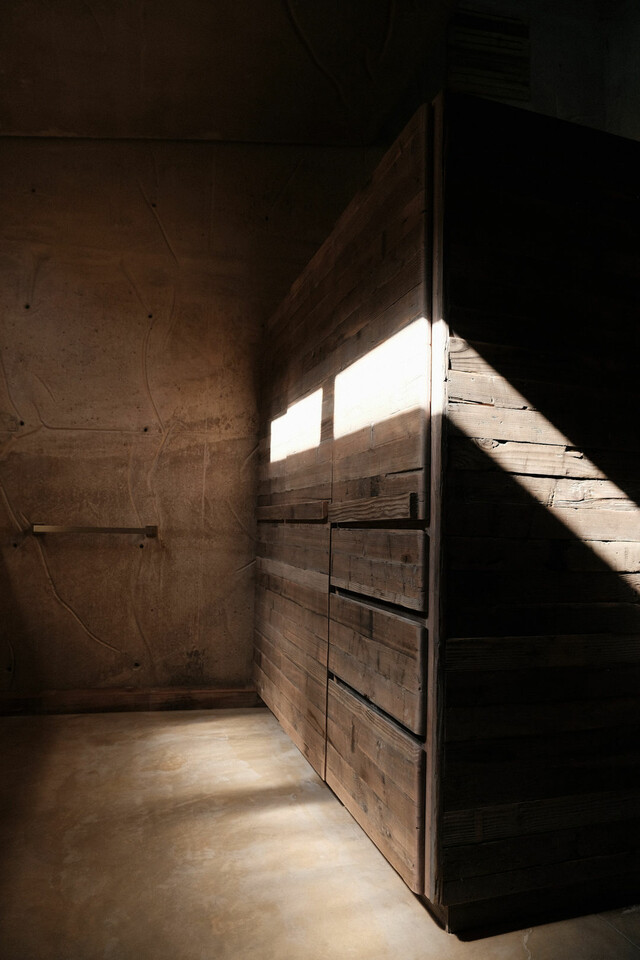
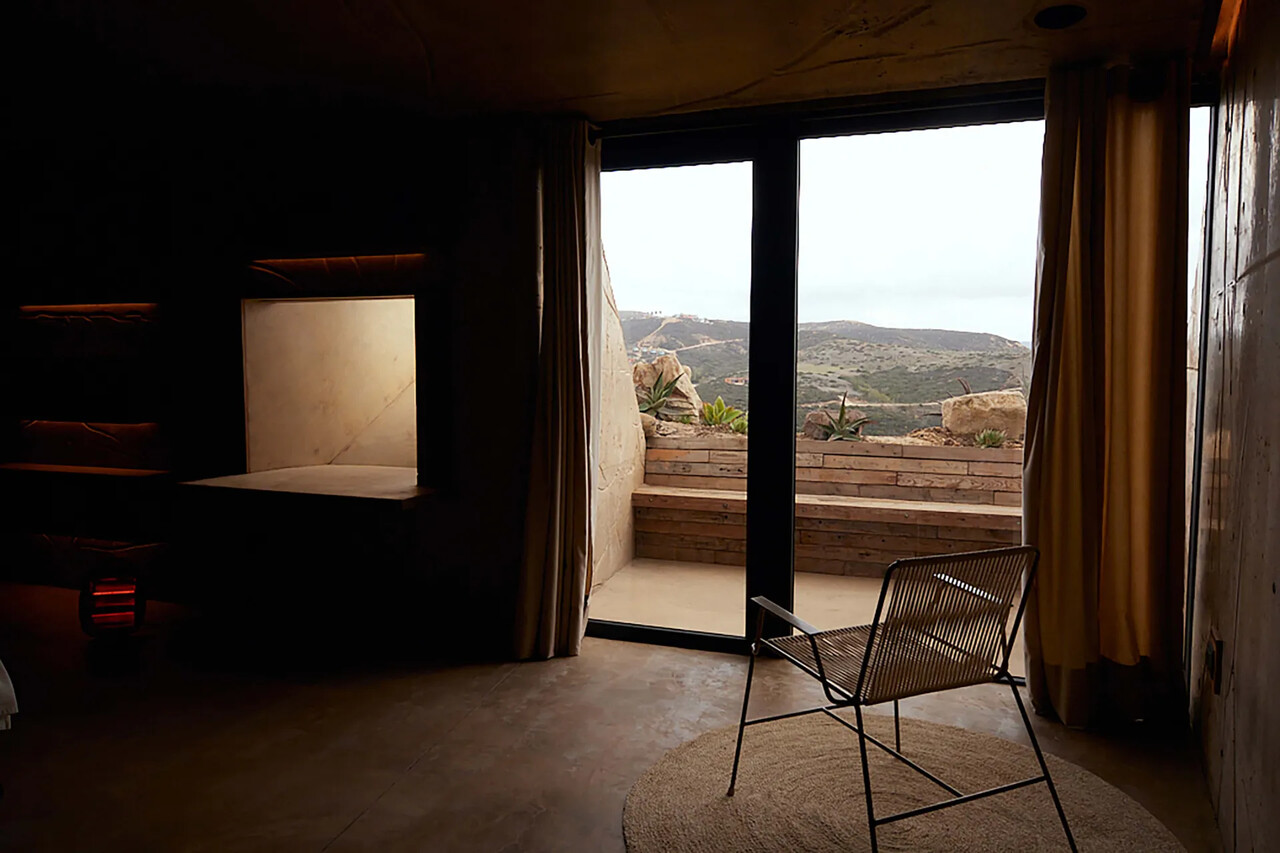
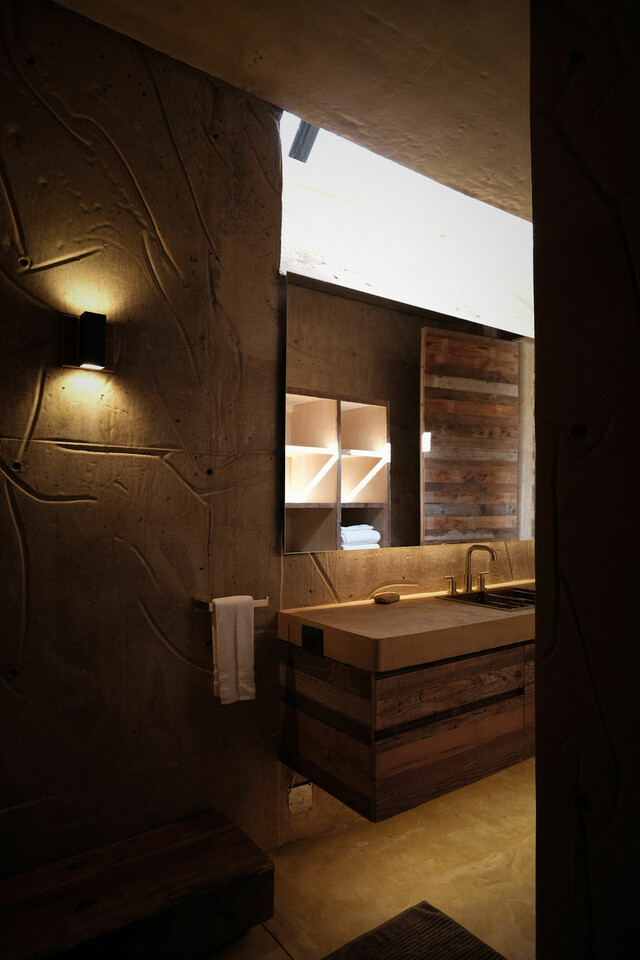
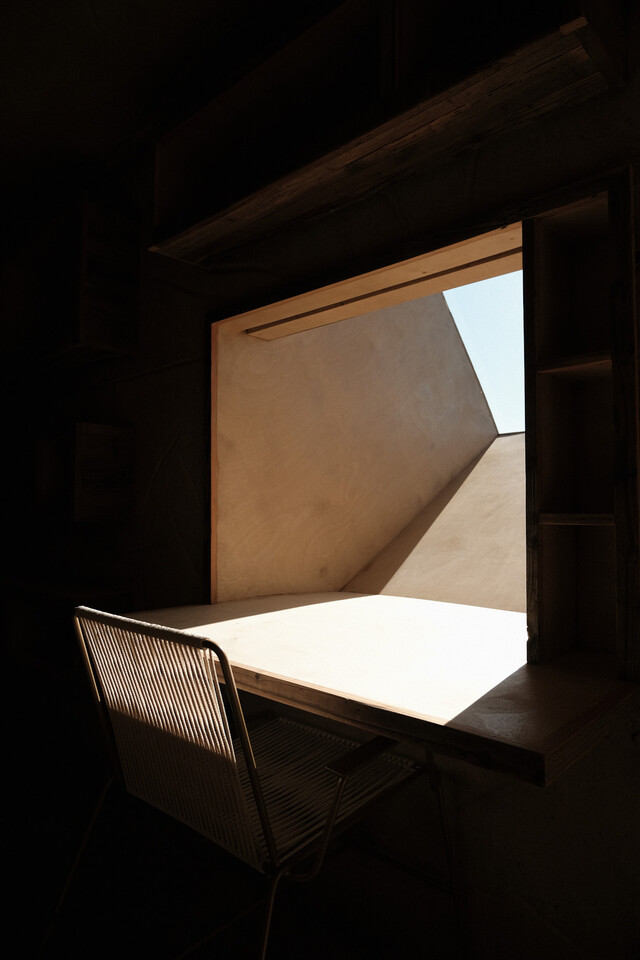
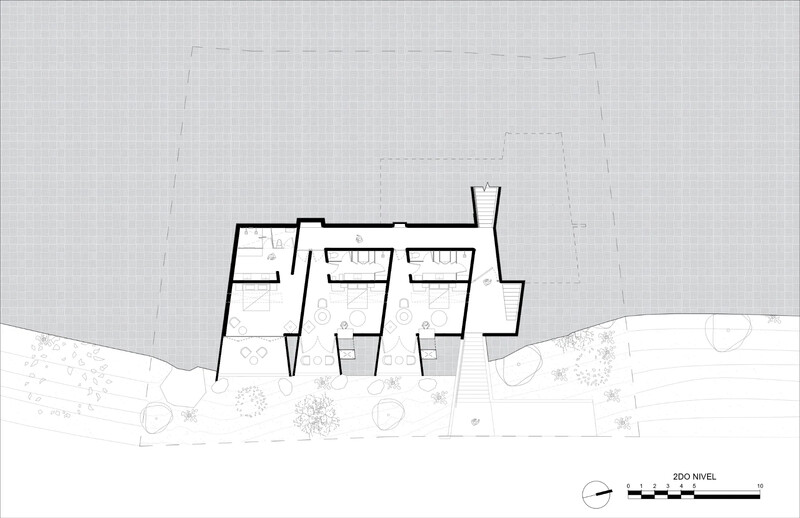
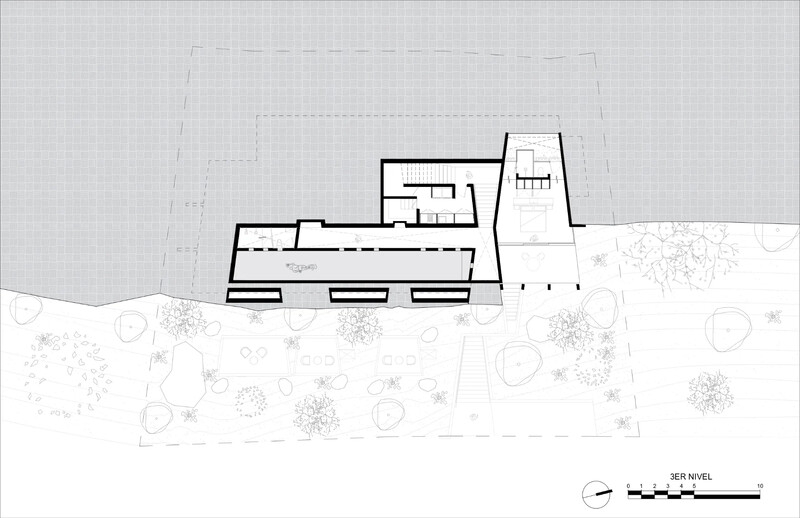
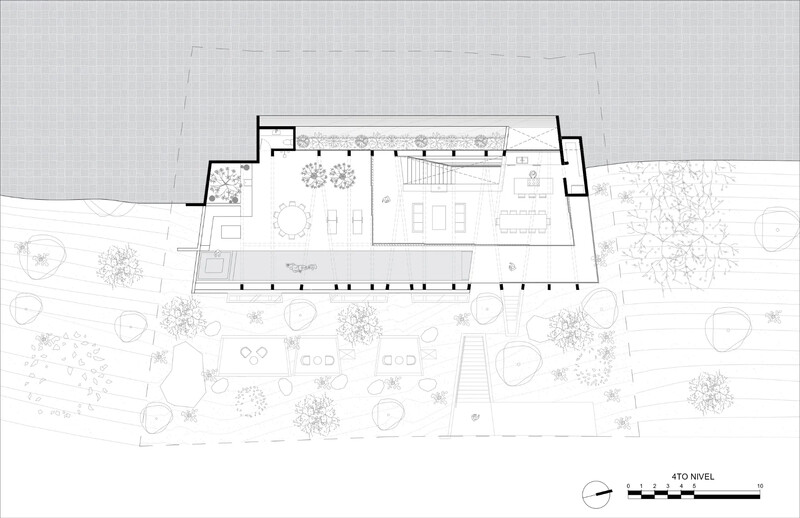
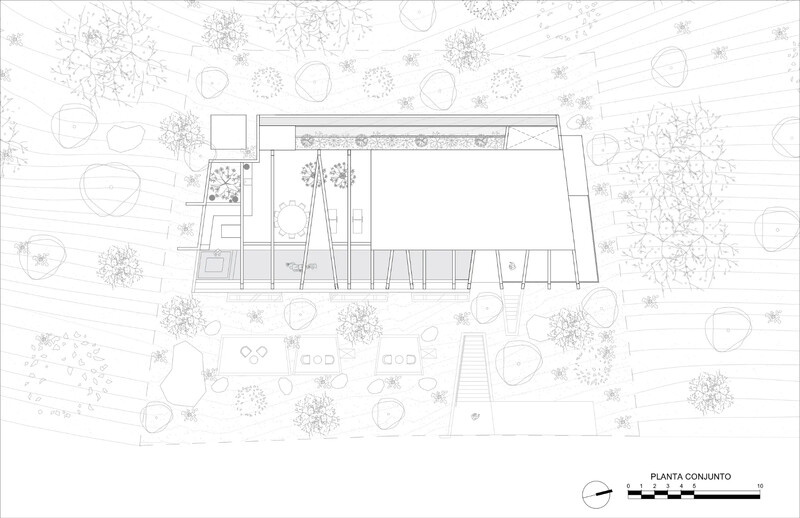
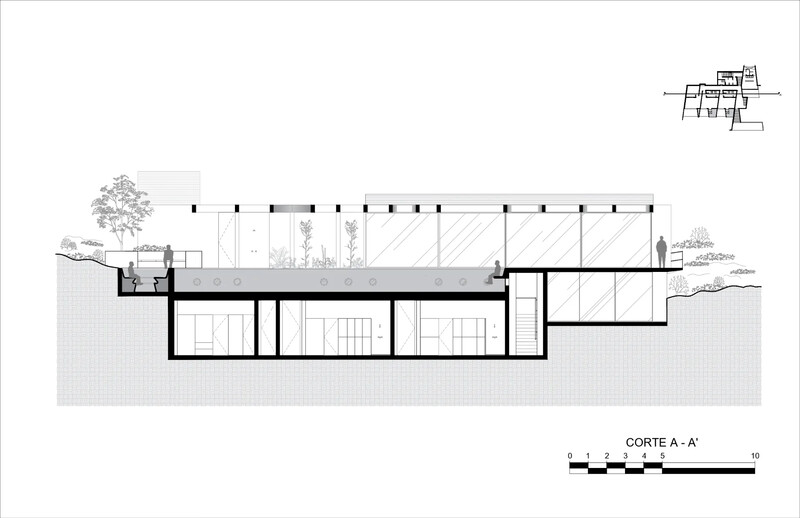
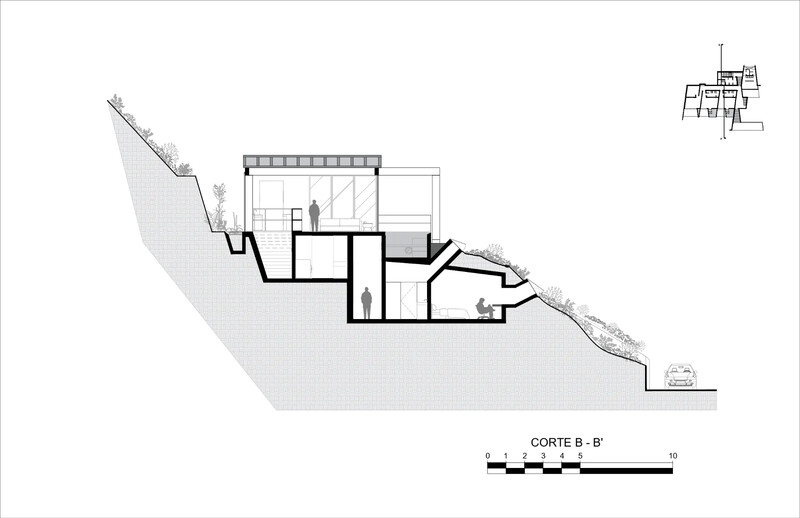
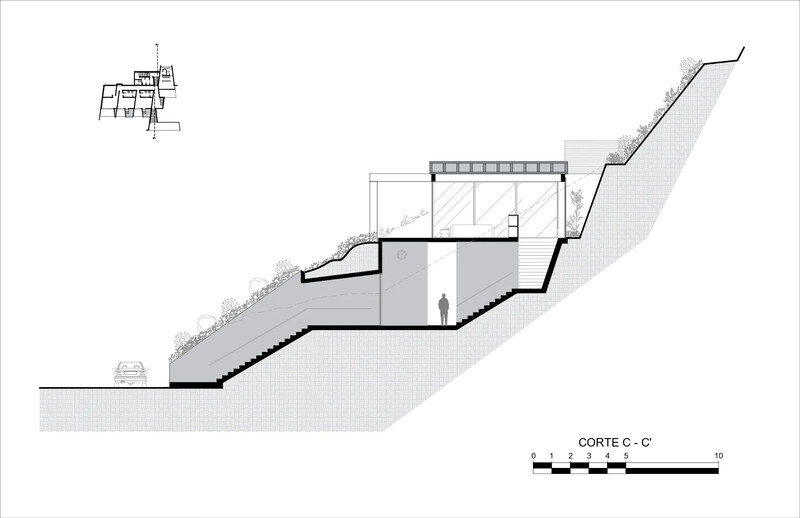
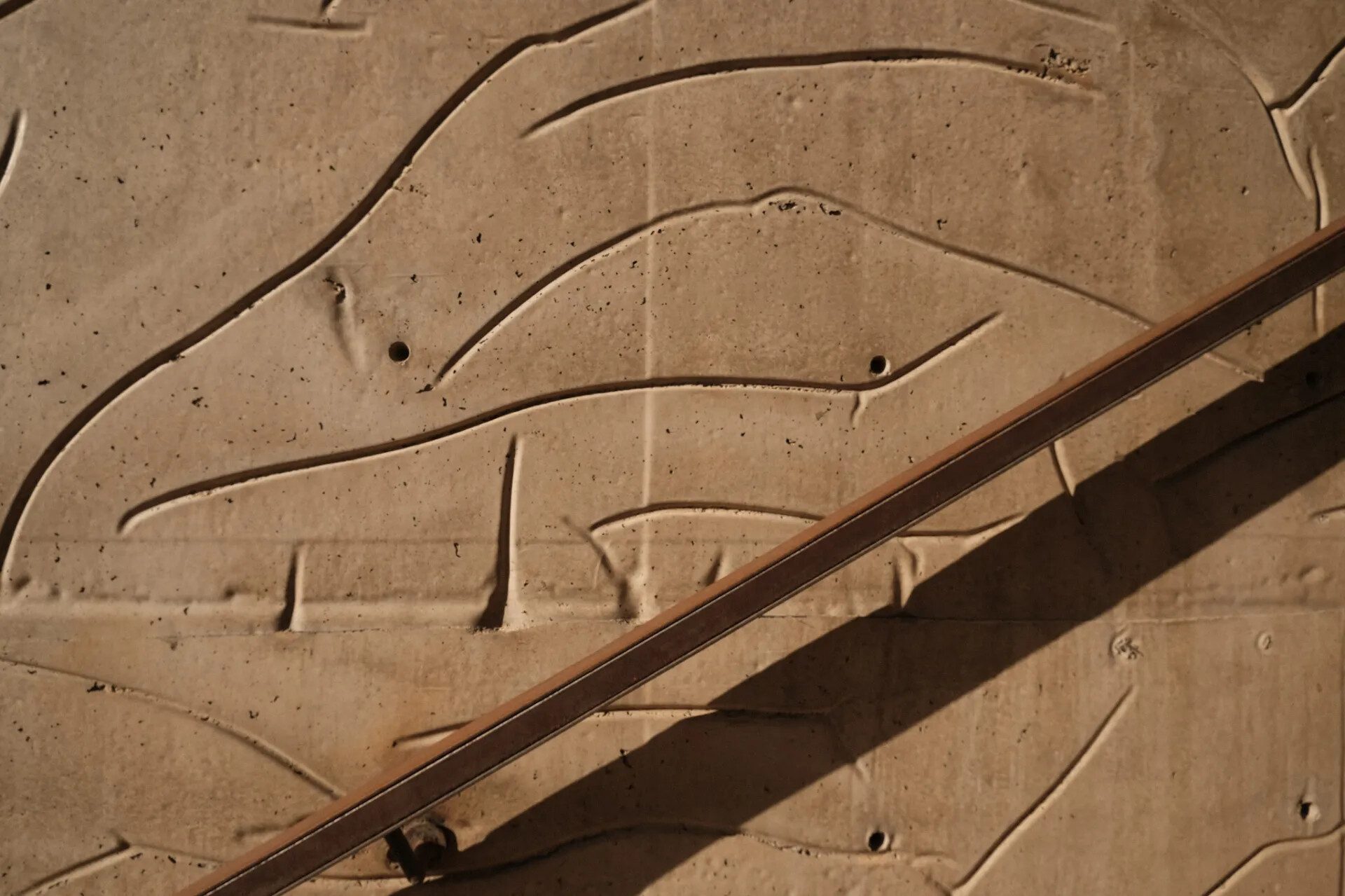
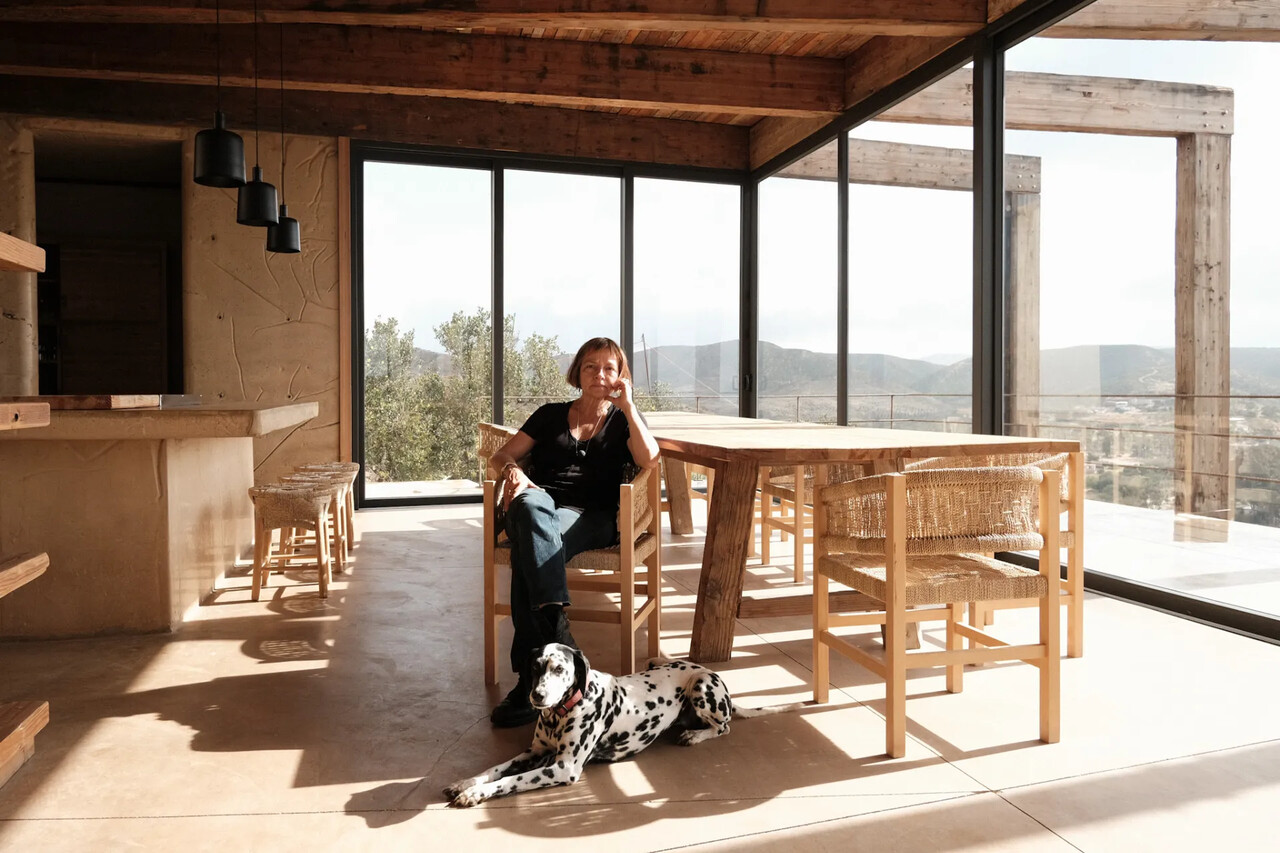
The walls are built with wooden formwork, creating a smooth and shiny texture, with capricious folds that resemble granite rocks polished by the wind and the passage of time. This effect is achieved by incorporating plastic in the formwork process for waterproofing. At the end, the same plastic is used to insulate the retaining walls, while the wooden formwork is transformed into the carpentry of the house.
主要使用的材料是染色混凝土,其顏色類似當地土壤的色調。牆壁使用木質模板搭建,形成了光滑有光澤的質地,隨意的褶皺像是被時間風化打磨的花崗岩石。這種效果是透過在模板製作過程中加入塑料以實現防水而達到的。最後,同樣的塑料被用來隔熱保護支撐牆,而木質模板則被轉化為房屋的木製組件,賦予了建築內外結構的一致性。
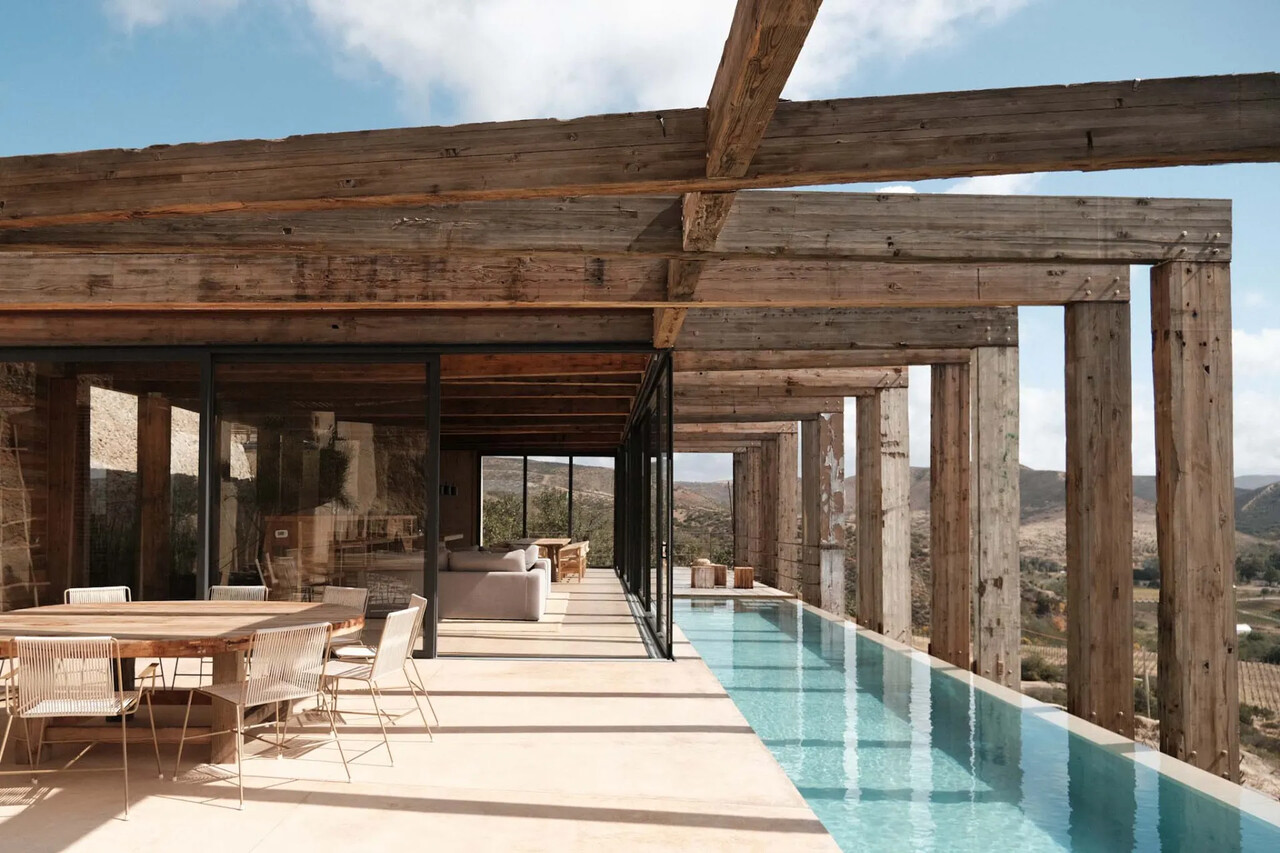
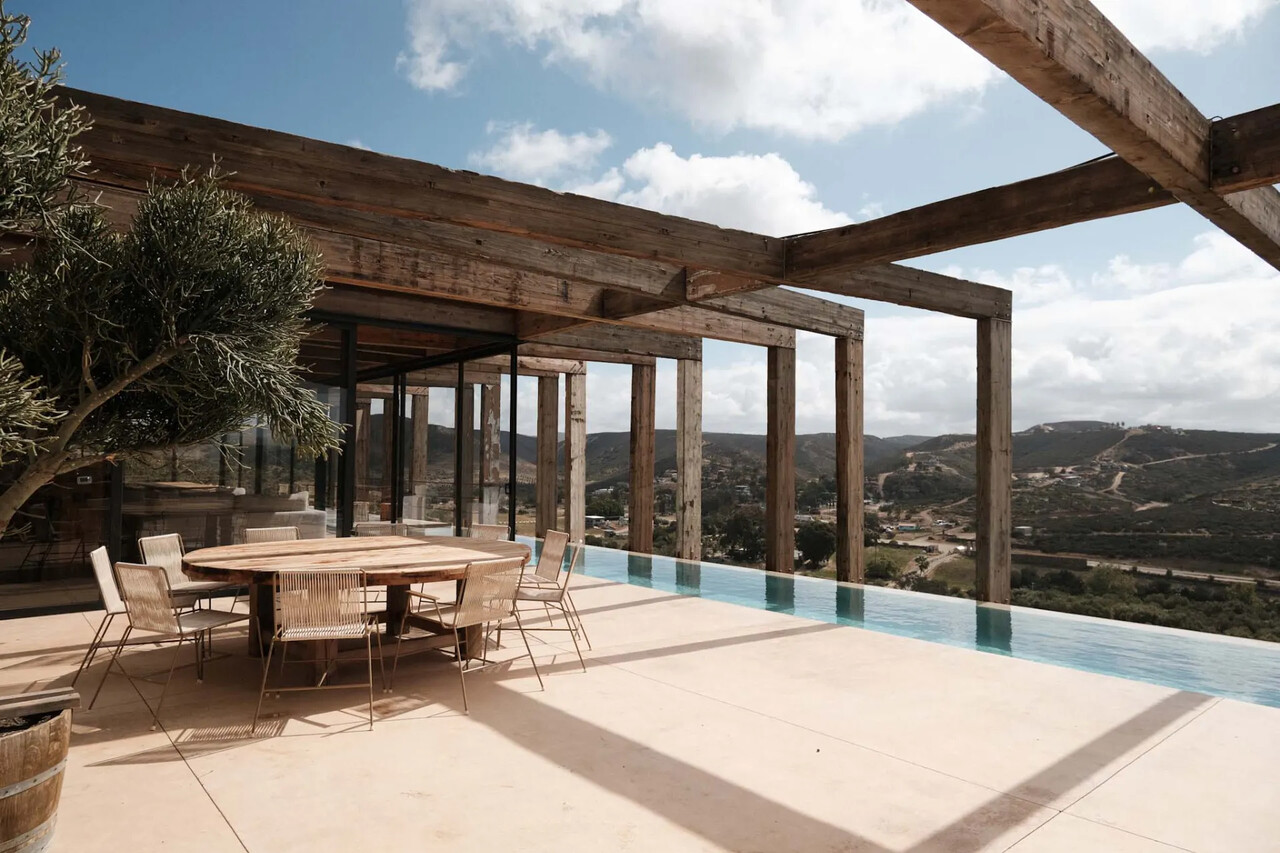
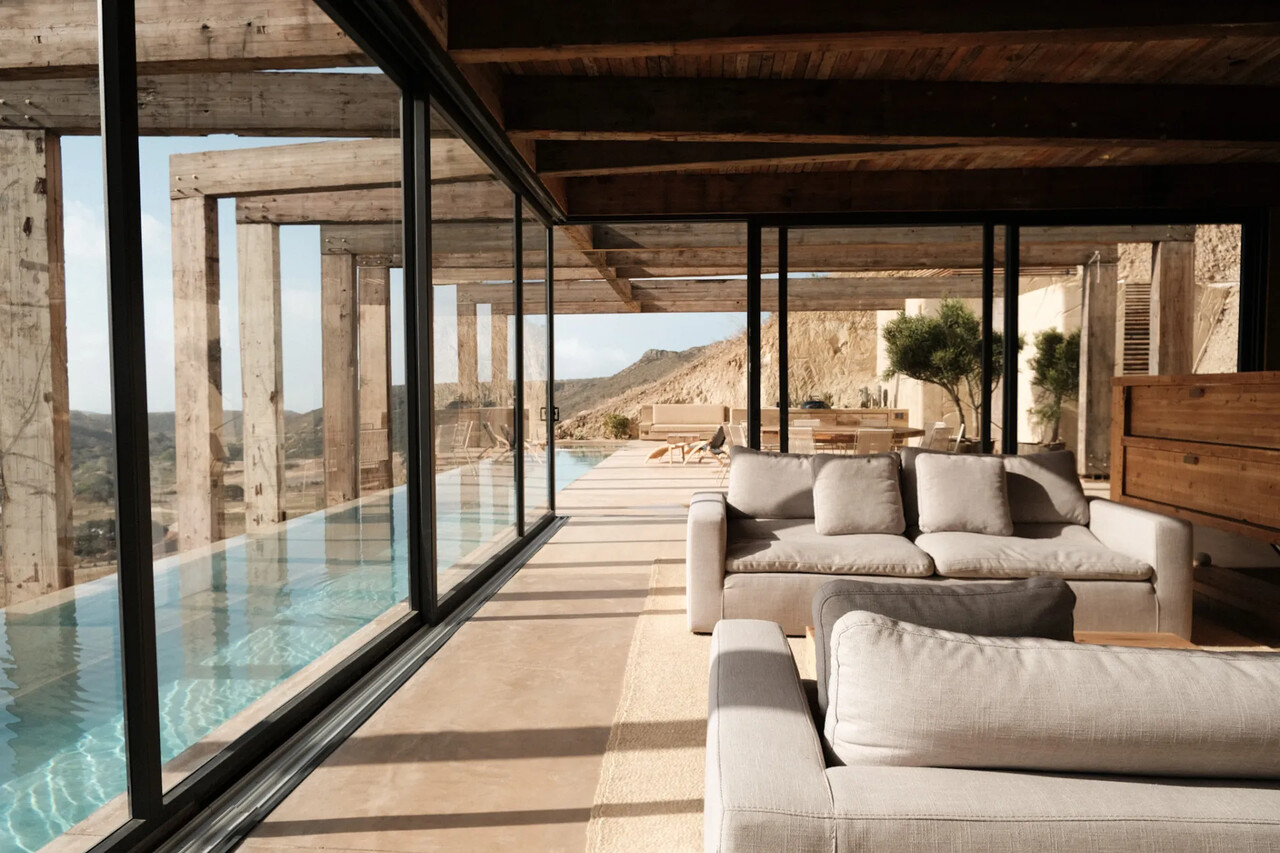
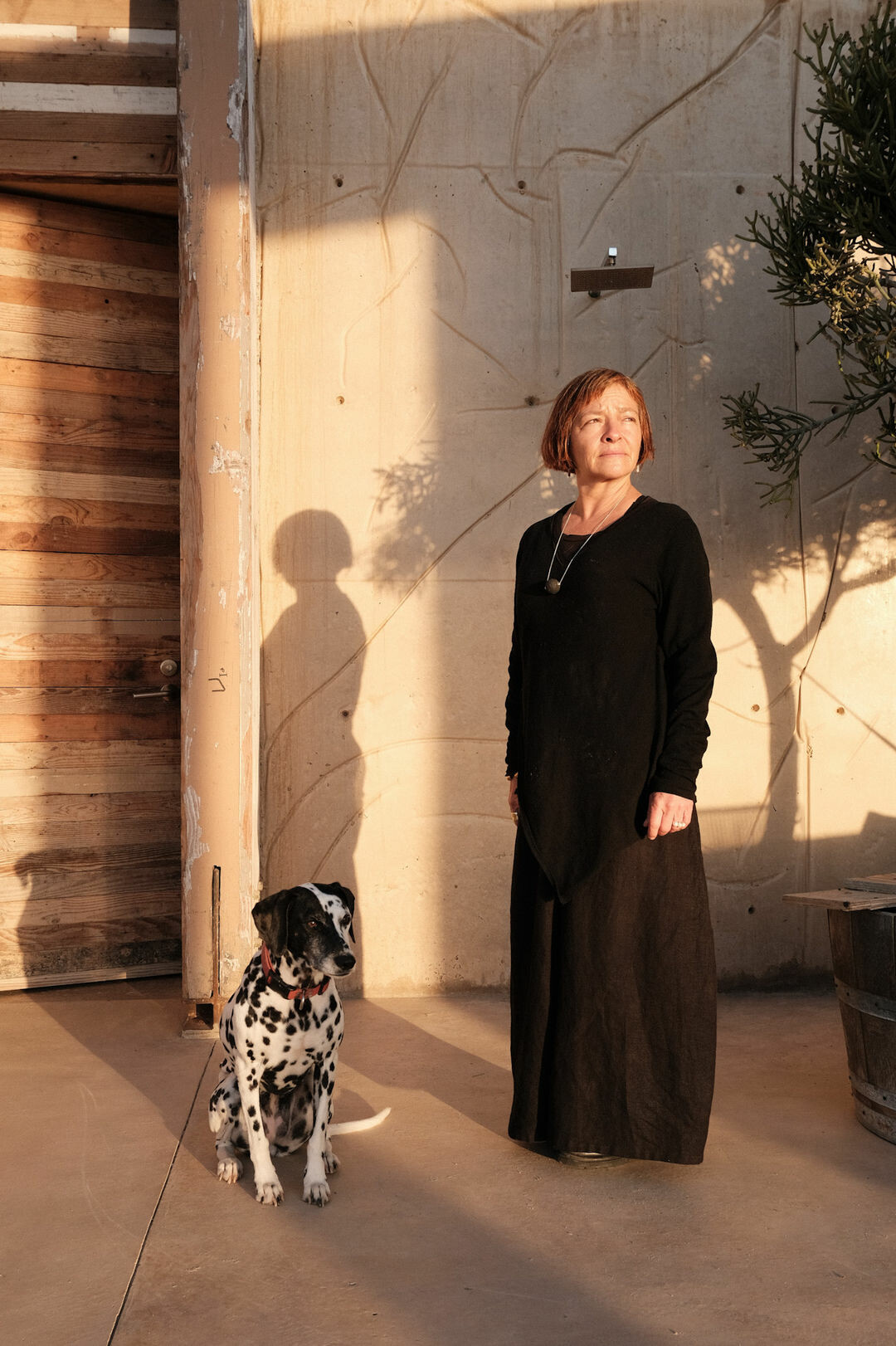
The architecture created by CLACLÁ seeks honesty in its elements and is concerned with allowing the materials to express themselves and tell past stories. They are meant to have a soul and show signs of previous use, scars that humanize them even more. It is an artisanal architecture that is concerned with carefully selecting its materials, even if they are of industrial origin, with the aim of minimizing their polluting impact during the manufacturing process.
CLACLÁ 所設計的建築追求元素的真實性,讓材料自然地展現它們的特性,並敘述過去的故事。這些建築被視為有靈魂的,表現使用過的痕跡,它們具有靈性。這是一個重視工藝的建築,即使材料是工業出品,也會精心挑選最適合的元素,旨在製造過程中大幅度地減少對環境的污染影響。