WABISABI
  • Projects
    • Worldwide
    • Interiors
    • Features
  • Contemporary
    • Exhibitions
  • Record
  • Lifestyle
  • City Explore
  • News
  • Issue
  • Account
  • Search
  • Language
Mobile nav


葡萄酒儲藏室改建的住宅

Conversion of a Wine Storage into Housing


Existing columns as protagonists 
 
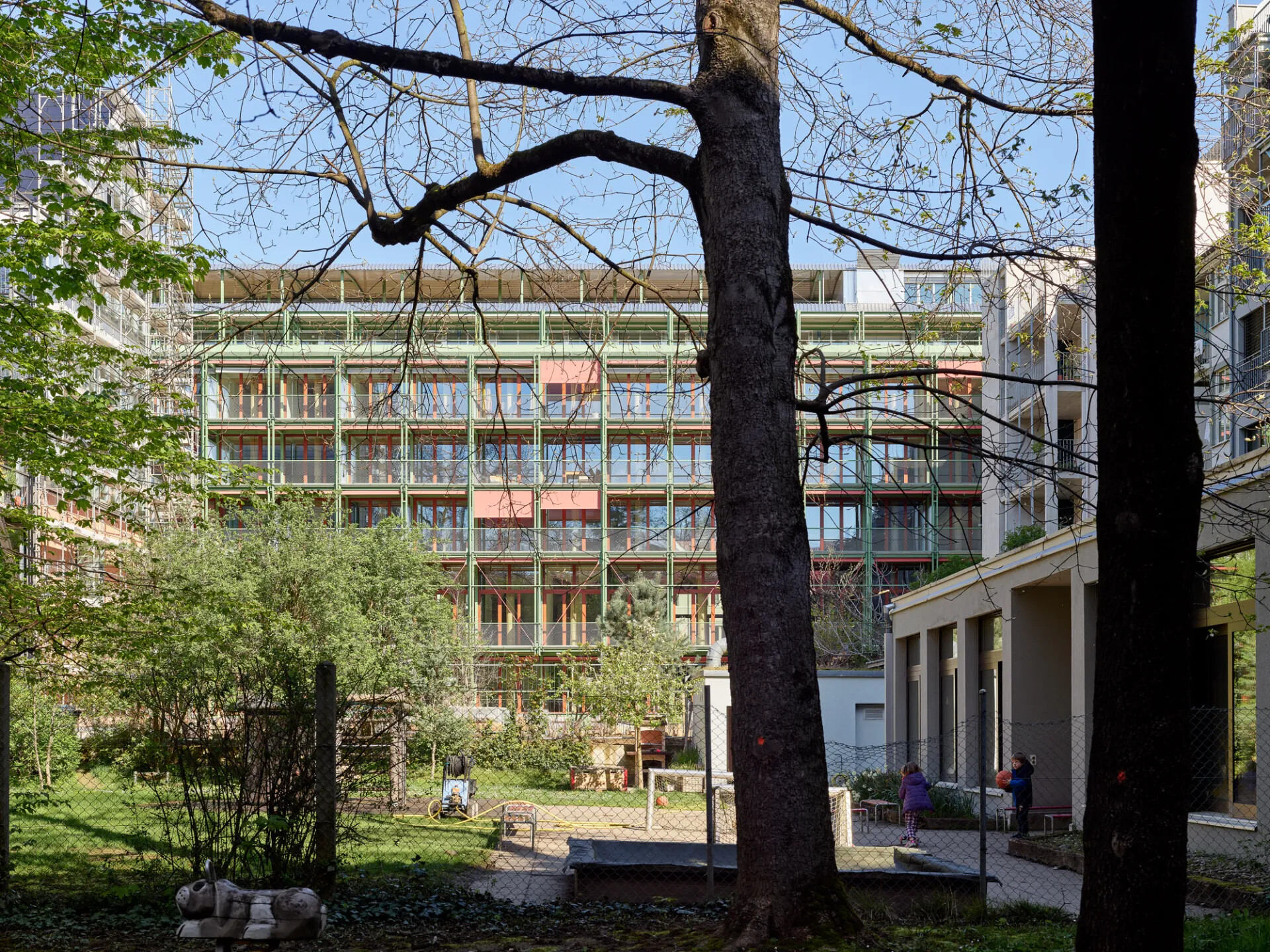
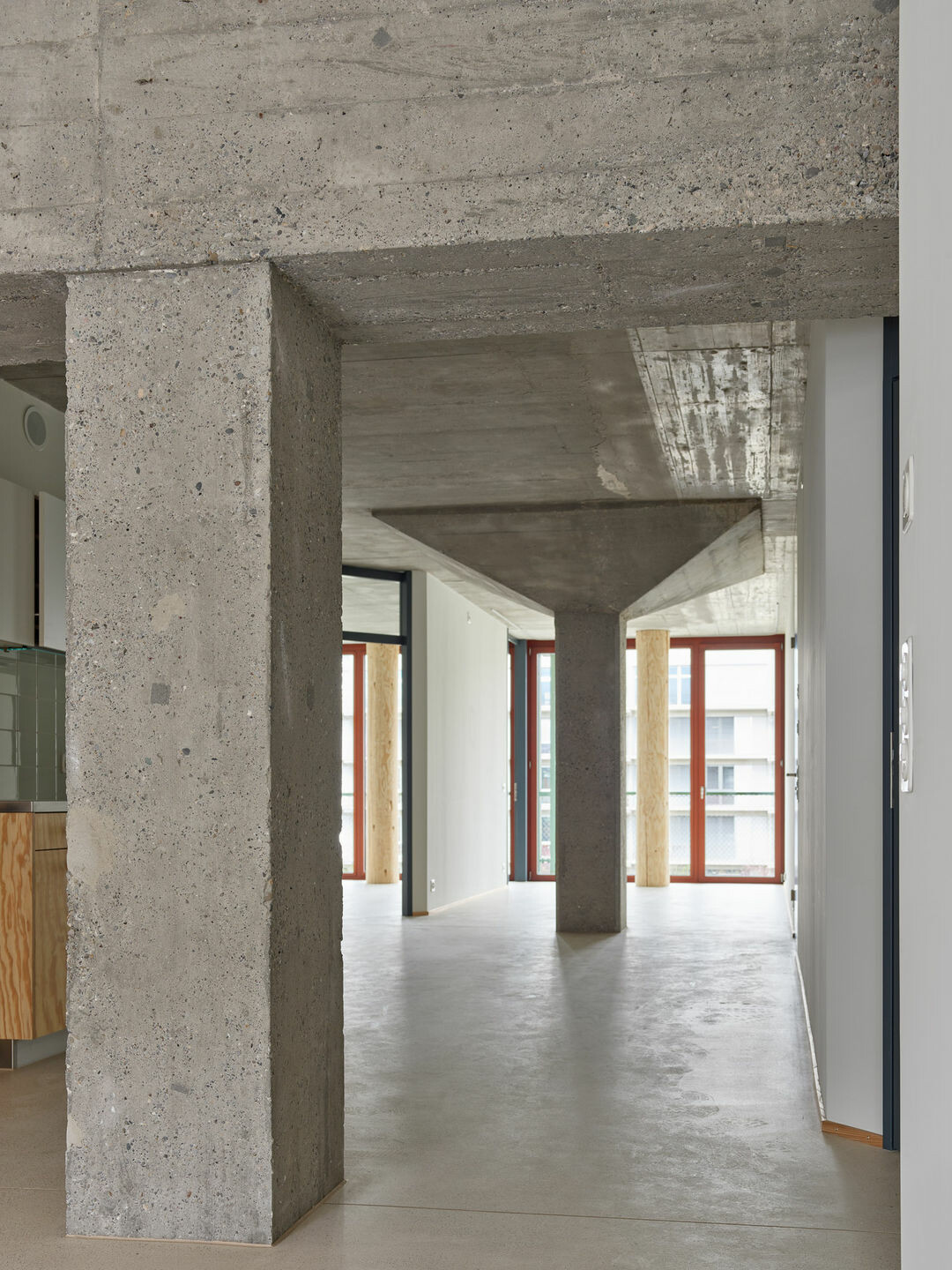
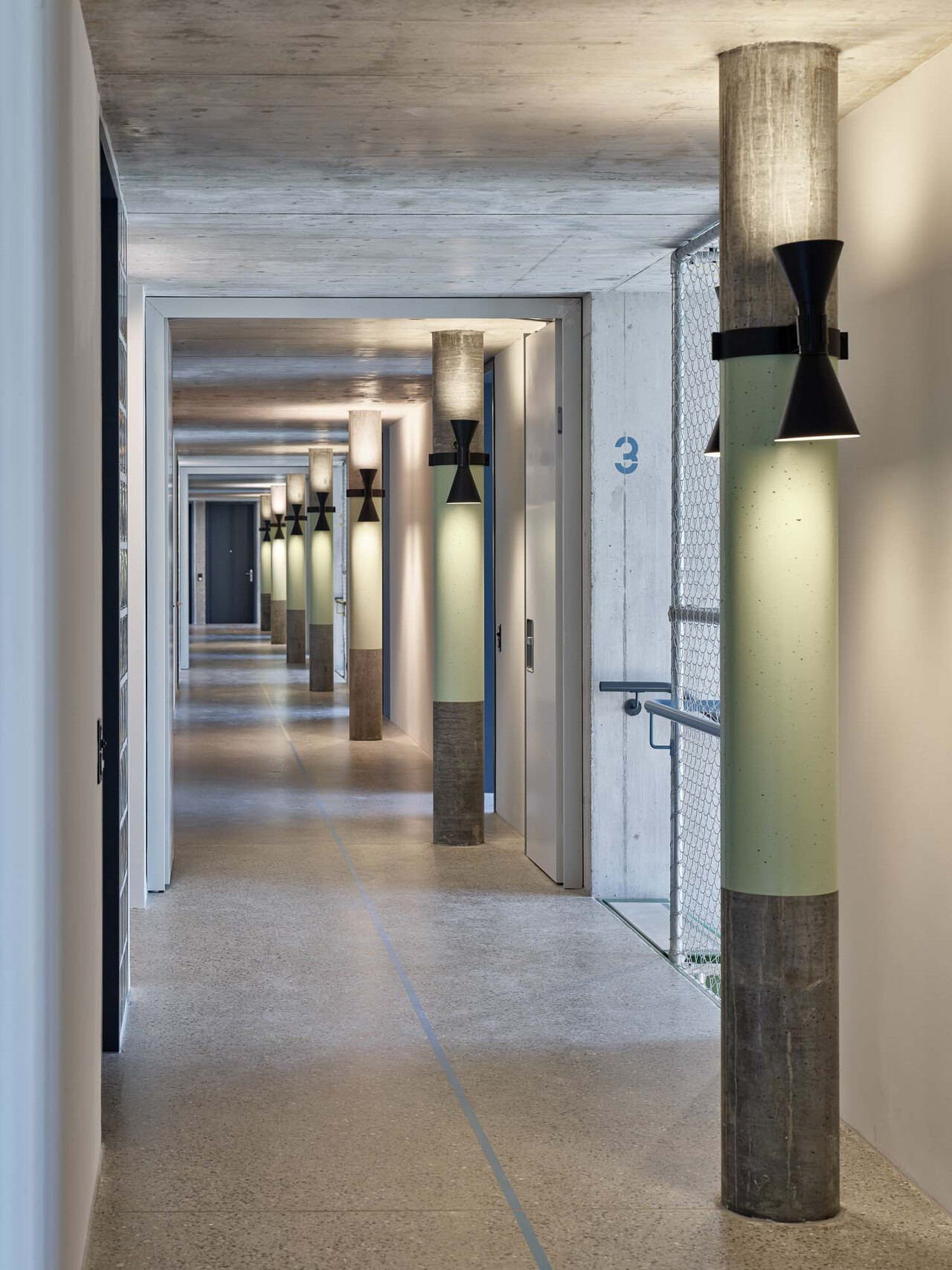
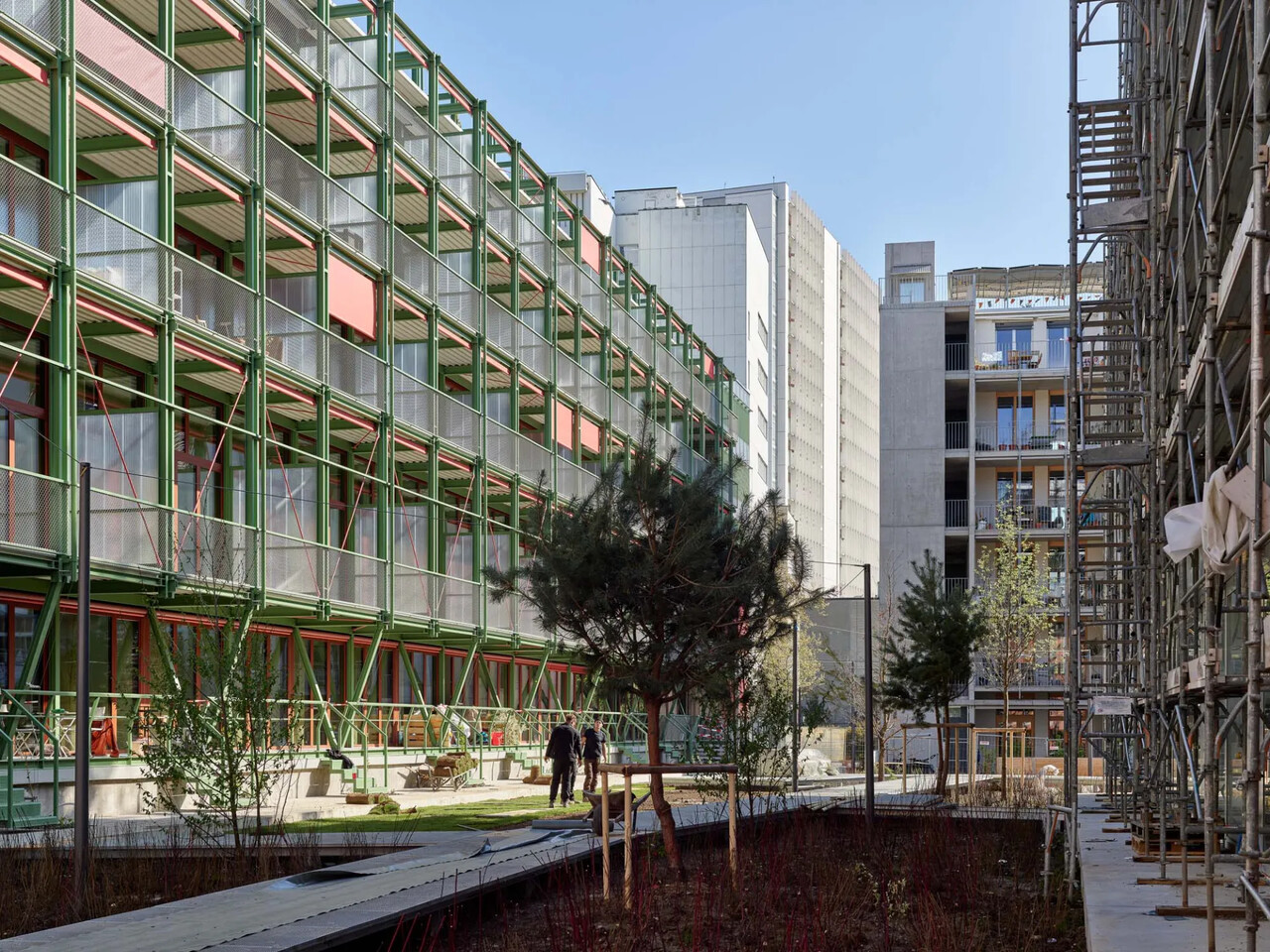
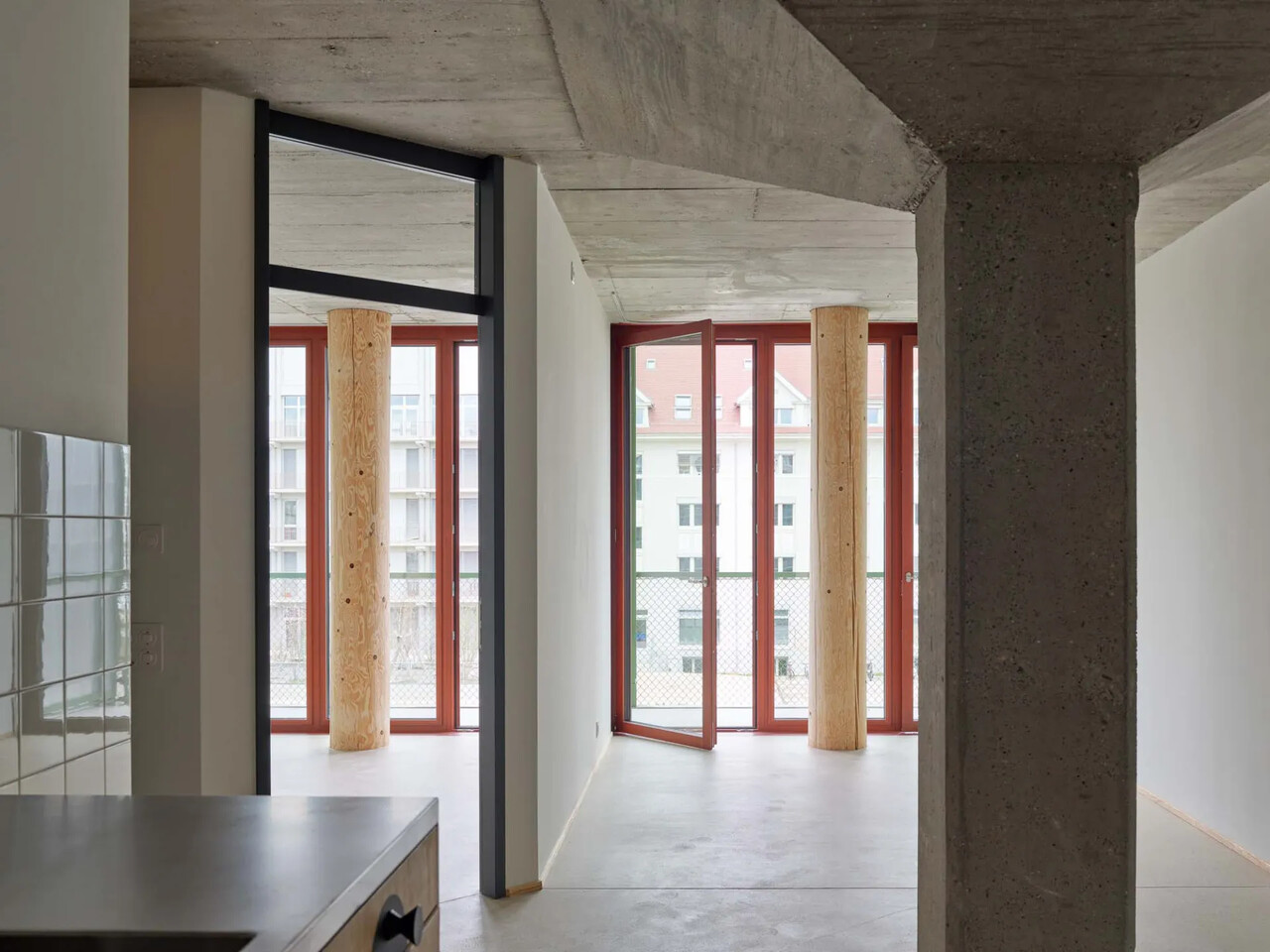
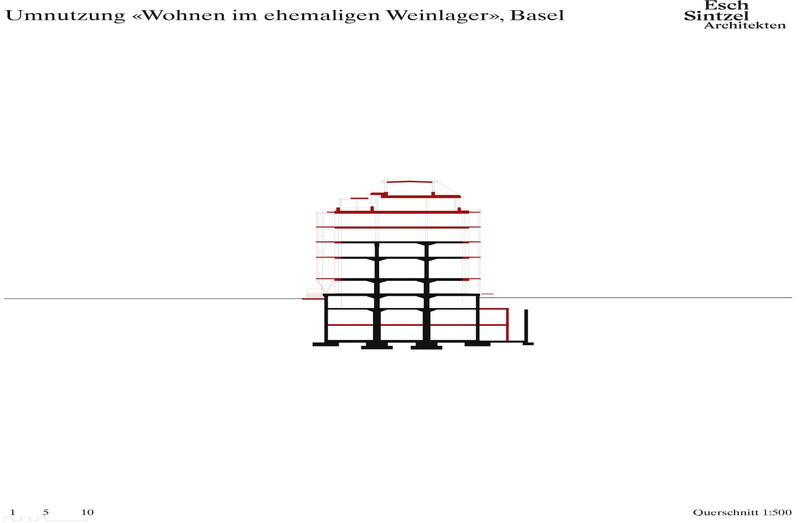
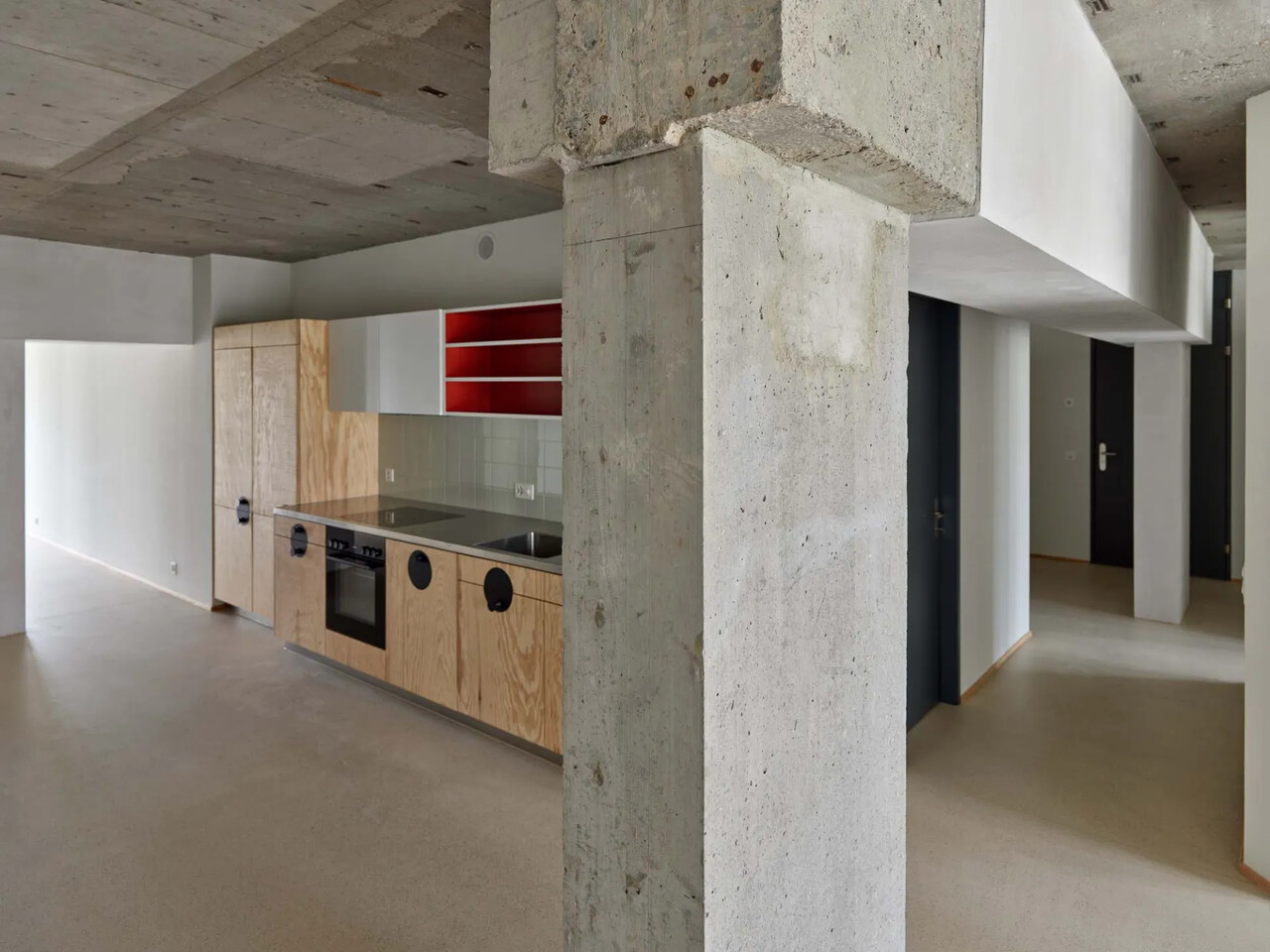
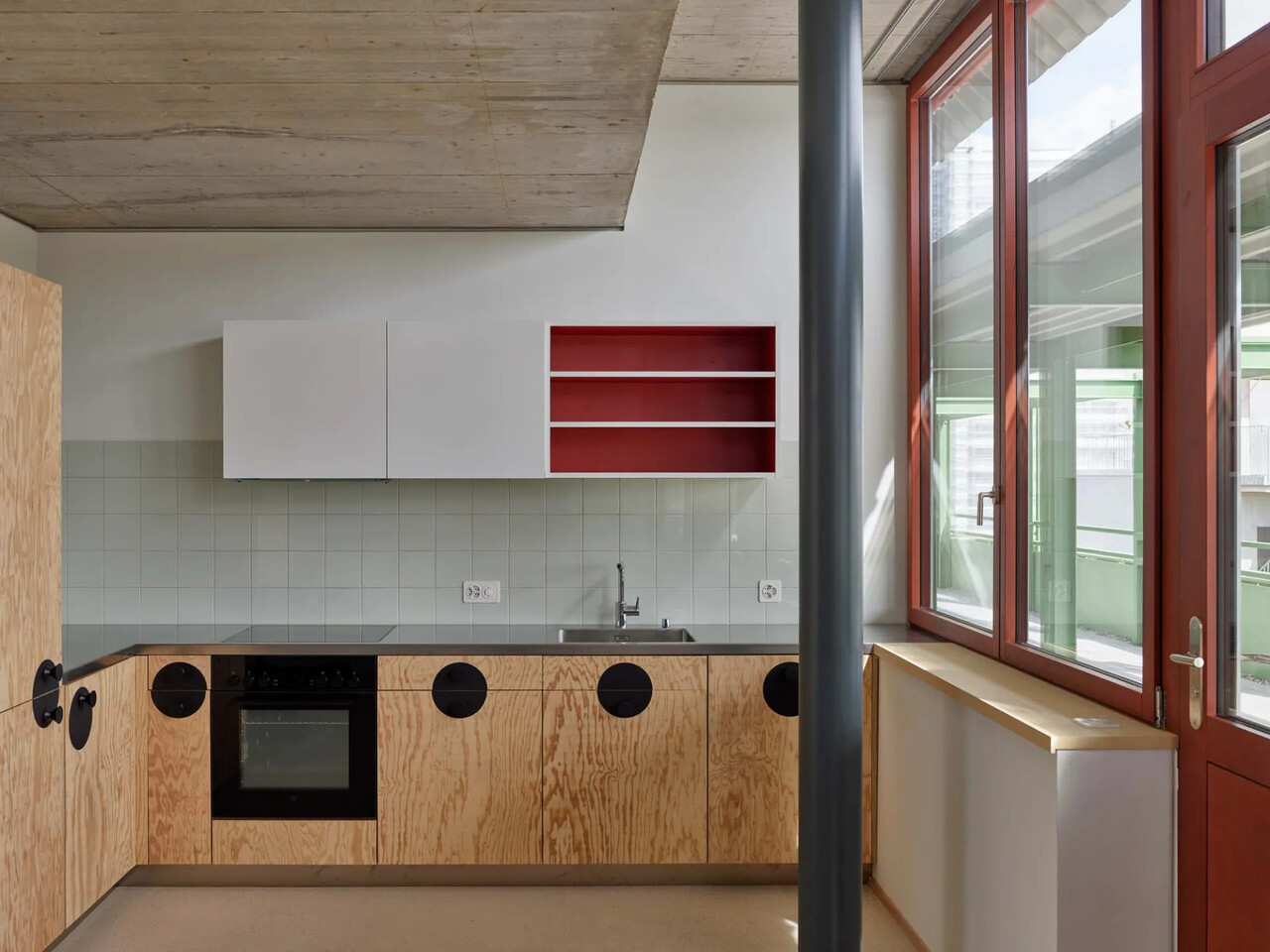
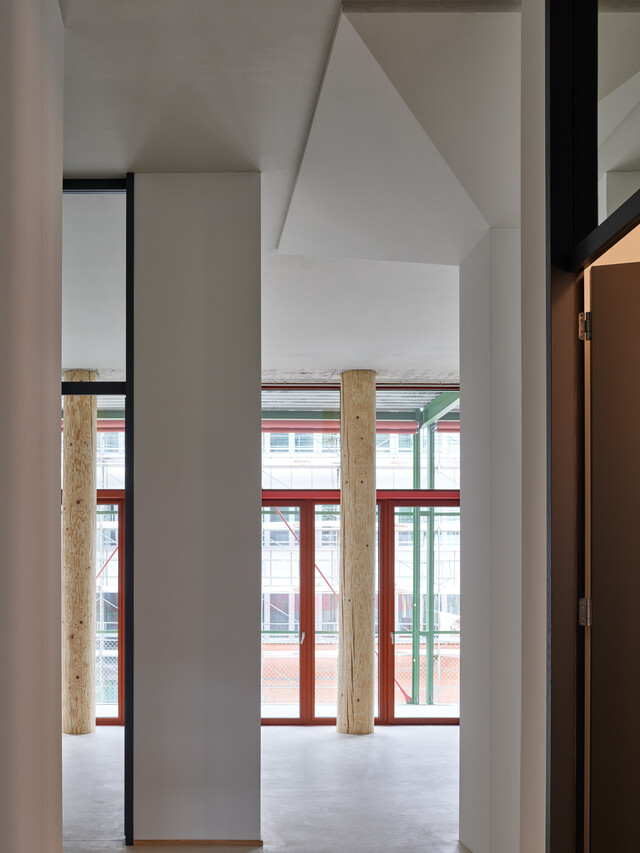
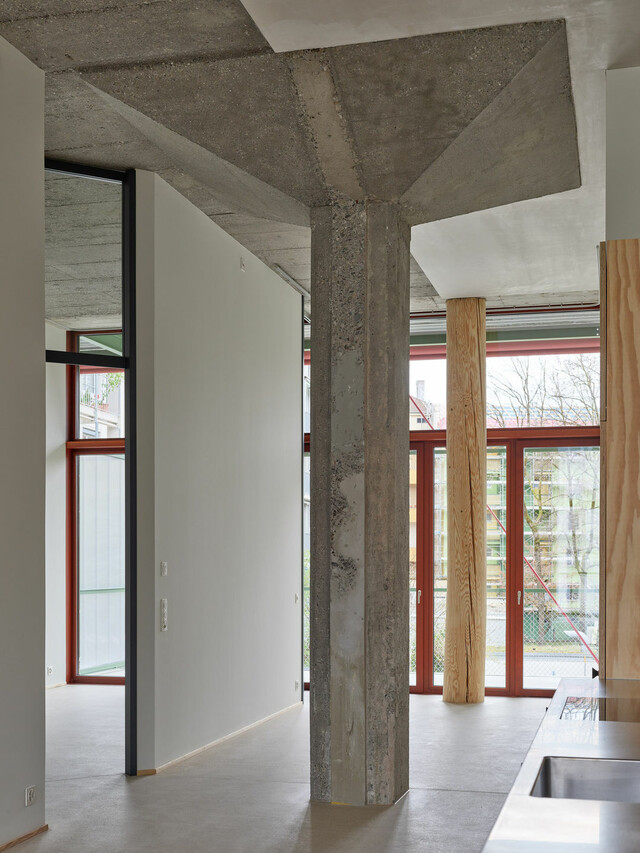
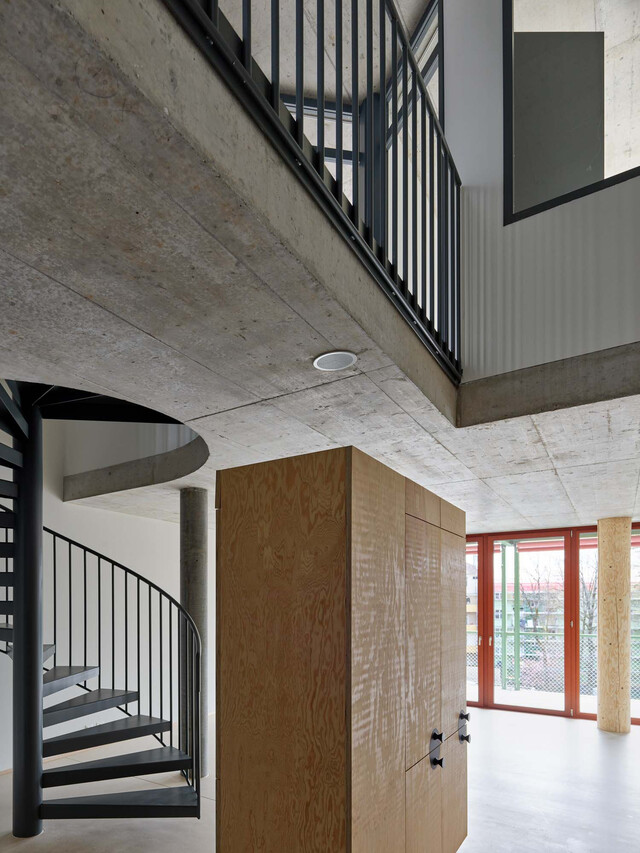
The mighty existing columns of the former Coop wine storage in Basel's Lysbüchel neighborhood tell the story of the building's history in an impressive way. They are the most striking elements of the existing structure and form an important starting point of the design. In order to keep their effect tangible despite the small-scale nature of the new residential use, they are exposed and staged in various ways: In the apartments, which span the width of the building, their bulky monumentality is an experience in itself – whereas in the two 'rues intérieures' (internal streets), that run lengthwise through the building, they appear as a sequence.


現有的柱子成為主角


位於瑞士巴塞爾Lysbüchel社區的原Coop葡萄酒儲藏室,擁有堅固的大柱子,以令人印象深刻的方式講述該建築的歷史。它們是現有結構中最引人注目的元素,且成為設計重要的起點。為了維持它們在新住宅用途細緻特性的效果,以多種方式被曝光及呈現:其遍佈跨越整幢建築體的公寓內部,所顯現的扎實、堅固本身就是一種表現,以優雅的序列貫穿建築物內部的兩排穿廊。


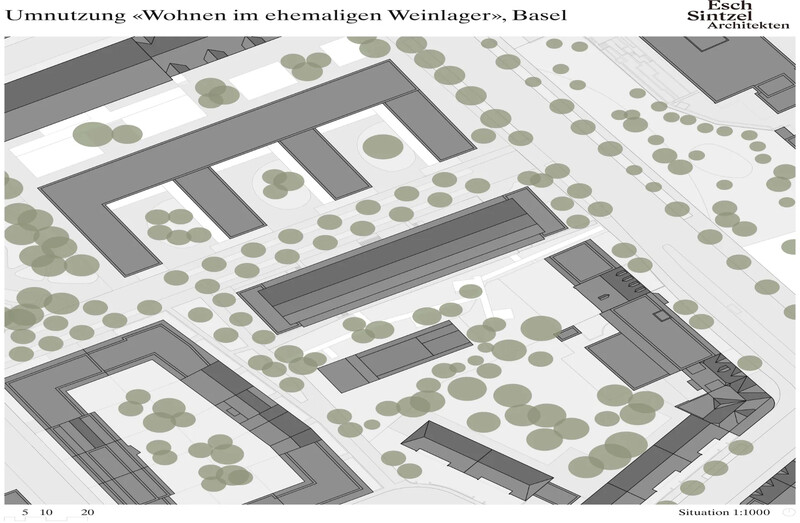
Site Plan


MORE
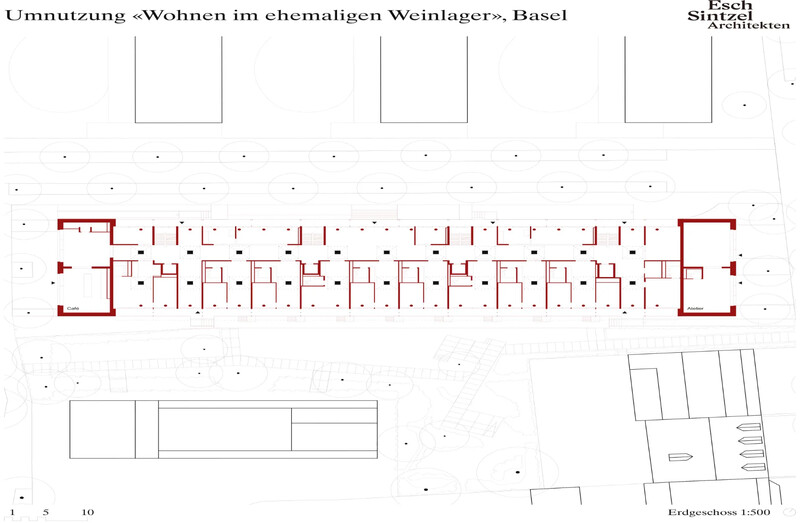
Floor


MORE
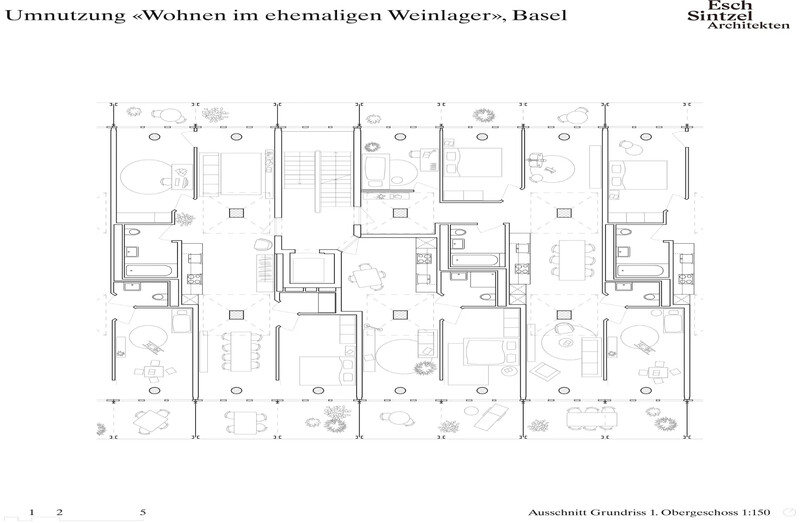
Apartments Floor1

MORE
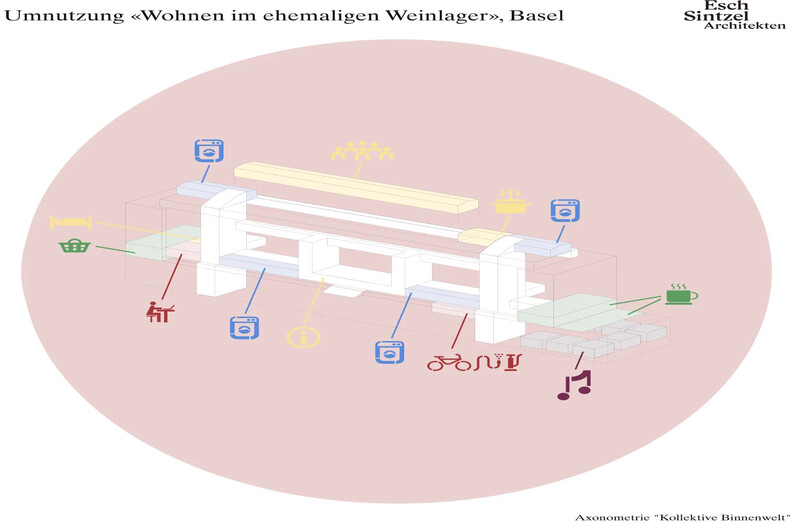
Scheme CollectiveInner

MORE
Cross Section

MORE
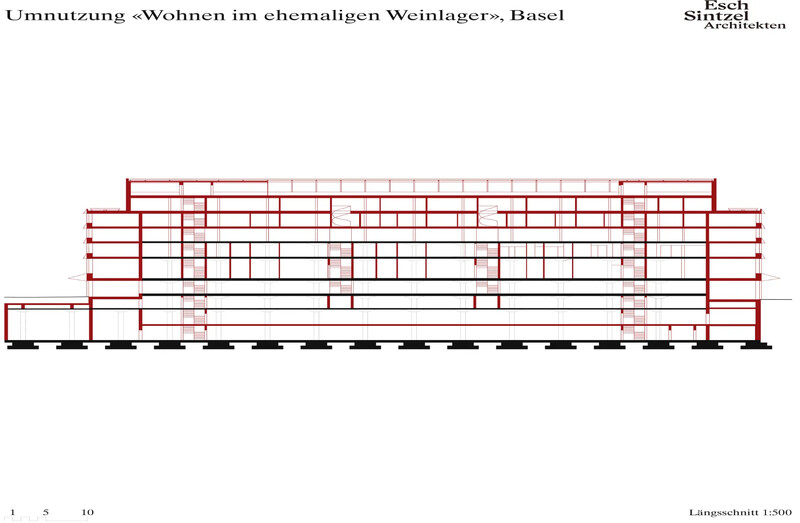
Section

MORE
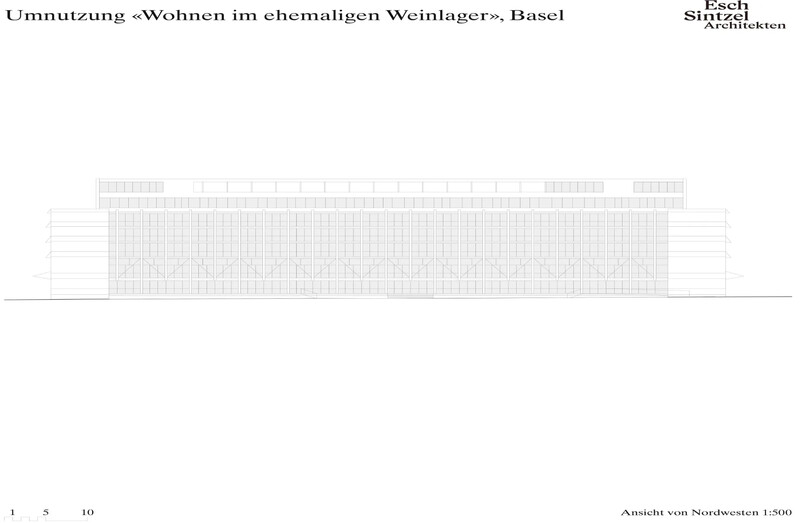
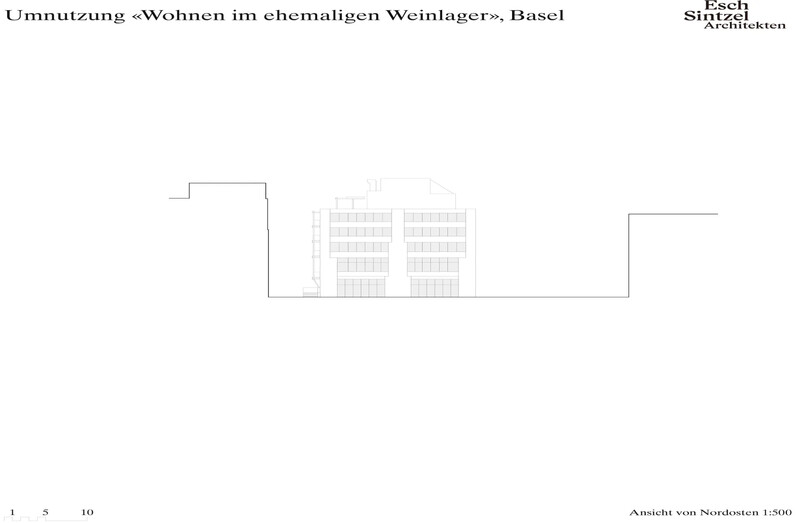
Long Elevatio

MORE
Short Elevatio

MORE
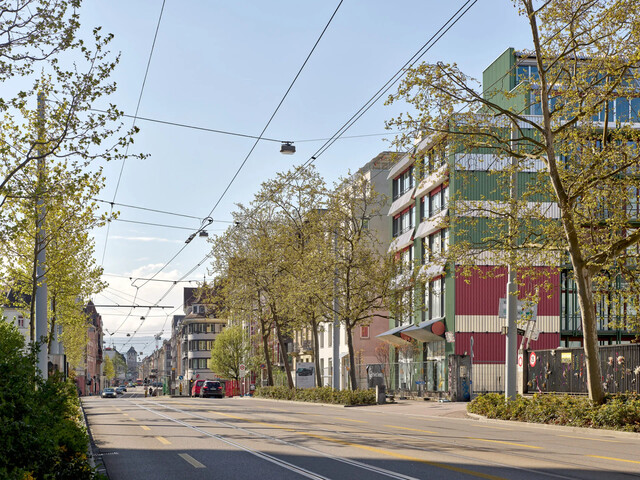
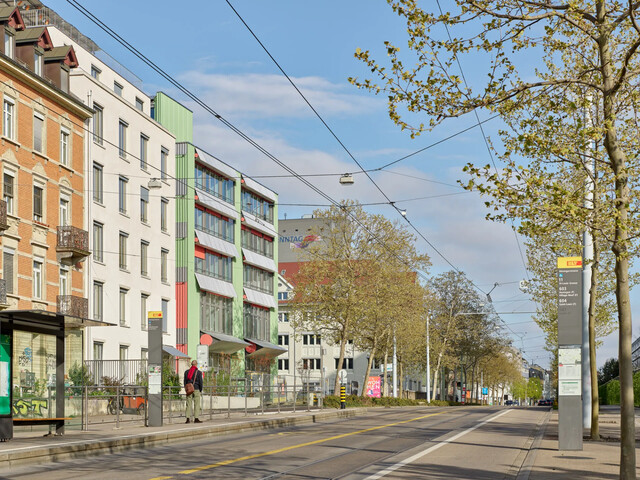
The city in the house
 
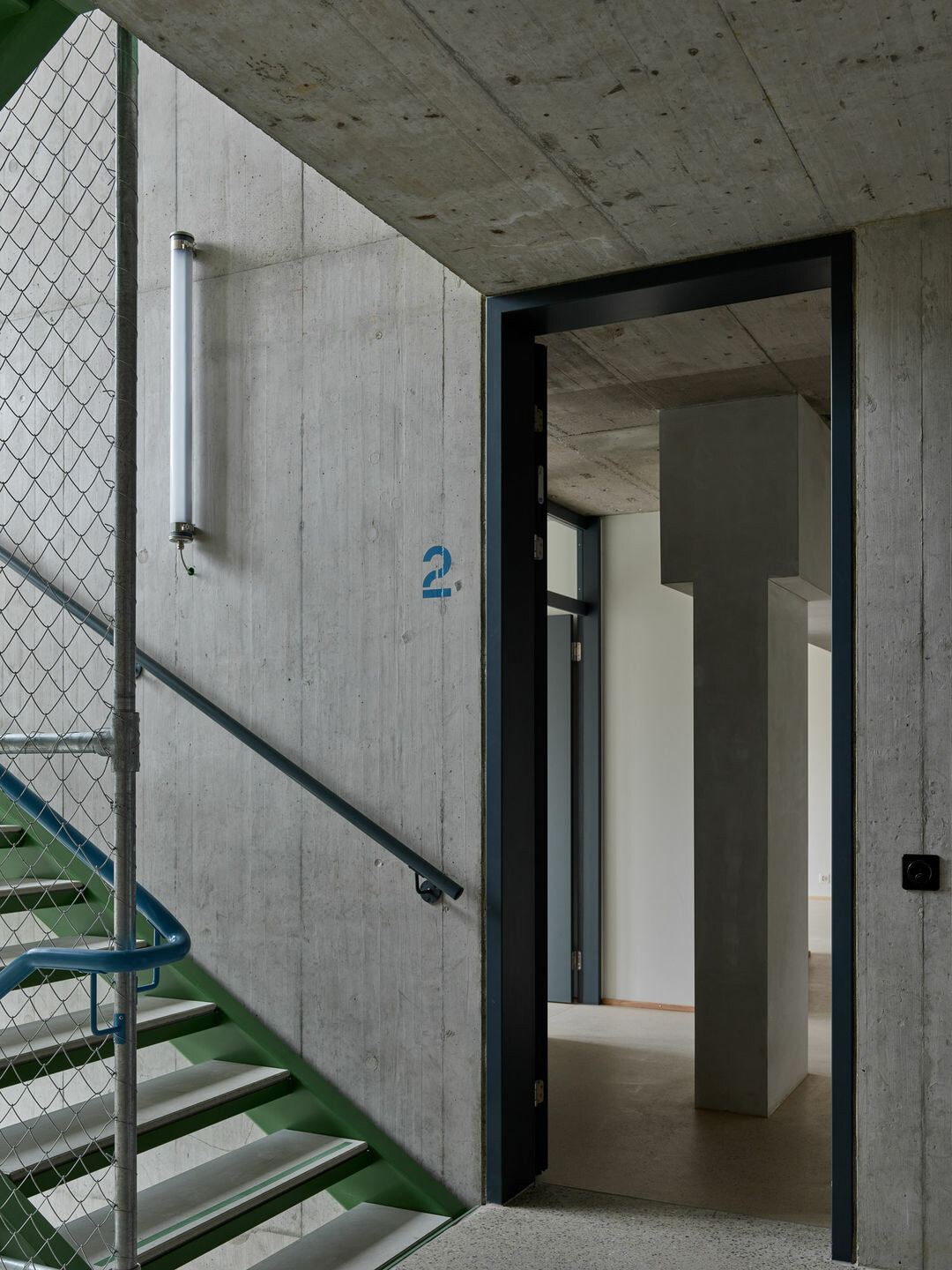
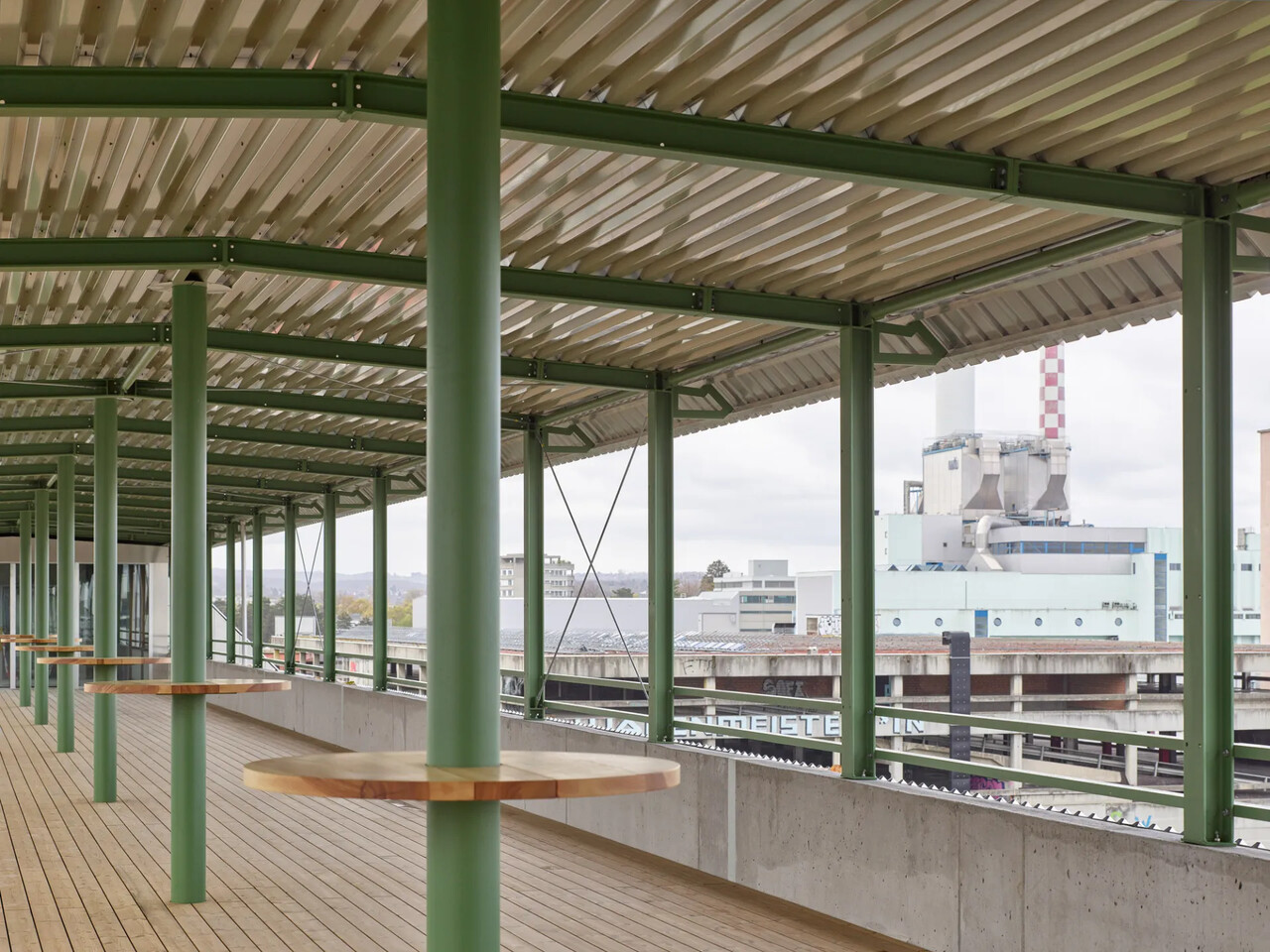
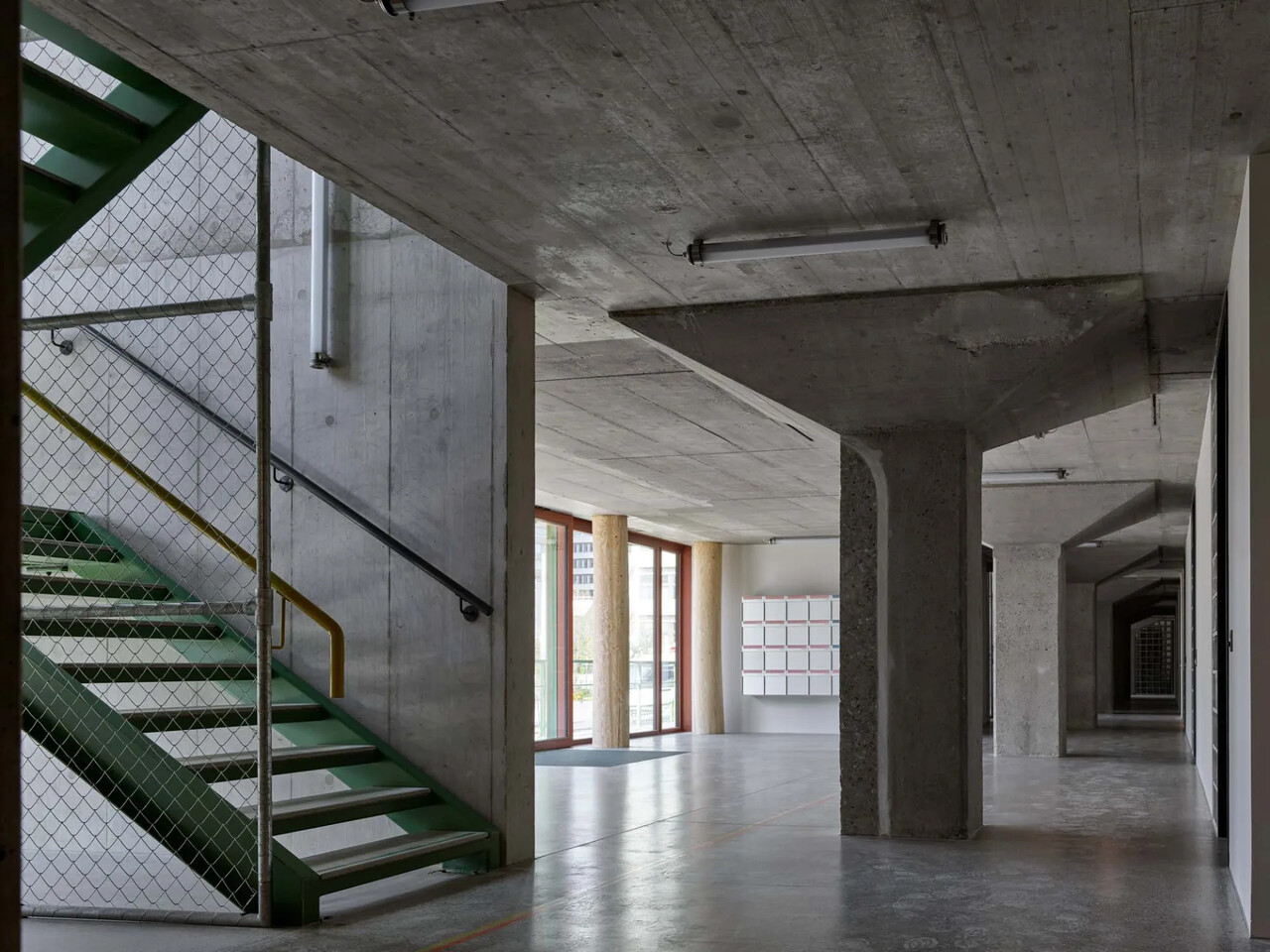
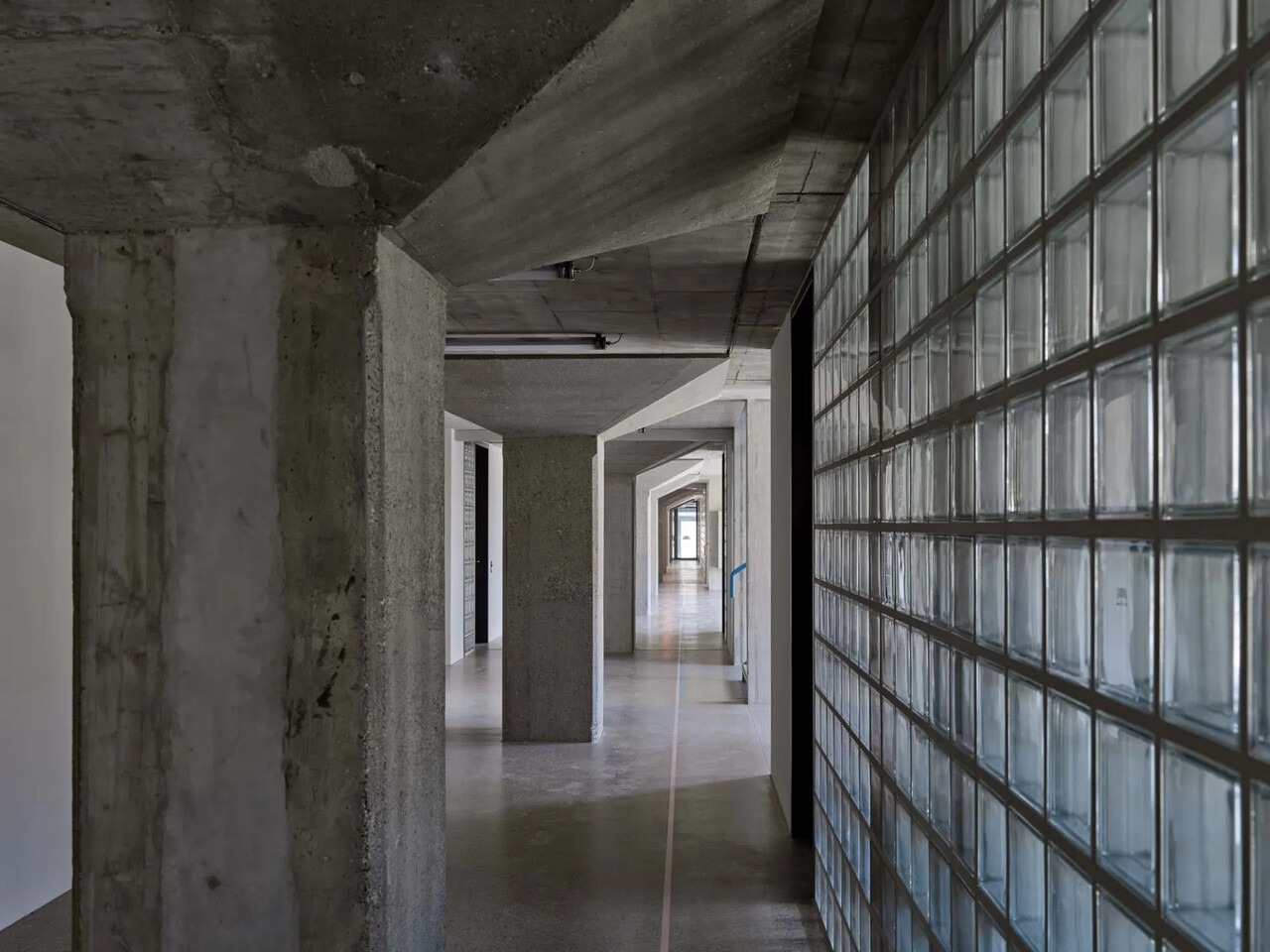
Thus, the columns also form the starting point for the internal organization of the house: the actual urban development is defined by the existing building - but along the 'rues intérieures', a city within the house takes shape. This internal system not only provides access to the stairwells, the communal rooms, and the laundry rooms, they also enable a variety of apartment typologies (1.5 to 7.5 room apartments) for all generations and lifestyles. On the mezzanine floor, the domestic sphere links up with the urban one – here the inner street opens into the transverse entrance halls and invites one into the house via stairs and ramps. The commercial spaces and the café are located at ground level at the heads of the building, directly addressing the city. The network of paths finds its end in the community room and the collective roof terrace. 


屋內的城市


因此,這些柱子也構成了房子內部佈局的起點:實際的城市發展由現有建築物定義,但沿著內部穿廊,屋內宛若形成了一個城市般的空間。這個內部系統不僅提供通往梯間、公共房間和洗衣房的通道,還提供了各種公寓類型(1.5至7.5個房間的公寓)以因應所有世代及生活方式。家庭領域與城市領域在夾層連接,此處內部穿廊通向橫向的入口大廳,並通過樓梯與斜坡引導人們進入房屋。商業空間和咖啡館位於建築物的底層,直接面向城市。這網絡般的通道最終通往社區室和集體屋頂露台。


Ecological responsibility
 
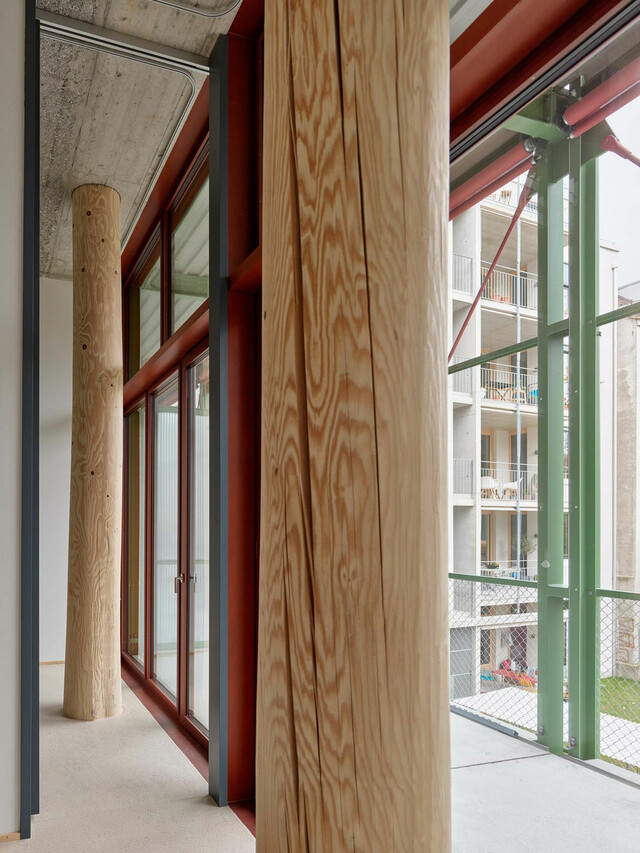
In addition to the design-defining expressiveness of the existing columns, ecological sustainability also motivates the careful treatment of the existing structure. In this case, 42% of the buildings grey energy was saved by continuing to use the old structure. The photovoltaic system and the groundwater heat pump make the building two-thirds self-sufficient in terms of total energy consumption.
 

生態責任


除了現有柱子在定義設計的表現力方面具有重要意義,生態的可續性也促使了對現有結構的謹慎處理。因此,透過繼續使用舊結構,成功節省了建築物42%的灰色能源。太陽能系統與地下水熱泵,使該建築在總能源消耗達到三分之二的自給自足。


Design Studio |  Esch Sintzel Architekten  @eschsintzelarchitekten
Photography | Paola Corsini @paolacorsiniphotographer · Philip Heckhausen @philipheckhausen
  • About
  • Privacy policy
  • Track Order
  • Customer
  • Contact
  • Join us
FACEBOOK
instagram
Language

Copyright © WABISABI ISSUE. 侘寂傳媒有限公司 統一編號:90451315

  • Projects
    • Worldwide
    • Interiors
    • Features
  • Contemporary
    • Exhibitions
  • Record
  • Lifestyle
  • City Explore
  • News
  • Issue
  • About
  • Privacy policy
  • Track Order
  • Customer
  • Contact
  • Join us
Language