Fisherman’s House in Cadaqués
In an era when old houses are rapidly replaced, the emphasis on safety has often overshadowed the question of how architecture can continue to hold value. Yet preservation also urges us to reconsider how restoration might reconcile the weight of memory with the demands of the present. The century-old Fisherman’s House in Cadaqués takes this as its premise. Confronted with the challenge of reinforcing a fragile structure while safeguarding its singular atmosphere, the architects approached the project with measured care, giving the house a renewed face while allowing its ancient spirit to endure in the light of today.
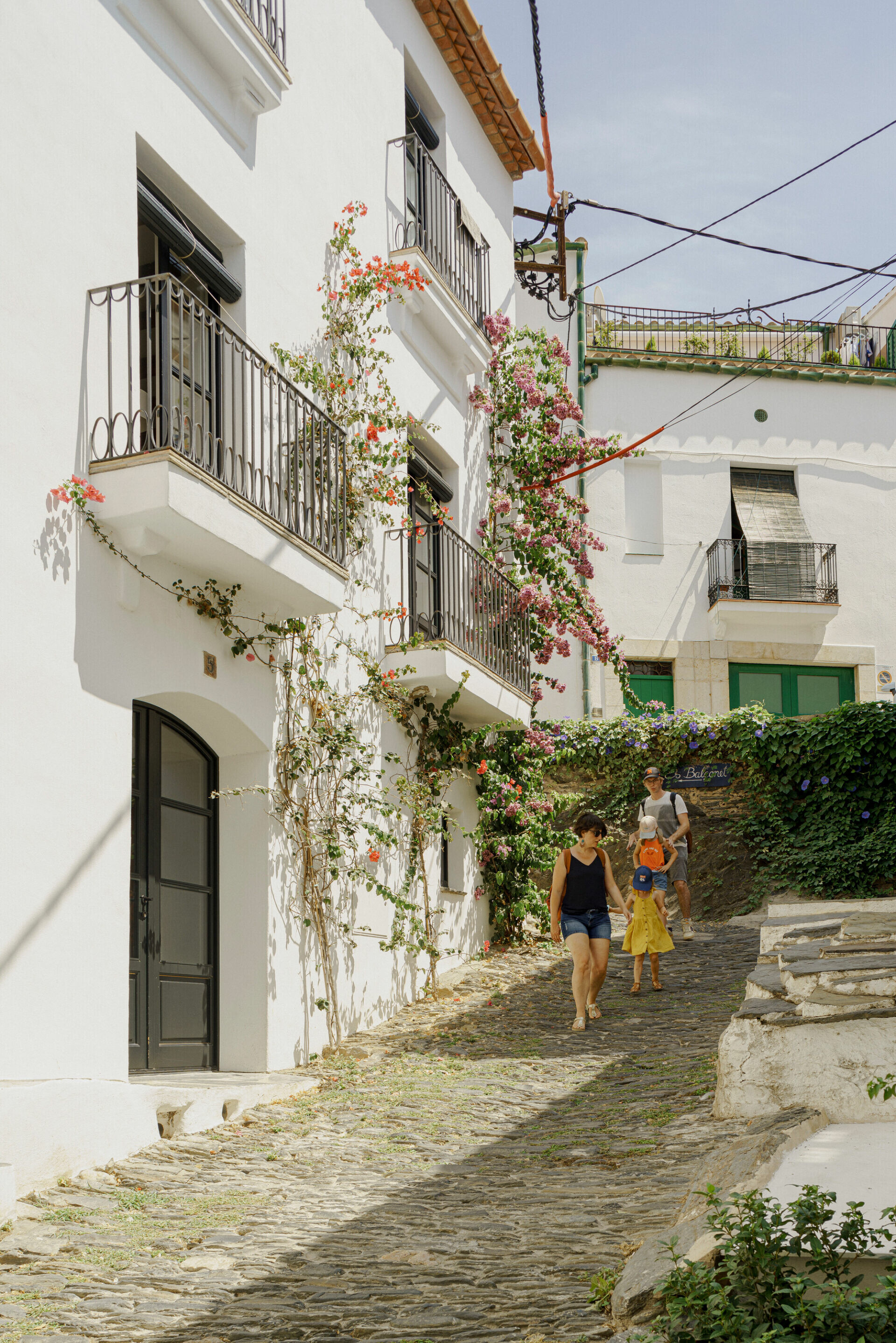
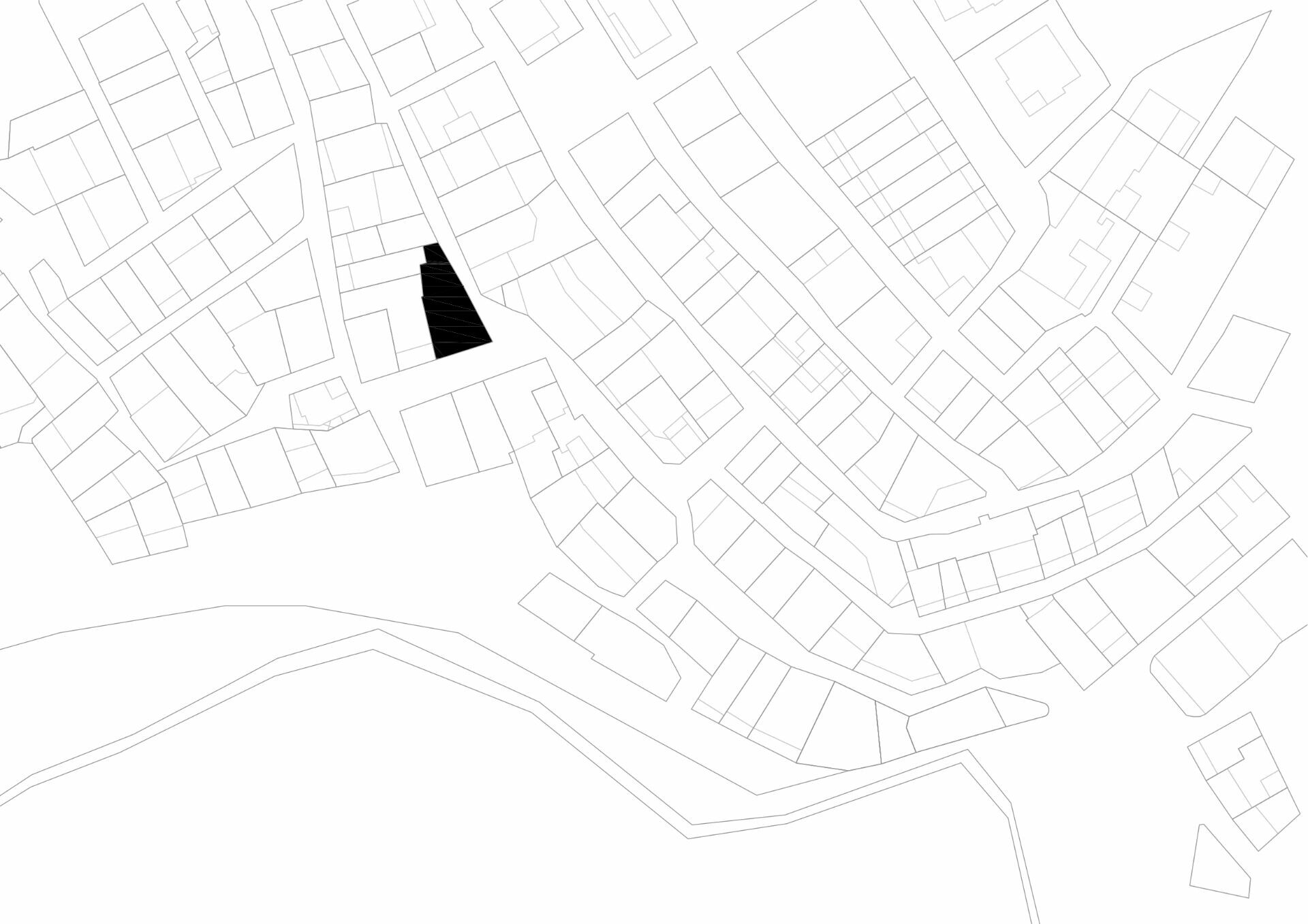
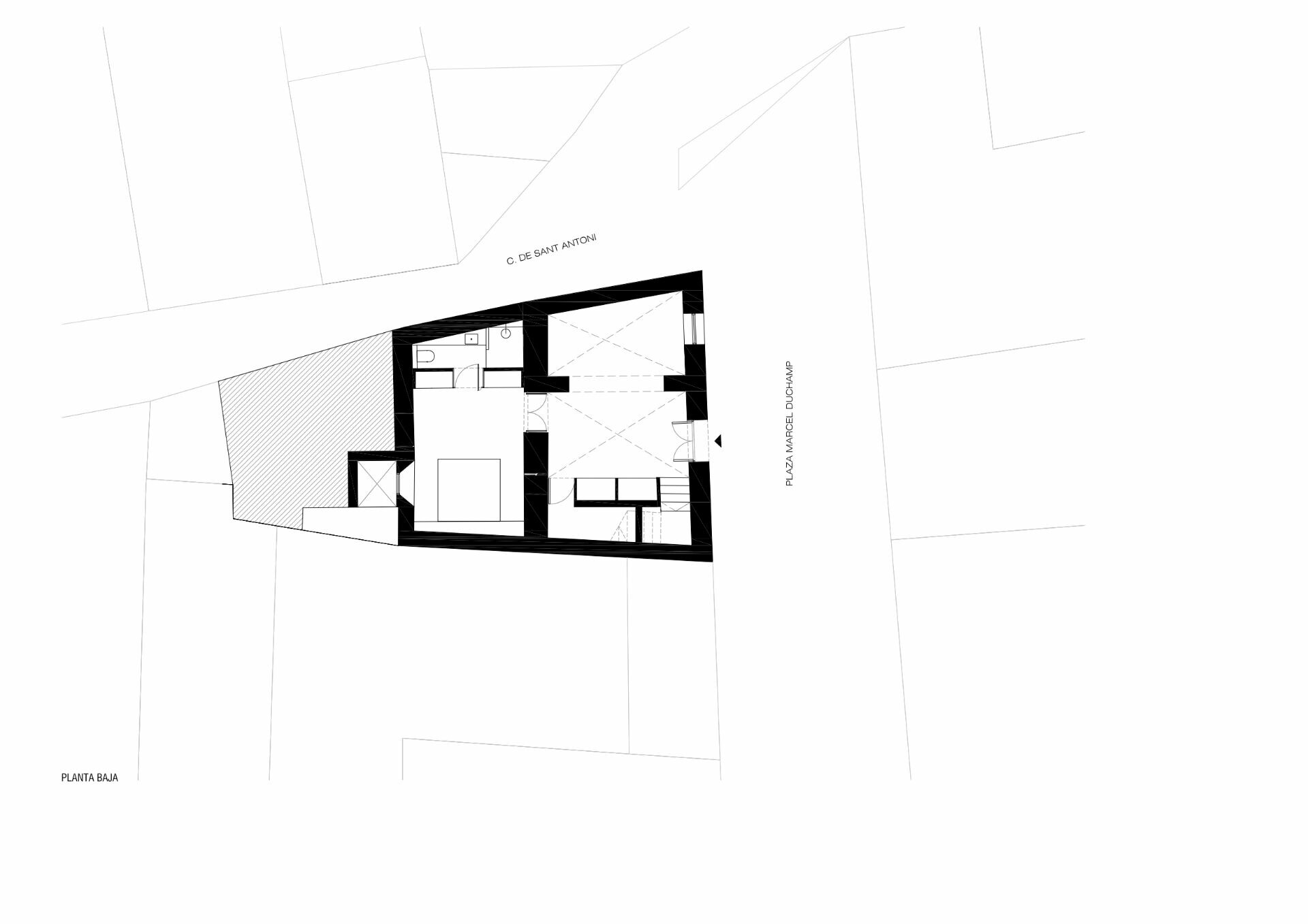
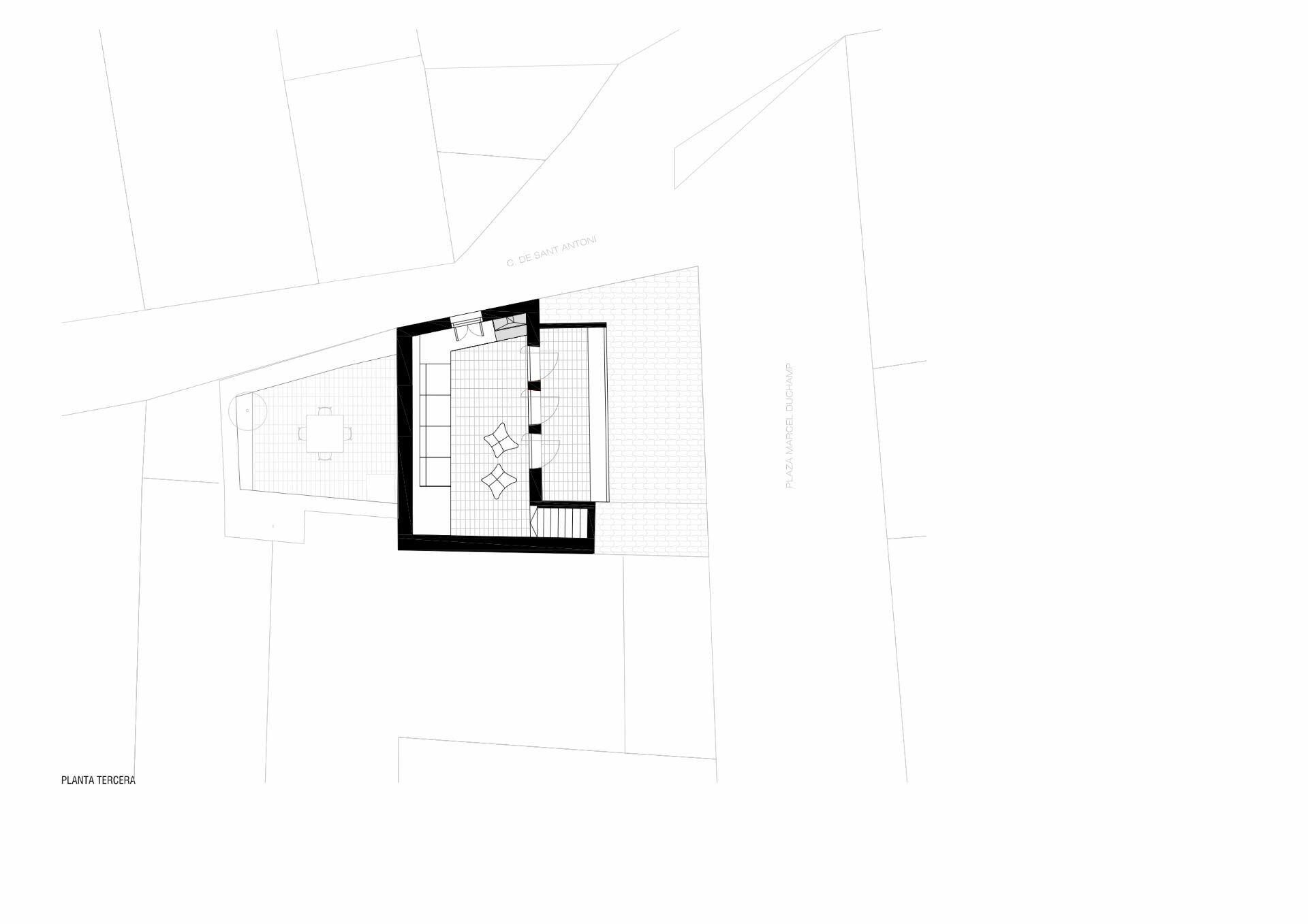
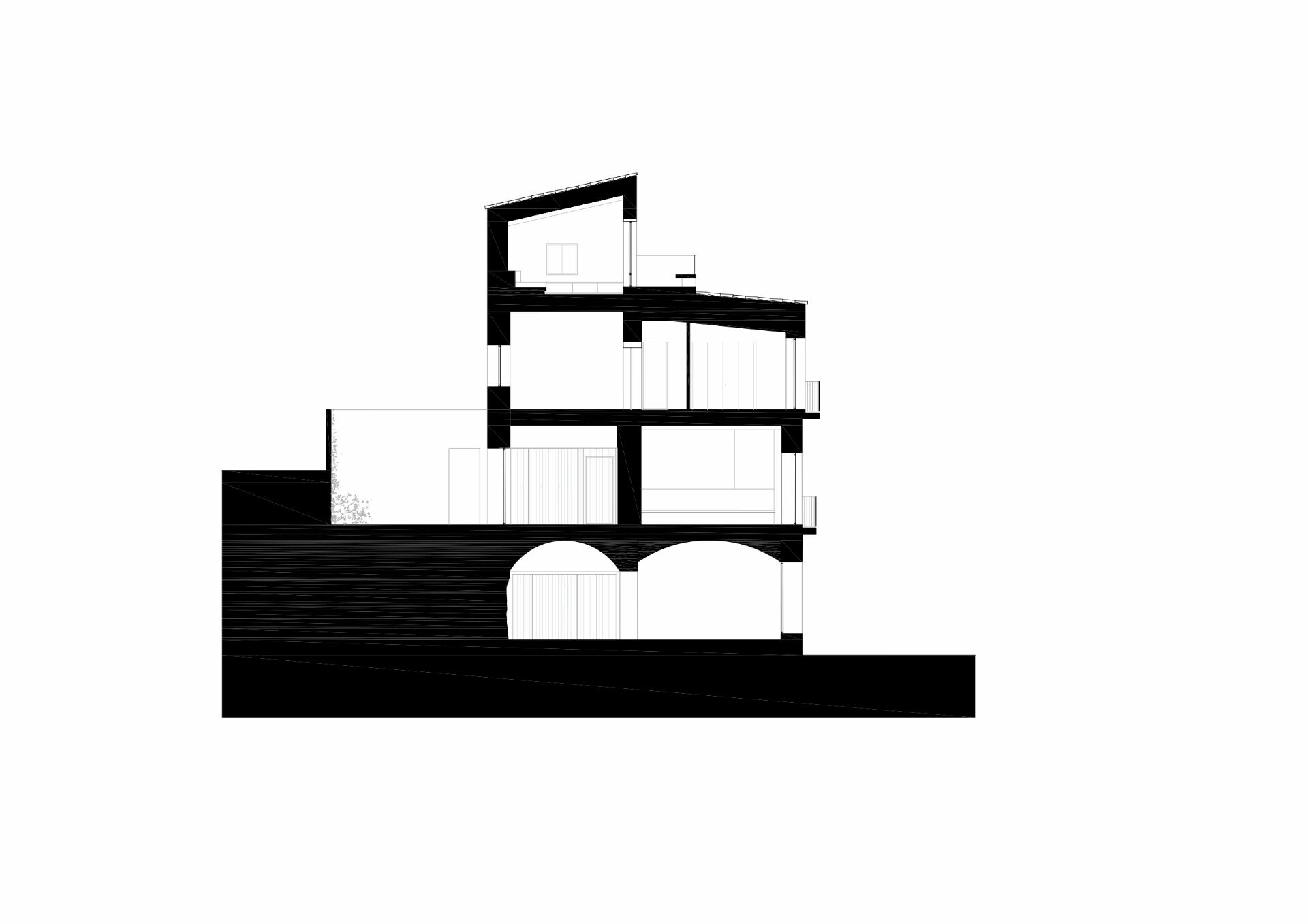
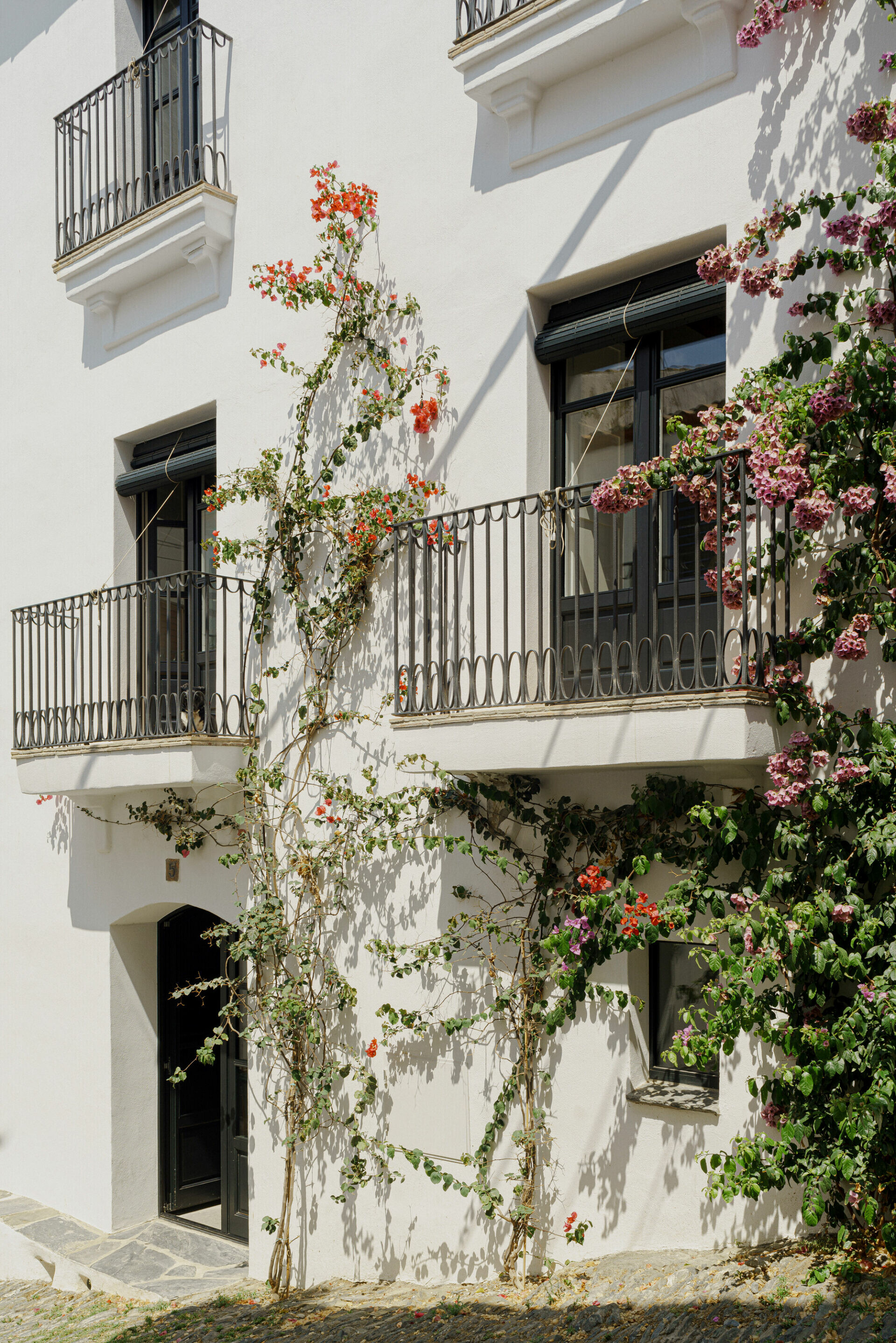
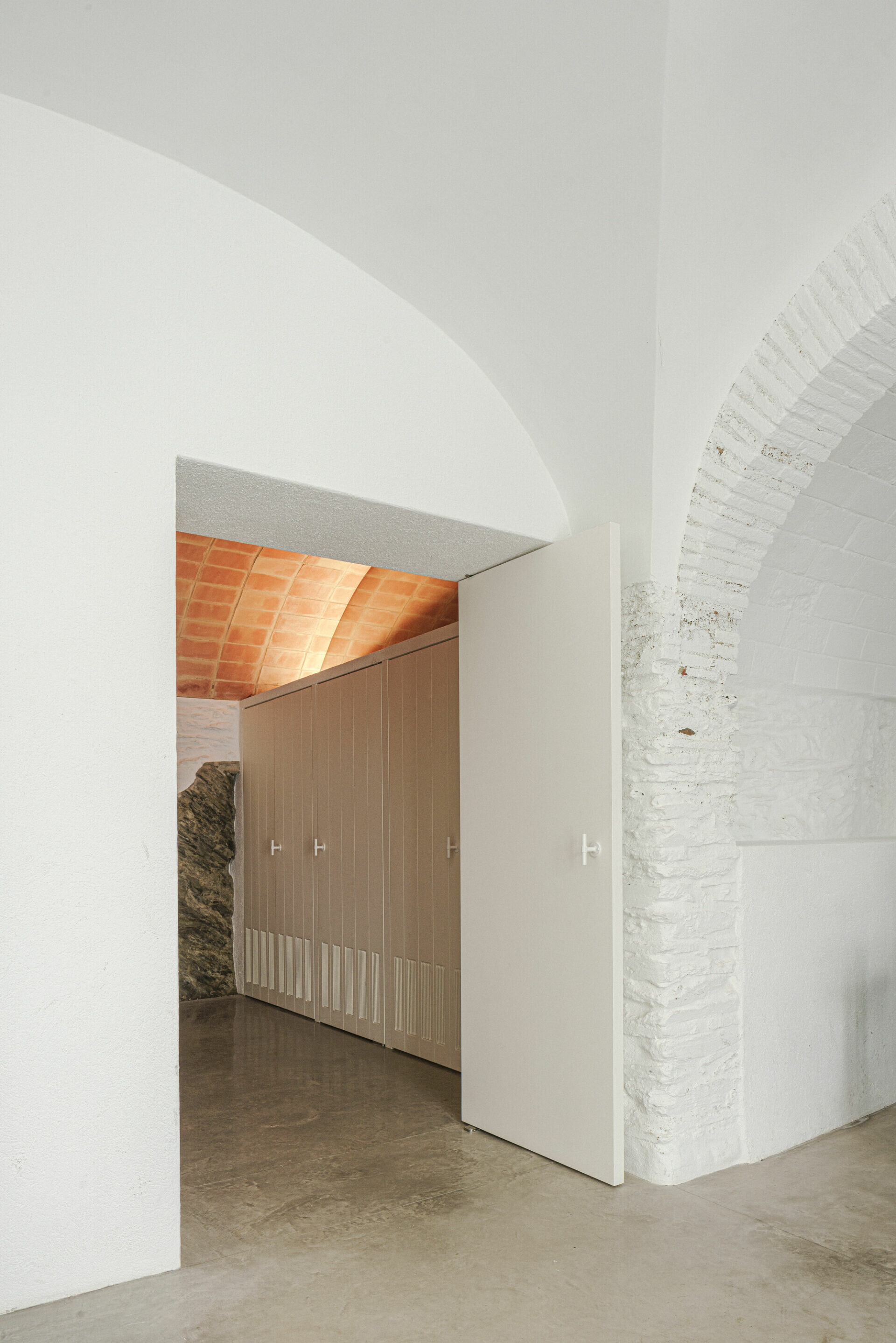
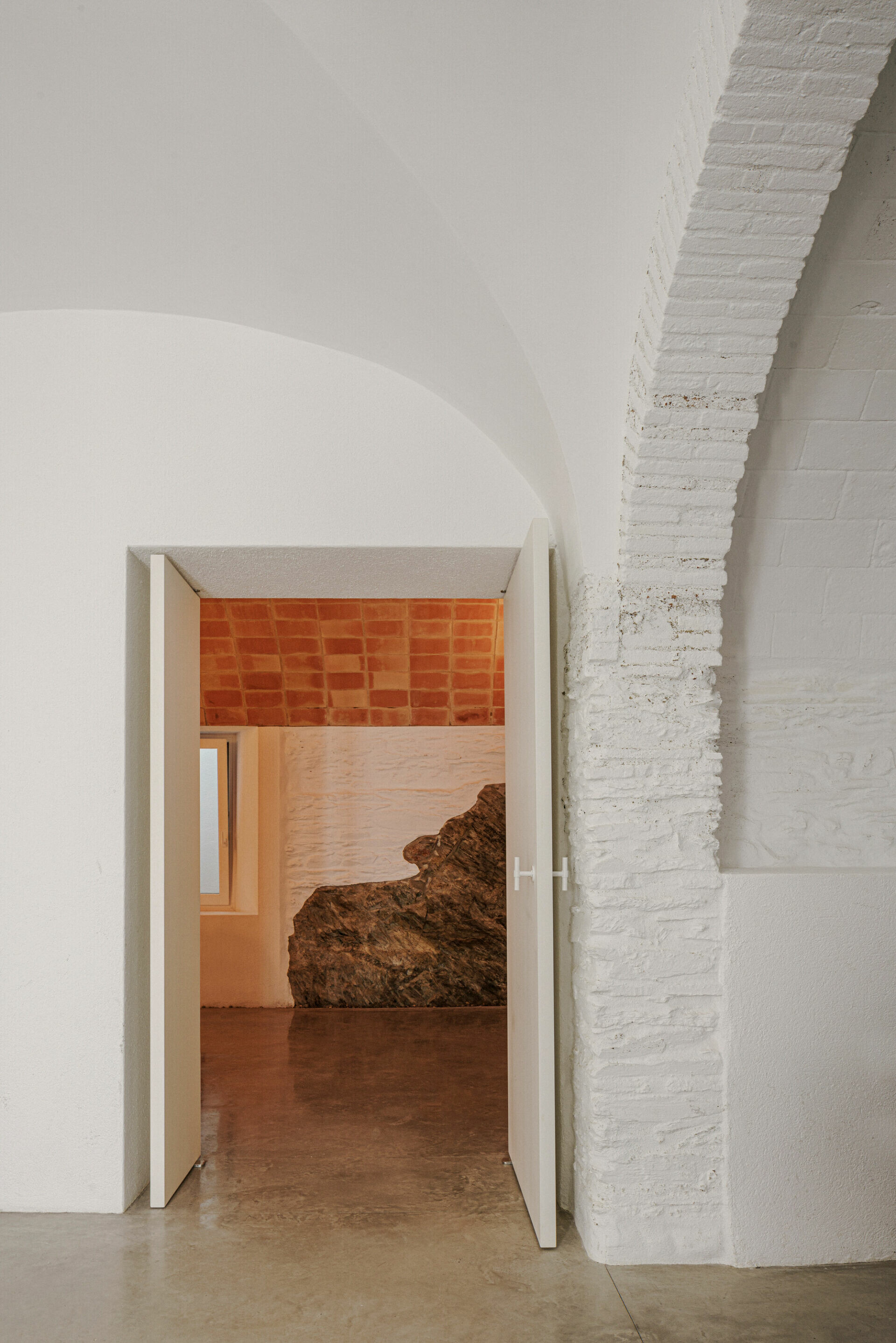
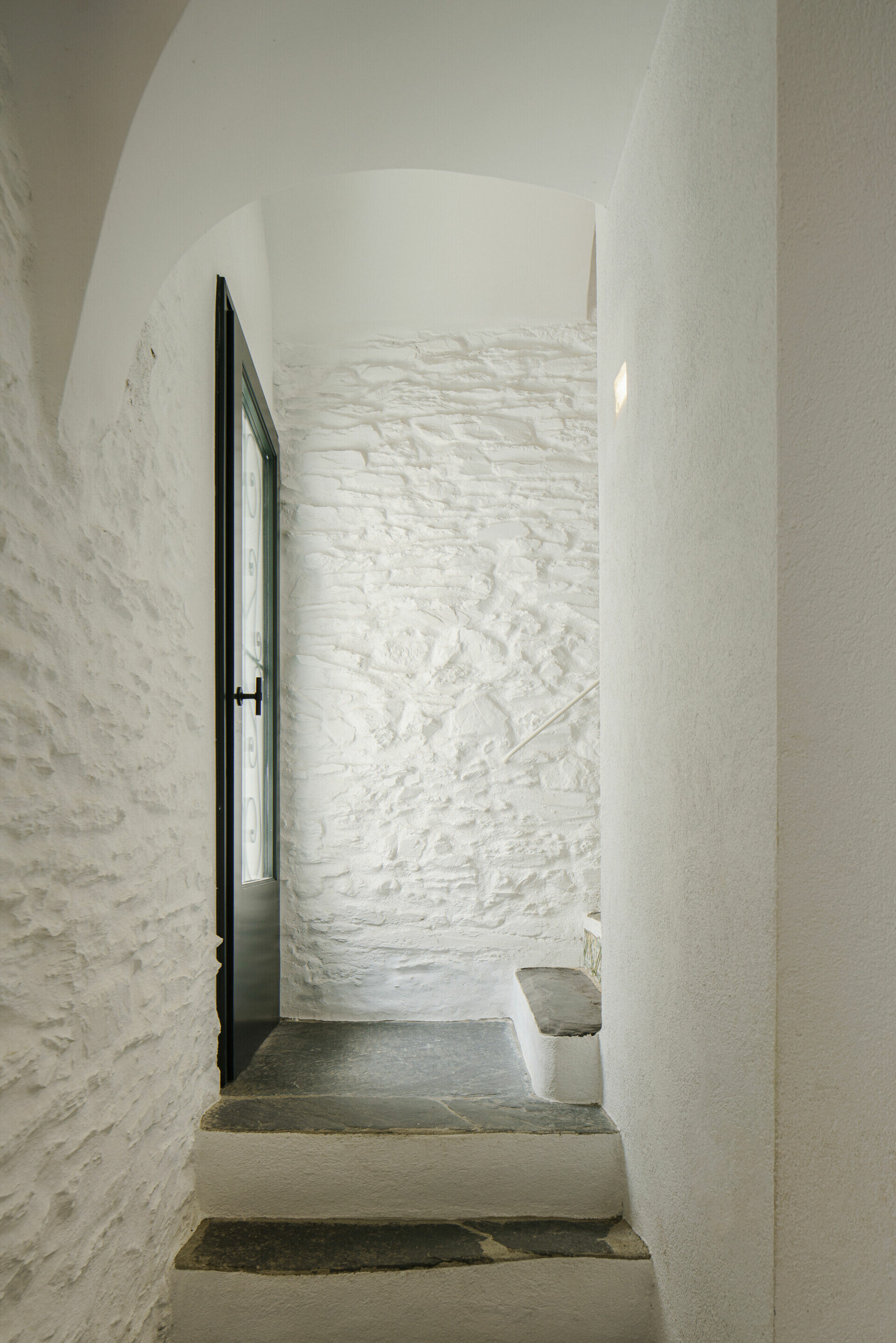
Once a fisherman’s dwelling, later a guesthouse, and at one point even a Civil Guard outpost, the house stands at the heart of Cadaqués, fronting a pedestrian square in a privileged setting. Its ground floor is defined by a Catalan vaulted ceiling, while upper levels rest on timber-beam slabs and stone walls more than fifty centimeters thick. Despite this solid construction, time had left the building in ruin. The work of restoration therefore required a delicate balance, mediating between preservation and renewal while responding to contemporary needs.
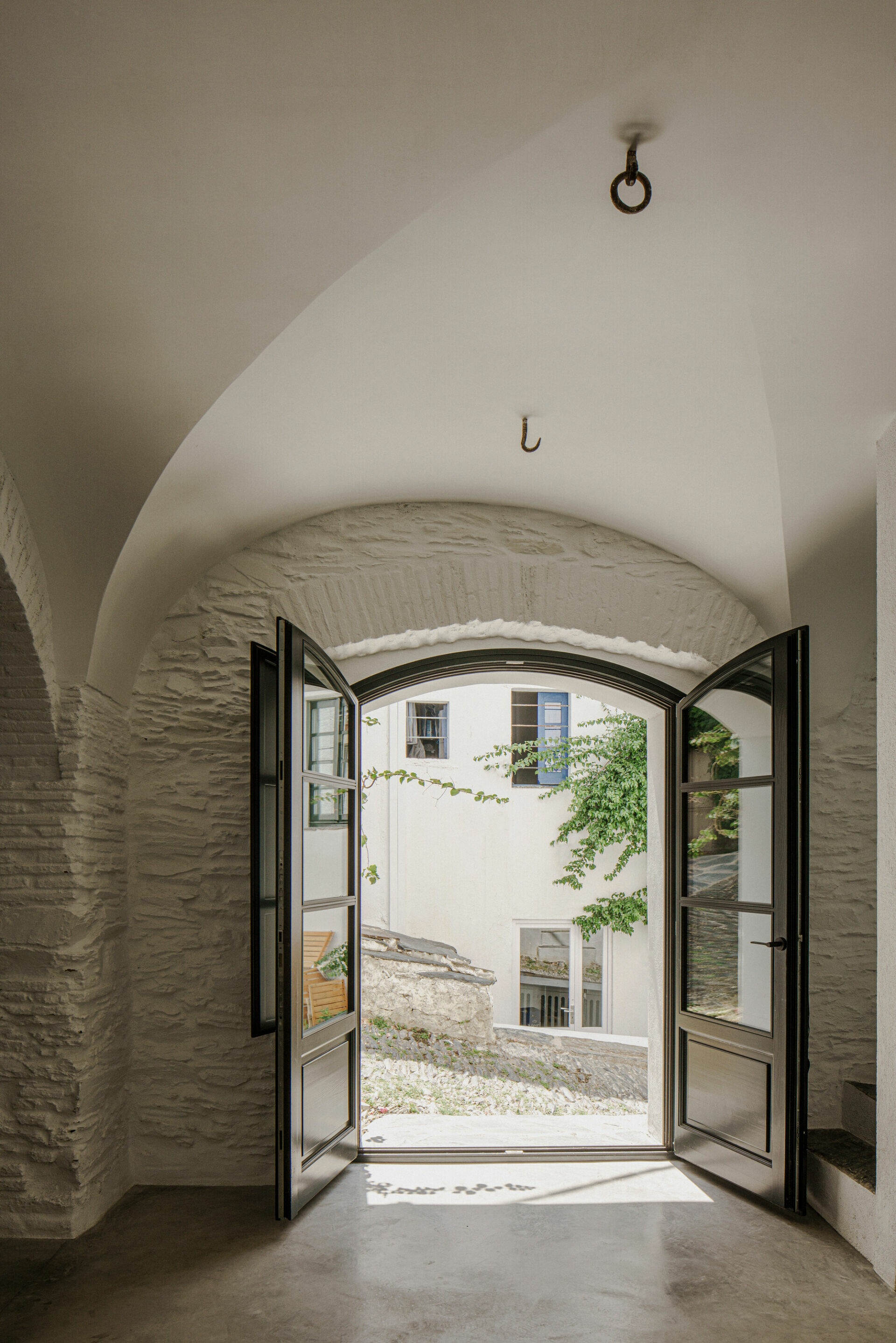
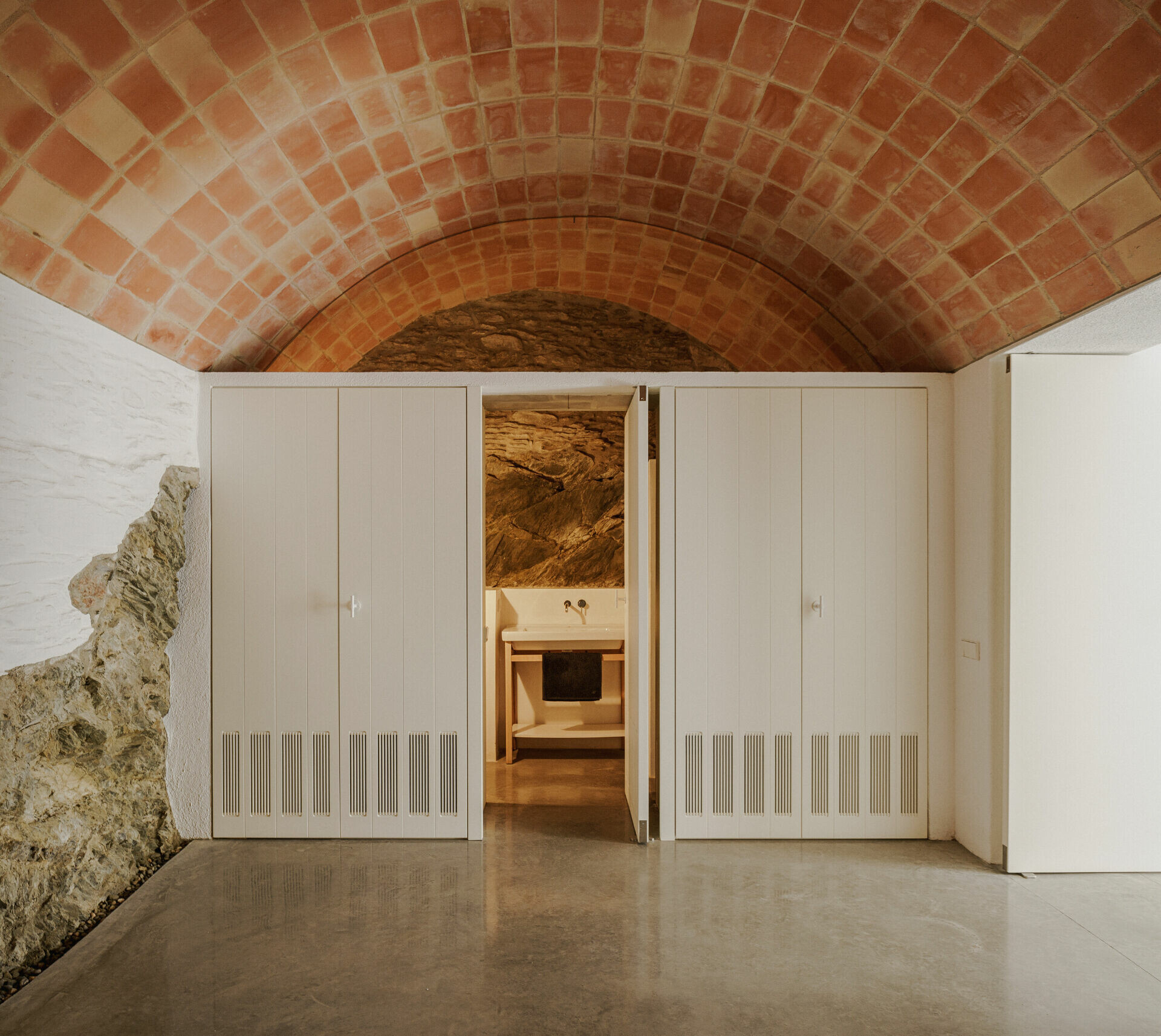
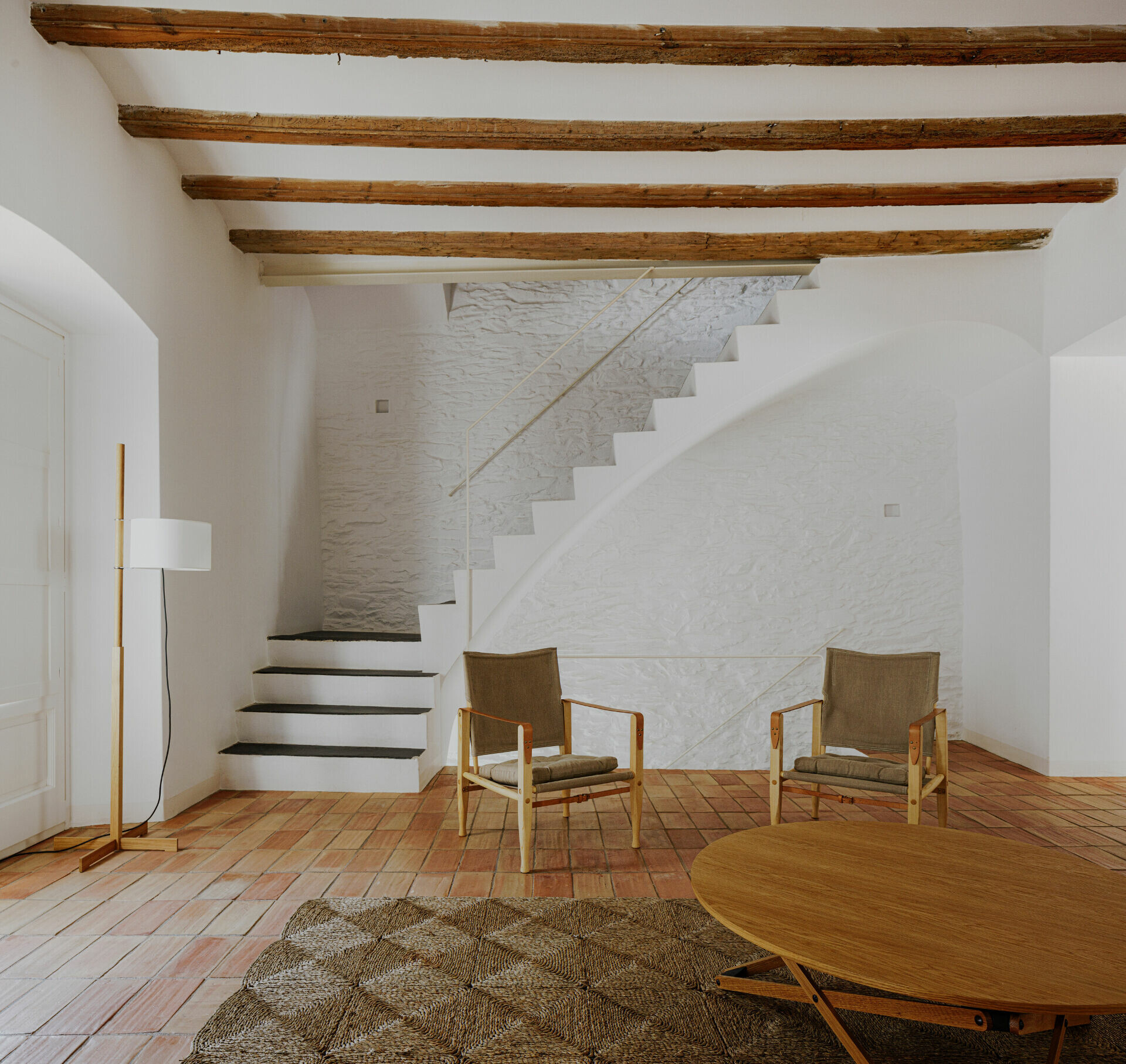
In the reconfigured layout, “light” and “air” became the guiding language of design. The vaulted ground floor, with its parabolic curve, was reimagined as a flexible space—capable of storing nautical equipment or transforming into a children’s playroom. A new skylight was introduced to draw natural light into a chamber carved from the rock itself, as though light were filtering through a fissure in the present, breathing life into the old structure and signaling its rebirth.
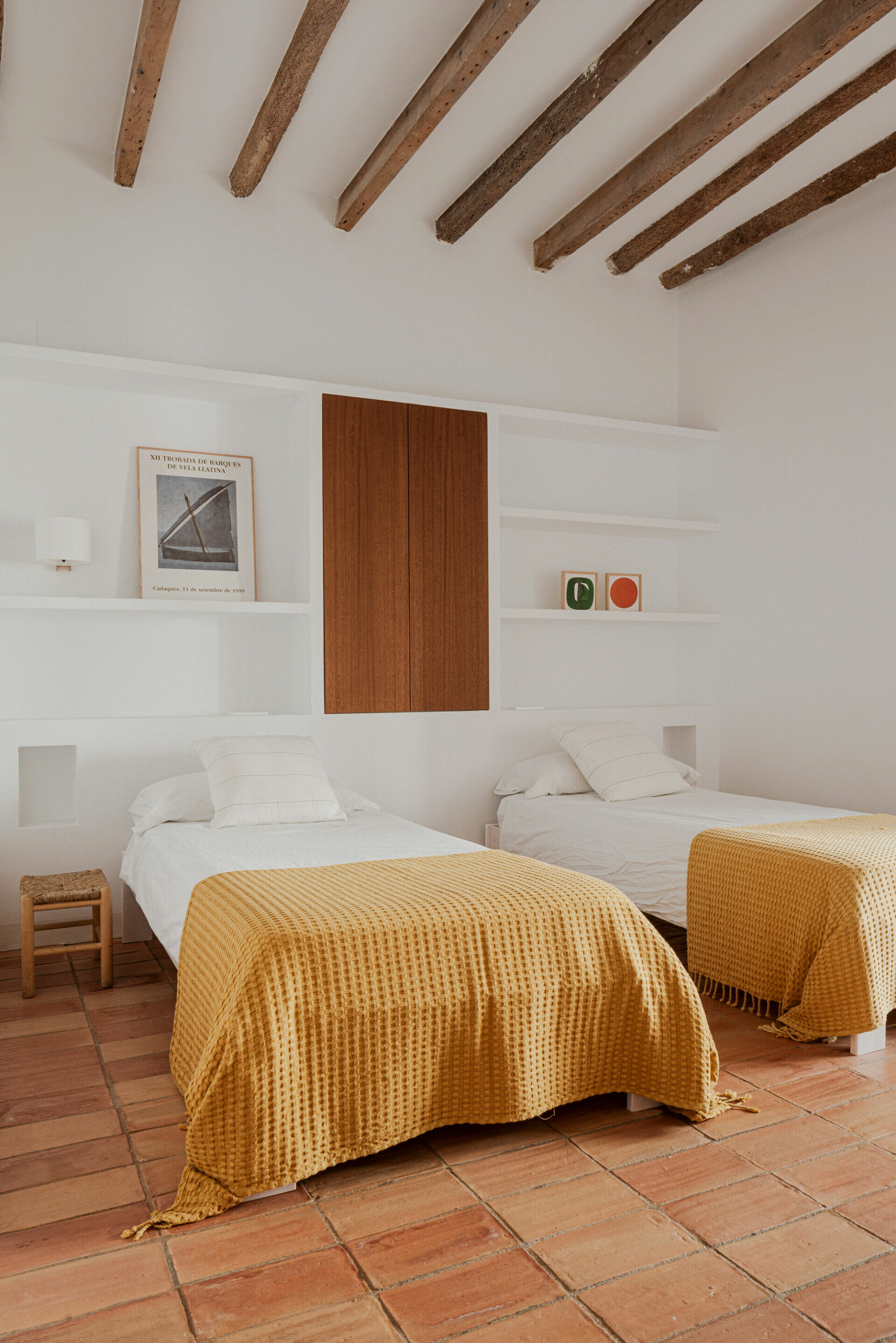
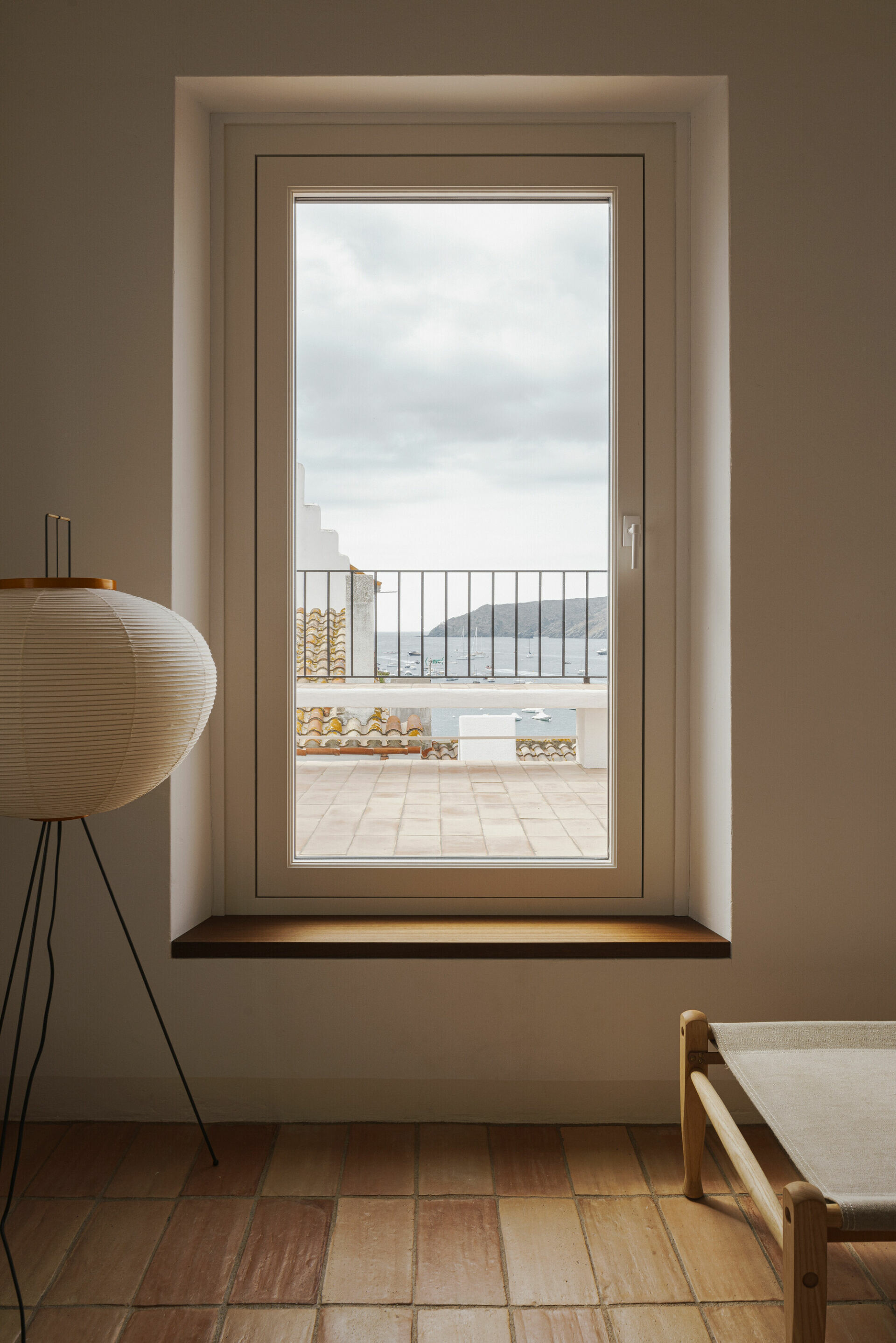
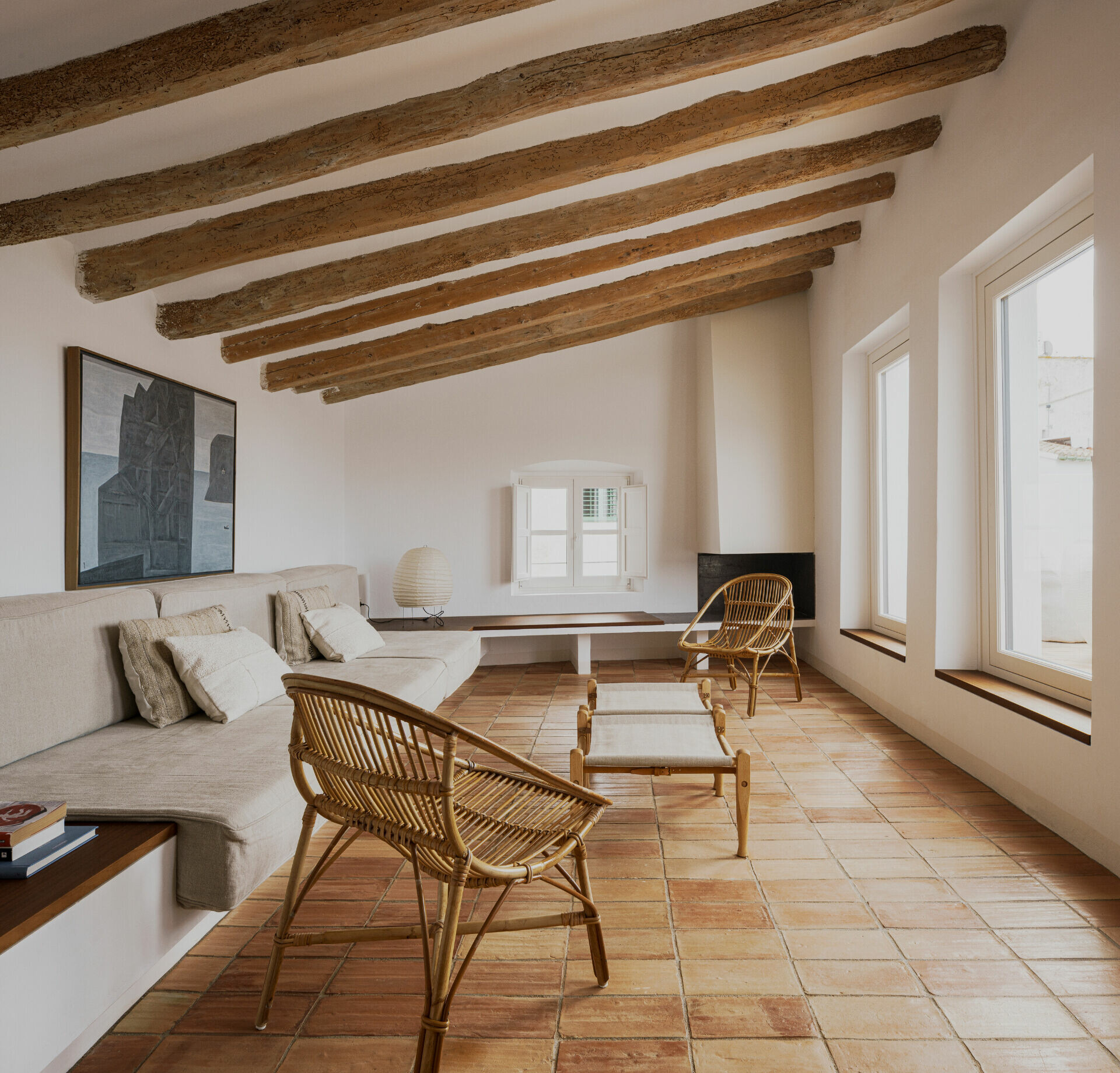
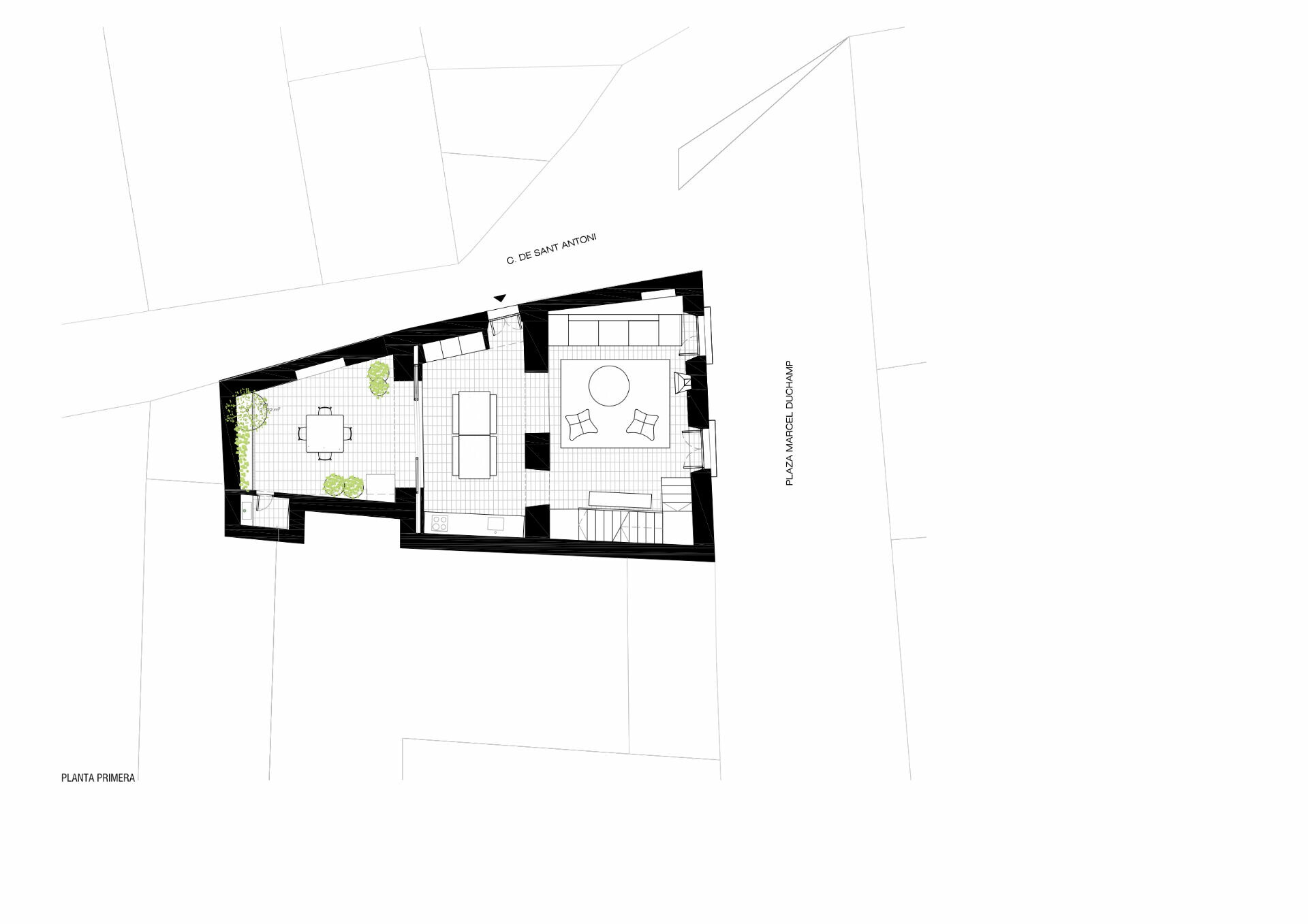
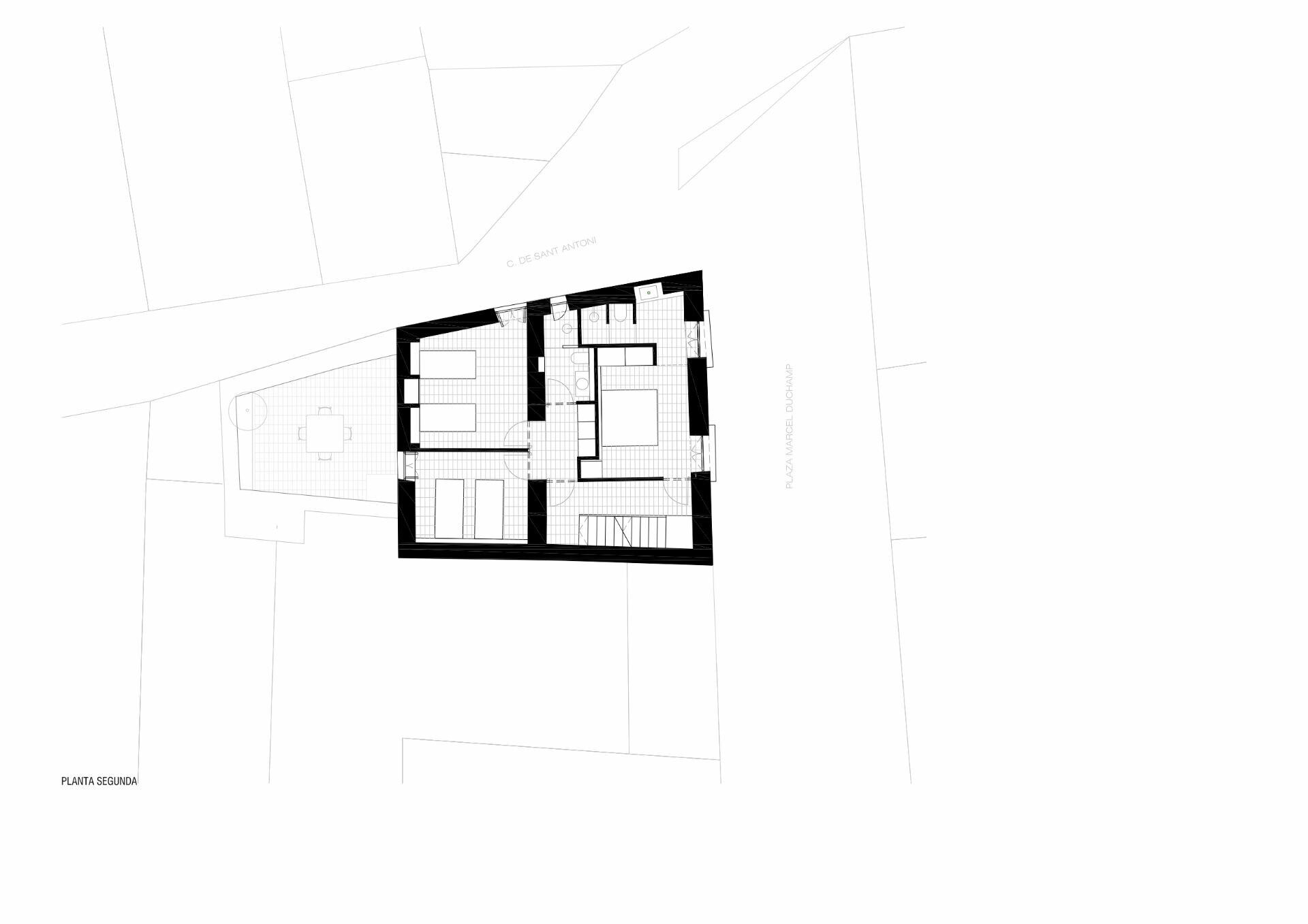
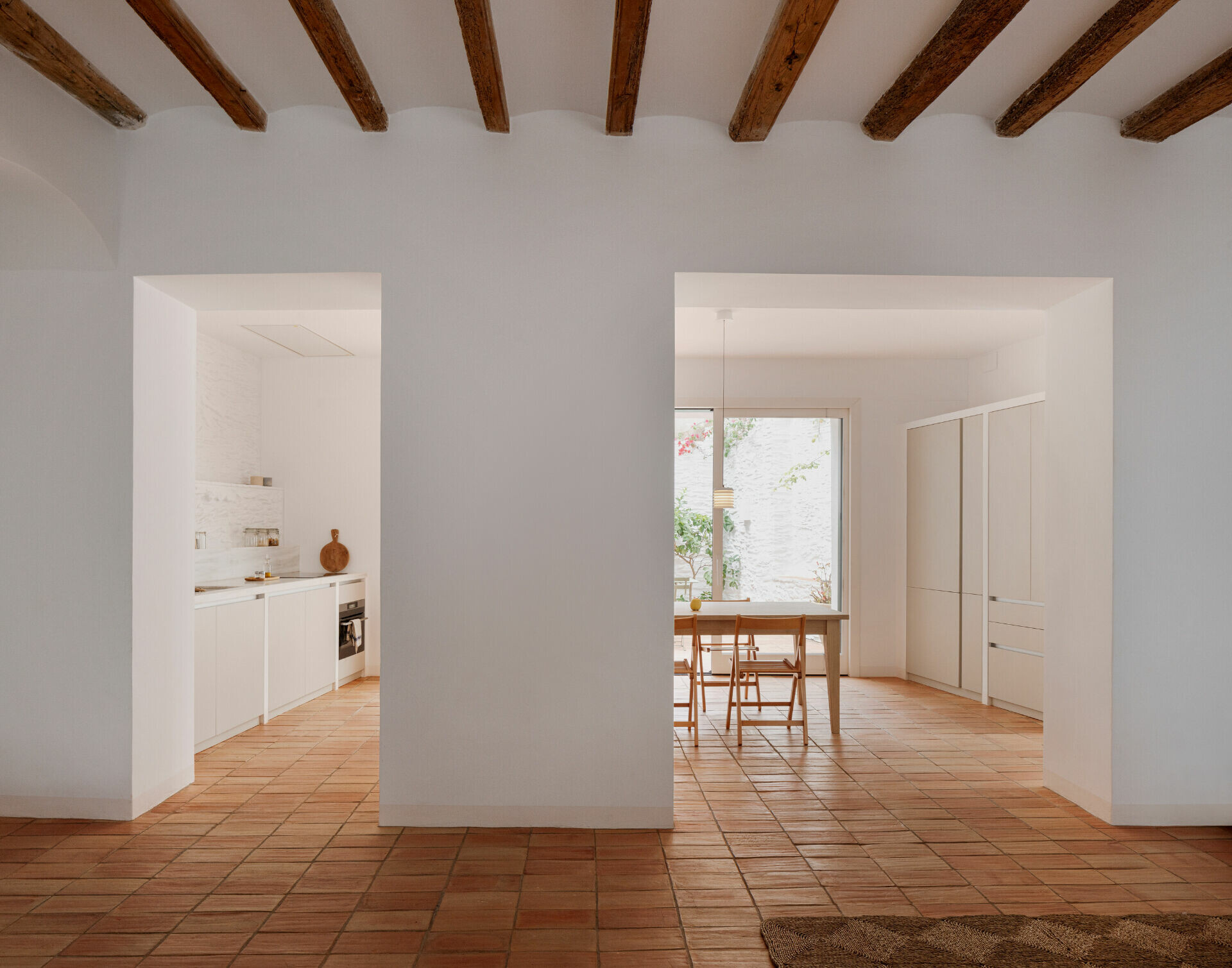
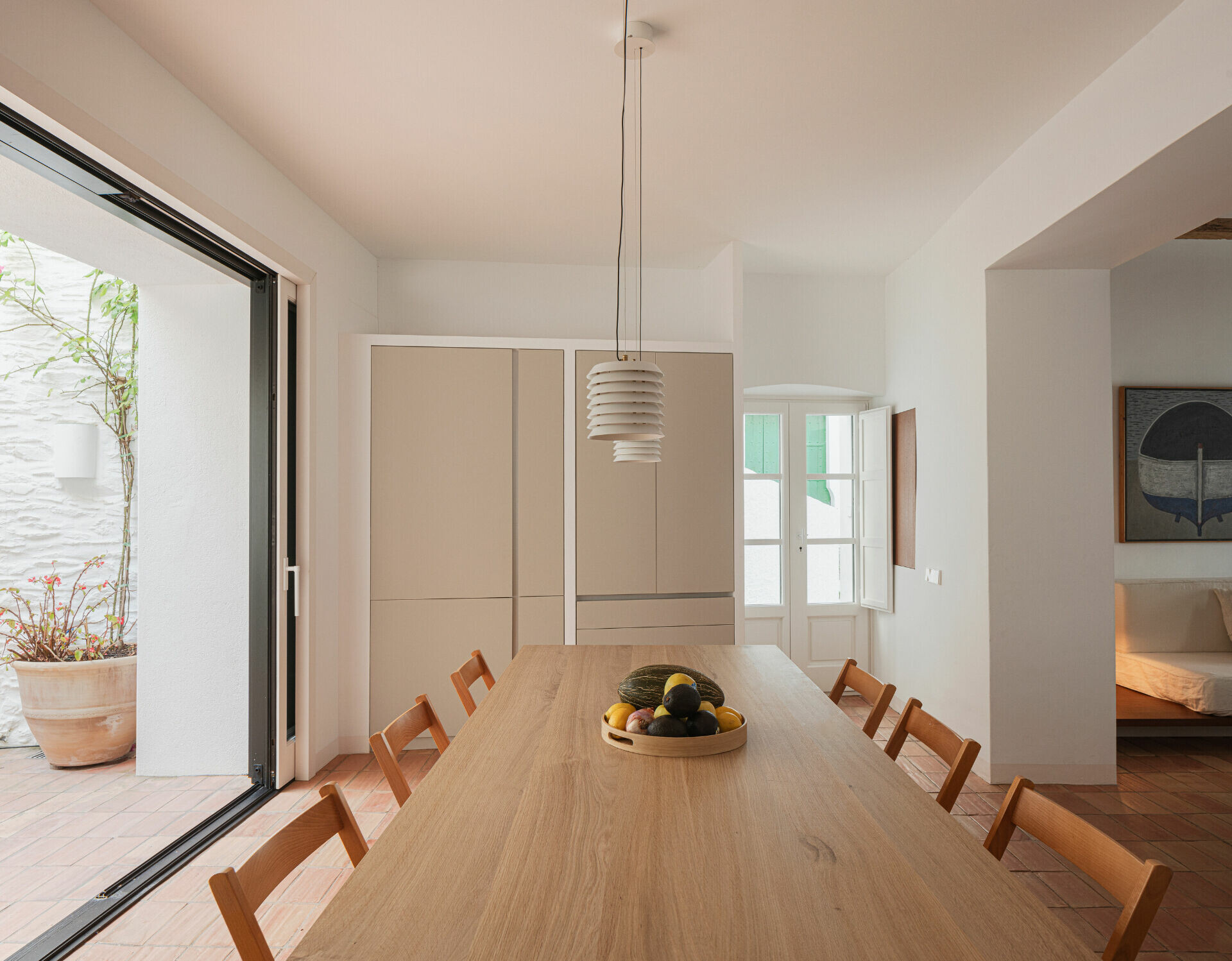
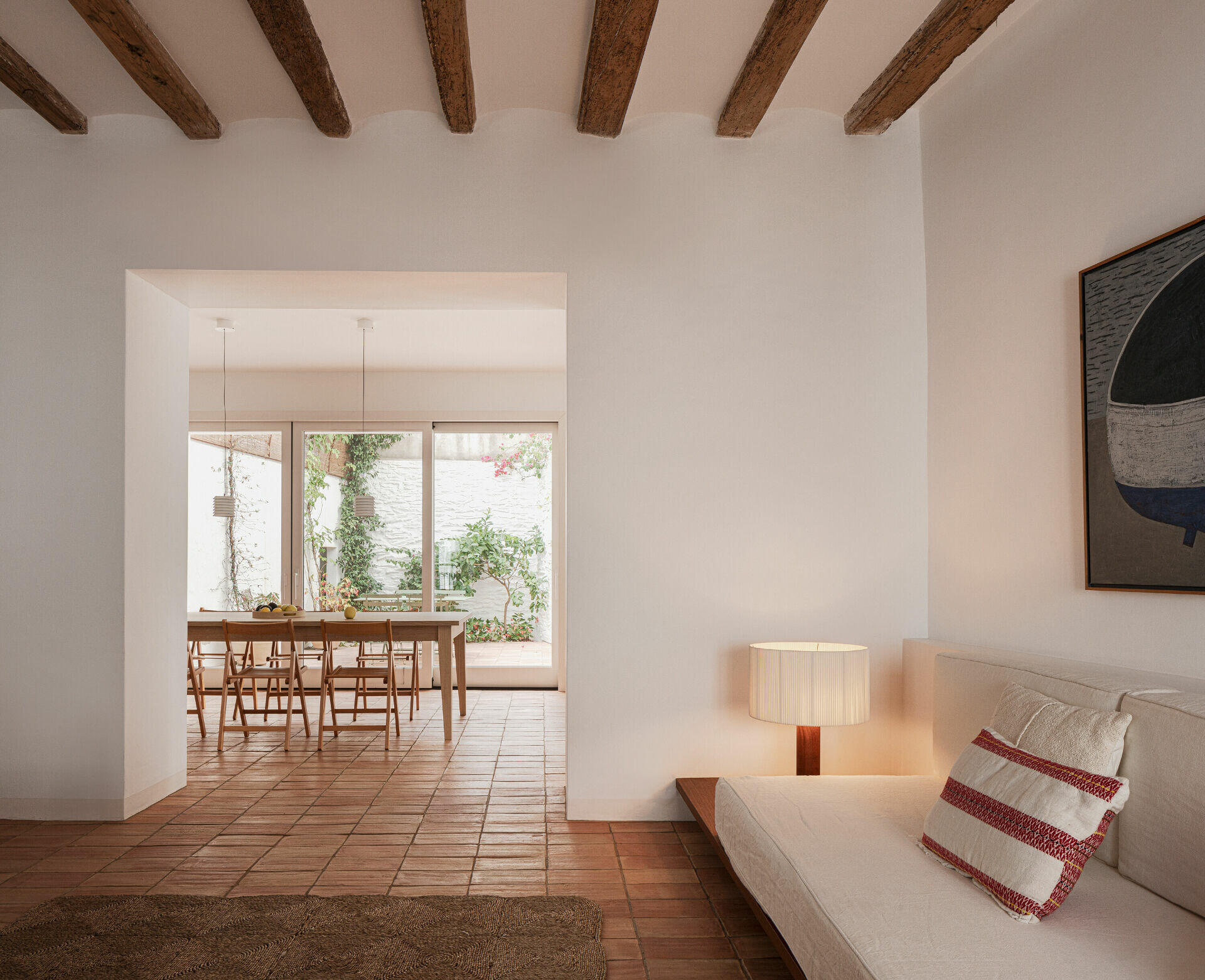
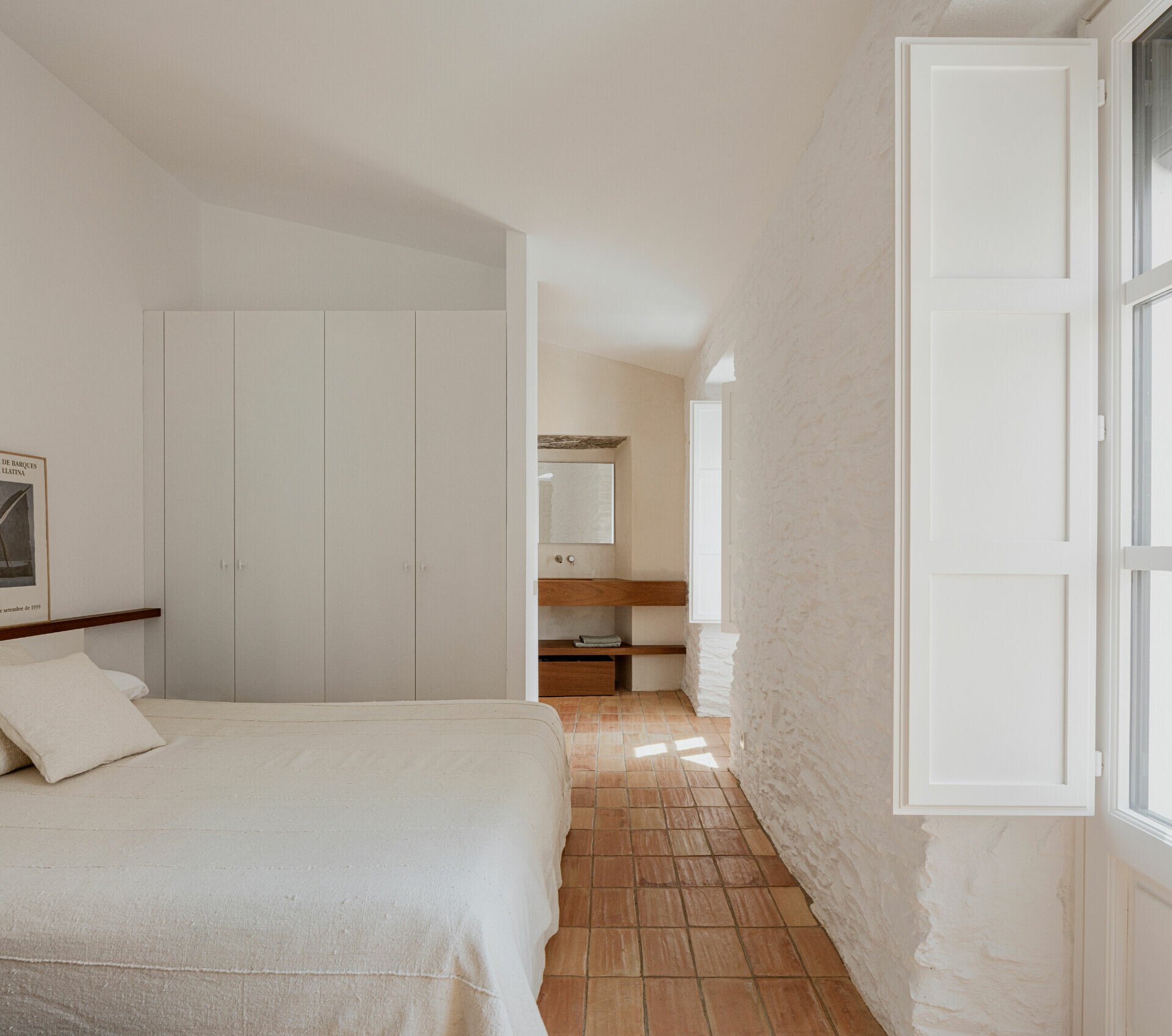
On the first floor, new openings were cut into the load-bearing walls, linking the kitchen, dining room, and living room into a connected social space. These axes of openness redefined the interior, bringing brightness and continuity as the rooms extend toward the patio. The flow of air and light not only strengthened the relationship between inside and out but also infused the home with freshness and vitality. The second floor, by contrast, was dedicated to private life, with bedrooms and bathrooms offering quiet seclusion. Climbing further upward leads to the third-floor terrace, where Mediterranean sunlight and sea breezes enter freely, shaping a retreat for daily contemplation.
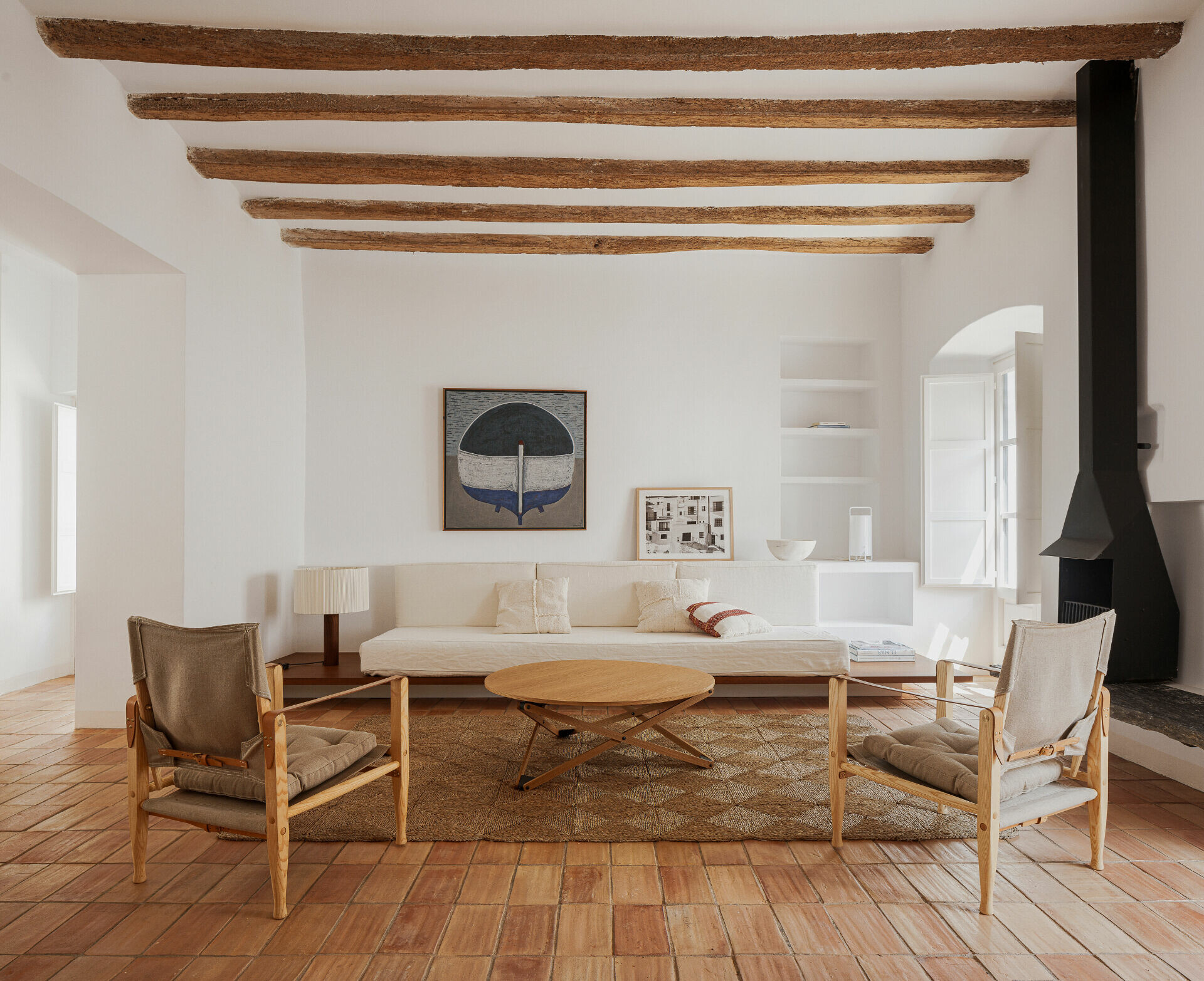
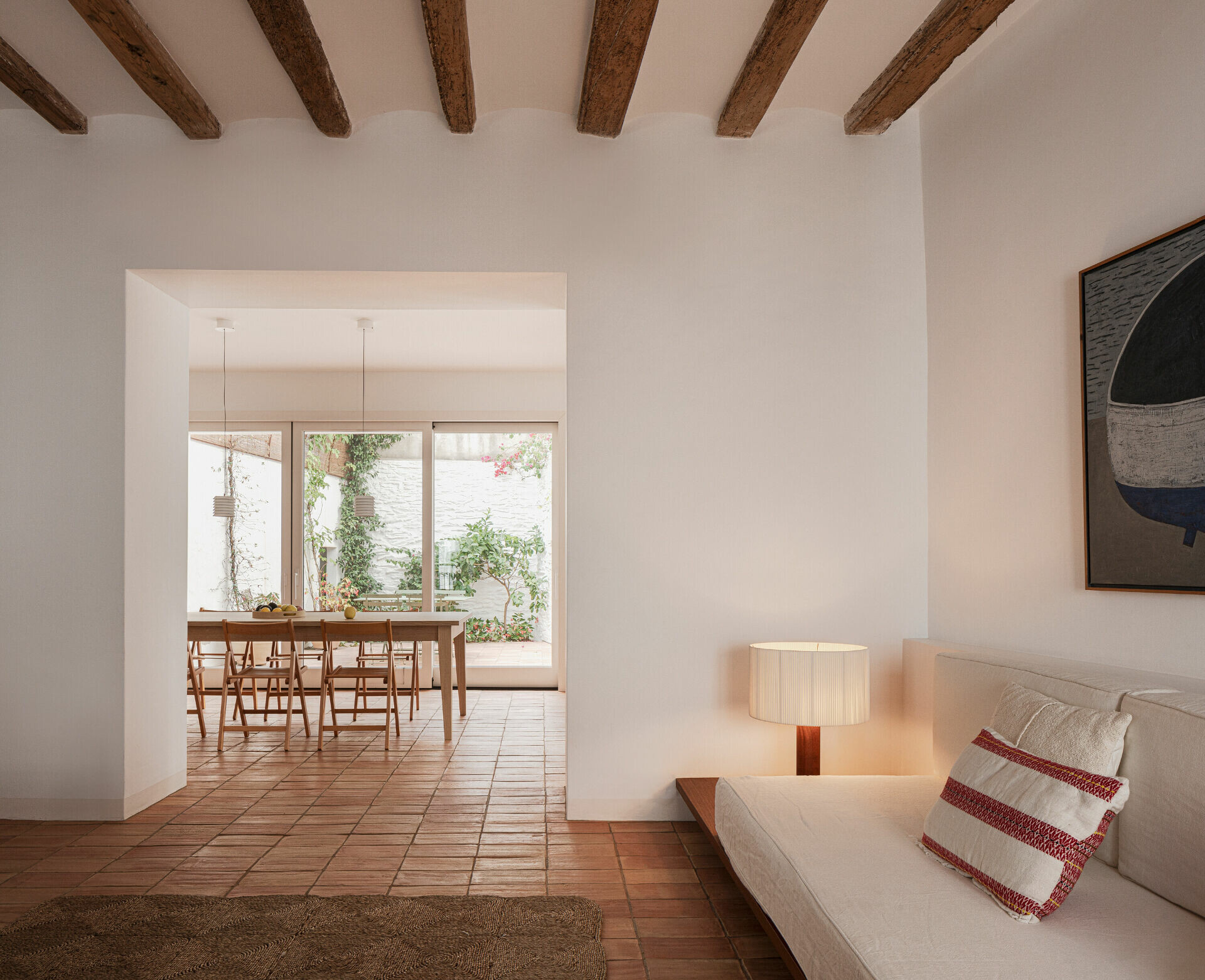
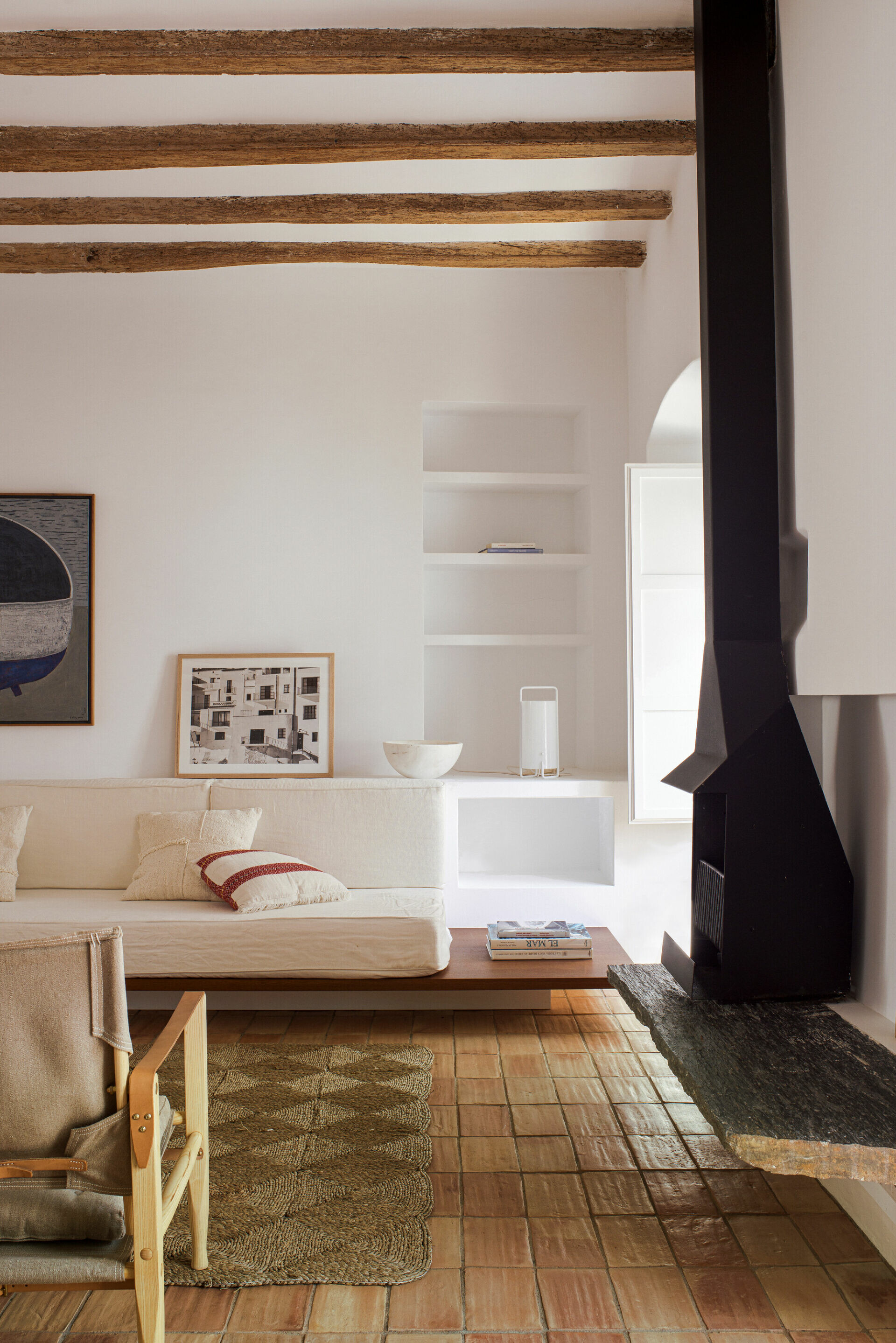
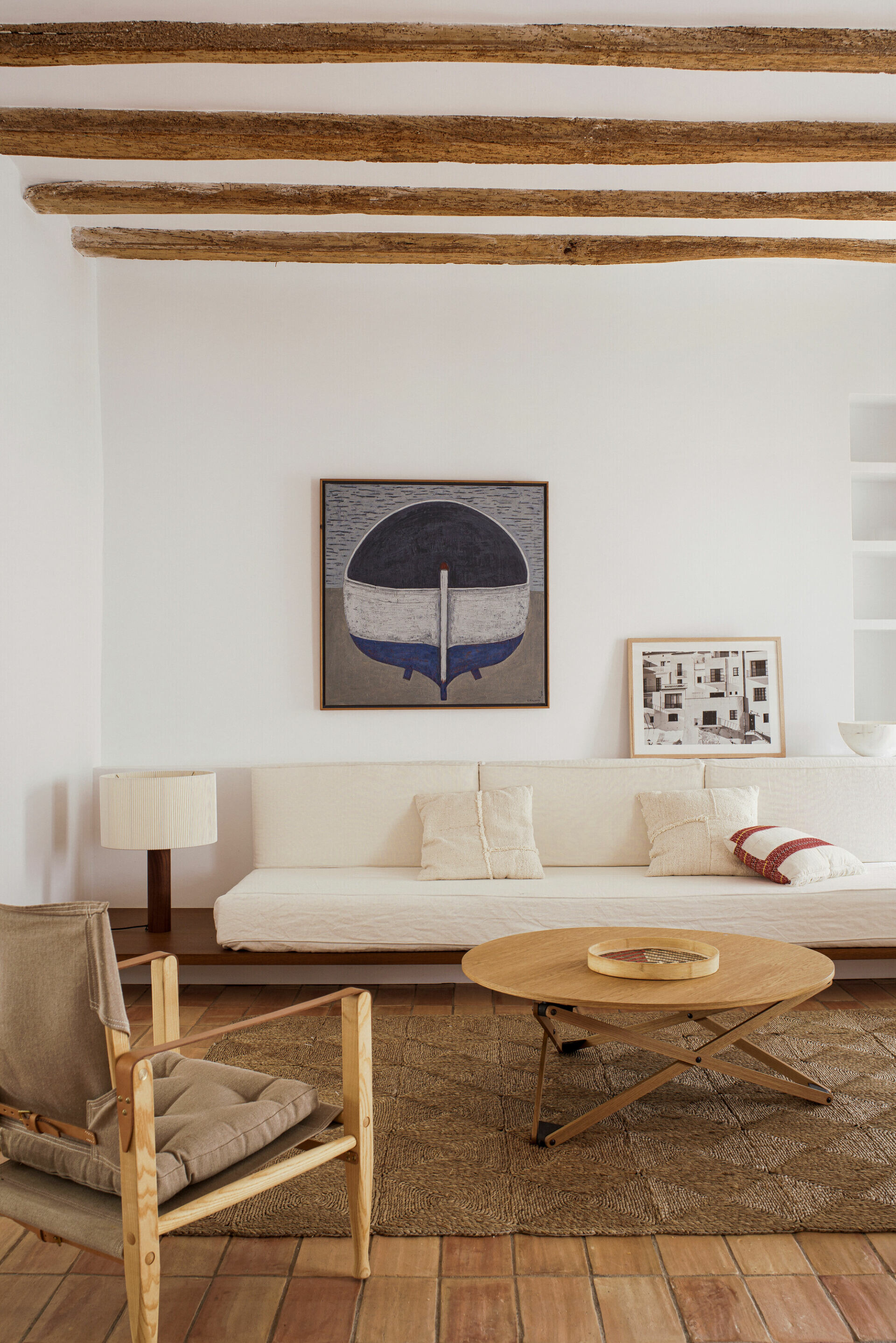
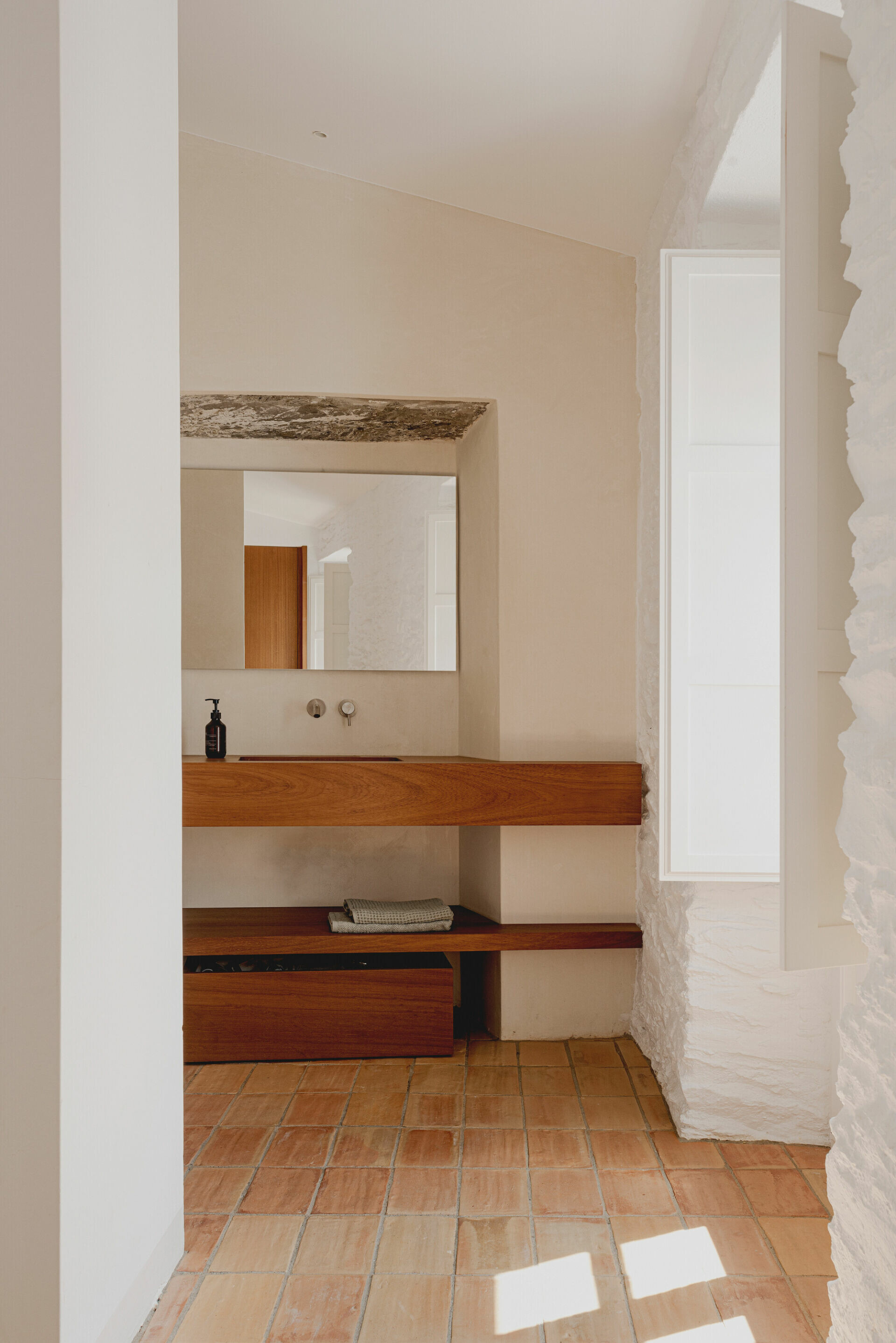
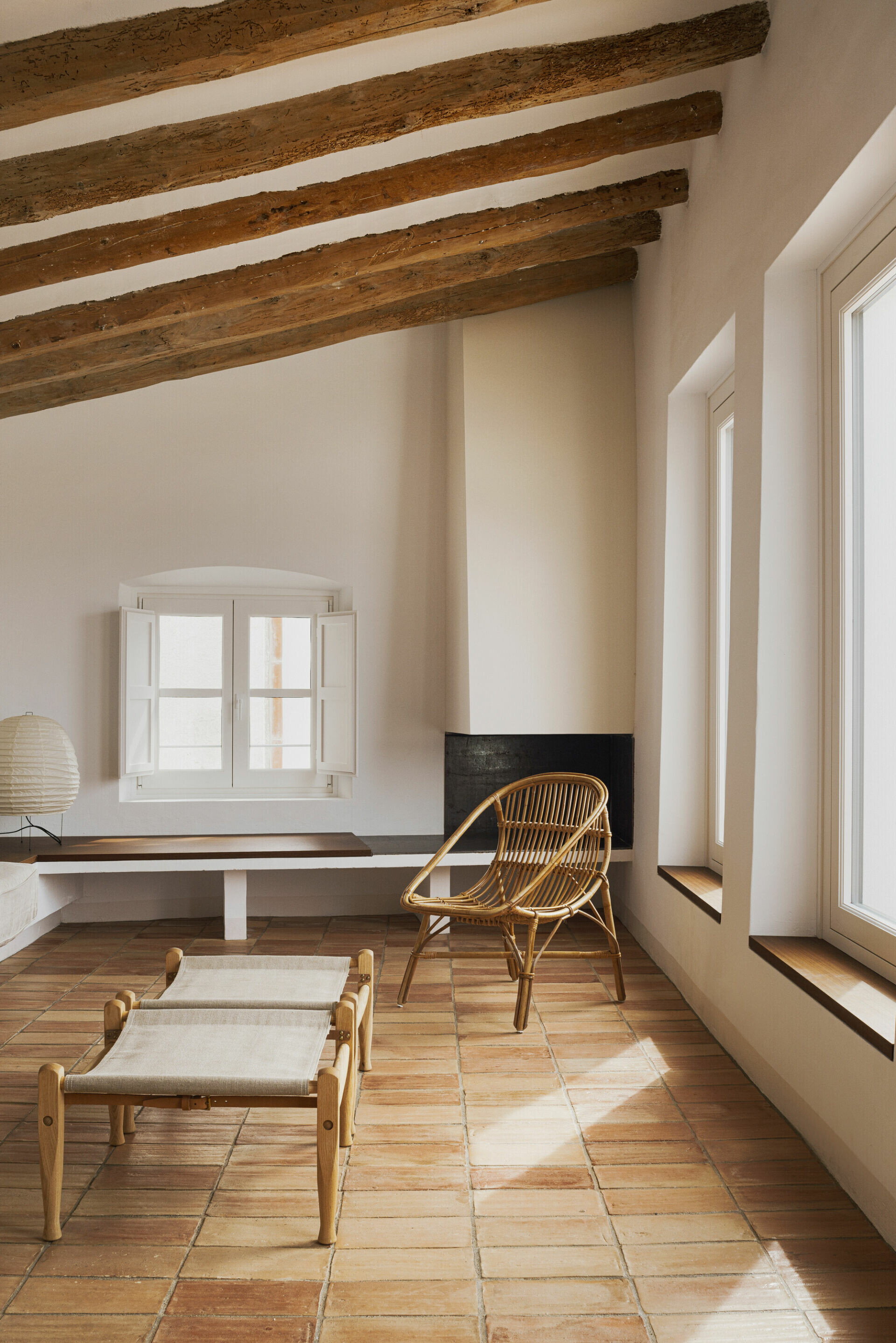
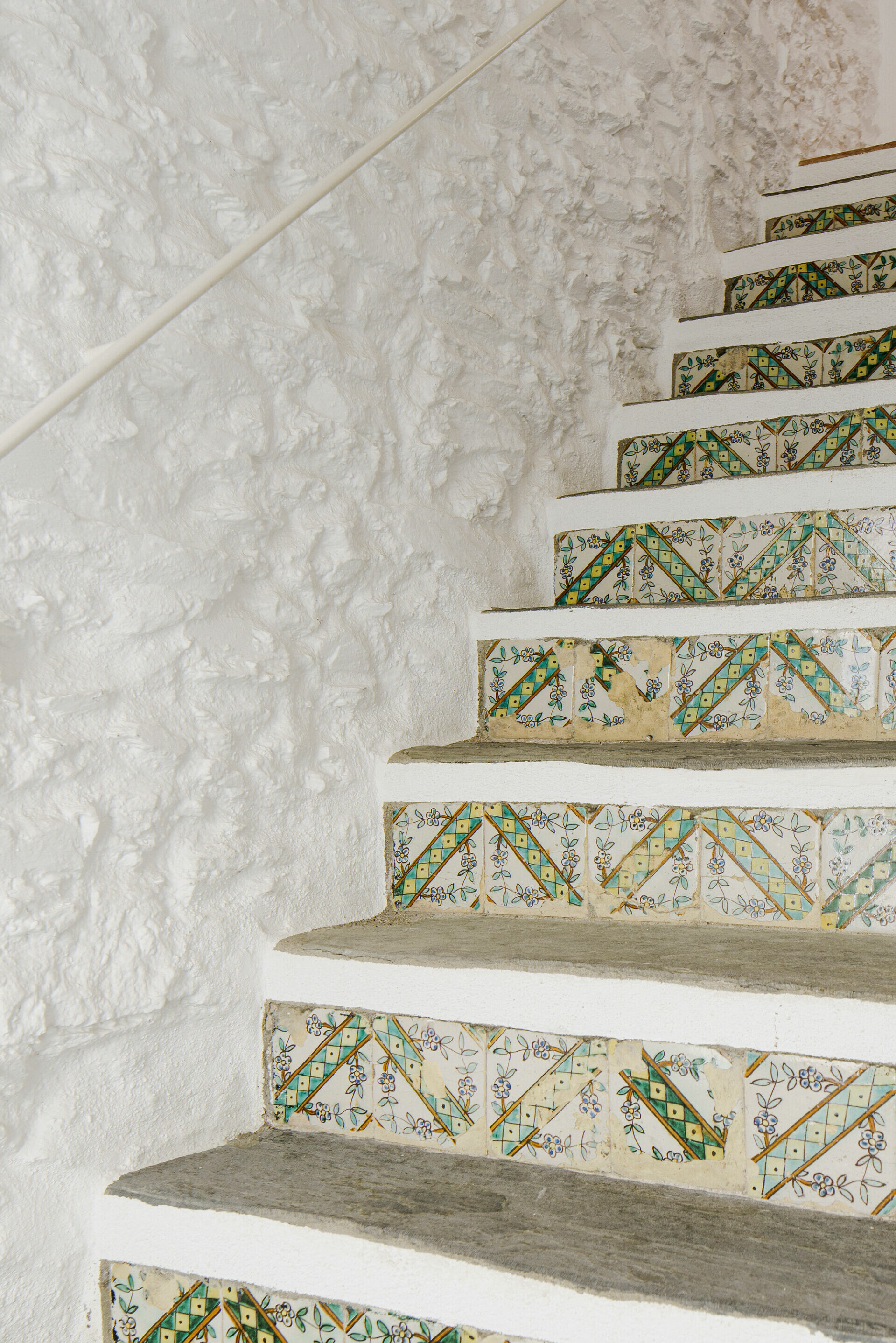
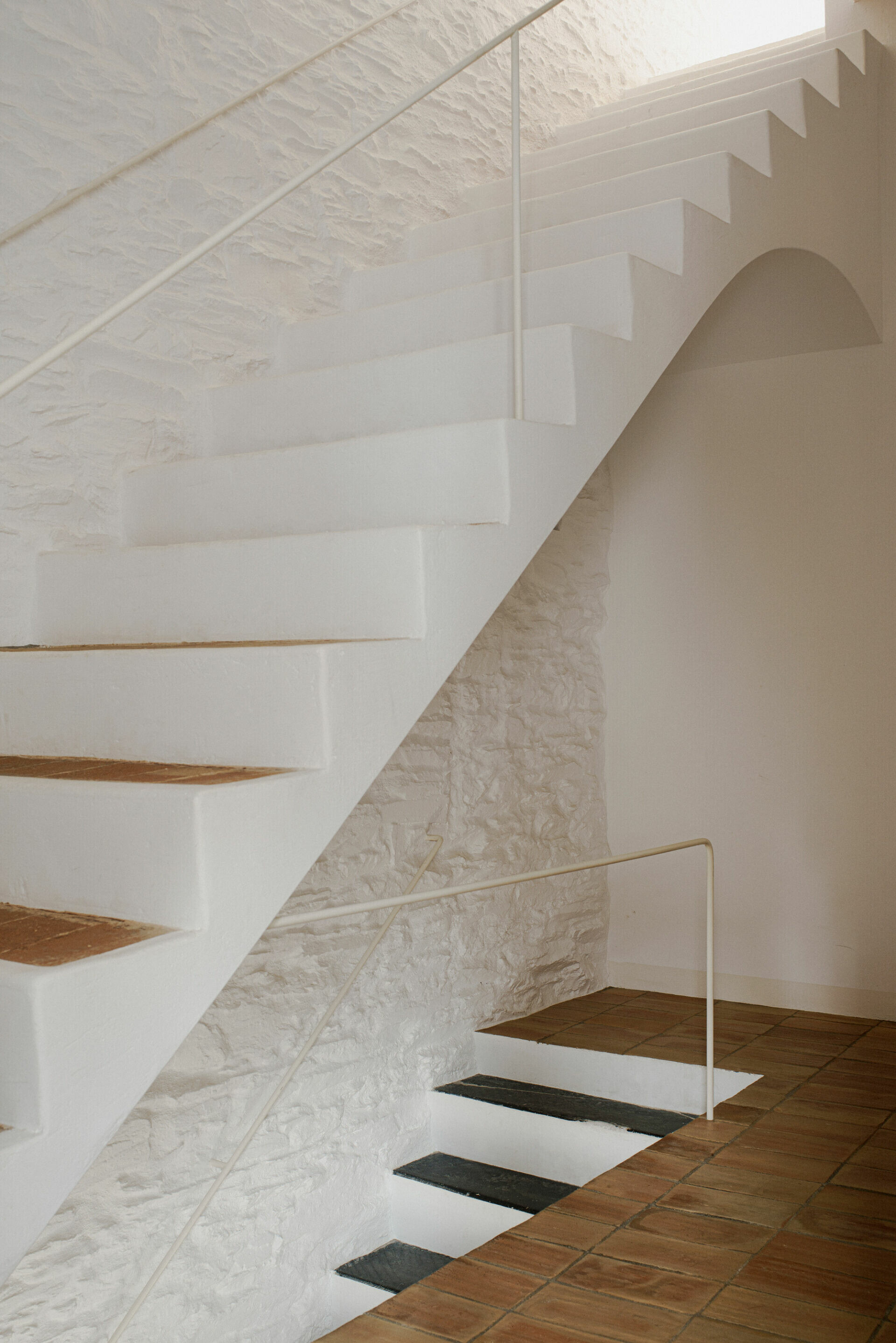
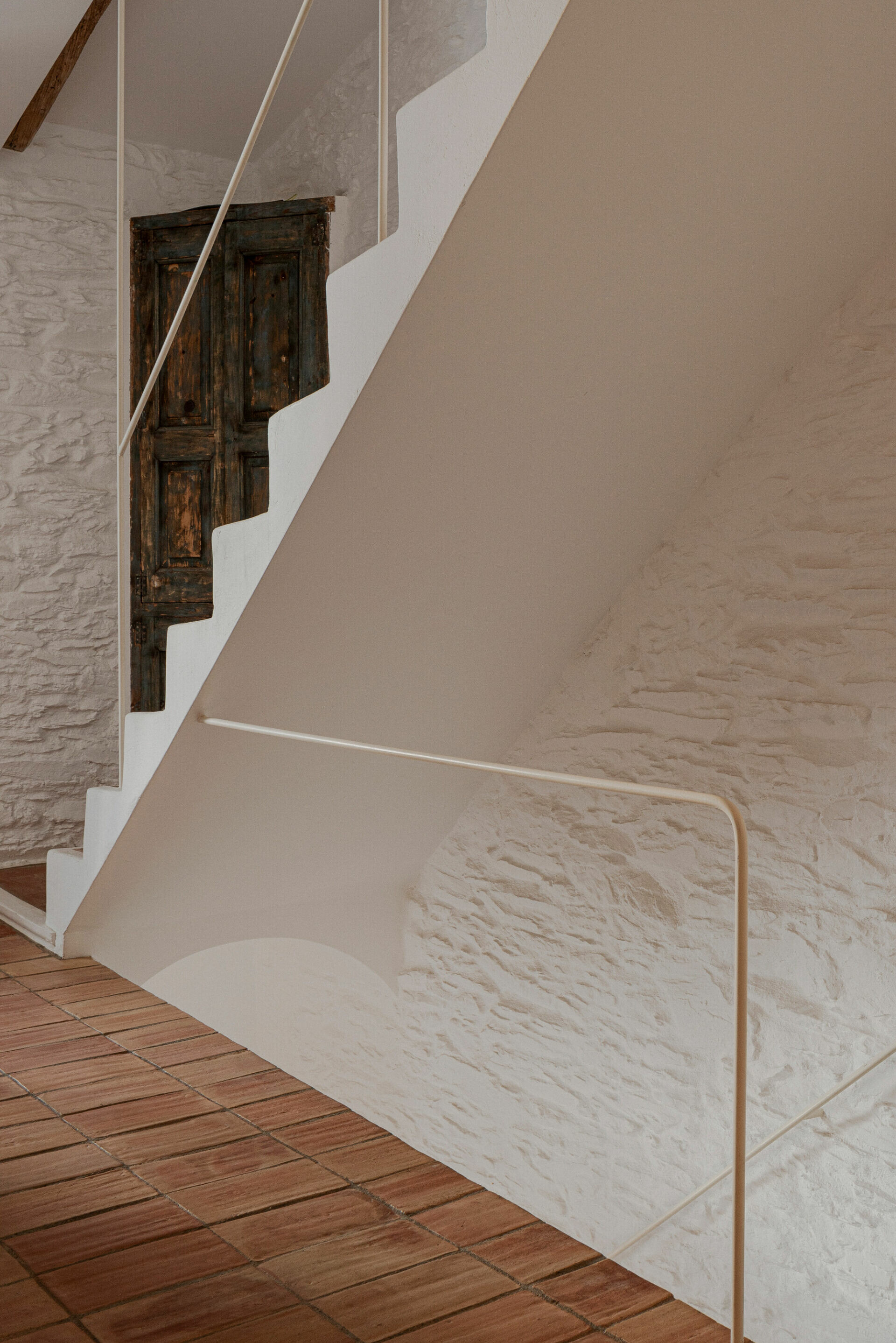
Materials were drawn from local tradition. Existing ceramic tiles were carefully preserved, anchoring the project to its origins. White lime plaster, applied like a breathing skin, reflects the clarity of the Mediterranean light while regulating the humid coastal climate. Inside, durable iroko wood was crafted into furniture and joinery, its warmth and density set against the white backdrop to lend depth and tactility. In these choices, the architects transformed vernacular traditions into spaces that can be experienced anew.
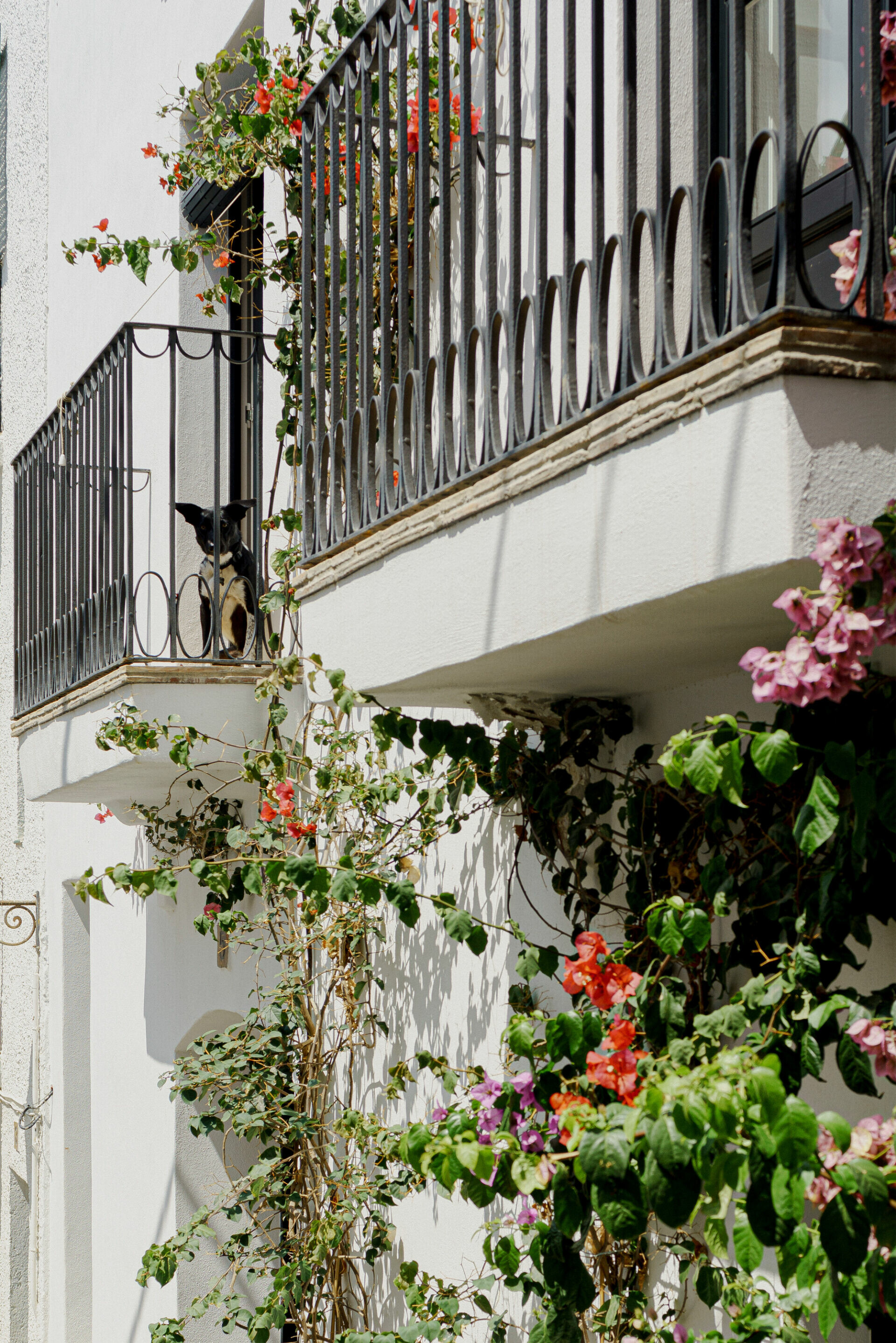
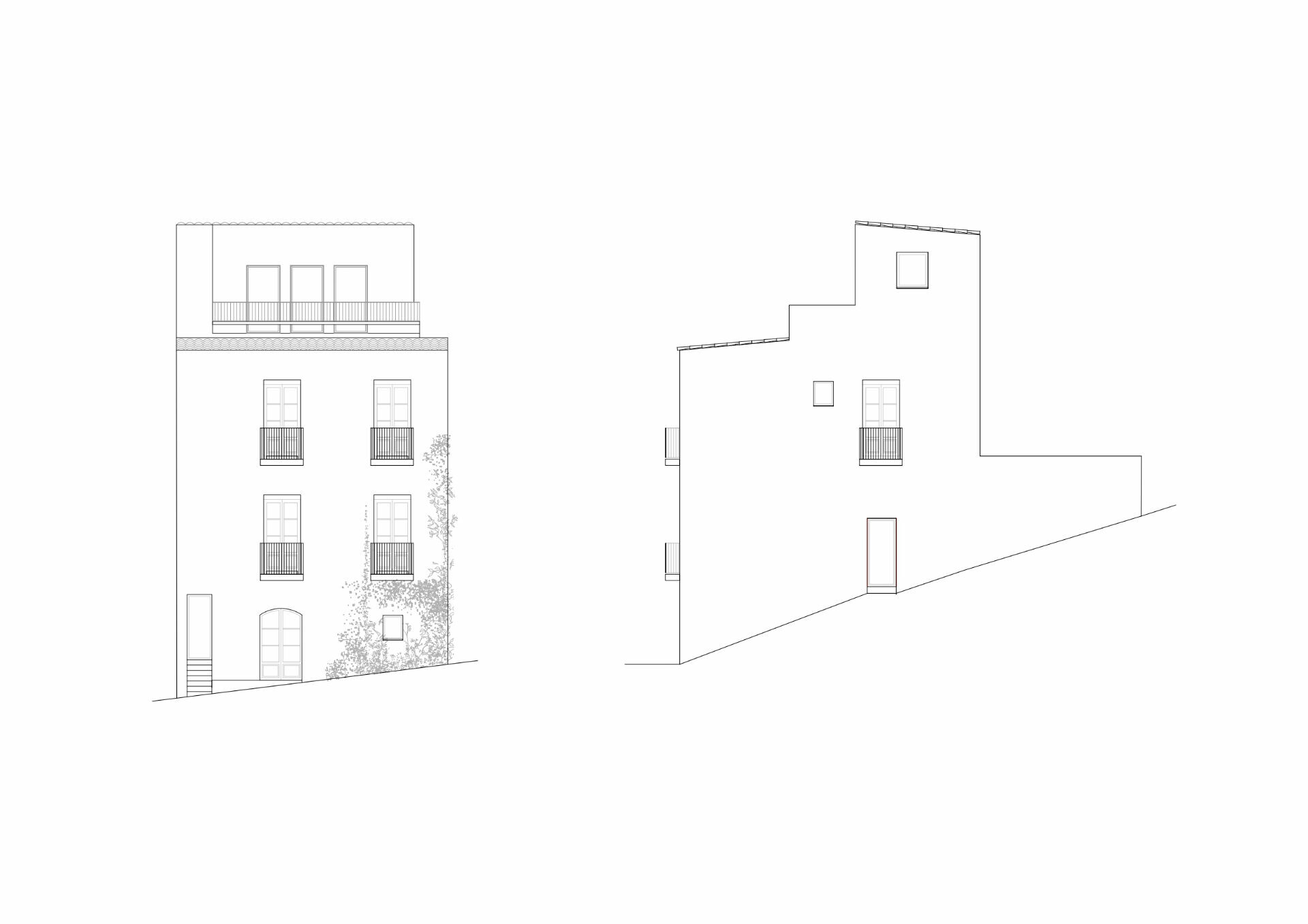
Though its interior underwent a complete transformation, the house’s exterior façade was restored with restraint, maintaining its familiar presence on the street. Existing carpentry was repaired rather than replaced, allowing the building to remain woven into the fabric of Cadaqués. For the architects, this was more than a technical undertaking: it was conceived as a dialogue of respect with the memory of the city. The house now breathes in rhythm with its surroundings, carrying its past forward while offering a contemporary interpretation of coexistence between culture and daily life.
Principal Designer(s) | Bea Portabella, Jordi Pagès
Character of Space | Residential Restoration and Renovation
Materials | Stone, Ceramic, Wood, Limewash, Terracotta Tiles, Lime Mortar, Natural Iroko Wood, Wrought Iron, British Racing Green Wood
Location | Cadaqués, Girona, Spain
Built-up Area | 82 m²
Gross Floor Area | 326 m²
Usable Floor Area | 263 m²
Plot Size | 110 m²
Project Year | 2022
Completion Year | 2024