➤ Photography by Yipeng Lv
Hengqin Culture & Art Complex
Culture and art are no longer confined to institutions; instead, they flow seamlessly into the rhythms of daily life—manifesting in the laughter of children, the exchange of ideas, and the quiet intimacy of shared meals and solitary reading. Architecture, in this context, becomes the vessel through which these daily rituals are transformed into a living form of cultural expression.
➤ Photography by Shengliang Su
➤ Photography by Shengliang Su
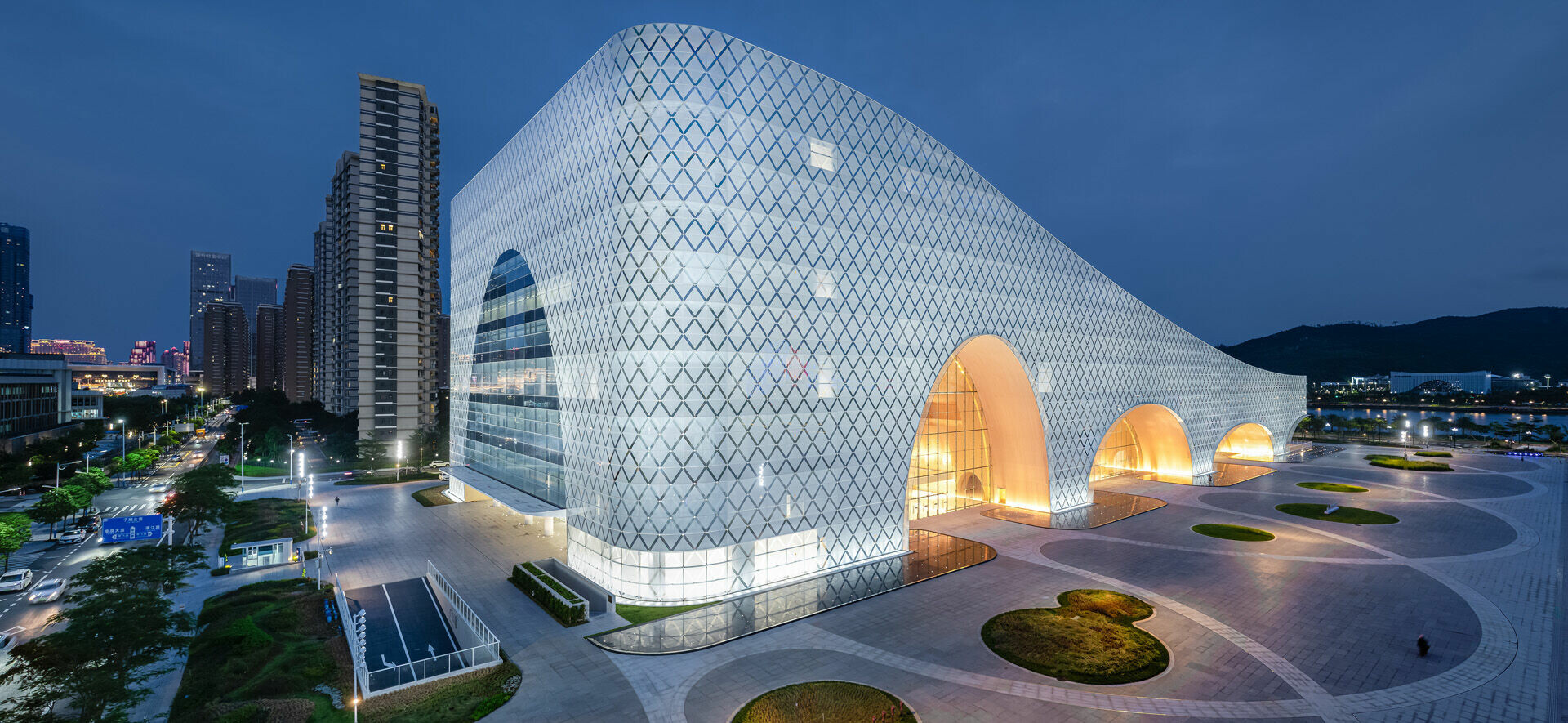
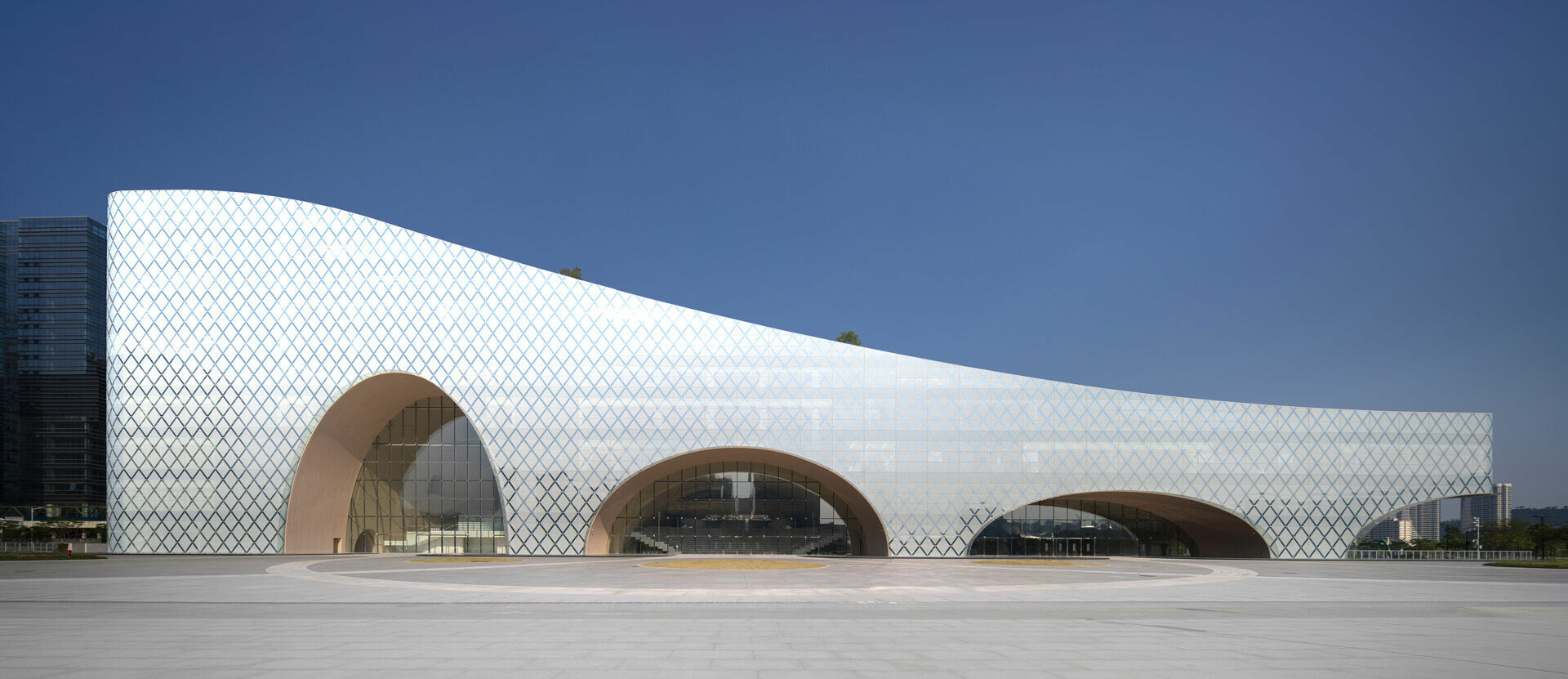
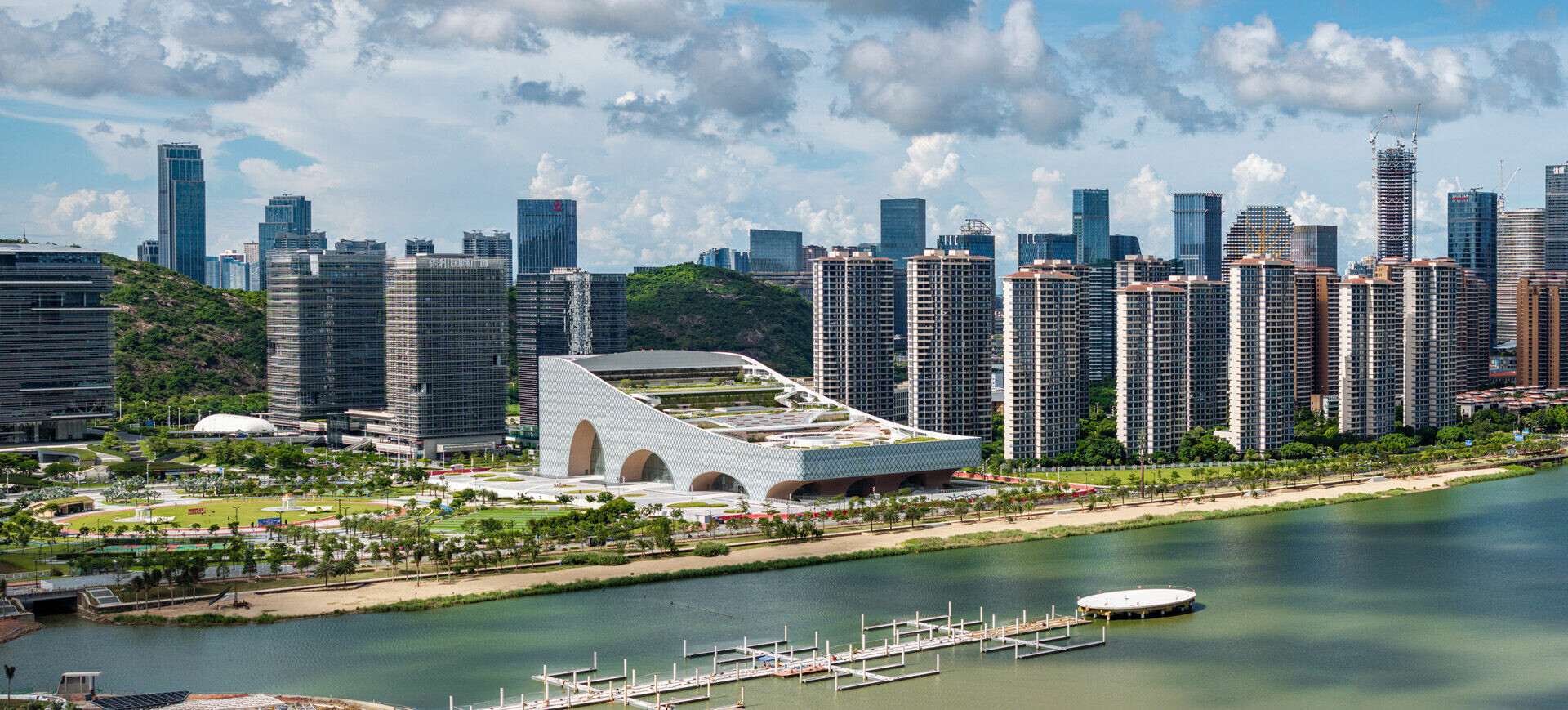
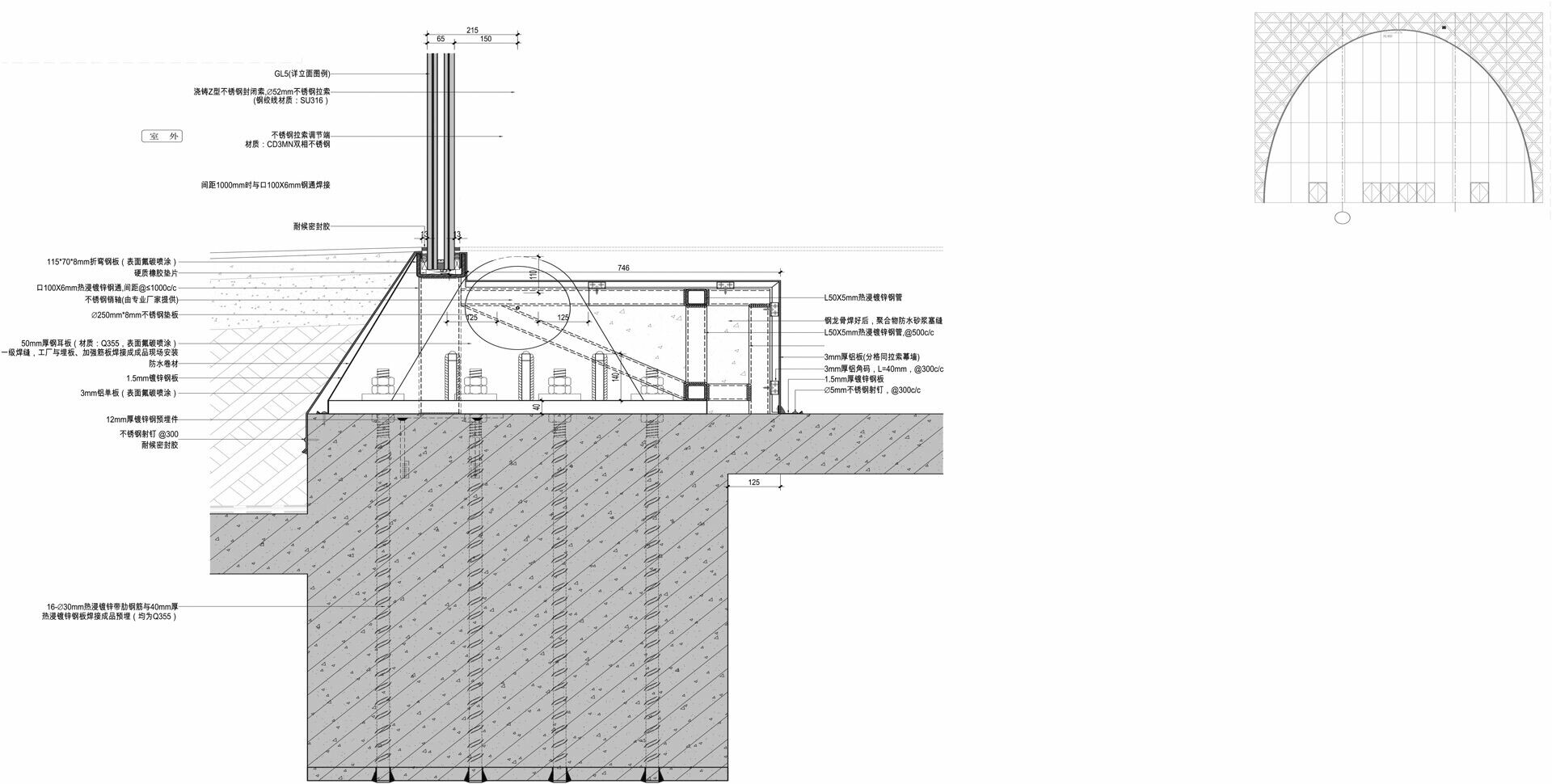
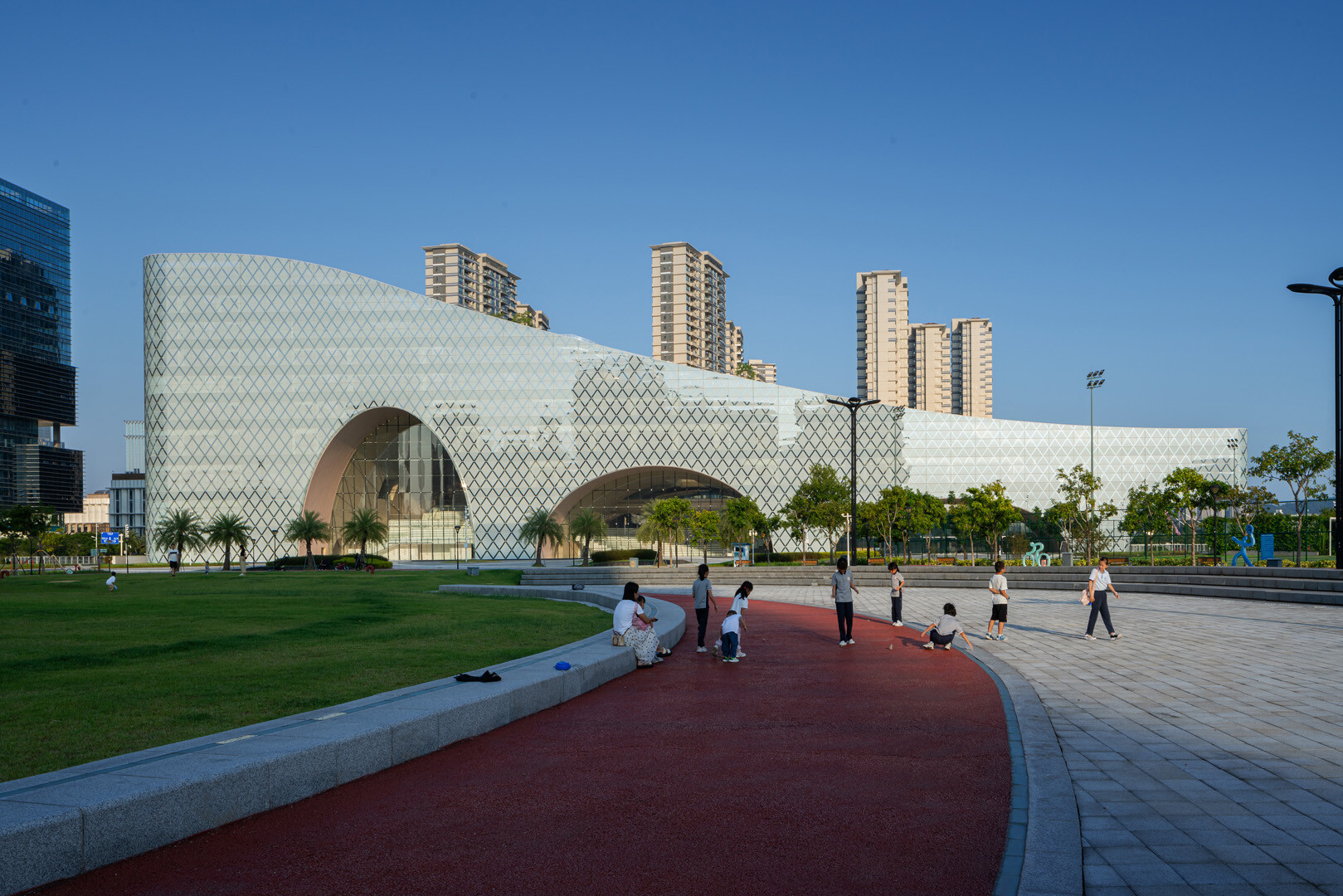
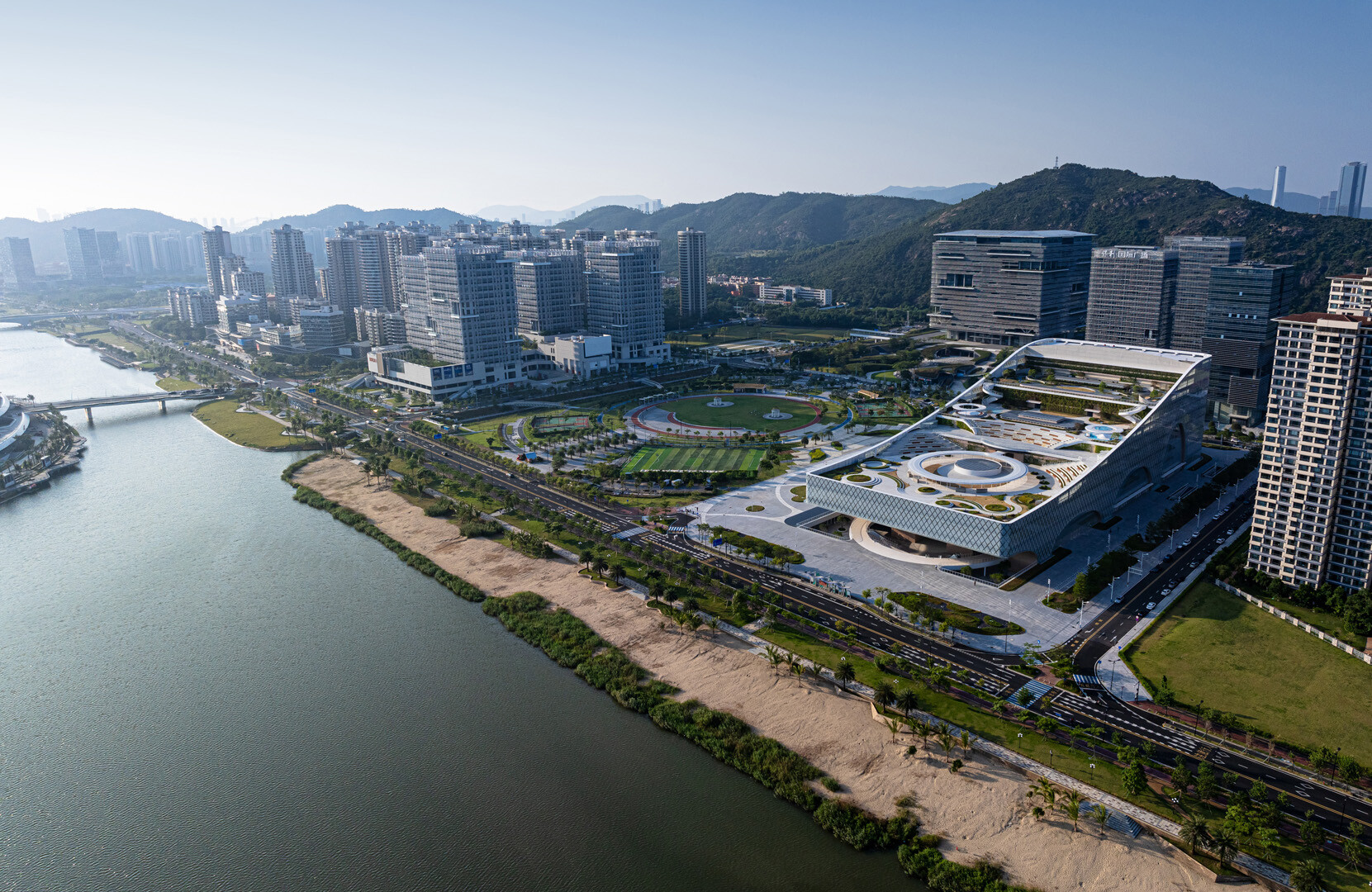
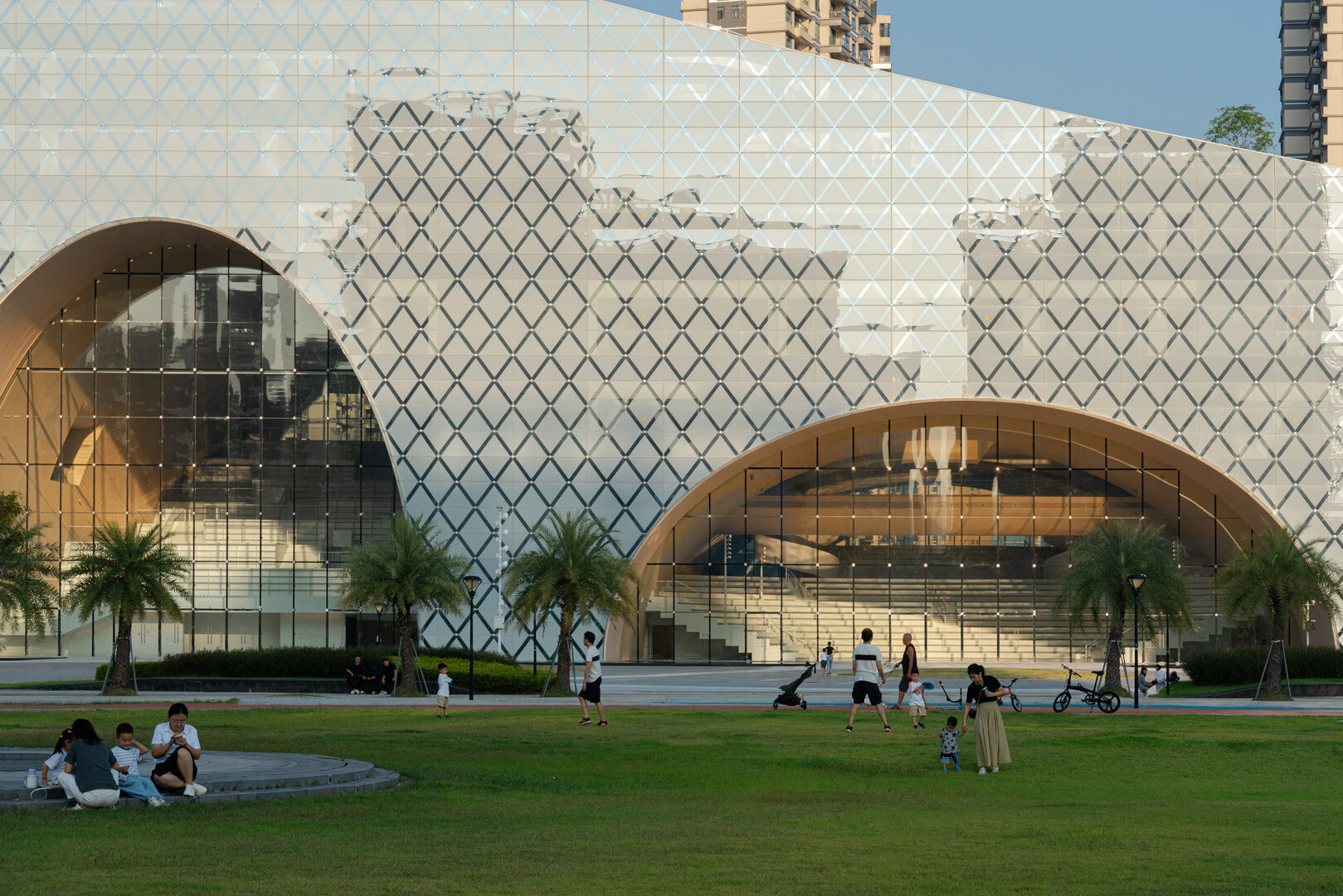
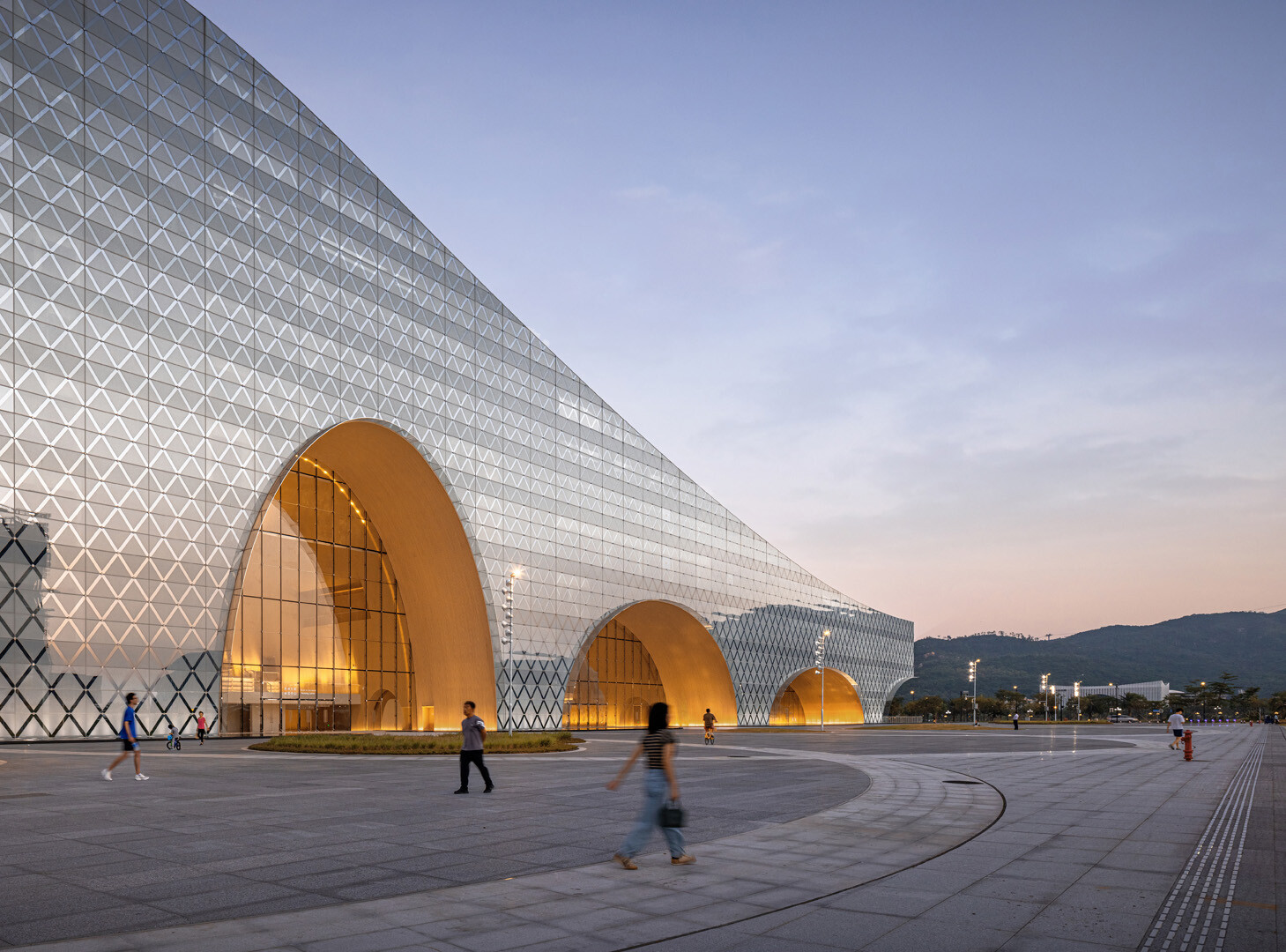
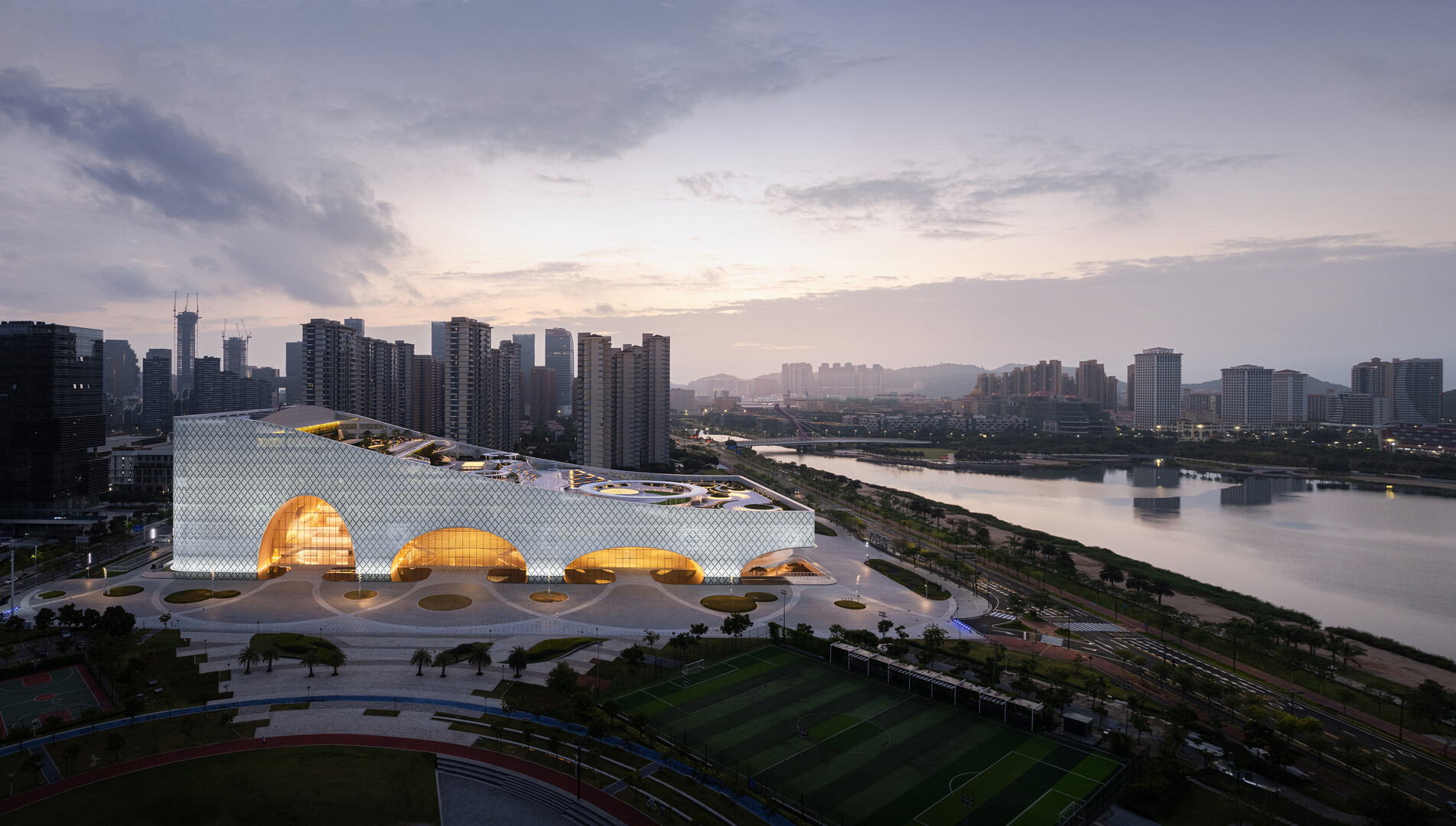
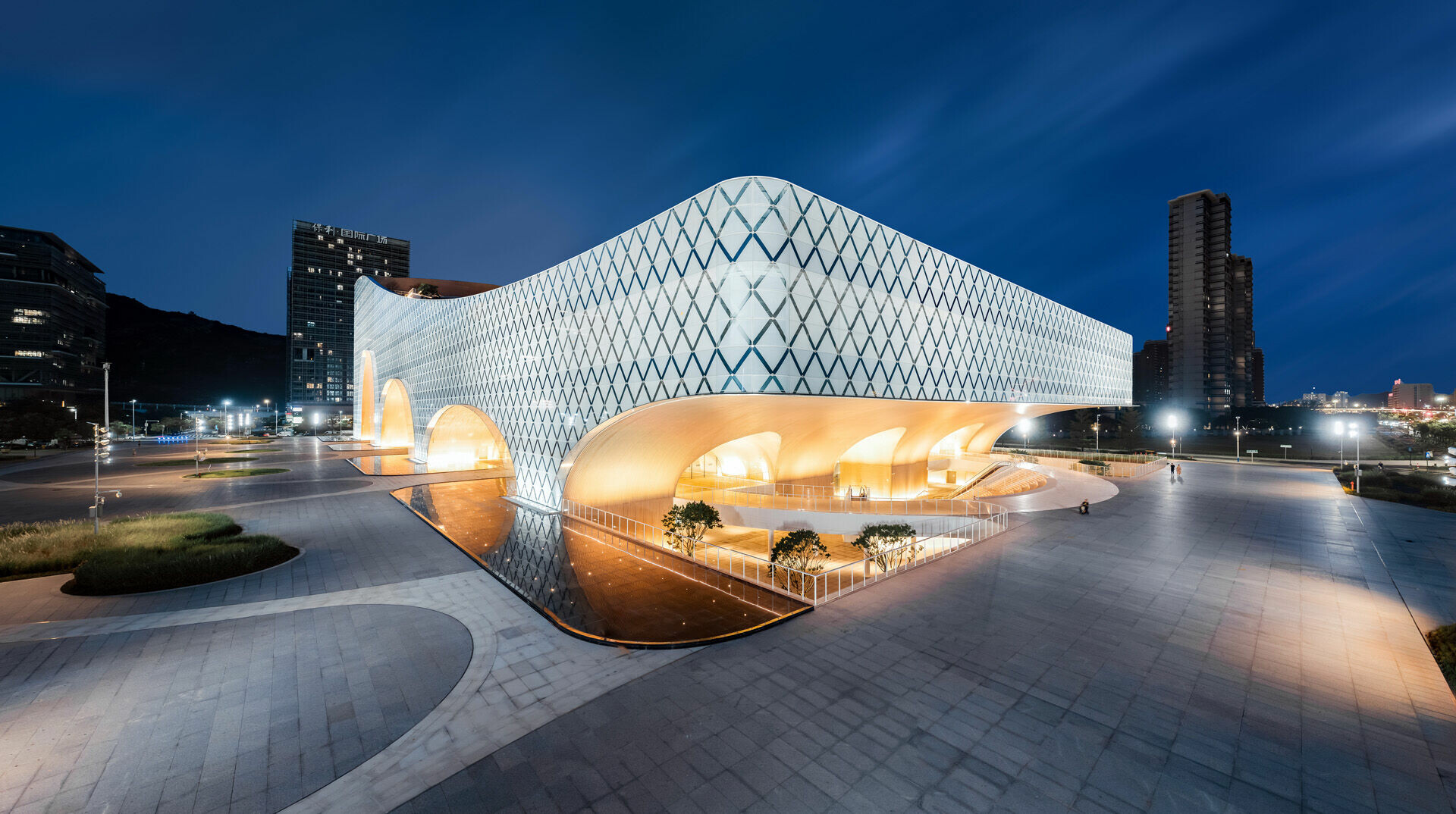
Located on Hongqi Island—one of the fastest-growing urban districts within the Guangdong-Macao In-Depth Cooperation Zone—the Hongqi Culture & Art Complex, designed by Atelier Apeiron, introduces a striking new silhouette to the city’s skyline. More than a cultural facility, the building serves as a civic landmark that bridges nature and urban life, art and routine, offering a shared platform where people of all generations and backgrounds can converge. Architect Yunshan Xu employed a lightweight and flexible suspended glass curtain wall, not only to enhance wind resistance in the subtropical climate but also to reflect the surrounding landscape, softening the massing and blurring the building’s edge—transforming the entire complex into an open-ended experiment in social and spatial inclusivity.
➤ Photography by Shengliang Su
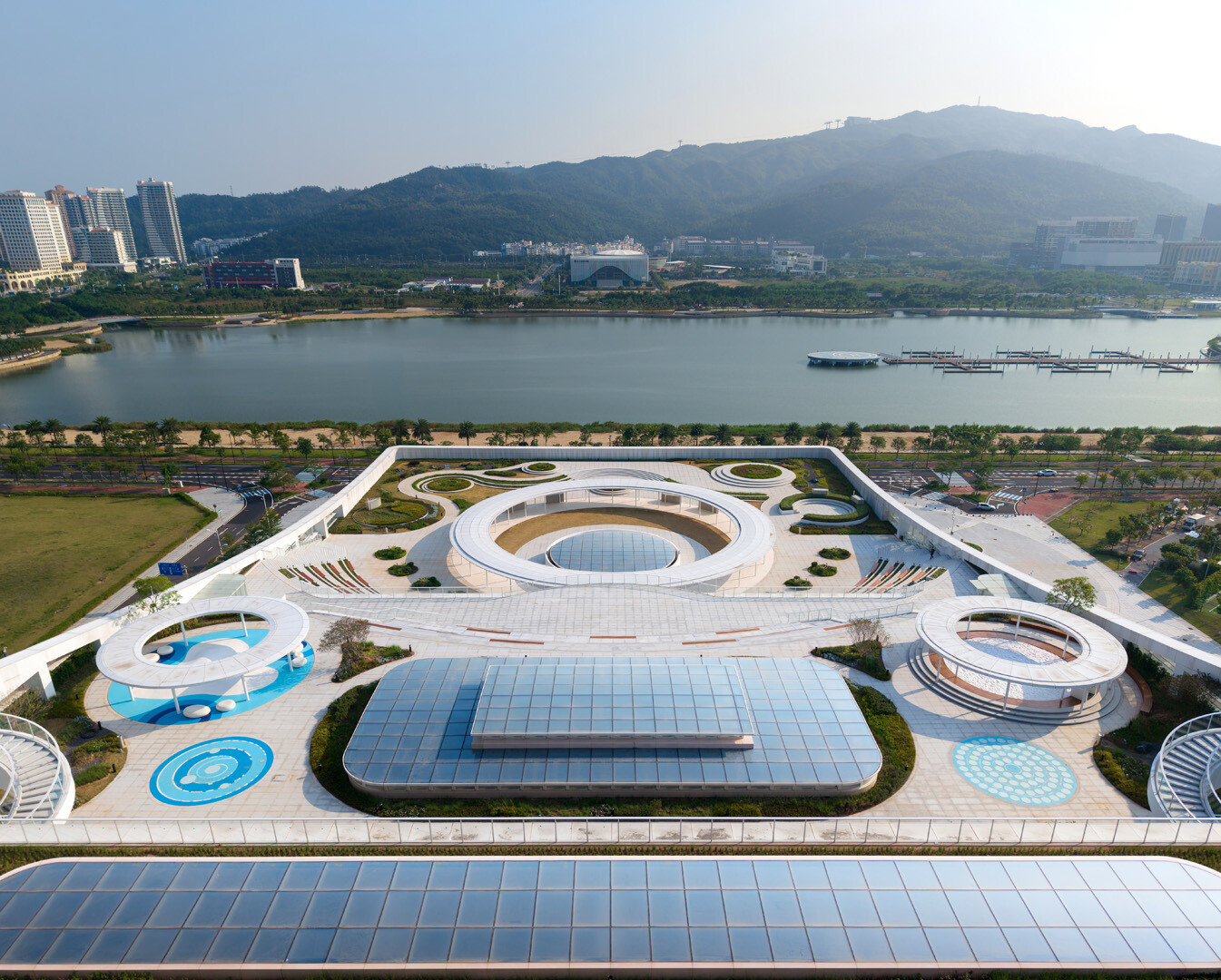
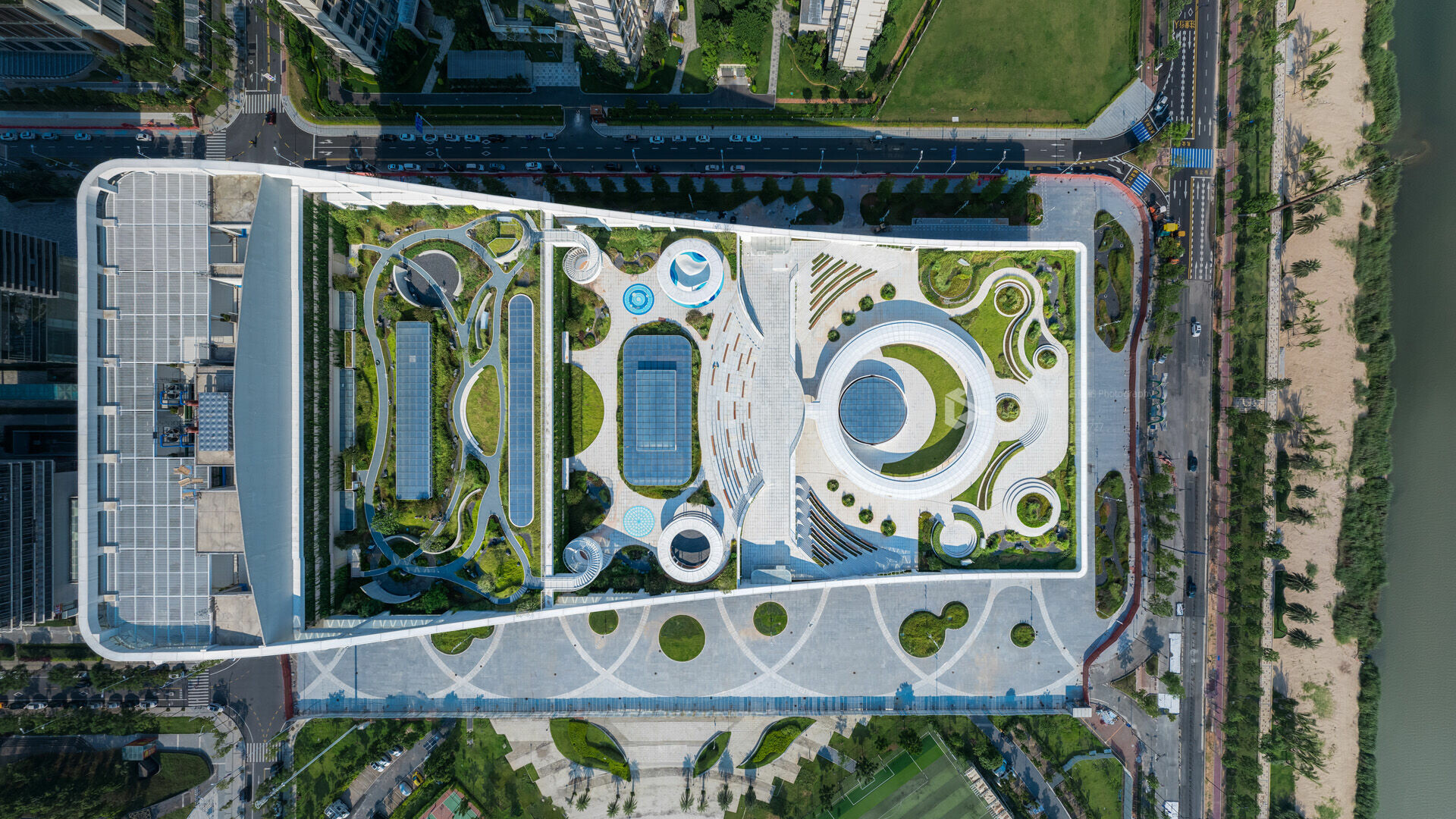
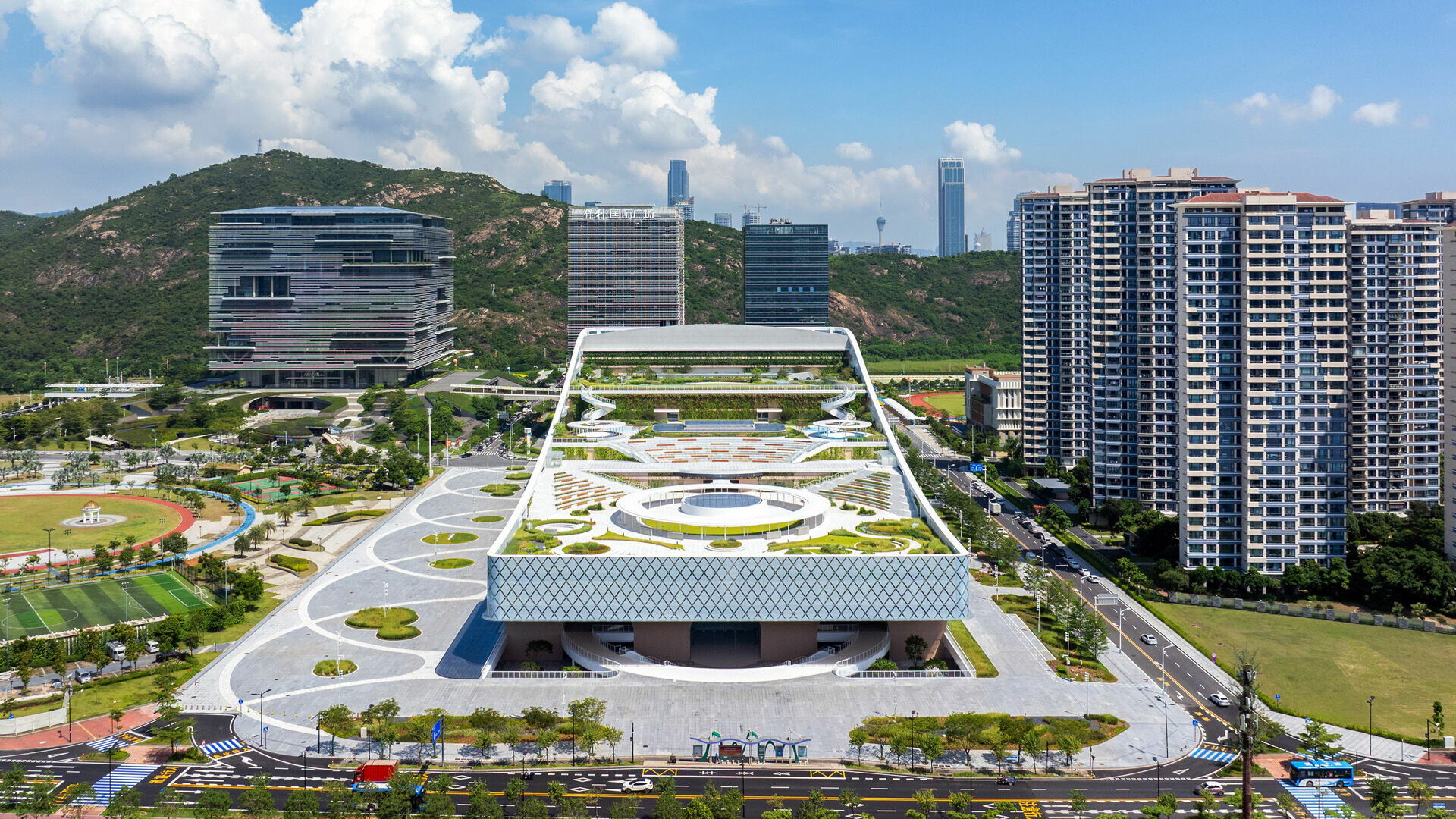
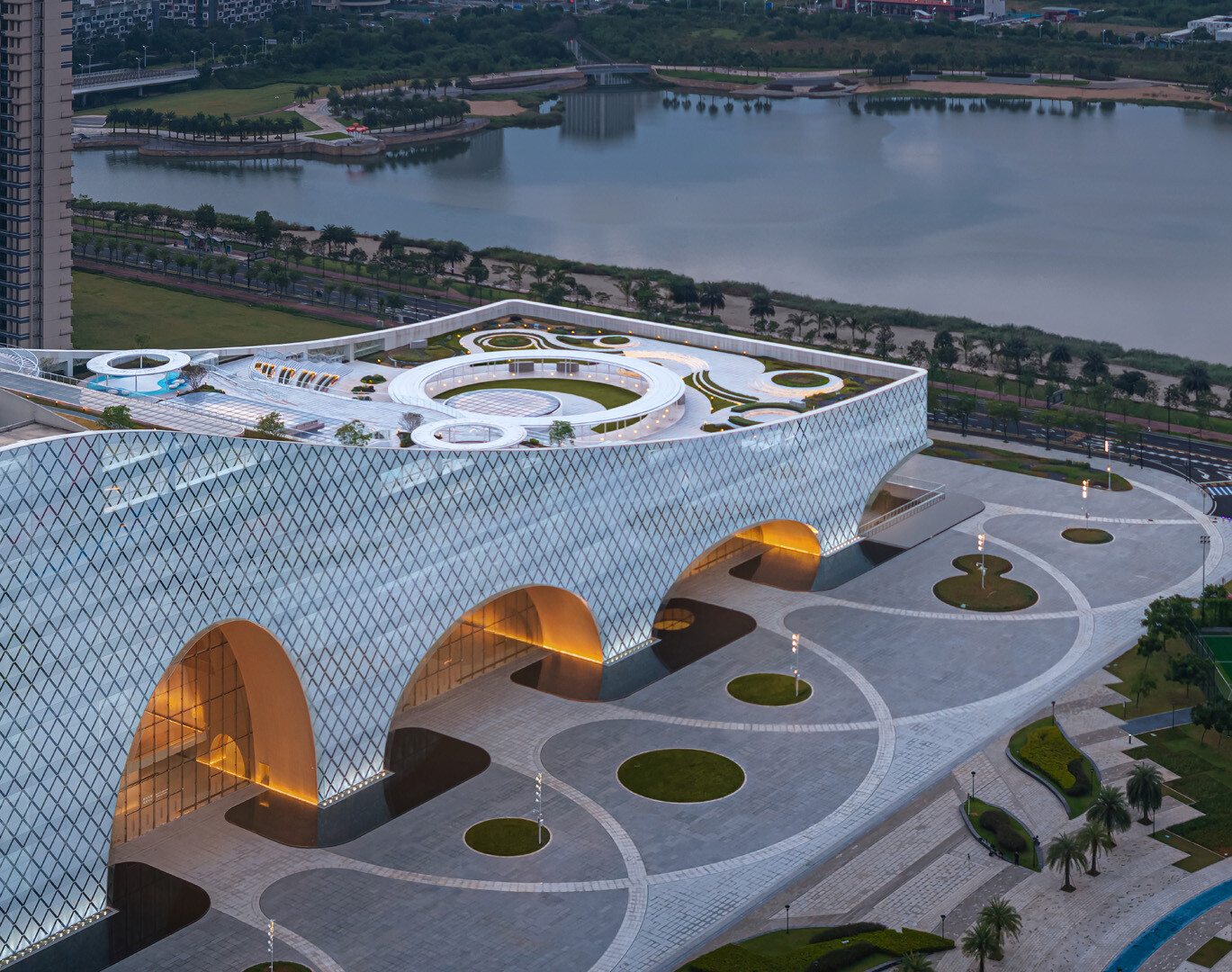
Strategically positioned between residential high-rises and a public city park, the complex spans over 142,000 square meters and integrates nine distinct programmatic volumes: a library, archives, concert hall, cultural center, art museum, science museum, women and children’s activity center, senior center, and youth center. Through a modular approach, the design consolidates these individual volumes into a coherent whole, organized around three primary public halls. This system ensures operational independence for each department while fostering interconnectedness, mitigating spatial conflict, and enhancing user fluidity across the complex.
➤ Photography by Shengliang Su
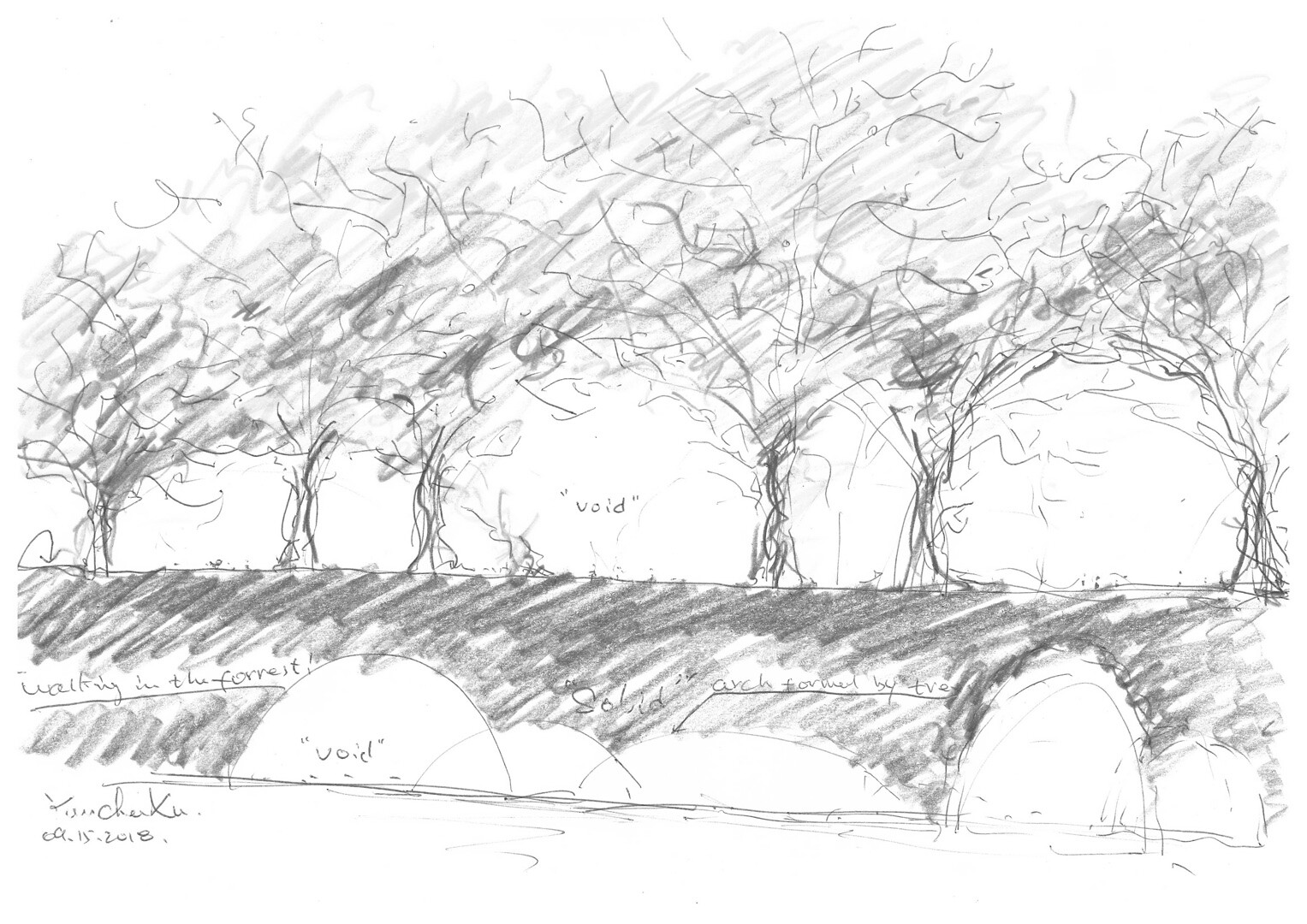
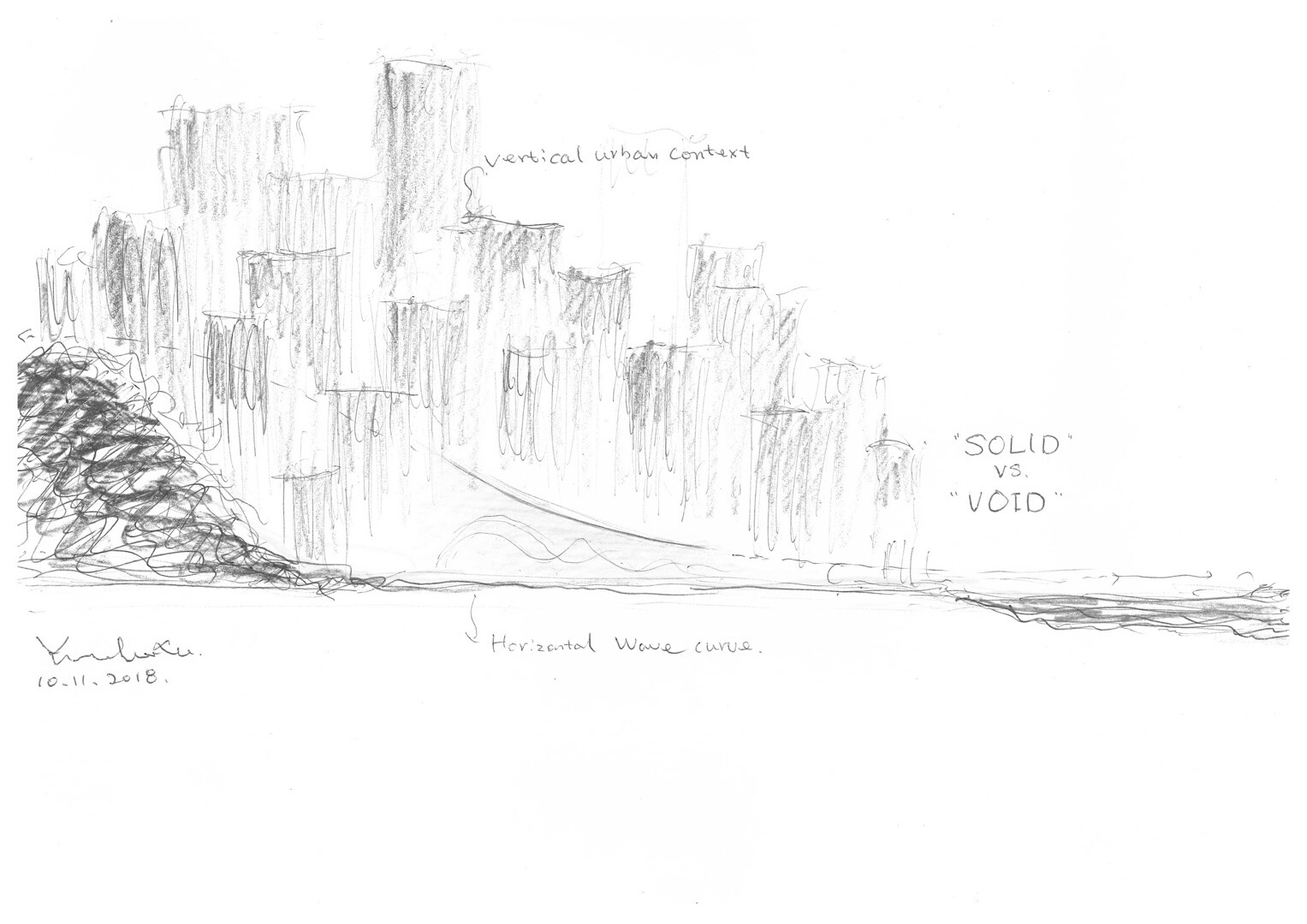
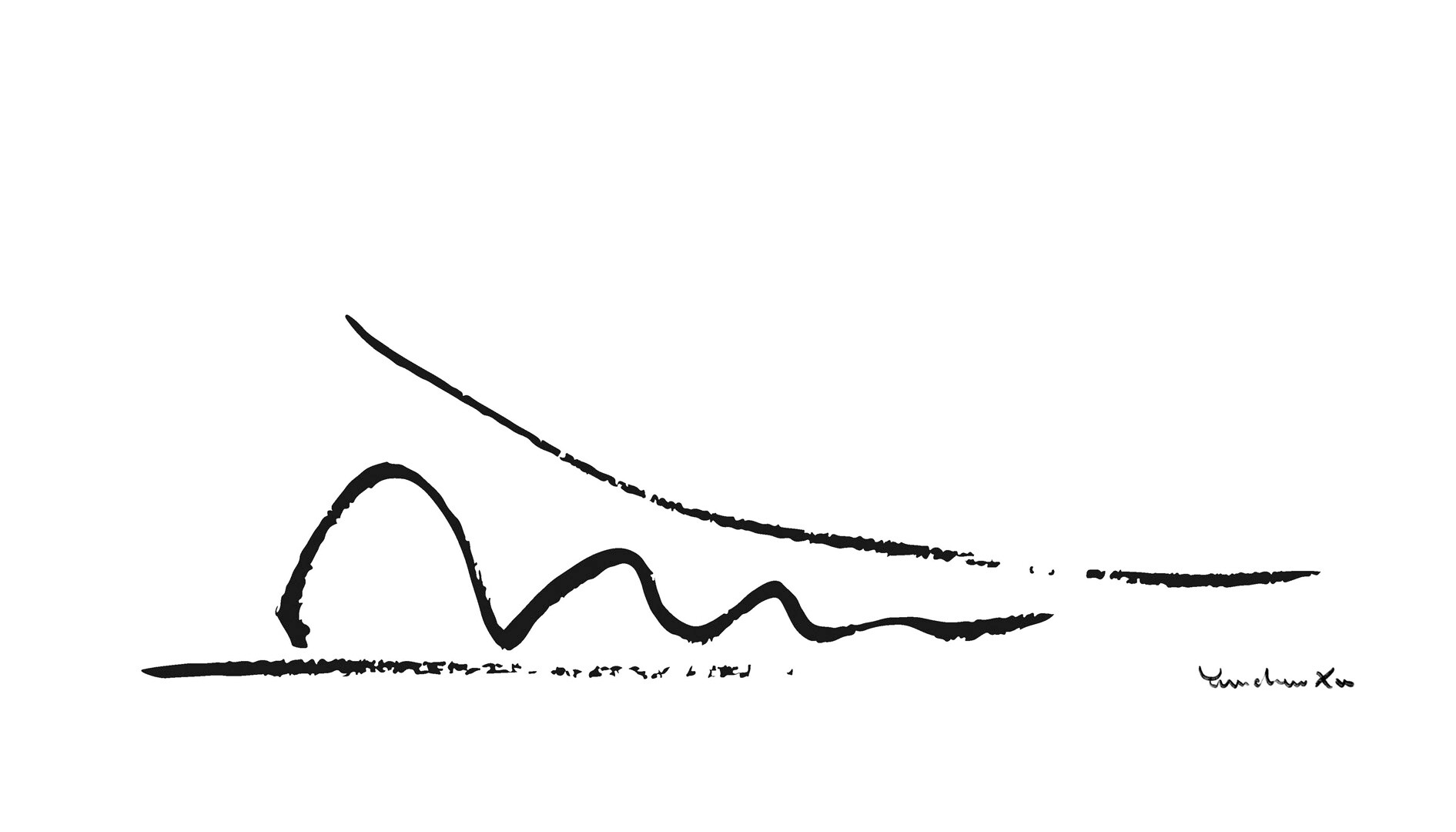
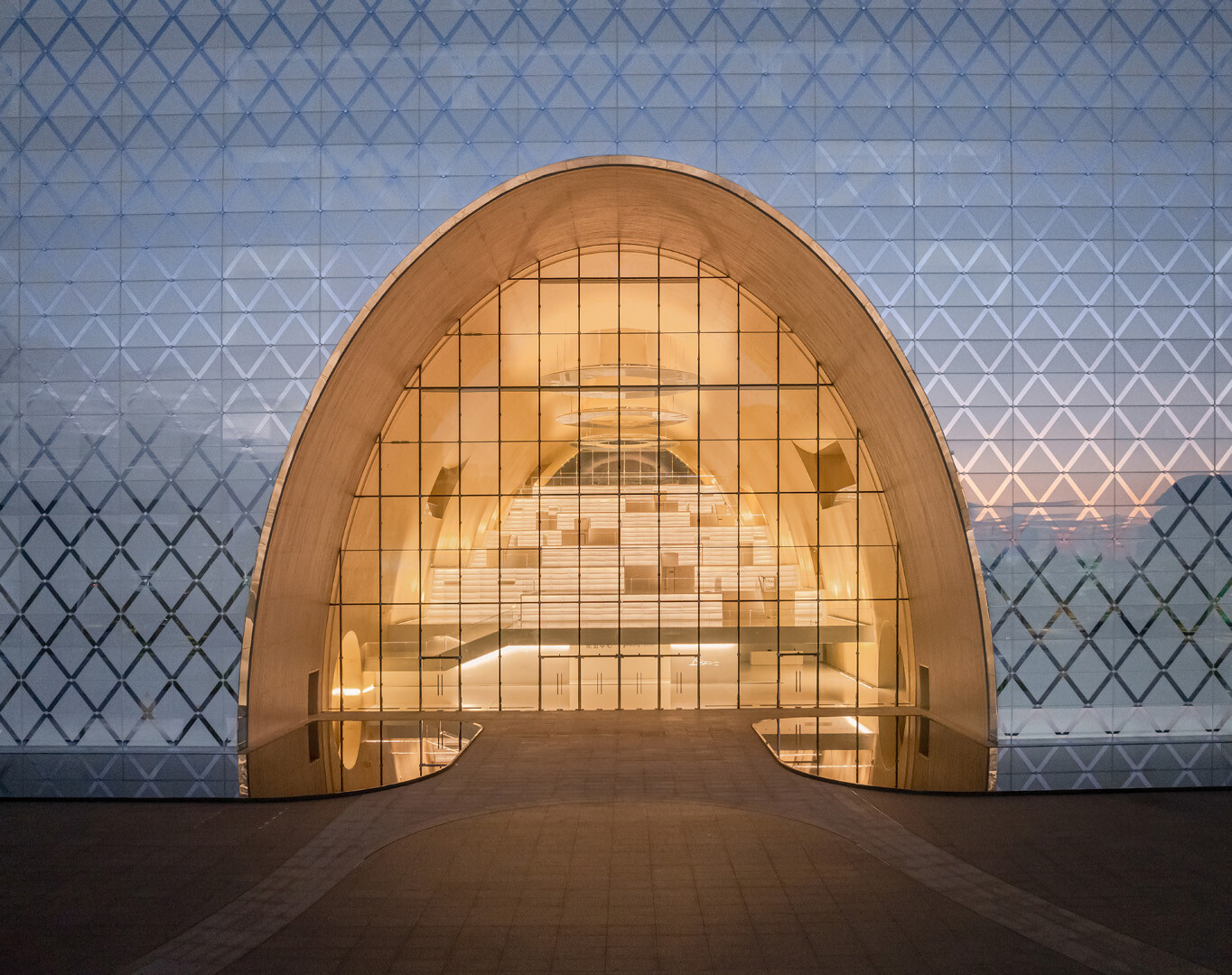
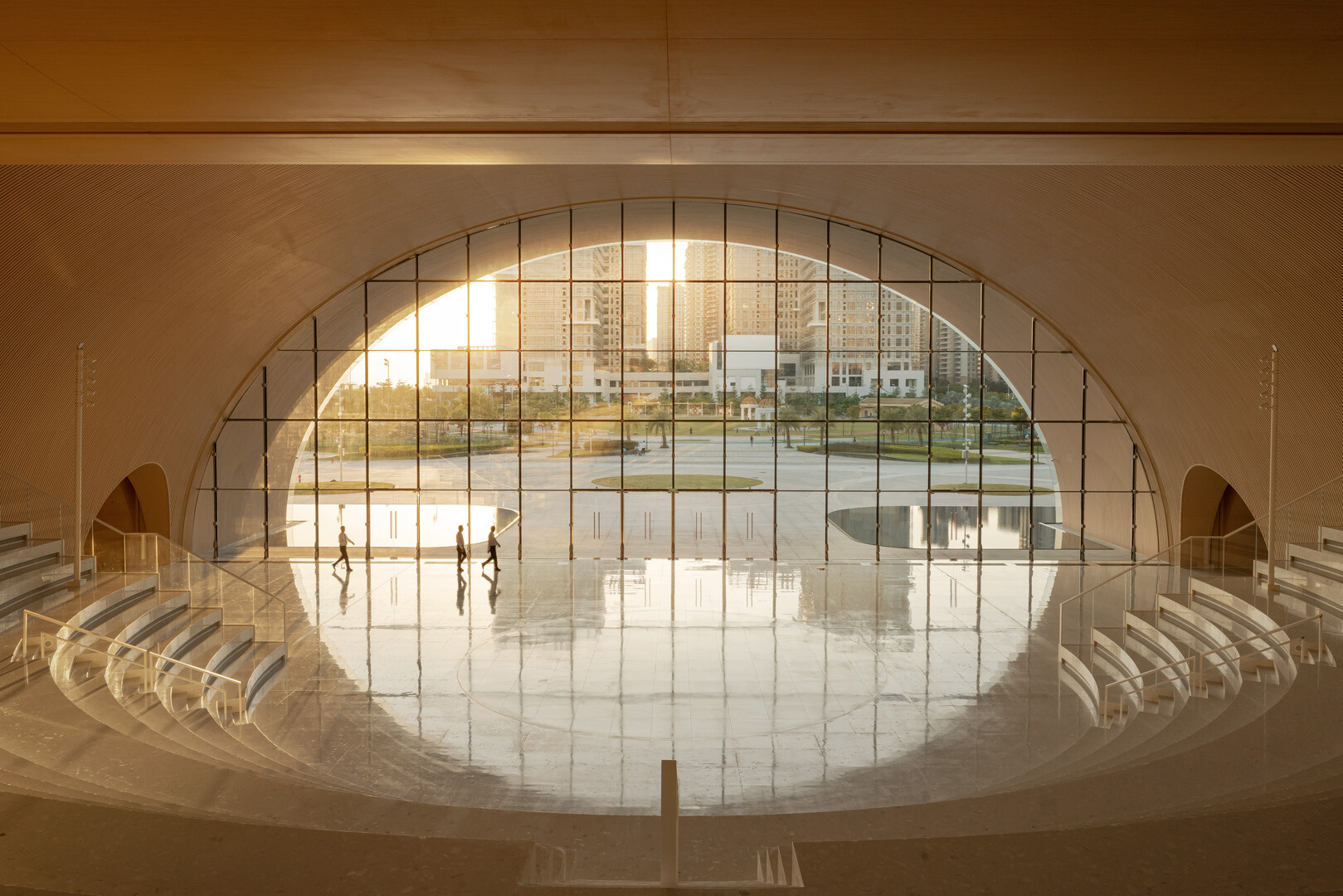
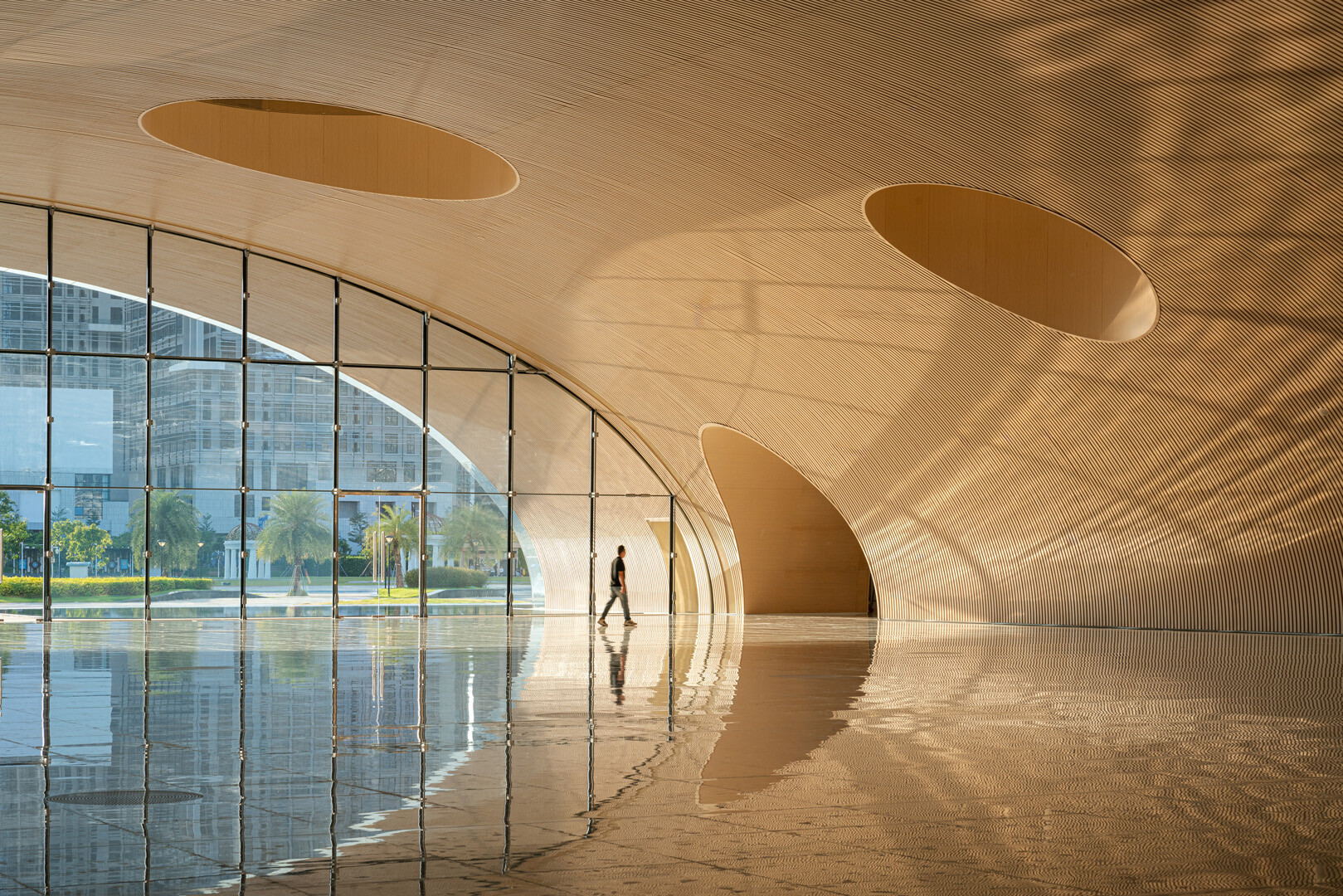
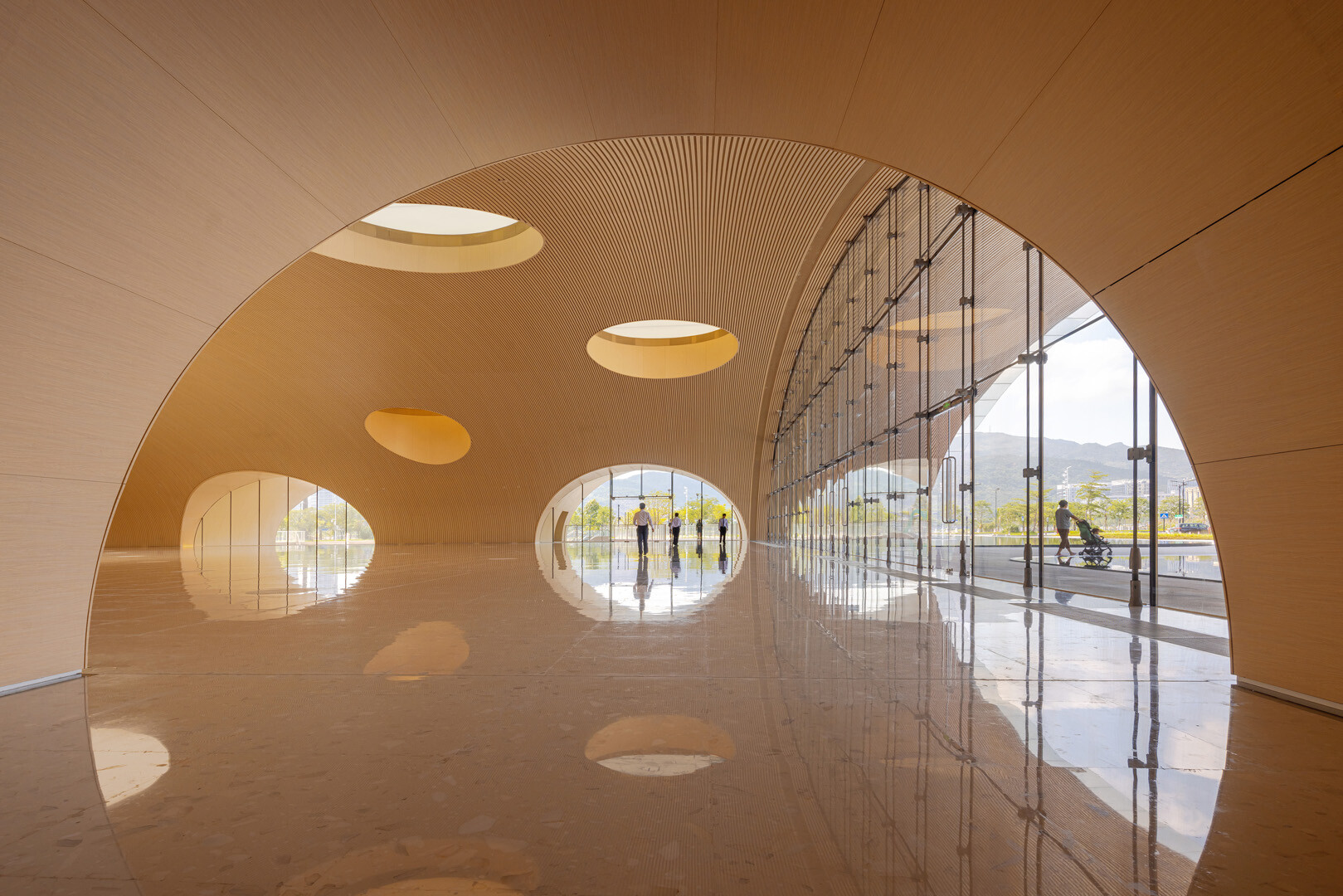
At the heart of the structure are three monumental arches—each a gateway to one of the main halls—shaped by the geometric principles of the catenary curve—a form historically revered in both Eastern and Western architecture for its structural logic and poetic elegance—a lineage that informed lead architect Yunshan Xu’s design thinking. for its structural logic and poetic elegance. These arches not only meet the technical demands of large-span construction but also embody a welcoming threshold. Their interior surfaces, clad in bamboo and wood, lend a tactile warmth, while skylights above bring in natural light from the rooftop garden, diffusing a gentle luminosity into the space below and establishing a quiet dialogue between interior and sky.
➤ Photography by Shengliang Su
➤ Photography by Shengliang Su
➤ Photography by Shengliang Su
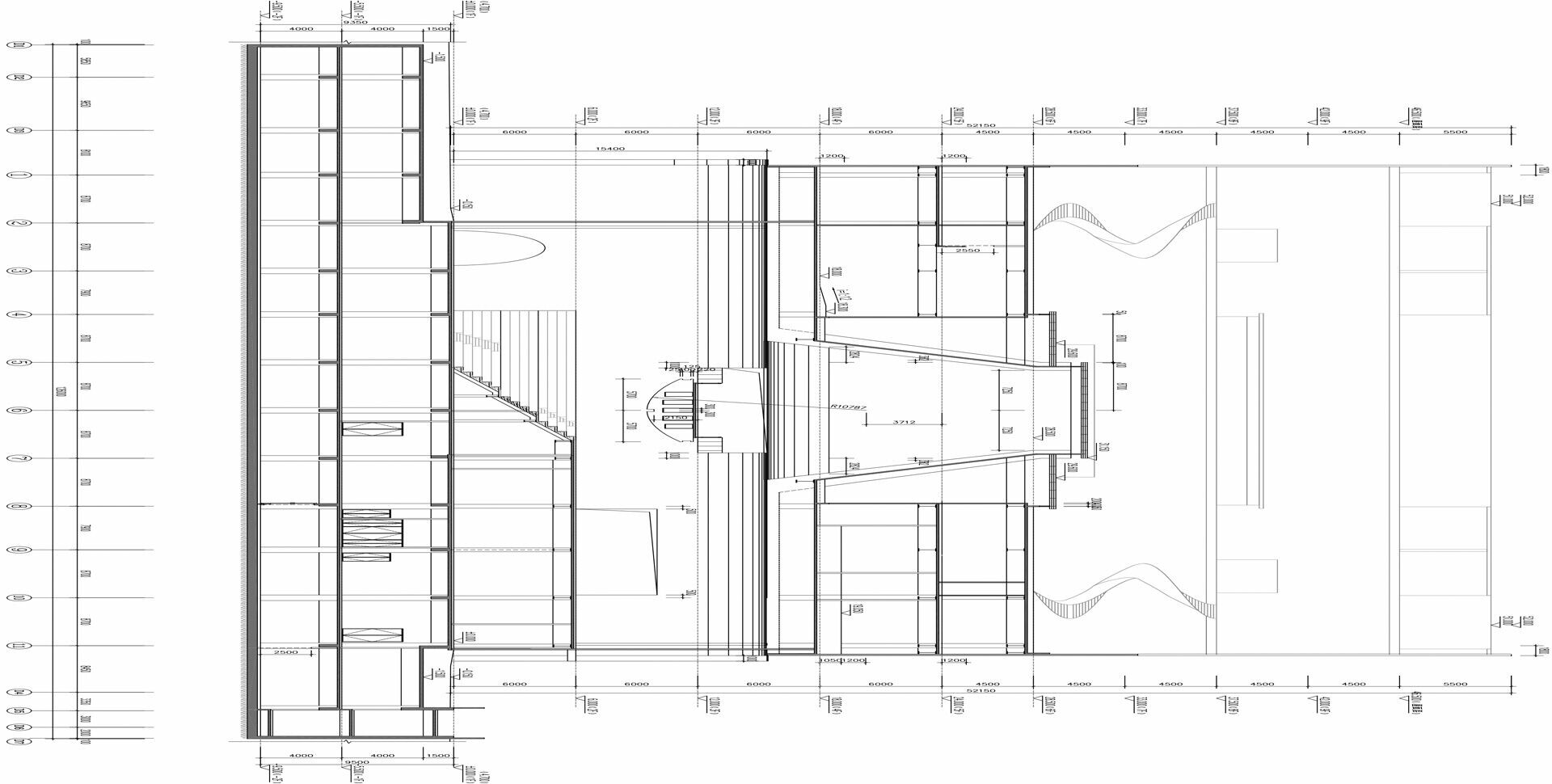
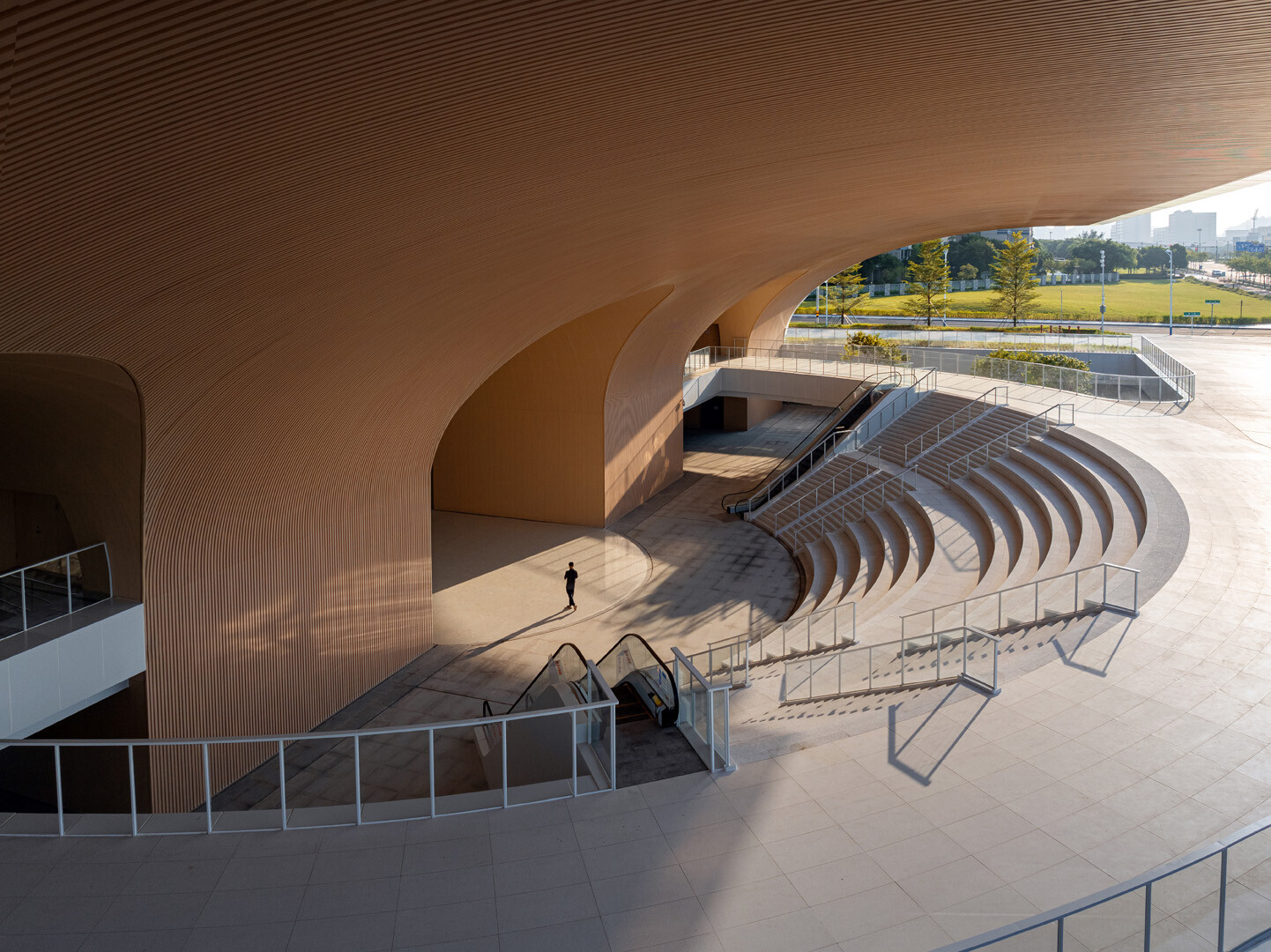
Each of the three halls is defined by a distinct spatial and experiential identity. The Knowledge Hall, inspired by the Odoi Library in Helsinki, departs from the conventional library typology. Designed as a vertical village composed of crystalline “book blocks,” it serves as a luminous civic landmark symbolizing intellectual openness and shared learning. The adjacent Performance Hall houses a large open stage and a black-box theater, capable of accommodating dance, music, theater, and opera. The Exhibition Hall, characterized by its porous structure, incorporates strategically placed openings—reminiscent of “cheese holes”—which filter natural light into the space, crafting an immersive environment for exhibitions spanning art and science. The complex’s architectural and landscape design draws heavily from natural prototypes—terraced topographies, cave-like recesses, and layered cliffs. A series of four tiered rooftop platforms, cascading like green terraces, host diverse public programs: a community amphitheater, a children’s playground, a shared garden with canteen facilities, and a rainwater eco-garden integrated with sustainable technologies. At the highest level, visitors ascend a spiral staircase into a bamboo grove beside the Sky Bookstore, a contemplative space that offers panoramic views of the surrounding city and a moment of quiet retreat.
➤ Photography by Shengliang Su
➤ Photography by Shengliang Su
➤ Photography by Shengliang Su
Faced with Hongqi Island’s unstable, silt-rich subsoil and elevated groundwater levels, the architectural team devised a sealed underground support system coupled with a network of anchoring mechanisms. While the specific foundation method is not disclosed, the design suggests a combination of box foundation and diaphragm wall techniques to counteract buoyancy and lateral movement—ensuring the structural stability of the massive volume above. Sustainability measures are embedded throughout the project, including local material sourcing, reuse of construction elements, reduced reliance on mechanical cooling, and long-term energy efficiency strategies. As both a cultural anchor and civic commons, the Hongqi Culture & Art Complex extends beyond its physical boundaries to shape the social and cultural contours of a growing metropolis. Framed between hillside and river, the building’s catenary-inspired geometry not only articulates a new skyline for Hongqi but also embodies the evolving identity of a city where culture, community, and design converge.
➤ Photography by Shengliang Su
Lead Architect | Yunchao Xu
Architects | Jiachuan Qi, Hongrui Liu, Kan Gao, Guohong Li, Zhendong Shi, Jianxuan Chen, Shengjie Zhang, Kun Qian, Kai Liao, Zheng Xu, Zhen Shen
Type | Cultural Complex
Materials | Glass Curtain Wall / Bamboo / Wood / Concrete
Structure & HVAC | SZAD
Landscape Design | GVL Green View Landscape Group
Lighting Consultant | GD Lightning
Acoustic Consultant | Zhongfutai Architecture Construction Co., Ltd.
Interior Design | Ruan Bin Design
Contractor | Zhuhai Jianan Group Co., Ltd.
Client | Zhuhai Gree Construction Investment Co., Ltd.
Location | Hengqin Island, Guangdong-Macao In-Depth Cooperation Zone, China
➤ Photography by Yipeng Lv