Holiland 1992 Concept Store
Kuanzhai Alley, known for its historical architecture form for being the last relic of ancient Chengdu, it has been the epitome associated with the continuation of history and also a rare example of northern Hutong culture applied in the south. From the residence for military in Qing Dynasty to the modern culture-infused business district, Kuanzhai alley has always been an embodiment that embraces the contemporary trends and fosters a view towards the future.
千百年來,寬窄巷子一直是成都這座古老城市文脈延續的縮影。在建築上這裡不僅是老成都「千年少城」的最後遺存,同時也是北方衚衕文化在南方的唯一樣本。從清朝八旗兵營的宅院到現代化的歷史文化商區,寬窄巷子始終是一座包容當代並書寫未來的載體。
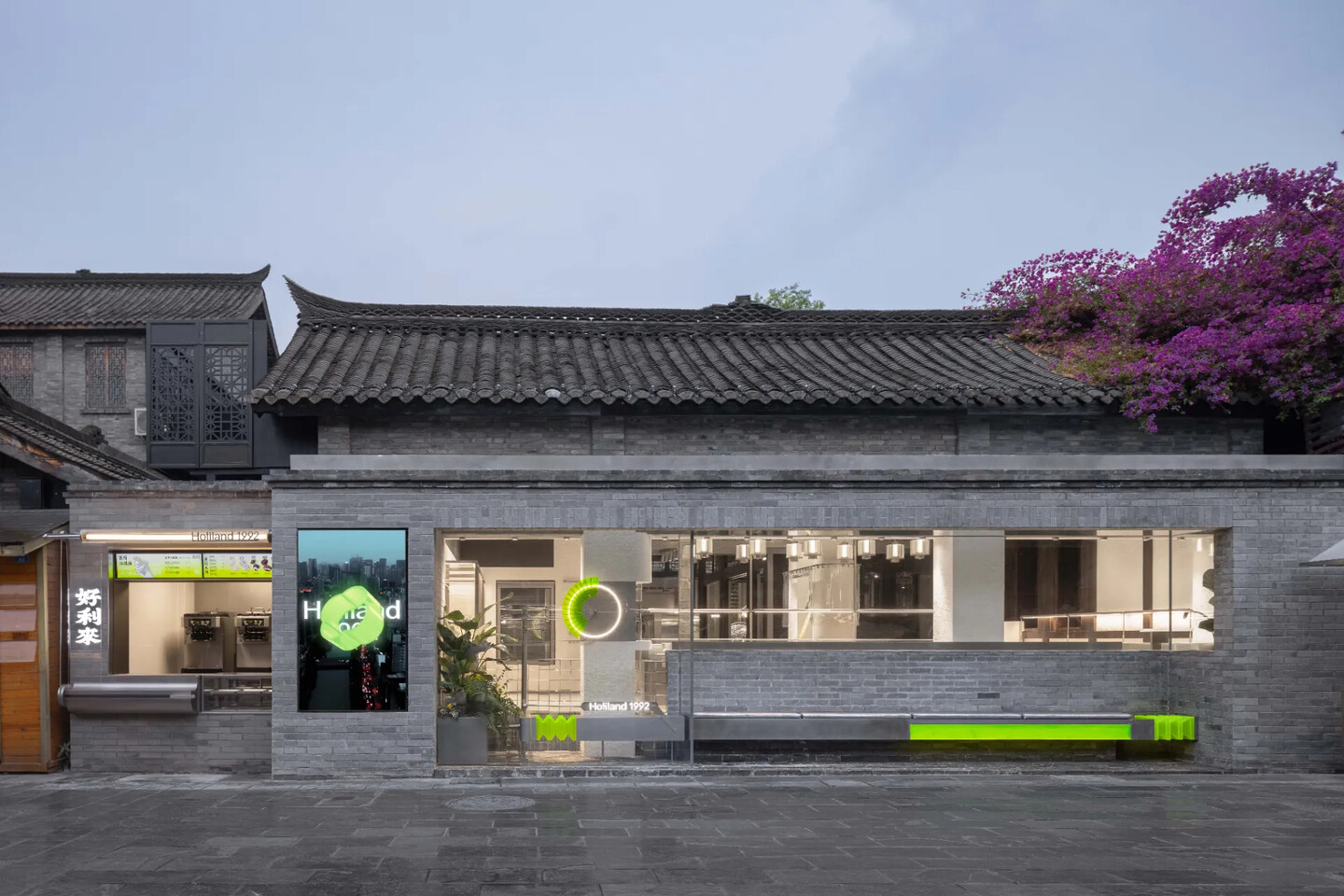
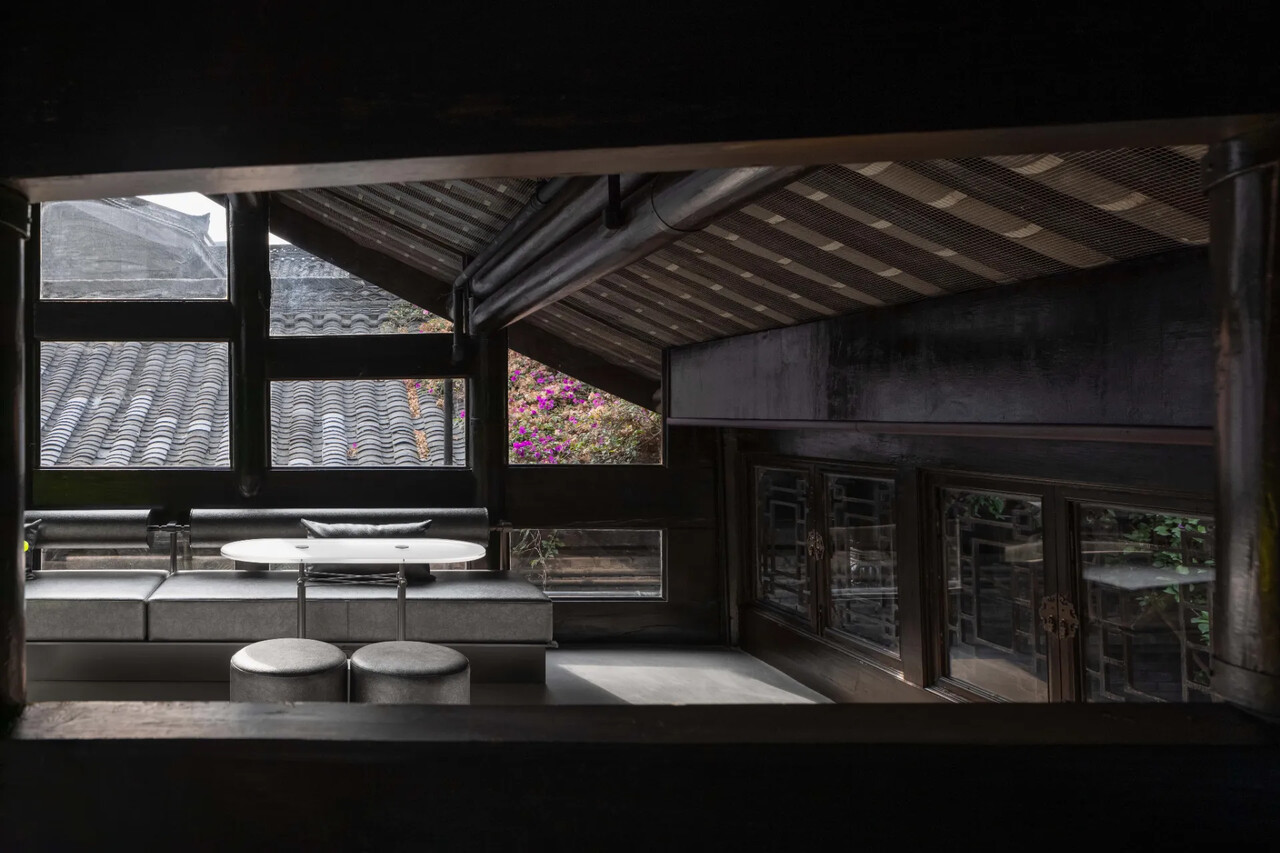
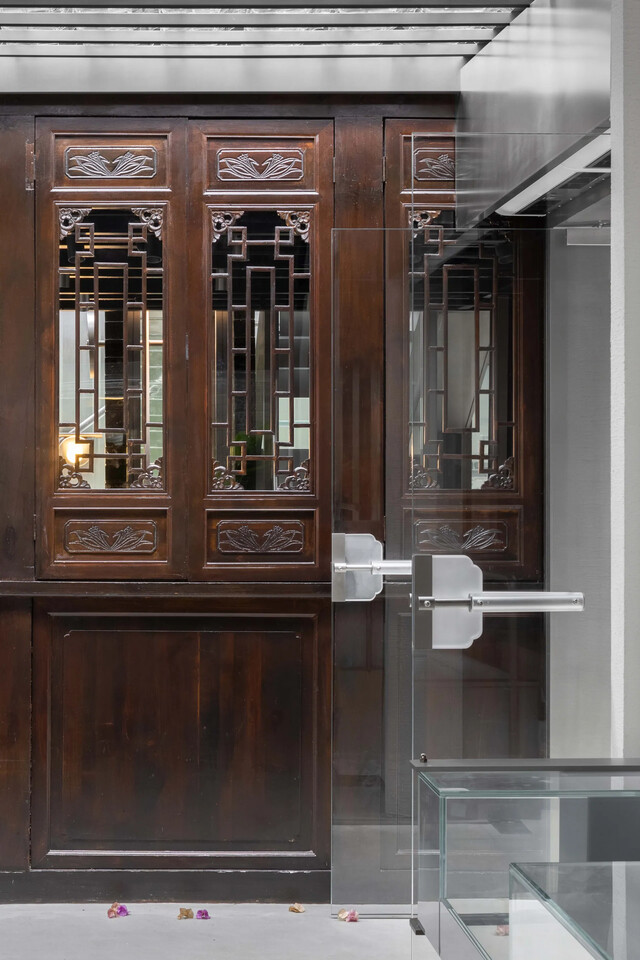
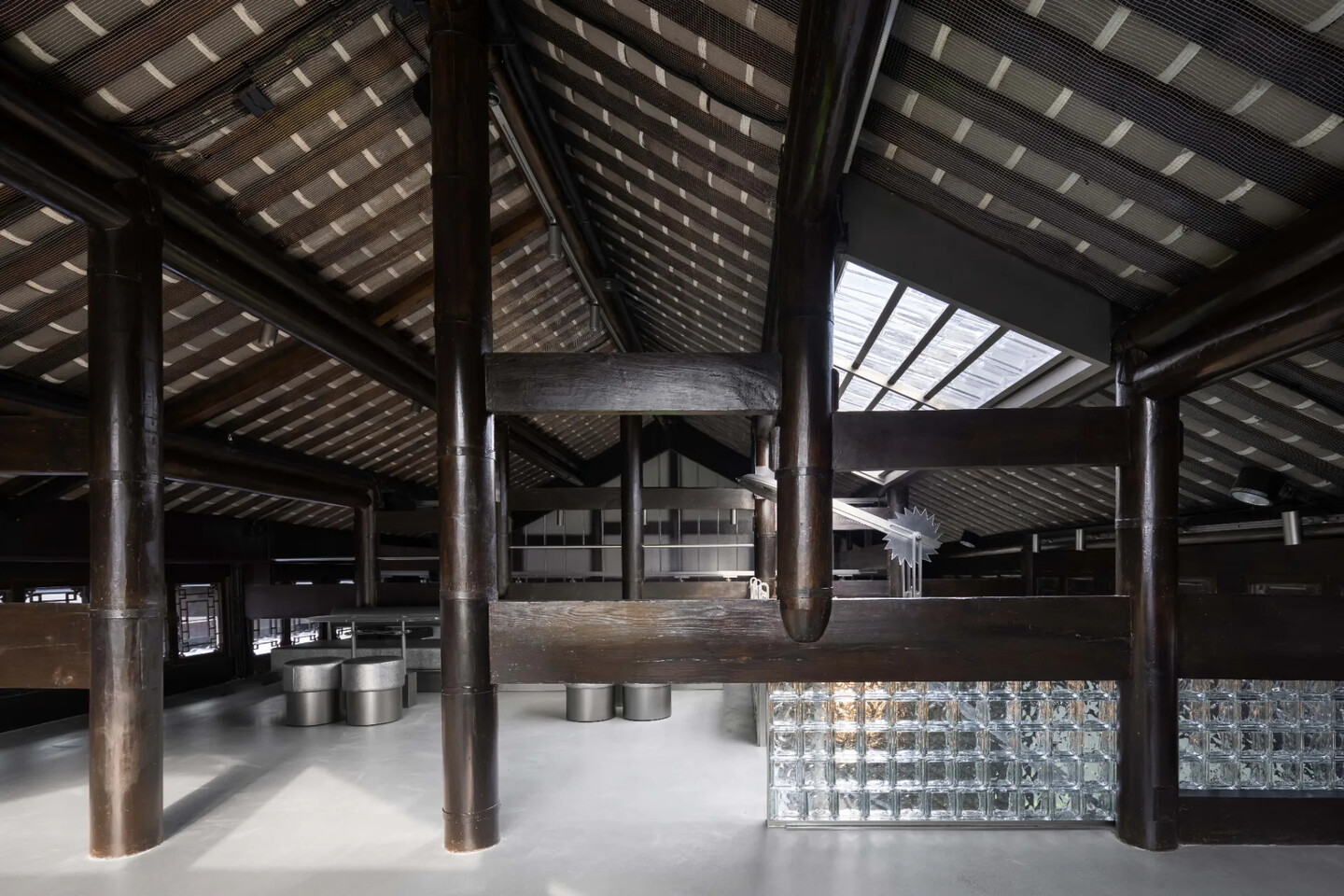
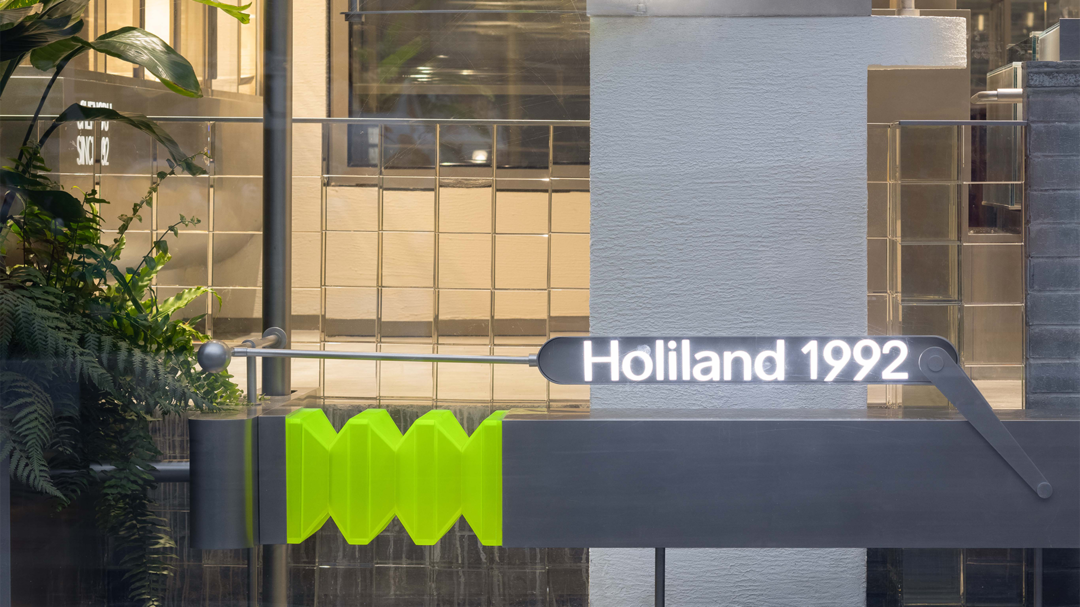
Set in Kuanzhai Alley, Holiland 1992 Concept Store is conceived to pay tribute to the tradition with contemporary design methods and retrospect the development of the brand in the past decade since its establishment. In finalizing the concept, Some Thoughts believes that by derivate from a certain kind of style-driven design, whereas pursues a relationship between “forms” and “material origins” beyond times that our reflections towards traditions in a historical space could come into being.
入駐寬窄巷子,期盼以當代的表達方式向傳統致敬,並回顧品牌創始至今幾十年來的發展歷程。Some Thoughts認為對回顧傳統,在理解上需要避開某種風格的驅動,同時尋求一種超越時代背景的形式與材料之間的關係。
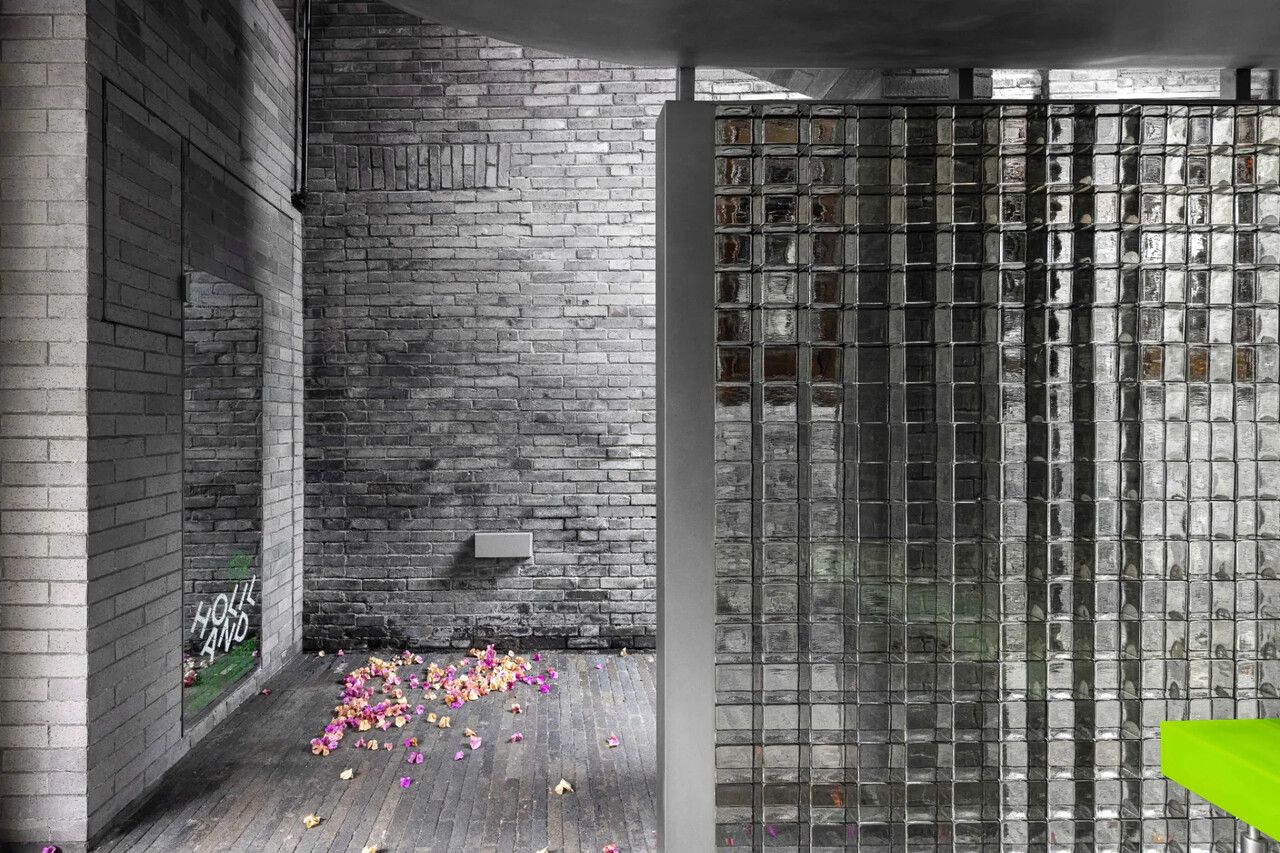
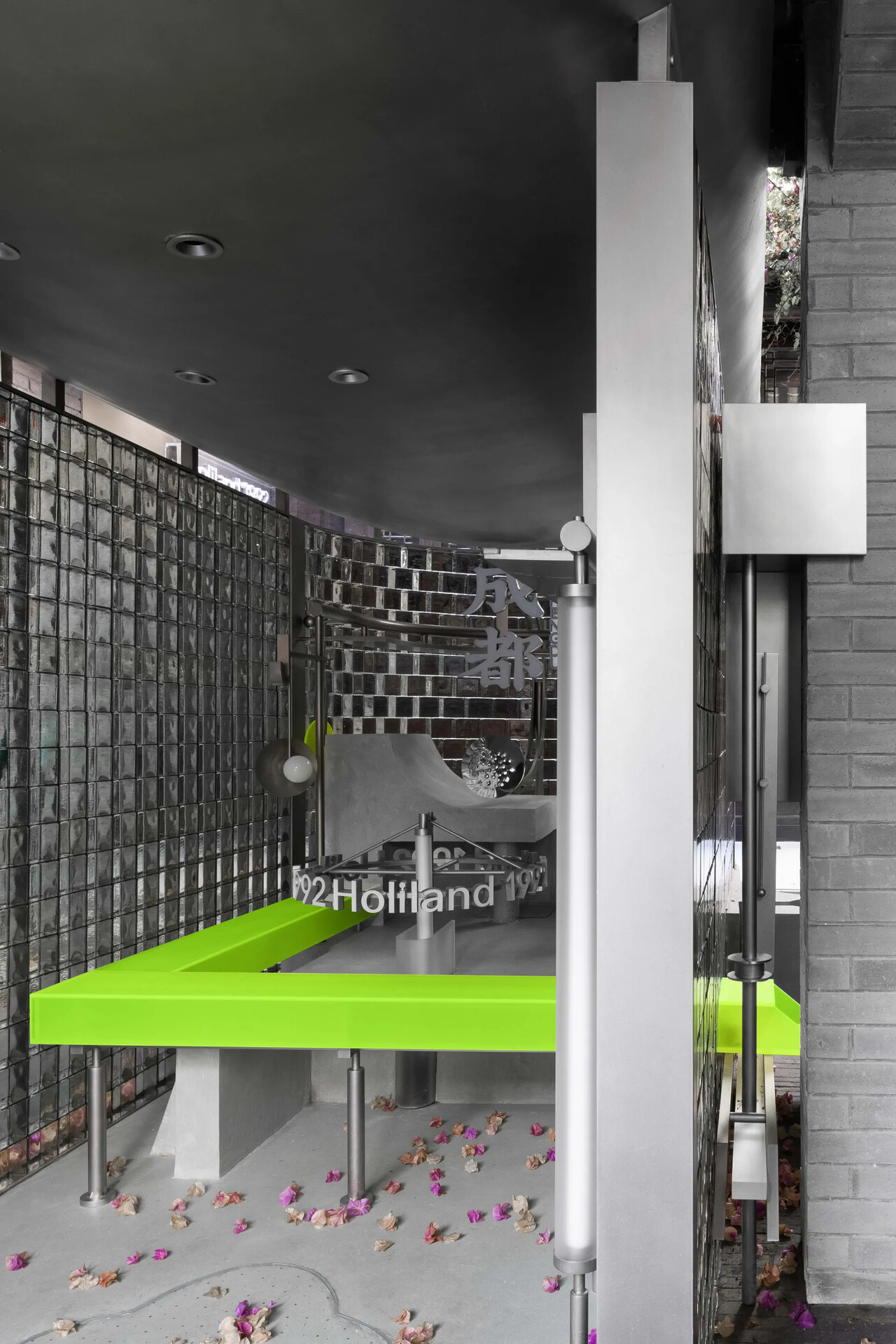
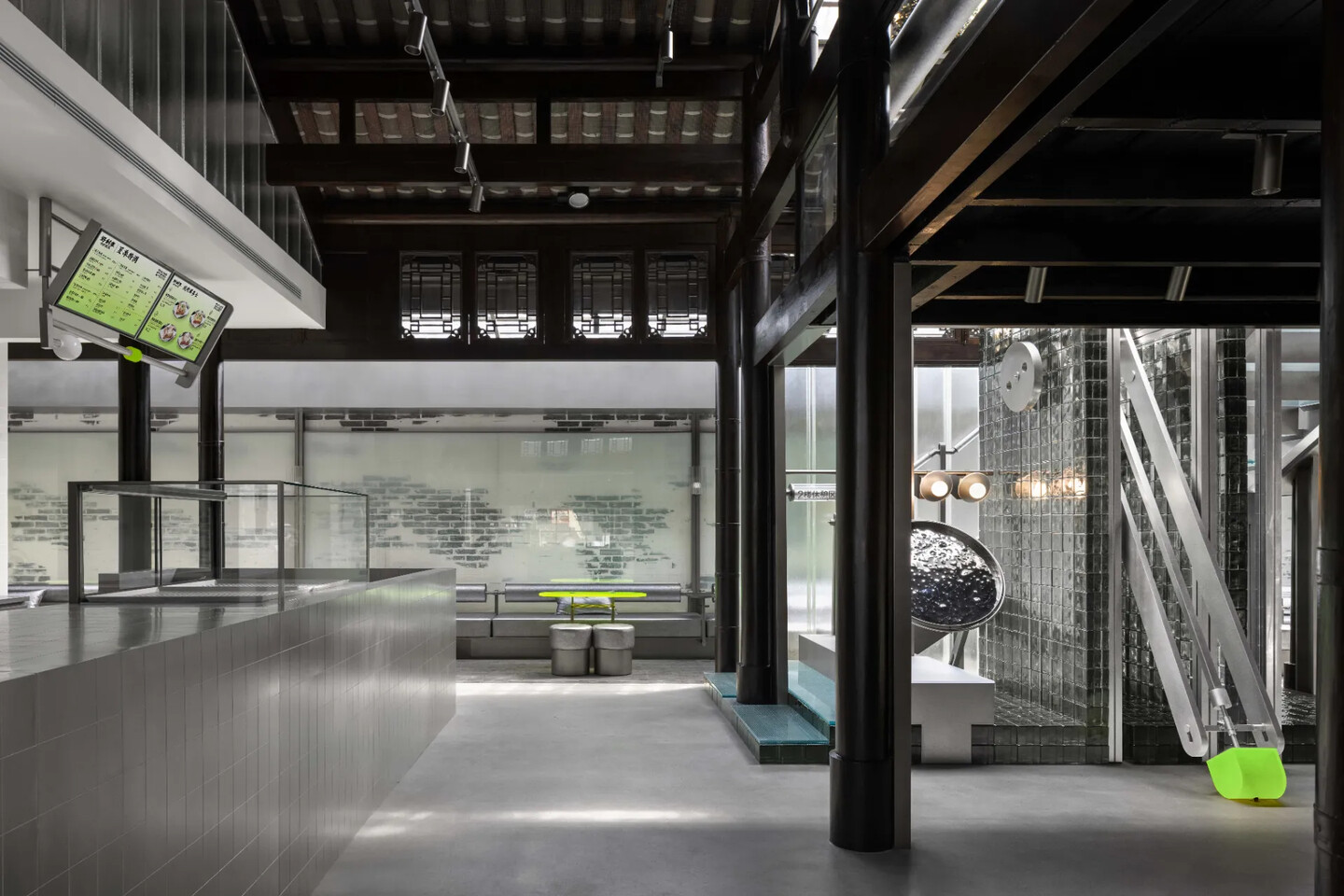
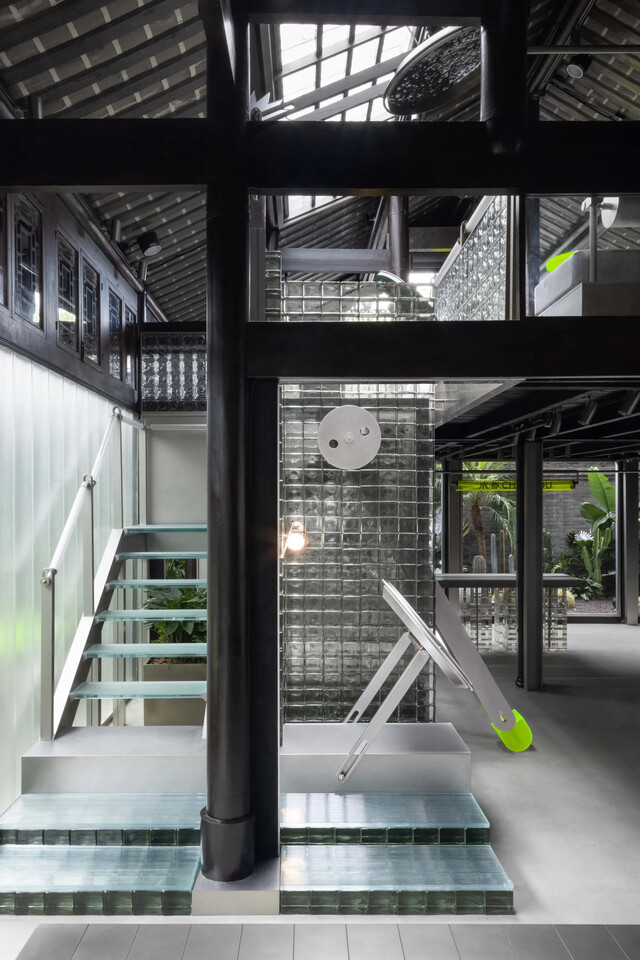
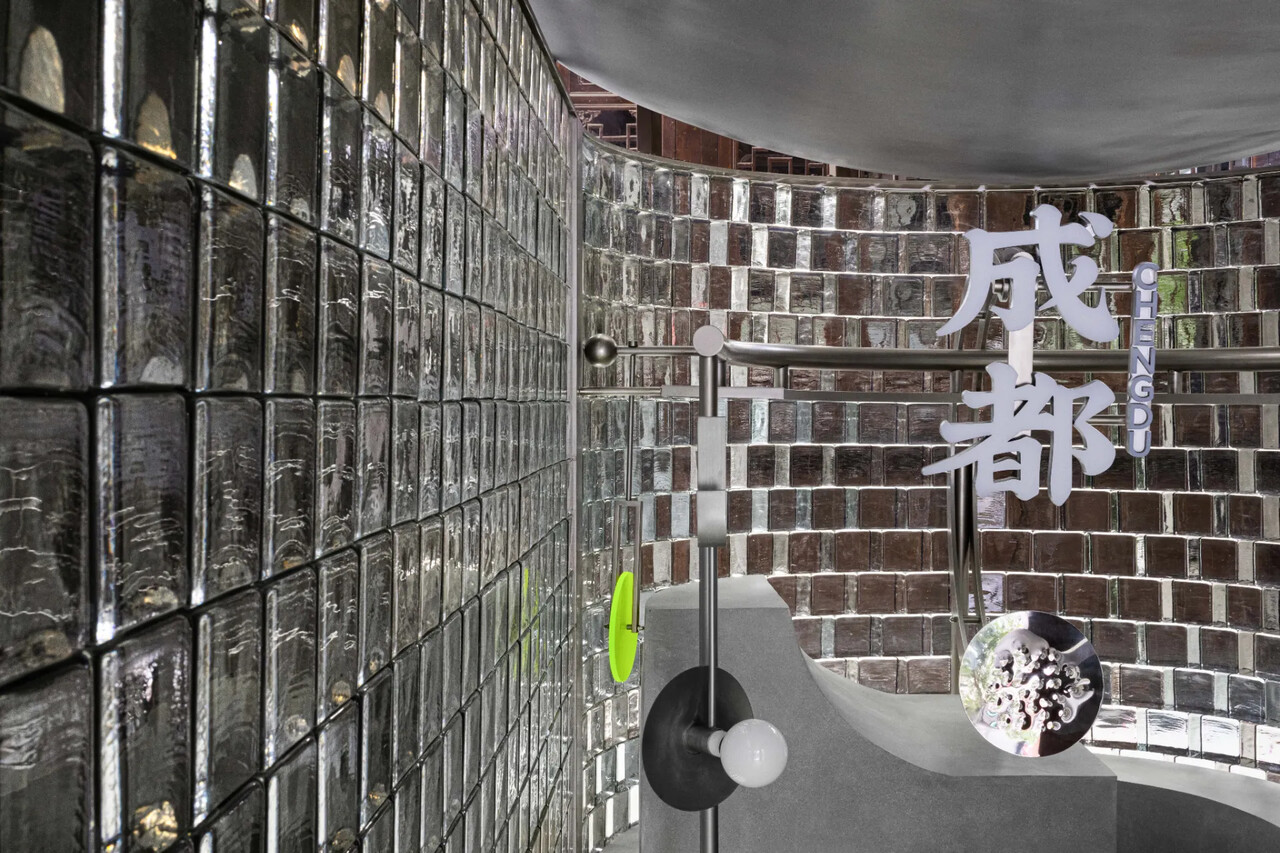
By further articulating the relationship between commodities and materials, we discover the fact that bakeries obviously differentiate glass bricks, tiles in terms of its using and specifications in the space. However, tracing back to the manufacturing process of these items, a common feature that a fragile yet tangible solidity has been generated when the liquid is cooled at high temperature. Confronting the universality endowed in the elevation of convention to modernity, Some Thoughts expect to empower the interior with a completely new order and be re-understood and approached by the public. The glass tiles act as the filter to introduce the light, which plays and compliments with the roughness of materials in the entire space. A sense of ever-changing juxtaposition has been presented to the visitors as time goes on through the refract and diffuse of lights in space.
通過挖掘商品與材料之間的關係,我們發現糕點作為商品與空間中使用的玻璃磚、瓦在用途和規格上都有著明顯差異。但追溯其製造過程,當液態狀經過高溫冷卻後,一個既易碎又有形的固體被製造。在傳統迭代至今的共性面前,我們期待它們去賦予空間某種新的秩序並被到訪者重新理解和接近。利用玻璃瓦作為濾光器,使之在空間中折射、漫反射,從而引發空間及粗糙表面與光線的相融,在時間的推移中讓到訪者體驗到一種多變的重疊感。
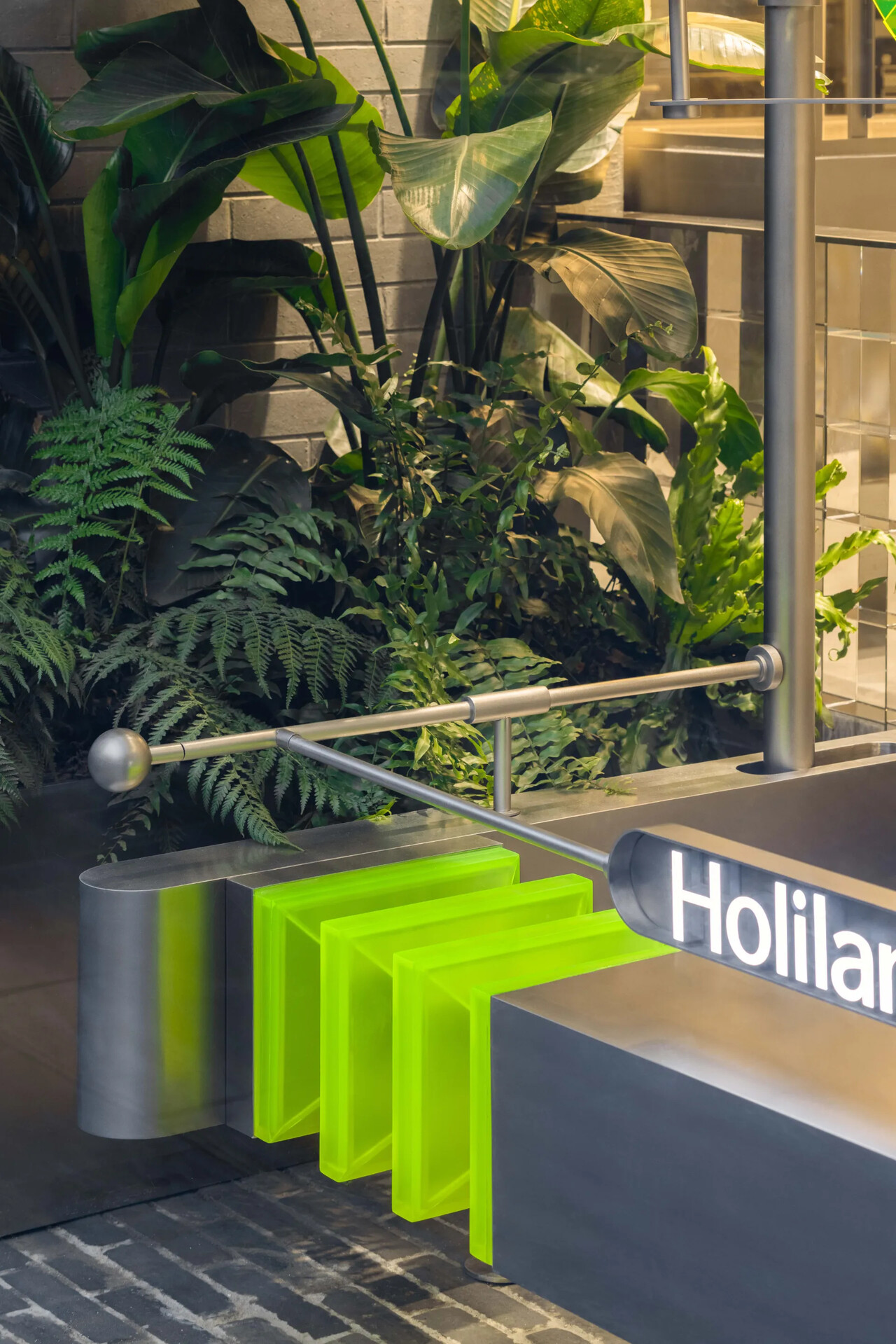
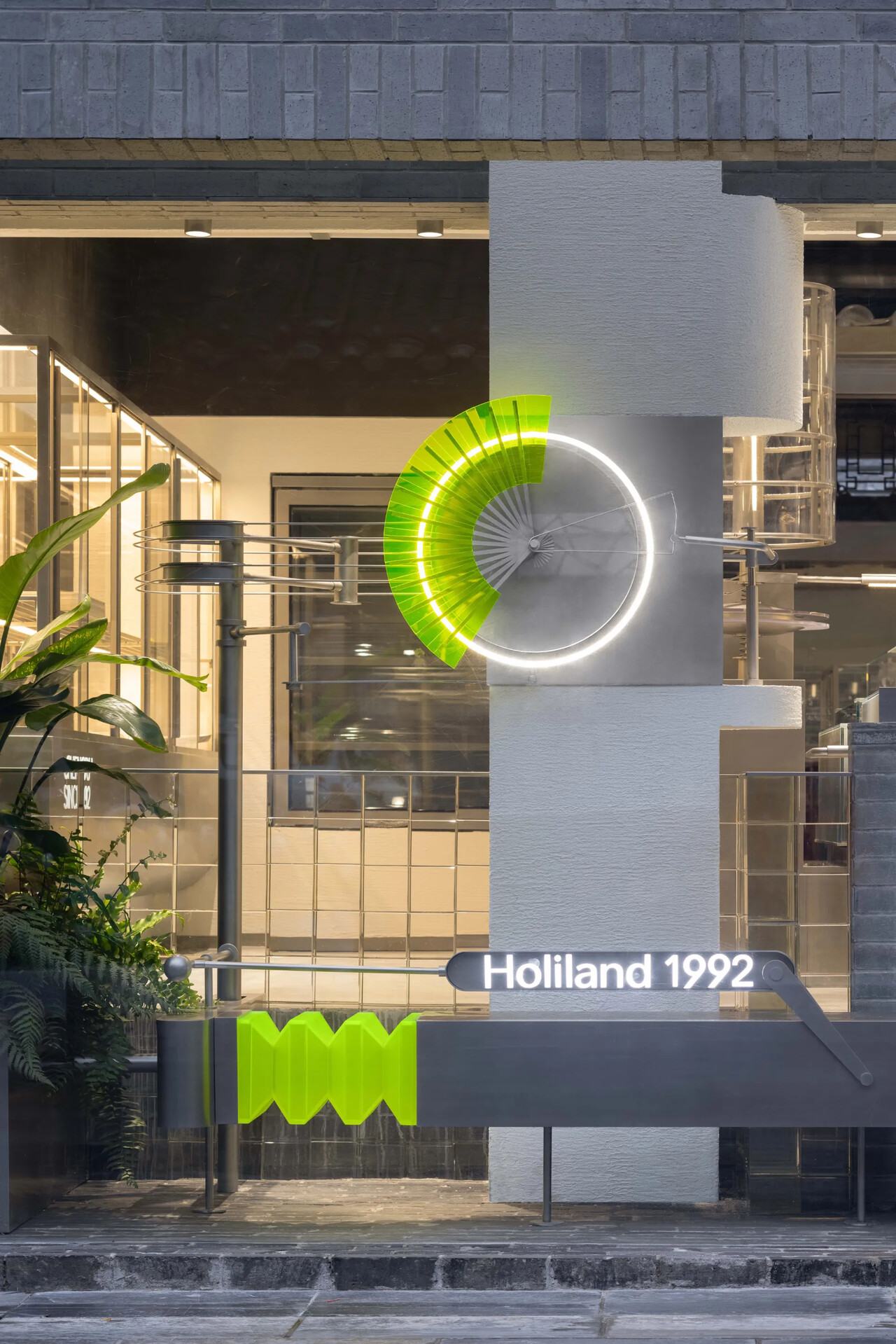
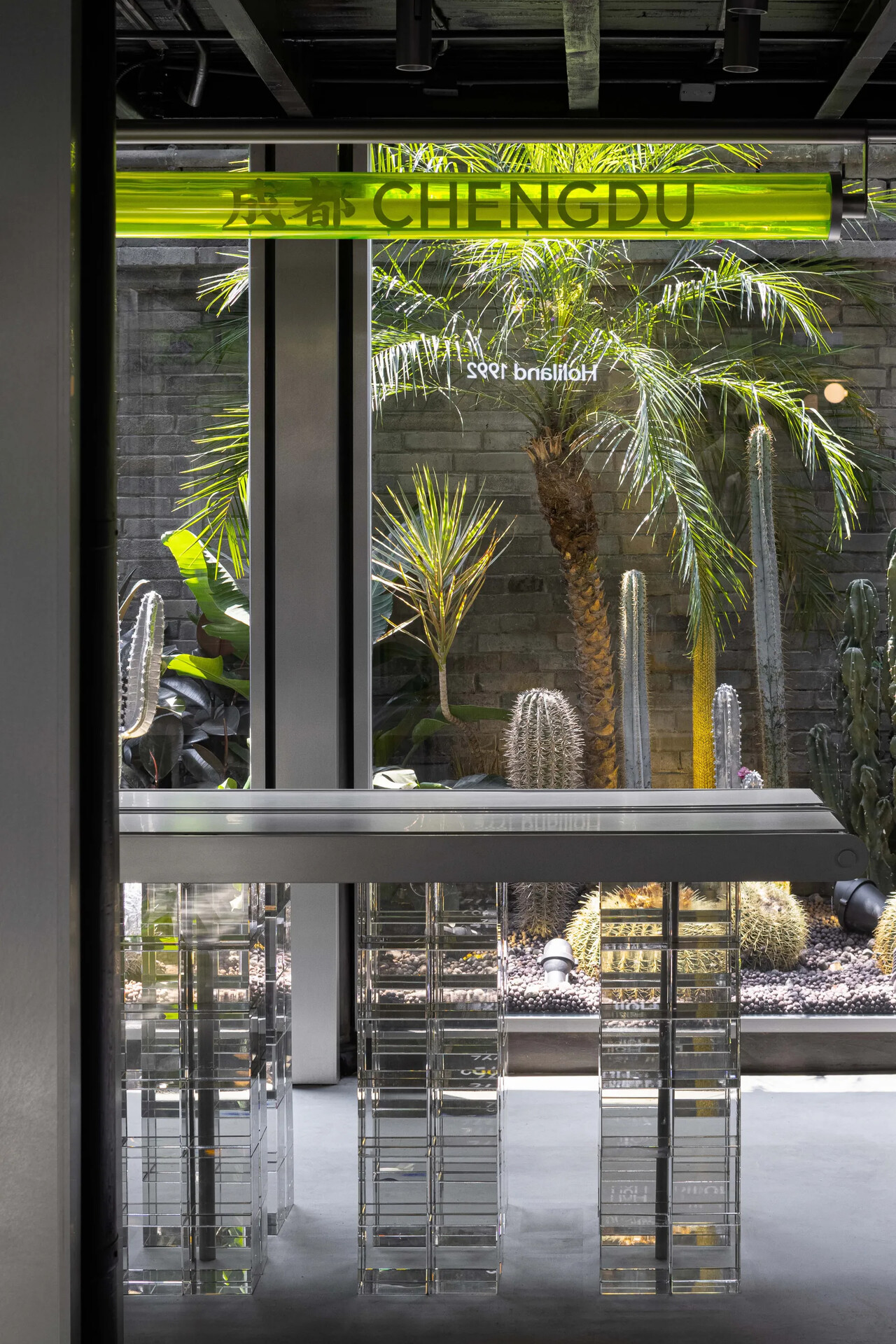
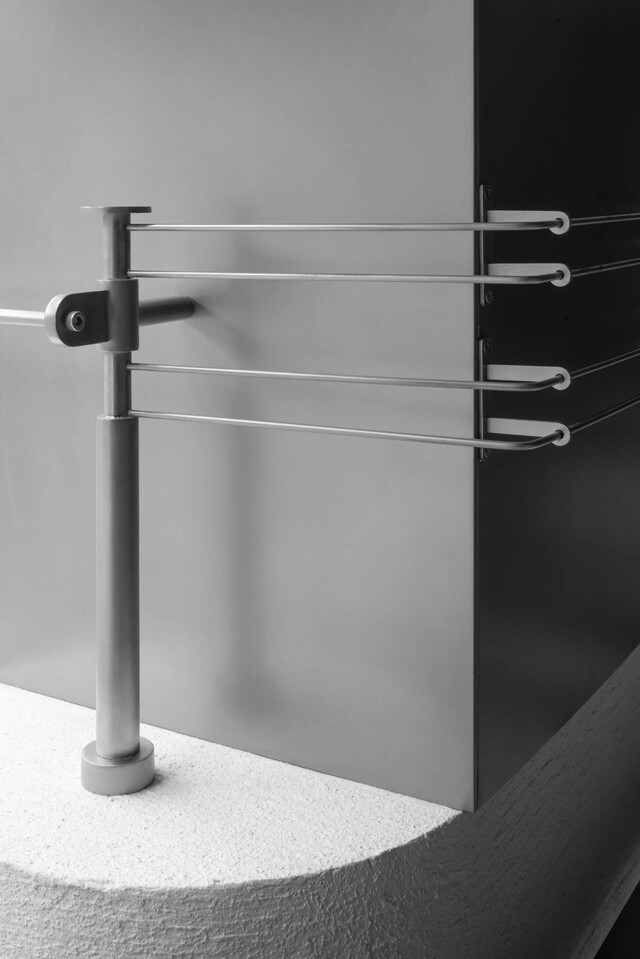
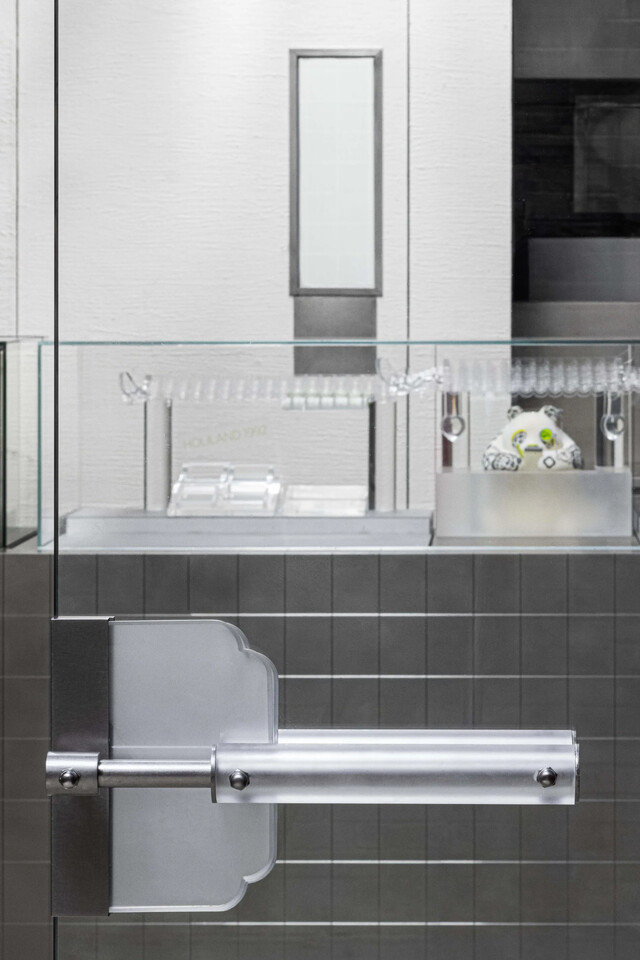
The designer attempts to re-optimize the visual points that often enshrine in a historical building by punctuating the interplay between installation and architecture. Hence, the visual impact has been extended and the blunt visual symbols are therefore blurred during one’s journey in the store. Visitors are guided with immersive exploration into tradition and contemporary in the carefully choreographed space, where the interior design represents a certain emotional context, and introduces a perceptible space to the public.
設計師嘗試將視覺附著在古建築的屬性上進行重組,通過裝置與建築的相關性在空間中拉開視覺的張力並模糊直白的視覺符號。空間提供了大眾對傳統與當代之間的全面探索,並代表了某種情感語境,輔助想法向到訪者輸出了一個可感知的空間。