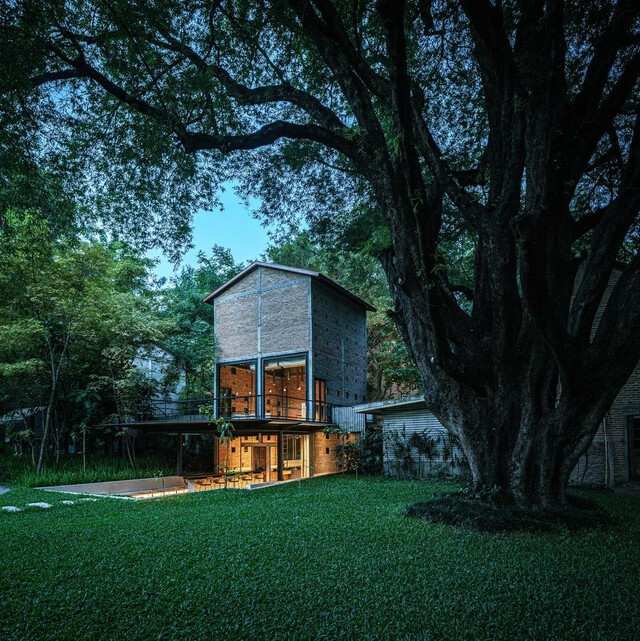
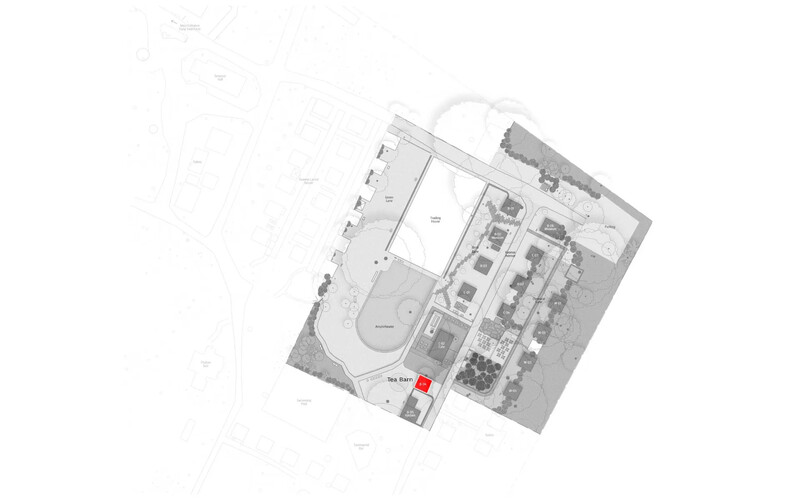
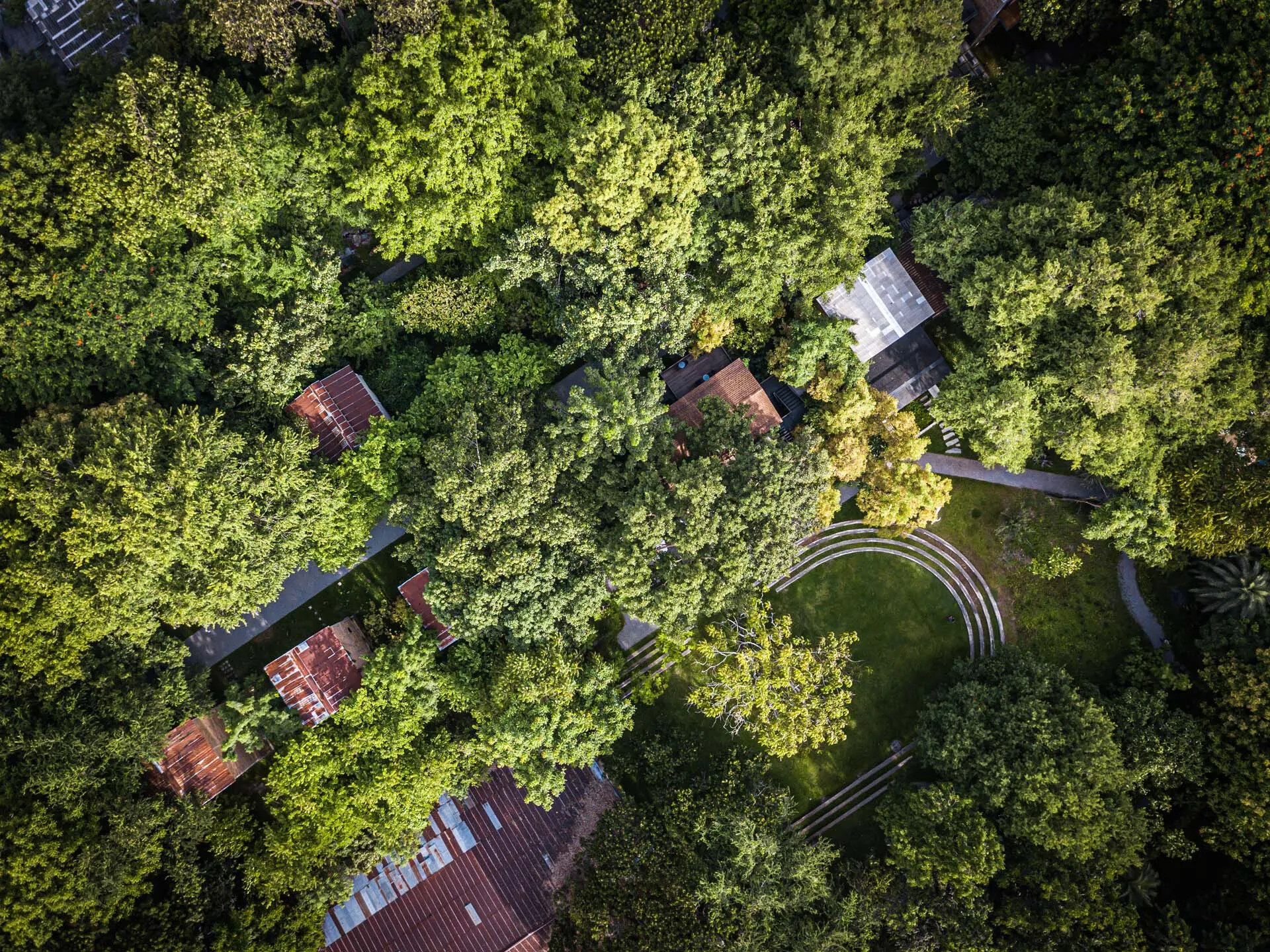
考麥茶莊是「考麥莊園1955」舊建築再利用,賦予它新功能的一部分,這是位於清邁數十年的煙草加工廠的振興項目。「考麥莊園1955」榮獲2018年聯合國教科文組織亞太區「遺產背景中的新設計」類別,文化遺產保護獎。作為新商業計劃,逐步整合莊園的一部分,項目地點謹慎選擇,尊重並連接周圍的生態、景觀與現有建築。因此,設計將考麥茶莊視為一個連接平台,水平和垂直地銜接考麥大道、露天劇場和考麥咖啡廳。
Kaomai Tea Barn is a continuously adaptive-reuse project within Kaomai Estate 1955, the revitalized project of a multi-decade tobacco processing plant estate in Chiang Mai. In 2018, Kaomai Estate 1955 was awarded by the 2018 UNESCO Asia-Pacific Awards for Cultural Heritage Conservation in New Design in Heritage Contexts category. As part of the incremental plan to unite new commercial programs in the estate, the project location is carefully placed to respect, yet link the surrounding ecology, landscape and existing buildings together. As a result, the design envisions Kaomai Tea Barn as a connection platform to link Kaomai Avenue, the Amphitheater, and Kaomai Cafe both horizontally and vertically.
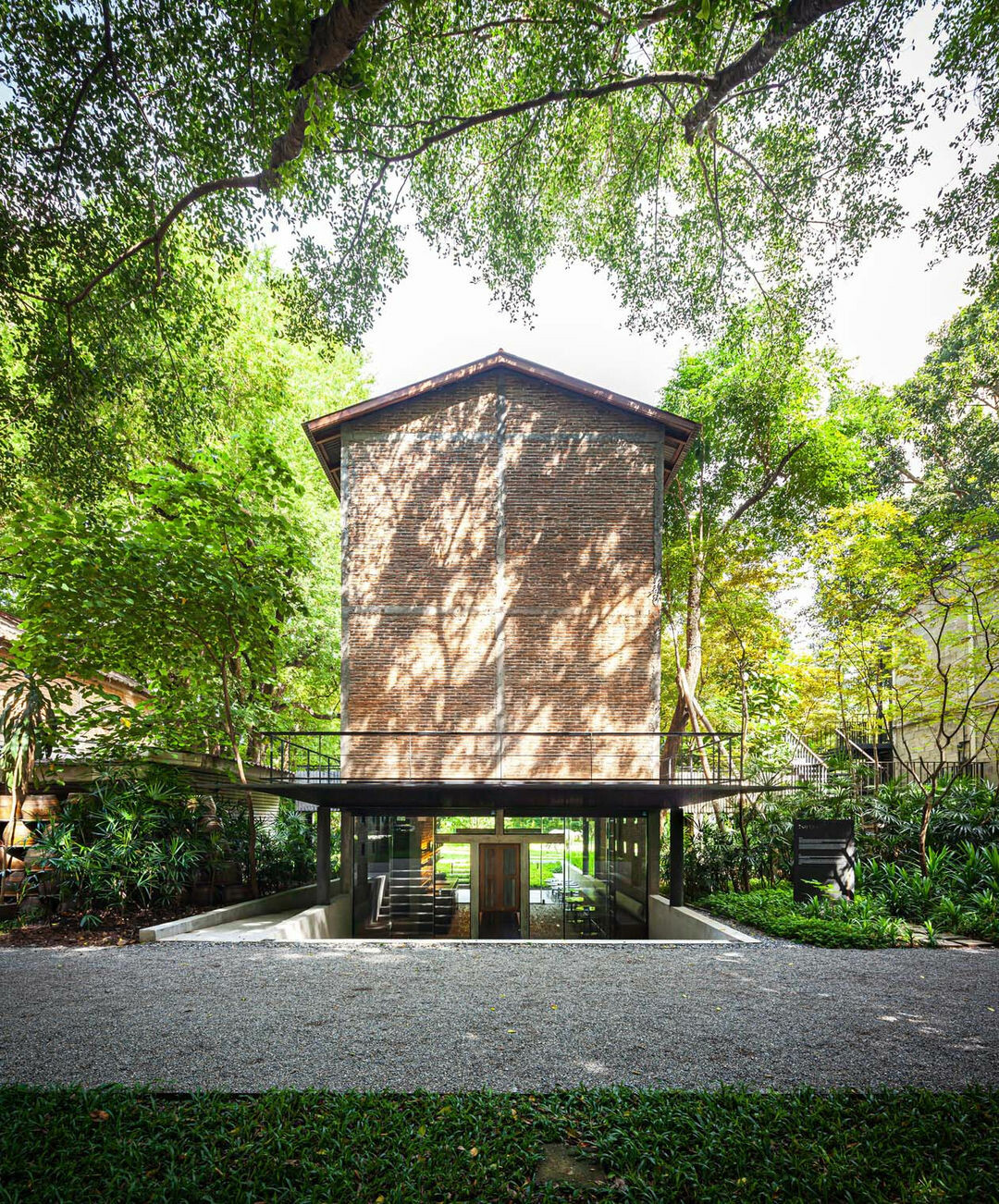
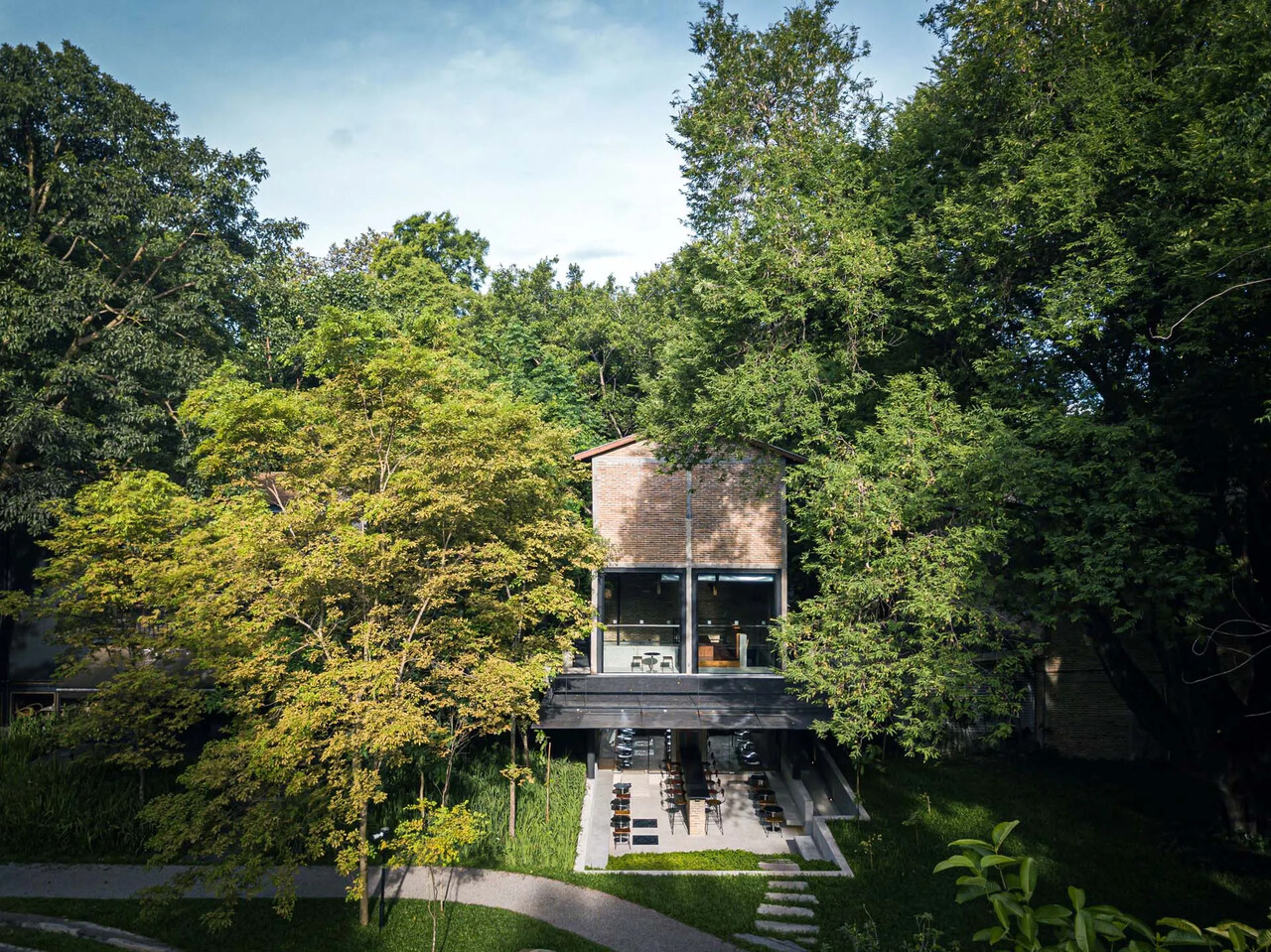
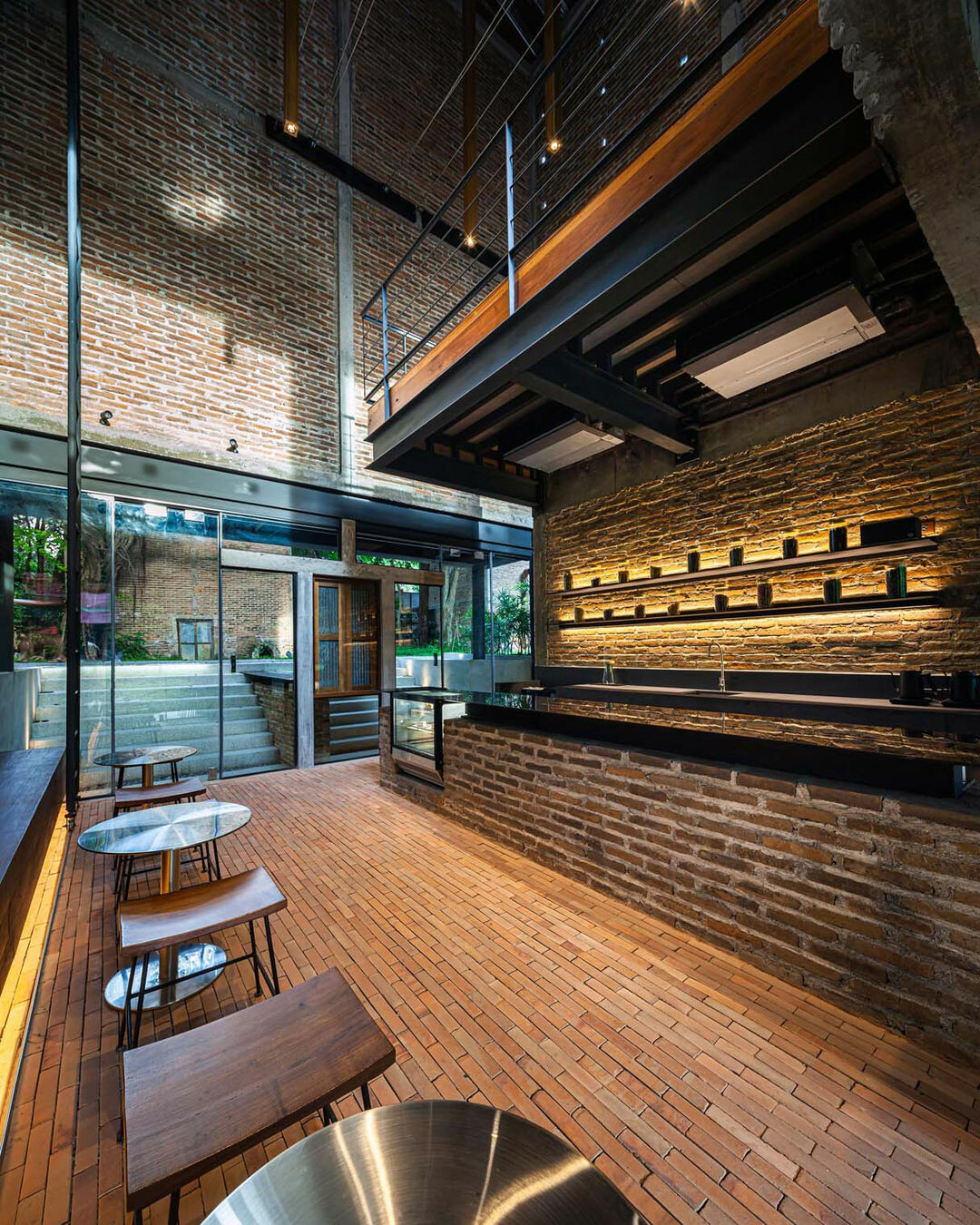
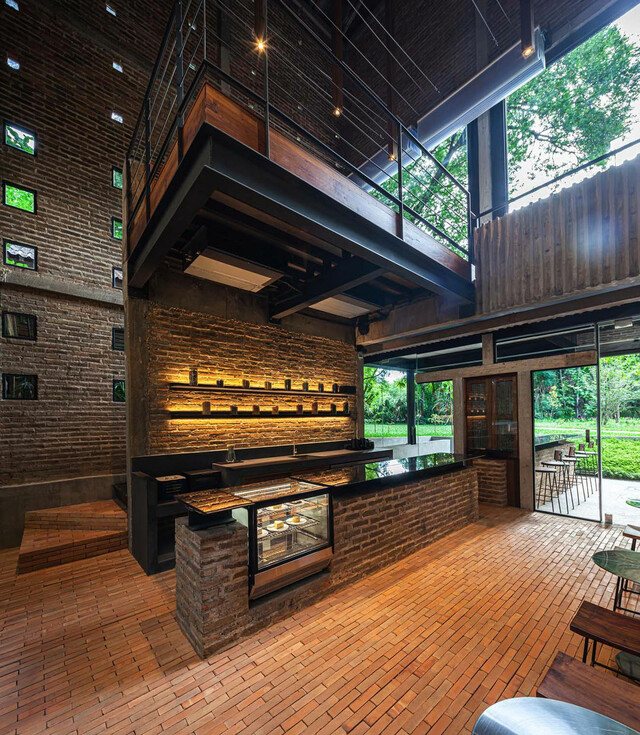
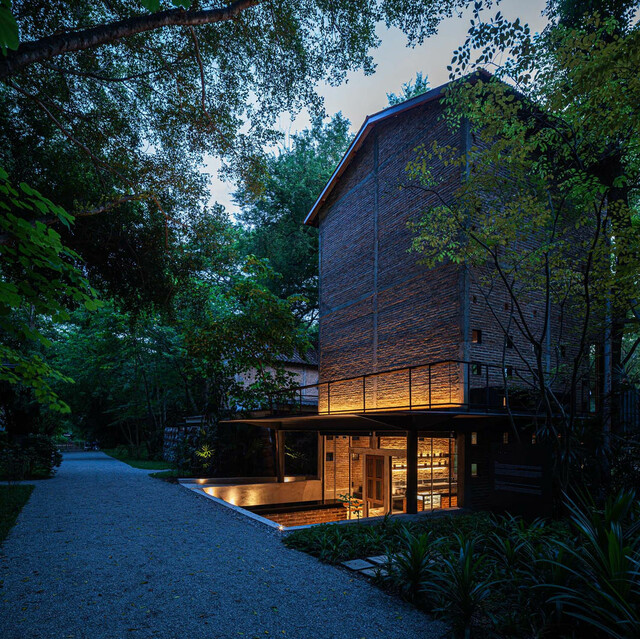
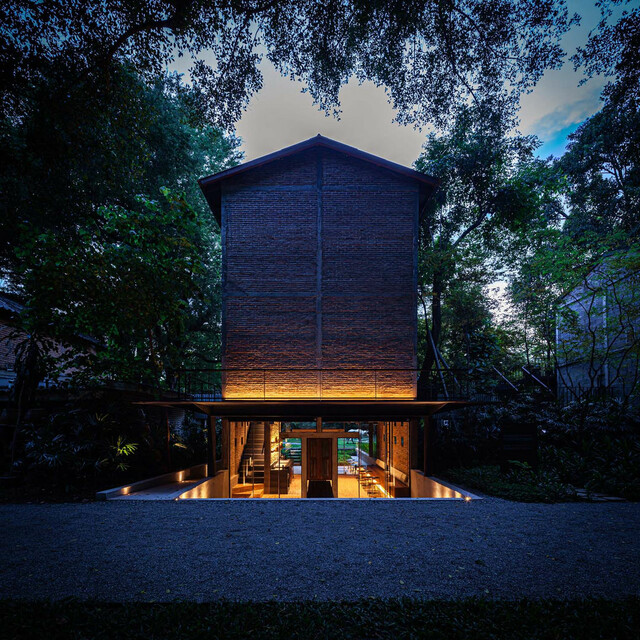
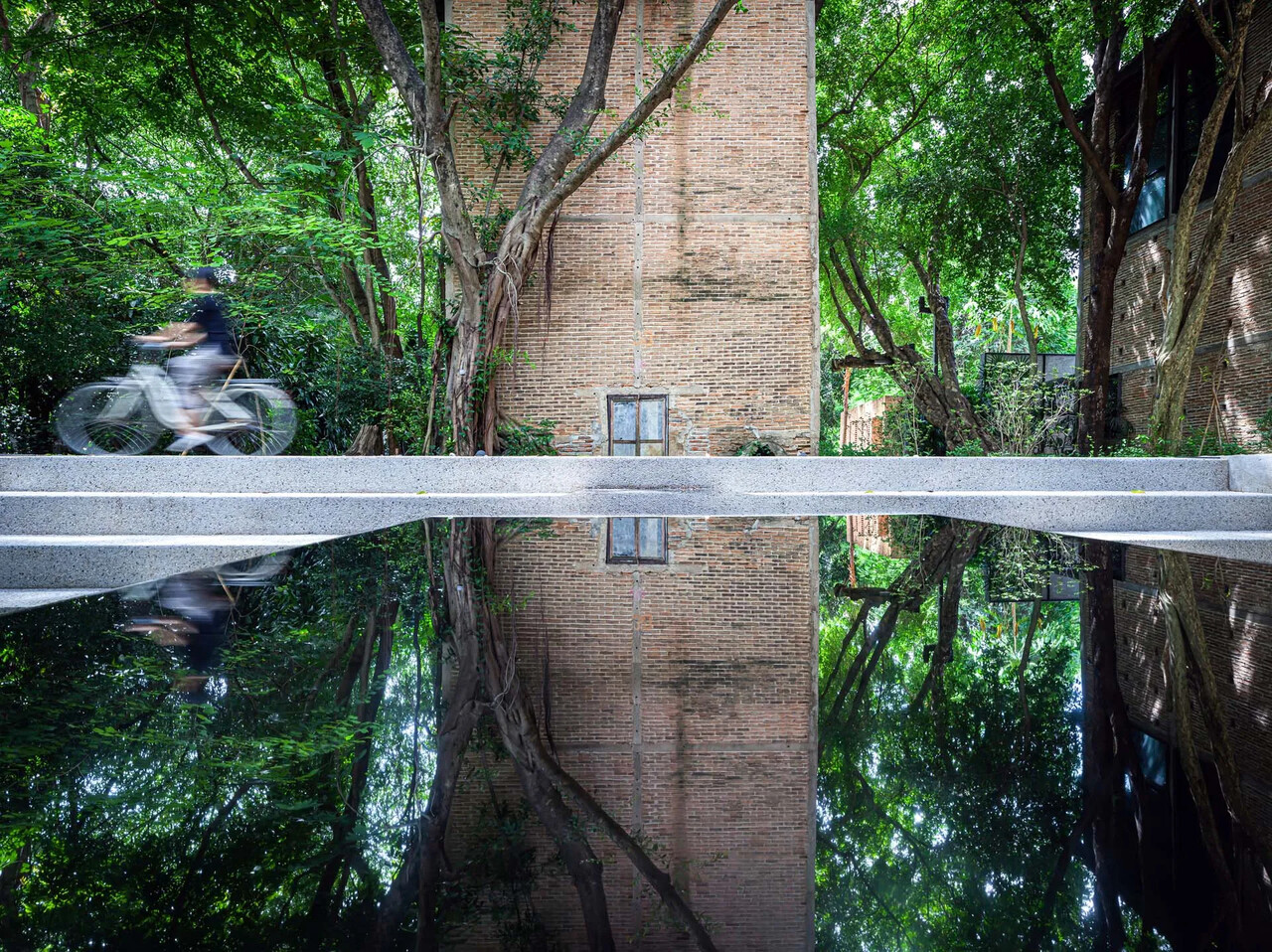
根據保護實踐,設計尊重遺產穀倉的特殊與真實性,包括建築尺寸、形態和材料,以及複製的6 x 6米規劃。設計提出將新的茶屋空間規劃為降板式,此設計手法,突顯原始體量,並在地面層與建築計劃的多層之間創造了謙遜的連接。與此同時,多層次創造了獨特的品茶文化體驗。
Following the conservation practice, the design respects the heritage barns’ specificity and authenticity in terms of architectural dimensions, form, and materials, including the repetitive 6 x 6 meter planning typology. Proposing to sunken the new tea house space is the design technique which highlights the authentic volume and creates a humble connection between ground level and the multi-floors of the architectural program. Meanwhile, these multi-levels create unique experience of tea drinking culture.
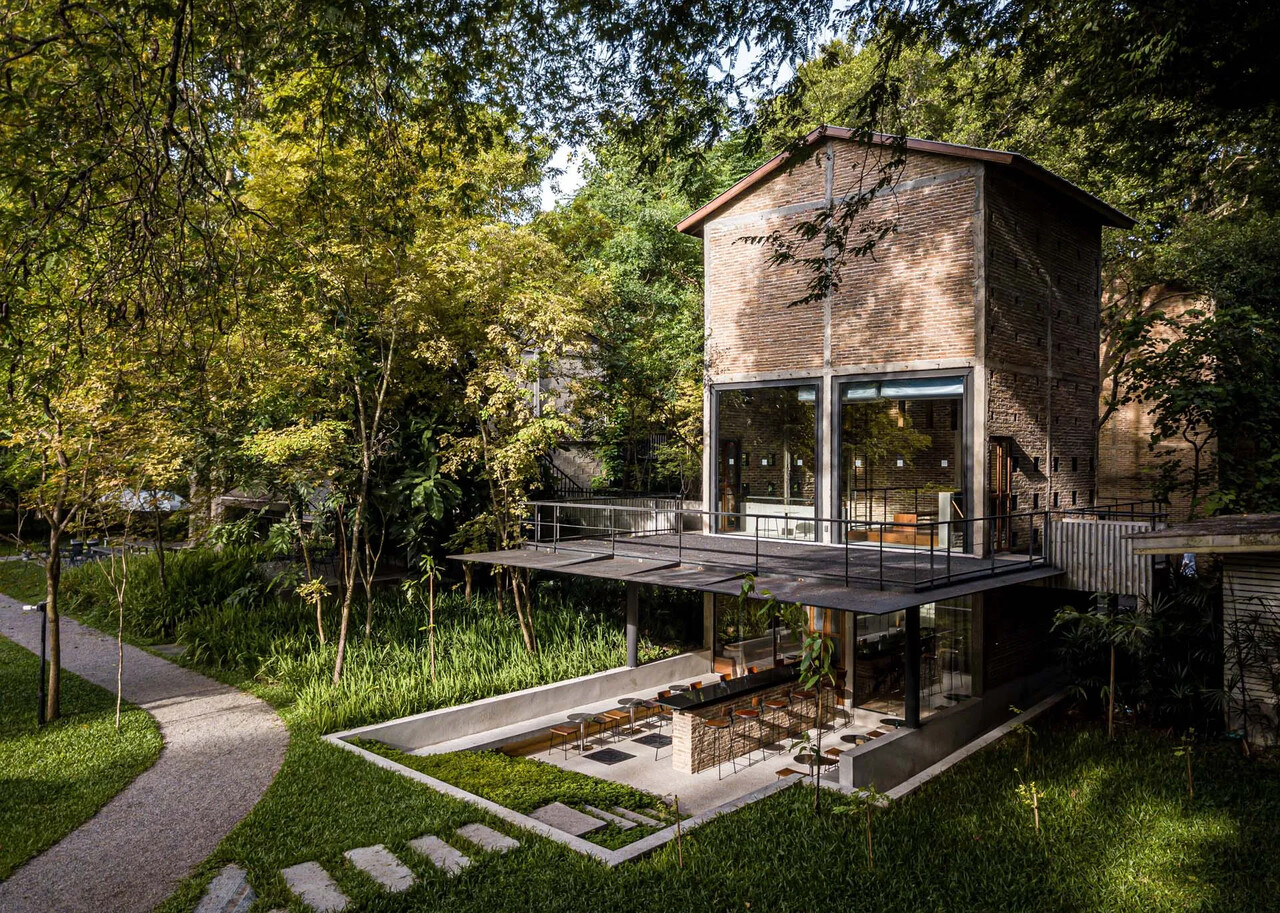
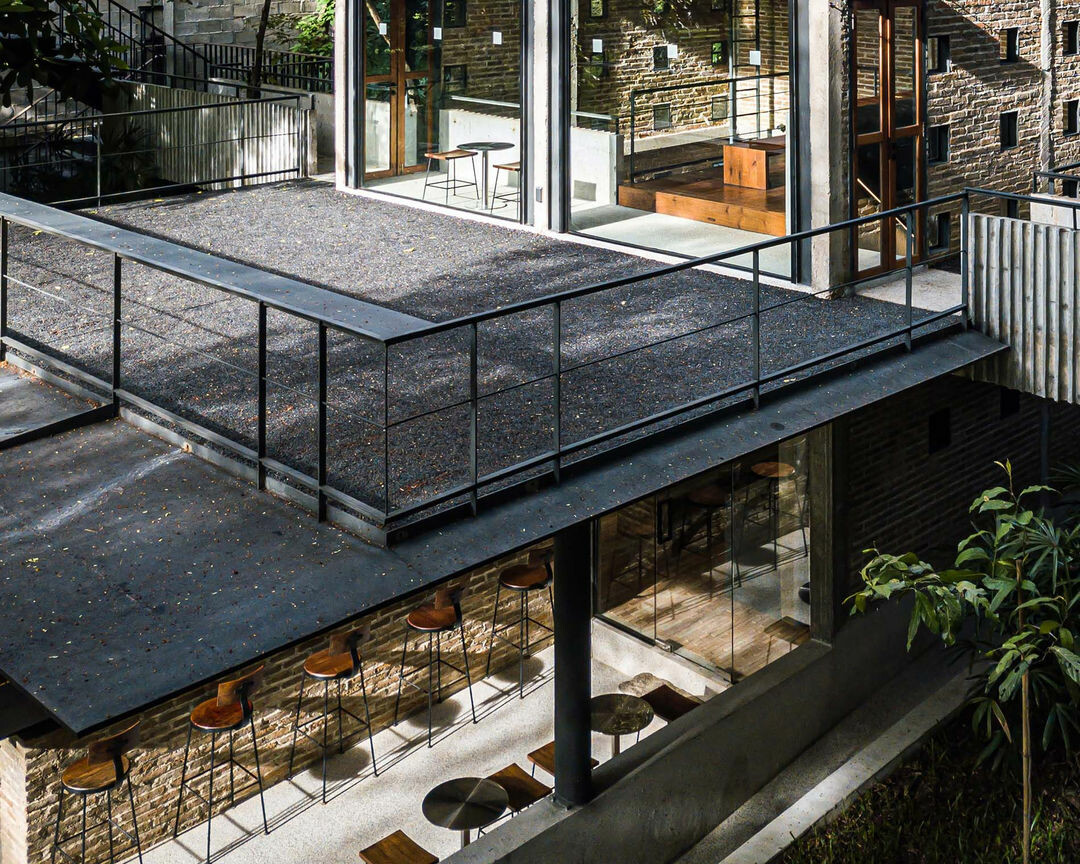
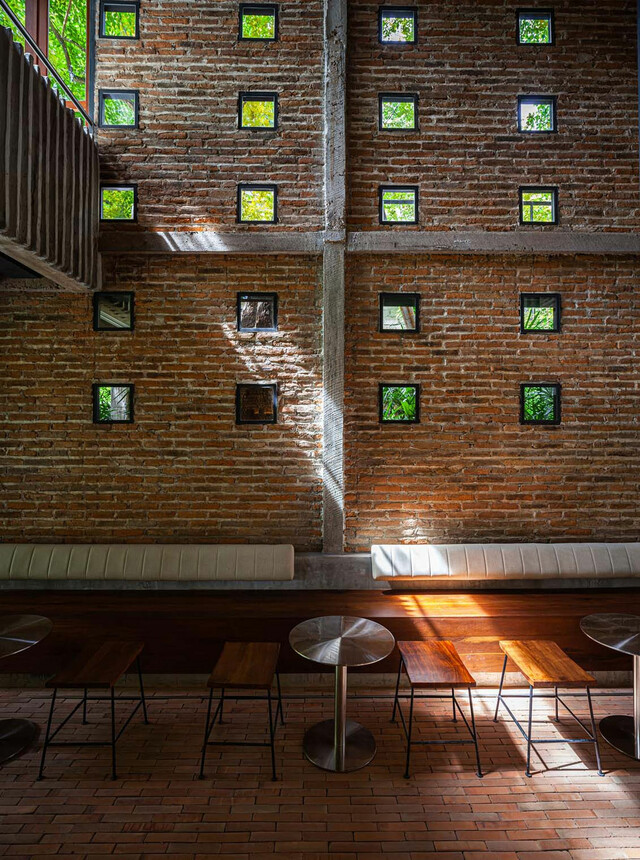
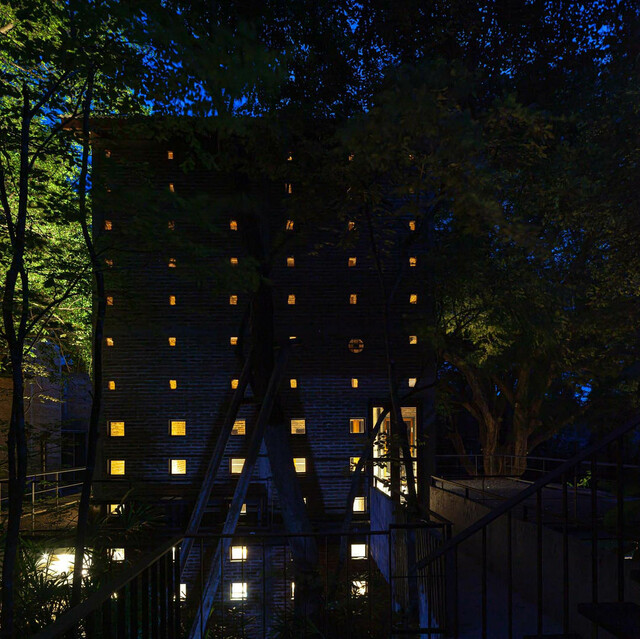
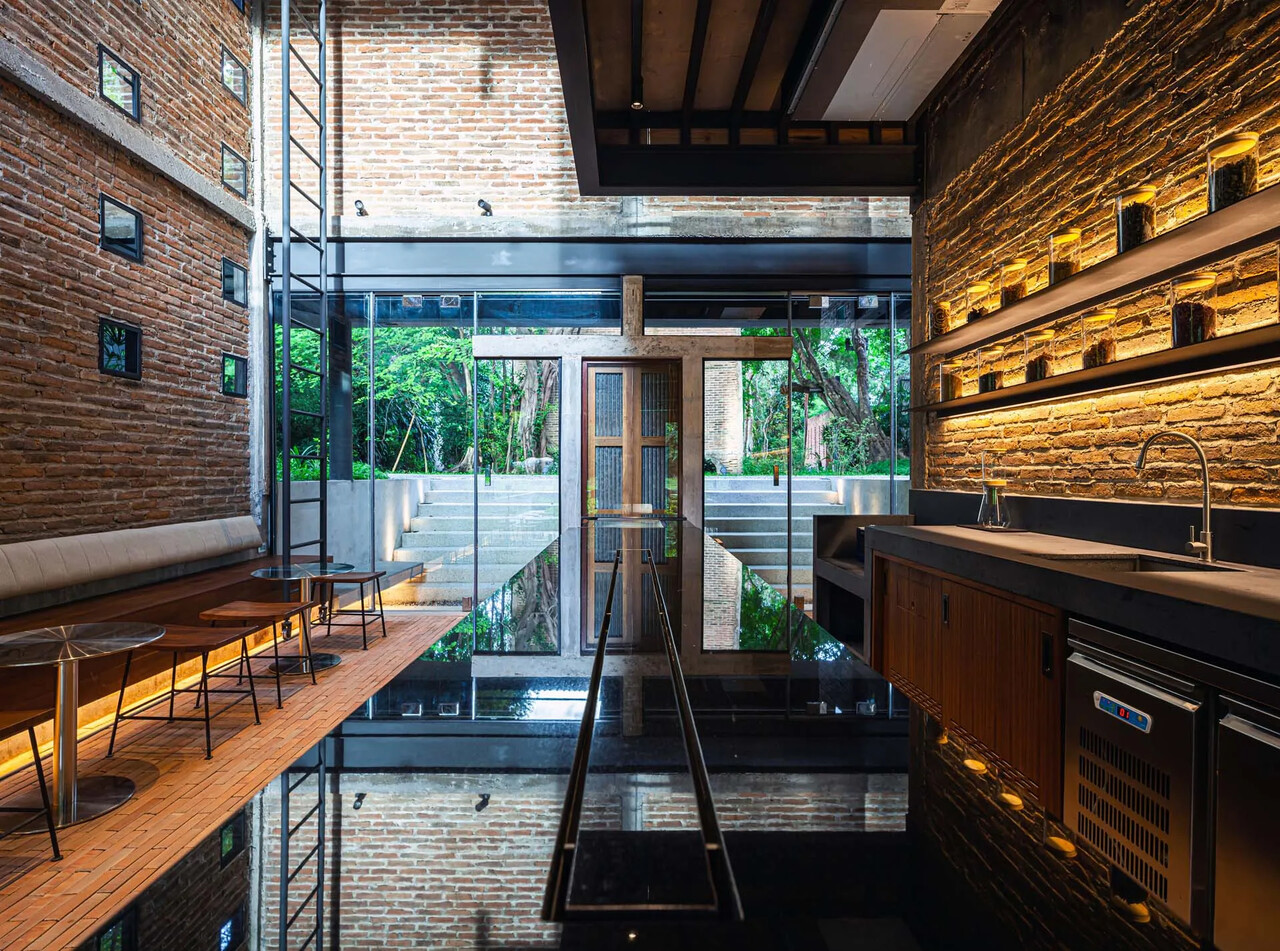
茶莊的設計使其在黑暗環境中發光。隱藏照明設計,同時強調煙草穀倉的價值和真實性。為了凸顯原始磚塊表面質地與獨特的垂直室內空間,線性照明和柔和的下沉式照明燈光巧妙地與混凝土、木材和深灰色結構融合在一起。燈光計畫使穀倉的堅固感與新造空間形成對比,引入謙和的設計體驗,貫穿歷史脈絡、現有建築與自然遺產。
Tea barn is designed to glow in the dark environment. The lighting features are designed to be hidden as well as to emphasize the values and authenticity of the tobacco drying barn. To highlight the authentic brick surfaces and unique vertical interior space, linear lighting and smooth glowing downlight are subtly integrated with the locally crafted concrete, timber, and dark gray structure. Due to the proposed lighting design, the contrast of the tobacco drying barn solidness and the new opening space introduces the humble design experience along the historic routes, the existing architectural, and natural heritage.
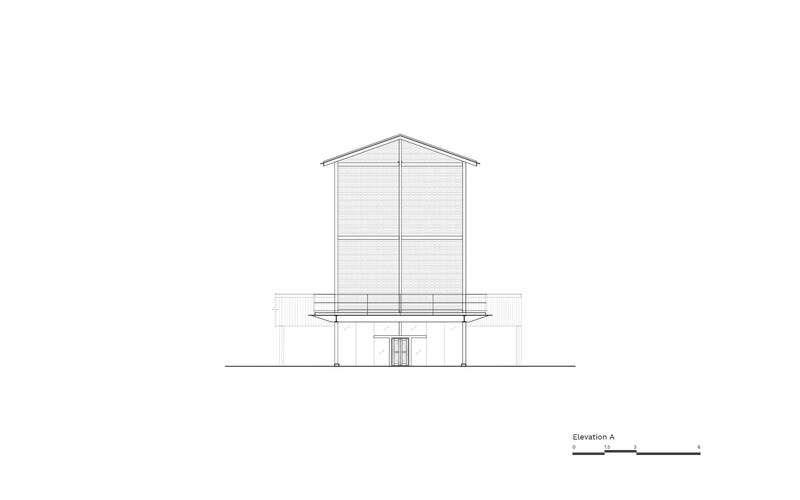
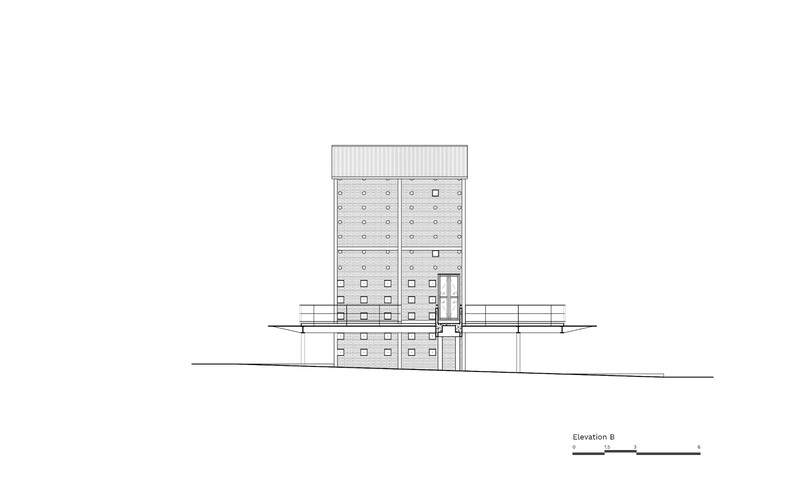
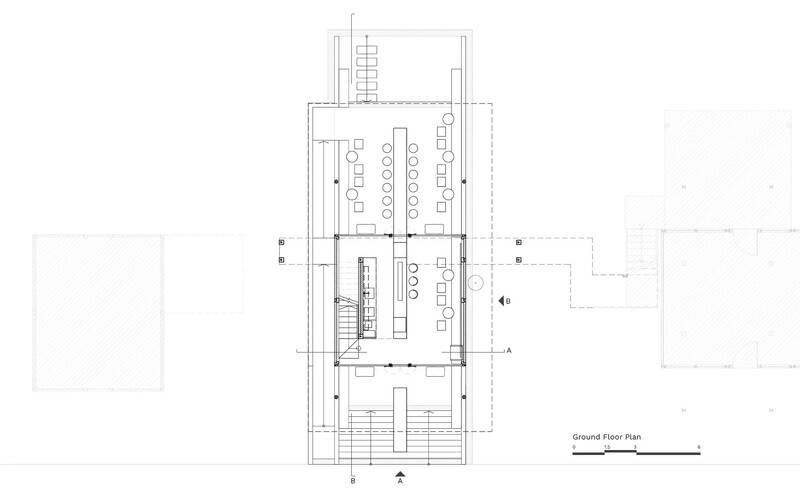
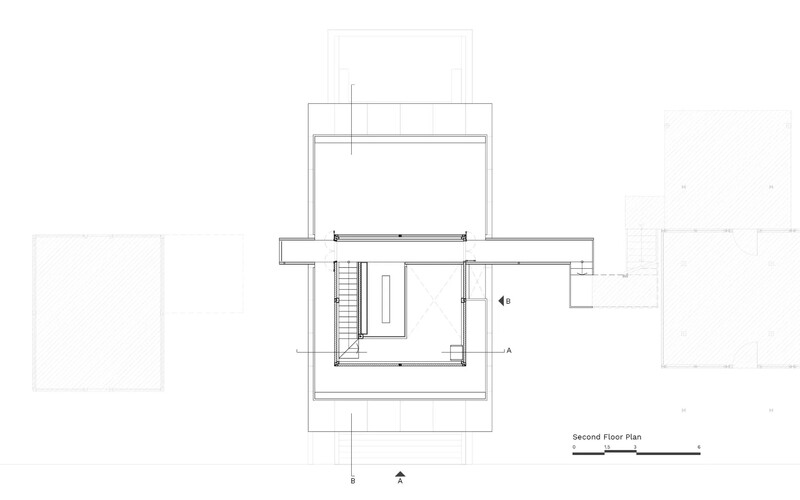
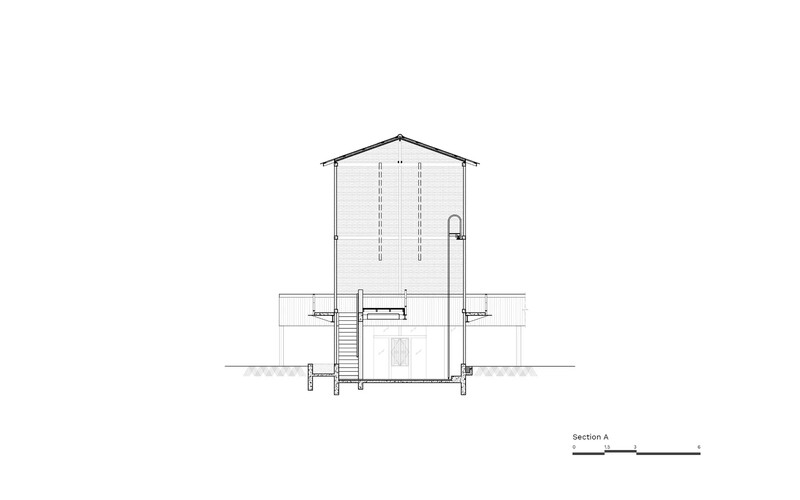
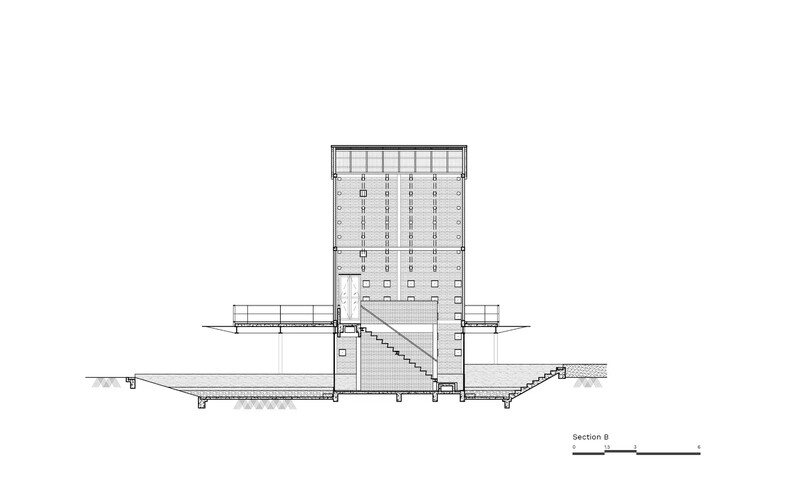
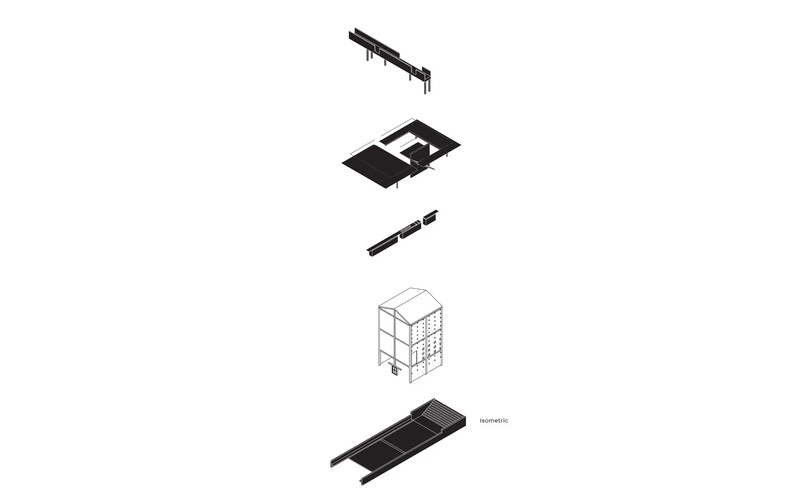
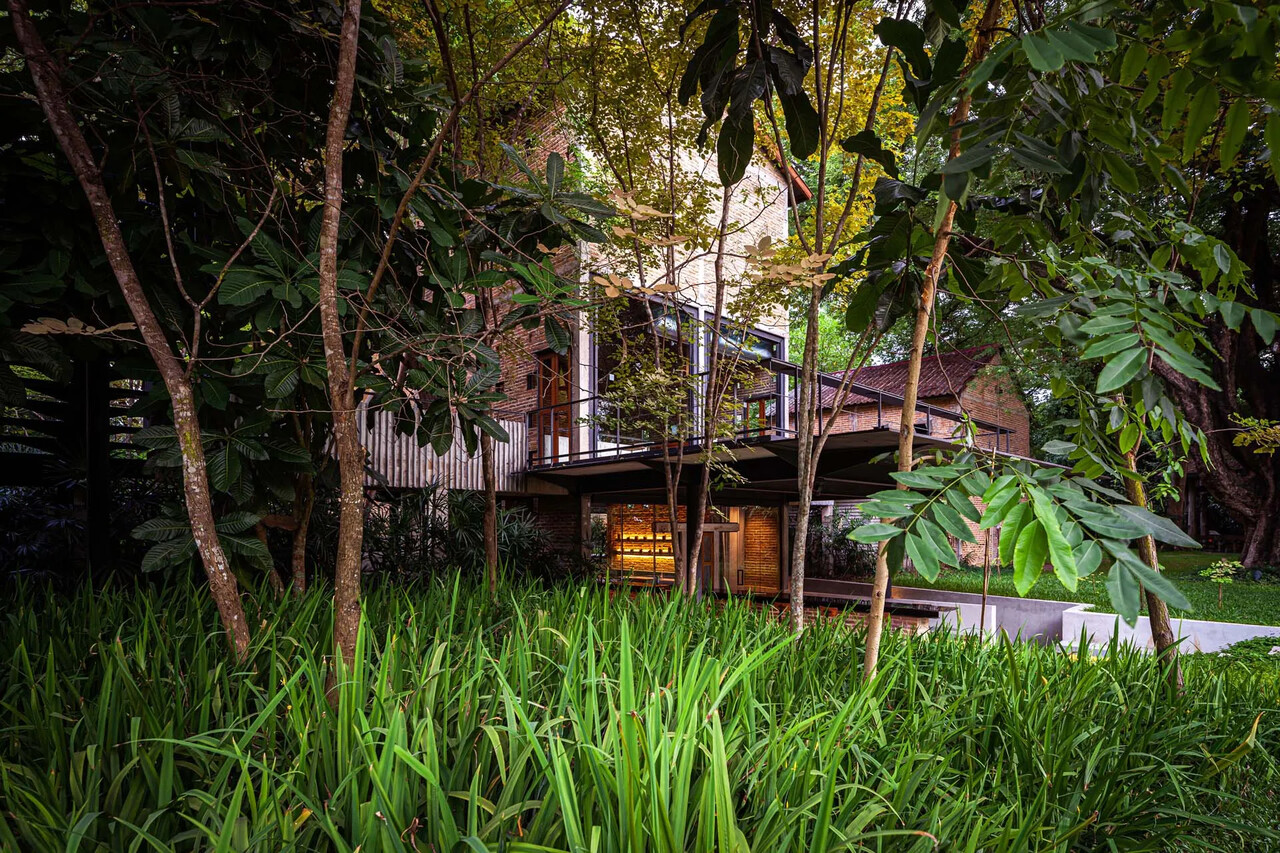
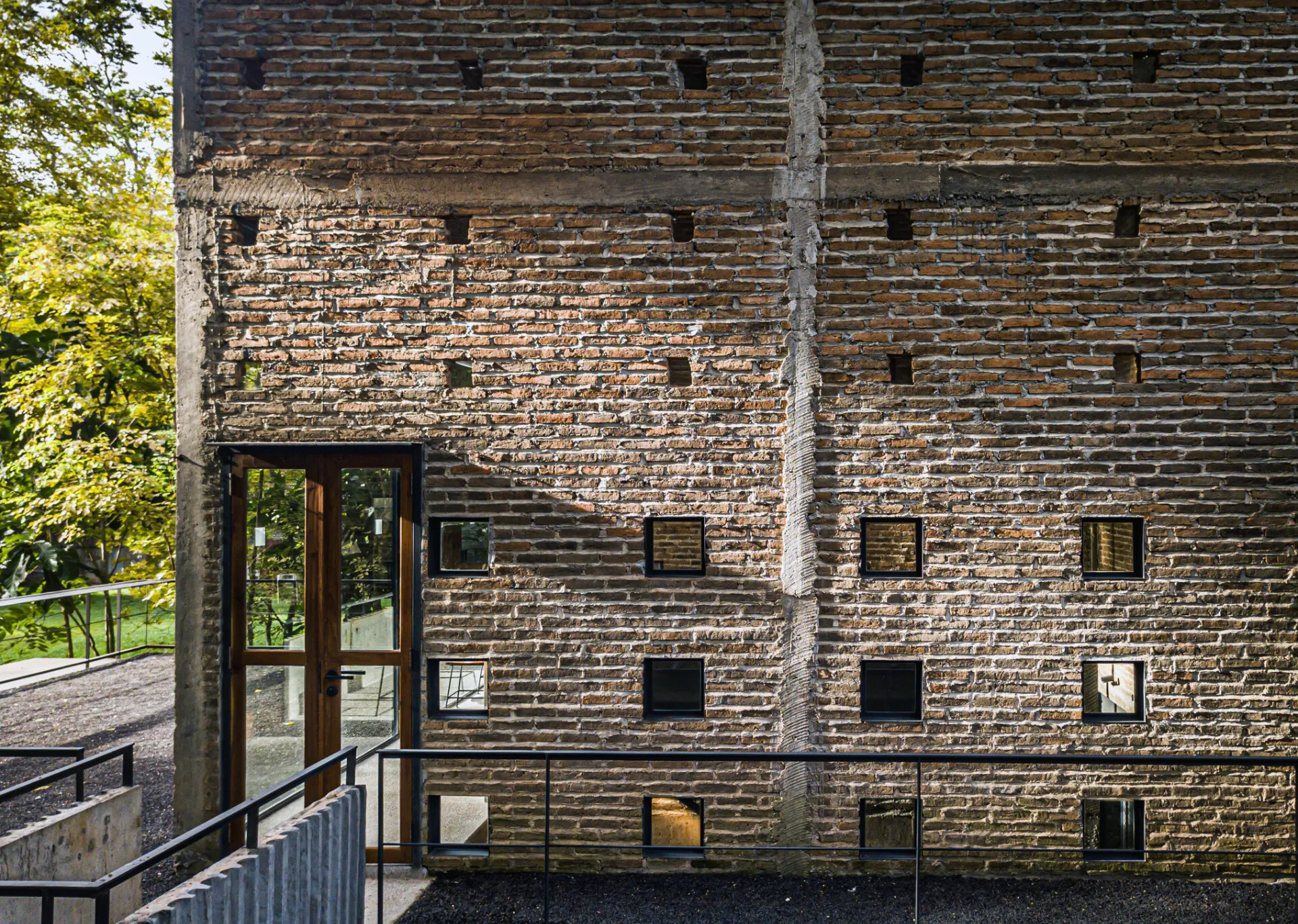
該設計採用了“重建技術”,施工團隊測量並記錄了每一個建築材料的細節,如磚塊、砂漿、空隙、柱子和梁。尊重穀倉的原始性,用現代化的鋼材和加固混凝土重建保存的磚塊,結合保護實踐與當代設計美學,使一個被忽視的工業類型再次復甦。
The design embraces “Reconstruction Technique” which is the design methodology to rebuild the building perception as it used to be, since the existing structure has been deteriorated. The construction team measures and records every detail of building materiality such as brick, mortar, void, columns and beams. Respecting the barn originality, reconstructing the preserved bricks with modernized steel and reinforced concrete will resurrect an overlooked industrial typology to life again by combining a conservation practice with a contemporary design aesthetic.
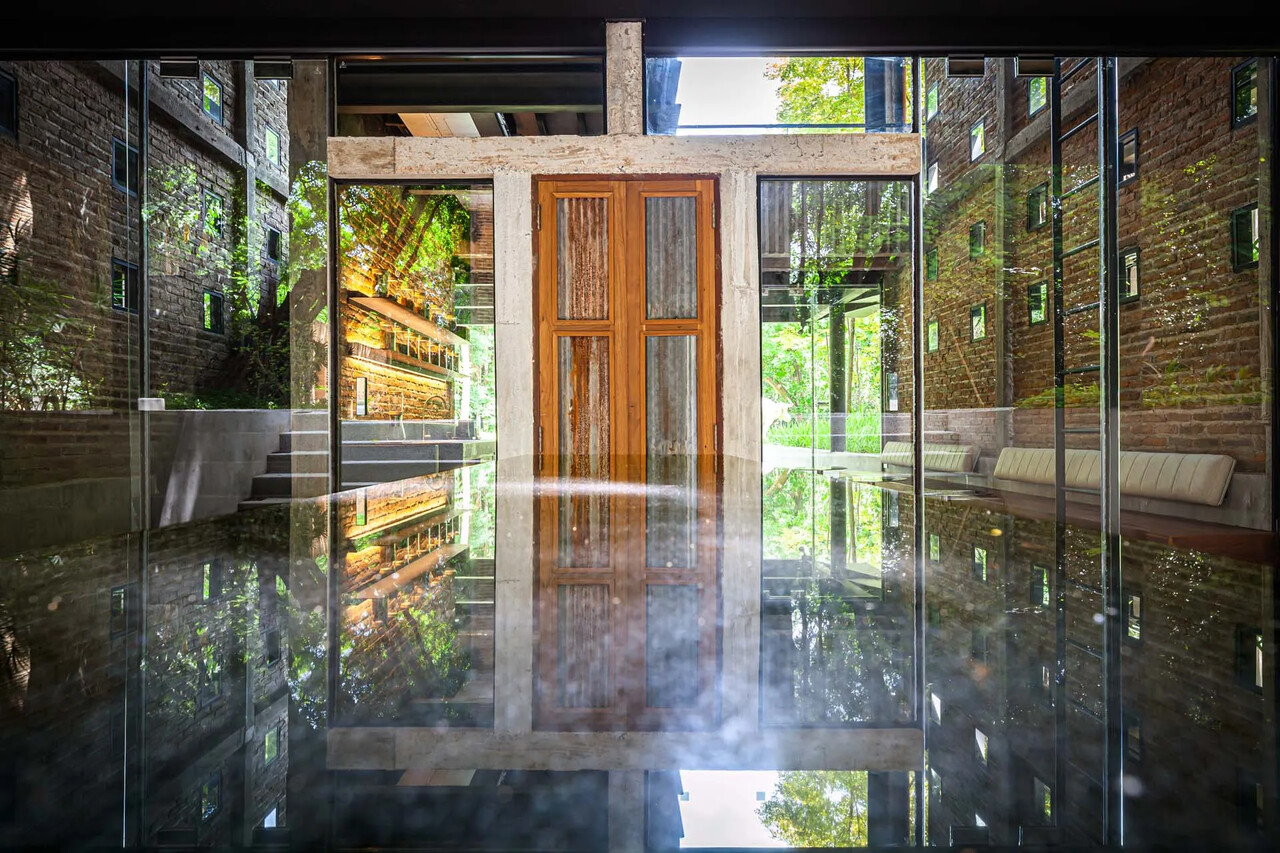
在“歷史和生態旅遊”的架構下,考麥茶莊是總體規劃另一個重要的部分,能夠促使經濟、社會和環境方面隨著時間而成長。該項目再次鼓勵遊客欣賞保存完好的煙草烘乾穀倉美學及豐富的歷史資源、當地植物與自然生態。
Under the umbrella of the “Historical and Ecological Tourism” framework, Kaomai Tea Barn is another vital part of the holistic Masterplan which could economically, socially, and environmentally grow through time. The project once again encourages visitors to appreciate the aesthetic of the preserved tobacco drying barns and rich nature, as well as learn about the local history, native plants and ecology on site. The project brings back the role of the tobacco processing estate in the past, serving as the social and economic center of the community and enhancing nowadays’ spirit of local inclusion and creating social sustainability.