長屋
.
Remembering What We Have Forgotten Through Architecture
“Long house with an engawa” is a senior daycare center. The client, Mr. Ishii, is a caretaker who practices a style of care that allows people to live their lives normally, even with serious conditions like dementia. In designing this project, the goal was to create an environment in which aging is not thought of in isolation from everyday life, even with dementia or another disability.
藉由建築記載著我們遺忘的點滴
「長屋與緣側」是一家老年日間照護中心。客戶石井先生,是一名照護者,他所採取的護理方式,是可以讓人們即使患有癡呆症等嚴重疾病也能正常生活。在設計這個項目時,目標是打造一個環境,即使患有癡呆或其他殘疾、老化也不被限制、不與日常生活隔離。
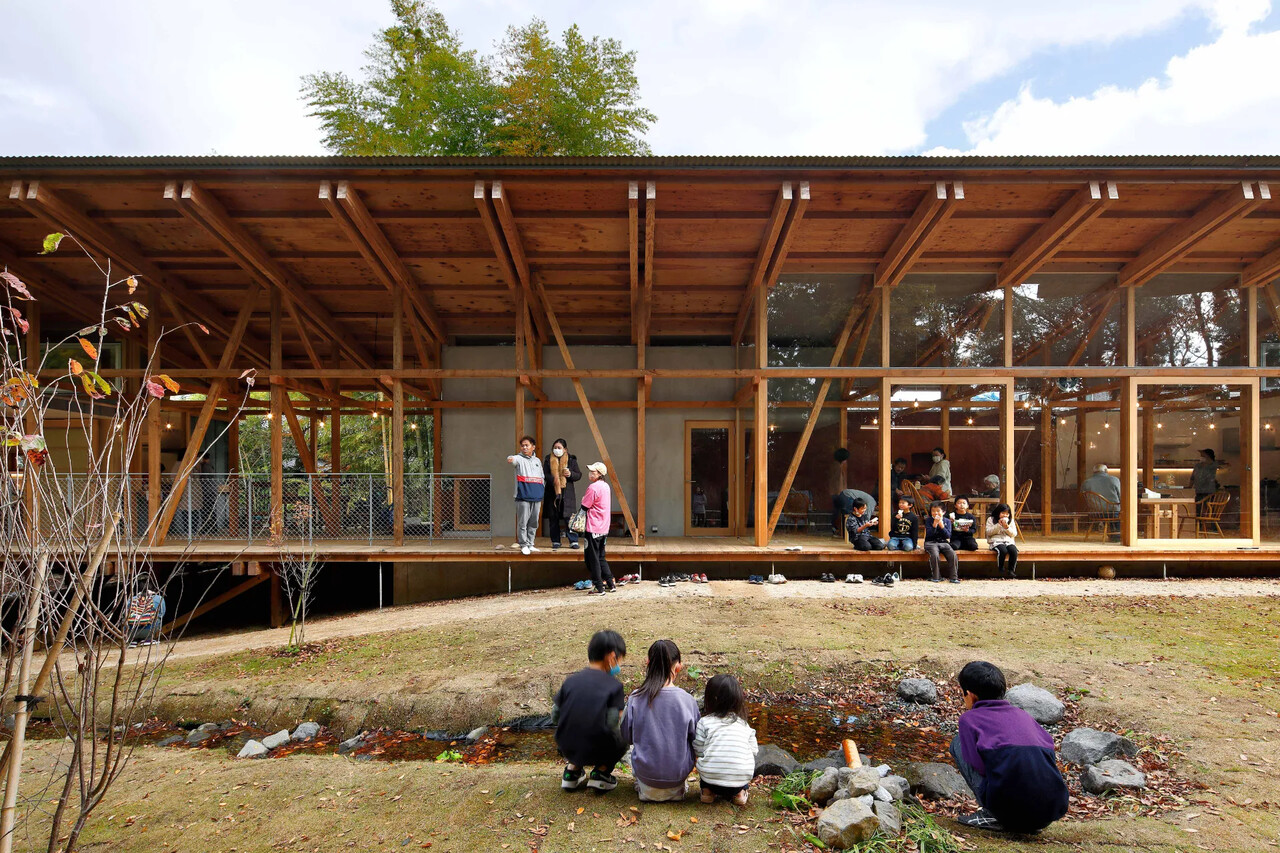
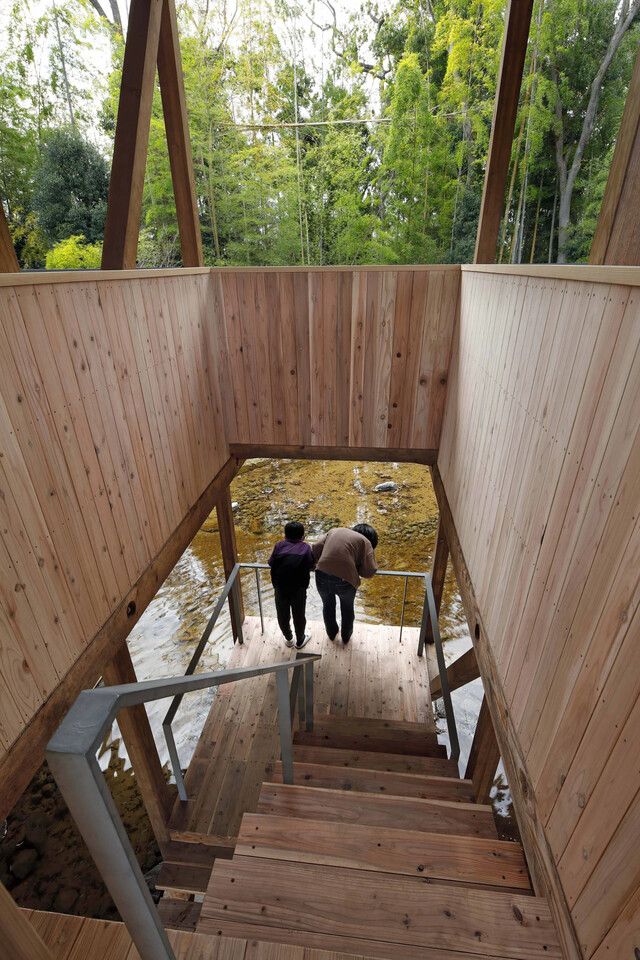
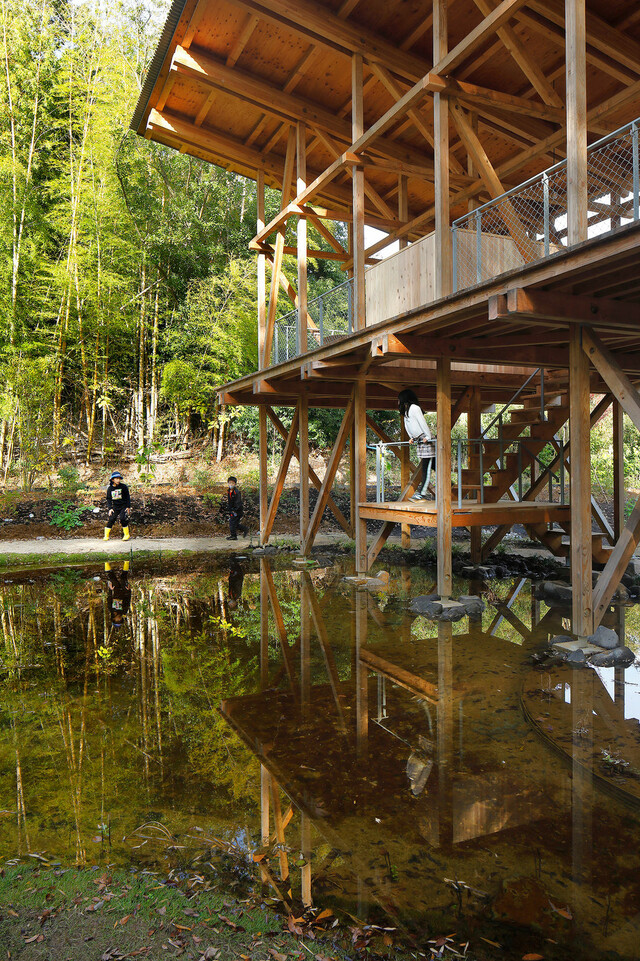
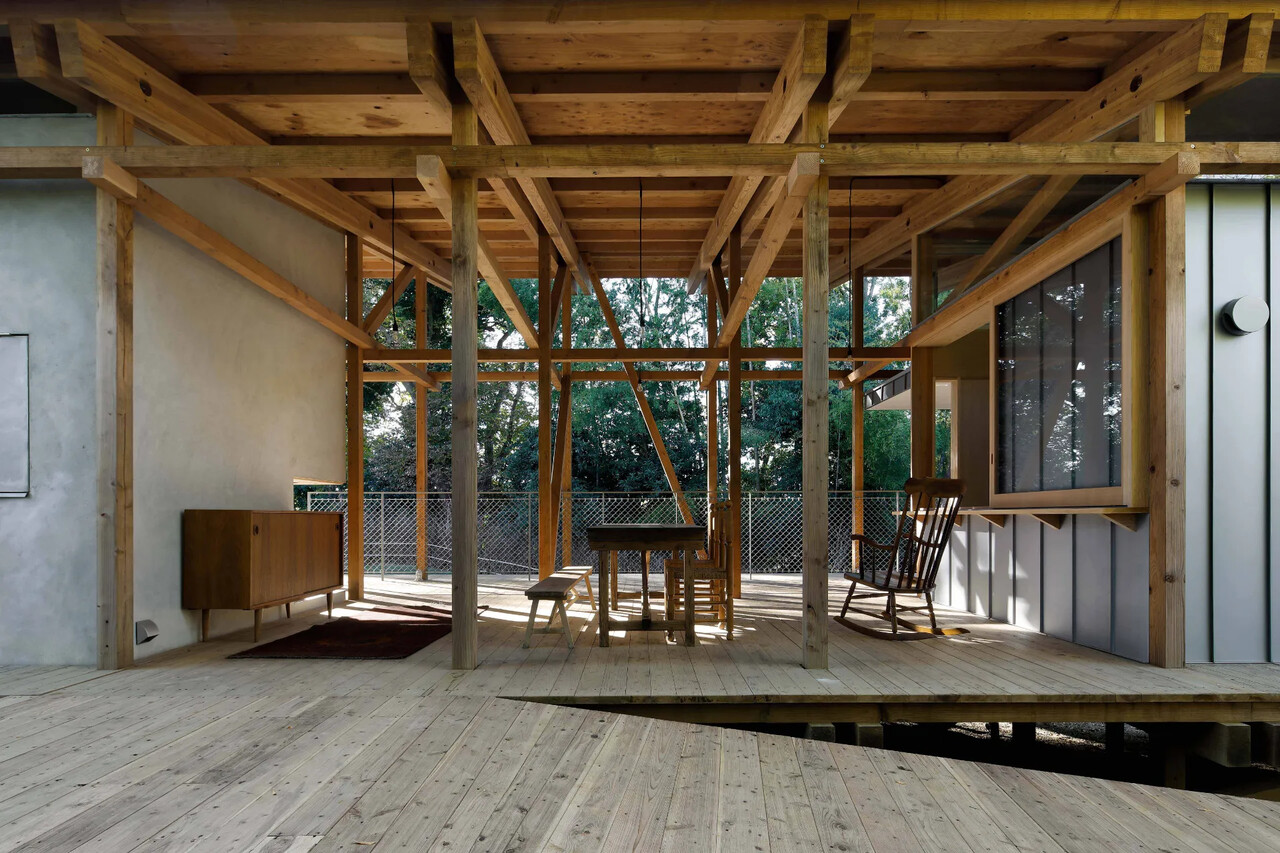
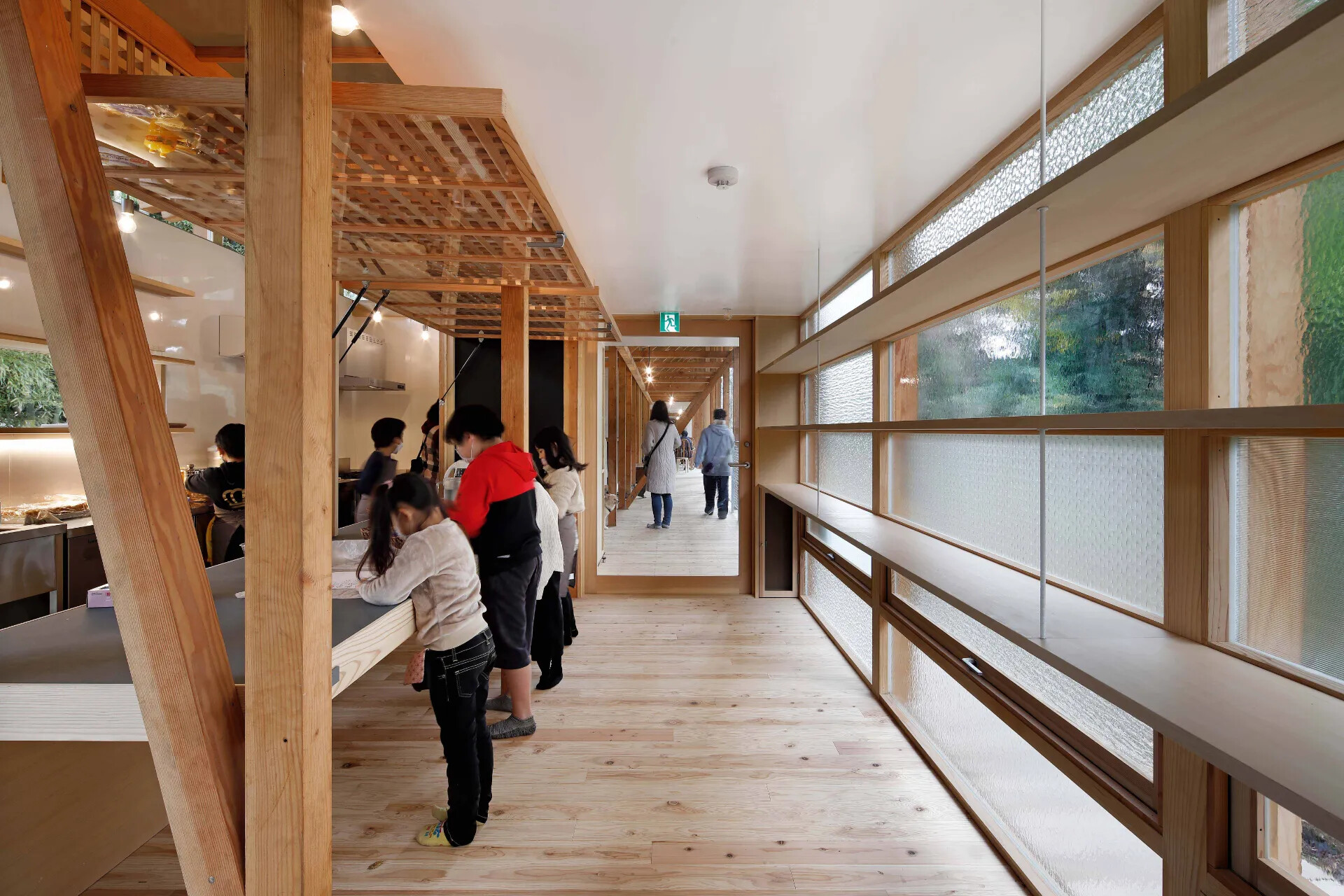
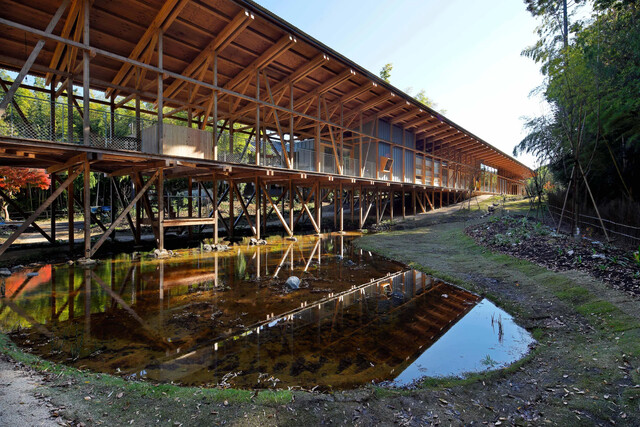
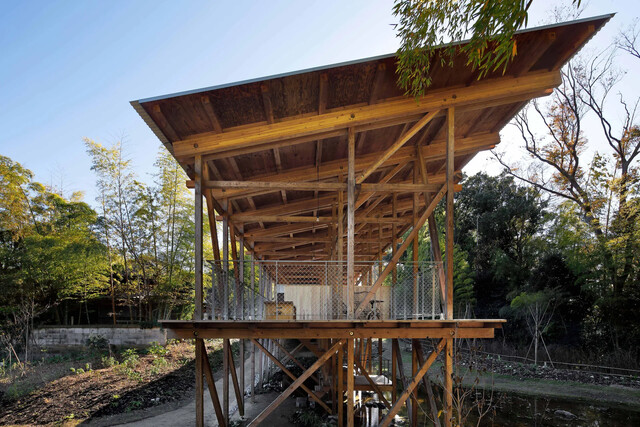
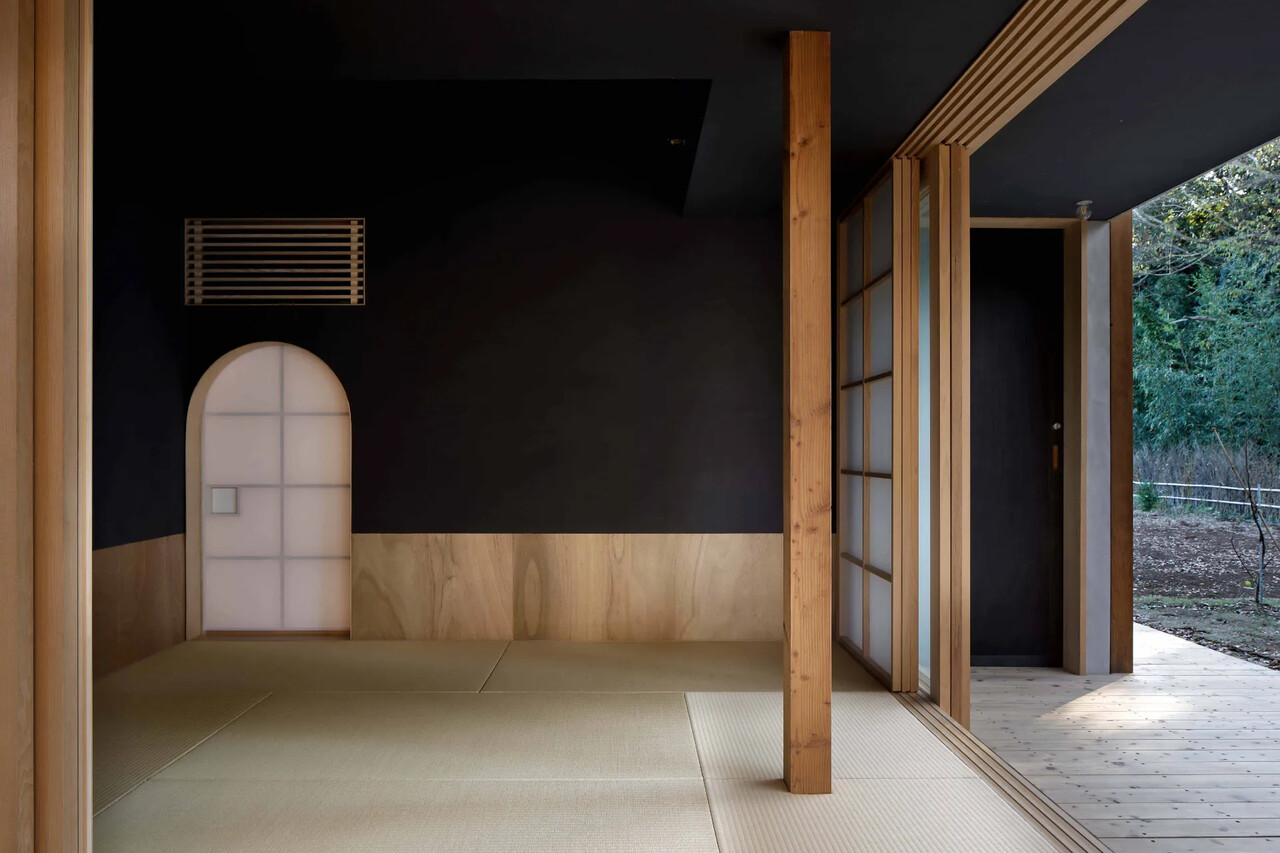
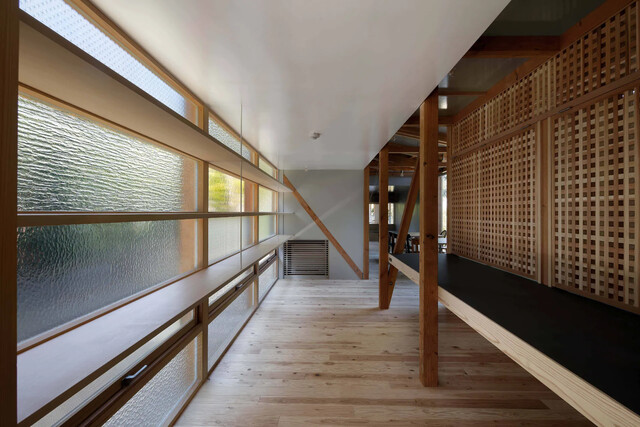
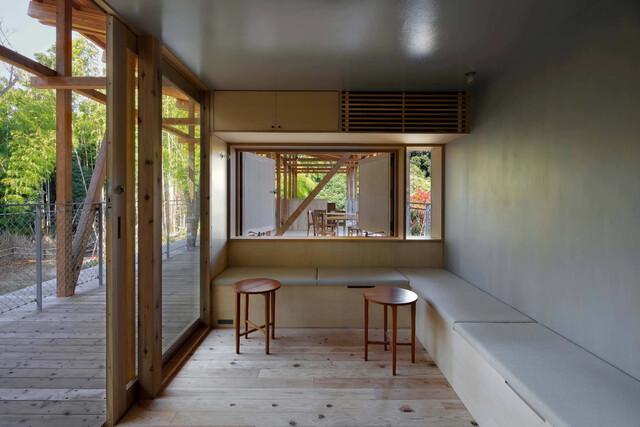
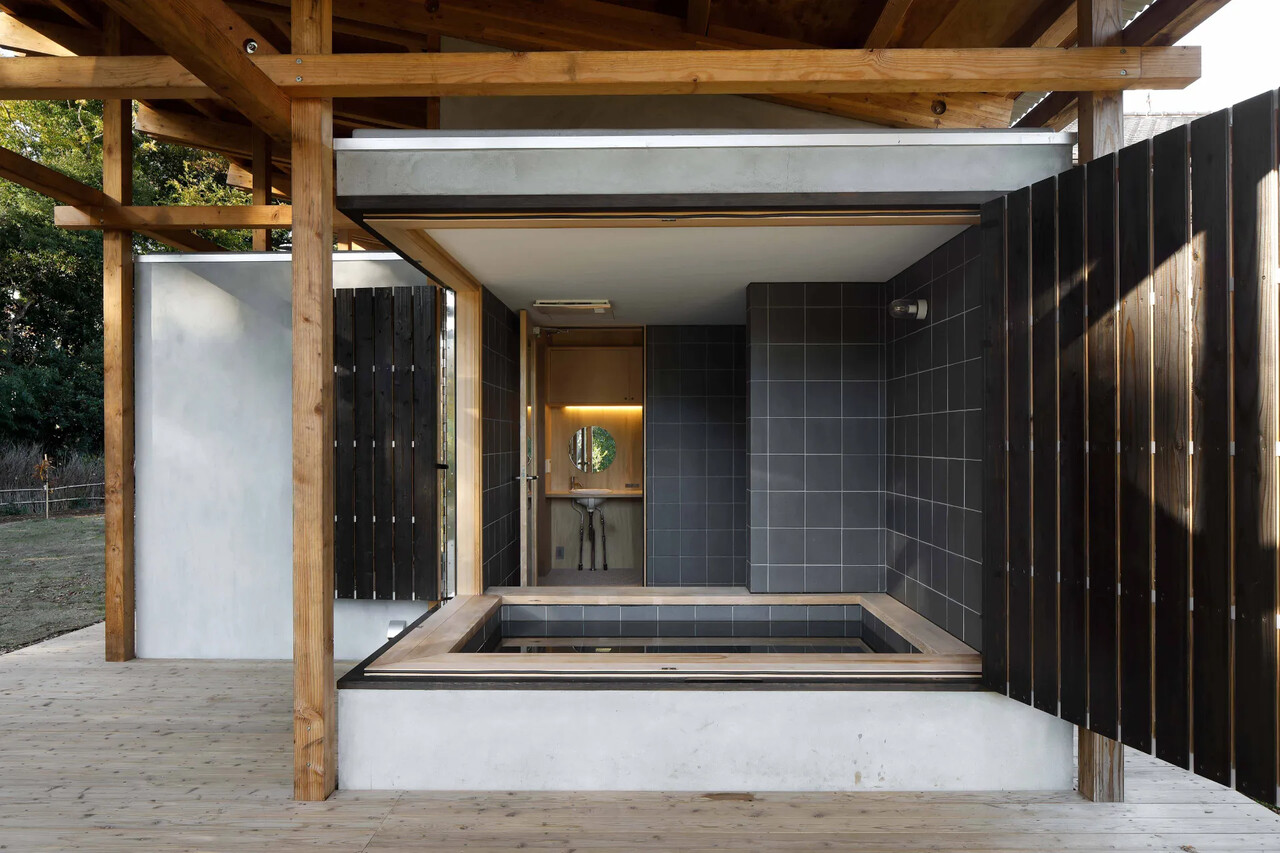
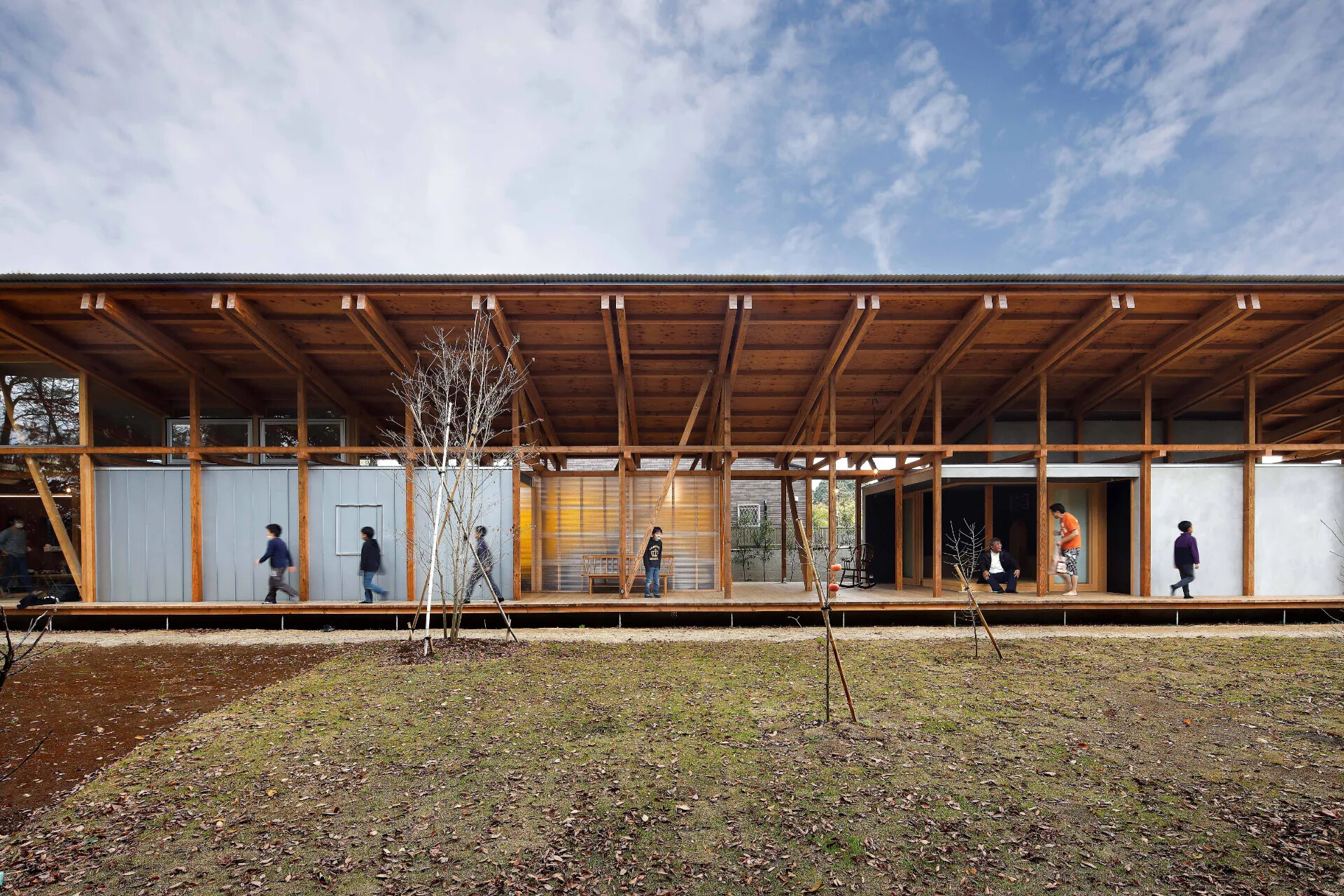
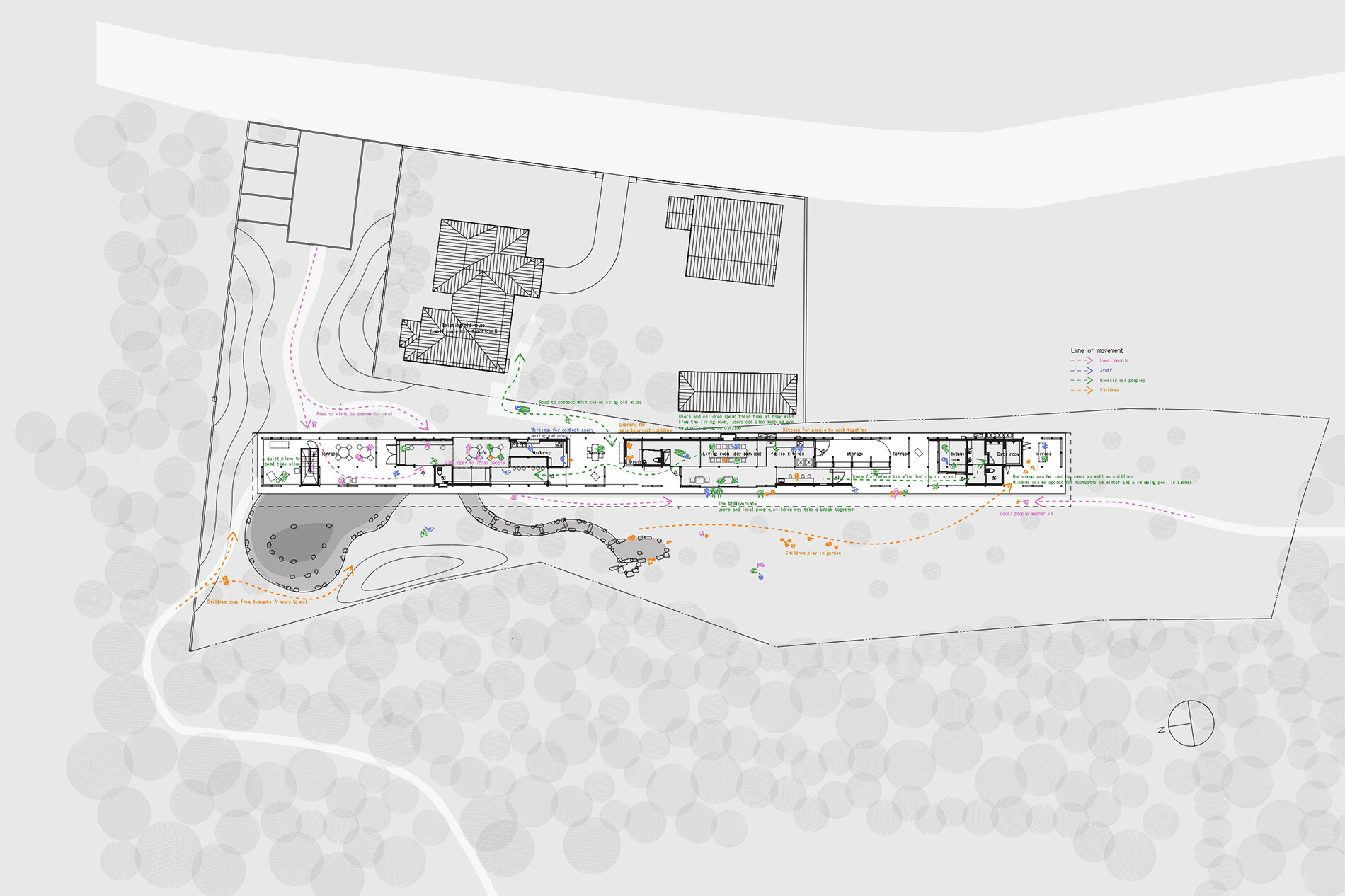
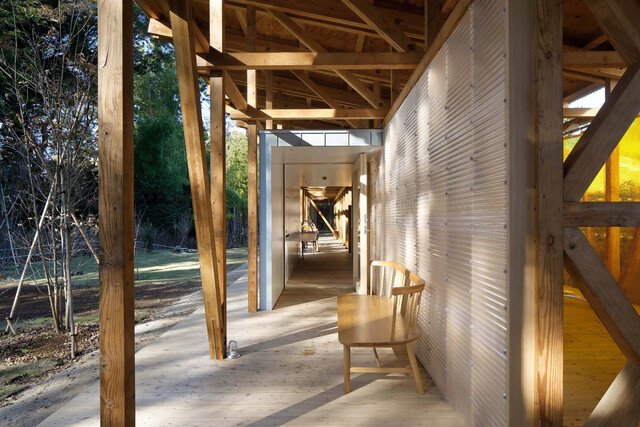
The site is long and narrow in the north-south orientation, and the building area was limited by regulations for building over cliffs. Despite the unfavorable conditions, we decided to lay a 2.5-ken (4.55 meters) wide veranda-like floor in a straight line welcoming the community with the main wooden structure and an open veranda that can be accessed in various ways. The building contains outdoor spaces between three main functions: a café and workshop for local residents, a “living room” for the elderly, and a tatami room and bath that echo a traditional hanare (detached room). Small walls and volumes were inserted to counterbalance the monumental structure, creating a scattering of small but human-scale spaces. Particular attention was paid to designing the boundaries between the inserted architectural elements–the windows. For example, a daybed was placed by the window between the café and the terrace, and the dimensions, fittings, and materials were selected so that people can rest their bodies in the nooks, creating an “ikata” (mode of being in place) that allows people to spend time with others even if they are by themselves.
該建地的南北向呈現狹長的形狀,且因懸崖上的建築規範,使得建築面積受到限制。儘管條件不利,我們還是決定鋪設一條4.55米寬的走廊式地板,以直線方式透過主木結構和開放式的走廊歡迎這個社區,並能夠透過多種方式進入。與建築之間包含了三個主要功能的戶外空間:第一個是當地居民提供的咖啡館和工坊,再來是老年人的「客廳」,最後一個與傳統離室(獨立房間)呼應著榻榻米房間和浴室。為了平衡這座大面積的建築,規劃了小牆和體積,創造出一系列小而人性化的空間。在設計添加的建築元素——窗戶之間的邊界,特別重視細節。例如,在咖啡館和露臺之間的窗戶旁放置了一張日光床,並選擇了尺寸、配件和材料,使人們可以在角落裡休息,創造出一種「ikata」(參與其中的方式),即使他們獨自一人也可以與他人共度時光。
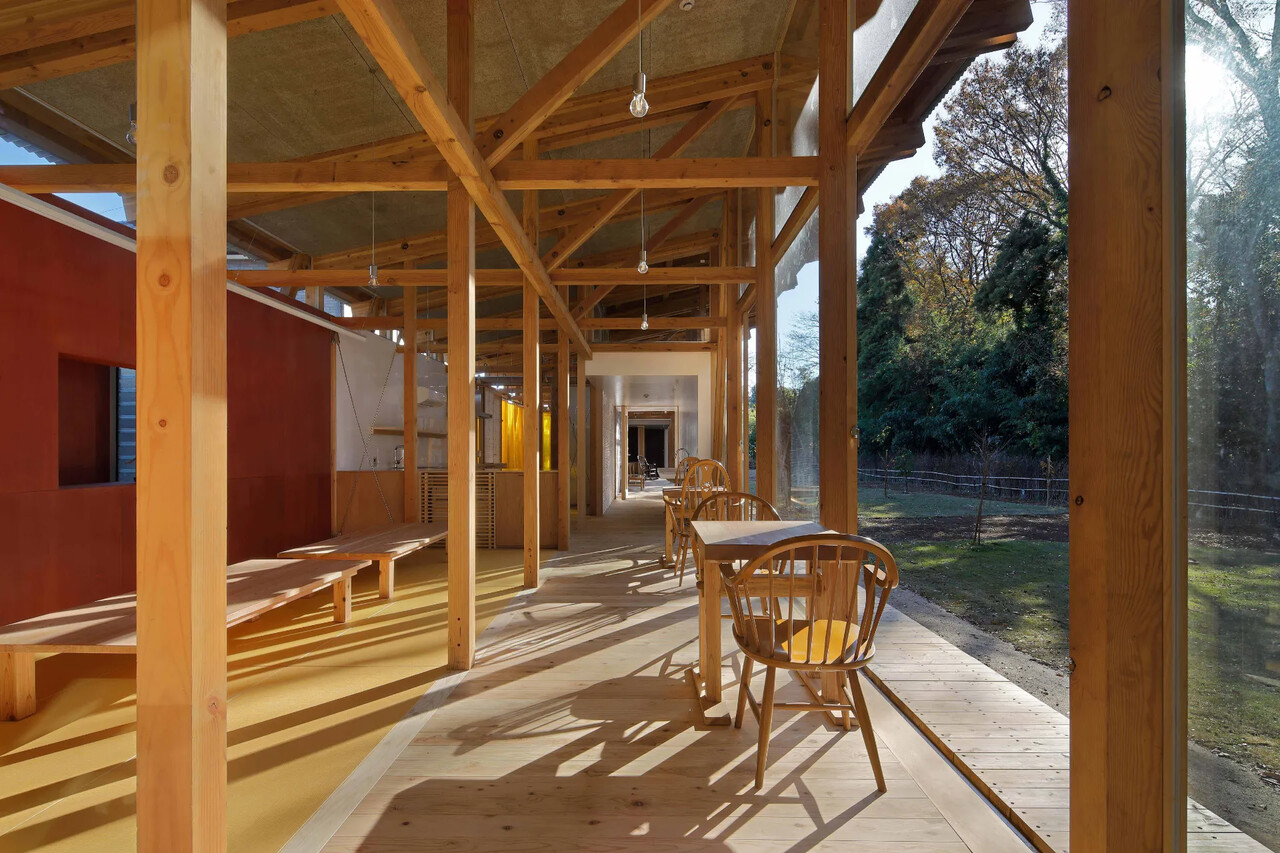
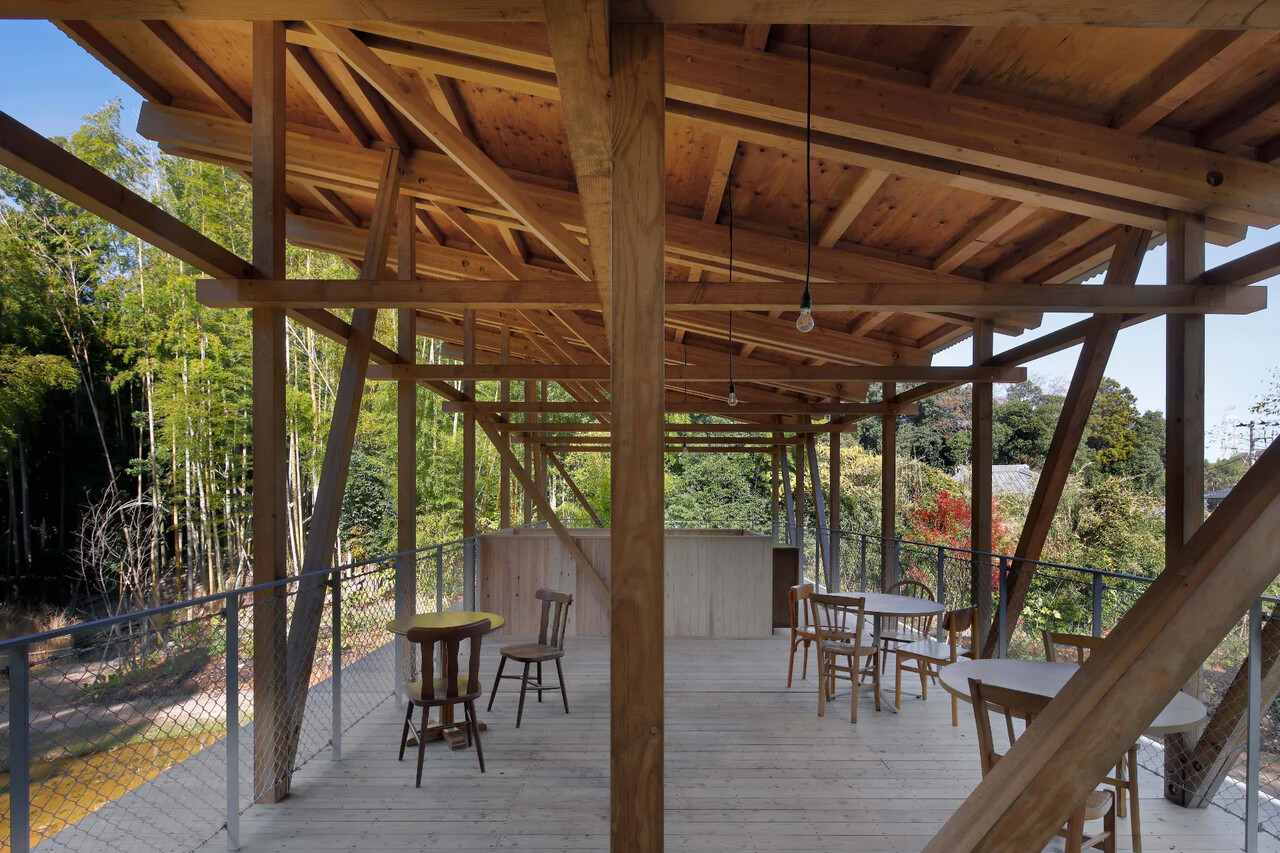
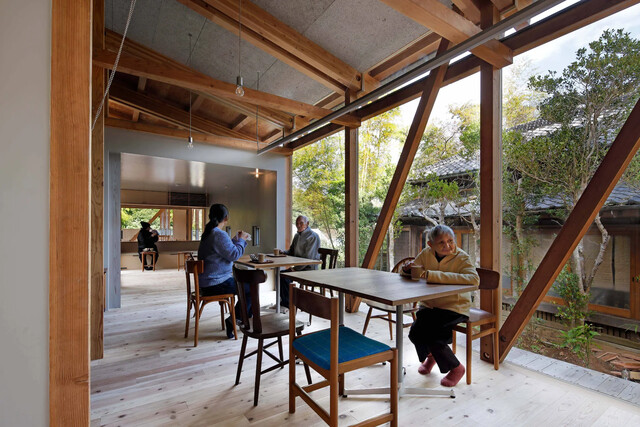
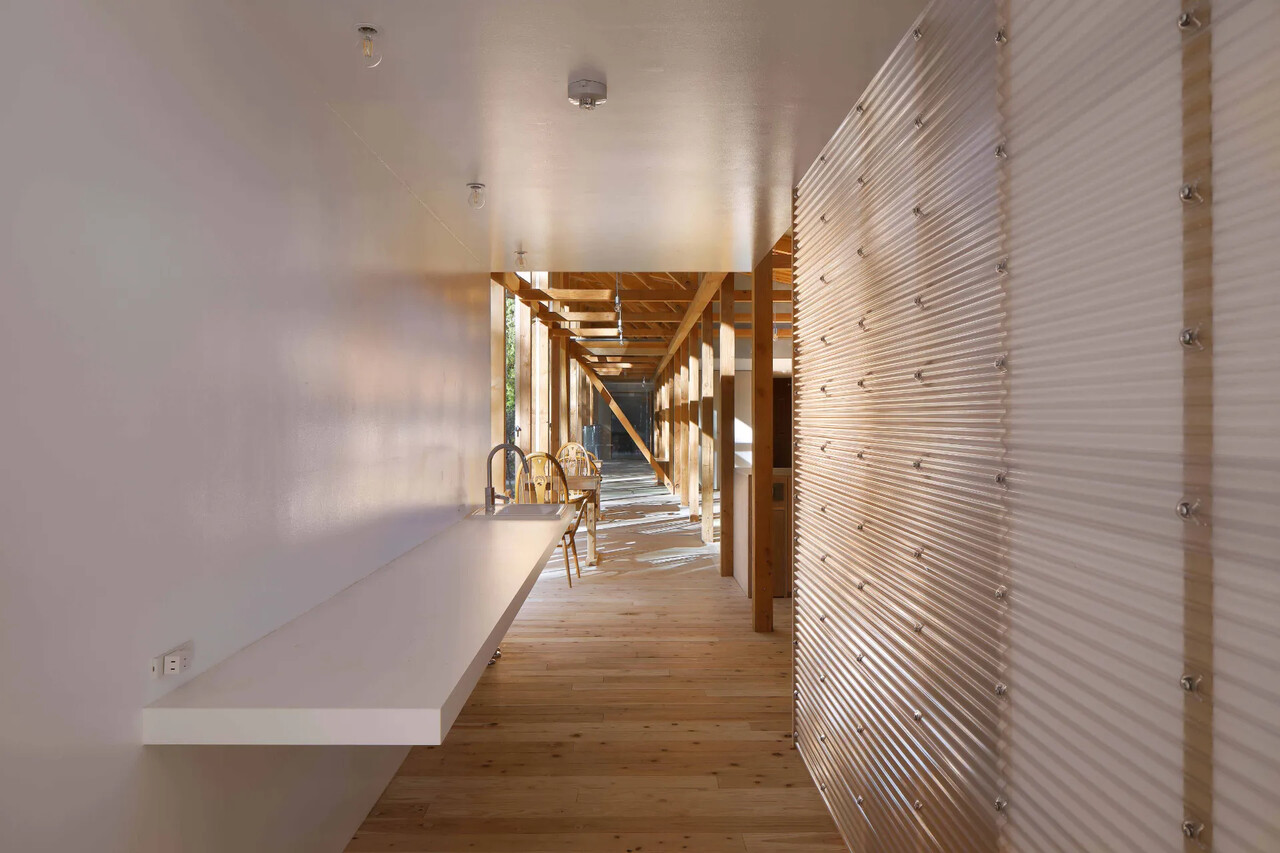
With the cooperation of local NPOs and Mr. Ishii's company, this building is set to become a place of belonging for many kinds of people. We all hope that it will become a safe space for single-parent families in the neighborhood who need help, or for children who are not attending school. Connections are beginning to form between the elderly, the disabled, children, and other neighbors who gather here. In order for the facility to integrate gradually into the community, the garden pond and bamboo fence were created with the cooperation of local residents. Through the lively workshop, we were able to catch a glimpse of how people from all walks of life might share their time in this place. The architecture resembles a bridge or a temple. Watching the people sitting on the porch enjoying their onigiri (rice balls), it feels like this architecture is a reminder of something important that modern Japan has lost.
在當地非營利組織和石井先生公司的合作下,這座建築設定為多型態群眾的歸屬地。我們都希望它能成為社區中單親家庭和需要幫助、不上學的兒童的安全港灣。老人、殘疾人、兒童和其他在此聚集的鄰居之間的關係正在形成。為了使該設施逐漸融入社區,花園的池塘和竹籬笆是當地居民一起合作所建造的。透過充滿活力的工坊,我們得以窺見各行各業的人們如何在這座類似橋梁或寺廟的建築共度時光。當看到人們坐在門廊上享受他們的飯糰(onigiri)時,這棟建築的存在,彷彿提醒這世代的人們反思失去的日本傳統文化。