Maxell KUSE GA ARU STUDIO
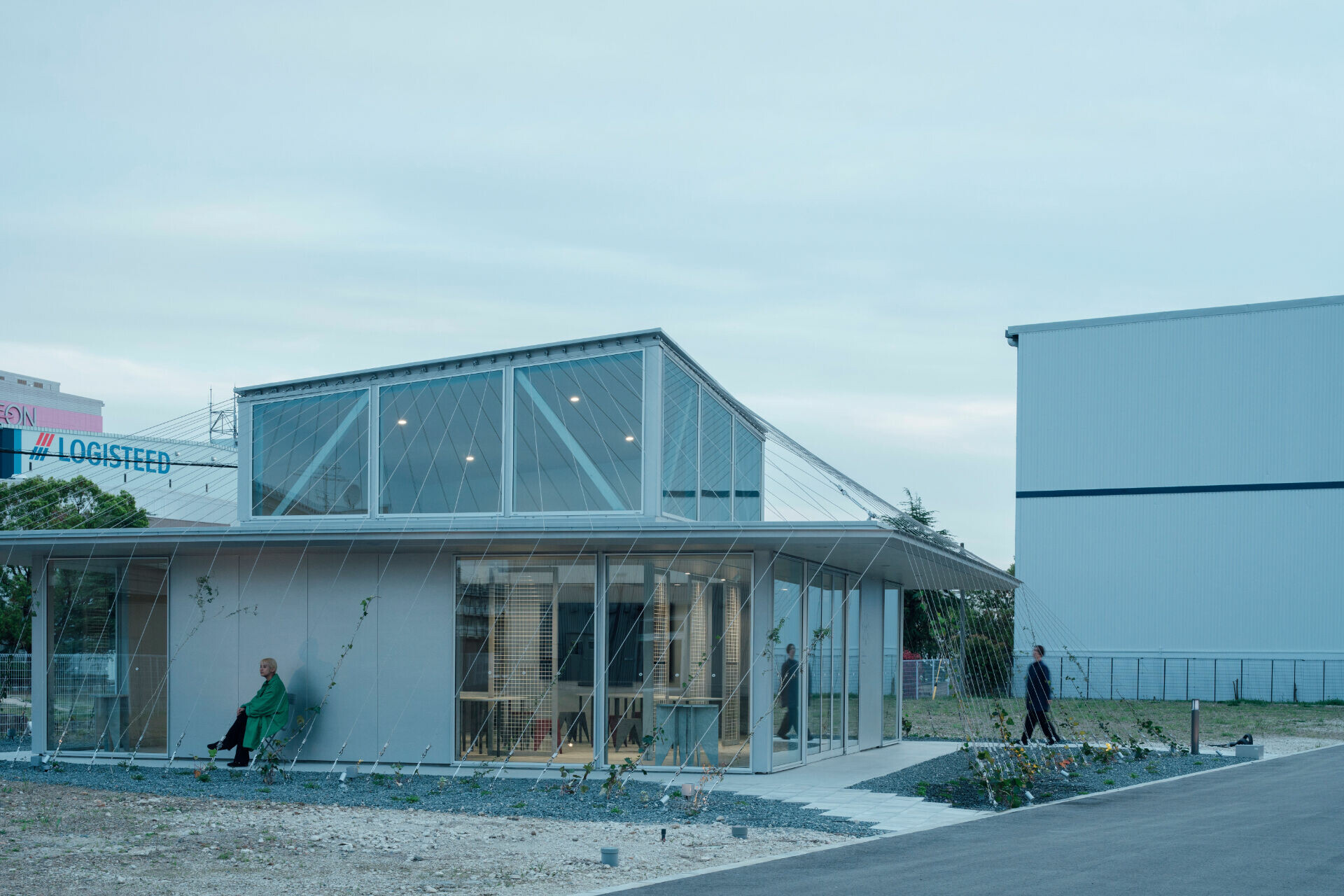
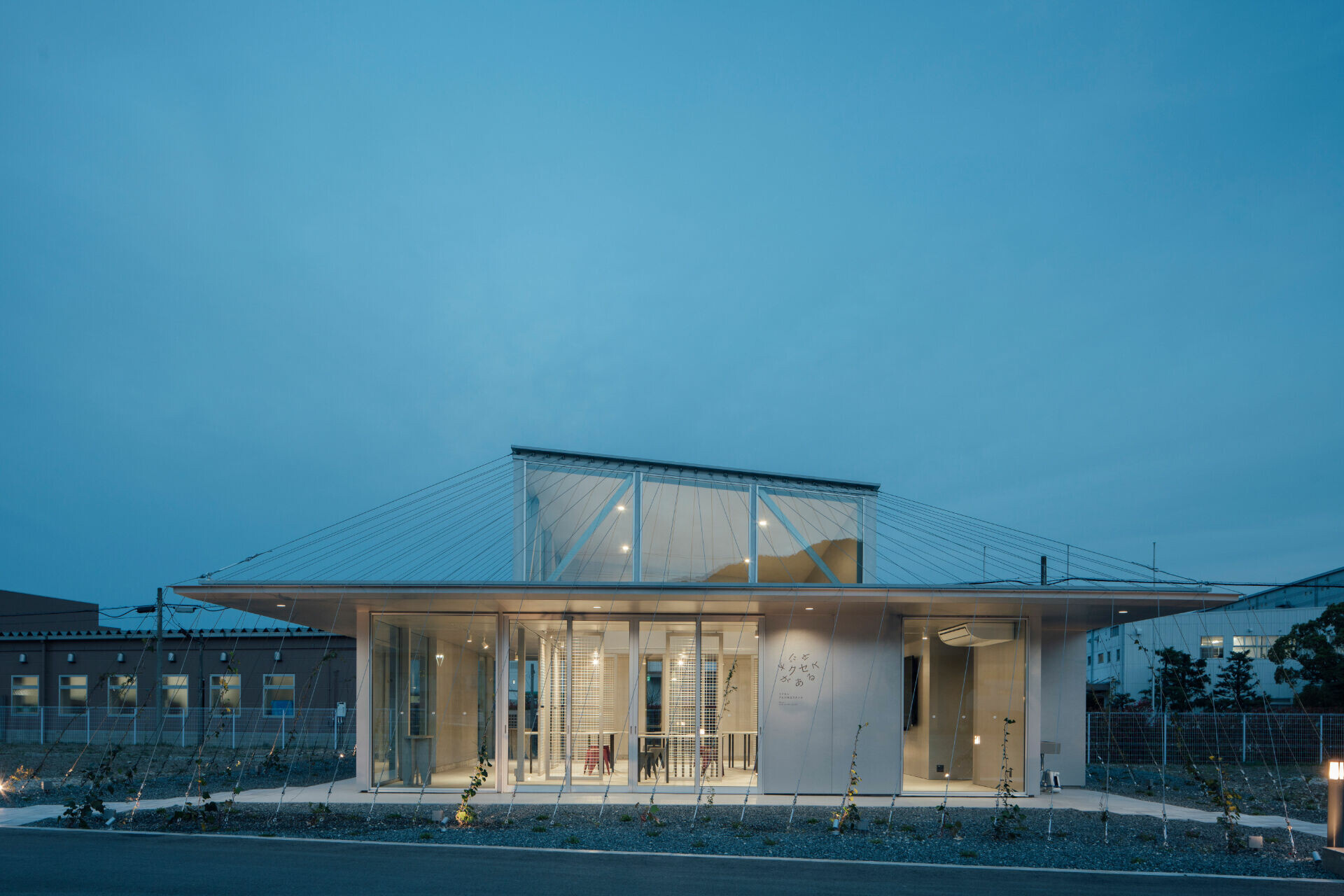
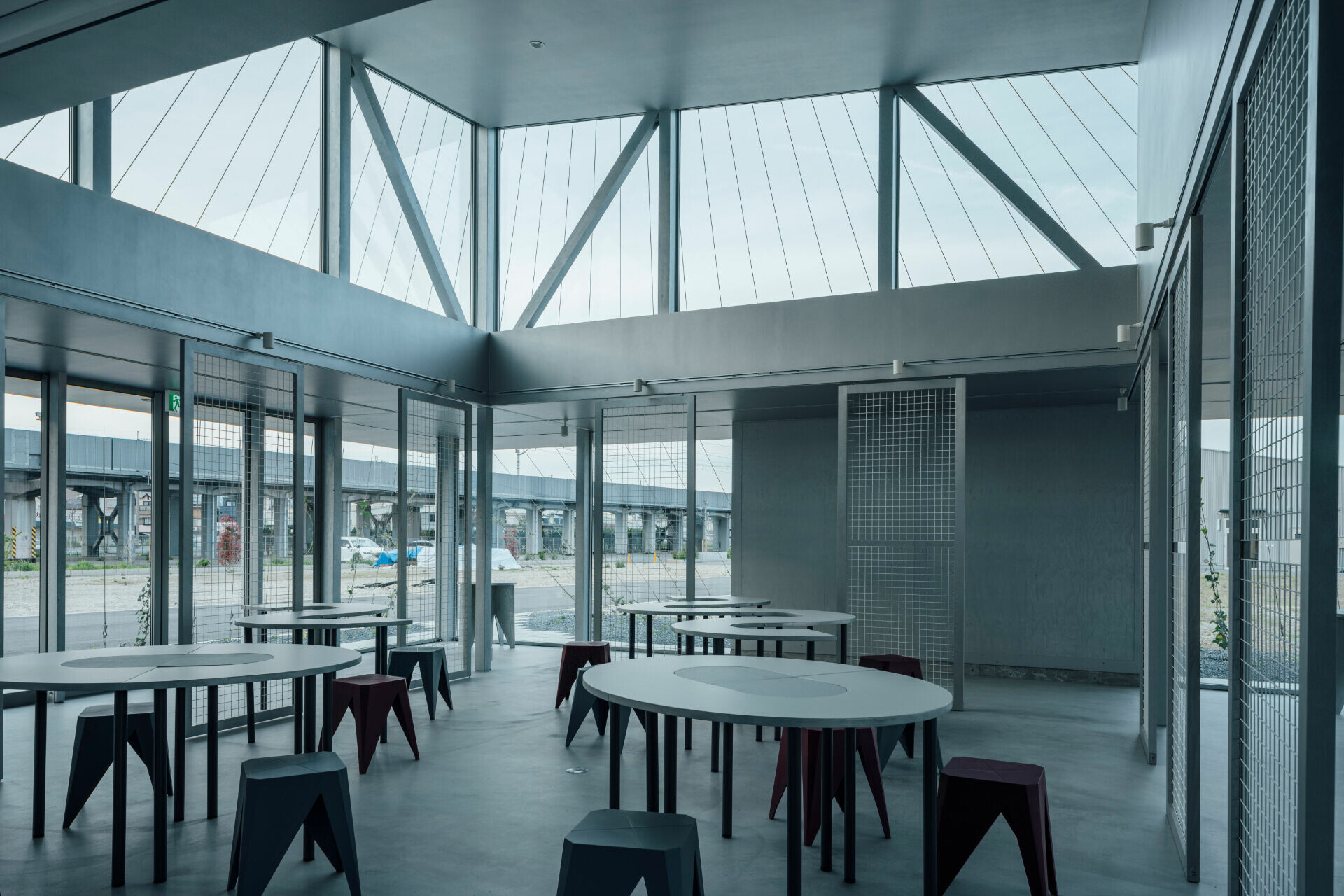
In Japanese, "KUSE GA ARU" (クセがある) signifies a distinctive character and unique identity—a concept embodied in this 100-square-meter open timber structure located within the Maxell corporate grounds. As part of the Art and Technology Village Kyoto (ATVK)—a collaborative initiative by the Kyoto City Government and the Kyoto Industrial Support Organization 21—the space serves as a platform for exhibitions, lectures, and workshops, fostering the exploration of design’s boundless possibilities. Guided by the principle of "harmonizing dynamism with fluid adaptability," the design team has created a highly versatile, ever-evolving environment. Featuring mobile exhibition walls, customizable furniture, and a structural design that seamlessly integrates natural elements with contemporary aesthetics, the space offers remarkable flexibility, enabling dynamic transformations that accommodate a wide range of activities.
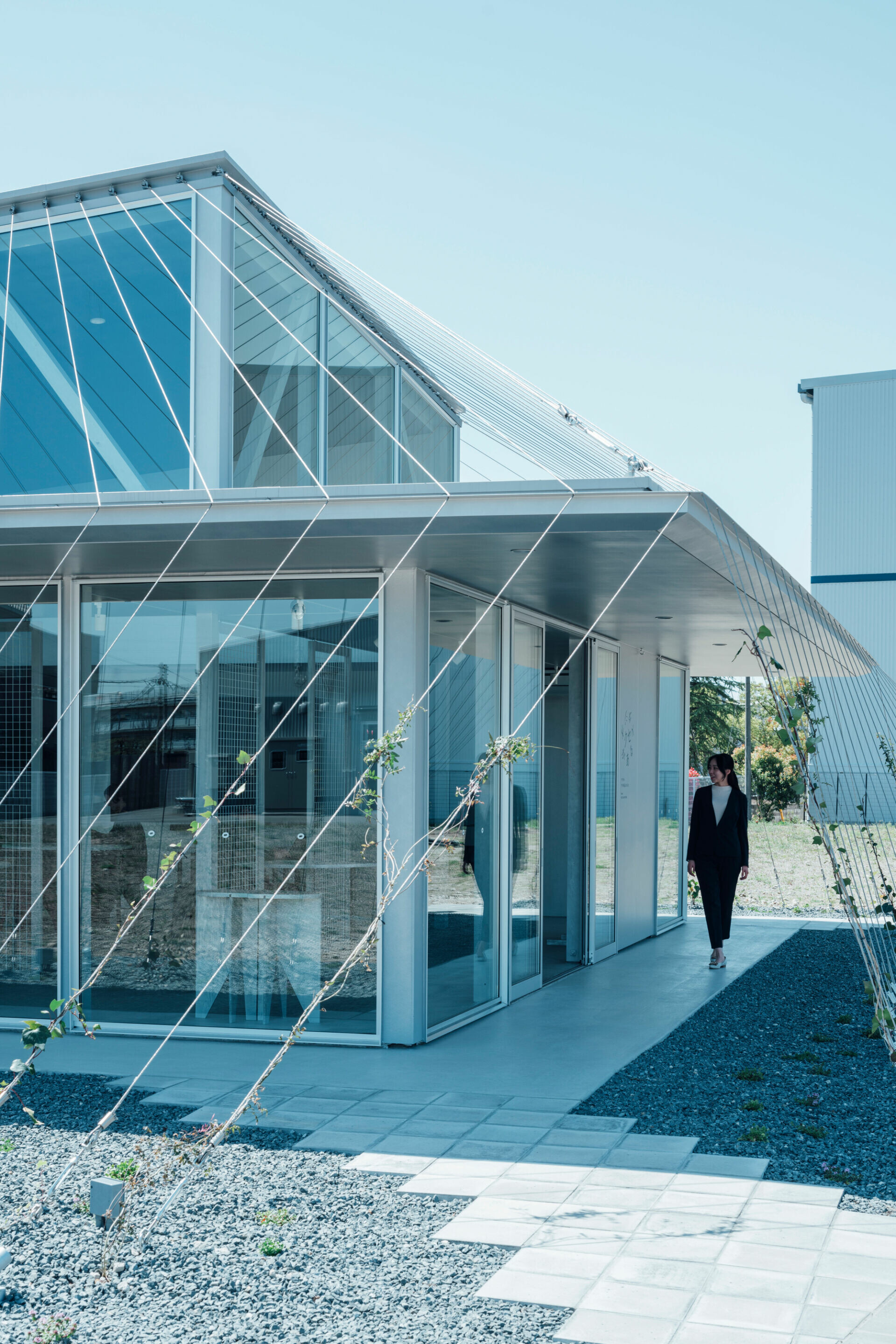
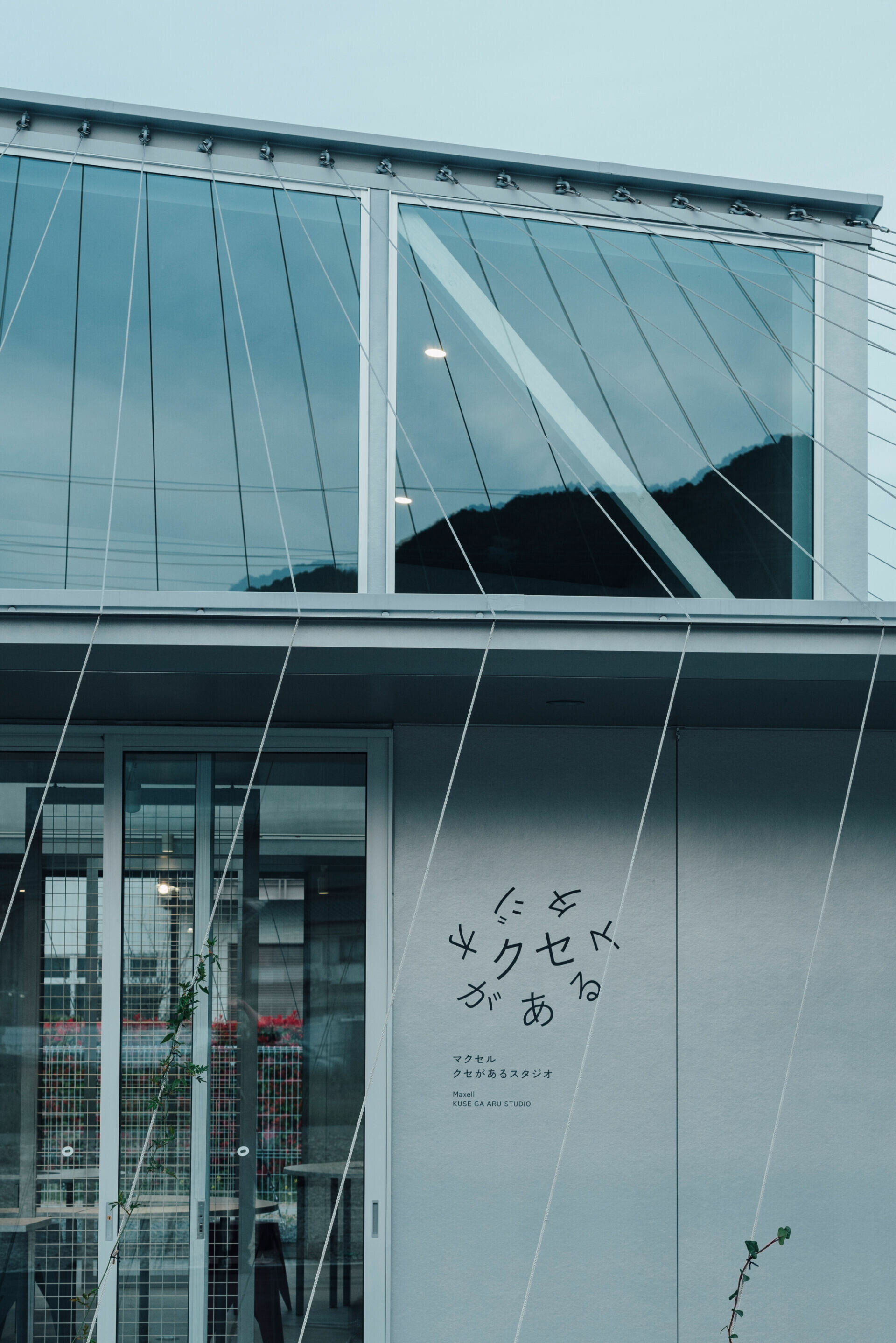
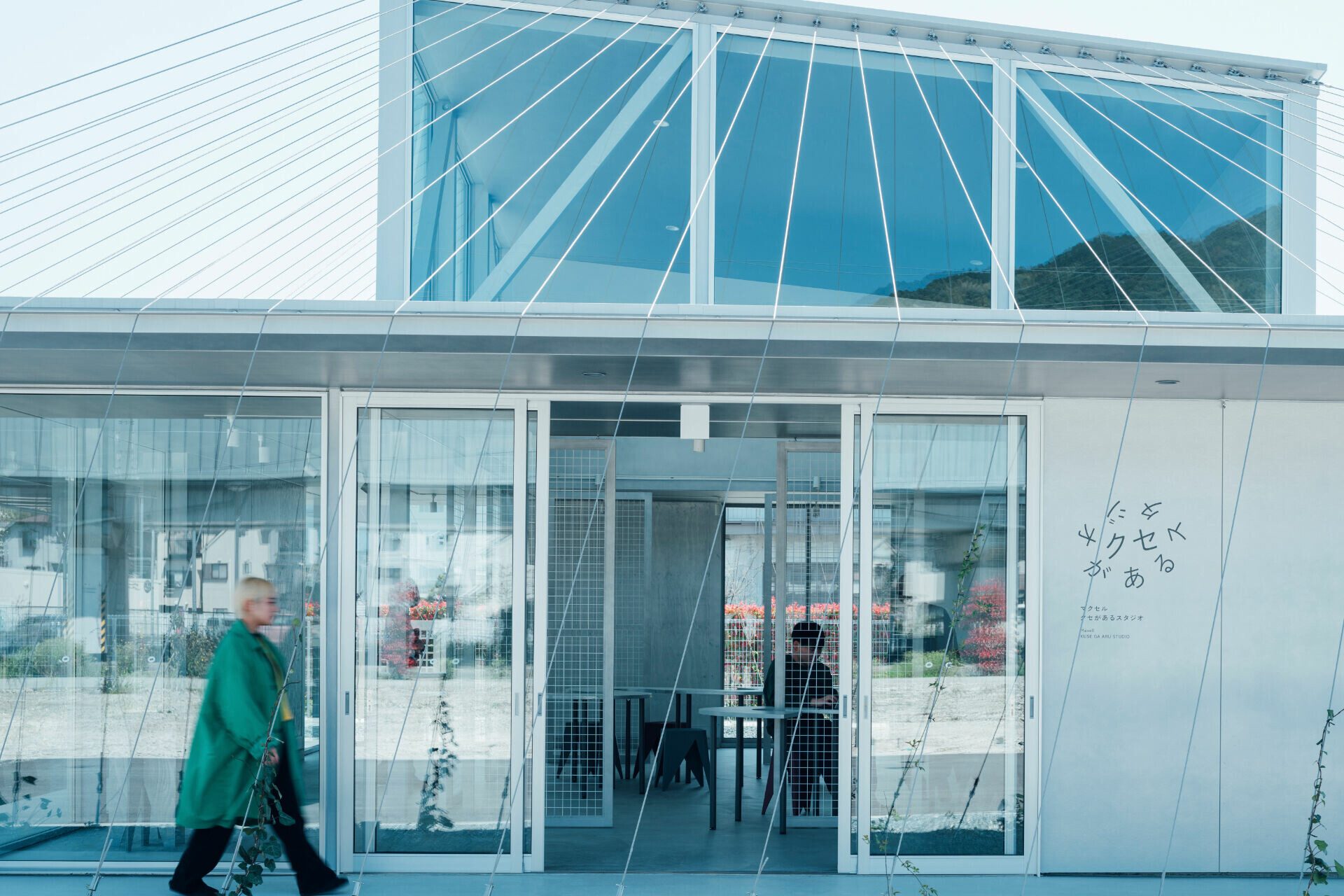
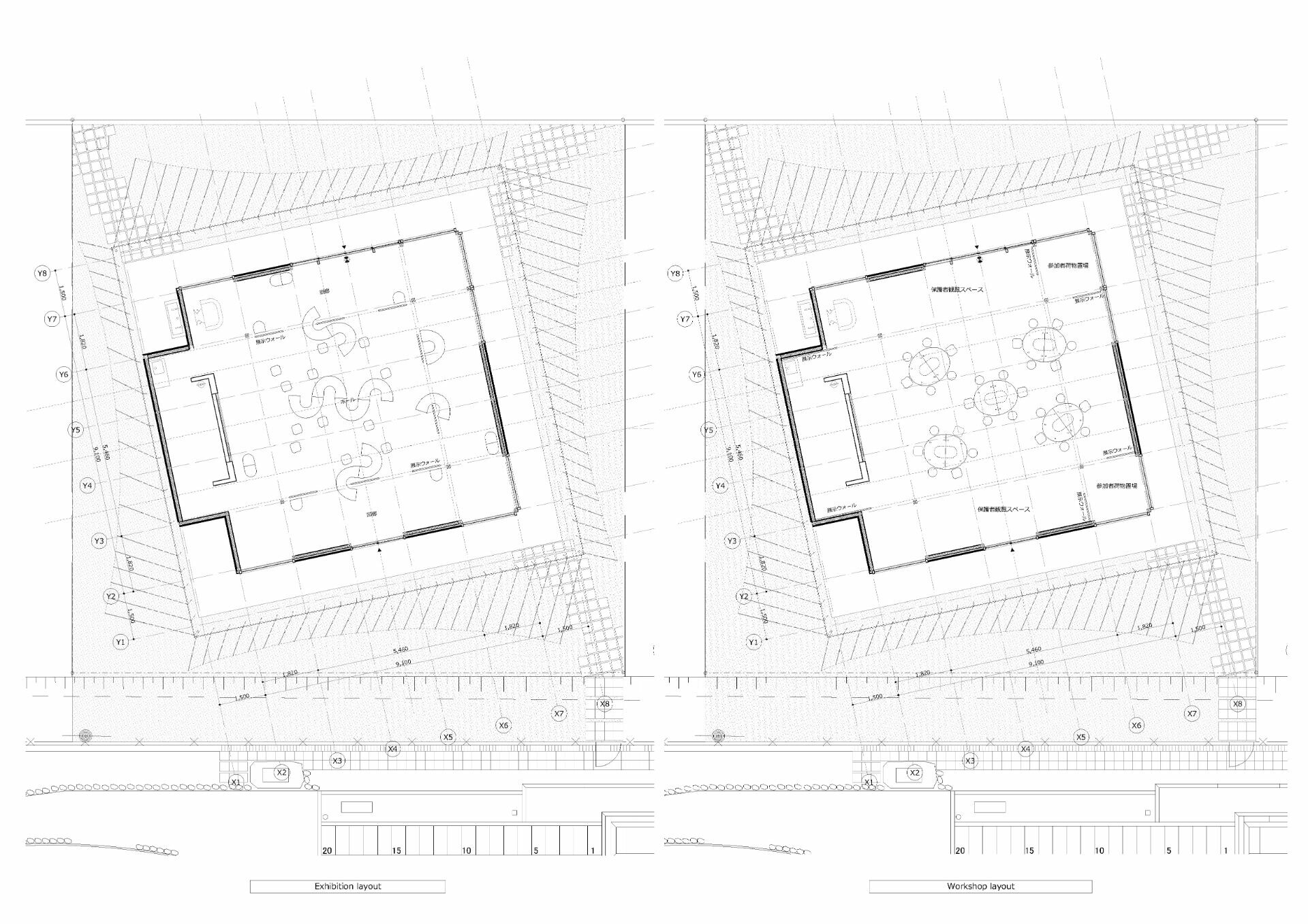
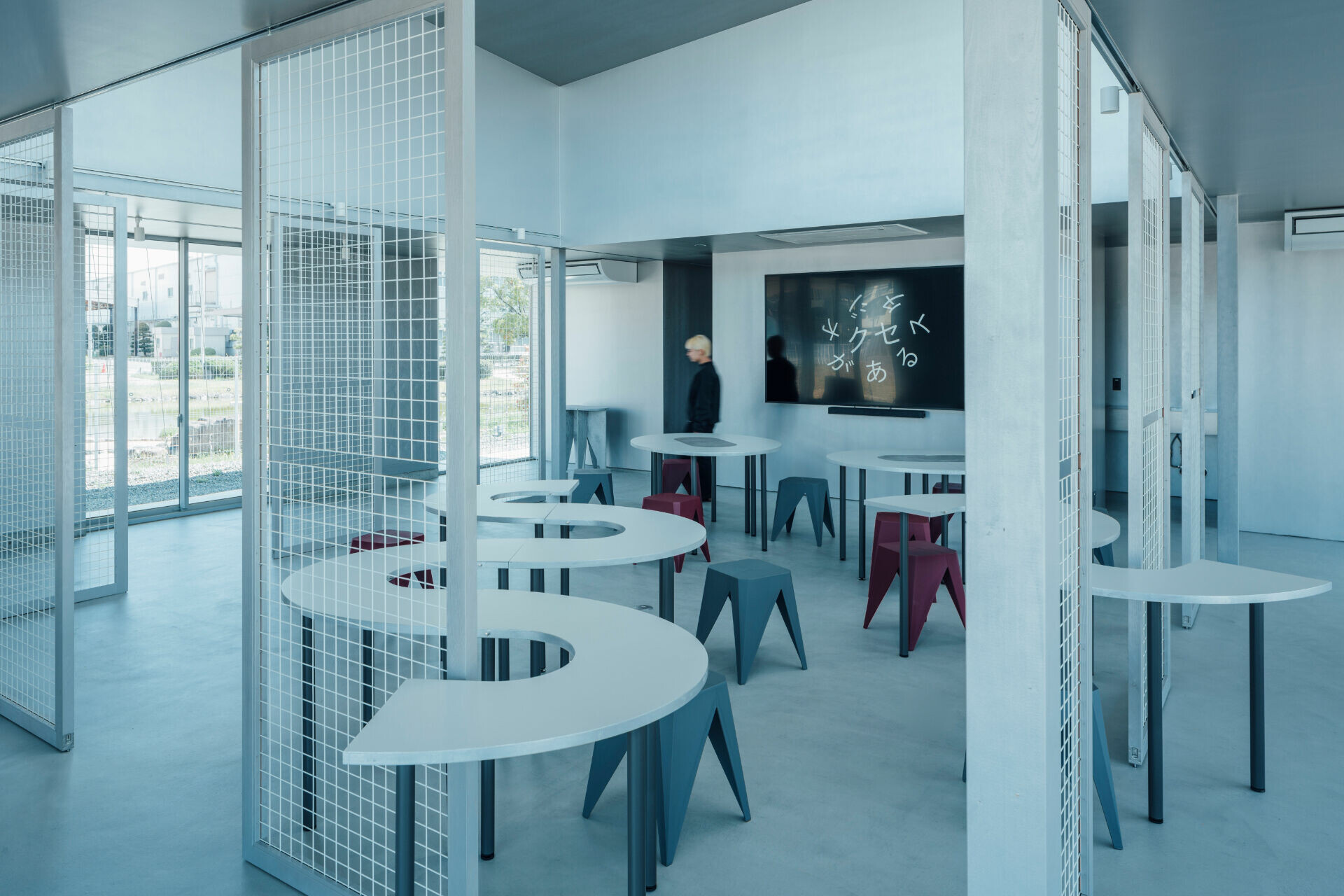
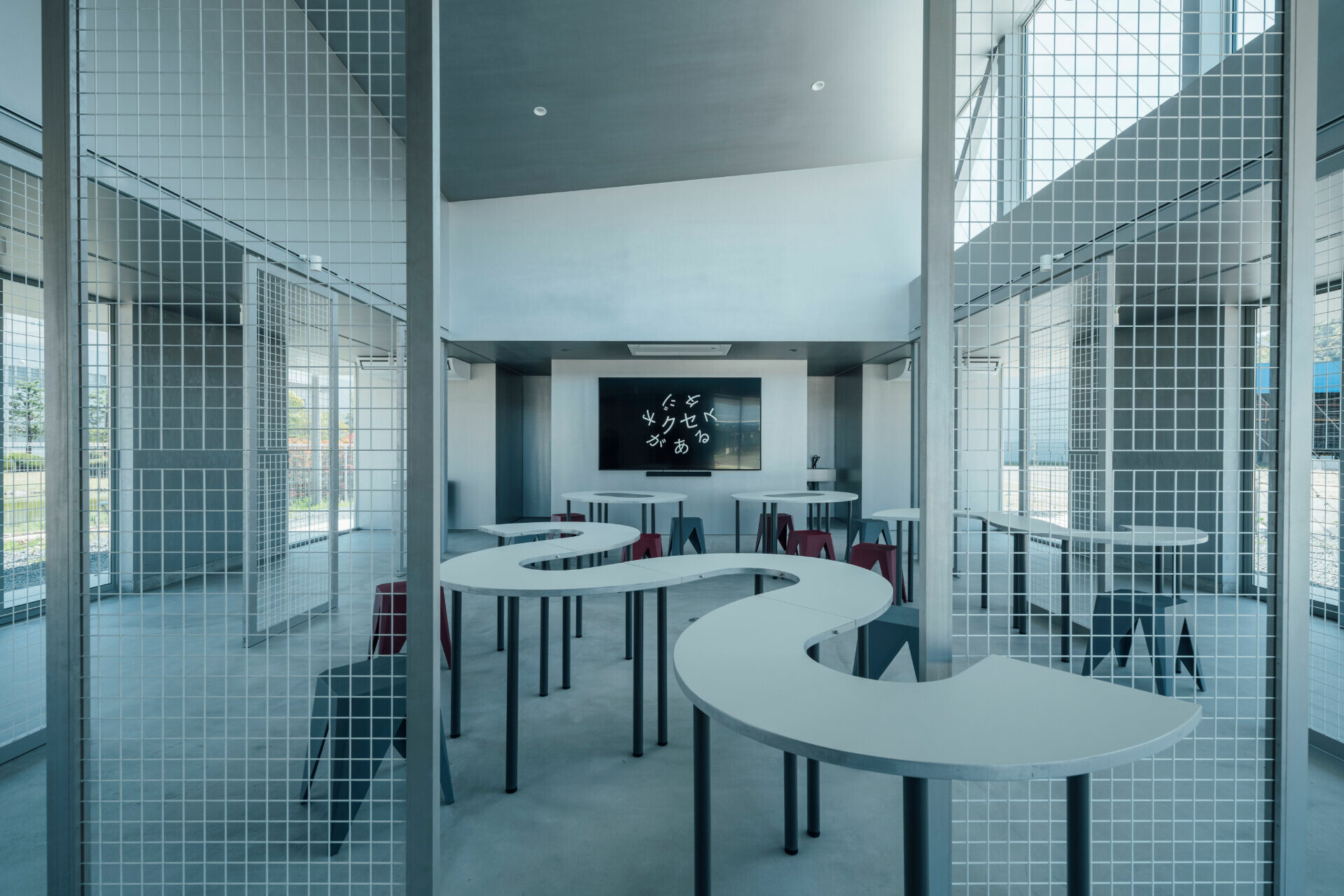
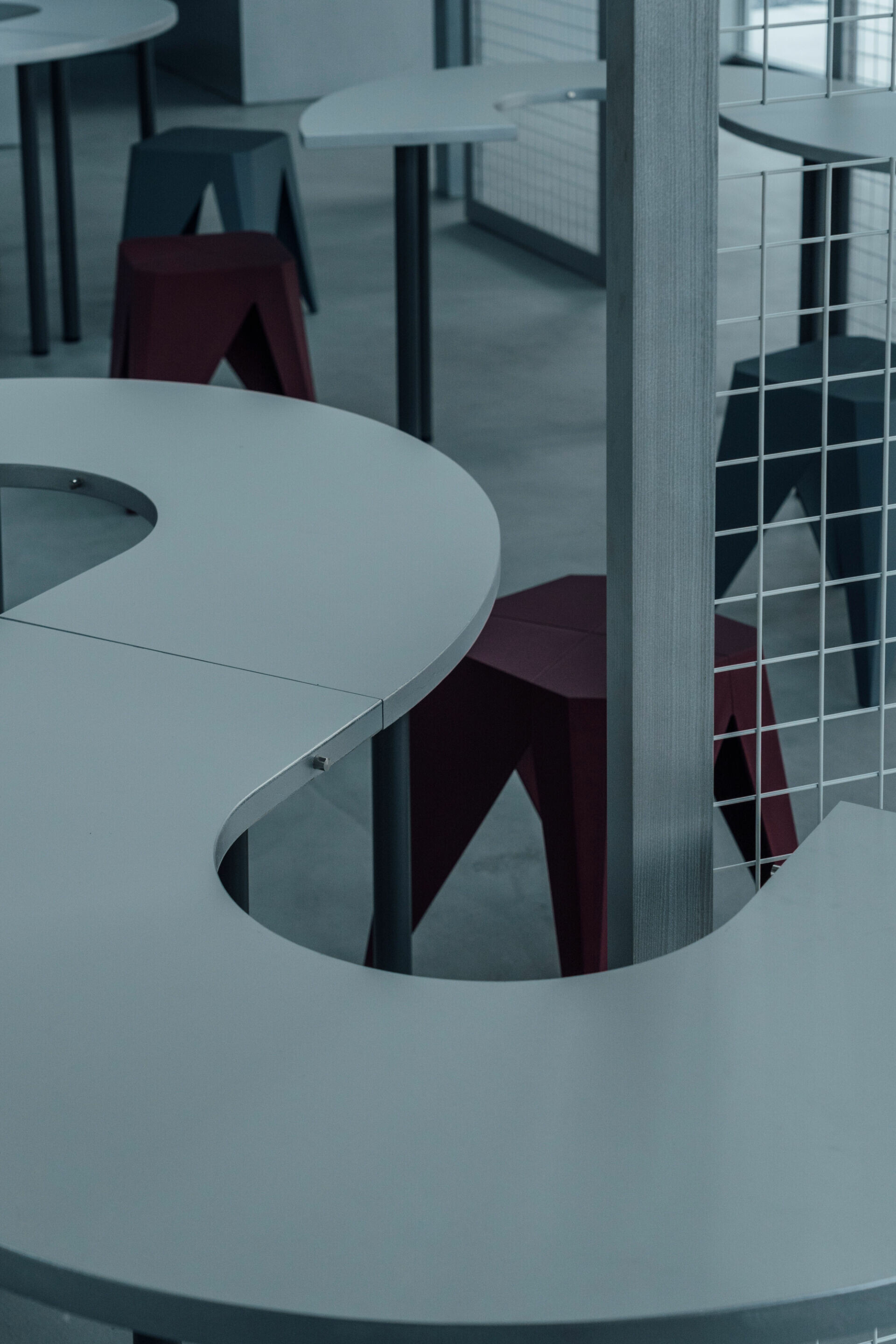
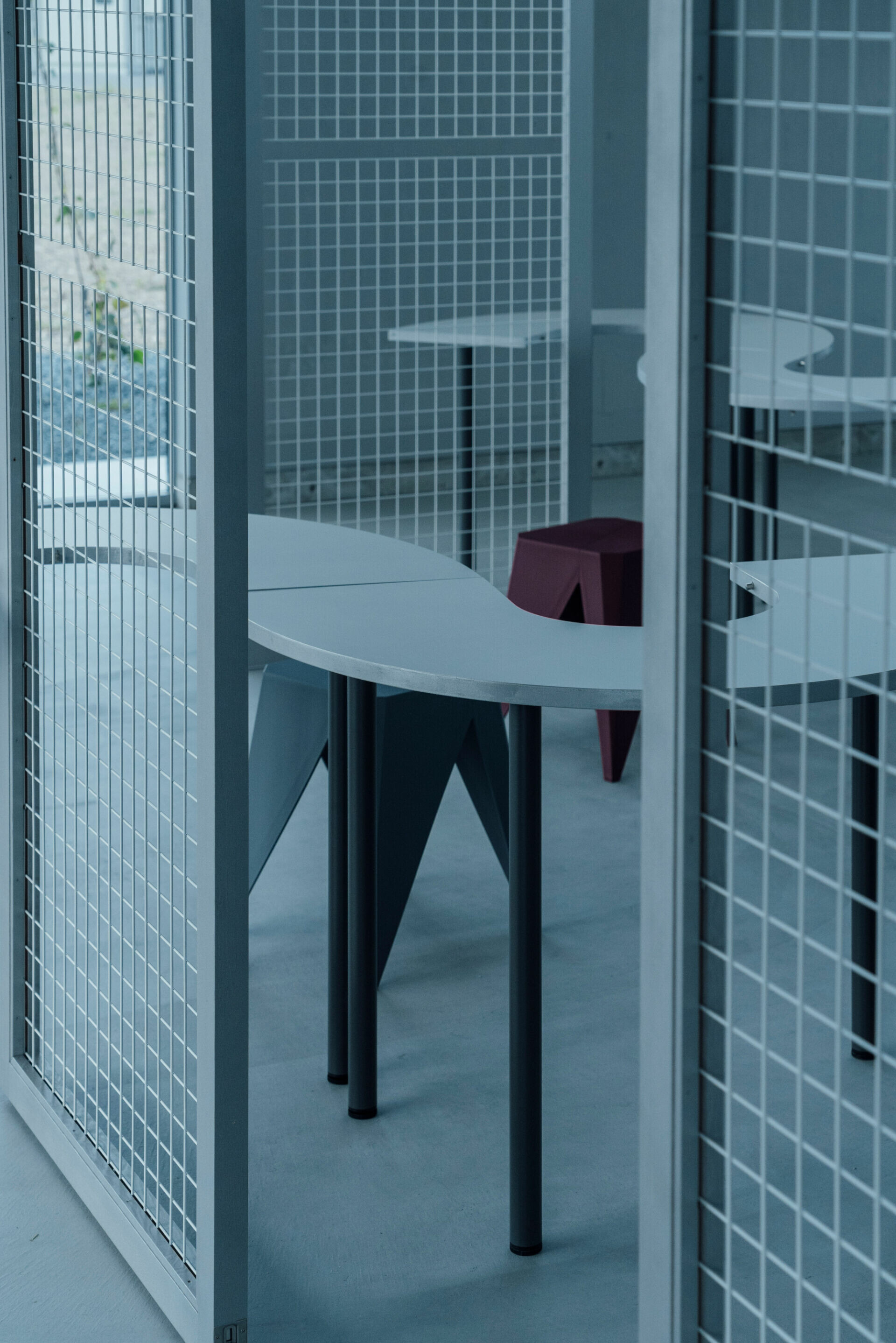
The building adopts a corridor-style layout, with the central exhibition area encircled by walkways, evoking the traditional Japanese "Kokono-Ma" concept. This spatial configuration fosters both fluidity and a strong sense of spatial centrality, enhancing lightness and openness. Movable partitions made of metal mesh serve a dual function as both display walls and flexible dividers, allowing for seamless reconfiguration based on event requirements. A defining design feature is TABLE_MX, a multi-functional exhibition table custom-designed for the space by graphic designer Yuta Ichinose. Inspired by the studio’s emblem, its form embodies the principles of “circulating corridors” and “the elegance of curved geometry.” The central oval segment can be detached, transforming the table into a dynamic, sculptural display stand. Meanwhile, the detached tabletop, when mounted on a supporting frame, functions as a semi-circular or oval side table, providing exceptional spatial adaptability.
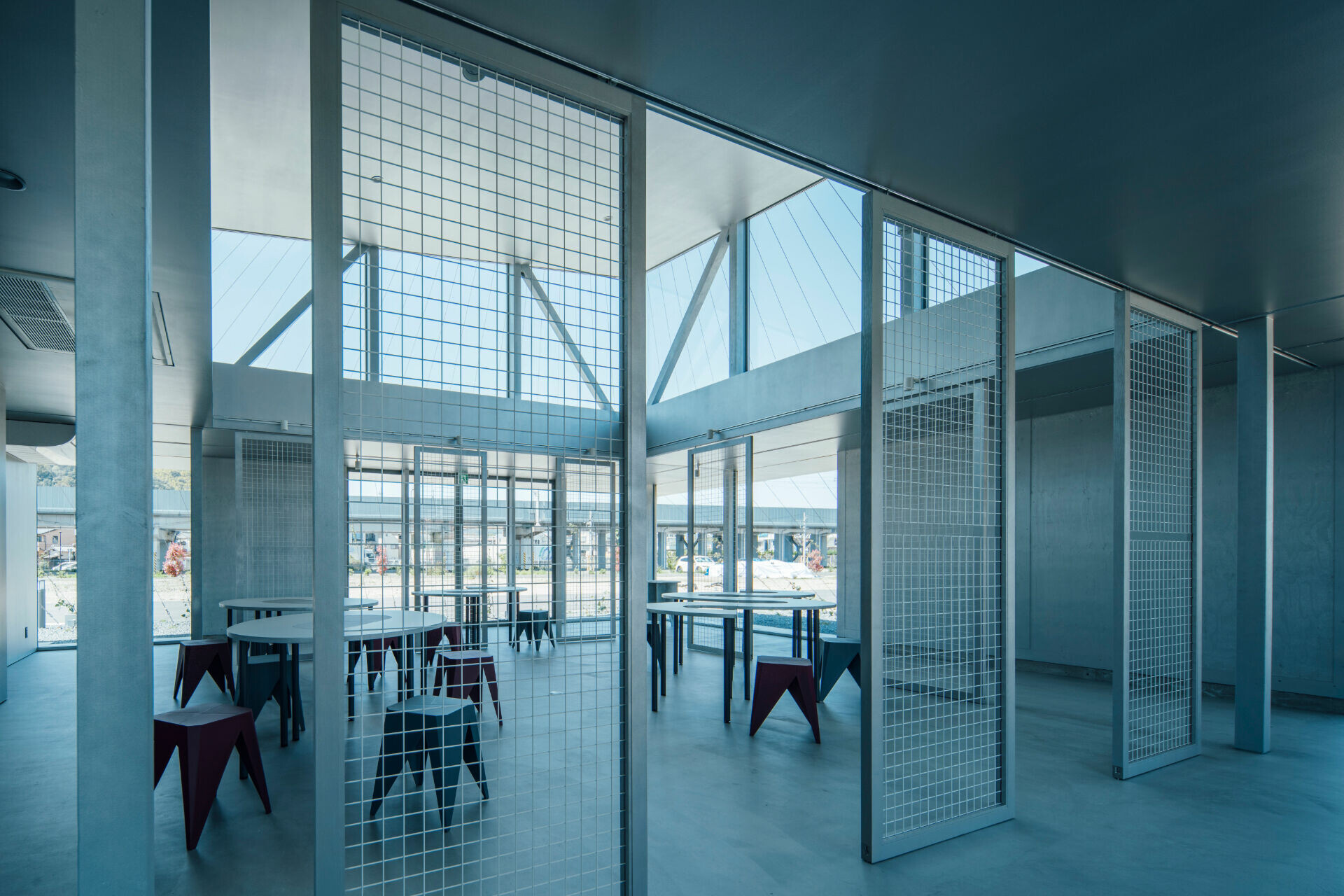
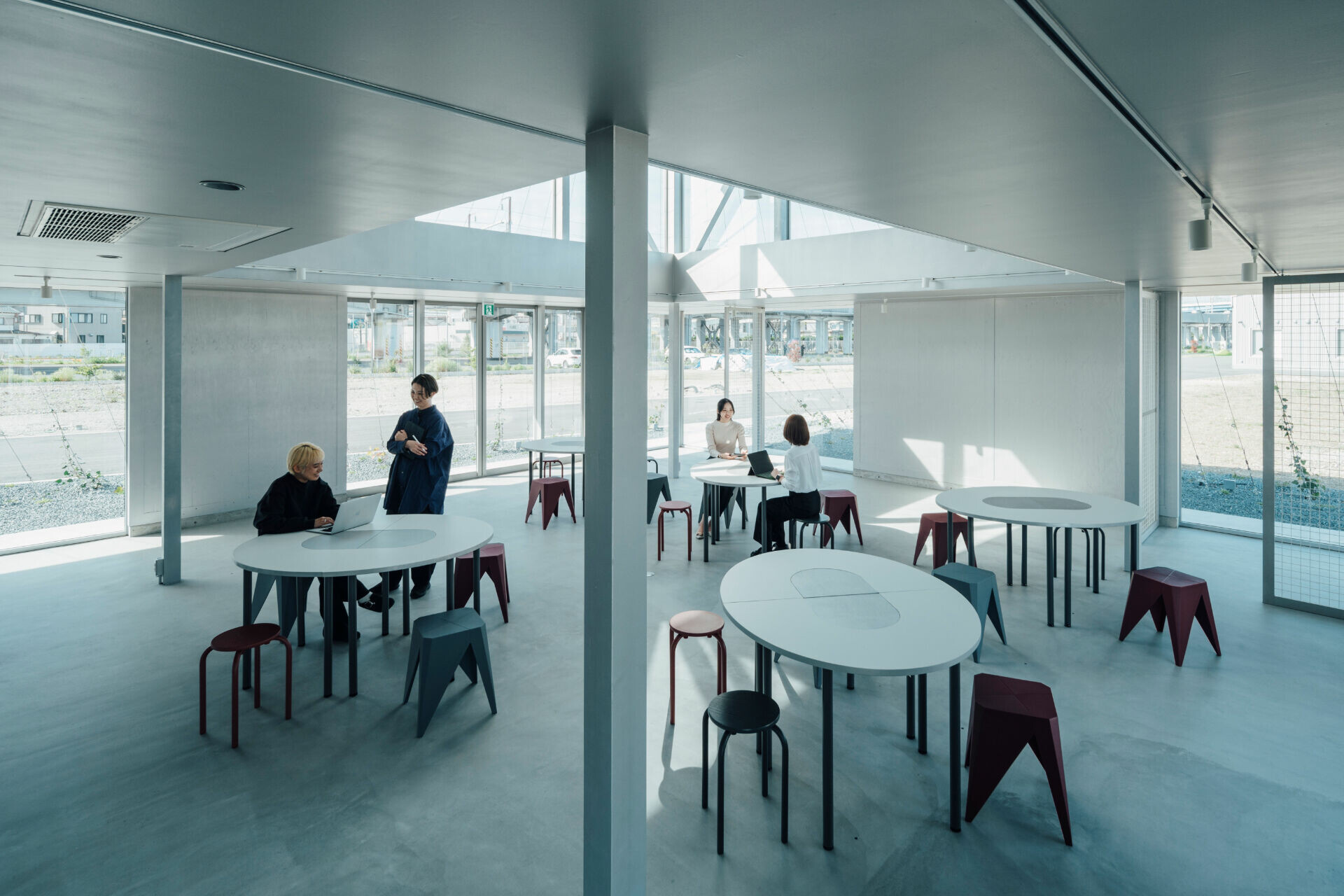
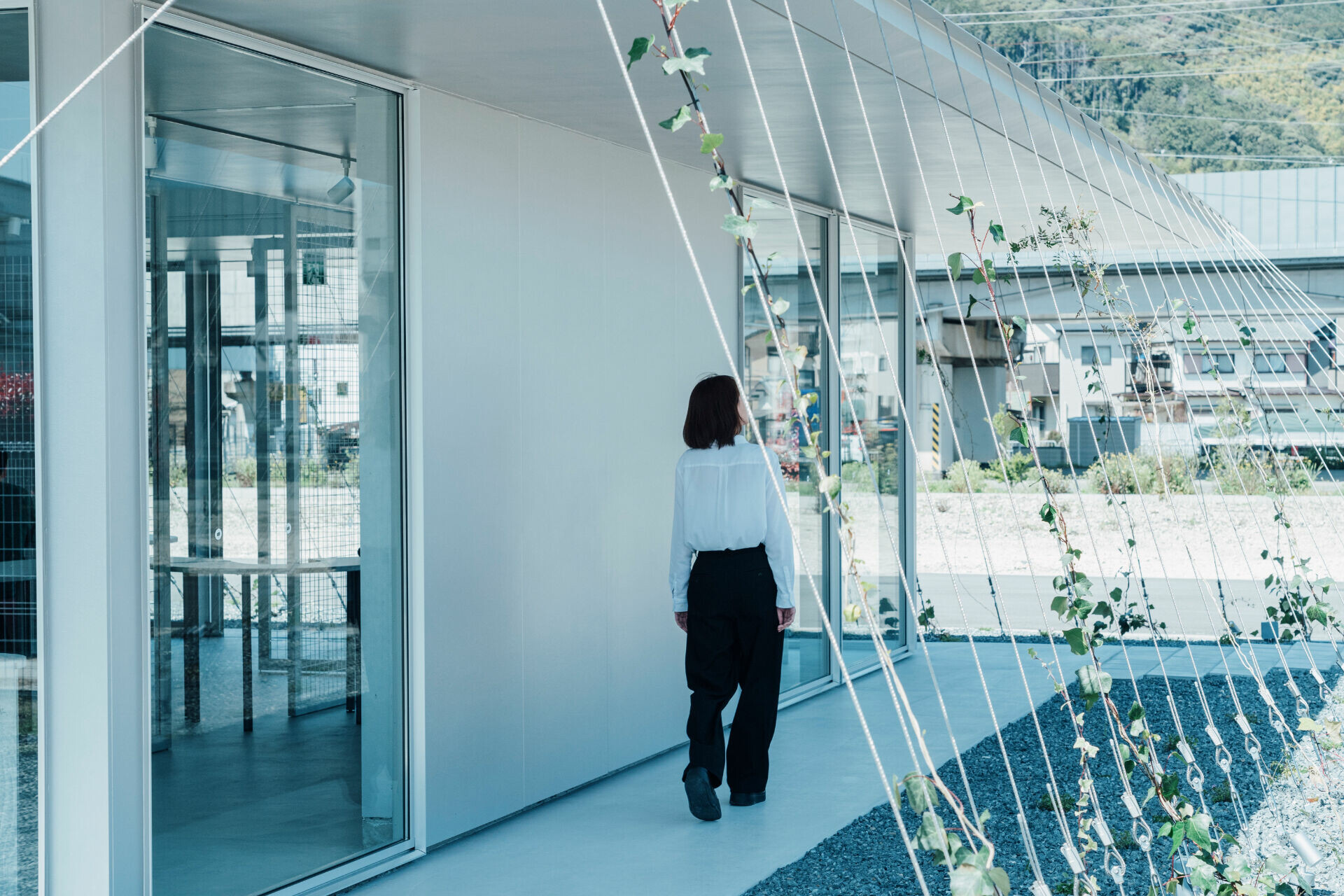
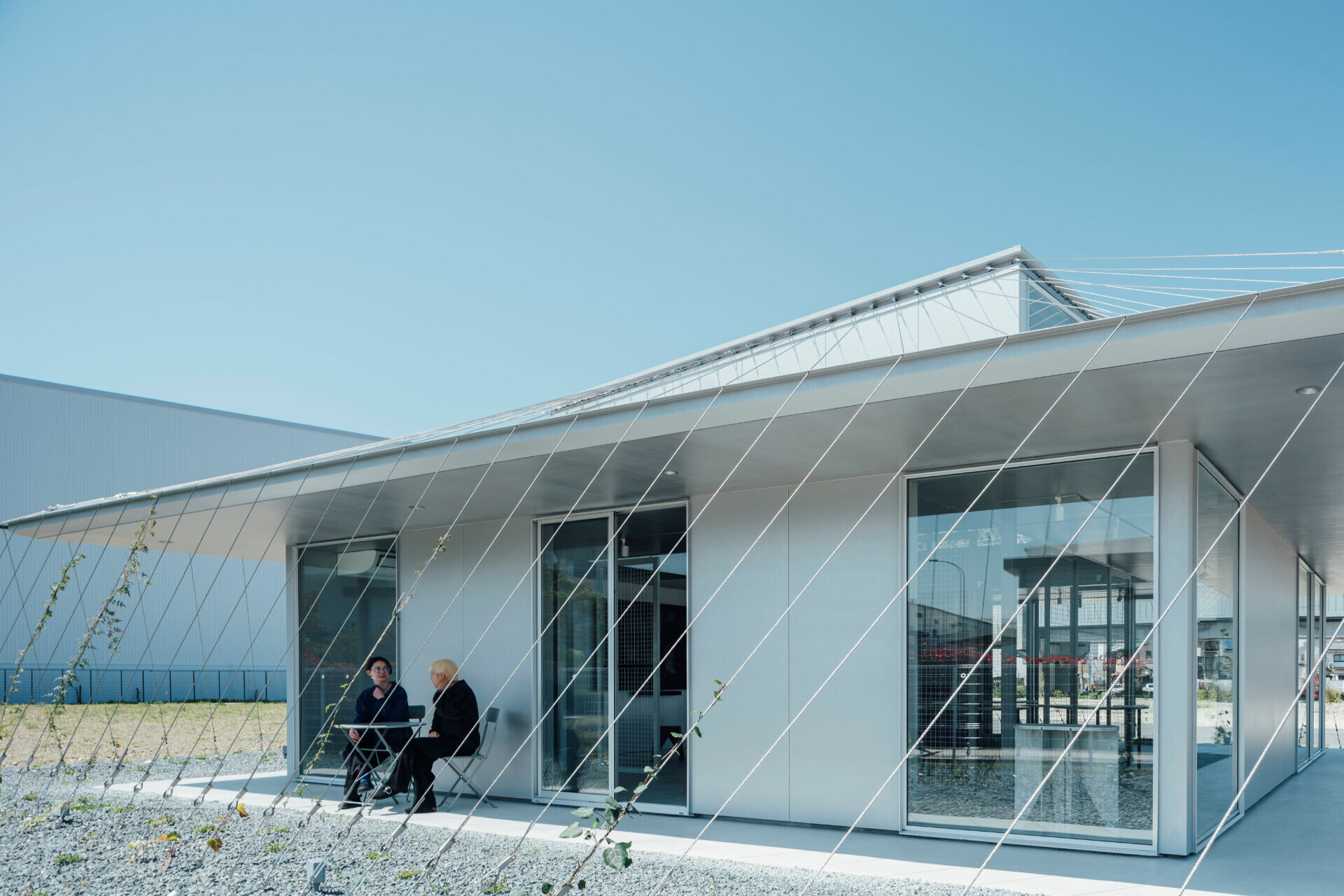
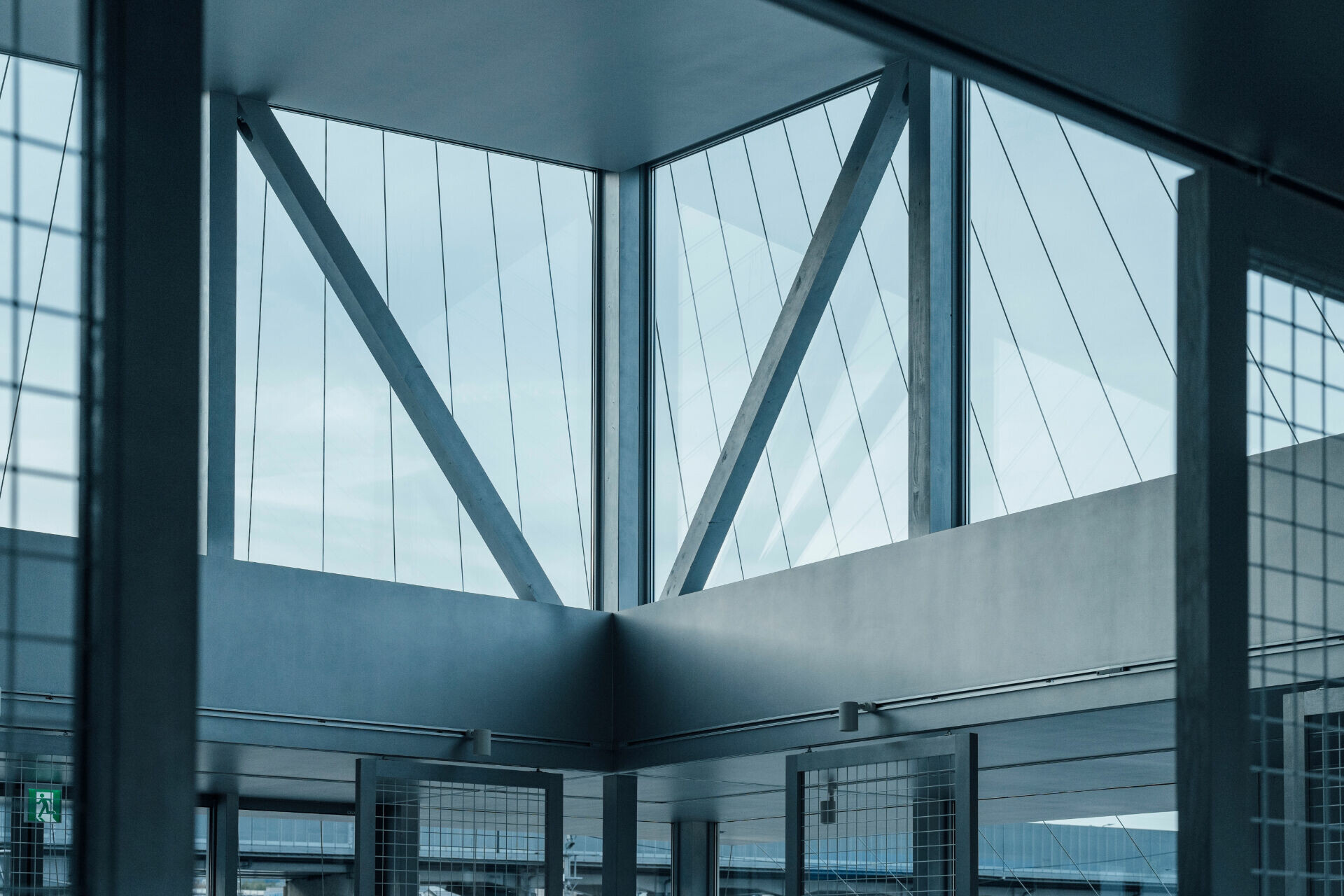
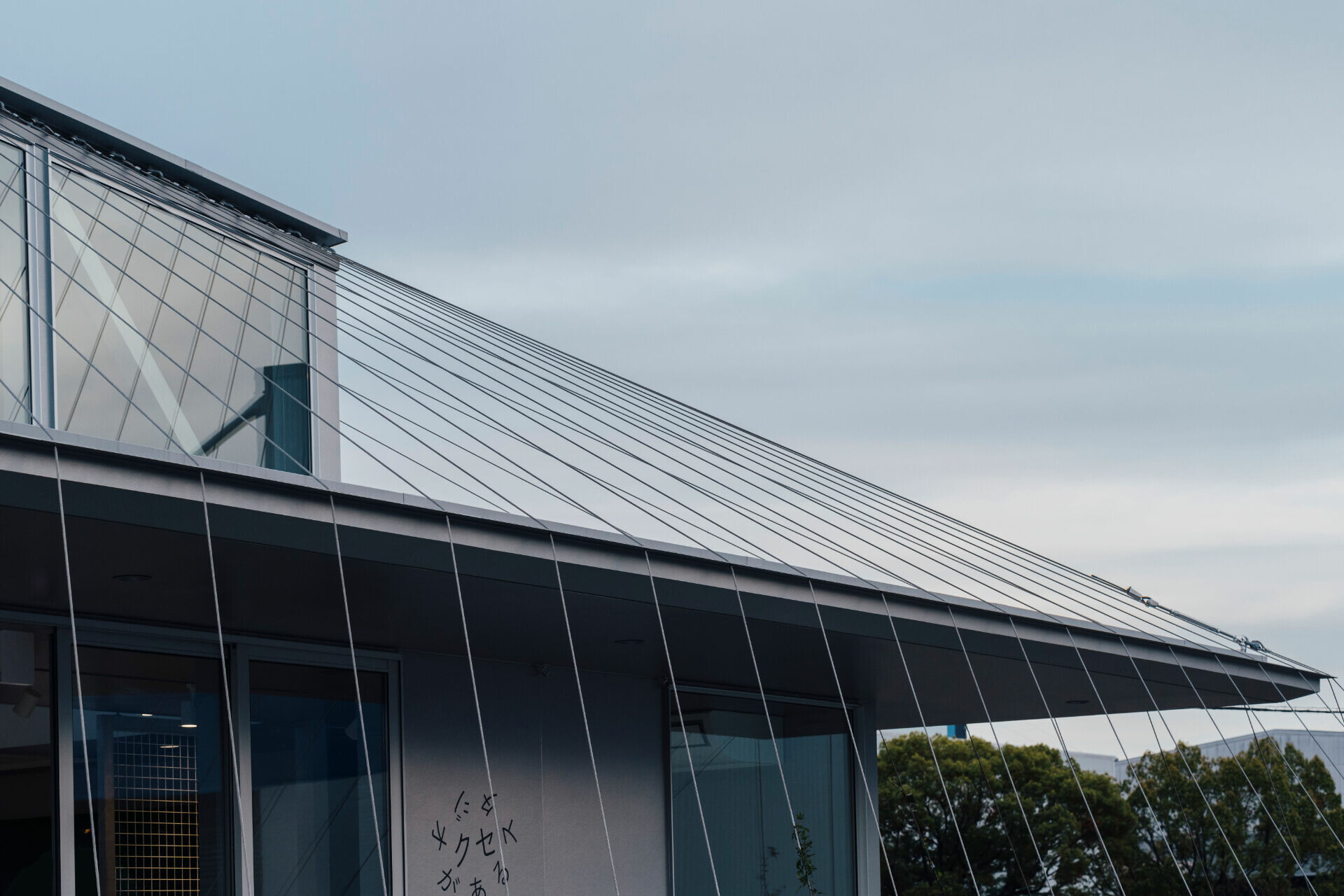
The 1.8-meter-wide eaves were meticulously designed based on solar angle calculations, ensuring optimal shading for the corridors while creating a captivating interplay of shifting light and shadow throughout the day. Suspended by steel cables, the eaves contribute to a light yet structurally robust wooden form. Beyond their structural role, these cables also function as a supporting framework for climbing plants, symbolizing the seamless integration of technology and nature. By striking a delicate balance between movement and stillness, the design cultivates an open-ended spatial experience, where the meaning of the space is ultimately shaped by its users. This forward-thinking, multi-purpose architectural platform represents a new paradigm—one in which art, design, and adaptability converge to create a continuously evolving environment.
Principal Designers | Kazuya Mizukami
Structural Engineer | Takuma Togo(IN-STRUCT)
Character of Space | Multipurpose Facility
Building Area | 120.91㎡
Site Area | 91㎡
Structure | Wood
Materials | Fiber Cement Siding /Aluminum Frames/Stainless Steel Wire/Gypsum Board/Plywood/Timber
Location | Oyamazaki, Kyoto, Japan