Miel pavilion
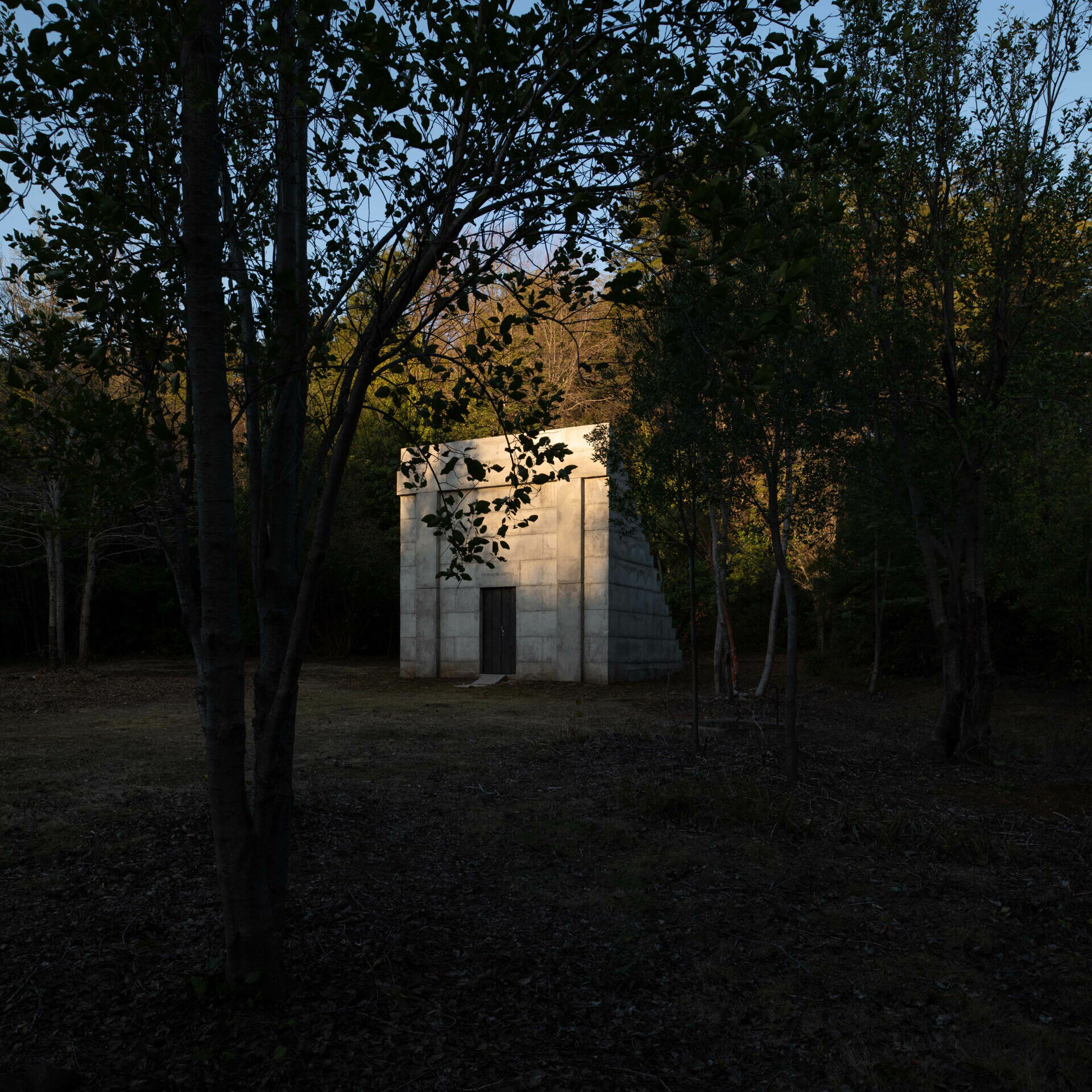
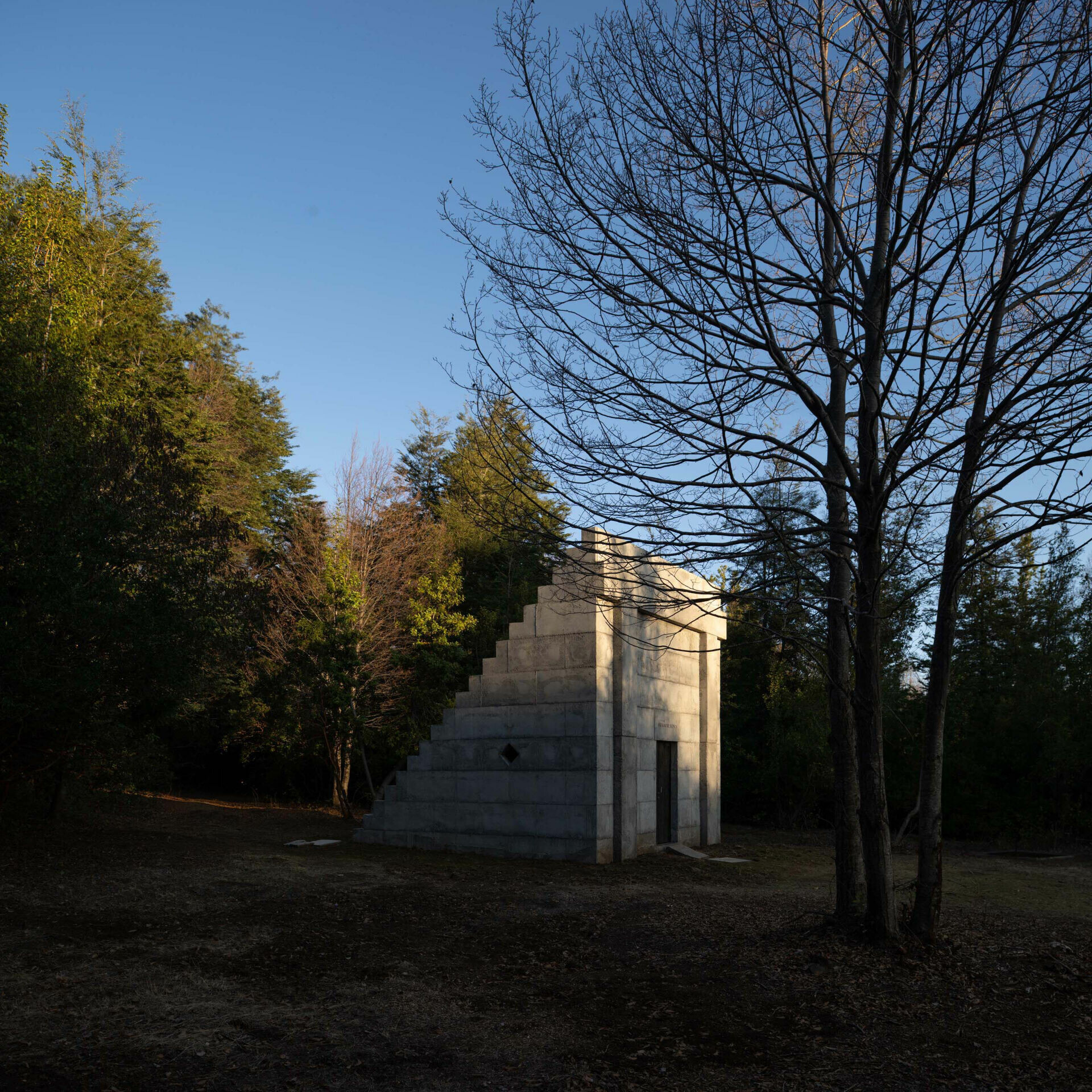
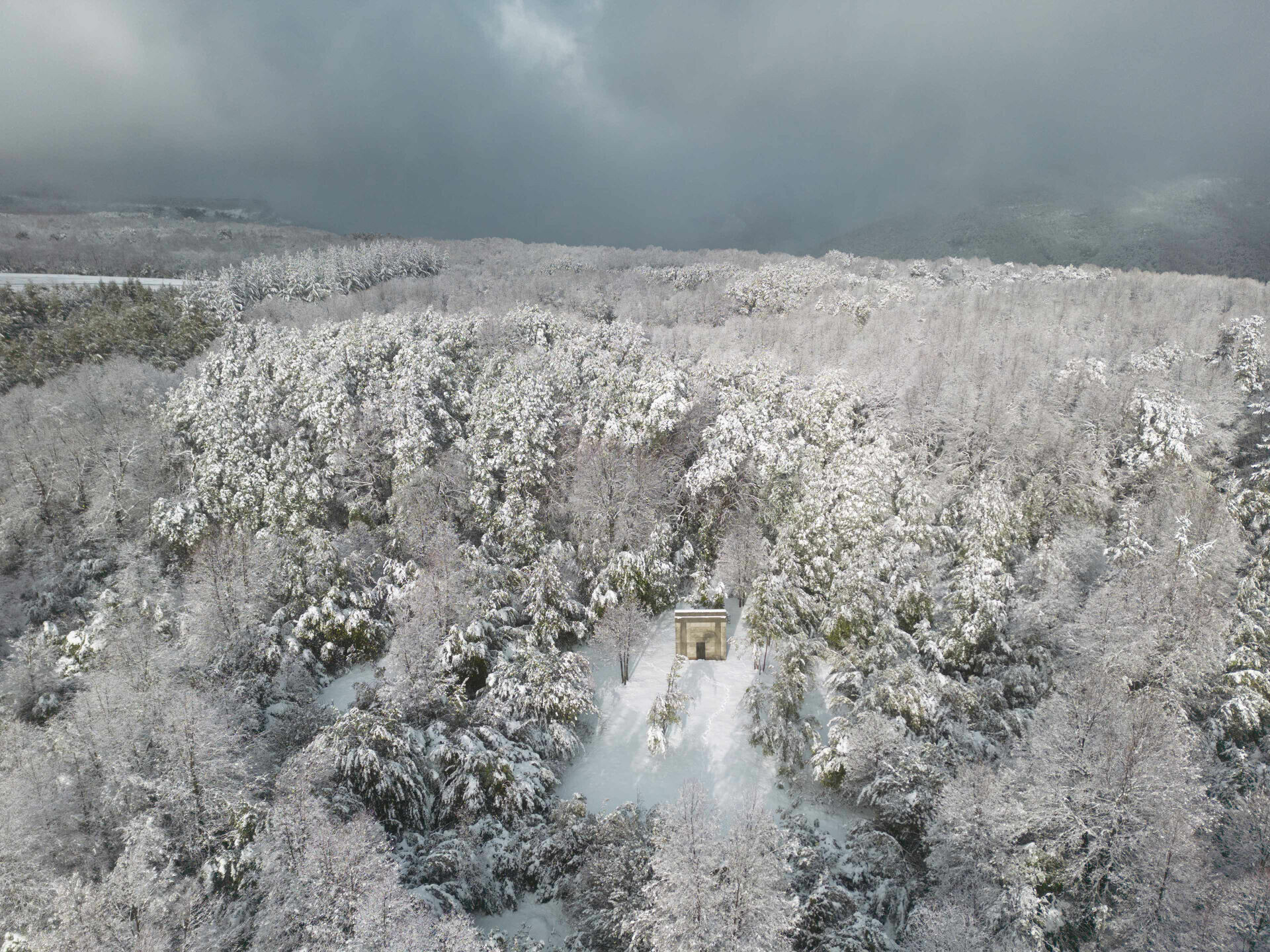
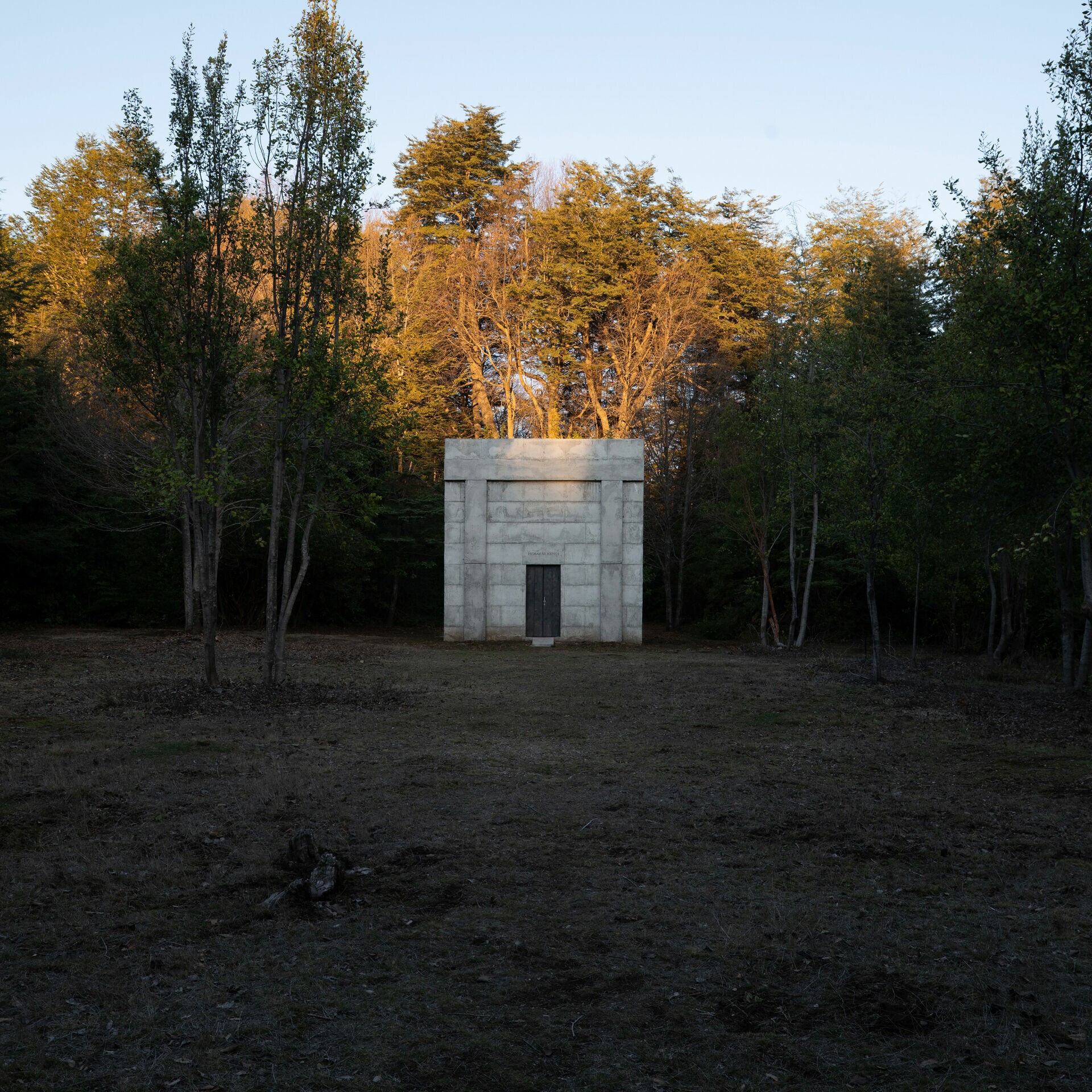
The architectural firm Pezo von Ellrichshausen is particularly adept at using simple geometric shapes to challenge our perception of space. As suggested by their design sketches, the architects attempt to deconstruct structures into fundamental elements and present them through various elevations, establishing a unique spatial experience for the occupants. This small house is located deep within a forest of Coihues (Nothofagus dombeyi) in Chile. With the vast, deep forest as its backdrop, and an explicitly asymmetrical design, the concentrated and directionless footprint acquires an axial sense. From one side, it appears to be completing an imaginary cube, yet from the opposite side, it has no elevation at all.
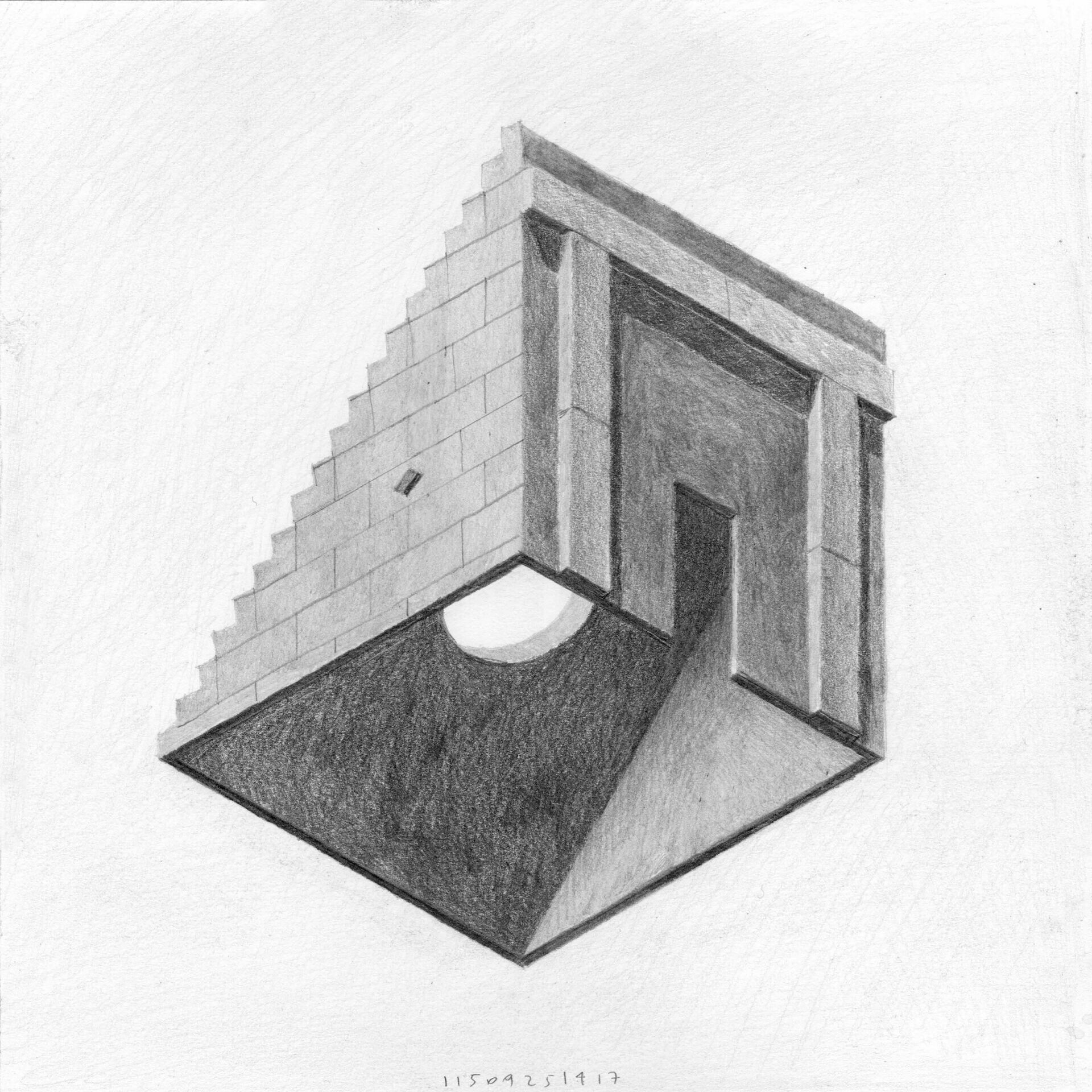
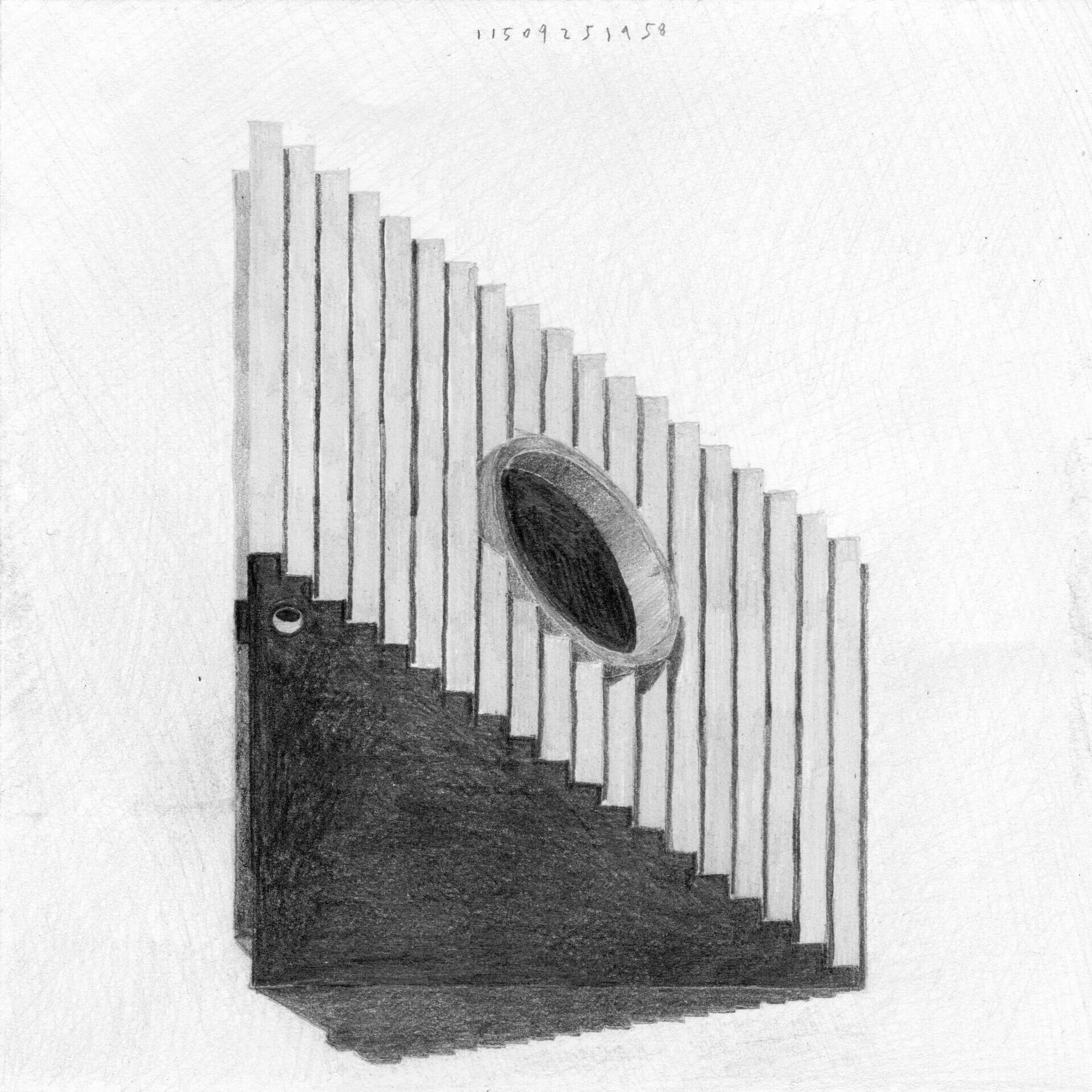
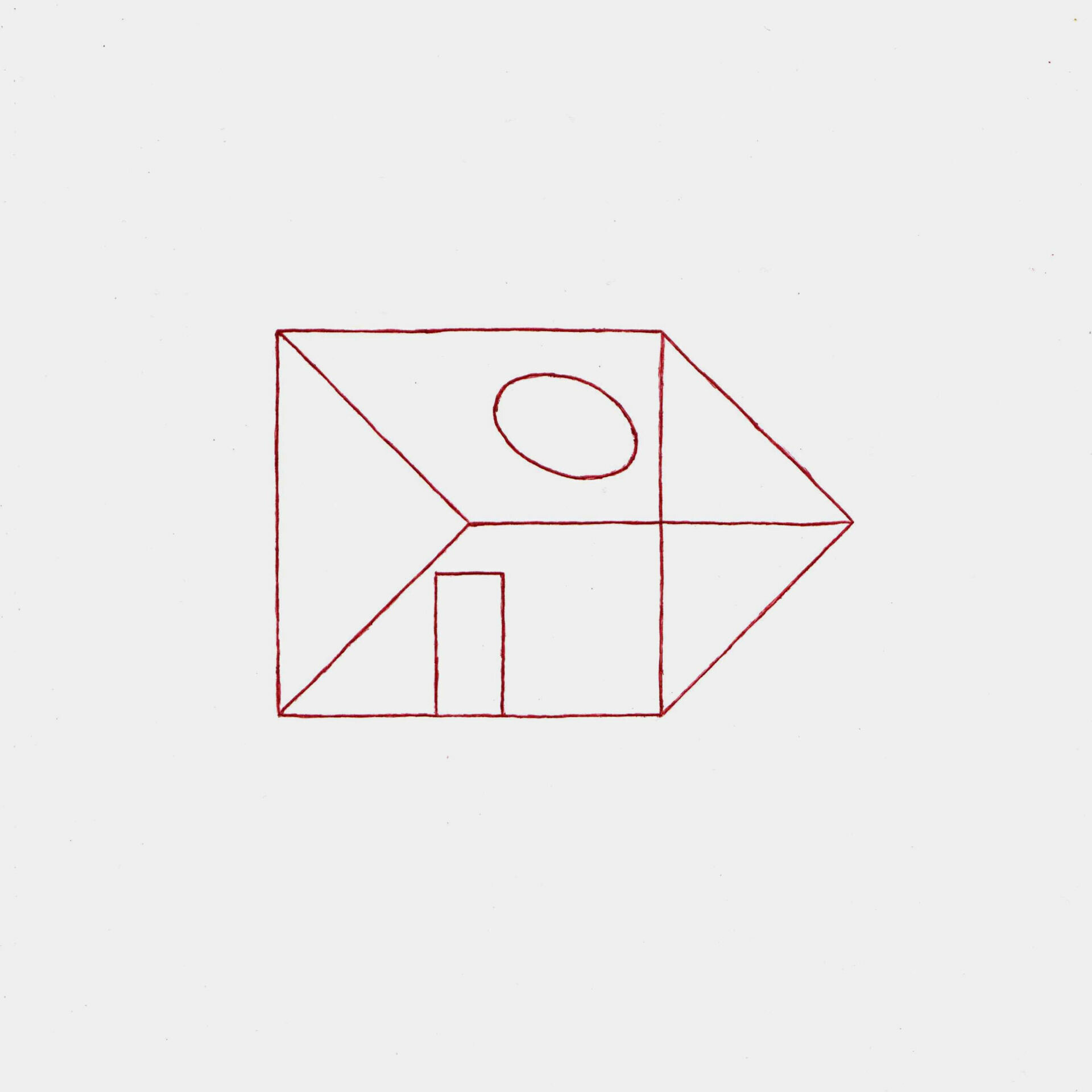
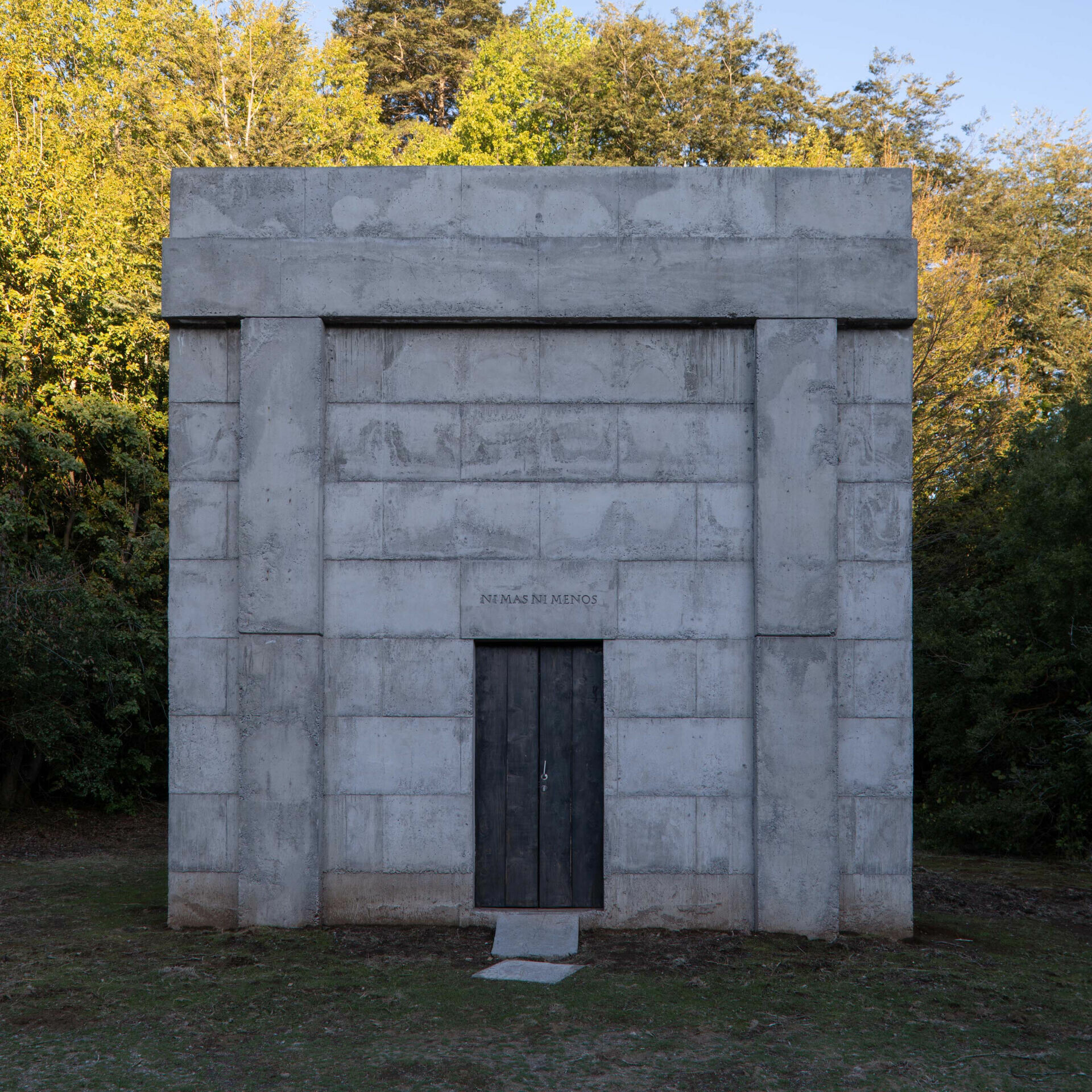
Such frontality makes the wall an altarpiece, a mute plane reinforced by two buttresses that support an apparently useless beam and by an engraved lintel (NI MAS NI MENOS, or “no more no less” in Spanish) that contradicts its muteness. Once crossing this opaque threshold, with the foliage cut off by an exaggerated circular oculus, there is no longer any distinction between wall and ceiling.
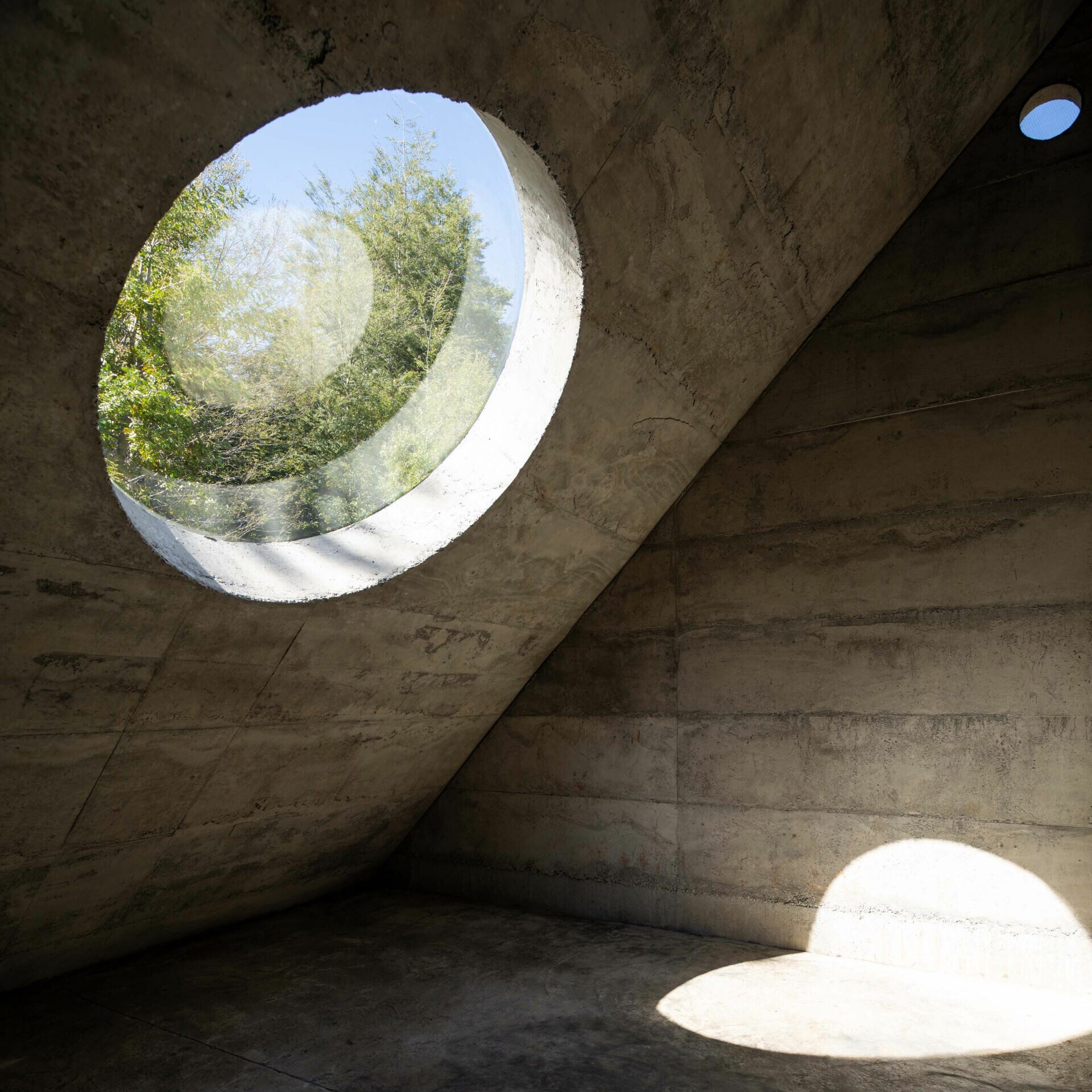
Although inside the intentional and gravitational vectors (or “the will of the spirit and the necessity of nature”, as Simmel would say) are diluted in a fair diagonal, on the outside they are rather evident. As the nearby trees age, in no hurry, this scaleless piece will become even smaller.
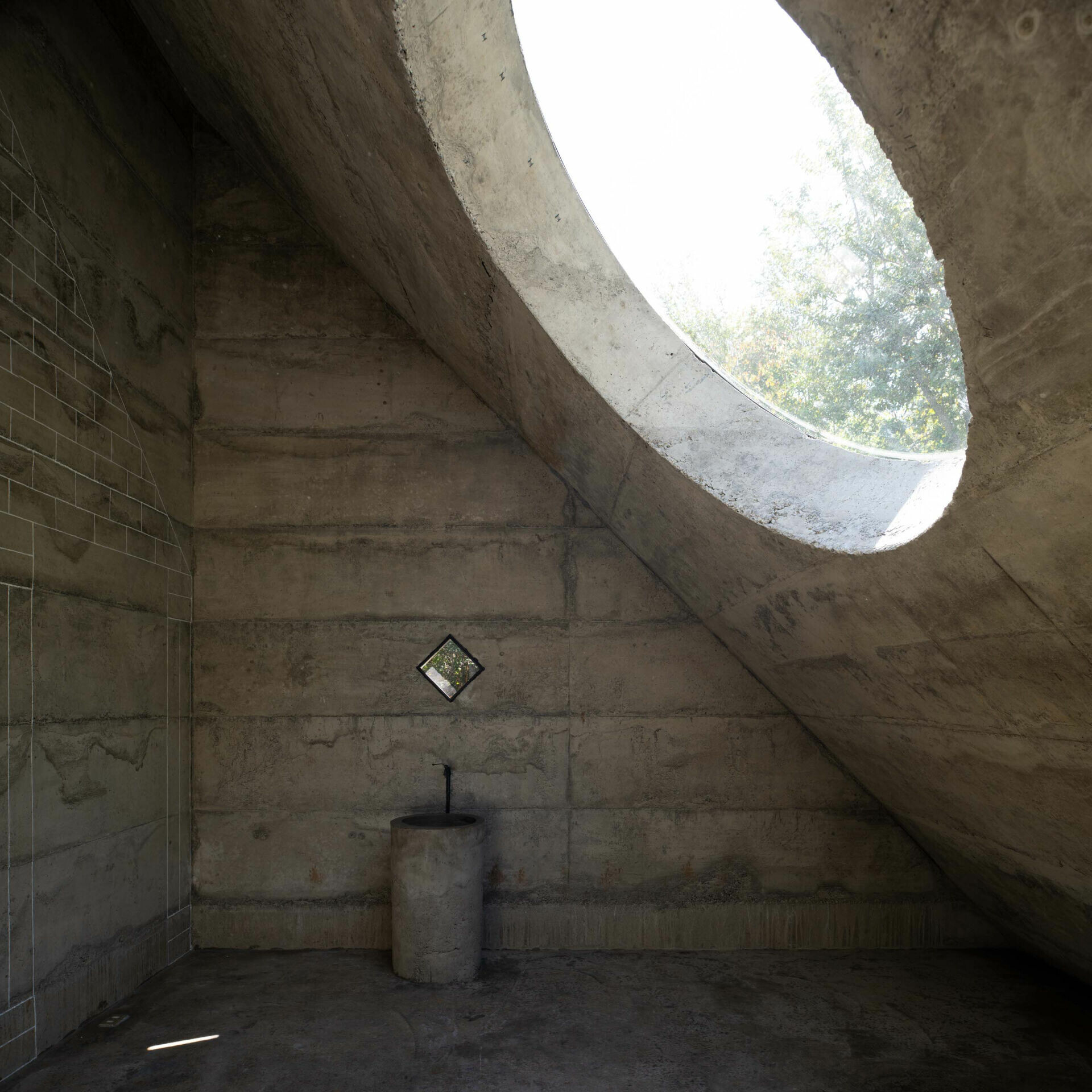
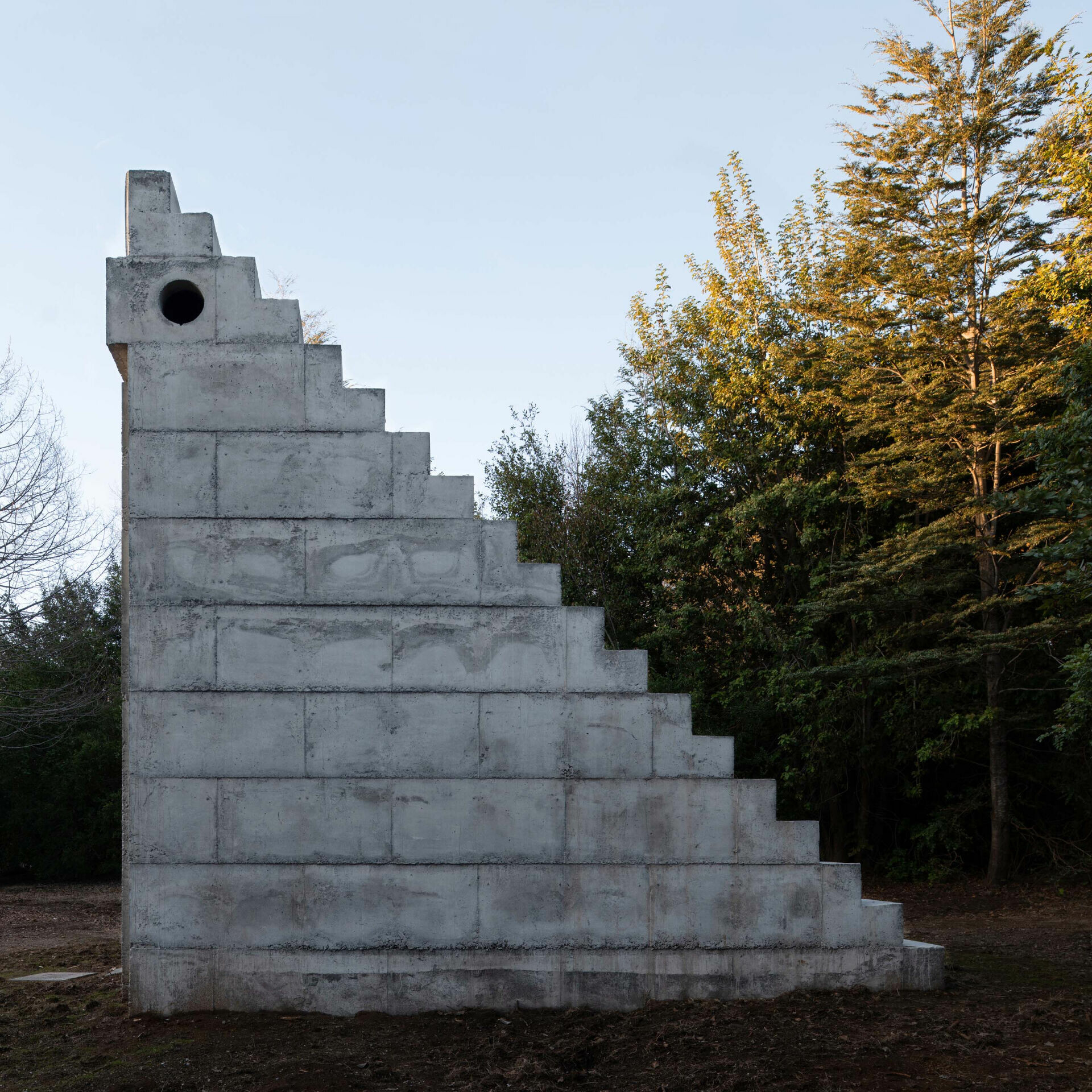
The topography is both artificial and meaningless, since reaching the top does not change the panorama much. This sense of human futility suggests that the human order should remain humble before nature. This deceptive block of artisanal concrete is relative whatever way you look at it; from afar a discreet monument, from the forest an interrupted plinth that reveals a certain beauty in its incompleteness, and from the oblique discomfort of the room, some delicate white lines that blur the imprint of the formwork.
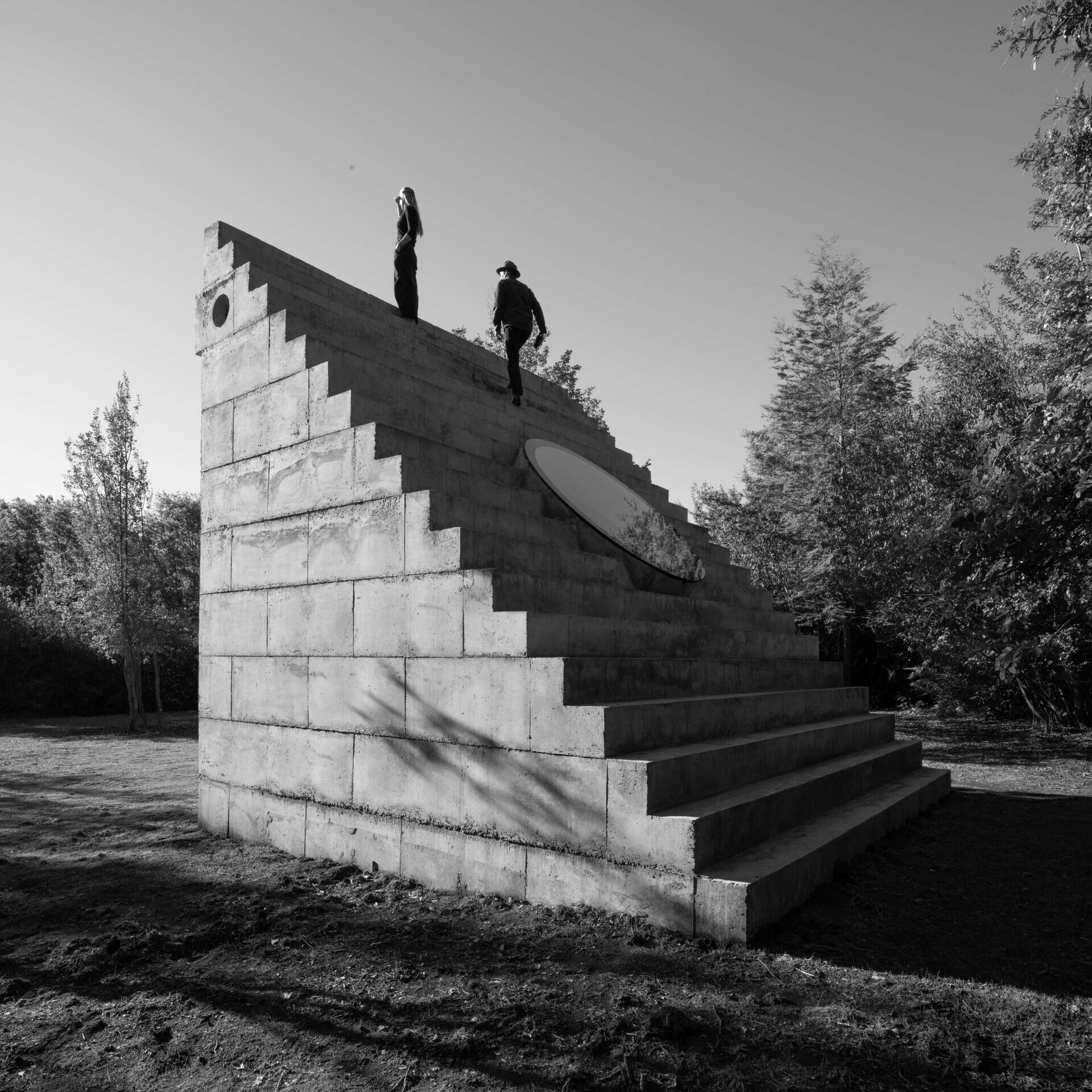
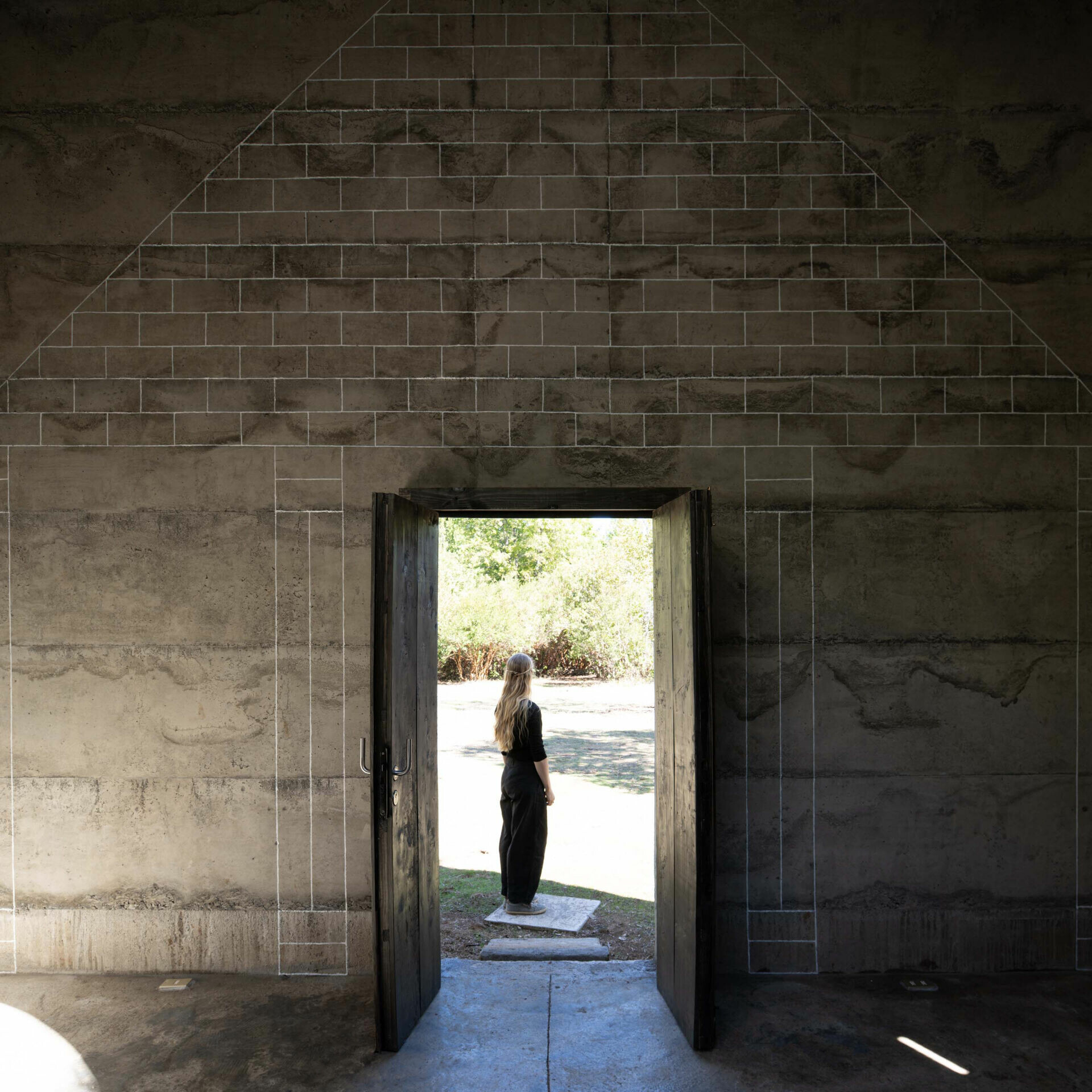
In its flatness almost without thickness, the wall becomes irreversible; on the outside the engaged frame of a temple for six queens and on the inside the sheer drawing of an archetypal wooden cabin. Fortunately, this cluttered device is not so much to look at but to work in it; a modest organic production of honey is processed here, hence the queens.
Principal Designers | Mauricio Pezo / Sofia von Ellrichshausen
Participate | Magdalena Loesche / Giacomo Biotti / Tianhao Mei / Pietro Rosatelli
Structure | Sergio Contreras
Construction | Constructora Natural
Character of Space | Workspace
Gross Floor Area | 36㎡
Material | Reinforced concrete
Location | Santa Lucia Alto, Yungay, Chile