The Container_容器_
儘管在大規模的拆除及相應廢棄物的產生,從建築設計規劃到施工等活動行為仍是不可或缺的。建築思維必須圍繞著可永續性、回收資源、材料的理念不斷發展。
In spite of colossal demolition and the debris it creates, building activity continues to remain indispensable. Architectural thinking must evolve around sustainability, recycling materials and resources.
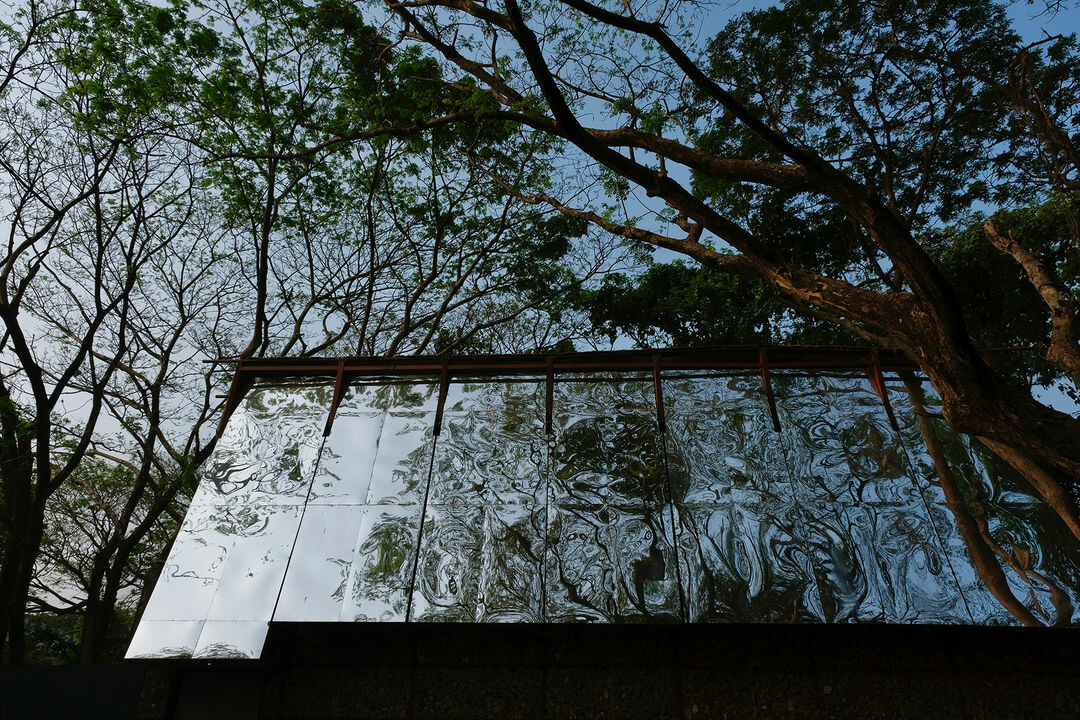
涼亭是希望的容器。
The pavilion is a container of hope.
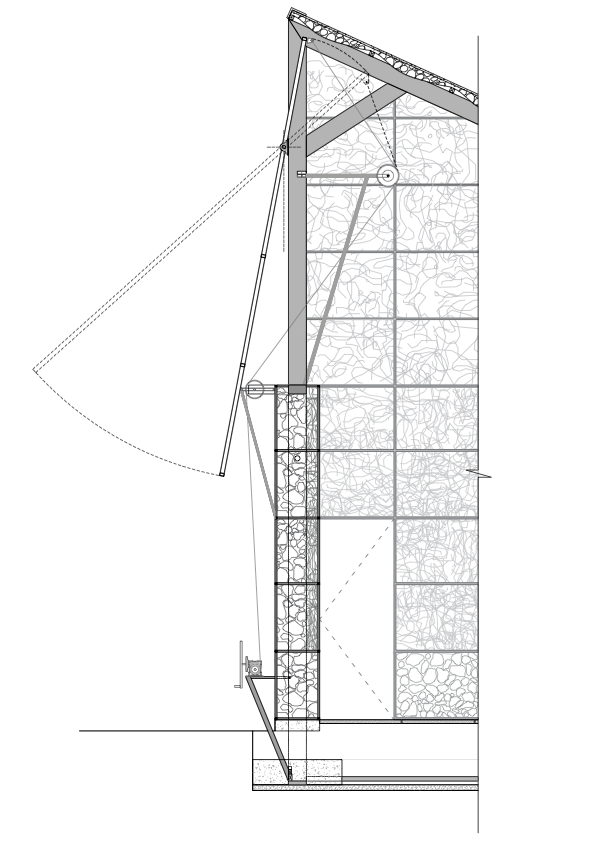
▸ Wall Section
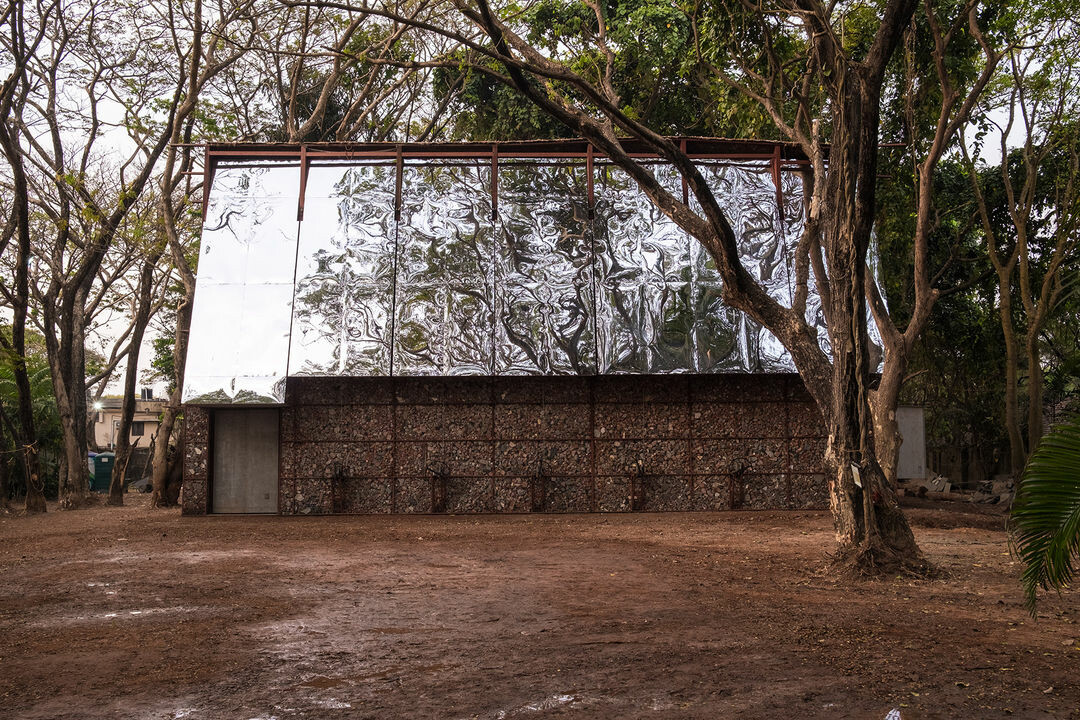
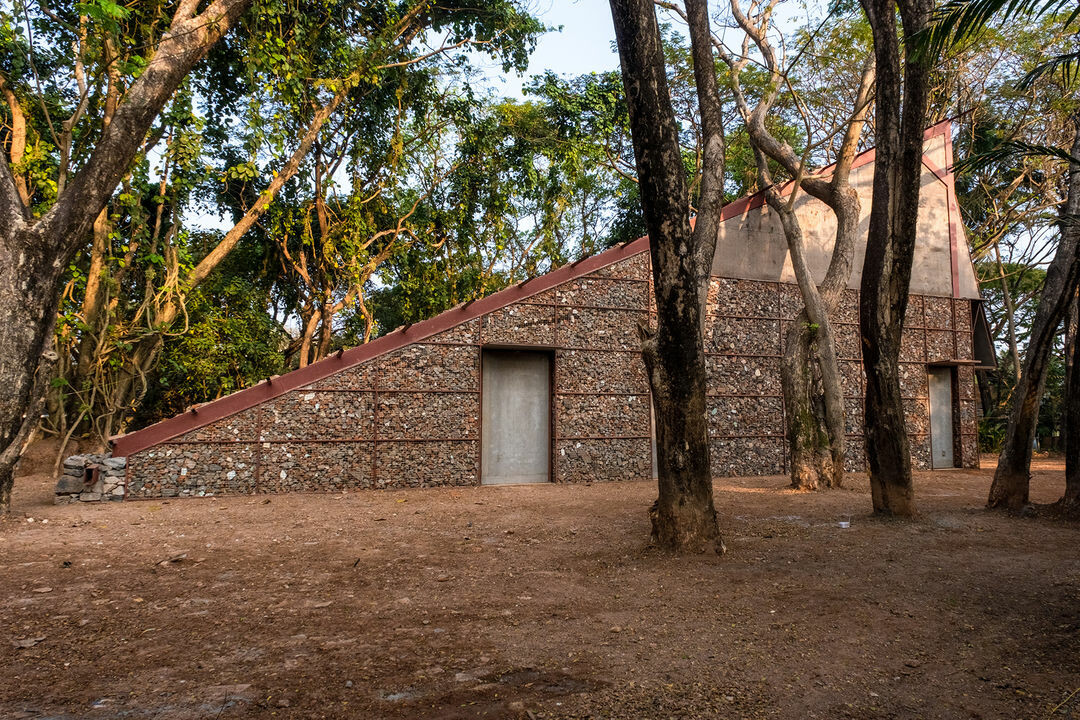
它建立在雙重敘事的基礎上 - 一方面是無情拆除所產生的廢棄物,另一方面是建築詩學 - 它顯現了隱藏在外觀下的未知材料及建造方式,強調了建築的藝術及美學。
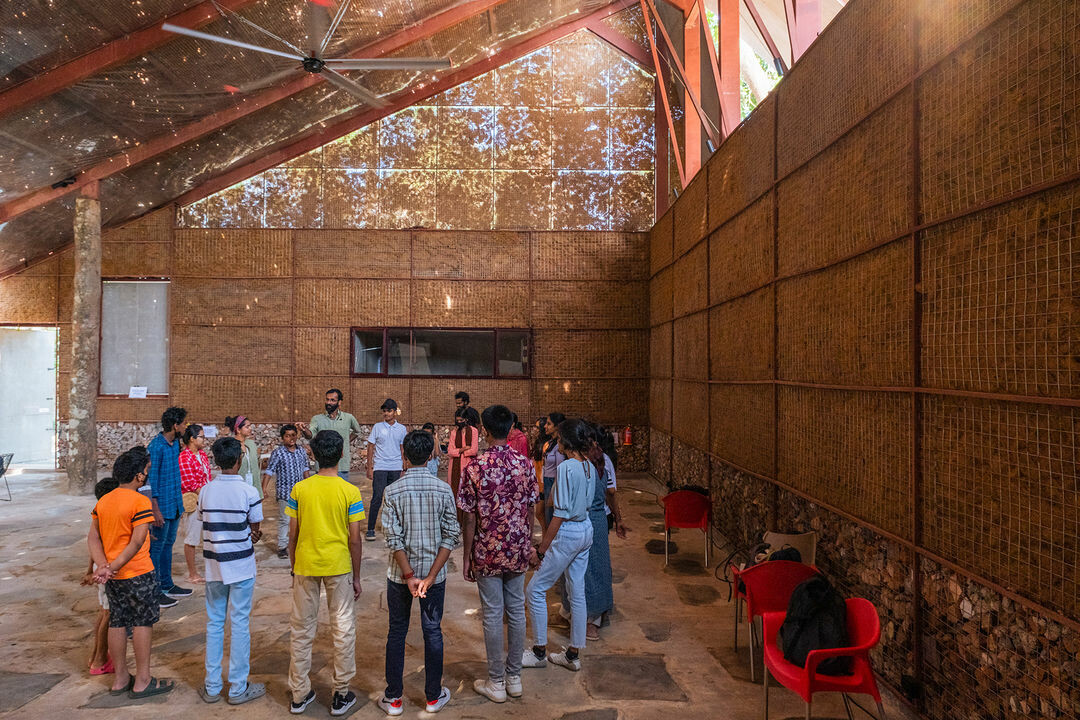
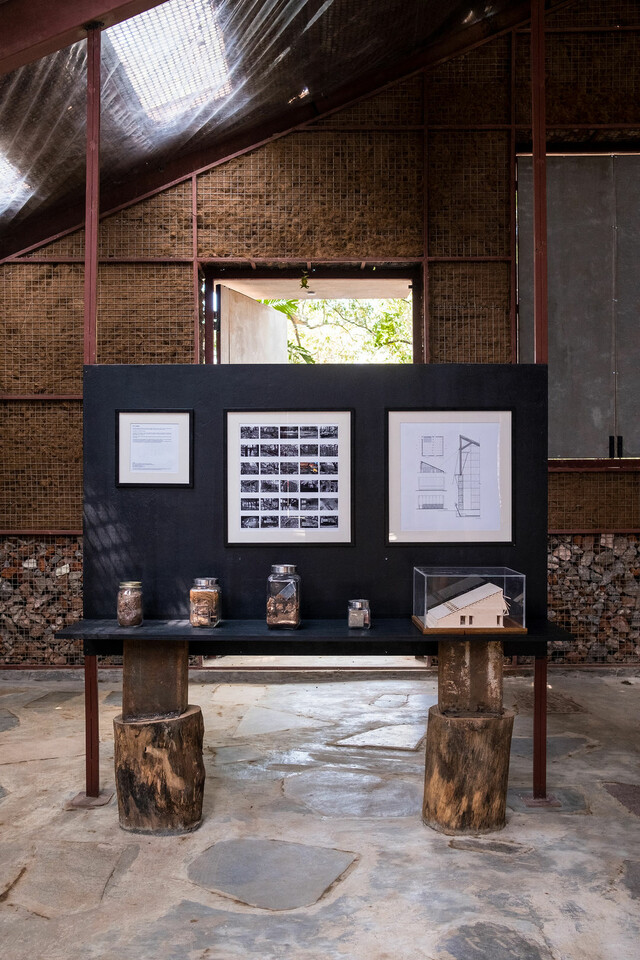
It is built on dual narratives - one of the debris from ruthless demolition, and another of the poetics of construction - an honest admission of materials and methods of making buildings which often remain hidden under its skin, unknown.
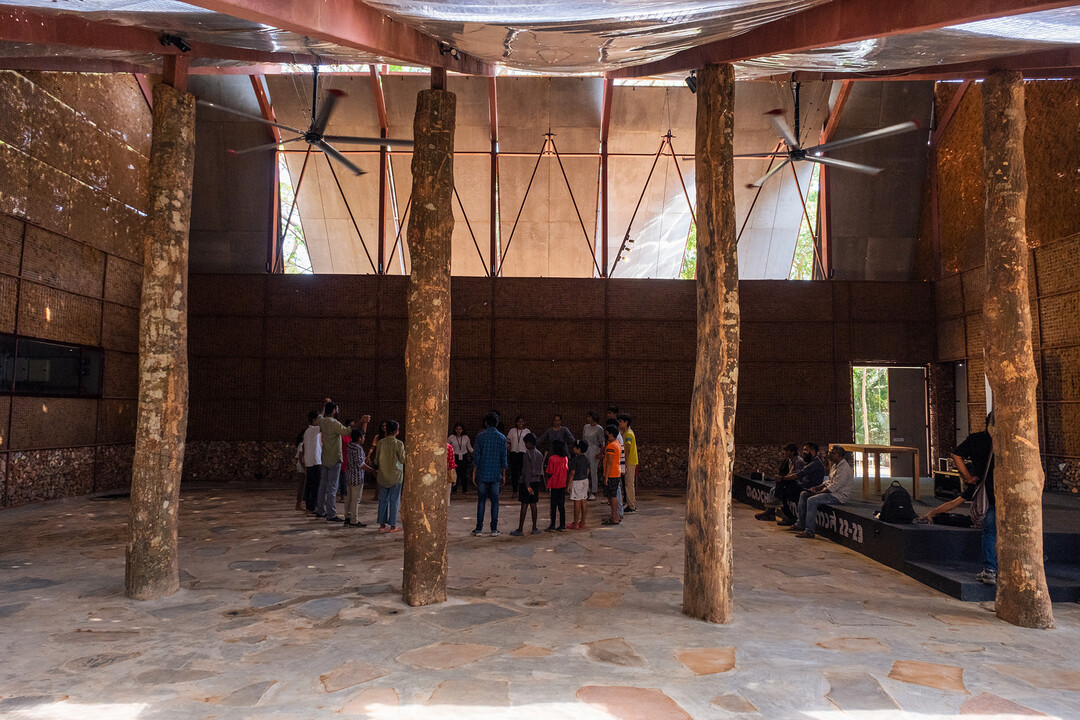
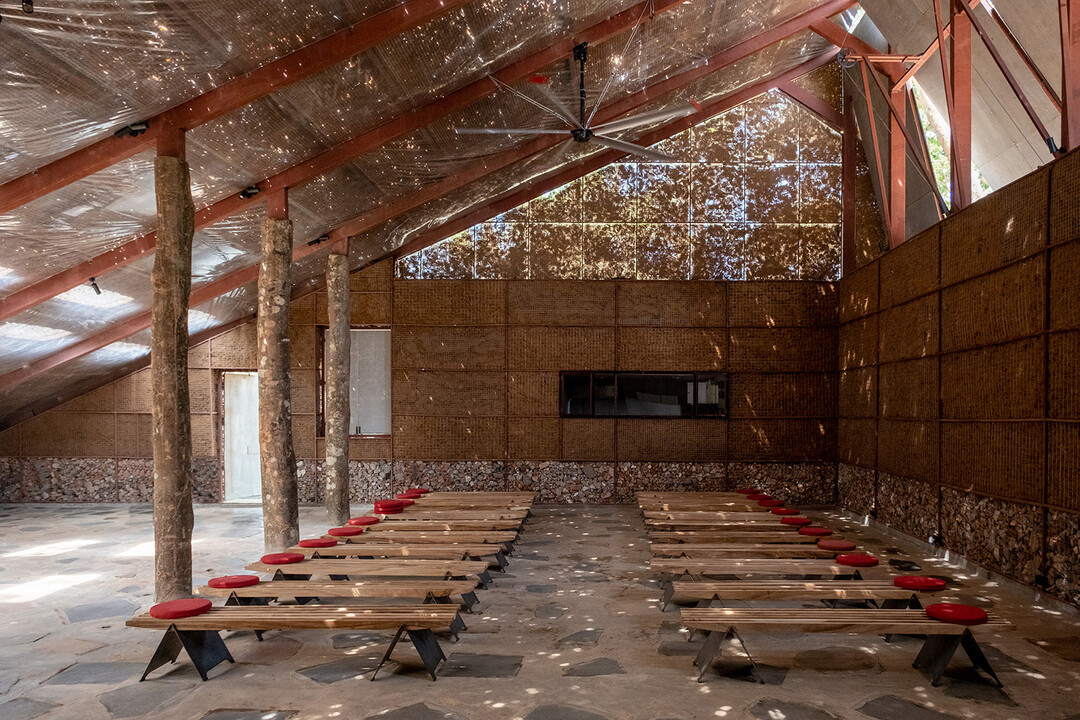
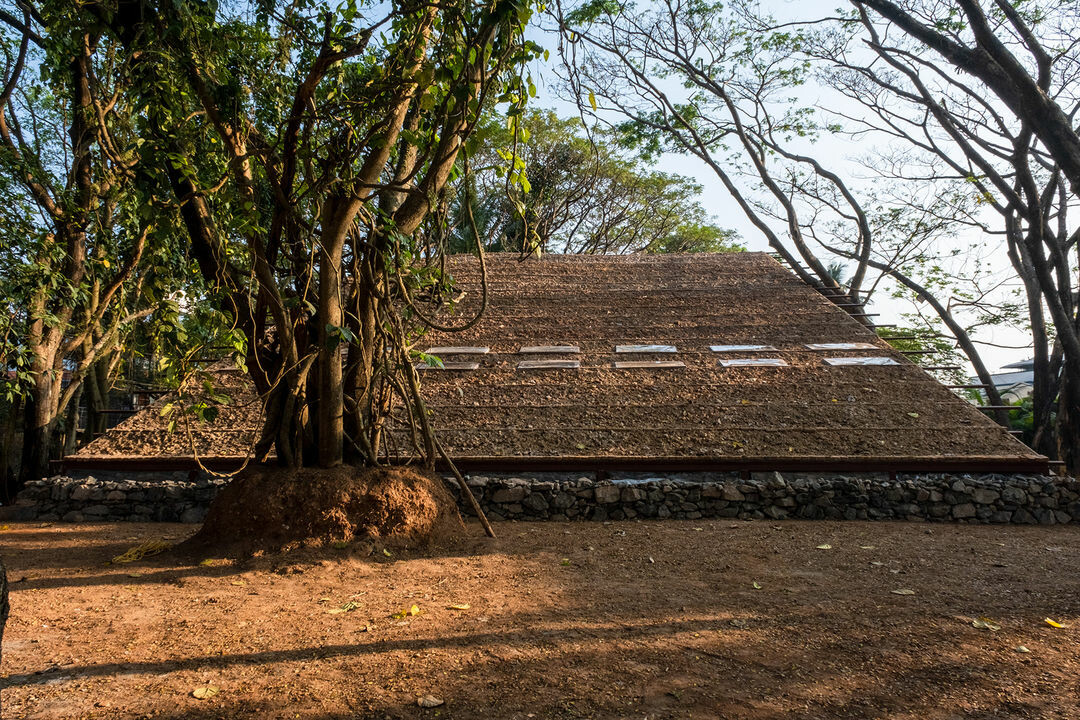
這個獨特屋頂連接著地面作為大型空間所展現的建築,其設計靈感來自於高知地區充滿傳統元素及特色的眾多屋頂。
The building unfolds as a large space under a singular roof that touches the ground, inspired from the many roofs of Kochi.
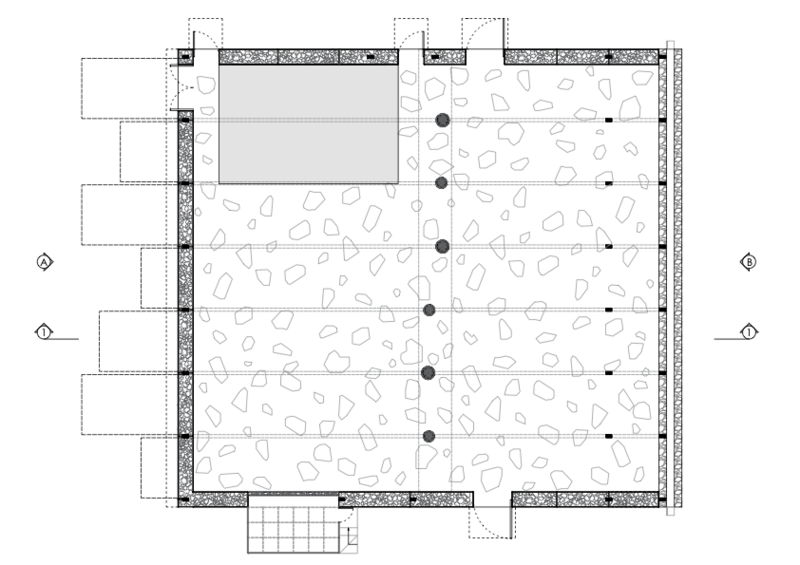
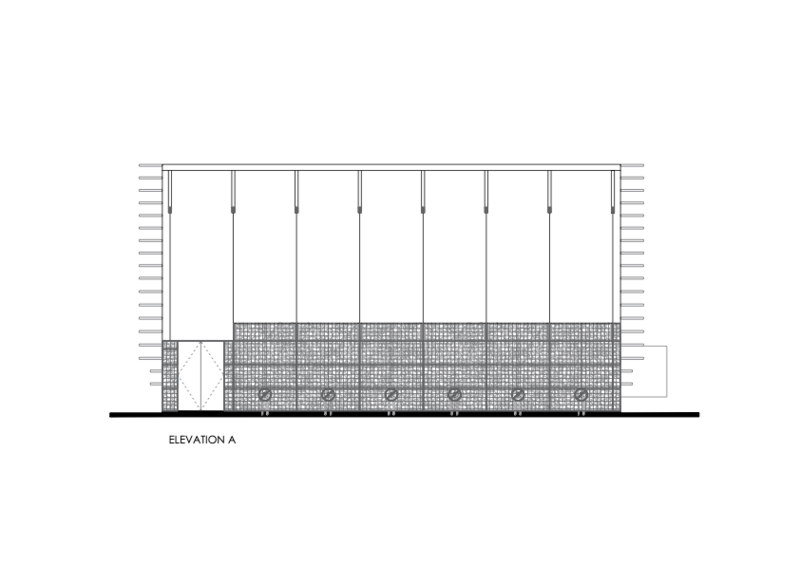
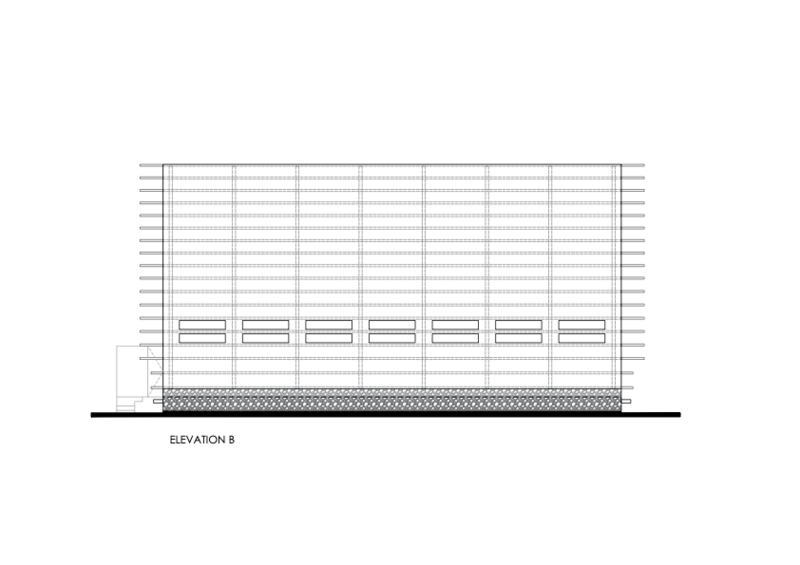
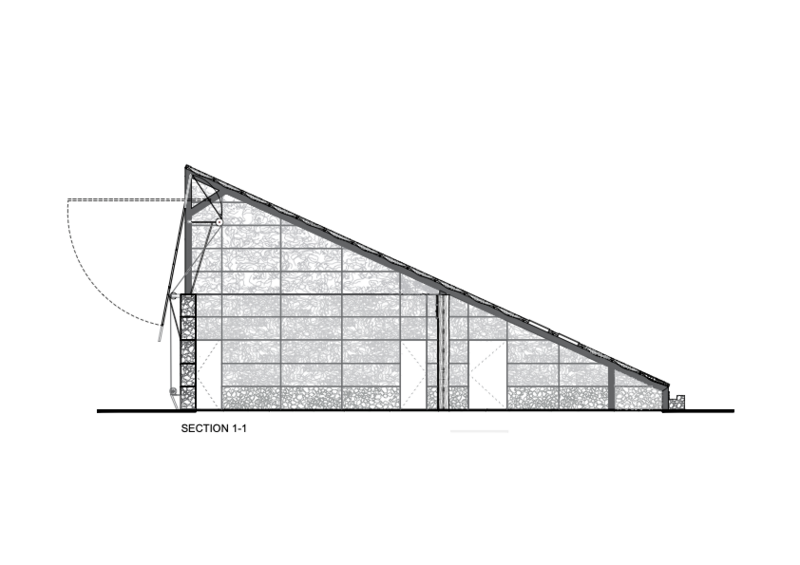
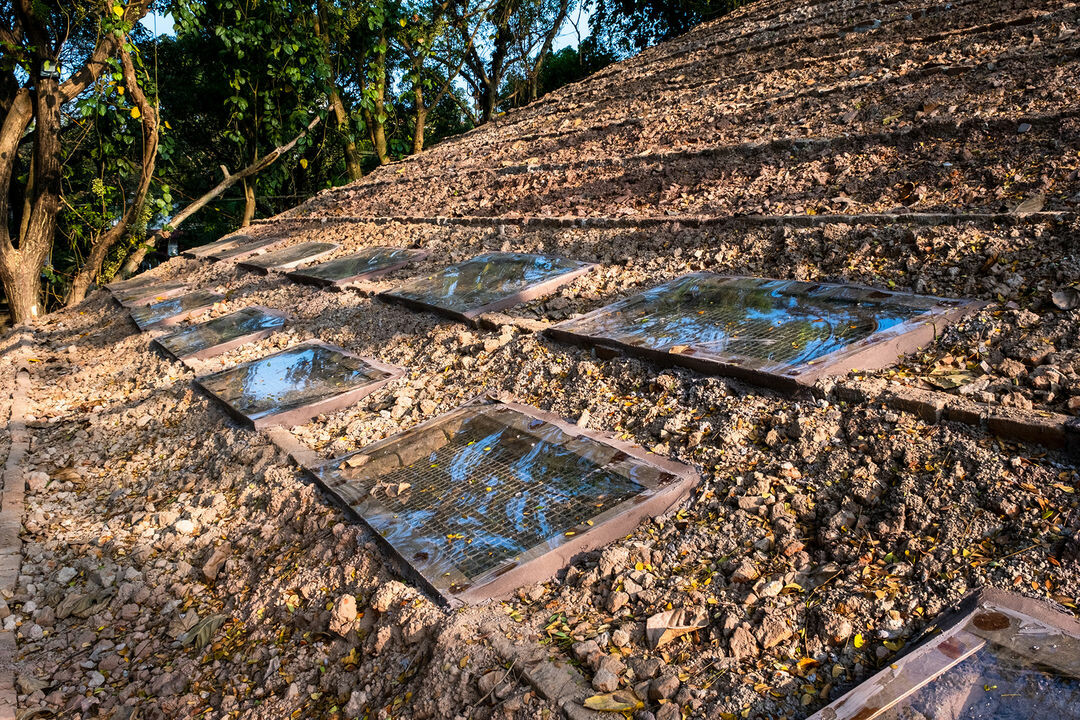
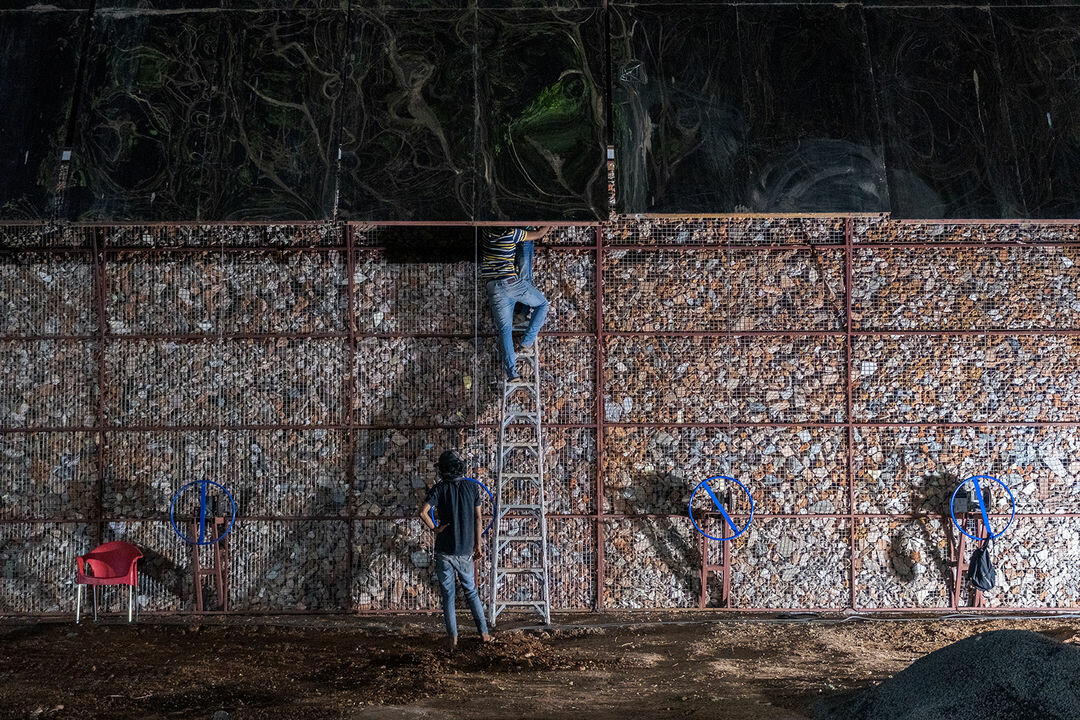
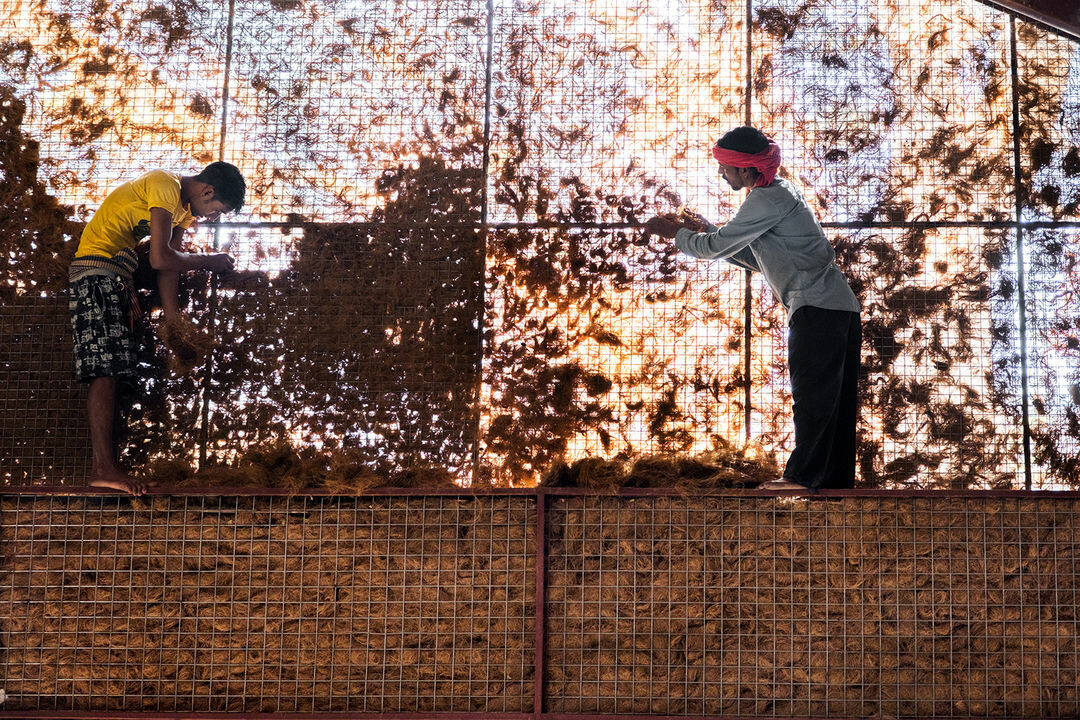
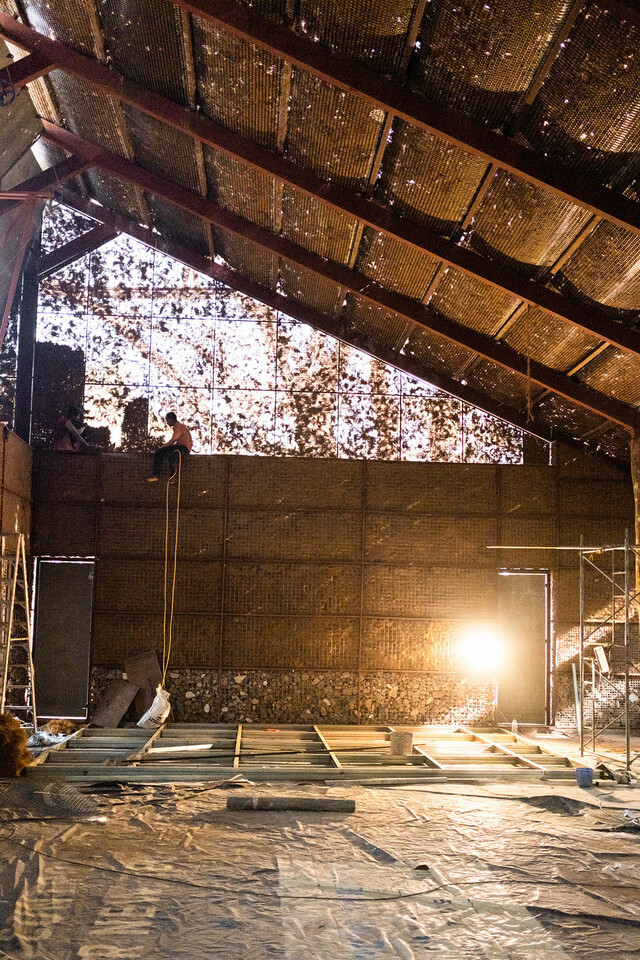
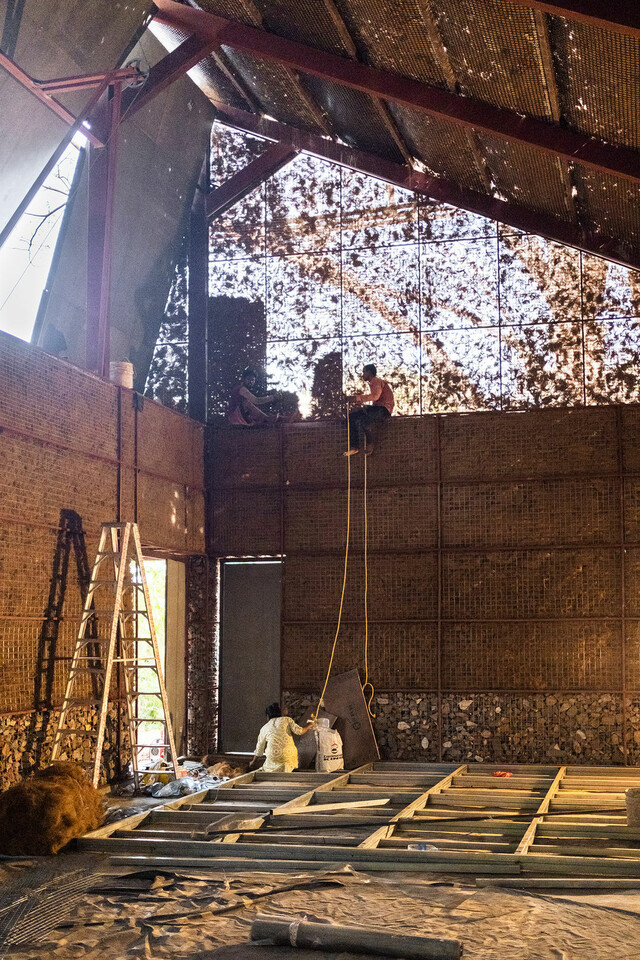
臨時結構建築以輕巧的方式存在著,不需要任何混凝土基礎,並且可以拆卸回收所有可再利用的材料或運用在其他地方加以重新組裝。
This temporary structure treads lightly, as it stands without any concrete footings, and may be dismantled to retrieve all of its material that may be reused or re-assembled again elsewhere.
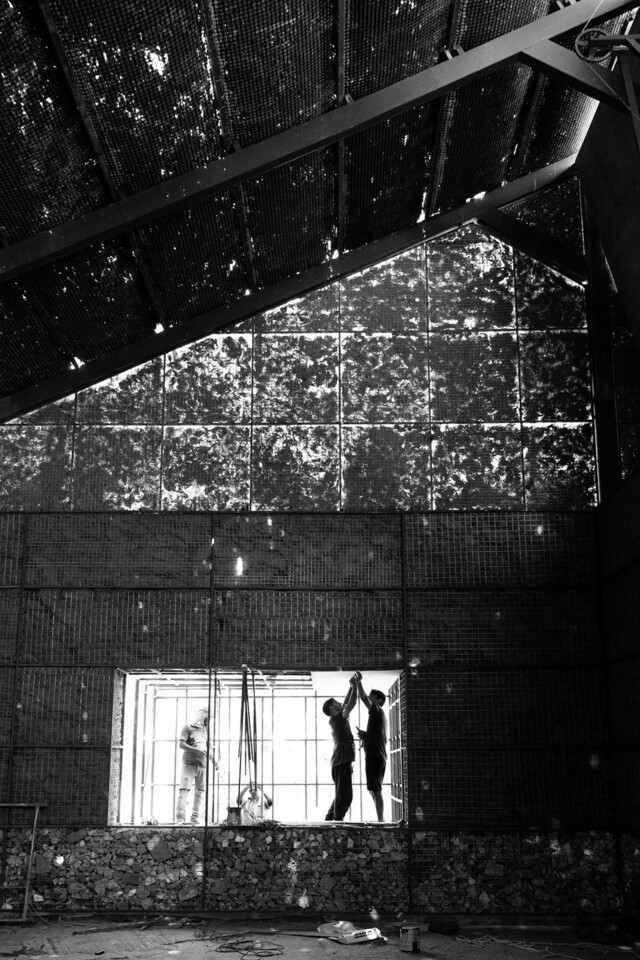
我們希望藉此來頌揚這種建材及施工方式,以展現建築在建造過程中所面臨的困難、風險和挑戰,這些是我們視為最美結果。
It is this material and method, we want to celebrate, and bring forth the pain, risk and challenges that are faced in the manifestation of an architecture, an outcome we deem beautiful.