The Mill
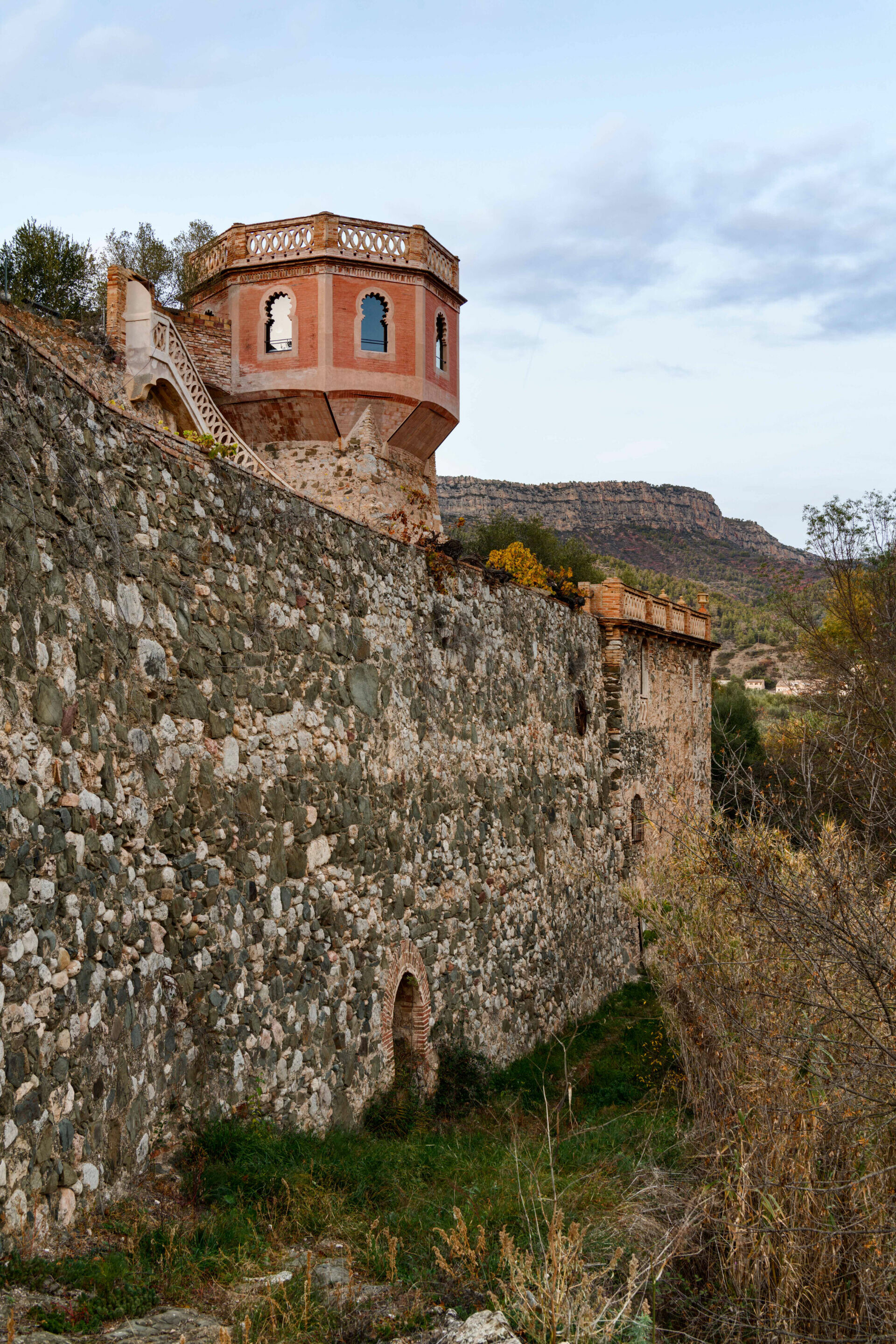
Certain buildings endure the passage of time, bearing witness to historical transitions while remaining relevant in the present, preserving their intrinsic value. One such structure, an ancient hydraulic mill, rests quietly in the village of La Vilella Baixa, Spain. Revitalized by the Spanish architectural firm Estudio Vilablanch, this historic building has been transformed into a modern home that seamlessly blends aesthetic appeal and functionality. By preserving its original form while incorporating contemporary design elements, the project tells a story of profound connection between the building and its surrounding landscape.
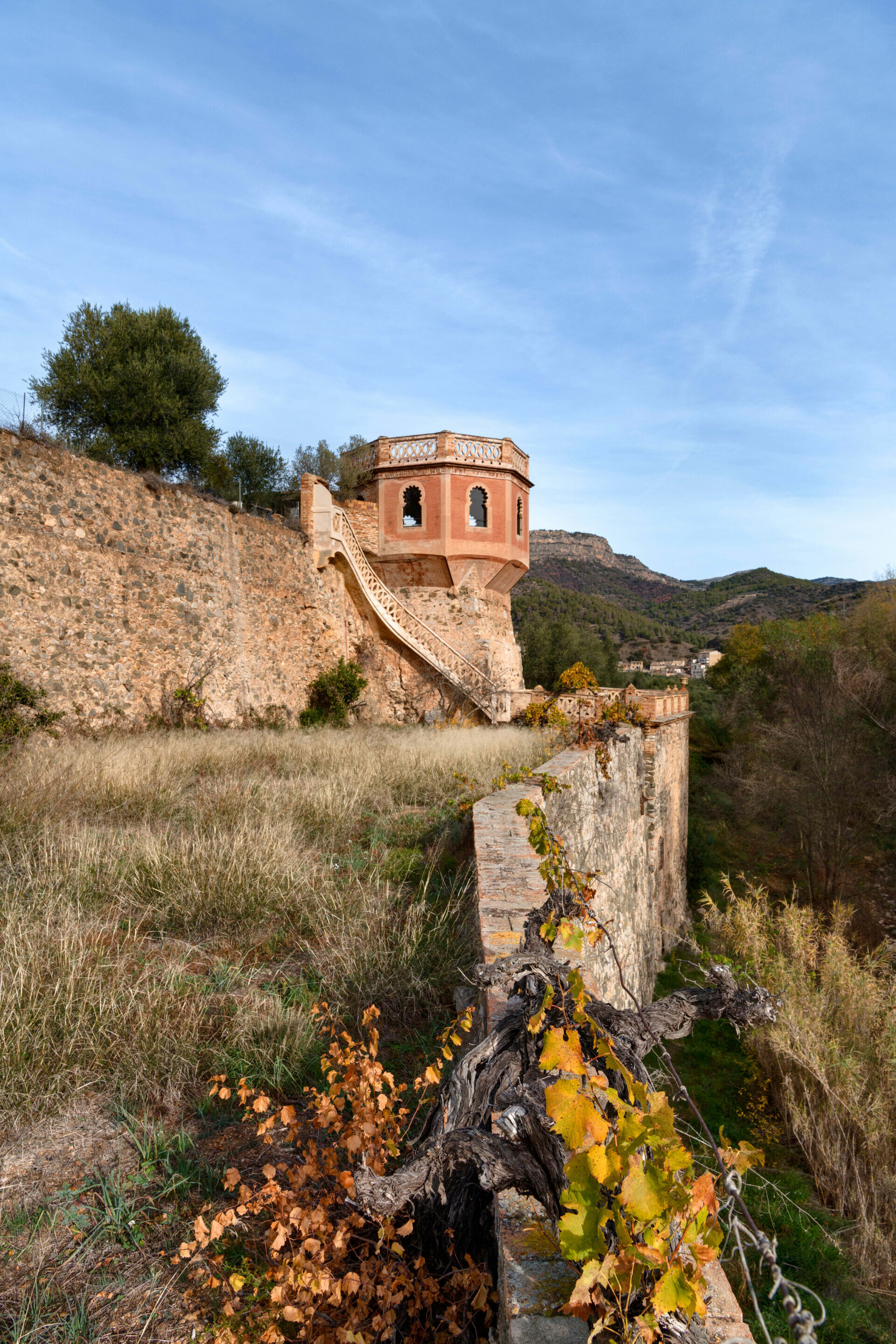
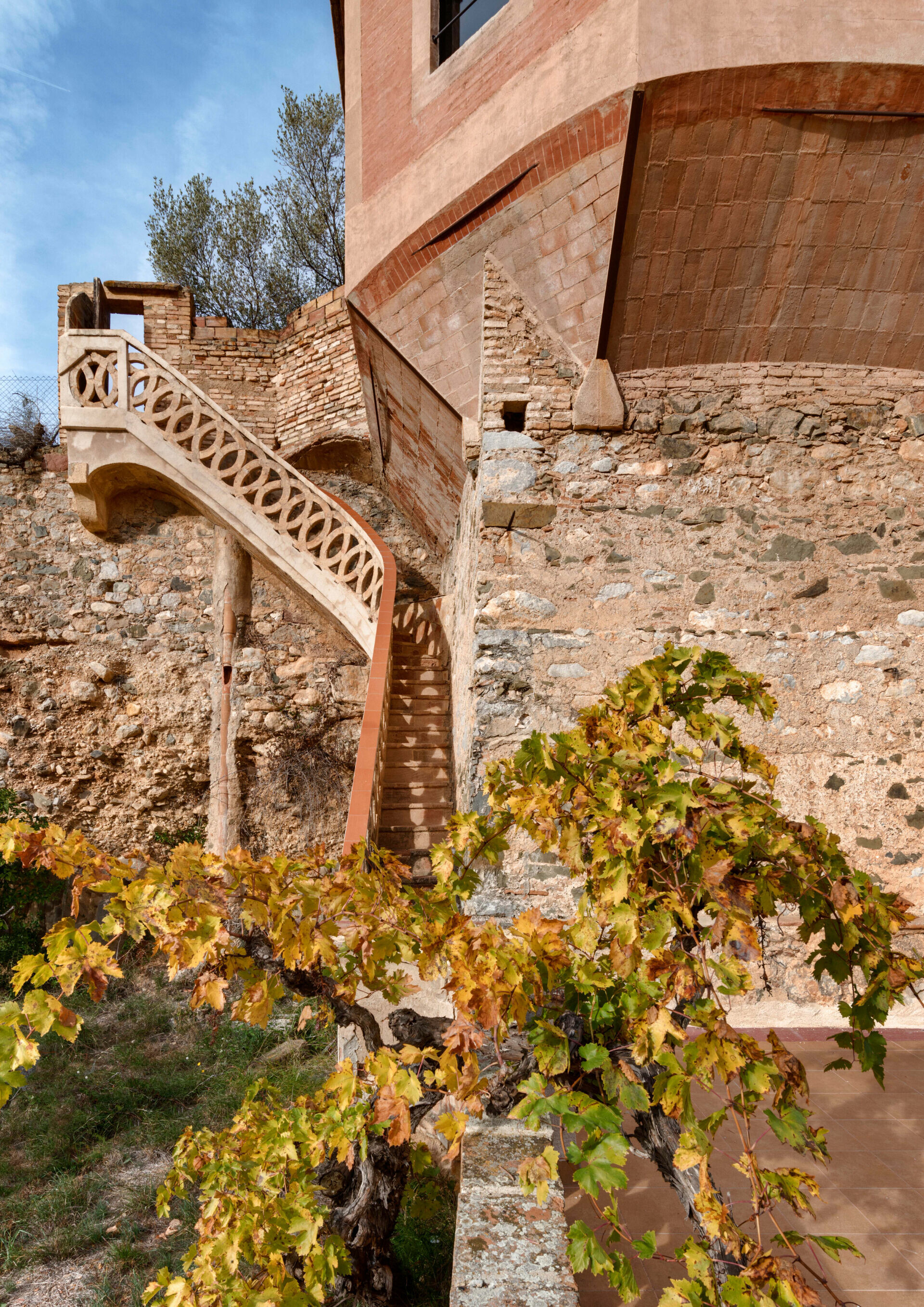
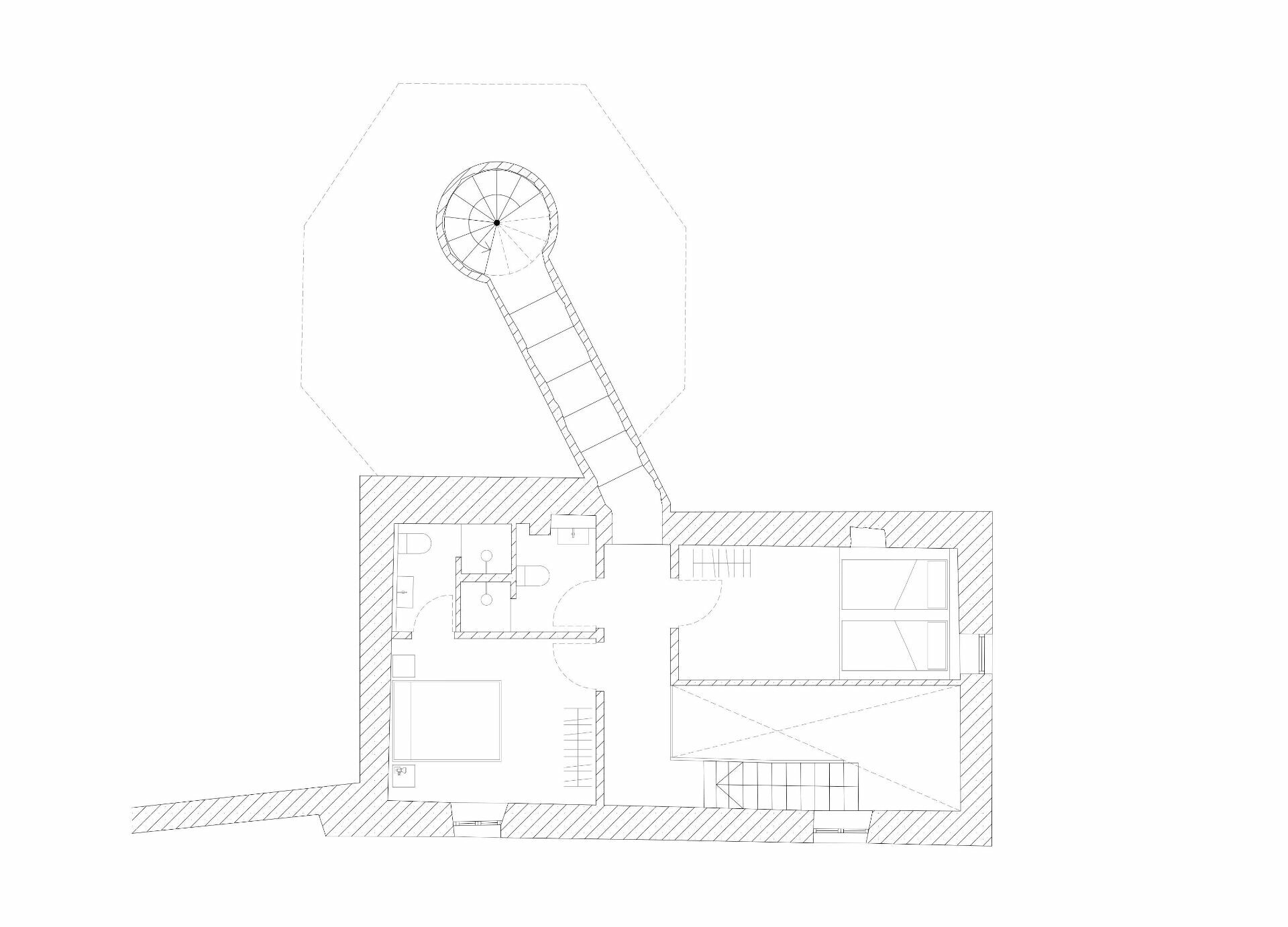
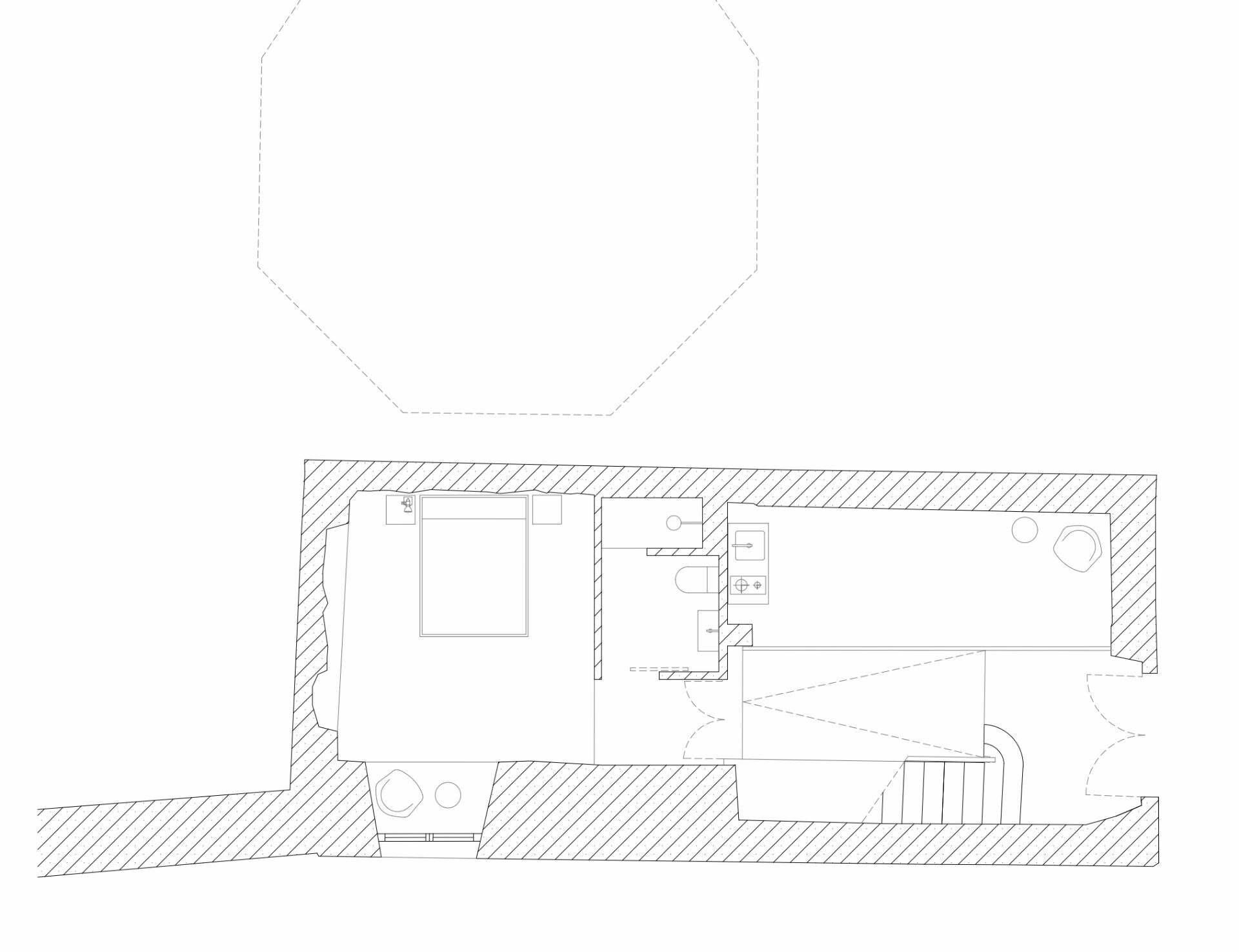
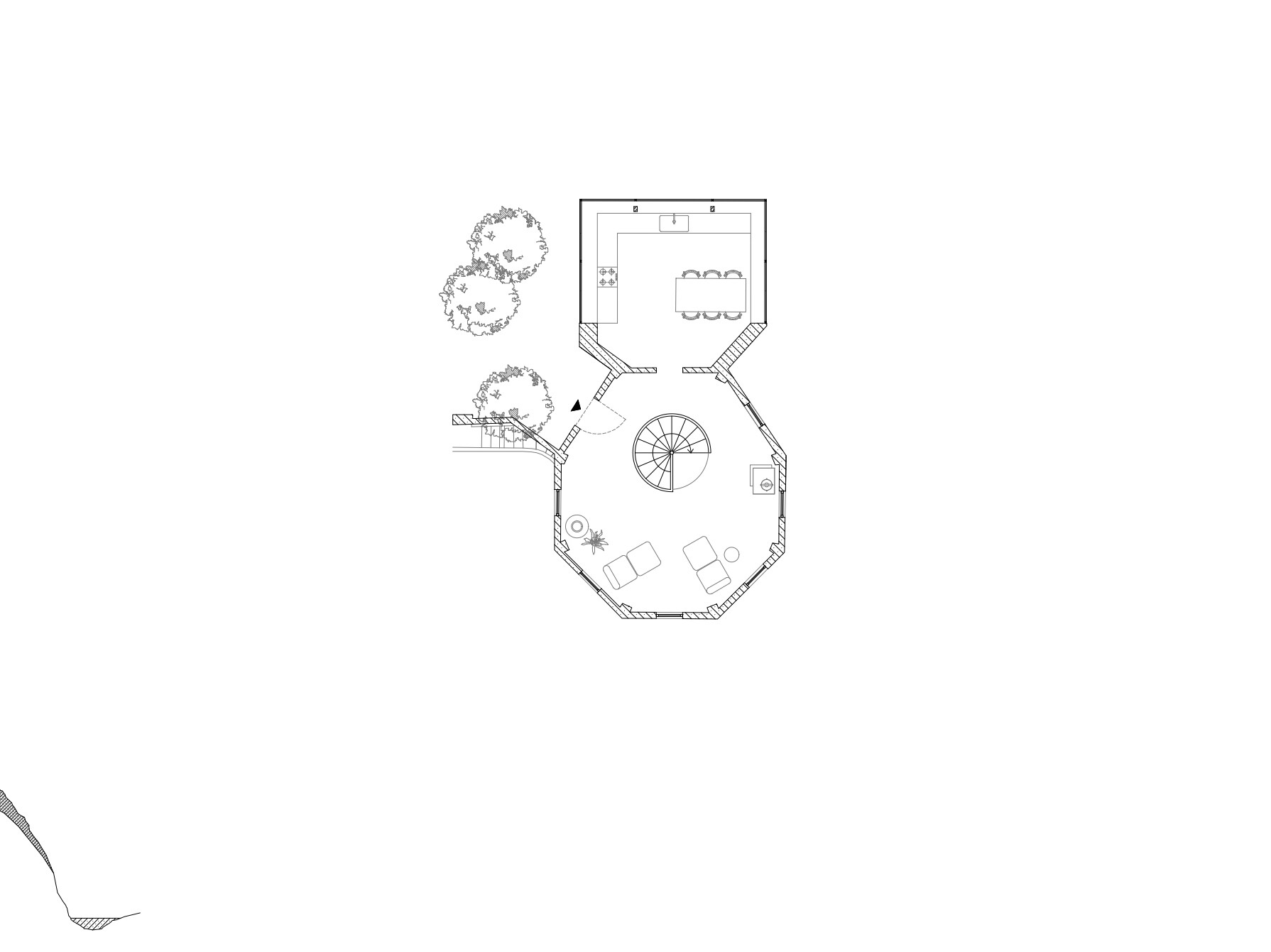
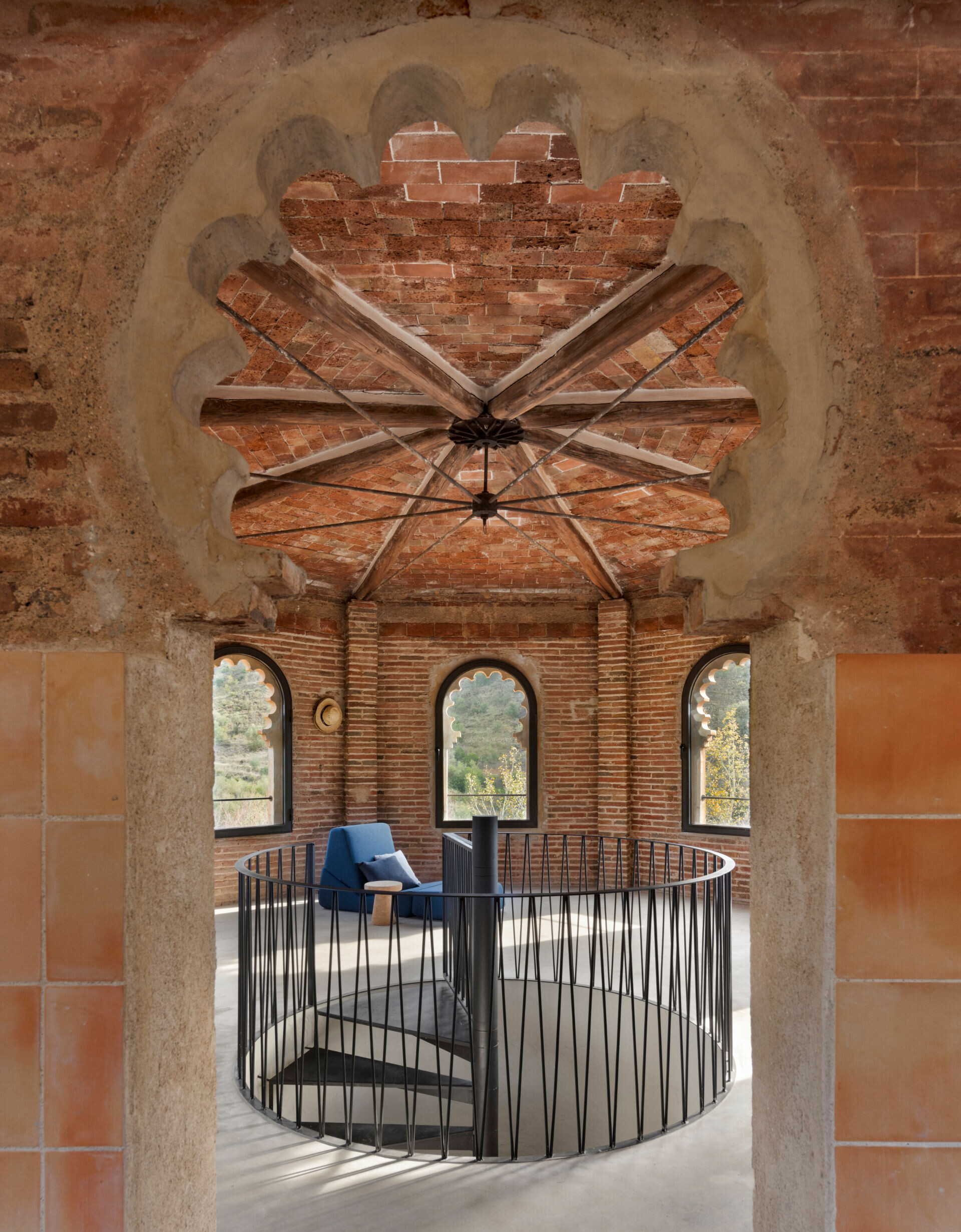
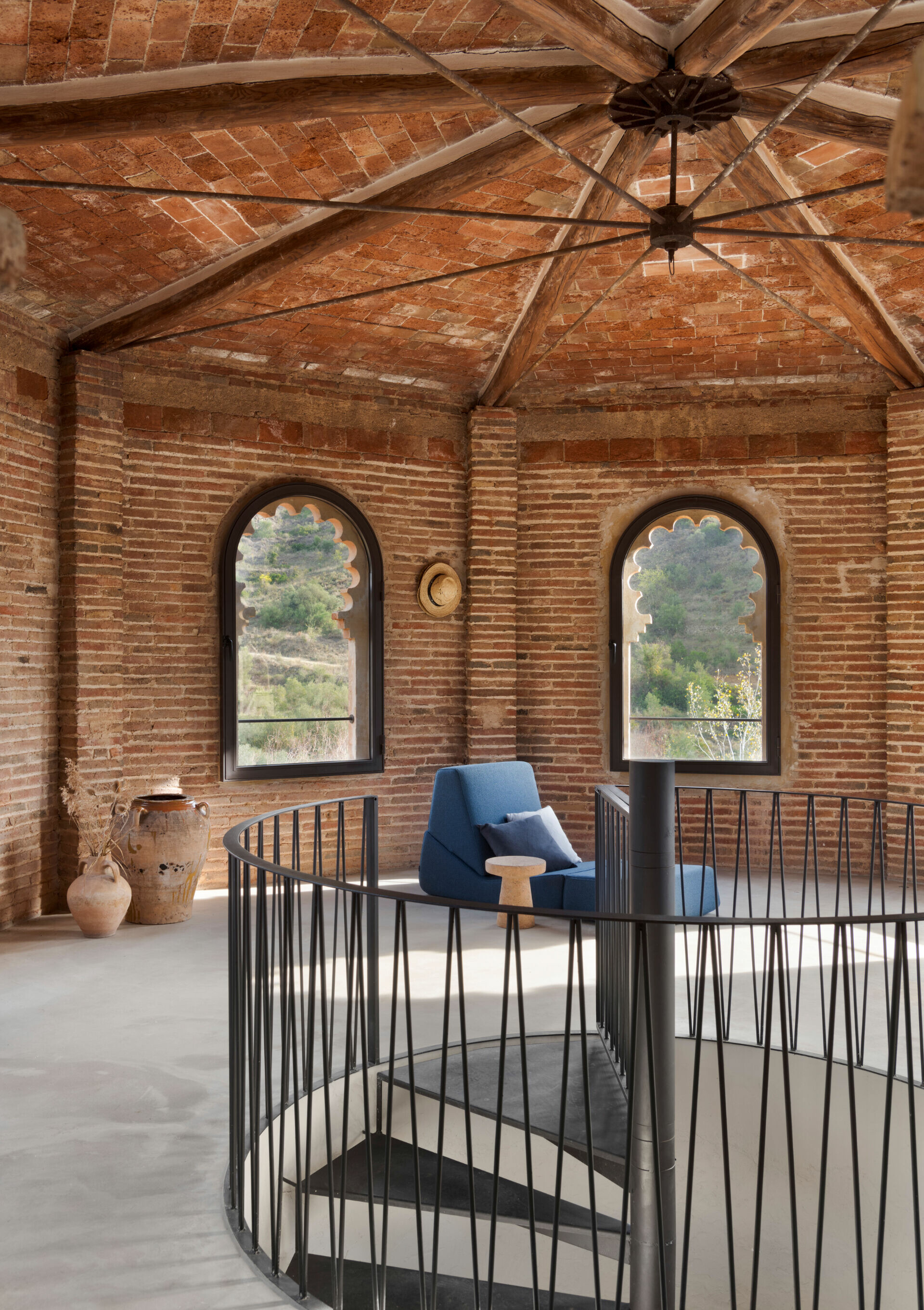
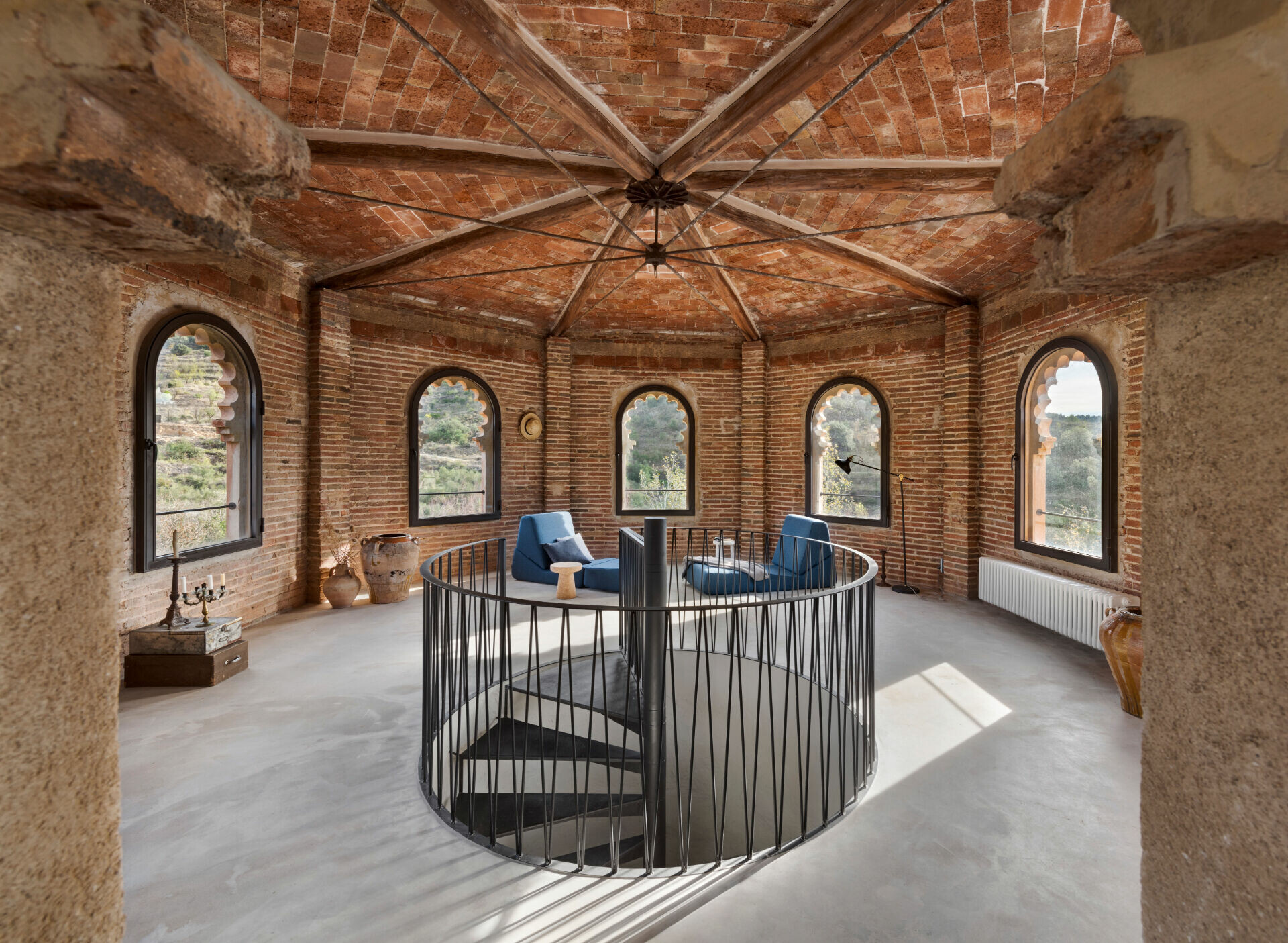
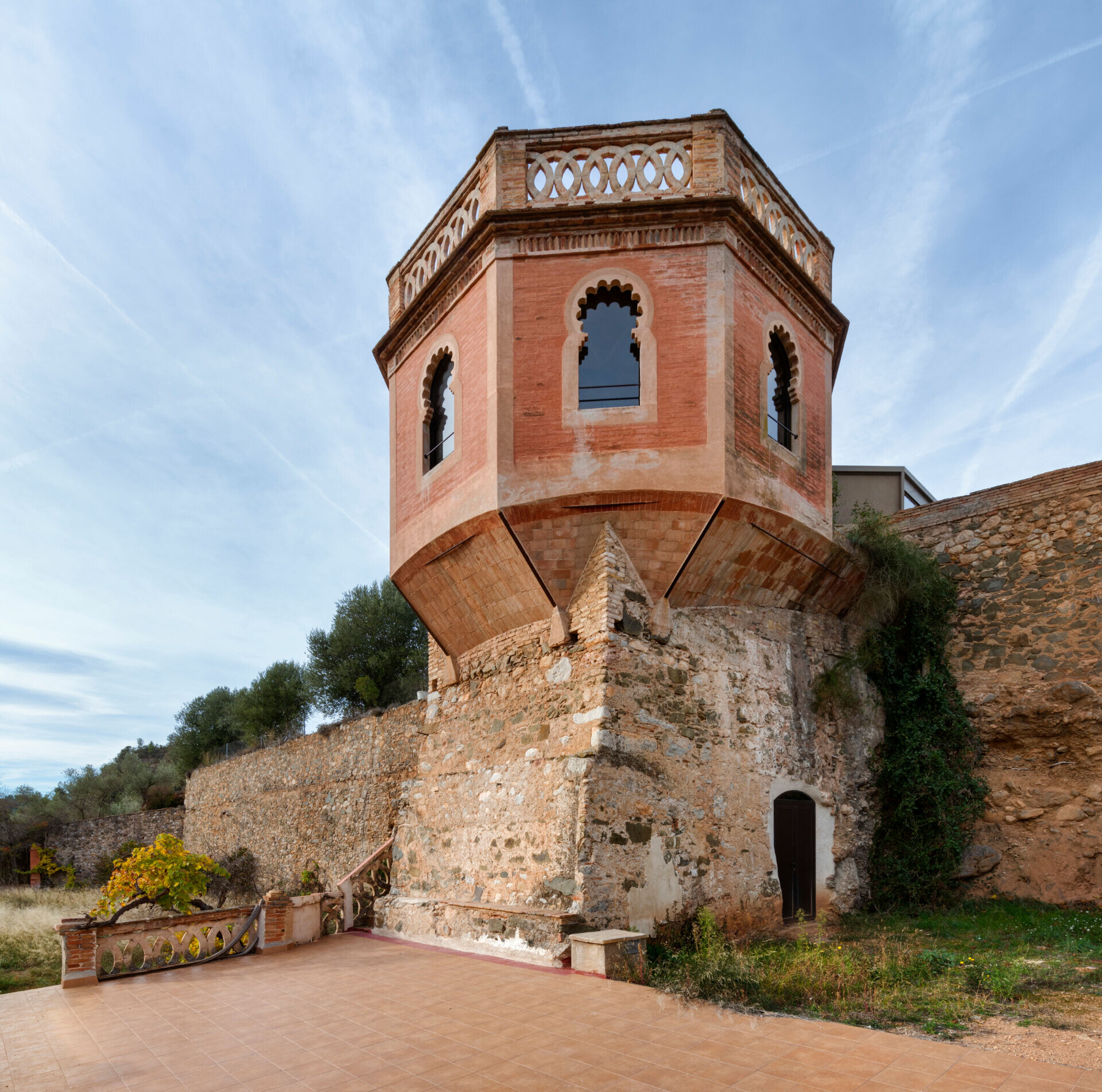
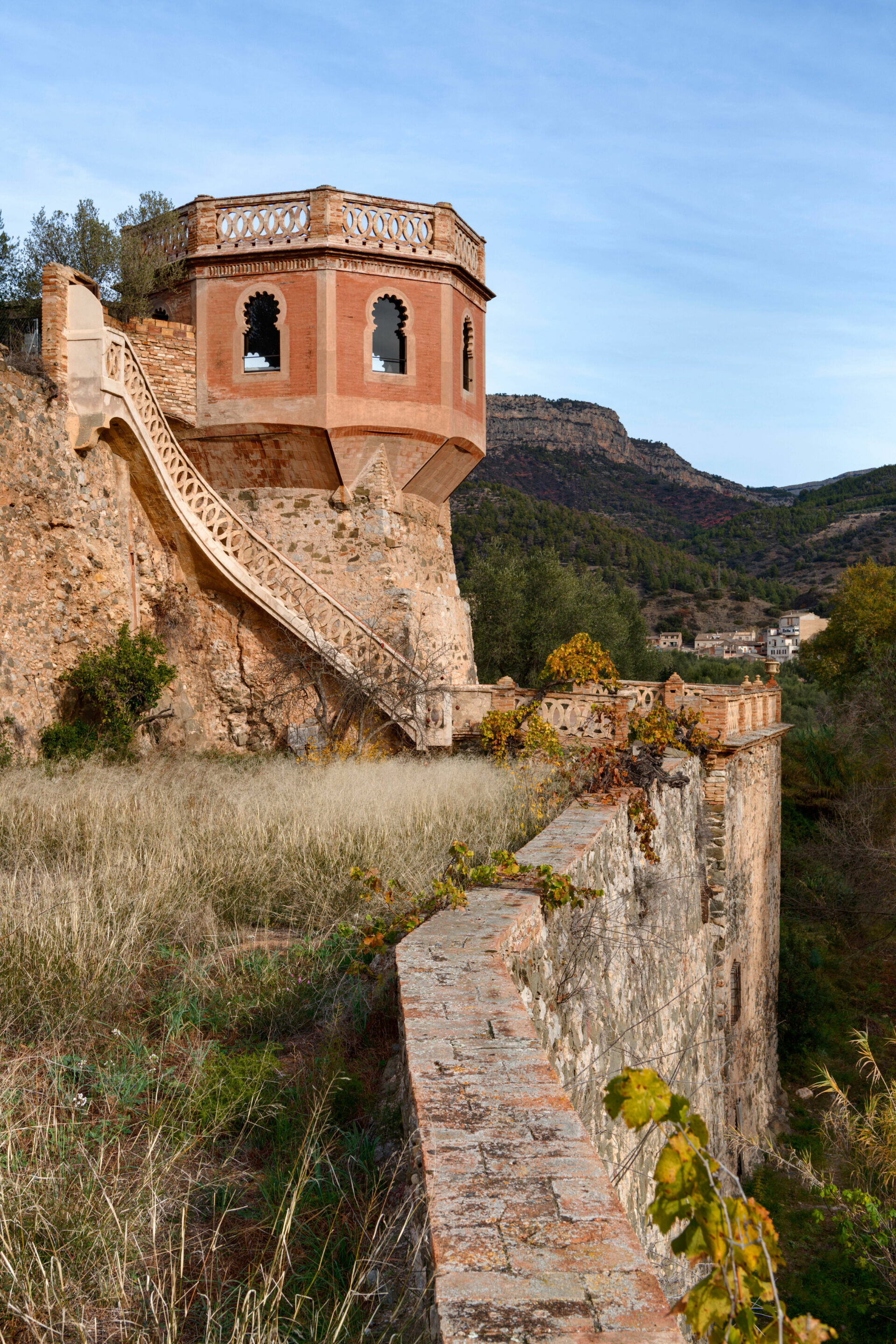
La Vilella Baixa, located in the picturesque town of El Priorat, is a region renowned for its rich history, natural beauty, and cultural heritage. The mill is situated beside the Montsant River, enveloped by vineyards and olive groves, enjoying breathtaking natural scenery. Its architectural evolution reflects distinct historical eras. Originally constructed in the 16th century, the mill was initially used for paper production before transitioning to oil production. Adjacent to it, a rectangular building served as the residence for families working in the mill. In the 19th century, the structure was further enhanced with the addition of an octagonal Mudéjar-style tower, designed to provide a water supply. This tower featured internal channels that directed water from elevated reservoirs to the grinding area below. Additionally, two large terraces were supported by robust stone structures, creating a harmonious relationship between the terraces and the surrounding greenery.
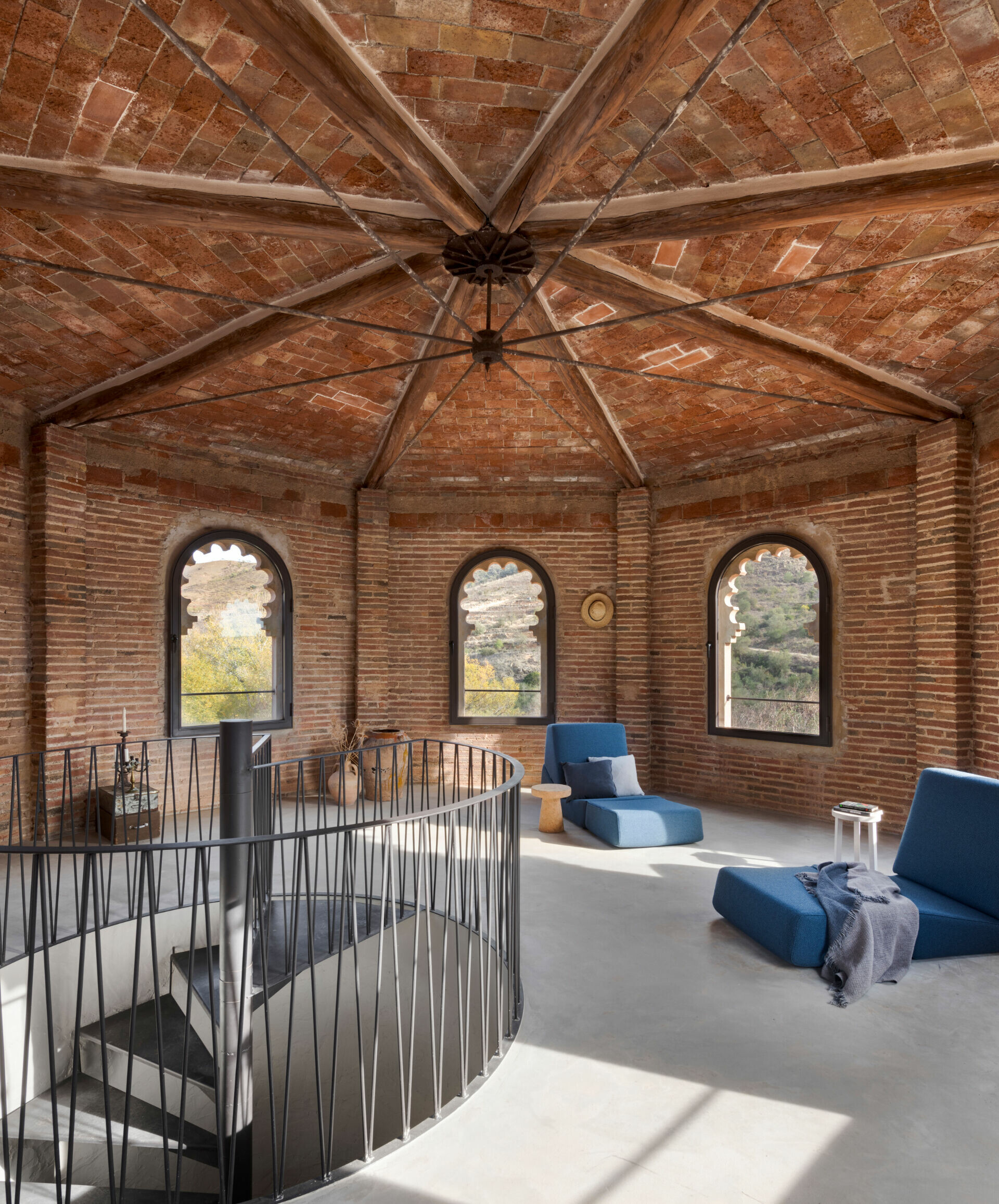
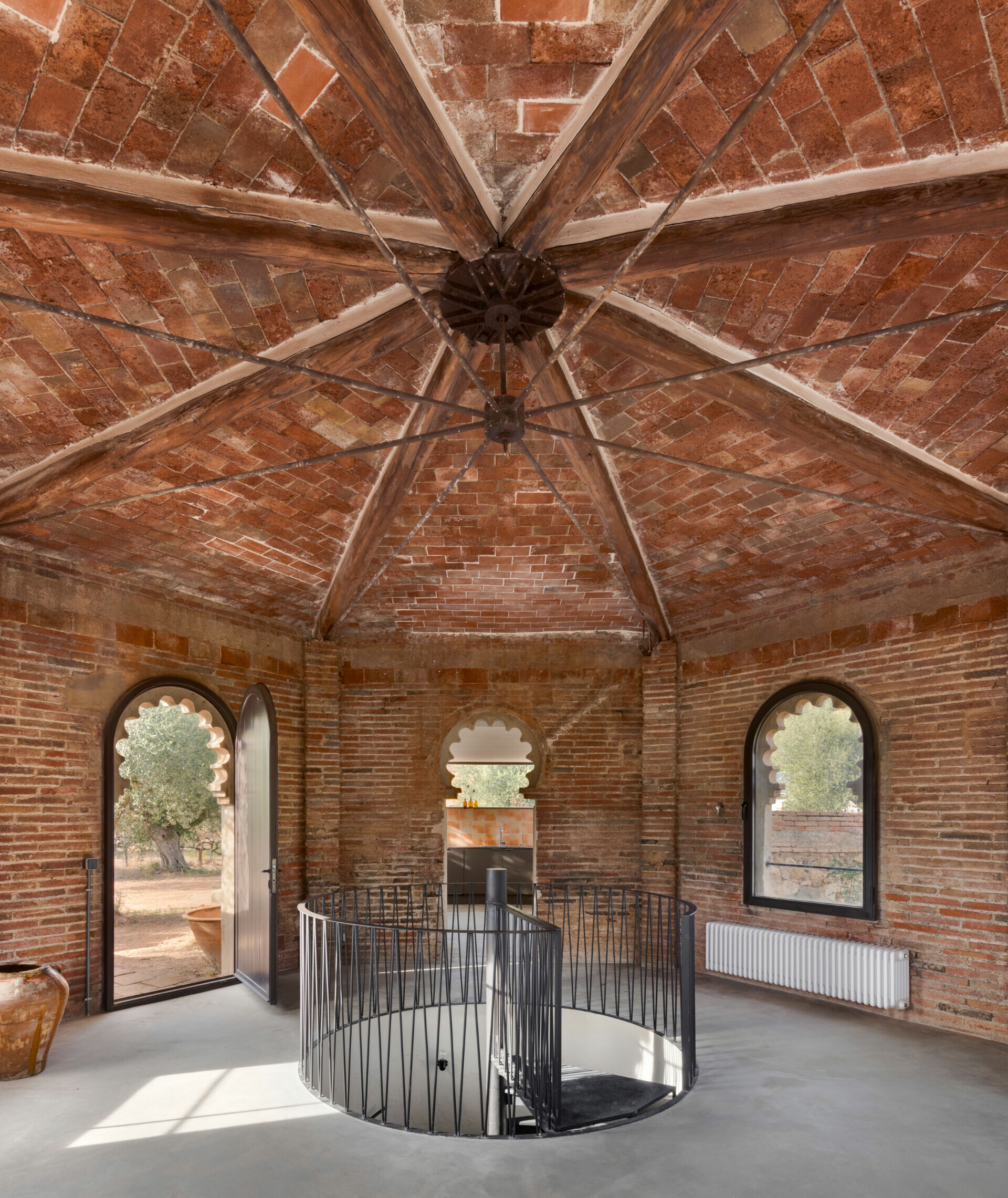
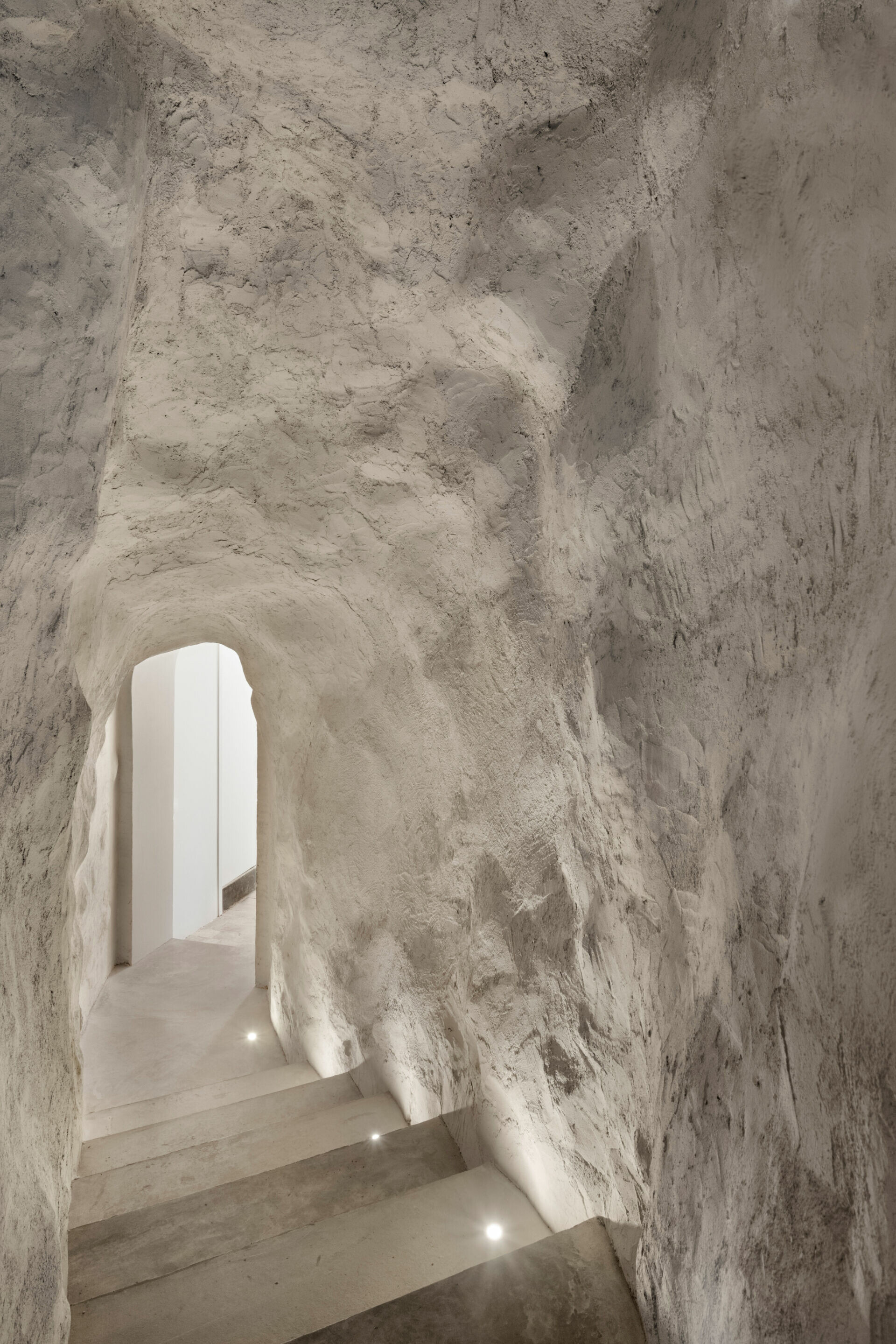
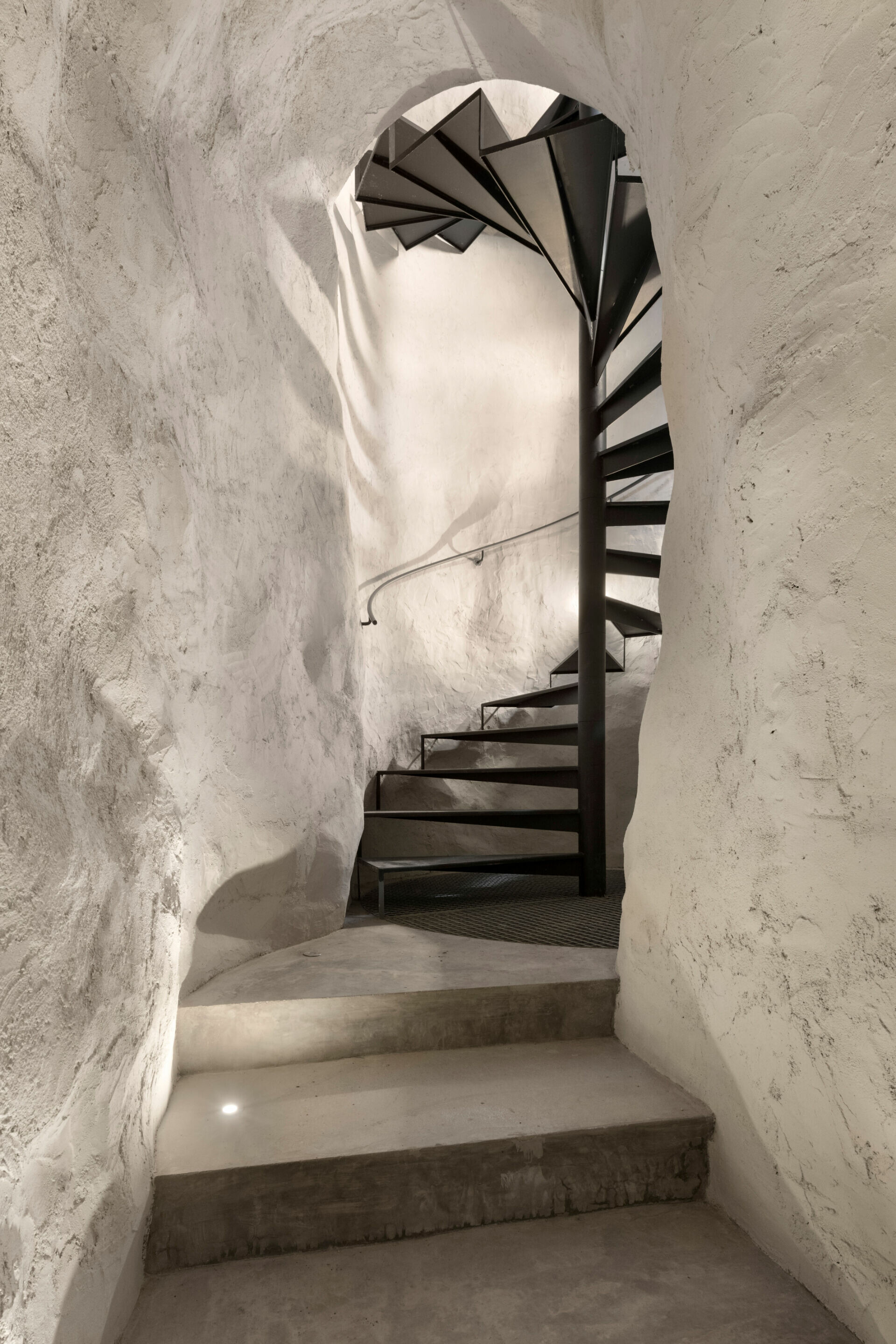
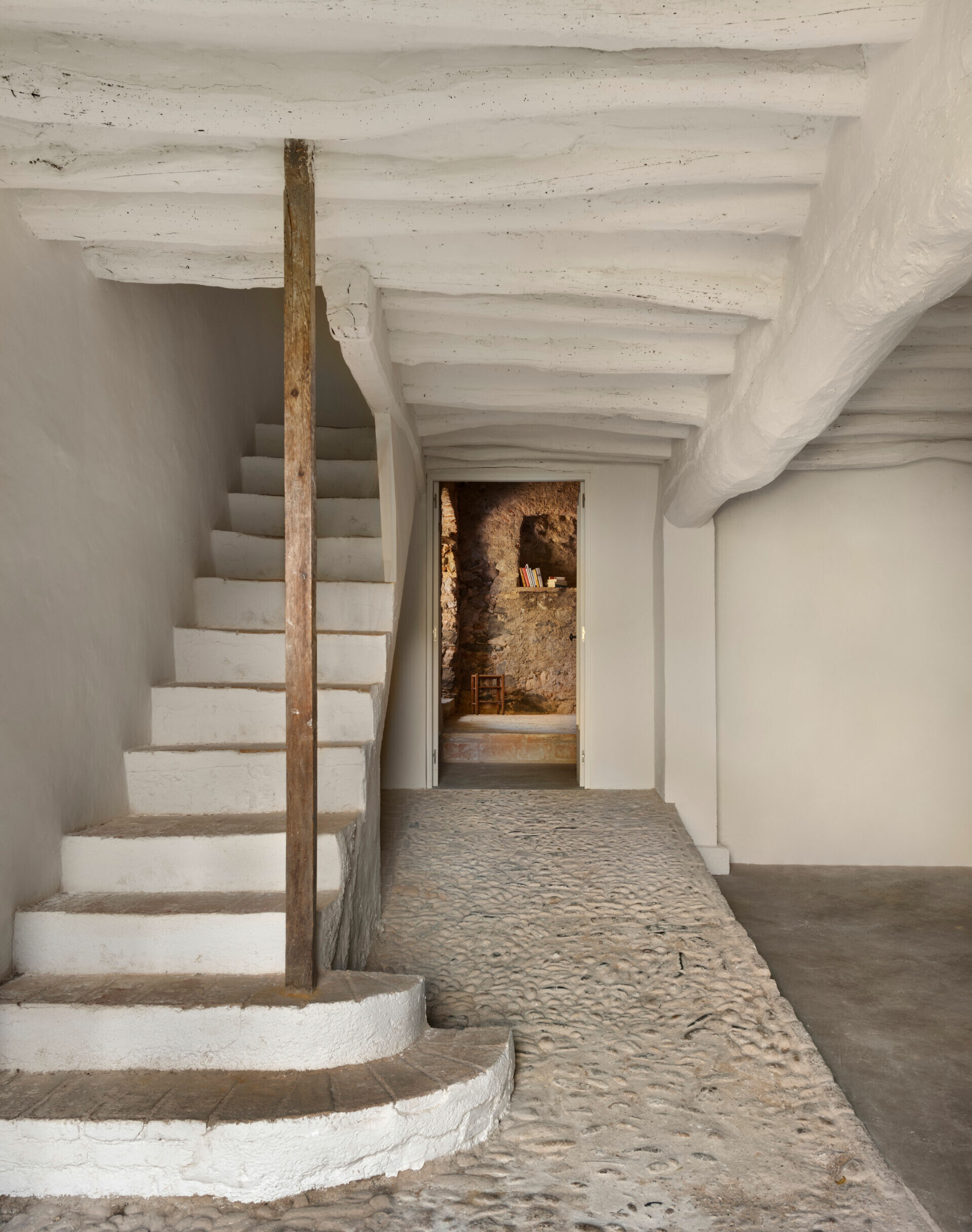
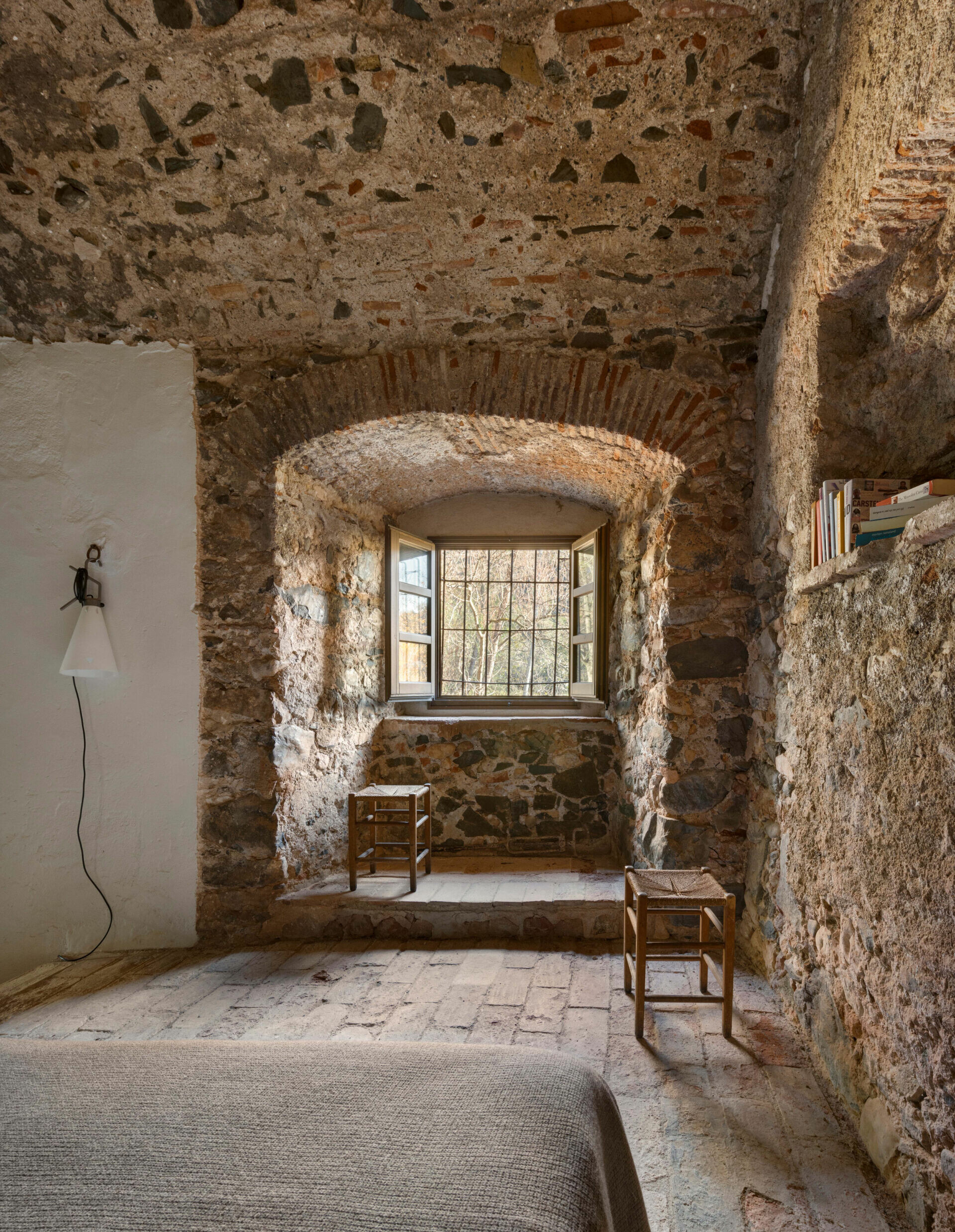
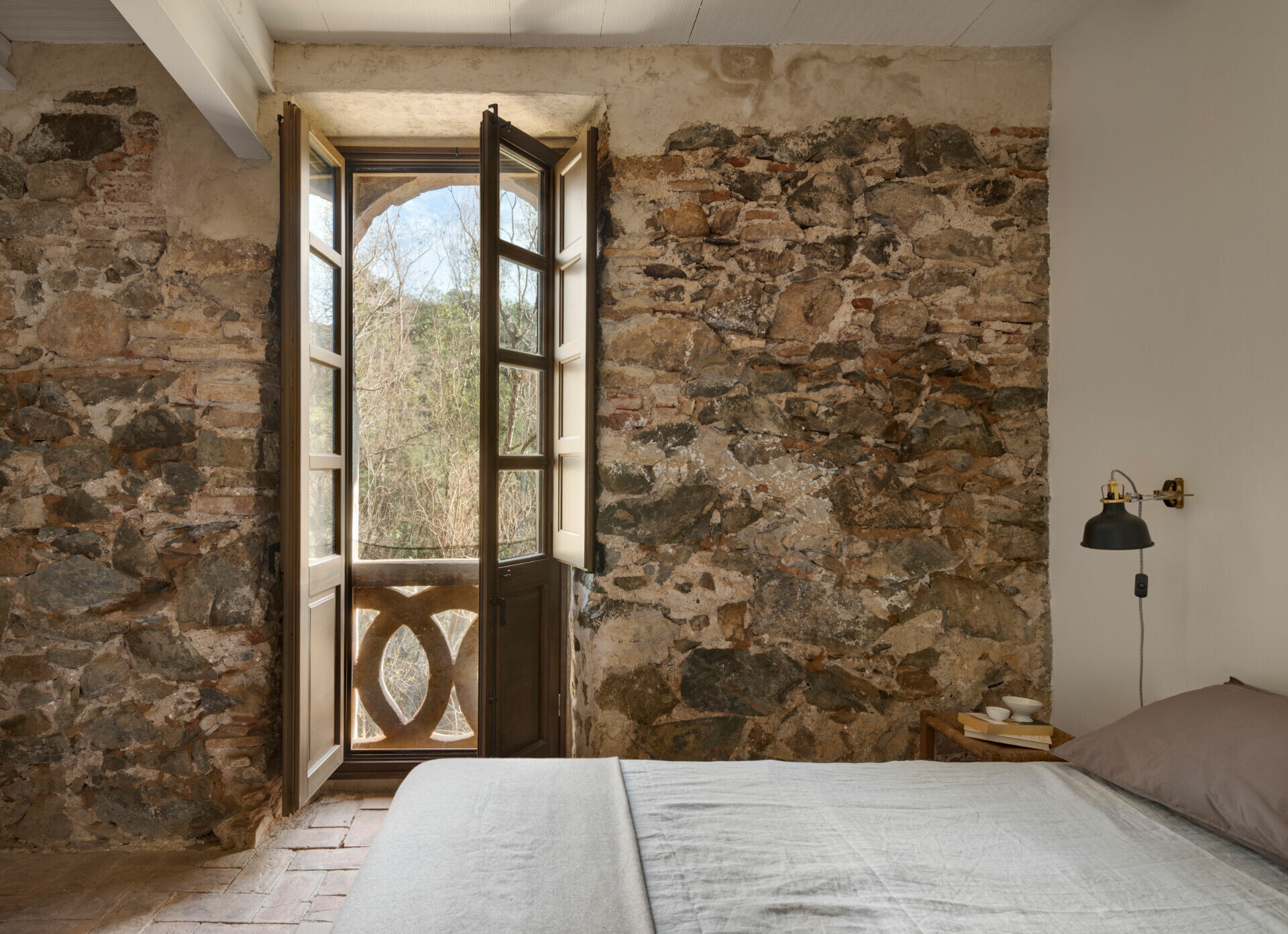
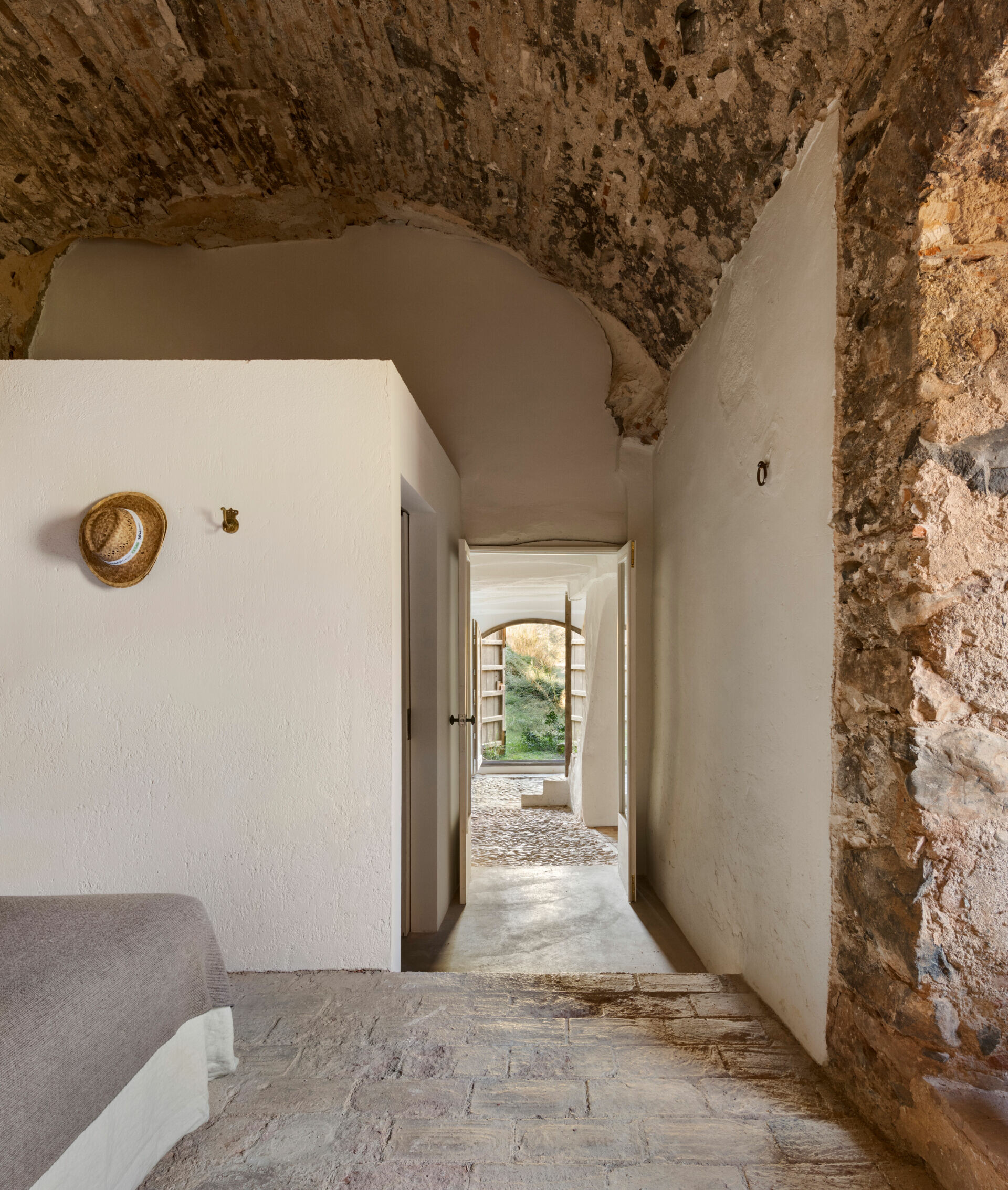
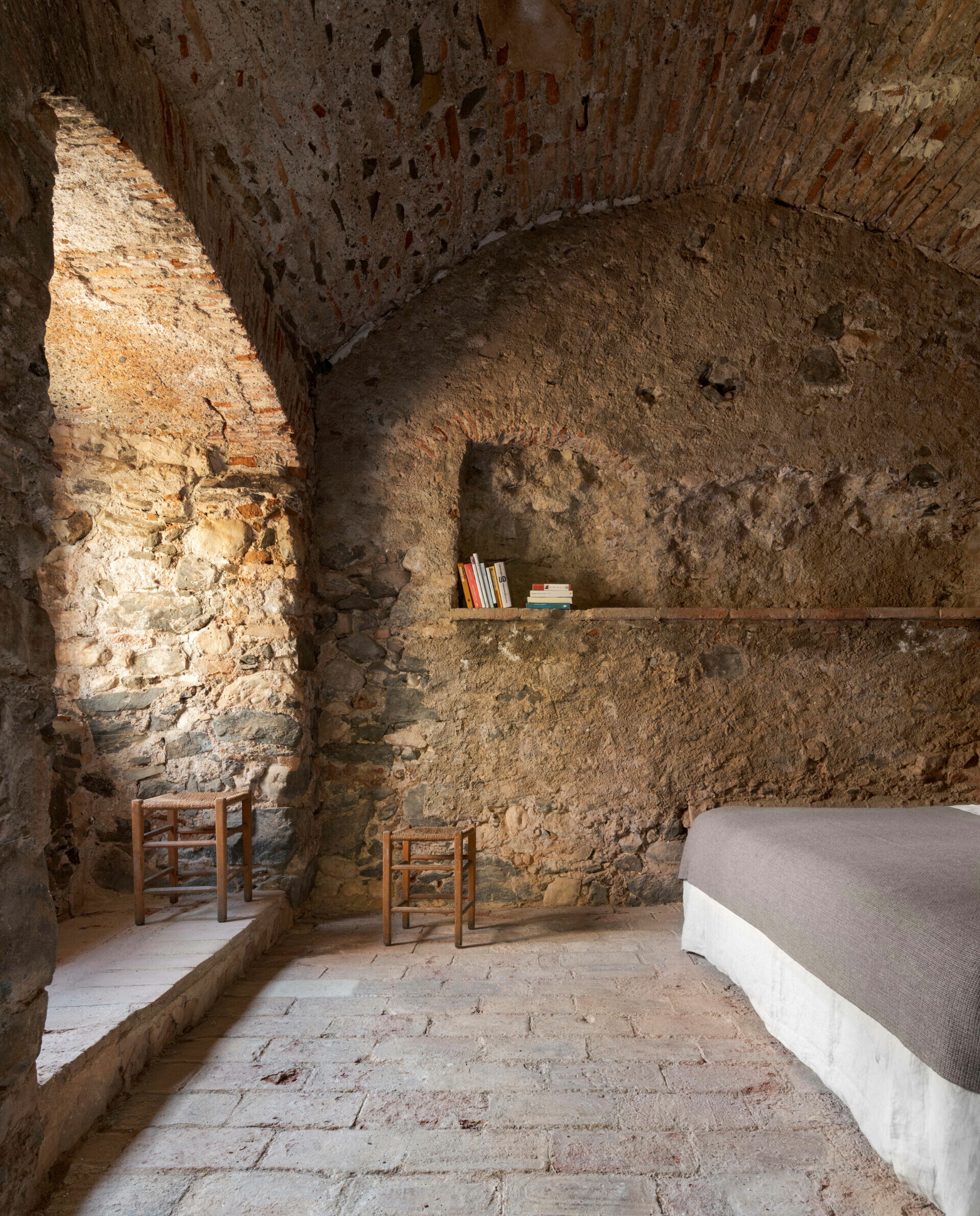
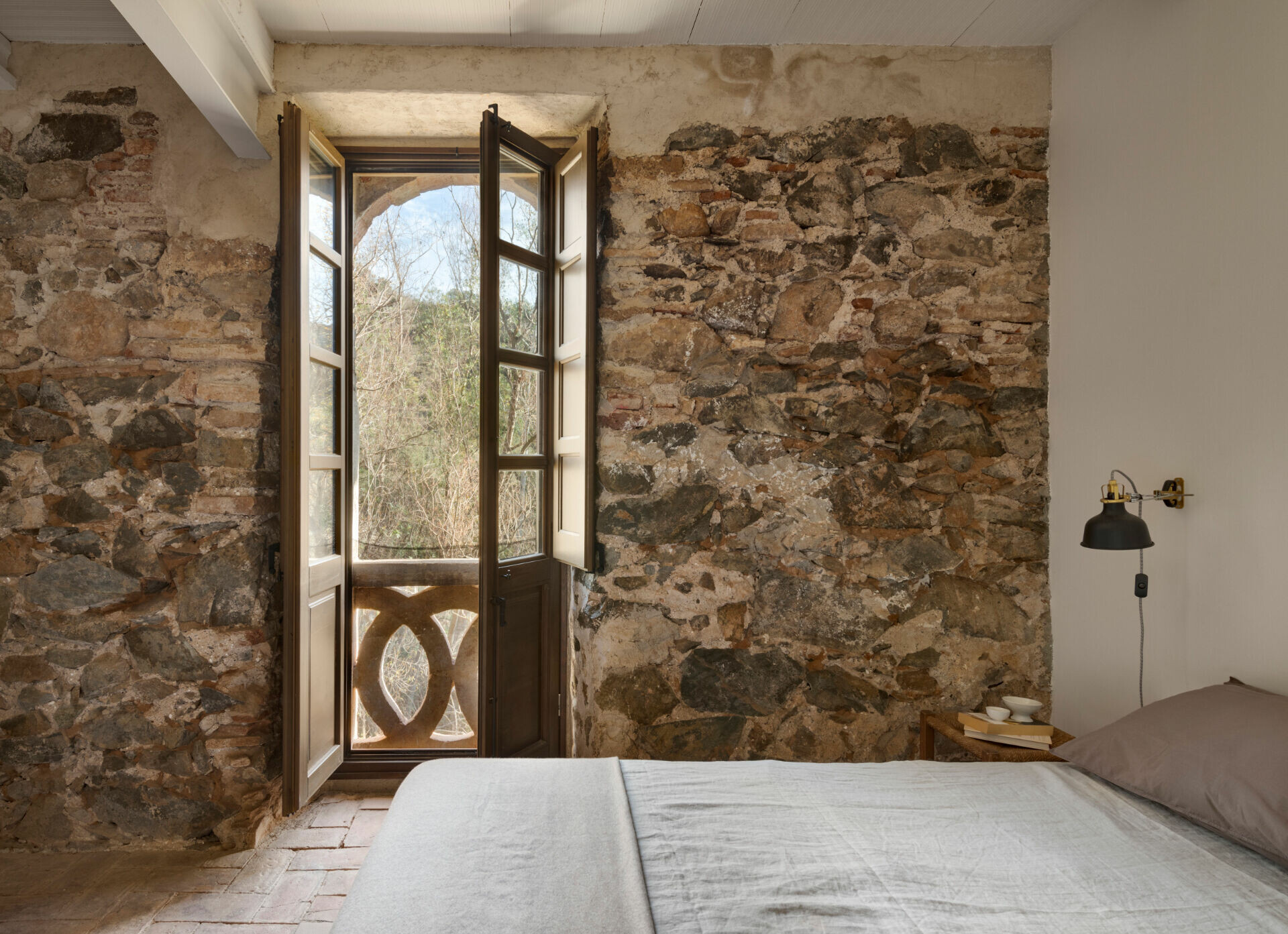
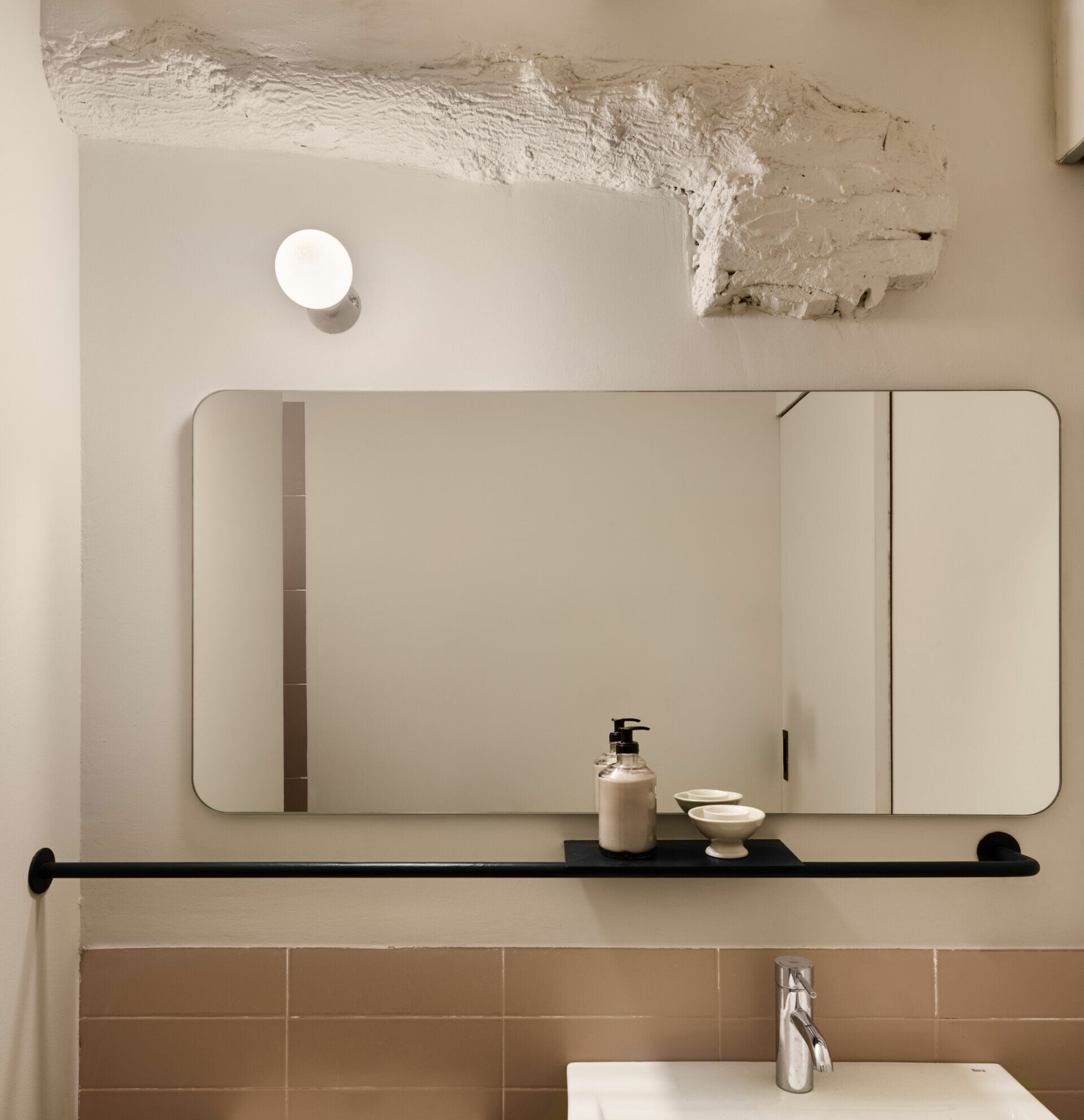
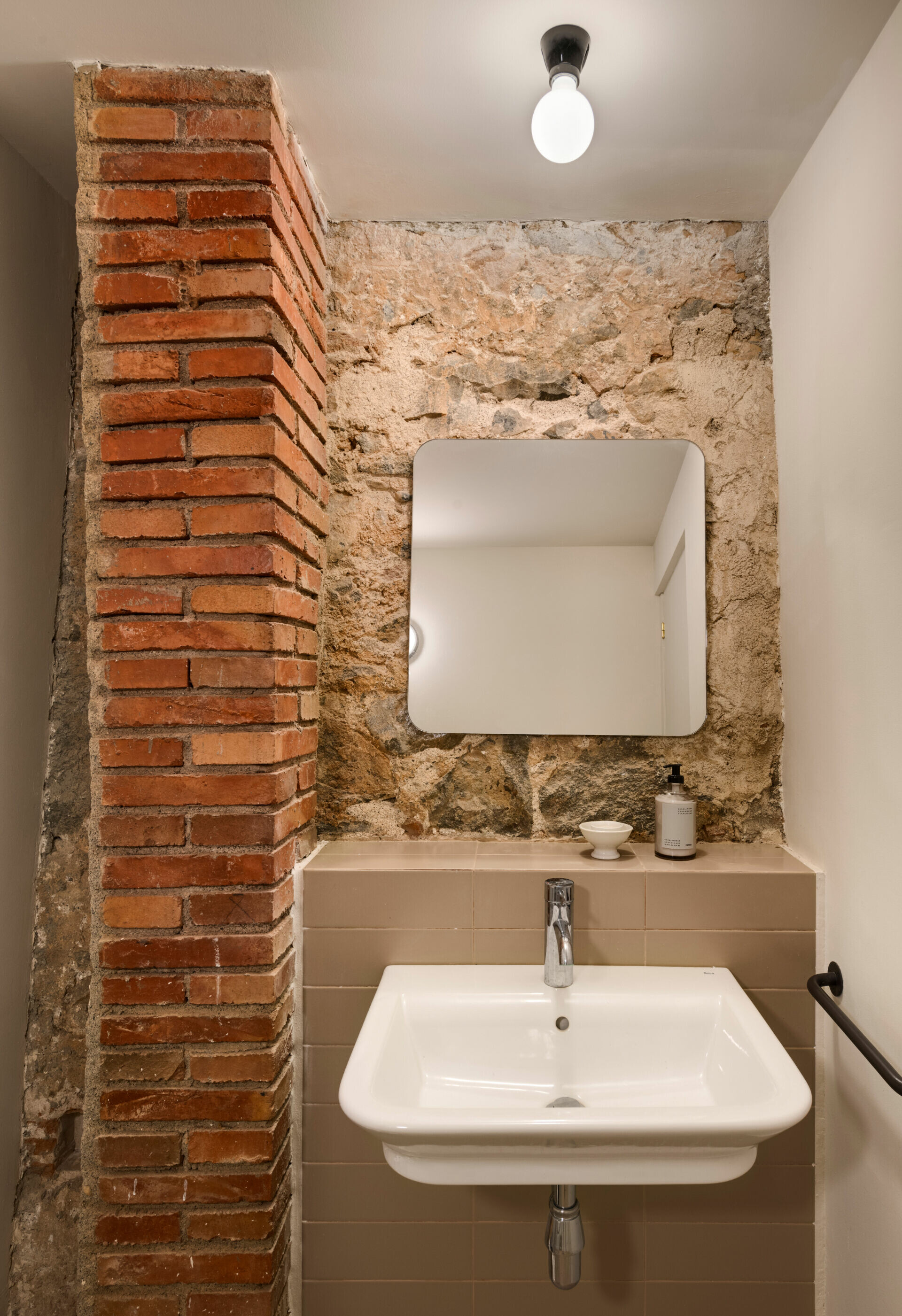
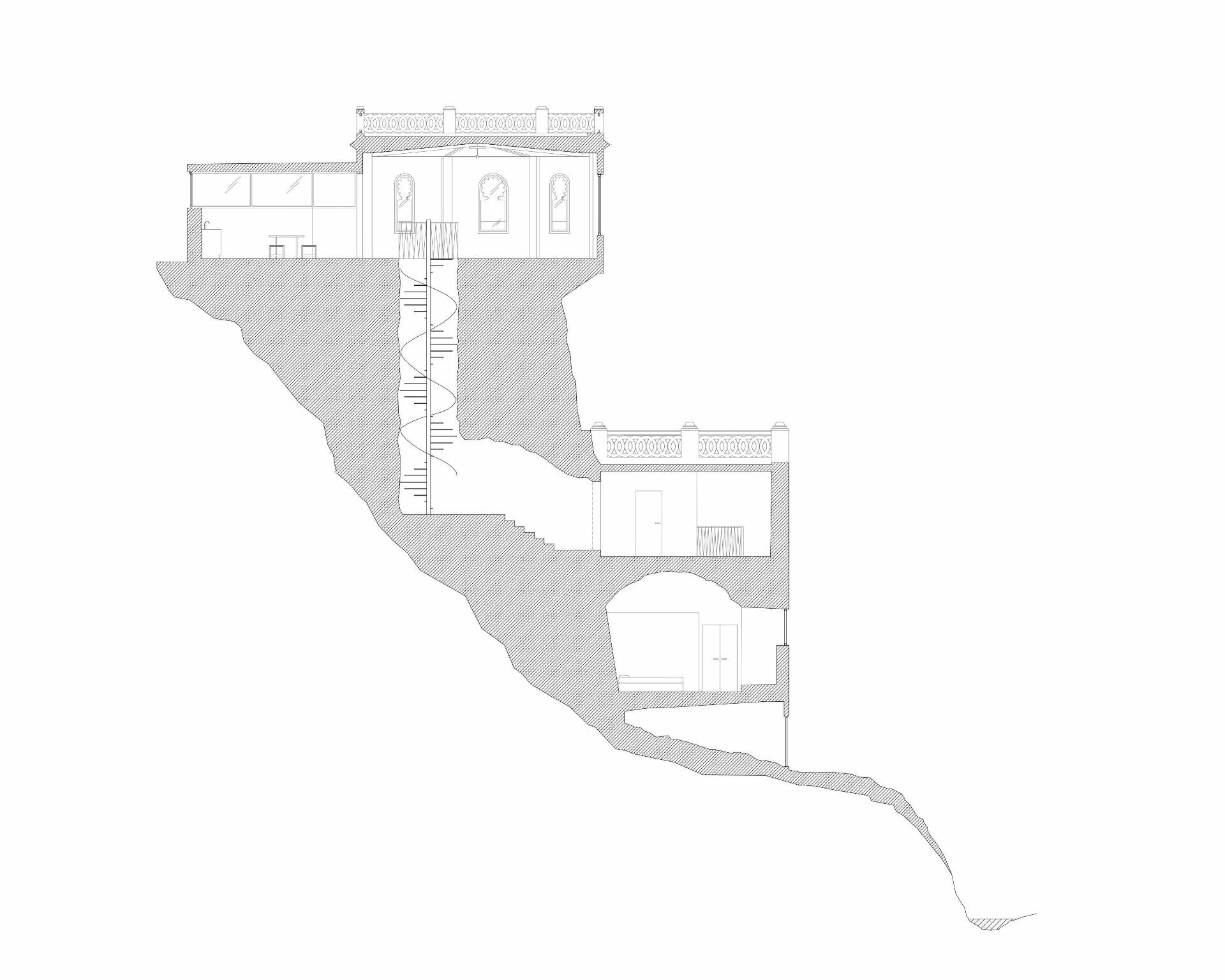
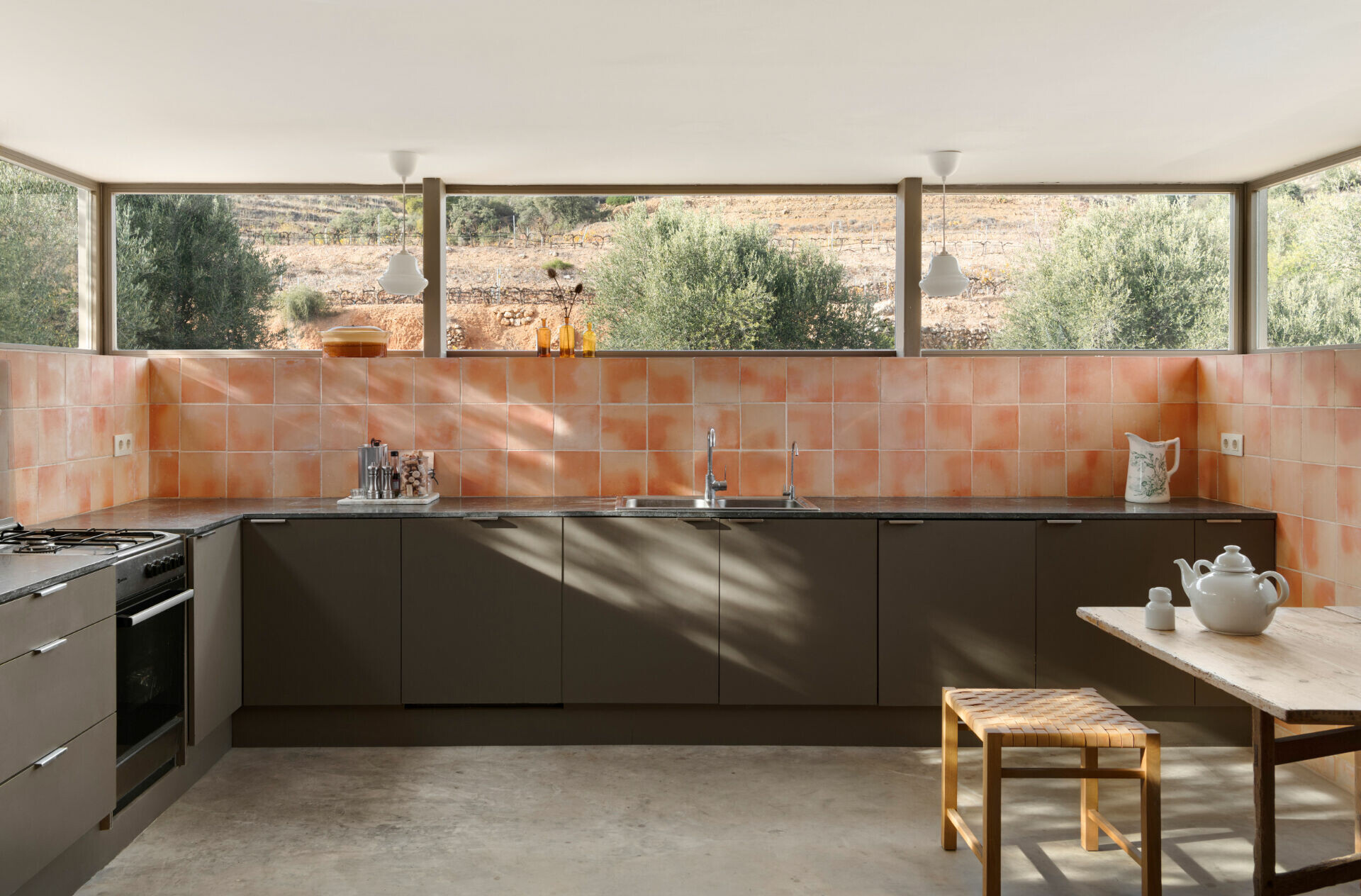
The transformation was executed in three phases. First, the cultural value of the building was respected by expanding the interior through the excavation of the mill’s old water channel, which allowed for additional space. A spiral staircase was installed within the channel to connect the tower and all existing elements, creating a seamless flow between the various sections. Second, local materials such as wood and stone were used to restore the building’s essence while enhancing living comfort with modern architectural techniques and design. Lastly, the layout was completely reimagined to suit contemporary functional needs. Both the interior and exterior underwent comprehensive renovation, remaining true to the structure's historical character while adapting to modern requirements. The result is a modern home filled with personality and a deeper connection to its natural and cultural roots.