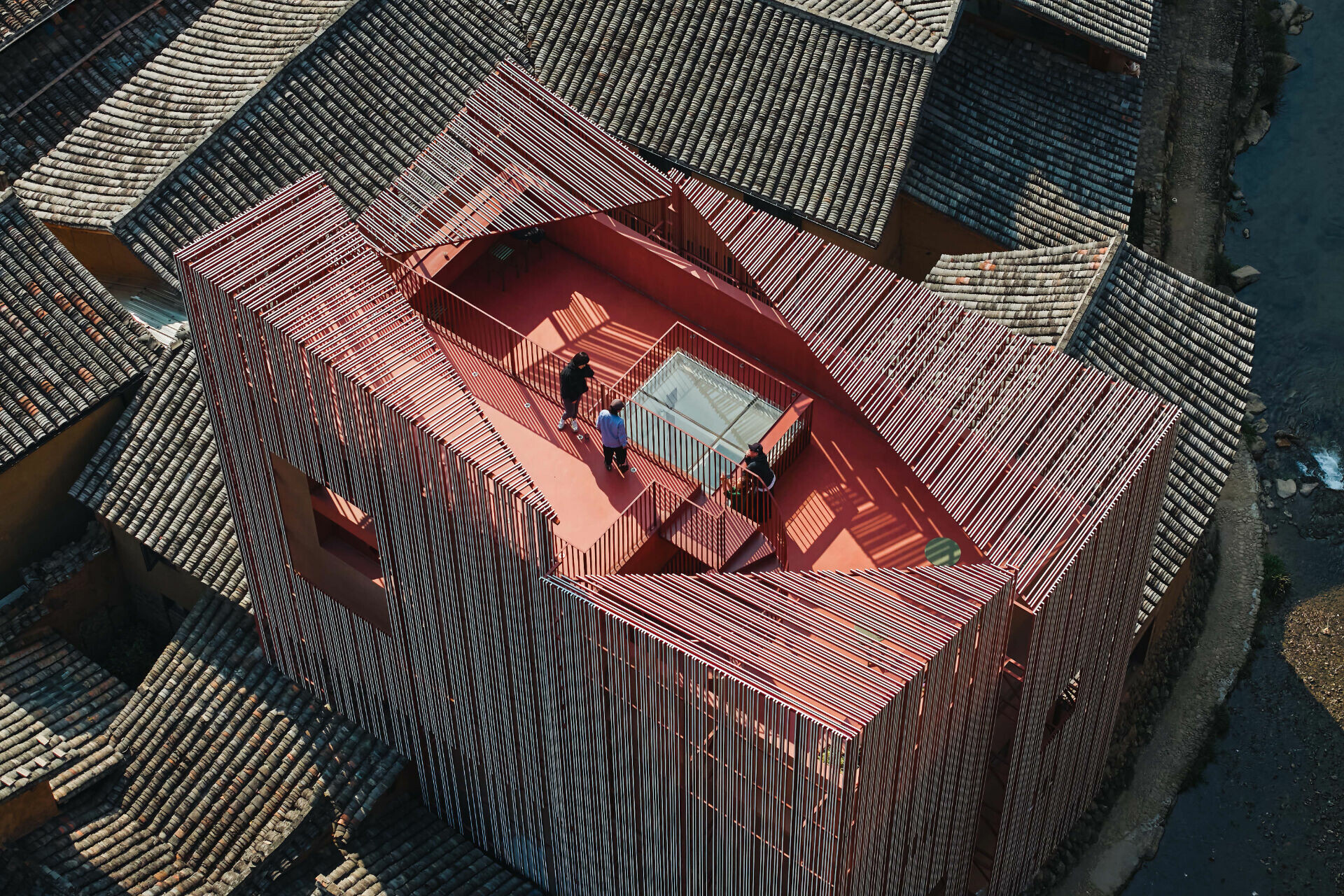
➤ The height difference of the terrace provides more possibilities for various activities, photograghy by Jonathan Leijonhufvud
The Quartet – Songzhuang Z Museum
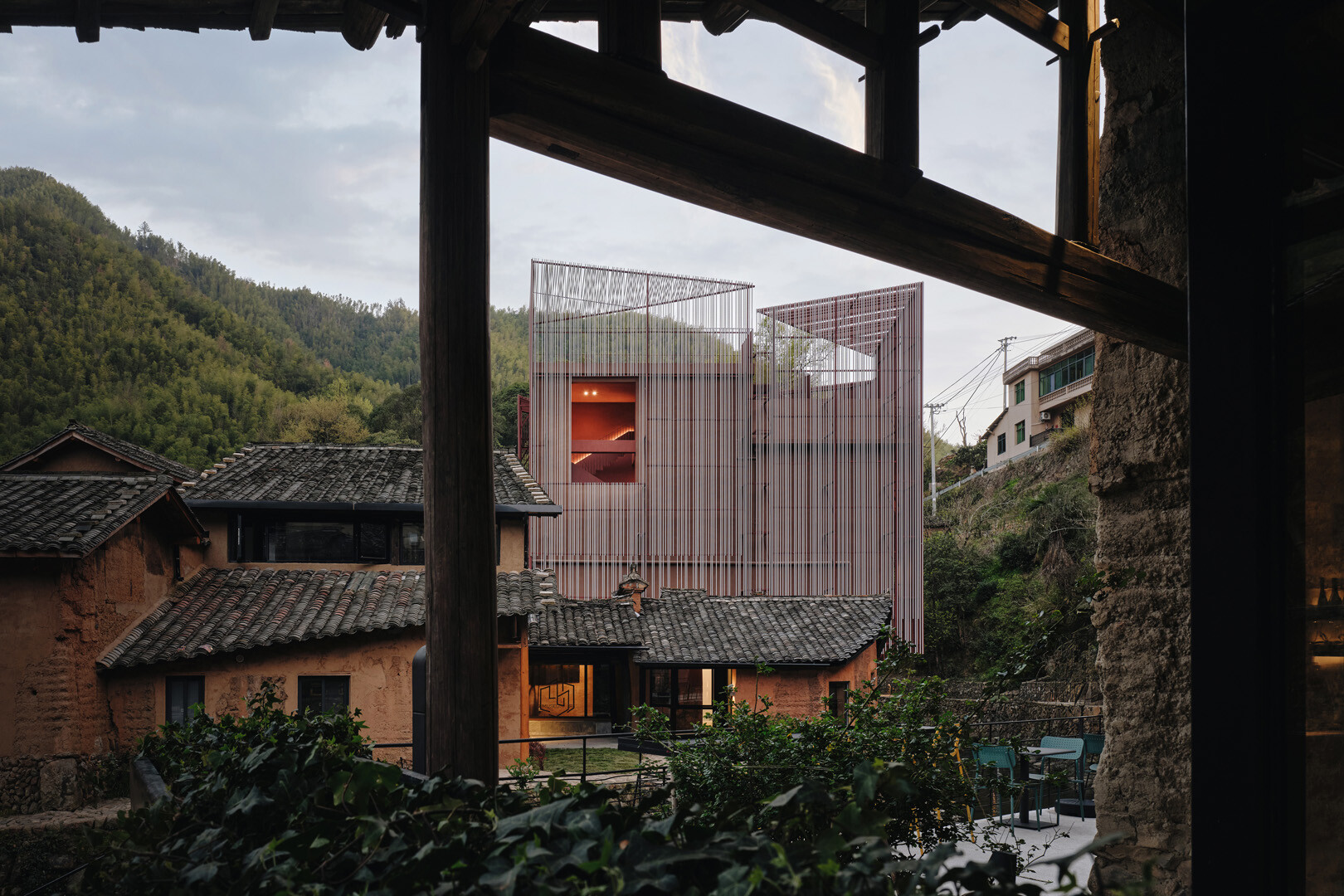
Nestled deep in the lush mountains of Songyang County, Zhejiang Province, the nearly 600-year-old village of Songzhuang reveals itself at the end of a winding mountain road. Upon arrival, one is met with a scene akin to a classical Chinese landscape painting: a clear stream meanders around the village, and earthen houses with ochre clay walls and grey-tiled roofs are scattered along the contours of the hills. The atmosphere is serene and unhurried, evoking the quiet beauty of a secluded utopia untouched by time. Amid this tranquil setting, a new structure clad in red and white aluminum louvered panels stands out, its latticed façade weaving a veil of semi-transparency that glimmers in contrast to the surrounding rammed-earth dwellings. At first glance, the visual contrast is stark, yet the building resonates with the quiet rhythm of the village. What appears dissonant on the surface becomes a subtle narrative of rural renewal—an architectural gesture that explores the contemporary transformation of vernacular culture.
➤ After sunset, Z museum returns to its serene white, photograghy by Jonathan Leijonhufvud
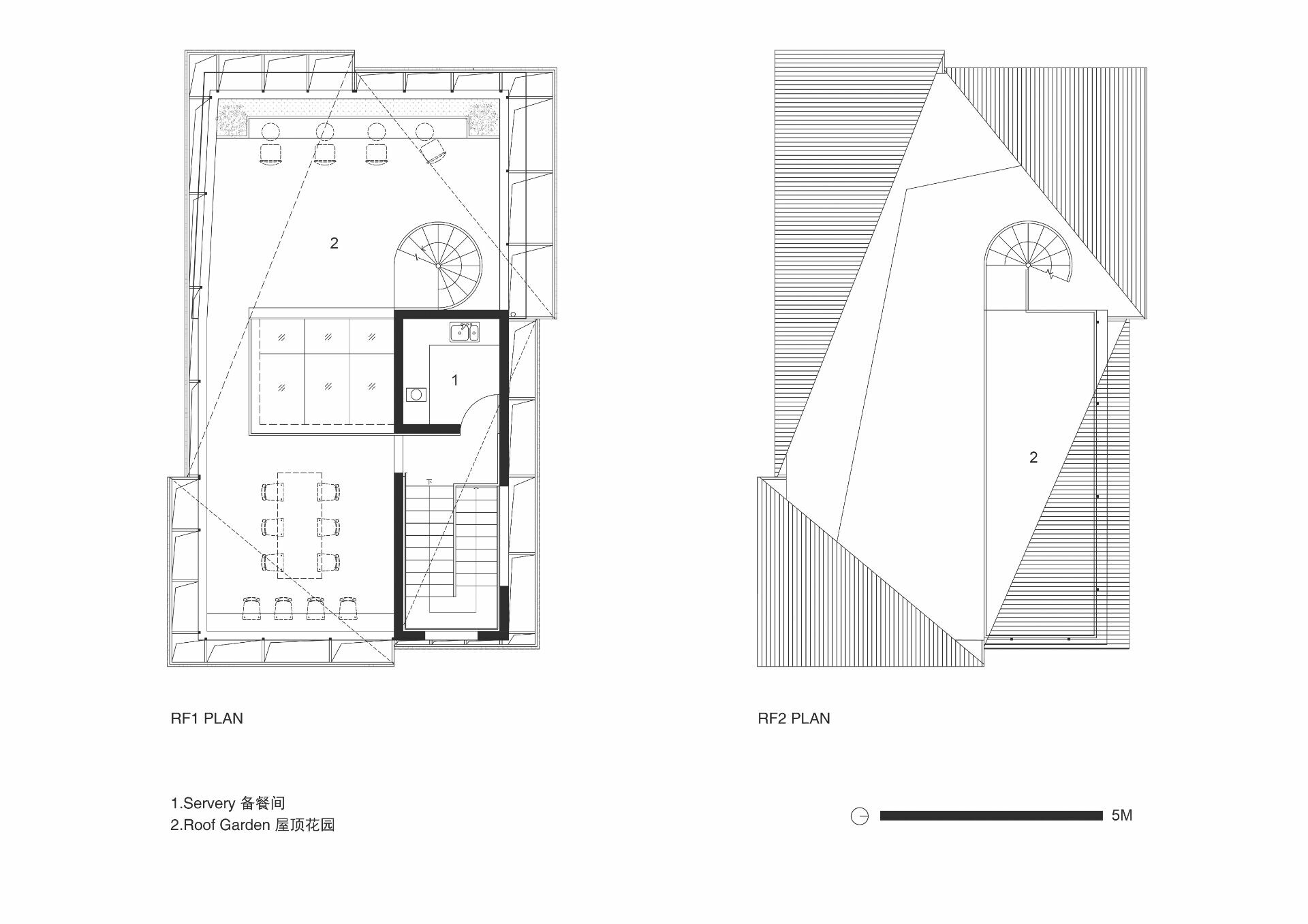
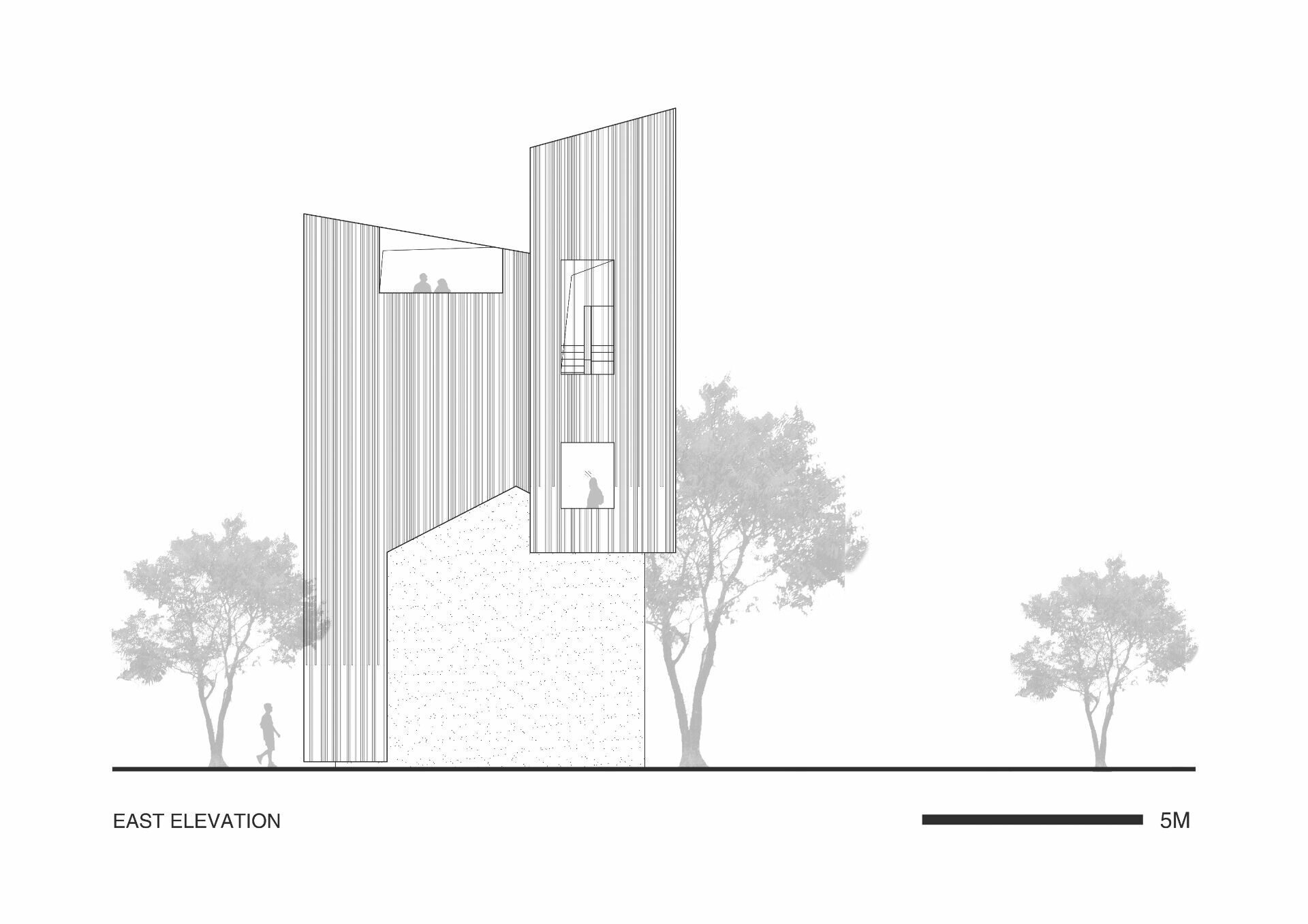
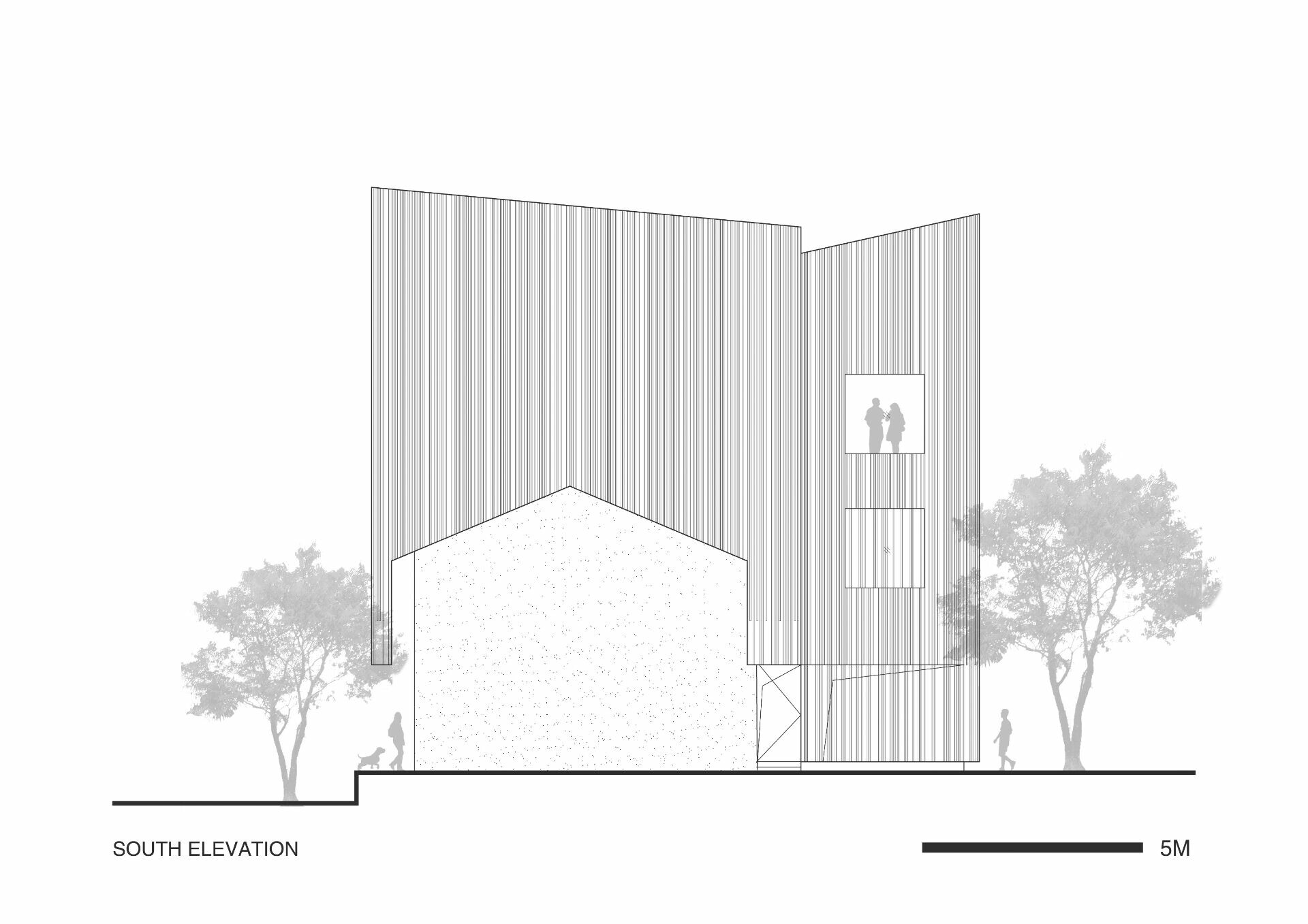
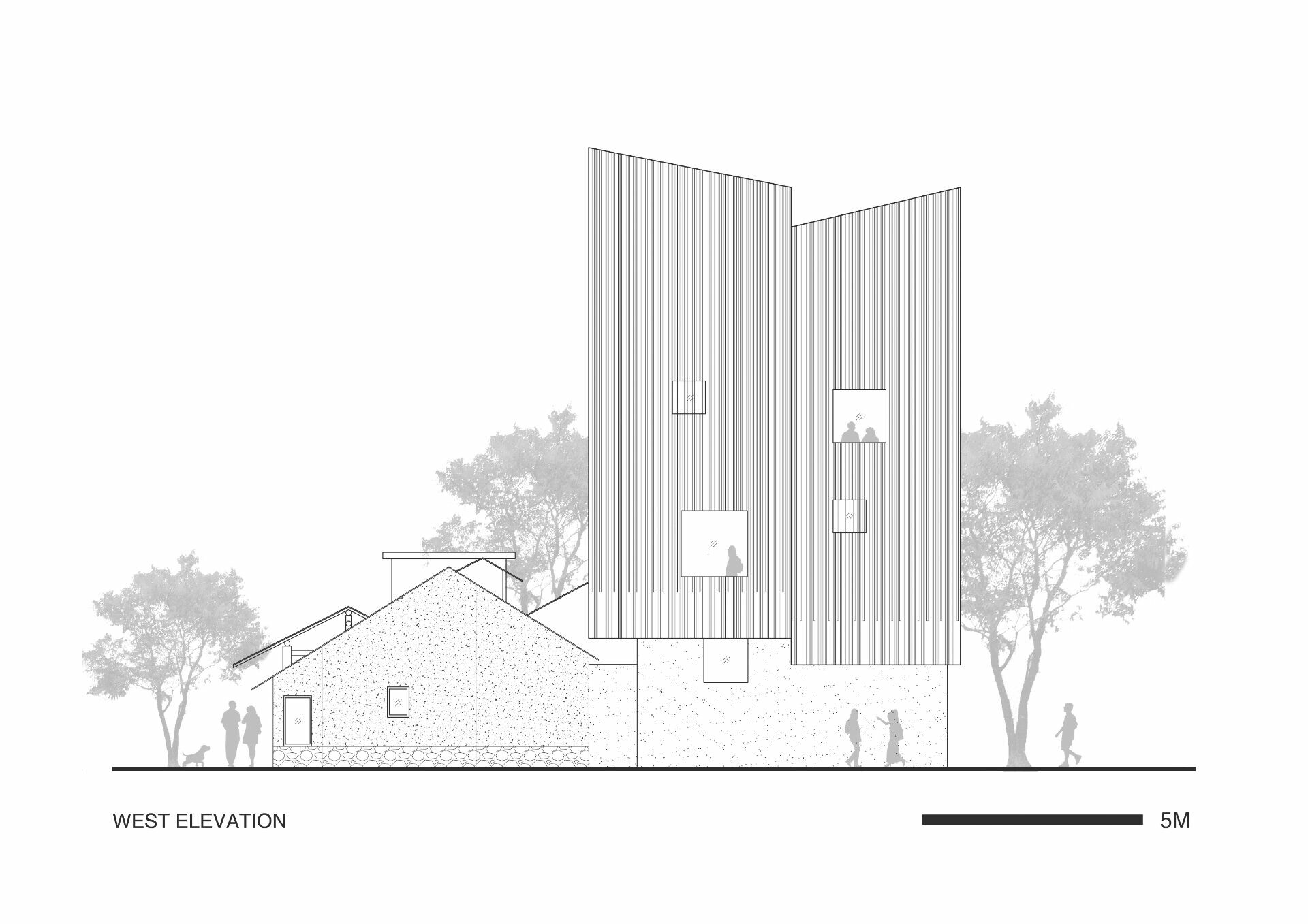
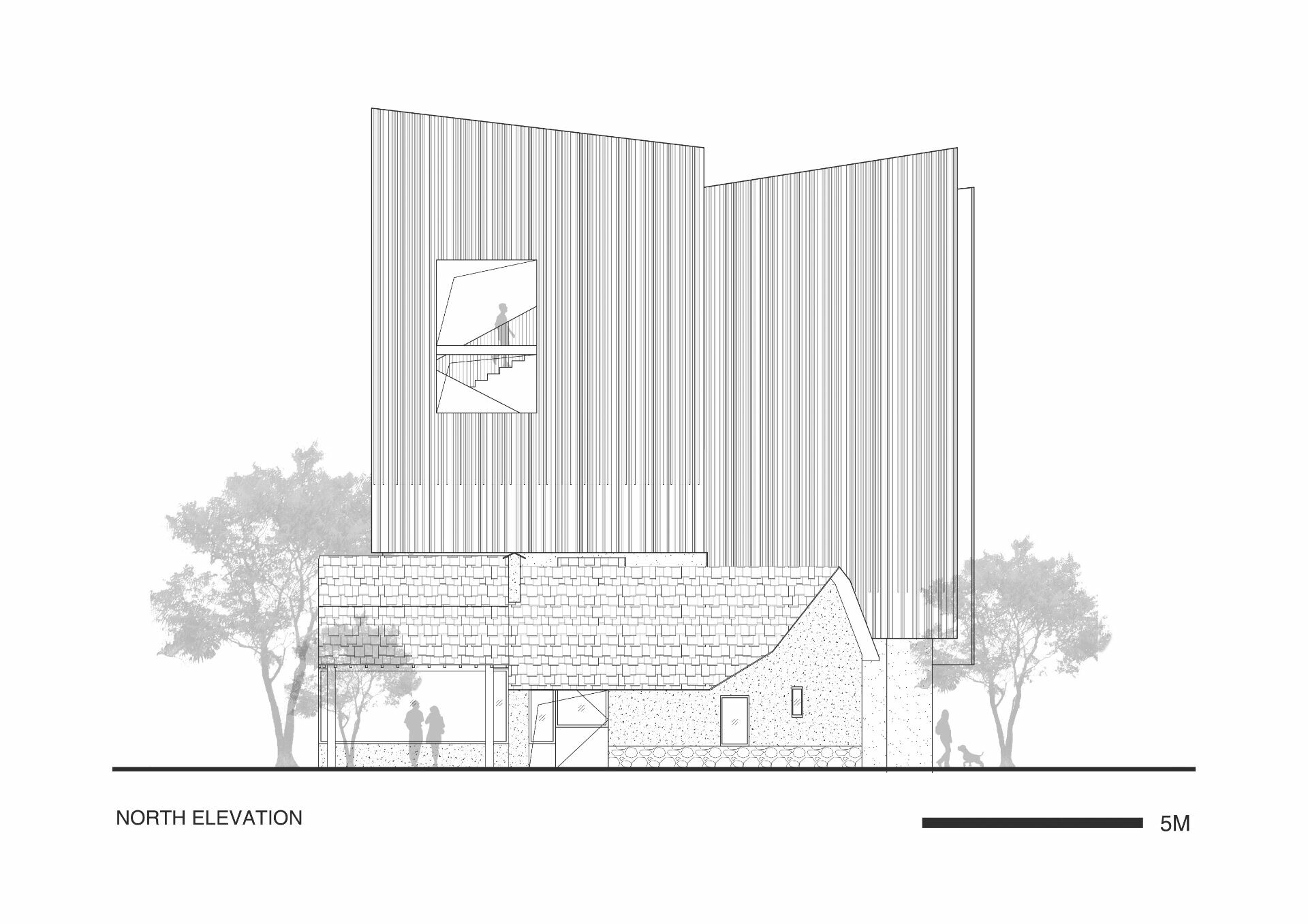
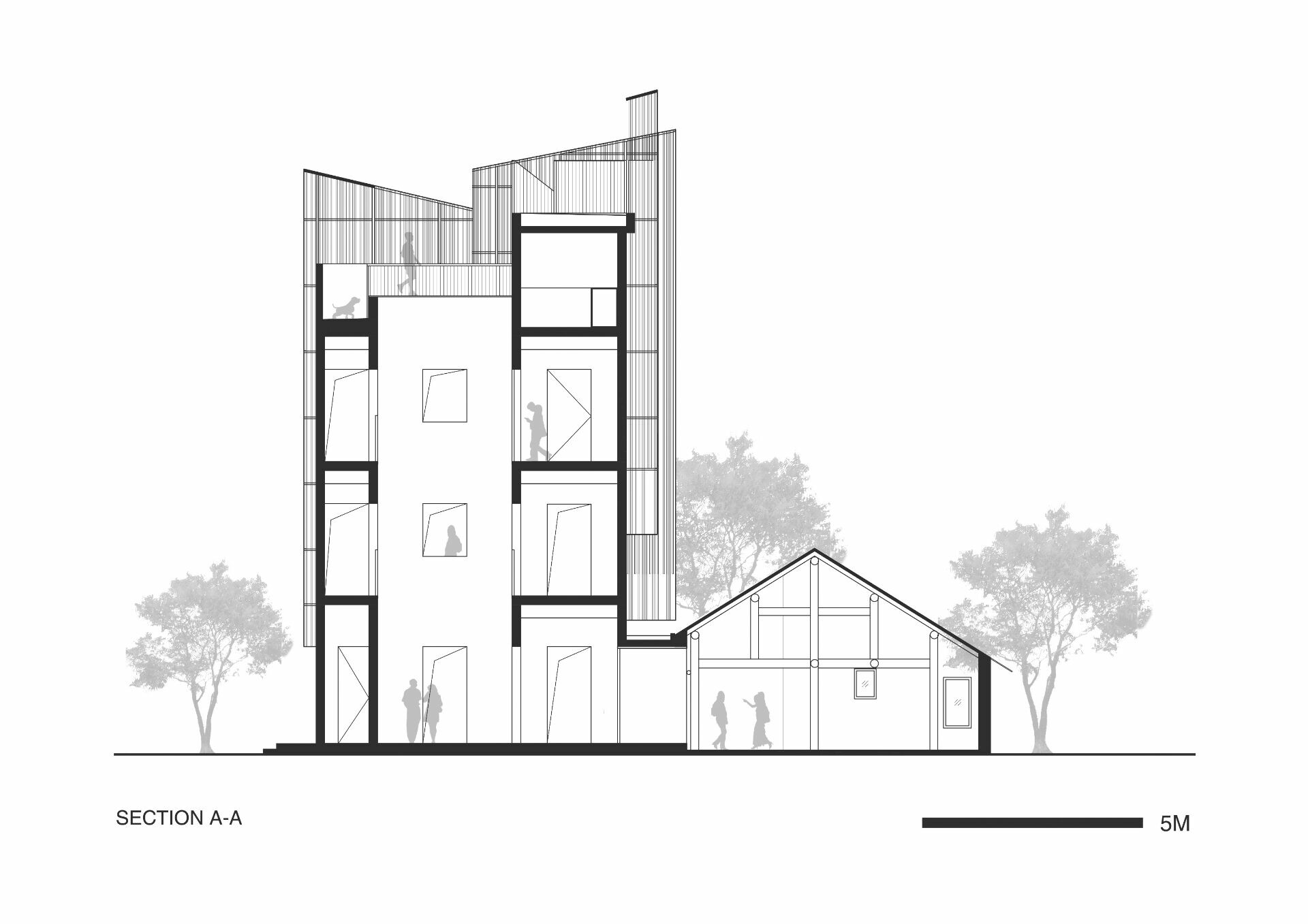
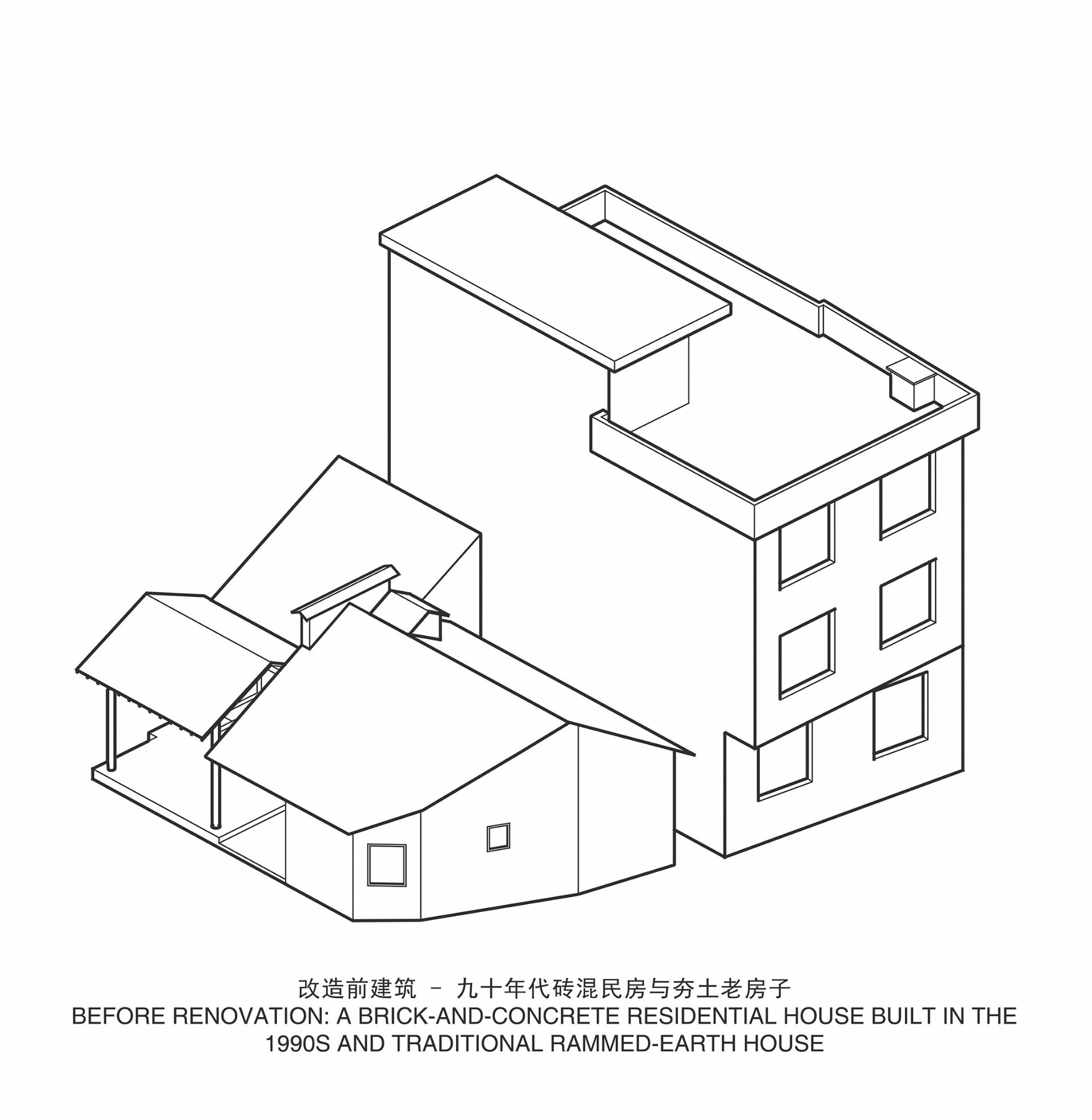
Though Songzhuang preserved its original ecology and traditional Jiangnan-style dwellings, the village remained largely forgotten—an untouched relic on the periphery of modern development. In 2016, however, the “Saving Old Houses” initiative changed its course, promoting the integration of rural economy, culture, and contemporary art. It was through this movement that China’s first contemporary rural art museum dedicated to the theme of weaving came into being in this modest mountain village. Before TEAM_BLDG’s intervention, the existing building—an incongruous mixed-brick residence from the 1990s—already stood in discord with its surroundings. But this architectural mismatch would later become the basis for the project's distinctive tension: one that balances contrast and harmony in equal measure. In its new incarnation as the Z MUSEUM, the structure adopts a striking and contemporary form while still forging tangible links with the village’s traditional architecture and artistic heritage.
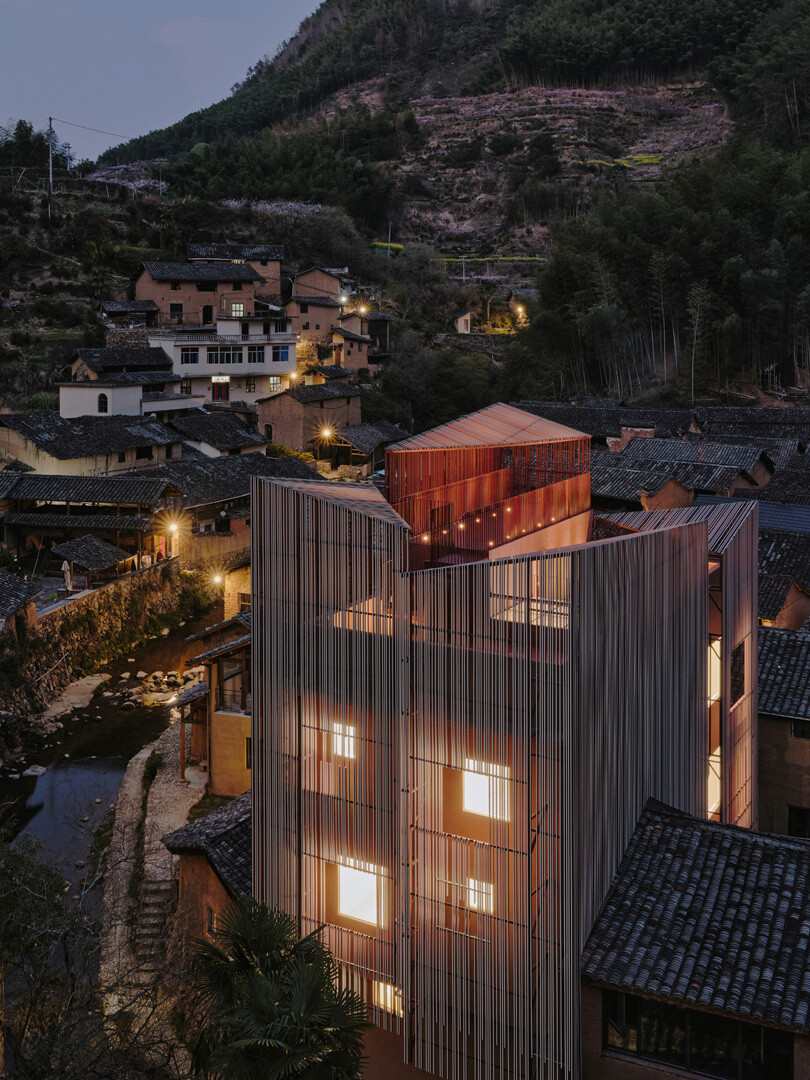
➤ At night, it becomes a hazy lighthouse, photograghy by Jonathan Leijonhufvud
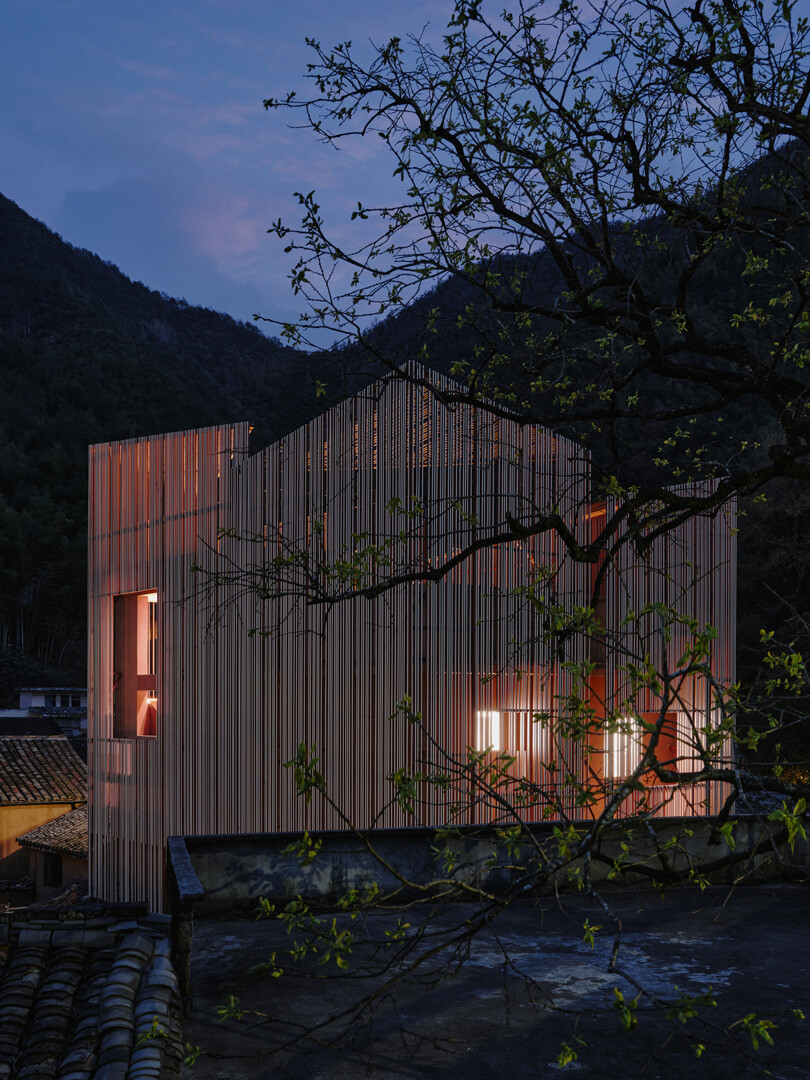
➤ Without exterior building lighting, only soft light filters from the interior, photograghy by Jonathan Leijonhufvud
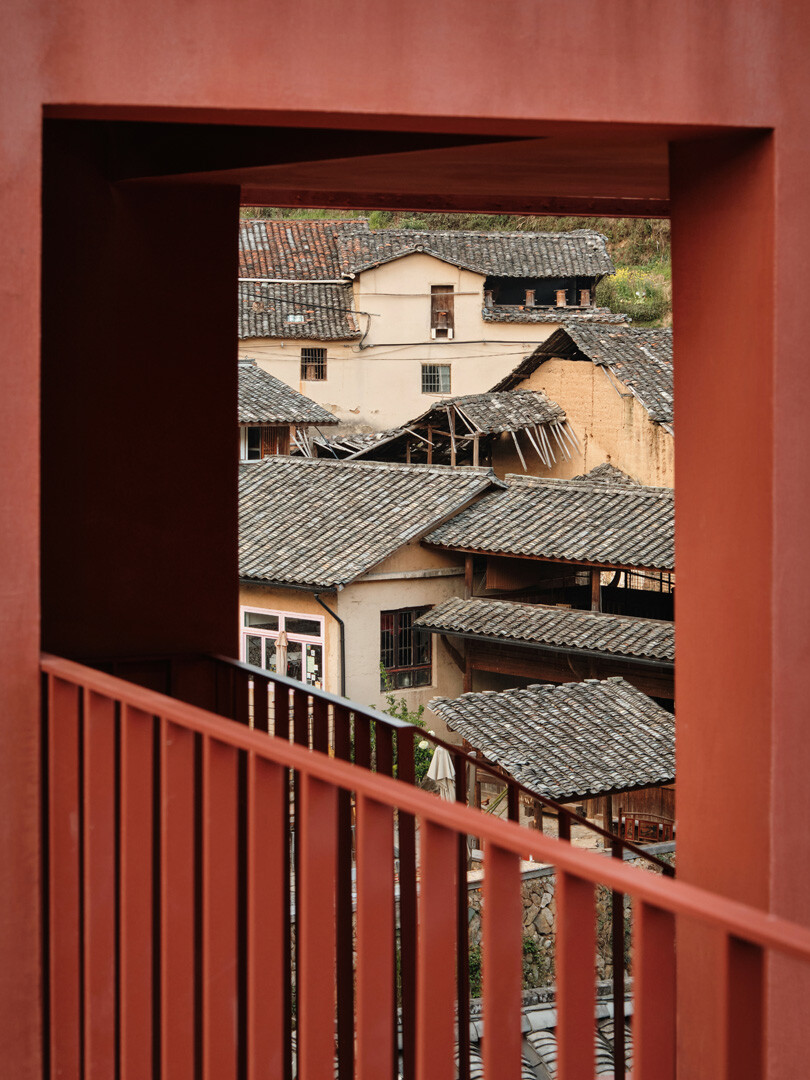
➤ Each framed view serves as a connection between the village and Z museum, photograghy by Jonathan Leijonhufvud
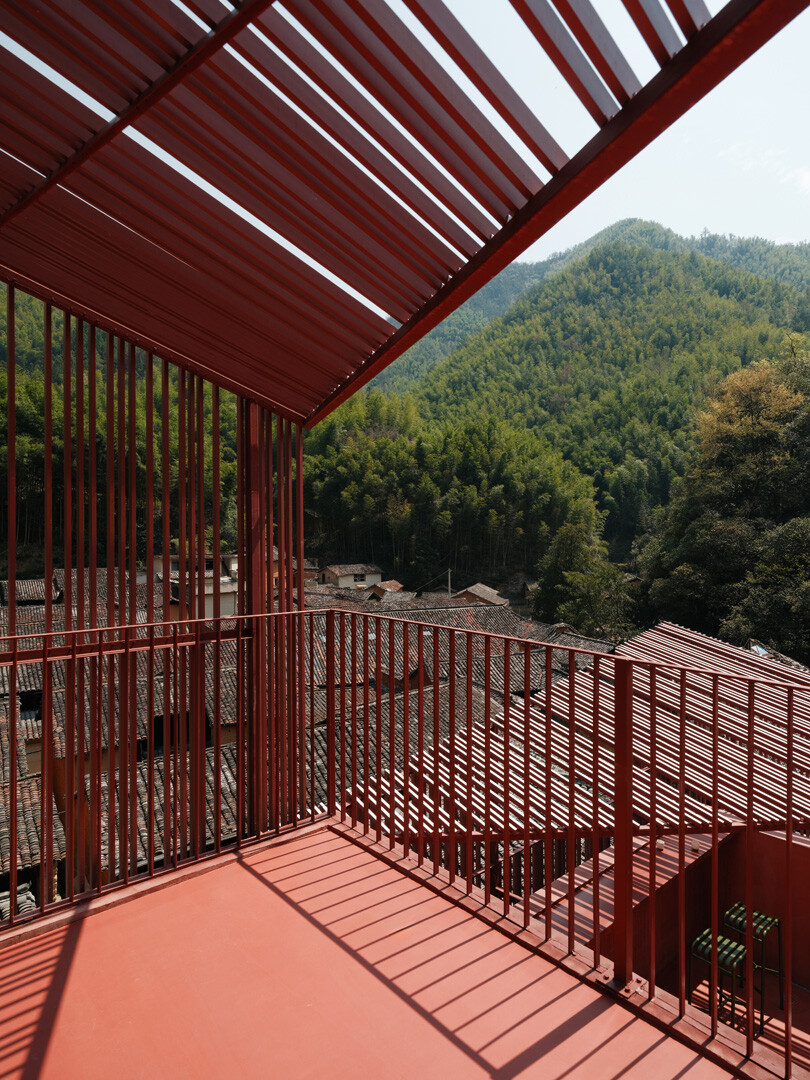
➤ The mountains screened by the grilles, photograghy by Jonathan Leijonhufvud
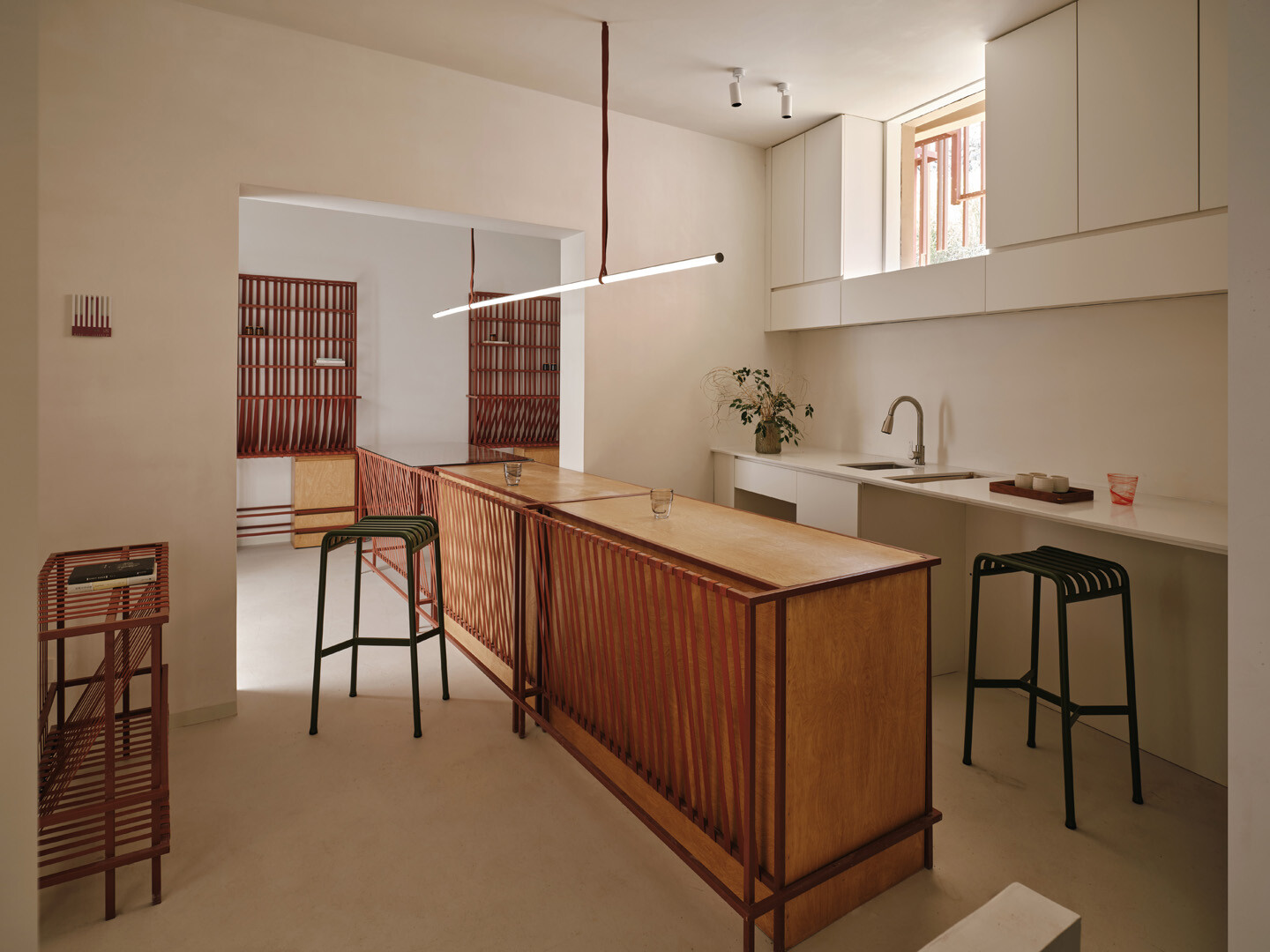
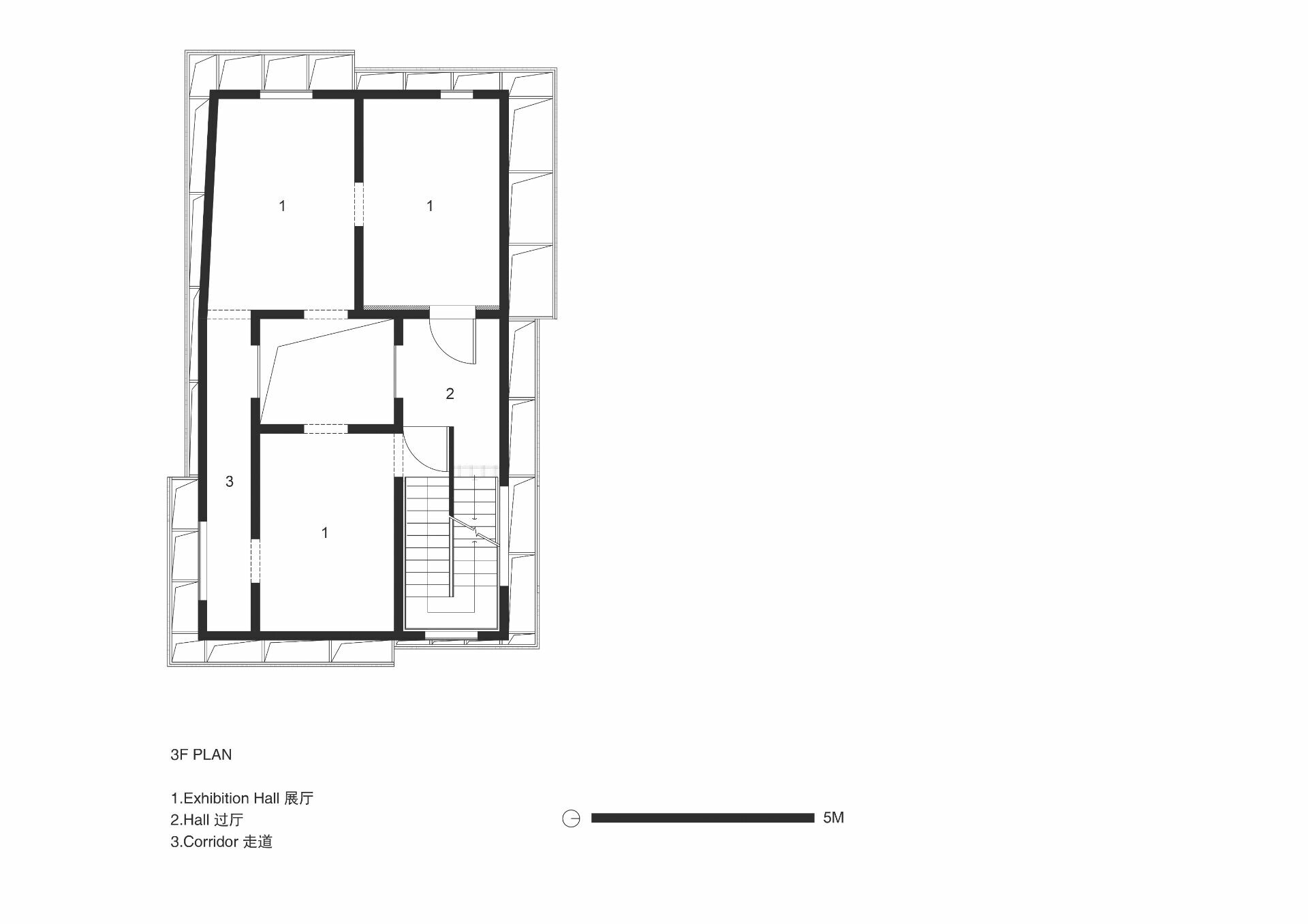
Breaking away from the original solid, monolithic volume, the renovation divided the museum into four interconnected masses. Each block varies in height and hosts rooftop terraces, introducing a layered spatial rhythm that mirrors the fragmented character of the village—like a “quartet” echoing the cadence of rural life. The façade features aluminum rectangular tubes measuring 20mm by 40mm, arranged in alternating densities to create a sense of visual lightness and permeability. A closer look reveals that each tube is painted on three sides in red and one in white. This subtle chromatic variation interacts with shifting light and seasonal changes, producing a poetic sense of movement—like a double-colored thread being woven across the building’s surface. Visitors enter the museum through a preserved rammed-earth house, which functions as a vestibule. As one moves inward, the dim, introspective atmosphere gives way to a bright, modern exhibition space. A skylit central atrium allows daylight to diffuse across all three levels, reinforcing the spatial connection between the museum and the village beyond. Drawing from traditional Chinese weaving techniques familiar to the local community, TEAM_BLDG reinterprets this heritage through a contemporary architectural language. The result is a design that not only breathes new life into an old structure but also reaffirms the inclusive power of art—offering a nuanced, respectful dialogue between the past and the present.
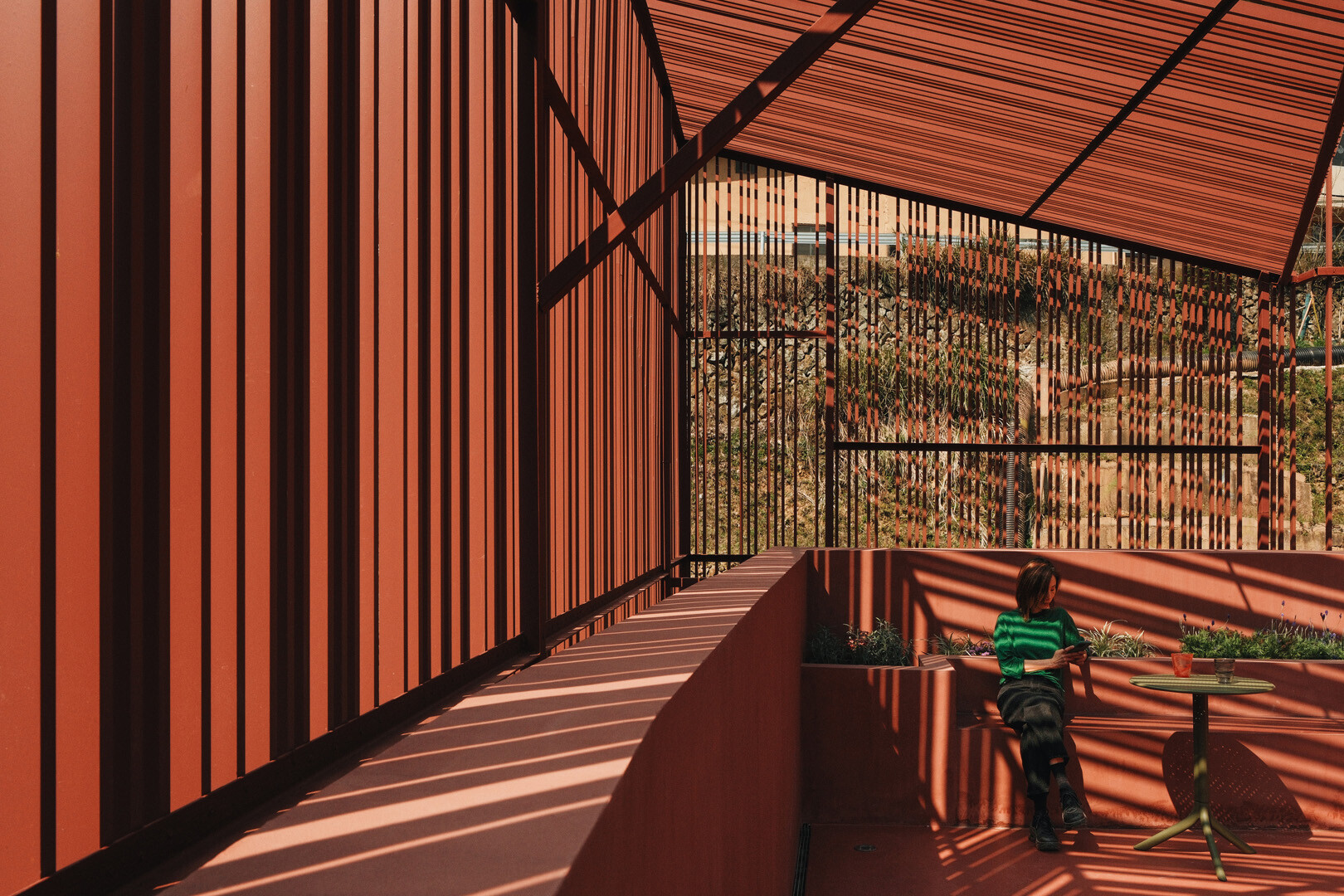
➤ The grilles cast shadows on the flower bed booths, photograghy by Jonathan Leijonhufvud
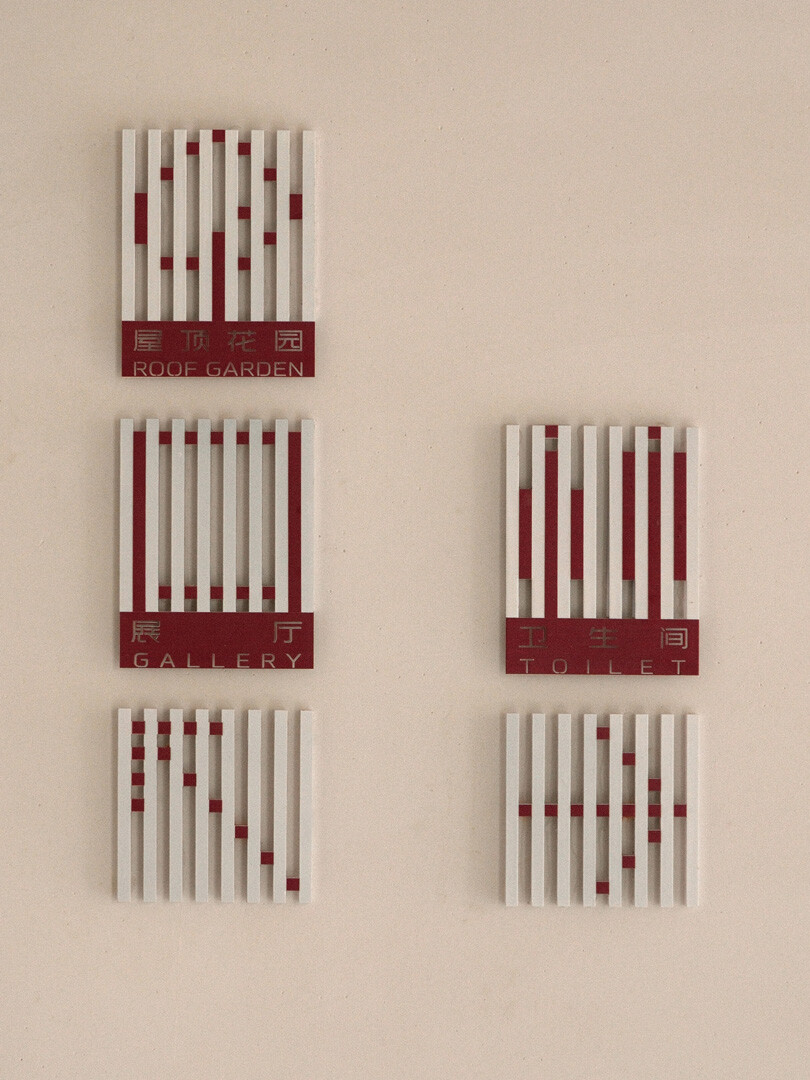
➤ VI system with the concept of weaving, photograghy by Jonathan Leijonhufvud
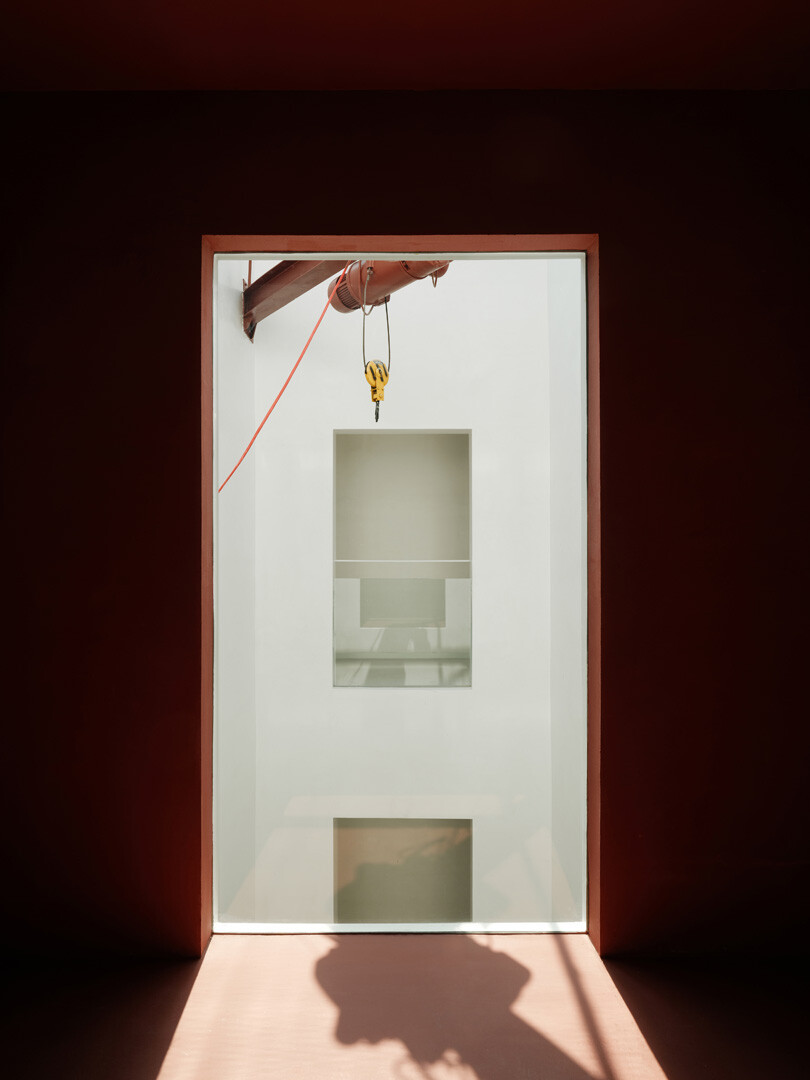
➤ The atrium will be used to display large scaled suspended art installations, photograghy by Jonathan Leijonhufvud
Design Studio | TEAM_BLDG
Architects | Xiao Lei, Deng Caiyi, Shen Ruijie
Character of Space | Museum, Cafe, Store
Building Area | 472 m²
Structure | GongHe Architecture Design Group Co.,Ltd.
Location | Songyang, Zhejiang