➤ photograghy by Fangfang Tian
UCCA Clay Museum
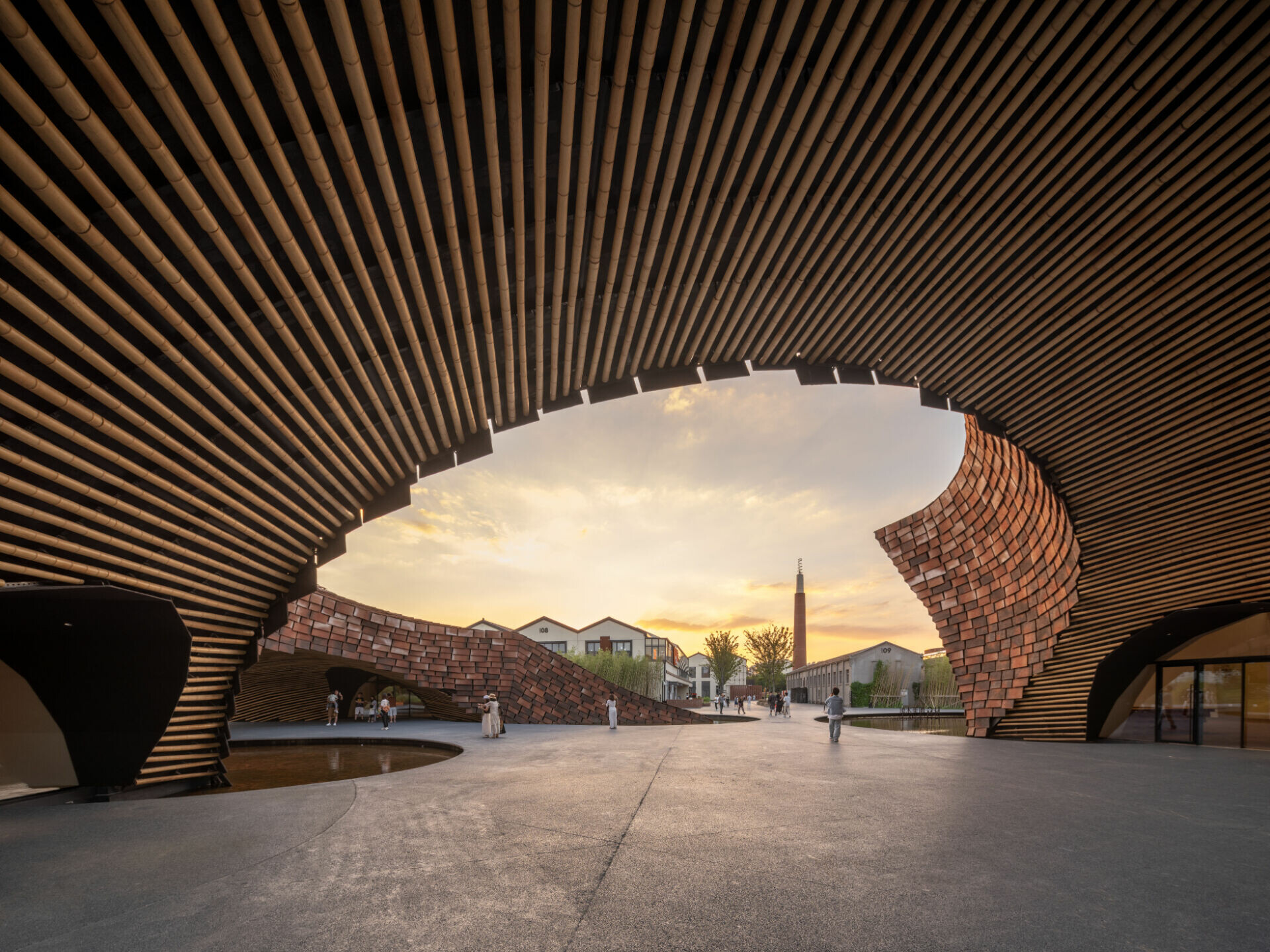
The museum responds to the city with a uniquely local character and a humble presence. Its original concept was to preserve the industrial aesthetics of the remaining structures from the former pottery factories—the very core of the region’s ceramic culture. Renowned for their masterful use of natural materials, the architectural team has transformed the UCCA Ceramic Art Museum into an internationally recognized landmark.
➤ photograghy by Fangfang Tian
➤ photograghy by Fangfang Tian
Kengo Kuma’s design team consistently imbues their work with a palpable human quality. Their aim is for visitors to physically experience the spirit of a place and discover the intricate connections between people and their surroundings. In Yixing—celebrated as the “Ceramic Capital” for its famous purple clay pottery—Kuma once again demonstrates how to employ clay as the principal medium to create a museum that exudes warmth and character.
➤ photograghy by Fangfang Tian
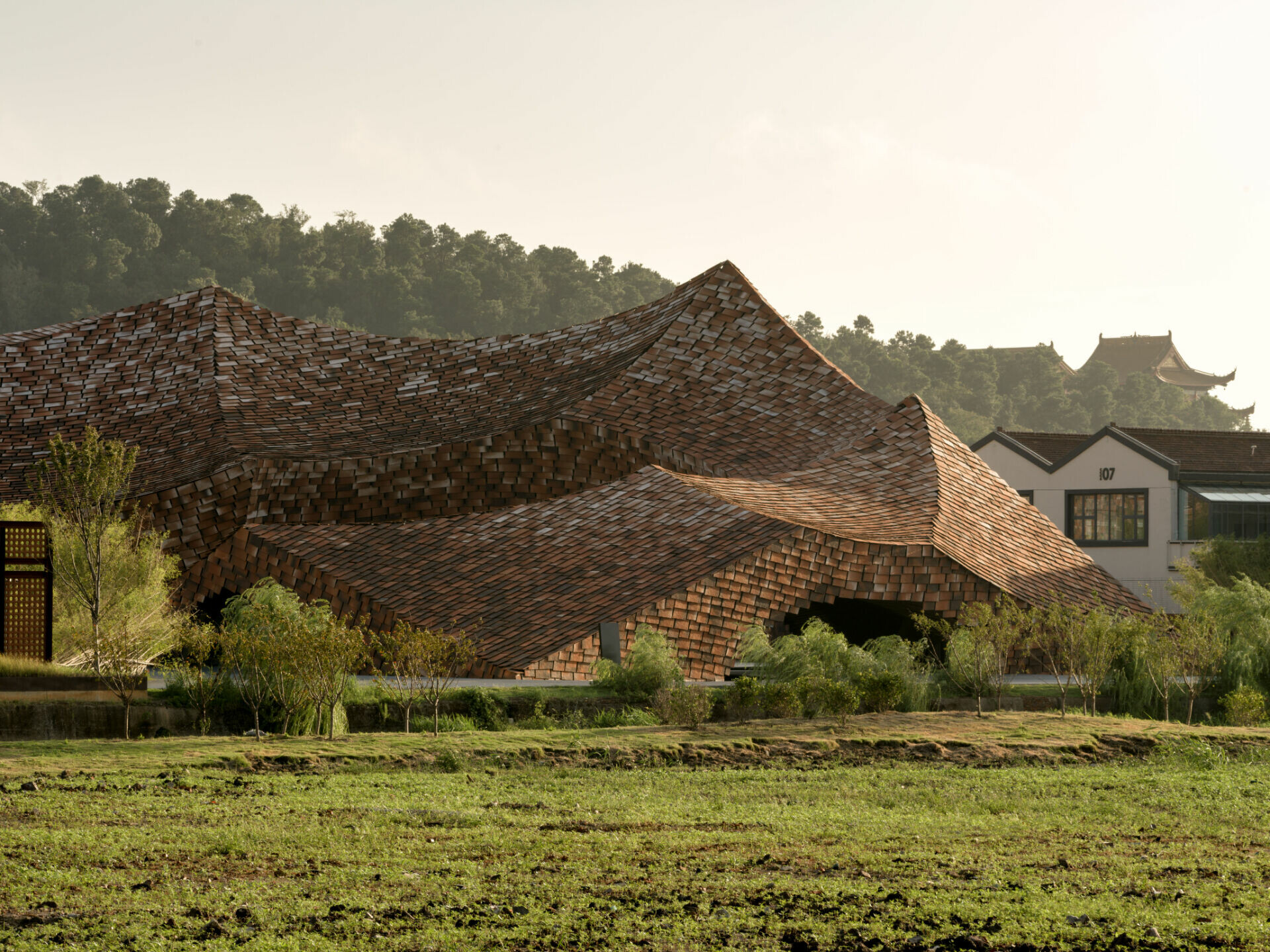
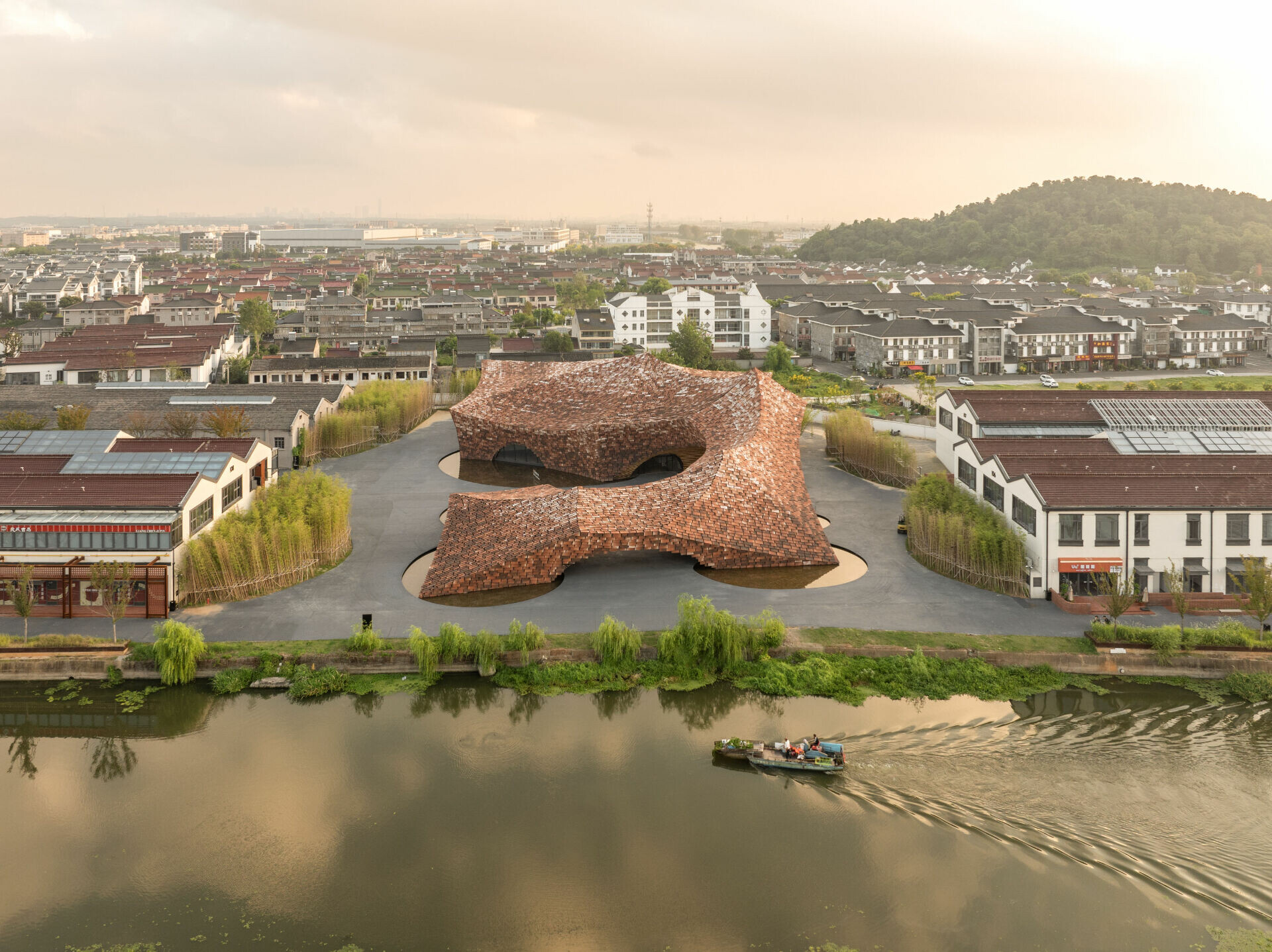
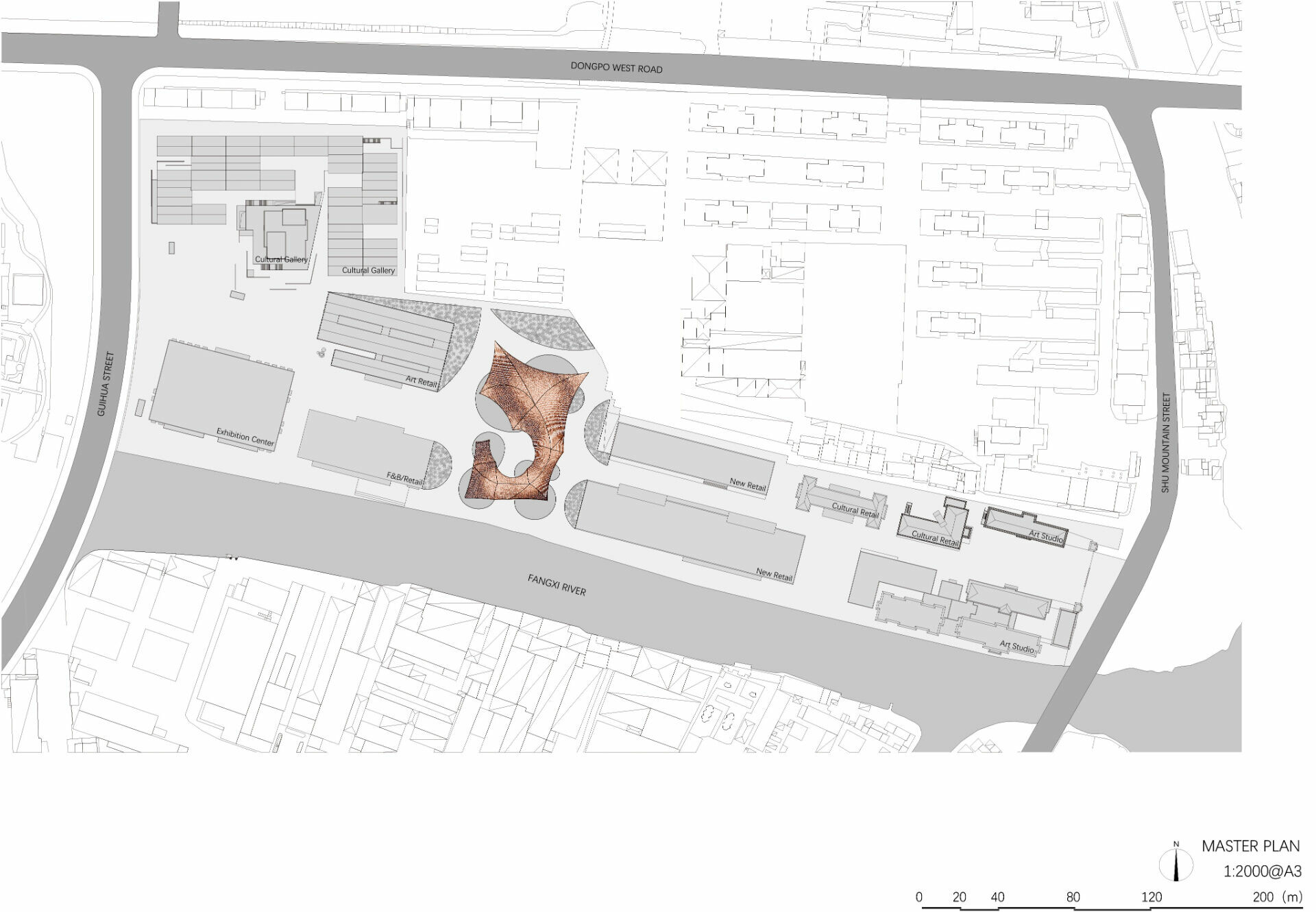
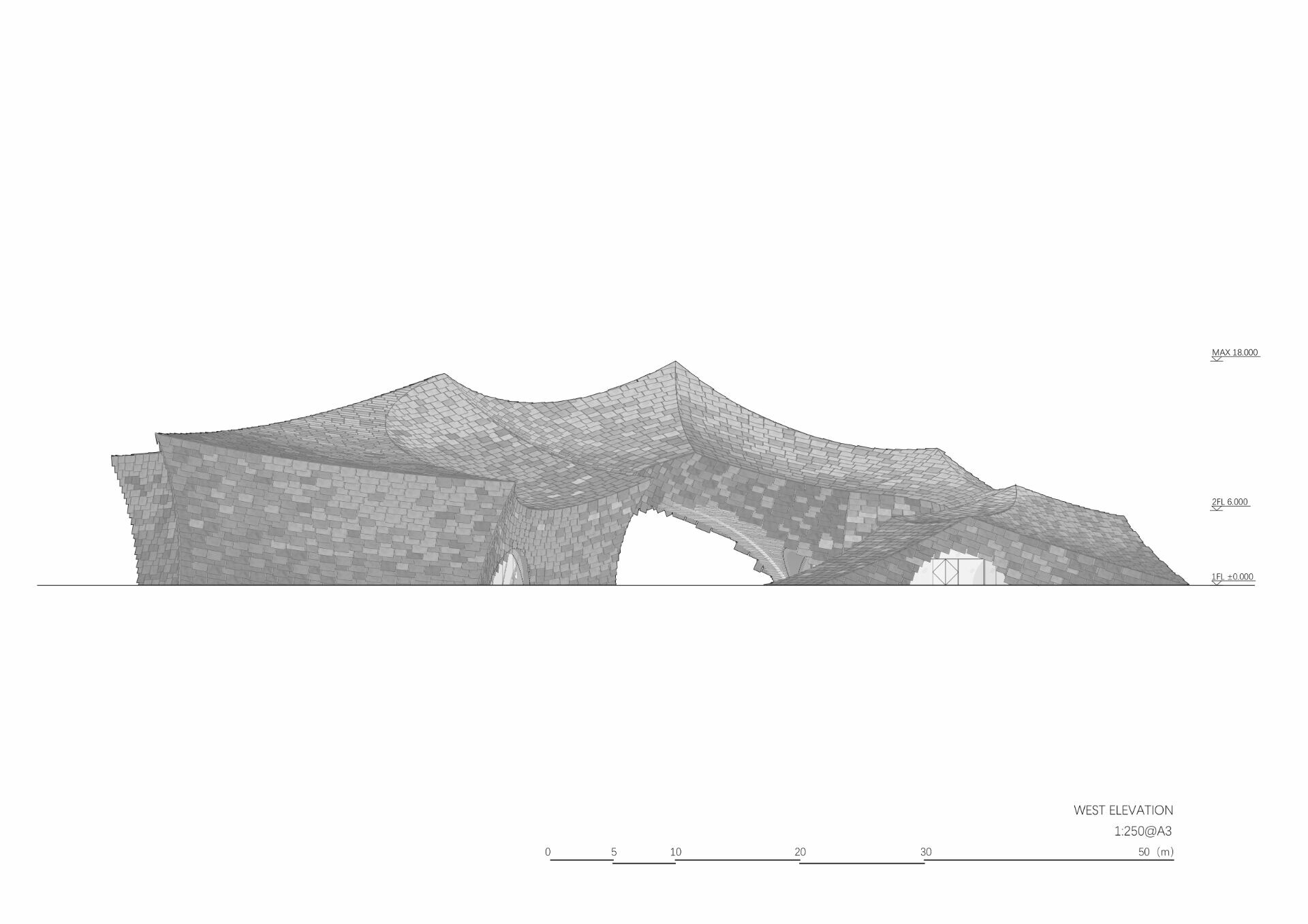
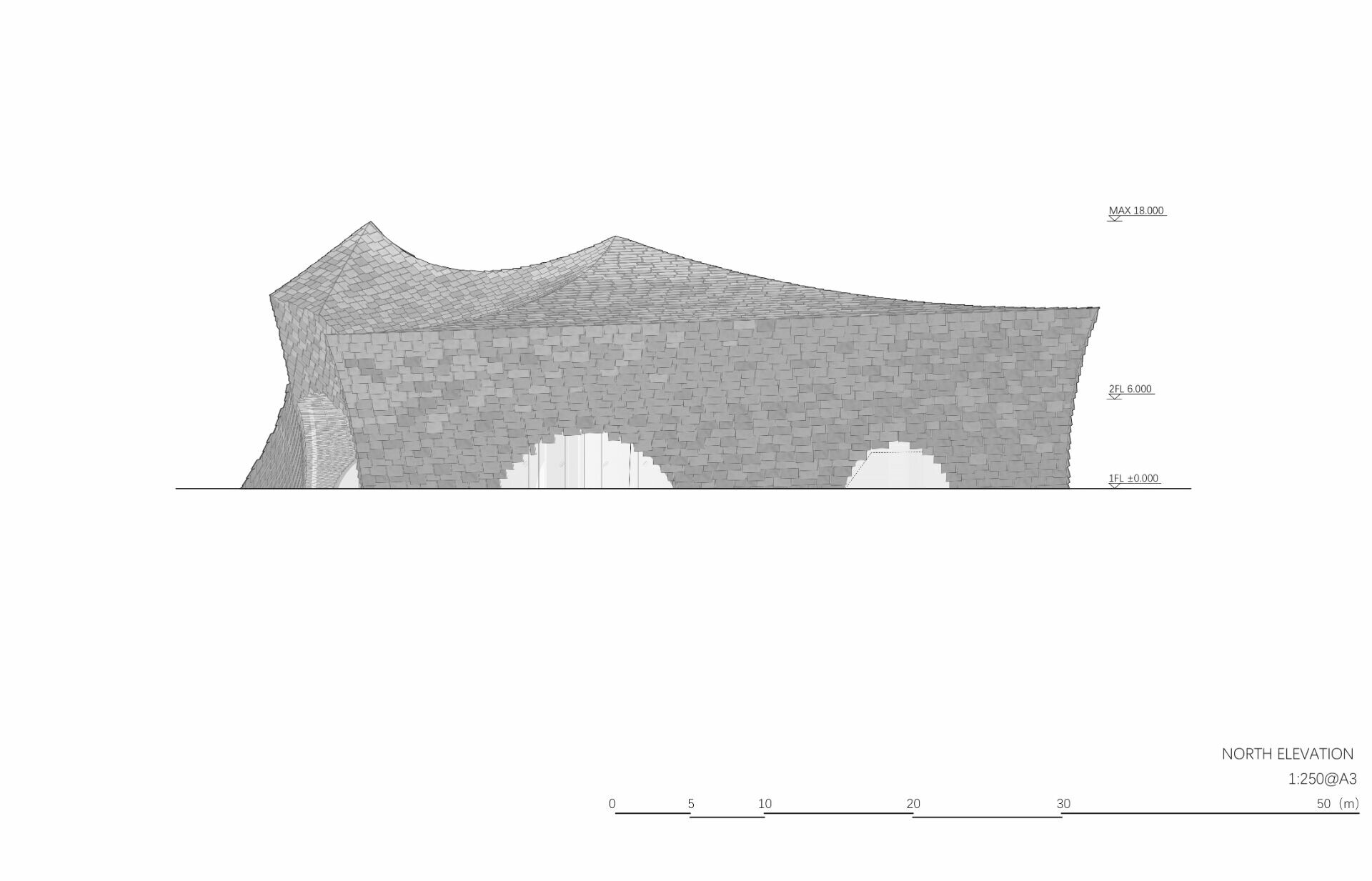
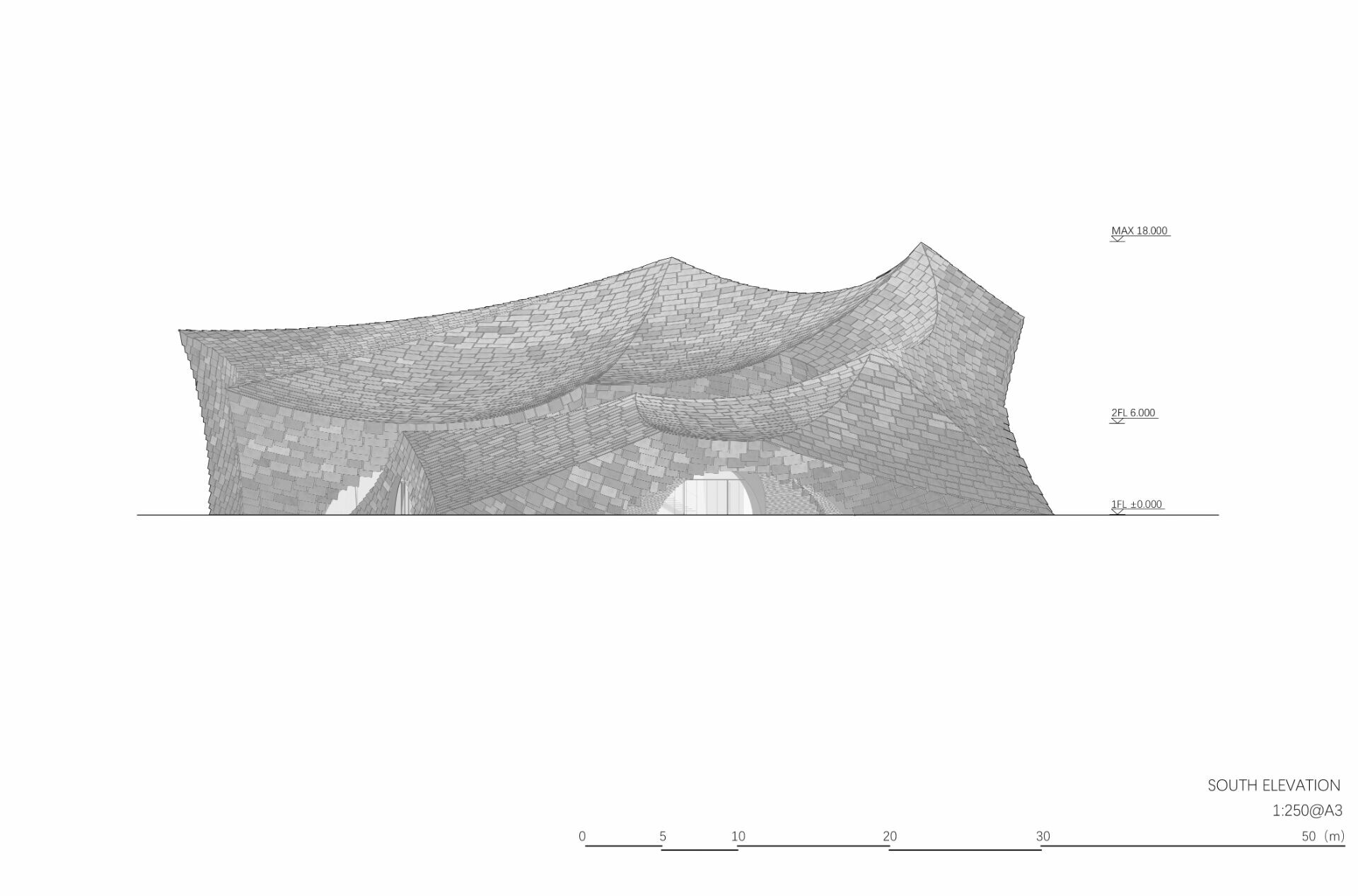
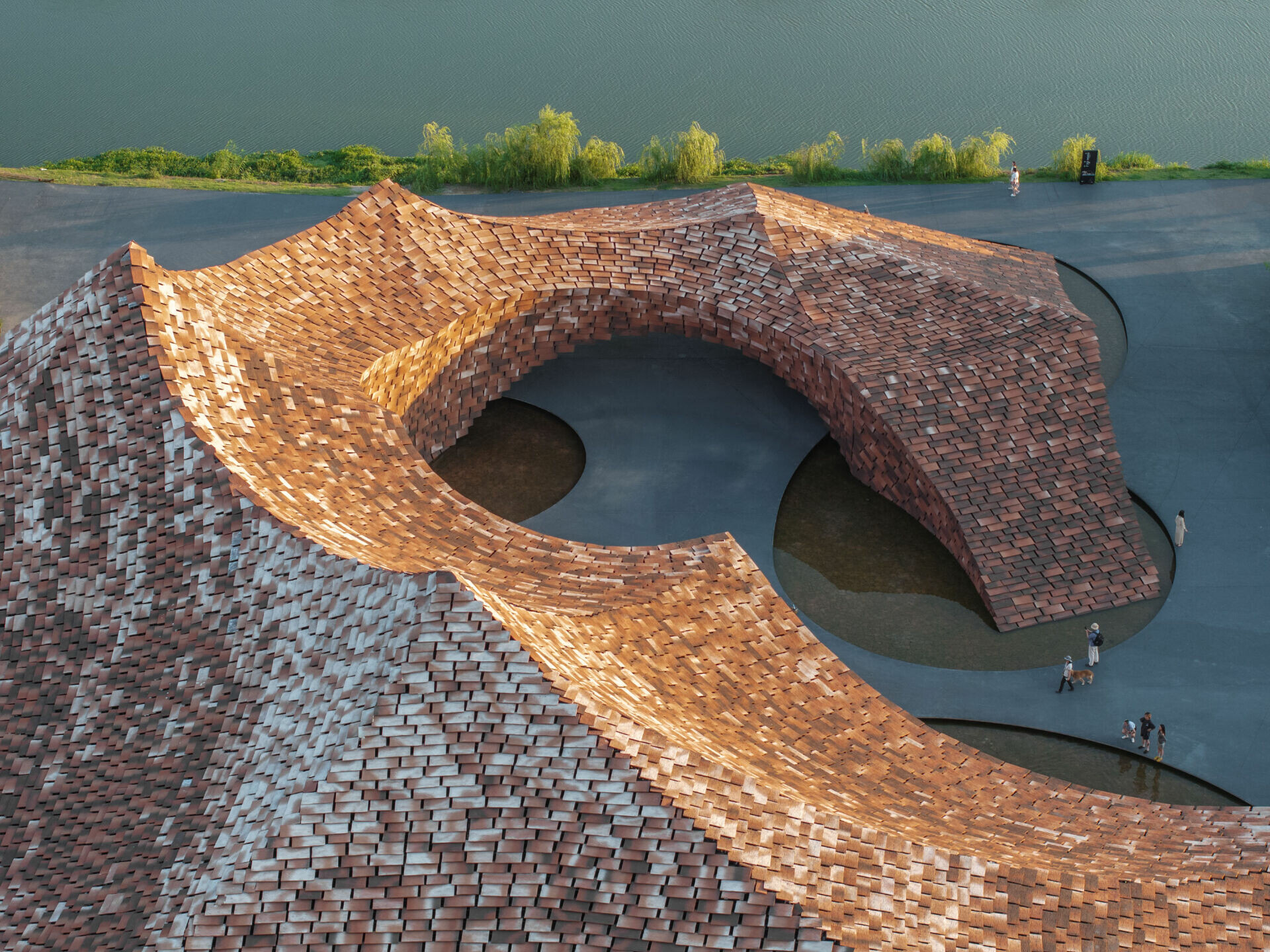
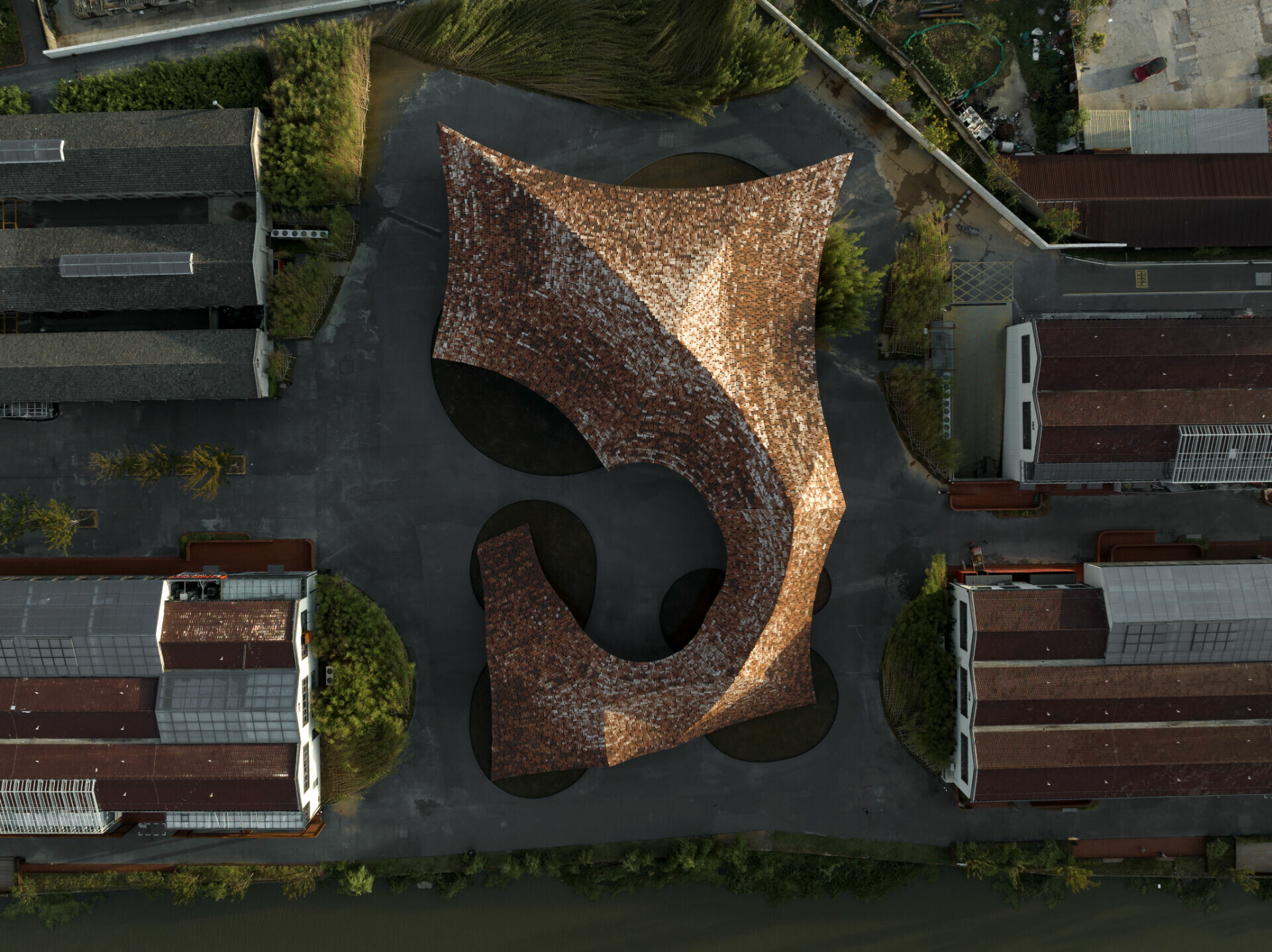
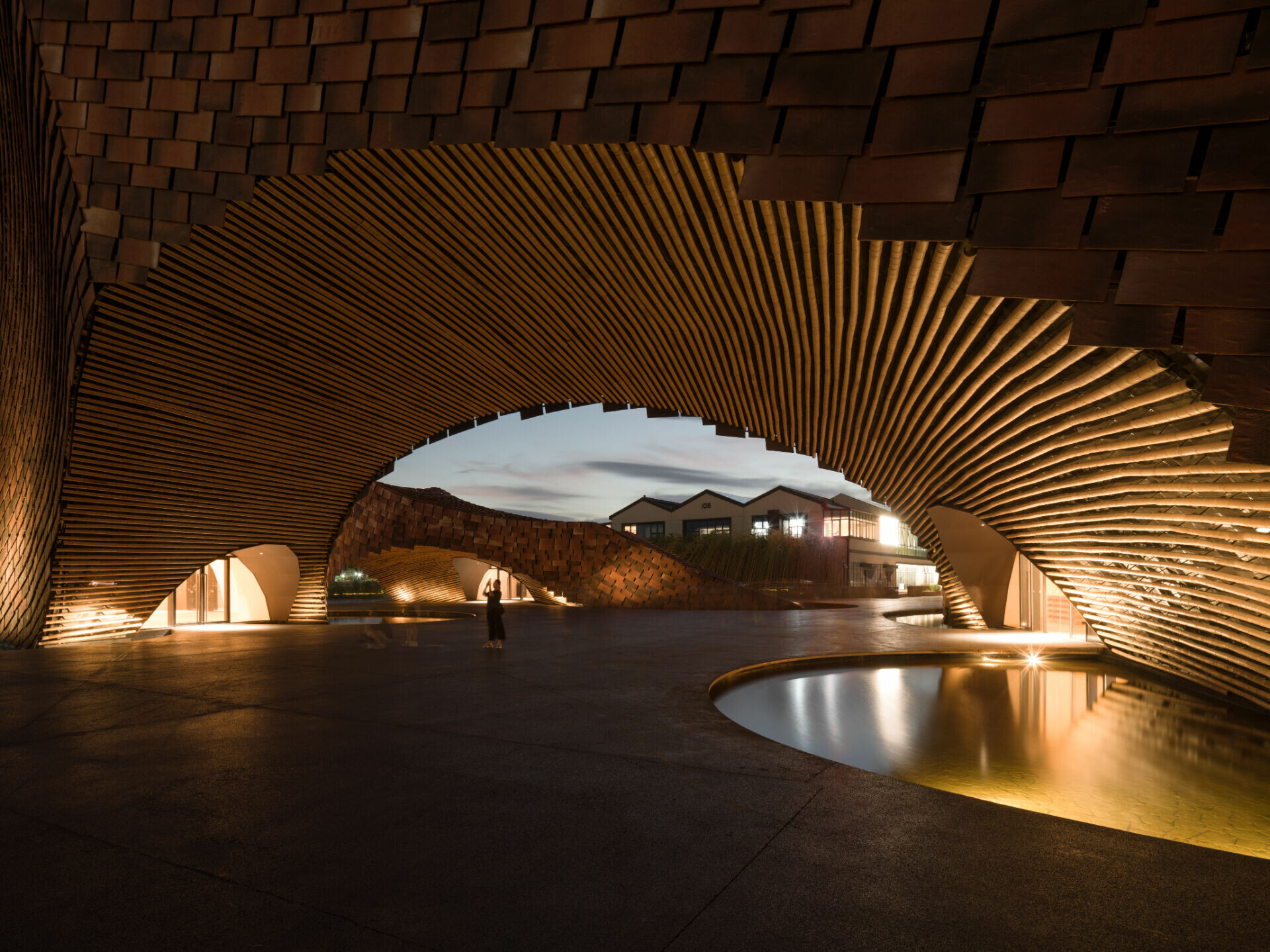
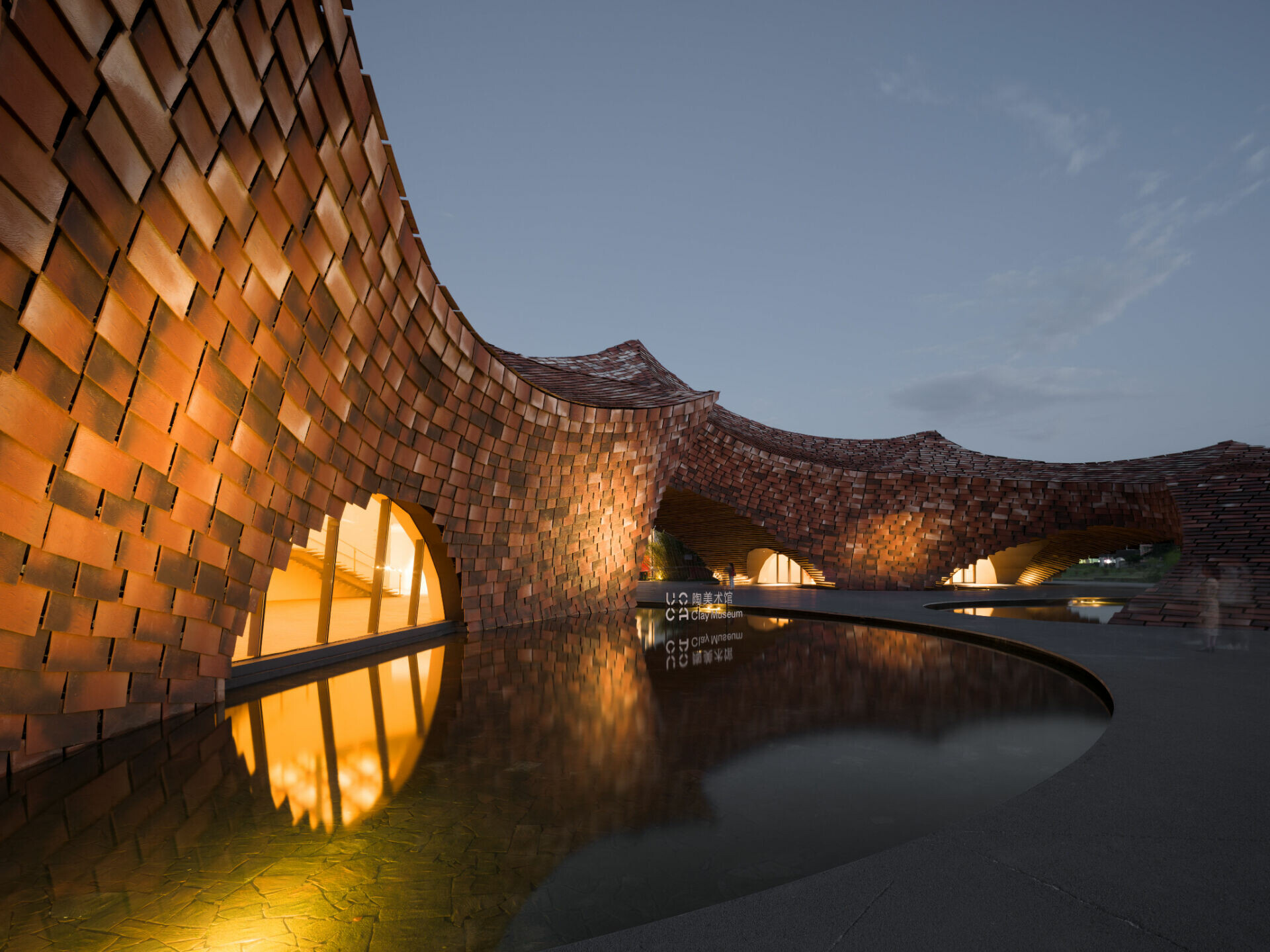
Situated in an area that was once a vibrant cultural hub of pottery factories and artists’ studios, the museum’s site has been redeveloped in line with a master plan that preserves and repurposes disused industrial relics. The result is a multifunctional ceramic cultural center that incorporates pottery studios, workshops, and other creative spaces. Its design, inspired by the power of the local landscape, draws from Shushan Mountain—cherished by the Northern Song writer Su Dongpo—and the enduring dragon kiln, a climbing kiln with a 600-year history. The building’s mass, assembled like an auspicious dragon crafted from ceramic fragments, resonates with the distant natural contours and the surrounding cultural terrain.
➤ ucca clay museum photograghy by Eiichi Kano
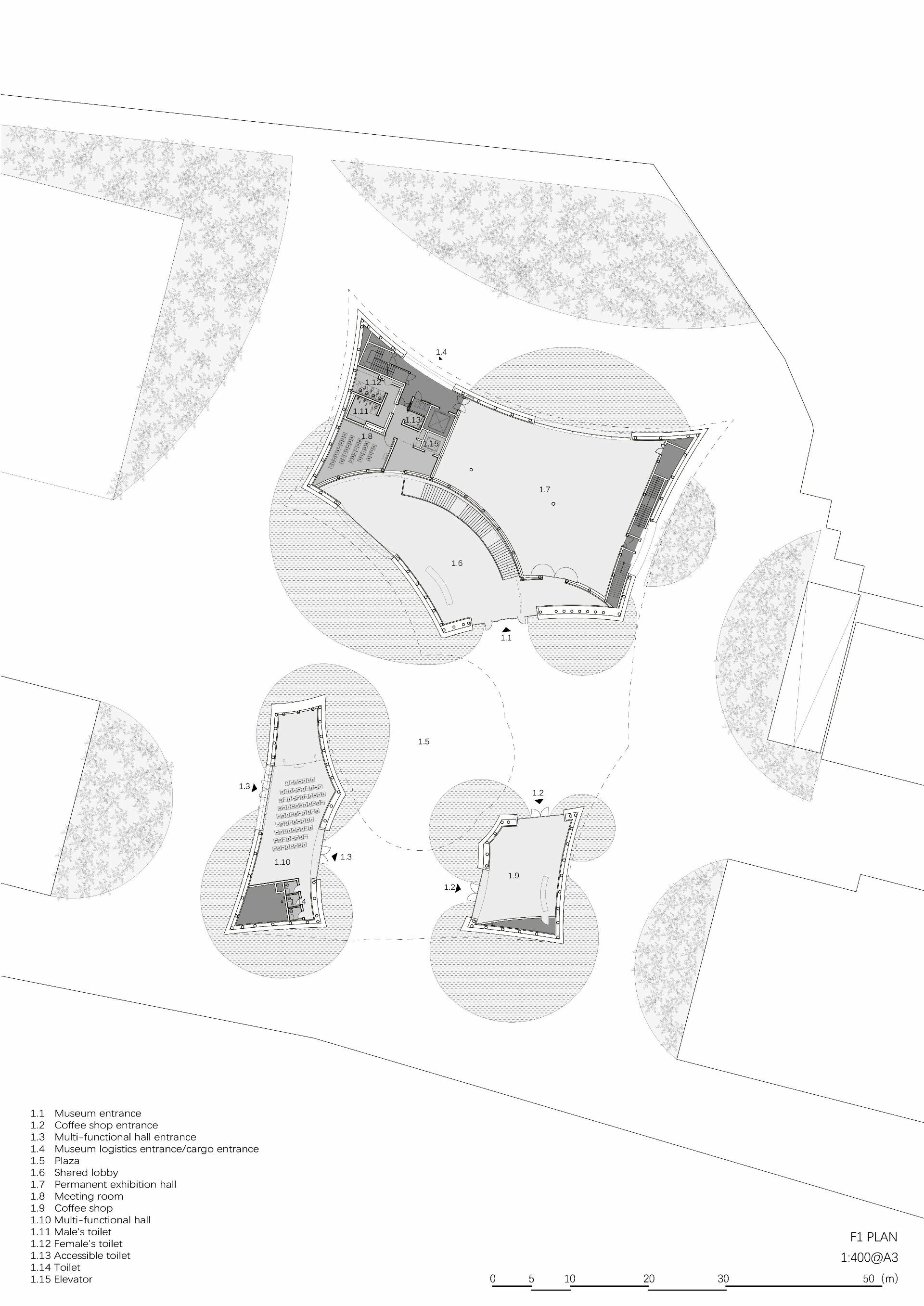
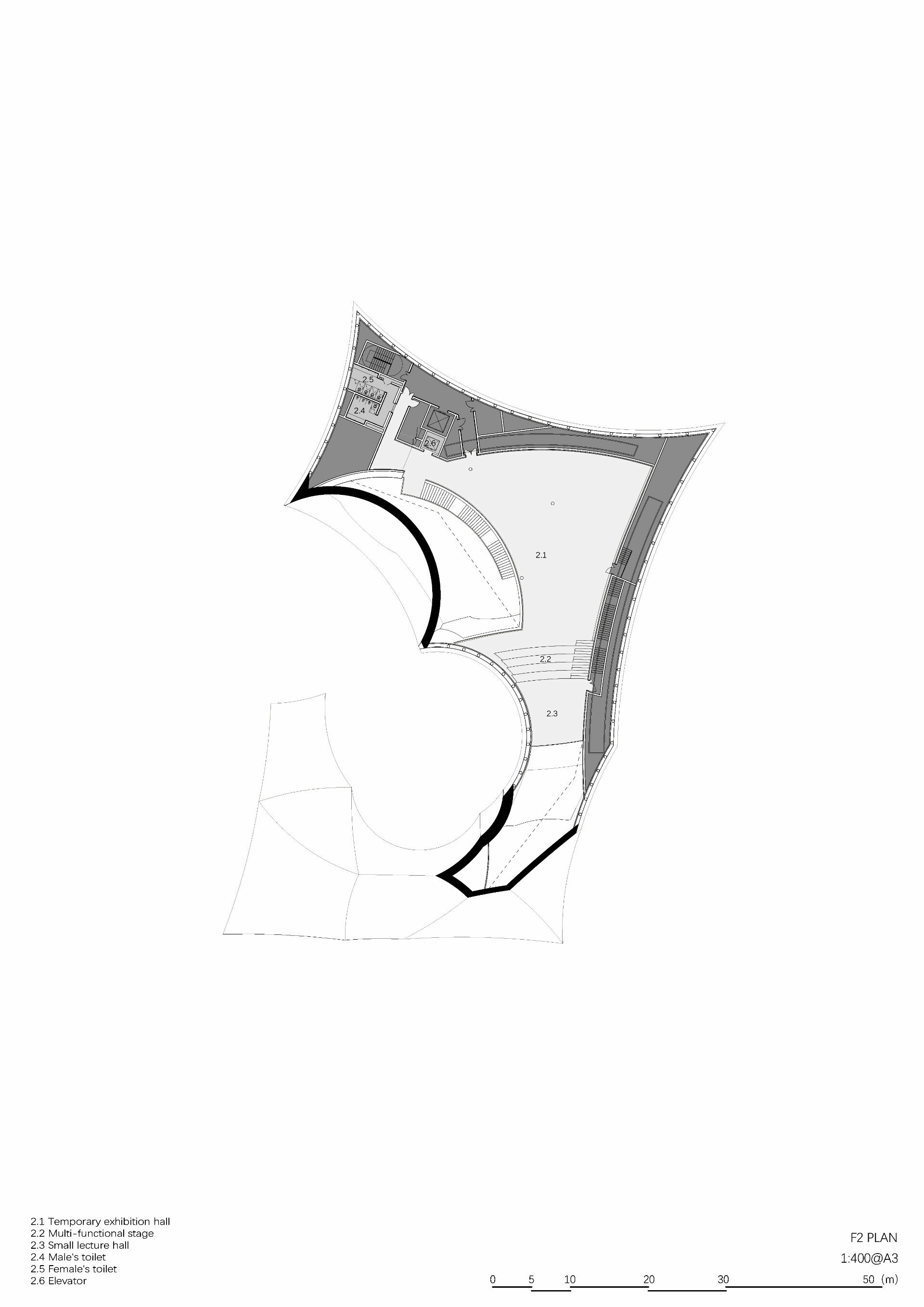
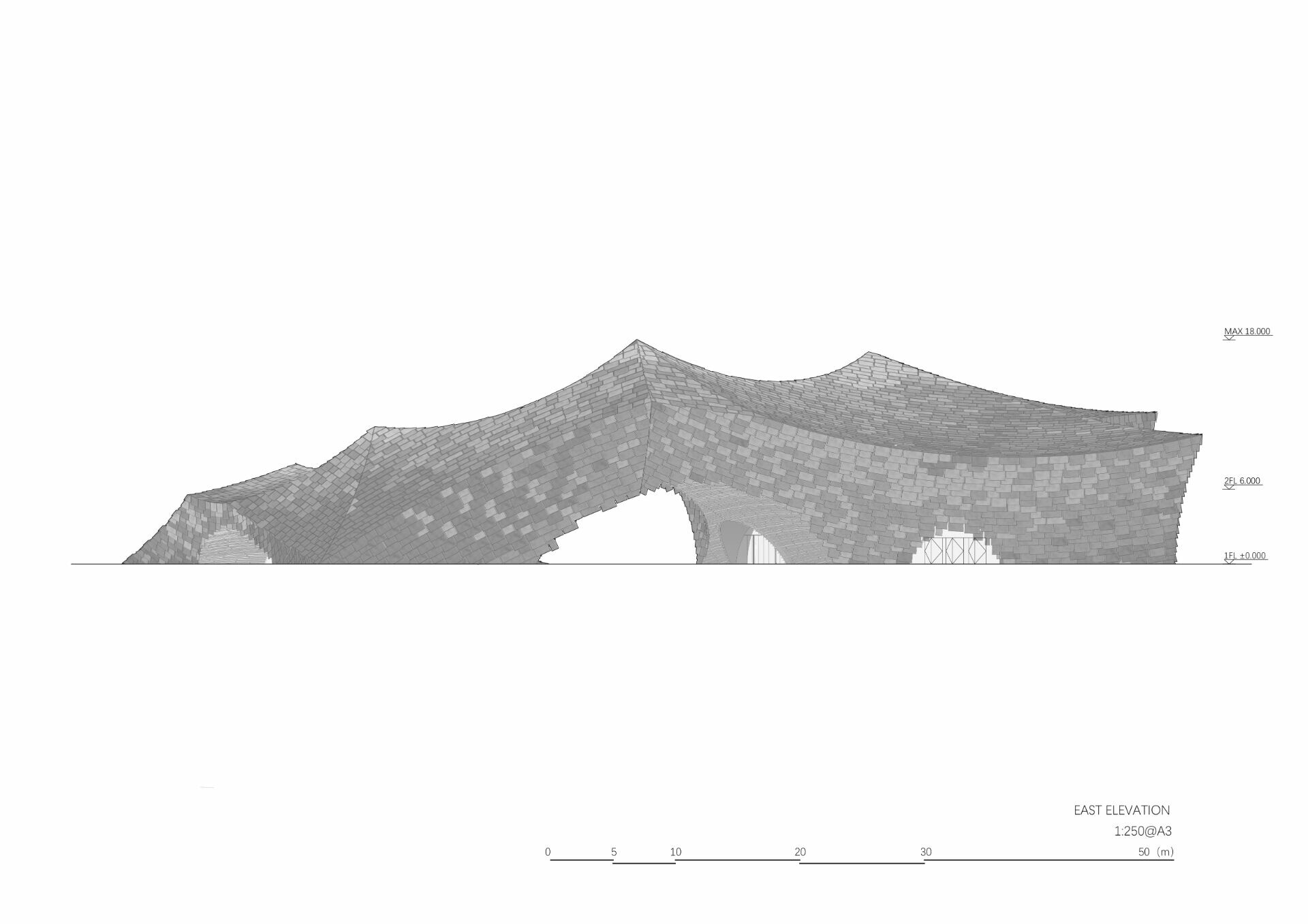
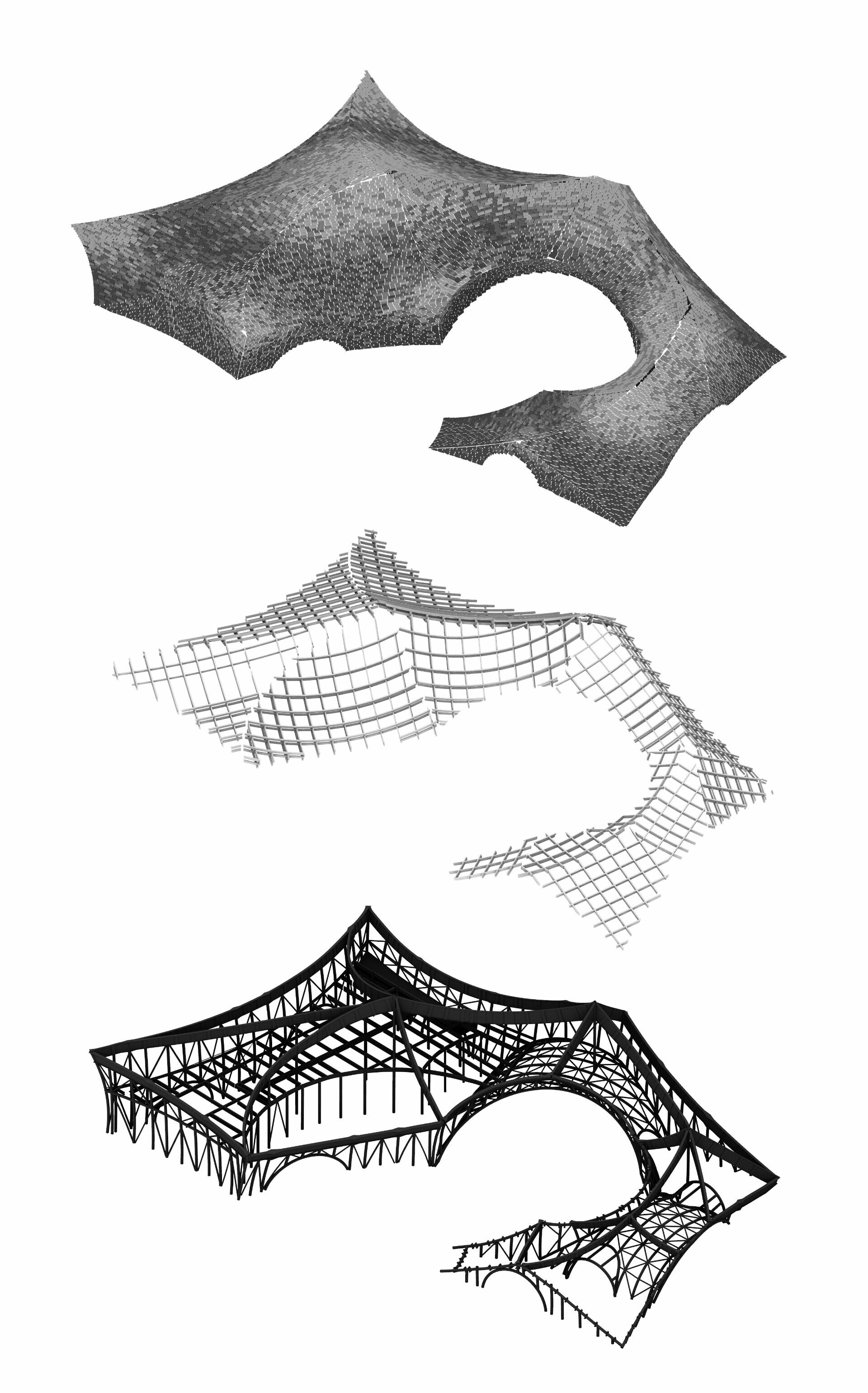
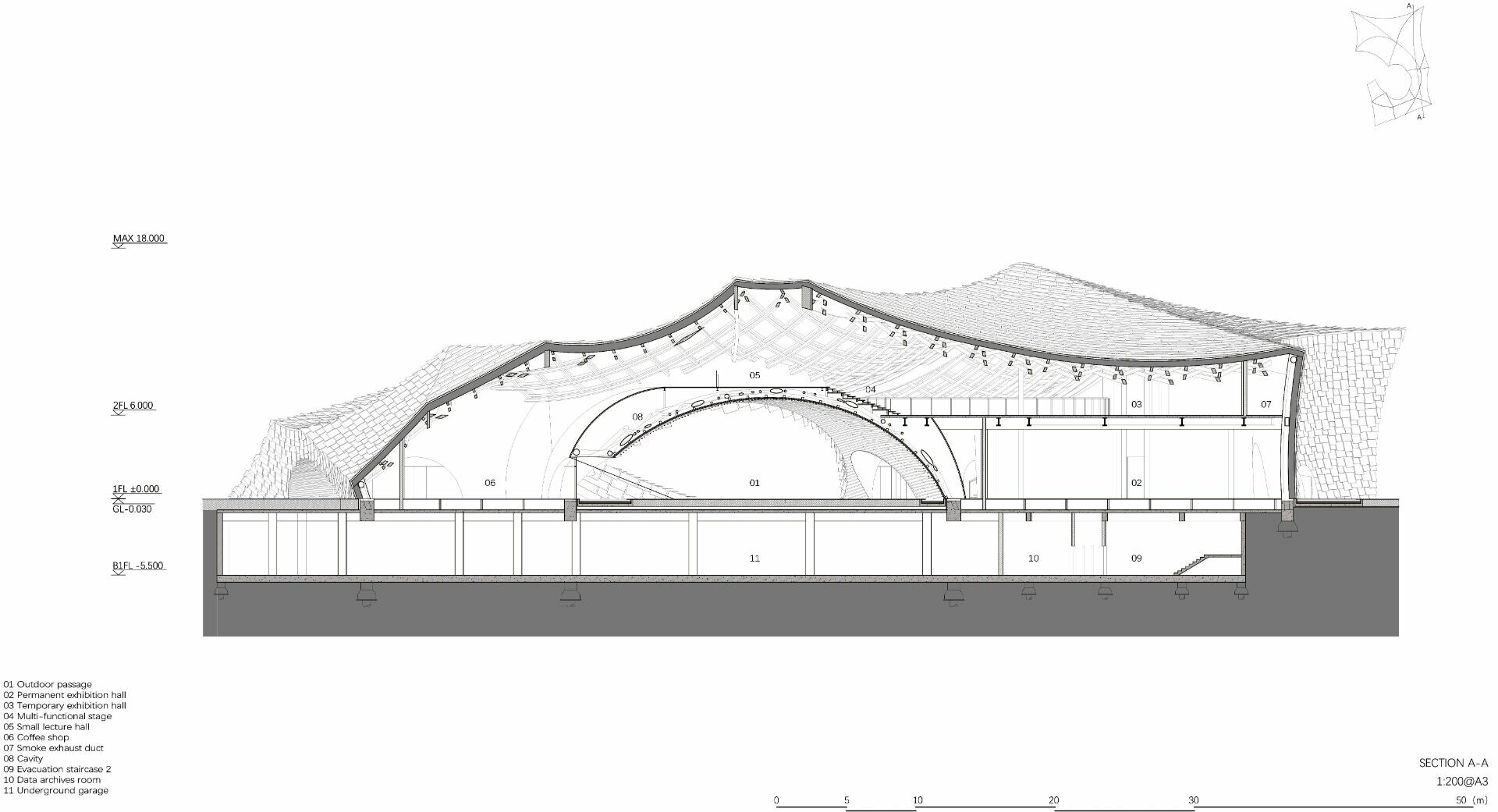
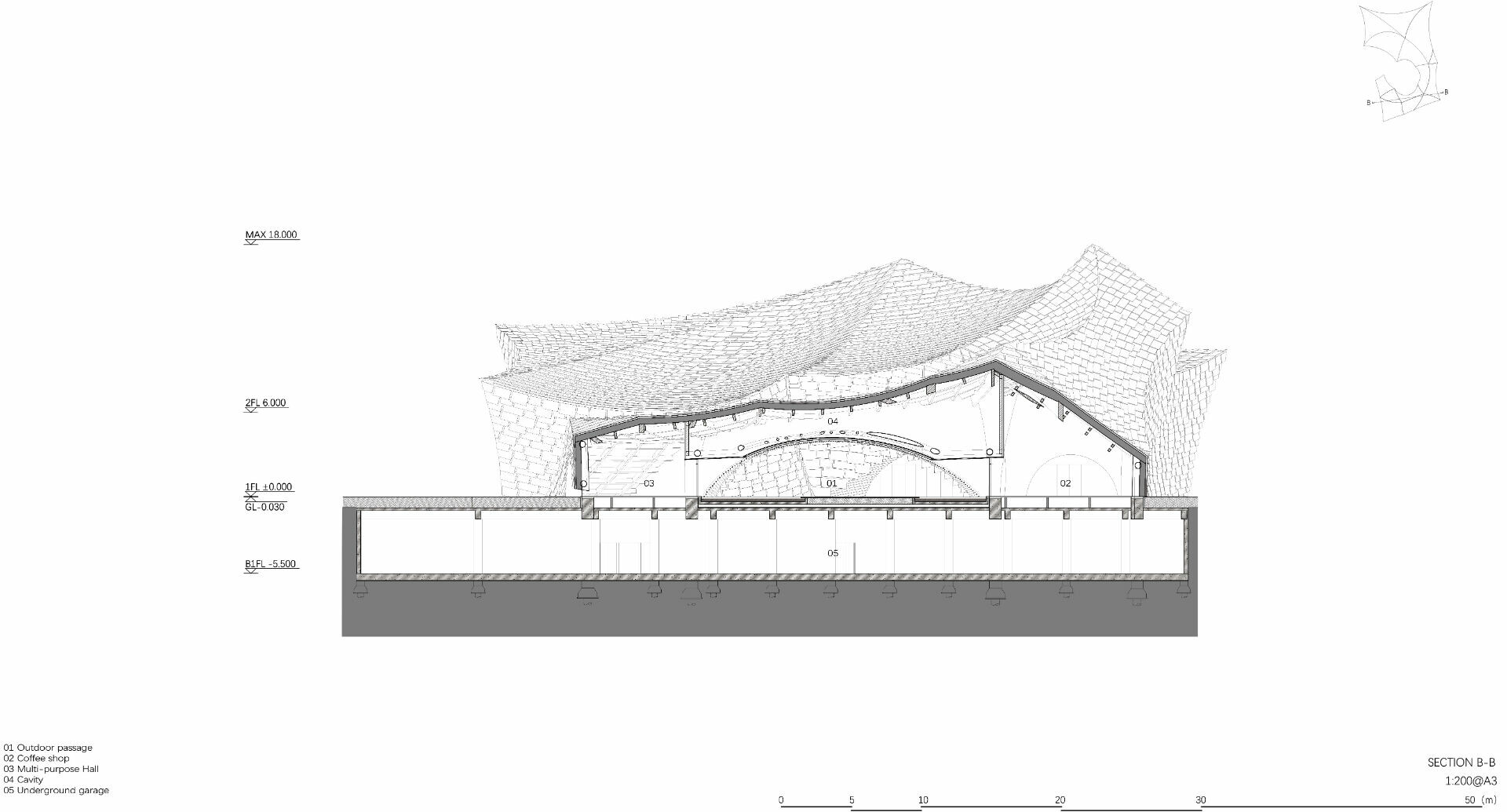
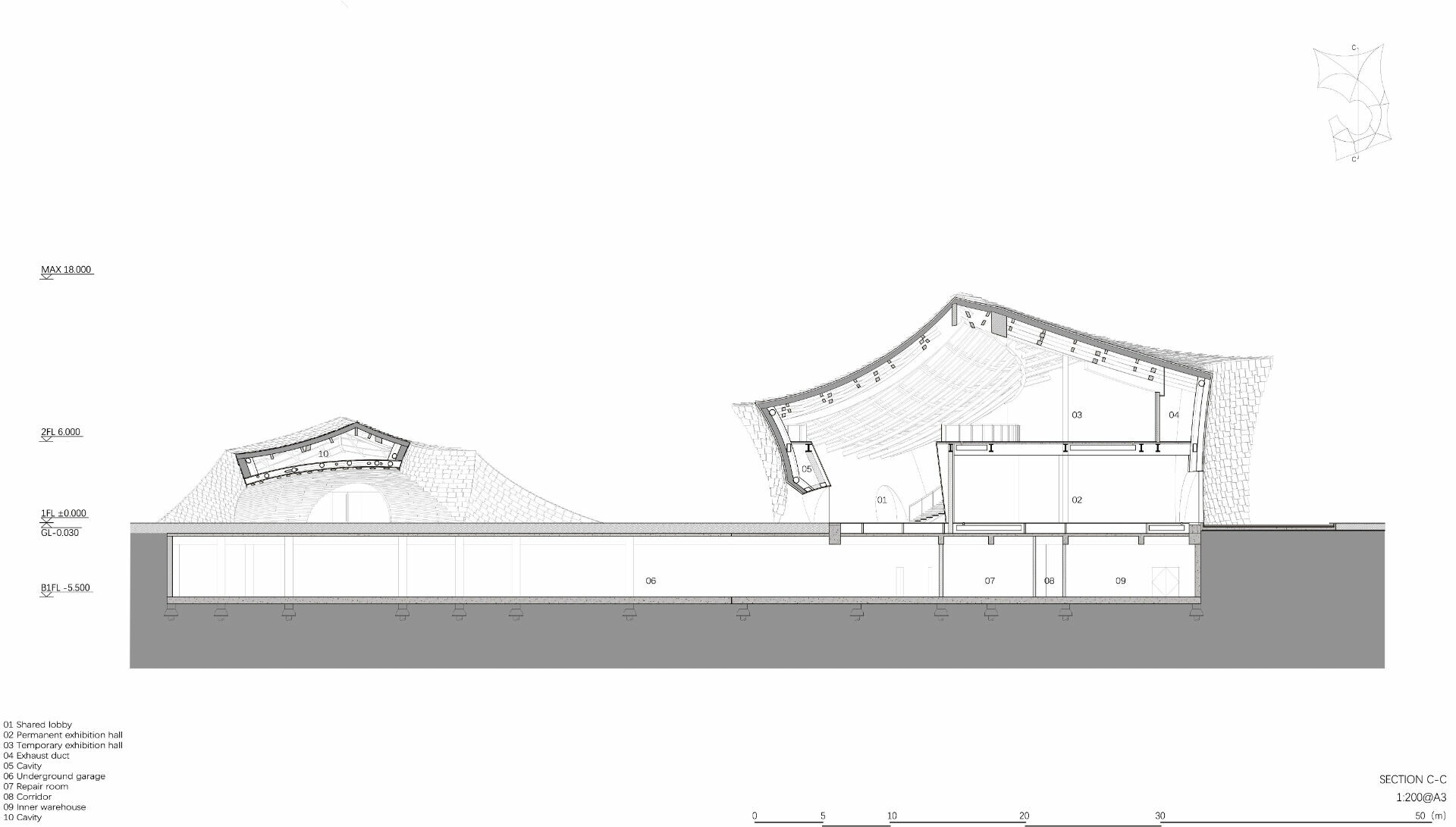
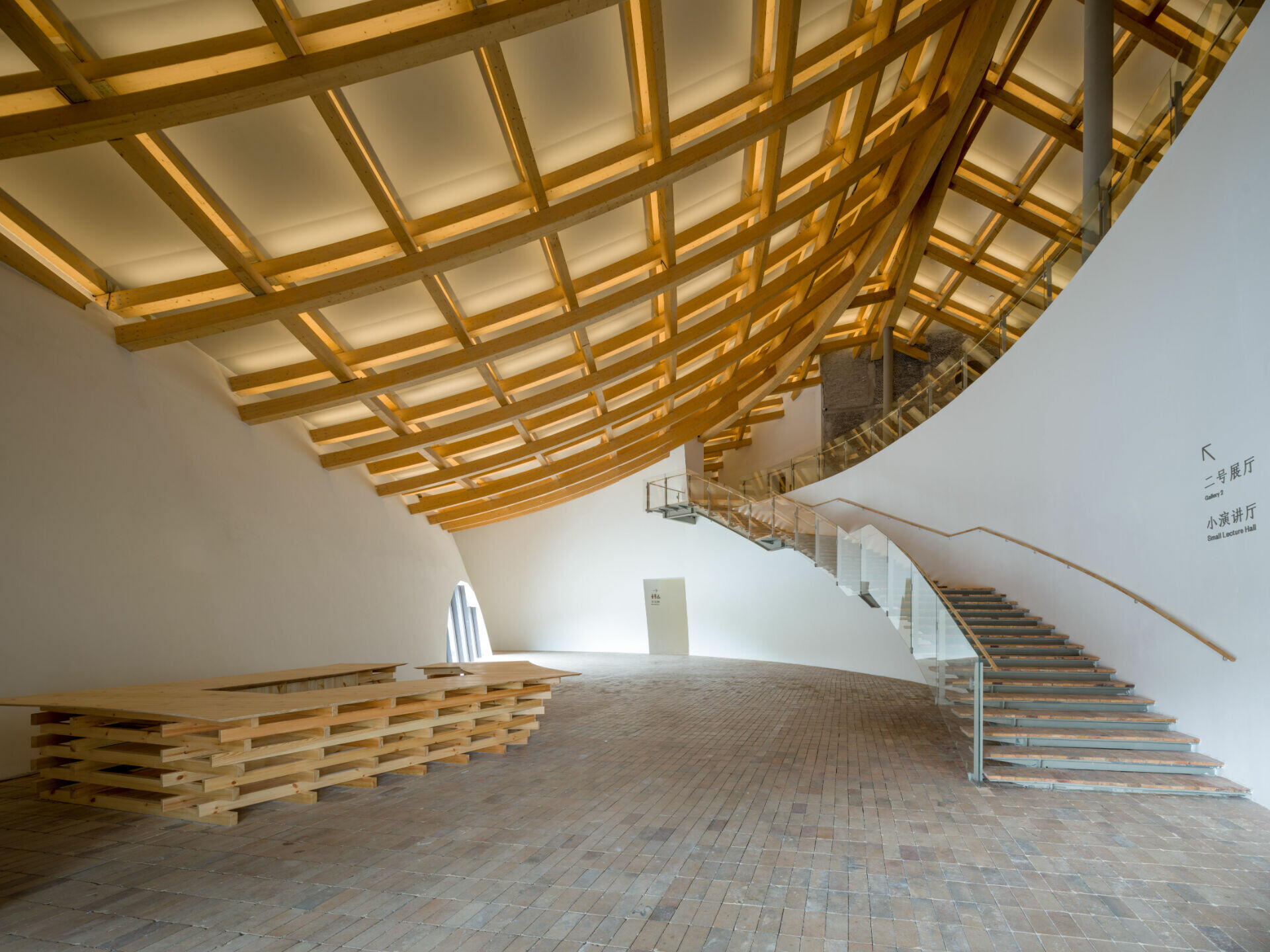
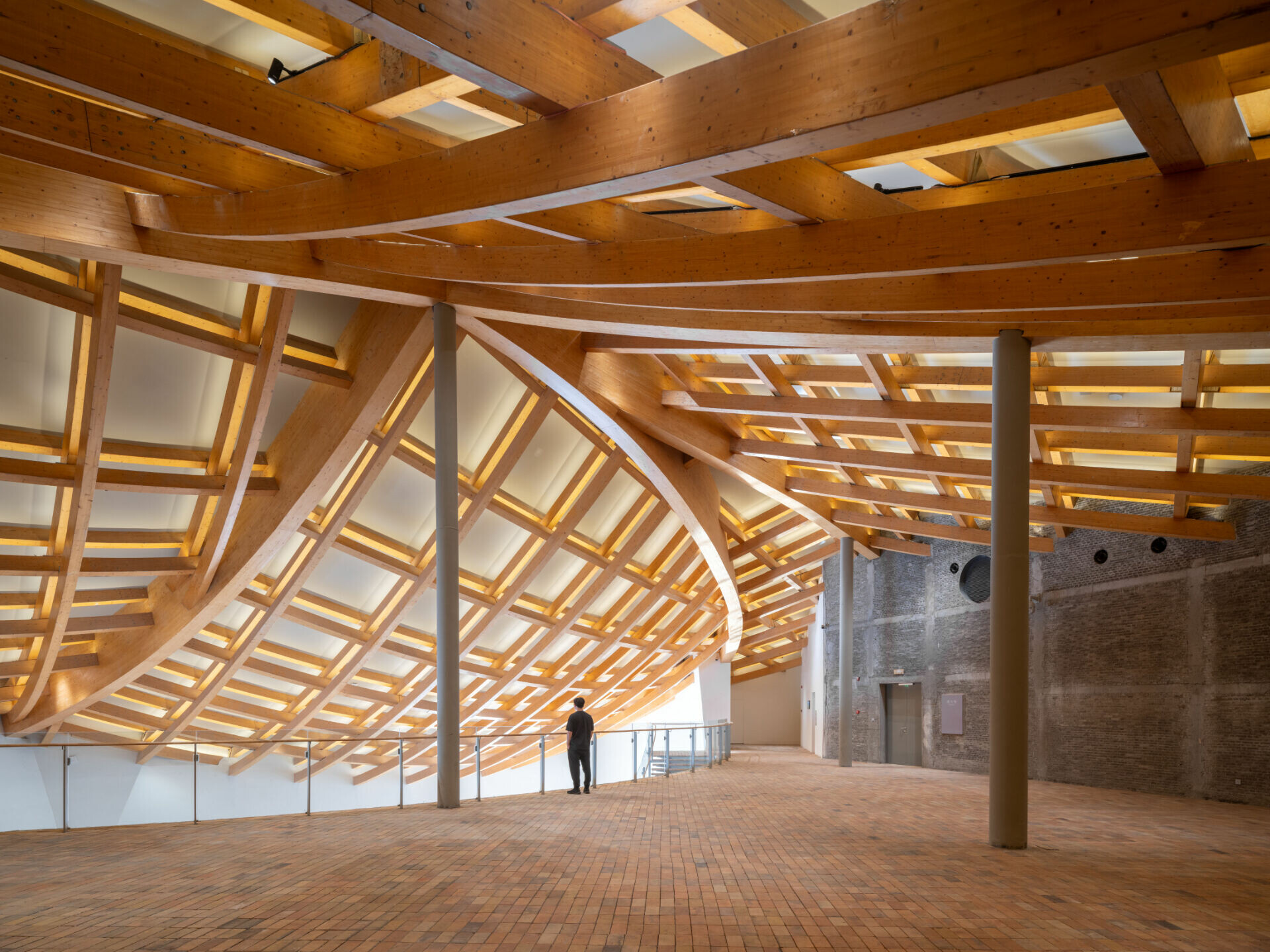
The design team has also carved openings within the building’s volume to connect it seamlessly with nearby pottery factories and the canal, aligning the site’s axis with the adjacent industrial heritage. The distinctive inverted shell roof—sculpted from an imagined sphere and supported by four tiers of wooden structural beams—creates an interior that is both light and robust. This organic dynamism guides visitors’ sightlines and movement deep into the space.
➤ ucca clay museum photograghy by Eiichi Kano
➤ photograghy by Fangfang Tian
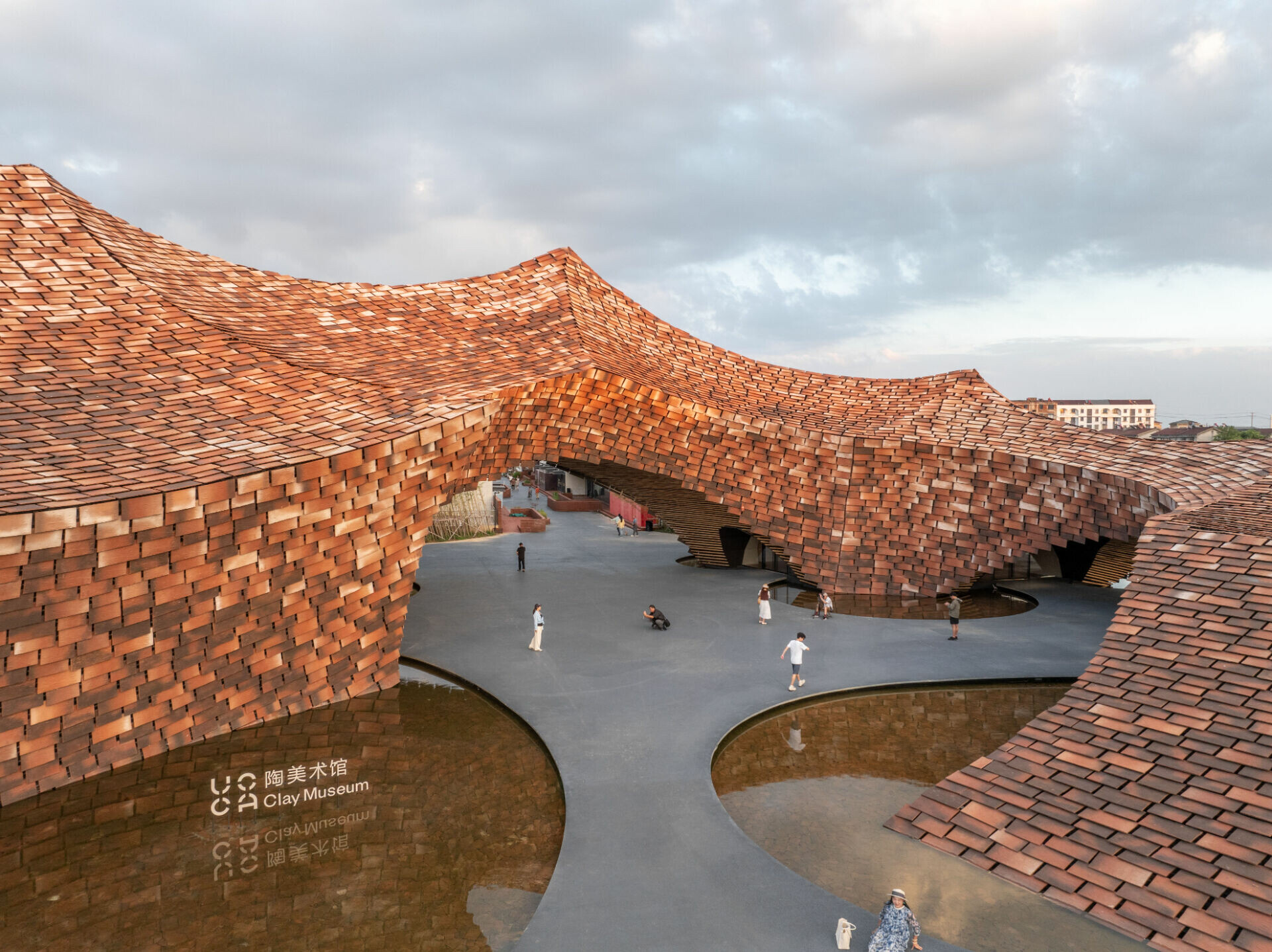
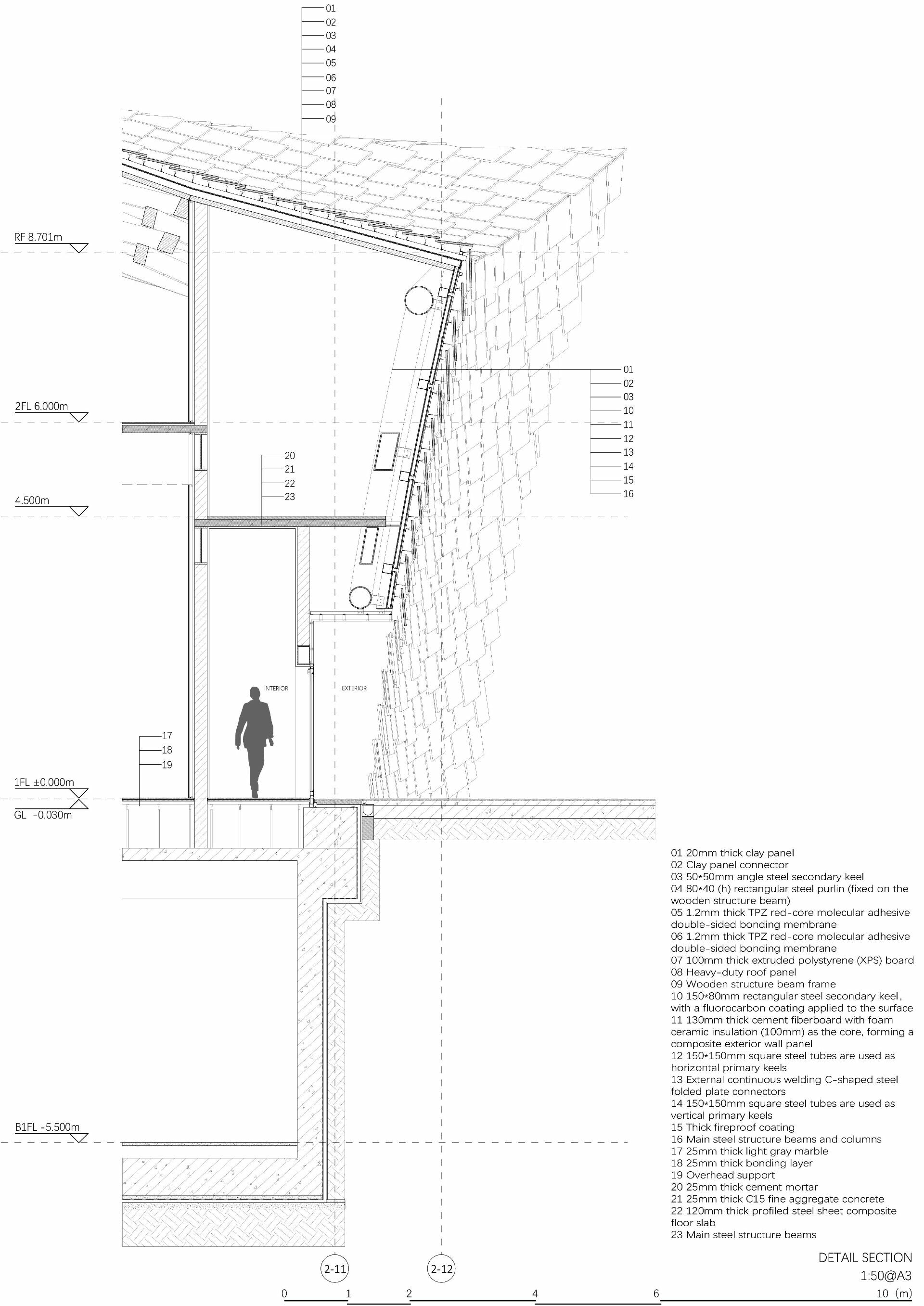
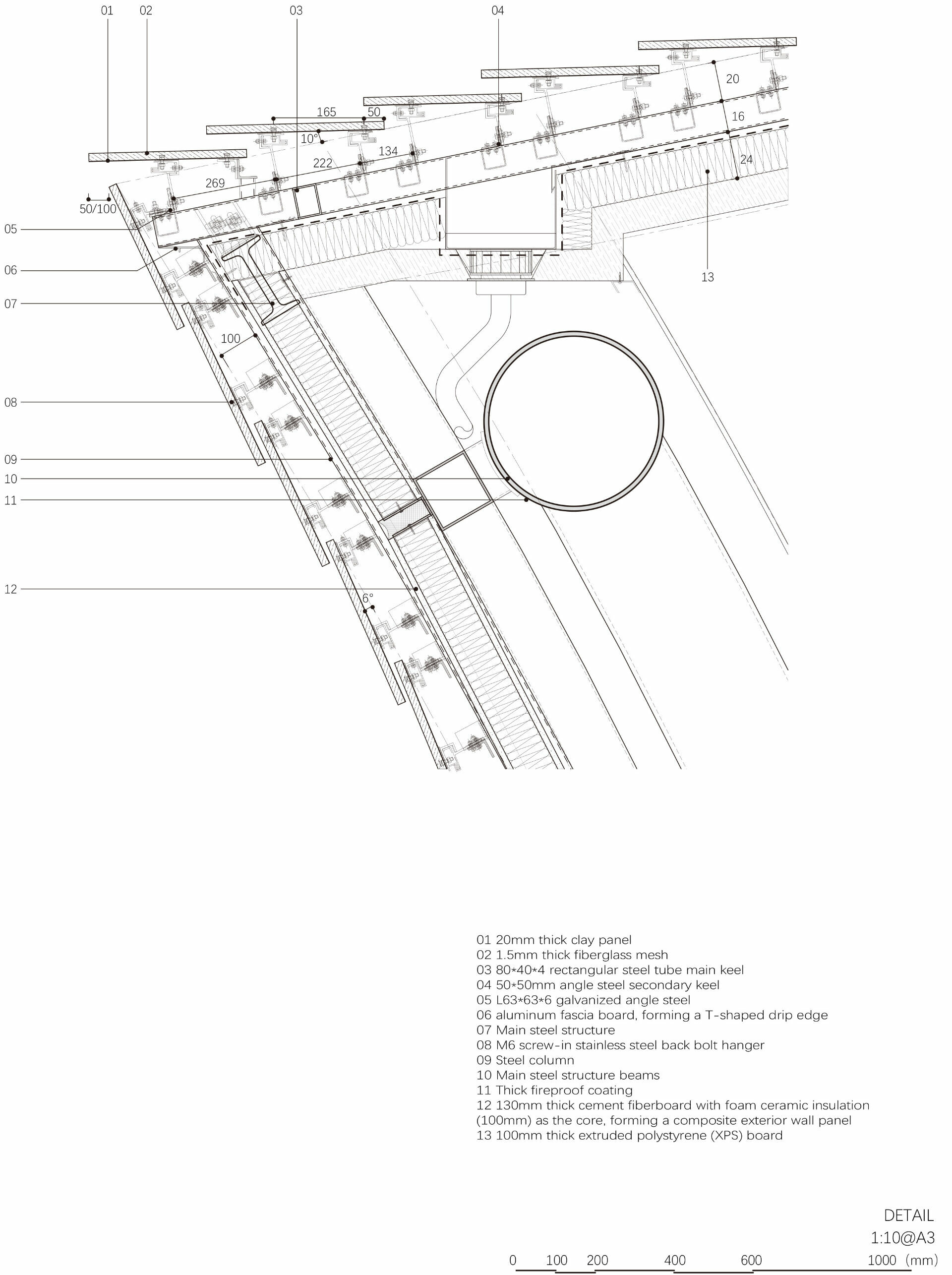
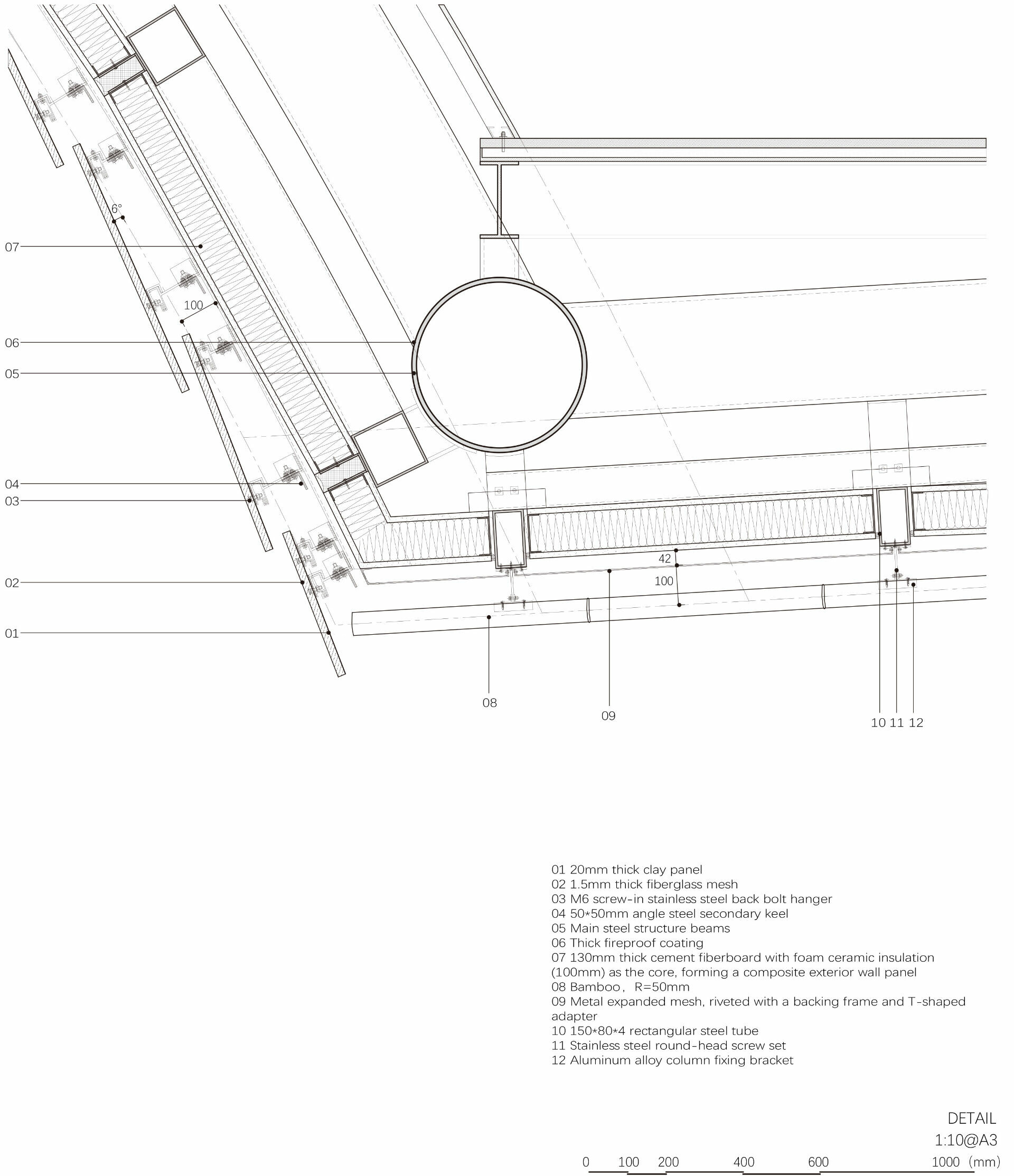
Developed in collaboration with local artisans, the museum’s facade evokes the “warmth” characteristic of Chinese tea ware. It preserves the subtly rough, granular texture of clay while featuring varied relief patterns and glazes that produce a rich gradation of colors. As time and the seasons change, the facade reveals different expressions, imbuing the building with vitality and continually honoring Yixing’s millennia-old ceramic traditions and cultural essence.
➤ ucca_clay_museum photograghy by Eiichi Kano
Location | Yixing, China
Team | Yutaka Terasaki, Yukou Yao, Qirui Jiang, Yuan Shen, Luo Pan, Huang Xiaoshan, Ye Zimeng
Construction | Jiangsubin Jian Collection Co., Ltd.
Structure | Suzhou Kunlun Green Building Technology Co., Ltd.
Lighting | Yosha Yochiku
➤ ucca clay museum photograghy by Eiichi Kano