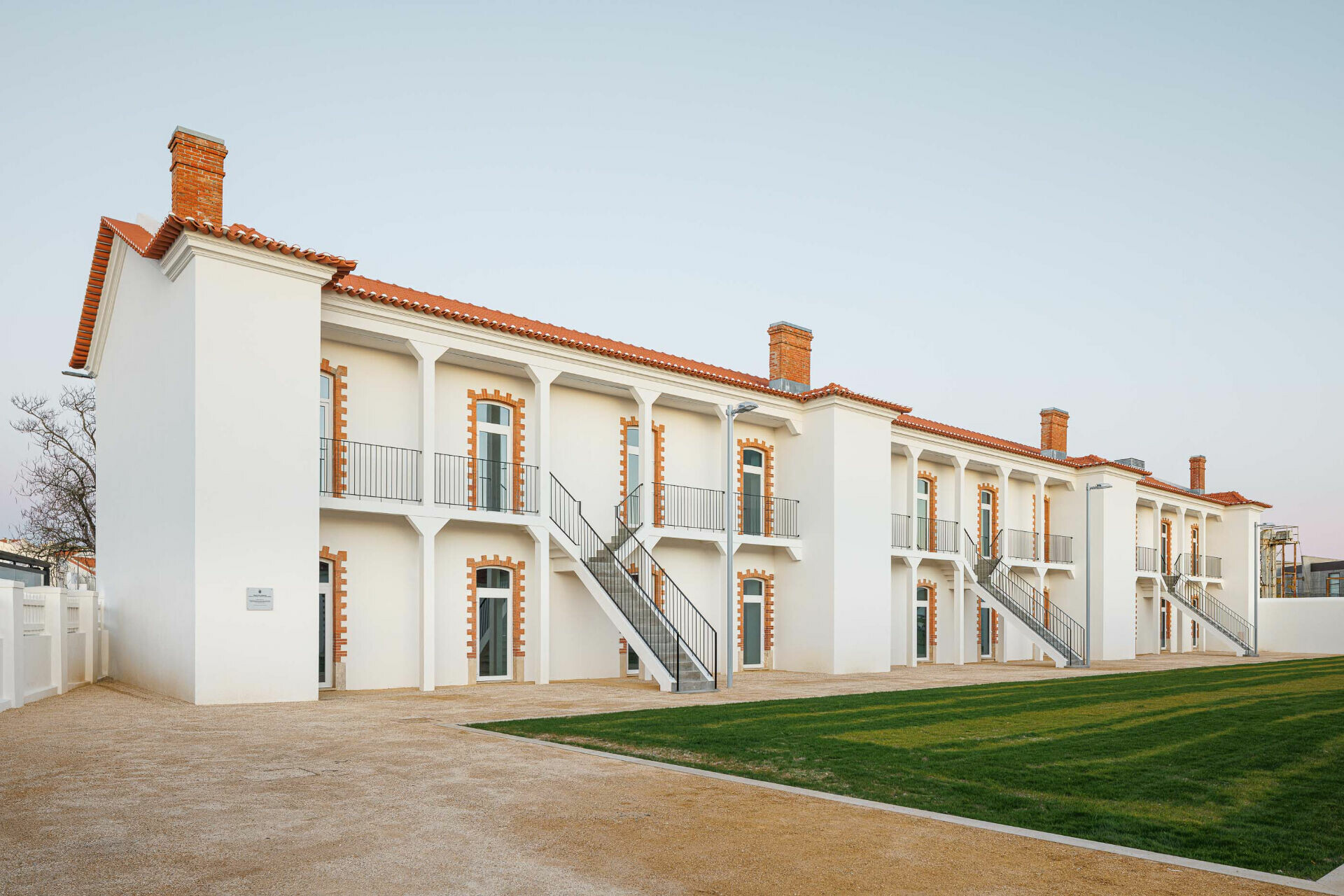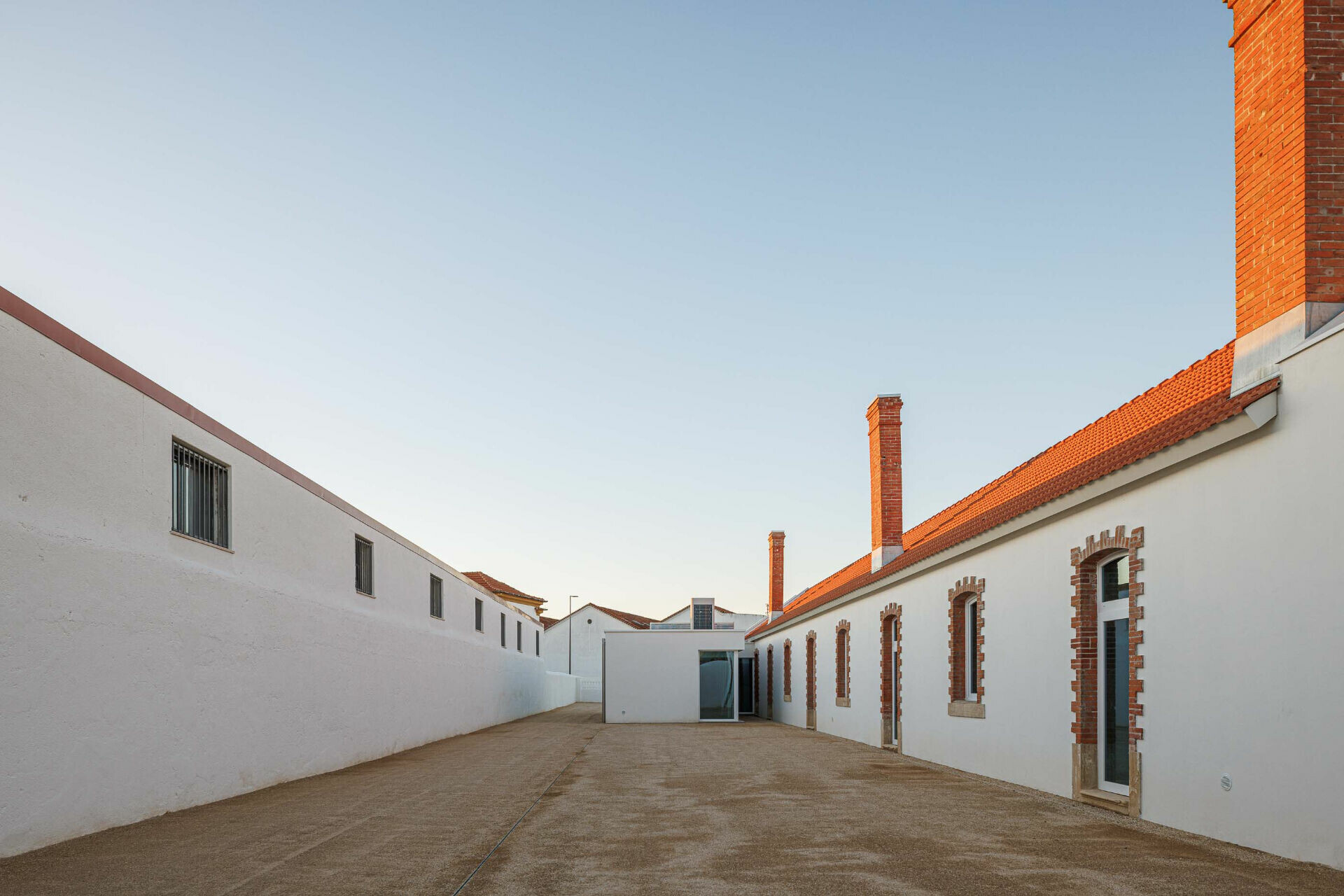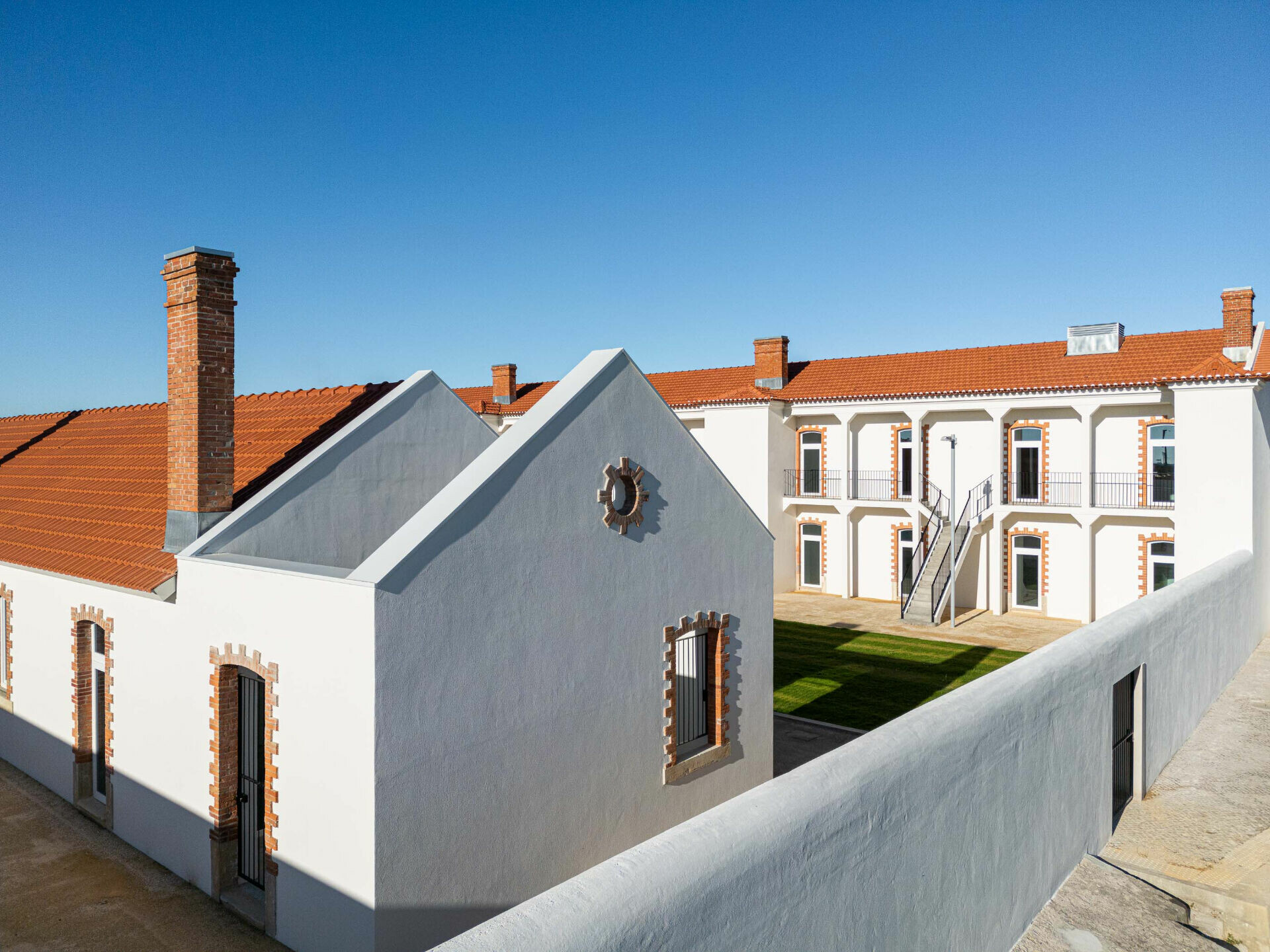
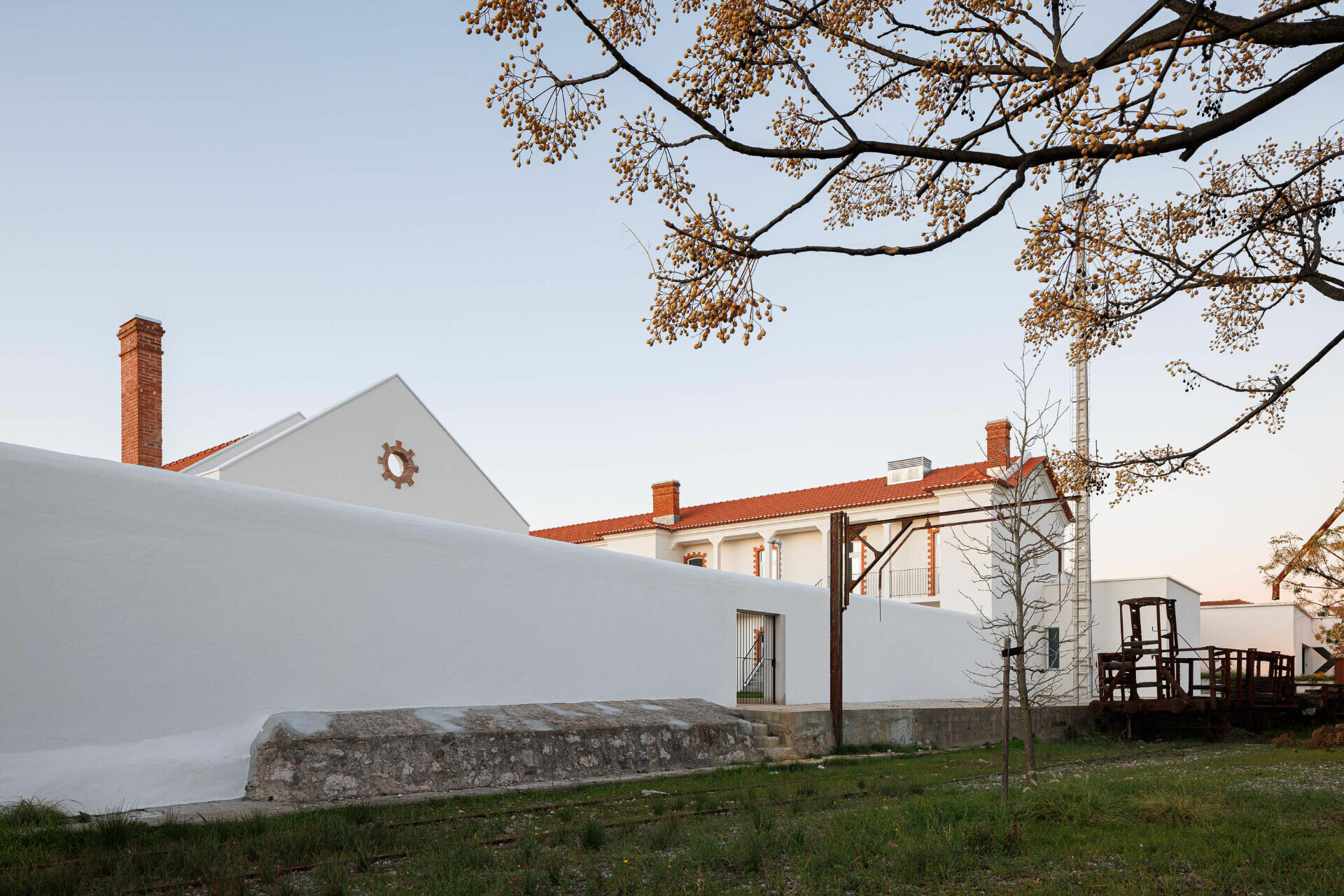
In the accelerating rhythm of modernization, architecture often recedes from view as time wears away its former presence, leaving old and new to coexist across our cities. In Entroncamento, a railway town in central Portugal, the Bairro do Boneco—a former workers’ housing estate—embodies this layered urban memory. Through a municipal urban-regeneration initiative, Adarq Arquitectos has undertaken the renovation, bringing renewed life to its red brick walls and whitewashed façades, now set once more against blue skies and surrounding greenery.
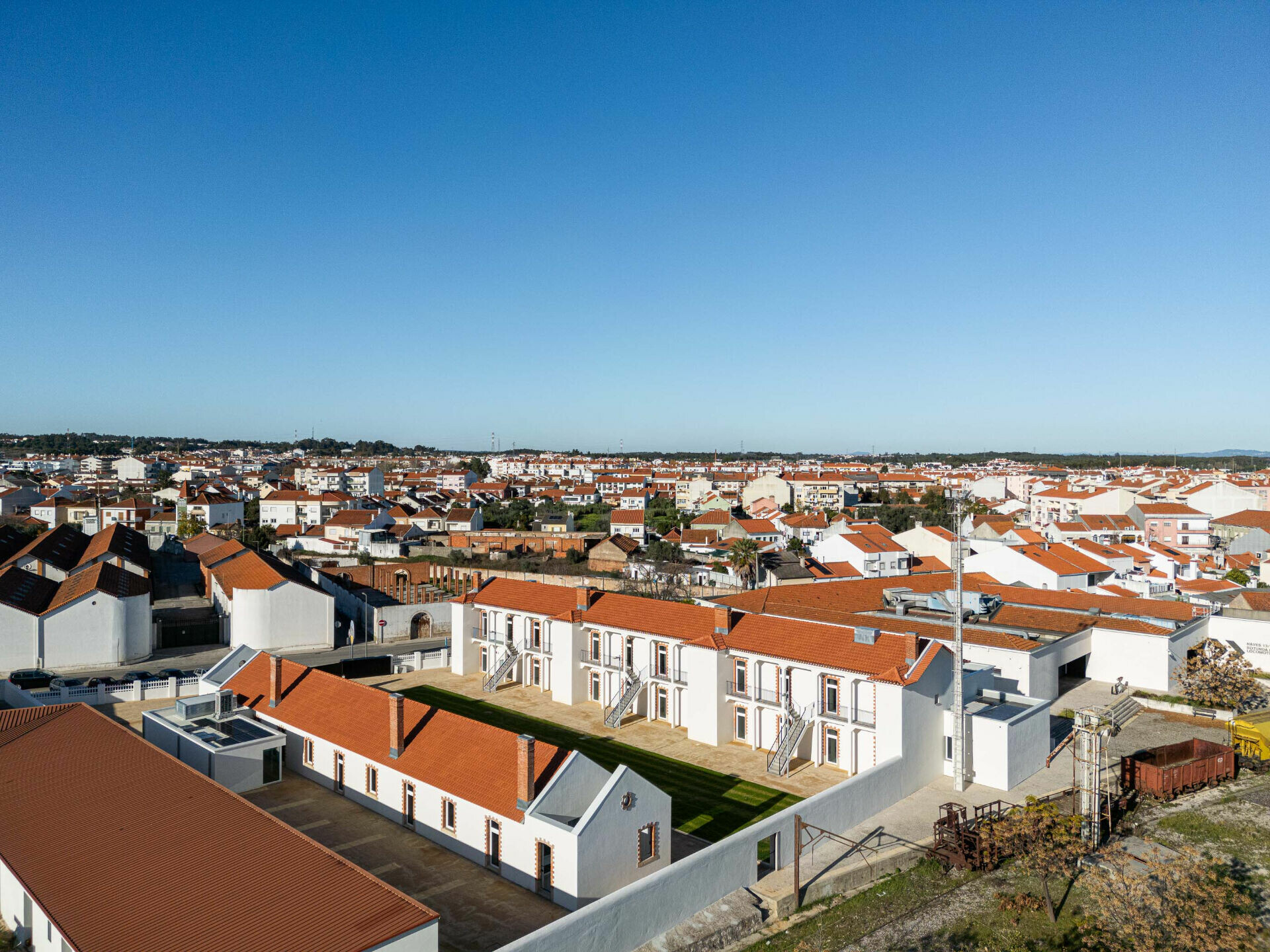
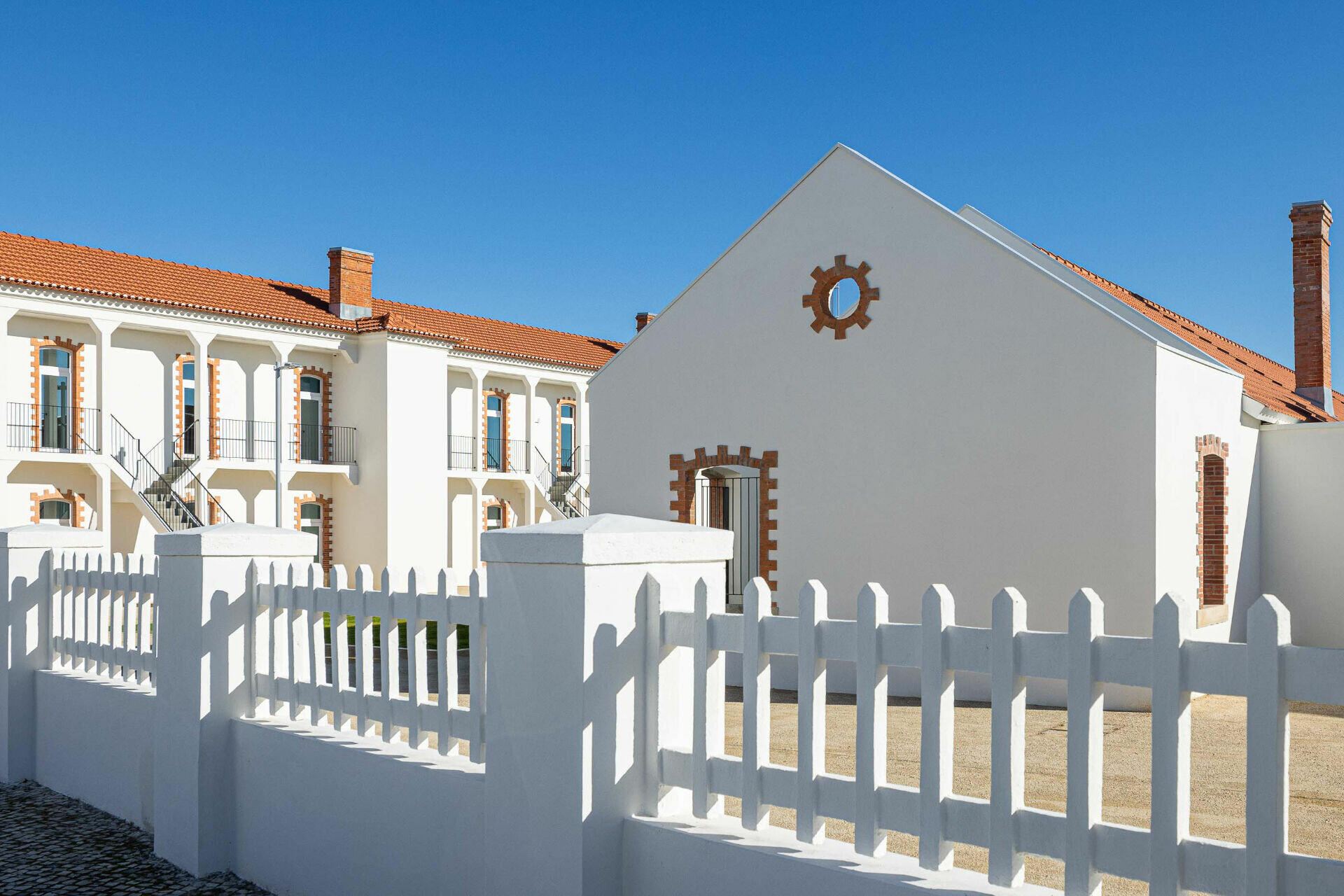
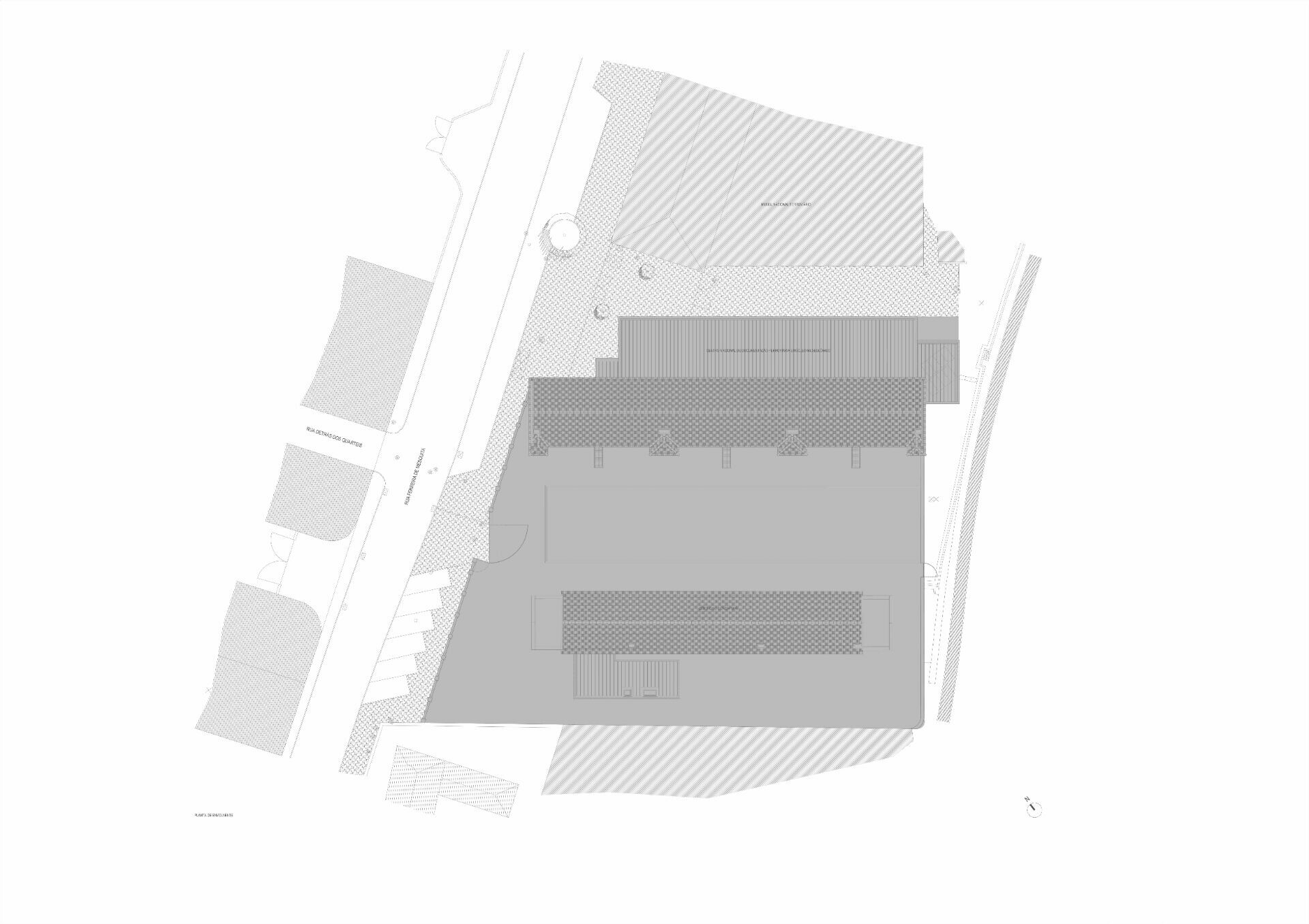
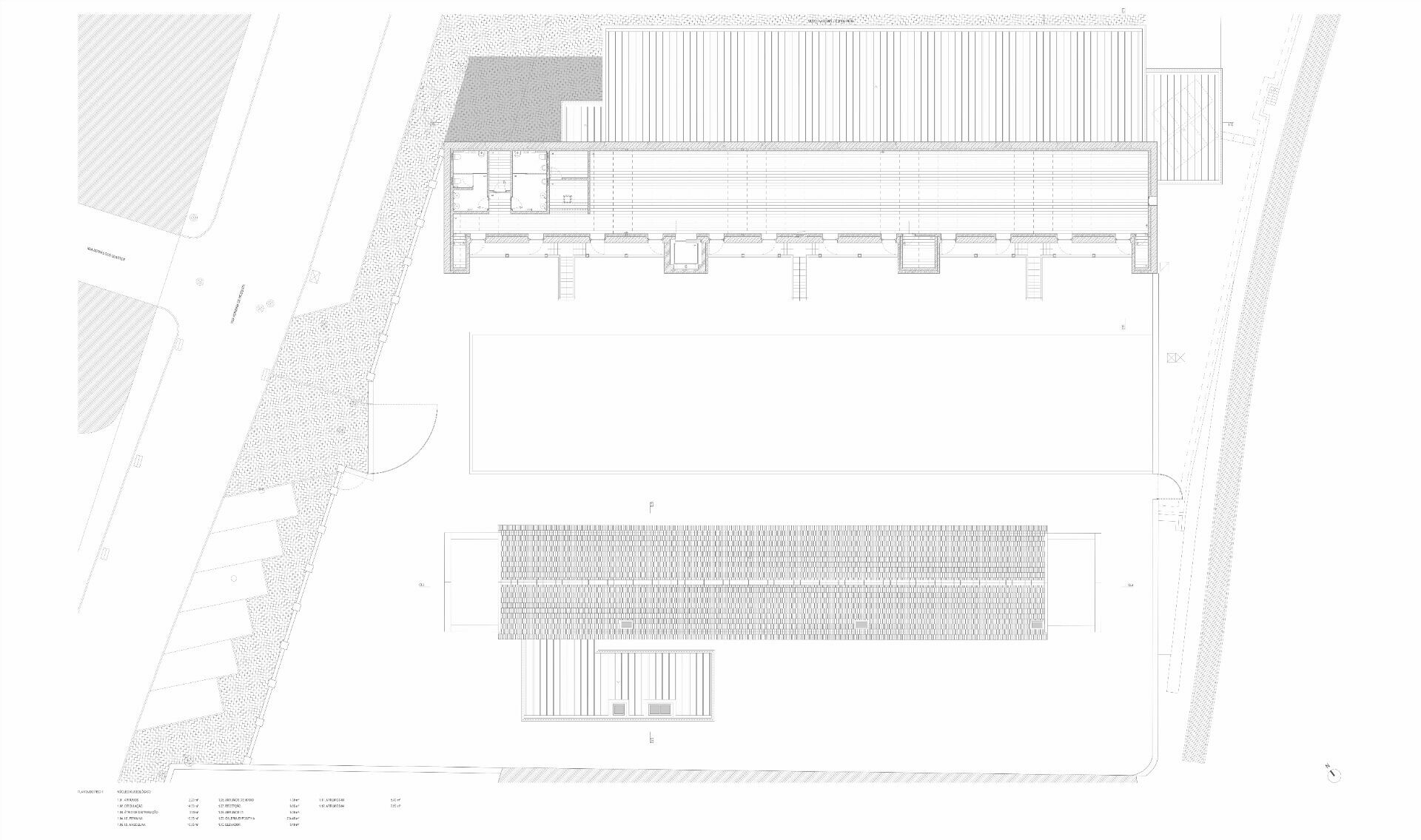
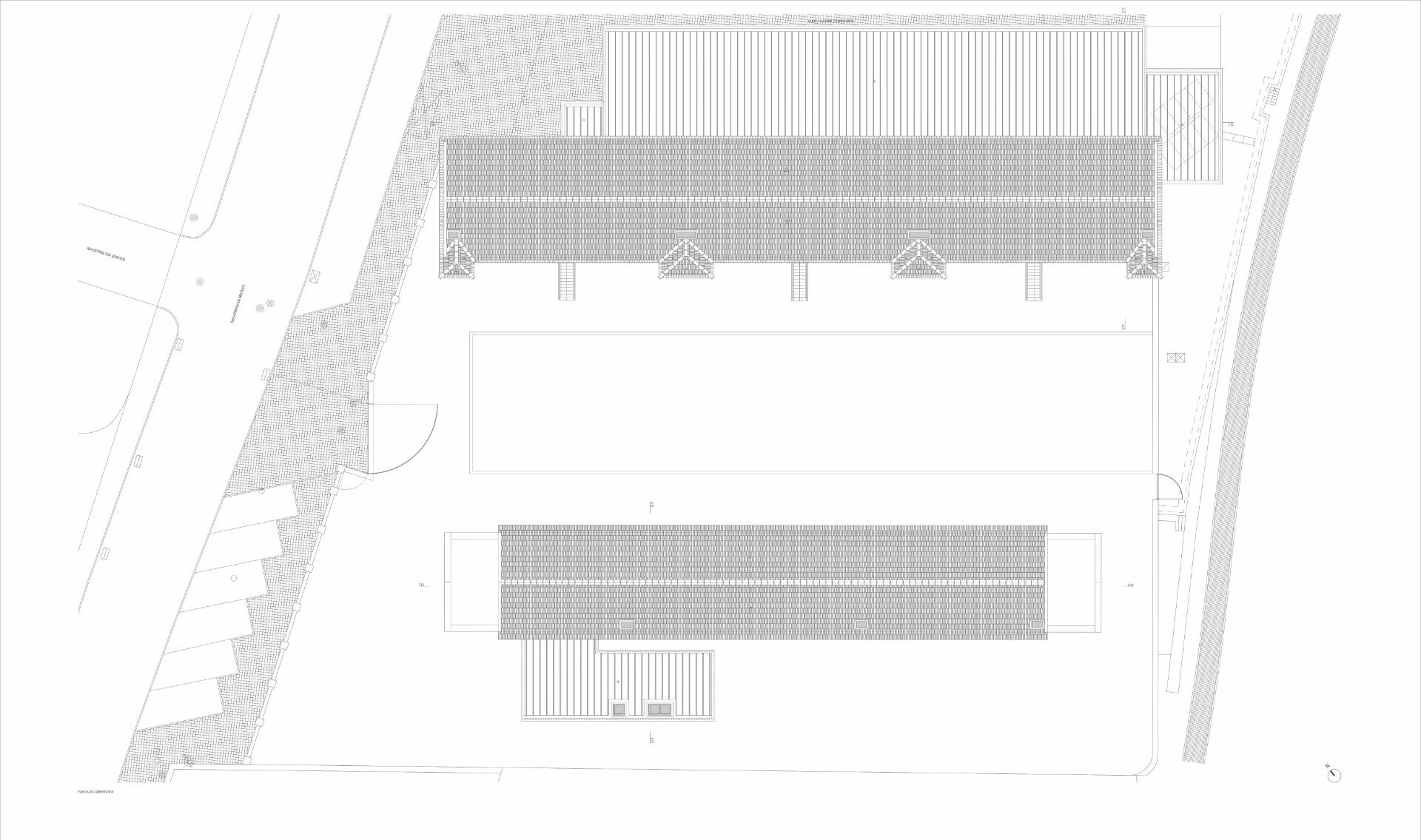
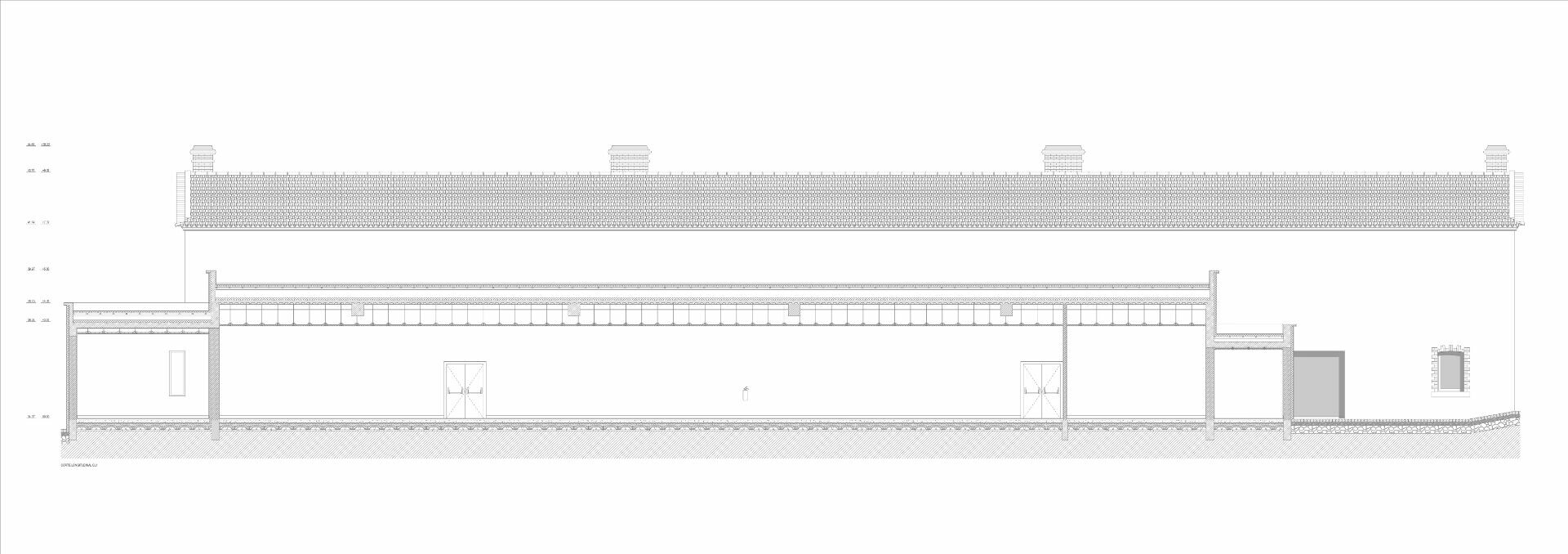
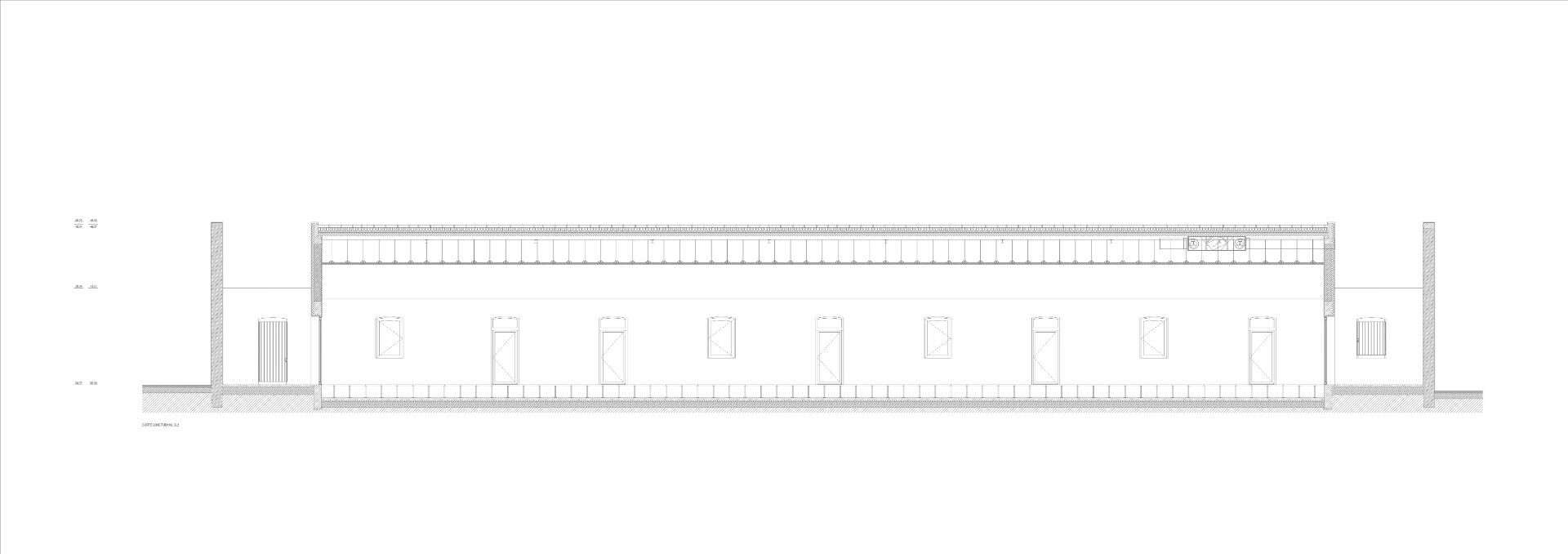
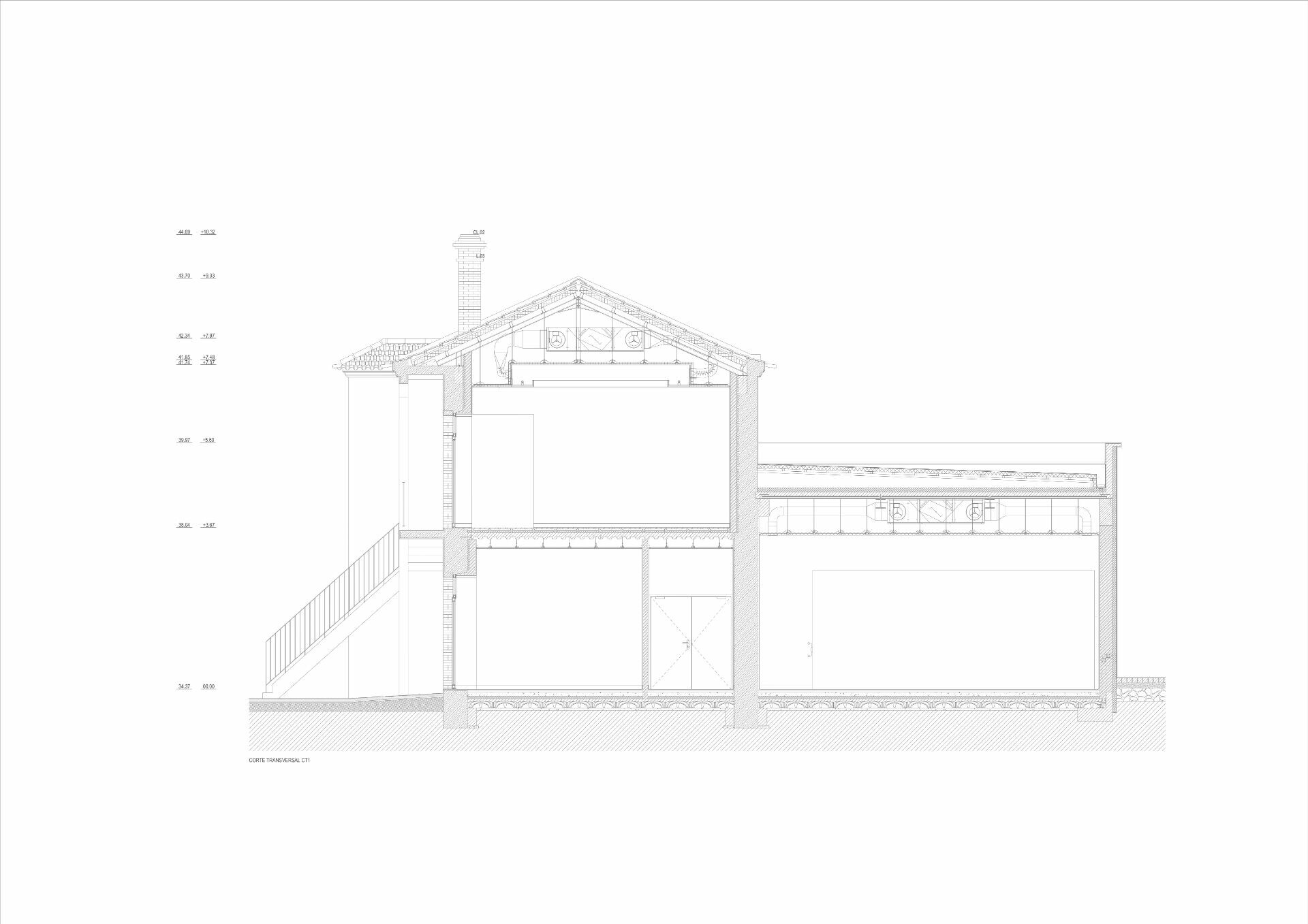
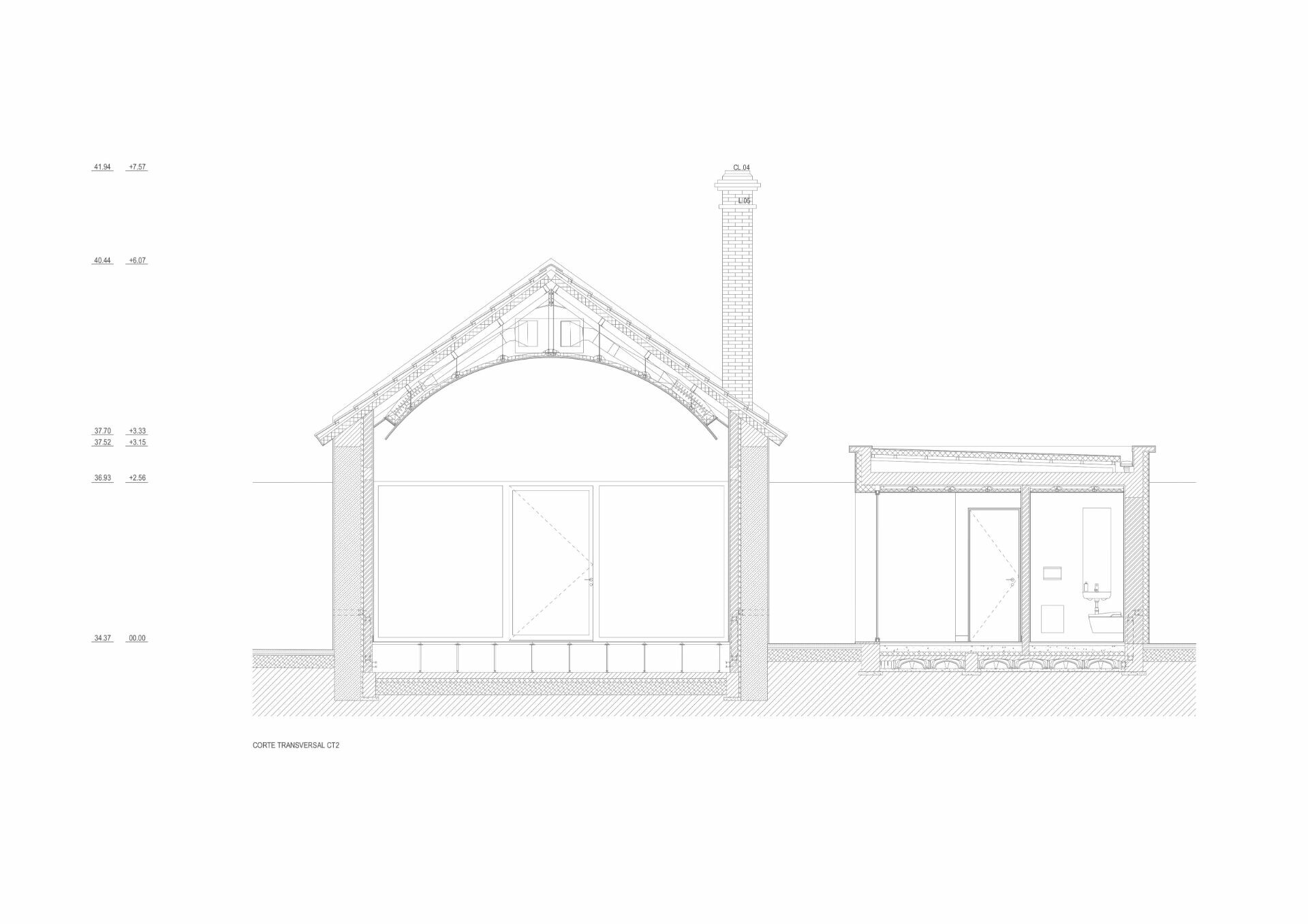
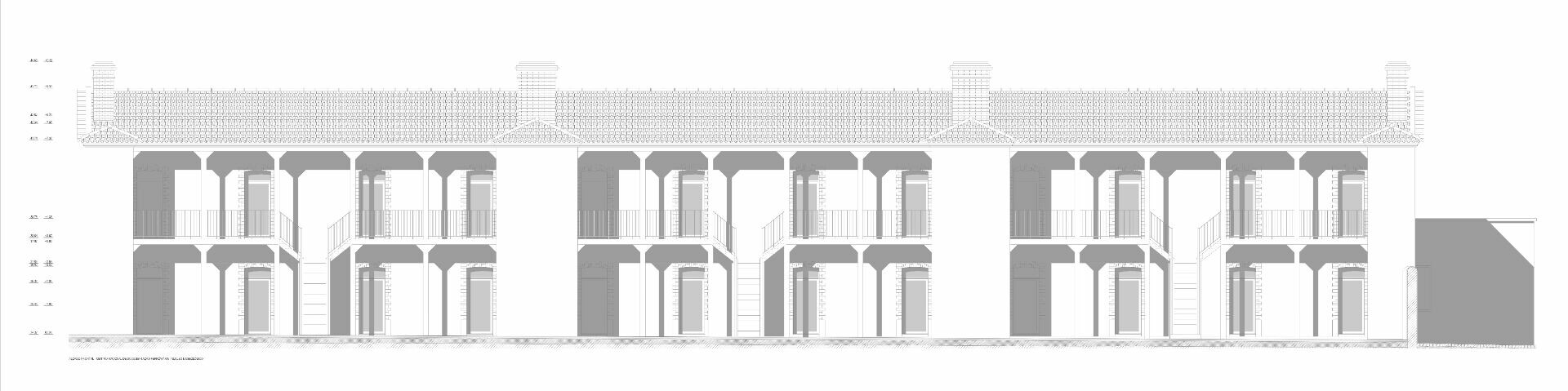
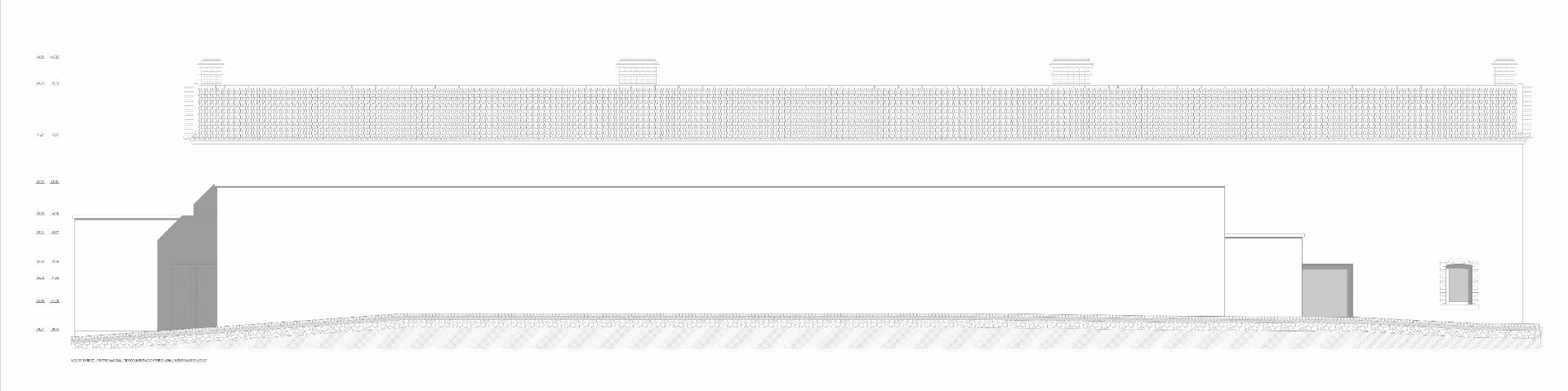
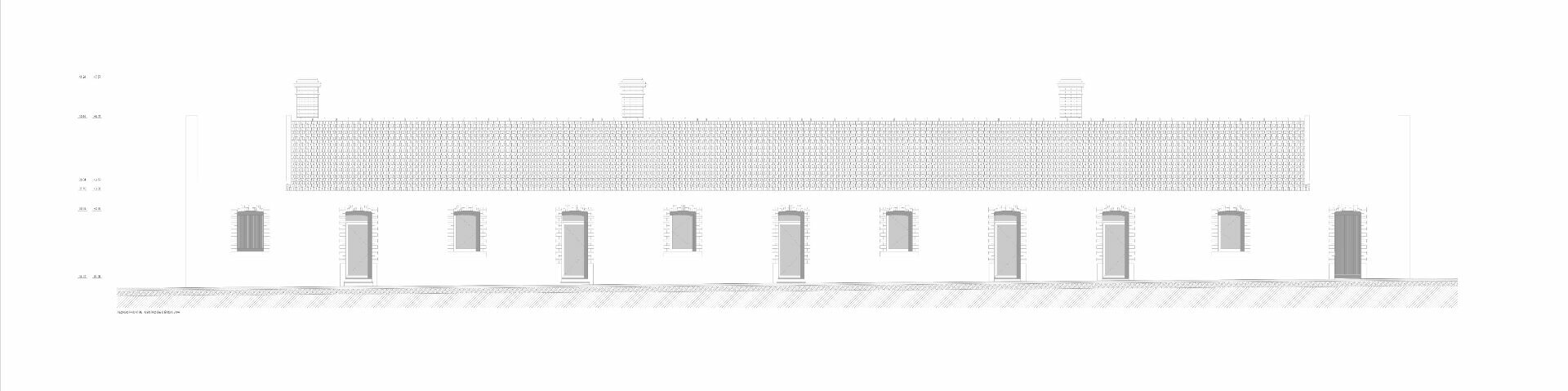
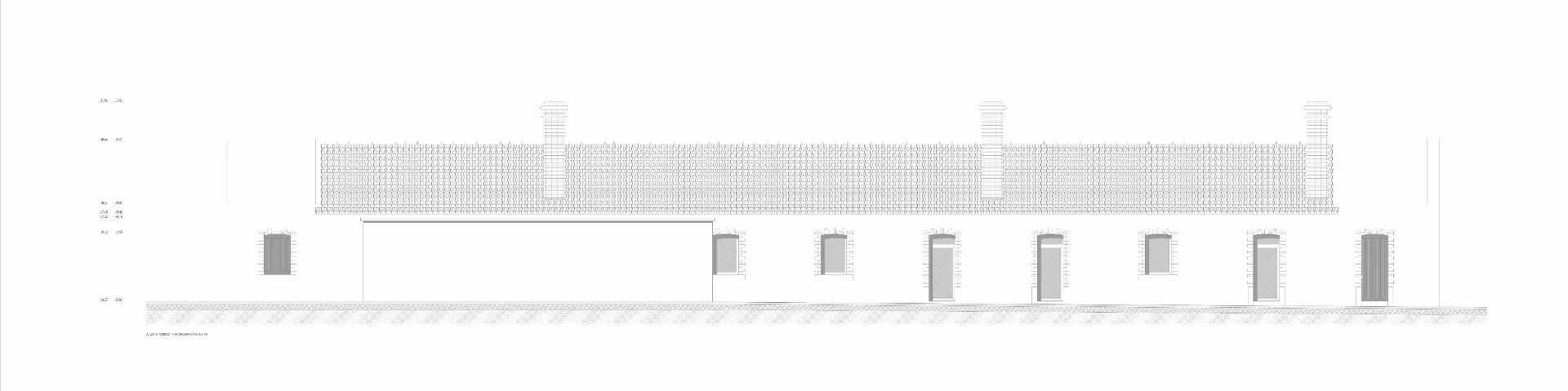
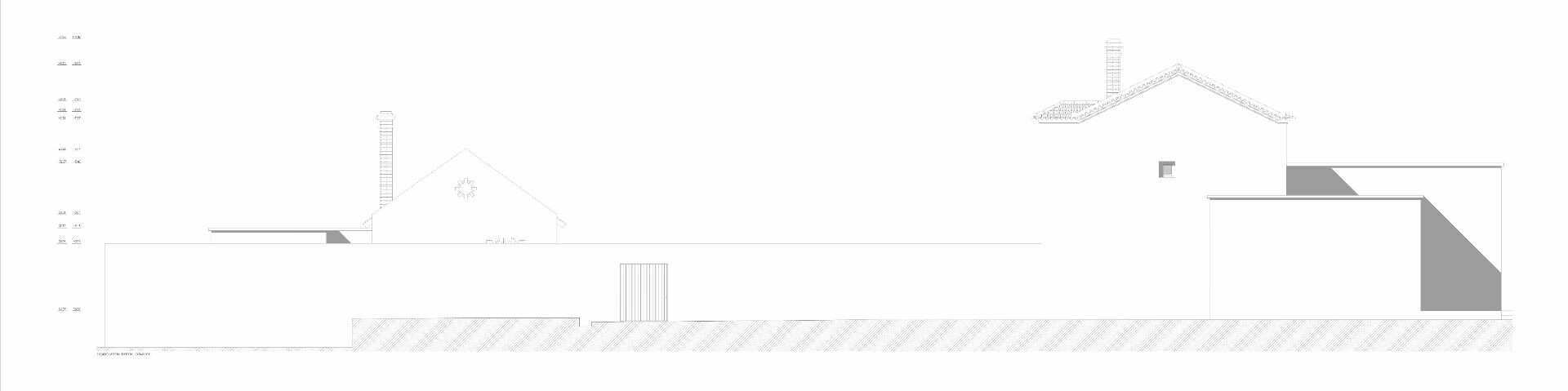
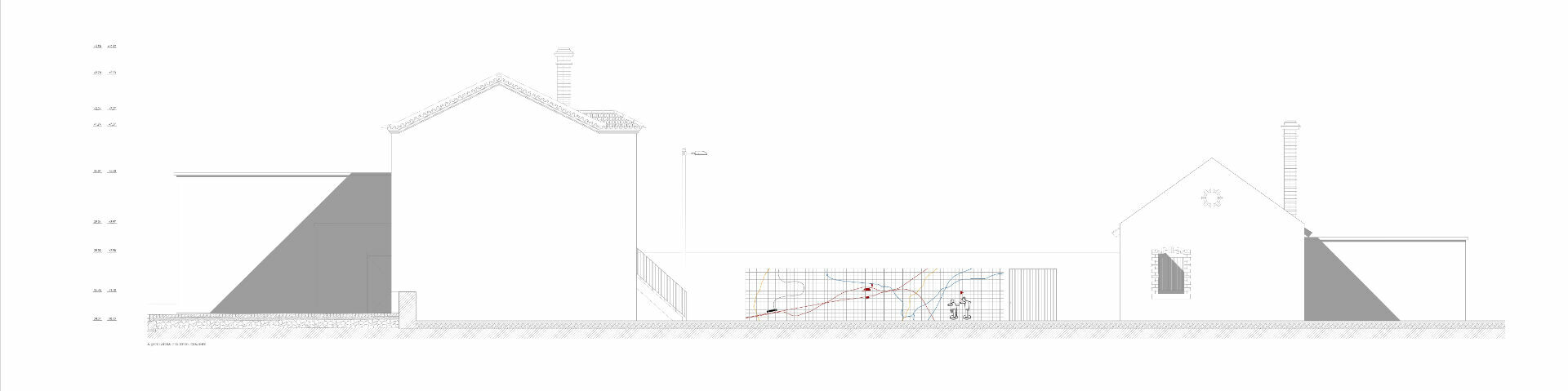
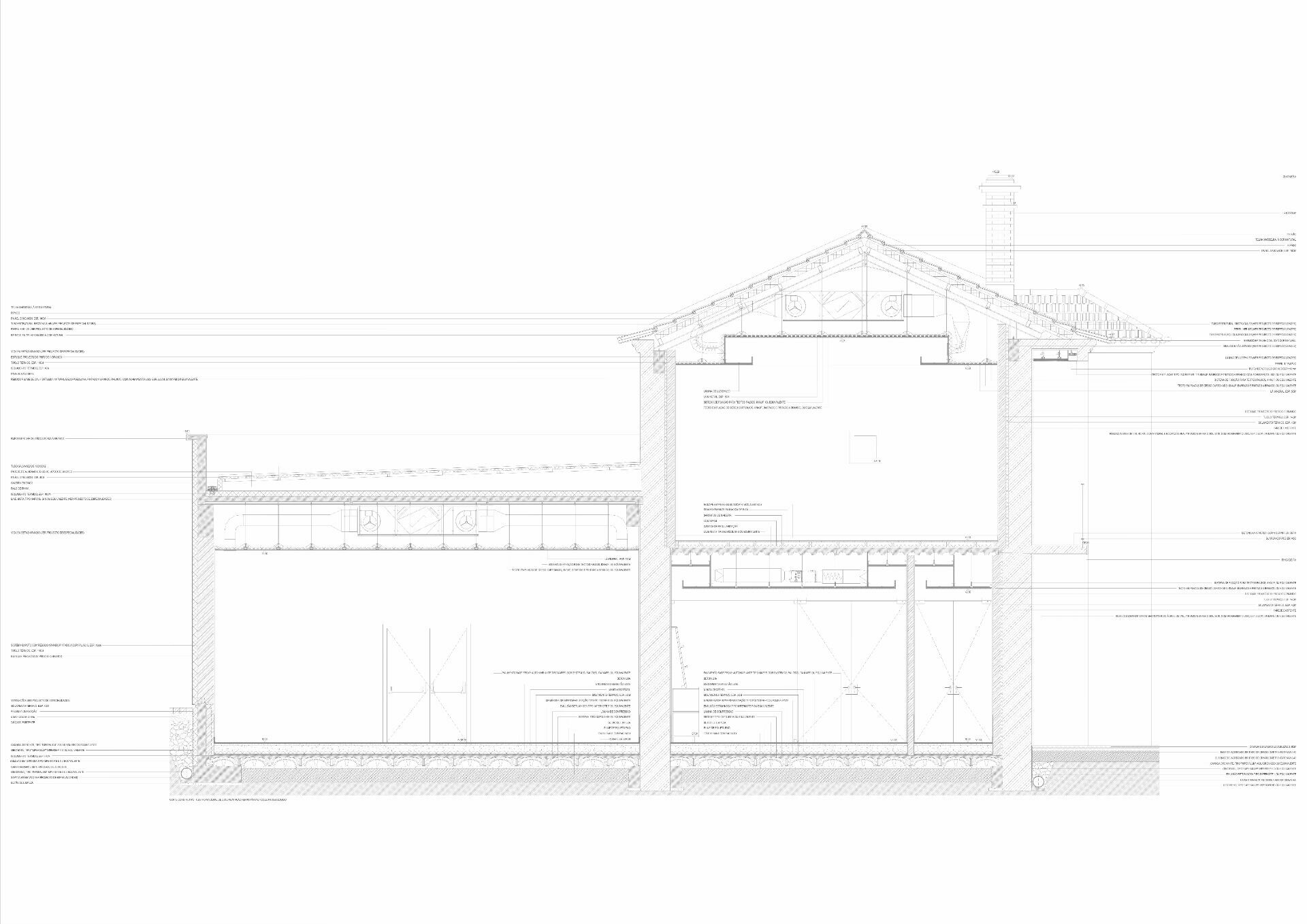
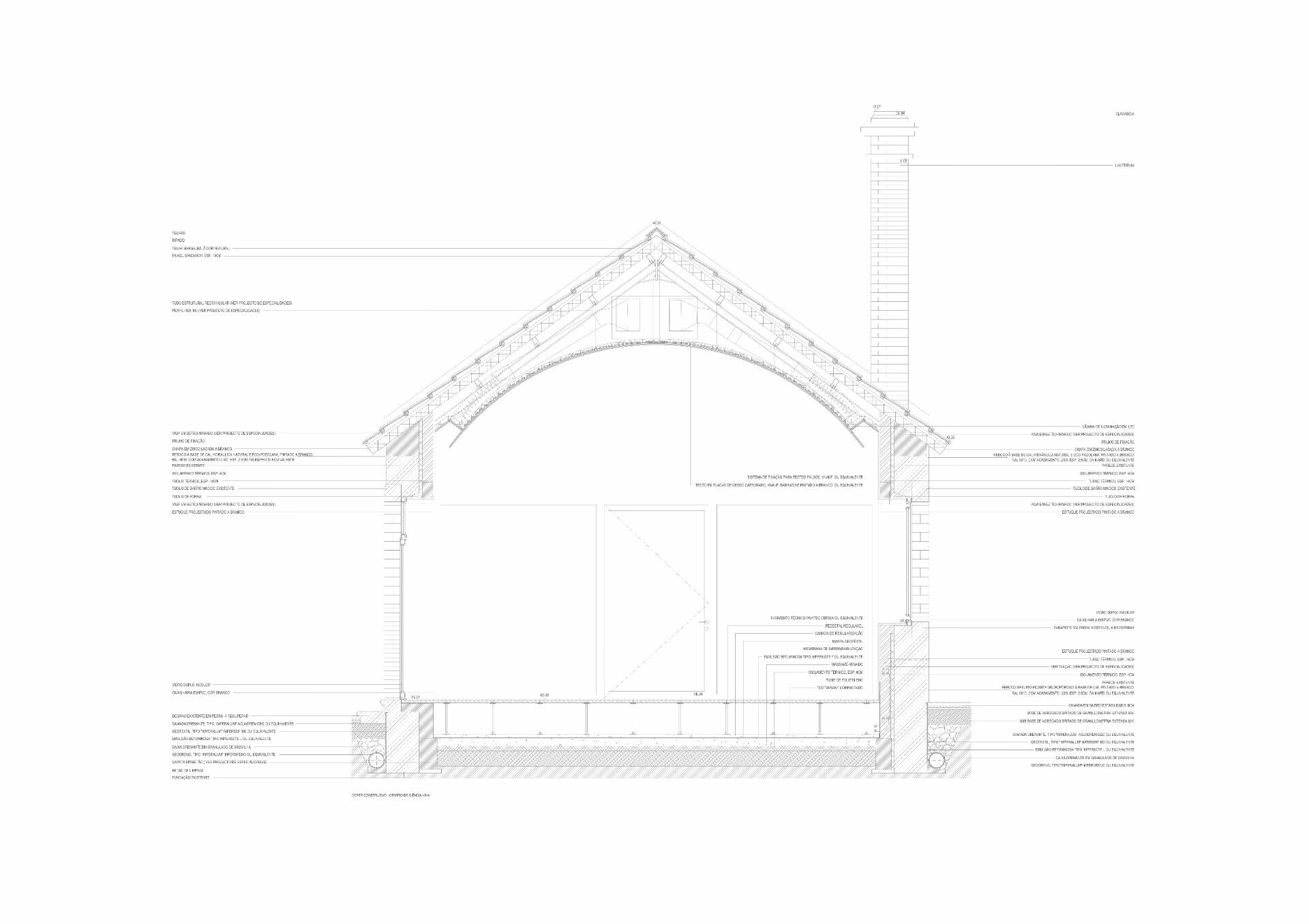
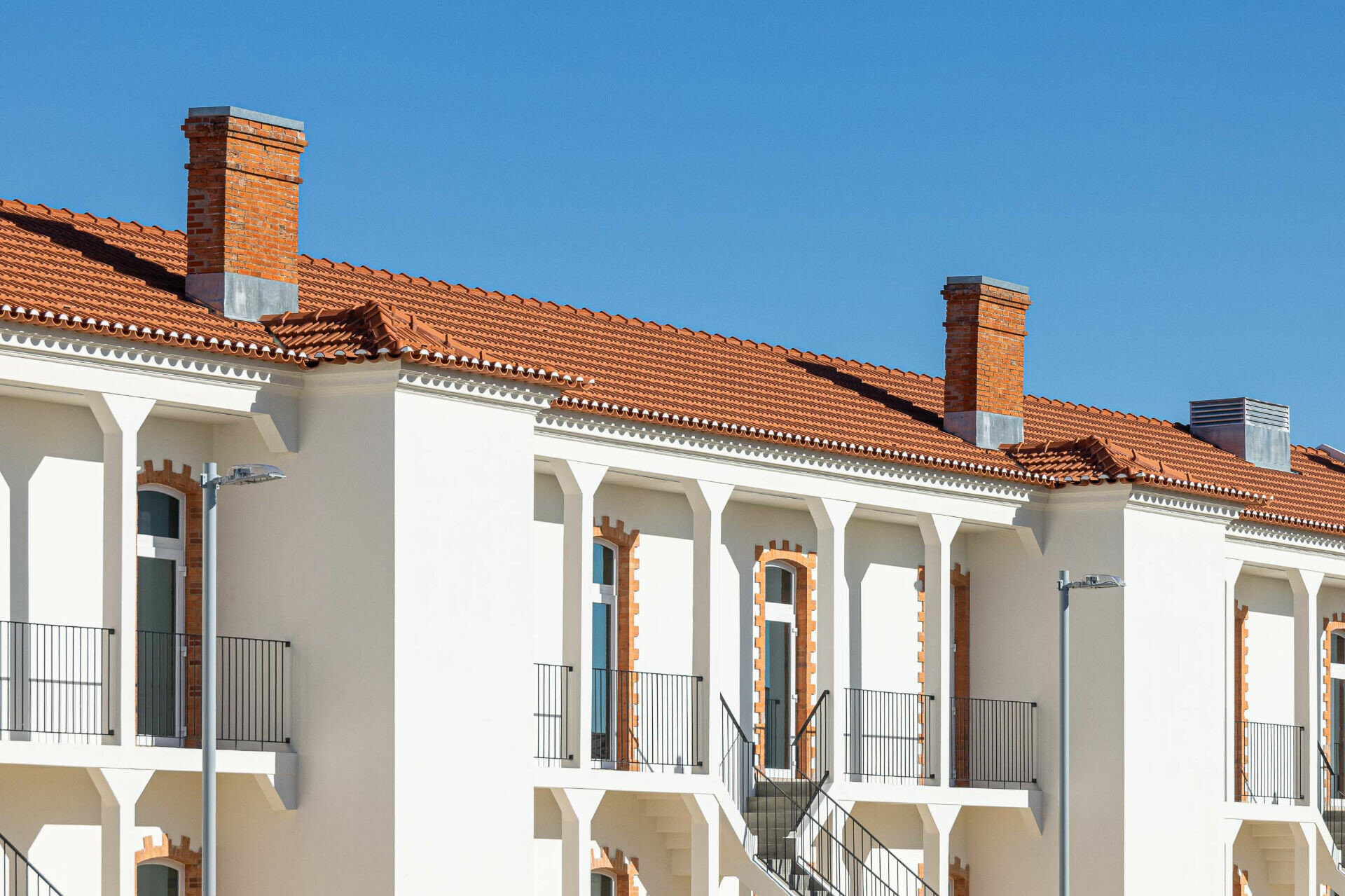
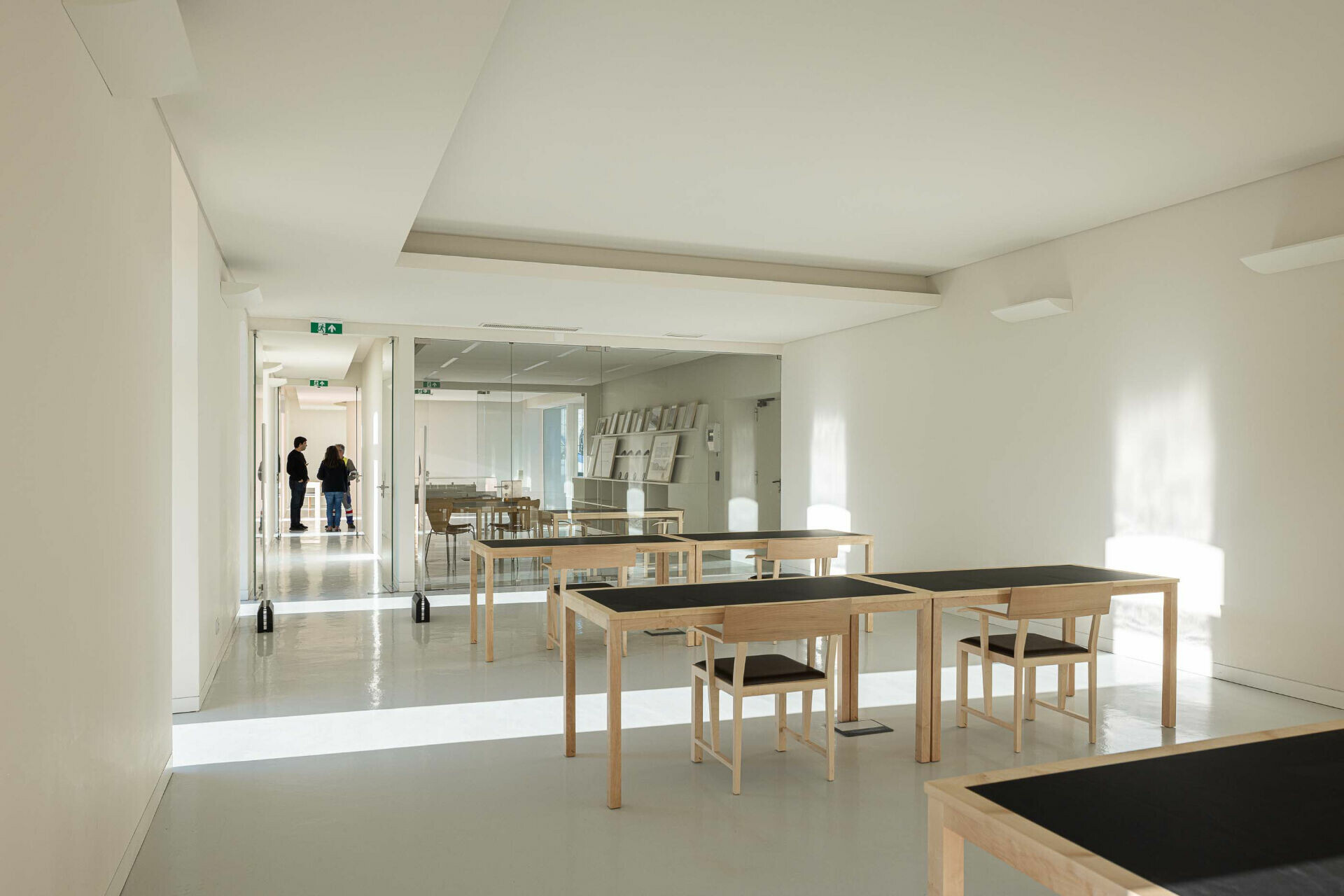
Recognising the historic significance of Bairro do Boneco as cultural heritage, the design preserves defining features of its early-twentieth-century identity: the chimneys, the rectangular courtyard, and the terraced housing typology. The northern two-storey block is repurposed to accommodate the National Railway Documentation Centre at ground level with an exhibition gallery above; the southern single-storey block is planned as a Science Centre. Located near the National Railway Museum, the regenerated complex helps consolidate a broader rail-heritage campus. The once-enclosed courtyard, formerly serving residents’ social life, is now opened to the city as a place for gathering, walking, and public dialogue.
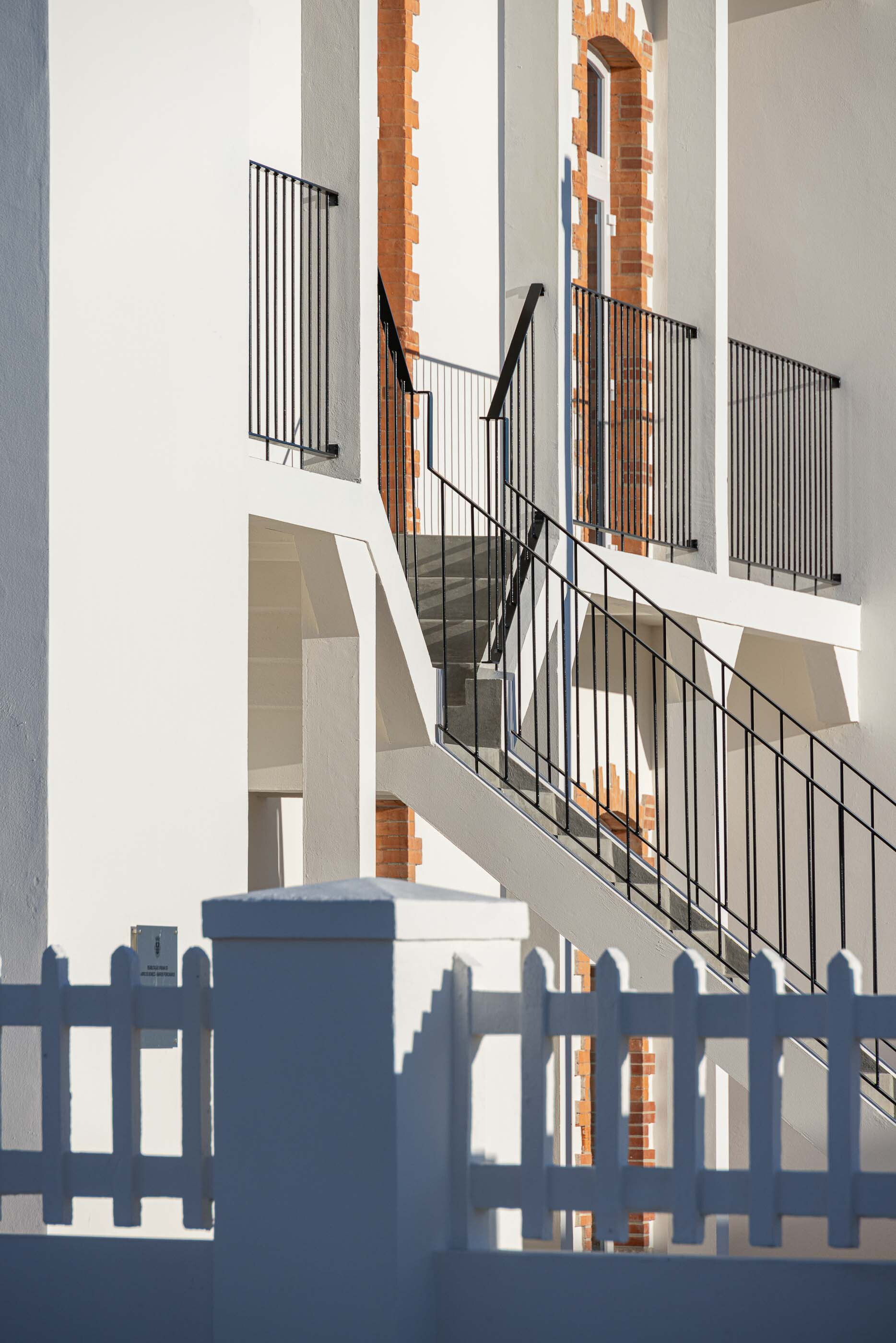
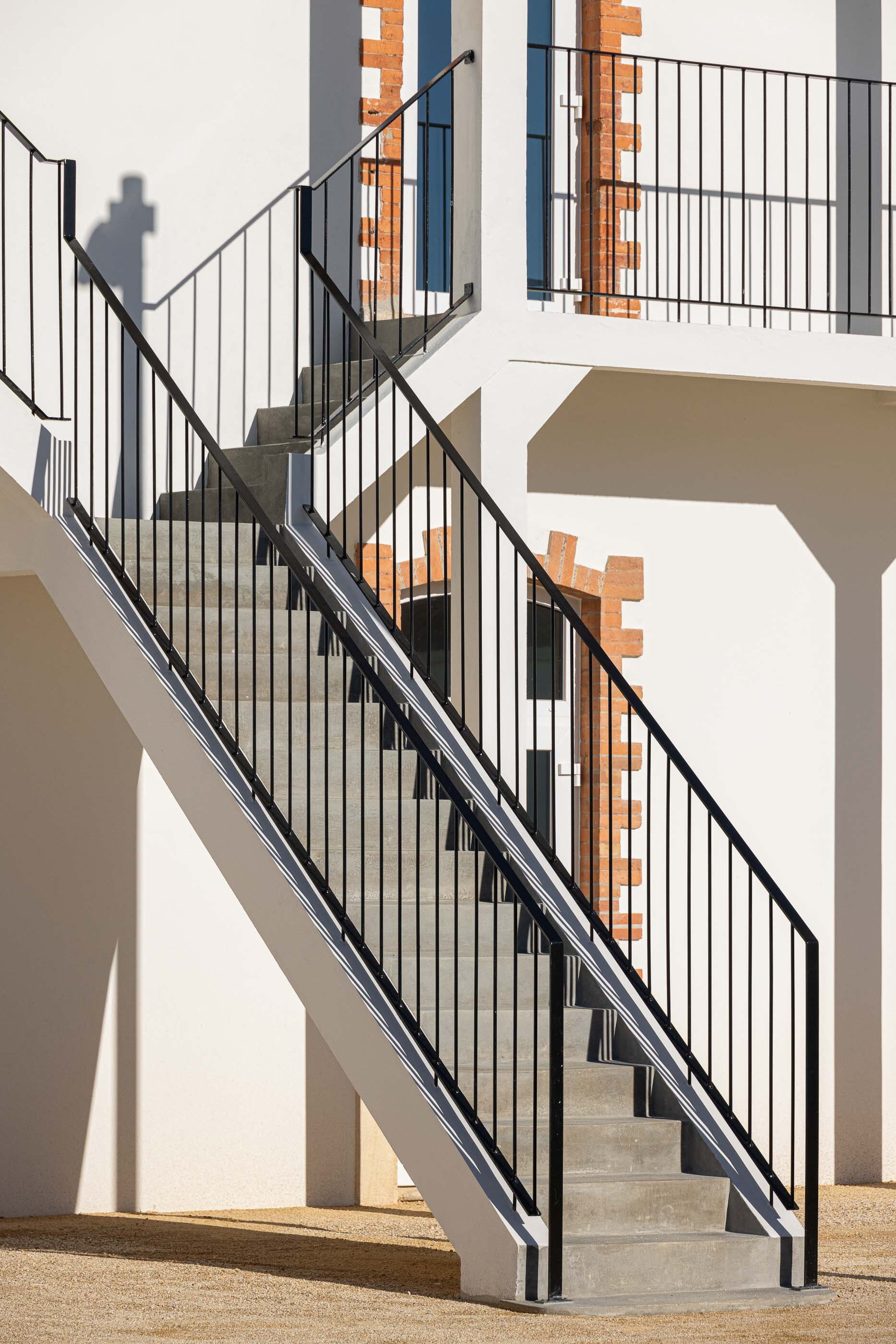
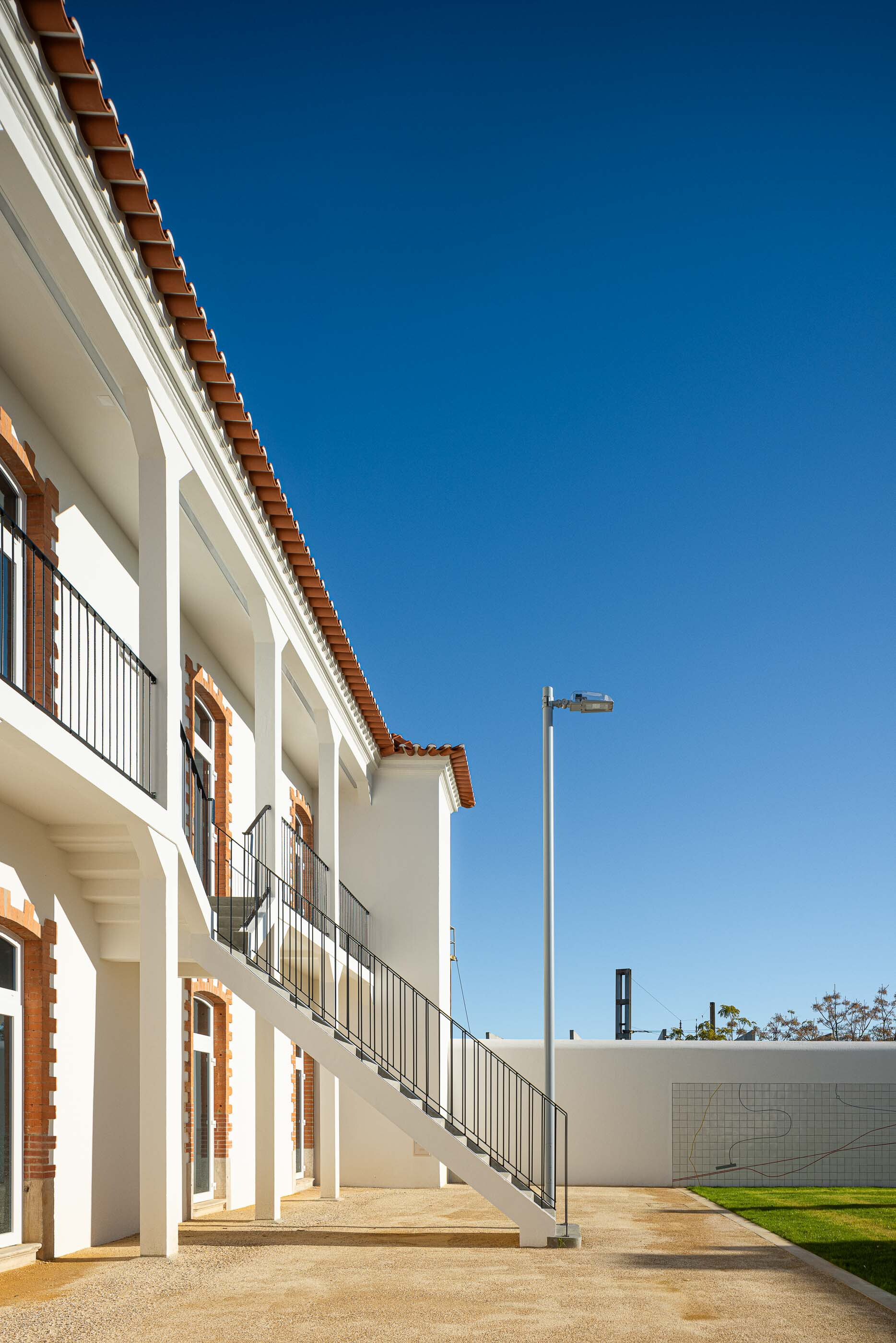
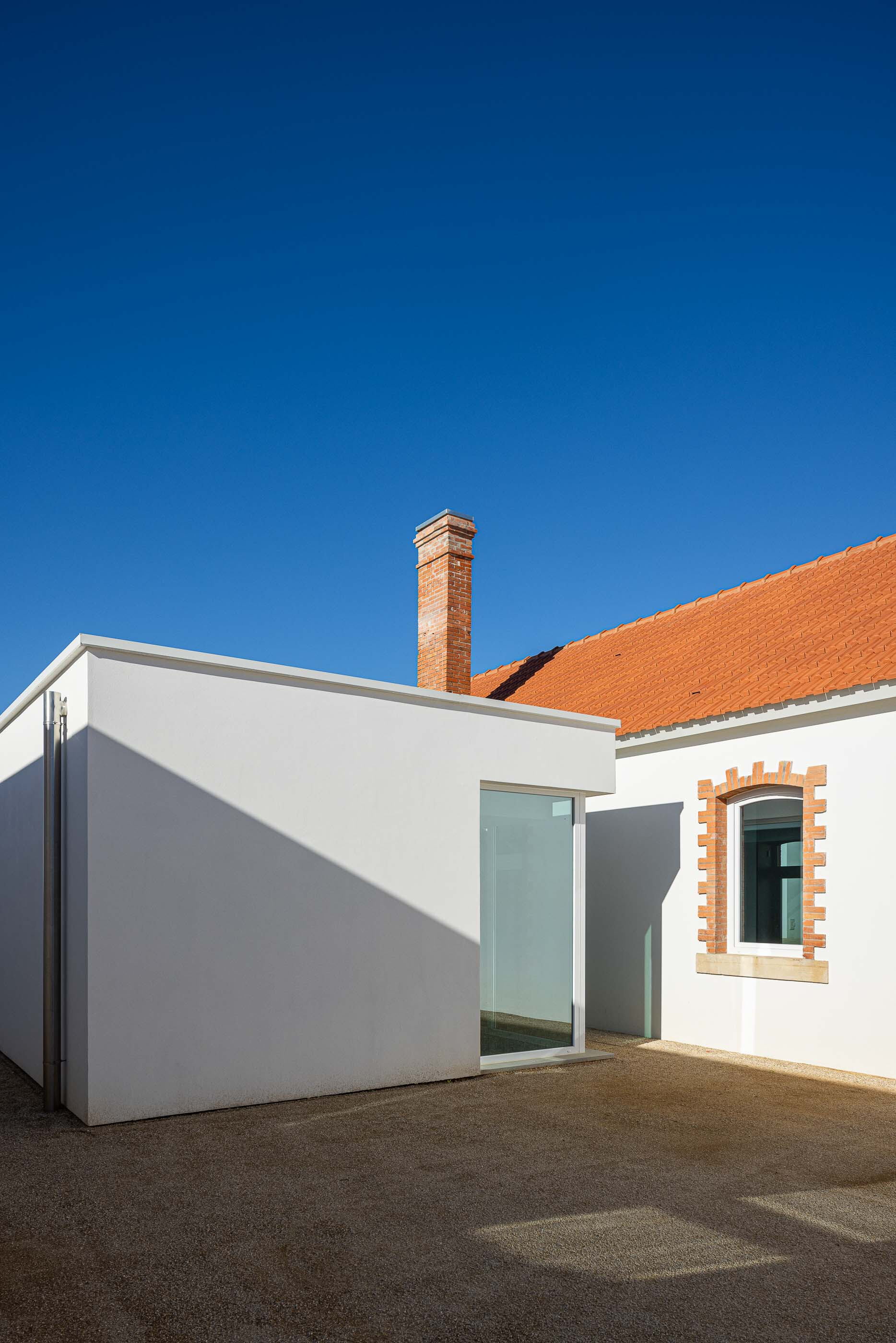
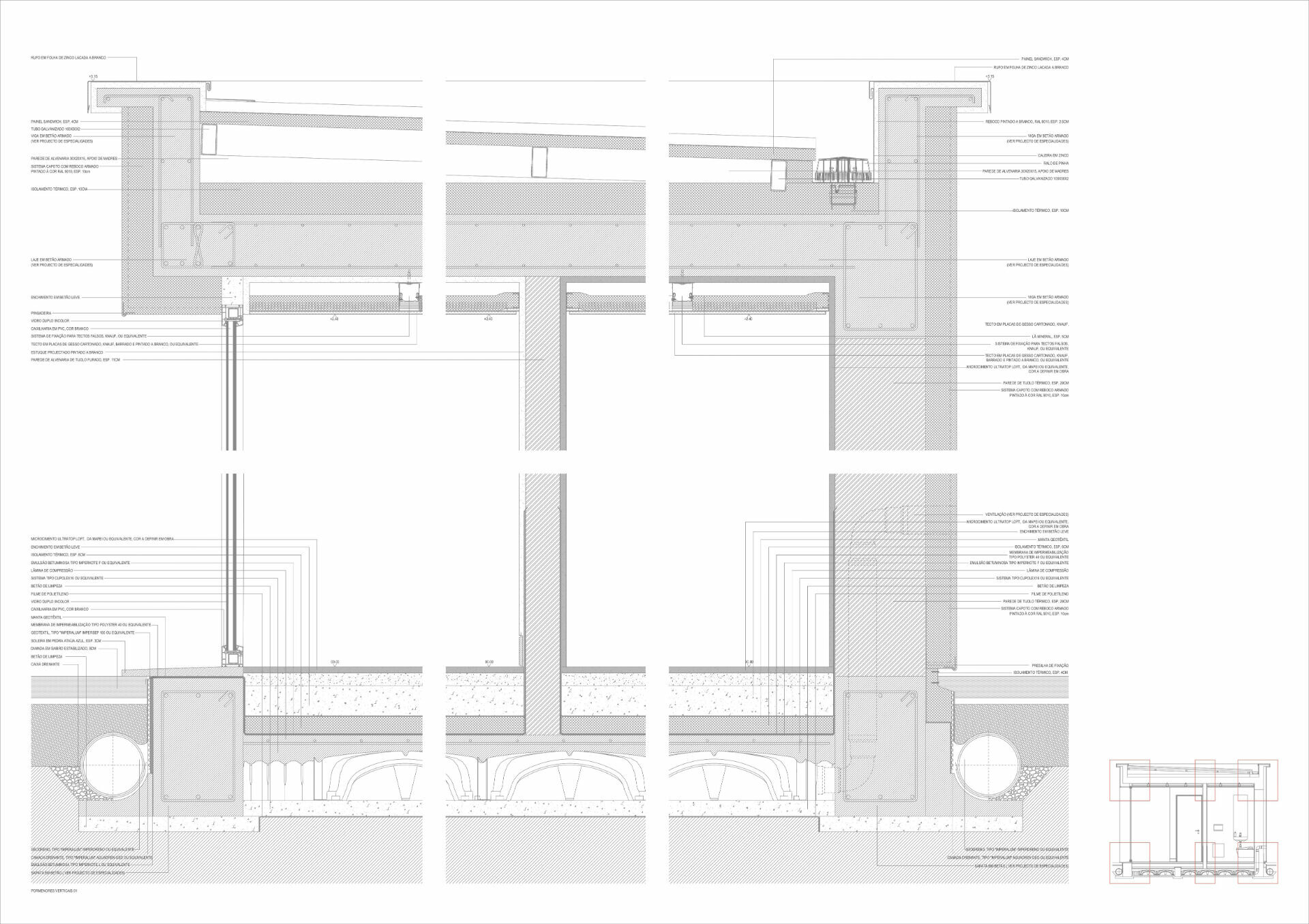
A central challenge was to update the complex without compromising its identity as a workers’ village. The architects repaired and reinforced the fabric while upgrading lighting, electrical, and water systems to meet contemporary codes. Fire-safety provisions and accessible circulation were introduced to ensure the transformed heritage buildings perform safely and comfortably as public facilities.
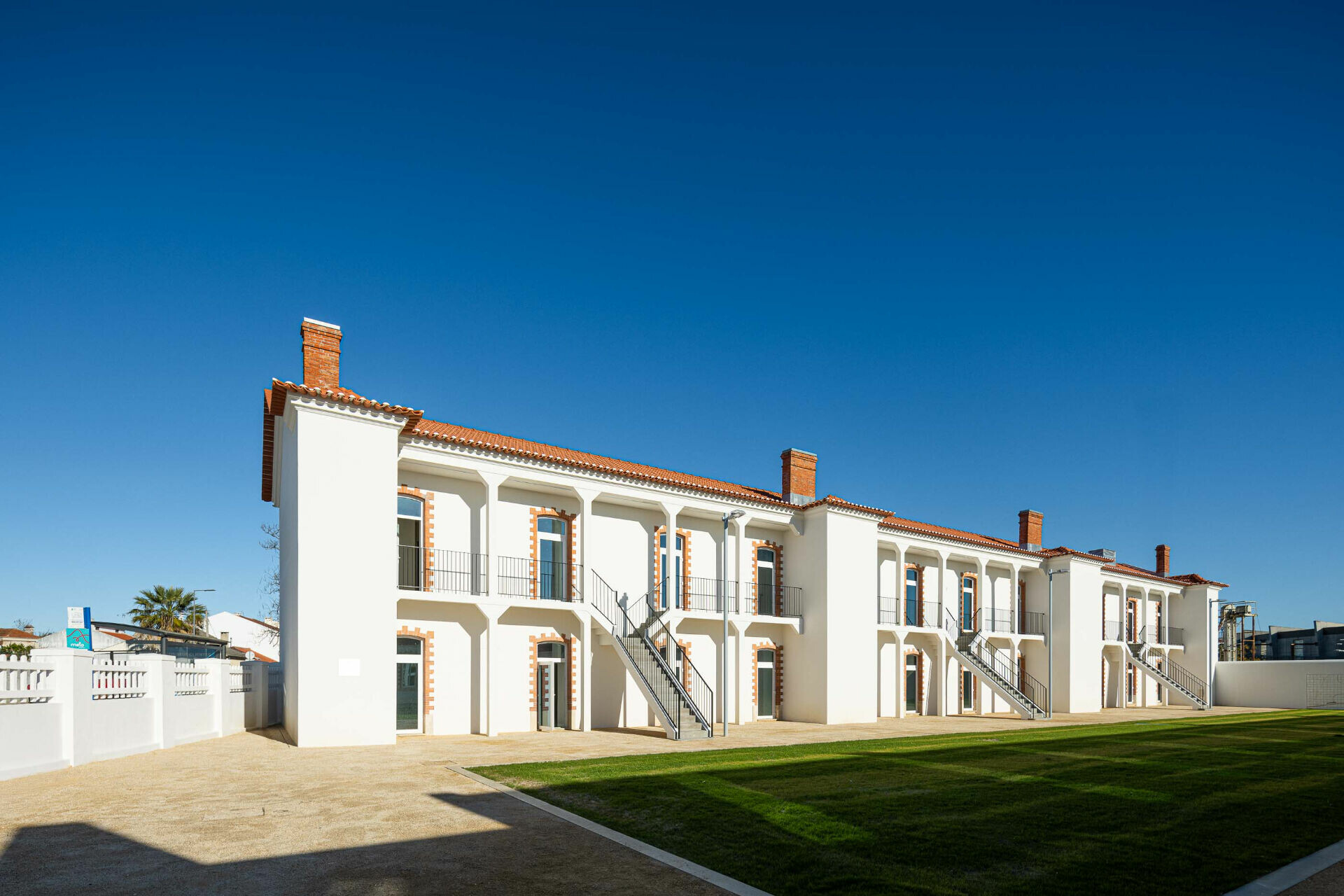
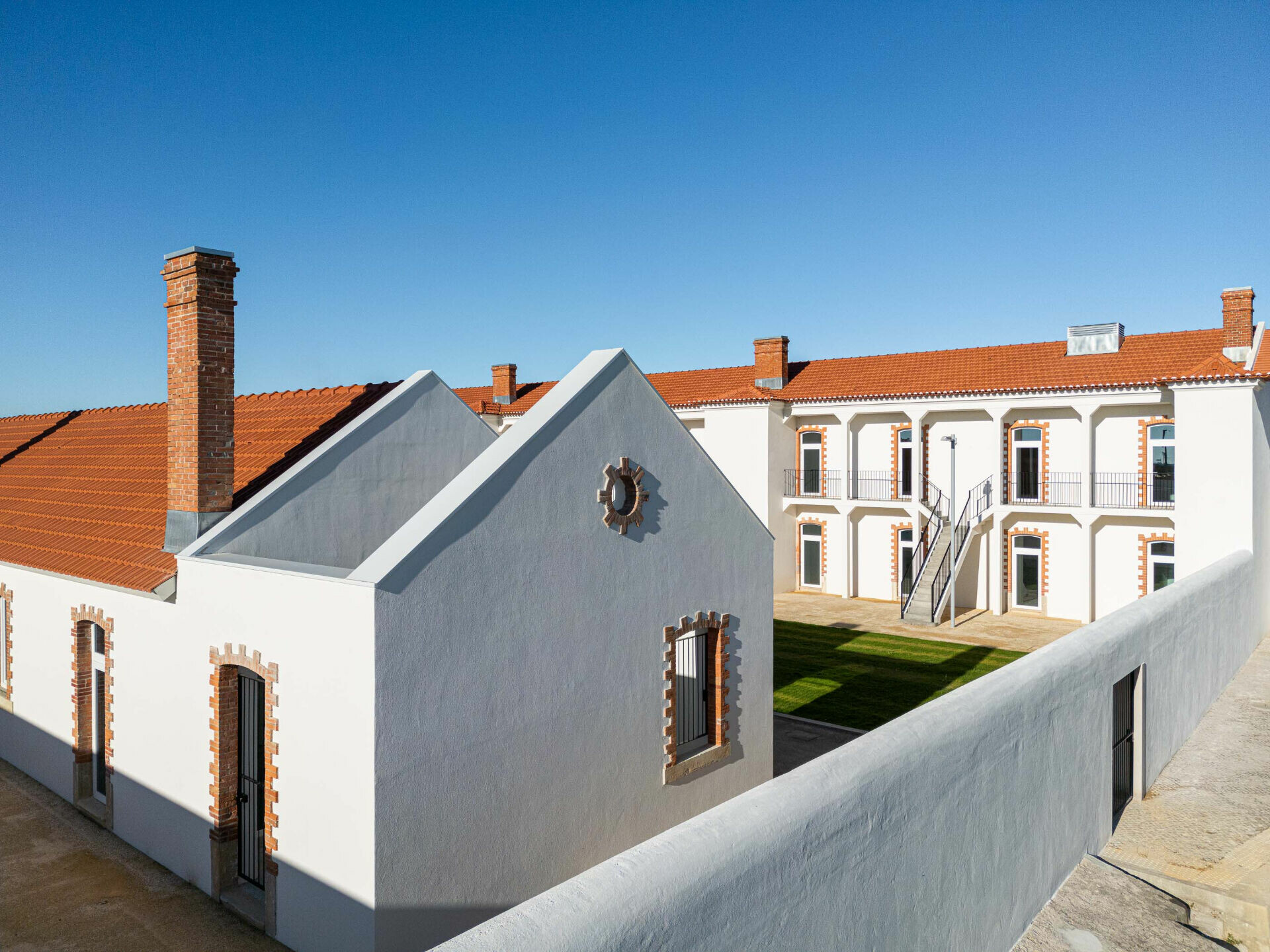
Material choices reinforce this respect for historical character. The ground plane is resurfaced with antique-finished natural-stone paving and permeable pavers, balancing durability and function while recalling the simple masonry textures of the 1920s. Distinctive red brickwork is reintroduced to frame doors and windows, using patterned bonds to lend the façades a measured rhythm. Glass and steel are applied selectively to staircases, balustrades, and galleries, establishing a calibrated dialogue between historic fabric and contemporary insertions.
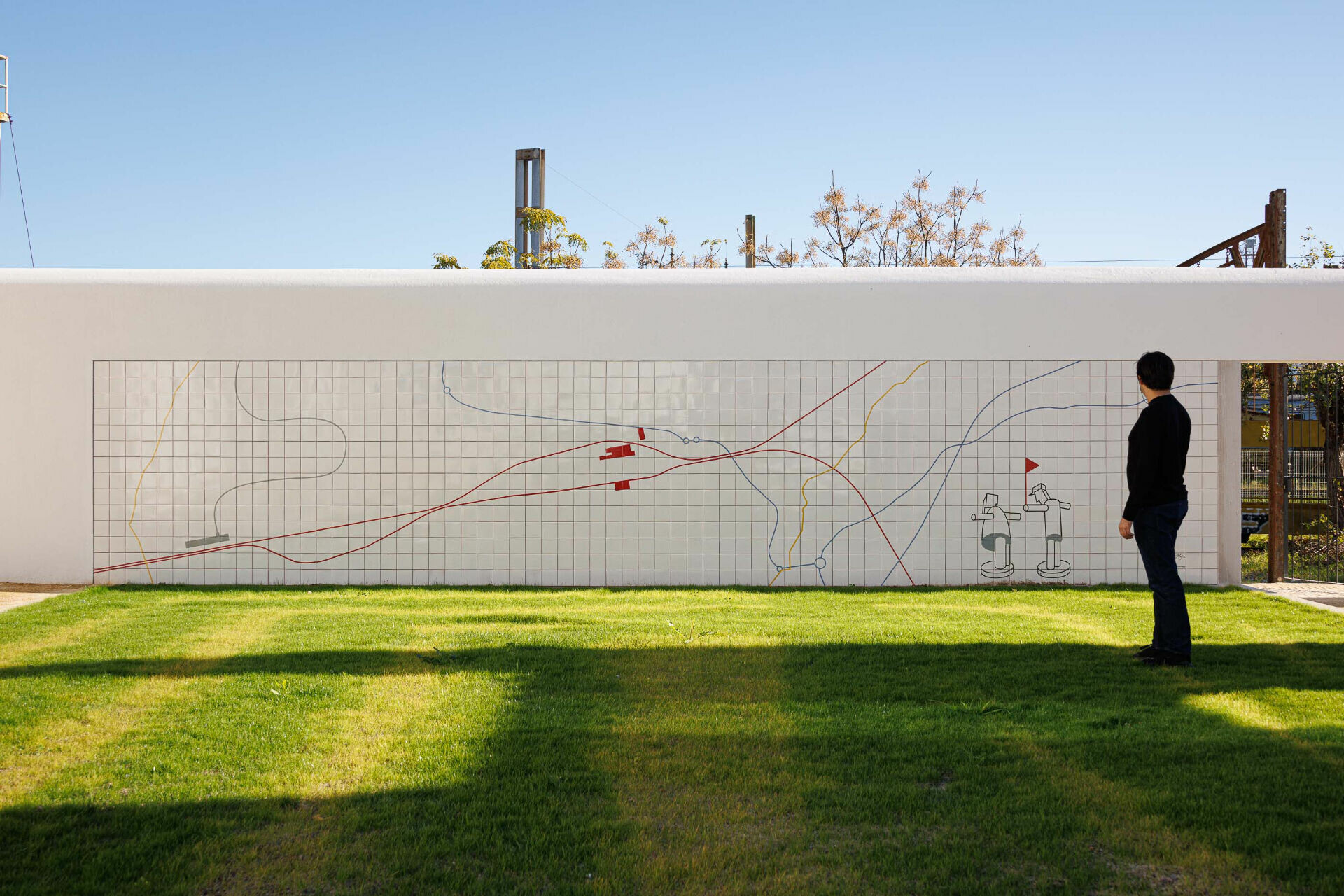
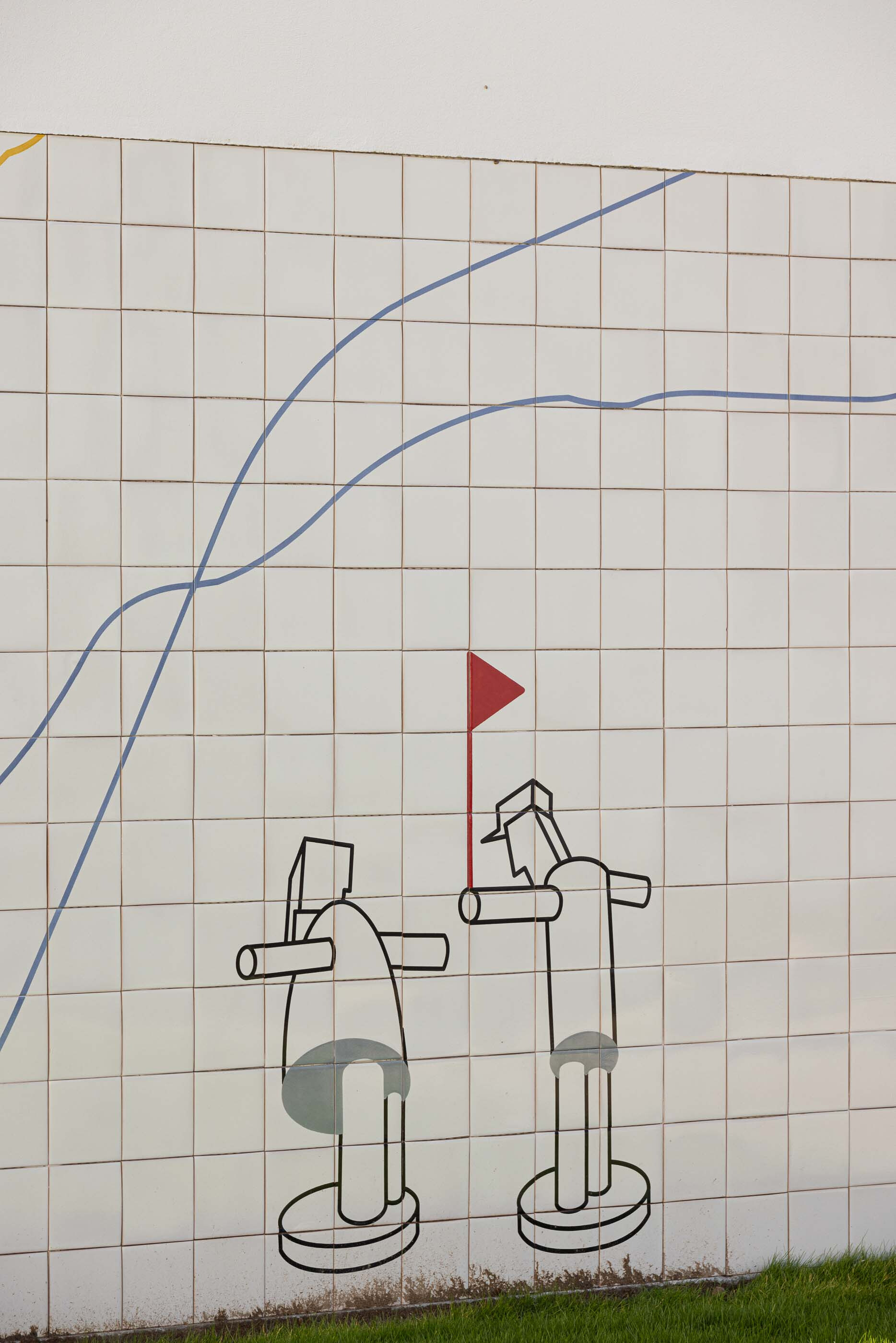
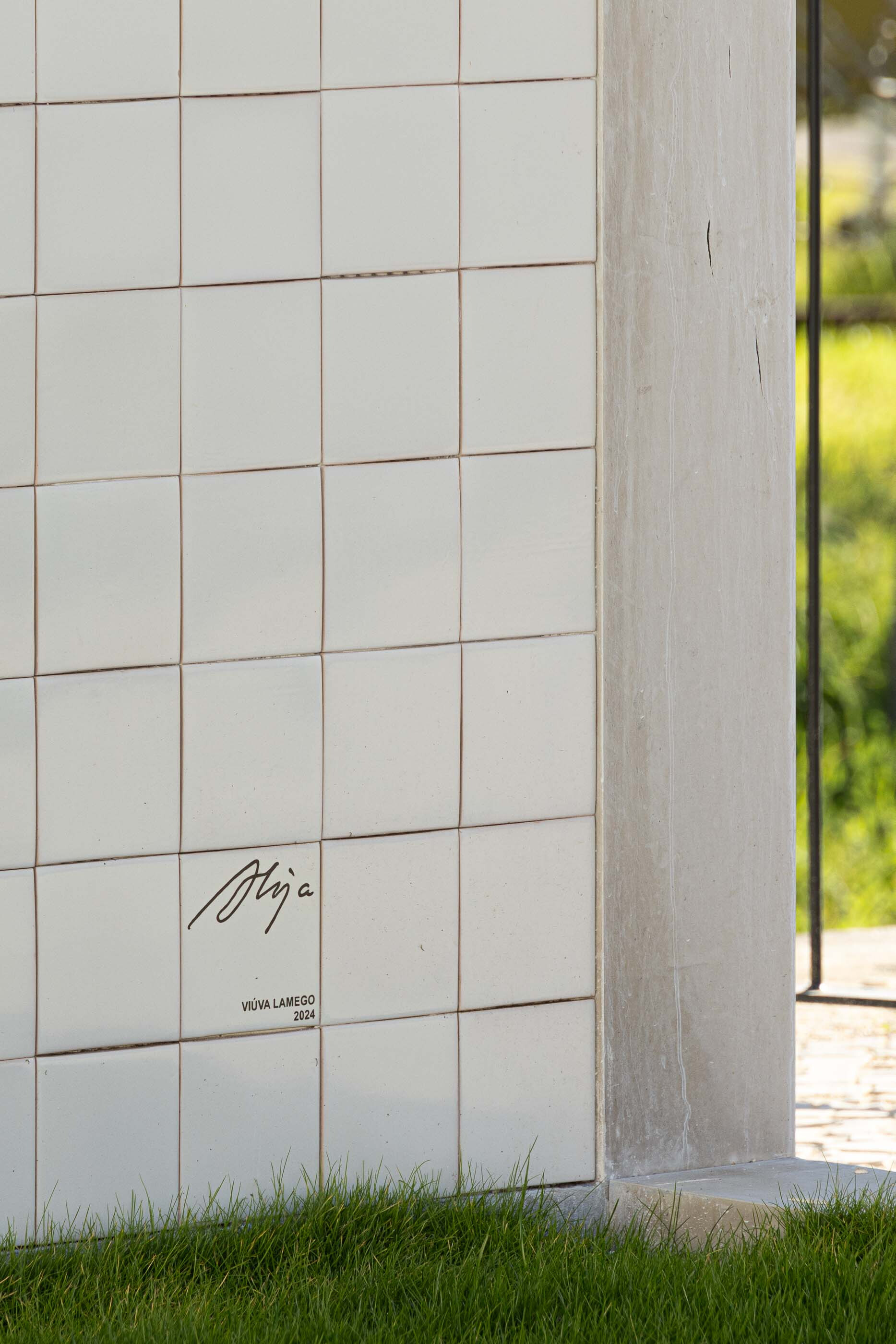
At the heart of the courtyard, a tile mural by Álvaro Siza narrates the history of Entroncamento and the Bairro do Boneco, underscoring the project’s dual role of preservation and renewal, a bridge between past and future. Similar questions resonate far beyond Portugal. In Taiwan, for example, former railway warehouses, sugar refineries, and military dependents’ villages stand as cultural artefacts of collective memory. The universal challenge is how to give such places new purpose so that they can grow with the city while carrying the stories of those who lived within them.
Principal Designers | André David
Participate | Daniel Duarte / Andreia Teixeira / Jessica Duarte / Agnieszka Izabela
Character of Space | Urban Regeneration
Gross Floor Area | 2,960.00 ㎡
Engineering | Gabicrel - José Monteiro
Location | Entroncamento, Portugal