USMT Bizot Sports Center
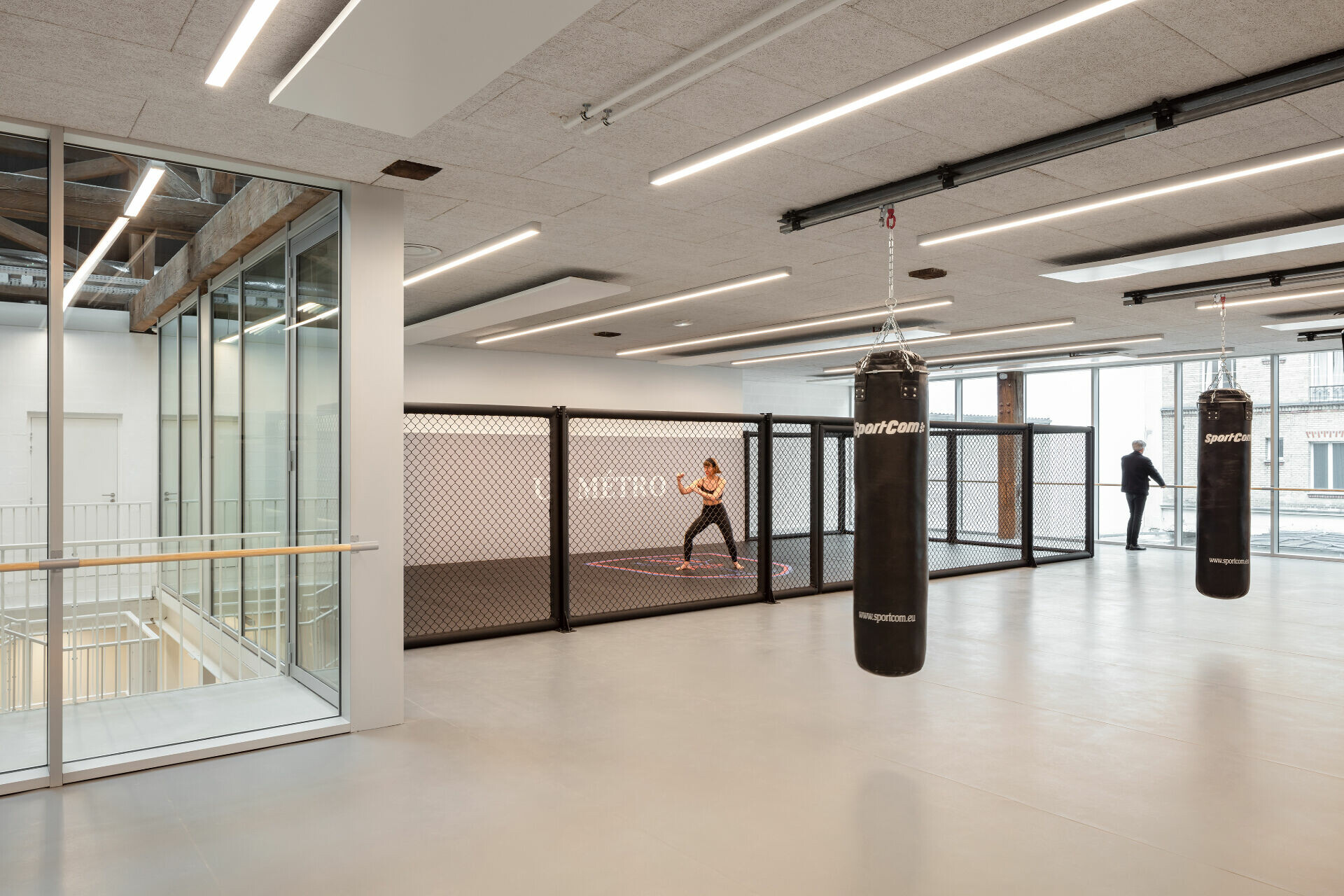
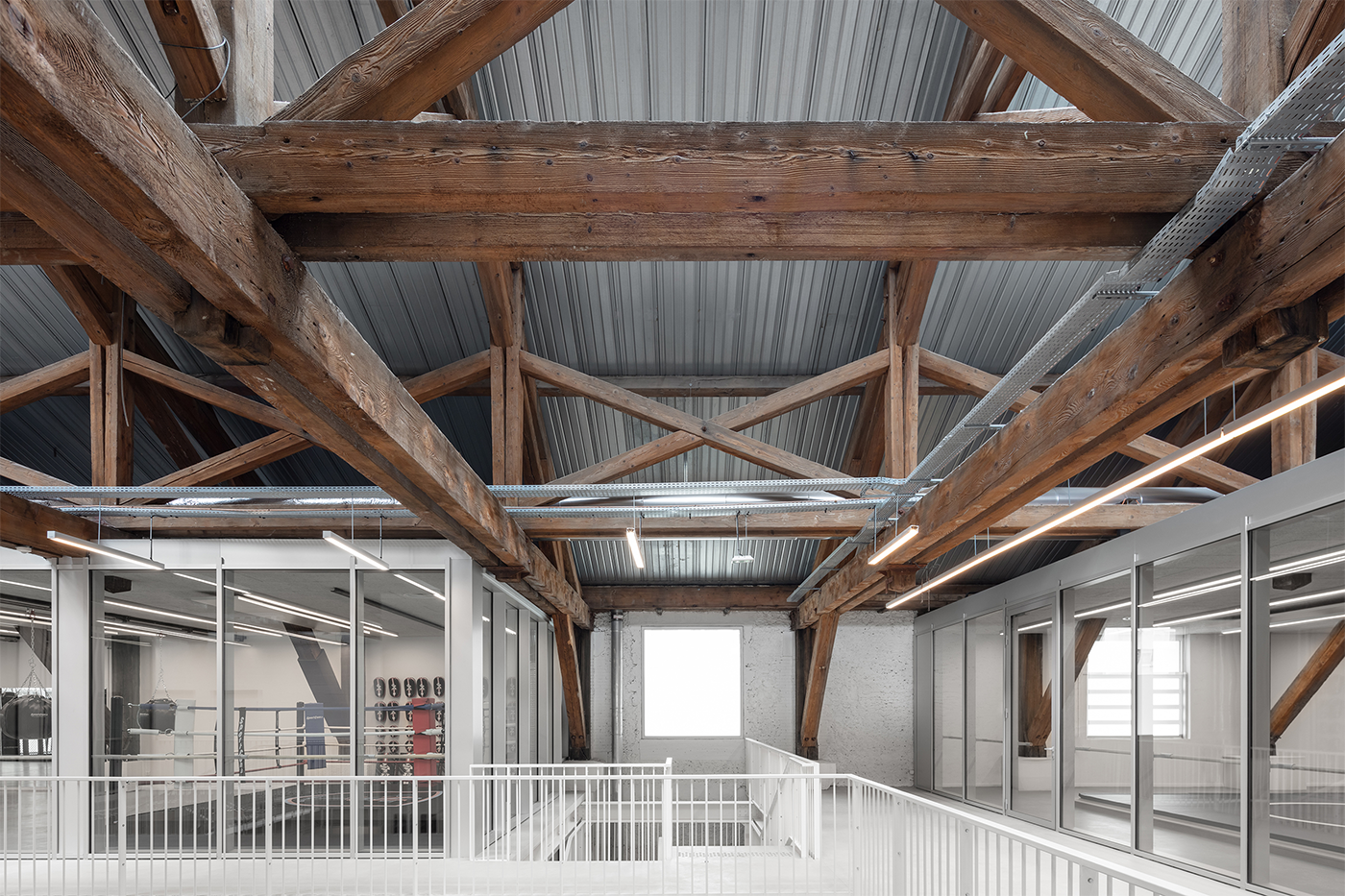
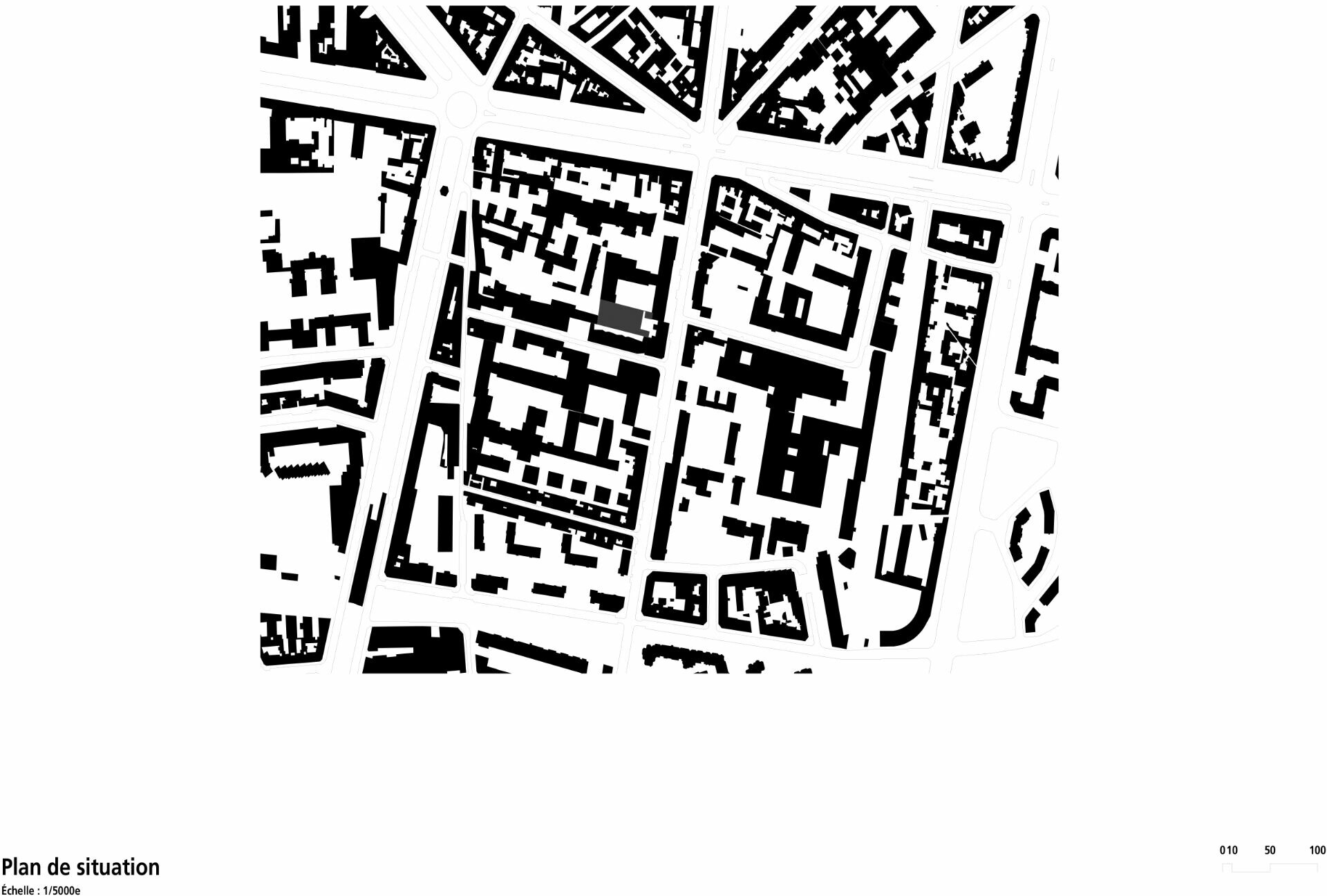
The US Métro Sports Center, boasting a modern architectural facade, is situated in the 12th arrondissement of Paris. Originally an RATP industrial warehouse hall, years of neglect had left its structure severely deteriorated. Characterized by a semi-detached configuration on three sides—with only one façade opening onto an internal courtyard—the building underwent a comprehensive refurbishment and extension, transforming it into a state‐of‐the‐art, multi-functional sports center that seamlessly integrates athletic, recreational, and social functions. This project, led by THINK TANK architecture, not only preserves the building’s expansive spatial qualities and its historic wooden roof structure but also incorporates cutting-edge innovative technologies and sustainable design principles, setting a benchmark for the integration of heritage and modernity.
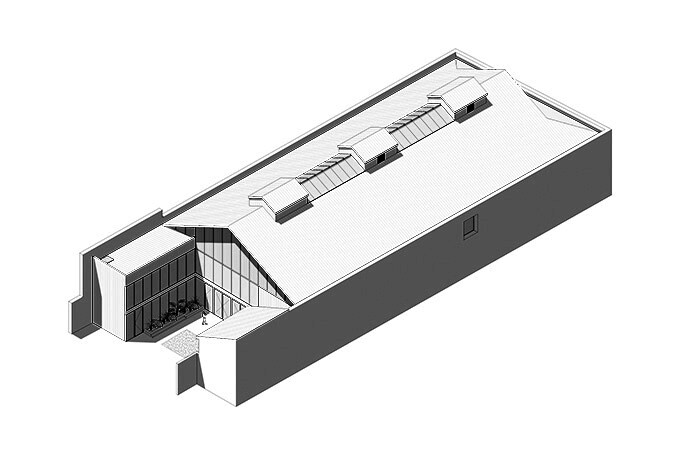
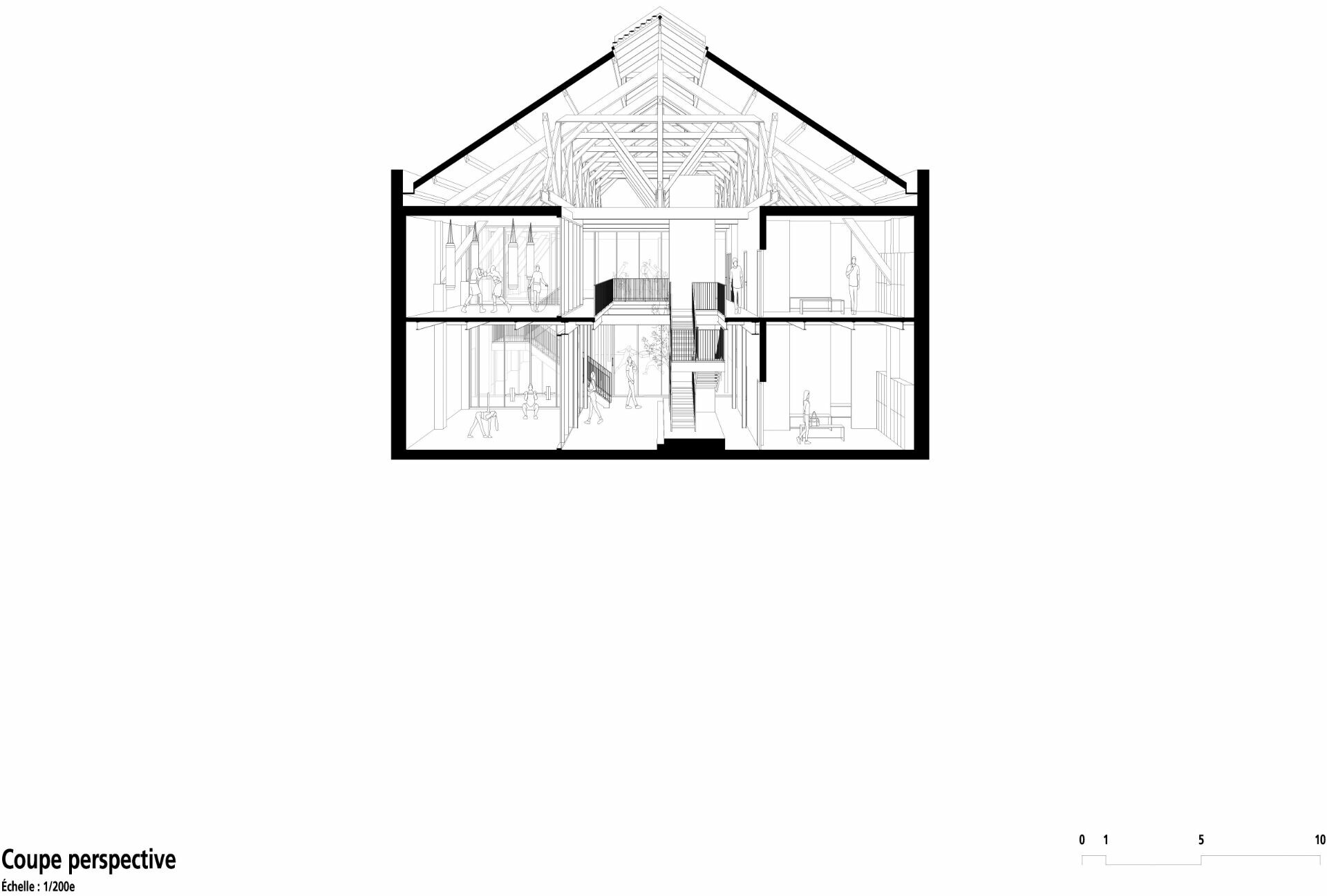
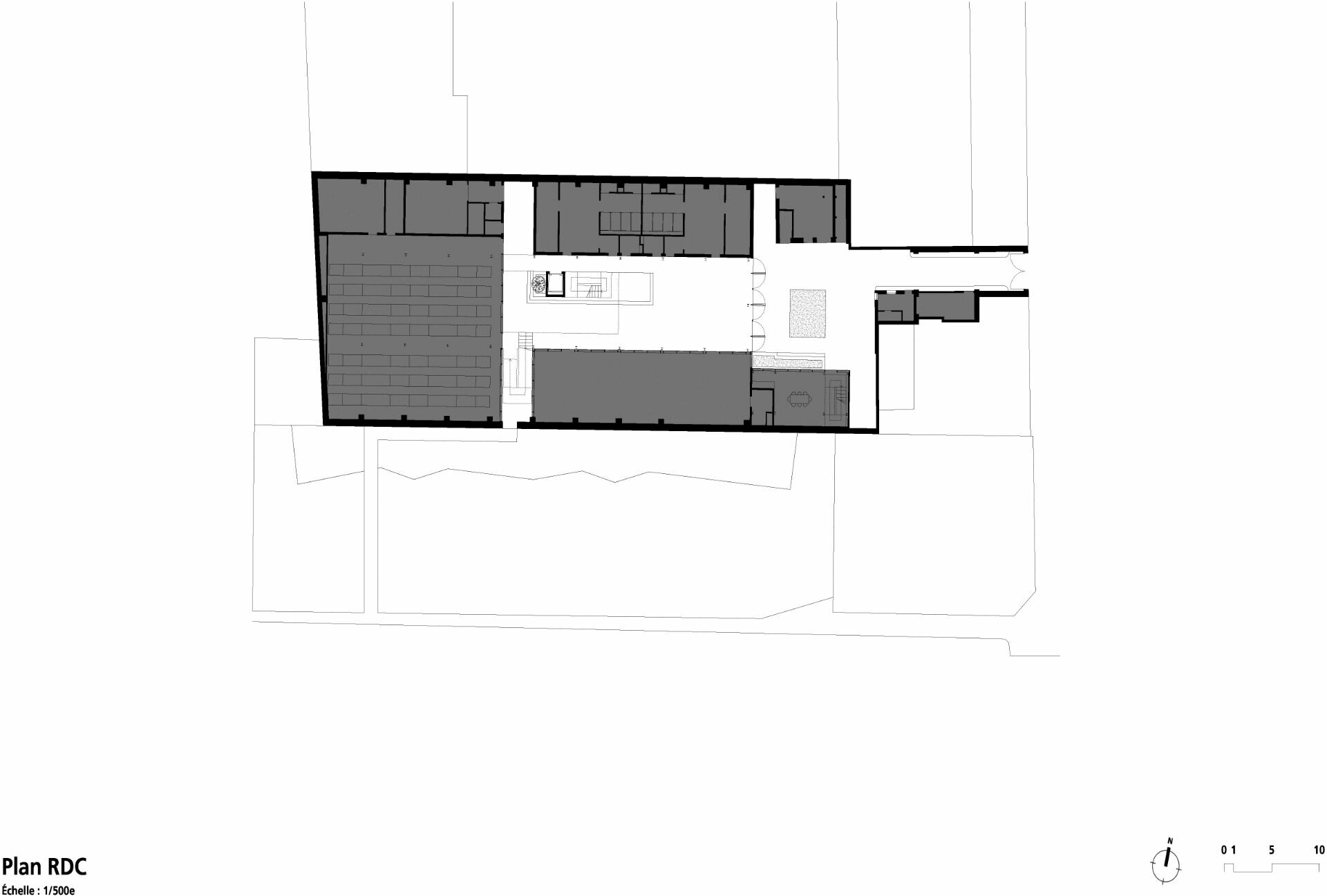
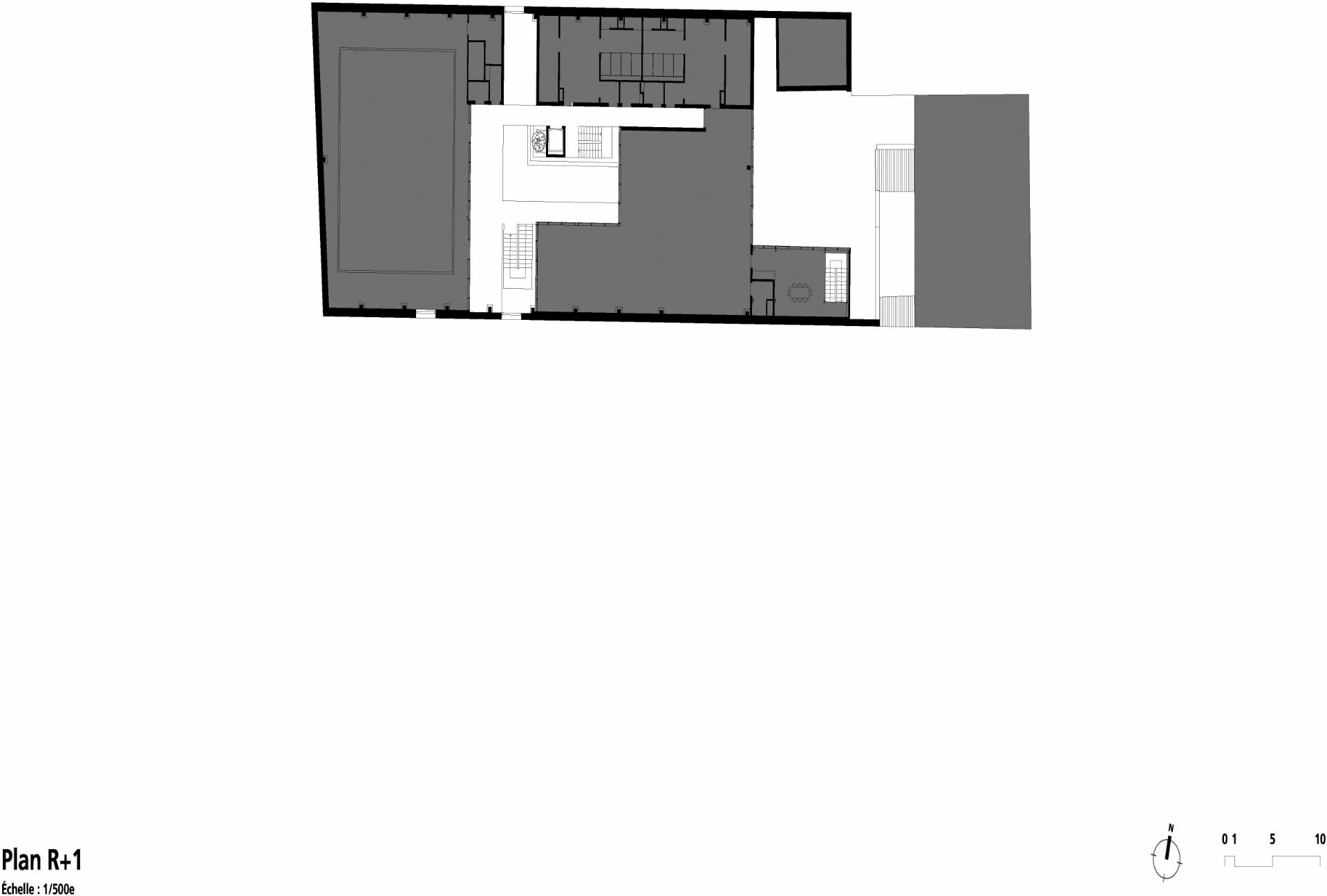
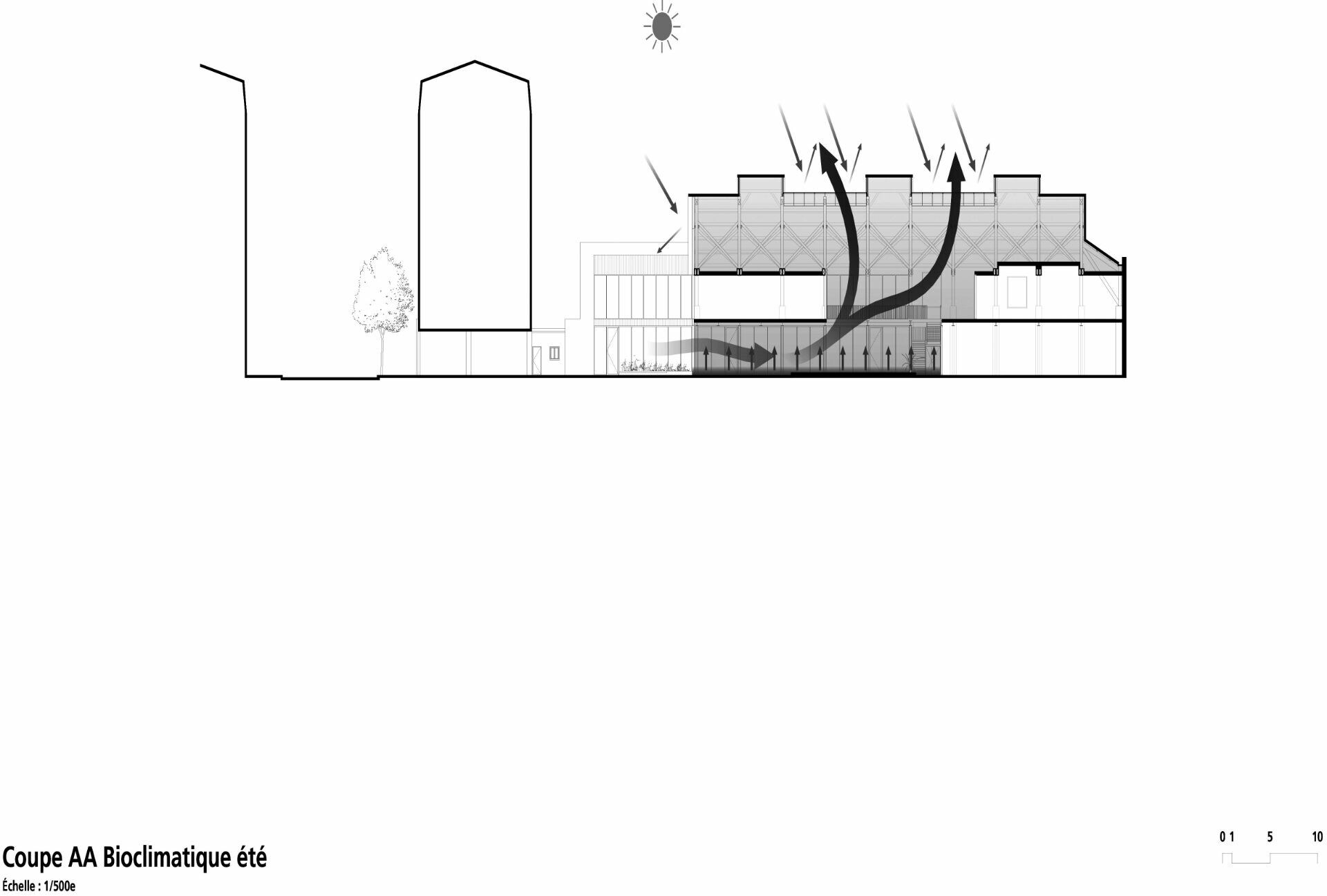
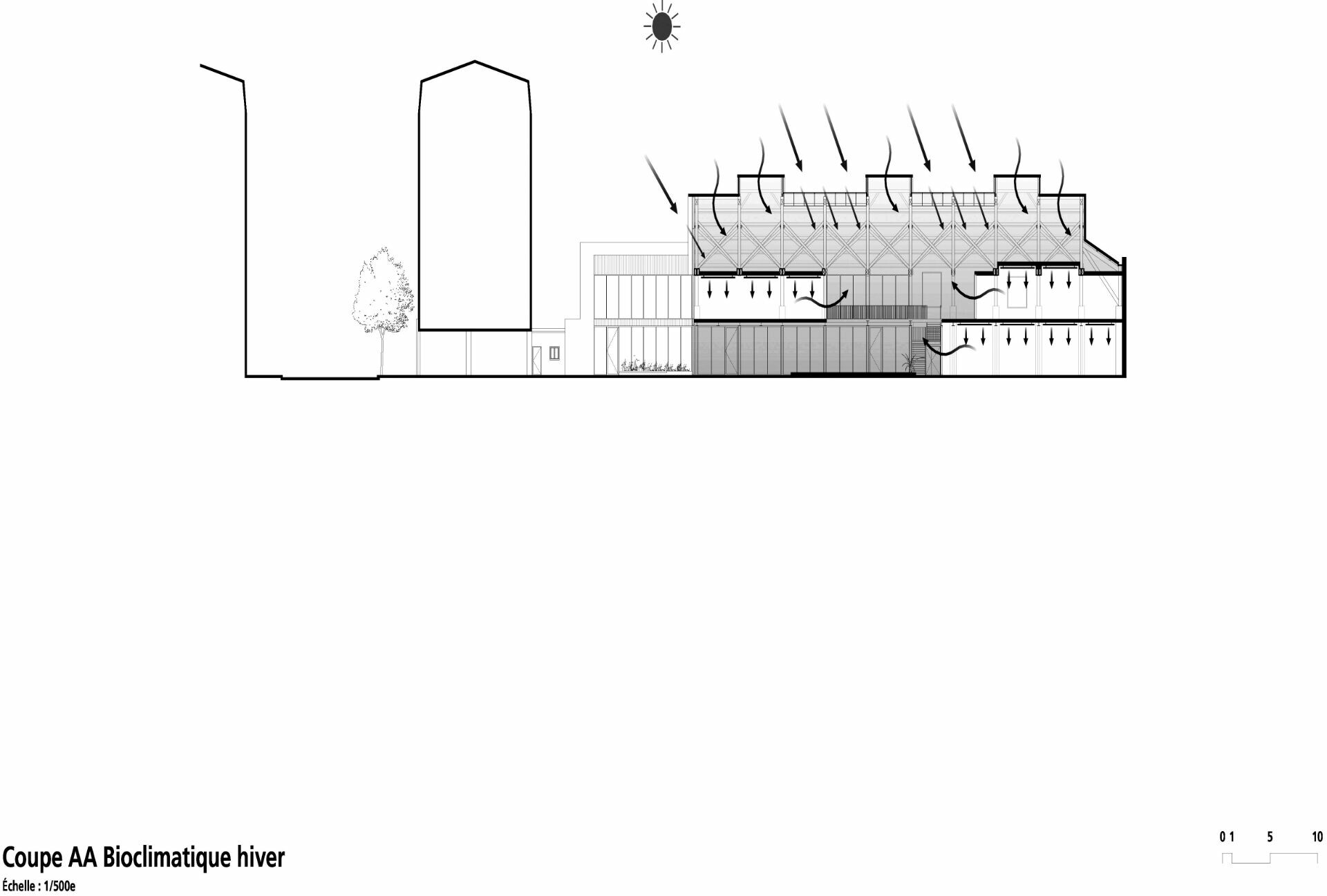
Constructed in the late 19th century originally as a stable for housing horses, the building later evolved into a storage space for heavy equipment maintenance associated with machinery and metal fabrication operations, before ultimately falling into disuse. These successive adaptations have imbued the structure with unique historical layers that have informed its adaptive reuse. During the renovation process, the design team faced multiple challenges—on-site tests revealed industrial contaminants such as lead, asbestos, and mercury. In response, extensive decontamination and asbestos removal measures were implemented. Additionally, the original structural load-bearing capacities were re-evaluated in light of updated standards, and both the floor slabs and associated support systems were reinforced to ensure overall stability and safety.
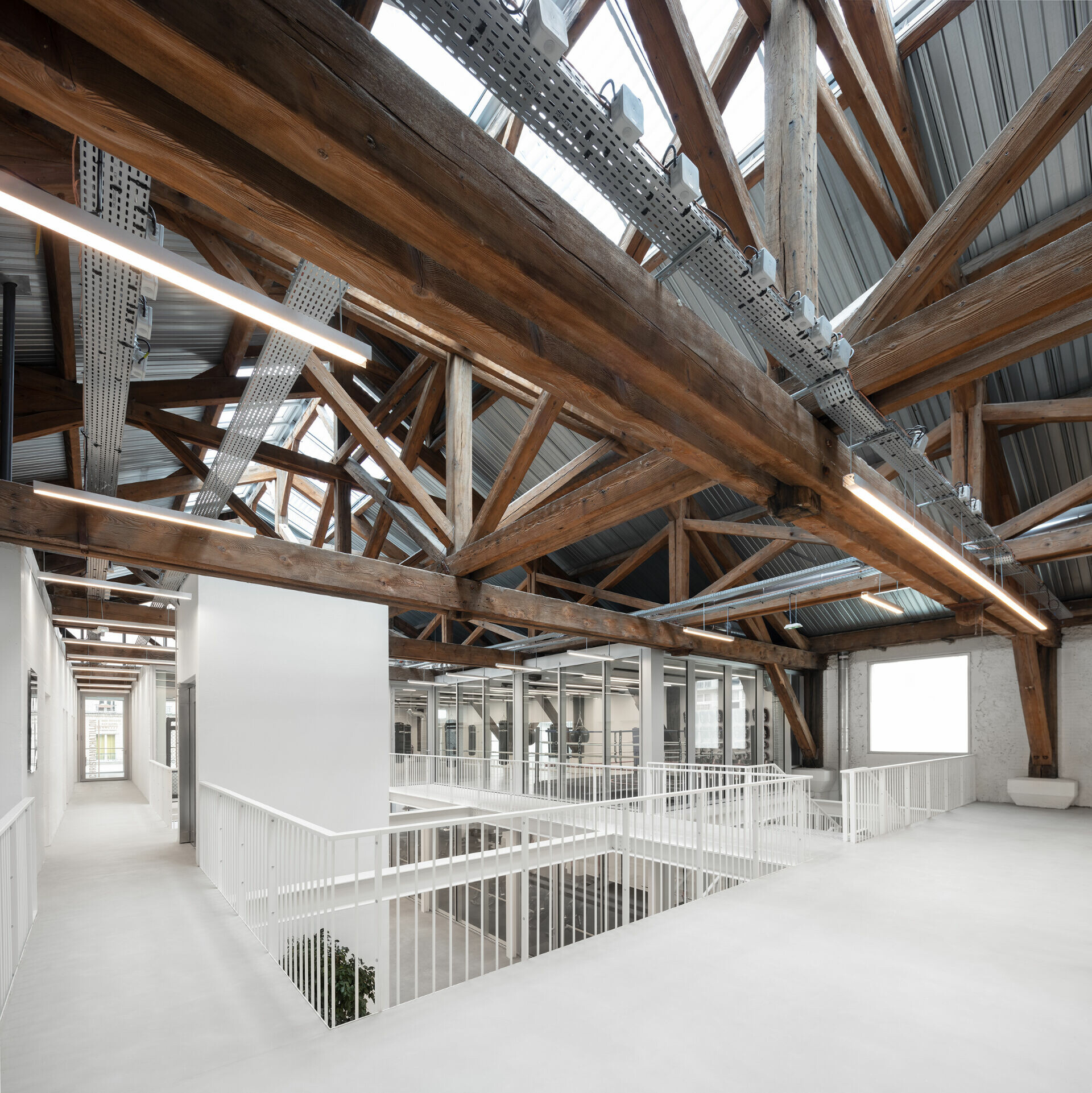
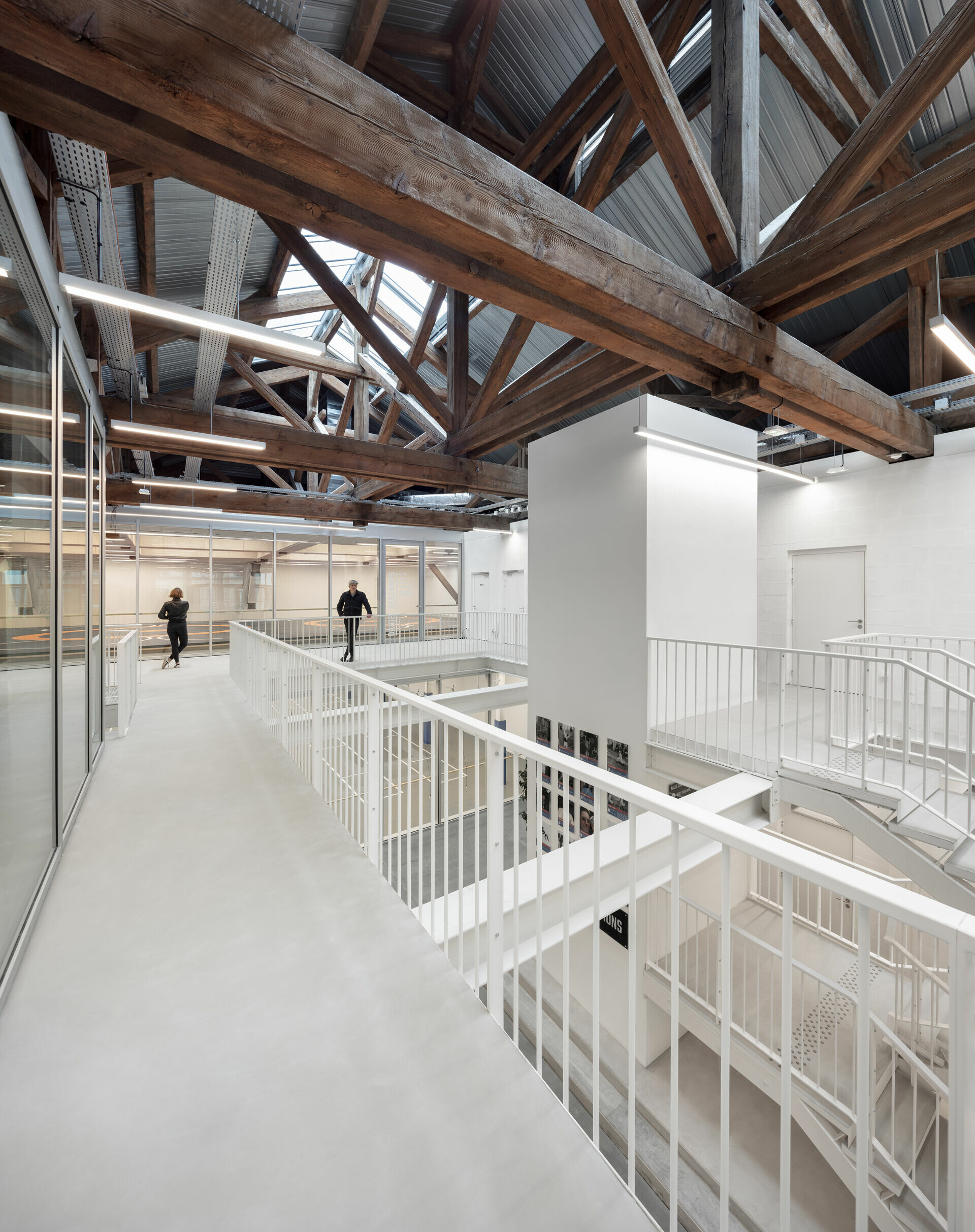
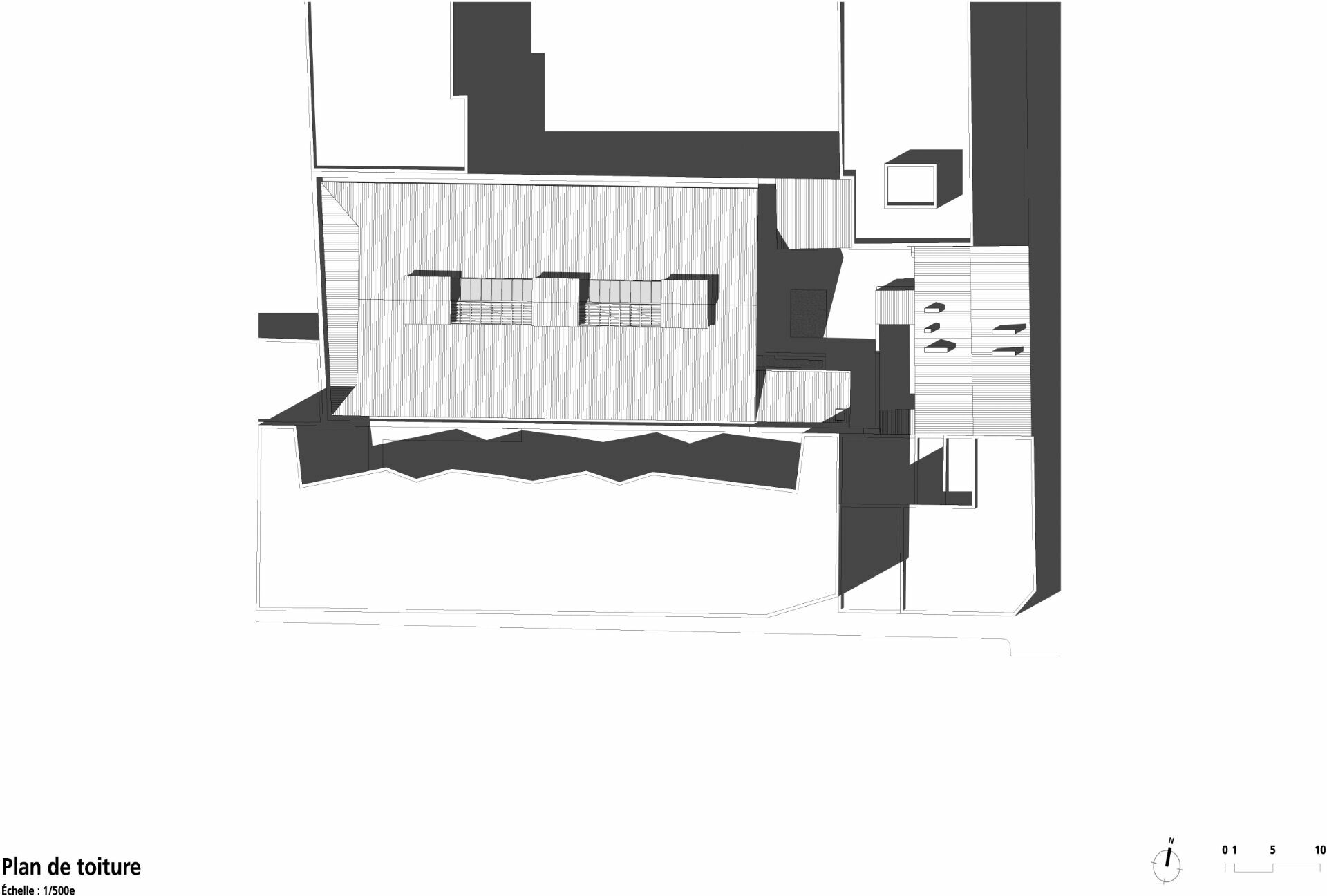
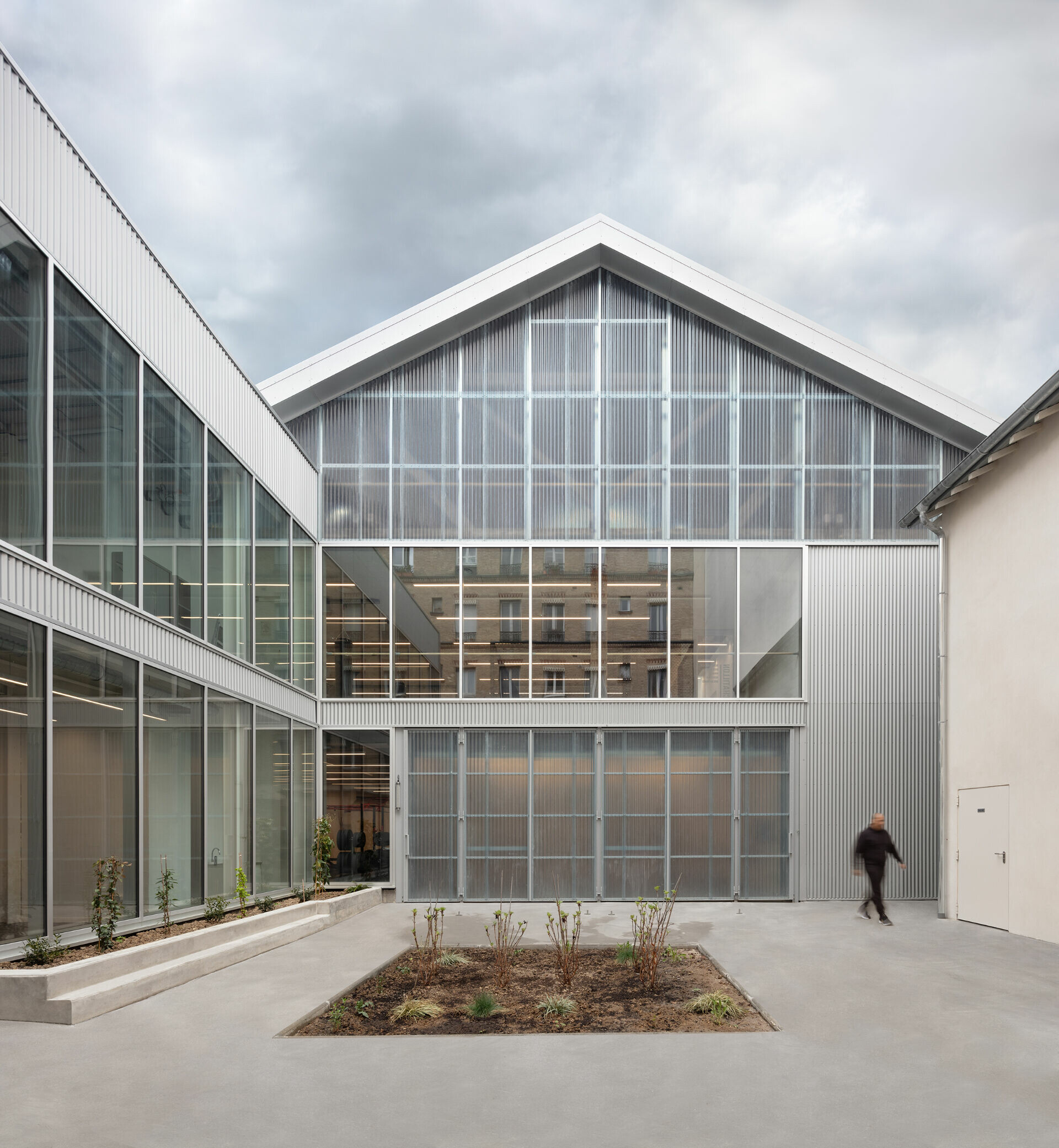
THINK TANK architecture reconfigured the original 1,980-square-meter space by removing outdated elements and introducing approximately 960 square meters of new sports-functional area. The exterior façade, while retaining its original industrial character, was revitalized with durable, low-maintenance materials such as grey corrugated metal cladding and translucent polycarbonate panels. These materials not only embody contemporary industrial aesthetics but also effectively reflect solar radiation, thereby mitigating the urban heat island effect. The installation of two skylights further channels natural light into the building’s core, filling both the sports center and the central courtyard with bright, invigorating illumination. The strategic use of vegetation—through the irrigation of plants and trees—enhances thermal regulation via evaporative cooling and improves air quality through photosynthesis.
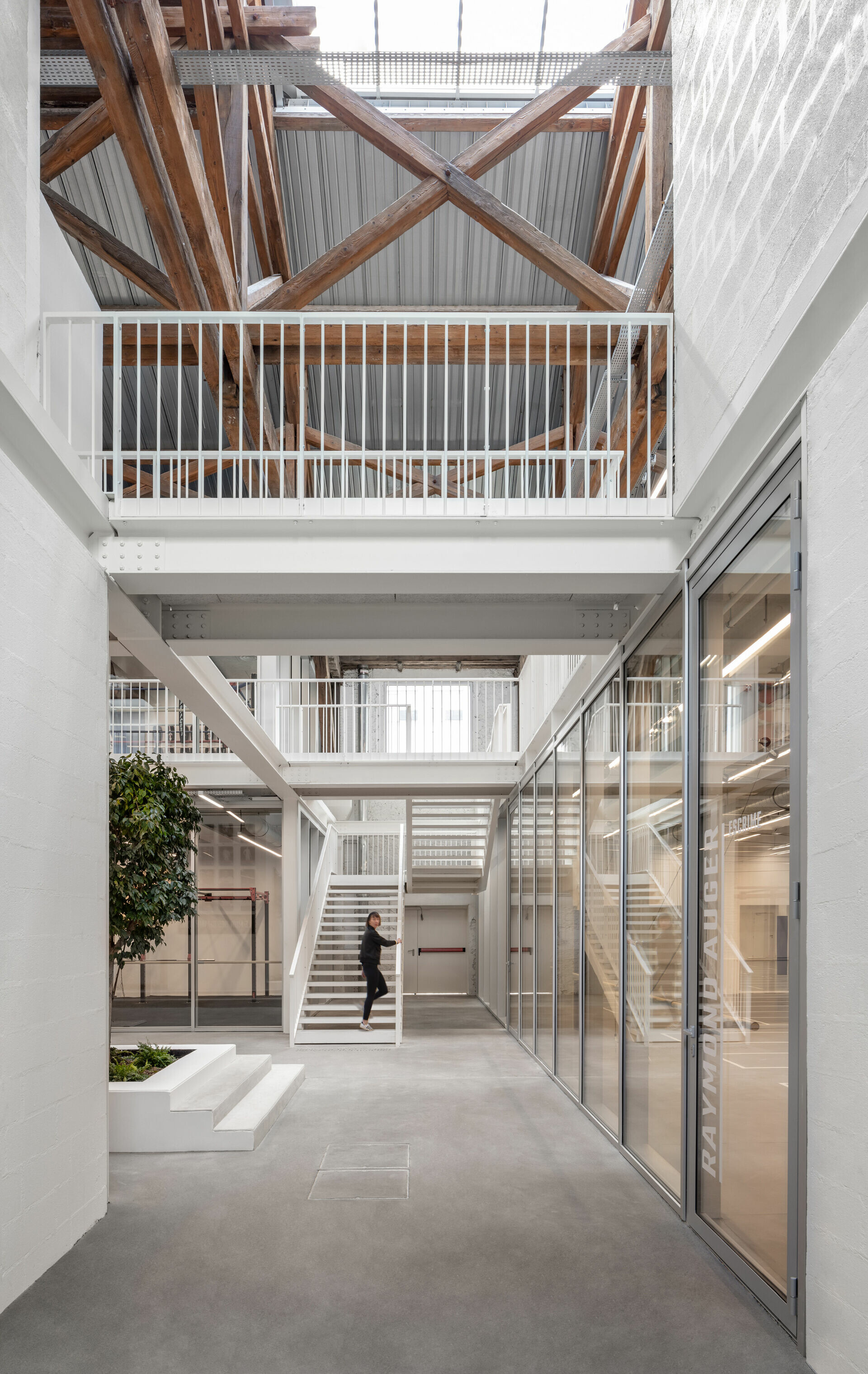
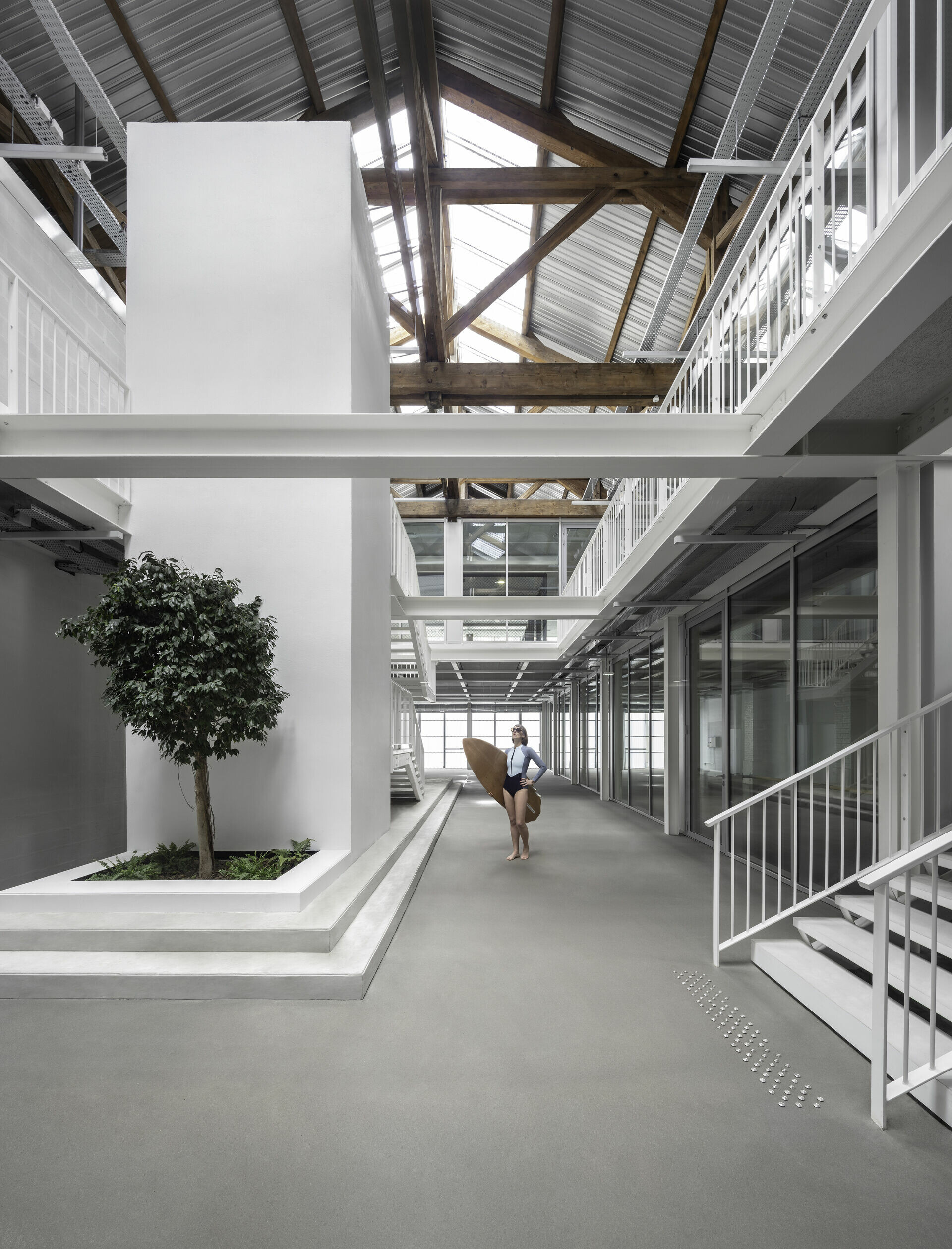
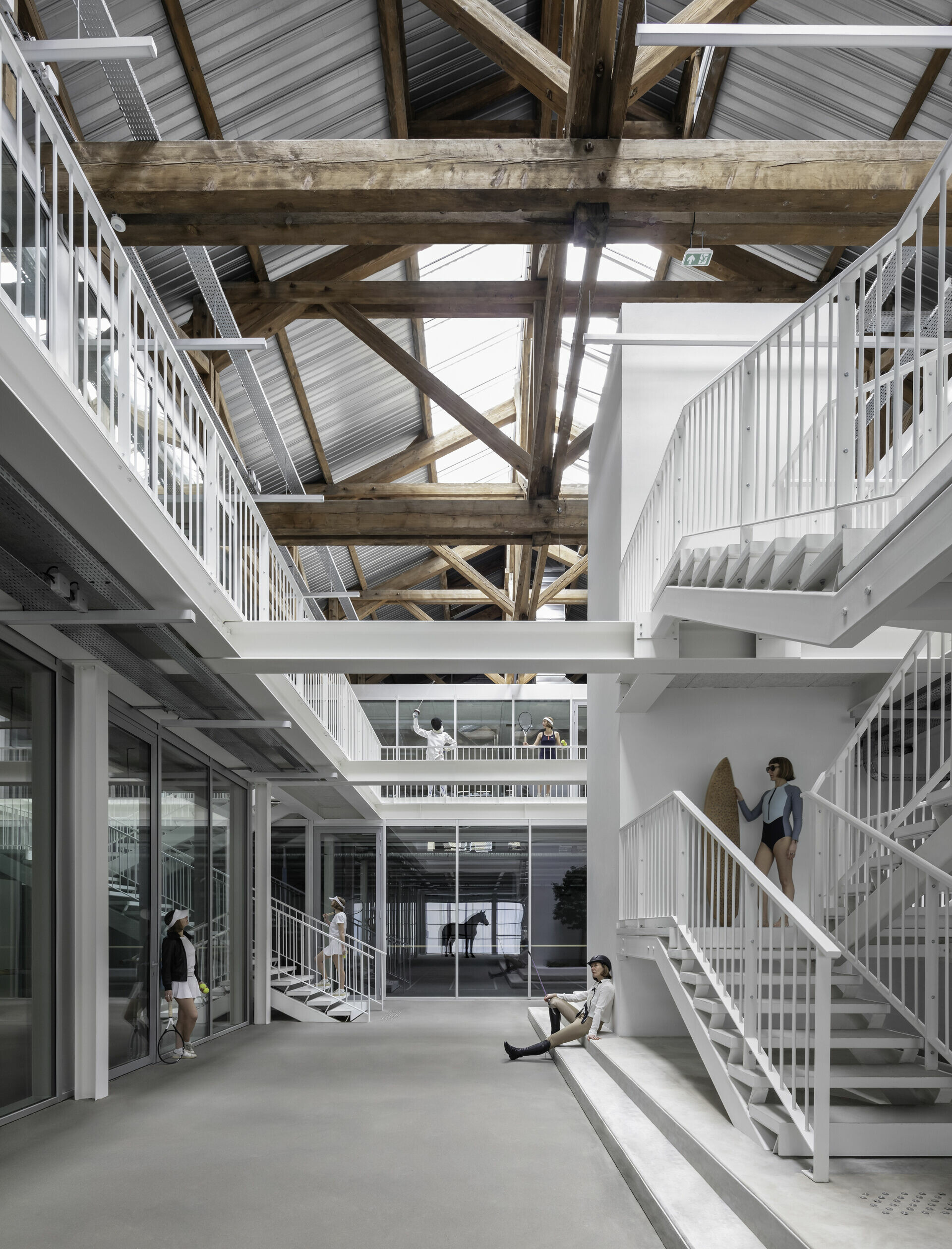
The refurbishment was executed with a strong focus on the comfort and convenience of both the users and the surrounding community. The central courtyard has been meticulously designed to function as a waiting, recreational, and reception area. Floor finishes were carefully selected to suit the specific functions of each area: exterior and interior courtyards are paved with asphalt, integrated with a rainwater harvesting system that connects to the courtyard, while upper-level corridors feature waxed concrete and sports zones are equipped with flexible athletic flooring. Moreover, ceilings have been fully fitted with wood fiber acoustic panels to ensure that the sports activities do not cause noise disturbances to neighboring residences. The use of a curtain wall system further demarcates the boundary between the sports center and the courtyard, creating a seamless visual continuity that transforms the previously dark and enclosed space into one of brightness and dynamic openness.
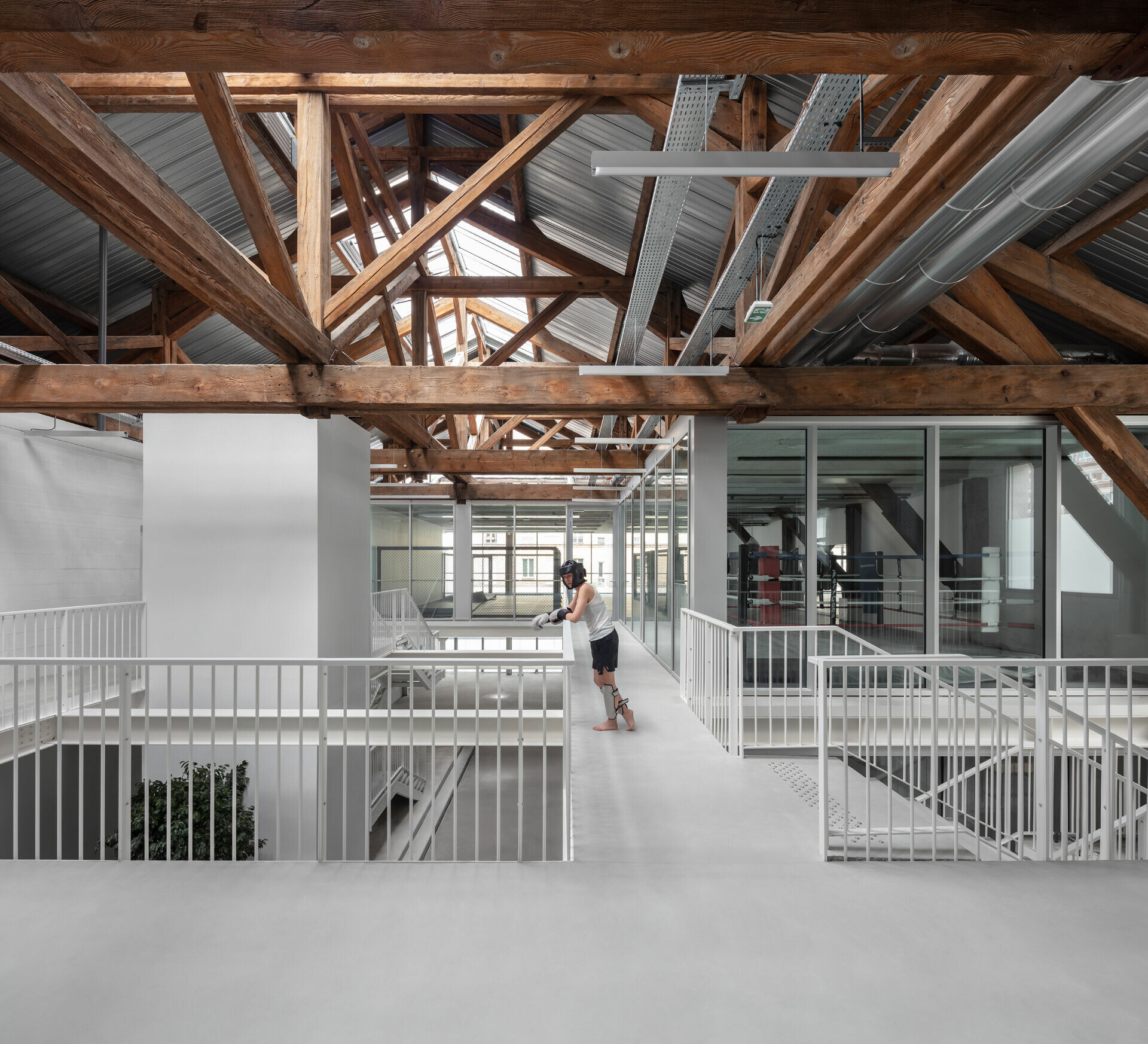
Led by THINK TANK architecture in collaboration with multiple specialized consultants and technical teams, this project not only exemplifies the successful preservation and modernization of a historic building but also reflects a comprehensive commitment to environmental sustainability, energy efficiency, and superior user experience. The US Métro Sports Center has emerged as a vibrant new landmark for sports and social interaction in Paris, offering invaluable insights and inspiration for future adaptive reuse projects.
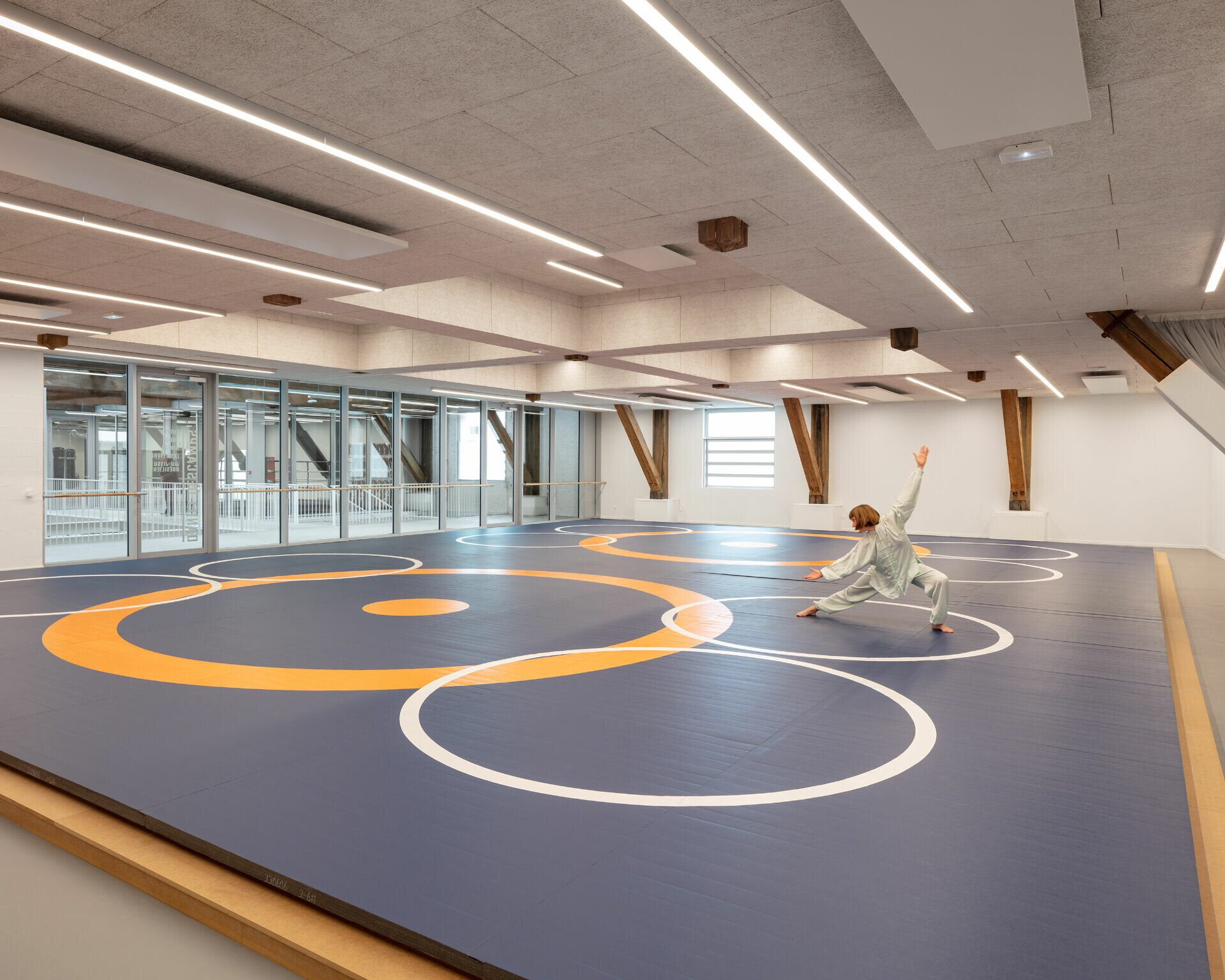
Principal Designer(s) | Marine DE LA GUERRANDE / Adrien PINEAU Character of Space | Refurbishment of a 19th century warehouse, transformed in a sports center + extension located in the heart of Paris.
Gross Floor Area | 2120㎡
Building Area | 1980 ㎡
Site Area | 1926 ㎡
Engineering | BETEM ingénierie + Atelier Franck BOUTTE + AVA
Materials | Steel Structure, Cladding and Façades, Wooden Carpentry, Glass Walls
Location | Paris 12ème, France