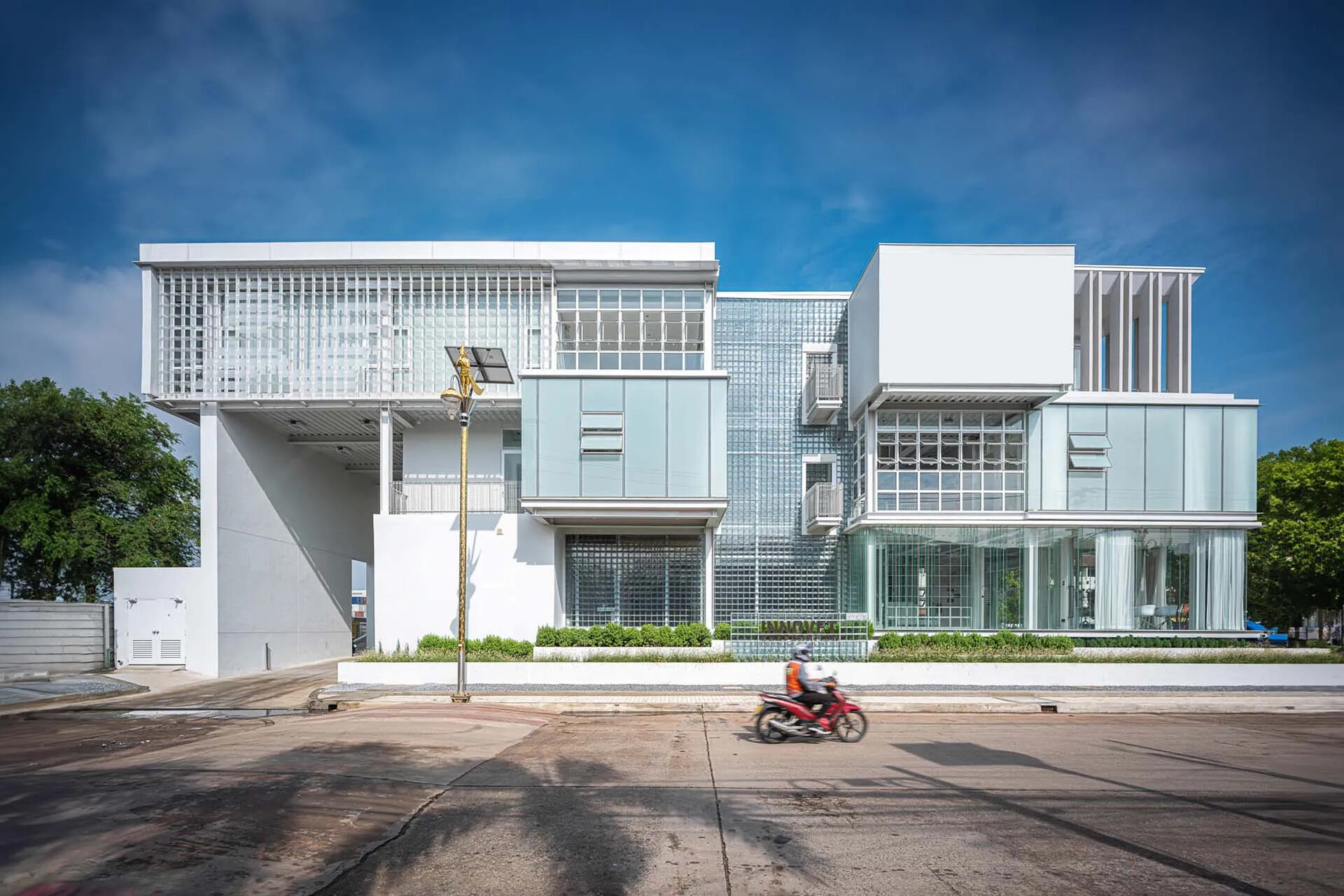
Where's House Warehouse
In the realm of architecture, the Where's House Warehouse emerges as a versatile space that transcends the conventional boundaries of living, working, storage, and communal interaction. The design prioritizes the quality of life for the building's users, serving as the central hub for a company specializing in importing vaccine and nutritional supplement distribution for the agricultural sector in Thailand. With the existing main office in operation, the need arose to expand storage space into a new office-warehouse hybrid located at the entrance of a residential area.
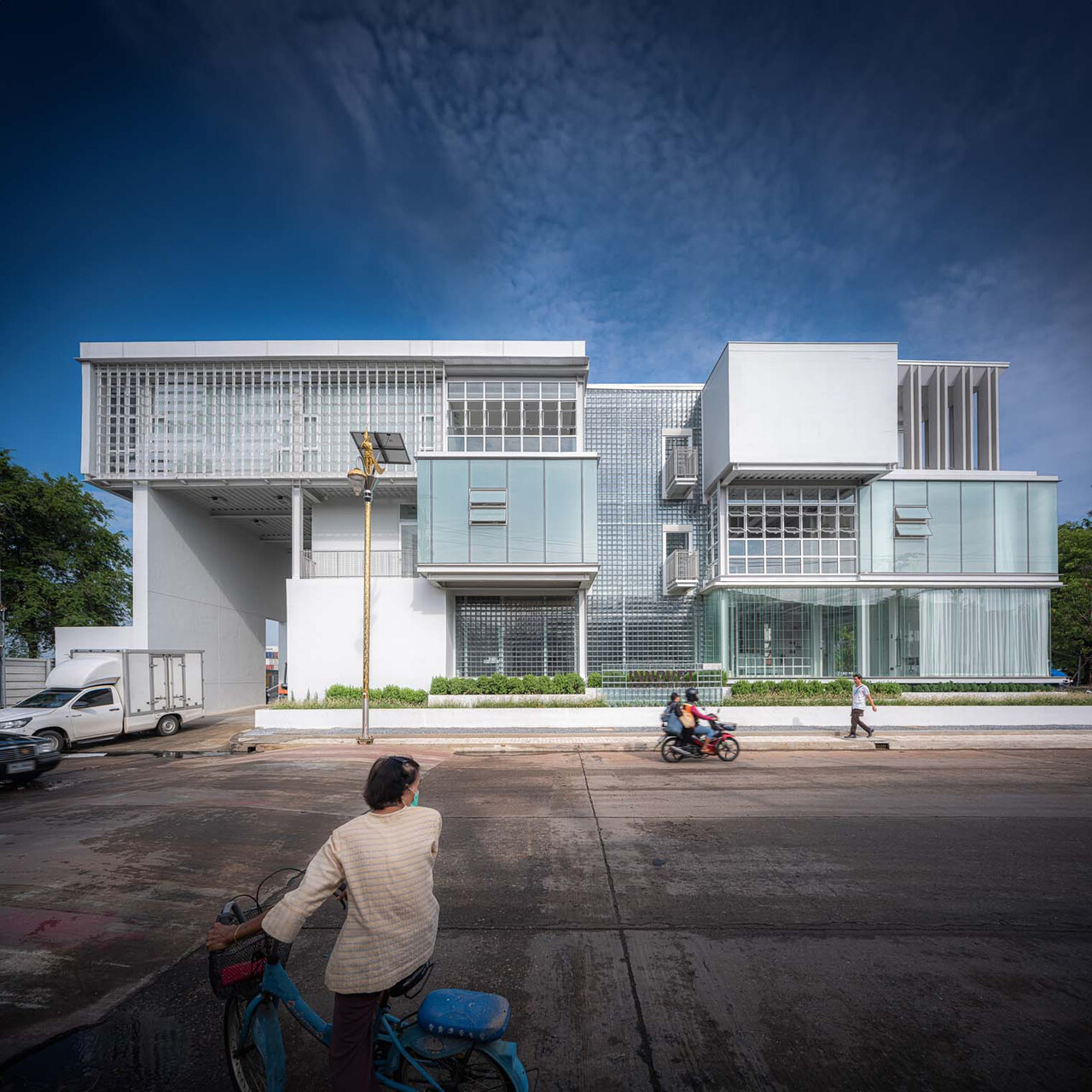
The concept behind Where's House Warehouse is rooted in the notion of "Blurring the Boundaries Architecture." This innovative architectural approach aims to challenge and dissolve traditional demarcations between different spatial functions, notably between home, office, and context. Where's House Warehouse seeks to redefine the conventional perception of spaces by seamlessly integrating various functionalities within a singular structure.
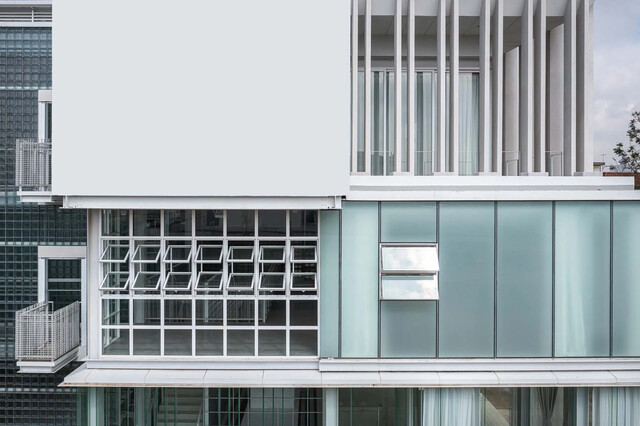
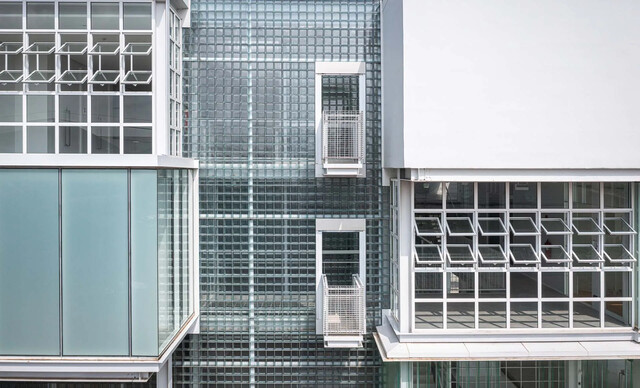
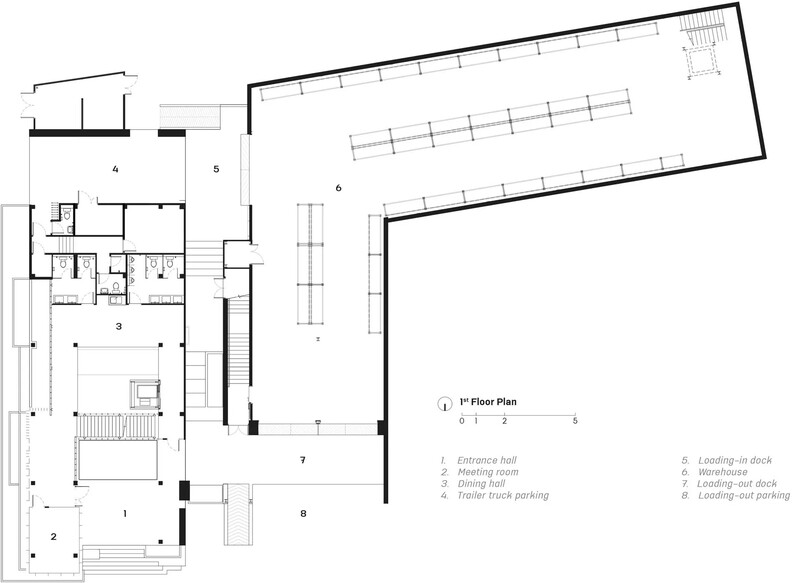
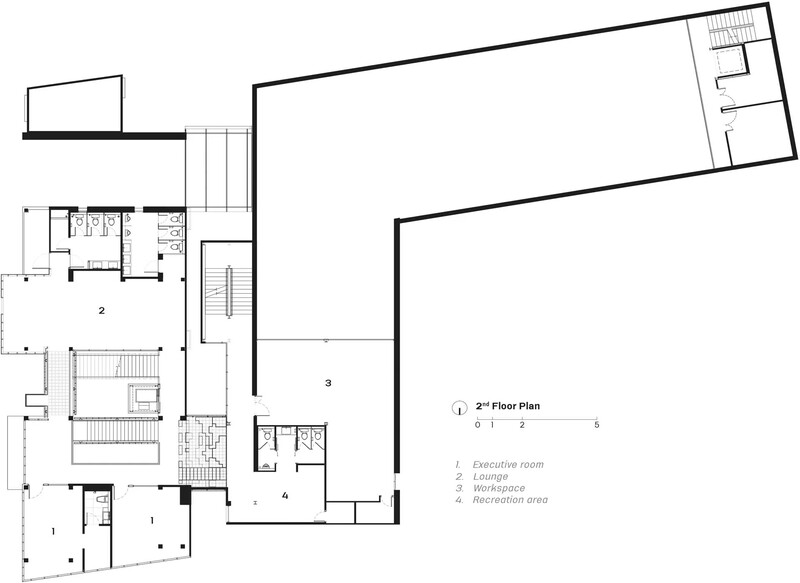
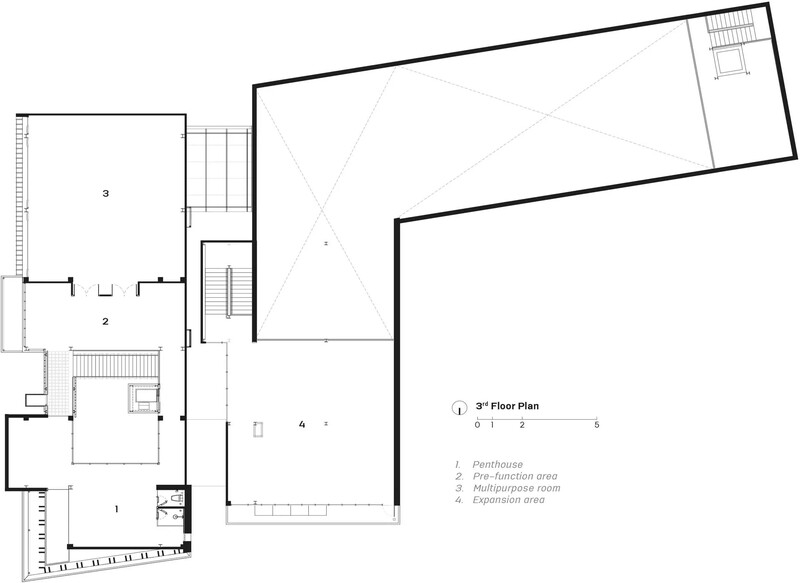
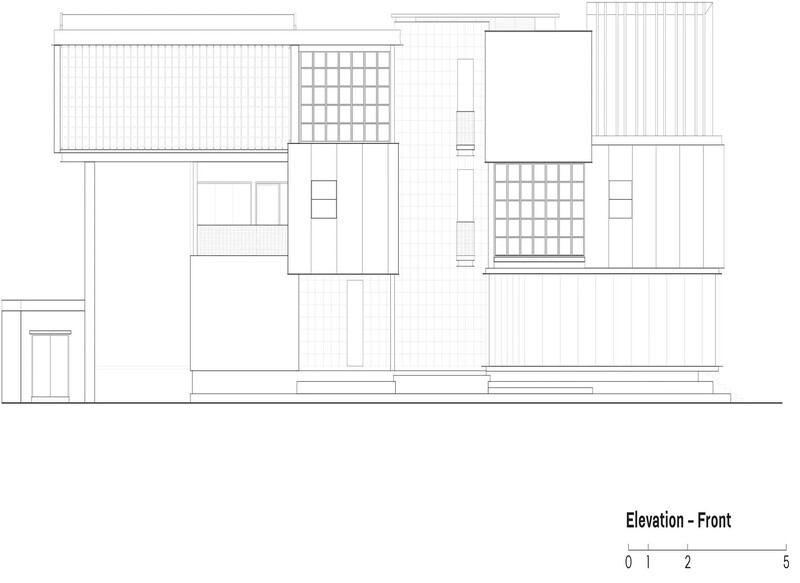
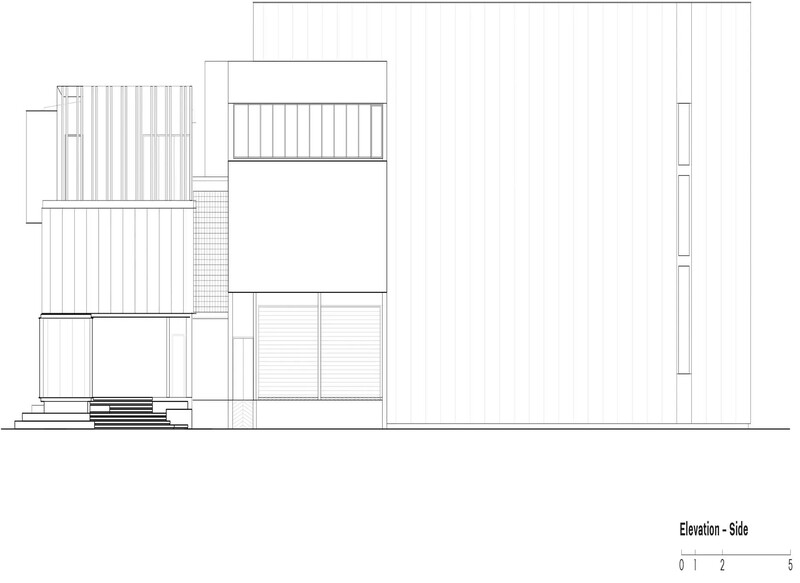
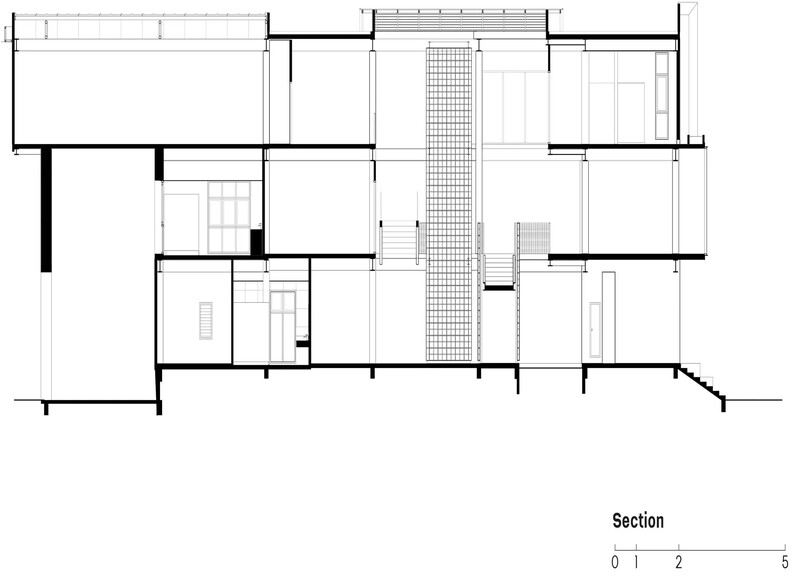
The architectural concept focuses on breaking down physical barriers, fostering fluidity, and encouraging interaction among the different zones within the building. By doing so, it establishes a dynamic environment that promotes adaptability and versatility while promoting a sense of interconnectedness.
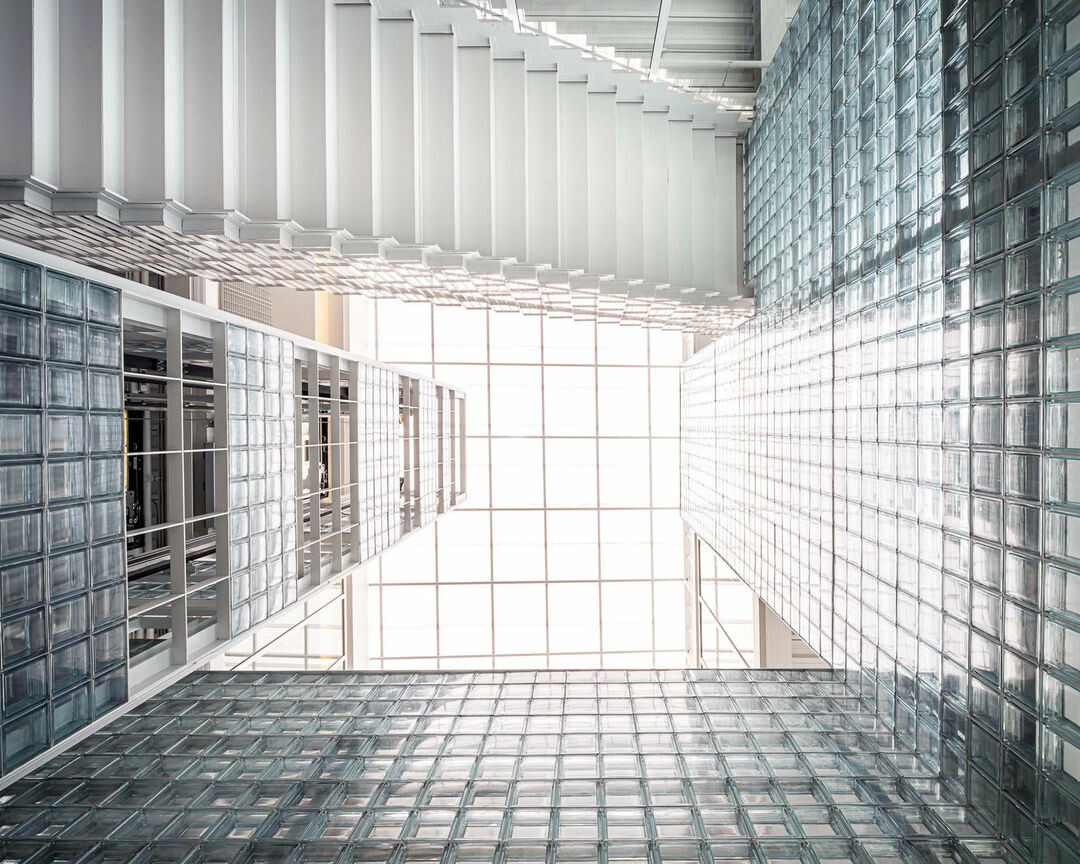
This approach is realized through strategic design elements such as open-plan layouts, viewed as an 'air- drying office,' aiming to maximise natural light and efficient air circulation throughout public areas such as central spaces and hallways. The building's form avoids being entirely enclosed, eliminating the need for air conditioning in every space, while promoting a sustainable and pleasant environment.
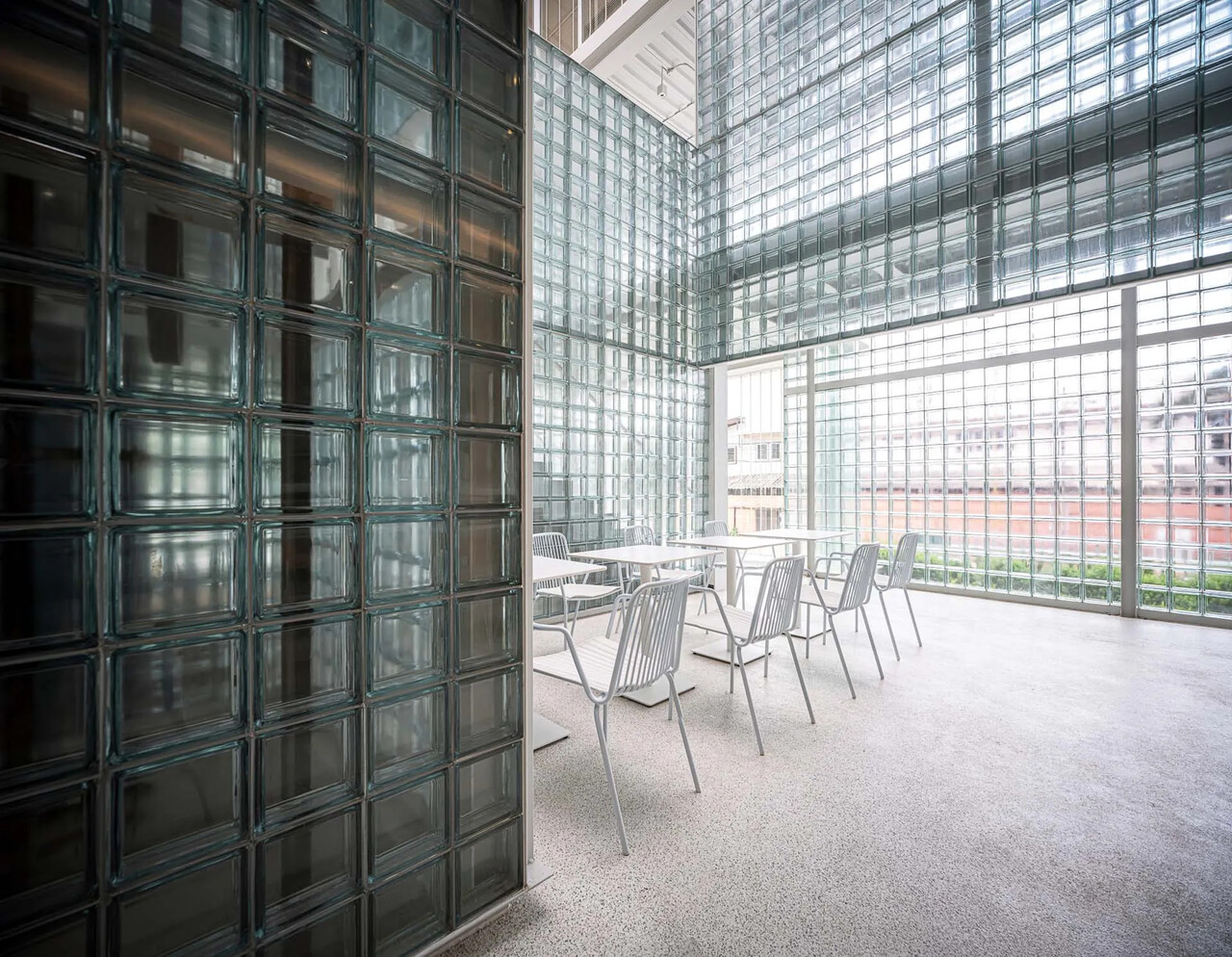
The interior atmosphere features a triple-volume court, housing lift lobby, staircases, walkways, and employee relaxation areas, is designed as a semi-outdoor space. This semi-outdoor space, characterized by clear delineation without enclosing rooms, is the centre of the design. The use of glass blocks as the primary material enhances the overall aesthetic.
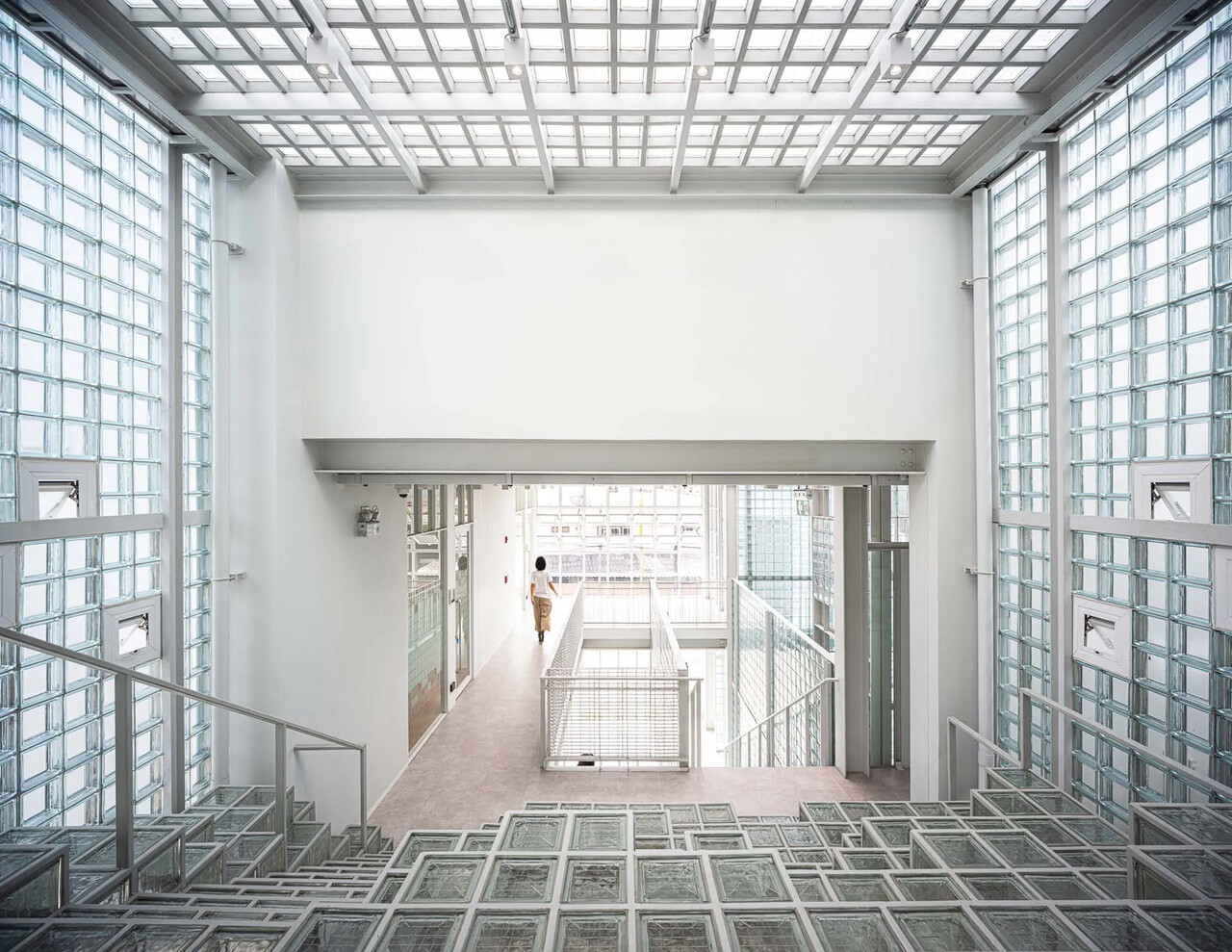
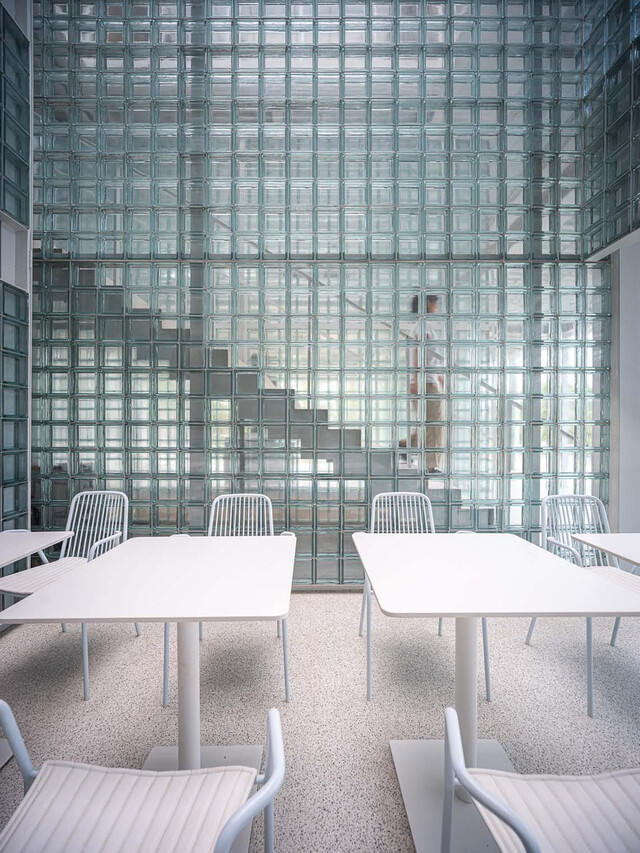
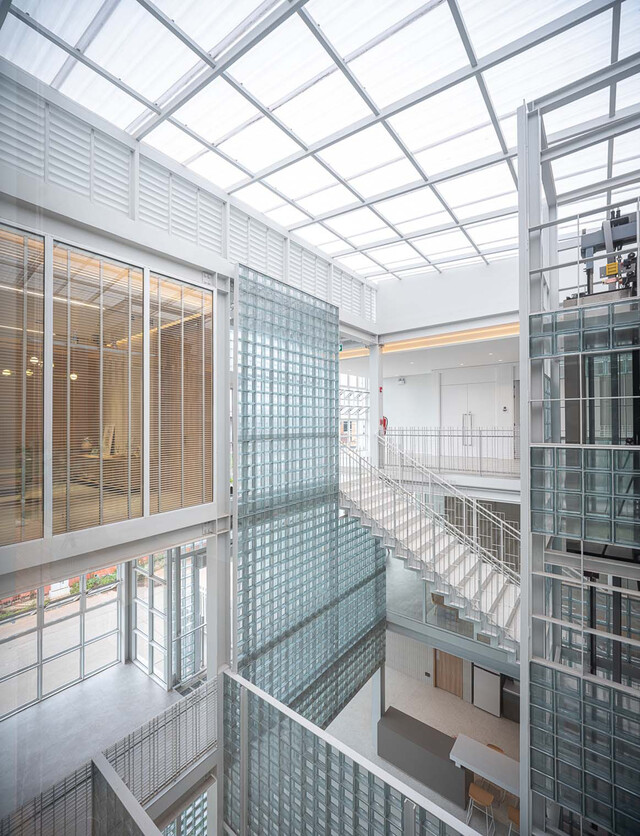
This approach is realized through strategic design elements such as open-plan layouts, viewed as an 'air-drying office,' aiming to maximise natural light and efficient air circula throughout public areas such as central spaces and hallways. The building's form avoids being en8rely enclosed, elimina the need for air condi8oning in every space, while promo8ng a sustainable and pleasant environment.
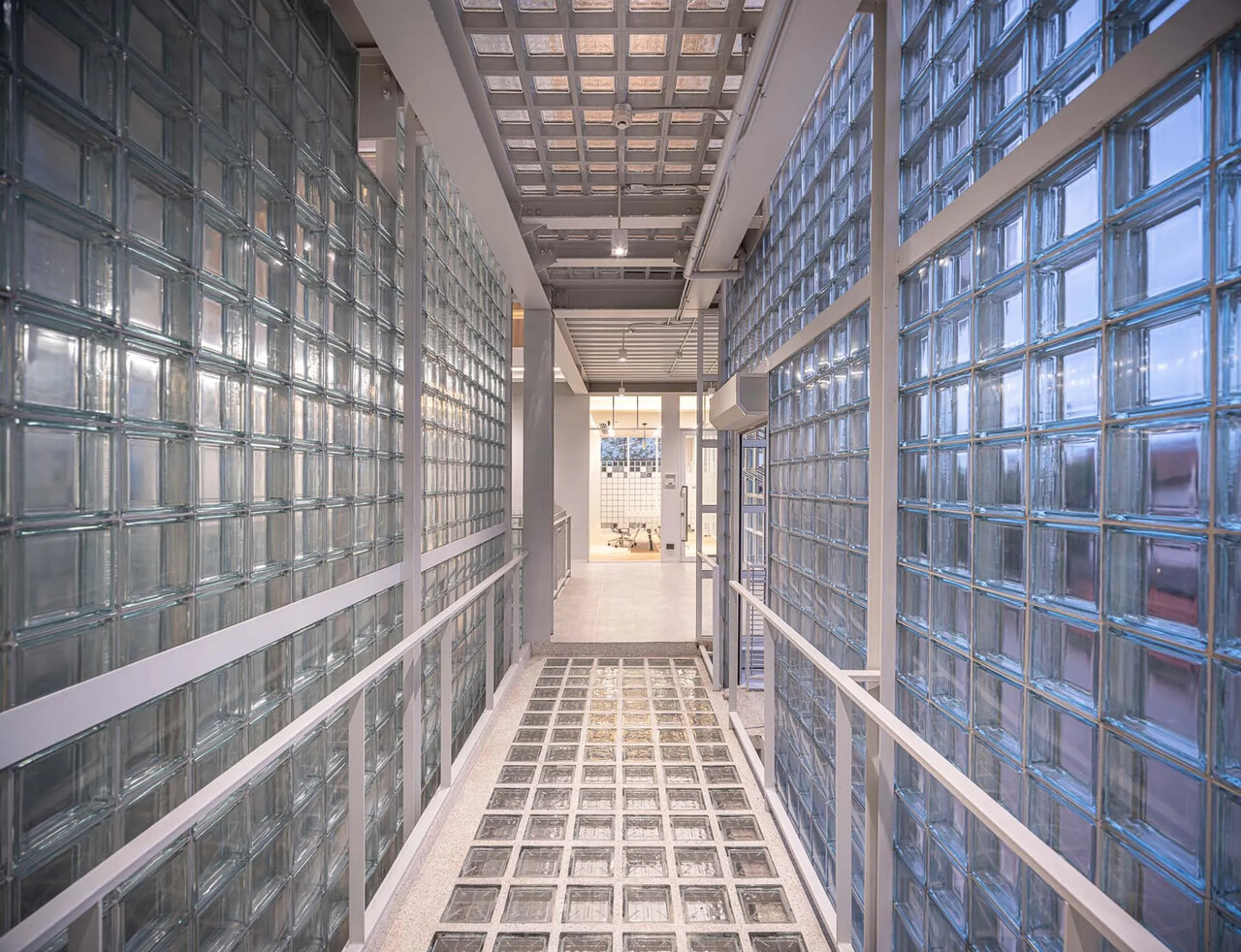
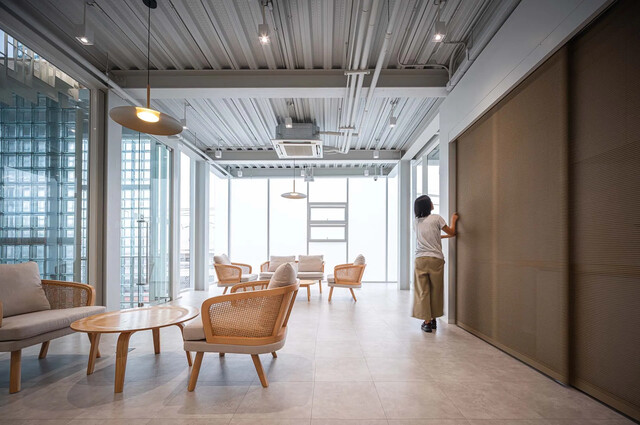
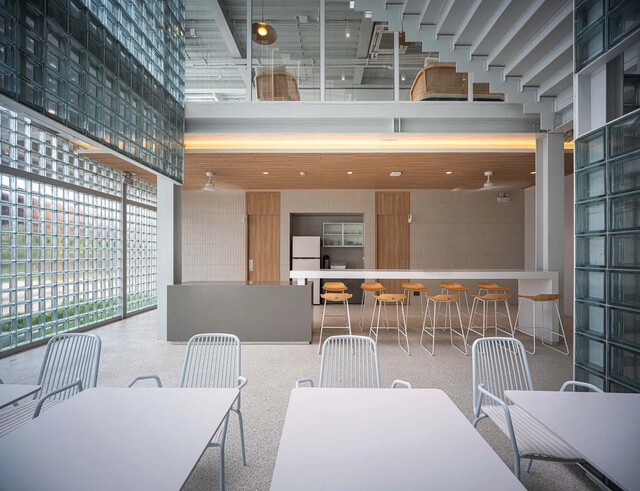
Dealing with spatial elements involves the application standards of solid and void, arranging and controlling the interaction between them while meeting the need for connection with the surrounding environment. This creates a unique challenge in handling spatial elements.
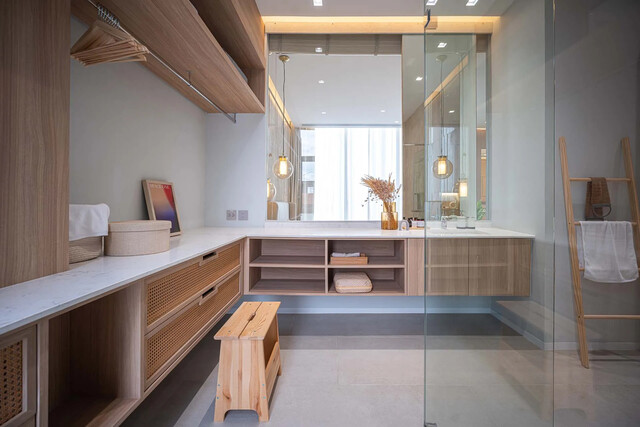
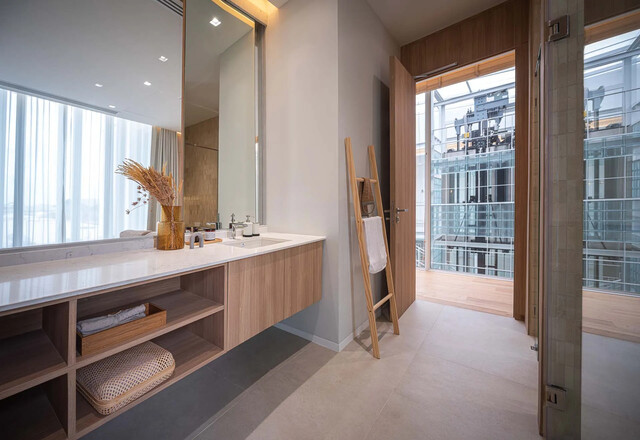
This concept embodies a philosophy that goes beyond aesthetic design, aiming to create a space that encourages collaboration, communication, and a sense of community. Glass blocks are strategically used to integrate office and living spaces, providing a blurred boundary between interior and exterior spaces. This fusion is evident in both perspective and functionality, giving rise to the name 'Where's House Warehouse'—a warehouse that perfectly transforms diverse functionalities into a harmonious whole.