WABISABI
  • Projects
    • Worldwide
    • Interiors
    • Features
  • Contemporary
    • Exhibitions
  • Record
  • Lifestyle
  • City Explore
  • News
  • Issue
  • Account
  • Search
  • Language
Mobile nav

撬動感官與重構意義的楔子

                                             ——伏流物件

圖片提供|伏流物件

Images | The Undercurrent Object

圖片提供|伏流物件

Images | The Undercurrent Object

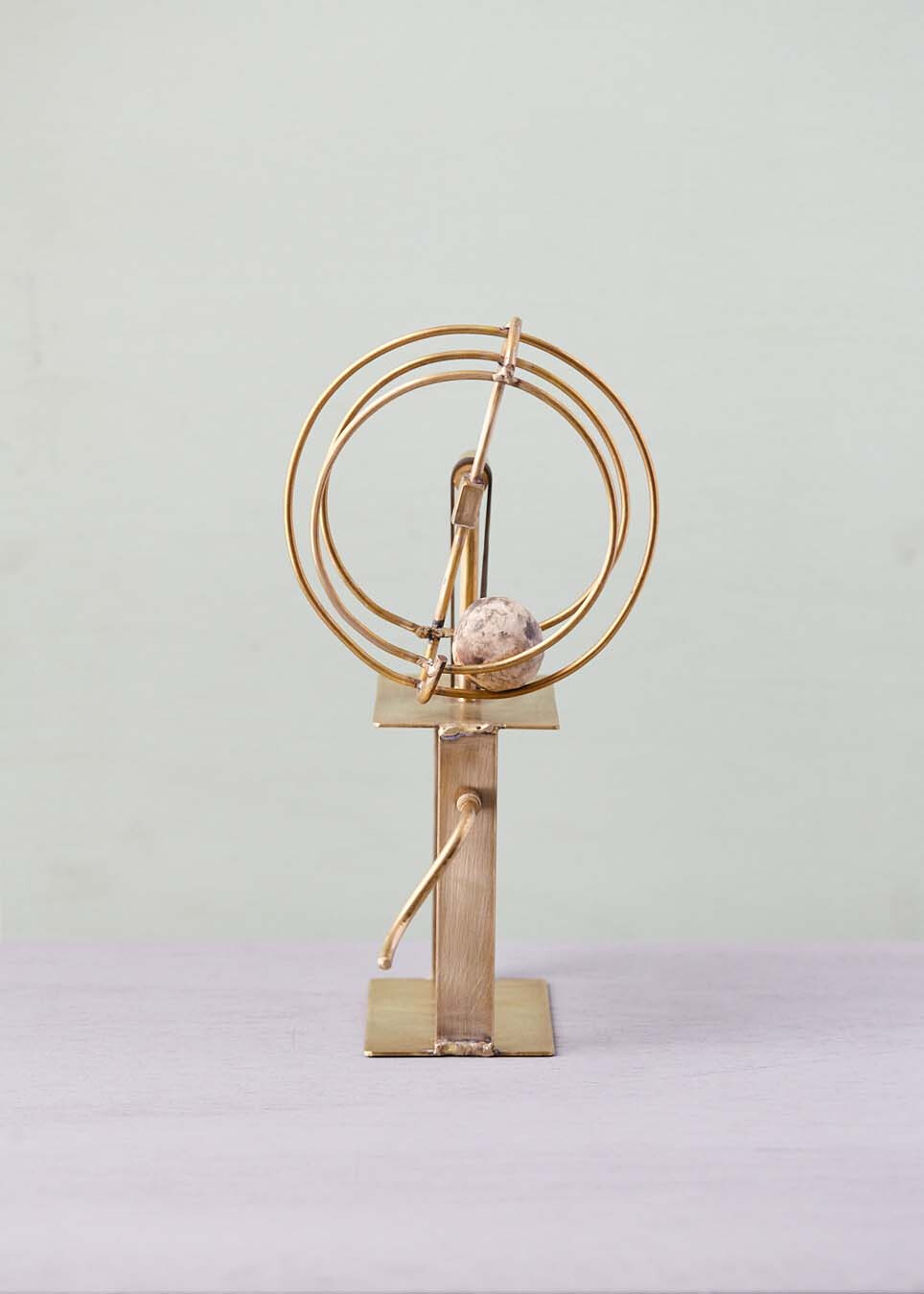
如果說,世間上的一切皆是隱喻,「伏流物件」的開端,或許是一個傷口。負責人馬鶴誠在製作植物雕塑時因對材料不熟悉,不慎讓電鑽穿過漂流木鑽進手指,挖開了一個洞,那便是他在製作初期最鮮明的記憶。疼痛並未使他感到退縮,反而像是打開了一個可能性的入口,也令他意識到:在感興趣的物質上加入自己,是很快樂的一件事。當時正在思考職涯轉換的他,也在這些嘗試中,逐步完成從受僱者走向自立門戶的身份轉變。而他也將這個過程比喻為經濟學中的「比較優勢」;他認為,只要單純將擁有的技能展現出來,讓「交換」自然發生。「我不需要處理自己的隱喻在他人身上是什麼,只要作品到了社會上,成為一個足夠包容的喻體,便能產生可被交換的價值,作者不必為作品做出解釋與辯護。」
 
 
If everything in the world is a metaphor, perhaps The Undercurrent Object began with a wound. Still unfamiliar with the material, the founder Phillip Ma was making a botanical sculpture when he accidentally drove the bit of his electric drill through a piece of driftwood and into his finger, gouging out a hole. It remains his most vivid memory from his early days of making. Yet the pain did not deter him. Instead, it seemed to open a door to possibility, making him realize how much joy there was in bringing something of himself to a material that interested him. At the time, he was also considering a change of career. Through these experiments, he gradually made the transition from being an employee to setting up on his own. He likens this process to the economic concept of comparative advantage, believing that he need only demonstrate the skills he has and allow “exchange” to happen naturally. “I don’t need to concern myself with what my metaphors mean to others. Once a work enters society and becomes a sufficiently open vessel for metaphor, it can take on value through exchange. The maker need not explain or defend it.”


➤ 2025, 商店/短暫的幸福與偶然的平靜

➤ 2025, Shop / Short Happiness and Occasional Peace


➤ 2025, 商店/短暫的幸福與偶然的平靜

➤ 2025, Shop / Short Happiness and Occasional Peace

製作,是關於存在的永恆答辯

Making: An Eternal Answer to the Question of Existence


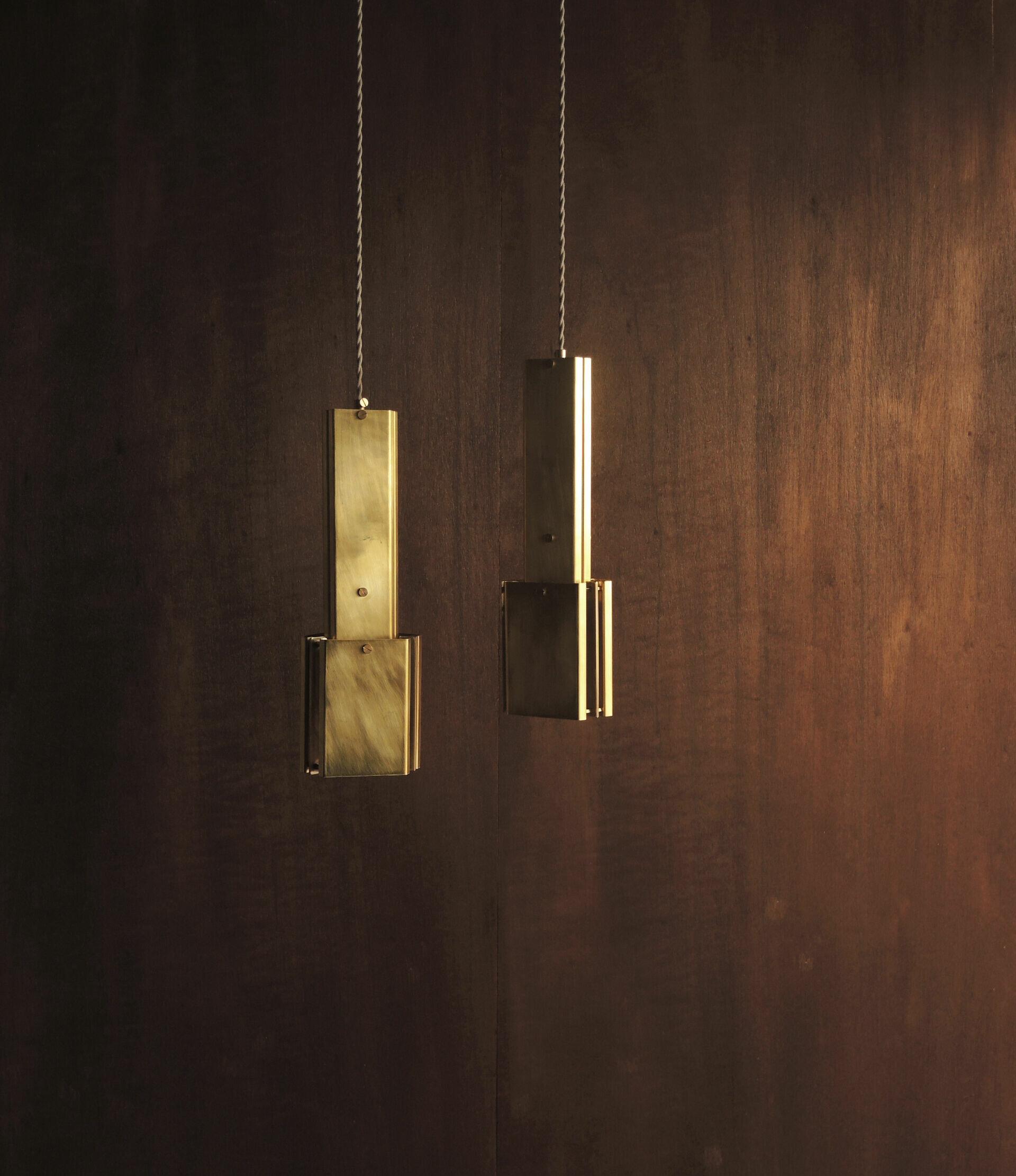
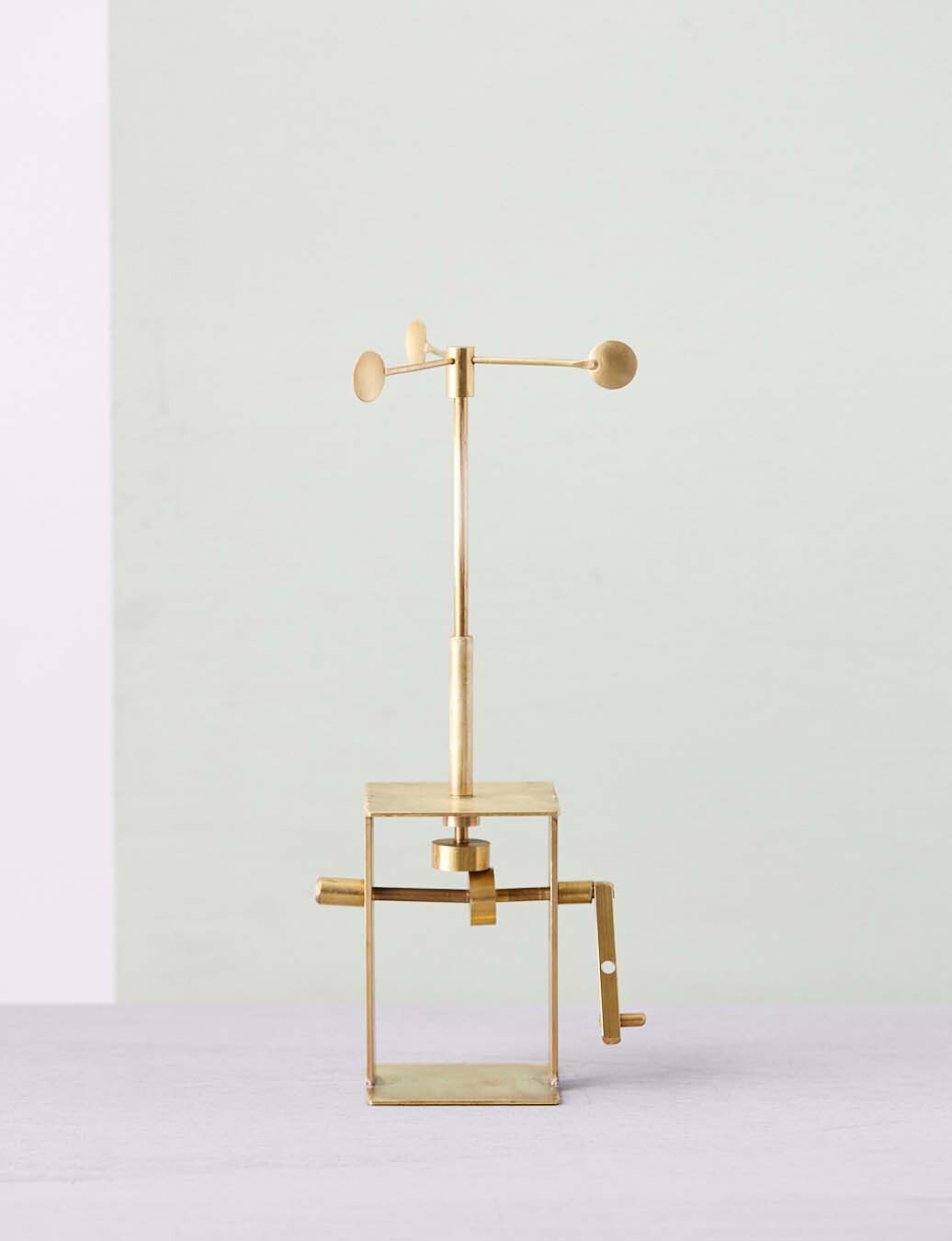
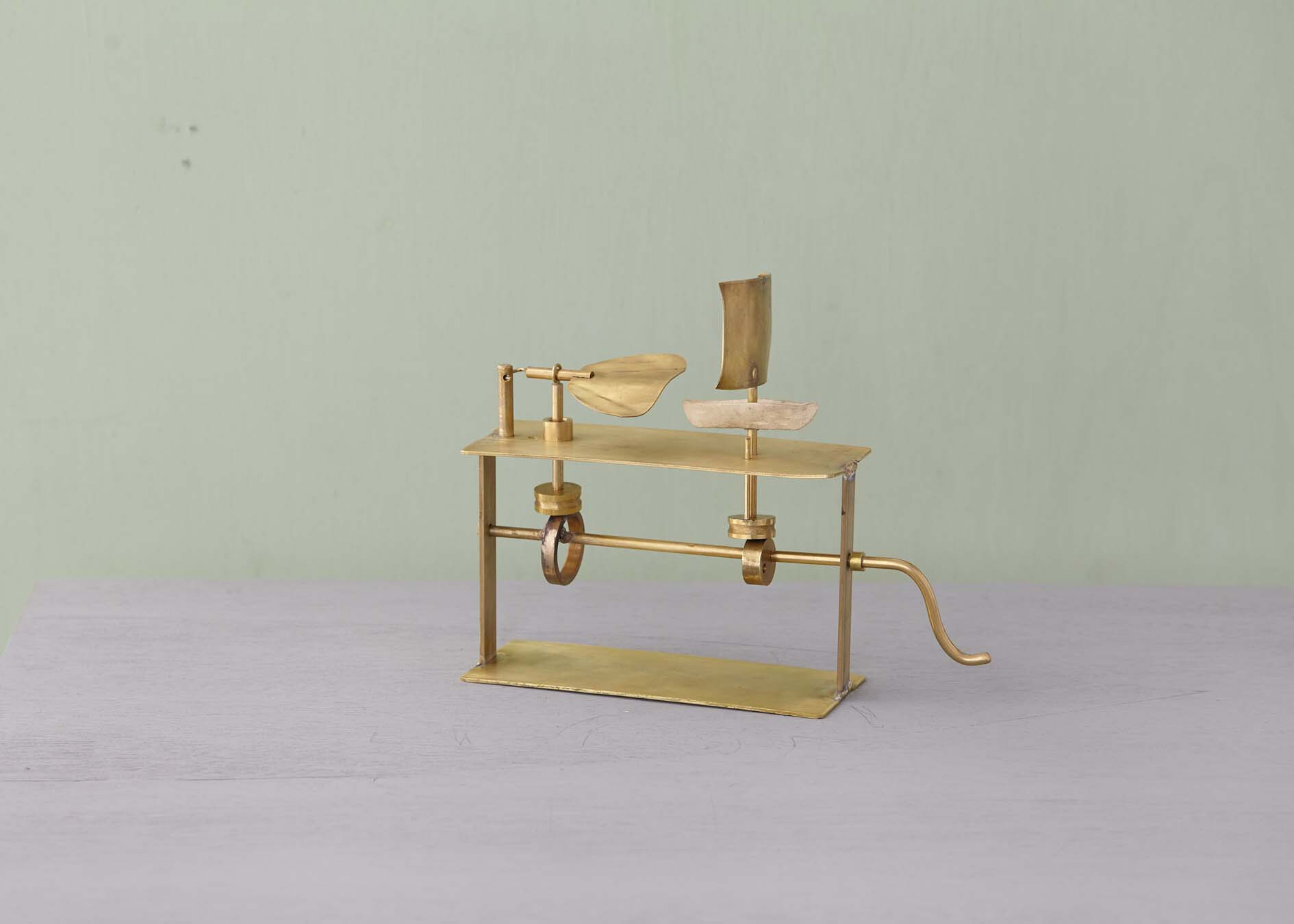
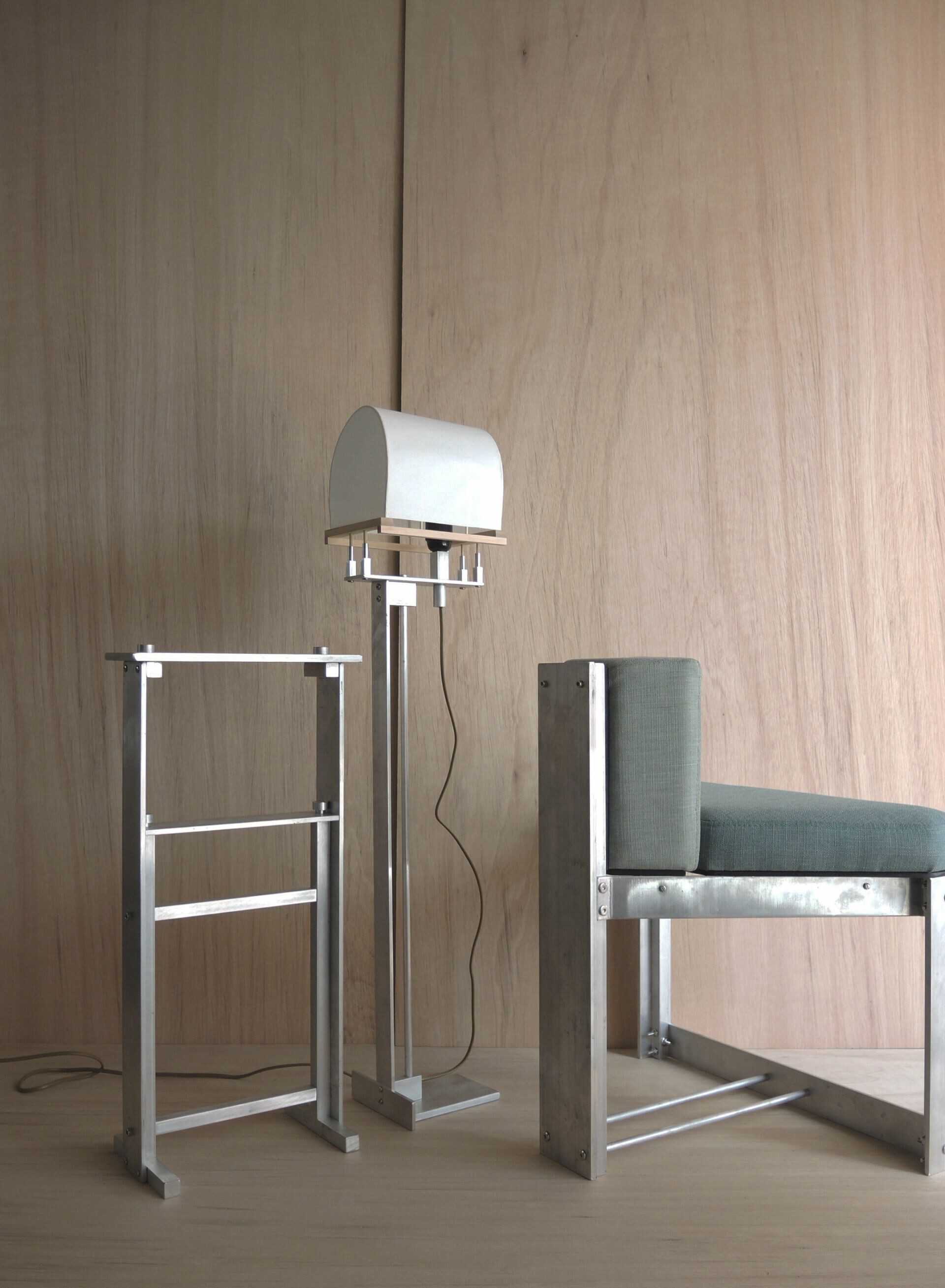
混亂、矛盾、曖昧性,這些是生活的本質,和物件成形前的狀態頗為類似。材料、零件常常散落一地,概念仍散落在空氣之中,尚未構成足以達意的字句。馬鶴誠坦言,他不太畫設計圖,作品往往從文字開始。先構思表達,再尋找適合的結構與材料組合方式,最後才是機能的附著。他說:「世界上並不缺少一盞燈。人們需要的是功能以外的東西。」所以,如果他喜歡一個結構高聳的樣子,他便會讓機能順著造型長出來;如果它很平穩,就想想適合安放什麼;如果它的擺盪能激起不安,就藉此製造緊張感。這也是他為自己選擇「製作」而非「創作」這個詞彙的原因。製作在處理的,是聯繫。在他的理解裡,製作在概念上不像創作那麼天馬行空、前所未有,而更接近於日復一日重複的工作,讓相同或相異的材質通過類比、疊加、延伸或折疊,產生新的意義。
 
 
Disorder, contradiction, and ambiguity are intrinsic to life. Much the same can be said of an object before it takes shape. Materials and components often lie scattered across the floor, while ideas remain scattered in the air, not yet taking the form of words that can convey them. Ma admits that he rarely produces design drawings; his work usually begins with words. He first considers what he wants to express, then looks for the right structure and a way of combining materials. Function is the last thing he adds. As he puts it, “The world is not short of lamps. What people need is something beyond function.” If he likes the way a structure stands tall, he lets its function grow out of its form; if it is stable, he considers what might rest on it; if its swaying evokes unease, he uses that to create tension. This is why he chooses the word “making” rather than “creating” to describe what he does. Making is concerned with connections. For him, making is less about flights of imagination or bringing something entirely unprecedented into being, and more about work repeated day after day, allowing materials, whether alike or different, to acquire new meaning through analogy, layering, extension, or folding.


➤ 2024 展覽《 睡眠、布幕、鋒利的刀》 

➤ Sleep / Screen / Sharp Knife, 2024
 

➤ 2024 展覽《 睡眠、布幕、鋒利的刀》 

➤ Sleep / Screen / Sharp Knife, 2024


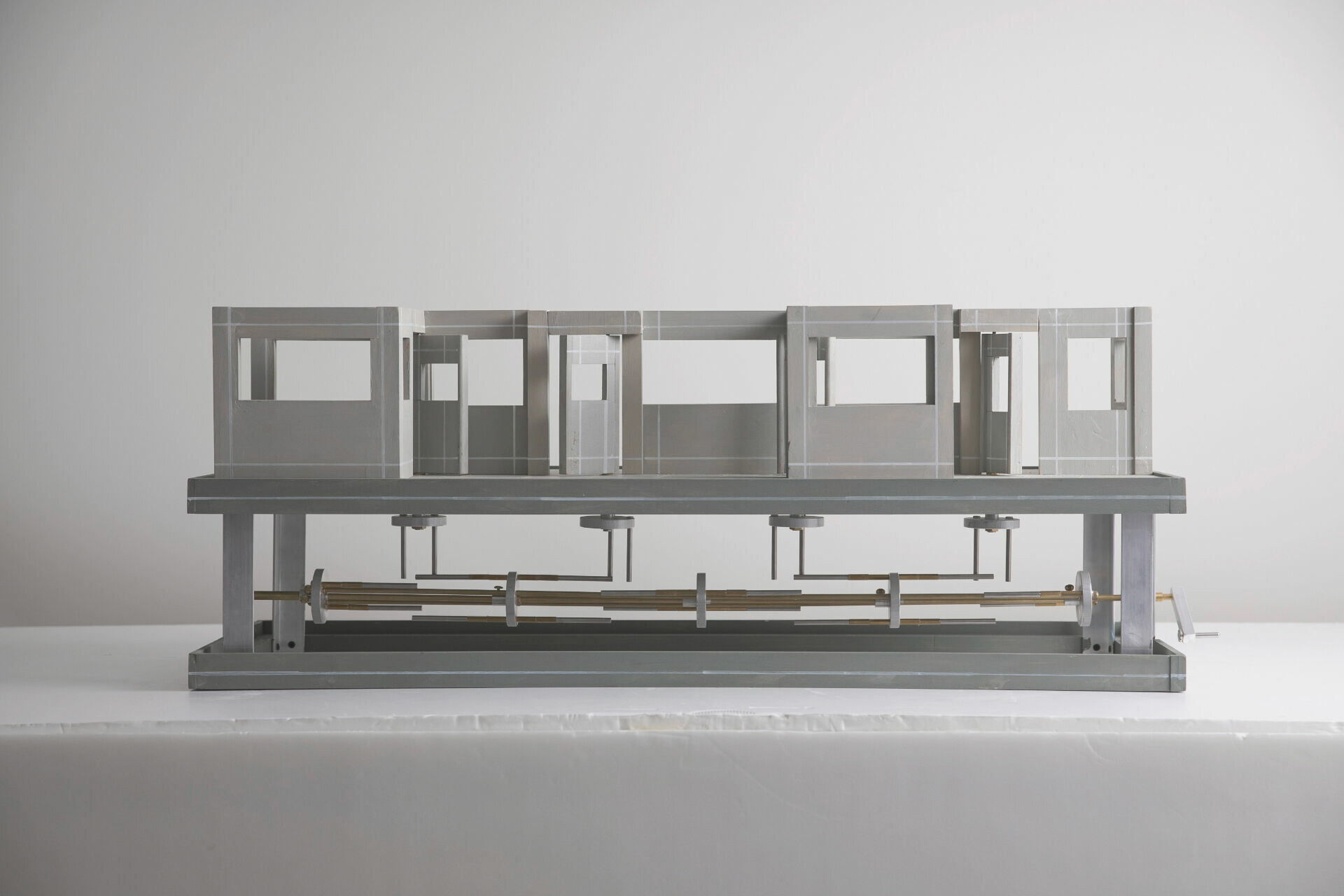
將地面抬升到坐下即能使用的高度,那就是桌子。然而,當人席地而坐,把咖啡放在椅子上,椅子也可以是桌子。名稱並不能決定它是什麼,而製作就是在處理這些隱而不顯的關聯:平面要出現在什麼高度?光如何固定在某處?「我在做這些的時候,是懷抱著願望的。」他在思索時,忍不住笑了一下!「那就是我能持續地製作,並以此作為能向神回答『我是誰』的永恆答辯。」
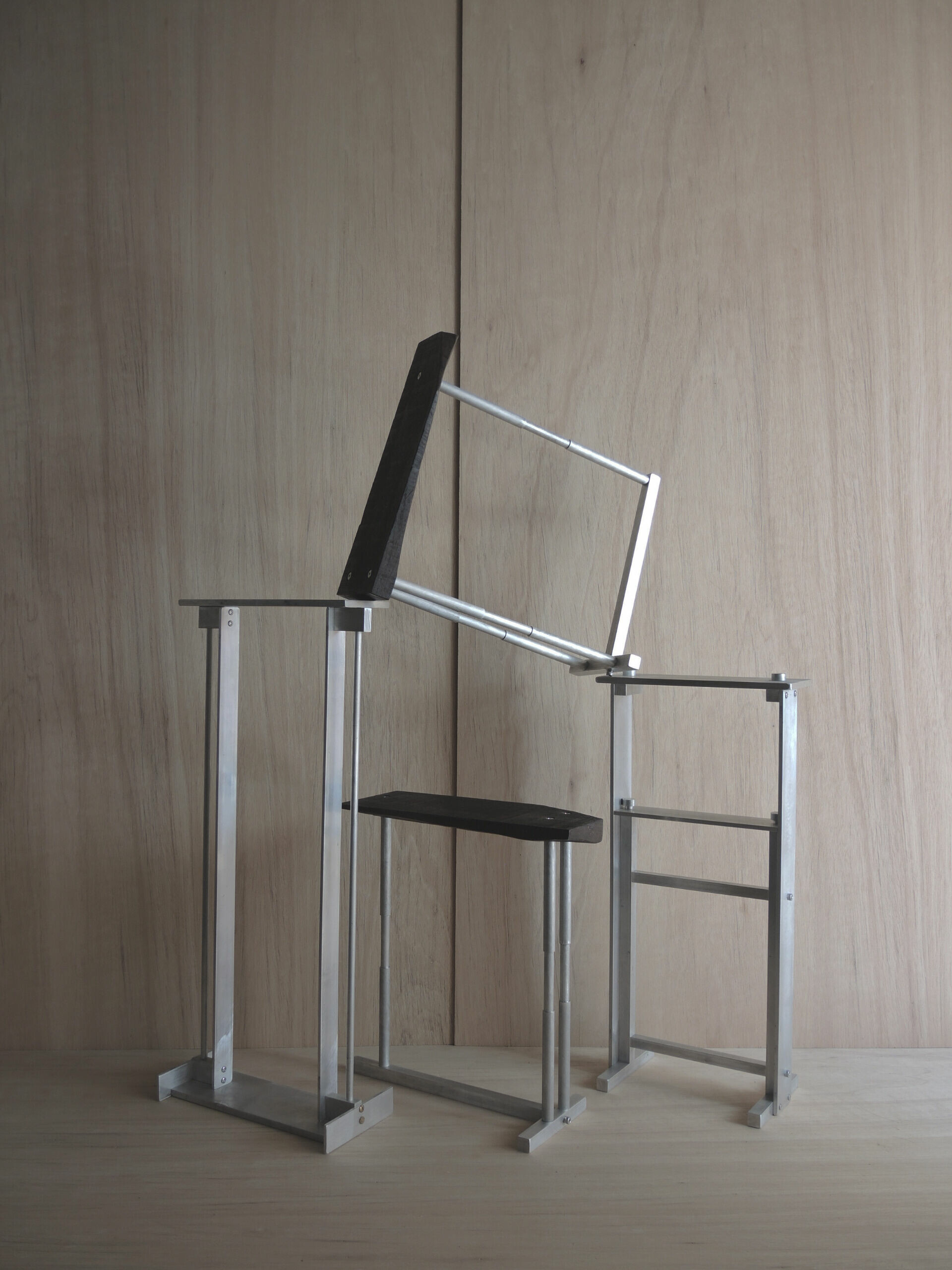
 
 
Raise the ground to a convenient height for someone seated, and it becomes a table. Yet when someone sits on the floor and puts their coffee on a chair, the chair can become a table too. A name does not determine what an object is. Making is a matter of working with these less apparent relationships: at what height should a surface sit? How can light be held in a particular place? “When I make these things, I do so with a wish in mind.” He pauses to reflect, then smiles. “That wish is to keep making, and through making, to offer an eternal answer to God about who I am.”

➤ 2024 展覽《 睡眠、布幕、鋒利的刀》 

➤ Sleep / Screen / Sharp Knife, 2024


➤ 2024 展覽《 睡眠、布幕、鋒利的刀》 

➤ Sleep / Screen / Sharp Knife, 2024


➤ 2018 展覽《話語的形狀》 

➤ The Shape of Words, 2018

➤ 2018 展覽《話語的形狀》 

➤ The Shape of Words, 2018

在反覆之中,重新理解自由

Rethinking Freedom Through Repetition


如今,伏流物件已默默發展了十一個年頭,他卻不覺得這段歷程有具體的時間線,只是專注而務實地做著手邊能做到的事。他形容,一開始一天能鑽十五、二十個孔,後來是兩、三百個,直到鑽了成千上萬個孔洞後,他漸漸可以聽出鑽頭聲音的不同,也能感受下壓時哪裡滑了一下。在這樣的勞動中,「反覆中自有神明」成為他的日常。轉變節點在很小的片刻發生,製作情緒宛如潮汐時而消退、時而高漲,有時遭遇矛盾與困頓,反而會激發出某種堅持。這個過程被馬鶴誠形容為「棍棒、血淚與暴力」。當作品不被市場接受、靈感卡住時,自己只能以更大的訓練量、更多的投入度過低潮,只為了不讓自己有逃避的回憶。當談及五週年展「我有變得更加自由嗎?」時,他承認已有一陣子沒有思考自由這件事了,或許是已不再為其困擾。曾經,他渴望一種不受約束、想做什麼就能做什麼的強大。然而,有時我們並不需要一整片海,只要眼前的泳池能讓自己悠游,便已足夠。前提是,知道有海的存在。
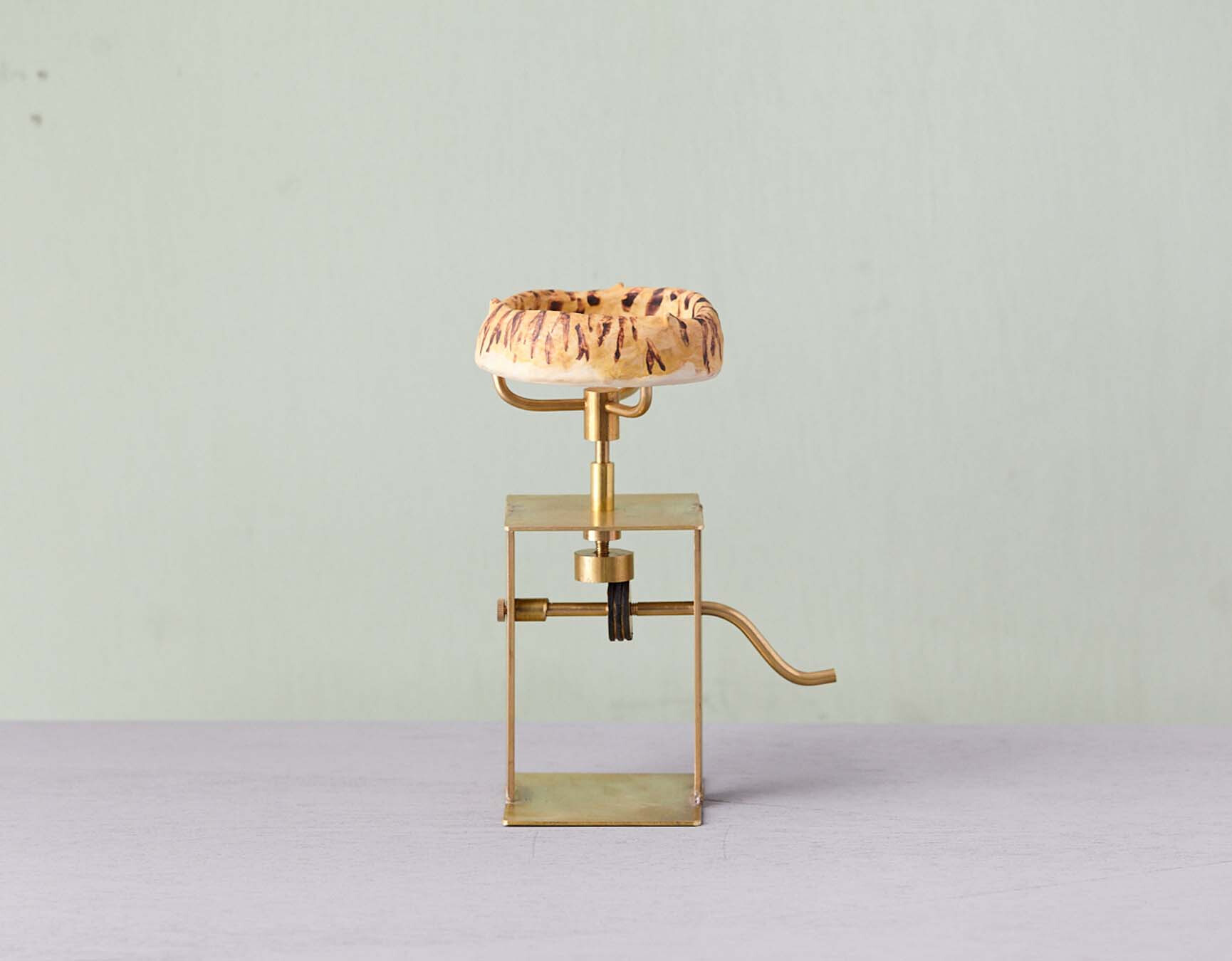
 
 
The Undercurrent Object has now been quietly evolving for eleven years, yet Ma does not see its development in terms of a clear timeline. He has simply focused on what he can do, approaching the work at hand pragmatically. He recalls being able to drill fifteen or twenty holes a day at first, then two or three hundred. Only after drilling thousands upon thousands of holes did he gradually learn to hear differences in the sound of the drill bit and to feel where it slipped as he pressed down. Through this labor, “the divine resides in repetition” has become an everyday experience for him. Turning points occur in small moments, while the emotions that accompany making ebb and flow like the tide. At times, contradictions and difficulties spark a certain resolve. Ma describes this process as “clubs, blood, tears, and violence.” When his work is rejected by the market or inspiration stalls, he can only practice more and put in greater effort to get through the low periods, simply because he does not want to look back and remember having shied away. When the conversation turns to his fifth-anniversary exhibition, Have I Become Any Freer?, he admits that he has not thought about freedom for some time. Perhaps it is because it no longer troubles him. He once longed for the strength to live unconstrained and do whatever he wanted. Yet sometimes we do not need an entire sea. If the pool before us allows us to swim freely, it is enough—provided we know the sea exists.


➤ 2018 展覽《話語的形狀》 

➤ The Shape of Words, 2018

➤ 2018 展覽《話語的形狀》 

➤ The Shape of Words, 2018

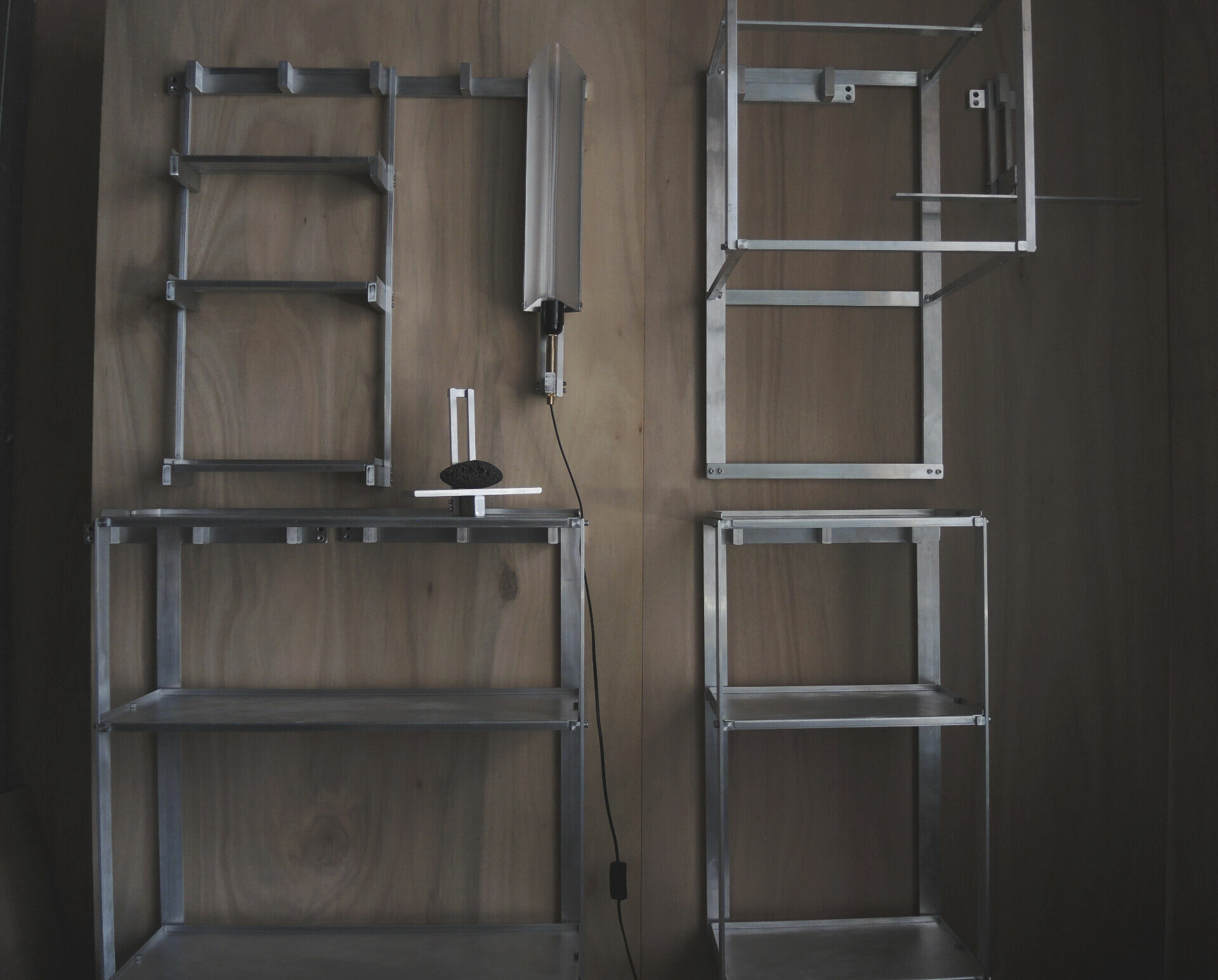
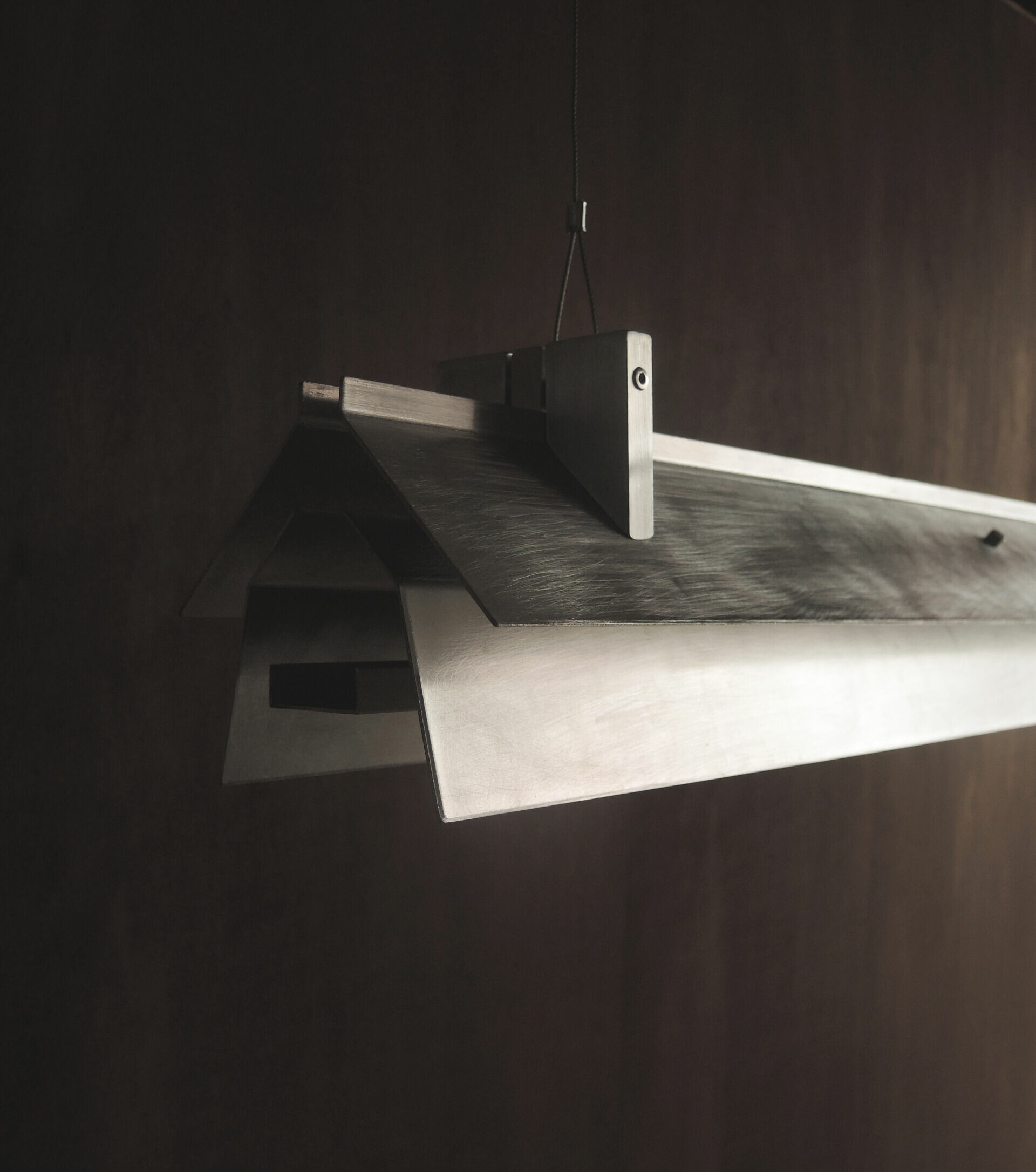
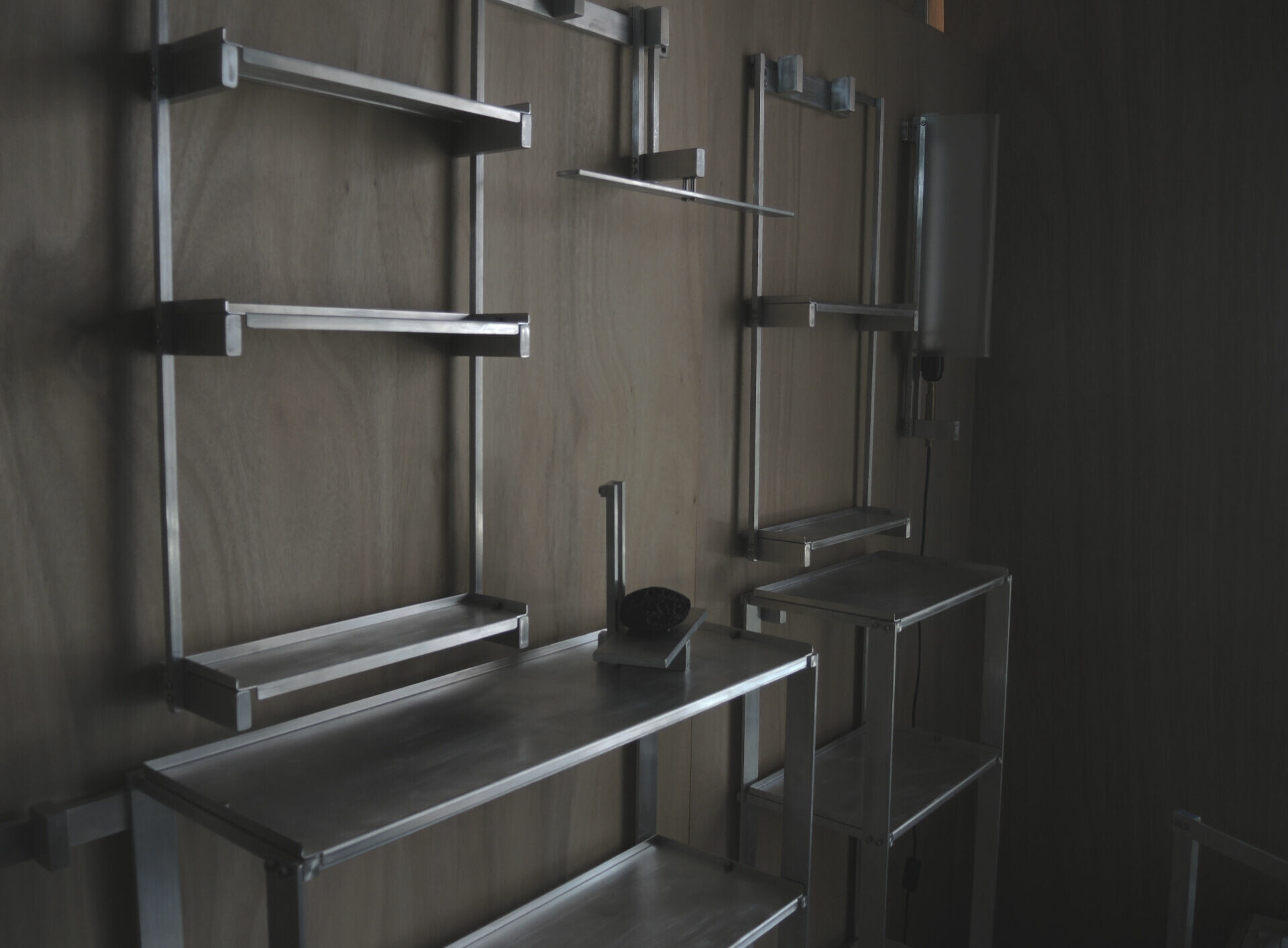
在他十週年展的自由層架裡,致敬了柯比意的模矩系統(Le Modulor),甚至創造了自己的紅藍數列,讓兩個架子並排後的總寬等於另一個架子的寬度;或者將兩個寬度相加,得到下一個架子的寬,讓排列組合依照這些數字運作。他於近期製作的燈具中也試圖處理粗獷主義,並想像如若他所憧憬的設計師還活著,會做出怎樣的作品?「我是一名現代主義信徒。」馬鶴誠如此表述自己。他認為人類相信自己能以秩序與效率推動社會發展,是將理性推到極致的浪漫。「我想讓他們知道,我在這裡。仍有人在追尋脈絡,信仰製作,並且真心誠意地為這份私密的理解,獻上心意。」這像是一封封他寫給過去、現在與未來的人們、無法被大聲朗讀的情書。
 
 
In the freely configurable shelving he presented at his tenth-anniversary exhibition, Ma paid homage to Le Corbusier’s Modulor system of proportions, even devising his own red and blue numerical sequences. The combined width of two units placed side by side equals that of another; alternatively, adding two widths yields the width of the next unit. These numbers govern how the units can be arranged and combined. He has also been exploring Brutalism in his recent lighting designs, imagining what the designers he admires might make if they were still alive. “I am a believer in Modernism,” he says. For him, humanity’s faith in its ability to advance society through order and efficiency is a kind of romanticism that takes reason to its furthest limit. “I want them to know I’m here. Someone is still tracing that lineage, believing in making, and offering a heartfelt gesture in honor of this deeply personal understanding.” It is as though he were writing love letters to people of the past, present, and future, letters that cannot be read aloud.


➤ 2022 展覽《因為你認得陰影,所以能記得光》 

➤ Shadow of One's Own, 2022

➤ 2022 展覽《因為你認得陰影,所以能記得光》 

➤ Shadow of One's Own, 2022

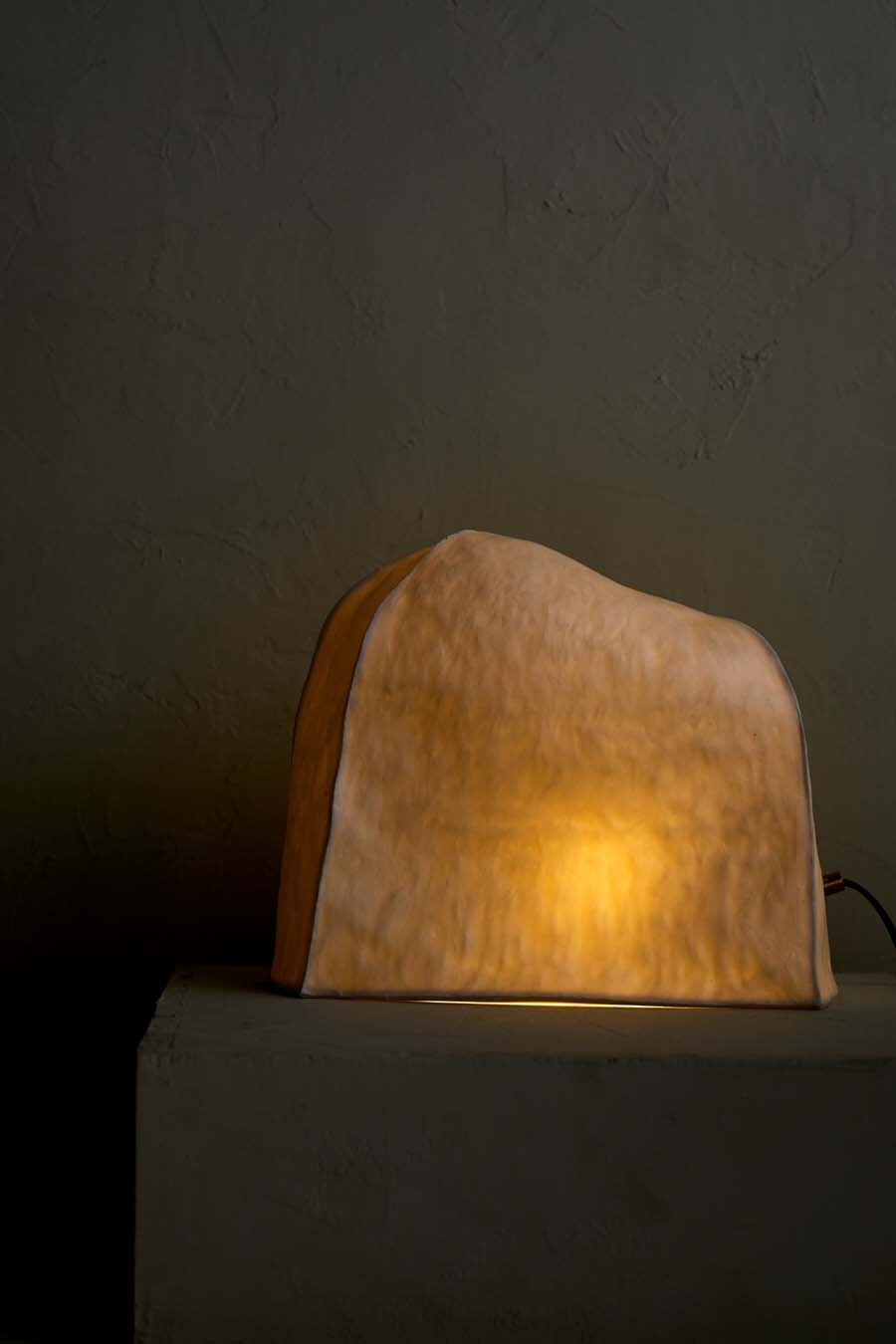
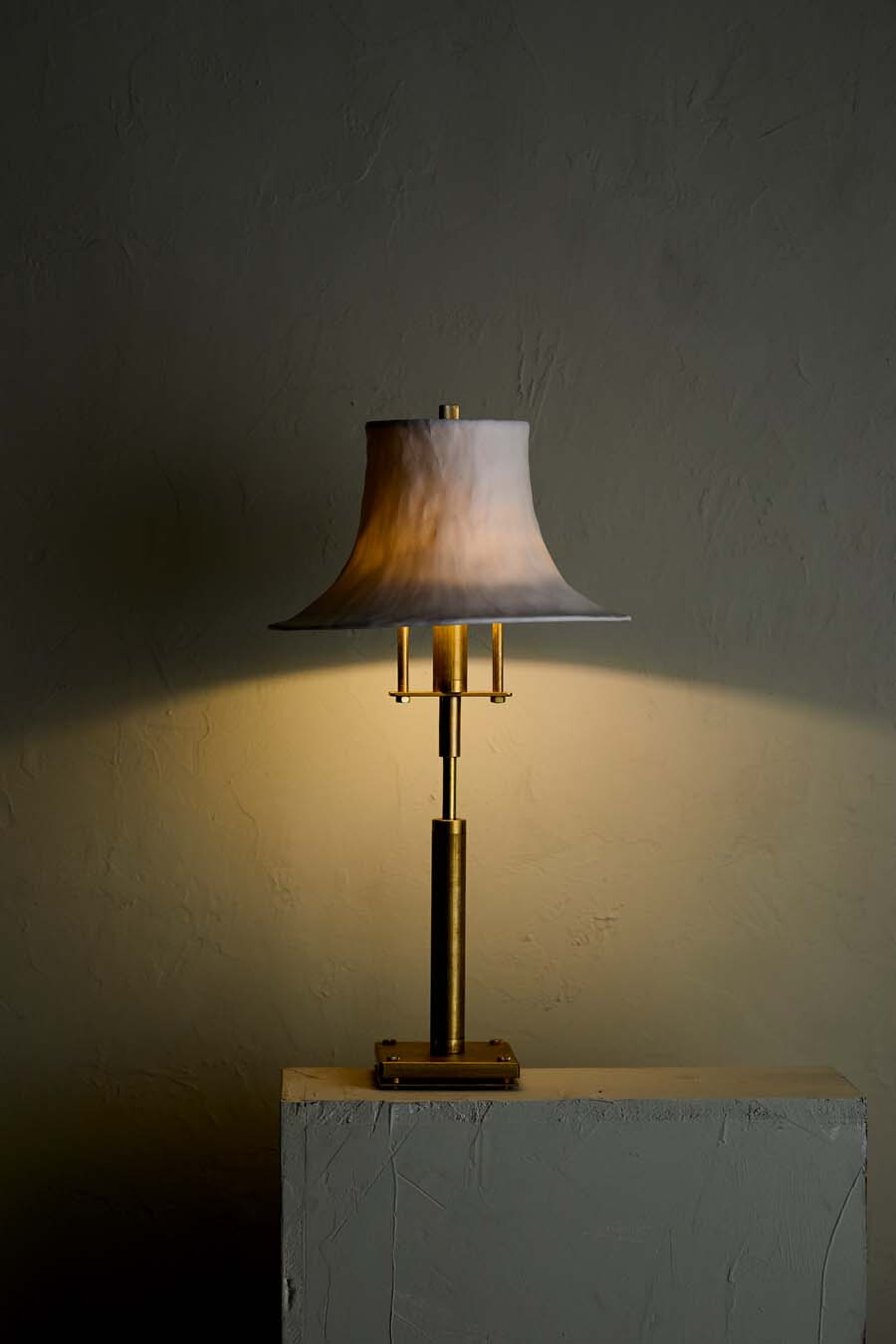
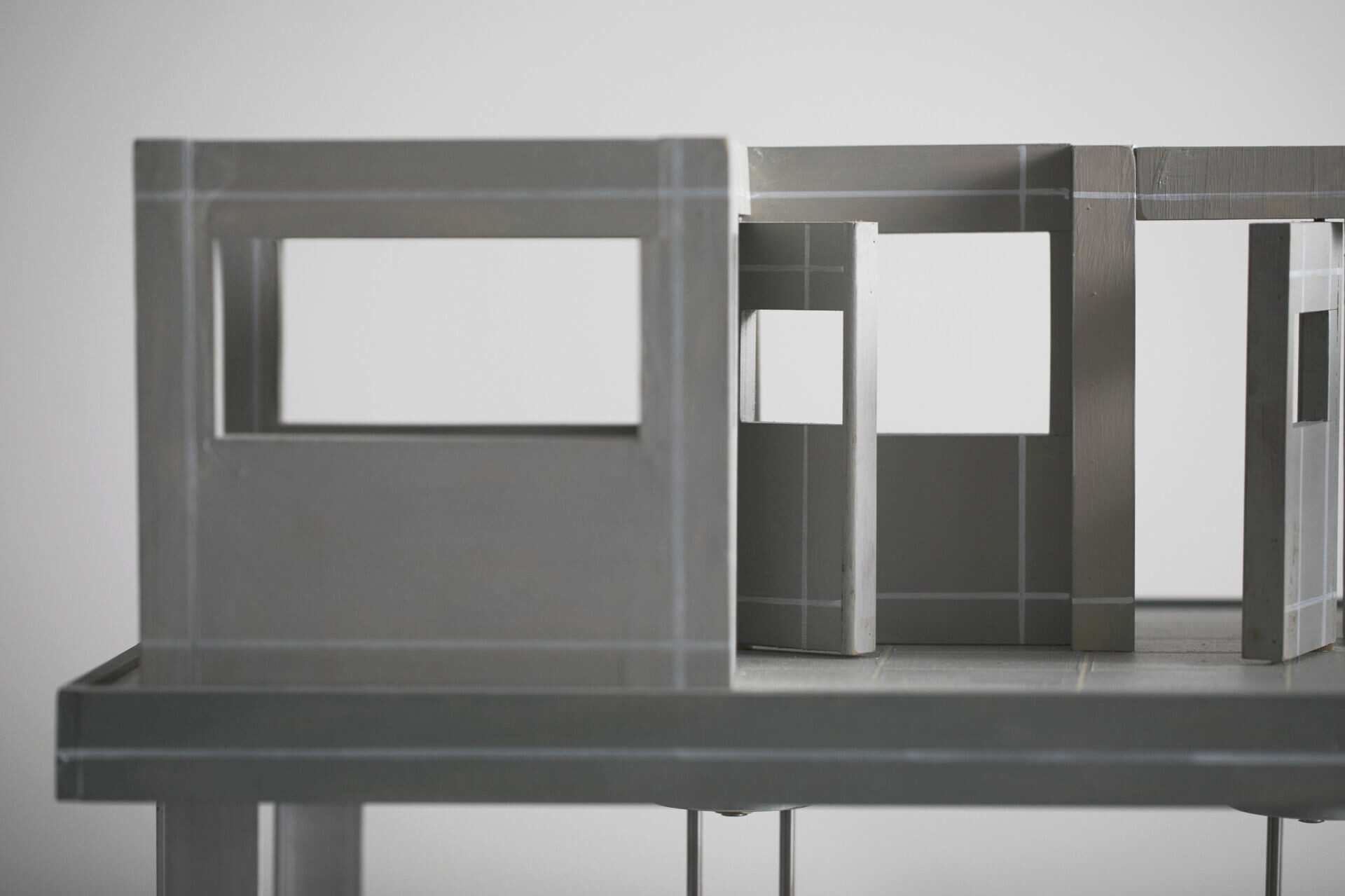
作為一個具有強烈實踐慾望與思考特質的製作者,他更傾向在一旁暗中觀察。在為商業空間設計燈具時,會刻意收斂作者的表達欲,而將燈光作為一種記憶的陪襯、溫暖的底色,抑或是一場歡快聚會後,在眼角蕩漾的餘光。「我希望在那個場合,人們能關注當下的感受,而不是我的燈。」如同世界上諸多看不見,卻依然存在的事物,「伏流物件」同時也是屬於觀看者的隱喻。當物件作為提醒,其意義便不一定由主觀意圖決定。即便觀者並不完全知曉背後所有的一切,在心中微微泛起漣漪那刻被喚醒的感受,已超越物件本身的寄託。
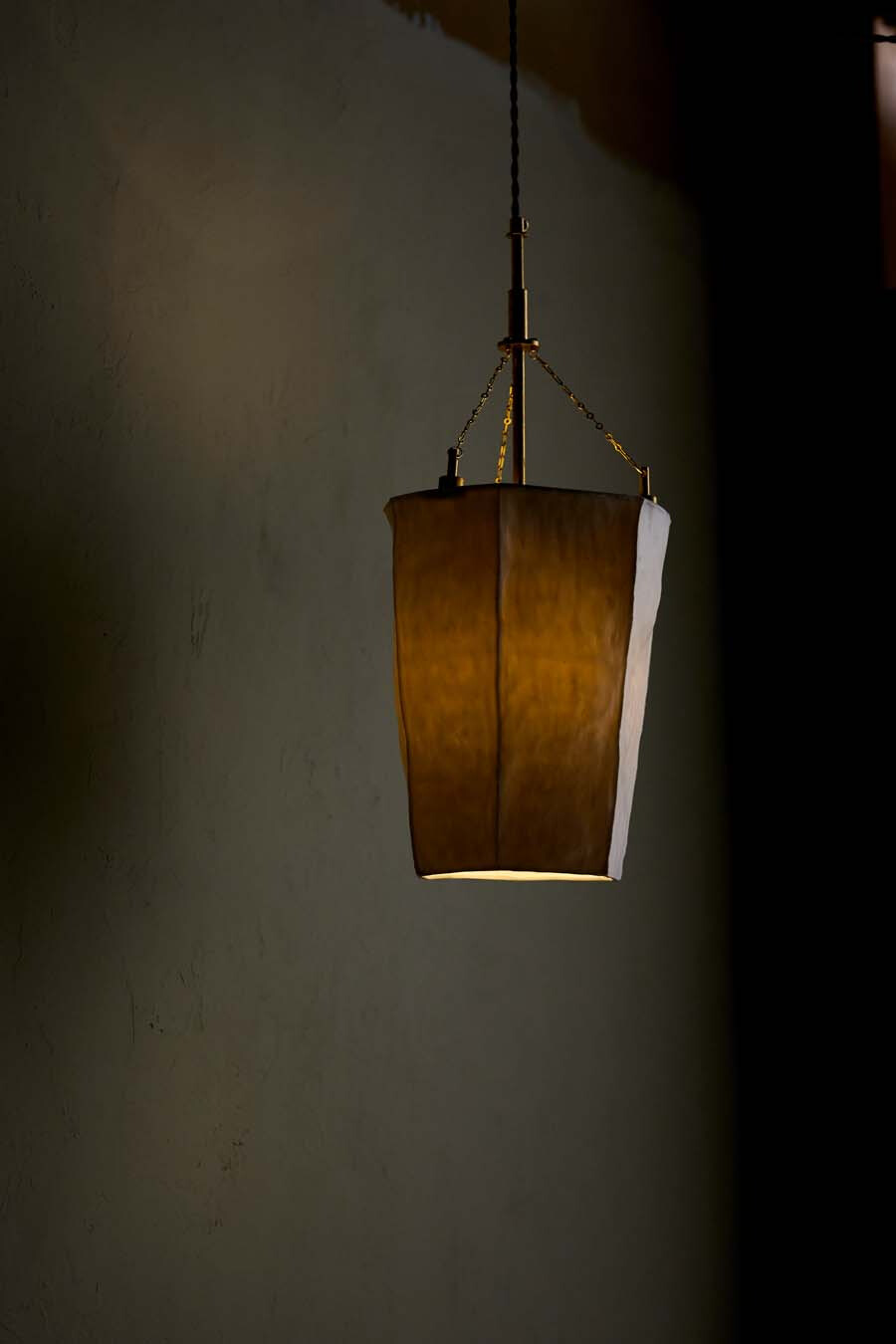
 
 
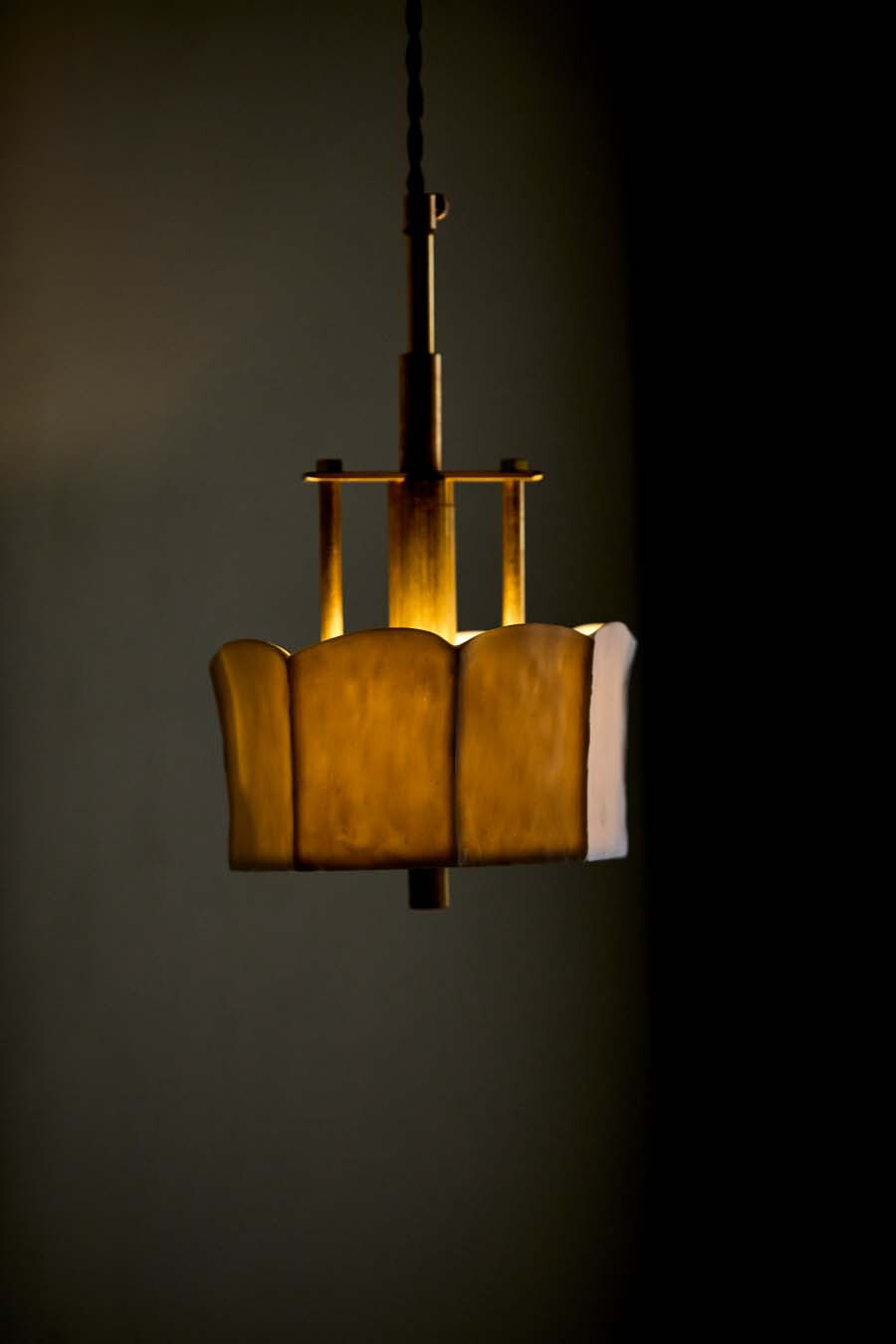
A reflective maker with a strong drive to put ideas into practice, Ma prefers to observe quietly from the sidelines. When designing lighting for commercial spaces, he deliberately reins in his own urge for self-expression, allowing light to become an accompaniment to memory, a warm backdrop, or a glimmer rippling at the edge of vision after a joyful gathering. “I hope people in that setting will focus on what they feel in the moment, rather than on my lamps.” Like so much in the world that exists unseen, The Undercurrent Object is also a metaphor belonging to the viewer. When an object serves as a reminder, its meaning need not be determined by its maker’s original intention. Even if viewers do not know the whole story behind an object, the feeling awakened when a faint ripple stirs within them already reaches beyond the meaning its maker has placed in it.


➤ 2022 展覽《因為你認得陰影,所以能記得光》 

➤ Shadow of One's Own, 2022

➤ 2022 展覽《因為你認得陰影,所以能記得光》 

➤ Shadow of One's Own, 2022

藝術家|馬鶴誠

  • About
  • Privacy policy
  • Track Order
  • Customer
  • Contact
  • Join us
FACEBOOK
instagram
Language

Copyright © WABISABI ISSUE. 侘寂傳媒有限公司 統一編號:90451315

  • Projects
    • Worldwide
    • Interiors
    • Features
  • Contemporary
    • Exhibitions
  • Record
  • Lifestyle
  • City Explore
  • News
  • Issue
  • About
  • Privacy policy
  • Track Order
  • Customer
  • Contact
  • Join us
Language