WABISABI
  • Projects
    • Worldwide
    • Interiors
    • Features
  • Contemporary
    • Exhibitions
  • Record
  • Lifestyle
  • City Explore
  • News
  • Issue
  • Account
  • Search
  • Language
Mobile nav


A Kitchen in Step with Everyday Life

一座隨日常流轉的生活廚房——德匠名㕑


對於喜愛烹飪的人而言,廚房意味著什麼?料理人似乎擁有著「春江水暖鴨先知」的敏銳,能從節氣的細微變化察覺何時春筍正嫩、秋蟹肥美。當這份感知化為選材與烹調的構想,廚房也應順從發揮,成為自我意志的延伸。然而,操作的順暢,往往與調料是否一眼可見、鍋碗瓢盆伸手可及密切相關。於是,一種盡在掌握中的秩序與節奏,便在爐火與流水之間輕快有致地展開。當料理與清洗告一段落,食材碎屑即順著水流匯集至超導流水槽一隅,減少多餘擦拭收攏的動作。關上水龍頭的一瞬,便如指揮俐落收束曲目,不留任何唐突的音節。


What does a kitchen mean to those who love to cook? They seem to have a feel for the seasons that recalls a line of Chinese poetry: “Ducks are the first to know when spring warms the river.” Subtle shifts in the seasons tell them when spring bamboo shoots are tender and autumn crabs are plump. They draw on that seasonal awareness as they choose ingredients and consider how to prepare them. The kitchen should help them realise those ideas, becoming an extension of their own intentions. In practice, a smooth workflow often depends on whether seasonings are visible at a glance and pots, bowls and utensils are within reach. Order and rhythm take shape between flame and running water, the movements light and assured. By the time the cooking and washing-up are finished, the water has carried food scraps to one corner of the Stream Flow Sink, reducing the need for extra wiping to gather them together. Turning off the tap feels like a conductor bringing a piece to a clean close, without a single jarring note.


以日常料理形塑品牌文化,為料理而生的理想廚房

A Brand Culture Shaped by Everyday Cooking: An Ideal Kitchen Designed for the Cook


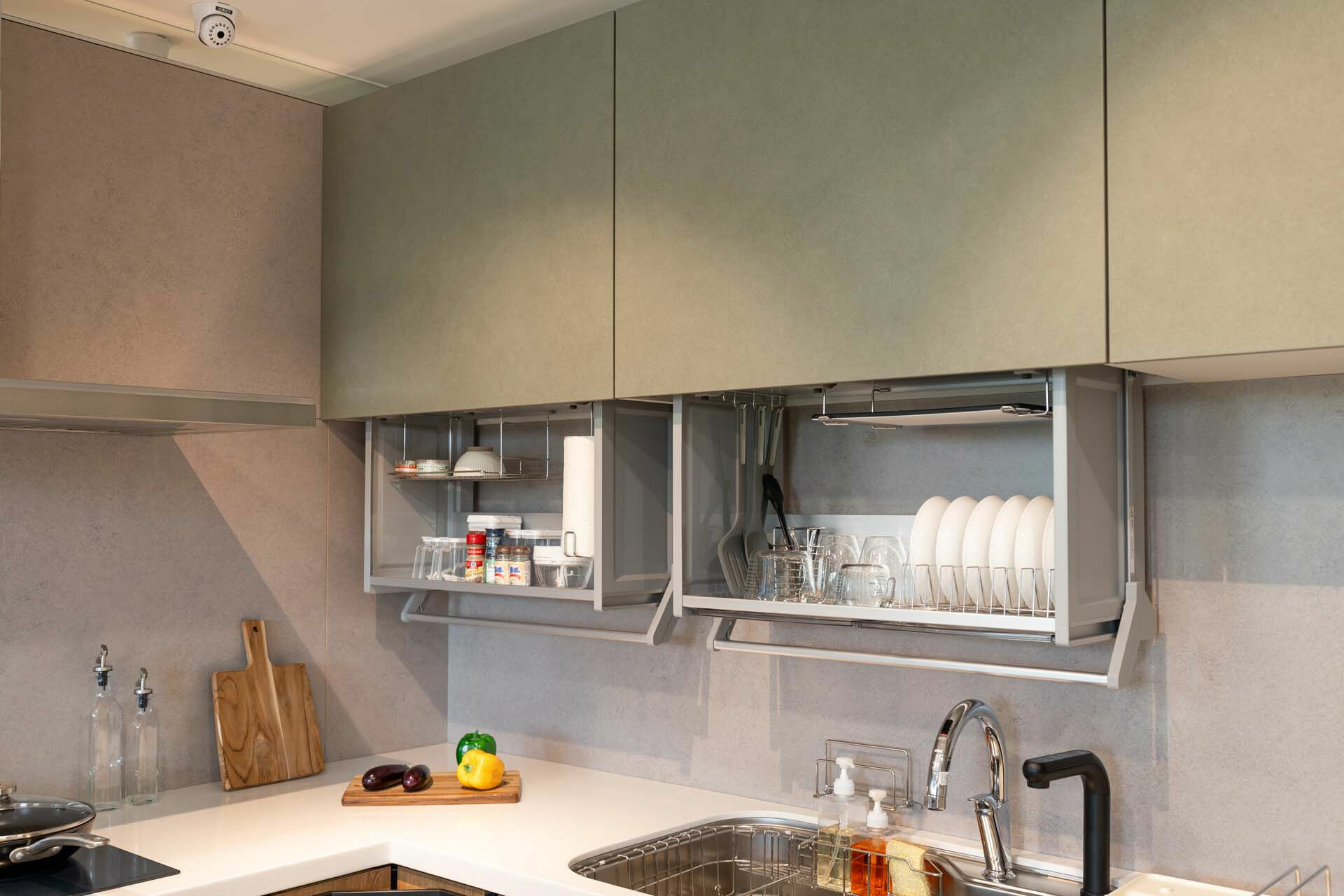
如此行雲流水的場景,也是德匠名㕑 Cleanup 展間裡的日常。在這裡,同仁每天使用體驗廚房自行料理餐點,將整套廚具櫃體的設計細節內化為個人身體經驗。在實際操作中意識到過去未曾留意的困擾,藉由換位思考料理者的處境,與客戶共享發自內心的共鳴。比如下拉式吊櫃使取物更為順手、操作流暢省力;轉角推車櫃的中央雙層推車可整台拉出,將常用調味料與器具移至備餐時順手的位置;兩側雙層拉籃則可收納較少使用的物品,拉出便可拿取櫃體深處的物件。移開推車後,也便於清潔轉角底部與地面,兼顧收納、取用與日常清理。從日常料理到宴客,這樣的生活氣息不時在德匠展間裡重現,為了鼓勵客戶發現廚房之於烹飪所帶來的便利與樂趣,德匠會依客戶需求安排烘焙課程、電器操作教學;更為不熟悉新廚房的客戶提供專屬私廚服務,為其到府示範料理。
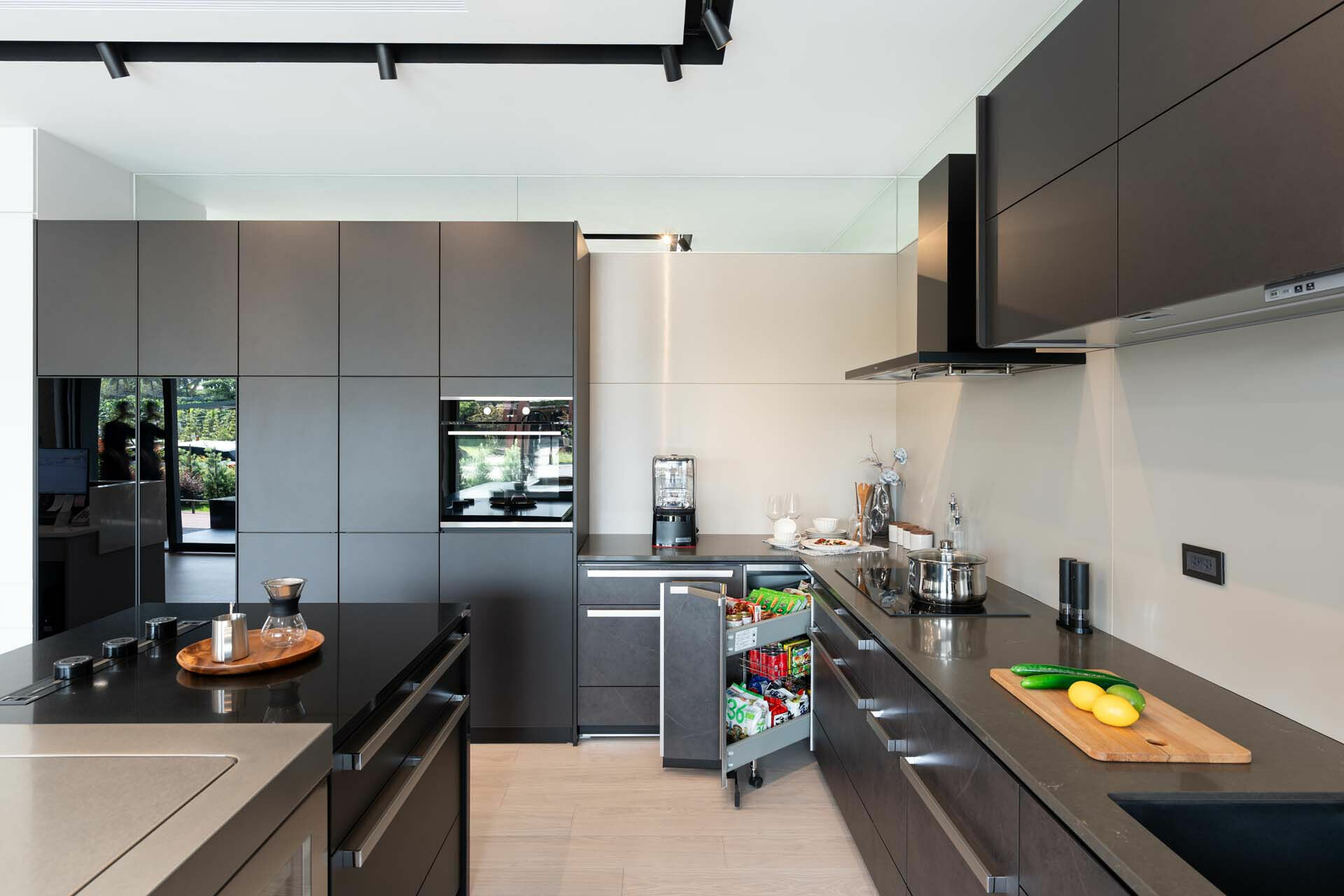
 
 
This ease is part of everyday life at Te Chiang’s Cleanup showrooms. Staff prepare their own meals in the demonstration kitchens, developing a feel for the cabinetry’s design details through daily use. They notice inconveniences they previously overlooked and can relate to their clients through first-hand experience. Pull-down storage in wall cabinets, for instance, operates smoothly and makes items easier to reach with less effort. The two-tier trolley at the centre of a corner cabinet can be wheeled out completely, bringing frequently used seasonings and utensils to a convenient position for food preparation. Two-tier pull-out baskets on either side hold less frequently used items, bringing those stored at the back within reach. The design also considers everyday cleaning: removing the trolley makes it easier to clean the base of the corner unit and the floor. From everyday meals to entertaining, domestic life regularly plays out in Techiang’s showrooms. To help clients discover how a kitchen can make cooking easier and more enjoyable, Te Chiang arranges baking classes and instruction in appliance use according to their needs. For clients still getting used to their new kitchens, it also offers a private chef service, with home visits for cooking demonstrations.


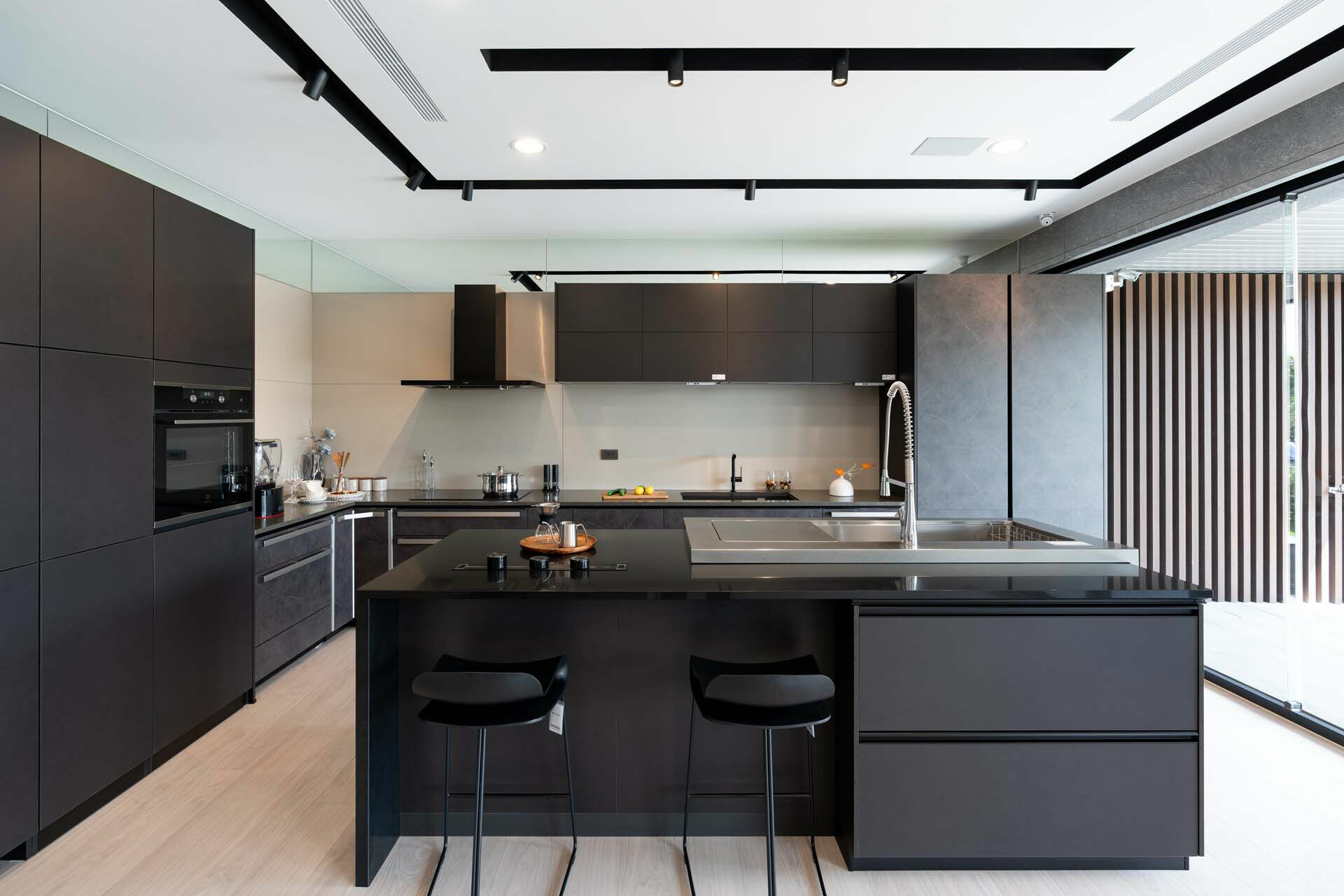
在德匠的理念中,空間並非只以廚具為主角,其魅力在於透過直覺牽引感官,使人更從容地兼顧烤箱的溫度或水波爐加熱時間,將電器使用順序納入動線考量,即使同時準備多道菜餚也不感侷促與忙亂。在思考配置時,團隊也會協助客戶與設計師溝通,為習慣日式小家電的屋主建議以電器平台取代高櫃的做法,使日常使用更直覺。對德匠而言,一套廚具真正的內涵不僅只是為了符合空間條件和裝潢美觀,它更關乎一家人能不能好好吃飯、好好生活的樸實基礎。
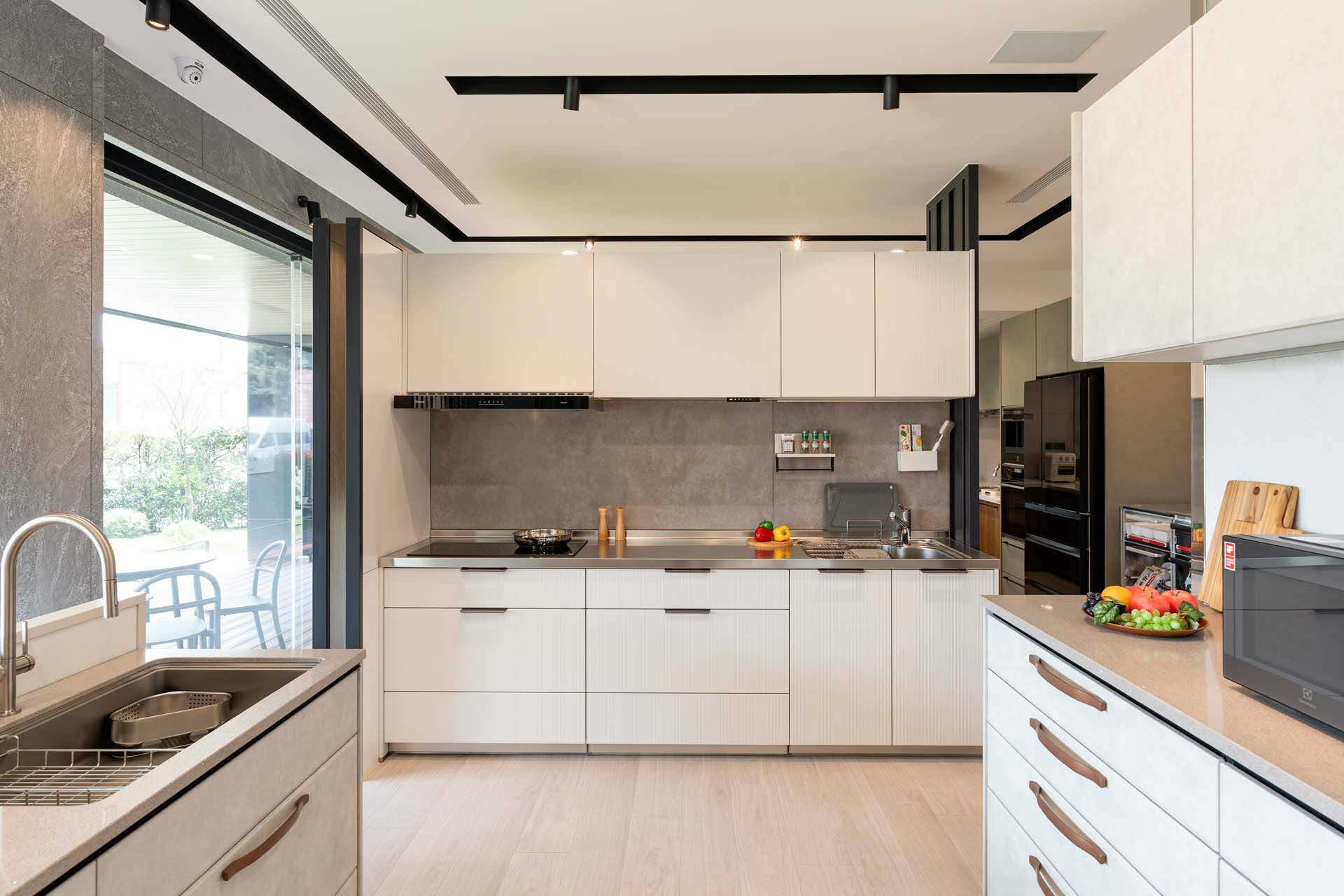
 
 
Te Chiang considers the space as a whole, beyond the cabinetry itself. The kitchen’s appeal lies in the way it engages the senses and feels intuitive to use, allowing the cook to keep track of oven temperatures or heating times in a steam oven with greater ease. The layout takes the sequence of appliance use into account, helping people prepare several dishes at once without feeling cramped or rushed. During planning, the team also helps clients discuss the layout with their designers. For homeowners accustomed to Japanese countertop appliances, it may recommend a dedicated appliance counter in place of tall cabinetry, making everyday use more straightforward. For Techiang, the value of a kitchen extends beyond fitting the available space and complementing the interior. It provides a simple foundation for a family to eat well and live well.


四十年如一日,柔韌如鋼

Steadfast for Four Decades, Resilient as Steel


若至屏東新展間,便會看見全新品牌識別將「德匠名㕑」之名與 Cleanup 並列,這份沉著自信,來自 1985 年成立以來,40 餘年不間斷地打磨自身招牌。當初,Cleanup 在 1975 年首度推出不鏽鋼櫥櫃 SAKURA DX ,驗證了櫃體在使用超過三十年後仍能保持光亮無損。而這超乎想像的穩定品質也極大程度需仰賴安裝師傅的現場校正。依德匠的專業經驗,由於 Cleanup 的不鏽鋼櫃體是一體成型彎折而成,在完成固定前仍會有些微搖晃,因此師傅需依照現場牆地面條件精細校準櫃體的垂直水平度,以確保五金滑軌與抽屜能順暢運作。「整體水平都是用 1mm 的超薄墊片,去一片一片墊出來的。」是否能 100% 還原日製品質,便有賴施工當下的精準。
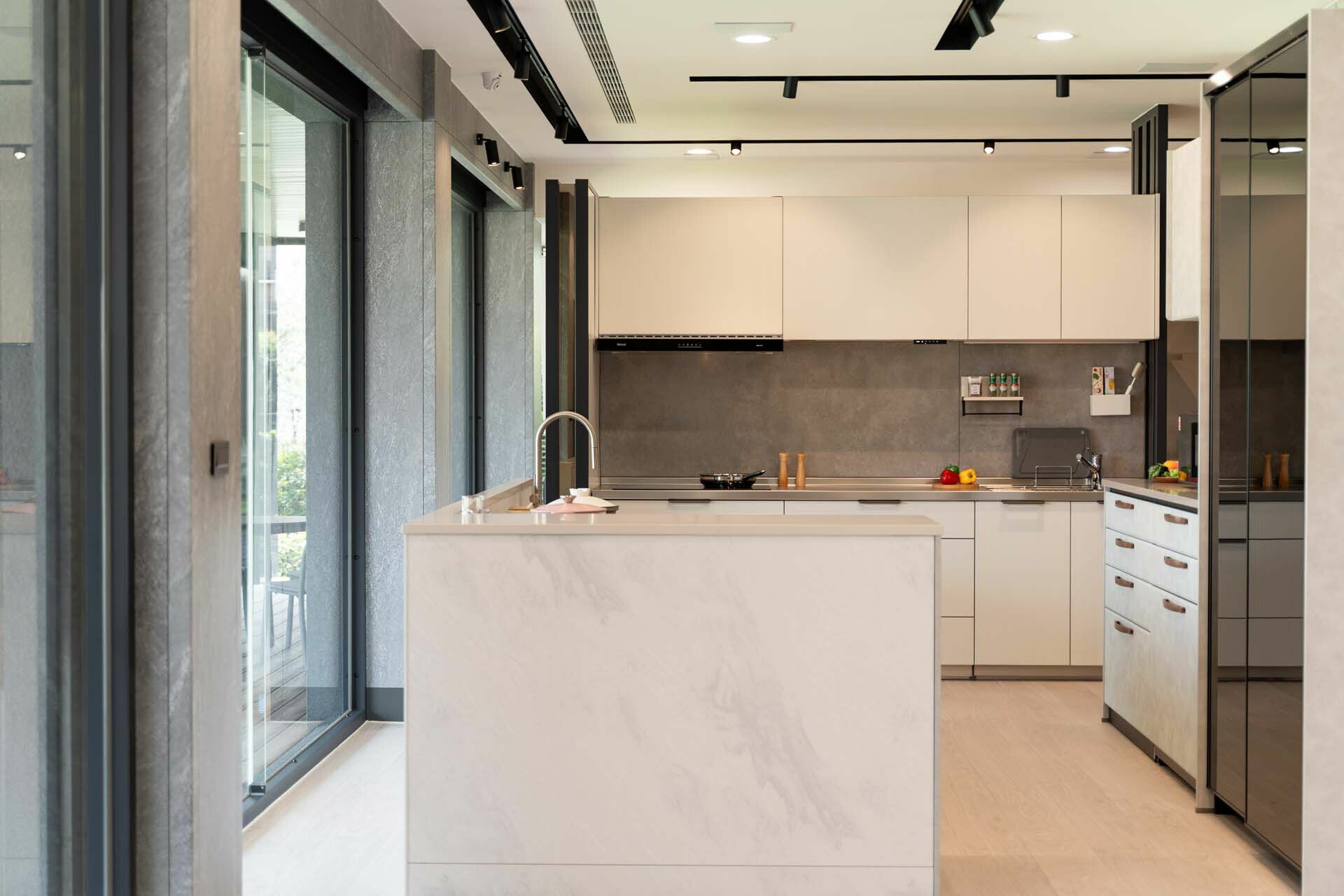


At the new showroom in Pingtung, Taiwan, a redesigned visual identity places the Te Chiang name alongside Cleanup. That quiet confidence reflects the more than four decades Techiang has spent building its reputation since its founding in 1985. Sakura DX stainless-steel cabinetry, first introduced by Cleanup in 1975, has since proved capable of retaining its sheen and remaining intact after more than thirty years in use. Maintaining that remarkable quality also depends in large part on careful adjustments by the installers on site. In Te Chiang’s experience, Cleanup’s one-piece, folded stainless-steel cabinet carcasses can still move slightly before they are secured in place. Installers must therefore account for the walls and floor on site, carefully adjusting each cabinet until it is level and plumb so that the drawer runners and drawers operate smoothly. “The whole installation is levelled with shims just 1 mm thick, added one by one.” Whether the quality of the Japanese-made cabinetry carries through fully to the finished kitchen depends on the precision of the installation.

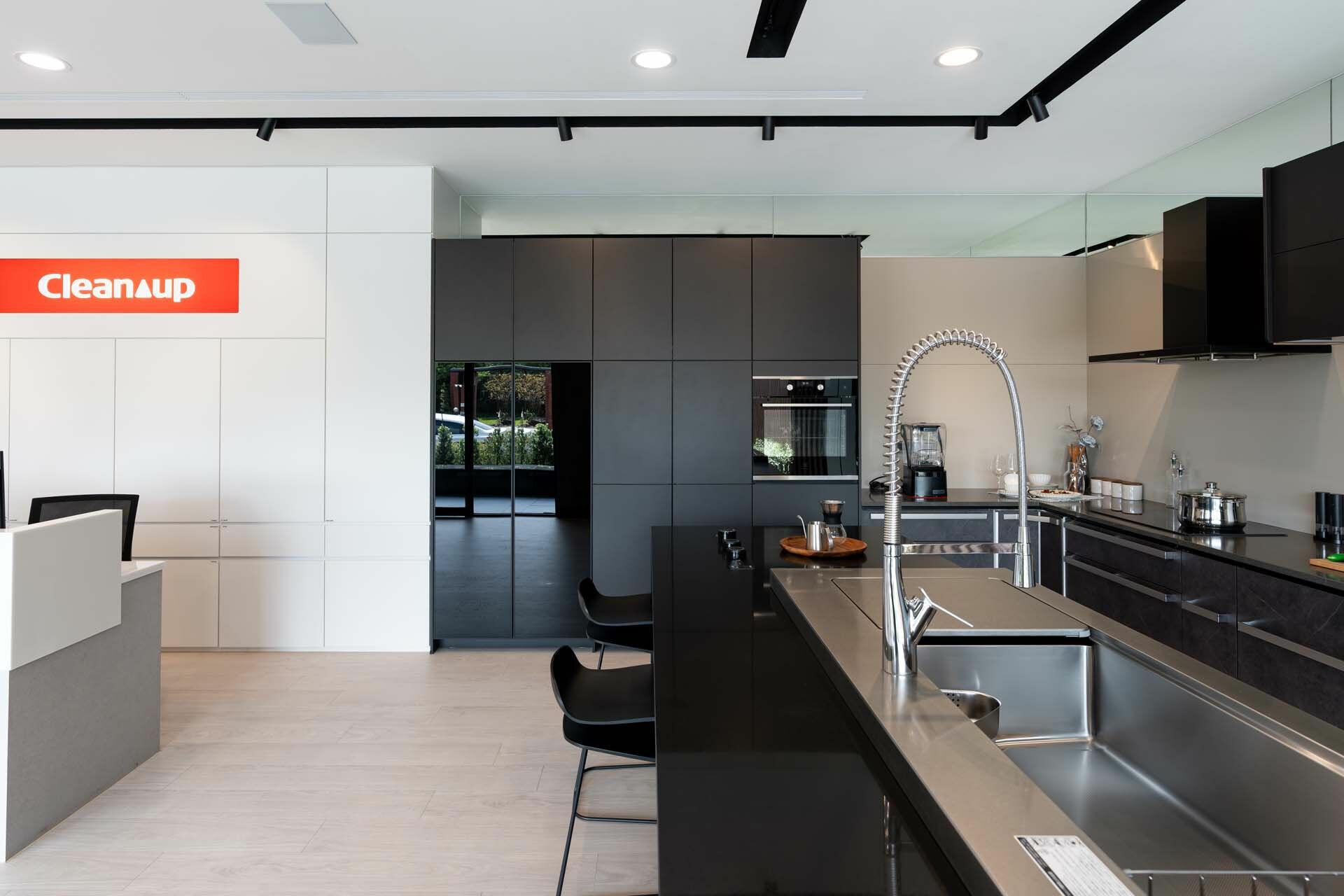
從德匠塑造的空間氛圍中,人們得以開啟從一套廚具到一種生活方式的想像。自外側步入展間的過程中,首先轉進一處庭園綠意,再隨之延伸至更為幽靜的緣側,靜聽竹筧流水的清叩聲響,自遠而近框取廚房意境。於是人們可以想見自己在延攬窗景的朗闊檯面優雅備餐,與家人相對而坐,笑語盈盈;若是較為緊湊的私宅空間,中島亦可與料理檯面緊鄰配置,形塑一方放慢時光的假日島嶼。在經驗豐富的團隊協助下,規劃開放式廚房時,也會建議內外廚配置,以因應重度料理帶來的氣味和油煙瀰漫困擾。若要說現代小宅化的趨勢,與更加多元的居家型態是否為廚房規劃帶來限制?那麼德匠的回答便是更加踏實、在一單一單的託付中,實踐著對每個家庭的探索與理解。而這或許也是另一種類似於不鏽鋼櫃體的「剛性」:保持彈性,且始終堅韌有餘。
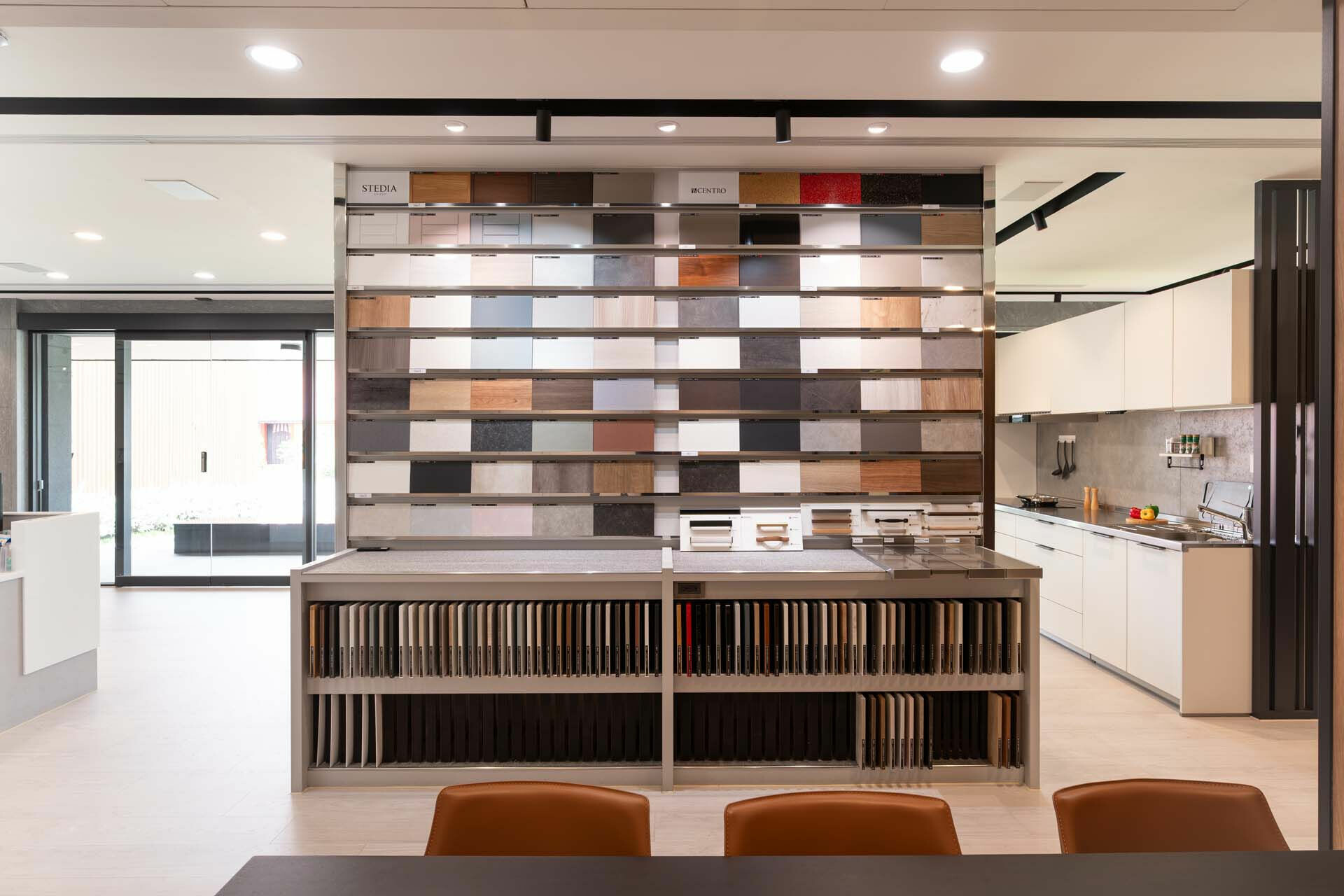
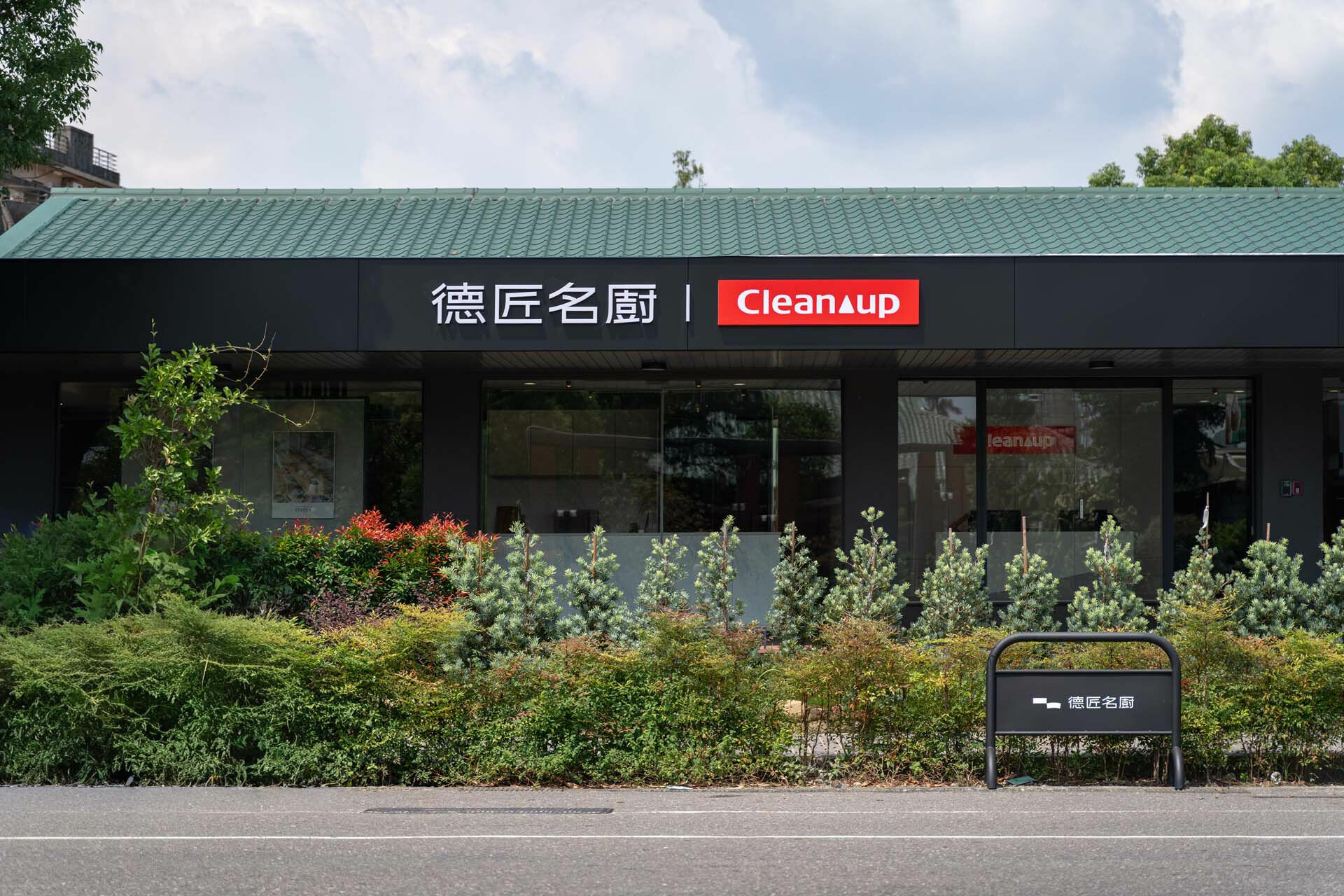


The atmosphere at Te Chiang’s showroom helps visitors imagine daily life around a kitchen. The approach to the showroom leads through a leafy garden to a more secluded engawa veranda. Visitors hear the gentle patter of water from a bamboo spout as they draw closer, the kitchen framed first from a distance and then close up. They can picture themselves preparing food with ease at a generous worktop with a view through the window, then sitting opposite their family, talking and laughing. In a more compact home, an island can sit close to the kitchen worktop, creating a small island retreat where time slows on days off. When planning an open-plan kitchen, the experienced team may recommend a separate enclosed cooking area to help keep the odours and fumes of intensive cooking from spreading through the home. Do smaller homes and increasingly varied ways of living leave less scope for kitchen planning? Te Chiang’s answer lies in the work itself, in coming to understand each family, one commission at a time. Perhaps this is another kind of strength, akin to that of stainless-steel cabinetry: remaining flexible and always resilient.

德匠名㕑

  • About
  • Privacy policy
  • Track Order
  • Customer
  • Contact
  • Join us
FACEBOOK
instagram
Language

Copyright © WABISABI ISSUE. 侘寂傳媒有限公司 統一編號:90451315

  • Projects
    • Worldwide
    • Interiors
    • Features
  • Contemporary
    • Exhibitions
  • Record
  • Lifestyle
  • City Explore
  • News
  • Issue
  • About
  • Privacy policy
  • Track Order
  • Customer
  • Contact
  • Join us
Language