WABISABI
  • Projects
    • Worldwide
    • Interiors
    • Features
  • Contemporary
    • Exhibitions
  • Record
  • Lifestyle
  • City Explore
  • News
  • Issue
  • Account
  • Search
  • Language
Mobile nav


科學島博物館

Science Island Museum (Mokslo Sala)


漫步於立陶宛舊城區鋪覆的石板街道,中世紀風貌仍靜靜留存在城市肌理之中。綠蔭沿途舒展,四季分明的景緻在街道間流轉;歐式建築投下的陰影,也悄然暗示著太陽運行的軌跡。沿著河畔散策慢行,平靜水流環繞著一座河中島,將其輕輕擁入懷中——內穆納斯島(Nemunas Island)猶如一座遺世獨立的城市後花園,為人們保留一處得以暫時抽離日常、親近自然的寧靜去處。


On the stone-paved streets of Kaunas Old Town, traces of the medieval city still linger in the urban fabric. Greenery lines the route, and the changing seasons register quietly in the streetscape. The shadows cast by historic facades mark the sun’s path across the day. Along the riverbank, the Nemunas River wraps around an island and holds it close to the city. Nemunas Island has the calm of a secluded urban garden, a green retreat where people can step away from daily life and return, if only briefly, to nature.


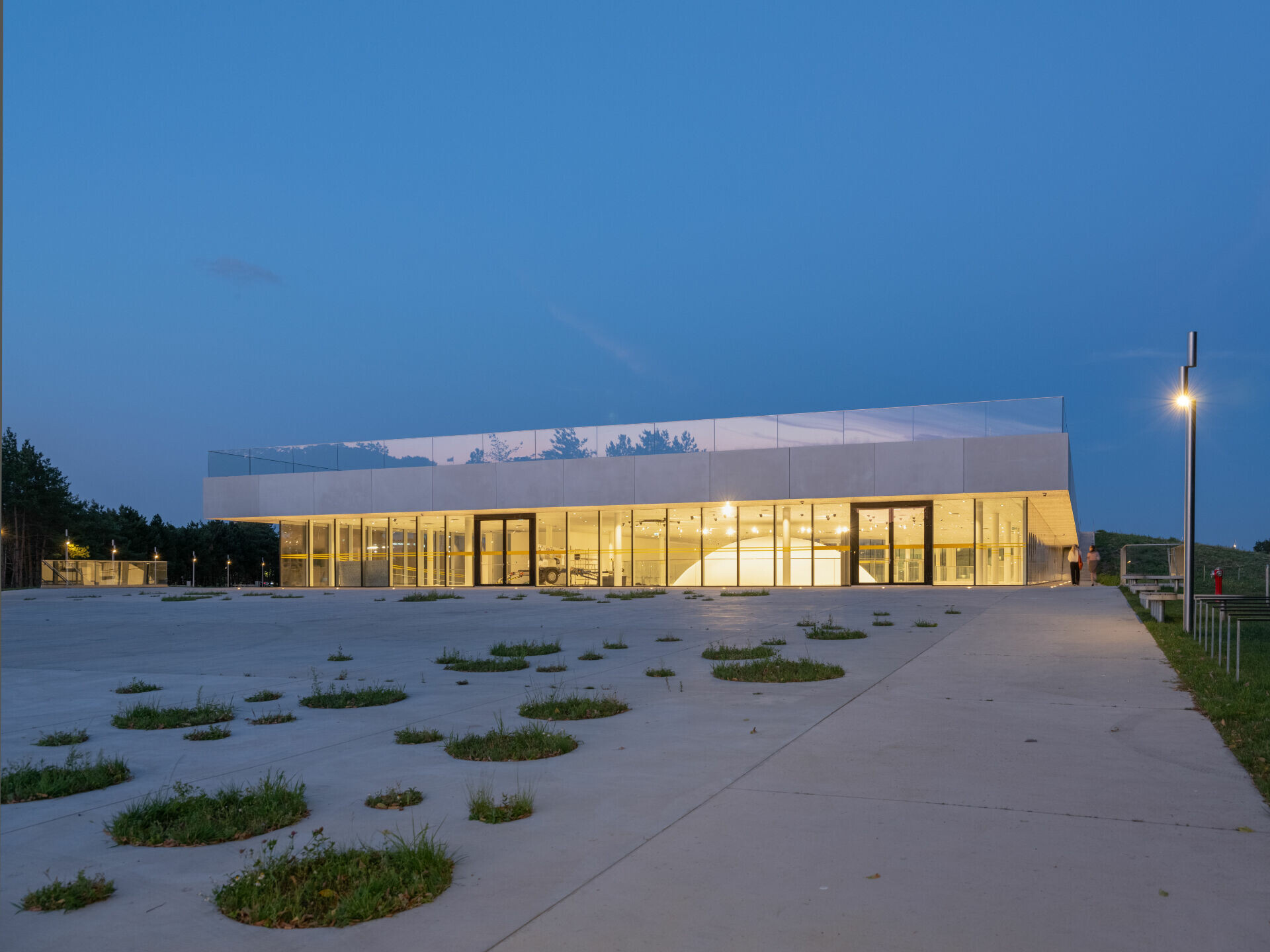
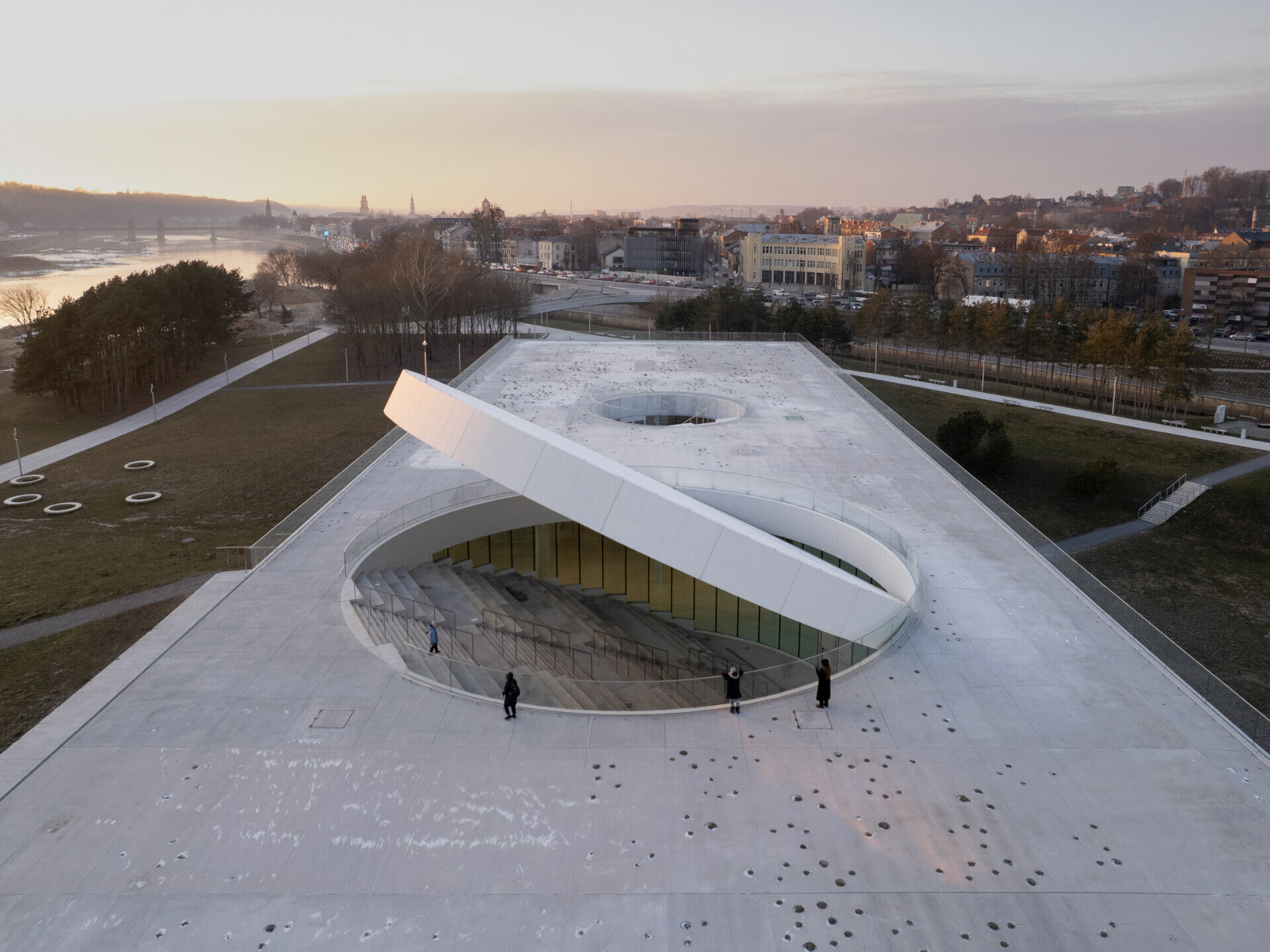
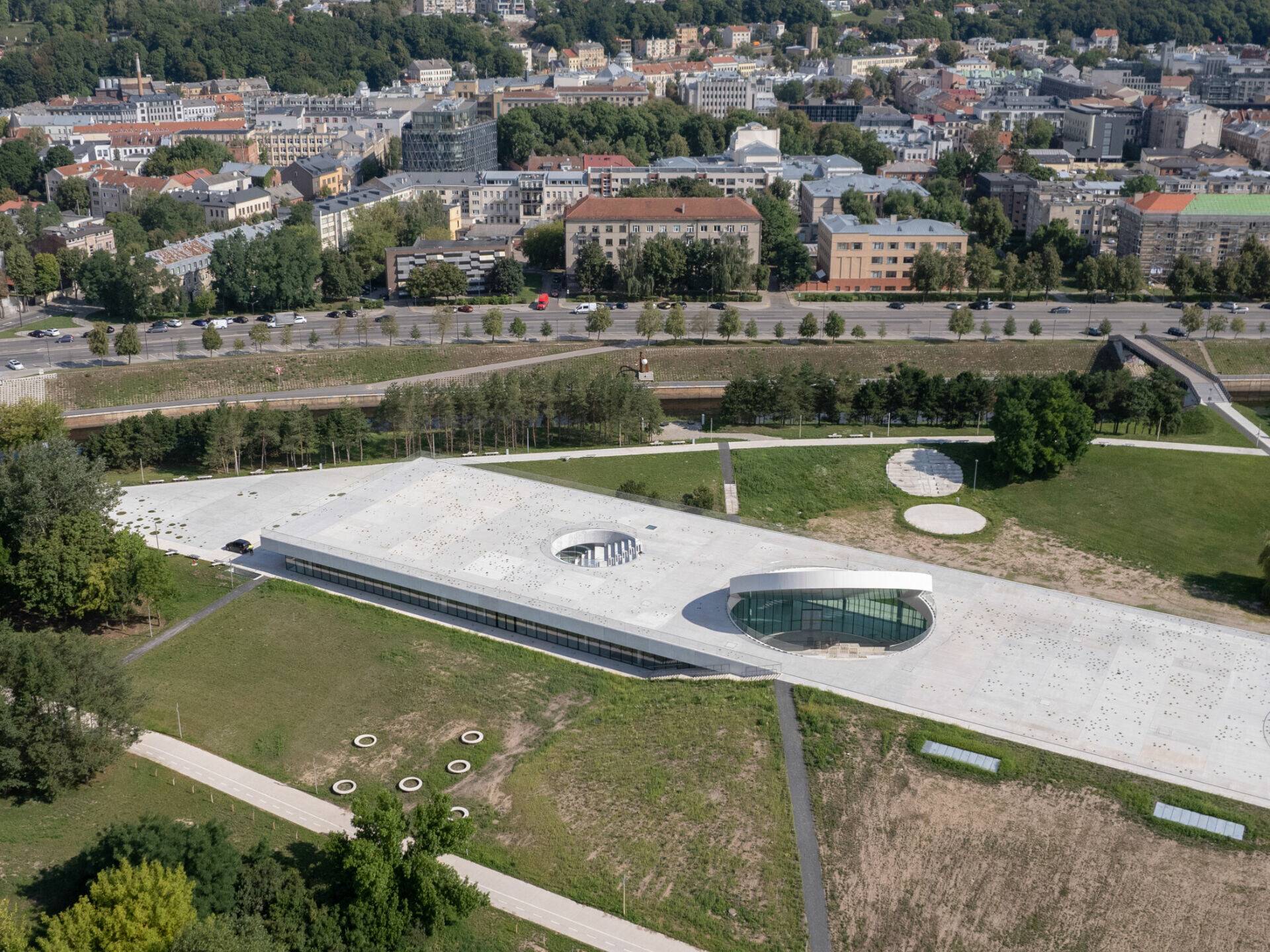
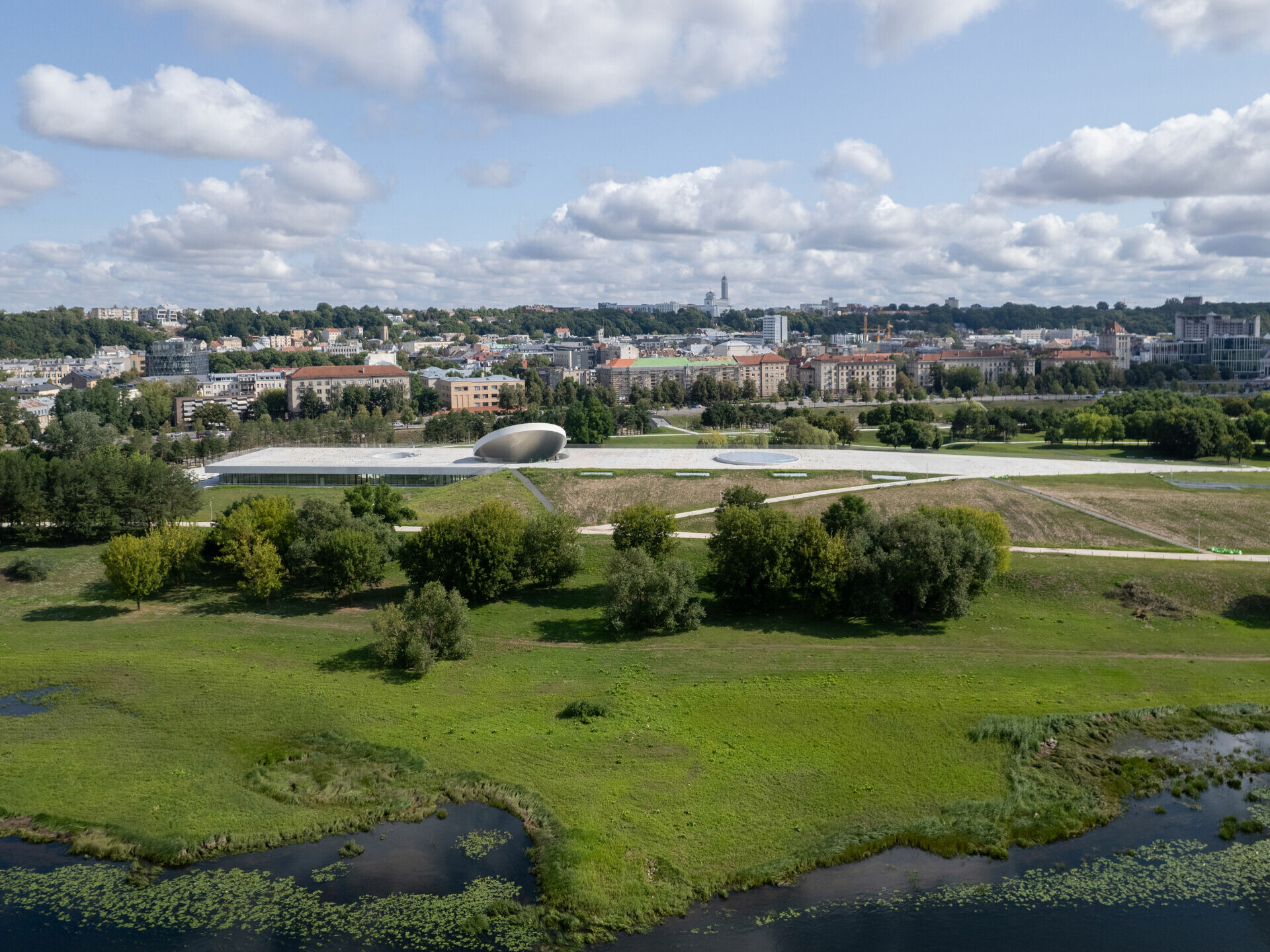
穿過跨河橋梁,便可步行抵達立陶宛首座科學與創新推廣中心——科學島博物館。建築順應島嶼地勢展開,低矮修長的量體與水岸平行,自遠處望去,如似一片寬闊的公共平台。屋頂覆以與環境和諧共生的原生植被,人們得以沿著步道緩步登上量體停留觀看,感受這座量體如何順著自然坡度嵌入地景之中;半埋入地下的空間規劃,也讓建築與島嶼之間的接縫顯得格外輕盈。那座標誌性的上掀圓盤建構主要入口,像一道向下開啟的引力吸引人們深入內部,展開對科學與環境的進一步探索。
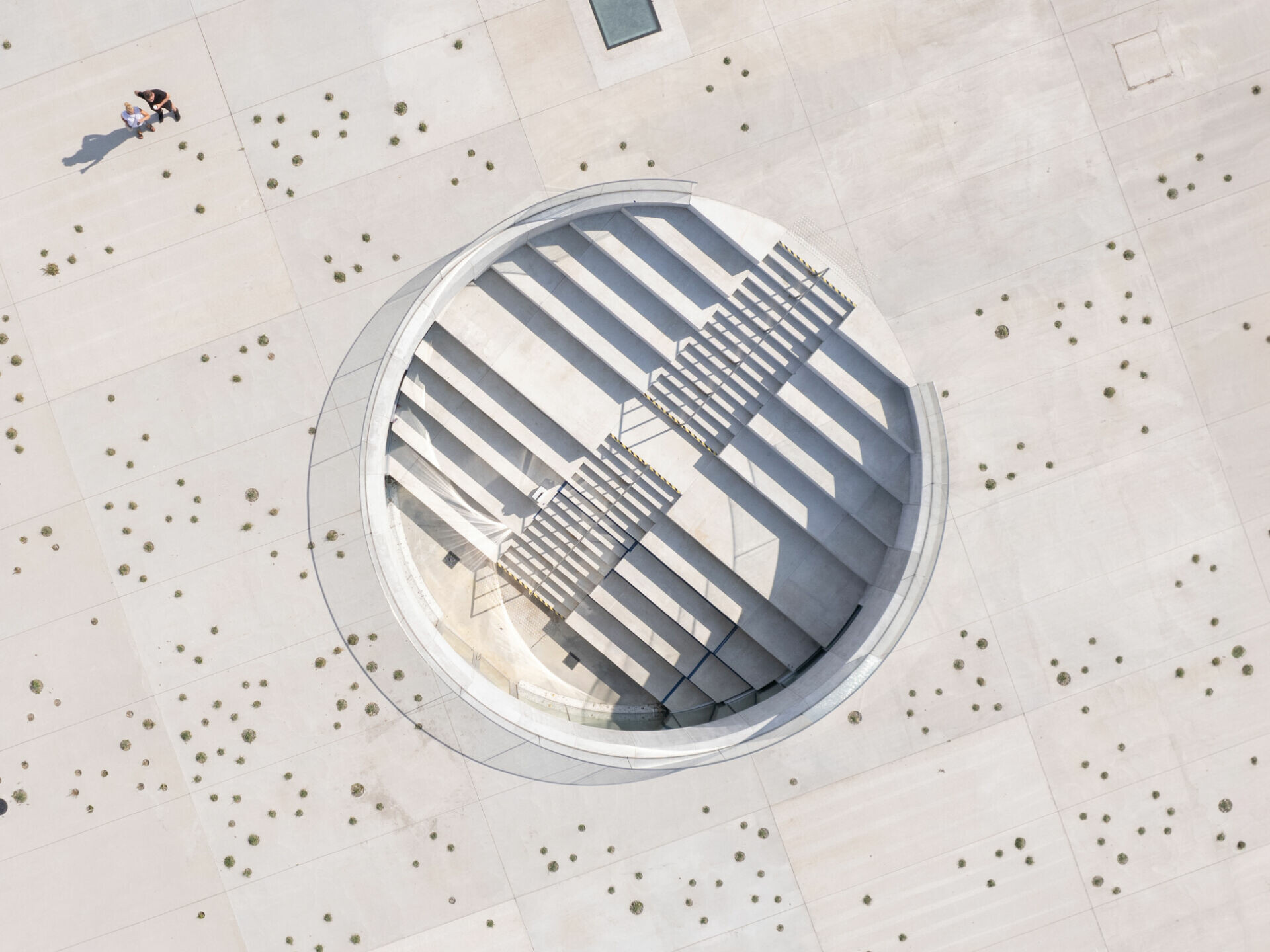


A bridge leads to the Science Island Museum (Mokslo Sala), Lithuania’s first Science and Innovation Promotion Centre. The building follows the island’s topography, forming a low, elongated volume that runs parallel to the water. From a distance, it reads less as a standalone object than as a public platform set into the landscape. Planted with native vegetation, the roof allows visitors to move onto the building, pause, look out and sense how the museum settles into the island’s natural slope. Circular access points on the roof serve as public stages and natural seating areas, while the partially sunken plan softens the seam between architecture and ground. At the main entrance, a sloping, reflective upper disk rises from the roofscape, drawing visitors inward and opening a route into the museum’s exploration of science and the environment.


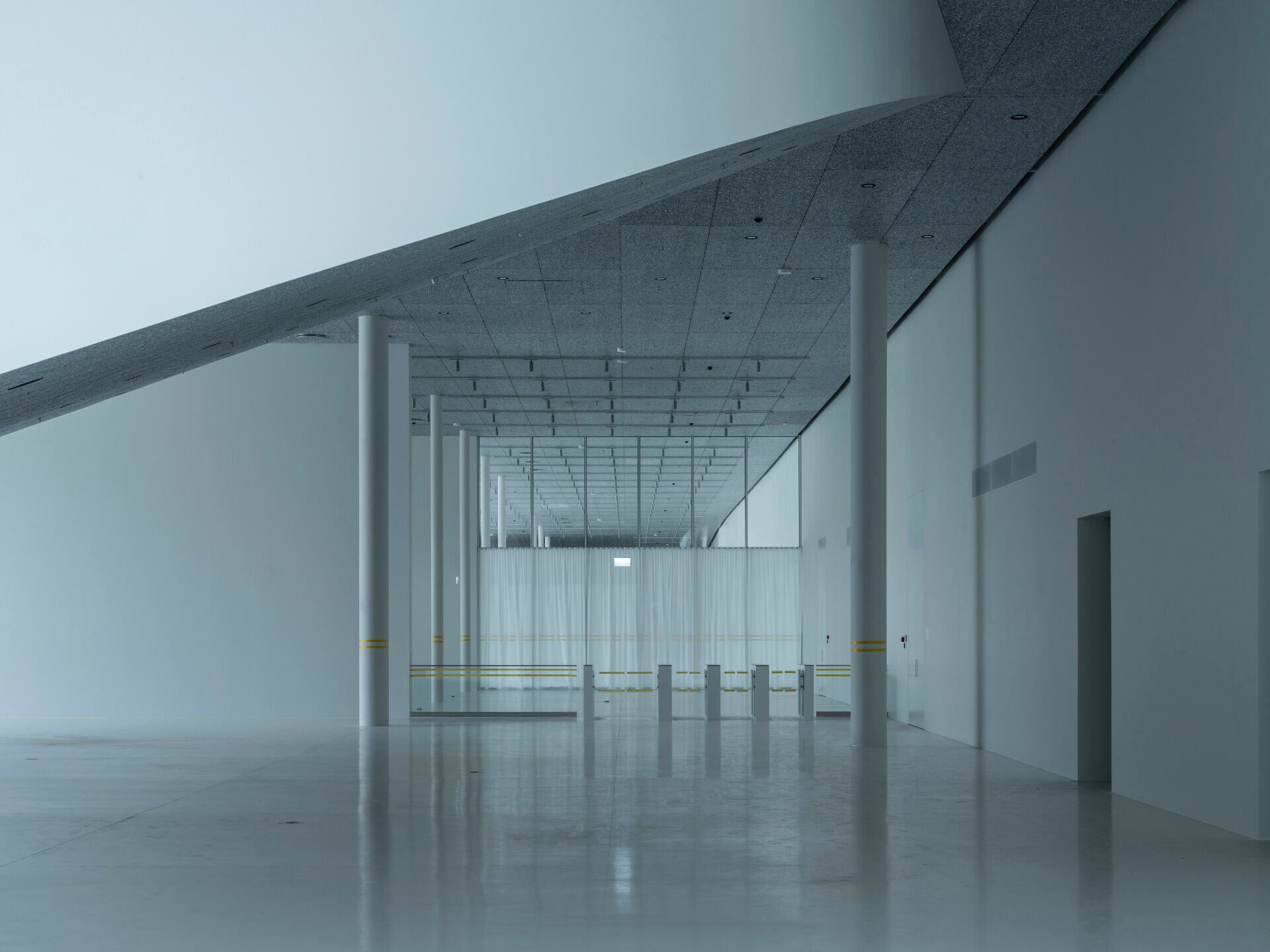
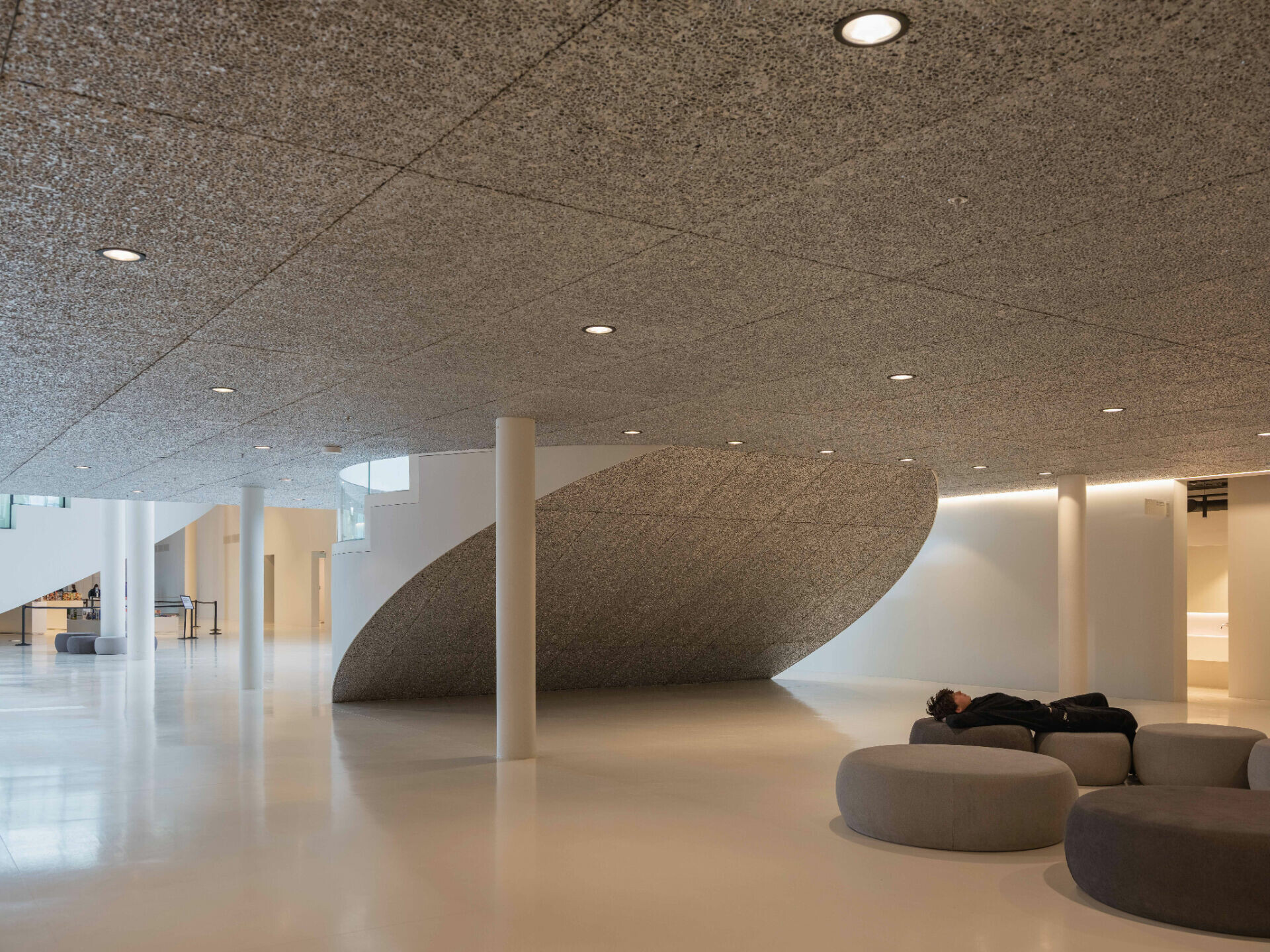
早在 2016 年 SMAR 建築事務所便以《The Sun Never Sets for Science》為設計概念贏得國際競圖,直至 2024 年底落成開放。來自博物館屋頂上傾斜的反射圓盤,其外飾金屬表層捕捉著周圍環境,反射並柔化自然光,使場館籠罩在一層朦朧的光感之中。室內天花板採用再生鋁泡沫板,進一步強化光線的漫射效果,使光不再是照明工具,而成為塑造氛圍的媒介;夜晚,圓盤則反向映現室內的人造光,在黑暗中化為島嶼上另一枚發光體,如同一顆不滅的太陽,安靜回應著科學持續運轉、尋找答案的精神。
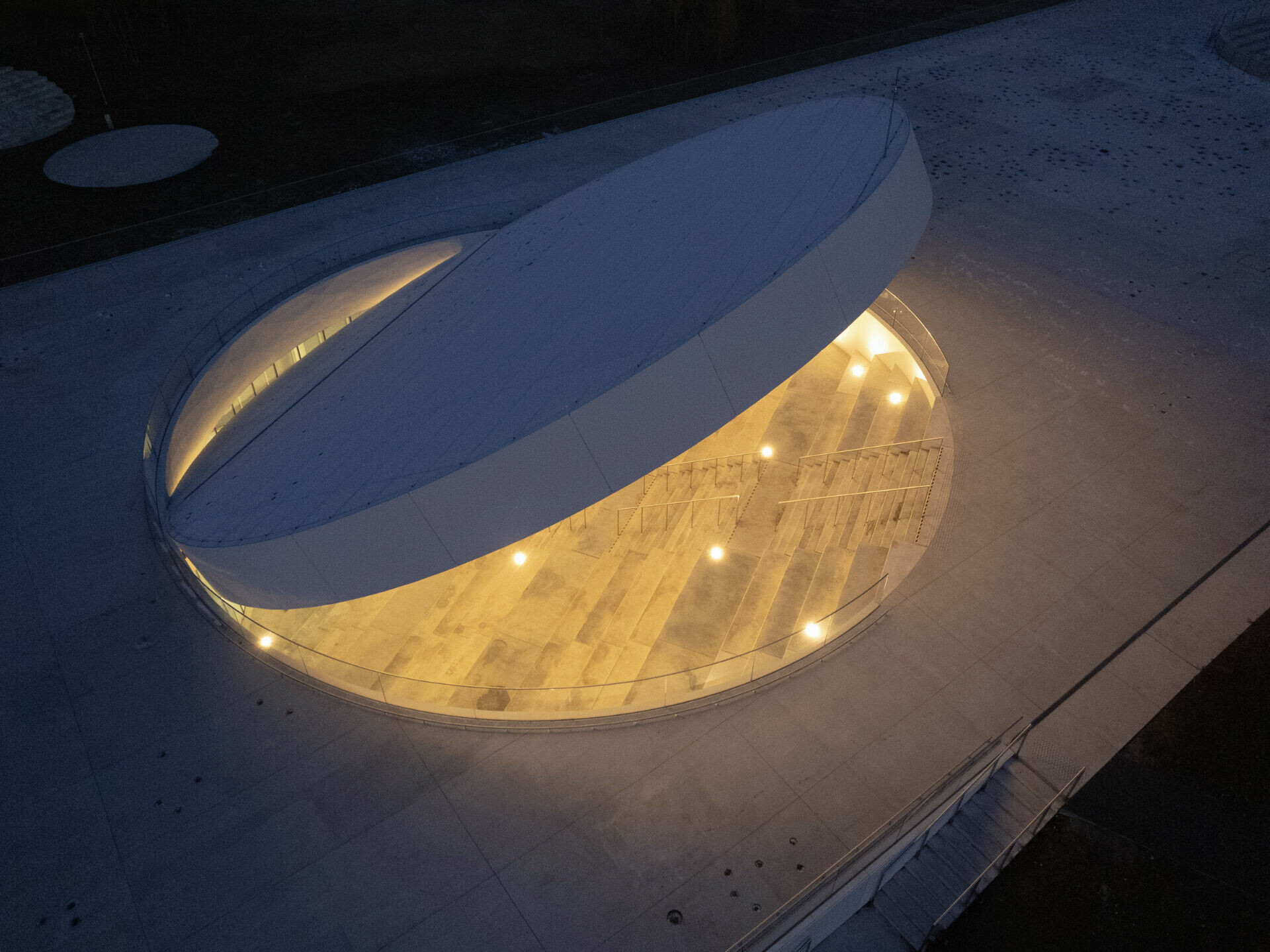
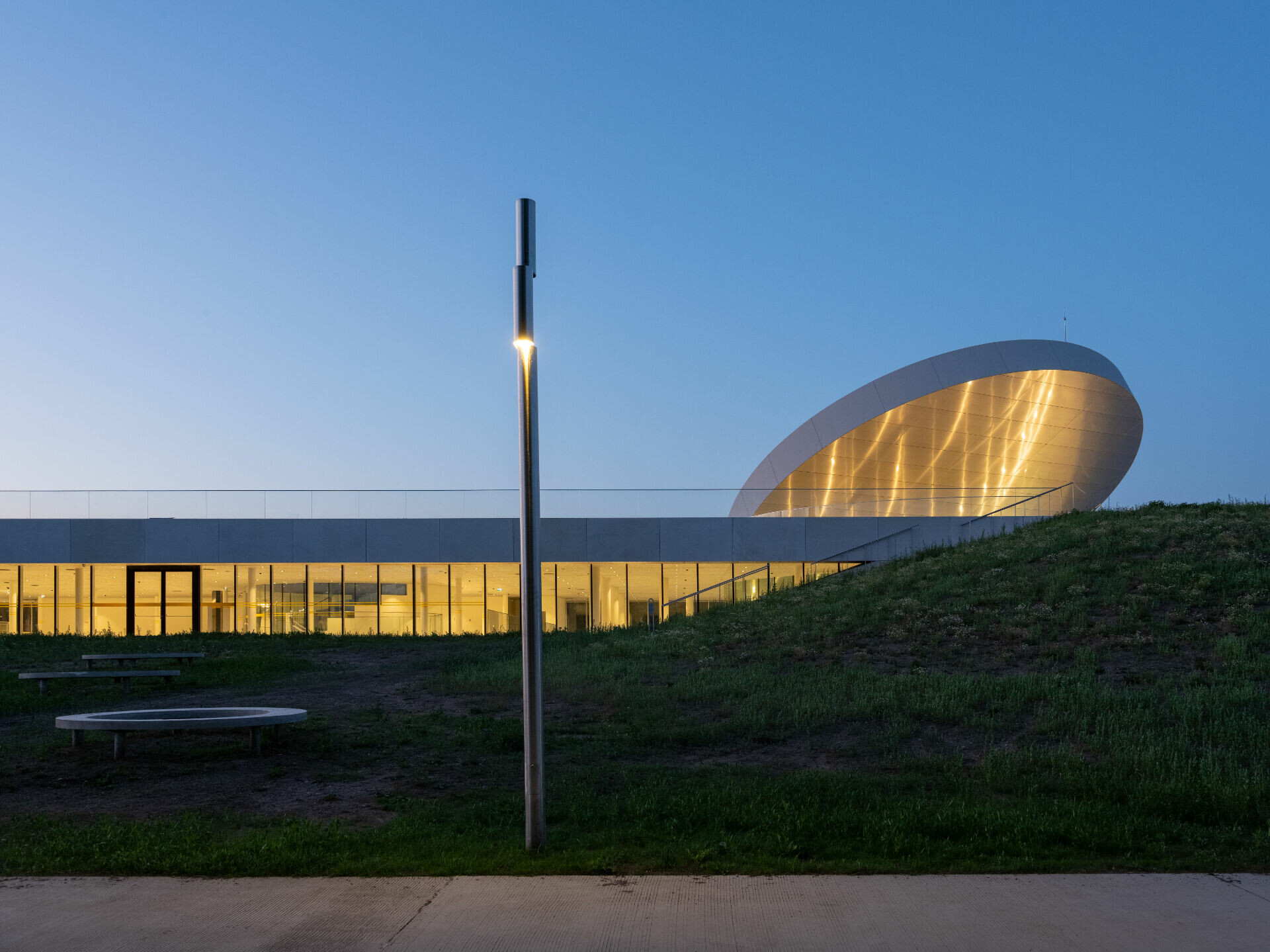


SMAR Architecture Studio first proposed the project in 2016 through its competition-winning concept, The Sun Never Sets for Science. The museum opened in late 2024. Its defining architectural gesture is the sloping, reflective upper disk: a metal surface that captures the surrounding landscape, softens daylight and brings a diffuse luminosity into the interior. Inside, ceiling panels made from recycled aluminium foam further temper the light, allowing illumination to become part of the museum’s atmosphere rather than merely a technical provision. At night, the disk reflects artificial light from within the building and appears as another luminous presence on the island, a new sun for Kaunas that recalls the project’s central idea: science is always awake, searching for new answers.


循著階梯而下,館內配置約 140 件互動裝置、一座現代化天文館、以及四座 STEAM 實驗室,涵蓋科學、科技、工程、藝術、數學等跨領域整合,同時具備舉辦各項文化教育活動的功能。團隊以現象學主導的設計策略,使建築與地景脈絡彼此緊扣,無論是向公眾開放的展示空間,還是支援運作的辦公區與實驗室,皆平等引入自然光與景觀,將四季變化與氣候條件轉譯為空間體驗,形塑鼓勵人們理解學科知識並應用於實踐的創造性氛圍。這座科學博物館,也許更接近於在意義上拆解人們對公共文化場館的印象藩籬,使學習場域不再由建築尺度所界定。
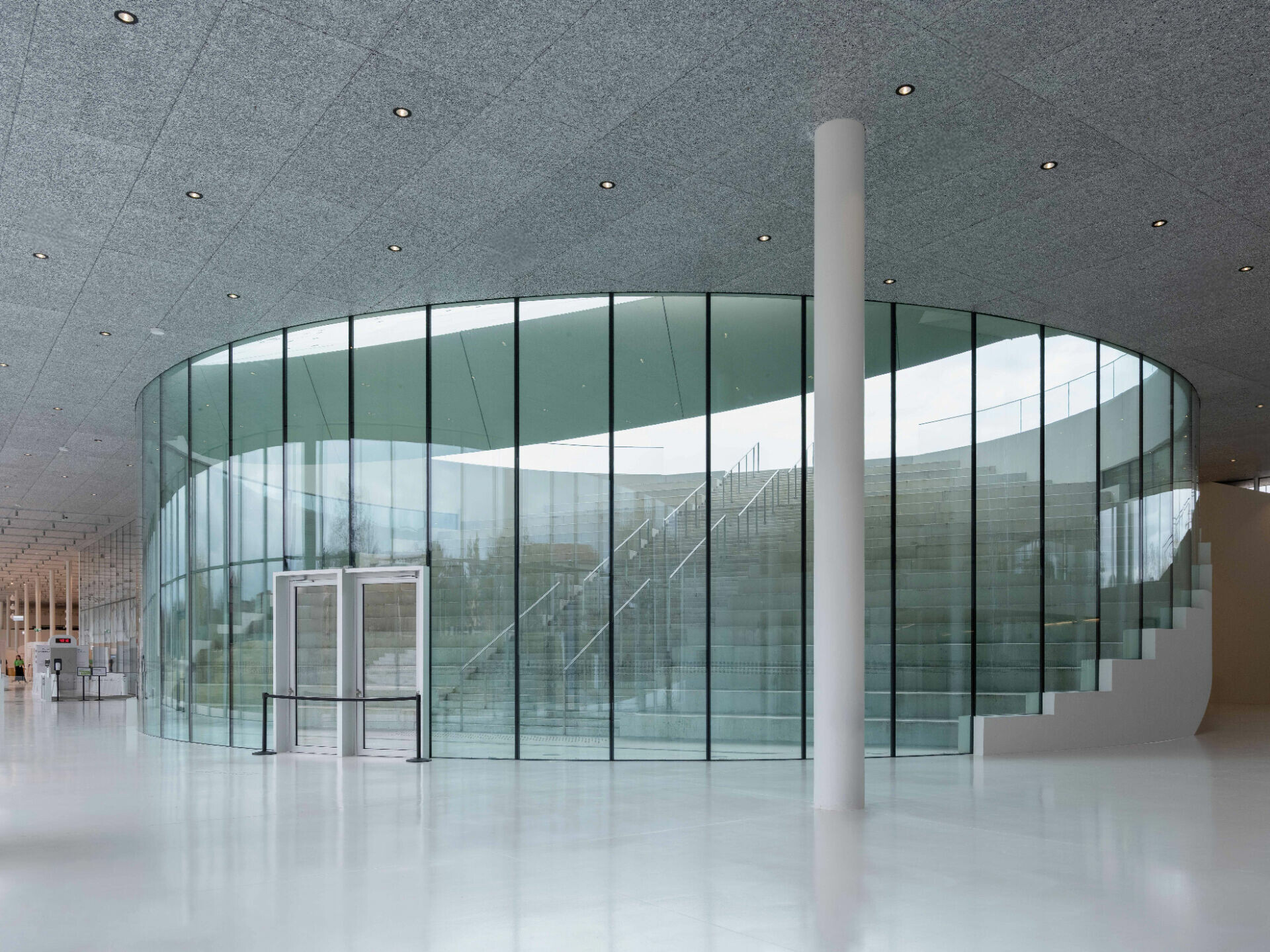
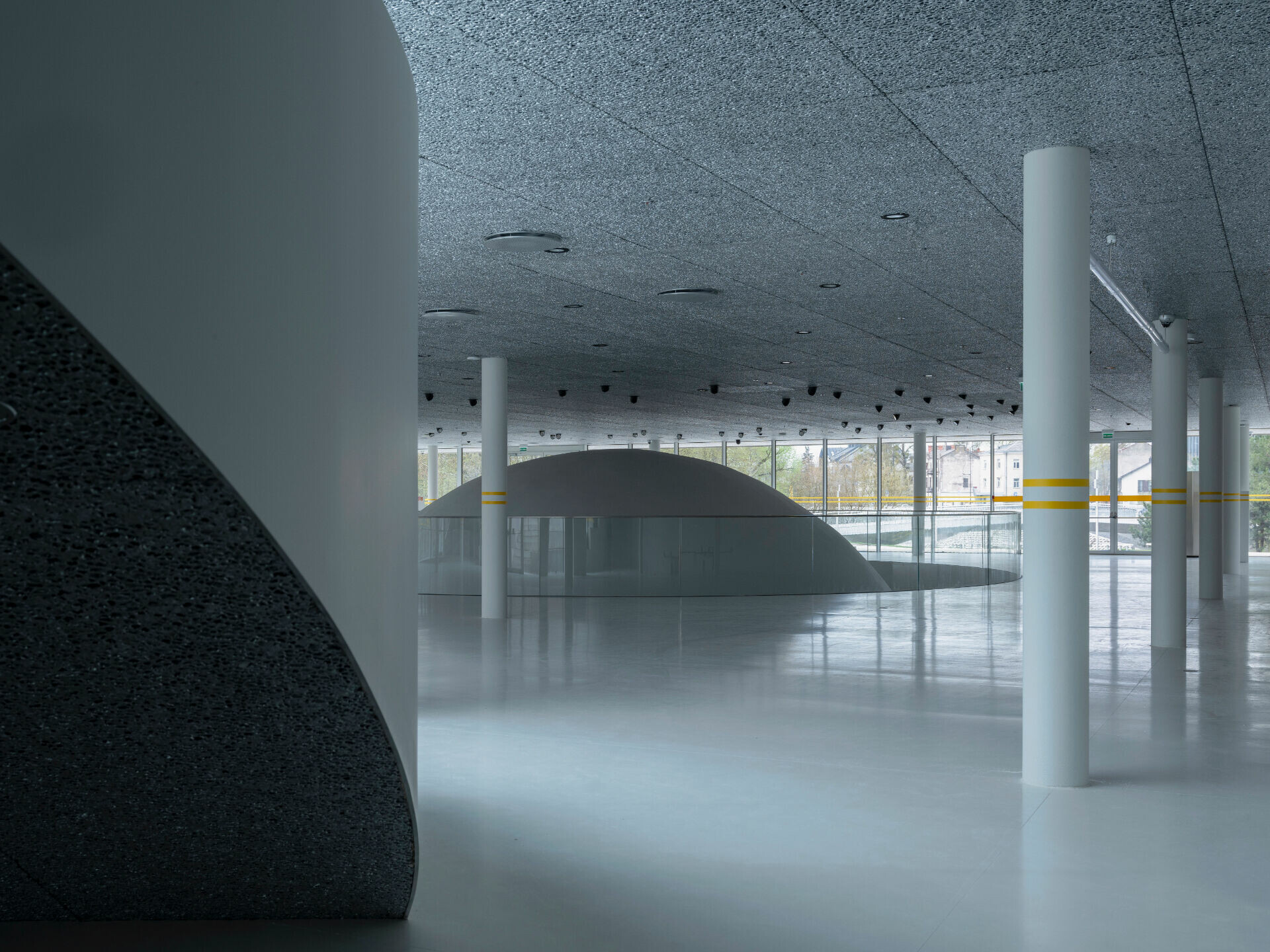


Visitors descend into a museum with around 140 interactive installations, a state-of-the-art planetarium and four STEAM laboratories spanning science, technology, engineering, the arts and mathematics. The building also supports cultural and educational activities. Yet the project’s value lies not only in its programme, but in the spatial attitude behind it. Public exhibition areas and back-of-house laboratories and offices are treated with equal care. Rather than being pushed to the margins, laboratories and workspaces receive natural light and views of the park. Weather, seasonal change and daylight are not treated as background conditions. They become part of the spatial experience, allowing visitors and staff to understand the environmental sciences through movement, perception and the changing atmosphere of the place. In this sense, the museum loosens the familiar image of what a public cultural venue can be, allowing learning to extend beyond the scale and boundaries of the building itself.


正如館方的核心提問:如果我們知道得更多,會如何?那些坐在屋頂上仰望天空、思考天體如何運行的時刻,或是在某個瞬間懷疑起腳下的土壤裡埋藏著什麼秘密,往往是開啟未知的契機。在這裡,各年齡層的人們都可以透過有趣的實驗、與對可視化自然現象的觀察,尋找自己的答案,體會一座靜態公共建築如何引導人們展開主動探索的歷程。最終,科學島博物館所回應的,或許不只是知識的傳遞,更多的是人類那份永無止盡的好奇心。
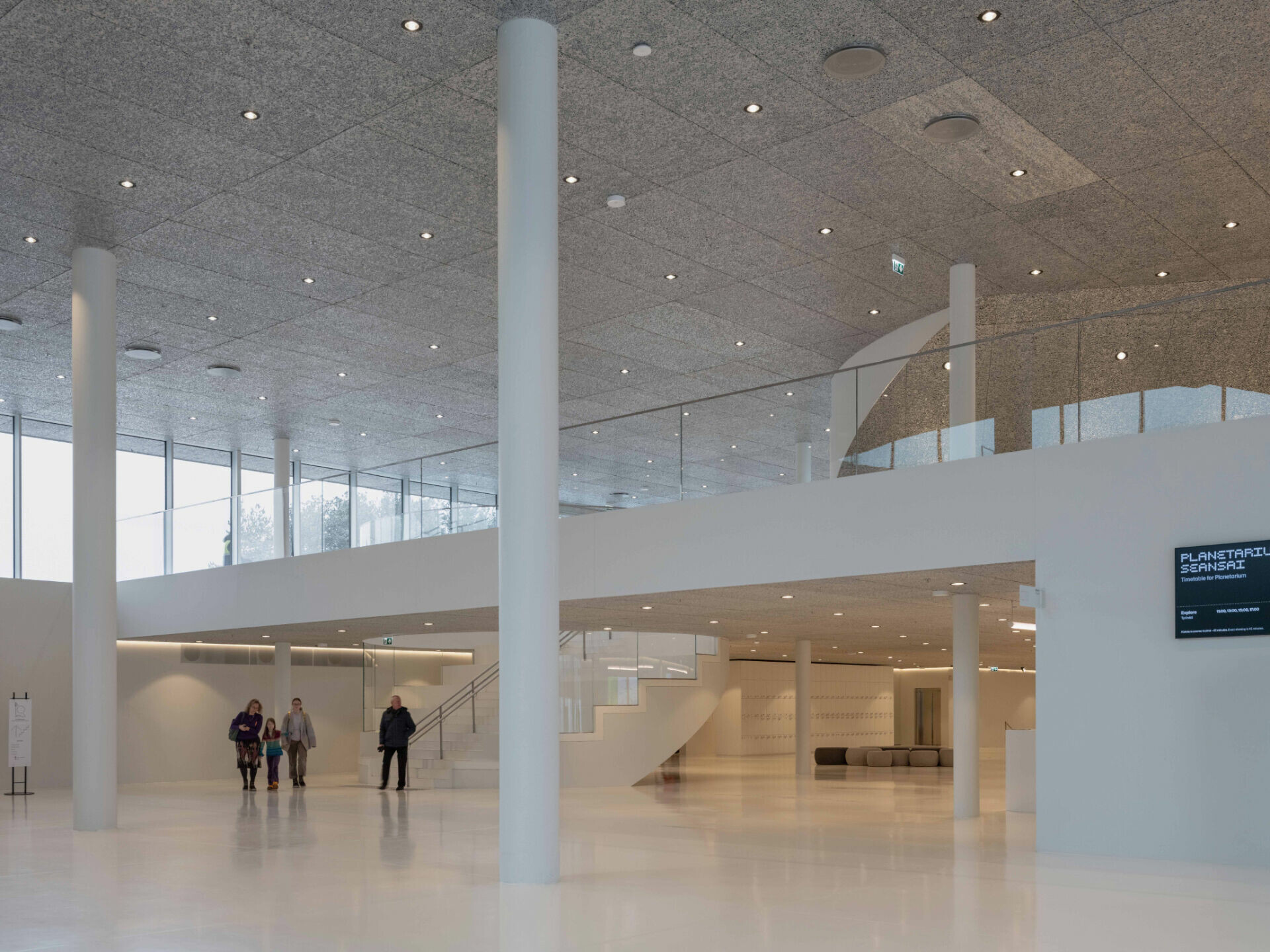


The museum’s central question is direct: “What if we knew more?” The answer may begin with ordinary moments: sitting on the roof and looking up at the sky, wondering how celestial bodies move, or suddenly asking what secrets might lie beneath the soil underfoot. These passing thoughts can become openings into the unknown. Here, visitors of all ages learn through experiment, observation and visible natural phenomena, discovering how a seemingly static public building can set curiosity in motion. Ultimately, the Science Island Museum does not simply transmit knowledge. It gives architectural form to the human impulse to ask, observe and understand.


Design Studio | SMAR Architecture Studio @smar.studio
 
Photography | L.Mykolaitis @lukas.mykolaitis.docu
A Habitat Tailored for Private Wellness
上一頁

A Habitat Tailored for Private Wellness

House 720 Degrees
下一頁

House 720 Degrees

  • About
  • Privacy policy
  • Track Order
  • Customer
  • Contact
  • Join us
FACEBOOK
instagram
Language

Copyright © WABISABI ISSUE. 侘寂傳媒有限公司 統一編號:90451315

  • Projects
    • Worldwide
    • Interiors
    • Features
  • Contemporary
    • Exhibitions
  • Record
  • Lifestyle
  • City Explore
  • News
  • Issue
  • About
  • Privacy policy
  • Track Order
  • Customer
  • Contact
  • Join us
Language