盛裝在異地停泊的豐盛記憶
A Harbour for Rich Memories Away from Home — MITZDO
「日月是百代的過客,來去的年歲也是旅人。」佇立於宇野港口,凝望瀨戶內海日光閃爍的寧靜海面,海風掠過耳畔,彷彿捎來松尾芭蕉的吟詠。眼前停靠著往返直島、豊島的接駁船意象與數百年前頻繁往來的商船重疊。瀨戶內海曾承載人與物資的往來,隨船隻抵岸的陌生事物,或許也就這樣逐漸融入沿岸居民的日常,這座連通外海與陸地的港口因此化為一個盛裝「空」的容器,流動的海風,不斷為港町挹注輕盈而開放的生命力。若沿著築港商店街悠閒漫步,便會走進帶有昭和時代氣息的街廓肌理。曾經沒落的小鎮,如今除了迎接前往藝術祭與島嶼的旅人,也吸引不同背景的創作者移居落腳。在不起眼的平凡巷弄間,隱藏著可以挖寶的舊物選品店;疑似無人居住的樸素民房,其實是每日限時販售的人氣甜品工作室。走在此時此刻的宇野,似乎也在隨處可見的歷史紋理中,同步讀取著這片土地的前世今生,並以此發展出不同於日本其他城鎮的複雜氣質。
“The sun and moon are travellers through the ages; the years that come and go are travellers too.” Standing at Uno Port, you look out over the calm waters of the Seto Inland Sea, glittering in the sunlight. A sea breeze brushes past, as though carrying Matsuo Bashō’s words. The ferries moored nearby, serving Naoshima and Teshima, seem to merge with images of the merchant ships that plied these waters centuries ago. The Seto Inland Sea once carried people and goods between its shores; perhaps the unfamiliar things brought ashore gradually became part of everyday life along the coast. Linking land and open sea, the port becomes a vessel for “emptiness”, the town’s light, open spirit continually renewed by the sea breeze. A leisurely stroll along Chikko Shopping Street leads into a neighbourhood whose streets still bear the imprint of the Showa era. Once in decline, the town now welcomes travellers heading for the art festival and the islands, while also drawing creative people from different backgrounds to settle here. Unassuming side streets conceal shops where carefully chosen vintage pieces await discovery; a modest house that looks unoccupied turns out to be a popular dessert studio with limited daily opening hours. Walking through Uno today feels like reading its past and present at once in the traces of history still visible all around. These layers have given the town a complex character that distinguishes it from other Japanese towns.
將風土轉譯成日常無為之美
Translating Place into the Unforced Beauty of Everyday Life
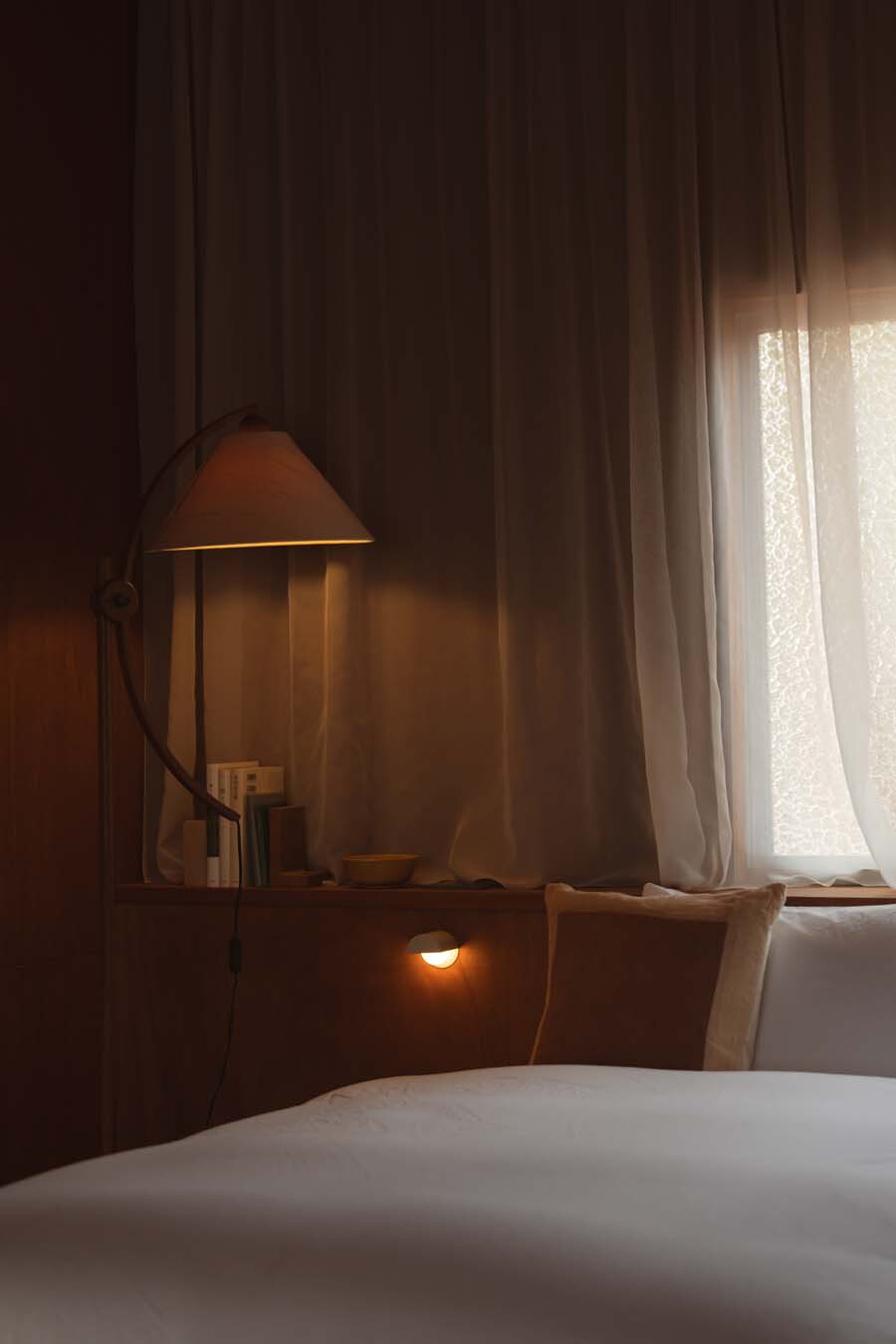
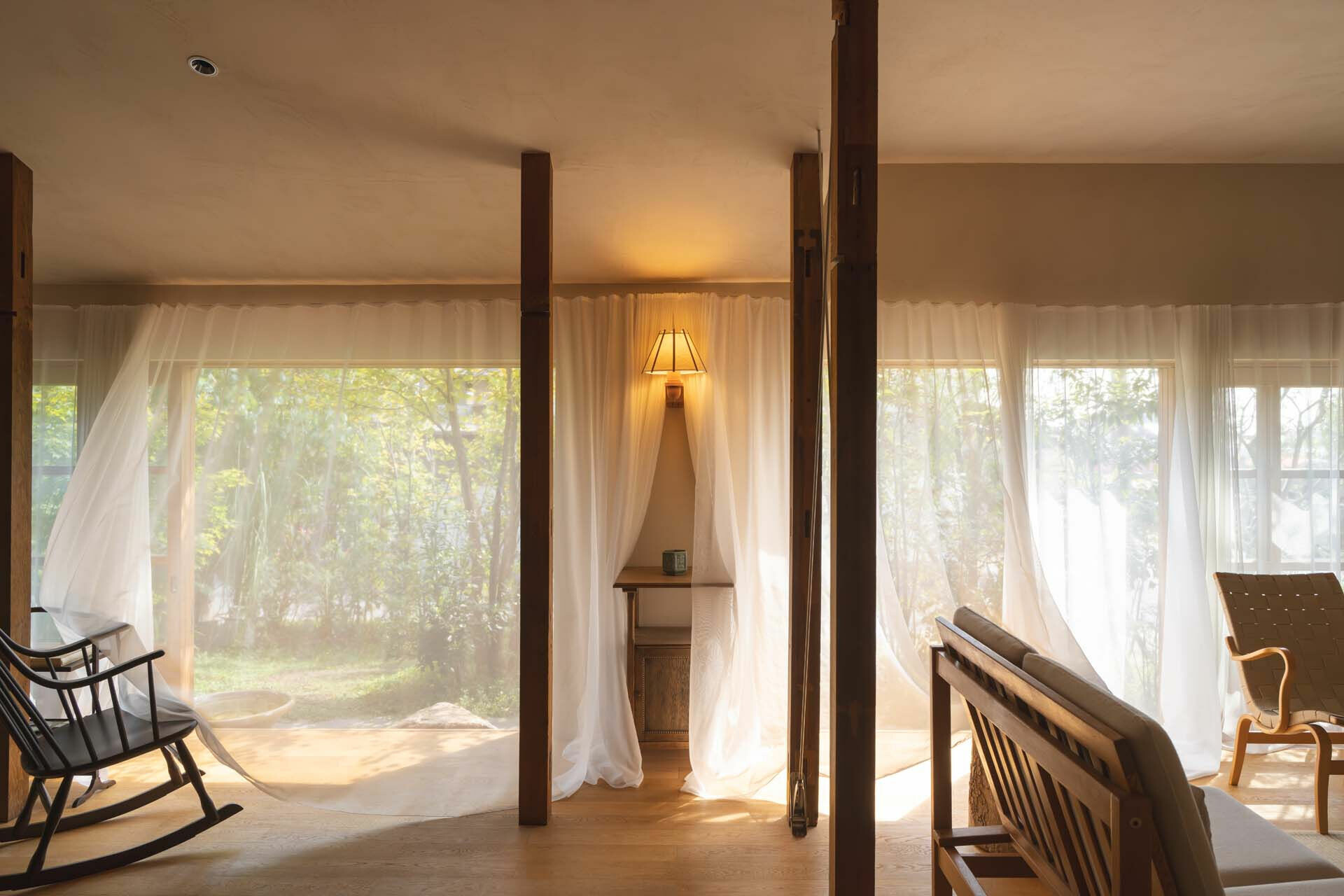
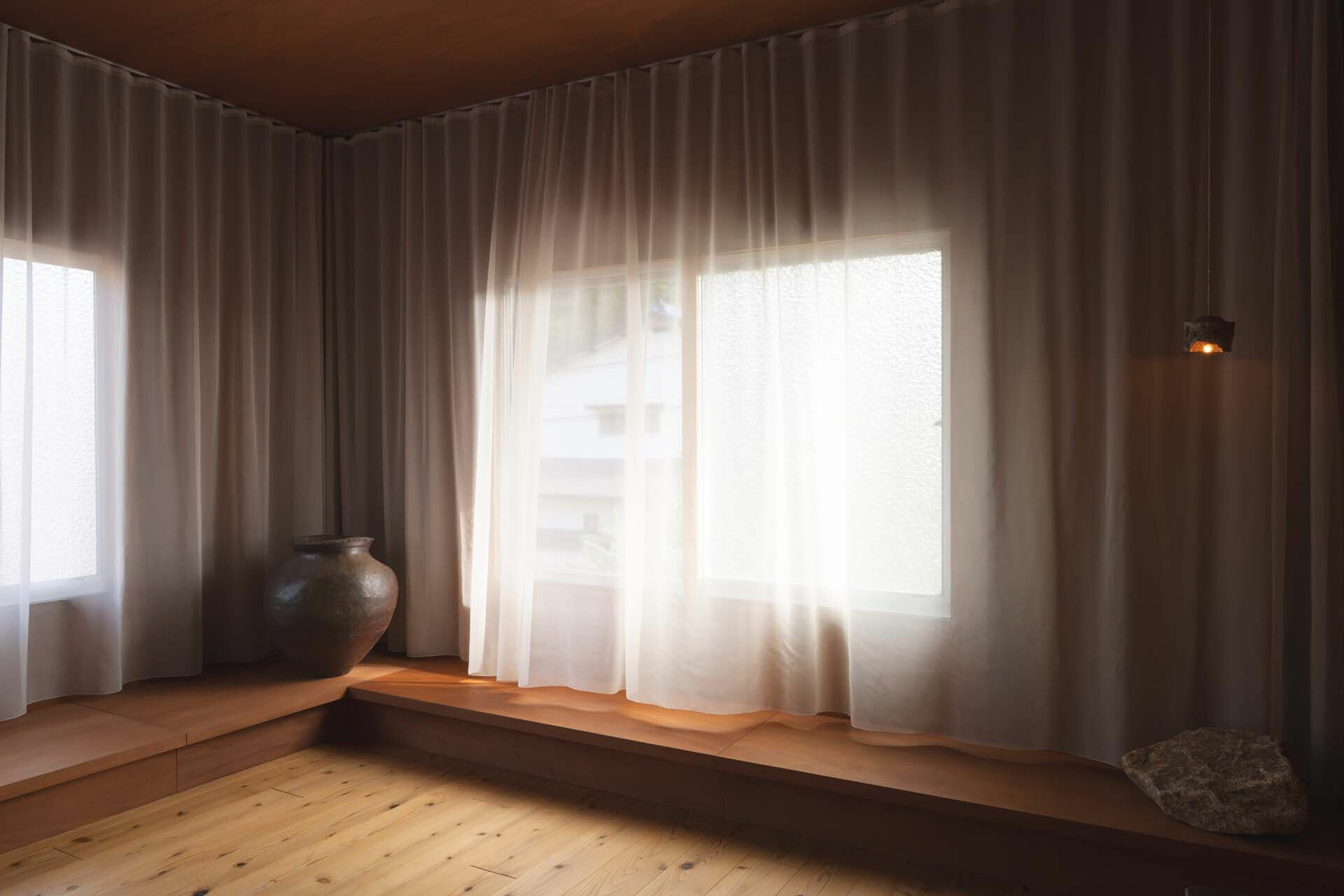
「對我而言,最先浮現的是色彩。白色或許代表自由,黃色是瀨戶內的光,而褐色則是花崗岩交織而成的土地風貌。」旅宿主人大滝洋之先生如此說道。這些對當地風土的描述,呼應著白色簾幕輕輕揚起的動態,在光束中漂浮的纖塵微粒,以及每走一步便會發出吱呀聲的老舊地板,構成了旅人對「蜜圡」的初次印象。這棟兩層樓旅宿覆蓋著藍色屋頂,從外觀看來和附近民居並無二致。沿著水路步行至南側沙灘,一路上的景色與心情,亦逐步交織進這片土地自身的記憶。最初,大滝先生亦是以旅人身份來到此地,在體驗島嶼上的藝術與自然景色後,希望有一處住所能延續那份感受。起初只是為自己尋找停靠站,後來卻漸漸想與更多人分享,進而開始思索:如何通過自身感受到的這份豐饒,形塑能喚醒身體感知的場所?
“For me, colour is what first comes to mind. White may suggest freedom, yellow is the light of Setouchi, and brown reflects a landscape shaped by granite,” says Hiroyuki Otaki, the owner of MITZDO. His words find an echo in white curtains lifting gently, dust motes drifting through shafts of light, and old floorboards creaking with every step. Together, these details form a visitor’s first impressions of MITZDO. With its blue roof, the two-storey guesthouse looks no different from the neighbouring homes. On the walk along the waterway towards the beach to the south, what you see and feel gradually becomes entwined with the place’s own memories. Otaki first arrived here as a traveller himself. After experiencing the islands’ art and natural scenery, he wanted somewhere to stay that would allow those impressions to linger. At first, he was simply looking for a base of his own. As his wish to share the experience with others grew, he began to wonder: how could he draw on the richness he had experienced here to shape a place that would awaken the senses?
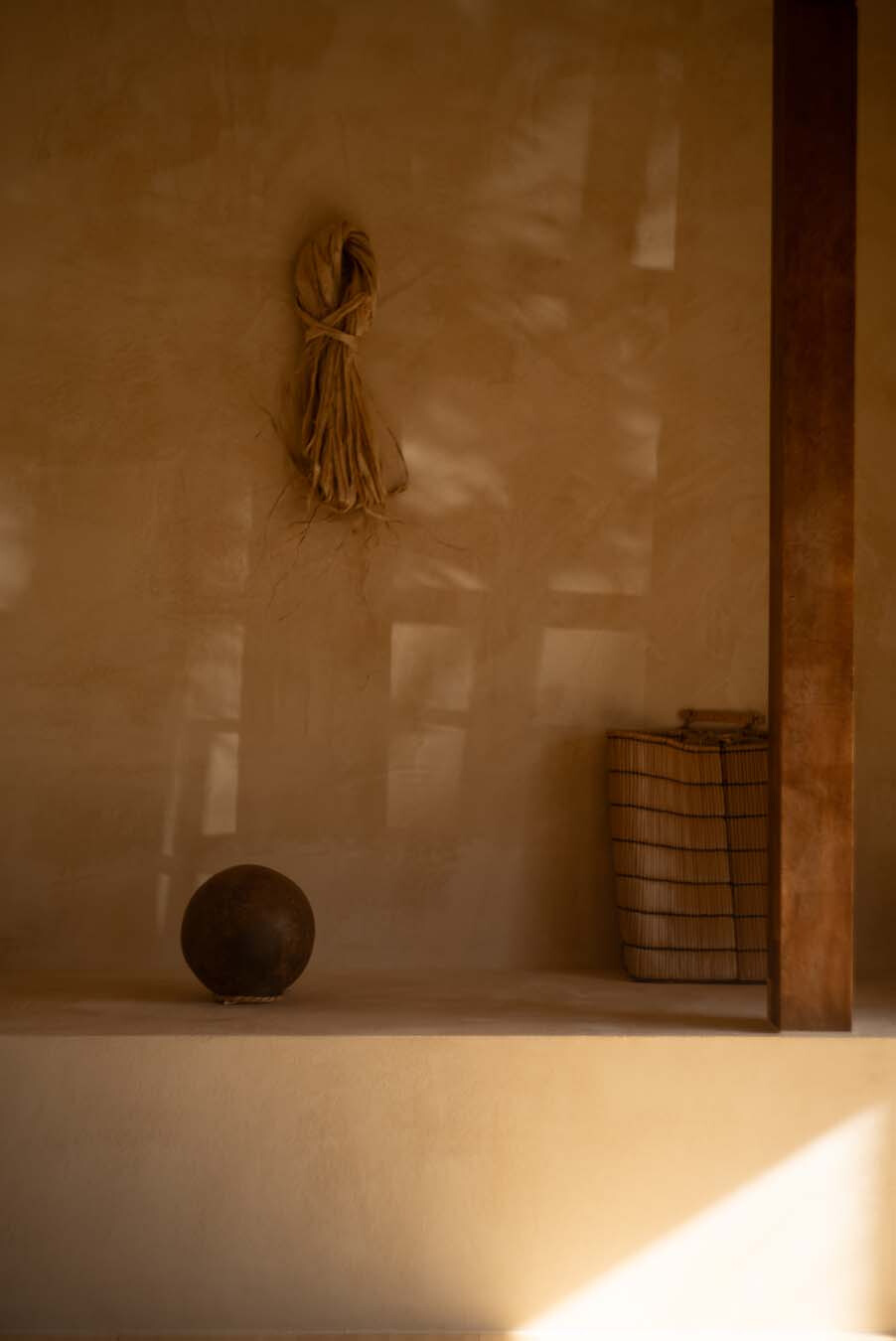
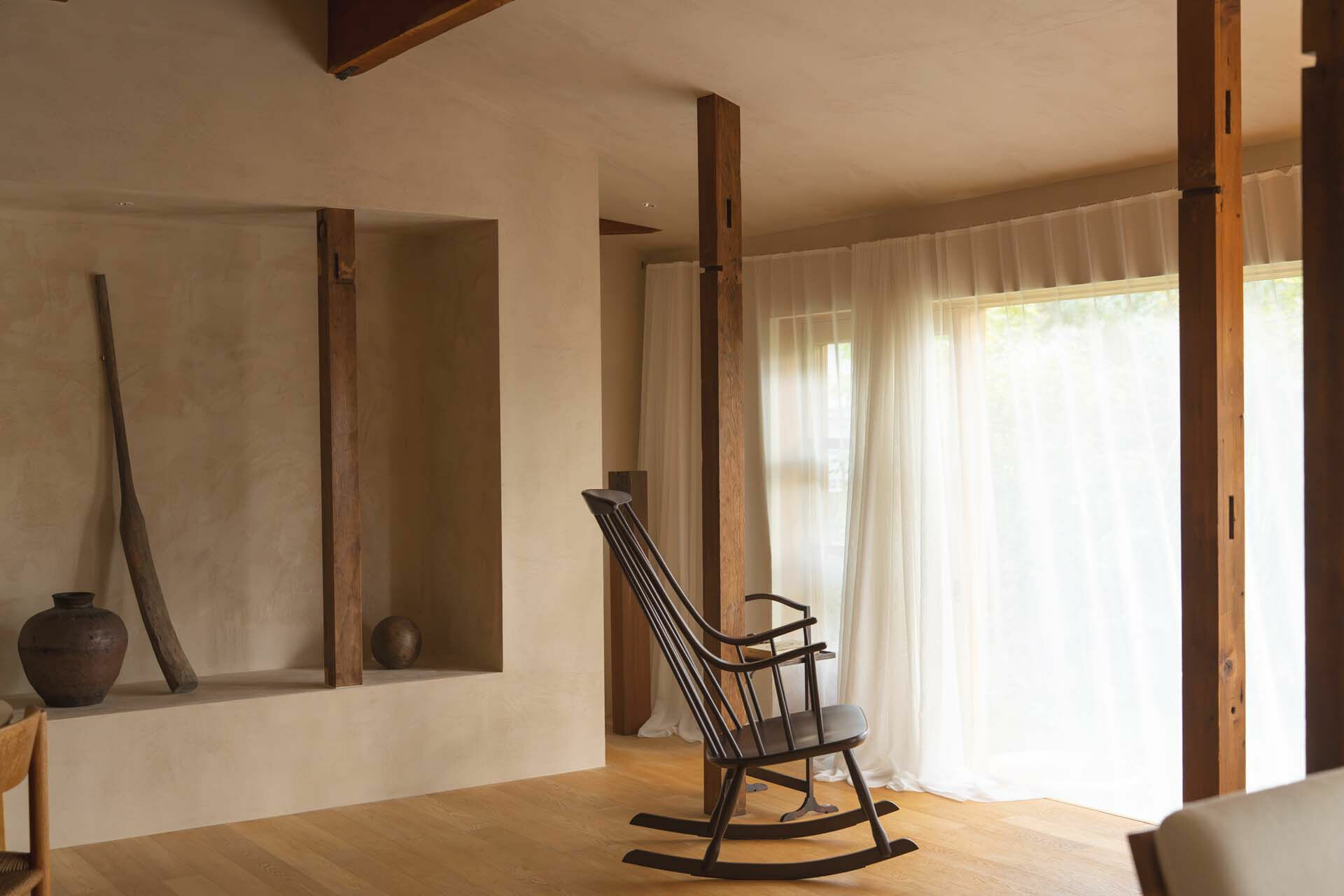
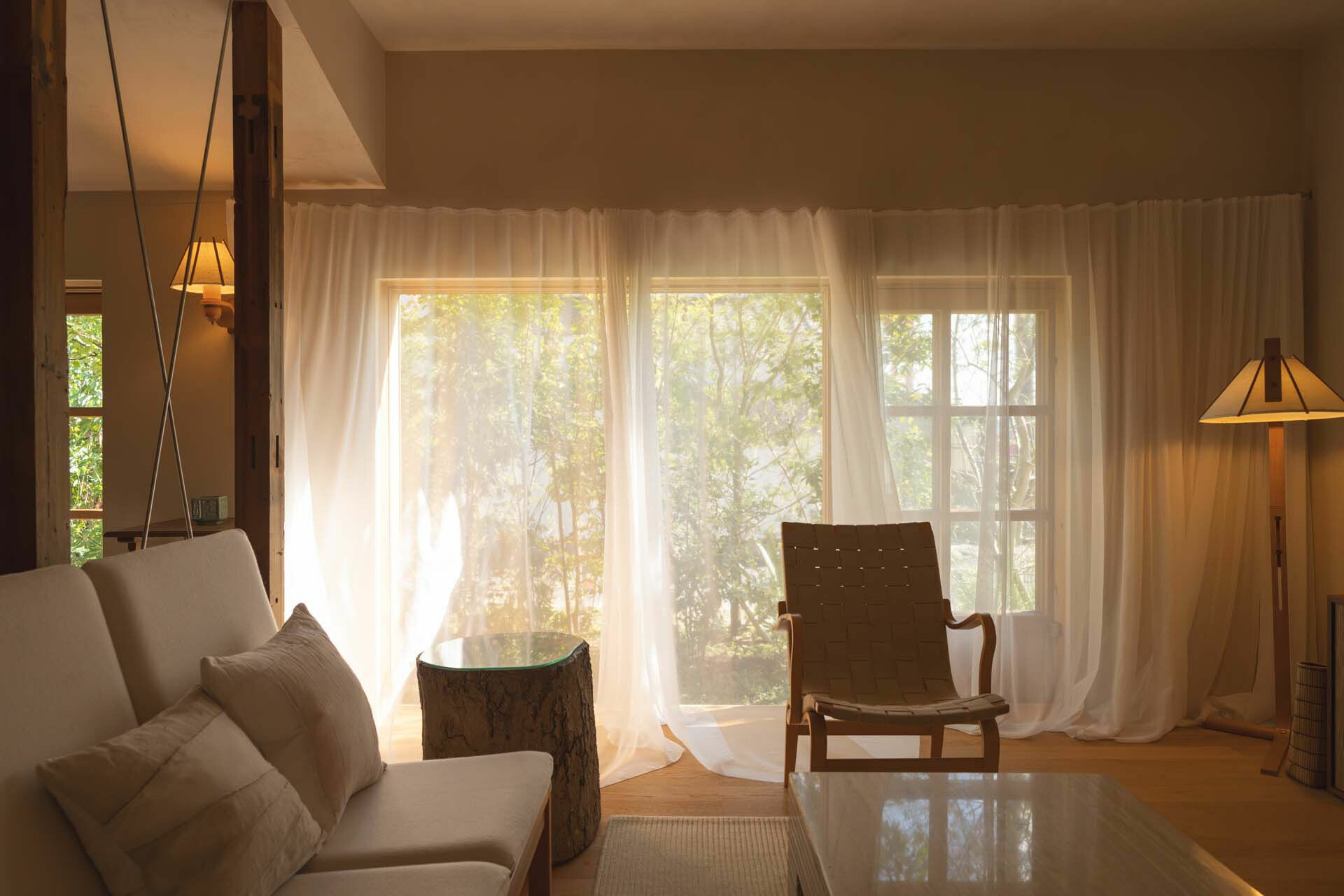
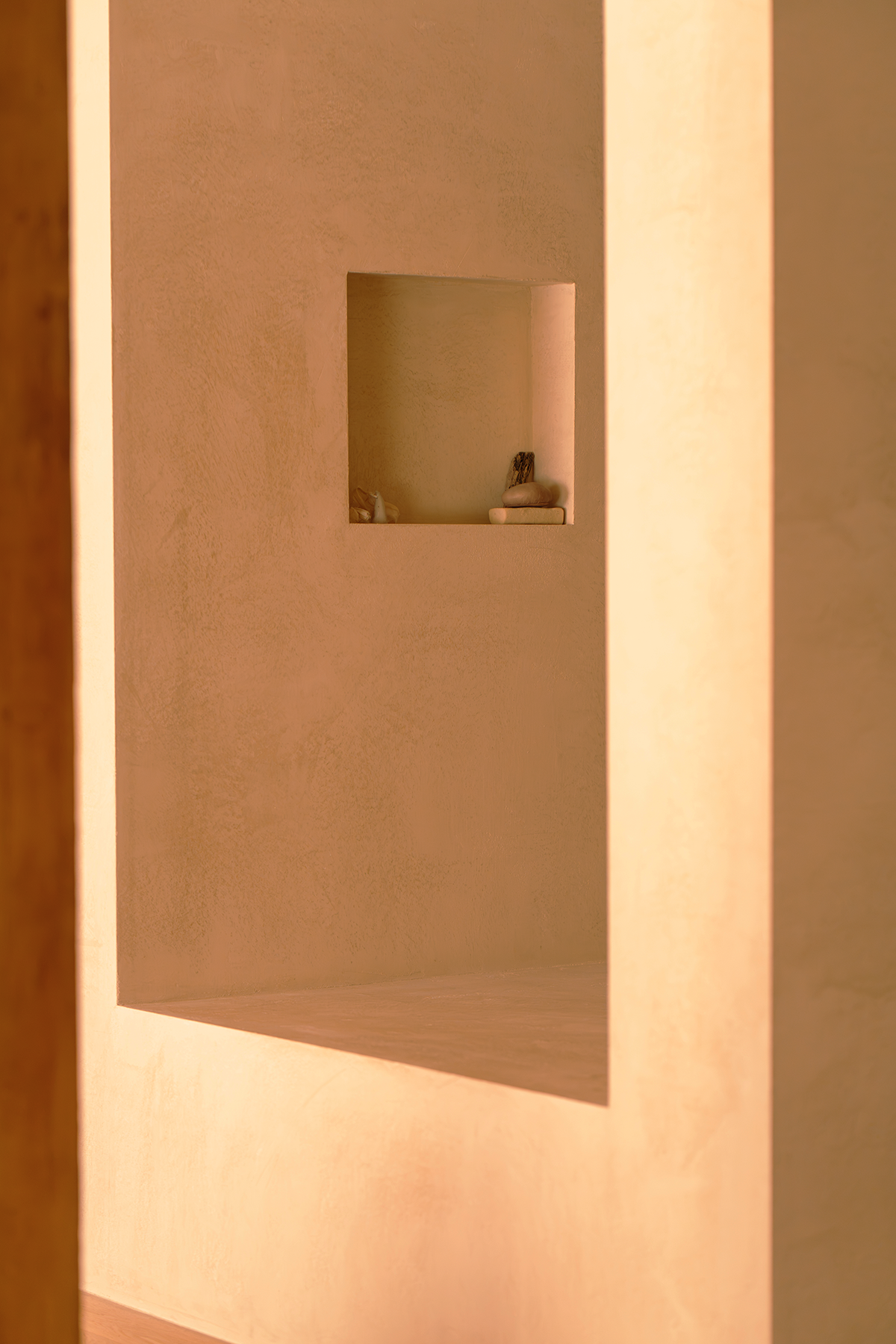
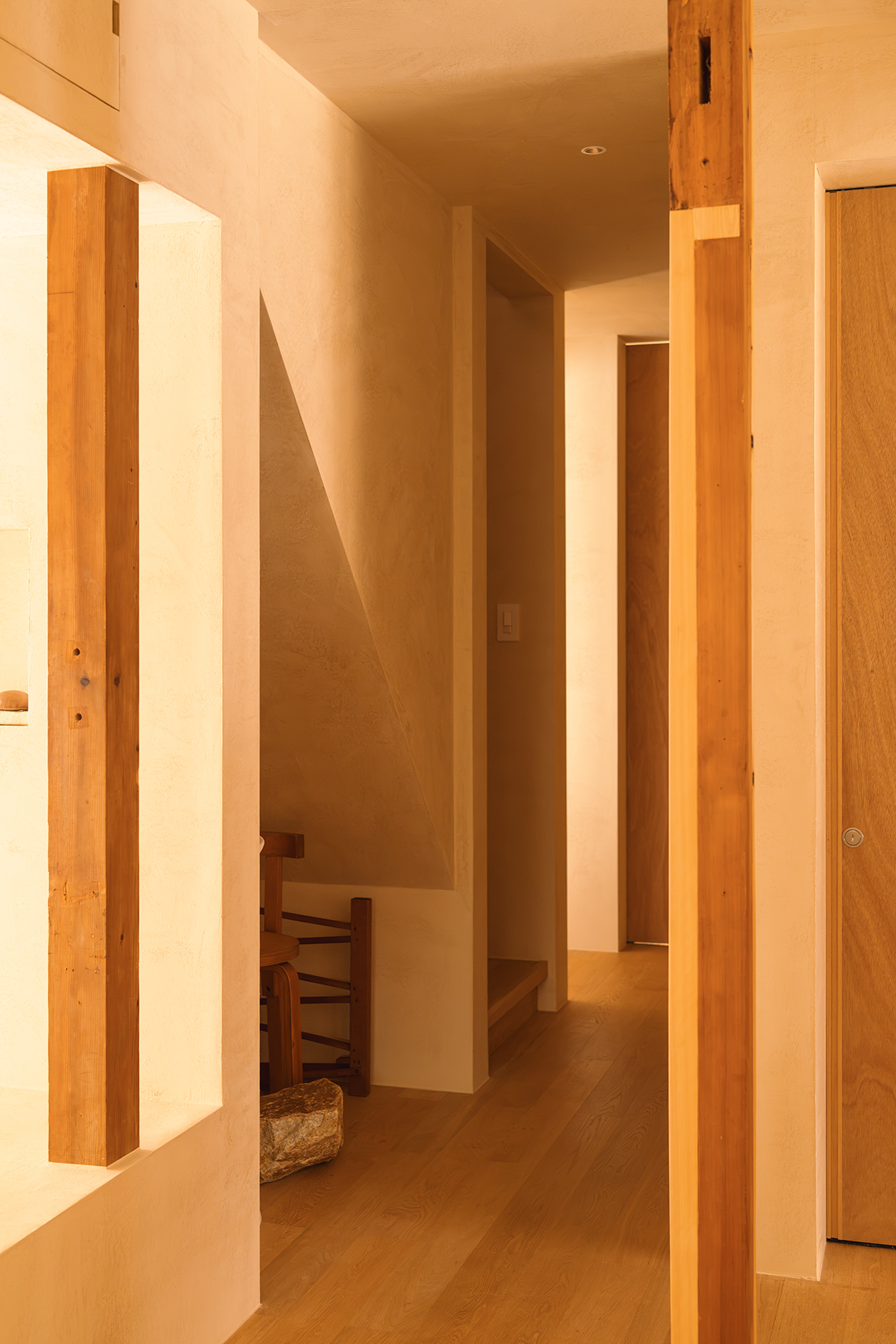
如同宇野的生命力是由此地新舊交融的獨特性格所支撐,面對已有五十年歷史的昭和木造屋宅時,他也帶著欣賞及珍惜的心情,盡可能保留外貌,讓它繼續融入街道的日常。室內則在承接原有結構的前提下拆解整修調整格局,拆除前住戶增設的牆面,讓原本的窗戶重新顯露,使自然光能夠再次充盈室內。一樓起居空間以石灰灰泥塗覆牆面,承接日光明亮而柔和的質地。輕輕推開木框拉門,便能將庭院裡的清新綠意擁攬入懷。或者傾身坐進自歐洲遠渡重洋而來的躺椅,身體隨之輕輕擺盪,端詳周遭家具擺件的形體,猜想它們的來歷。
Uno draws its vitality from the distinctive way old and new come together. In the same spirit, Otaki approached the fifty-year-old Showa-era timber house with affection and respect for what was already there. He preserved as much of its exterior as possible, allowing it to remain part of the street’s everyday life. Inside, the existing structure was retained as the rooms were stripped back and the layout reworked. Walls added by previous occupants were taken down, revealing the original windows and allowing natural light to fill the interior once more. The lime-plastered walls of the ground-floor living area catch the soft brightness of daylight. Gently sliding open the timber-framed doors draws the garden’s fresh greenery into the room. Or you can settle into a lounge chair brought across the sea from Europe. Rocking gently, you study the forms of the furniture and objects around you, wondering where they have come from.
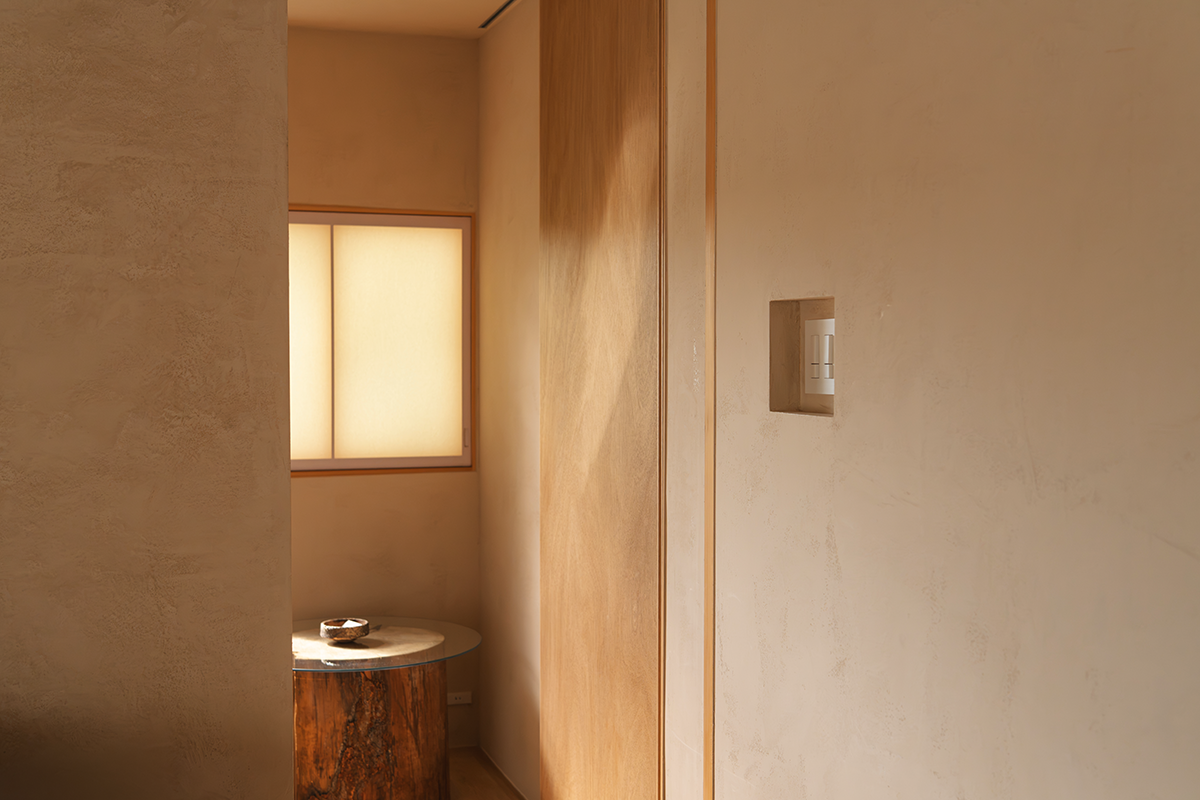
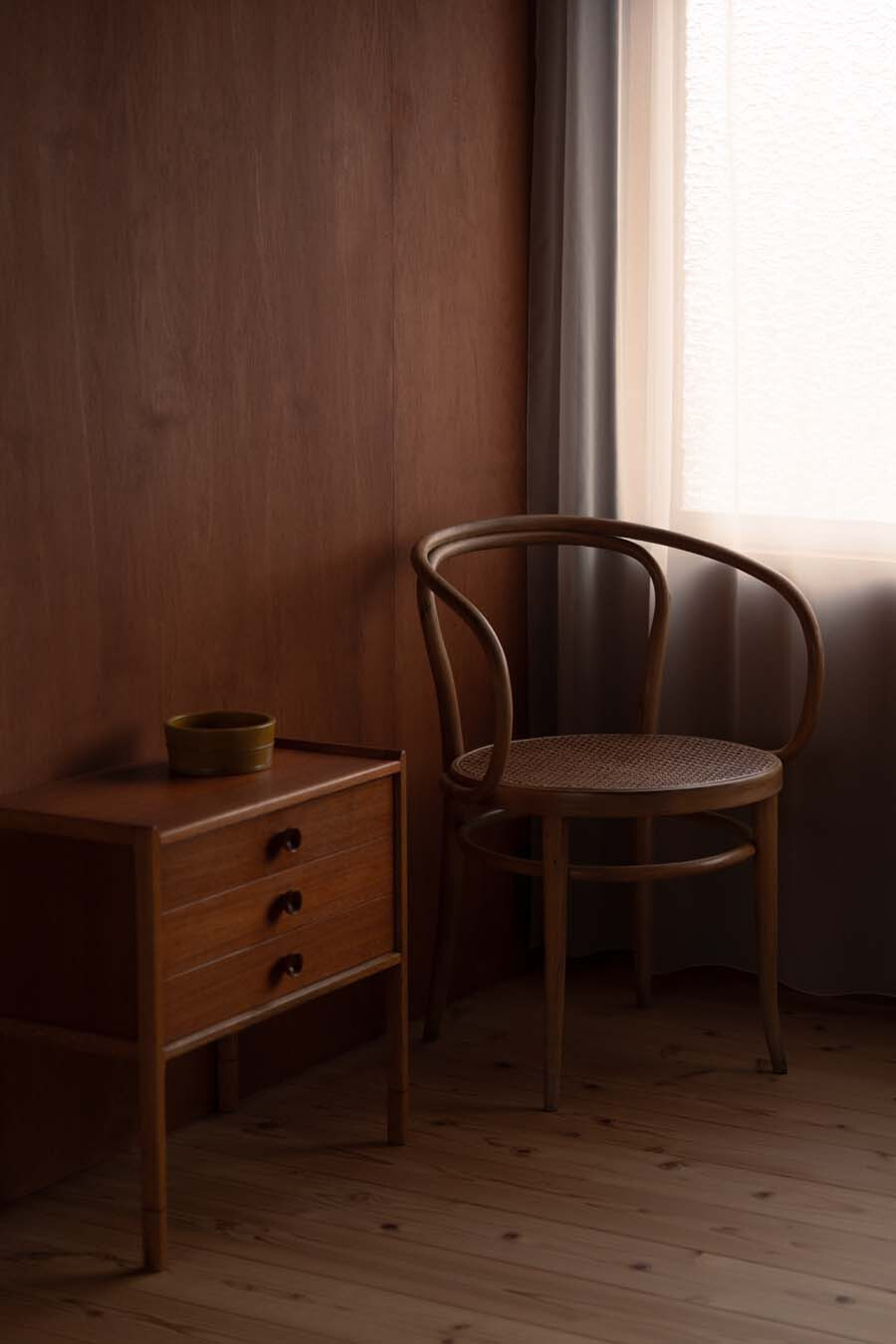
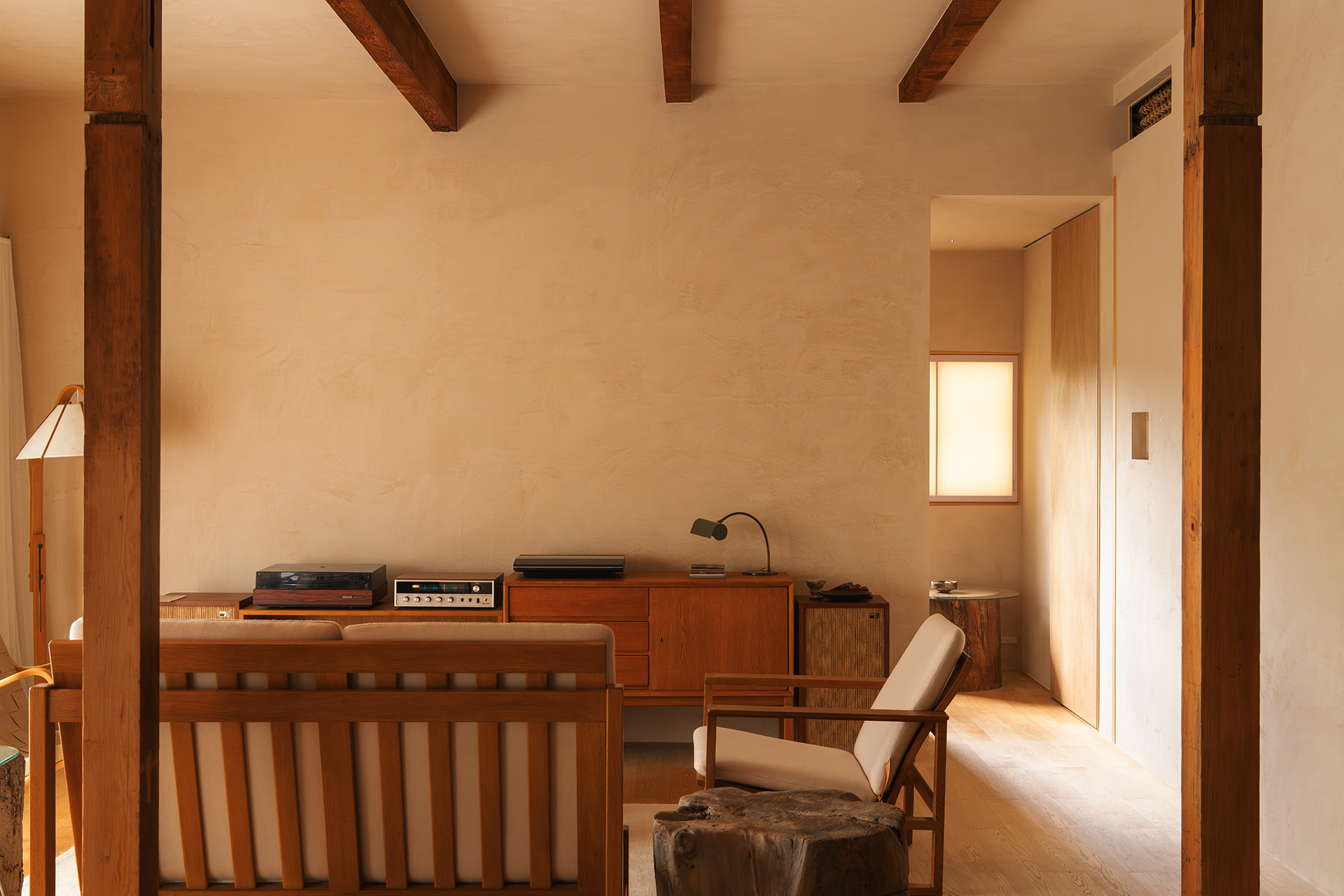
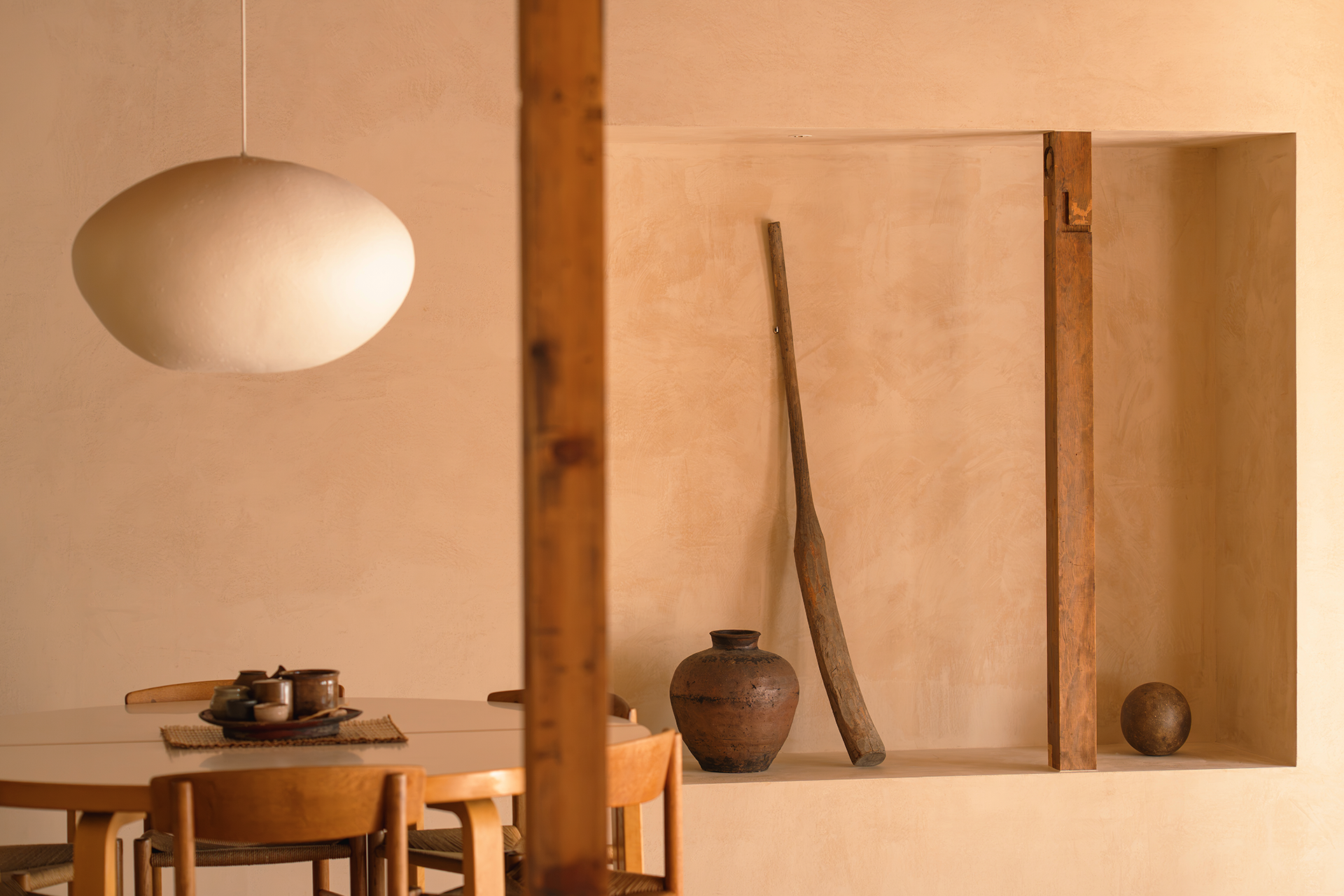
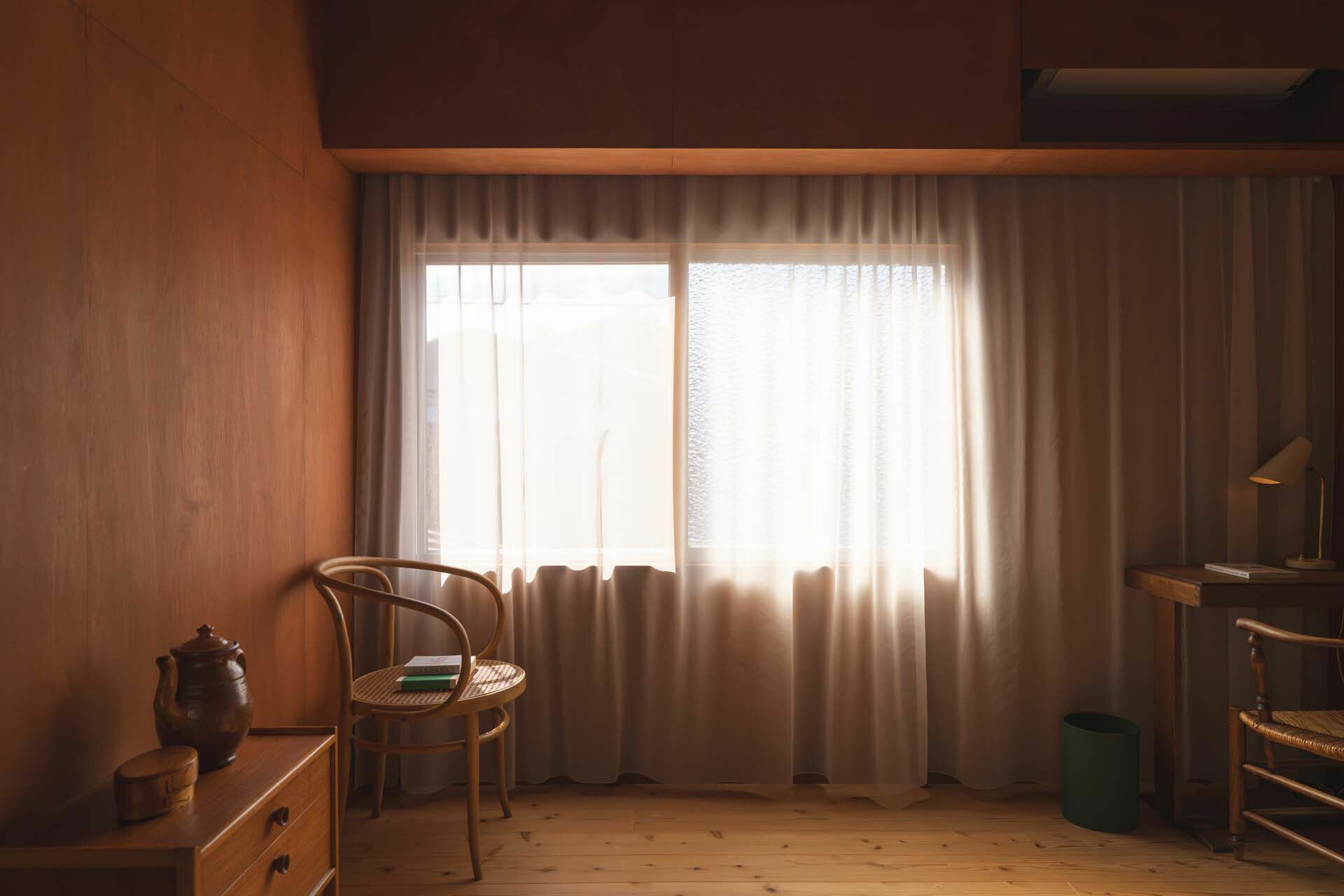
為了展現這片風土曾作為海上樞紐的靈魂,大滝先生將從後山找到的竹子、沉睡於倉庫的須惠器陶片,與清代桌子、日本陶器及無名創作者的作品並置。幾件二十世紀中葉的歐洲桌椅,無論住客是否知曉其名,最初也只是為一般家庭而生的普通家具,流露出與民藝相通的感性。而這些帶有時間韻味的物件,便承載著製作者與使用者的質樸感情,共同跨越文化的邊界,將「蜜圡」形塑為盛裝記憶的載體。他希望,人們即便只是觸摸一件器皿,或瞥見陶壺表面的反光,也能經由這種「瀨戶內式的混融」,感受到彼此依存的整體。拾階而上,光線逐漸沉靜,二樓書房以傳統的天然塗料土壁施作,再以柿澀收面,留存原有和室的記憶。牆面局部敞開,露出竹編框架,讓樓下的音樂和說話聲仍能隱約傳來;即使是獨自翻書,也能知道同行的人仍在屋裡。
To evoke the spirit of this historic maritime crossroads, Otaki has placed bamboo found on the nearby hillside and fragments of Sue ware that had lain in storage alongside a Qing-dynasty table, Japanese pottery and works by unnamed makers. Among them are a few European tables and chairs from the mid-twentieth century. Whether or not guests know them by name, these were originally everyday pieces made for ordinary homes, with a sensibility akin to that of mingei. Mellowed by time, these objects carry the quiet affection of their makers and users. Together, they cross cultural boundaries and make MITZDO a vessel for memory. Otaki hopes that, through this “Setouchi-style mingling of cultures”, guests might sense an interdependent whole simply by touching a vessel or catching a glint of light on a ceramic pot. As you climb the stairs, the light grows more subdued. In the upstairs study, the walls are finished in traditional earthen plaster, then treated with a persimmon-tannin coating, preserving the memory of the original Japanese-style room. Sections of the walls are left open to expose the bamboo lath framework, allowing music and voices from downstairs to filter through. Even alone with a book, you know your companions are still in the house.
在遠行與歸返之間
Between Departure and Return
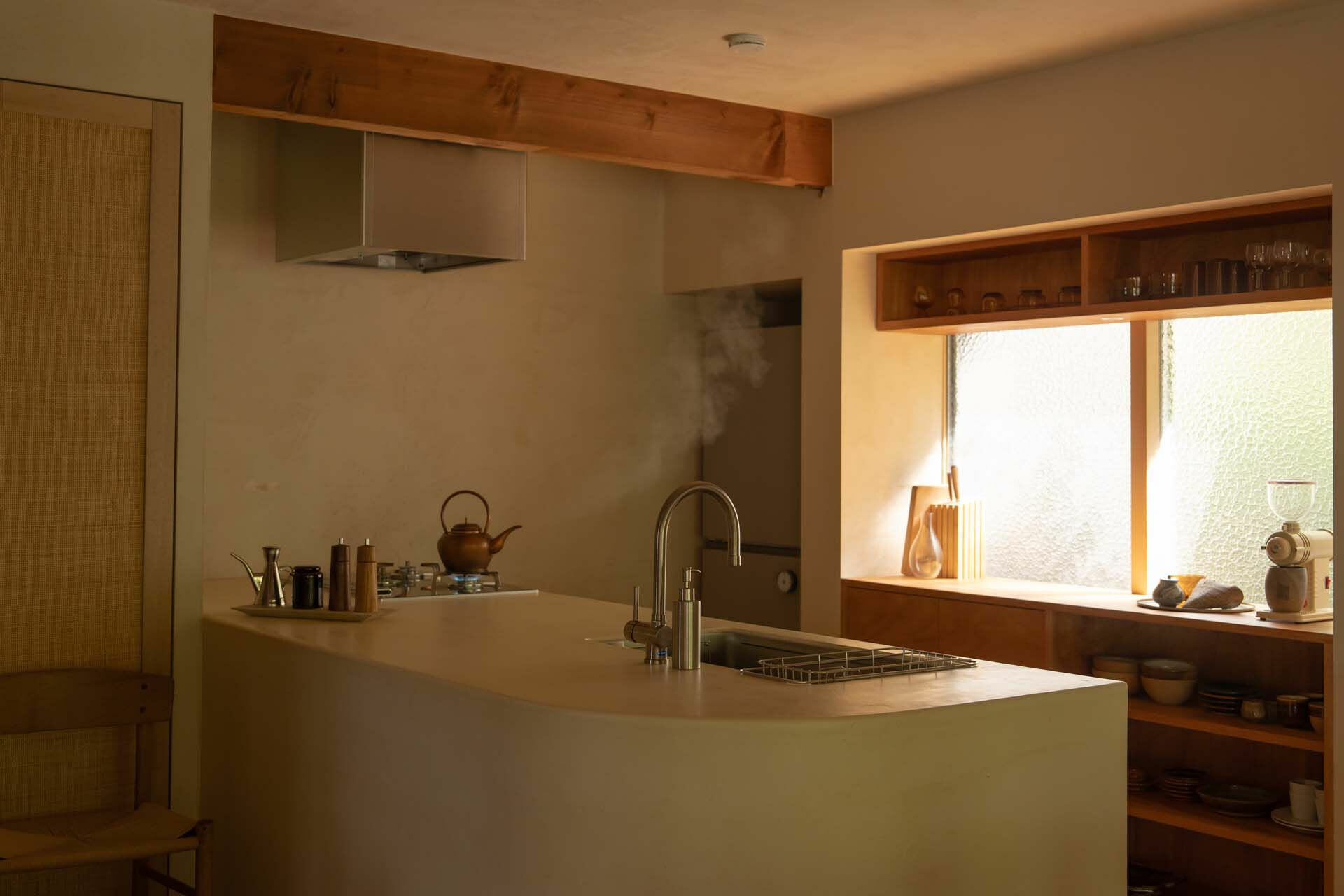
限定一天只接待一組客人,大滝先生希望「蜜圡」能成為旅人途中一個「可以回去的家」。他也坦率地說明,老屋本身並不具備可比擬現代住宅的舒適性與隔熱條件,冬天的晚上可能會有一點冷;沒有便利的客房服務和專人準備餐食,但是冰箱裡會備有水及柑橘果汁,歡迎旅居者採買當地新鮮食材親自下廚,也備妥洗脫烘衣機等相關設備,讓旅人即使身在異地仍能延續像家一樣的生活。
MITZDO welcomes only one group of guests a day. Otaki hopes it will be “a home to return to” during their travels. He is also frank about the house’s limitations: it cannot offer the comfort or insulation of a modern home, and winter nights may be a little cold. There is no room service and no one to prepare meals, but the fridge is stocked with water and citrus juice. Guests are welcome to buy fresh local ingredients and cook for themselves. A washer-dryer and other household appliances are also provided, so guests can live much as they would at home, even in an unfamiliar place.
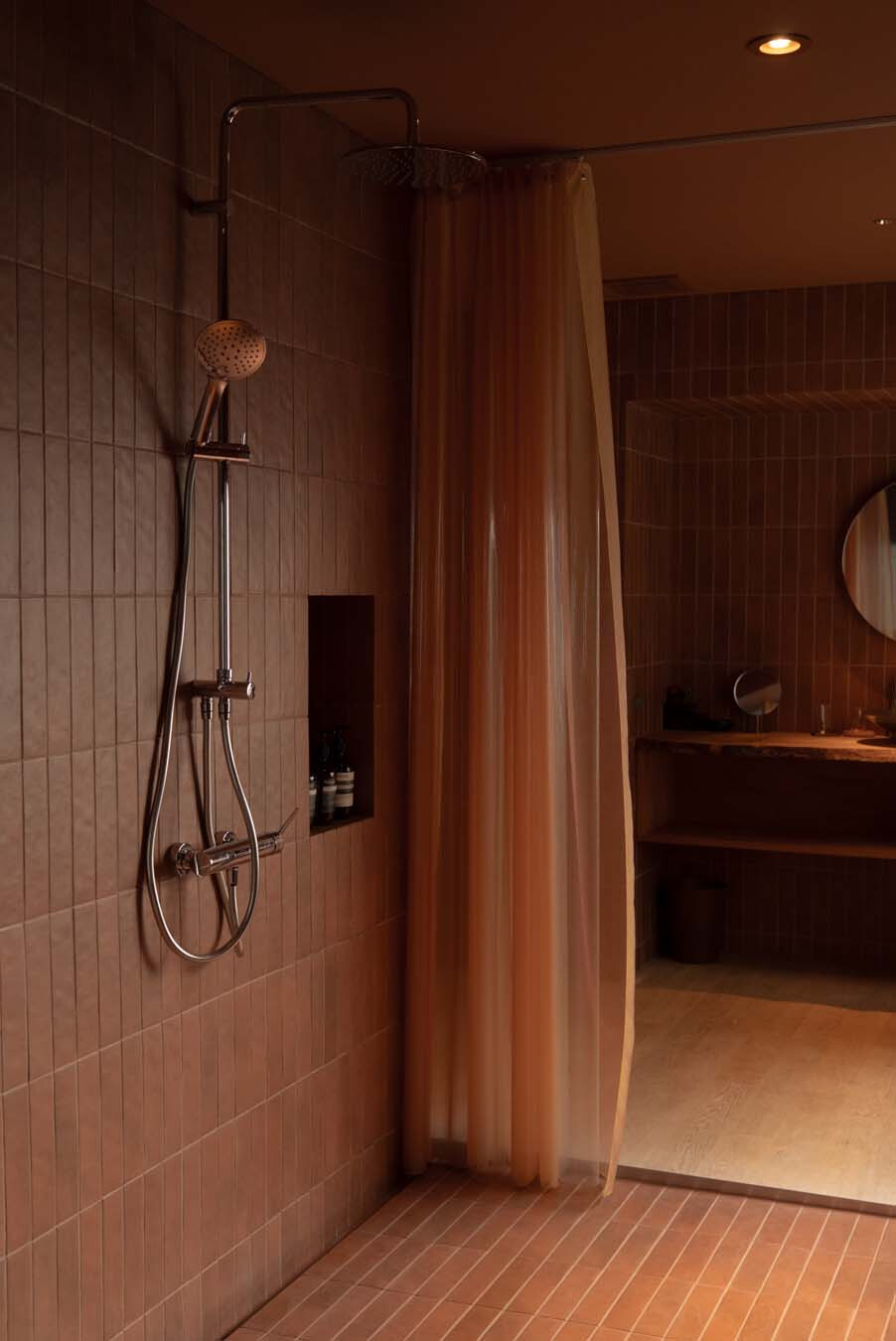
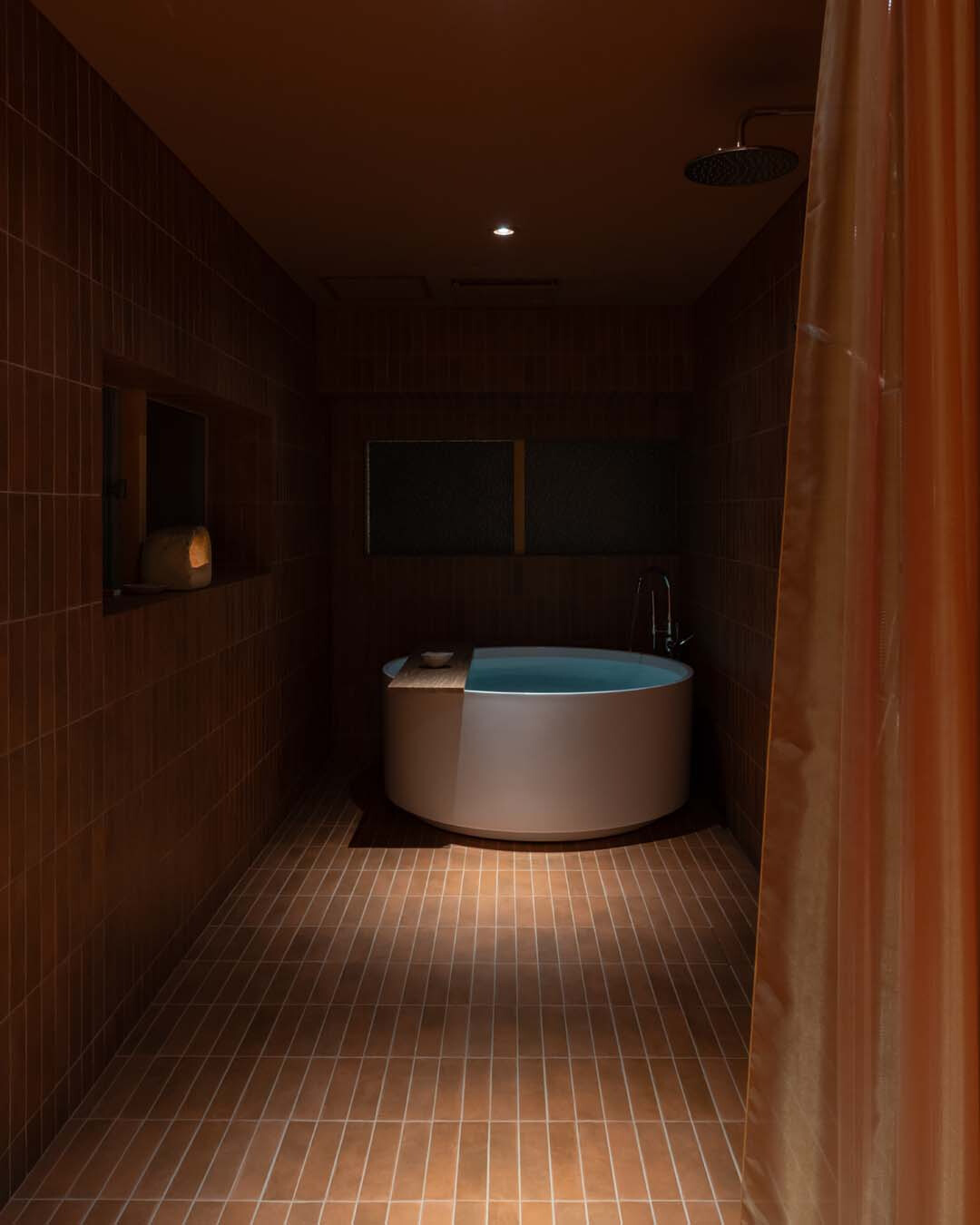
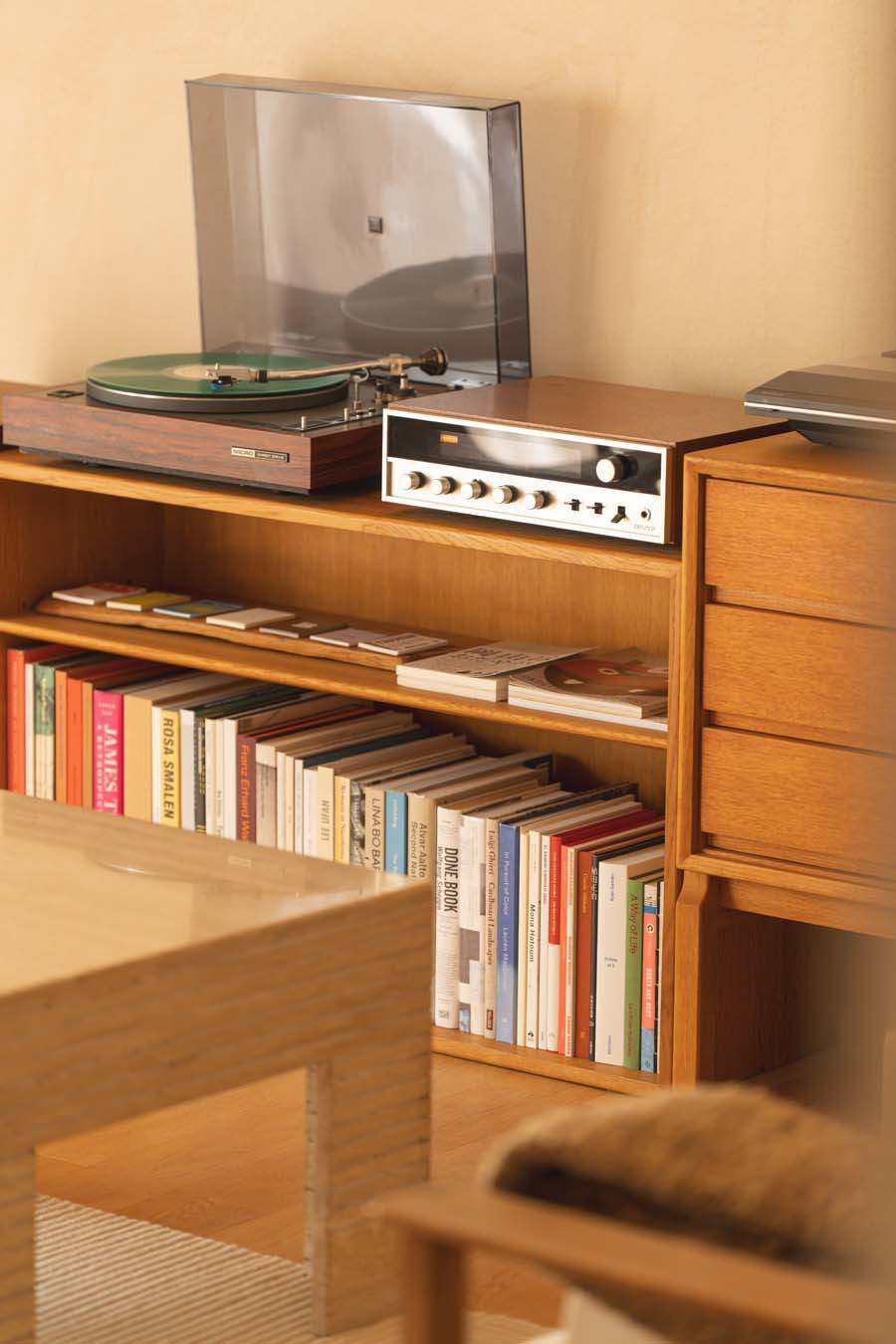
在這裡,沒有電視機的聲響將空間填滿,取而代之的是,你得親自放下唱針,以及當音樂旋律停止後,拿起黑膠唱片翻面時手中的觸感;當沐浴時,身體浸入寬敞的圓形浴缸,於氤氳繚繞、帶有冥想性的靜謐氛圍中徹底放鬆,在緩慢流逝的時間裡,讓這些平凡的細微感知滲入記憶。宇野港作為瀨戶內海的門戶,人來人往多半只是路過此處。不遠處鳴起的汽笛,偶爾驚起幾隻海鳥,提示著船班就要離港。白天渡海看藝術,夜晚再回到「蜜圡」,讓一天的見聞慢慢沉澱。有些旅行,是在一次次遠行與歸返之間,感受陌生之地所疊加的豐盛記憶。
Here, there is no television to fill the room with sound. Instead, you have to lower the needle yourself; when the music stops, you lift the record and turn it over, feeling the vinyl in your hands. Sinking into the large circular bathtub, you can relax completely amid steam and a meditative stillness. As time passes slowly, these small, everyday sensations seep into memory. Uno Port is a gateway to the Seto Inland Sea, yet most travellers simply pass through. A ship’s horn sounds nearby, occasionally startling a few seabirds and signalling that a ferry is about to leave. By day, you cross the water to see art; at night, you return to MITZDO and let the day’s impressions settle. On some journeys, with each departure and return, you sense the richness and surprise in the layers of memory gathered in unfamiliar places.