蘊藏於香氣中的東方美學
Oriental Aesthetics Encapsulated in Fragrance—To Summer
你可曾體驗過一種香氣,會不由地憶起走在某個城市街道的片段?穿梭於人文薈萃的北京街道,每處轉角都可嗅到京味文化的獨特韻味,街邊林立的現代高樓與傳統建物相互對照,彷彿跨越了時空界線,見證這座老城從過去北方邊防重鎮轉為國家首都的變遷歷程。隨著時代演進,北京城的風貌隨之蛻變,於充滿活力的外表下,蘊藏著中華民族深邃的哲學思想,不疾不徐的邁進步伐,傳承傳統文化的香火,注入新靈魂,以多元包容的心態驅動創新發展,彰顯內涵豐富的人文氣象。
Have you ever experienced a scent that transports you to a specific moment on the streets of a city? As you wander through the culturally rich streets of Beijing, every corner reveals the unique fragrance of the city’s cultural heritage. Here, towering modern skyscrapers stand in striking contrast with traditional buildings, blending eras and spaces into a seamless narrative. These streets bear witness to Beijing’s transformation from a northern frontier outpost into the capital of a nation. Over time, the cityscape has evolved, yet beneath its vibrant surface lies the profound philosophy of Chinese culture. With deliberate steps, Beijing preserves its traditions, injecting them with new life, and fosters innovation through diversity, demonstrating a vibrant spirit of cultural continuity.
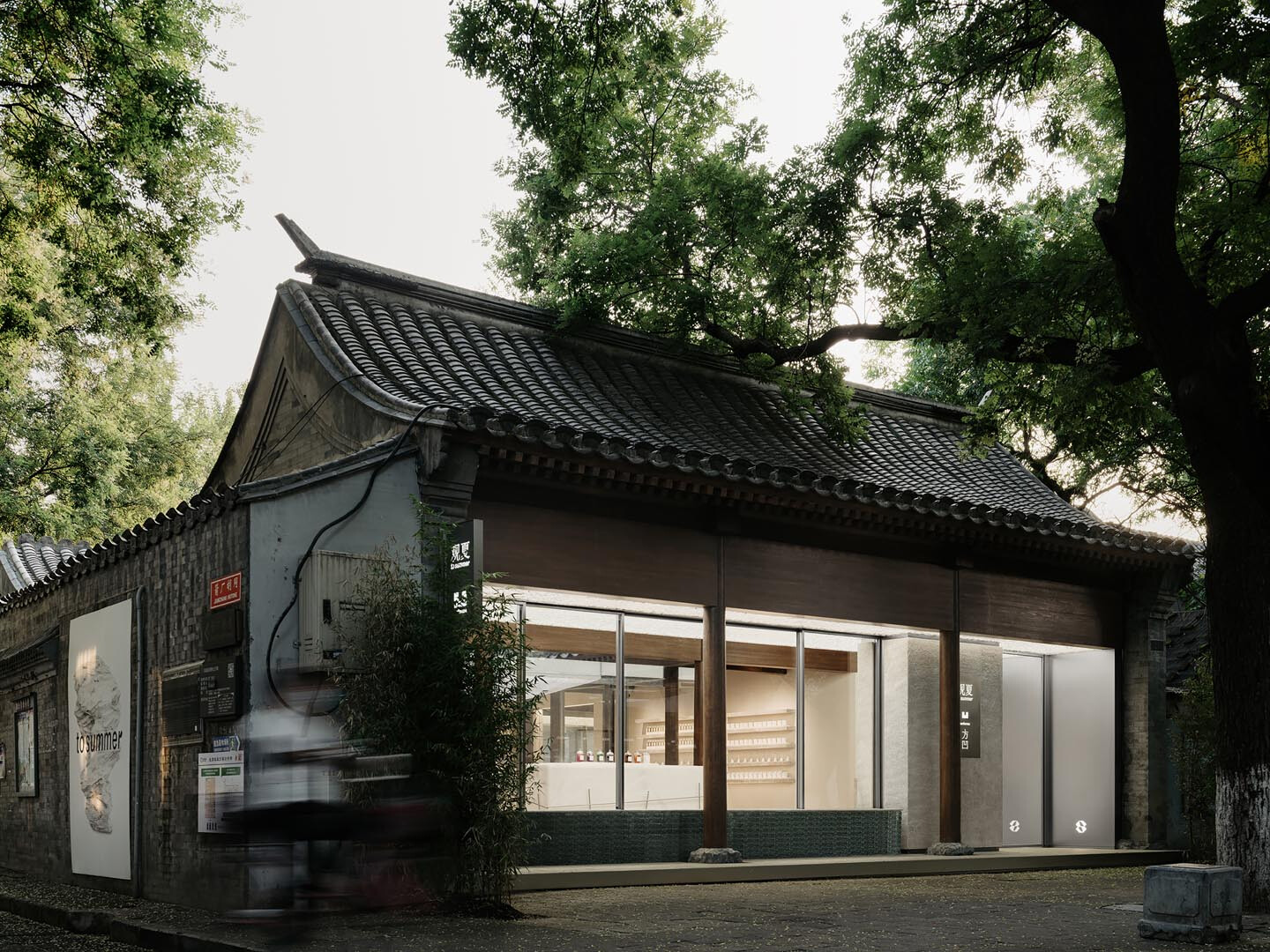
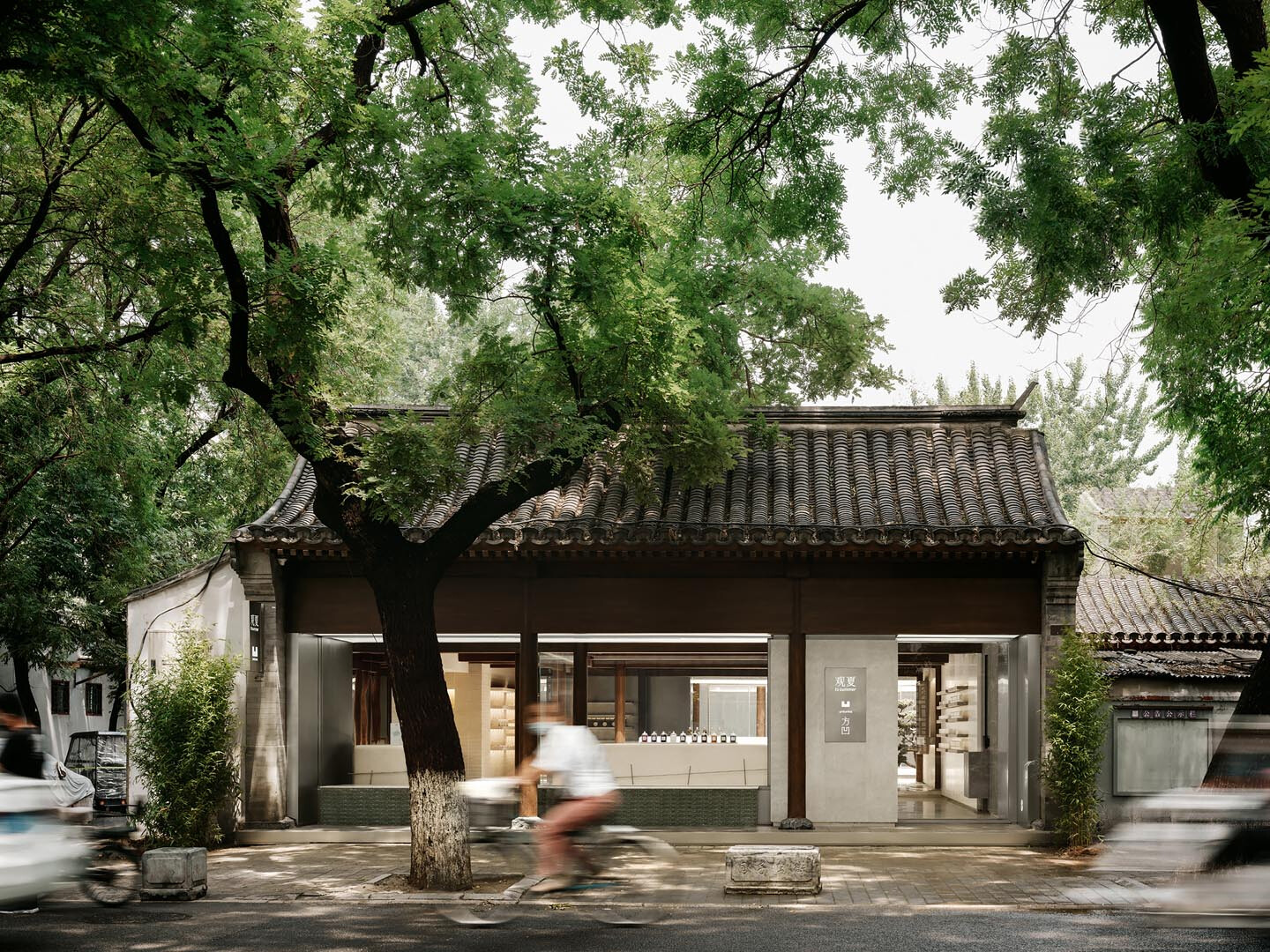
閑步於位在北京孔廟西側的國子監,這座建於元代的歷史建築,從前曾是莘莘學子求學聽課的國家最高學府,亦是皇帝講學之所。踏進院落,開闊的場域內散布著精緻華美的建築遺址,飄散穿越千年的翰墨書香氣息。看著院內綠樹成蔭、紅牆綠瓦,不知不覺來到國子監街 23 號,一棟建於清代中期的三進四合院,將觀夏具備的東方美學氣質和諧地融入簡約現代的空間內,透過香氣喚起深沉記憶,講述東方文化的故事。
A stroll west of the Temple of Confucius in Beijing leads you to the Guozijian, a historic structure dating back to the Yuan dynasty. Once the highest academic institution in the nation and a place where emperors delivered lectures, this architectural gem exudes an air of elegance. Within its expansive courtyard, beautifully preserved relics evoke the scent of ink and calligraphy, resonating across centuries. Surrounded by lush greenery, red walls, and green-tiled roofs, visitors naturally find themselves at 23 Guozijian Street. This mid-Qing dynasty siheyuan (courtyard house) seamlessly integrates the Oriental aesthetic sensibility of To Summer into a minimalist modern space, using fragrance to awaken deep memories and narrate the stories of Eastern culture.
探究東方美學,融合現代主義
Exploring Oriental Aesthetics Through the Lens of Modernism
自帶神秘面紗的東方文化香氛品牌——觀夏,於 2018 年由主理人沈黎聯合成立,她帶著年輕團隊萃取草本植物調的香氣,探究東方美學的涵養深度,旨於發掘當地人香味記憶。在創辦品牌之前,沈黎曾任職時尚媒體編輯,當時的她就很喜歡研究美好的生活方式,也試著報導國外香氛品牌的專題內容,將那時國內尚未普及的生活美學傳遞給讀者。隨著深入探討,她發現東方文化崛起的趨勢,促使她將東方主義和現代主義結合,繼而為時尚領域鋪陳新道路,於是觀夏便應運而生。
Founded in 2018 by Shen Li and her young team, To Summer is a fragrance brand that embraces the mystique of Eastern culture. They extract botanical scents to explore the depth of Oriental aesthetics, aiming to capture the olfactory memories deeply embedded in local communities. Before launching the brand, Shen Li worked as a fashion media editor, where she nurtured a passion for the art of refined living. During her time in the media industry, she delved into global fragrance brands and produced in-depth features, introducing lifestyle aesthetics that were still emerging within China. As her research deepened, Shen Li identified a growing trend toward the revival of Eastern culture. This realization inspired her to merge Orientalism with modernism, forging a new path in the fashion industry—leading to the creation of To Summer.
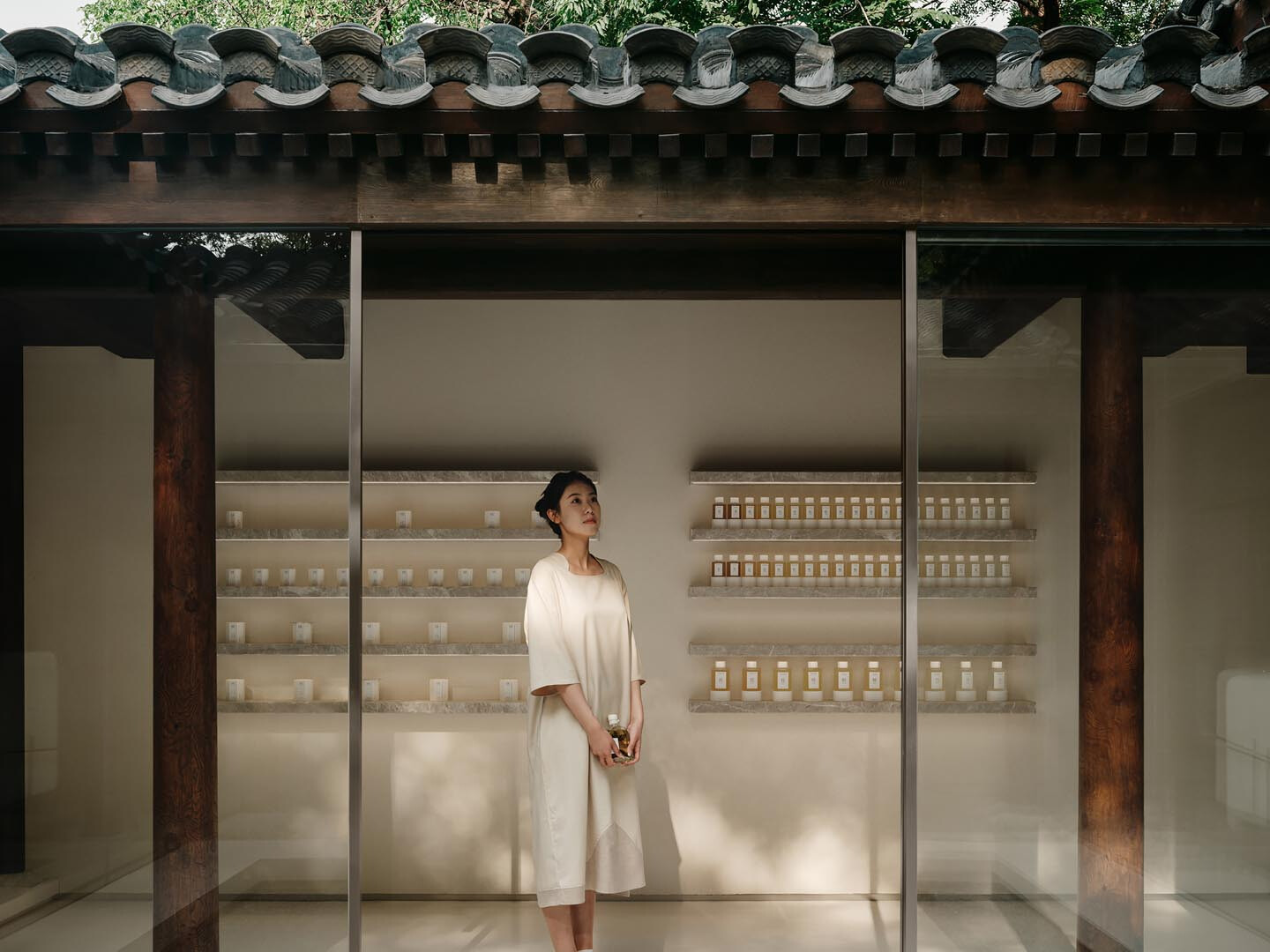
「東方香,只有國人自己可以駕馭好。」在沈黎看來,香水是精神文化的表達,一如文學和藝術將美的情感具體呈現,透過產品視覺建構意象,從而引發人們對於東方底蘊的共鳴。然而,觀夏對於東方香的詮釋不僅止於香氣層面,亦始終堅持重塑空間氛圍,以找回人與在地文化之間的深刻連結。基於此理念構思,F.O.G. 建築事務所在保留四合院的建築架構下,透過空間布局、材料選擇傳遞和諧的自然之美,並運用簡語彙形塑高級的東方美學文化,呈現出寧靜的空間調性回應富含詩意的品牌名稱,並揉合當代摩登氣息,展現低調而神秘的氣質,以美感貼近現代生活。
“Oriental fragrances can only be truly mastered by our own people,” Shen Li explains. For her, fragrance is a form of cultural expression, akin to how literature and art embody emotions of beauty. Through its product designs, To Summer aims to evoke imagery that resonates with the profound essence of Oriental heritage. Yet the brand’s interpretation extends beyond fragrance, striving to reshape spatial atmospheres and restore a meaningful connection between people and their cultural roots. This vision is realized through collaborations with F.O.G. Architecture, which preserved the core structure of the siheyuan (courtyard house) while carefully curating spatial layouts and selecting materials that convey the harmony of natural beauty. Minimalist design language gives shape to a sophisticated interpretation of Oriental aesthetics. The tranquil ambiance echoes the poetic spirit of the brand’s name, blending seamlessly with contemporary modern elements. This understated yet mysterious elegance brings beauty into everyday life, offering a lifestyle that feels both timeless and in tune with the present.
認知四合院結構,感知空間內的元素
Sensing the Structure and Essence of the Siheyuan
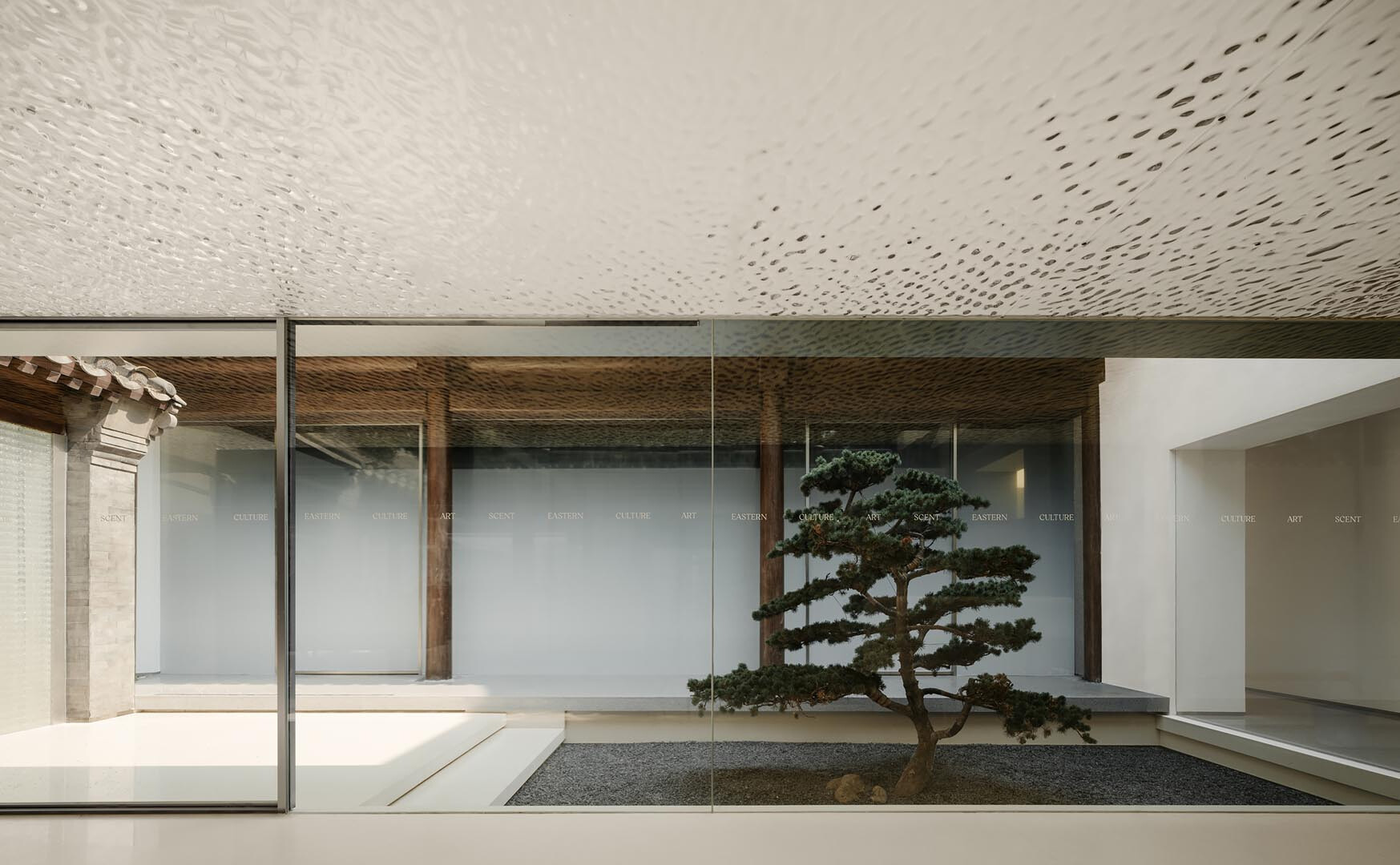
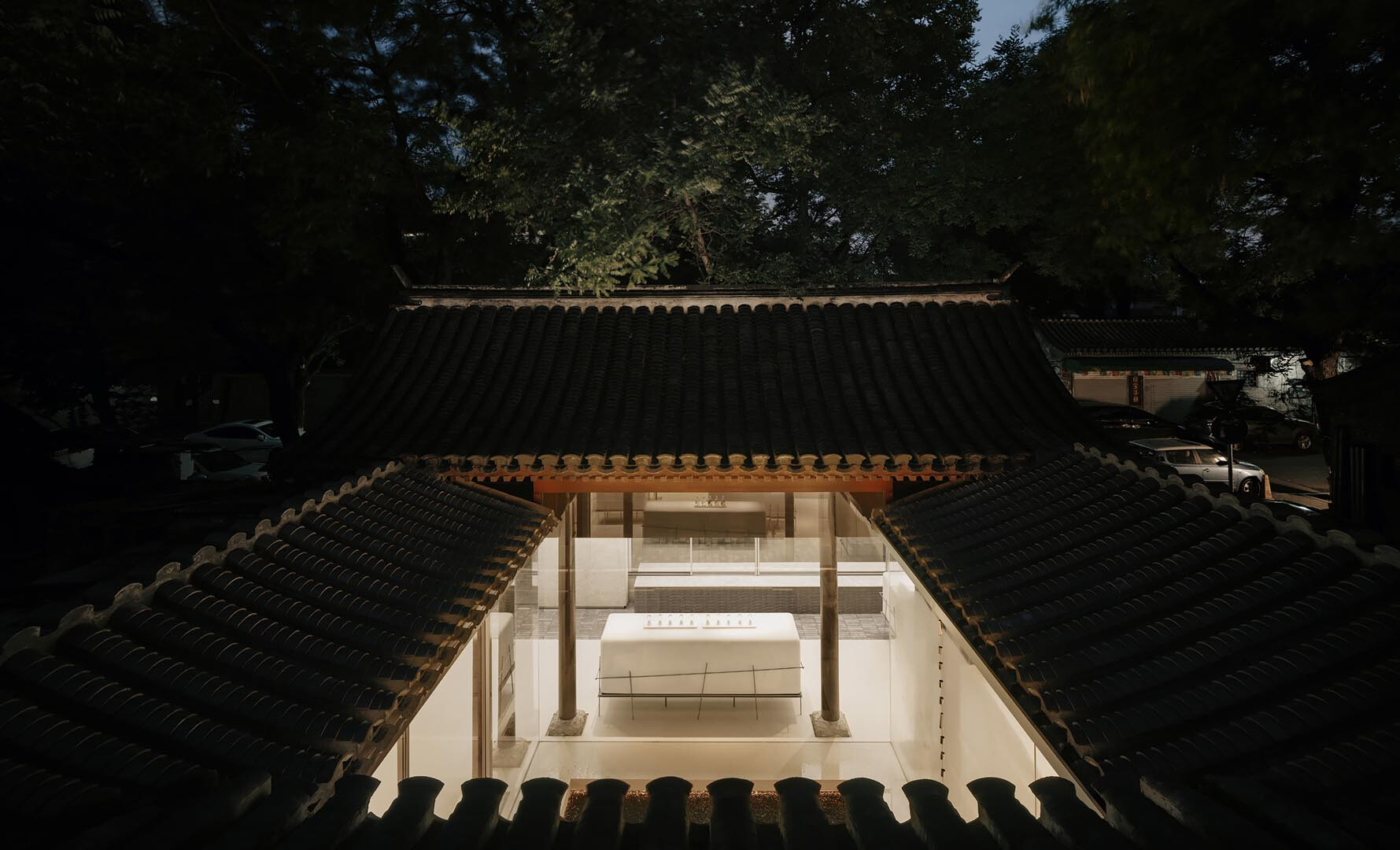
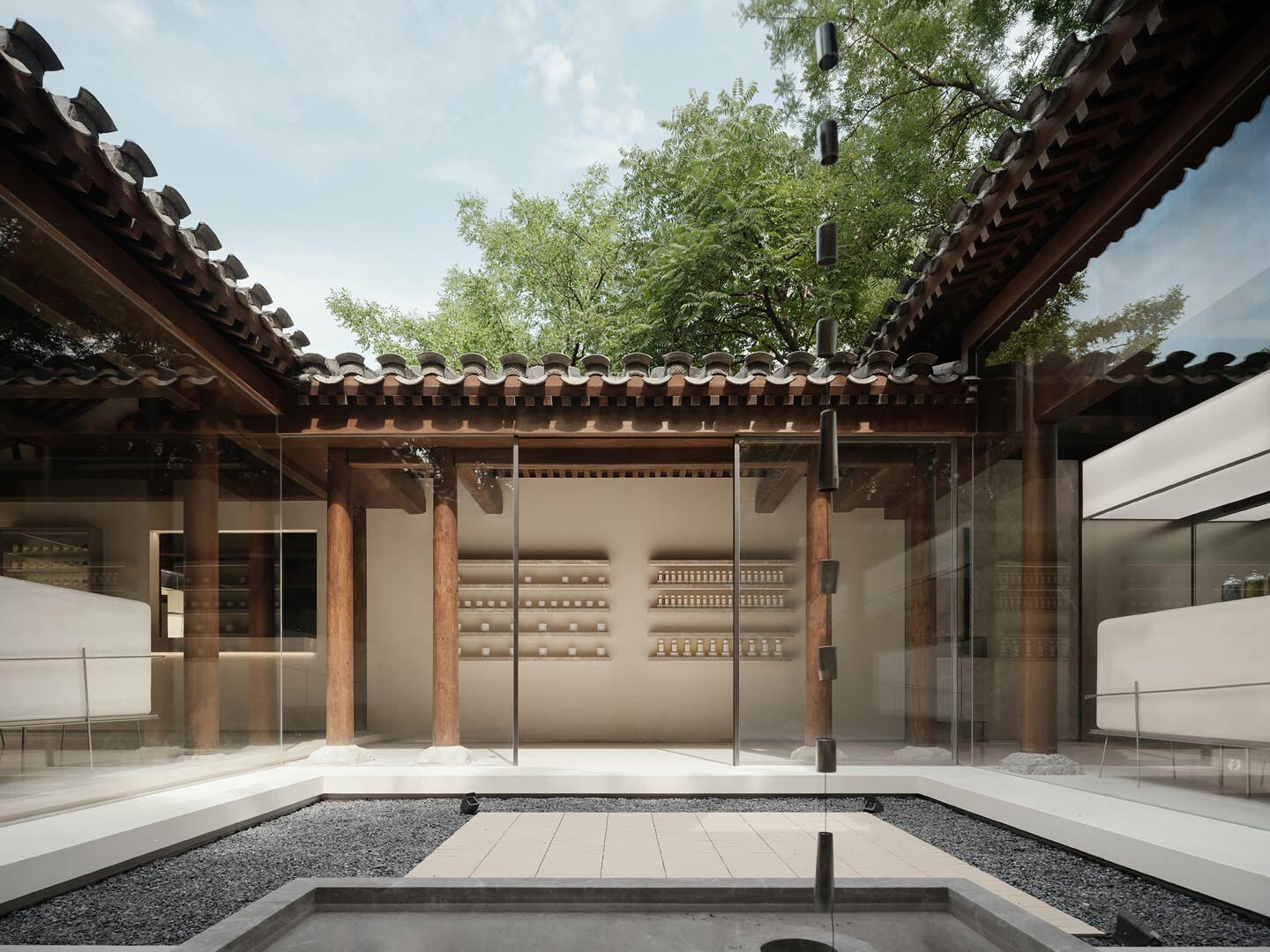
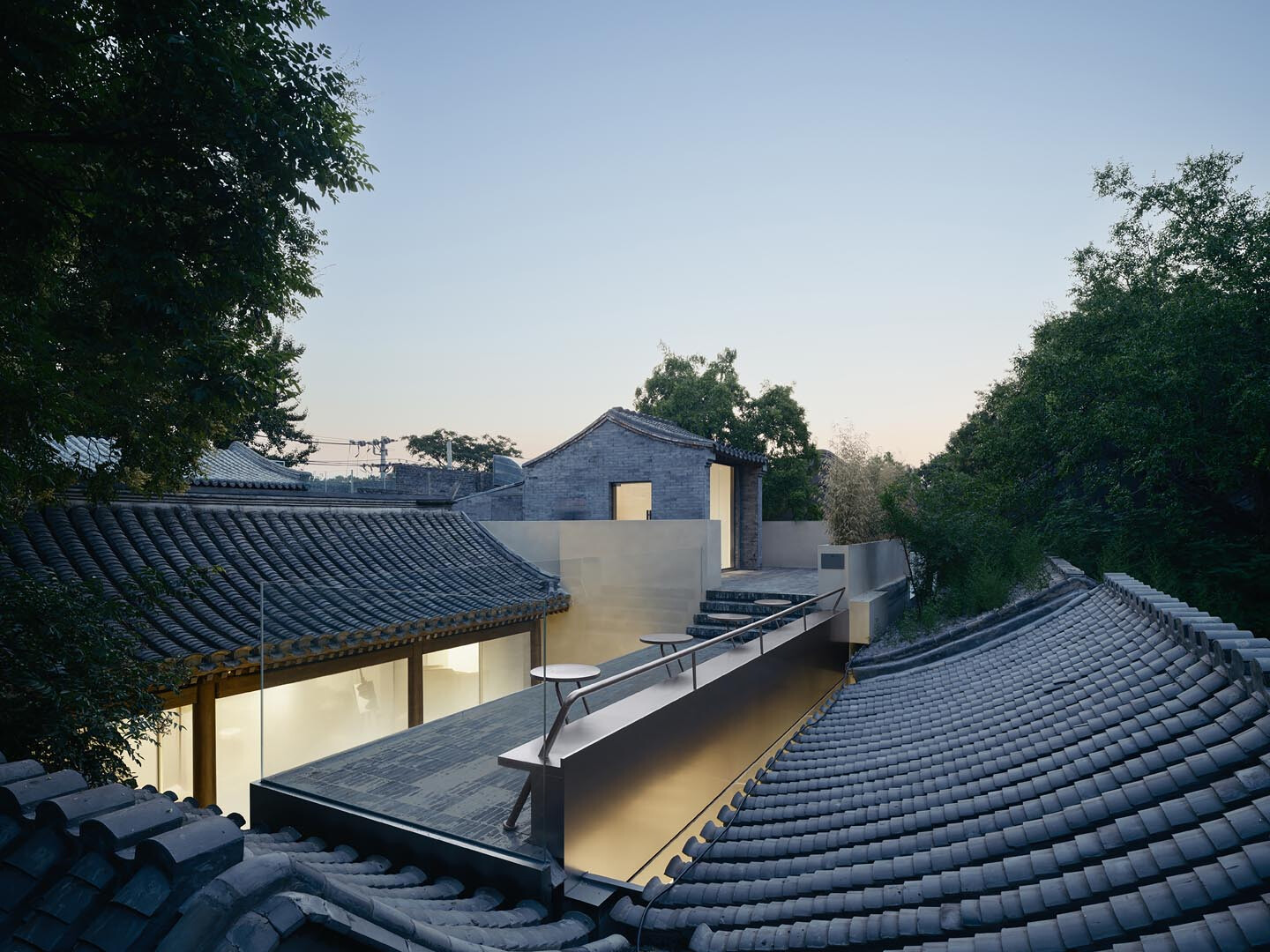
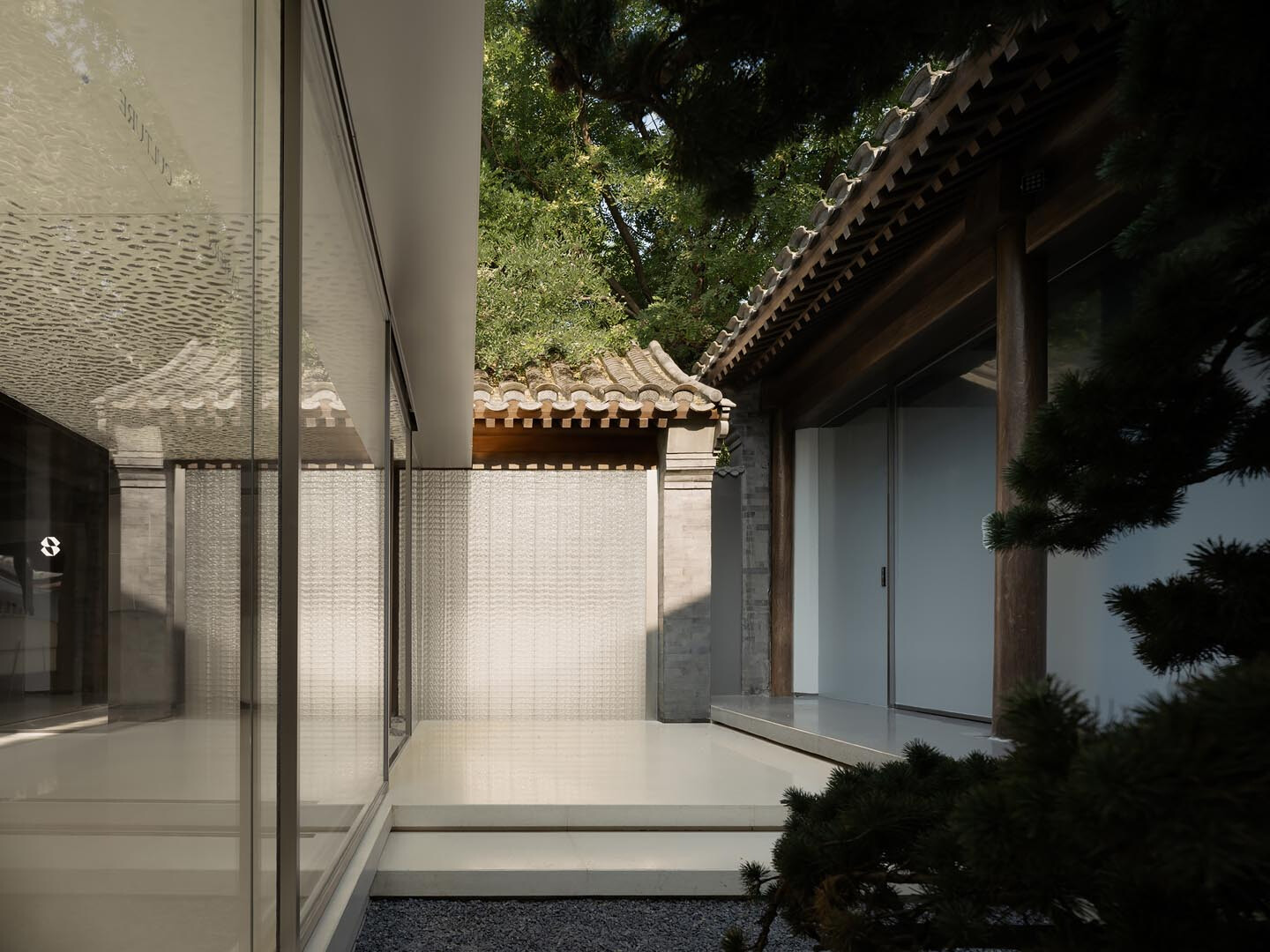
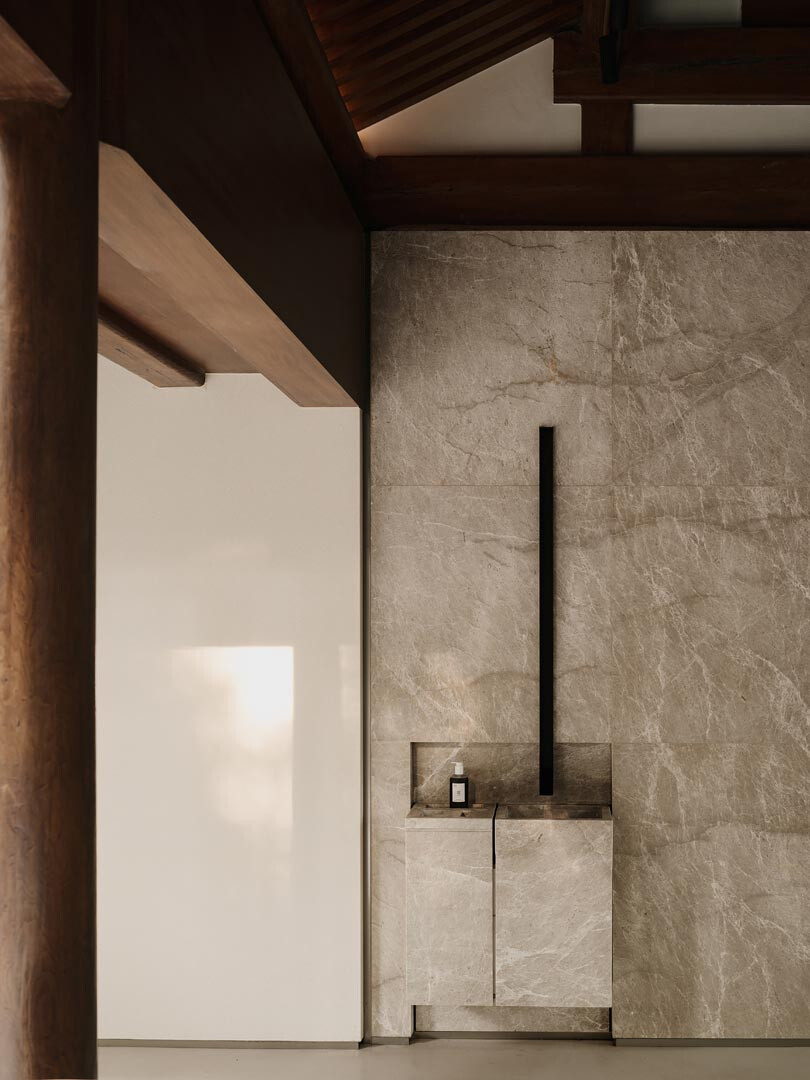
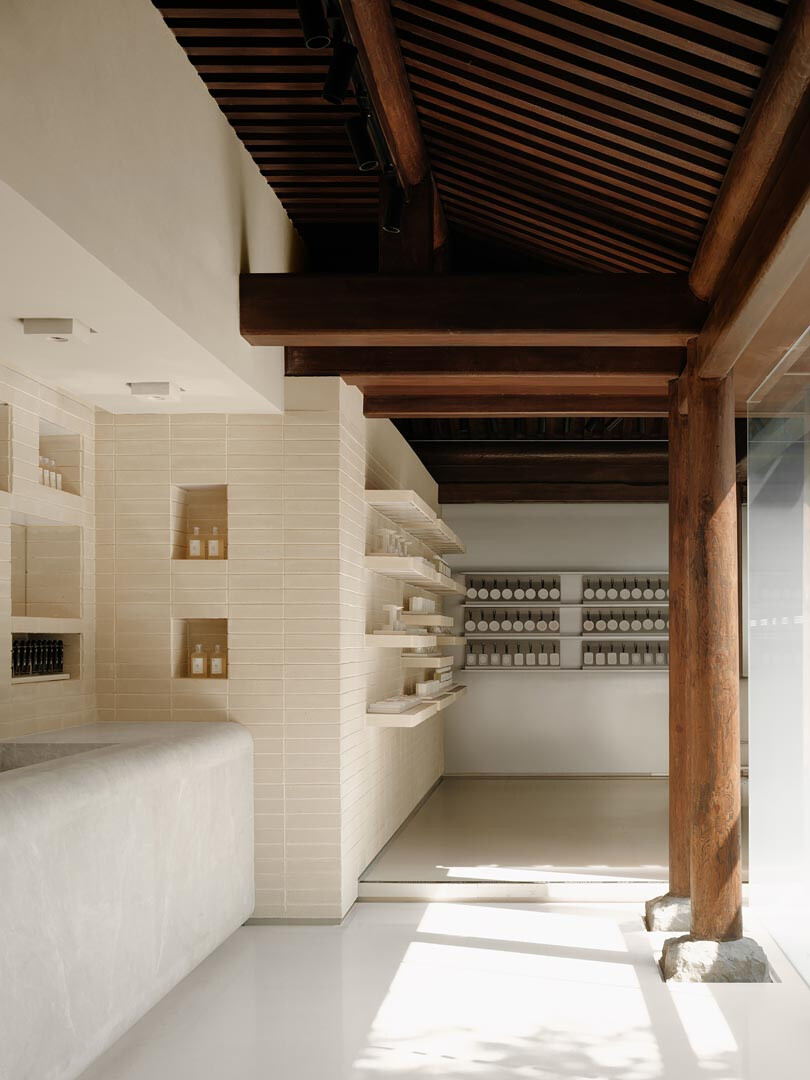
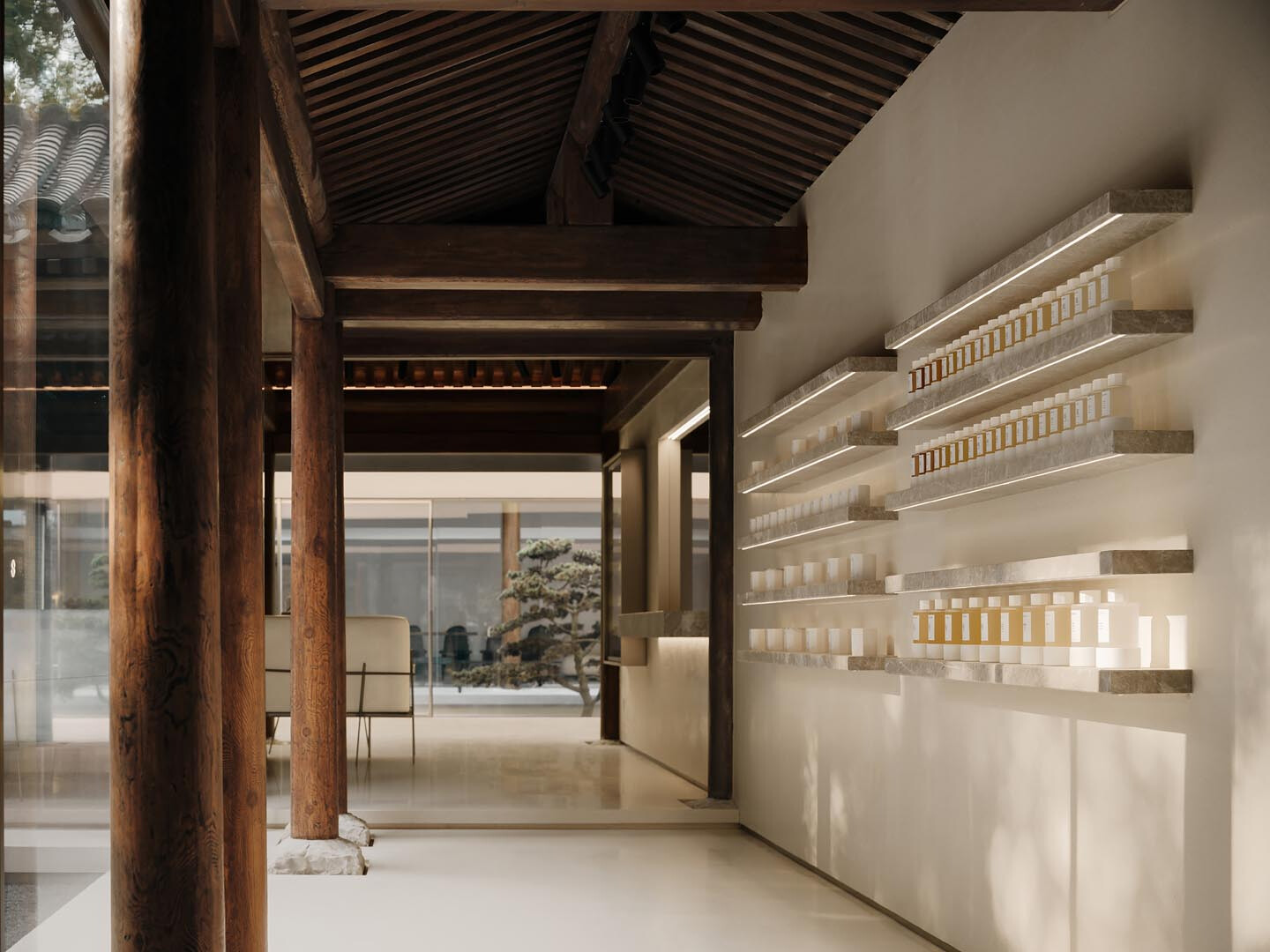
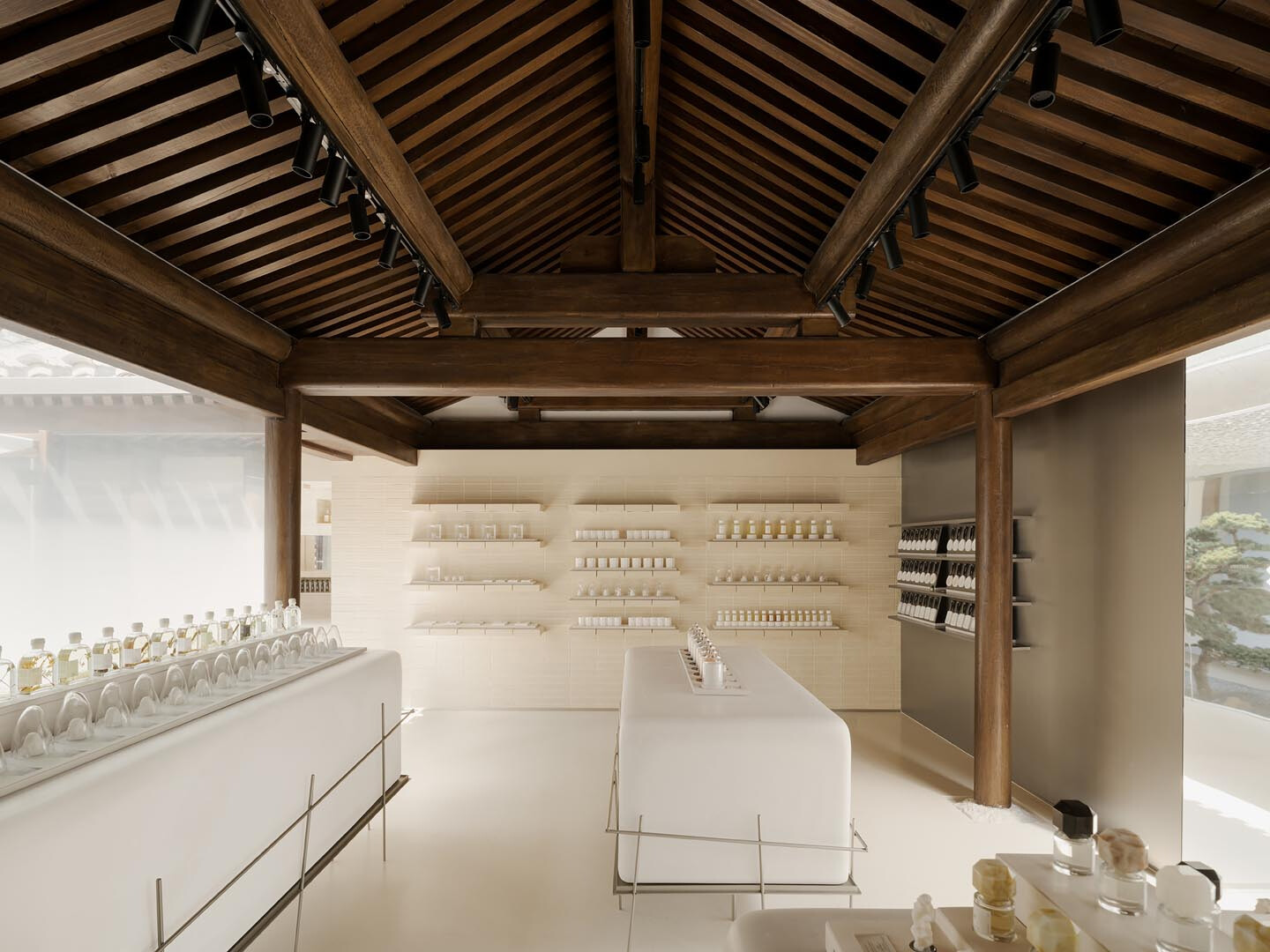
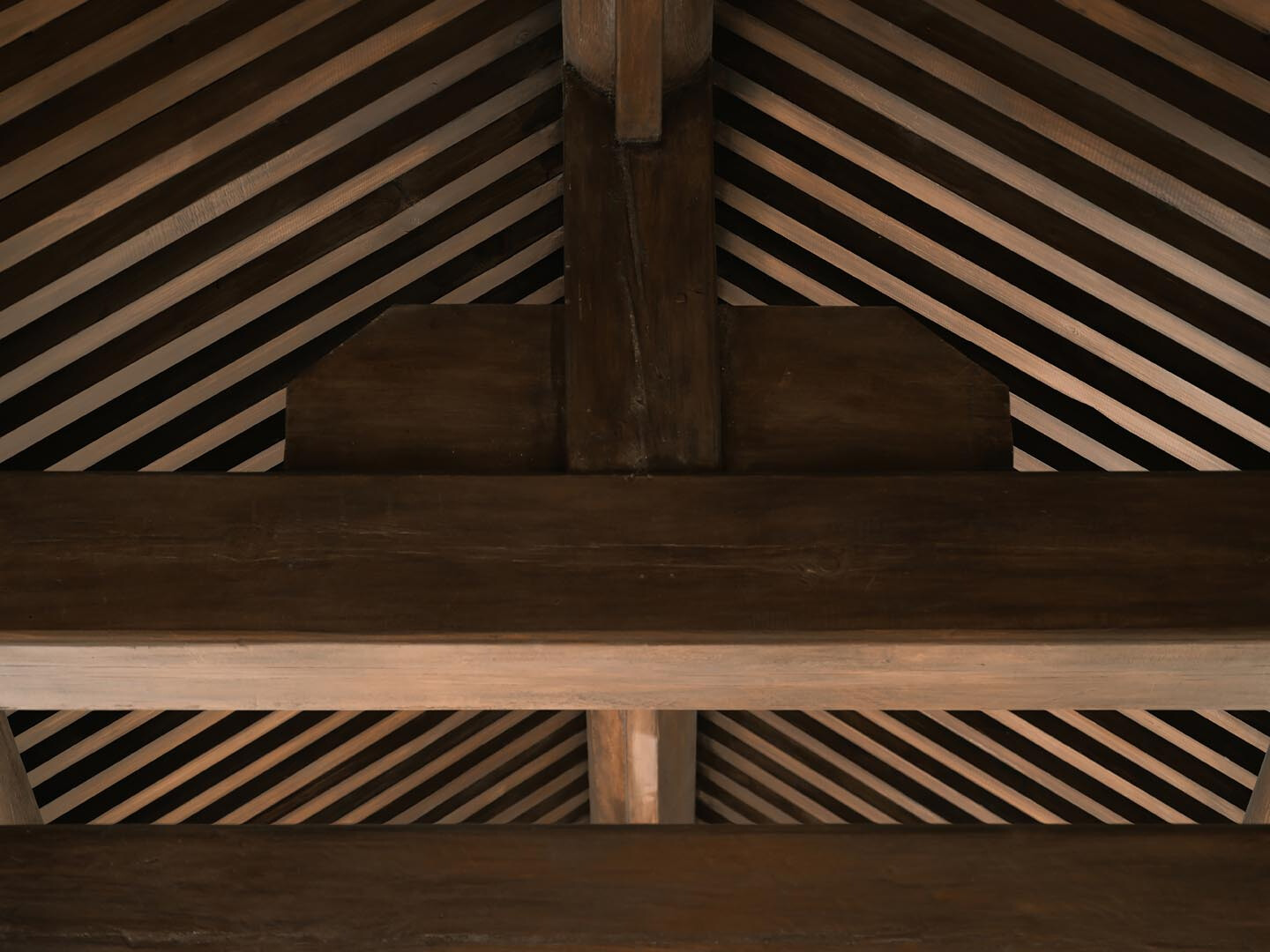
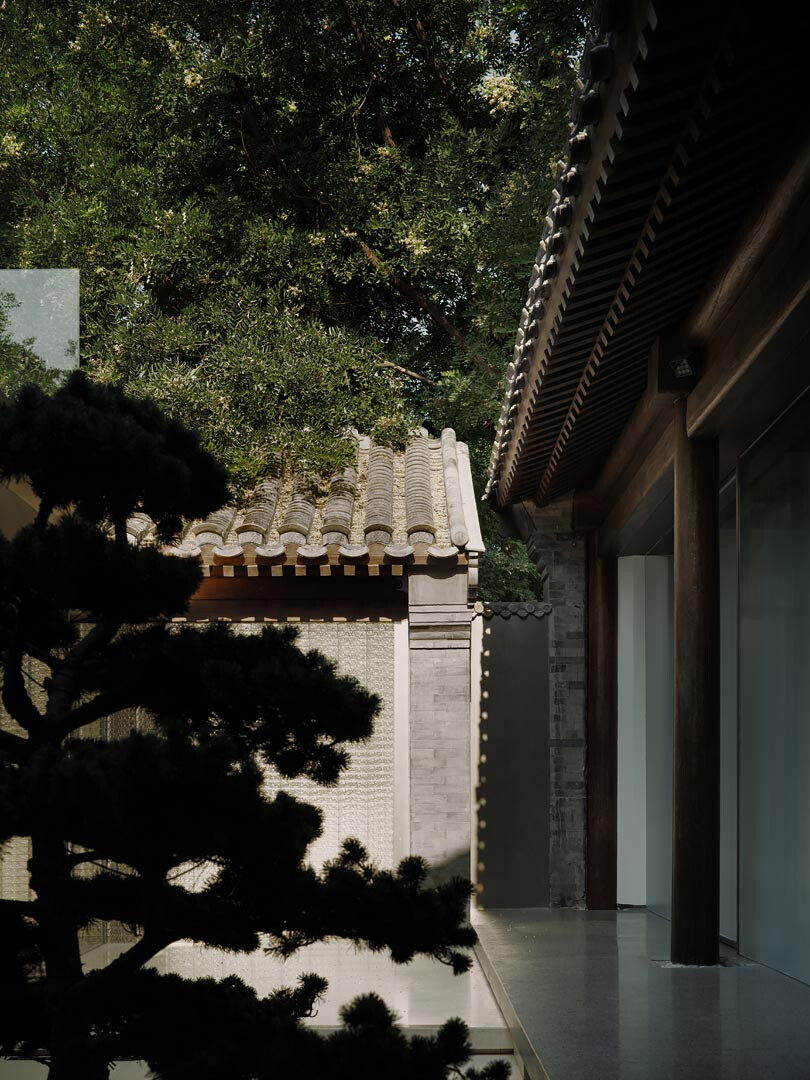
國子監旗艦店為觀夏修繕的第二座百年老宅,作為扎根於北京的品牌,他們希望藉由香氣延續四合院的風骨。在 F.O.G.建築事務所運用解構主義的闡釋,乍看之下,屋頂的老瓦當與落地玻璃形成視覺衝擊,跳脫傳統建物的既定印象,默默拉近了人與這棟歷史建物的距離,吸引行人向內探望。走入店內,可以看見既有木桁架和立柱清晰展現舊中有新的文化碰撞,化作空間的骨骼凸顯原建築結構之美。再者,局部牆面替換成玻璃後,獲得通透的視野,日光也得以穿透入內映射於米白色壁面上,使其光影與建築共譜節奏,引領人切身體會時序流轉的真意。
The Guozijian flagship store is the second century-old residence restored by To Summer, reflecting the brand’s deep roots in Beijing. Through fragrance, the brand seeks to preserve the enduring spirit of the traditional siheyuan (courtyard house). Interpreted through the lens of deconstructivism, the architectural design by F.O.G. Architecture offers striking contrasts—aged roof tiles juxtapose with sleek floor-to-ceiling glass, breaking free from conventional notions of historical architecture. This interplay subtly narrows the distance between visitors and the heritage site, quietly inviting passersby to explore within. Upon entering, the original wooden framework and pillars are prominently showcased, embodying a dialogue between past and present. These structural elements form the skeletal framework of the space, highlighting the beauty of the building’s original design. In certain areas, walls have been replaced with glass, creating a sense of openness and transparency. Natural sunlight filters through, casting soft shadows across the off-white walls, as light and structure harmoniously interact to reflect the rhythm of passing time, inviting visitors to experience its flow firsthand.
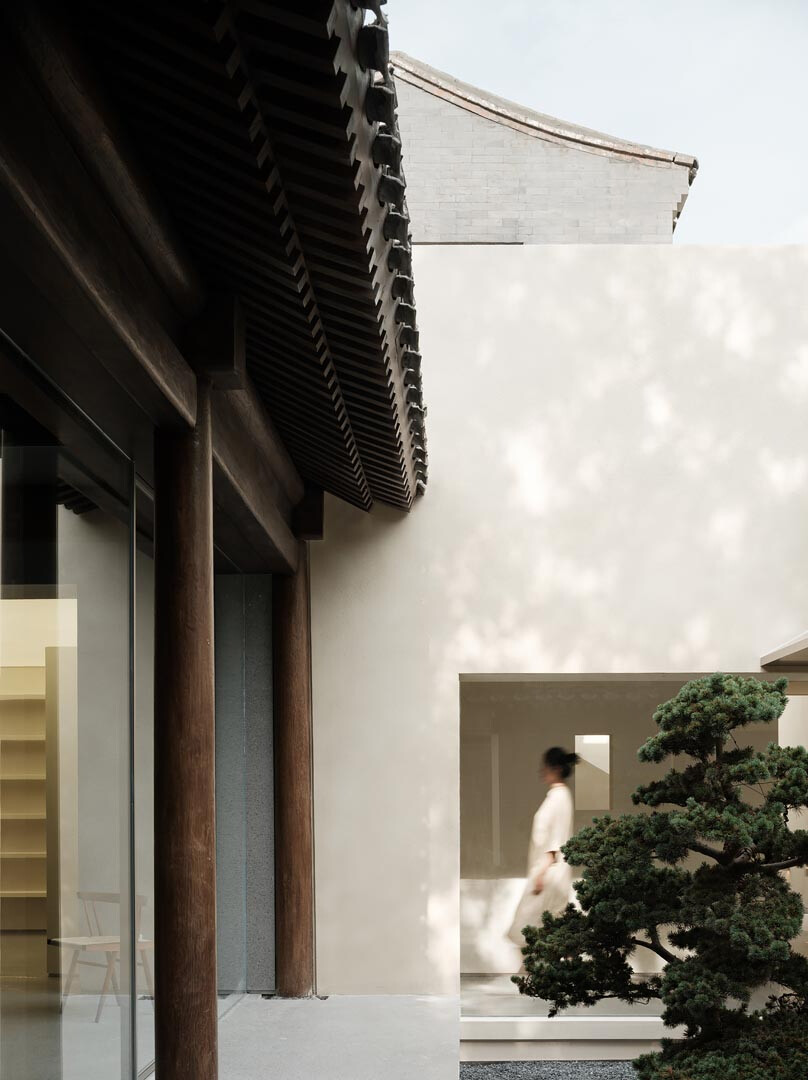
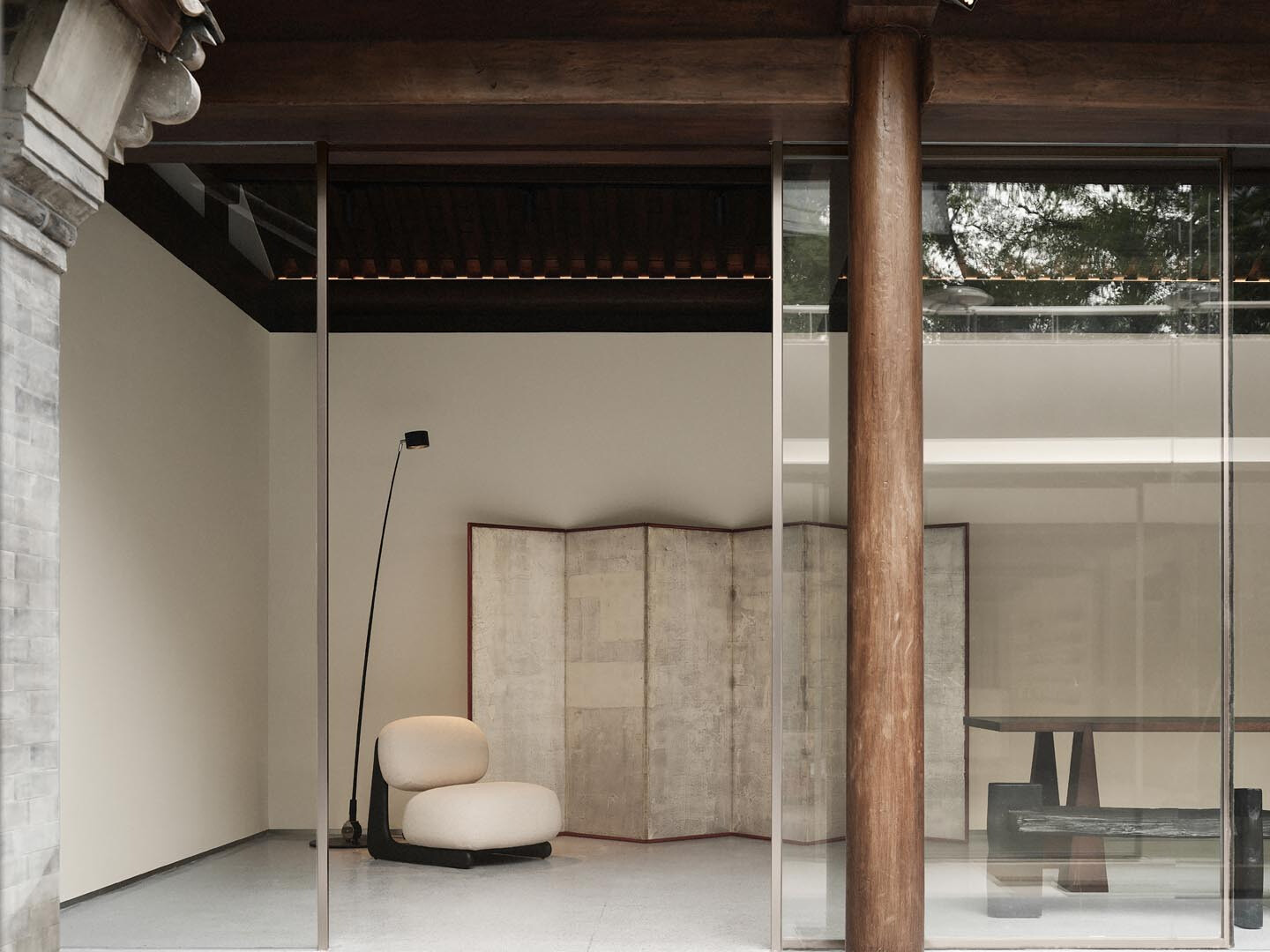
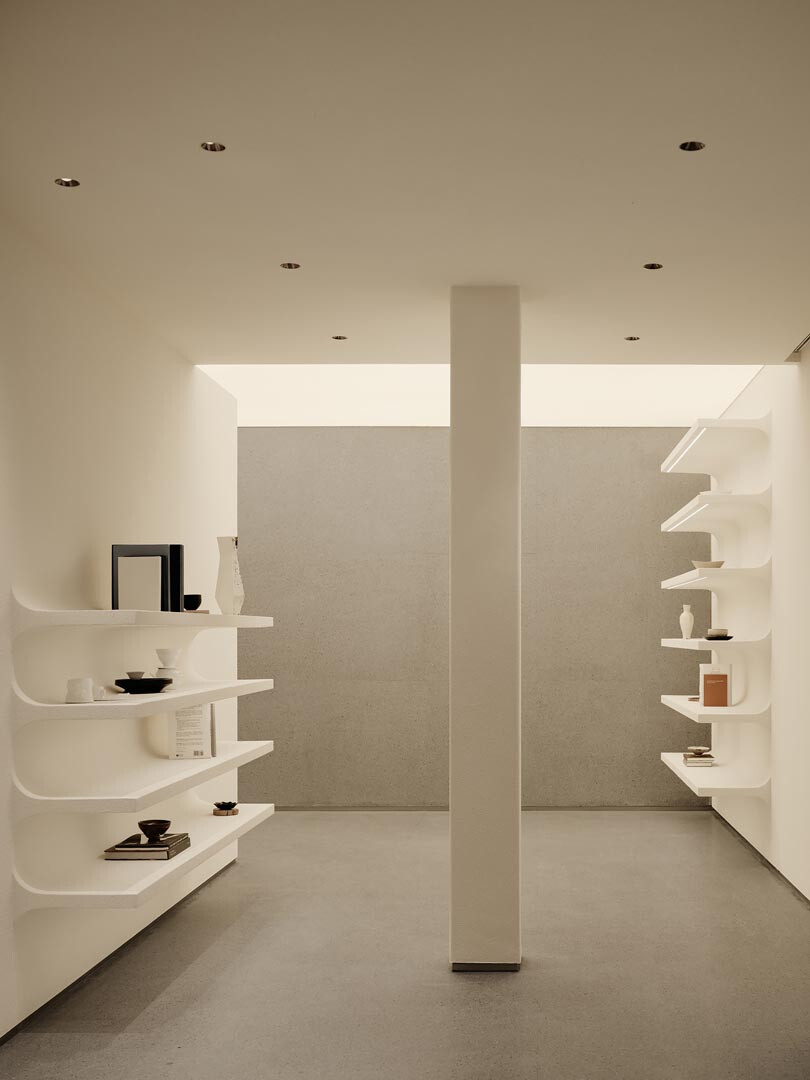
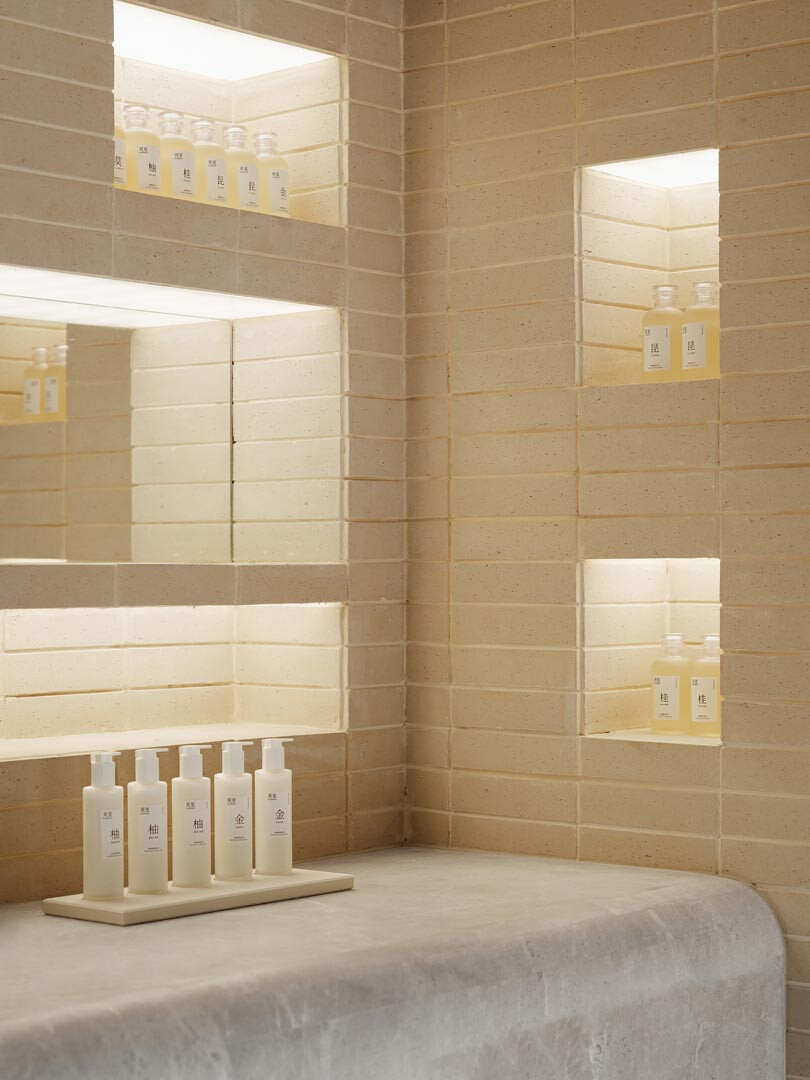
經修繕後的四合院,透過解構的方法將原先制式的格局調整為開放式平面,以東方庭院為主軸,規劃出流暢動線滿足多樣化的商業空間需求,讓人自由在場域內遊走,品聞著陳列於壁龕的薰香,感受店內所有天然材質、燈光色調與植物擺設圍塑出的室內景觀,任由感官去探索胡同裡的溫度,穿梭於細品中華文化中的慢文化。
Following its restoration, the siheyuan has been reconfigured with a deconstructed layout, transforming the once rigid structure into an open-plan space. Anchored by the concept of a Chinese courtyard, the space is designed with fluid pathways that accommodate diverse commercial needs. Visitors are free to wander through the interior, encountering displays of incense set into wall niches, while the use of natural materials, carefully calibrated lighting, and thoughtfully arranged plants shape a serene indoor landscape. This sensory experience immerses visitors in the warmth of Beijing’s hutongs, encouraging them to savor the essence of Chinese culture’s slow, deliberate pace.