霧起山城的靜心秘境—九份・回家旅宿
A Sanctuary of Stillness in the Misty Mountain Town—Jiufen · INN HERITAGE
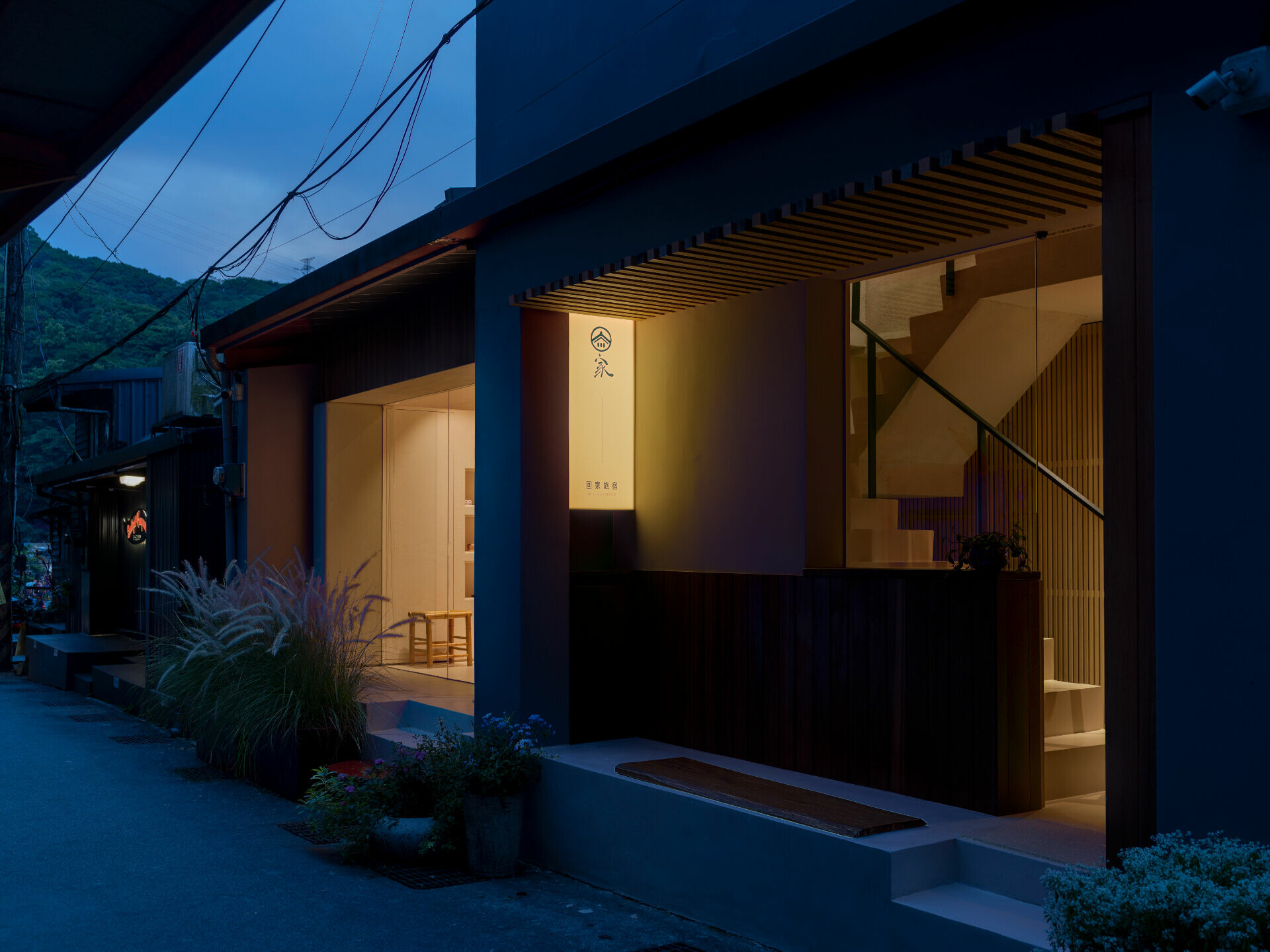
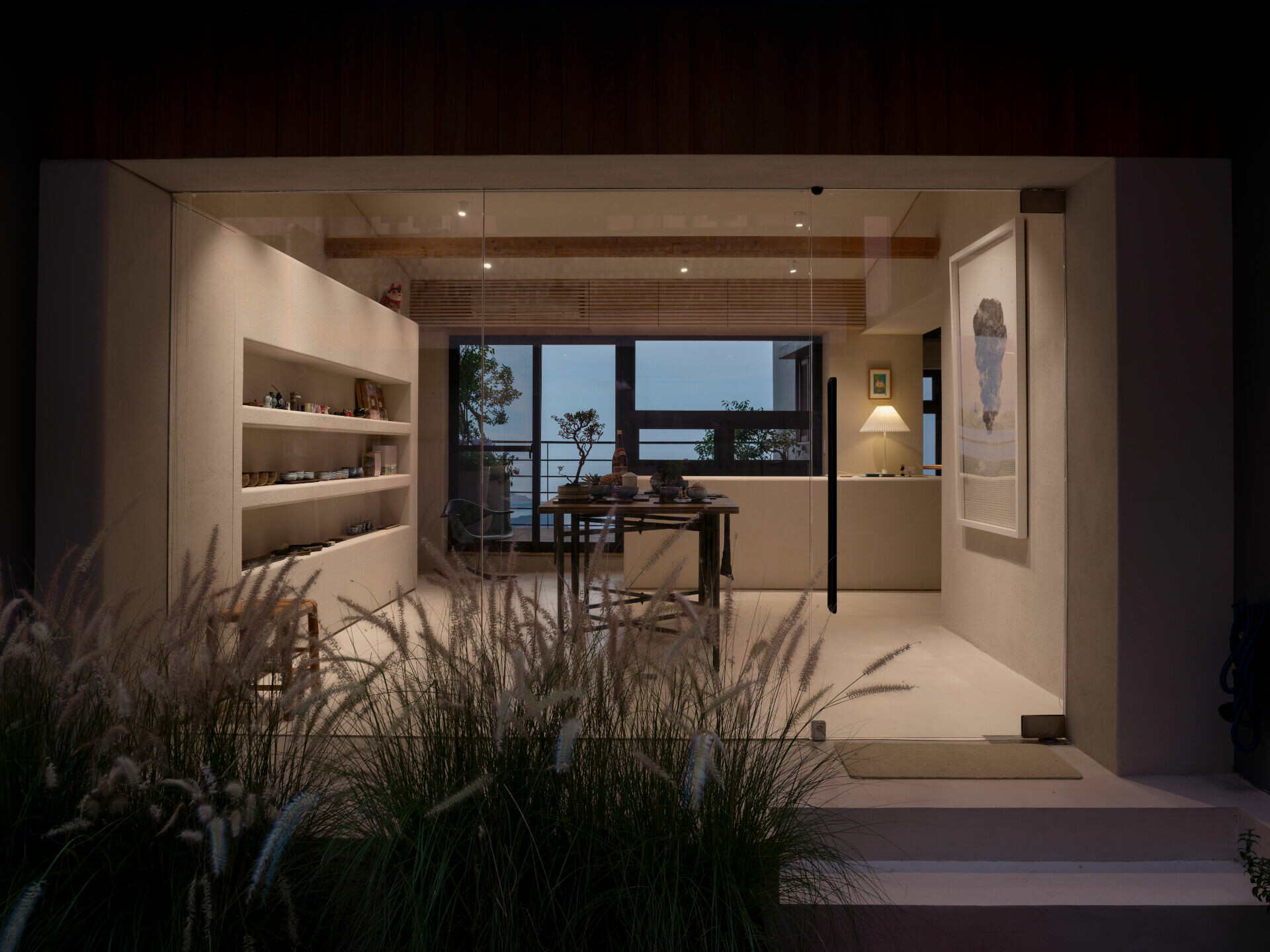
印象中的九份,時常覆上一層朦朧薄霧,漫布一種難以言喻的神祕氣息,內心卻又止不住對接下來旅程的期待。記得那日,從市區開車前往九份山城的路途並非預想中遙遠,隨著公路一側延伸出鐵路風景,彷彿宣告著瑞芳火車站的接近,伴隨著空氣中飄散的濕氣,行經蜿蜒山路後,遂下車沿著石階小徑徒步彎過一個又一個角落、小巷,眼前山海交錯的景色也隨之變化。接著在紅燈籠帶領下,爬上狹長階梯順著人潮來到老街尾端,腳步最終停留在一棟散發寧靜氛圍的民宿前,望著那溫潤木質配合素雅牆體的門面,以及鄰側通透敞亮的展覽空間,恍若遠離塵世喧囂,令人止不住心中好奇踏上台階,入內一探這不受外界干擾的祥和之境。
Jiufen, in my memory, is often under a thin layer of mist. It softens the edges of the mountain town, leaving behind a quiet, hard-to-name mood that still keeps anticipation close. That day, the drive from the city wasn’t as long as I’d expected. As the road began to run alongside the railway, the view felt like a small announcement that Ruifang Railway Station was near. Dampness hung in the air. After the mountain bends, I got out and continued on foot, following stone steps through corner after corner and into narrow lanes. The scenery kept changing—sea and mountains crossing and re-crossing the frame. Led by red lanterns, I climbed a long, narrow run of stairs with the flow of visitors and reached the far end of the Old Street. My steps stopped in front of a homestay that carried an unusual calm. Its façade paired warm timber with pale, restrained walls; next door, an exhibition space read as bright and transparent. The noise of the street thinned. Unable to hold back my curiosity, I stepped up and went in, drawn toward a pocket of peace that seemed to sit outside the world’s interruptions.
尋回時代回憶,拾起人與土地的連結
Retrieving memories of an era; picking up the thread between people and land
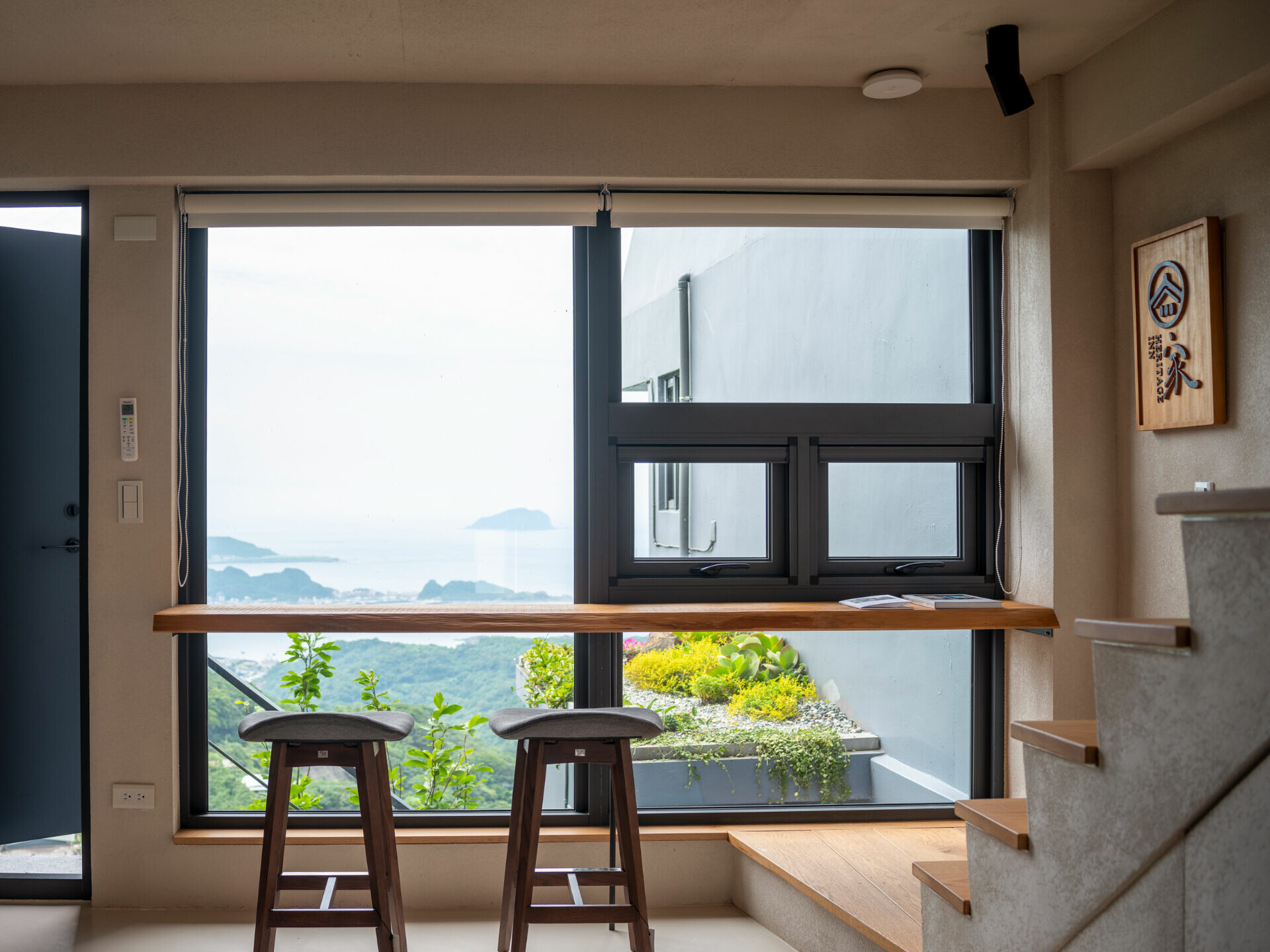
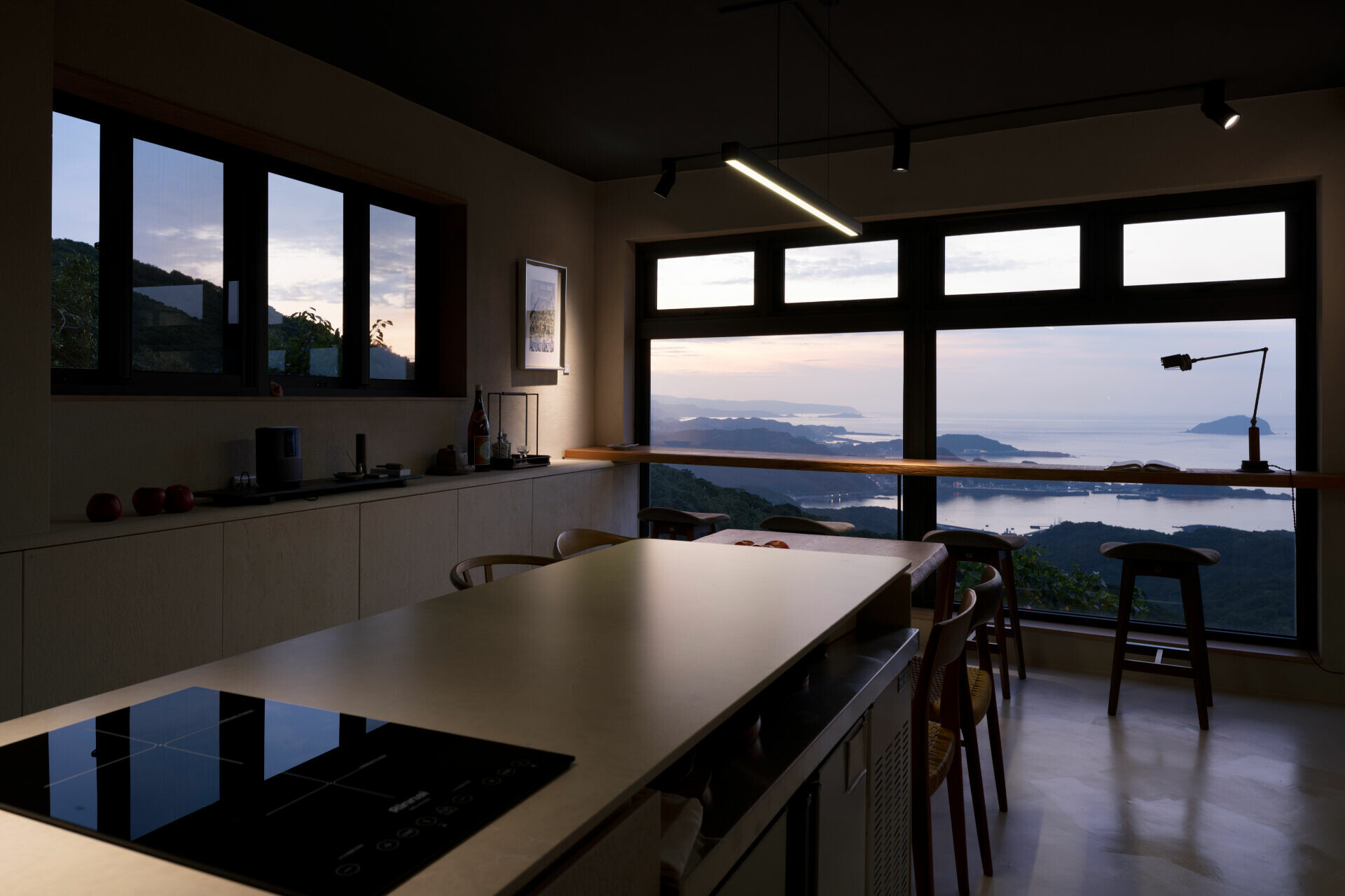
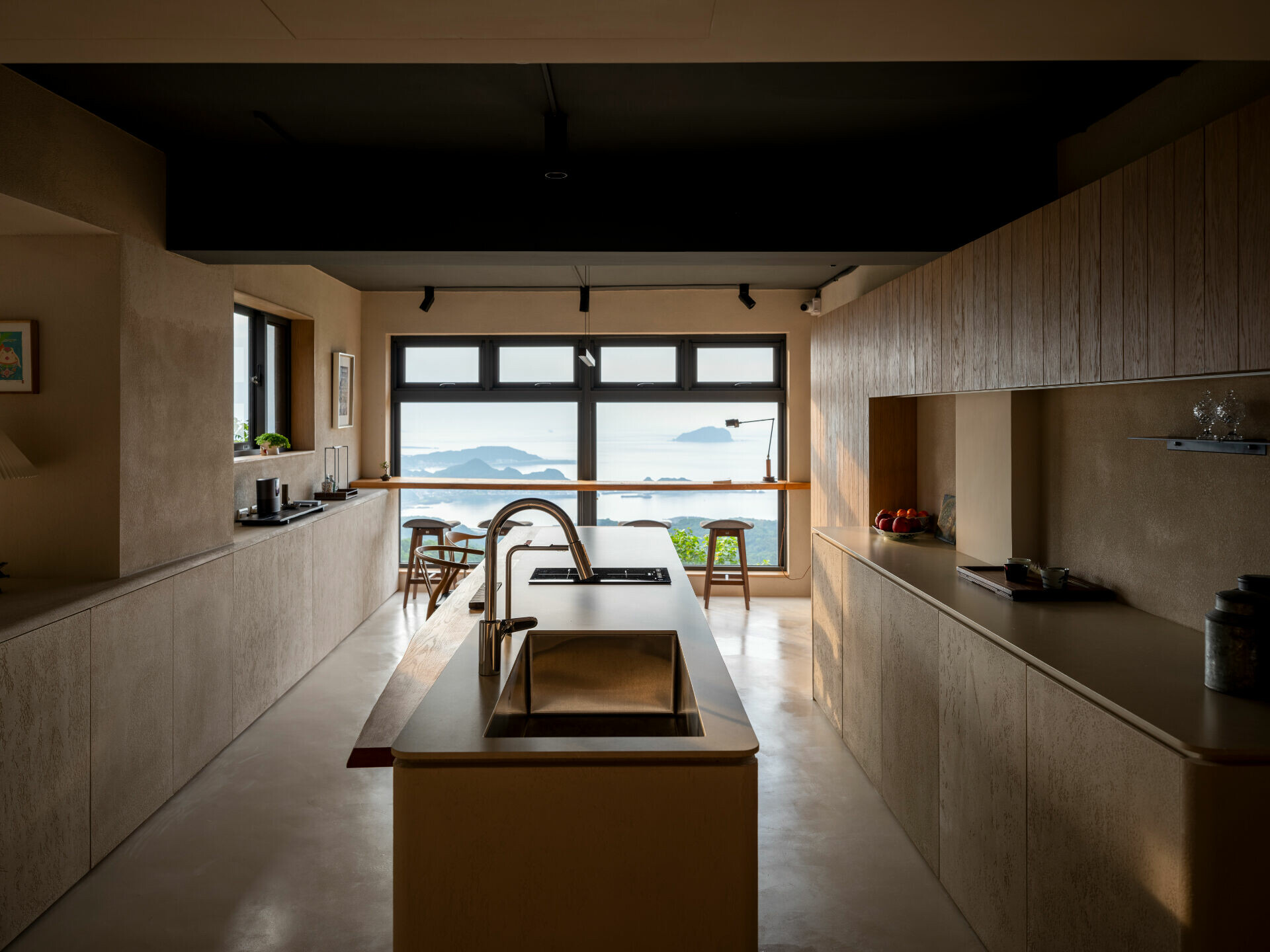
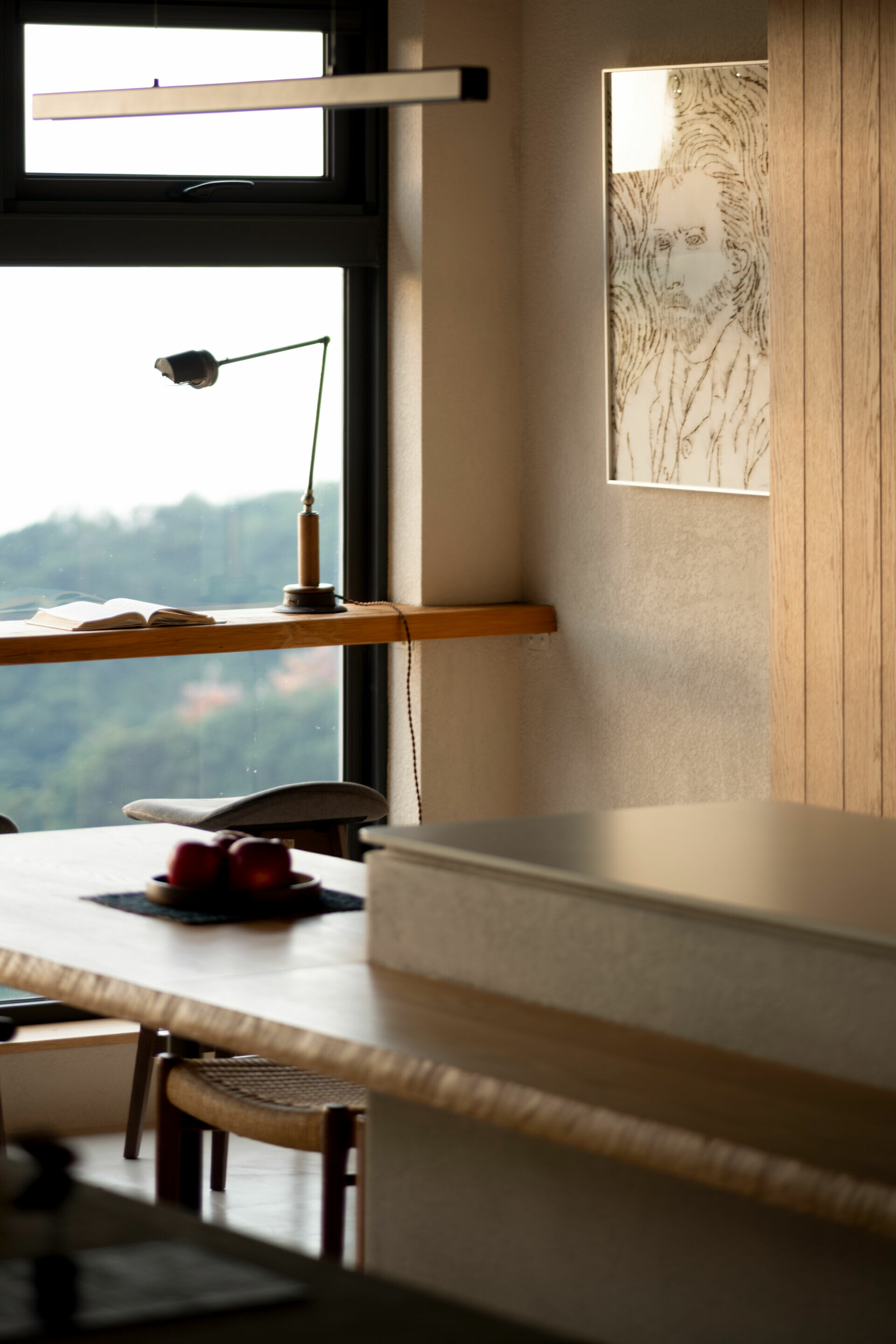
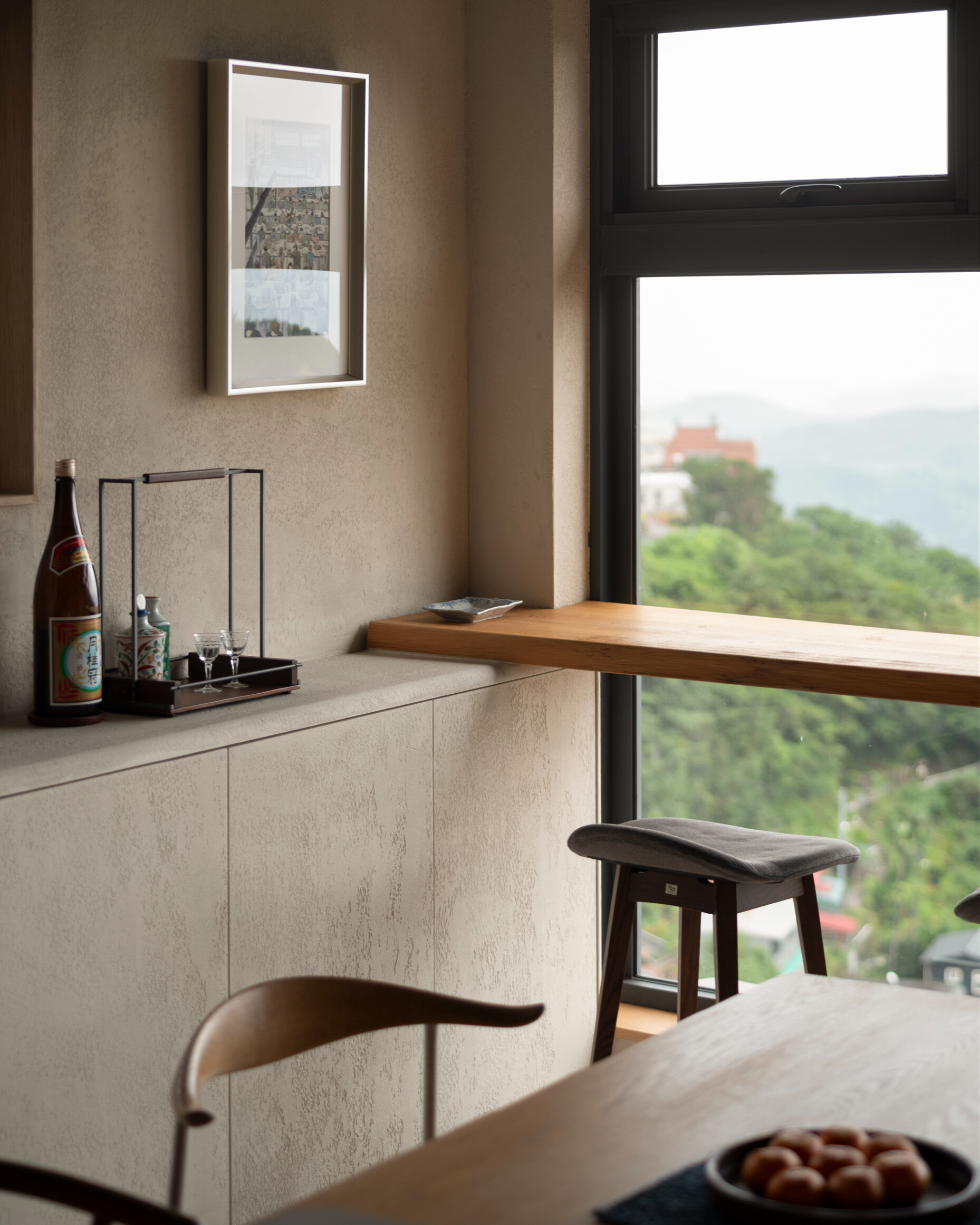
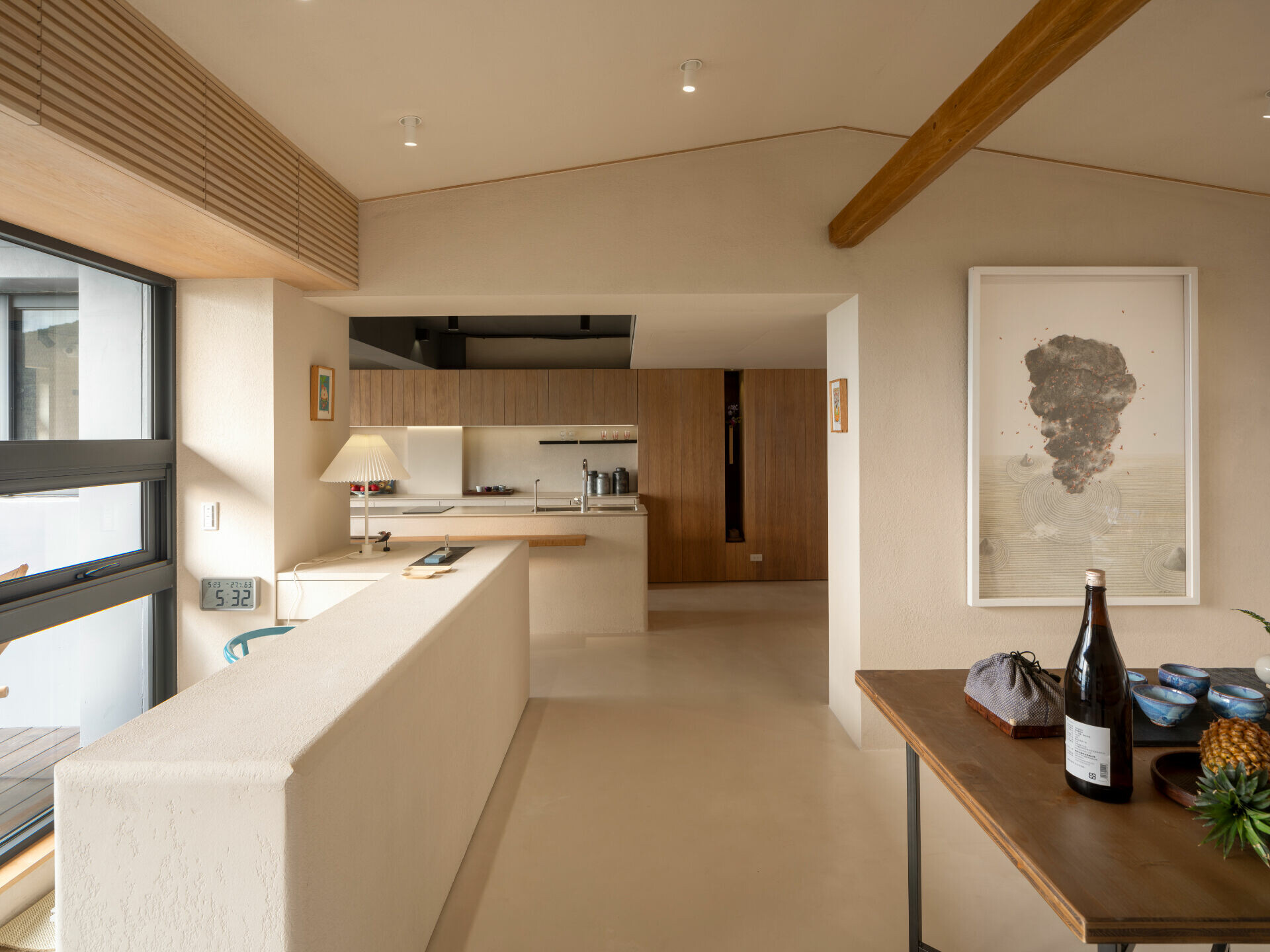
踏入屋內,馥郁的原木天然香氣不時飄入鼻腔,仔細一嗅,還能聞到清幽木質線香,平撫了原本躁動的心緒;視野也在拉開木柵屏風後,迎來純淨開闊的交流場域,留意到前方輕食區因著大面落地窗景延伸出岬口海景與山林綠意,壁面上看似隨興點綴的畫框亦抓住隨意瀏覽的目光。隨之在九份《回家旅宿》主理人李靜敏熱情招呼下,首先參觀了各層樓空間,隨即回到一樓臨窗的實木桌邊啜飲著熱茶,邊暢聊著這棟旅宿緣起以及承載的情感記憶。
Inside, the air carried the rich scent of raw timber. If I paid closer attention, there was also a faint, woody incense—clean and dry—settling the mind. As a timber lattice screen was drawn back, the view opened into a clear, generous common area. In the light-meal corner ahead, large windows extended the scene outward to a headland of sea and a sweep of green hills. Frames on the wall, placed with an offhand ease, still caught the wandering eye. Welcomed warmly by Abraham Lee, the host of Jiufen · INN HERITAGE, I first toured the building level by level, then returned to a solid-wood table by a ground-floor window. With hot tea in hand, we spoke about how this house began, and the feelings it has come to carry.

「我和太太在年輕時,特別喜歡騎車上來追求自由自在、無拘無束的感受。」憶起二十五年前常赴往九份的印象,李靜敏侃侃而談這座山城昔日的繁華盛況。在那個年代,正從金礦聚落轉型為觀光景點的九份,陸續有電影院、酒家、茶坊常駐於此,許多年輕人不僅會前來泡茶、彈吉他、俯瞰有別於城市的山海景緻,也會順路造訪日治時期為裕仁天皇興修的太子賓館,還有不遠處的金瓜石神社遺址;而懷揣夢想的藝術家們,也紛紛在巷弄內開設創作工坊,慢慢形塑出獨樹一幟的茶文化和藝術風情。可惜隨著商業勢力的開發,此地原有風貌逐漸淡化,人與土地的關係隨之脫節,失去了原本的質樸樣貌。
“When my wife and I were young, we loved riding up here on a motorbike,” Lee said, “chasing that feeling of freedom.” Recalling Jiufen twenty-five years ago, he spoke easily of the town’s former bustle. In those years, as Jiufen was shifting from a gold-mining settlement into a tourist destination, cinemas, drinking places, and tea rooms were part of the scene. Young people came not only to brew tea, play guitar, and look out over a mountain-and-sea view far from the city, but also to stop by the Jinguashi Crown Prince Chalet—built during Japanese rule for Hirohito, then the Crown Prince, later Emperor Shōwa—as well as the nearby ruins of the Jinguashi Shinto Shrine. Artists, carrying their own hopes, opened workshops in the lanes, and a distinctive mix of tea culture and artistic life slowly took shape. Later, commercial development arrived with greater force. The original character thinned, and the relationship between people and land loosened with it, taking away some of the place’s plain, unforced quality.
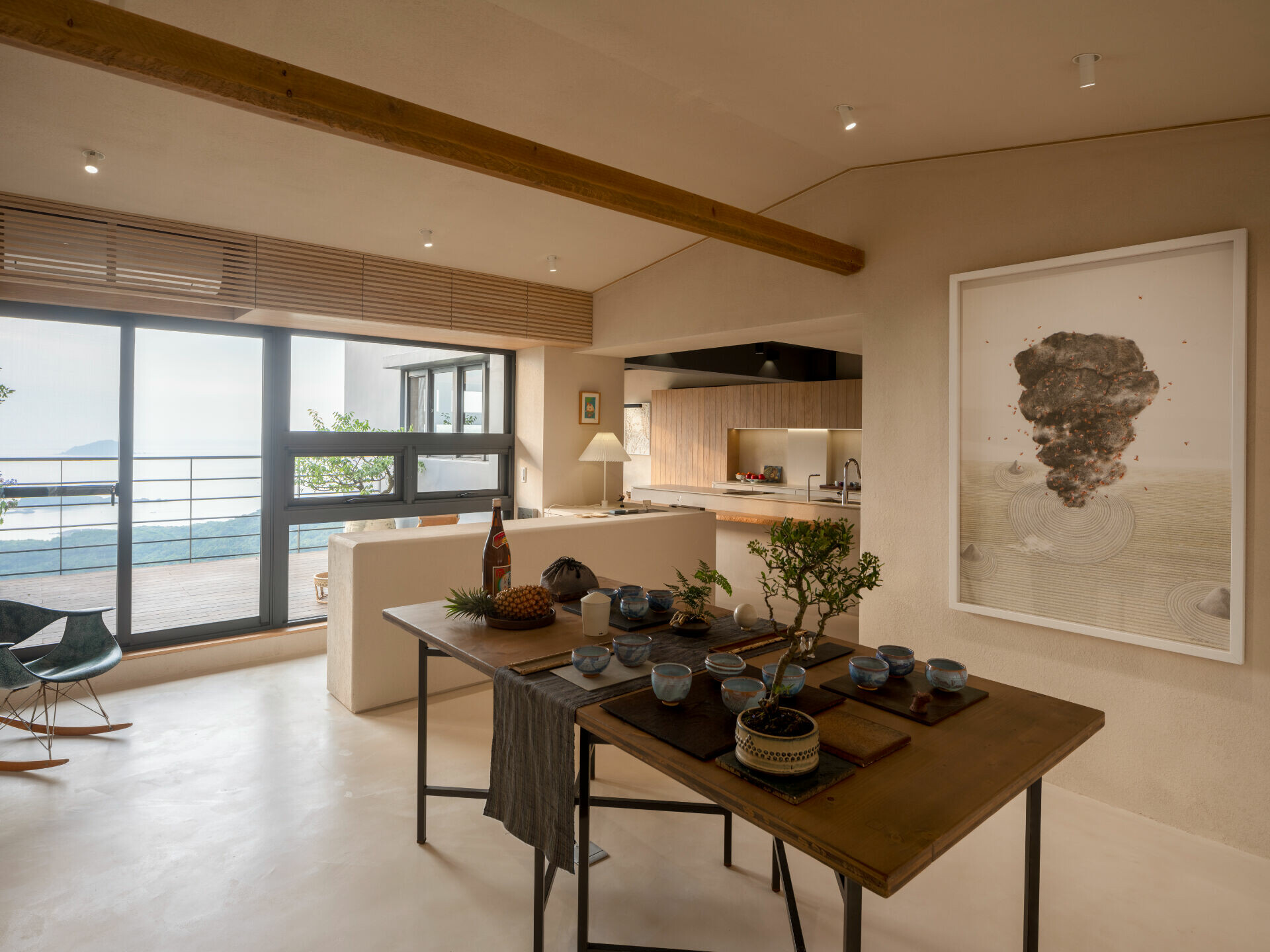
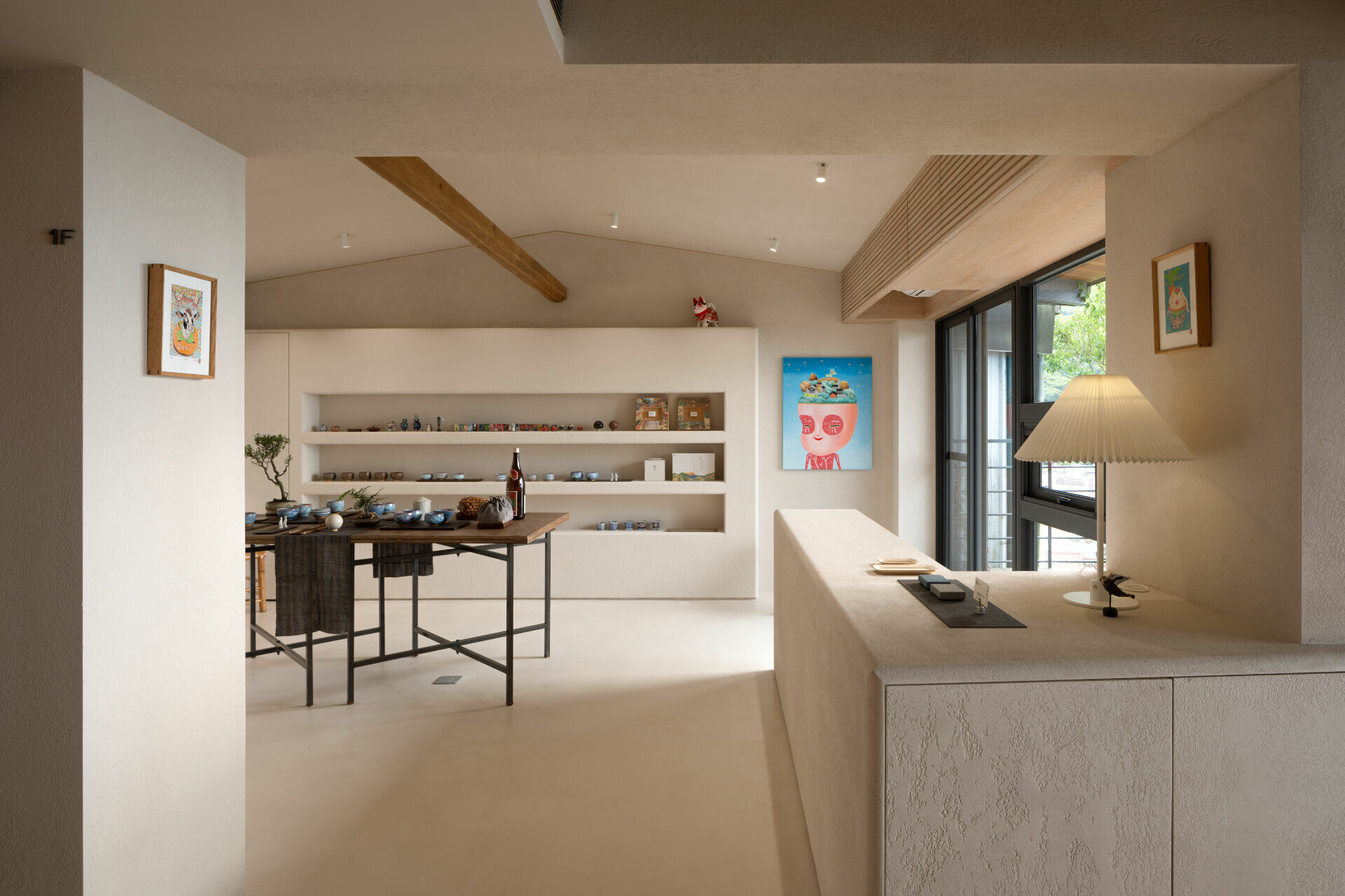
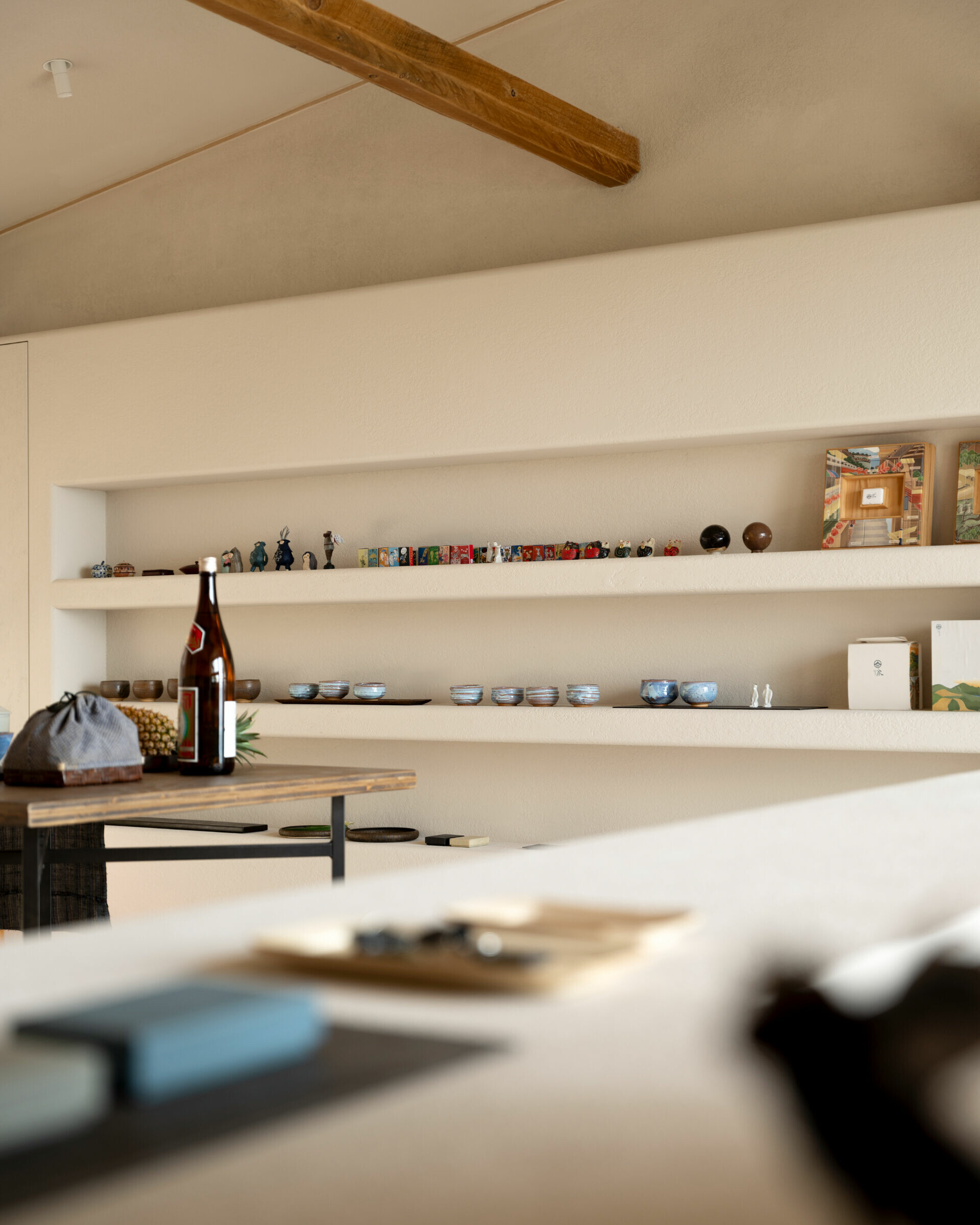
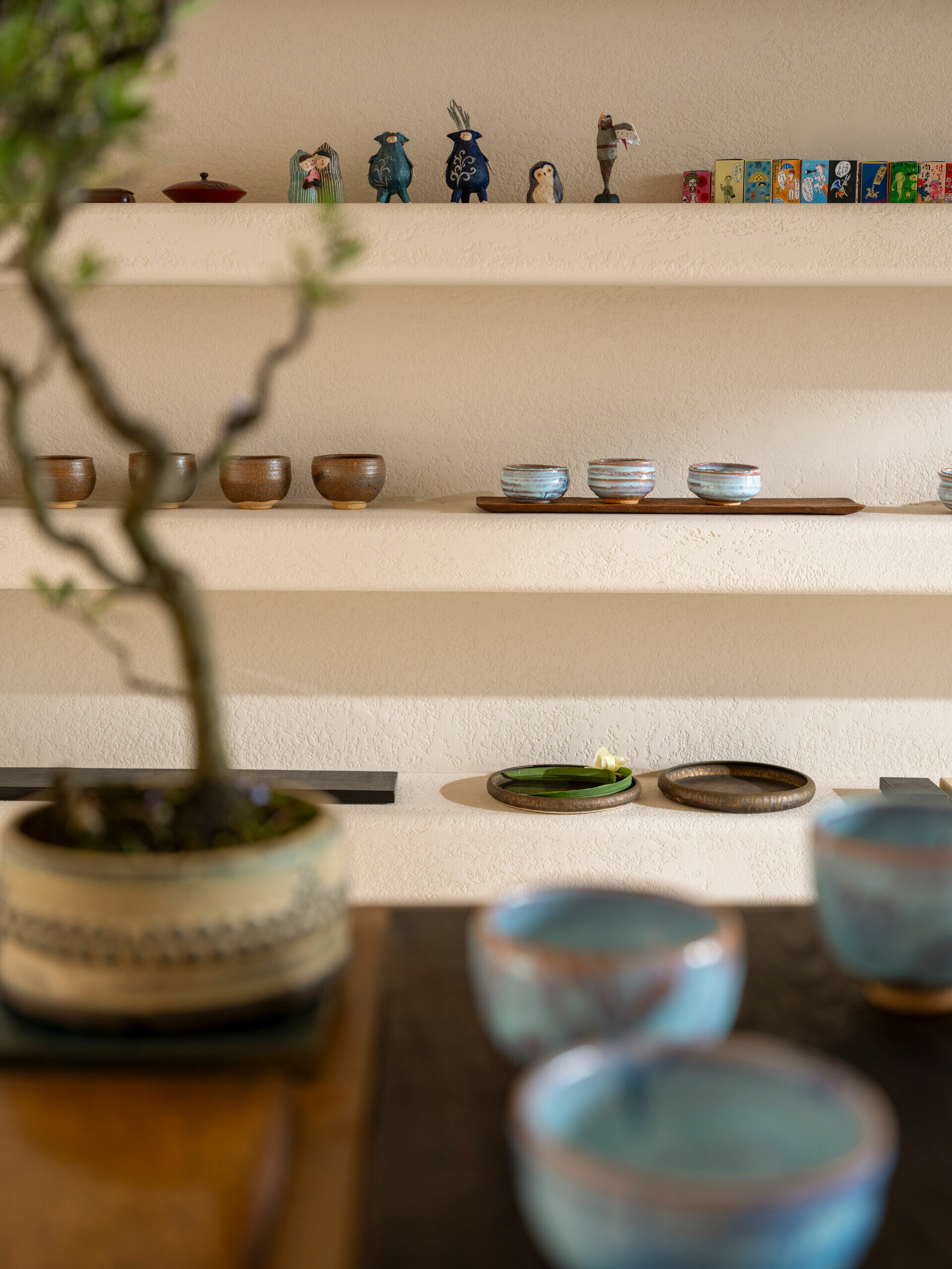
為了拾回與伴侶曾在這座山城經歷過的時代回憶,加上因緣巧合下,李靜敏和妻子直接向原本找上自己的當地屋主租下整棟老屋,並花費十五年時間取得民宿經營資格,將原本破舊不堪的建築順應所處山勢修建為垂直延展的五層樓旅宿空間,以一半作為住宿、一半作為開放空間的形式,讓不論是在地人還是觀光旅客皆可運用不加定義功能的場域,去欣賞擺放於一側展覽空間內的生活陶藝,順道來用餐區喝杯茶或咖啡,感受不同於老街的那份靜謐,從而找出屬於自己與這片土地的連結。
To retrieve the memories he once shared with his partner—and through a fortunate coincidence—Lee and his wife rented the entire old house from a local owner who had approached them. It took fifteen years to secure the qualifications required to operate a homestay. The building, once worn and neglected, was repaired in response to the slope and became a five-storey space extending vertically along the mountain. Half is reserved for accommodation; half is kept open. The shared areas are left without fixed functions. Locals and visitors can step in to view everyday ceramics in the exhibition zone, sit down for tea or coffee in the dining area, and experience a quiet distinct from the Old Street—then leave with a renewed sense of how their own life might connect to this place.
為生活而生的共好平台,體悟台灣山城的混合美學
A platform made for living; sensing the hybrid aesthetic of a Taiwanese mountain town
延續襲園美術館以人為尺度的生活理念,同樣創辦襲園生活的李靜敏認為美好生活是一場共創的藝術,於是將九份《回家旅宿》轉化為一個讓每個人都能自由創作的平台,可以選擇用自己擅長的方式參與生活劇本的書寫,從每個細節中細細體會這座山城與美感邂逅的點滴片刻,好似回到自家般自在無拘。對李靜敏而言,藝術的本意應是透過當下創作的時空感動到觀者。因此,無論是一樓的展覽空間內,甚至是各區牆面、每間客房都能看到畫作、陶器或雕塑的妝點,使藝術化為日常的一部份與旅人互動,自行去揣摩每幅畫的故事。
Continuing the human-scale lifestyle philosophy behind A. Heritage, and as the founder of Heritage Life, Lee sees a good life as something people make together. He has turned Jiufen · INN HERITAGE into a platform where anyone can participate in the writing of daily life, each through their own way of making. In every detail, there are small moments where this mountain town meets beauty, and the experience can feel as natural as returning home. For Lee, the essence of art lies in moving the viewer through the time and atmosphere of its making. That belief is visible throughout: not only in the ground-floor exhibition space, but across walls and inside each guest room. Paintings, pottery, and sculptures sit within everyday life and keep company with travellers, leaving room to imagine the story behind each piece.
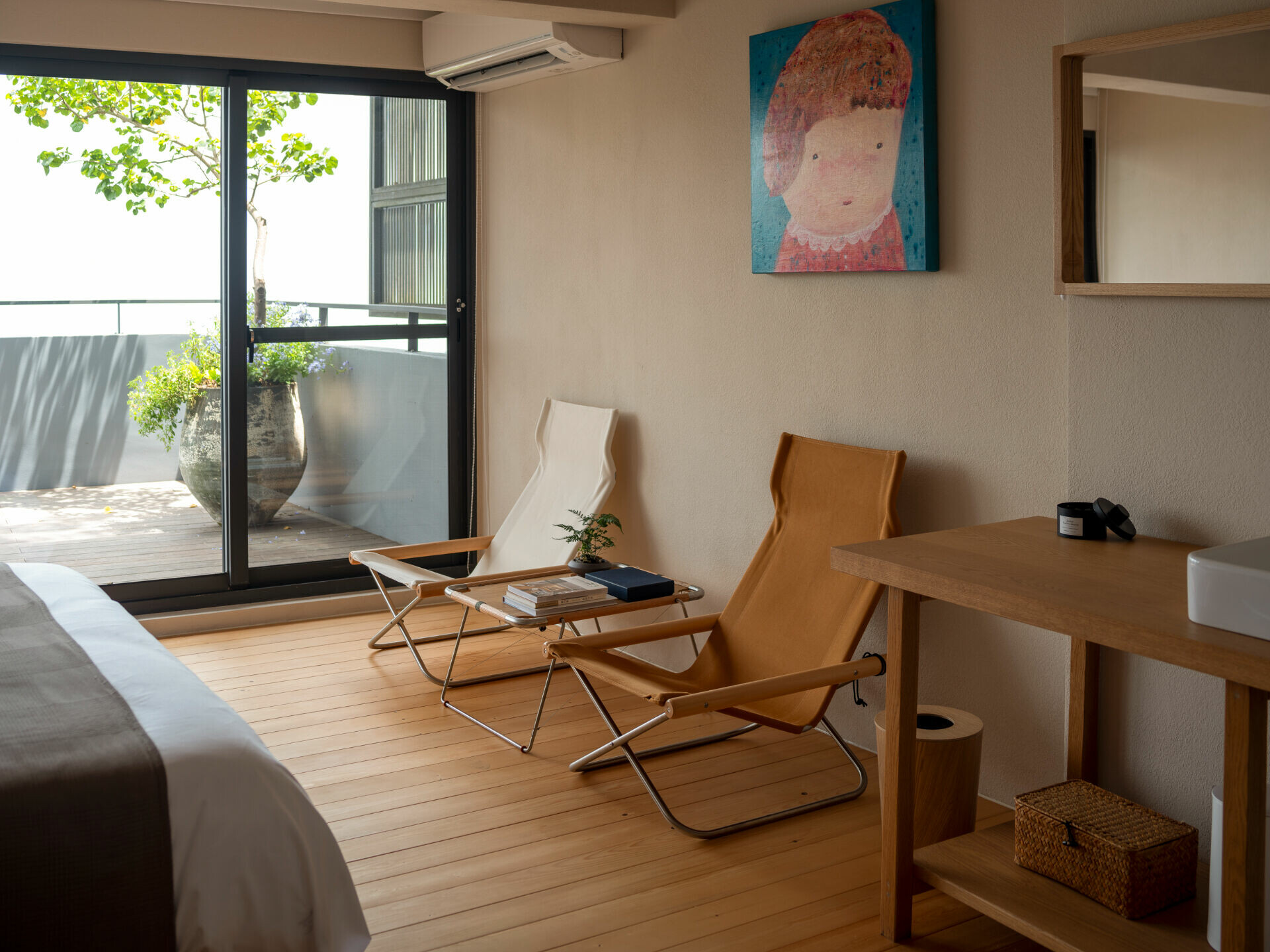
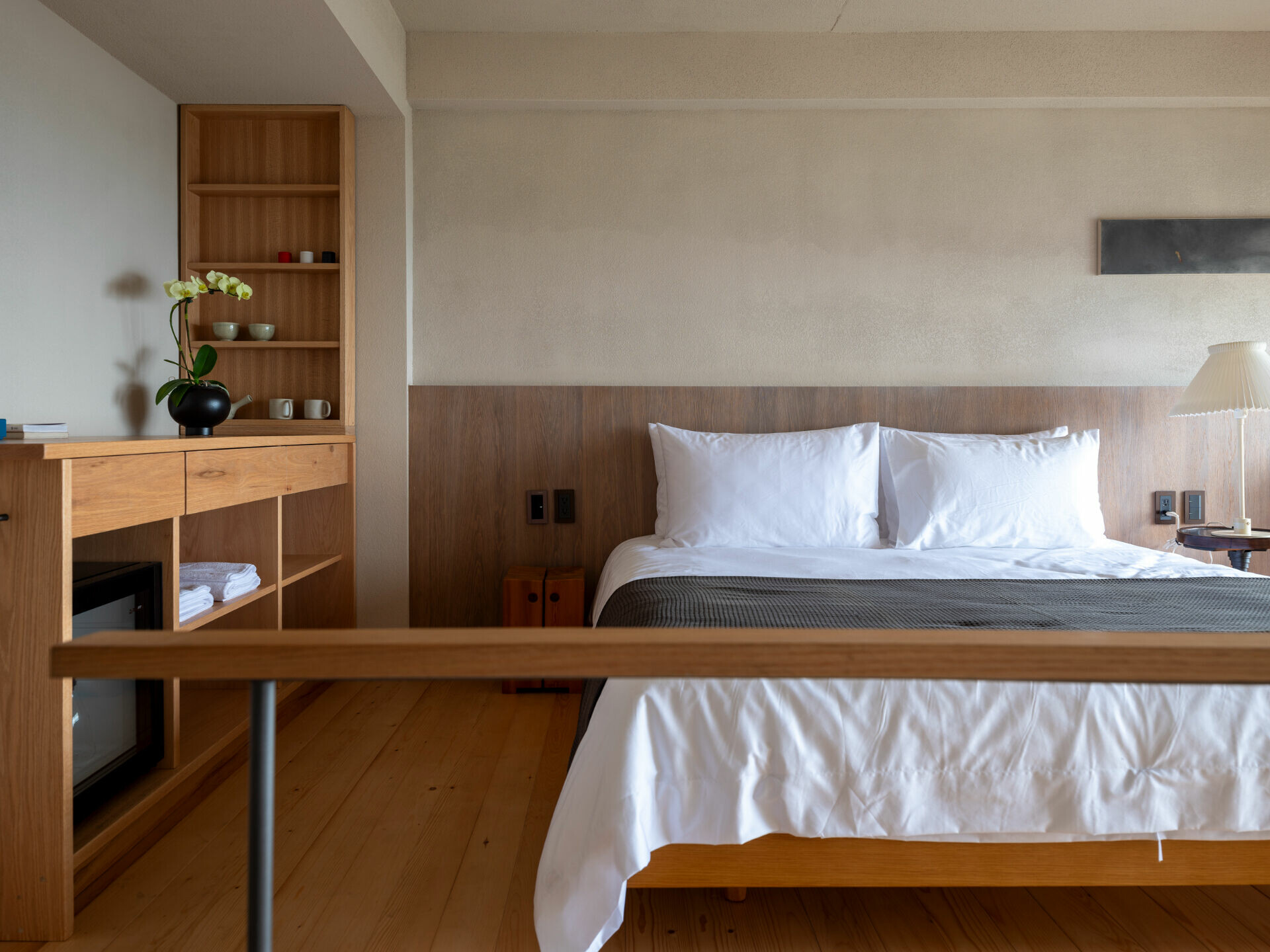
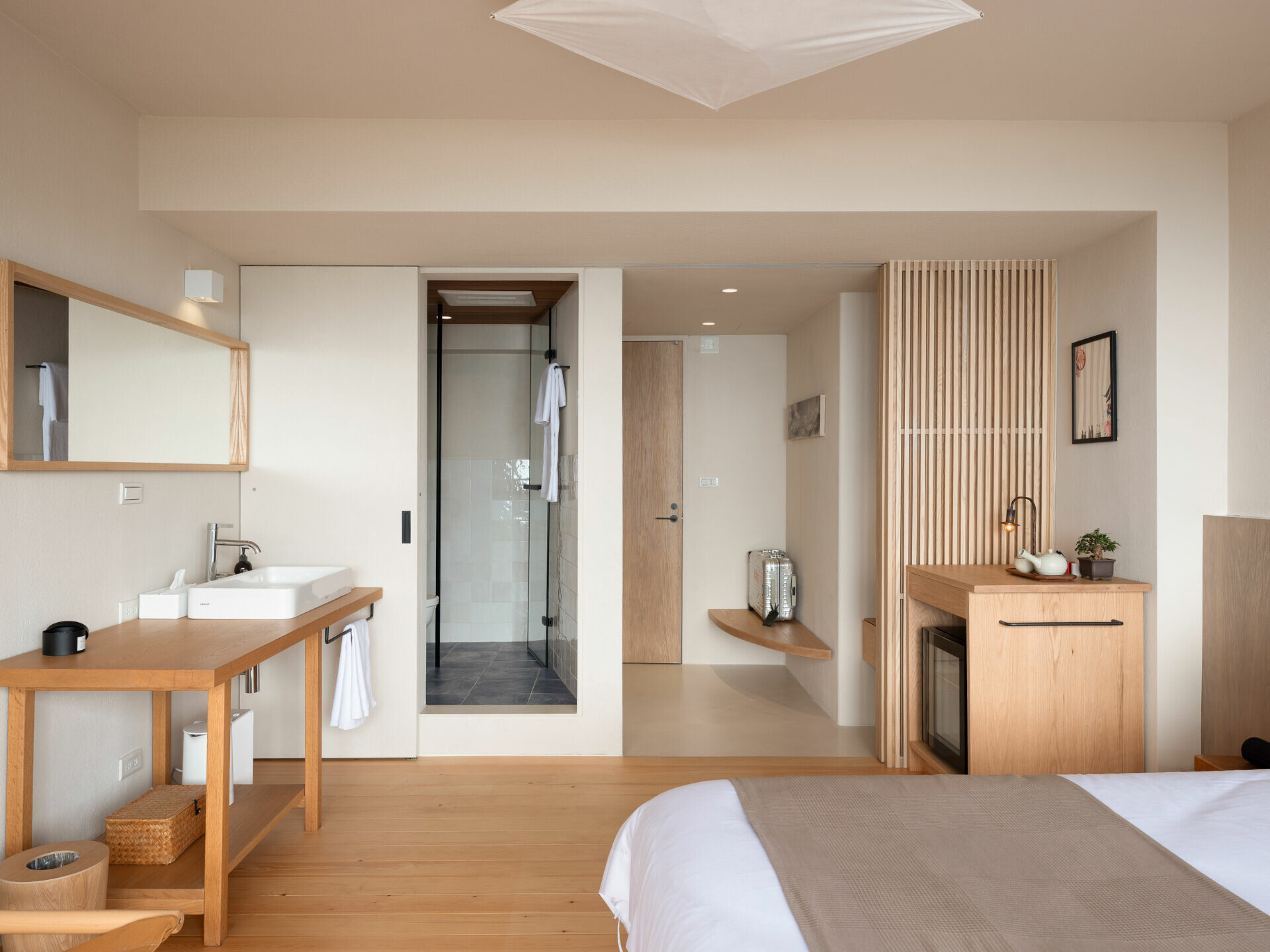
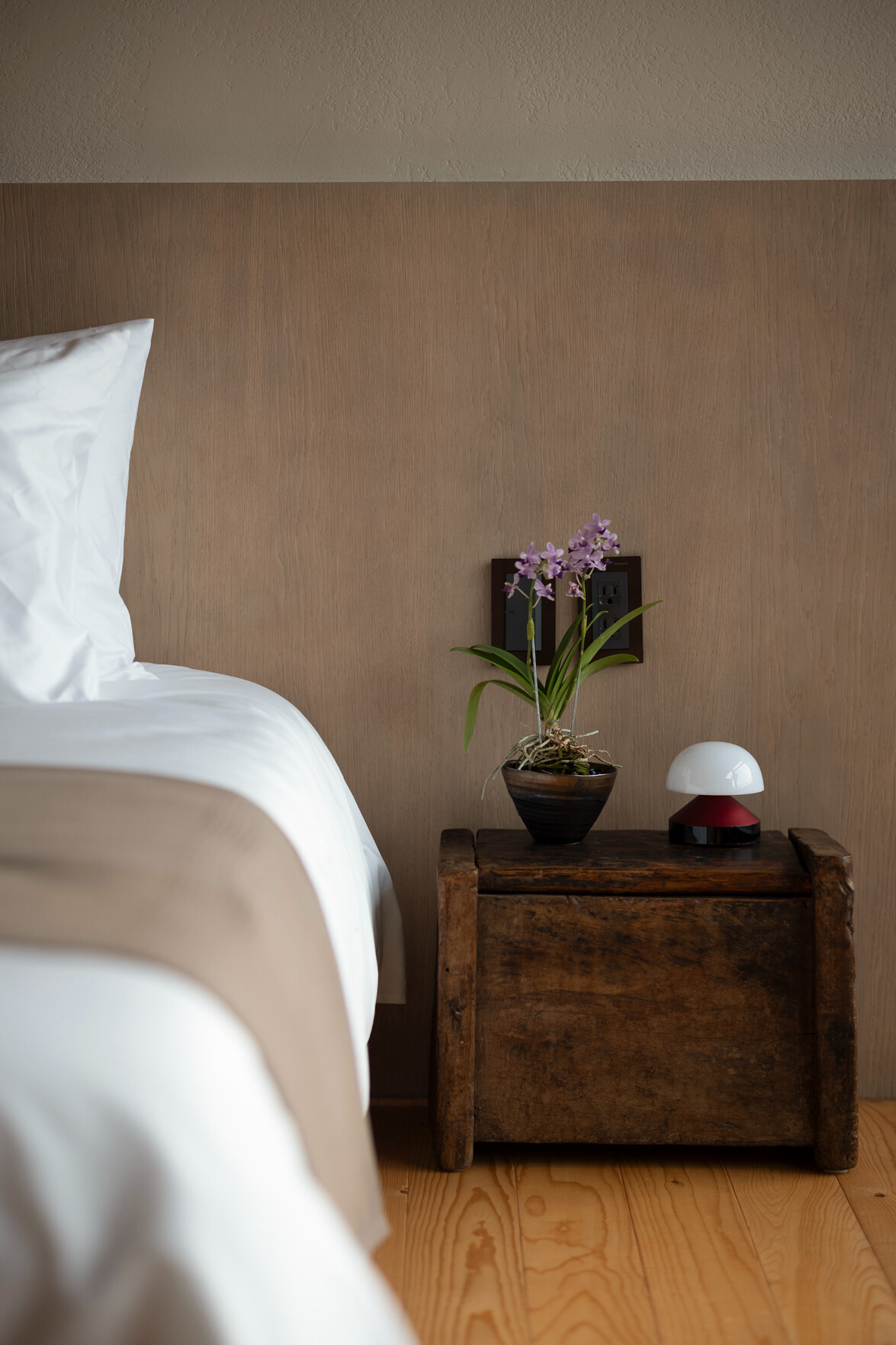
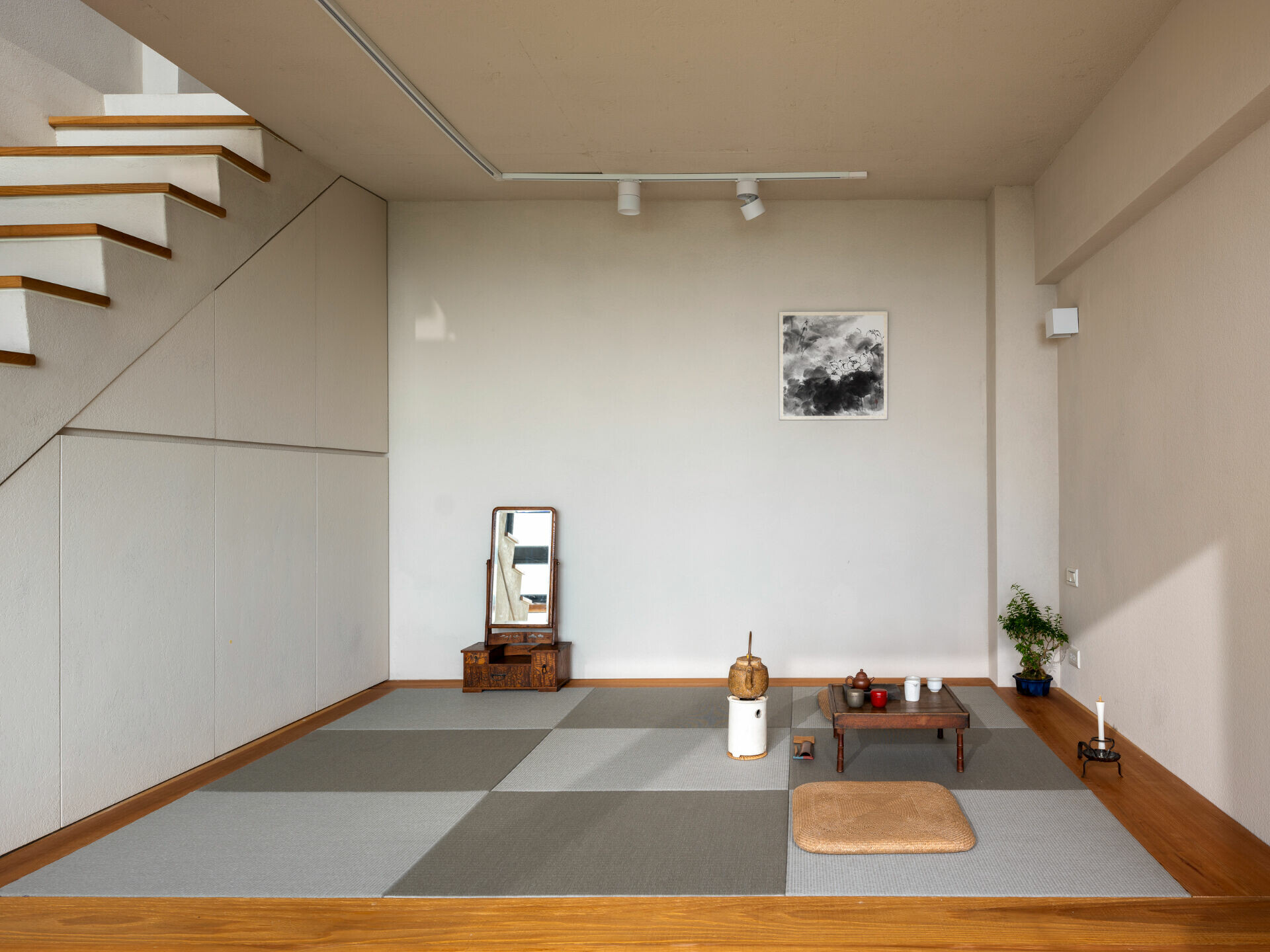
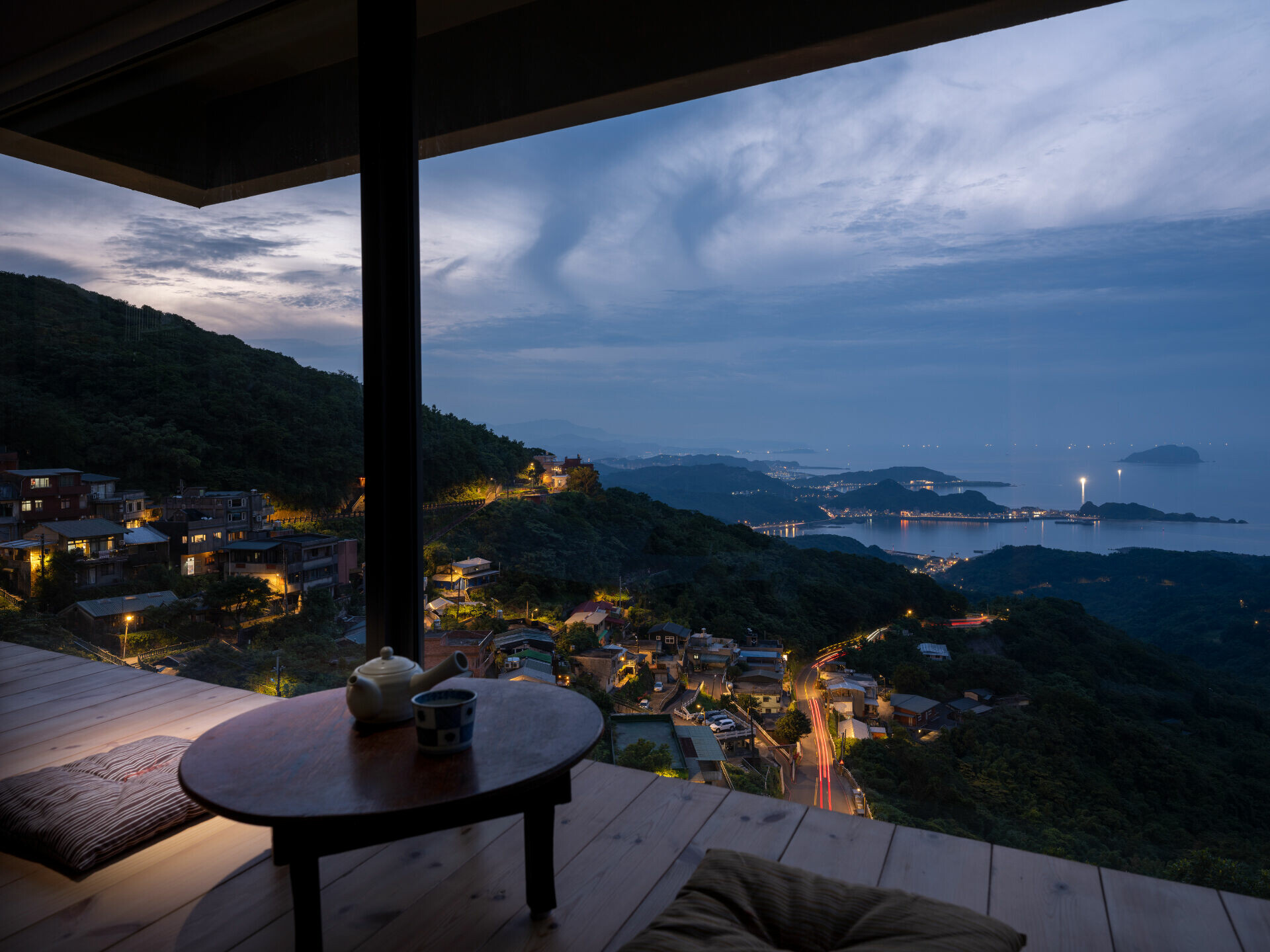
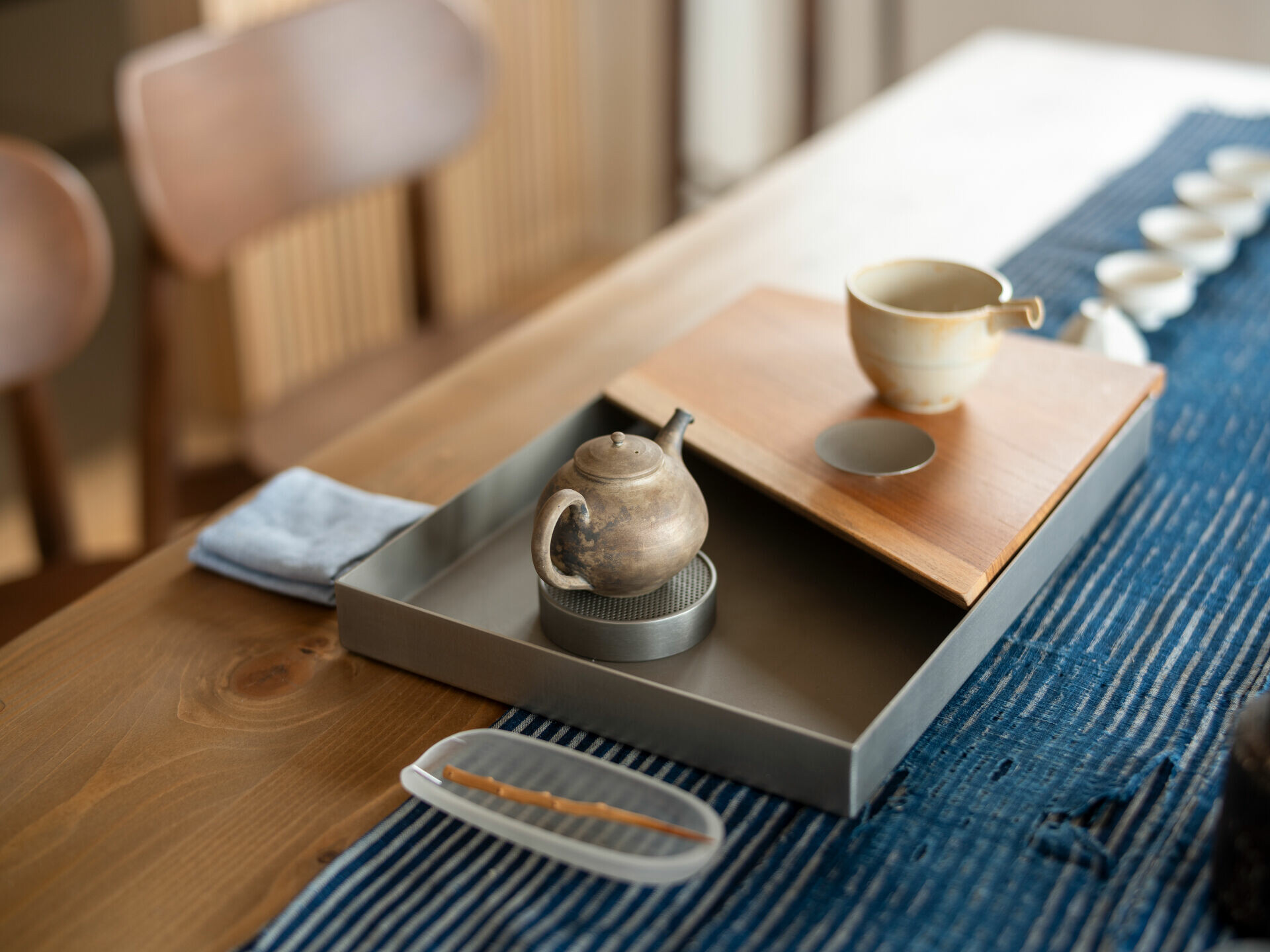
順著樓梯拾級而上,二樓的多功能空間還擺放了摺疊移動的實木桌,讓人能自在取用擺放於桌面的整套茶具,在沖茶的過程中專注於茶葉的香氣、器皿的溫度,即使僅是一口真味無華的茶湯,依然能探索東方文化的魅力,且抬頭即可透過雙開式露台門一覽水湳洞漁港的開闊景致。此外,各層客房也分別擺放了一套茶具,供旅客自行使用,讓美學在生活中自然而然地發生。有趣的是,來到地下樓層順著山壁垂直分布的四間客房,分別以「芳春、朱夏、金秋、寧冬」命名,回應了九份四季分明的氣候特徵,而各空間的尺度規劃也能順應旅客需求給予相應機能規劃,但不變的是房內流淌的實木香氣和偌大的景觀視角,讓人於夏日夜晚也能遠眺灣內點點漁火和山城燈火相互輝映的景色。從底層的房型格局走出室外,還能靜觀精心栽種的花圃,或沿著戶外階梯上至緊貼山壁如洞穴般小巧而昏暗的「冥想室」感受自然元素的流動,給予自己獨處的時間。
Ascending the stairs, the multipurpose room on the second floor holds solid-wood tables that can be folded and moved as needed, inviting guests to use the full tea set laid out on the tabletop. Brewing becomes a small act of concentration—on the aroma of leaves, on the warmth of the vessel. Even a plain, unadorned sip of tea can still open a path into the pull of Eastern culture. Lift your head and, through double terrace doors, the view extends toward Shuinandong Fishing Port. Tea sets also appear in the guest rooms, letting aesthetics arise as part of ordinary living. Further down, four guest rooms distributed vertically along the rock face are named Fragrant Spring, Crimson Summer, Golden Autumn, and Quiet Winter, echoing Jiufen’s distinct seasons. The layouts adapt to different needs and functions, yet certain things stay constant: the lingering scent of timber and the wide reach of the view. On summer nights, fishing lights in the bay glitter as the lamps of the mountain town answer back. Step outside from the lowest level and there are carefully tended flower beds; climb the exterior stairs and a small “Meditation Room” appears—dim, cave-like, pressed close to the rock—offering time alone and a sense of natural elements in motion.
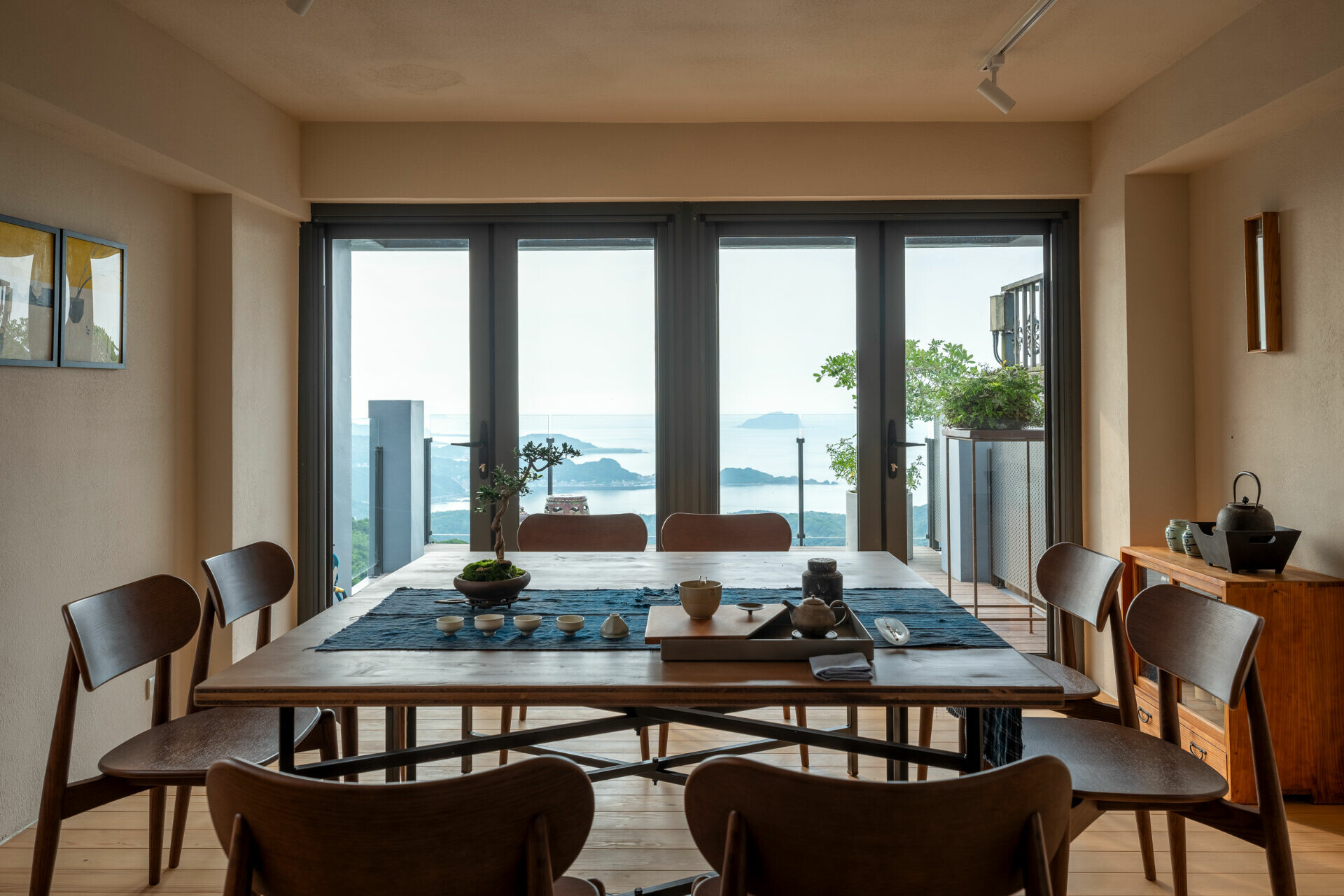
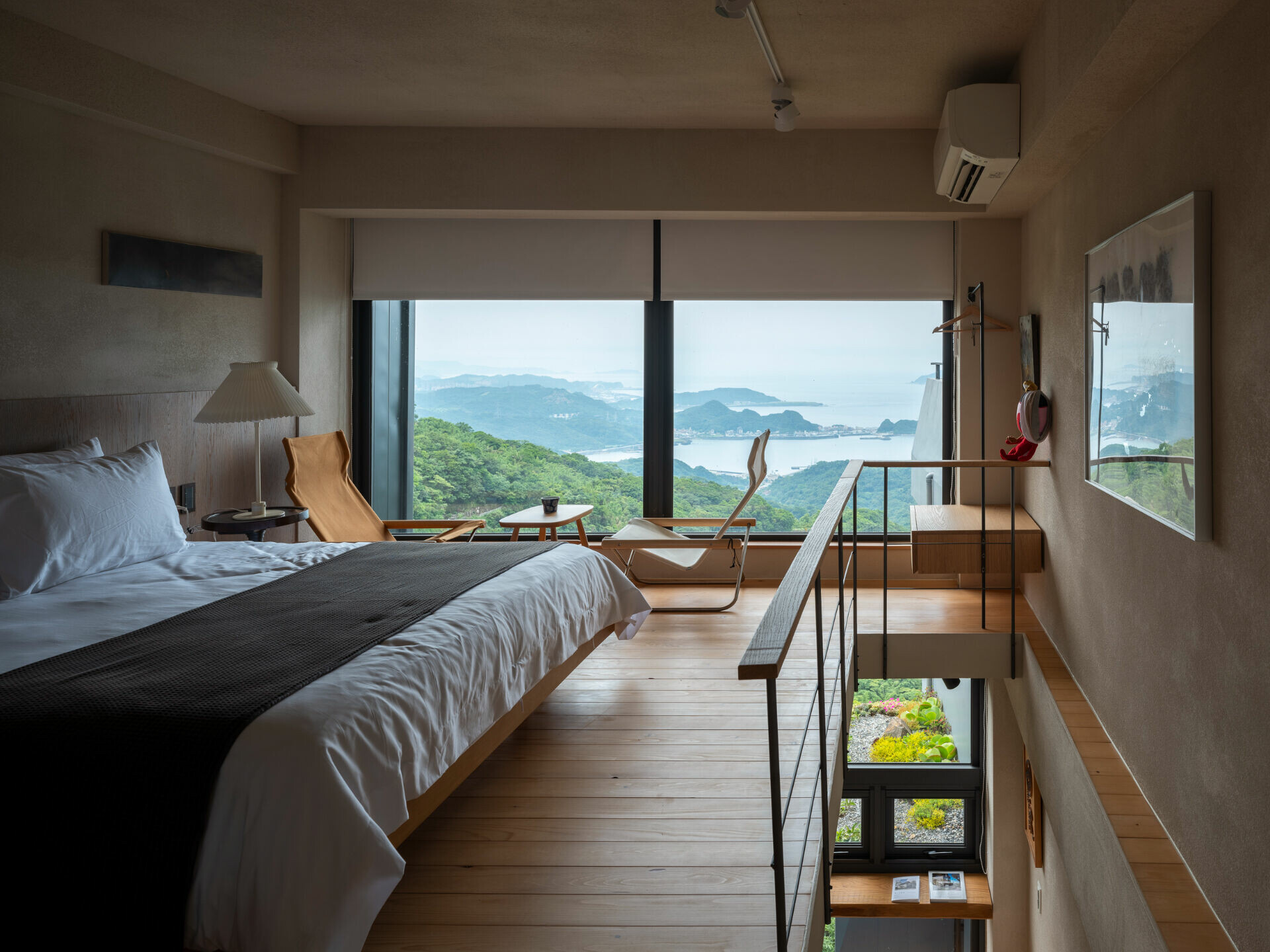
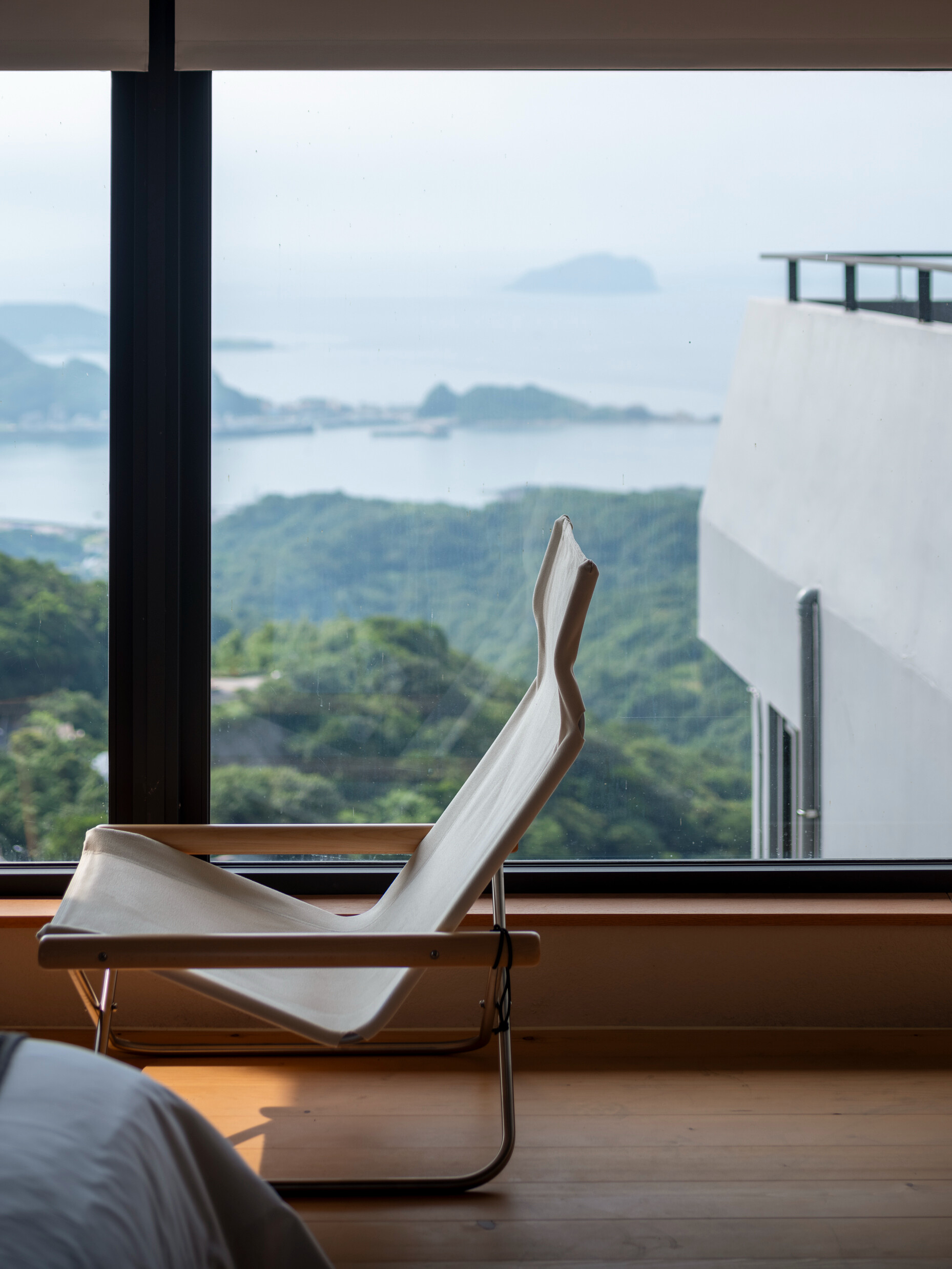
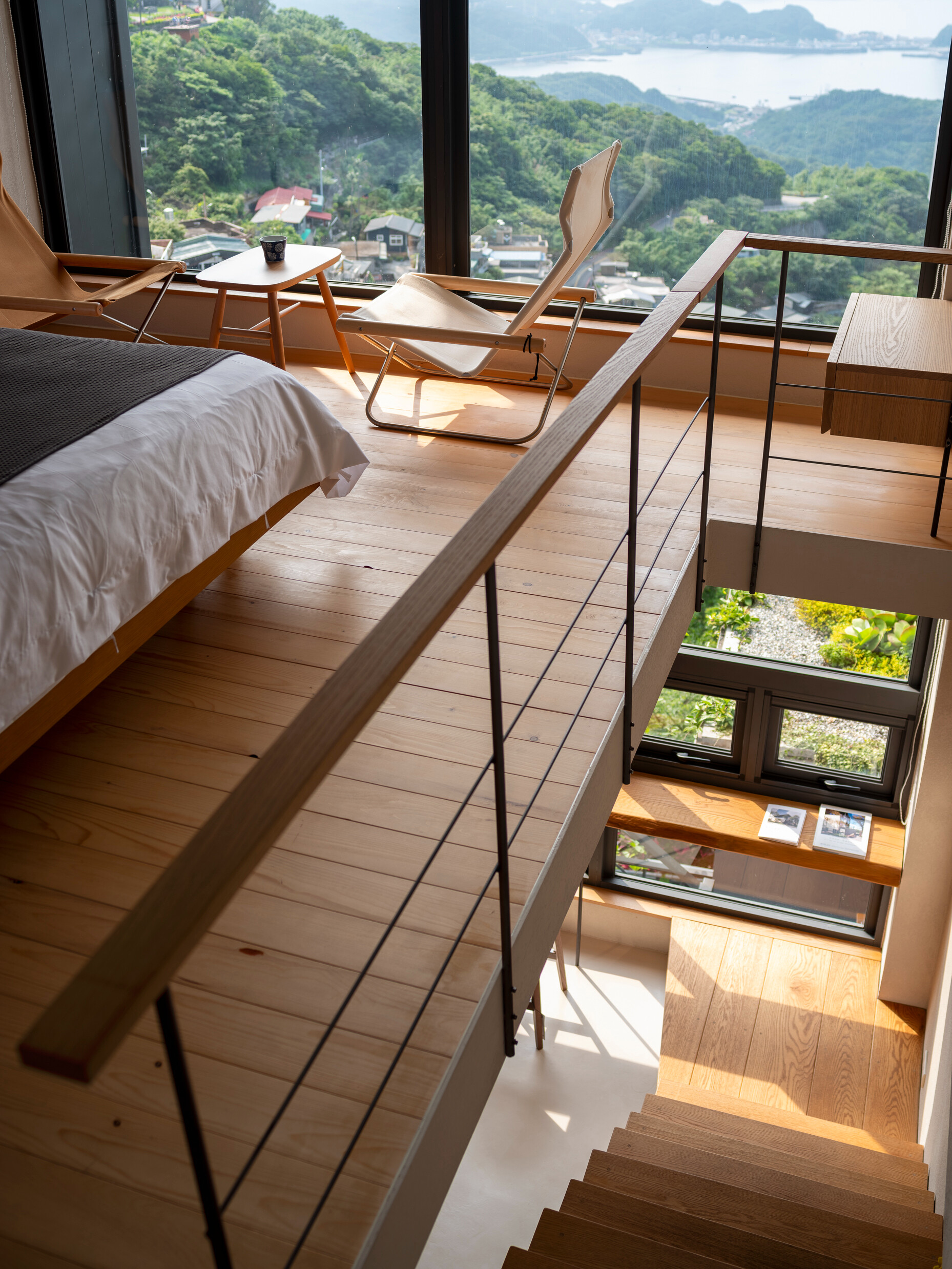
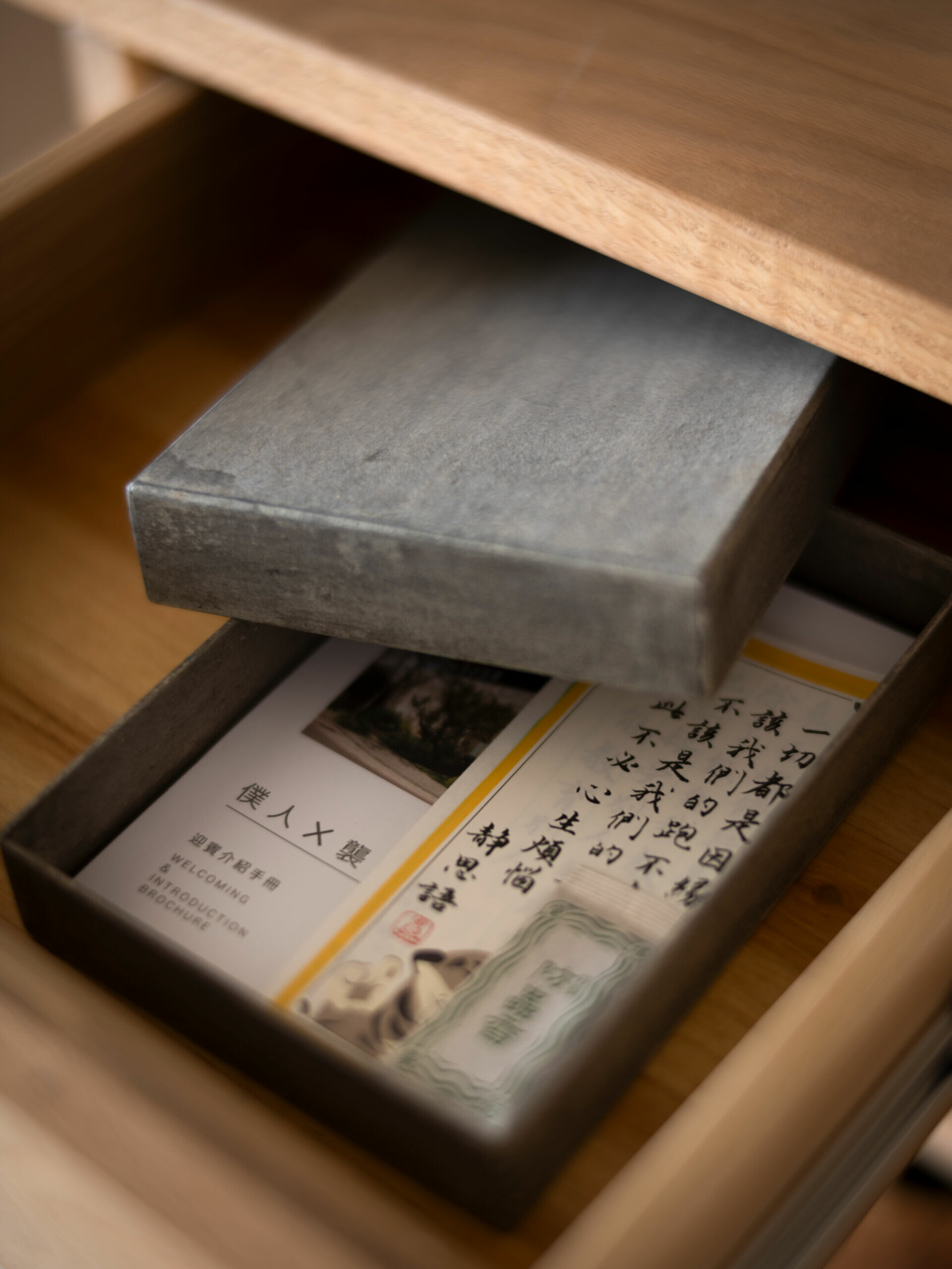
在這裡,旅宿內的藝品、家具、建材、植栽,甚至是氣味皆猶如樂譜音符般奏出和諧而悠揚的交響曲。雖說,襲園從京都東山一路走到台灣九份,但是在九份《回家旅宿》還是能在靜謐的空間氛圍中,看到屬於台灣山城的潮濕與野性氣息,傳遞了主理人李靜敏對這座山城聚落的土地情感、人文關懷的獨有詮釋。而周杰倫那首《半島鐵盒》MV 開頭的台詞:「請問一下有沒有賣半島鐵盒?」也成為了這棟旅宿的引言,讓旅客在這棟樓中親身去探索與土地之間的聯繫,甚或是拿取客房抽屜內藏在橡木黑盒中的手抄靜思語,留下這趟九份旅程專屬的珍貴回憶。
Here, artworks, furniture, building materials, planting, even scent gather like notes in a score, sounding out a harmony that is quiet and long-breathed. Although the project’s lineage runs from Kyoto’s Higashiyama to Jiufen, within Jiufen · INN HERITAGE you still sense what belongs specifically to a Taiwanese mountain town: humidity, a trace of wildness, a closeness to terrain. It reads as Lee’s interpretation of land attachment and humanistic care. A line from the opening of Jay Chou’s Peninsula Ironbox music video—“Excuse me, do you sell the Peninsula Ironbox?”—is used as an epigraph. The house invites travellers to explore their connection to place through lived experience. Before leaving, one might open a drawer, find a hand-copied aphorism tucked inside a black oak box, and keep it as a small memory from this Jiufen journey.