WABISABI
  • Projects
    • Worldwide
    • Interiors
    • Features
  • Contemporary
    • Exhibitions
  • Record
  • Lifestyle
  • City Explore
  • News
  • Issue
  • Account
  • Search
  • Language
Mobile nav

依循身體覺察,追尋茶的本源 —— 悠寂庵


Listening to the Body, Tracing Tea Back to Its Source


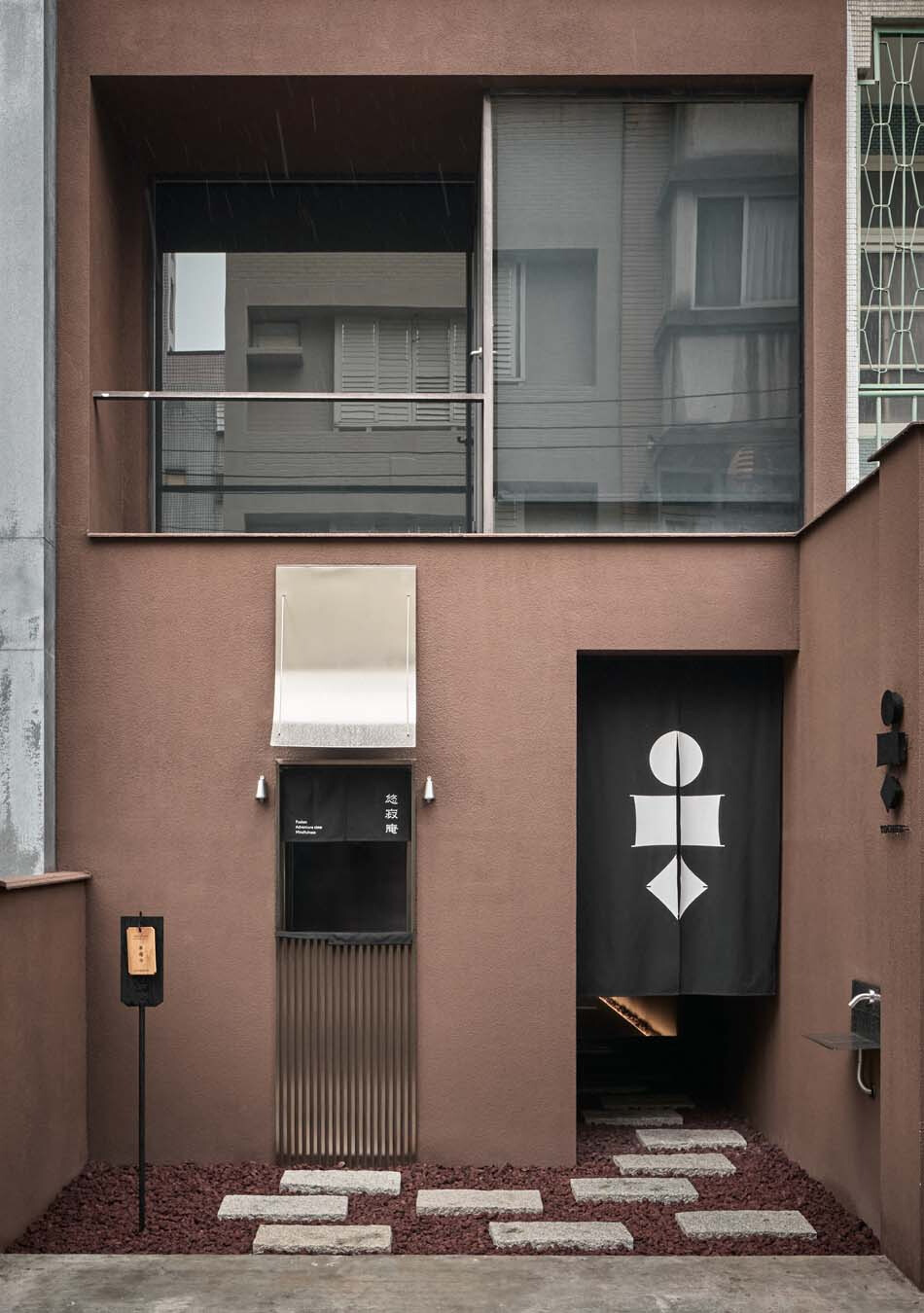
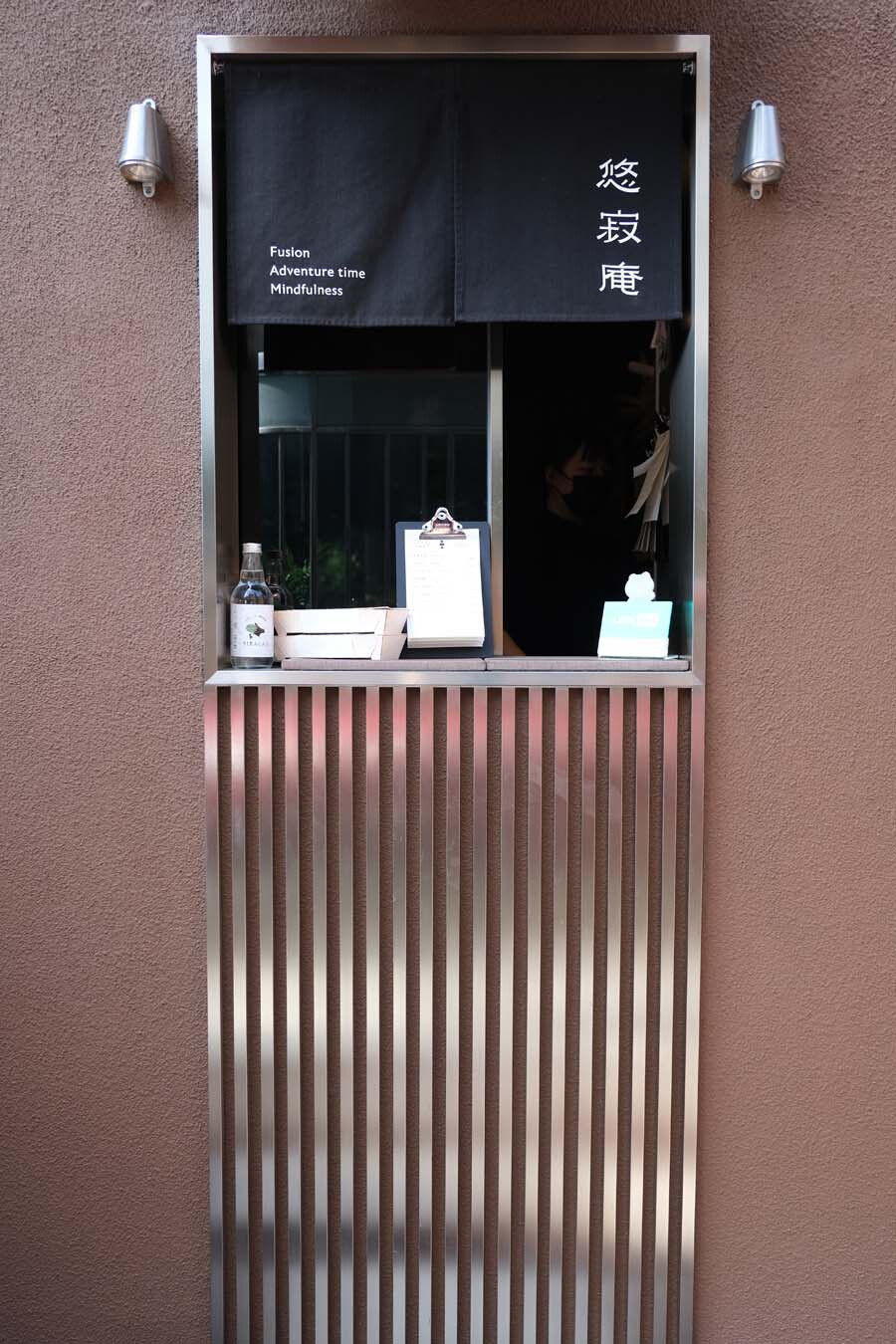
品牌的起步,是一連串的跌跌撞撞,彷彿孩童尚不知挫折為何物,僅憑一股稚嫩的勇氣便想抓住眼前忽閃的靈光——悠寂庵,如今以幽玄清寂的茶室面貌,坐落於人文氣息濃厚的審計新村街區內。赭沙色外立面,僅有一方外帶窗口,販售線上預購禮盒與餐點;右側門簾內則藏著一條飛石小徑,每天接待數量有限的預約客人。空間姿態是內向的,似是刻意保留一段予人觀望的距離。


Yo Chi En began in fits and starts, with the unguarded courage of a child reaching for each flash of inspiration before learning to fear failure. Today, it is a quiet, dimly lit tea room in the Shen Ji New Village area of Taichung, a neighbourhood known for its cultural life. A single takeaway window is set into the muted ochre-red façade, where customers collect gift boxes and food ordered online. To the right, a fabric curtain conceals a stepping-stone path leading inside. The tea room receives only a small number of guests, all by reservation. From the street, little of the interior is visible, leaving passers-by a moment to pause and look.


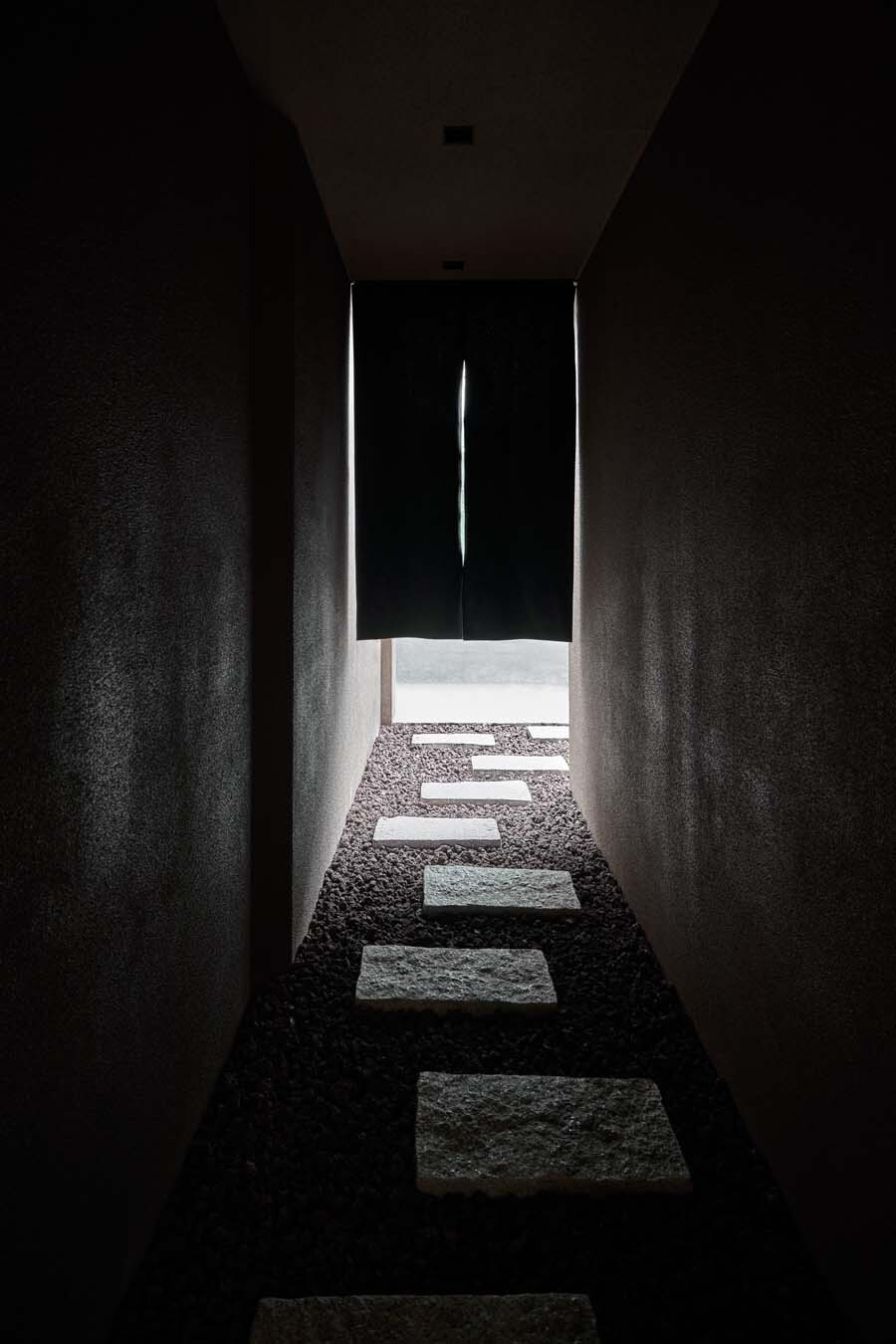
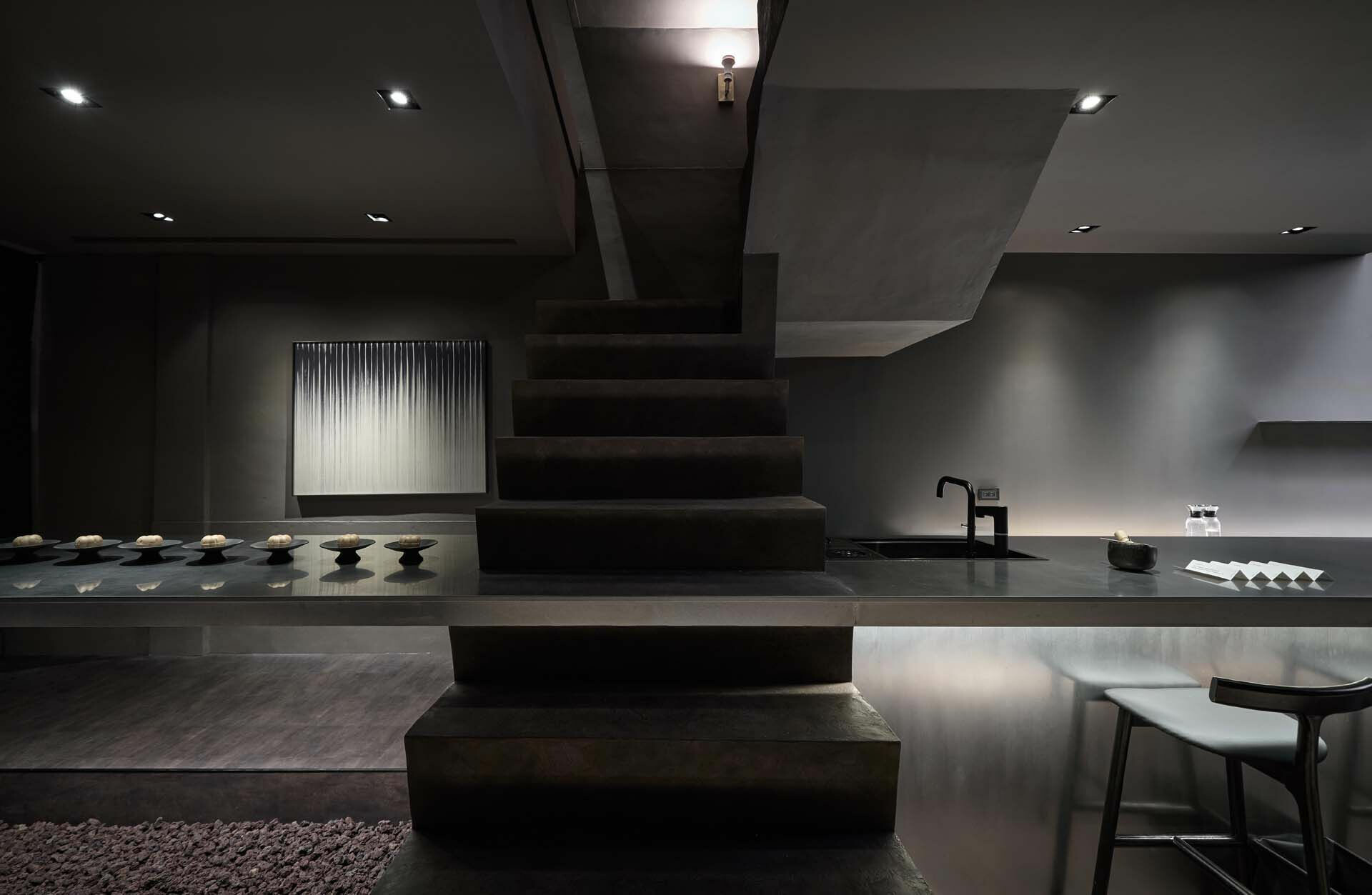
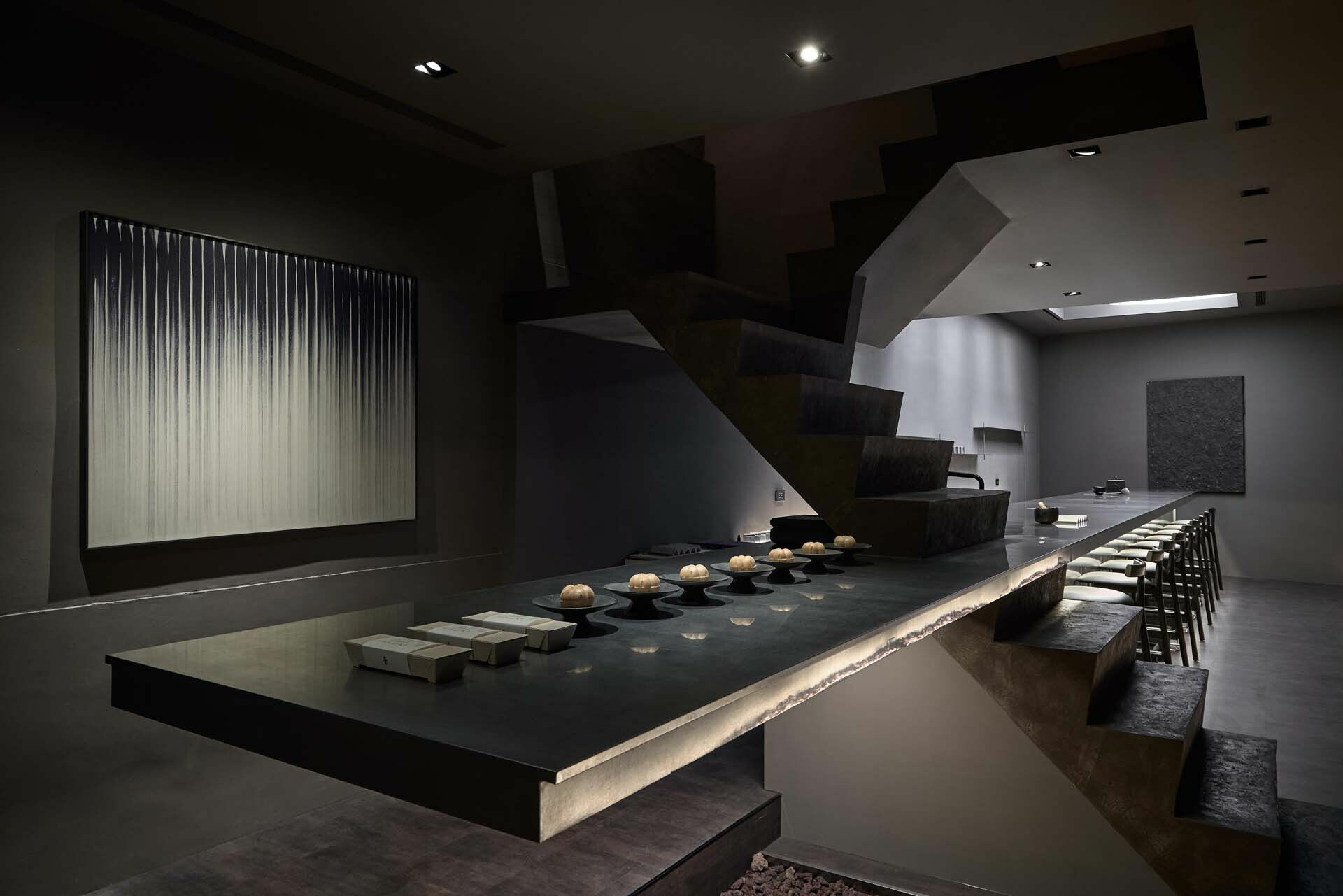
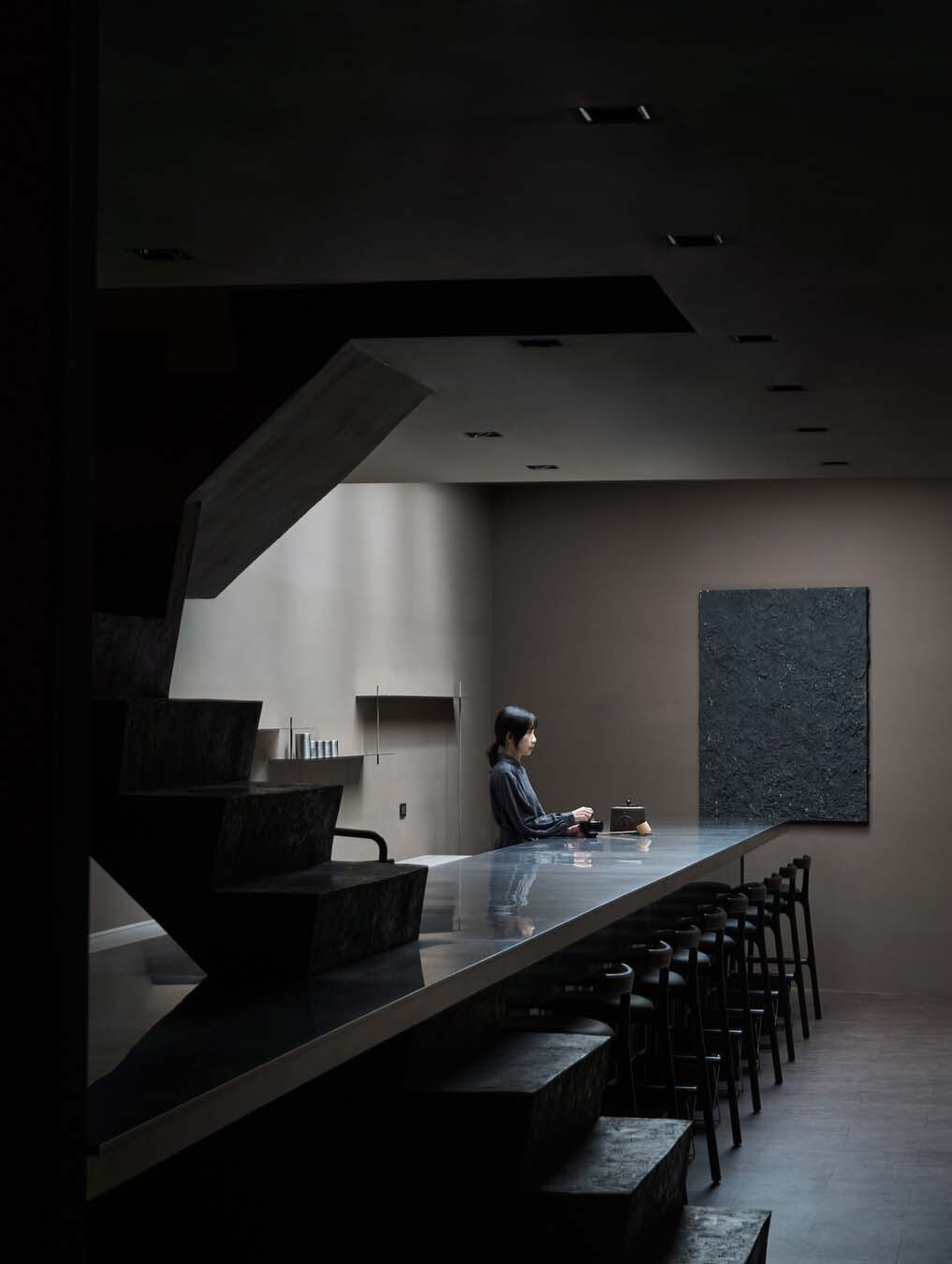
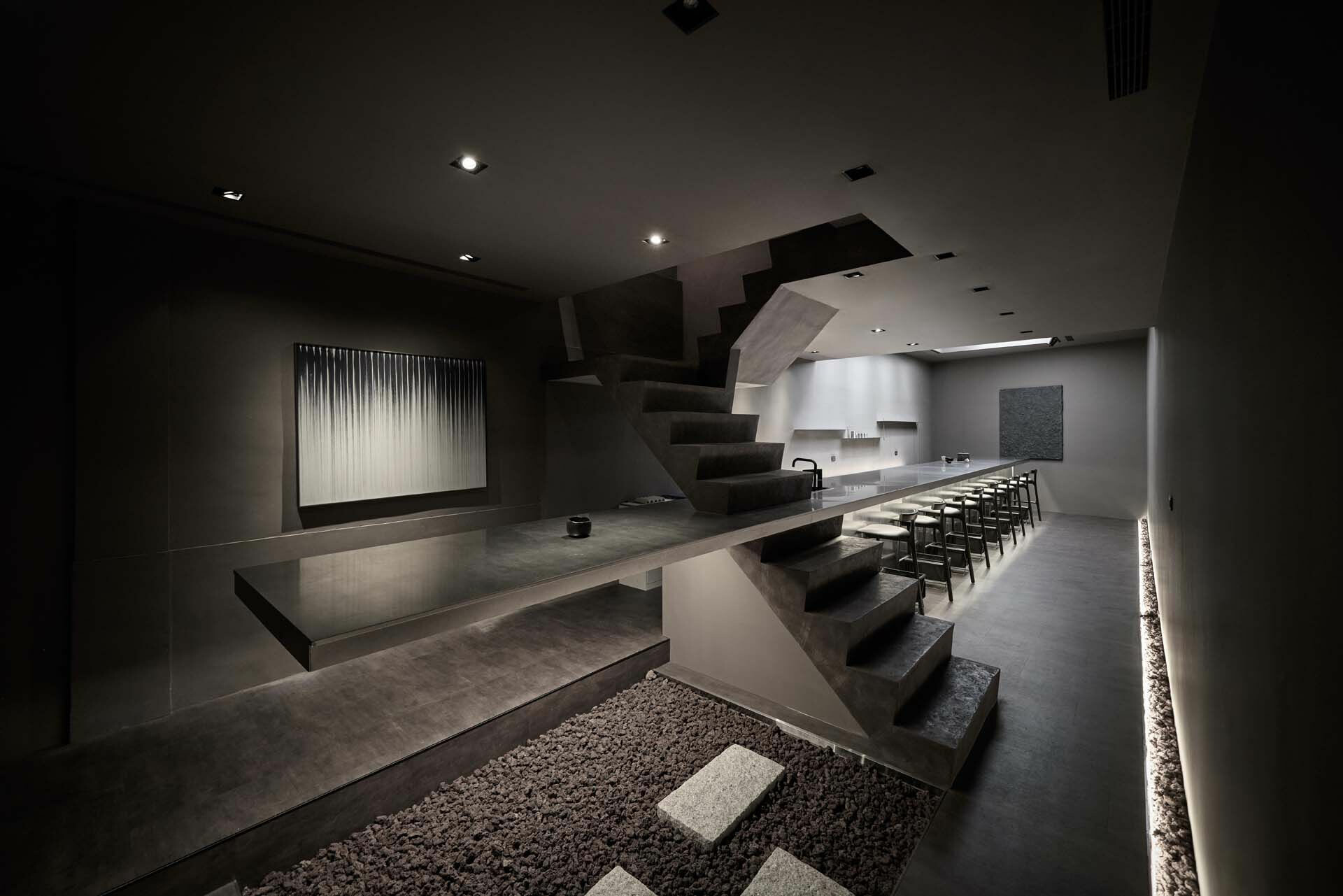
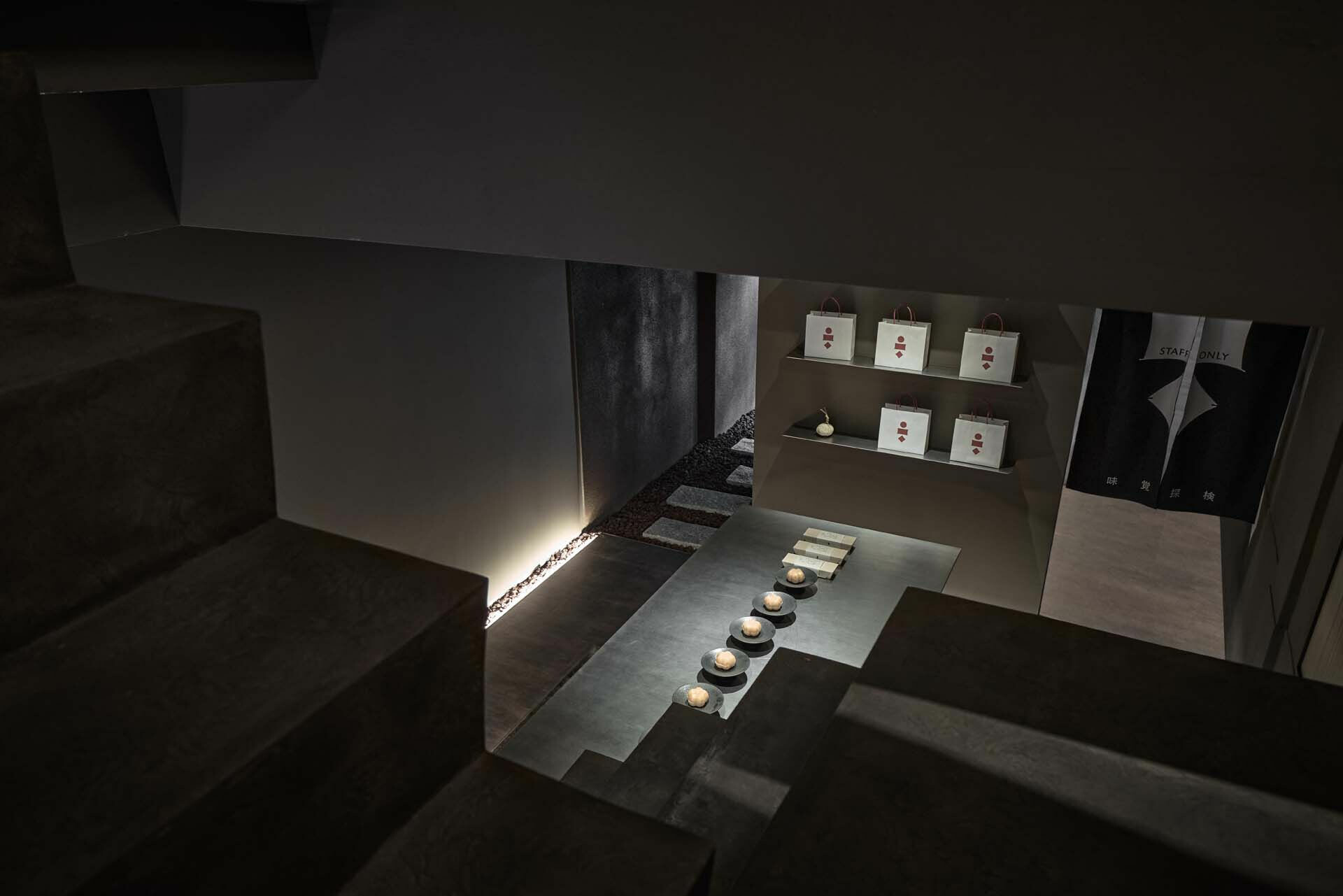
進入甬道後,隨著腳步趨前,天光黯淡,足下的碎石摩擦聲也越發清晰。陰影逐漸收攏視覺,意識亦緩緩凝聚於當下,直至入口處:一道懸浮不鏽鋼檯面於眼前延展開來,末端有光灑落。於板前吧台區落座,侍茶師面對面引導:三種茶,對應三種自我覺察的路徑。於是靜靜轉動茶碗、嗅聞茶氣,感知緊繃的神經逐漸鬆開,茶湯亦讓身體深處暖和起來。當被問及「現在感受如何?」時,縈繞於心的,並非鮮明風味,而是一種緩慢而真實、無以名狀的內在充盈。
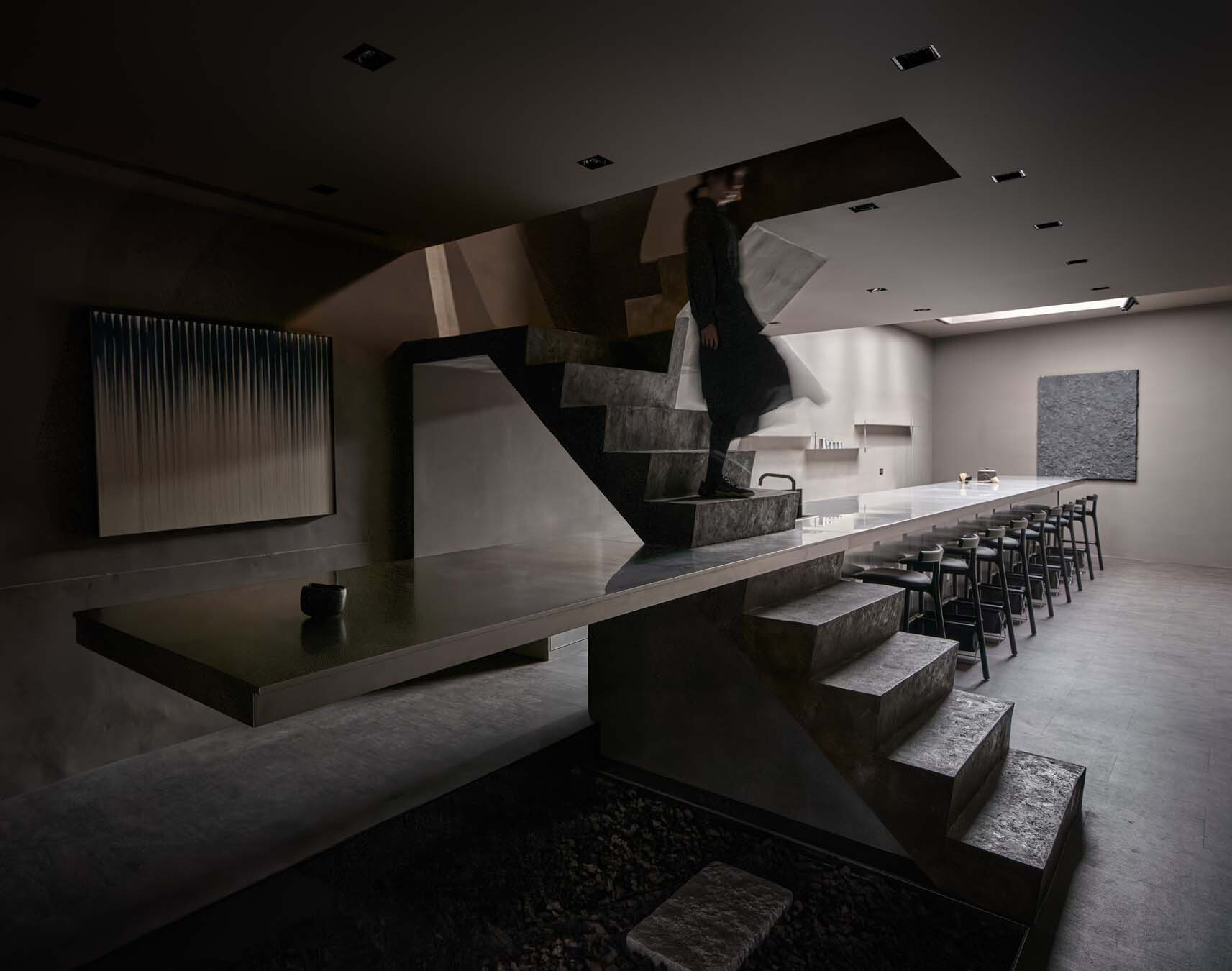


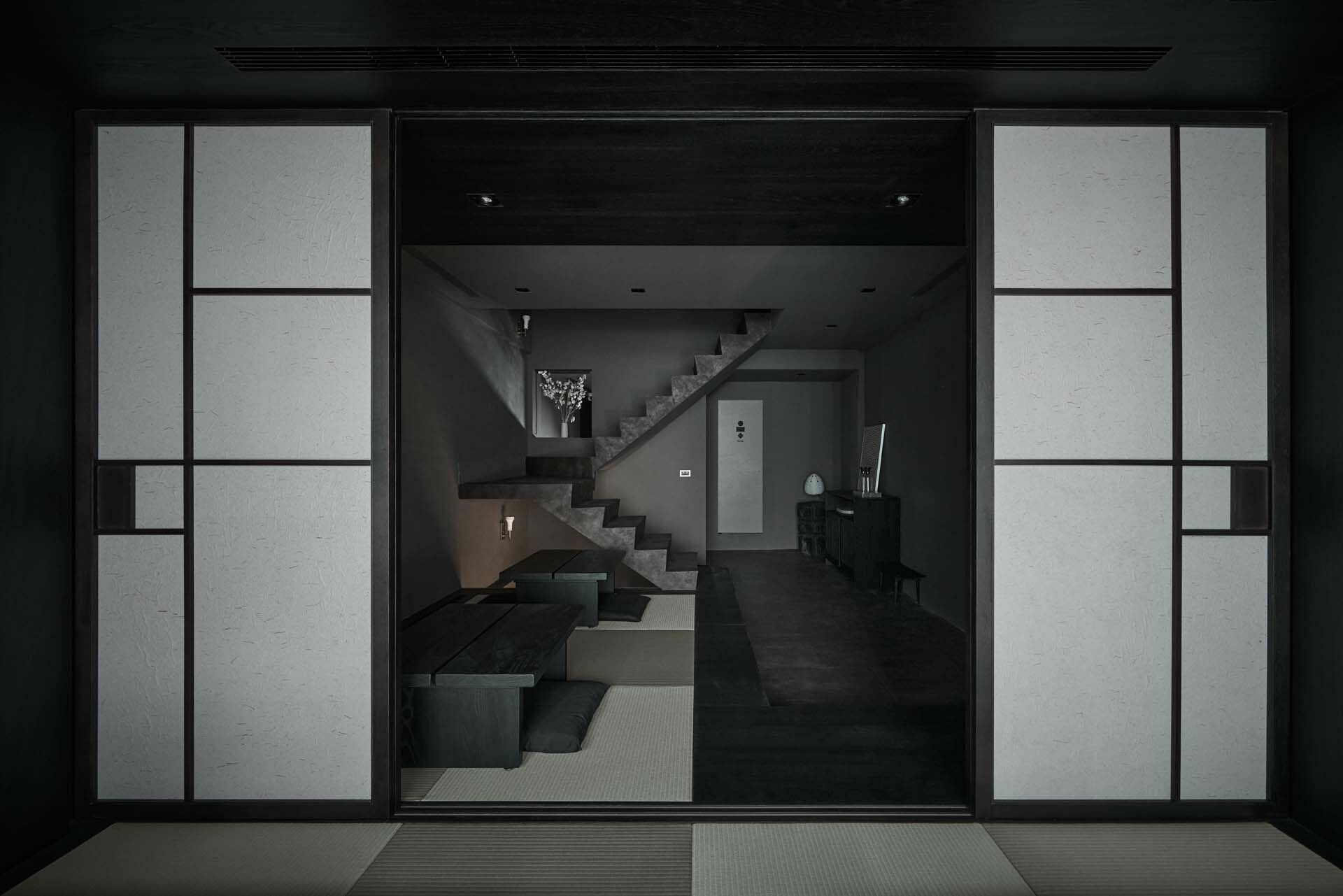
Past the curtain, the narrow passage darkens with each step, and the scrape of gravel underfoot becomes increasingly distinct. As the view narrows, every sound and movement feels more immediate. At the threshold, a long stainless-steel counter comes into view, appearing to float, its far end caught in light. Guests sit opposite the tea host, who guides them through three teas, each asking them to notice something different within themselves. They turn the bowl quietly, breathe in the aroma and feel tension begin to ease as the tea warms the body from within. When the host asks, “How do you feel now?”, what lingers is not a distinct flavour but a quiet fullness that gathers slowly and resists description.

適體性,是面向源頭的追尋


Yo Chi En’s Shitaisei: Asking Why We Drink Tea


陸羽於《茶經》〈一之源〉中記載:「茶之為用,味至寒,為飲,最宜精行儉德之人。」並詳細記錄了茶樹與地方風土、植株特性與藥用之間的關係。而在習茶、品茶的過程中,「悠寂庵」的三位主理人也慢慢意識到,當茶成為一種商業飲品,就不可避免地涉及後天干預與管理,施肥、噴藥、製程,亦成為人為控制風味與品質的關鍵技術。然而,當知曉背後運作邏輯後,卻似乎仍無法回答「為什麼要喝茶?」這個樸素的疑問。直到偶然機緣下,接觸到台灣原生有機茶與野放茶,身體第一次接納了無農藥、茶性溫平的茶湯安撫,他們始察覺:「適體性」也許就是答案。


In “The Origin”, the opening chapter of The Classic of Tea, Lu Yu describes tea as “cold” in nature and best suited, as a drink, to those of disciplined conduct and frugal habits. He also writes about where tea grows, the physical characteristics of the plant and its medicinal uses. As Yo Chi En’s three founders studied, prepared and tasted tea, they came to recognise how much human intervention enters the process once tea becomes a commercial product. Fertilisation, pesticide use and processing all shape flavour and quality. Yet understanding how the system worked still did not answer the simplest question: why drink tea at all? Their thinking shifted after a chance encounter with organically grown teas made from varieties native to Taiwan and teas from low-intervention gardens. They experienced these teas, cultivated without chemical pesticides, as gentle and balanced, and noticeably easier on the body. Yo Chi En calls this Shitaisei, its own term for how well a tea agrees with the body. The founders began to see it as a possible answer.


然而,命運的安排往往隱顯莫測,不知在何處就拐了彎,「悠寂庵」的創業之路亦是一段無心插柳的曲折歷程。一開始三人前往日本學習甜點,是希望研發自製造型的最中餅禮盒。選址時,用狹長空間的理由也很單純,是以「前餐後廚」作為動線考量,孰料簽約後才發現老宅有先天供電的限制,便與房東約定不明火,並順勢轉為線下體驗店經營。於二樓陽台外趴著的金色巨兔「兩百萬兩」,便是斥資向日本大廠訂製專屬模具的見證。甜點已定,進而開啟了佐餐茶飲的探索。自此,每一次決策都必須在「適體性」與「市場取向」間進行價值拉鋸,堅守原則意味著更侷限的原料選擇、以及更小眾的客群。是否值得?又該如何取捨?


Yo Chi En’s business took shape just as indirectly. The three founders had first travelled to Japan to study confectionery, hoping to develop a gift box around a custom-shaped monaka, a Japanese wafer confection. When choosing the site, the long, narrow layout was selected for a simple reason: it suited a front dining area and a kitchen at the rear. Only after signing the lease did they discover the old house’s limited electrical capacity. After agreeing with the landlord to forgo open flames, they adapted the space into an offline experience store. A giant golden rabbit, whose Chinese name means “Two Million Taels”, sprawls across the outer edge of the upper-floor balcony. It recalls the costly custom mould the founders commissioned from a major Japanese manufacturer. With the confection settled, they began exploring teas to serve alongside it. From then on, each decision required a trade-off between Shitaisei and market demand. Holding to the principle meant fewer ingredients to choose from and a smaller audience. Was it worth it? What should take priority?


忠於身體與覺知的道路

 
A Path Shaped by Bodily Awareness


或許是因為足夠年輕,也或許是相信一步一腳印,時光必有回應。堅定初衷的決心,總帶著他們踏上未知的發現之旅。某次發覺日本抹茶粉的進價產生波動時,好奇心便促使他們深入當地茶園探究原因,進而知曉市售品牌抹茶多透過拼配茶葉形成各自的風味護城河。基於對風土溯源的執著,他們進一步探究單一品種茶樹的獨特風味,遂開始與地方茶農合作,成為引入單品抹茶的契機。


Perhaps they were young enough to believe that steady work would eventually bring an answer. That conviction kept drawing them into unfamiliar territory. When the wholesale price of Japanese matcha began to fluctuate, curiosity took them to tea-growing regions in Japan to understand why. There they learnt that commercial matcha is often blended to create a recognisable house style. Determined to trace flavour back to cultivar and terroir, they began exploring the character of individual cultivars and working with regional growers. This led to the introduction of single-cultivar matcha at Yo Chi En. 


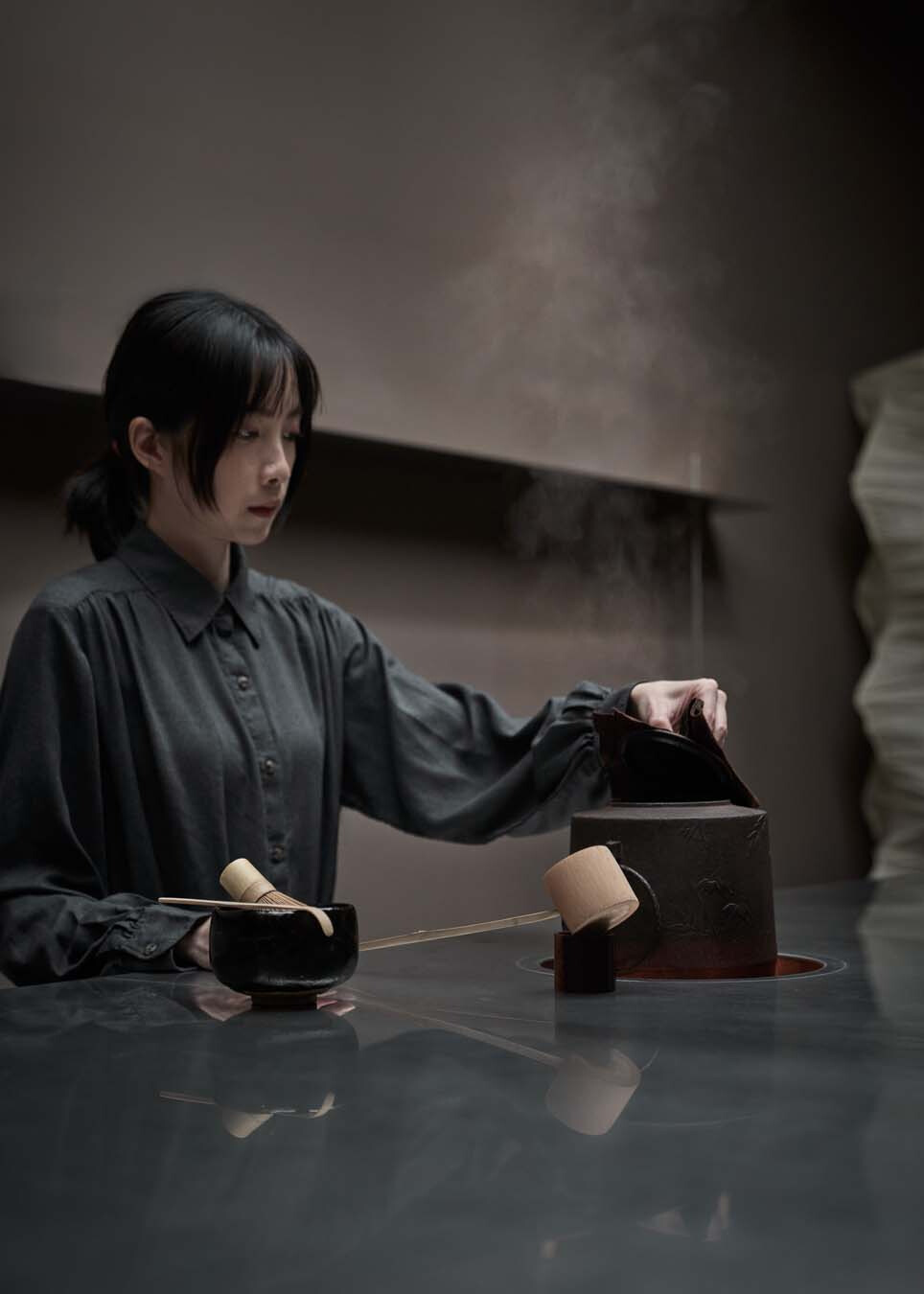
於是在這一方茶室裡,日式和菓子、台灣原生茶與日本抹茶,便以帶有實驗性的矛盾氣質搭配在一起。三條看似不同方向的產品線,其實走在同一價值軌跡上。「悠寂庵」以師承裏千家茶道的刷茶手法,帶出抹茶遞進的口感層次與細緻泡沫,不同風土的茶湯風味立體,旨味呼之欲出。使人暫且放下繁複的規章禮儀,僅憑身體最真實的感覺,進入個人的品茶之「道」。
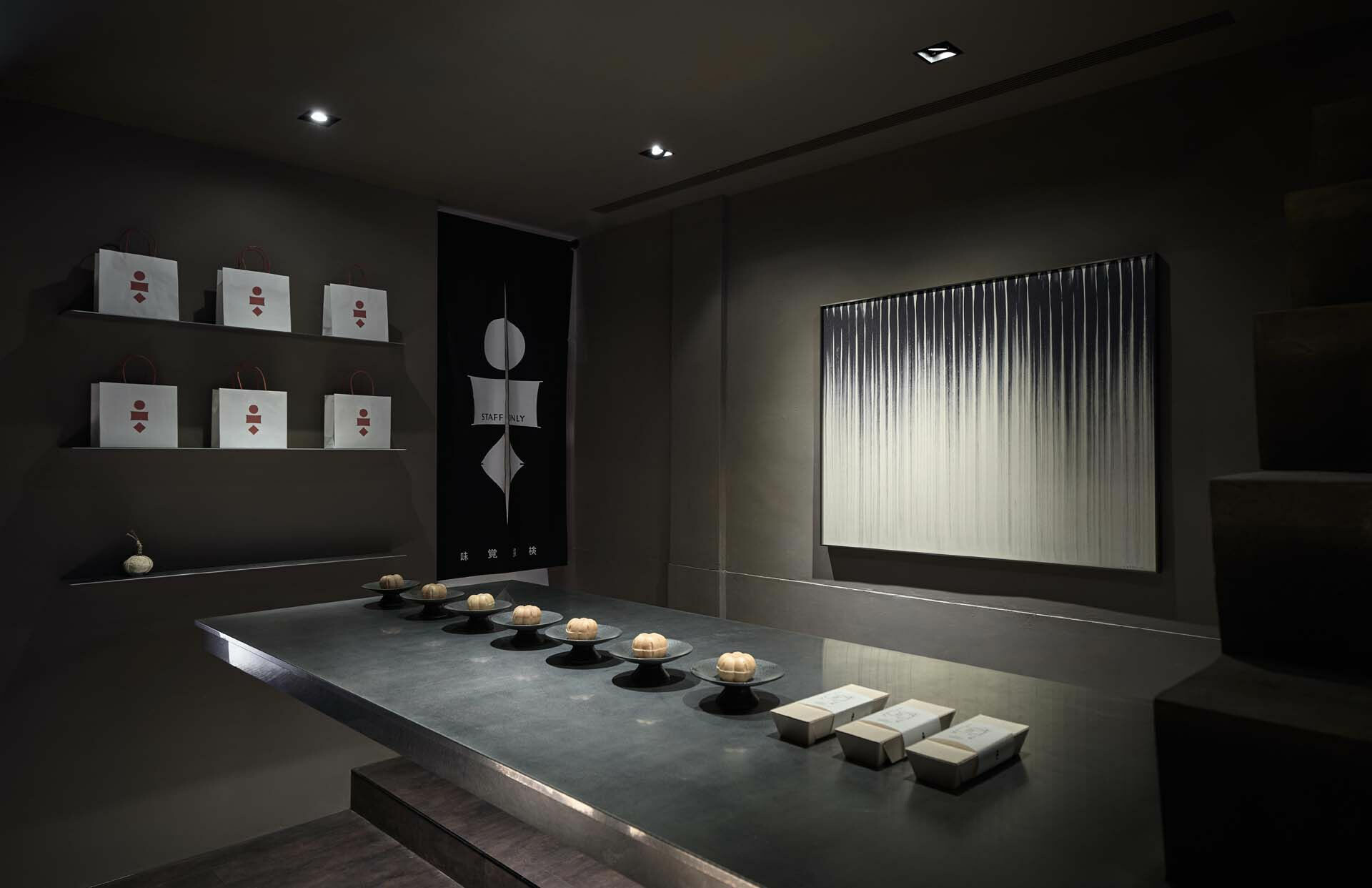


At Yo Chi En, Japanese wagashi, teas made from native Taiwanese varieties and Japanese matcha are brought together in an unlikely, almost experimental combination. Although the three offerings appear to pull in different directions, the same values run through them all. Yo Chi En’s method of whisking matcha draws on techniques learnt through the Urasenke tradition of chadō. Brisk, precise whisking produces a fine froth. On the palate, the matcha reveals layers of texture and flavour, while the differences between teas from different terroirs become more pronounced and their umami comes to the fore. For a moment, guests can set aside formal rules and etiquette, trust what they feel and find their own way of drinking tea.


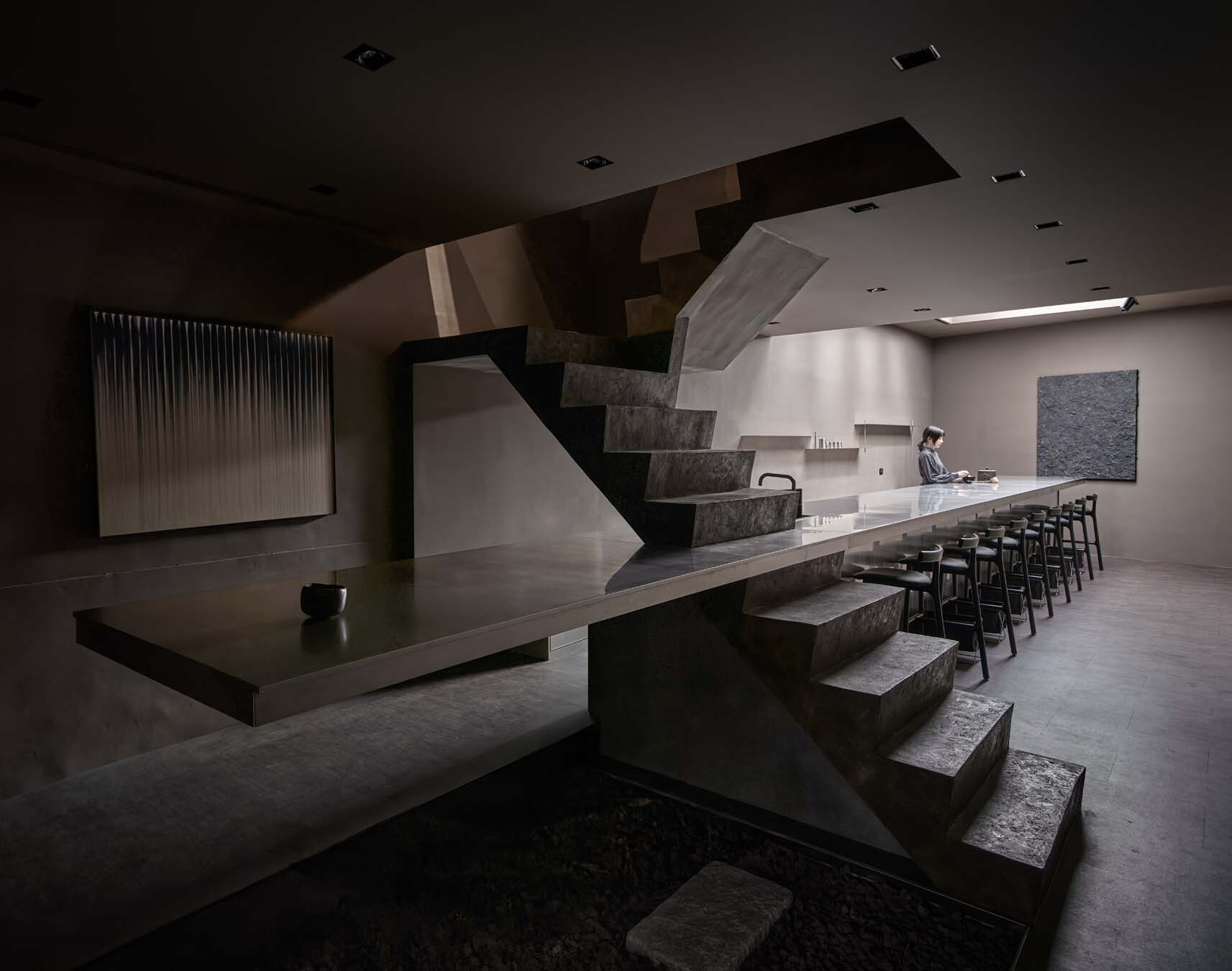
靜坐其中,一道新設的不鏽鋼檯面,嵌入老房子通往二樓的原初台階,本是新舊融合之下的折衷方案,卻也在無意間體現了「悠寂庵」隨遇而安的美學。檯面上不時新增的水漬與刮痕,忽爾流動變化的天井光影,與幾幅抽象而深沉如墨的畫作,都帶有時間的深度與隱喻。自然而然地接納瑕疵、凝視凋萎,直至從每一道缺口中看見時光之美。悠寂庵 Yo-chi-en,音同日文的「幼稚園」,一如三位主理人謙卑學步的心意,一路且看且行,直至柳暗花明。
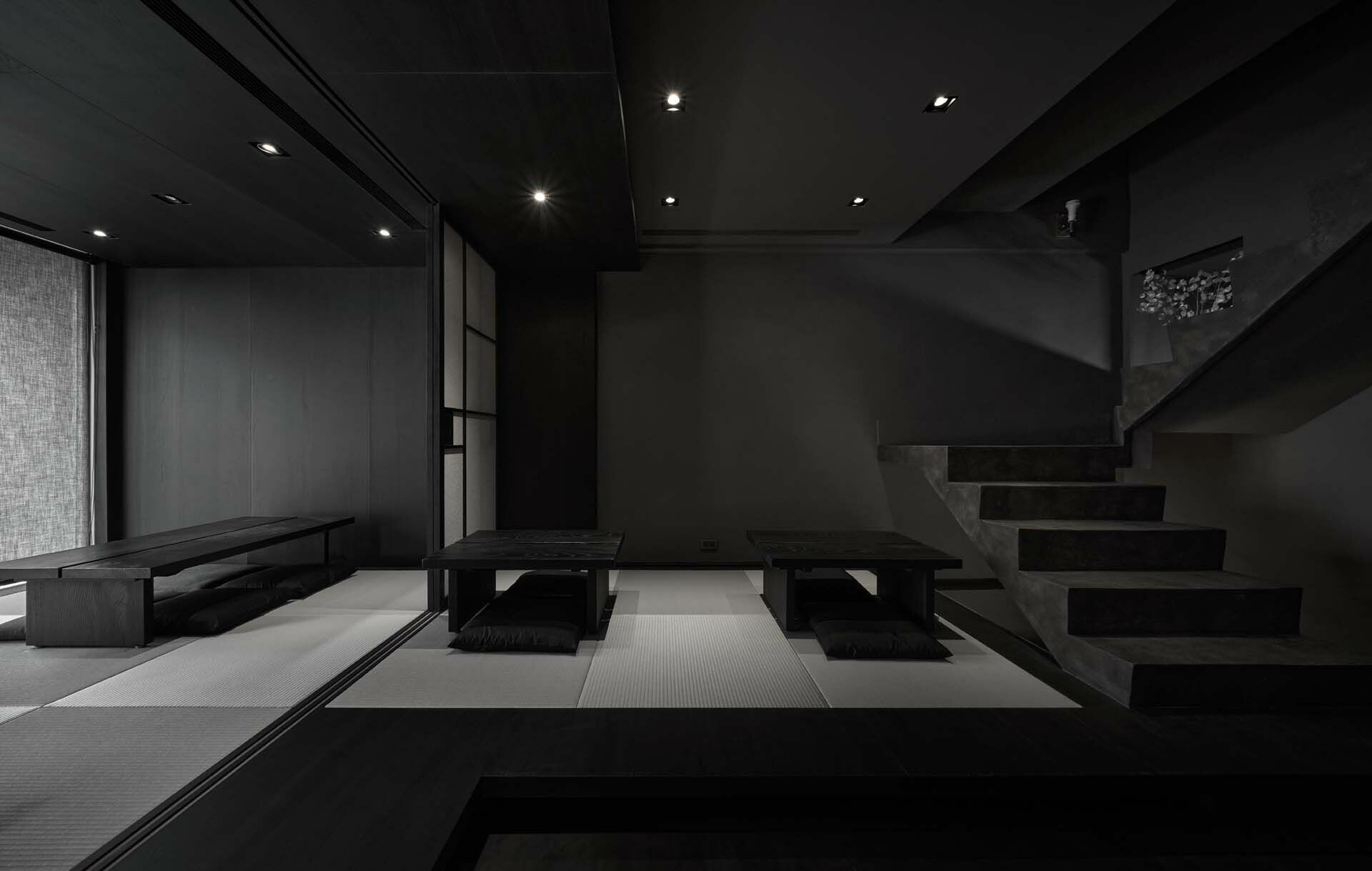
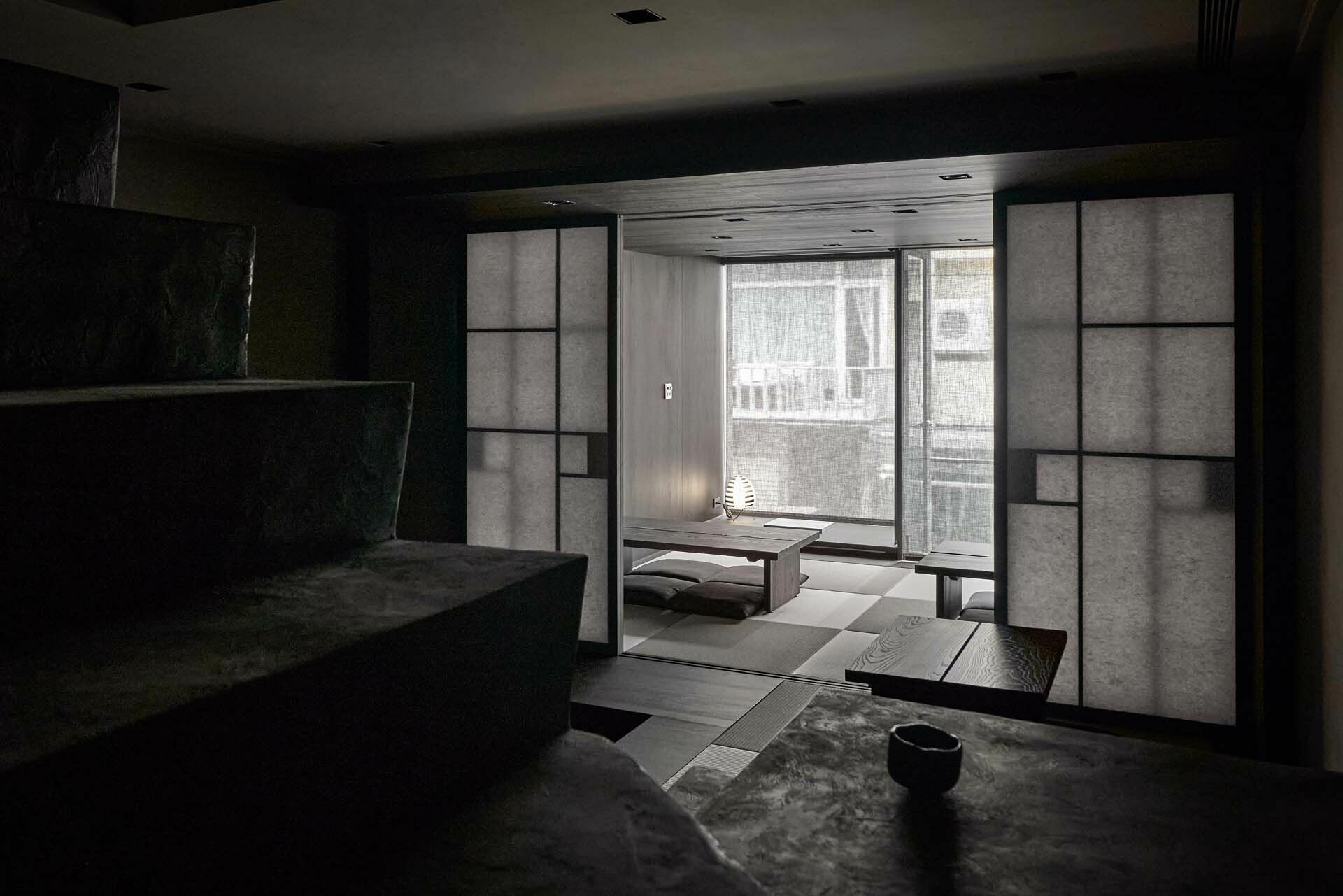


Seated in the room, one notices how a newly installed stainless-steel counter meets the existing staircase to the upper floor. What began as a compromise between old and new also came, almost unintentionally, to reflect Yo Chi En’s willingness to work with circumstances as they are. Water marks and scratches continue to gather on the steel. Light shifts through the skylight, and several abstract paintings, dark and dense as ink, hang nearby. The room does not hide wear or fading. In this setting, it becomes easier to accept imperfection and to see the beauty of time in each flaw. The name Yo Chi En echoes the Japanese word yōchien, meaning “kindergarten”. It reflects the three founders’ wish to remain beginners: to keep learning as they go, until the way forward becomes clear.


悠寂庵 Yo Chi En

  • About
  • Privacy policy
  • Track Order
  • Customer
  • Contact
  • Join us
FACEBOOK
instagram
Language

Copyright © WABISABI ISSUE. 侘寂傳媒有限公司 統一編號:90451315

  • Projects
    • Worldwide
    • Interiors
    • Features
  • Contemporary
    • Exhibitions
  • Record
  • Lifestyle
  • City Explore
  • News
  • Issue
  • About
  • Privacy policy
  • Track Order
  • Customer
  • Contact
  • Join us
Language